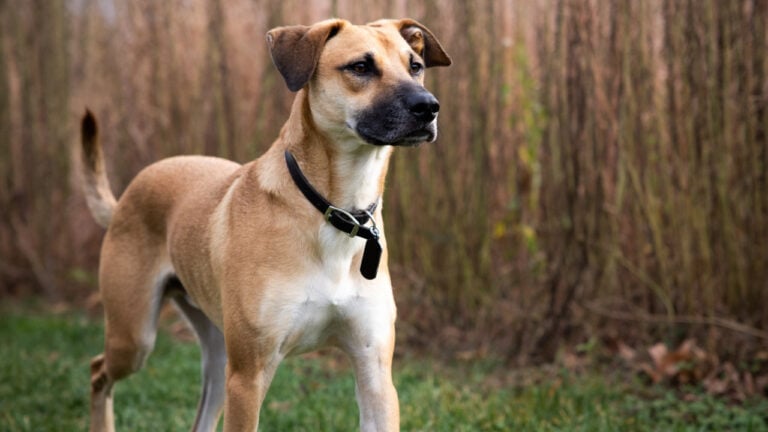
Photo credit: Lenkadan/ Shutterstock.com
Some dogs use their noses casually. Others seem built around them. Tracking breeds were developed to follow scent through woods, fields, swamps, mountains, and places where a person would lose the trail almost immediately. Depending on the breed, that might mean trailing wounded game, running raccoons, following deer, locating people, or staying on an hours-old scent over difficult ground.
The best tracking dogs usually combine nose, persistence, and enough independence to keep working when the trail gets confusing. That can also make them challenging pets because a dog bred to follow scent will often prioritize its nose over your voice. In the right hands, though, these 20 breeds are some of the most impressive scent workers around.
Bloodhound

The Bloodhound is the standard almost every tracking dog gets compared against. Its nose is legendary, and the breed was developed specifically to follow human scent over long distances and difficult terrain. Loose skin and long ears help funnel scent toward the nose, but the real advantage is the dog’s incredible persistence once it locks onto a trail.
A good Bloodhound can work old scent that would be nearly impossible for most dogs to follow. That is why the breed has been used in search-and-rescue and law-enforcement tracking for generations. The downside is that the same nose can make everyday handling difficult. Once a Bloodhound decides a scent matters, recall can become a negotiation. For pure trailing ability, though, very few breeds can match it.
Hanoverian Scenthound
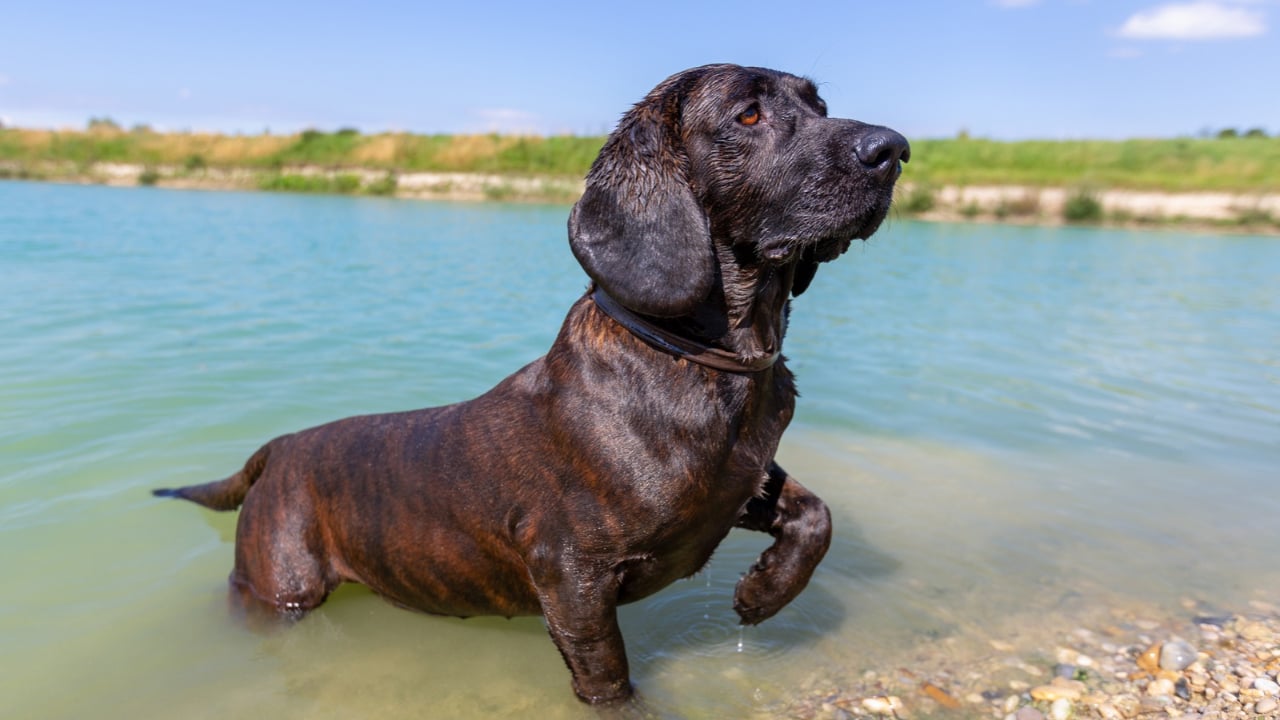
The Hanoverian Scenthound was developed for tracking wounded big game, which requires a different kind of nose than simply running fresh scent. These dogs are expected to stay on a weak blood trail and ground scent long after an animal has moved out of sight.
They tend to work slowly and methodically rather than racing. That deliberate style is exactly what makes them so valuable on difficult recoveries. A good Hanoverian stays focused even when other animal scent crosses the trail, and the breed has enough physical strength to work rough woods and steep terrain for hours. They are rare in the United States, but among serious game trackers they are highly respected for a reason.
Bavarian Mountain Scent Hound
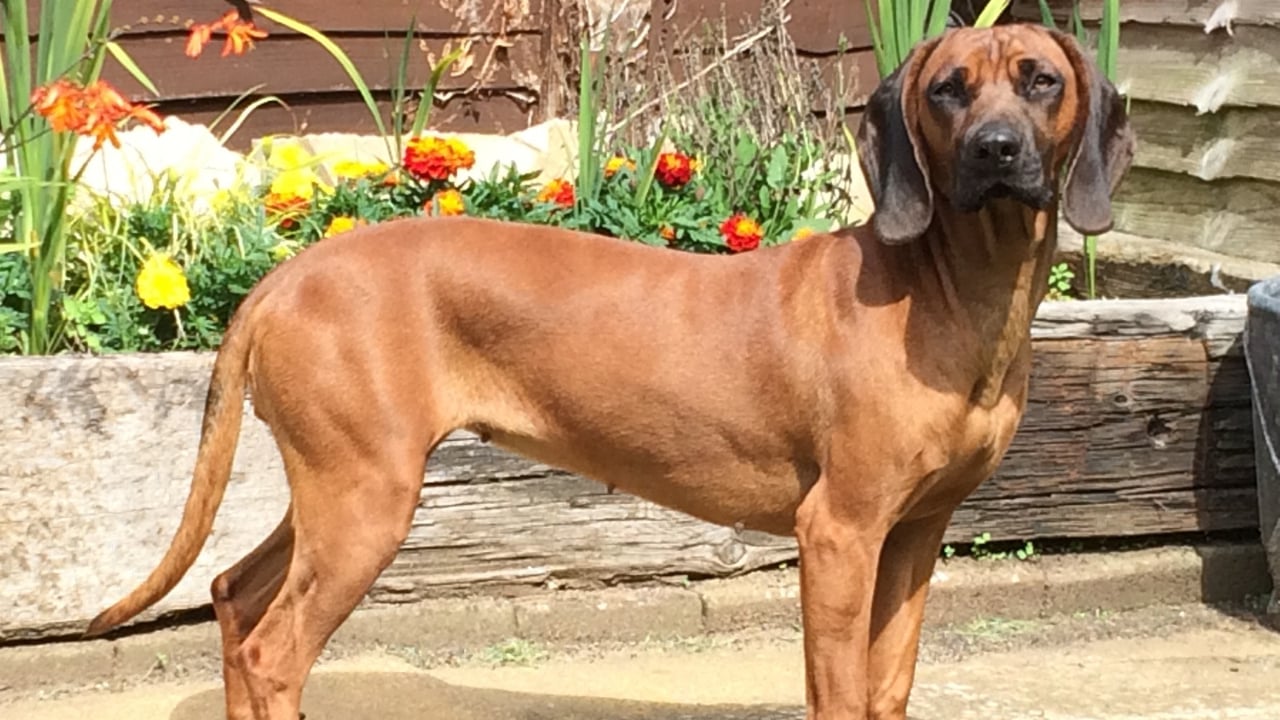
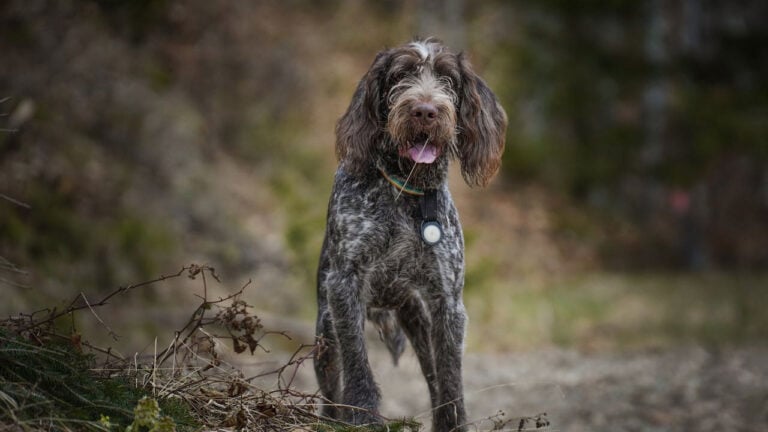
The Bavarian Mountain Scent Hound was developed for wounded-game tracking in steep, difficult country. Compared with heavier scent hounds, it is lighter and more athletic, which helps when the trail leads across rocky slopes, dense forest, and uneven ground.
Its nose is excellent, but endurance is just as important. These dogs are expected to stay mentally focused for long stretches while following weak scent. They tend to form strong bonds with their handlers and work closely rather than ranging wildly. For hunters who need a dog capable of finding wounded deer in rough terrain, the Bavarian combines tracking ability with the physical build to actually reach the animal.
Black and Tan Coonhound
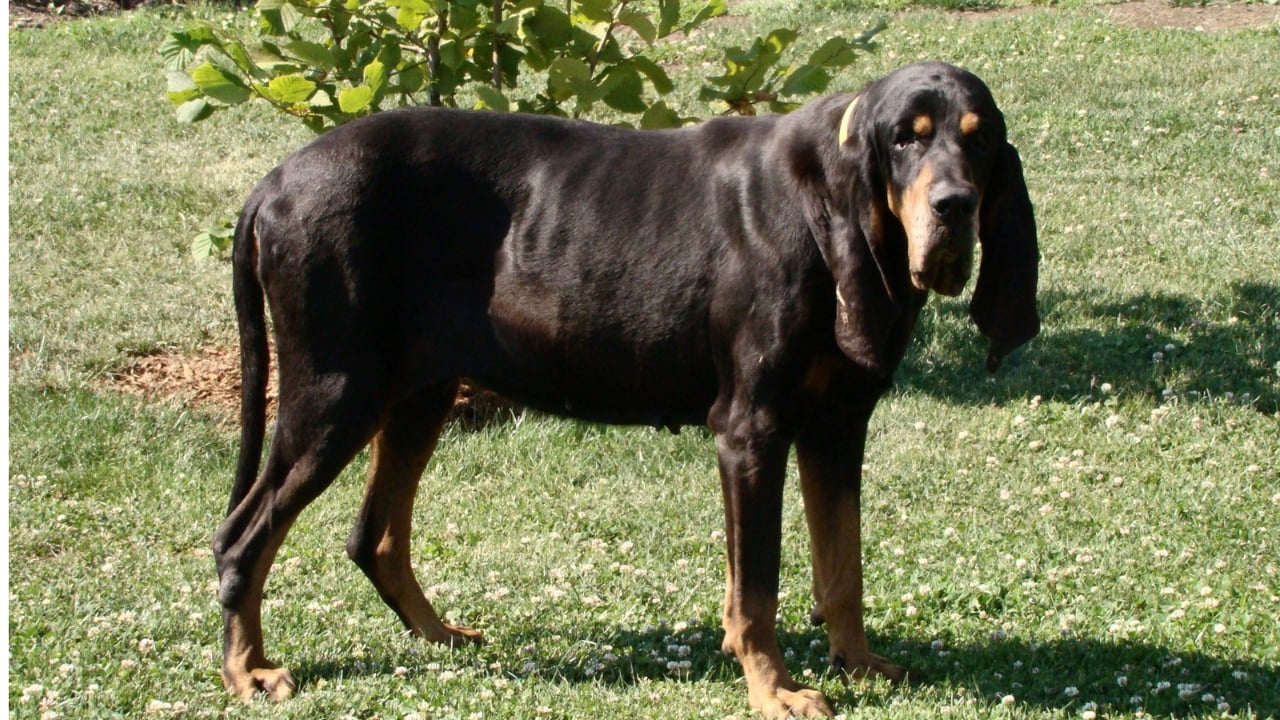
Black and Tans are known for cold-trailing ability, meaning they can work older scent that faster hounds may struggle to sort out. That makes them especially valuable when game has moved through an area hours earlier.
They are deliberate trackers with enough patience to untangle a difficult trail instead of abandoning it for something fresher. Once they commit, they tend to stay with the track and use their deep voice to keep the handler informed. Their independence is a major part of the breed. That can be frustrating around the house, but in the woods it becomes an advantage. A Black and Tan was bred to solve scent problems without needing constant direction.
Bluetick Coonhound
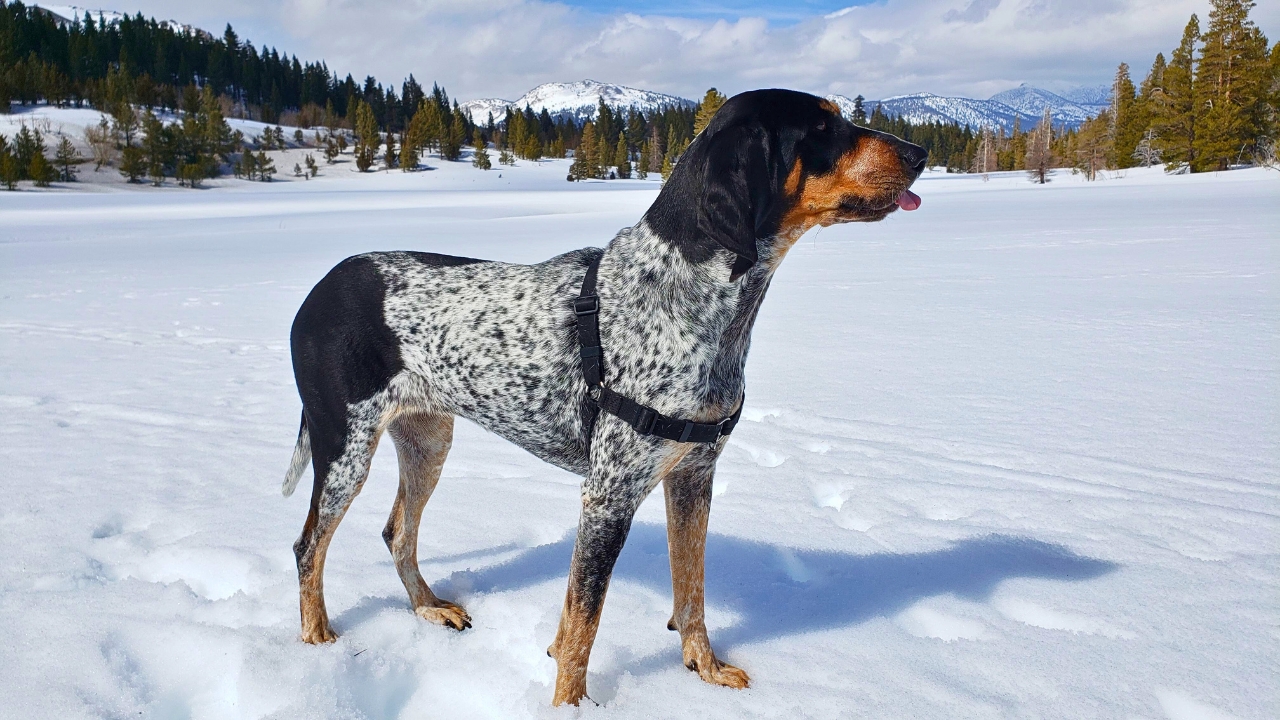
Blueticks are another serious cold-nosed hound with a reputation for sticking with tracks other dogs might lose. Their hunting style is often more methodical than the fastest coonhound breeds, which helps when scent conditions are poor.
They can follow game through woods, creek bottoms, and rough country while maintaining enough endurance for long nighttime hunts. The breed is also known for persistence once it decides a trail is worth working. That can make them hardheaded, but tracking dogs are not supposed to quit easily. For hunters who value nose and patience more than outright speed, a good Bluetick is hard to beat.
Redbone Coonhound

Redbones combine strong scenting ability with a lighter, athletic build that lets them cover ground quickly. They are commonly associated with raccoon hunting, but their noses are capable of working a wide range of game.
Their tracking strength comes from a good balance of speed and persistence. They can move a trail without spending forever on every scent puzzle, yet they usually have enough determination to keep working when things get difficult. Redbones also handle rough timber well, which matters when a track crosses creeks, hills, or thick brush. They are often affectionate family dogs off the hunt, but once the nose turns on, they become focused workers.
Plott Hound

Plotts were developed for large, tough game, so tracking ability had to come with courage and endurance. They have been used on bear, hogs, and other quarry where losing the trail could mean losing the hunt entirely.
Their noses are strong, but their grit is what separates them. A Plott will often stay with difficult game through rough terrain and heavy cover long after a less determined dog might quit. They tend to be more intense than many scent hounds and can be extremely driven once working. For serious big-game tracking, especially in rugged country, the breed has earned a reputation far beyond its relatively small numbers.
Treeing Walker Coonhound

Treeing Walkers are usually thought of as fast coonhounds, but speed would not matter without a good nose. They are capable of moving a track quickly while still staying accurate enough to follow game through timber.
That combination makes them especially effective when fresh scent needs to be pushed hard. They can cover enormous amounts of ground, and their loud voices make it easier to follow the hunt even when they disappear deep into the woods. They may not be as methodical as some cold-nosed hounds, but when conditions are good and the trail is moving, few breeds can track with more speed and energy.
American Foxhound

American Foxhounds were bred to follow scent for long distances, often as part of a pack. Their endurance is exceptional, and they can stay on a trail across huge stretches of country.
The breed tends to be more independent than many modern companion dogs because it was designed to work away from the handler. That makes them difficult in small spaces but extremely capable when given room. Their noses are built for trailing moving game, and they can keep going for hours without losing much enthusiasm. Where legal hunting and land access allow it, the American Foxhound remains one of the most serious long-distance tracking breeds around.
English Foxhound
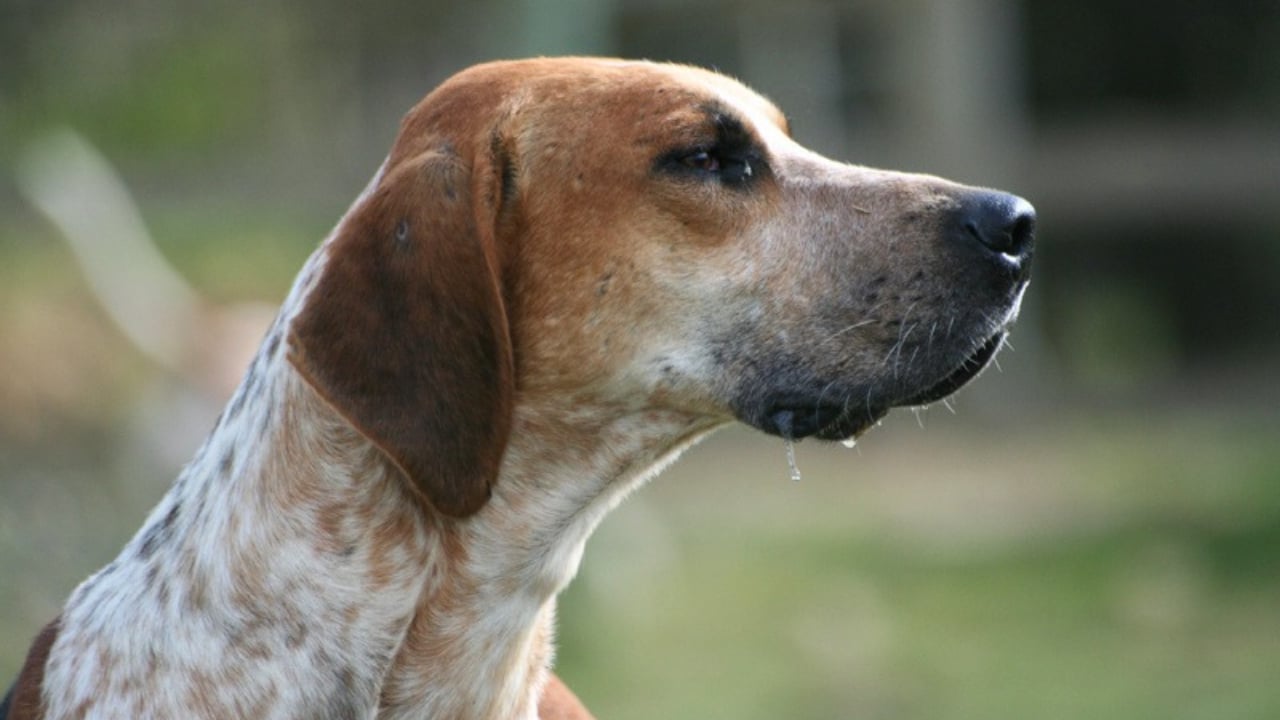
The English Foxhound has a similarly strong trailing background, with centuries of selection for pack hunting and stamina. These dogs were expected to follow scent across varied terrain while maintaining pace with the rest of the pack.
They are not as commonly seen outside traditional hunting circles today, but the instincts remain strong. Their noses, endurance, and ability to work cooperatively make them excellent at following a moving trail for long periods. They are not naturally suited to casual suburban life because the same traits that make them great trackers also make them difficult to contain mentally and physically without real work.
Beagle
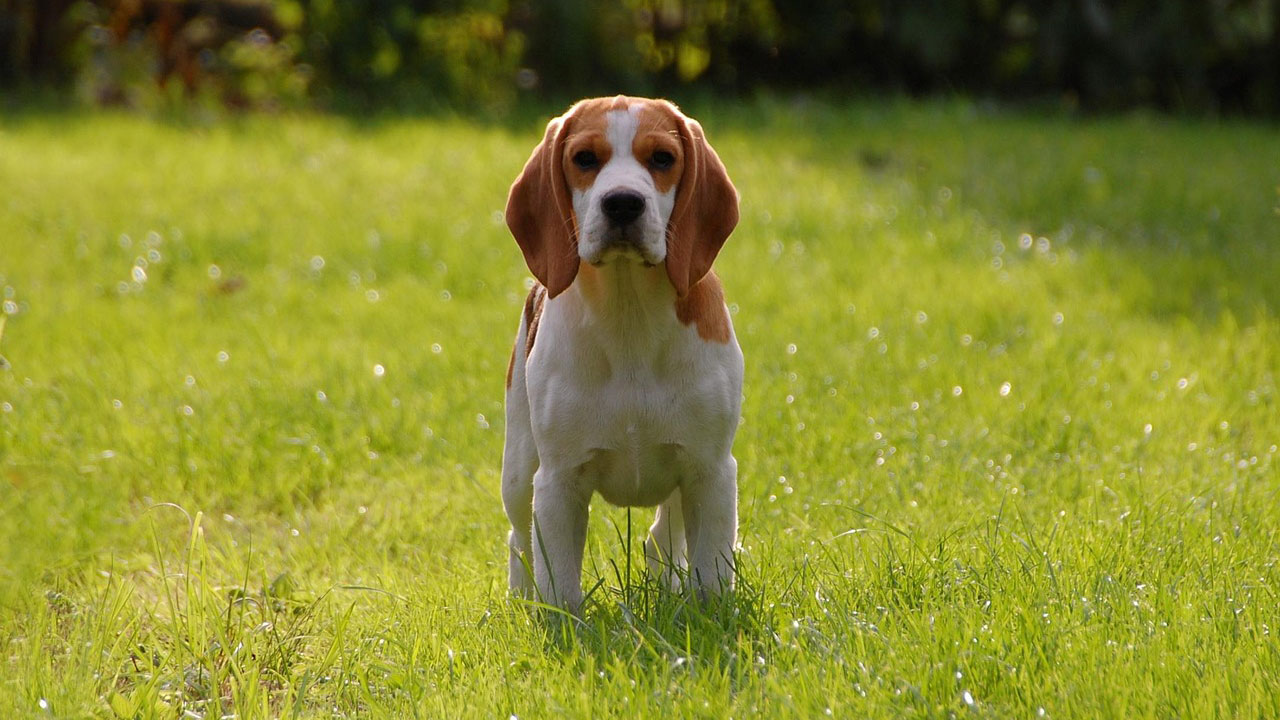
Beagles may be small, but their tracking instincts are serious. They were bred to follow rabbits and hare through thick cover, which requires enough nose to stay on twisting ground scent while the quarry doubles back and changes direction.
Their size actually helps in dense brush because they can move under and through cover larger hounds struggle with. Beagles are also persistent to the point of stubbornness once they find a trail. That is why recall can be difficult if the nose takes over. For small-game tracking, especially rabbits, few breeds combine compact size, nose, and determination as effectively.
Basset Hound
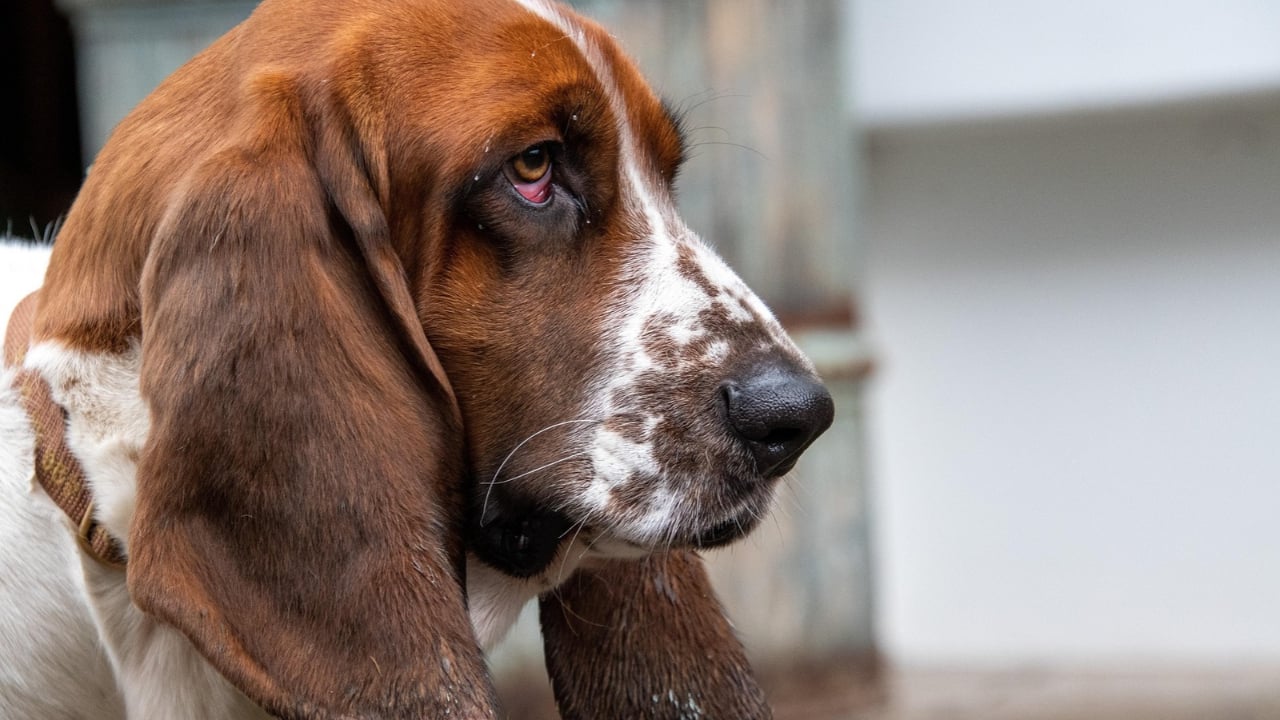
Bassets look slow because they are, but that does not mean their noses are weak. In fact, their tracking ability is one of the strongest in the dog world.
Their low build keeps the nose close to the ground, while long ears and loose facial skin help keep scent around the muzzle. They were bred to follow game at a pace hunters could keep up with on foot. That deliberate tracking style can be extremely effective when accuracy matters more than speed. A Basset may not cover miles quickly, but it can stay committed to a scent trail with remarkable persistence.
Dachshund
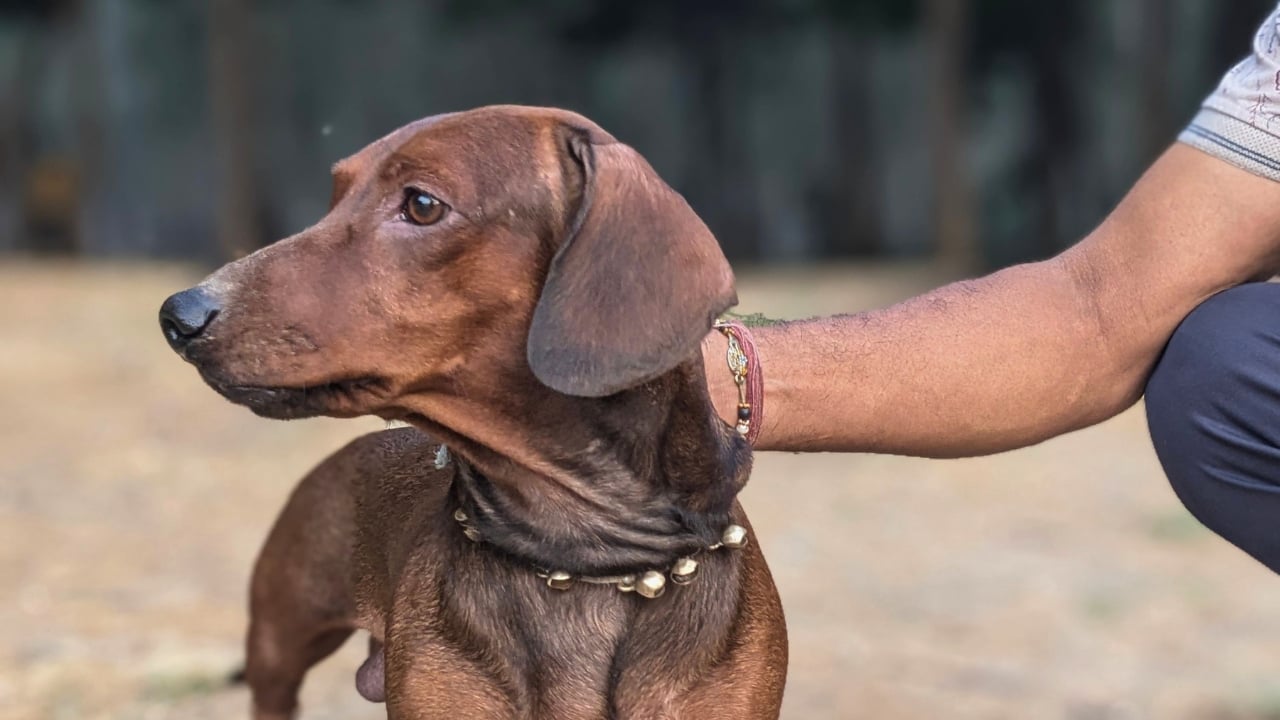
Dachshunds were built for hunting, not just sitting on couches. Their original work included tracking and pursuing badgers and other game, and many still have very strong scent instincts.
Their low body keeps them close to ground scent, and their stubbornness becomes useful when following a difficult trail. In parts of Europe, Dachshunds are still used for tracking wounded deer because they can work methodically on leash and fit easily through dense cover. They are obviously not built for huge distances at high speed, but for controlled blood tracking and close woodland work, they can be surprisingly capable.
German Shorthaired Pointer
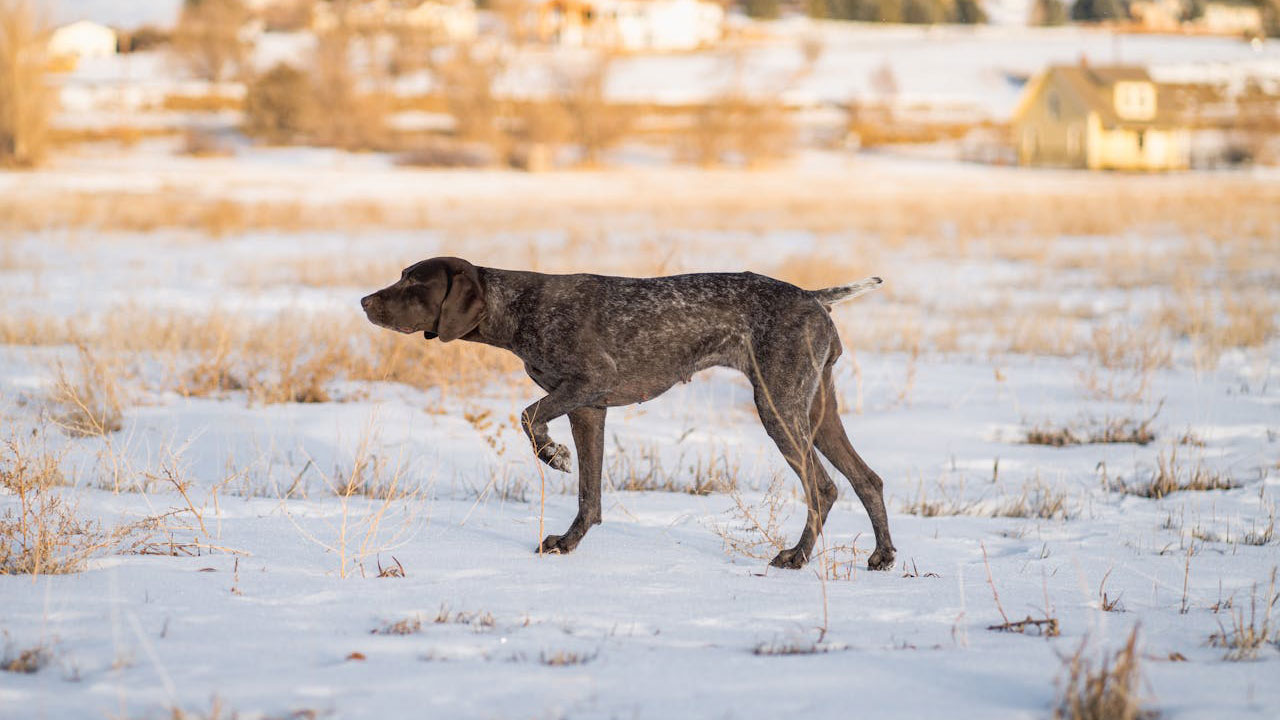
German Shorthaired Pointers are best known for pointing birds, but their noses are versatile enough for tracking as well. They were developed as all-around hunting dogs rather than one-job specialists.
A good GSP can follow wounded game, locate birds, and work scent across a wide range of terrain. Their athleticism gives them an advantage over heavier scent hounds when the track covers open ground or rough country. They usually work faster and more visually than a classic blood-tracking hound, but the underlying scent ability is excellent. For hunters who want one dog to point, retrieve, and track, the GSP remains one of the strongest options.
German Wirehaired Pointer
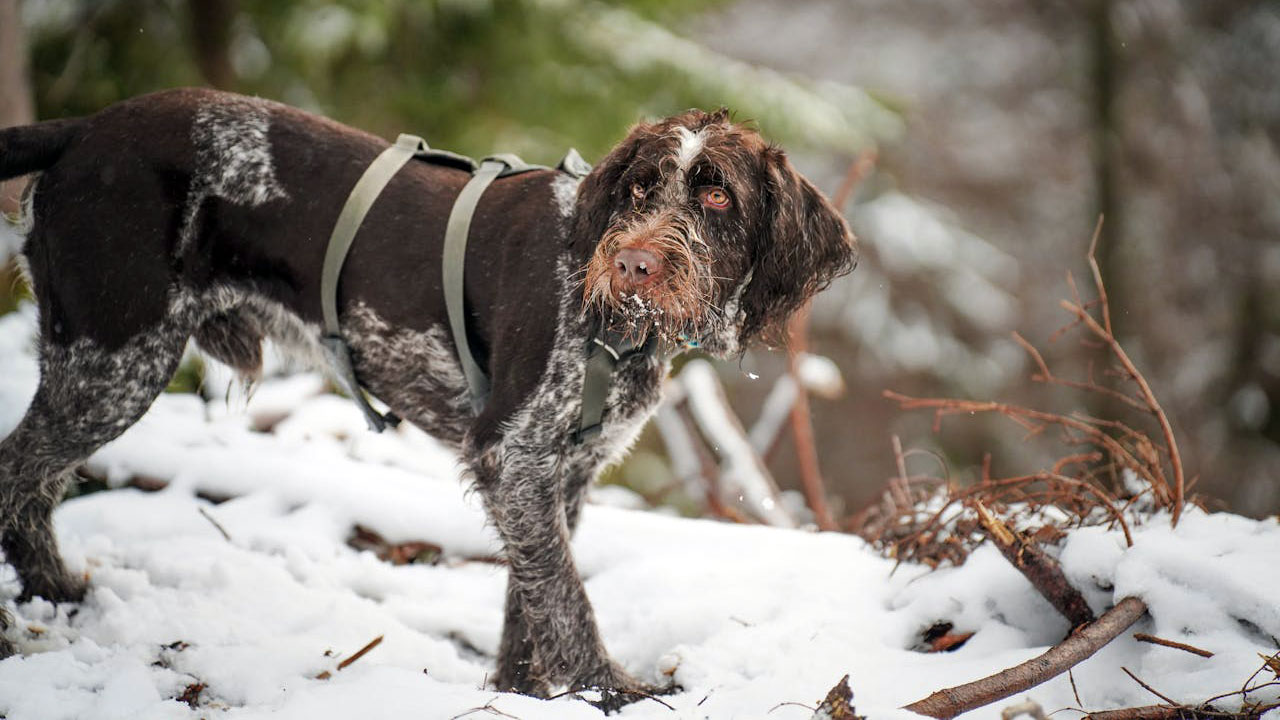
German Wirehairs bring the same versatile-hunting philosophy with a tougher coat and often a little more grit. Their tracking ability is strong enough that many are used for wounded-game recovery in addition to bird work.
The harsh coat protects them in briars and wet cover, which matters when a trail goes somewhere unpleasant. They tend to be persistent and physically durable, allowing them to stay on tracks through woods, marsh edges, and rough ground. Their temperament can be more intense than softer sporting breeds, but that edge helps when the job requires determination. They are one of the better choices for hunters who need a dog to do several things well, tracking included.
Deutsch-Drahthaar
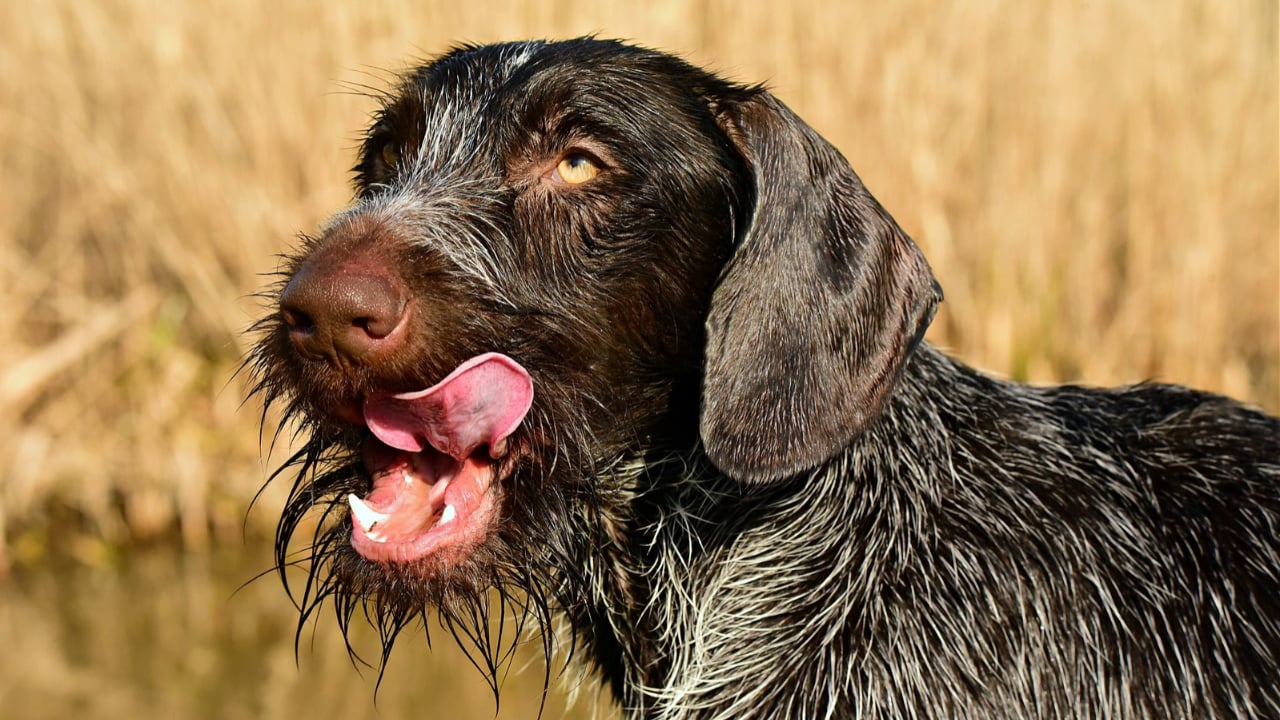
The Deutsch-Drahthaar is bred under a working system that places heavy emphasis on versatility, and blood tracking is a major part of that tradition. These dogs are expected to handle furred game, birds, water work, and wounded-game recovery.
That creates a dog with serious scent ability and the mental toughness to stay on a difficult trail. They tend to work with more intensity than many general sporting breeds, and their coat allows them to push through rough cover without hesitation. For a hunter who wants one dog capable of tracking wounded deer one day and working birds the next, the Drahthaar is difficult to overlook.
Labrador Retriever
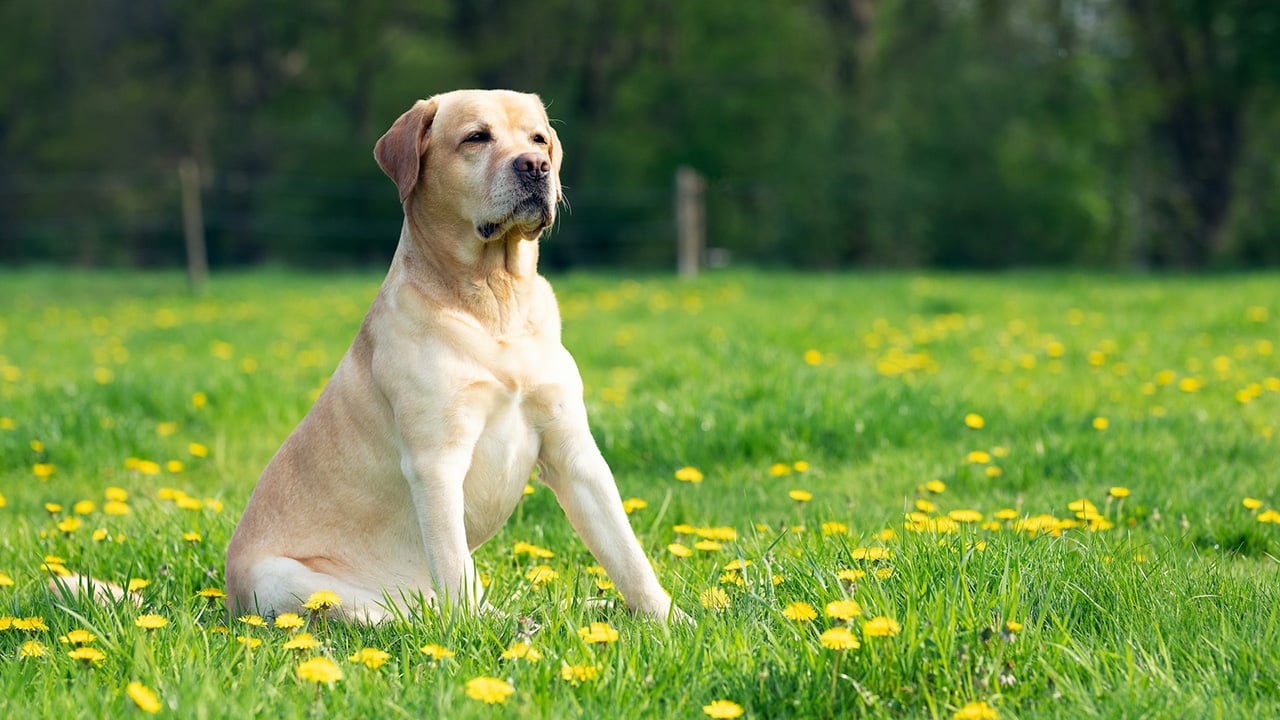
Labs are famous for retrieving, but their noses are much better than many people realize. They have been used in detection work, search-and-rescue, and wounded-game tracking because they combine scent ability with strong trainability.
That trainability is what makes them especially useful. A Lab may not have the cold-trailing specialization of a Bloodhound, but it is often easier to teach to work a controlled track and stay connected to the handler. Their physical endurance and willingness to work also help. For hunters who already own a good Lab for waterfowl, training the same dog for deer recovery can add another useful job without needing a second breed.
English Springer Spaniel
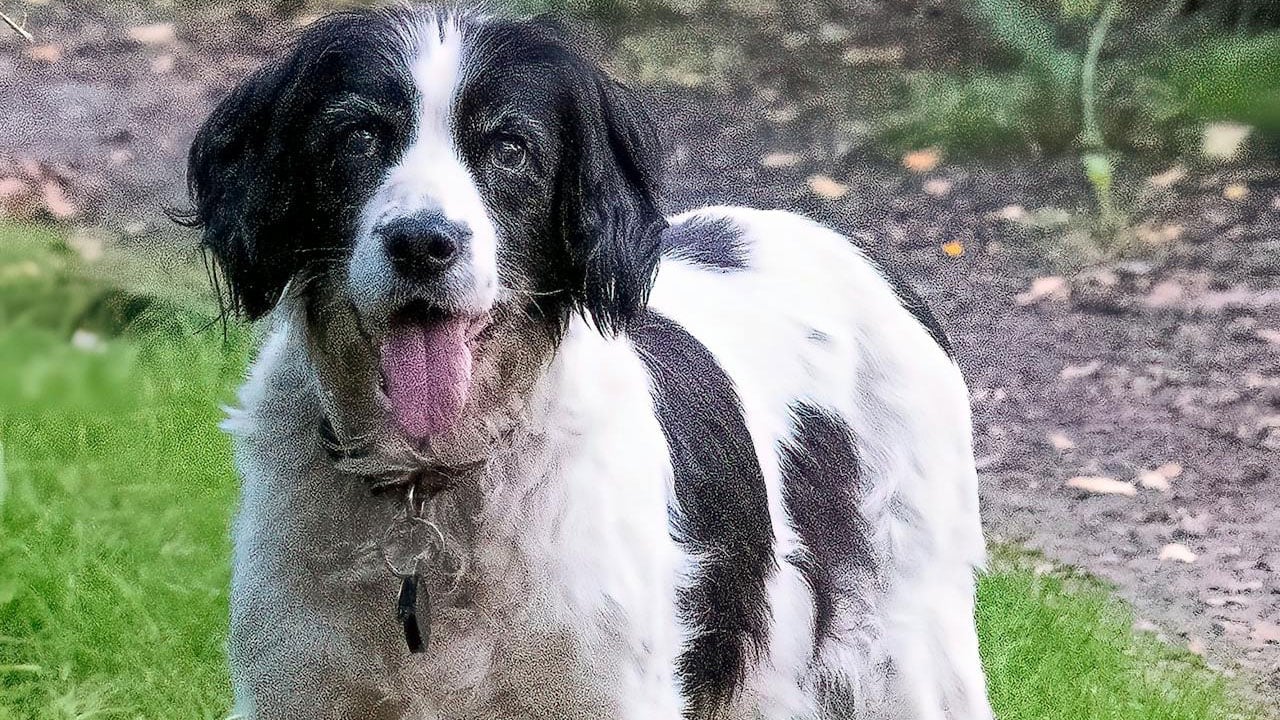
Springers are excellent scent workers because flushing birds requires them to locate game hidden in heavy cover. Their noses are constantly working close to the ground and vegetation, and that ability transfers well to tracking.
They tend to work closely with handlers, which makes them easier to control than many independent hounds. A Springer can track wounded game, locate birds, and search cover thoroughly without disappearing over the horizon. Their medium size also helps in dense woods. They may not be the first breed people think of for tracking, but the combination of nose, cooperation, and endurance makes them far more capable than most give them credit for.
Alpine Dachsbracke
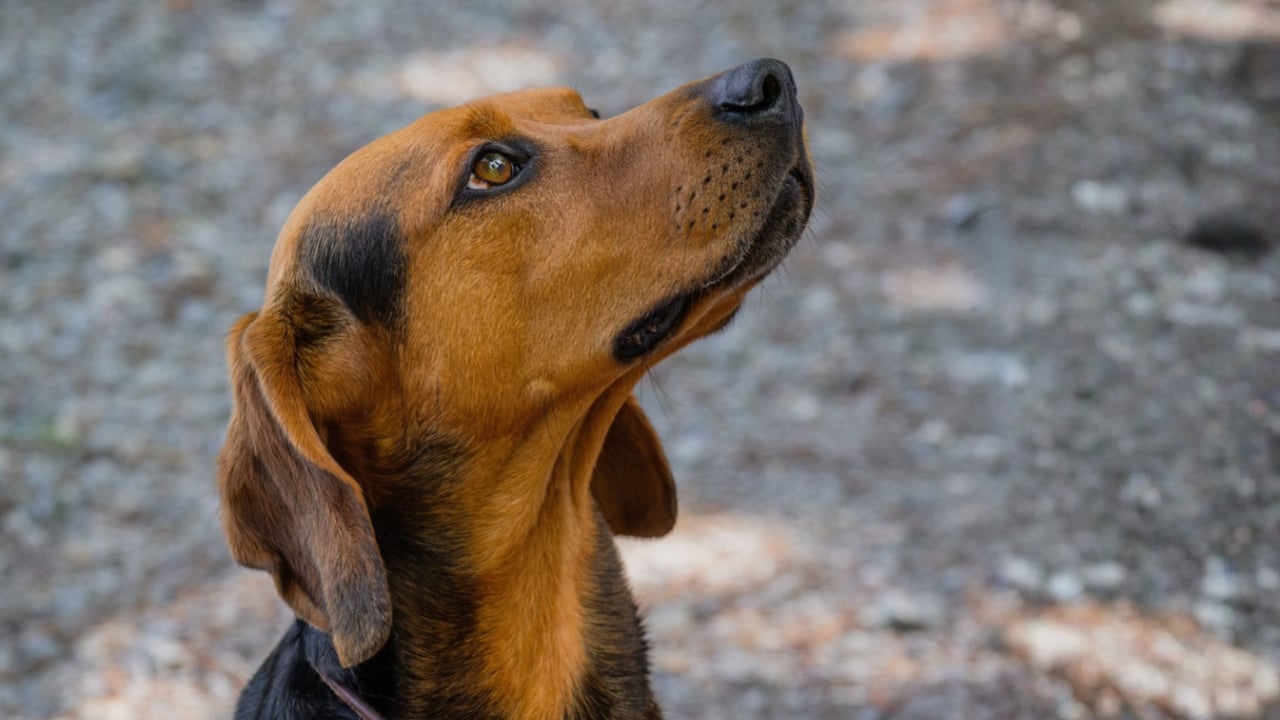
The Alpine Dachsbracke is a compact European scent hound developed for tracking wounded deer and other game through mountain terrain. Its short legs and sturdy build give it a low center of gravity that works surprisingly well on steep ground.
The breed tracks methodically rather than racing, and that slow approach helps when scent is faint or broken. It can follow blood and ground scent while staying manageable on leash, which is important during controlled recovery work. The Alpine Dachsbracke is not widely known in the United States, but its entire design makes sense once you see the job it was bred to do. It is a small dog with very serious tracking ability.
Like The Avid Outdoorsman’s content? Subscribe to our newsletter so you never miss an article.
Here’s more from us: