Photo credit: The Canadian Gun Vault Inc./YouTube
Revolvers are supposed to be the simple answer. Toss one in a chest rig for bear country, keep one in the truck, carry one on the trapline, or hunt with one because you like doing things the hard way. The problem is a bunch of the cartridges that made revolvers famous have drifted into “collector ammo” territory. Not rare, not impossible, just painful enough that you start leaving the gun in the safe instead of actually practicing with it.
Below are 20 revolver cartridges that still do what they were built to do, but the price and availability have pushed them out of regular rotation for a lot of outdoorsmen.
1. .41 Remington Magnum
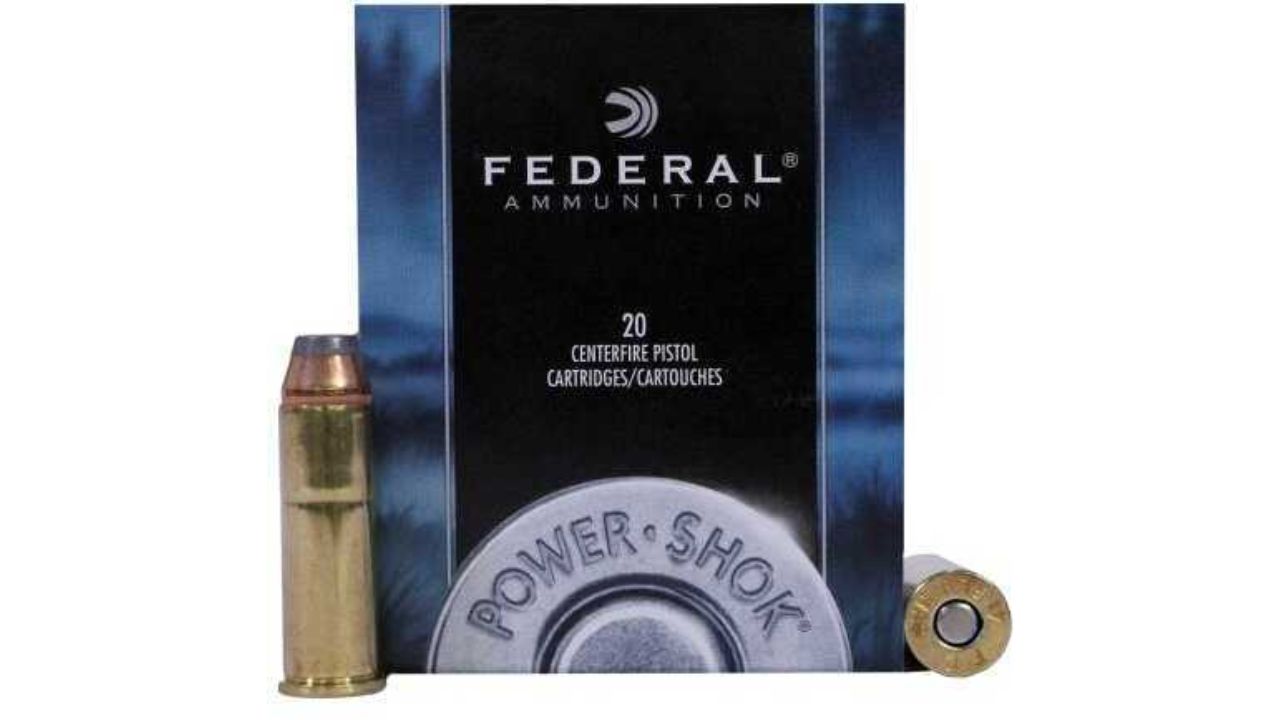
.41 Magnum is one of those calibers that makes total sense once you shoot it. It hits hard, shoots flatter than you’d expect, and doesn’t beat you up like full-house .44 Magnum loads can. It was built for serious work—big-bodied deer, hogs, and woods defense—without being ridiculous. The problem is you can walk into a store that has three shelves of .44 and .357 and find exactly zero .41.
When you do find it, it’s rarely “range ammo.” It’s premium hunting loads with premium price tags, which discourages practice, and practice is the whole deal with a revolver. A .41 that you don’t shoot becomes a heavy, good-looking paperweight. If you handload, it’s a different story, but not everyone has time to live at the bench.
2. .44 Special

.44 Special was built to be a big, slow, accurate thumper, and it still is. In a medium-frame revolver it’s a sweet spot for carry, and in a longer barrel it’s a relaxed, accurate woods-walking round. It does the “big bore without the drama” thing really well. The trouble is it often costs nearly as much as .44 Magnum, and sometimes more.
That price doesn’t match what most folks want to do with it: practice a lot and carry it confidently. .44 Special should be the easygoing alternative, but it’s increasingly treated like a boutique nostalgia cartridge. You can still make it work, but you’ll feel it every time you run a couple boxes through the gun on a Saturday.
3. .45 Colt

.45 Colt is as classic as it gets, and it’s still legitimately useful. In a strong modern revolver, it can be loaded mild for everyday shooting or stout for hunting and defense. In a single-action, it carries nice and points natural. The cartridge was built to do real work, not sit behind glass.
What’s happened is the price split. Basic cowboy loads aren’t always cheap, and the heavier “Ruger-only” style hunting loads are downright expensive. On top of that, not every .45 Colt revolver is built for the same pressure levels, so buyers get cautious and manufacturers price accordingly. It’s not unusable, but it’s harder to justify as an everyday shooter unless you reload.
4. .454 Casull
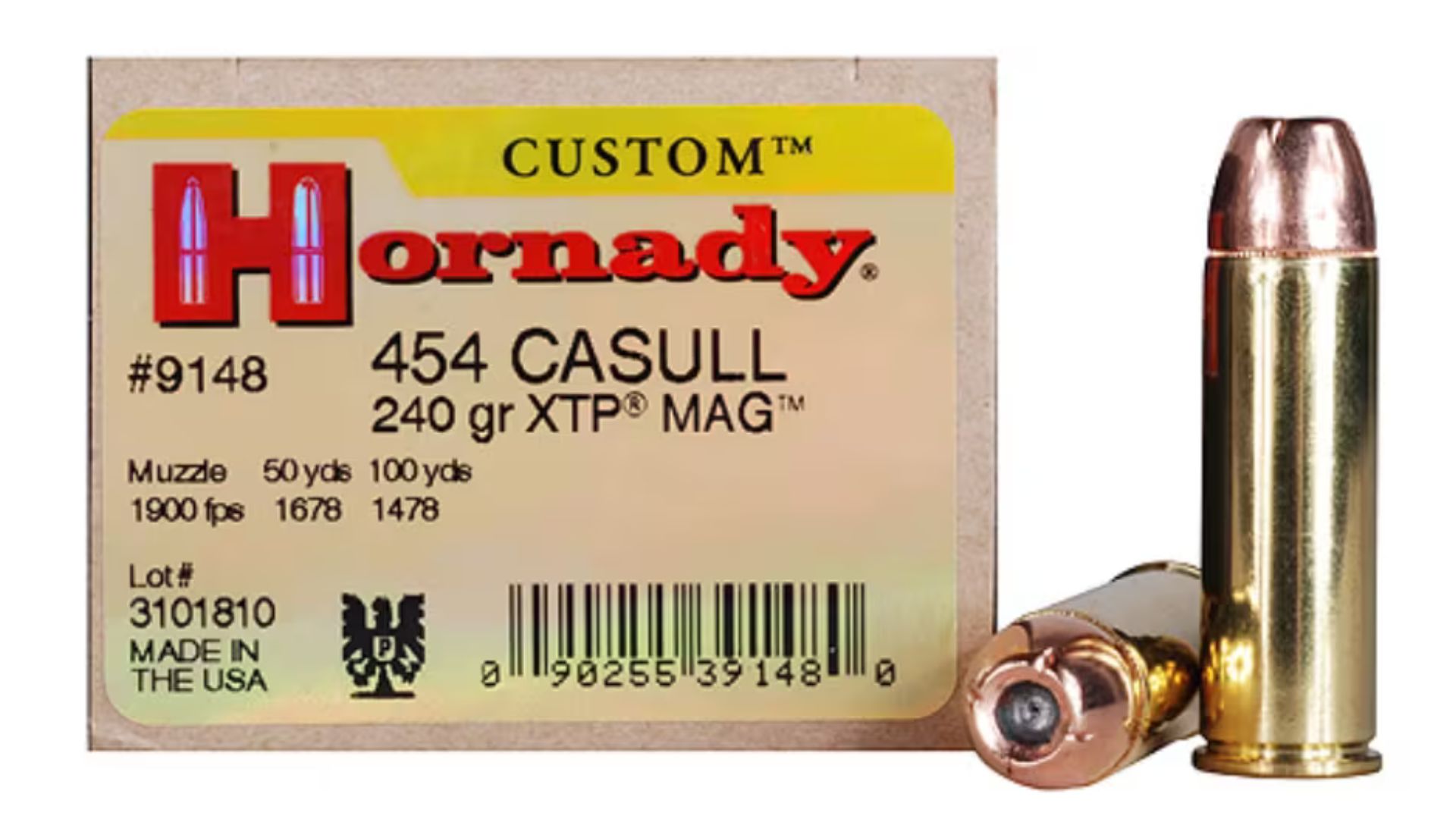
.454 Casull was built for one thing: serious power in a handgun. When you’re in big bear country or you want a revolver that can legitimately hunt large game, it’s a real tool. The recoil is sharp, the blast is loud, and it’s not for everybody. But it works, and it was never meant to be a “couple cylinders and quit” novelty.
Now look at ammo prices and availability. Most .454 loads are premium, and you rarely see cheap practice ammo. Yes, you can shoot .45 Colt in many .454 guns, but that changes the whole point of owning a Casull in the first place. If you can’t afford to practice with at least some full-power loads, you’re basically carrying confidence you didn’t earn.
5. .460 S&W Magnum
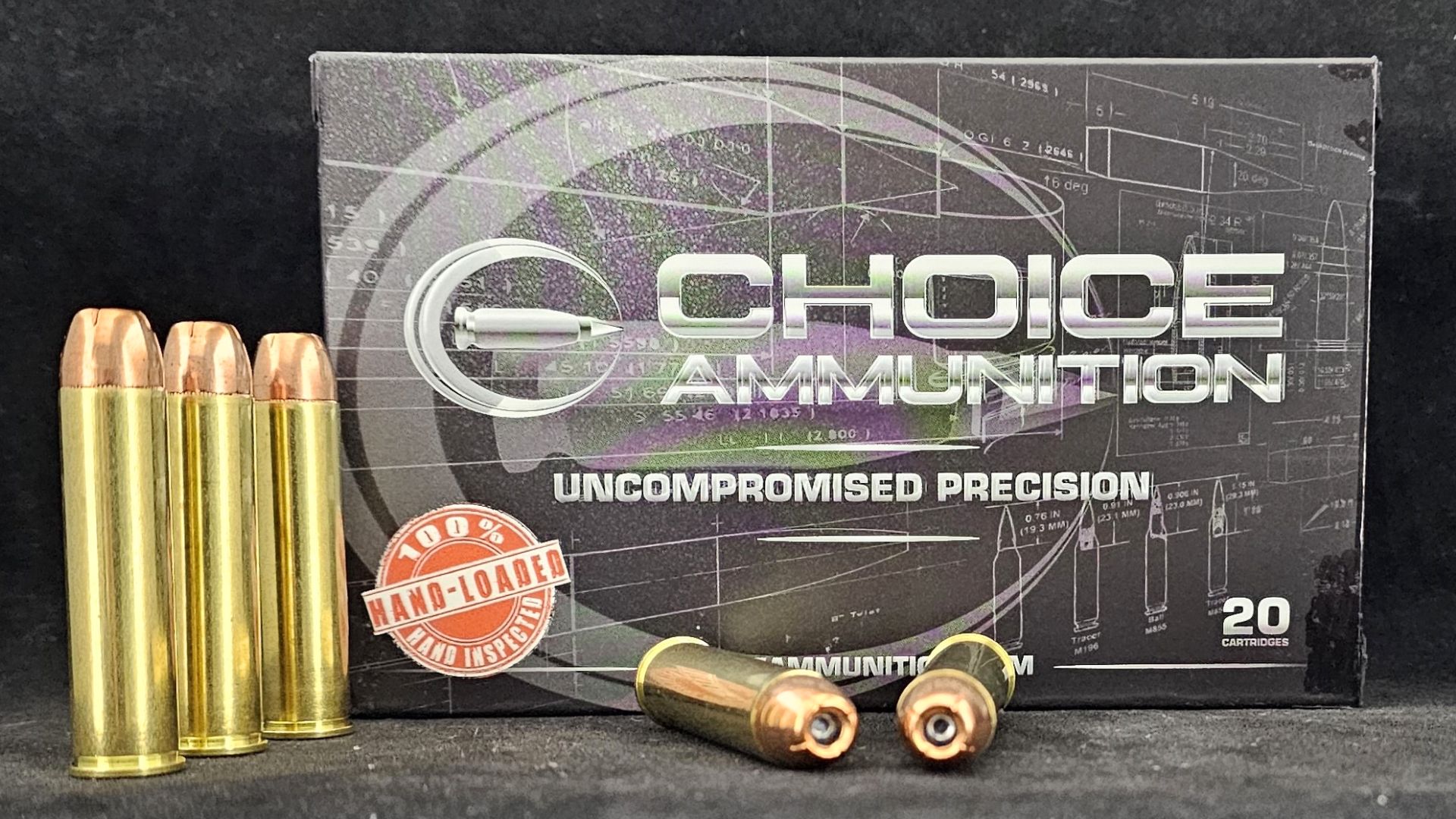
.460 S&W is a hammer, and it was built to stretch what a revolver can do—big game capability, longer effective range, and insane energy. It’s also one of those cartridges that makes you check every screw on your optic mount twice. There’s nothing casual about shooting it, and that’s fine.
The cost, though, turns it into a once-a-year event for most owners. Boxes of .460 aren’t just expensive; they’re “do I really want to light $4–$6 per trigger pull on fire today?” expensive. It’s hard to stay proficient when every range trip feels like paying for a full tank of gas in 20 minutes. Great cartridge, but it’s priced like a special occasion.
6. .480 Ruger

.480 Ruger was supposed to be the practical big-bore: heavy bullets, manageable pressure, and less punishing recoil than the ultra-magnums. In the field, it does exactly that. It hits like a freight train and doesn’t need to be pushed to crazy velocities to do good work on big animals.
The downside is it never became common, and ammo reflects that. You’ll see it in specialty sections, not stacked deep in the big-box aisle. When a cartridge is “special order” in real life, it tends to cost like it’s special, too. That’s a shame because .480 is one of the better-balanced hard-hitting revolver rounds ever made.
7. .475 Linebaugh

.475 Linebaugh is the kind of cartridge you buy on purpose. It was built for hunters who want deep penetration and big-bore performance without pretending it’s a rifle. It’s also tied closely to custom and semi-custom revolvers, so the whole ecosystem leans expensive from the start.
Ammunition is where it really bites. Factory .475 isn’t something most shops stock, and when you find it, it’s usually premium hard-cast hunting loads. That’s the right kind of load for the cartridge, but it also means you’re paying top dollar for every cylinder. Most .475 owners I’ve met either handload or they shoot it so little it’s basically a “nice to own” gun, not a working tool.
8. .500 S&W Magnum

.500 S&W Magnum is famous for a reason. It does things no sensible person needs a handgun to do, and it’ll humble you if you get sloppy with grip or stance. Still, if you’re going to carry a revolver as a last-ditch option against something big and mean, raw authority has its appeal.
The problem is it costs like a novelty even when you’re trying to treat it like equipment. Most .500 ammo is premium and not stocked in quantity. Practice gets expensive fast, and without practice, the recoil and blast become the whole story. There’s also the wear-and-tear reality—shooting a lot of .500 isn’t just expensive in ammo, it’s hard on you and the gun. That’s not what a “working gun” should feel like.
9. .327 Federal Magnum

.327 Federal Magnum is a smart cartridge that never got the shelf space it deserved. It gives you more punch than .32 H&R and can offer an extra round in the cylinder compared to some .357-sized guns. For small game, trail carry, and even defensive use with the right loads, it’s a handy setup.
Ammo pricing has been its constant headache. You’d think a smaller bullet would mean cheaper practice, but it doesn’t work that way when production volume is low. The result is owners babying their .327s and shooting .32 S&W Long or .32 H&R when they can find it. Versatility is great, but it’s frustrating when the round you actually bought the gun for is the one you rarely shoot.
10. .32 H&R Magnum

.32 H&R is one of the most pleasant revolver rounds ever made. It’s accurate, low recoil, and great for teaching new shooters without resorting to rimfire. It also does real field work—small game, pests, and woods bumming—without sounding like a cannon.
But it lives in an odd spot now. It’s not as common as .38 Special, and it gets overshadowed by .327. That means the ammo you do see can be priced like it’s a specialty product. If .32 H&R was priced like a mainstream practice round, more folks would carry it and shoot it constantly. Instead, it’s often treated like an occasional treat, which is backwards for a cartridge this useful.
11. .32-20 Winchester

.32-20 has a soft spot in a lot of old-timers’ hearts, and for good reason. It was a real working cartridge in its day—small game, varmints, and farm use—often shared between rifles and revolvers. In a good revolver, it can be surprisingly accurate and easy to shoot.
Today, it’s mostly a nostalgia round, and the ammo is priced accordingly. You’re also dealing with the reality that many guns chambered for it are old, which makes owners cautious about hot loads. So you pay more for ammo that’s usually loaded mild, and then you hesitate to shoot much of it anyway. That’s a rough combo if you actually want a field revolver you practice with.
12. .38 S&W
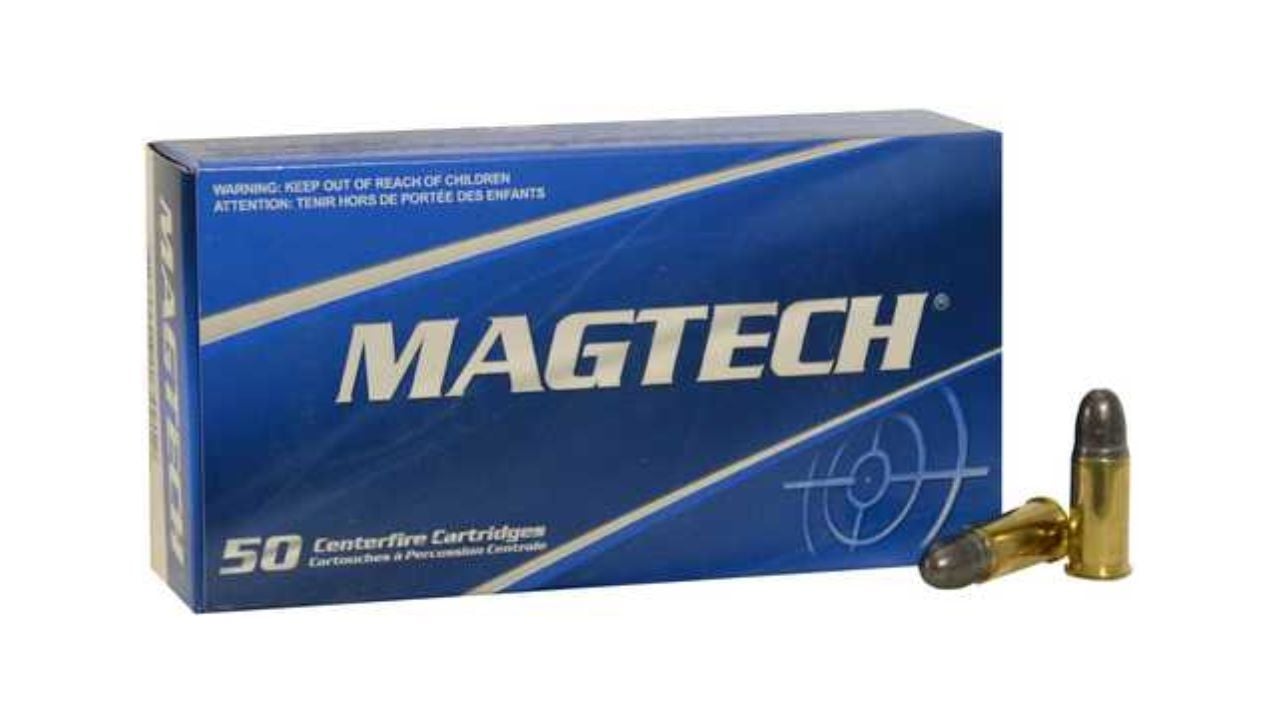
.38 S&W is not .38 Special, and anybody who’s owned older top-breaks or British service revolvers learns that lesson quick. It was built for modest pressures and simple use, and in the right gun it’s a perfectly serviceable small-game and trail cartridge. It’s also historically interesting, which is part of the draw.
The modern market treats it like an oddball. Many stores don’t stock it, and when they do, it’s not cheap. That makes it tough to justify as a “shoot it all the time” round, even though that’s the whole reason these old revolvers existed. You end up with folks owning a neat old gun and firing it once a year, mostly because feeding it regularly feels like a luxury.
13. .44-40 Winchester

.44-40 is pure Old West, and it was built around practical reality: one cartridge for a lever gun and a revolver. It still works in that role, and in cowboy-action circles it’s still kicking. It has a unique feel when you shoot it, kind of a gentle push with a big slow bullet.
Expense comes from it being niche and a little finicky. The thin brass can be easy to crumple if you’re not paying attention, and that factors into both manufacturing and reloading. Factory ammo is often marketed toward cowboy shooters and priced like it. If you’ve got a revolver chambered in .44-40, you probably didn’t buy it to save money—but it still stings when “a fun afternoon” turns into a pricey habit.
14. .45 ACP (in moon-clip revolvers)

.45 ACP is usually a reasonably priced pistol round, which makes it a weird entry here. But in revolvers—think moon clips and double-action wheelguns—it gets expensive in a different way: the logistics. You’re buying moon clips, you’re eventually buying tools, and you’re chasing reliability with your specific brand of ammo and clip thickness.
When .45 ACP prices spike, the whole advantage of “cheap, common ammo in a revolver” disappears. Then you’re left with a revolver that’s fantastic when everything is tuned, but not always as grab-and-go as a .38. I like these guns a lot, but the moment .45 ACP stops being affordable and plentiful, the concept loses its shine for the average shooter who just wanted more trigger time.
15. 10mm Auto (in revolvers)

10mm in a revolver is cool, and it can be very practical. With moon clips, extraction is positive, and the cartridge can cover a lot of ground from medium loads up to serious woods defense. If you already stock 10mm for an auto, a 10mm revolver seems like a smart pairing.
But 10mm pricing has a way of creeping up, especially for the real-deal full-power loads that made the cartridge famous. Cheap 10mm is often downloaded, and that defeats the purpose if you’re carrying it for animal defense. Add the moon-clip factor again, and it becomes a system you need to keep fed and maintained. When every practice trip costs more than it should, owners start “saving” their 10mm revolver for camping trips only, which isn’t enough.
16. .357 Maximum

.357 Maximum is one of those cartridges that makes revolver guys lean in and start talking with their hands. It was built to push .357 performance into hunting territory with a longer case and more powder. In the right gun, it can be flat-shooting and effective on deer-sized game. It’s also just plain interesting.
Ammo availability, though, is brutal. This is not a “grab a box at the hardware store” round. Most shooters who actually use .357 Maximum are handloaders, because factory ammo is scarce and expensive when you find it. If you aren’t set up to reload, owning a .357 Maximum can feel like owning a classic truck with no local parts supply. Fun to look at, frustrating to run.
17. .44 Magnum (true hunting loads)

Yes, .44 Magnum is common, and you can still find it. But the kind of .44 Magnum that the cartridge was built around—heavy-for-caliber bullets, good construction, real penetration—has gotten expensive enough that many shooters quietly step down to .44 Special or light “range” .44 loads. That’s understandable, but it changes what you’re practicing with.
When you only shoot the mild stuff, the first cylinder of heavy loads before season can be a rude surprise. Different recoil, different point of impact, different follow-up speed. A .44 carried for bear defense or hunting deserves real practice with real ammo, not just the cheapest box on sale. The cost gap between “practice” and “purpose” loads is what puts .44 on this list, even if it’s still more available than most.
18. .357 Magnum (premium defensive and backcountry loads)

.357 Magnum is still one of the most useful revolver cartridges ever made. It can be mild with .38 Special, and it can be serious with the right .357 loads. It’s the cartridge that convinced generations of shooters that a revolver could do almost everything. For carry and for the woods, it still makes sense.
But here’s what’s changed: the good stuff isn’t cheap anymore. Basic .357 target ammo might be manageable, but the loads that are actually built for defense or tougher animals—bonded bullets, hard-cast, heavy loads from reputable makers—have climbed. A lot of folks end up practicing with .38 and carrying .357, which is better than nothing, but it’s not the same. When your “built for” ammo feels too pricey to run regularly, capability becomes theoretical.
19. .357 SIG (in revolvers with conversion cylinders)

.357 SIG is mostly an auto-pistol cartridge, but it has a small following in revolver setups through conversion cylinders and certain specialty guns. The idea is speed, flat trajectory, and reliable feeding in semis—obviously the feeding part doesn’t matter in a revolver, but the performance still can. It’s a tinkerer’s round, and I get the appeal.
The issue is simple: .357 SIG ammo is often priced like a specialty item, because it kind of is. When it’s plentiful, it’s still not cheap. When it’s scarce, it’s a headache. If you built a revolver setup around .357 SIG because you wanted a lot of trigger time with something different, the market has a way of ruining that plan. It turns into “I’ll shoot a couple and put it away,” which isn’t what experimenting is supposed to be.
20. .22 WMR (rimfire magnum revolver loads)
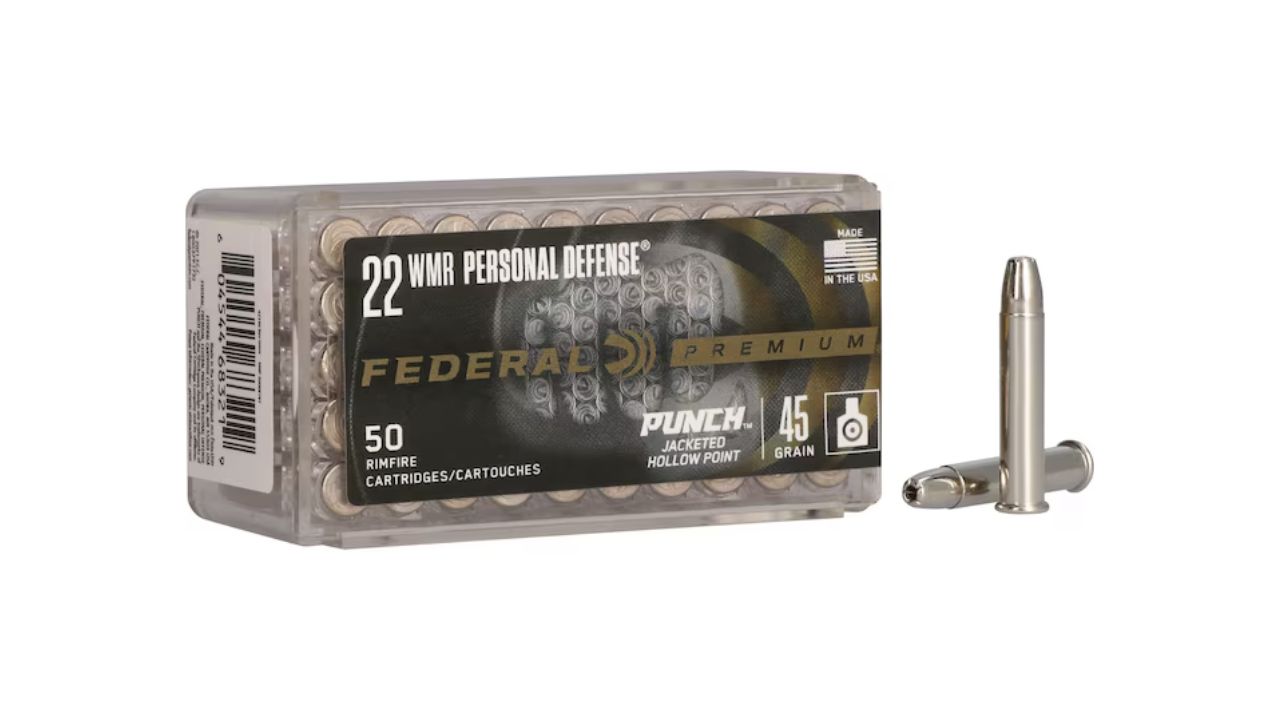
.22 Magnum revolvers were built for chores—trapping lines, dispatching pests, knocking over small varmints around the barn, and riding in a coat pocket when you’re checking fences. It’s a handy cartridge with more reach and punch than .22 LR, and it tends to shoot flatter out of a longer barrel. Nothing glamorous, just useful.
Then rimfire prices went sideways, and .22 WMR stopped feeling like “cheap utility.” In some areas it’s still around, but it’s often expensive enough that you start asking why you aren’t just carrying a .22 LR and calling it good. That one hurts, because .22 Magnum is genuinely better for certain jobs. When the price makes you hesitate to burn a box confirming zero or practicing double-action work, the whole purpose of a rimfire revolver starts slipping.
None of this means you should dump the revolver and move on. It just means you should be honest about how you’ll feed it and how often you’ll train with it. If a cartridge has become a once-a-season indulgence, either commit to handloading, budget for it like you budget for tags and fuel, or choose a more common chambering for the workhorse role. Revolvers earn their keep with repetition, not admiration.
Like The Avid Outdoorsman’s content? Subscribe to our newsletter so you never miss an article.
Here’s more from us: