Photo credit: Hop/Youtube
Every gun shop has a little graveyard. It is not a literal pile of busted steel. It is the used rack full of rifles and handguns that got traded off for the next new thing before the owner ever really wrung them out. A buddy buys one, shoots it twice, decides it is “just okay,” and it disappears into somebody else’s safe.
The funny part is how often those are the ones that end up being the keepers. Not because they are rare museum pieces, but because they were honest tools that did the job, handled right in the field, and never begged for attention. Here are 20 guns I’ve watched vanish that way—quietly discontinued, quietly traded, quietly overlooked—until folks realized a little too late they were better than the hype cycle gave them credit for.
1. Ruger P90
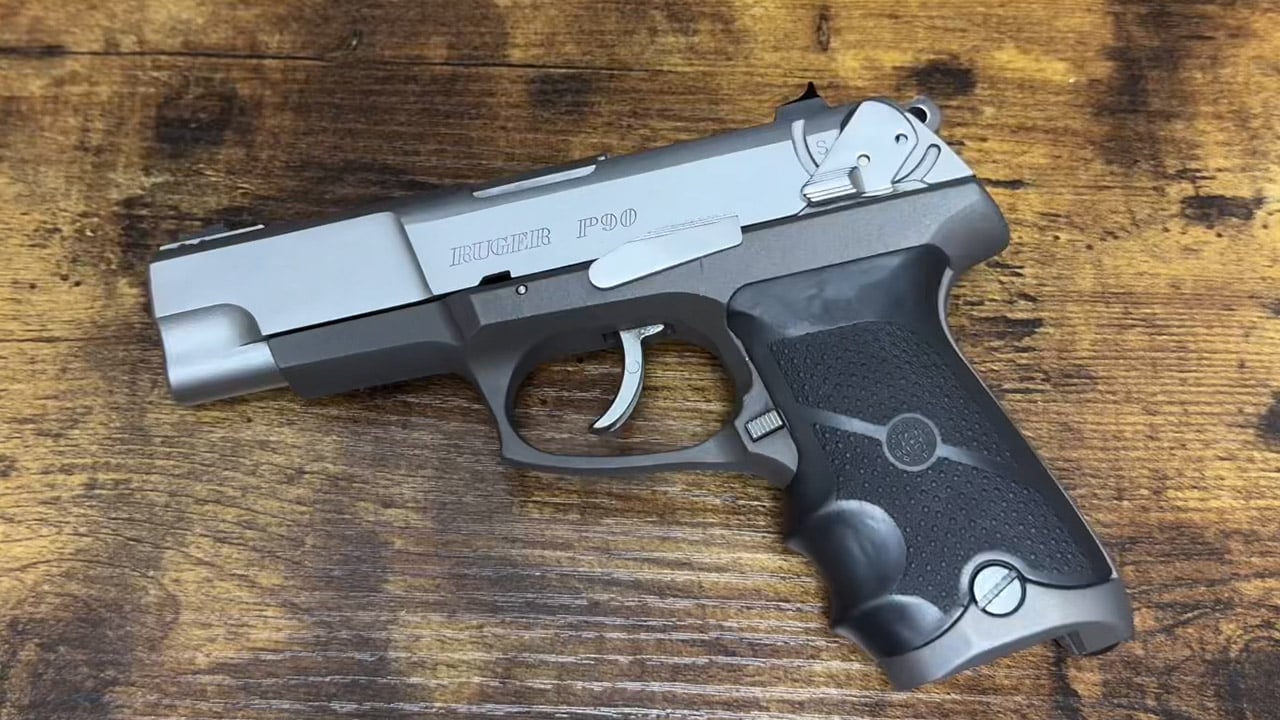
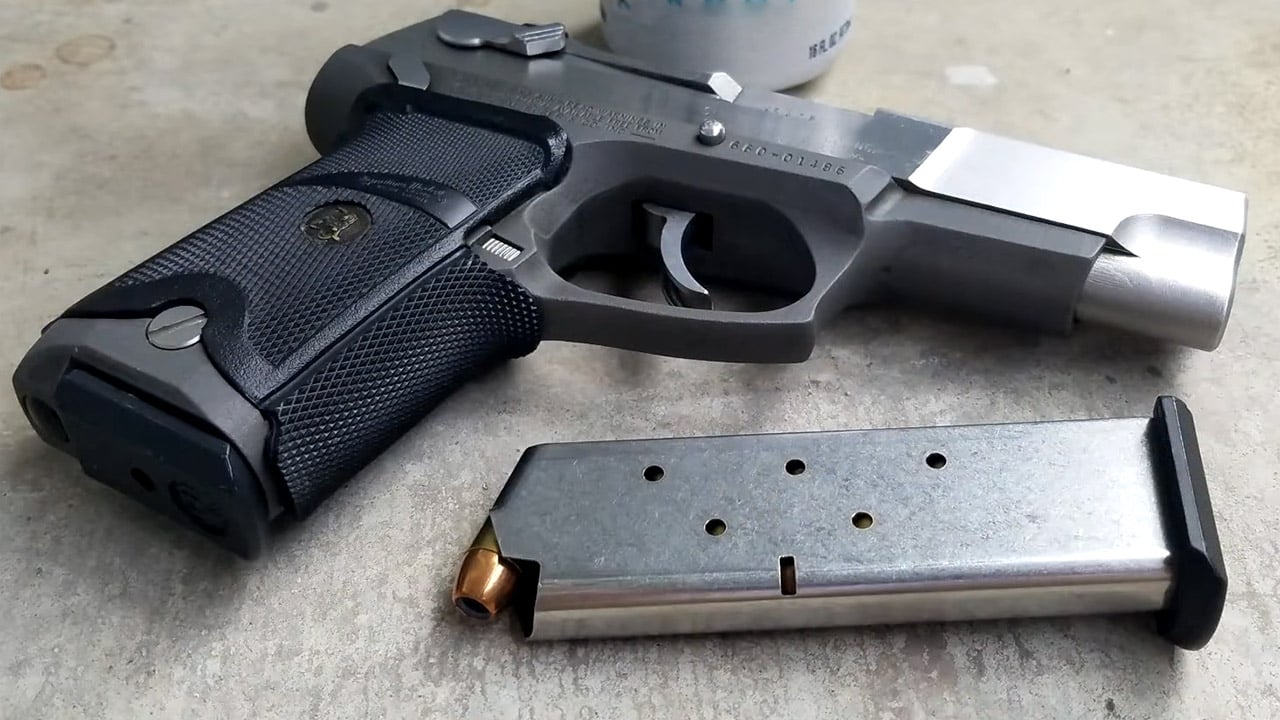
The Ruger P-series pistols were never going to win a beauty contest. The P90 in .45 ACP is chunky, blocky, and about as subtle as a fence post. But it runs. It runs dirty, it runs dry, it runs when you’re tired and your grip is sloppy.
When guys started chasing lighter polymer .45s, these got dumped cheap. Now the same folks complain about finicky budget 1911s and miss the boring reliability of a P90. It is not a “carry all day” gun for most people, but as a glovebox gun on the ranch (stored safely) or a nightstand pistol, it is hard to hate.
2. Smith & Wesson Model 3913
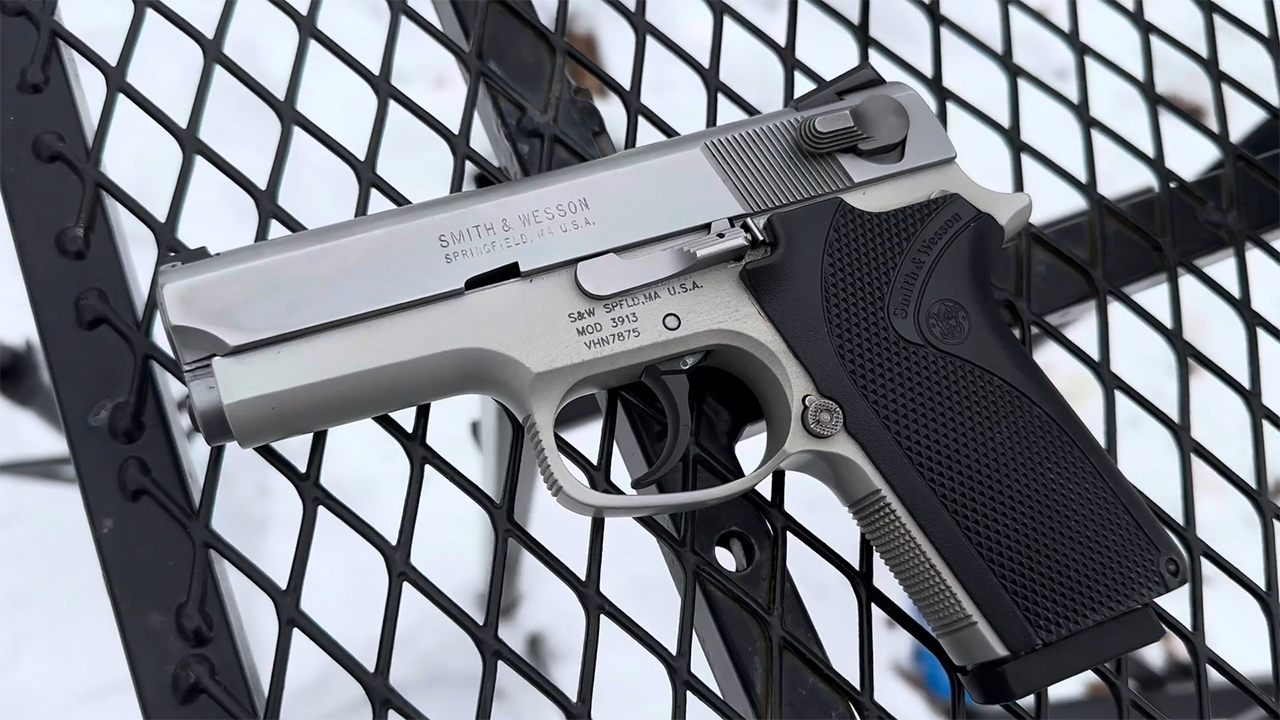
The 3913 is one of those pistols that makes you wonder why we had to reinvent everything. Slim single-stack 9mm, metal frame, good sights for the era, and it points naturally. It carries flatter than plenty of modern compacts that claim to be “thin.”
It fell out of favor when polymer and higher capacity took over, and the prices stayed reasonable for years. Then people started actually carrying again, realized what “comfortable” means after ten hours, and suddenly the 3913 isn’t sitting in the used case much anymore.
3. SIG Sauer P225 (P6)
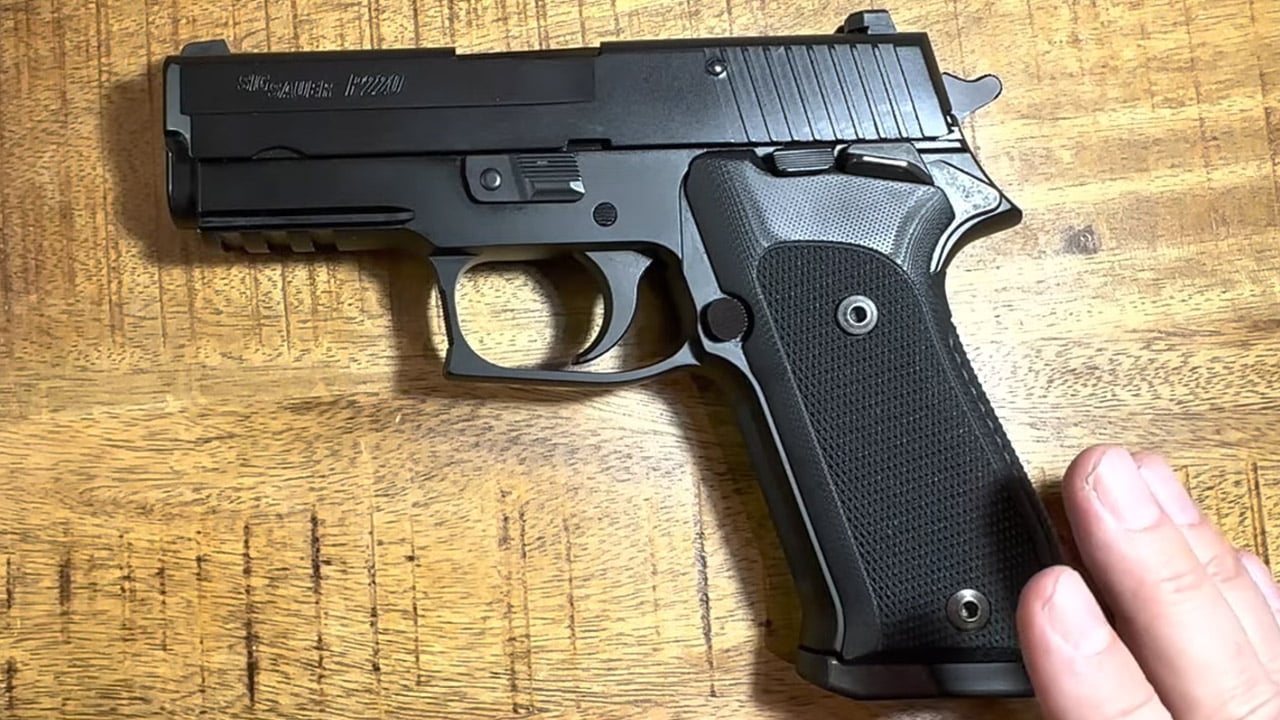
The classic single-stack SIG doesn’t get the love the P226 and P229 get, and that’s a shame. The P225 balance is just right, especially if you like a pistol that feels like it was shaped by a human hand instead of a computer. The trigger is usually better than you expect on a used example.
For a long time, surplus P6 pistols were the sleeper buy. Folks grabbed them, carried them a season, and traded them because “eight rounds isn’t enough.” Then they shot them side by side with a lot of modern micro-compacts and realized they had let a really shootable handgun walk off.
4. Beretta 9000S

The Beretta 9000S was ahead of its time and also kind of weird. The lines look like early-2000s “space gun” styling, and some shooters never warmed up to the controls. But the pistol itself can be a soft-shooting, accurate little 9mm with a real Beretta barrel and decent fit.
It vanished because it was misunderstood and because Beretta’s own catalog had better-known options. If you find one that’s been maintained, it can be a surprisingly pleasant range gun and an underrated compact—assuming you can live with the styling and hunt down magazines.
5. Heckler & Koch P7 (PSP/P7M8)

This is one of the few on the list that people didn’t trade because it was bad. They traded because it got valuable. Somebody needed money for a new scope, a kid’s braces, or a truck repair, and the P7 was the easiest “nice thing” to cash out.
Then later they remembered how flat it carried, how precise it shot, and how safe it felt with that squeeze-cocker system. The downside is real: it heats up fast, parts aren’t cheap, and it is its own ecosystem. Still, the ones who had them tend to talk about them like an old bird dog they never should’ve sold.
6. Ruger SP101 (3-inch)
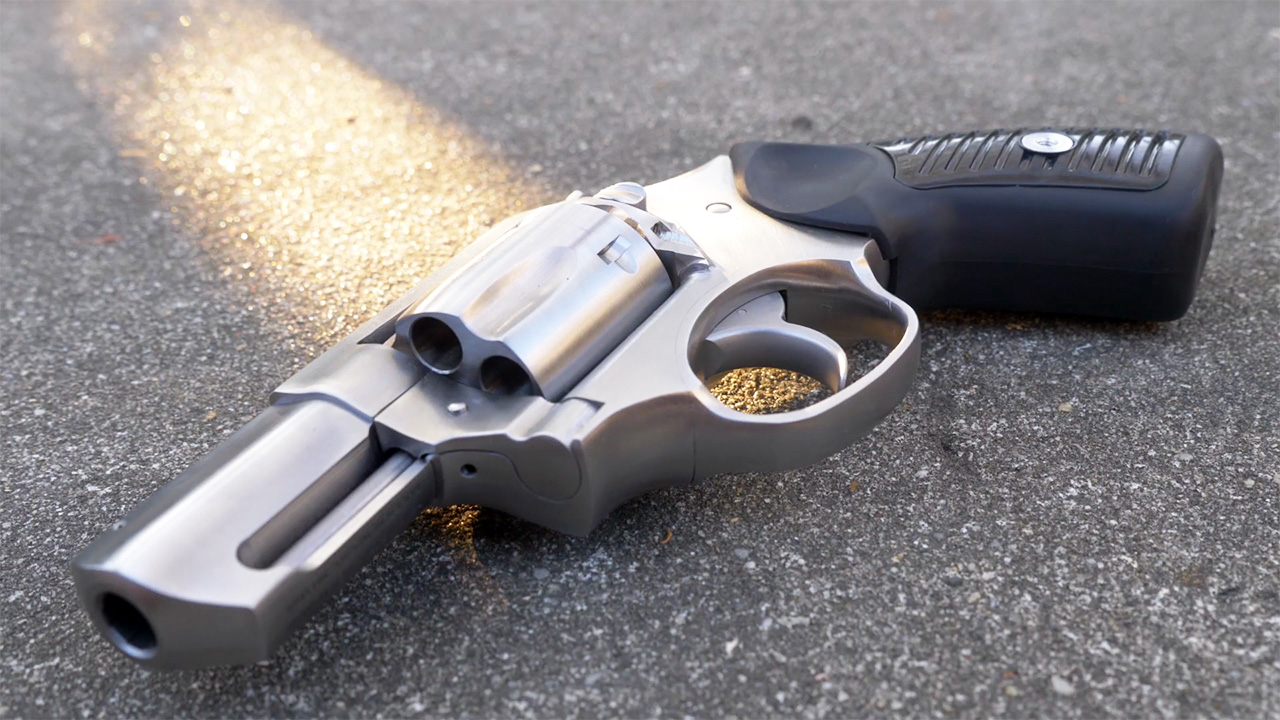
The SP101 in a 3-inch barrel is one of the best “do most things” revolvers Ruger ever made. It is small enough to carry, big enough to shoot, and built like it expects to be dropped in the gravel. That extra inch over the snub makes a difference for sight radius and practical accuracy.
Plenty of people bought one as a “first revolver,” tried .357s, decided recoil was spicy, and moved on. Then they later realized .38 +P out of that gun is pleasant, controllable, and still serious business for trail use.
7. Smith & Wesson Model 696
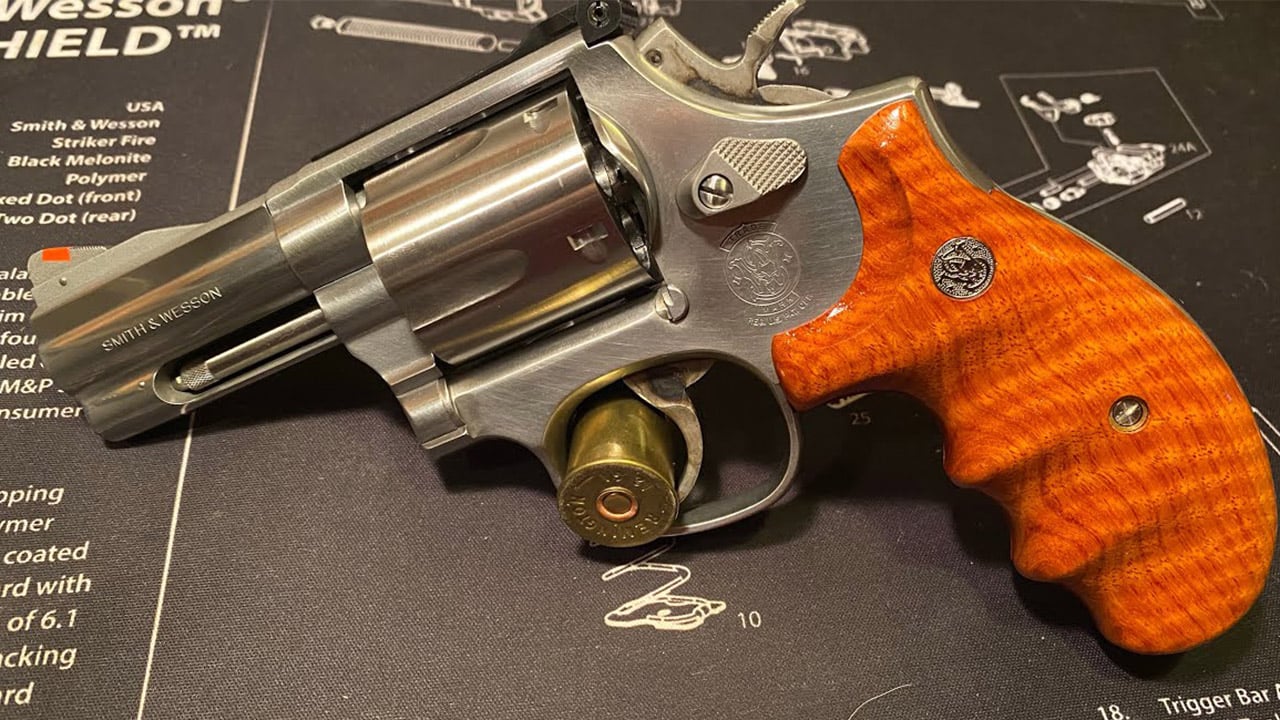
A compact L-frame five-shot in .44 Special sounds niche until you spend time in the woods. The 696 carries like a real revolver, not a boat anchor, and .44 Special does what it is supposed to do without beating you up like hot .44 Magnum loads.
It disappeared because it wasn’t trendy and because “special” cartridges don’t sell like magnums. Now, try finding one for a sane price. The guys who know, know.
8. Browning BDM

The Browning BDM is one of those pistols that you either instantly like or instantly distrust. The “dual mode” trigger setup was unusual, and unusual doesn’t sell. But the gun is slim, points well, and has that Browning feel that’s hard to explain until you’ve carried one.
It also has a quiet cult following because it shoots better than it looks on paper. The tradeoff is parts and support aren’t like a Glock or a 1911. If you own one that runs, it’s a good argument for leaving well enough alone.
9. CZ 97B

The CZ 97B in .45 ACP is not for folks with small hands, and it is not lightweight. But it is accurate, soft-shooting, and built like it expects a lifetime of range work. When people talk about “a .45 that shoots like a 9,” this is one of the honest answers.
It got discontinued and quietly left a hole for shooters who want a full-size .45 that isn’t a 1911. You can still find them, but not like you used to, and good magazines aren’t always sitting in the display case anymore.
10. Ruger M77 Mark II (stainless/synthetic)
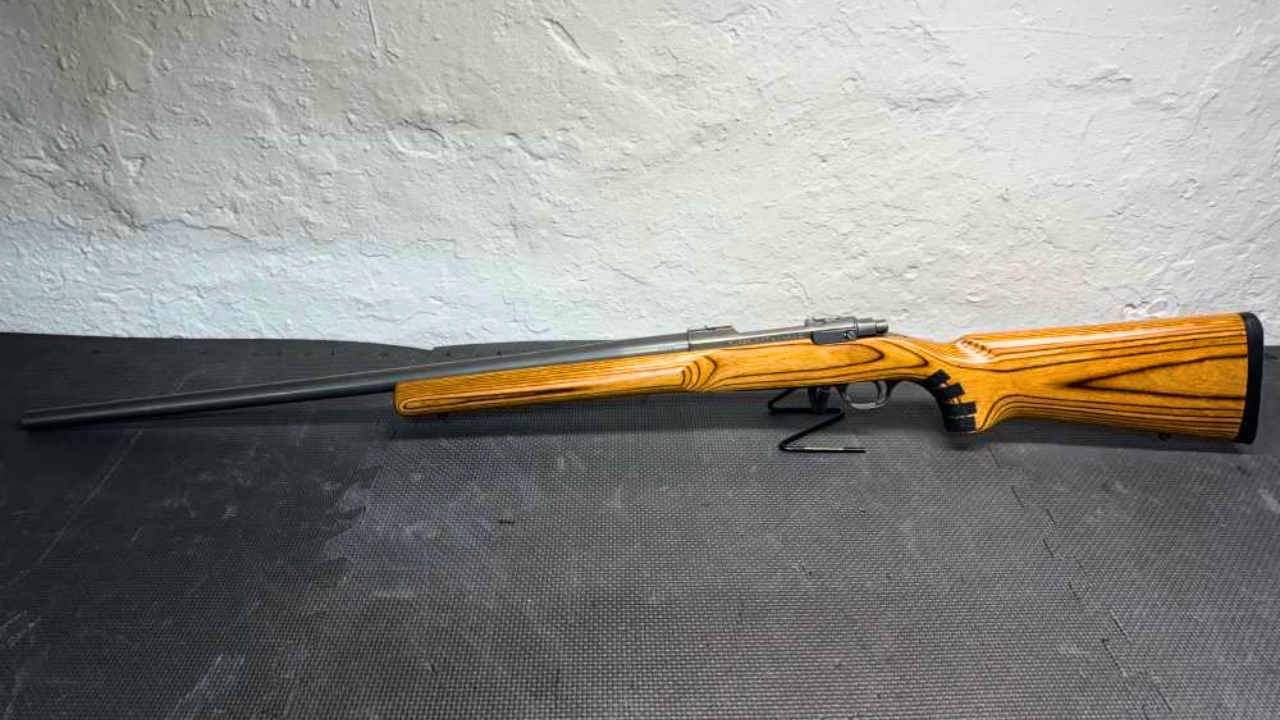
Every fall, somebody shows up at deer camp with a fancy new rifle, and somebody else shows up with an old stainless Ruger that looks like it has been rained on since the Clinton years. Guess which one always goes bang and doesn’t care about the weather.
The M77 Mark II isn’t a featherweight mountain rifle, and the factory trigger wasn’t everyone’s favorite. But it is a controlled-round-feed workhorse with real-world reliability. When guys traded them for lighter rifles, they often learned that “lighter” sometimes also means “picky.”
11. Winchester Model 70 Classic (controlled-round feed)

There are a lot of Model 70 variations, but the Classic controlled-round-feed rifles were a sweet spot for hunters who actually hunt. They feed slick, they extract like they mean it, and they feel steady on shooting sticks or over a pack.
They got churned through when new-production changes and different plant markings made buyers nervous. Meanwhile, the rifles themselves kept doing what Model 70s do: put meat in the freezer. The ones that vanished were often the “plain” ones—because the plain ones got carried.
12. Remington Model Seven

The Model Seven is the kind of rifle you appreciate after you’ve humped a heavier gun up a ridge. Short action, handy length, good balance. In thick woods, it moves like a bird gun, and it comes to the shoulder fast.
It also got overshadowed by the Model 700 name and later by the flood of budget rifles. Some examples had so-so triggers or needed bedding attention, but the concept was solid. A good Model Seven in a sane cartridge is one of the best whitetail rifles ever made for tight cover.
13. Savage Model 99

The Savage 99 isn’t “tactical,” and it doesn’t fit neatly into modern gear conversations. But as a lever-action hunting rifle, it has real advantages: a solid receiver, a rotary magazine on many models, and the ability to run pointed bullets in cartridges like .300 Savage.
It disappeared from regular production and slowly drifted into “grandpa gun” status. Then people started actually carrying them in the deer woods and realized they shoulder quick, carry flatter than a bolt gun, and have plenty of practical accuracy for normal distances.
14. Marlin 39A
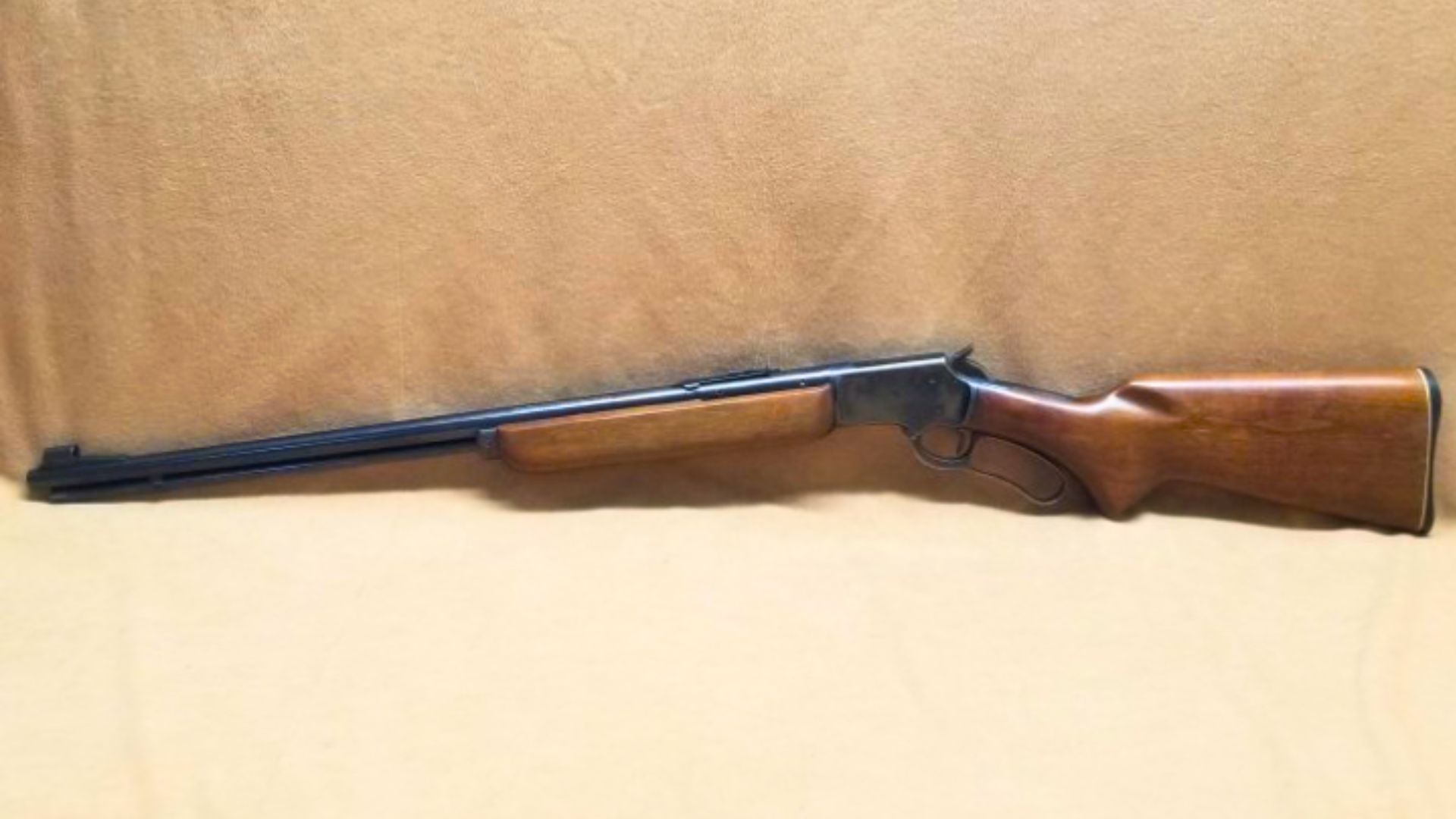
A good .22 is a lifetime tool, and the Marlin 39A is one of the best ever made. It is heavier than a lot of modern rimfires, and that extra weight is part of why it shoots so steady. The action feels like a real rifle, not a toy.
These got sold off when folks “upgraded” to cheap semi-autos, then later went looking for a lever .22 that will feed everything and last forever. The sticker shock now hurts, especially if you remember what they used to go for.
15. Ruger Deerfield Carbine (99/44)

Ruger’s little .44 Magnum carbine is a woods gun that makes sense the minute you walk into thick timber. It is compact, fast-handling, and hits hard enough for close-range deer without needing a long barrel or a big scope.
It wasn’t around long, and it never got the mainstream push it deserved. Guys who own them tend to either keep them forever or sell them and regret it the first time they’re still-hunting in the rain and wish for a short, powerful carbine that doesn’t snag on everything.
16. Ithaca Model 37
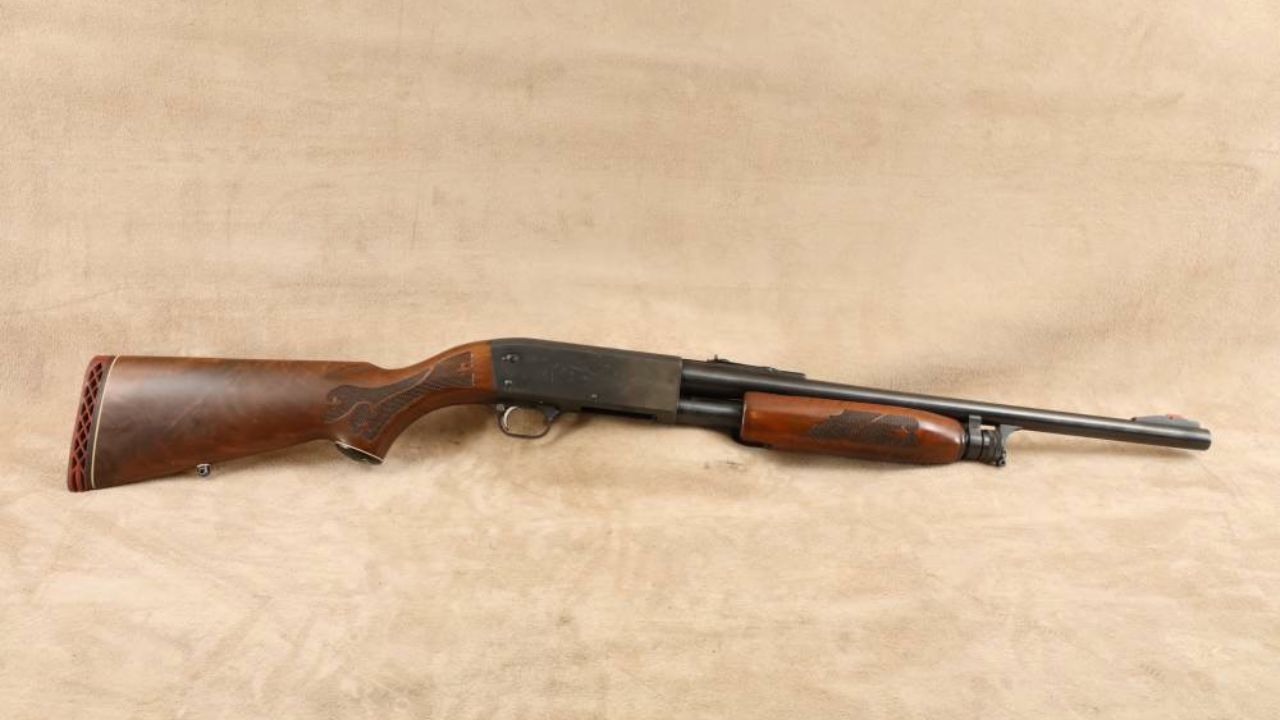
Bottom-eject pump shotguns don’t throw hulls in your buddy’s face, and they don’t leave the action open to the weather the same way on a side-eject gun. The Ithaca 37 also carries slim and lively, which matters when you’re walking for miles behind a dog.
They faded because the market got crowded with cheaper pumps and because newer shooters didn’t grow up around them. But a good Model 37 has a smoothness that’s hard to fake, and it is a serious field gun, not a nostalgia piece.
17. Browning BPS

The Browning BPS is another bottom-eject that never got the credit it deserved because it wasn’t the cheapest option. It is also heavier than some competing pumps. If you’re a smaller hunter or you’re hiking all day, that weight is real.
But the heft is also why it swings nice on ducks and doesn’t punish you with heavy loads. The tang safety is a big deal for left-handed shooters, and the fit and finish tend to be better than the “truck gun” crowd expects.
18. Benelli M1 Super 90
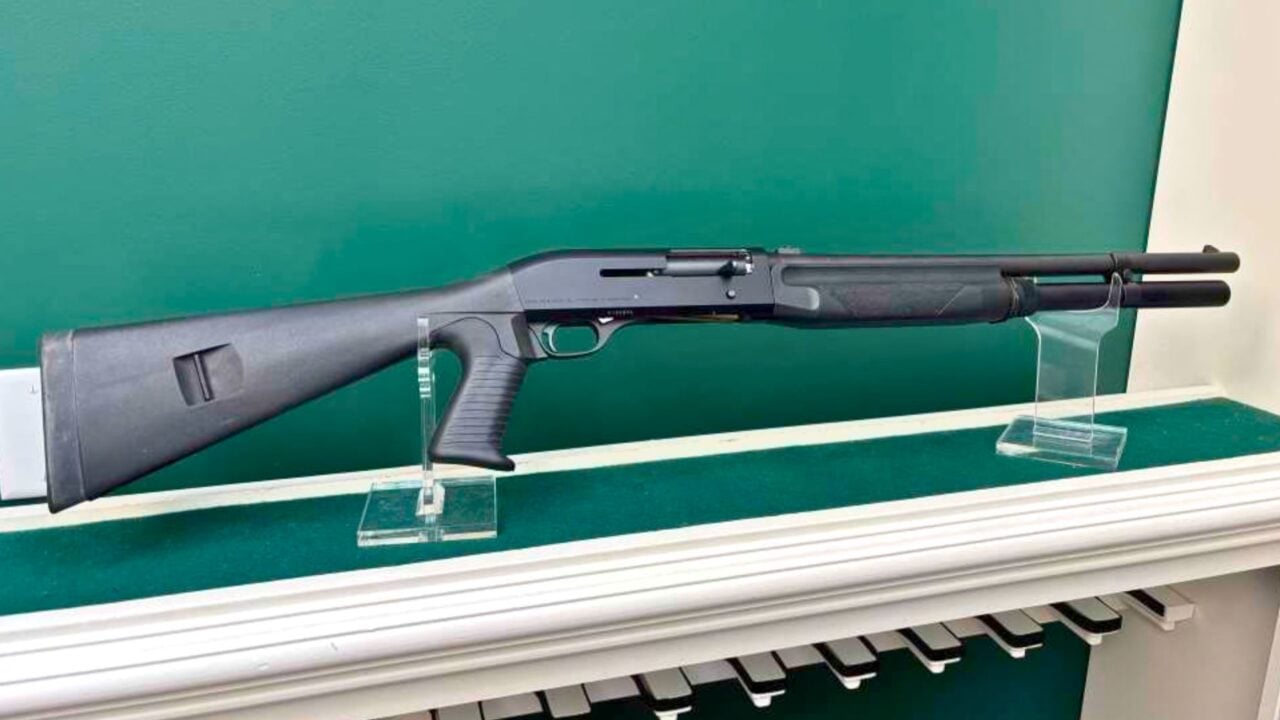
Before the M2 became everybody’s default answer, the M1 was the shotgun a lot of waterfowlers and 3-gun guys actually wore out. It is simple, tough, and the inertia system runs clean if you hold it like you mean it.
They got traded when newer models promised softer recoil and more features. Then folks realized the M1’s plain setup was part of the magic. Finding replacement parts is still doable, but clean examples don’t sit long when one hits the used rack.
19. Steyr M9-A1

The Steyr pistols have always been the “if you know, you know” option. The M9-A1 has low bore axis, a grip angle that works for a lot of shooters, and those trapezoid sights that look odd until they suddenly make sense on fast strings.
They vanished because they were never common in many shops, and because most folks don’t want to hunt for magazines or holsters. But as a shooter’s gun, it hangs right with the big names. If you stumble on one with a couple extra mags, don’t shrug it off.
20. Ruger 10/22 Magnum (10/22M)
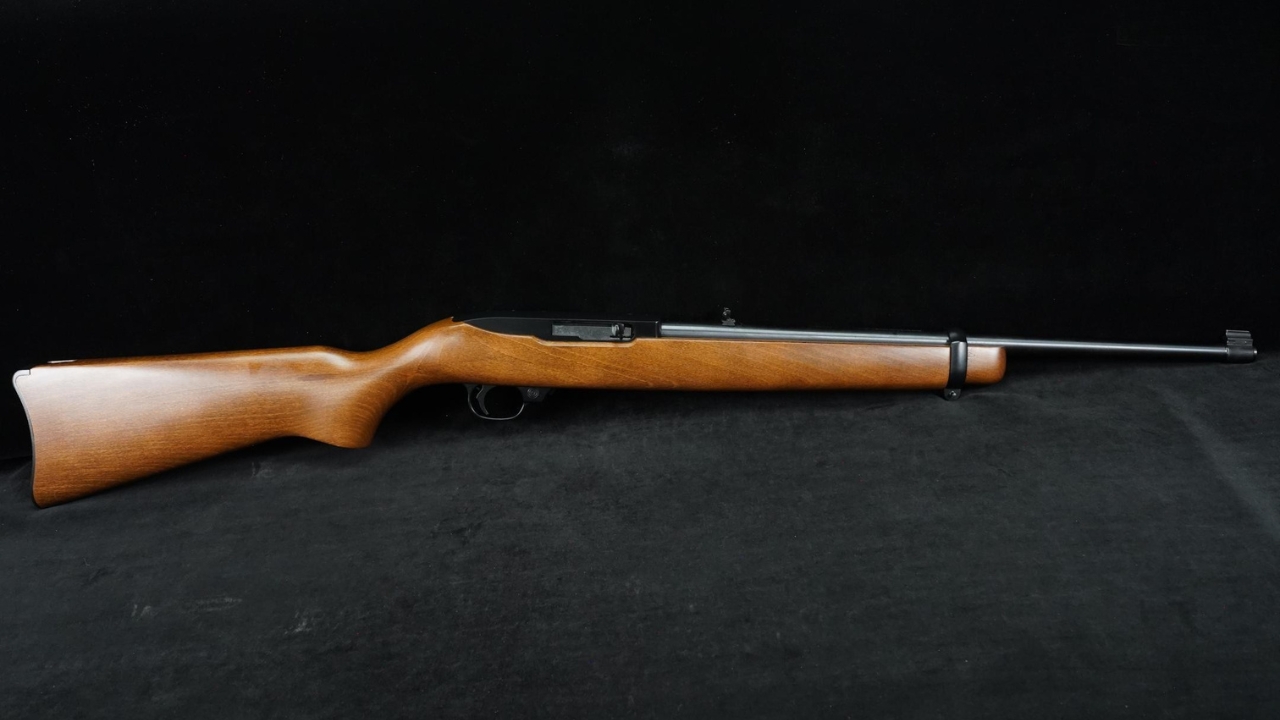
Ruger’s .22 WMR version of the 10/22 didn’t last, and part of that was magazine and feeding quirks over the years. Still, when you get a good one, it is a legitimate small-game and varmint tool that stretches rimfire range without jumping to centerfire noise and cost.
These got traded when people decided .22 Mag ammo was “too expensive,” or they didn’t see the point. Then predator callers and farm folks realized what a handy niche it fills for fox, raccoon, and general pest work where you want more thump than .22 LR without the full crack of a .223.
The older I get, the less excited I am about whatever just dropped this week and the more I pay attention to guns that keep showing up in camps, tractors, and scabbards year after year. Most of these didn’t disappear because they failed. They disappeared because they were quiet, practical, and easy to take for granted. If you’ve got one, shoot it, maintain it, and don’t be too quick to trade it off just to chase a new box with fresh foam.
Like The Avid Outdoorsman’s content? Be sure to follow us.
Here’s more from us: