
Photo credit: Anna Averianova/Shutterstock.com
Every year somebody brings home a dog because it looked tough, looked pretty, or looked “smart” on a video. Then hunting season rolls around, chores stack up, and the dog turns out to be a full-time job with teeth and horsepower. These aren’t “bad dogs.” Most of them are incredible at what they were bred to do. The problem is they were bred to do a whole lot more than hang out on the couch and go on a slow leash walk.
If you’re thinking about one of these breeds, be honest about your schedule, your fence, your patience, and your willingness to train. A bored working dog is like a bored teenager with a chainsaw. Ask me how I know.
1. Belgian Malinois
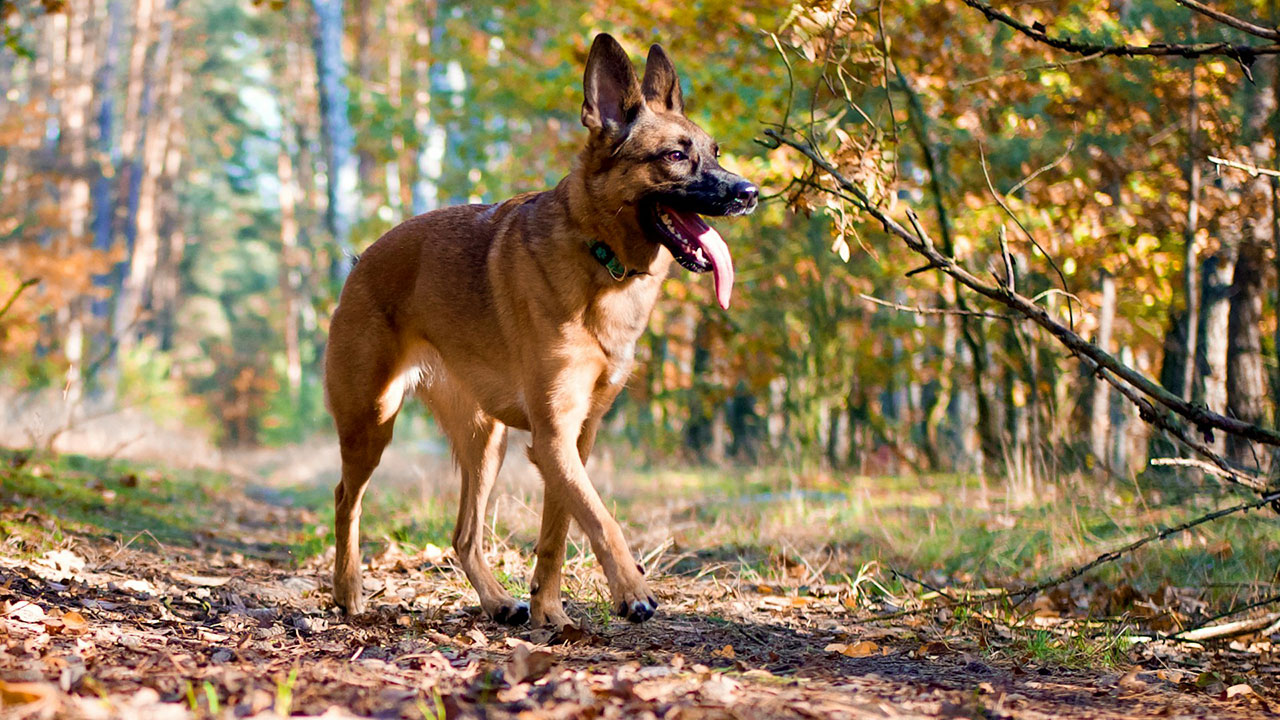
The Malinois is what a lot of folks think they want when they say they want a “protection dog.” What they’re actually getting is a hard-charging working animal that wakes up at 100% and stays there. These dogs are built for bite work, detection, patrol, and constant training. If you don’t give them a job, they will invent one, and you probably won’t like it.
The handling issue isn’t aggression as much as intensity and drive. A Mal will climb, jump, chew, and problem-solve its way into trouble if it’s under-stimulated. You need structure, daily training reps, and a plan for mental work, not just a jog. With the right owner they’re unbelievable. With the wrong owner they’re a liability with a high prey drive and fast feet.
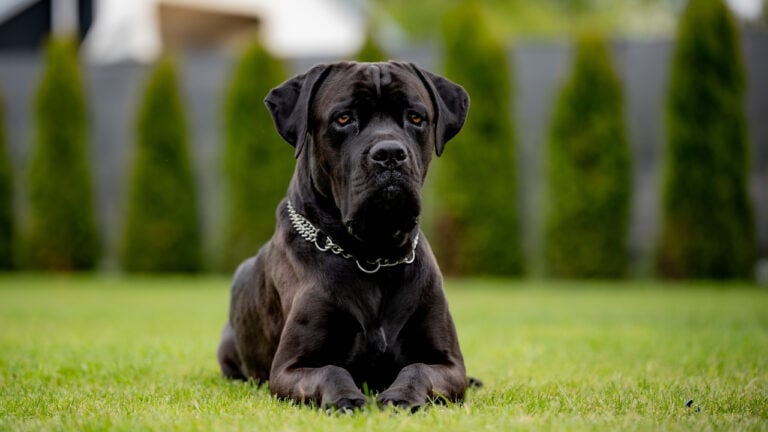
2. Cane Corso

Cane Corsos are big, serious guardians, and they tend to take their job personally. That “loyal family protector” reputation is real, but it comes with responsibility most owners don’t want to carry. If you’re casual about socialization, visitors, and boundaries, you can wind up with a dog that decides who belongs and who doesn’t.
The other part is pure mass. A grown Corso can drag an adult across a gravel driveway like it’s nothing if the leash manners aren’t there. That’s not macho; that’s dangerous. They need confident handling, consistent rules, and early exposure to normal life so they don’t default to suspicion. If you live in a neighborhood with lots of foot traffic and you’re not training daily, pick something else.
3. Wolfdog (wolf hybrid)
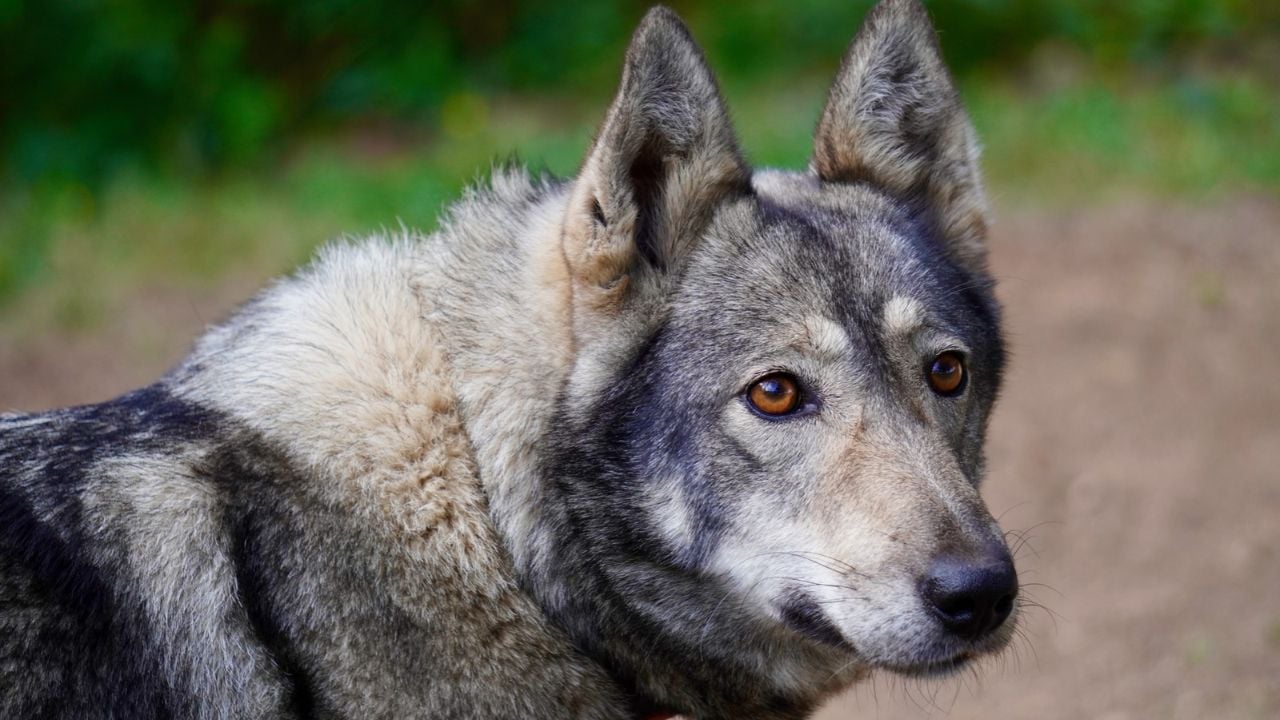
Wolfdogs get bought on looks and sold on reality. They can be gorgeous, but they’re not “just like a husky.” The mix can bring skittishness, high prey drive, escape behavior, and a serious distrust of strangers. When they panic, they don’t always recover like a normal domestic dog does.
Containment is the first problem. Standard fencing is a suggestion. Then there’s the training piece: many hybrids don’t respond to pressure the way typical breeds do, and they’re not interested in pleasing you. Add in legal restrictions in some areas and the fact that finding a vet willing to deal with a large hybrid can be a chore. If you aren’t set up like a sanctuary with experience, don’t do it.
4. Akita

Akitas are strong, quiet, and independent, which sounds great until you realize independent can also mean stubborn and selective. They tend to bond tight to their people and stay guarded with everyone else. That’s manageable with the right owner, but “right owner” usually means someone who understands canine body language and isn’t sloppy about introductions.
Same-sex aggression and dog intolerance can pop up, especially with poorly bred dogs or weak socialization. If you’re hoping for a dog-park social butterfly, you’re shopping in the wrong aisle. The Akita does best with clear rules, calm leadership, and a household that respects the breed’s space. They’re impressive, but they don’t forgive lazy handling.
5. Caucasian Shepherd (Ovcharka)
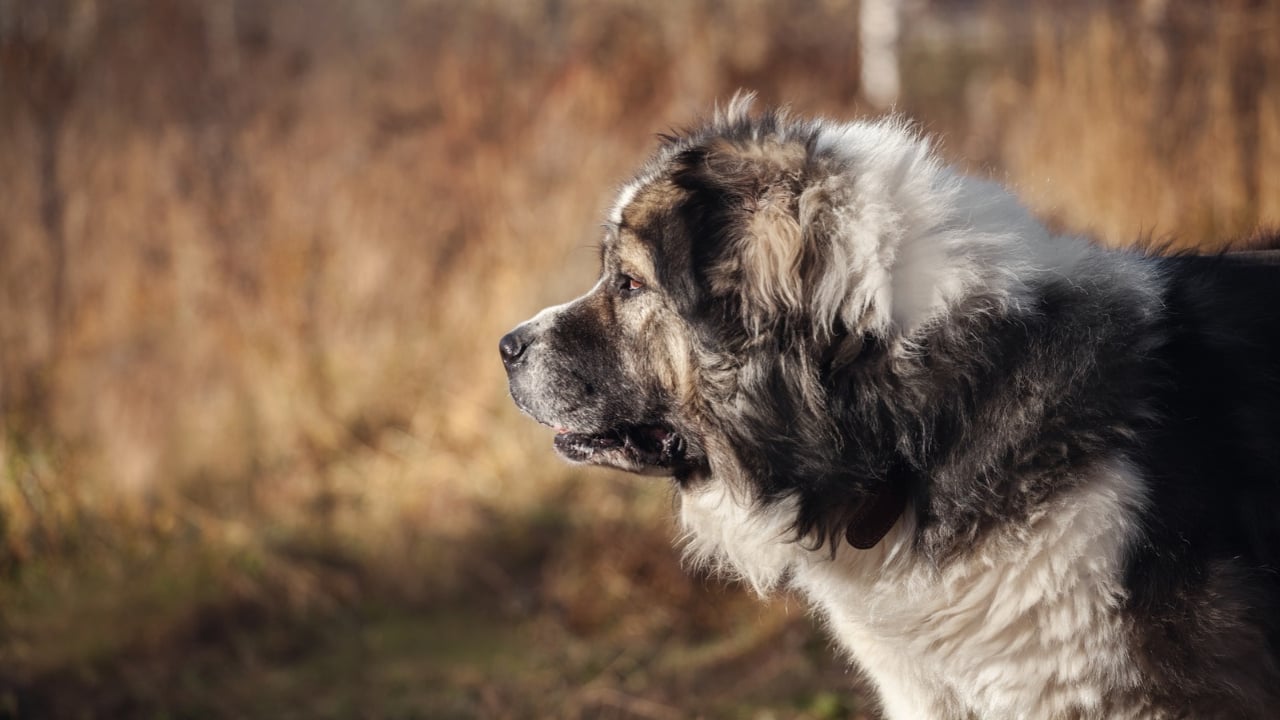
This is not a “big teddy bear” breed, even though the coat makes people think that. Caucasian Shepherds were built to live with livestock and make their own decisions against predators. That means they’re wired to guard territory and challenge threats without waiting for permission.
The issue for normal owners is that these dogs can become deeply territorial, and they’re strong enough to make mistakes permanent. If you’re not experienced with guardian breeds, a 120–170 pound dog that doesn’t automatically defer to you is a bad deal. They also mature slowly, and teenage phases can be a wrecking ball. Great on a big rural property with an owner who knows the game. Not great in a subdivision with a four-foot fence.
6. Presa Canario
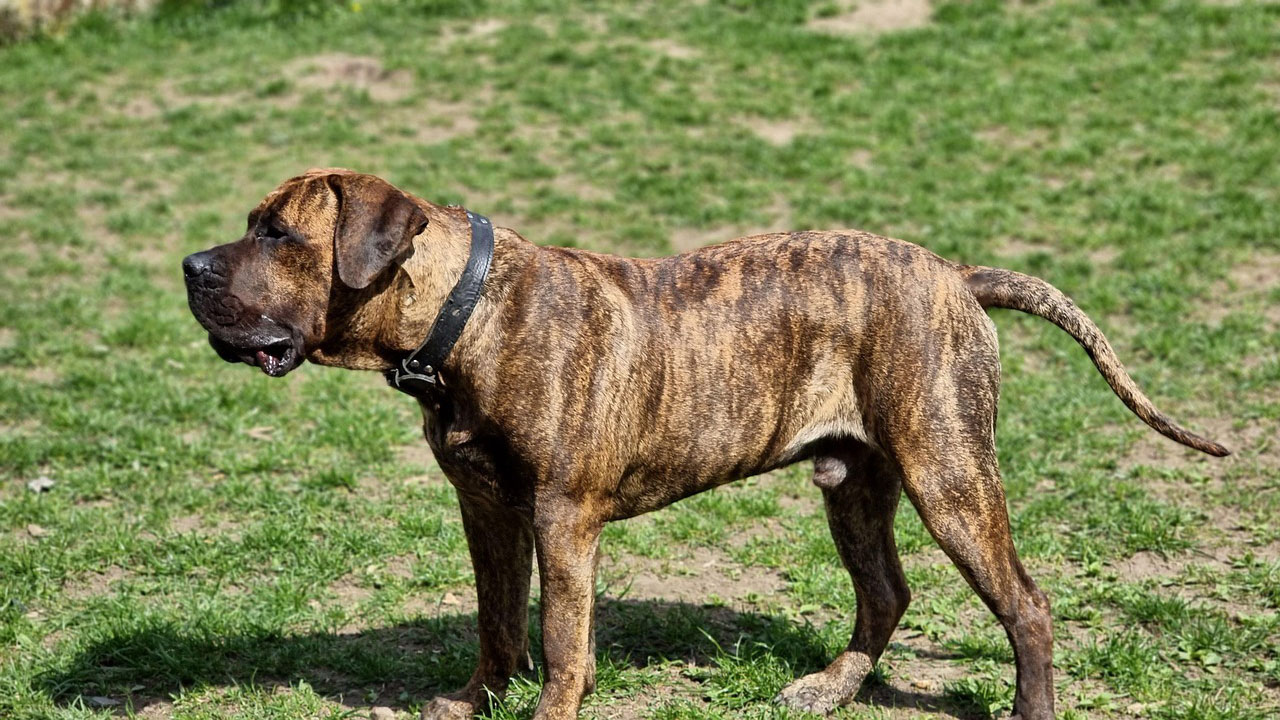
Presa Canarios are powerful and athletic, with a history tied to guarding and catch work. They can be steady, but they’re not a breed where you can “figure it out later.” Loose leadership and inconsistent rules invite pushy behavior, and pushy behavior from a dog that size is a real problem.
They require early socialization done correctly, not just random meet-and-greets. The owner has to be able to read stress signals, manage visitors, and keep the dog under control in public. A Presa that learns it can move you physically will keep doing it. If you’re not committed to training, management, and responsible containment, this breed can turn into a constant risk.
7. Rottweiler

Rottweilers can be phenomenal family dogs, but they’re not forgiving of bad ownership. They’re strong, confident, and often naturally protective. If you let a Rott run the house, you’ll find out fast that you’re living with a dog that doesn’t mind taking charge.
The handling challenge is that they’re smart enough to test you and strong enough to make testing expensive. A young Rott without obedience can knock kids over, drag you on leash, and decide the UPS driver is a problem. They need calm consistency, not yelling and not softness. The best Rott owners I know train from day one, keep them social, and don’t put them in dumb situations.
8. Doberman Pinscher
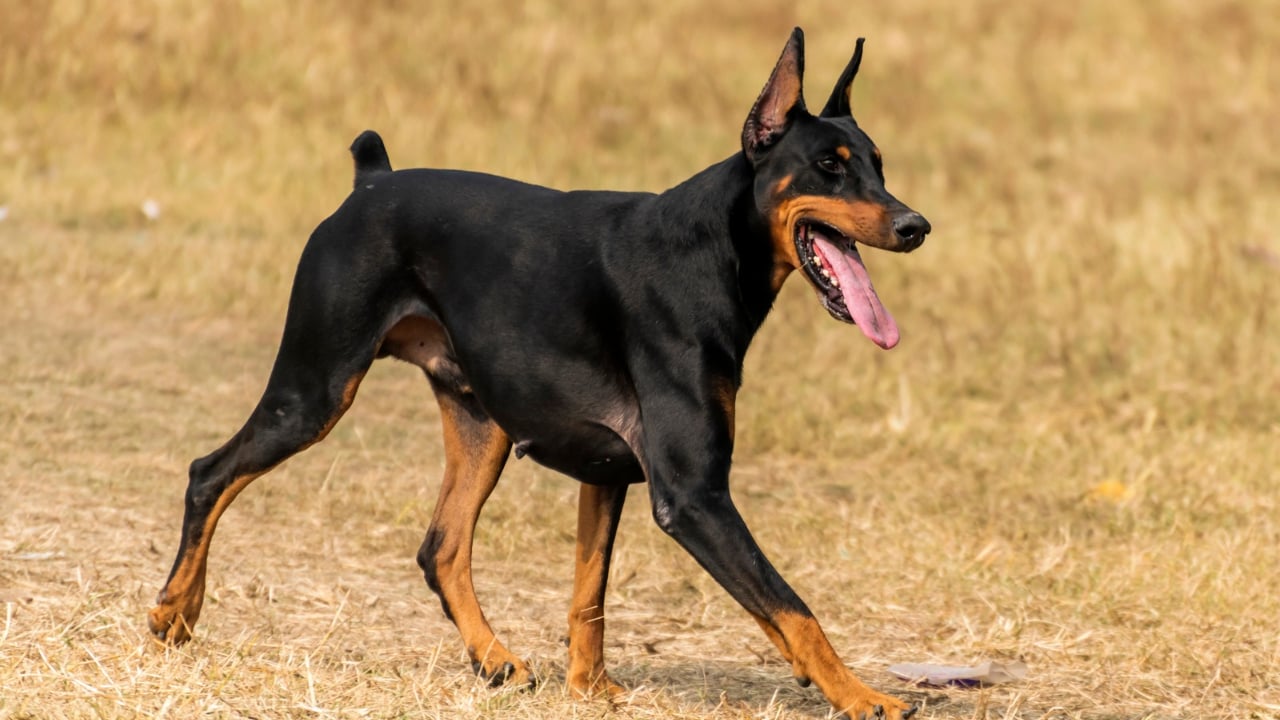
Dobermans look sleek and controlled, so inexperienced owners assume they’re easy. They’re not. They’re driven, fast, and sensitive, and they often attach hard to one person. That combination can turn into anxiety, reactivity, or protective behavior if the dog isn’t trained and exposed to normal life early.
They need purposeful exercise and mental work, not just backyard time. A bored Doberman can become destructive, vocal, or pushy, and their speed makes mistakes happen quick. They also need a confident handler who can set rules without turning training into a fight. When they’re right, they’re one of the best companions you’ll ever have. When they’re wrong, you’ll dread walking out the front door.
9. German Shepherd (working lines)

A well-bred working-line German Shepherd is a tool, not a decoration. They’re built for drive, nerves, and endurance, and they can be a lot sharper than the average “family GSD” people picture. Buy one because you like the look and you may wind up with a dog that’s too intense for your household.
They need training, structure, and ongoing social exposure so they don’t default to suspicion. These dogs notice everything, and if you aren’t the one calling the shots, they will. Poor breeding can add weak nerves or unstable behavior, which is a whole different headache. If you want a shepherd, be picky, train seriously, and don’t skip the boring work like leash manners and neutrality around strangers.
10. Dutch Shepherd
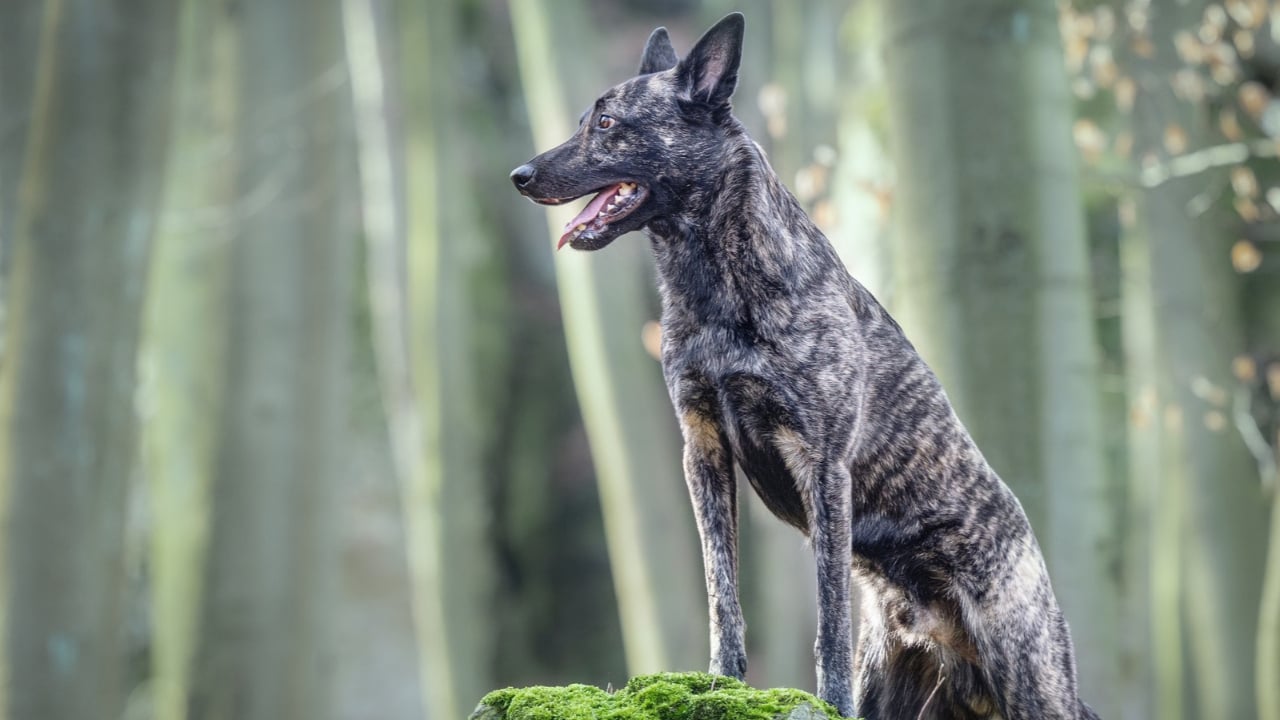
The Dutch Shepherd is like the Malinois’ cousin that didn’t get the marketing budget, but the engine is still there. They’re often high-drive, mouthy, and always looking for something to do. They excel in sport and work because they want the job, but that same drive makes them miserable in a low-activity home.
Handling them means you need timing and consistency. If you let a Dutch Shepherd rehearse bad behavior—chasing, nipping, fence running—it becomes their hobby. They also need a handler who can keep arousal under control; constant hype just makes the dog more frantic. If you’re experienced and like training, they’re a blast. If you’re hoping the dog will “settle down eventually,” you’re gambling.
11. Border Collie
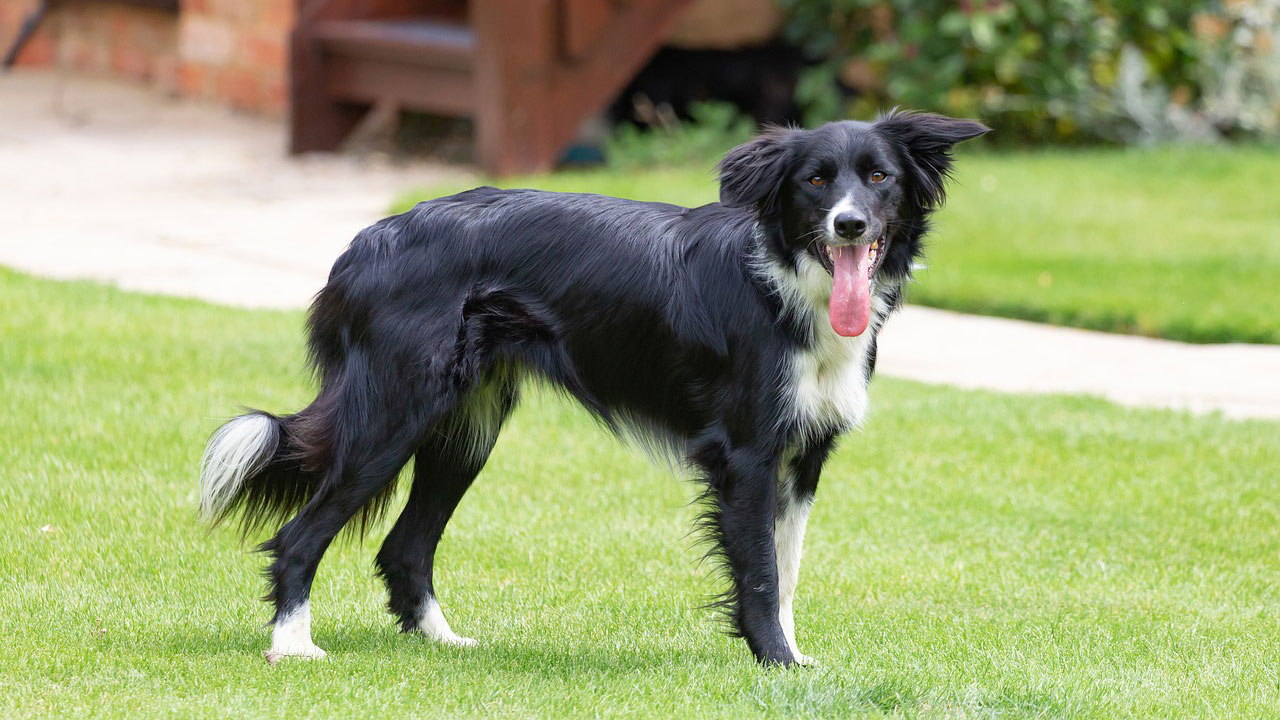
Border Collies are so smart it becomes a problem. Folks buy them thinking “easy to train,” then they learn what “needs to work” really means. A Border Collie without a job will herd children, chase vehicles, obsess over shadows, or develop neurotic habits that are hard to break.
They’re not built for lazy ownership. They need structured outlets like stock work, agility, advanced obedience, or daily problem-solving games. Just throwing a ball can actually wind them tighter if it turns into compulsive fetch. The best ones I’ve been around were owned by people who trained like it was part of morning coffee. If you’re gone all day and tired all night, this breed will run your life.
12. Australian Cattle Dog (Blue Heeler)
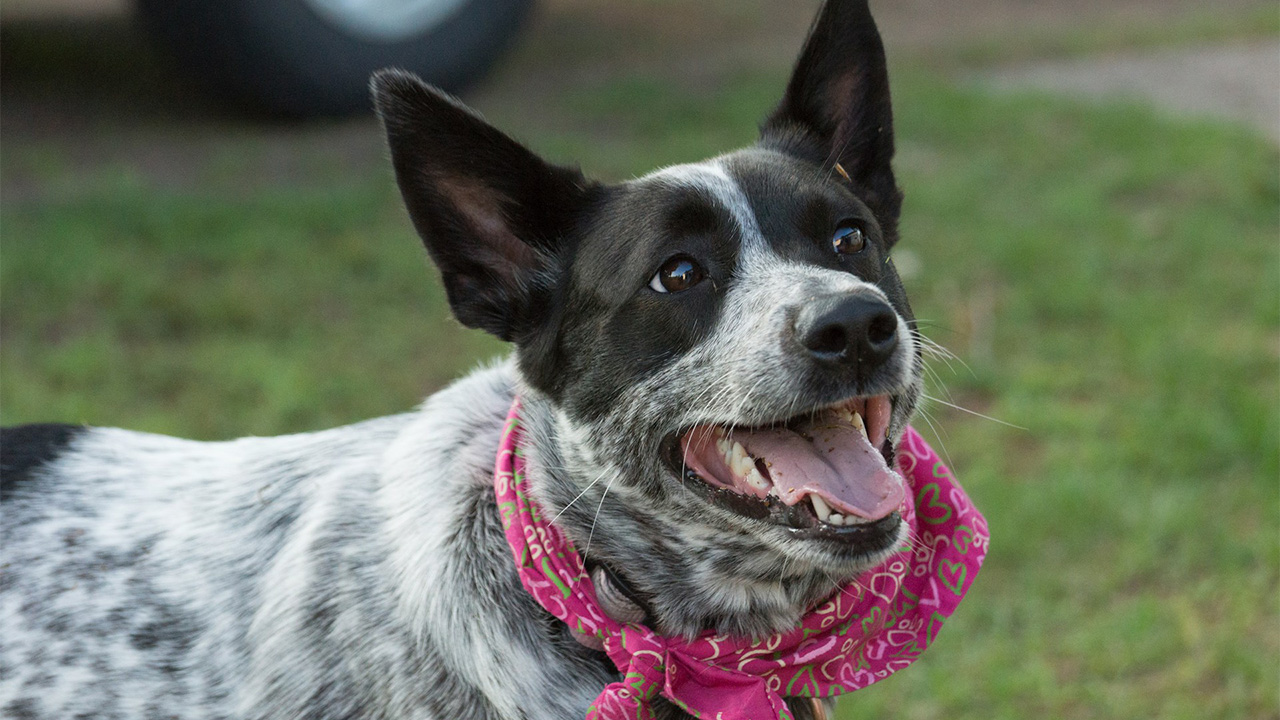
Heelers are tough, gritty, and smart in a way that can feel rude. They were bred to move stubborn cattle by biting heels and taking hits. That means they’re naturally mouthy, quick, and not impressed by weak boundaries. A heeler pup can turn a calm house into a war zone in about two weeks.
They bond hard, and they can get controlling about “their” people and “their” property. Without training, they’ll nip kids, boss guests, and run the fence line like it’s a paid shift. They need firm but fair handling, daily work, and a clear off-switch taught from the start. The upside is they’re loyal and capable as anything. The downside is they’re not here to be your hobby.
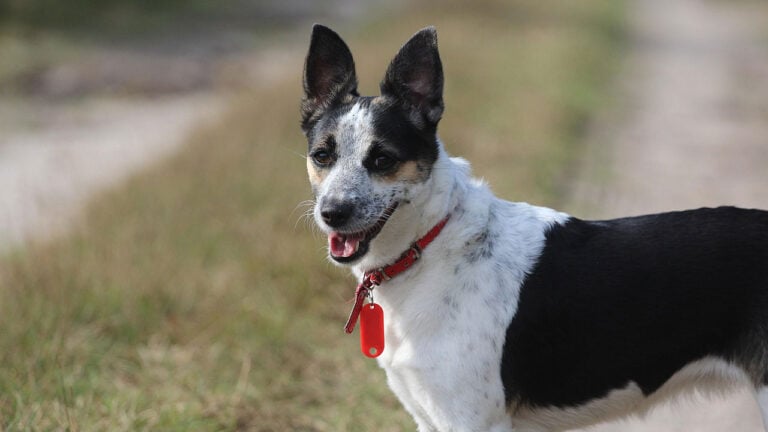
13. Jack Russell Terrier
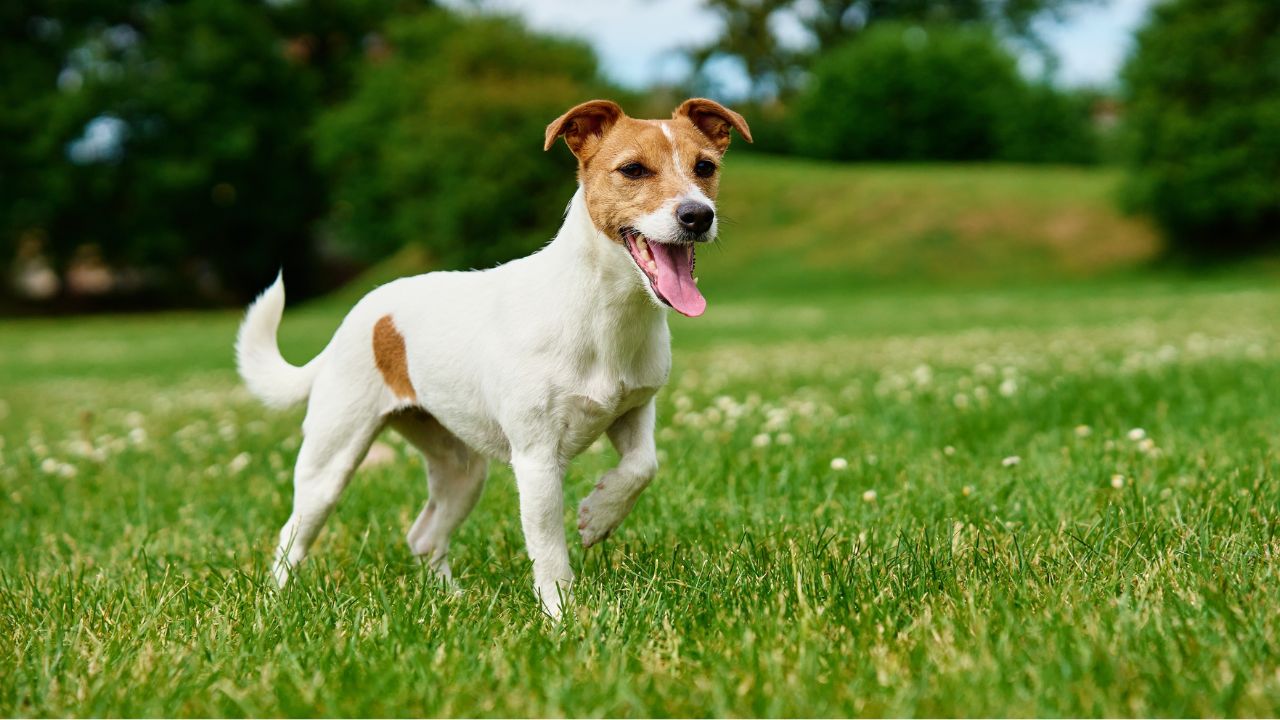
A Jack Russell is small enough to fit in your lap and stubborn enough to run a household. They’re high-energy, prey-driven, and built to go to ground after critters. That translates into digging, barking, chasing, and a general refusal to accept that you’d like some peace and quiet.
The mistake is treating them like a toy dog. They’re athletes with an attitude, and they need training and outlets just like a bigger working dog. If you have chickens, cats, or a neighborhood full of squirrels, you’re going to be managing that prey drive constantly. They’re hilarious and fun when you’re on top of them. Let them slack off and they’ll chew your house like it owes them money.
14. Siberian Husky
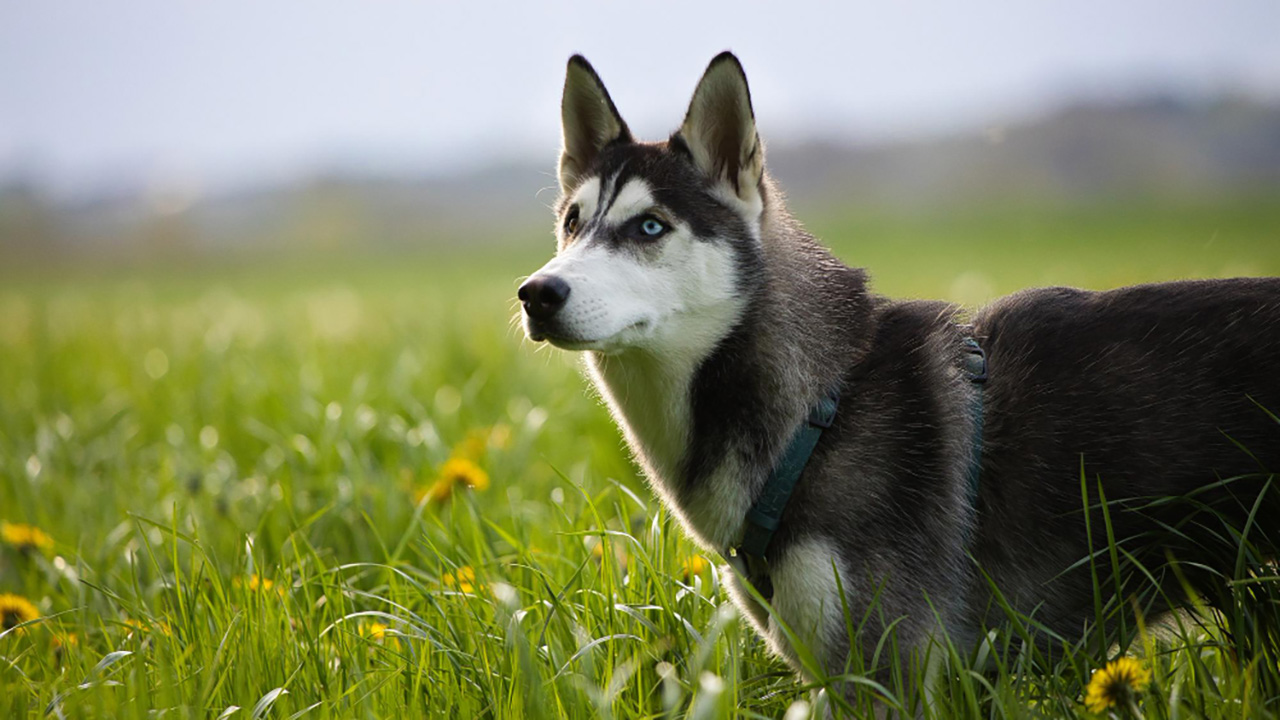
Huskies sell themselves with those eyes and that thick coat. Then they start singing at 2 a.m., digging to China, and slipping through fences like smoke. They’re bred to run, and they’re comfortable making their own decisions, which is a polite way of saying they don’t care about your plans.
Off-leash reliability is often weak, and their prey drive can be no joke. If you don’t have solid containment and you aren’t committed to exercise, you’ll spend your evenings chasing a blur down the road. In hot climates you also have to be smart about when and how you work them. A well-managed Husky is awesome. A bored one is an escape artist that leaves you apologizing to neighbors.
15. Alaskan Malamute

Malamutes are not just “big huskies.” They’re heavier, stronger, and often more dominant with other dogs. They can be friendly, but when a Malamute decides to pull, you better have boots on and a plan. Leash work matters with this breed more than most people realize.
They also need real exercise, but it’s not always the frantic sprinting people do with huskies. They do well with weight-pull style work, hikes, and steady endurance. The challenge is that their strength makes bad habits hard to undo, and their coat and shedding are not a small commitment. If you’re not ready to manage a powerful dog that thinks for itself, you’ll be behind from day one.
16. Great Pyrenees

Great Pyrenees look calm, and sometimes they are. But they’re livestock guardians, and that means independent and territorial. They’re built to work nights, patrol boundaries, and bark to warn threats off. Folks bring one into a suburban yard and then act surprised when the dog announces every raccoon, car door, and leaf falling.
Training can feel slow because they weren’t bred to take constant direction. They were bred to make decisions. If your fence isn’t solid and your property lines are tight, you can wind up with a wandering guardian doing “neighborhood patrol.” On acreage with animals to protect and an owner who understands the breed, they’re hard to beat. In a close neighborhood, the barking alone can start wars you don’t want.
17. Chow Chow

Chows are one of those breeds that people buy because they look like a lion. Then they discover the temperament can be aloof, stubborn, and very selective about who gets close. A Chow that isn’t socialized early can become difficult to handle at the vet, around guests, or in any busy public setting.
They’re also not a breed that tolerates chaos well. Roughhousing kids, constant visitors, and unpredictable situations can make them defensive. Grooming and coat care are another reality check; neglect it and you get mats, skin issues, and a miserable dog. A well-bred, well-raised Chow can be a steady companion, but it’s not a beginner-friendly project. You don’t “wing it” with a dog that guarded households for a living.
18. Weimaraner

Weimaraners are beautiful bird dogs with a reputation for being “Velcro.” That attachment is great until it turns into separation anxiety and destruction. If you’re gone all day, a bored Weim can remodel your living room, and they’ll do it with athleticism and confidence.
They need exercise, but they also need training that channels their brain. They’re smart and energetic, and without structure they can become wild on leash and rude around company. If you hunt and you’ll put the work into steadiness and obedience, they can be fantastic. If you just want a good-looking dog for the house, you may wind up with nonstop pacing, chewing, and a dog that can’t settle.
19. American Pit Bull Terrier (high-drive lines)

This one gets argued to death online, but here’s the real-world issue: some APBTs, especially high-drive lines, are a lot of dog in a compact package. They can be strong, tenacious, and intense about toys, other animals, and boundaries. If you don’t manage that intensity, you’ll have problems.
Many are great with people, but dog intolerance can show up, and it’s not something you “train out” with wishful thinking. Handling means proper containment, safe introductions, and not putting the dog in situations where a bad moment becomes a disaster. Strong leash skills and impulse control aren’t optional. A responsible owner can do great with them. A careless owner turns the dog into a headline, and that one hurts for everyone.
20. Dogo Argentino

The Dogo Argentino was built for big-game hunting and hard work. That tells you almost everything you need to know. They’re athletic, powerful, and driven, and they require a handler who can provide structure and a real outlet. Without that, you’re holding a lot of dog on the end of a leash.
They need early, ongoing socialization and consistent obedience. They also need safe containment; a Dogo that decides to roam can cover ground fast and get into trouble with livestock, pets, or wildlife. This breed can be steady and affectionate in the home, but it’s not a casual ownership deal. If you’re not experienced with strong, driven dogs, pick a breed that fits your life instead of trying to build your life around the dog.
None of this is meant to insult anybody’s favorite breed. It’s meant to keep folks from making a mistake that ends with a surrendered dog, a stressed-out family, or a bad situation that could’ve been prevented with a more honest choice. Match the dog to the job, the property, and the time you actually have. If you want a working dog, commit to working it. If you want a companion, there’s nothing wrong with choosing a breed that’s built for that.
Like The Avid Outdoorsman’s content? Subscribe to our newsletter so you never miss an article.
Here’s more from us: