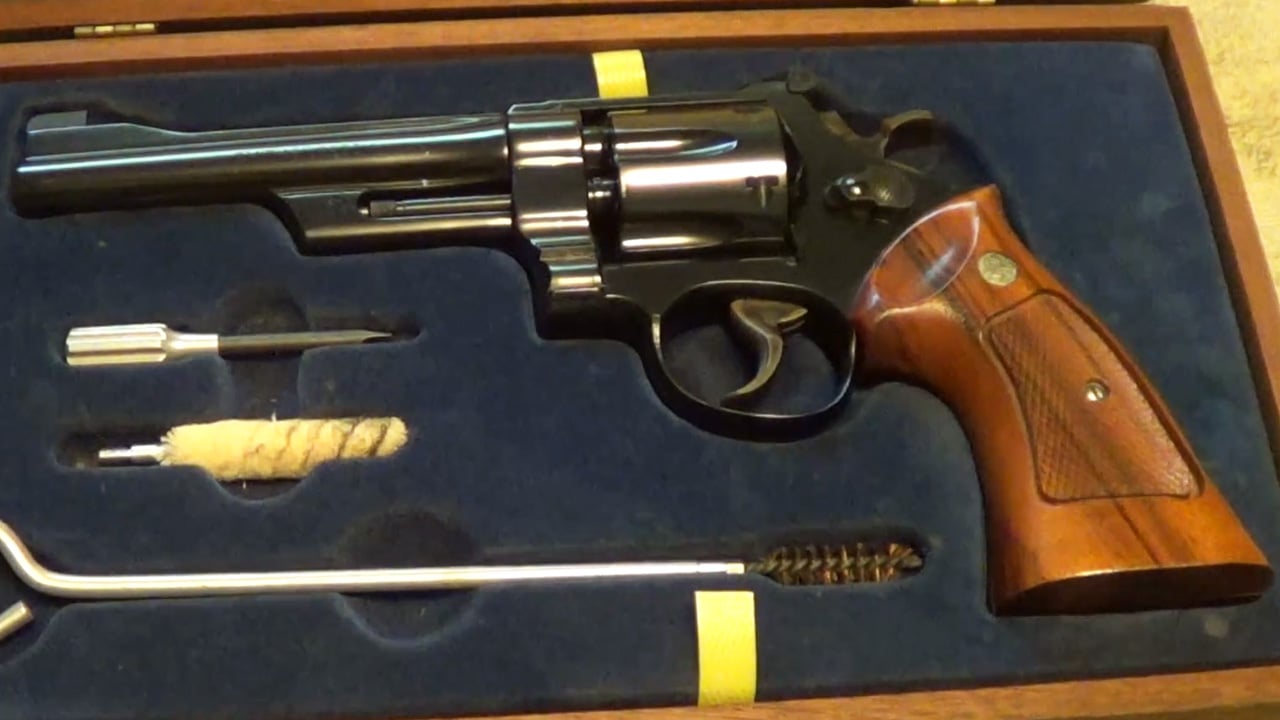
Photo credit: 1957Shep/Youtube
There was a stretch of time when a revolver felt like it was built by somebody who actually shot it, carried it, cleaned it, and then carried it some more. Deep blue that didn’t look like paint. Steel parts where you expected steel parts. Actions that smoothed out with use instead of getting gritty. Then came the era of “cost savings,” lockwork shortcuts, questionable finishes, and little design decisions that made accountants happy and shooters annoyed.
This isn’t about worshipping the past. Plenty of older wheelguns have their own quirks. But if you want revolvers from the years before corners started getting rounded off—sometimes literally—these 20 are the ones I keep coming back to when I’m standing at a gun counter trying to talk myself out of spending money.
1. Smith & Wesson Model 19 (pinned-and-recessed era)
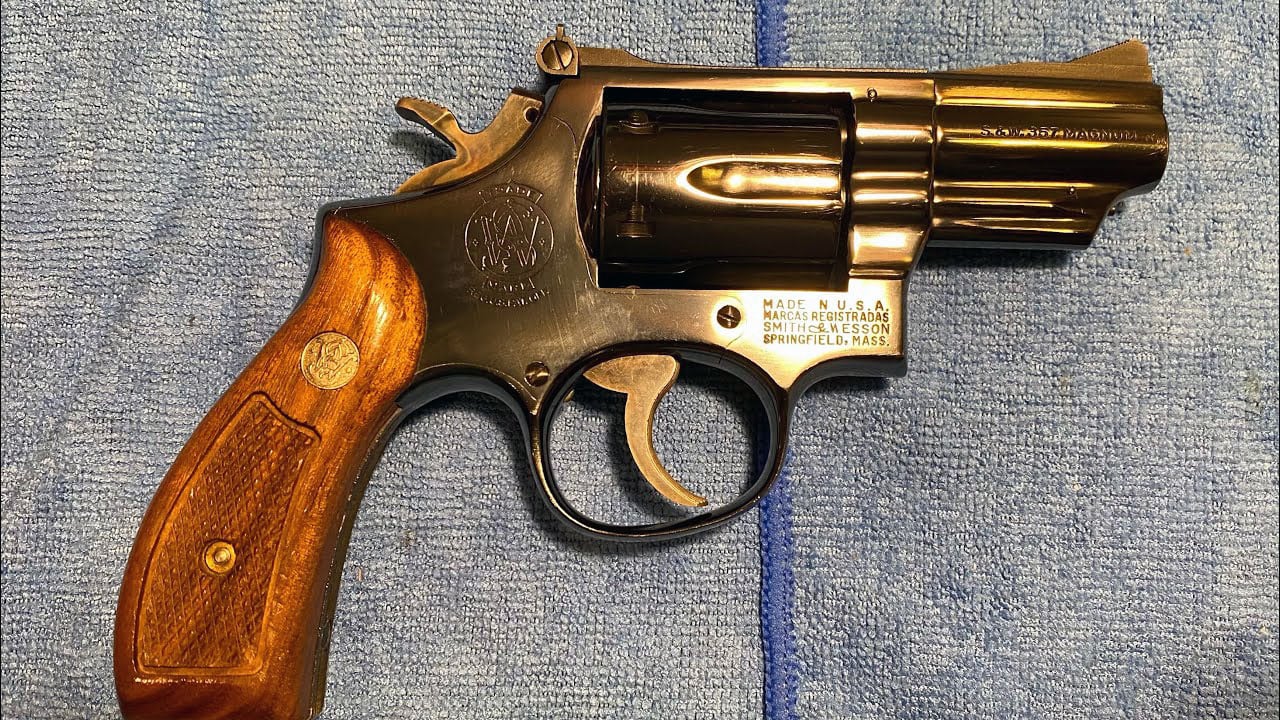
If you ever handled a good old Model 19, you know why folks still chase them. The K-frame .357 carries like a service revolver, points fast, and doesn’t feel like a boat anchor on your hip. With .38s it’s almost boring—in a good way. The balance is what makes it special, not just the name on the side.
The “built right” part is the older fit and finish and the way the action stacks consistently. You can feel what the gun is doing. Yes, heavy diets of hot 125-grain .357 loads weren’t this model’s favorite thing, and that’s not a secret. Feed it .38s and sensible .357s and it’ll do decades of work.
2. Smith & Wesson Model 27 (pre-lock)
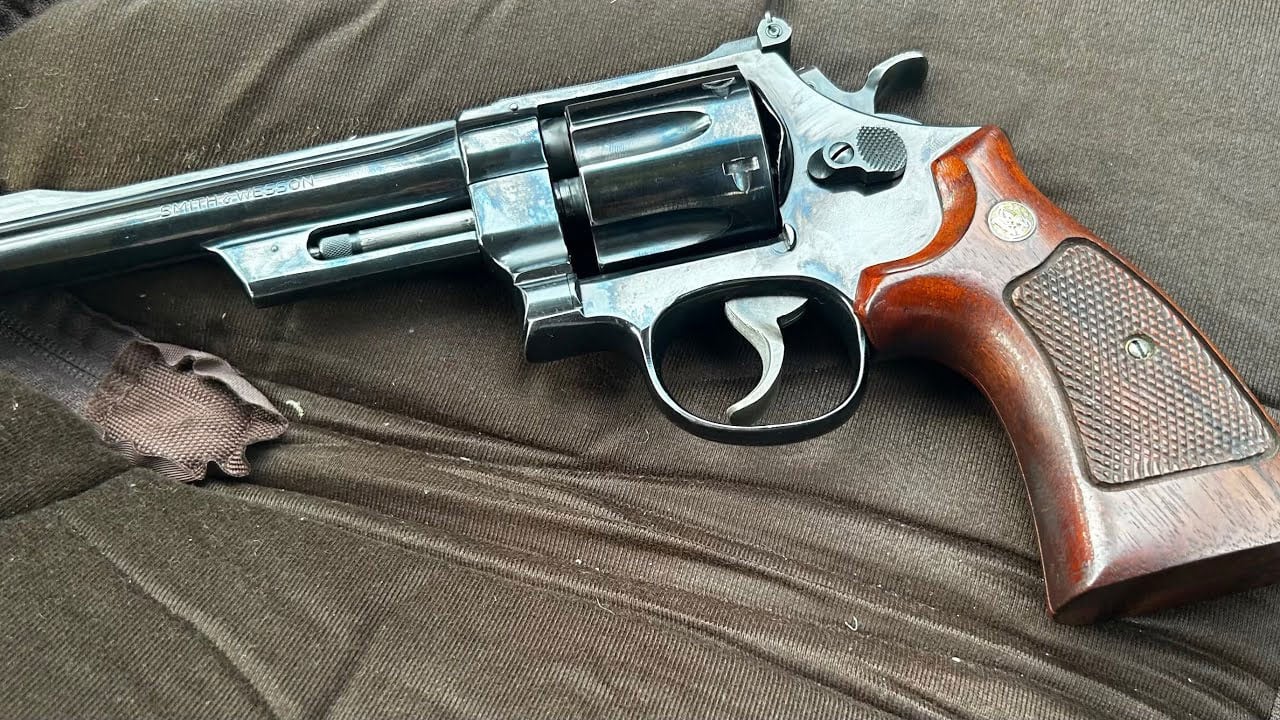
The Model 27 is what happens when a company decides a flagship should actually feel like a flagship. Big N-frame, deep polish on many of them, and a trigger that can spoil you for modern production if you’re not careful. It’s not a backpacking gun, but it’s a lifetime revolver.
In the woods it’s one of those “carry it because you like it” guns as much as a practical tool. Still, with a solid belt and holster it rides fine. Where it shines is shooting: full-house .357 feels controlled, and the sights and sight radius make hits feel easy. The ones without extra “features” added later tend to be the cleanest examples of what the model was meant to be.
3. Smith & Wesson Model 29-2
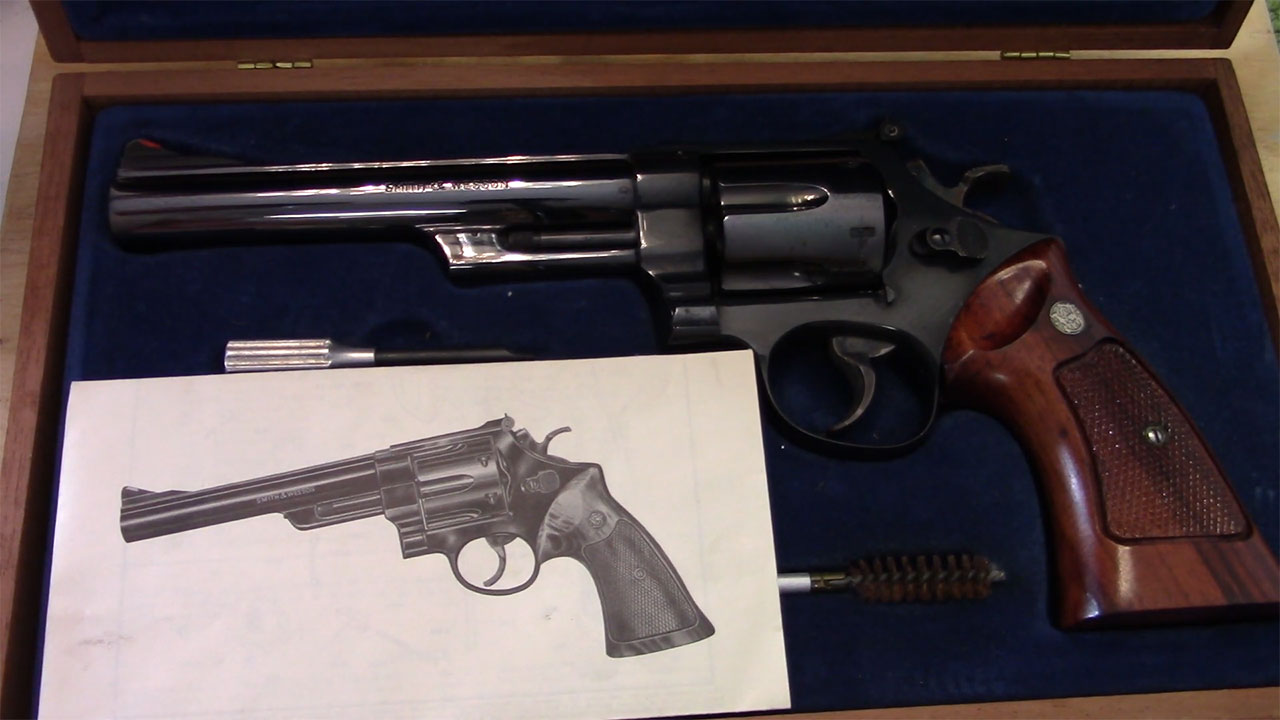
Call it the Dirty Harry effect if you want, but the 29-2 earned its reputation beyond movies. The older ones have that classic S&W feel—smooth double-action, crisp single-action, and the kind of finish you don’t see much anymore. When you find one that hasn’t been abused, it’s hard not to grin.
Is it the ultimate hard-use .44 Magnum for pounding heavy loads all day? Not really. That’s where a Redhawk starts making more sense. But for a hunting sidearm, range work, and the occasional serious load, the 29-2 is a sweet spot. It’s also a reminder that “pretty” and “useful” can live in the same gun.
4. Smith & Wesson Model 10 (older heavy barrel guns)
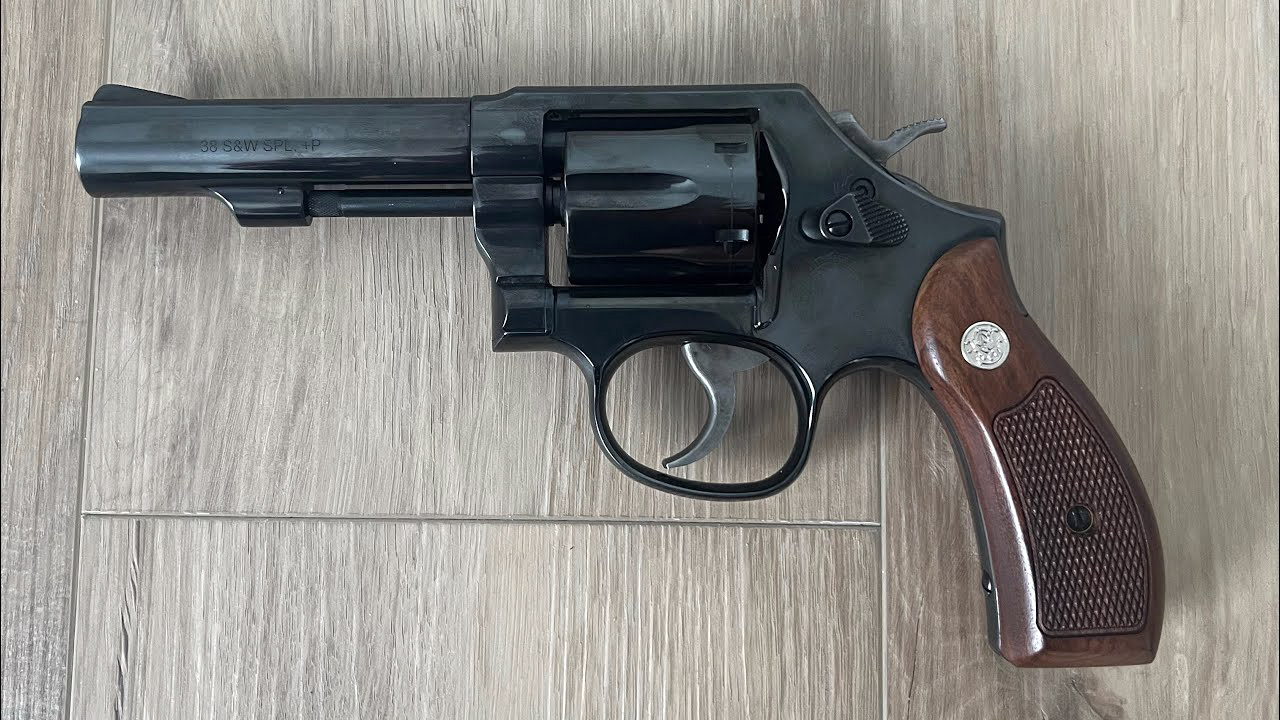
The Model 10 is the plain white bread of revolvers, and I mean that as a compliment. No drama, no gimmicks. Just a .38 Special that shows up, shoots straight, and doesn’t ask for attention. A lot of police trade-ins are worn on the outside and still tight where it matters.
What makes the older ones stand out is consistency. The lockwork feels like it was fitted by a person, not a stopwatch. With a heavy barrel, they settle down on target and make slow-fire groups that embarrass “better” guns. If you want a truck or tackle-box revolver that won’t make you cry over a scratch, it’s hard to beat.
5. Smith & Wesson Model 15 (Combat Masterpiece)
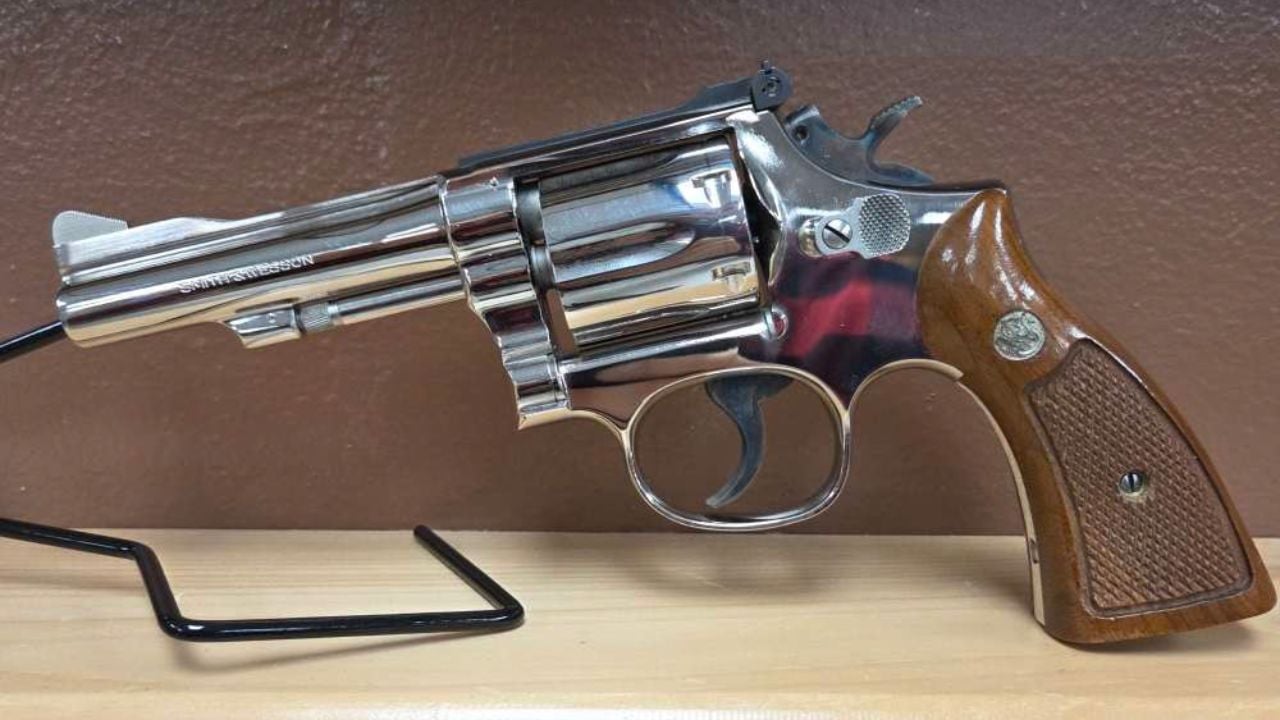
This is one of those revolvers that makes you wonder why we ever moved away from adjustable-sight .38s as a general-purpose sidearm. The Model 15 points naturally, the sights are real sights, and the trigger is usually excellent. It feels like it was designed for people who actually practice.
Outdoors, it’s not a bear-stopper, and it’s not pretending to be. It’s a woods-walk gun, a camp gun, a teaching gun, and a small-game tool with the right loads and a careful hand. The older examples tend to have that “slick but not loose” action that’s hard to describe until you’ve felt it.
6. Smith & Wesson Model 36 (no-lock Chiefs Special)
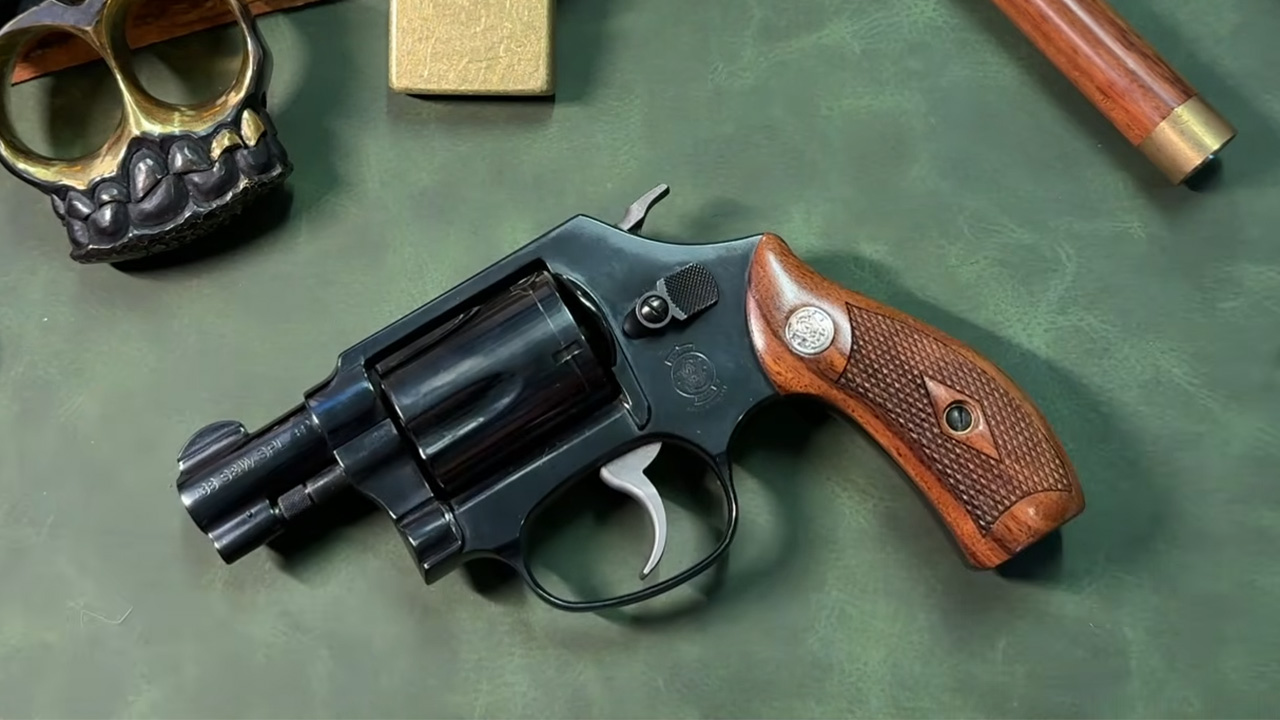
A good old Model 36 is about as honest as a carry revolver gets. Five shots, steel frame, simple sights, and a shape that disappears in a pocket holster or rides clean on an ankle. It’s not a range toy, but it’s a revolver that gets carried because it doesn’t make excuses.
The pre-lock versions have a sturdier, more confidence-inspiring vibe, and many have surprisingly good triggers for such a small gun. J-frames can be hard to shoot well, and that’s still true here. But the gun itself isn’t fighting you. For close-range work and daily carry, it’s a classic for a reason.
7. Colt Python (older production)
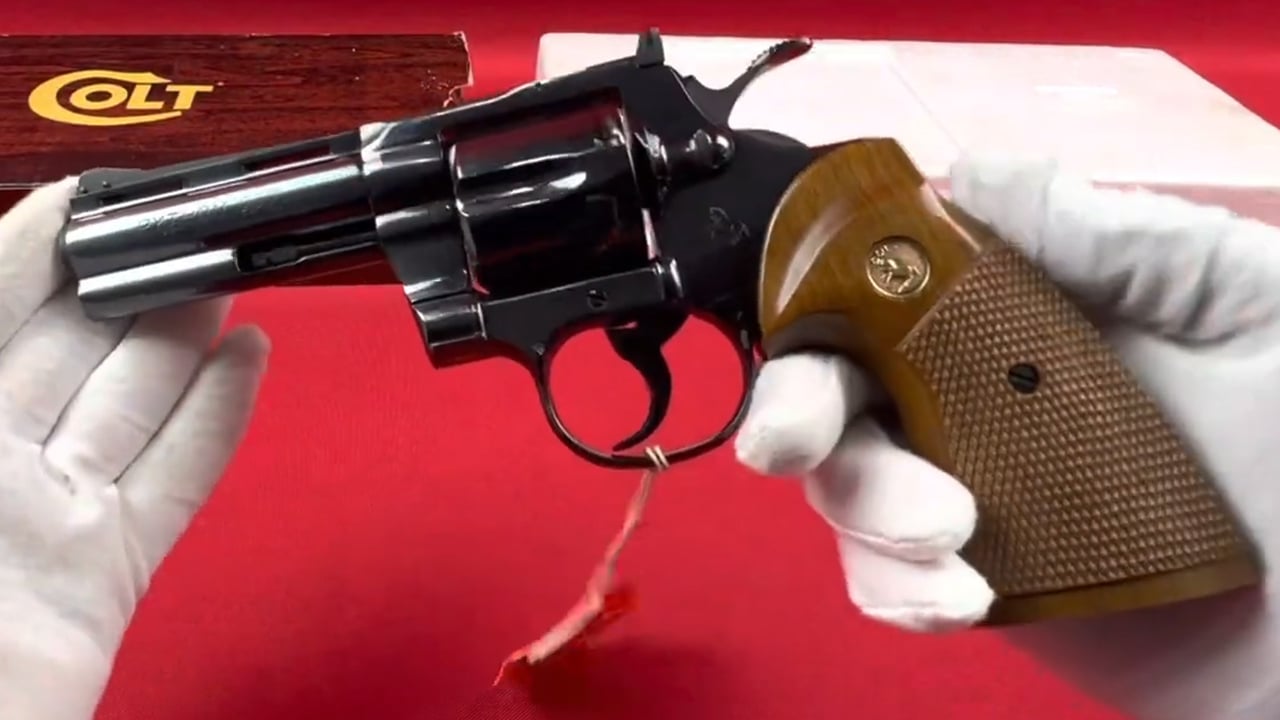
A Python isn’t cheap, and it wasn’t meant to be. The reason the old ones get talked about like they’re mythical is the finish and the action—when it’s right, it’s right. The ribbed barrel and full underlug give it a steady feel, and the sights and trigger make you want to slow down and do things properly.
It’s also not the revolver I’d pick for a hard-knocks truck gun. The Colt action is wonderful, but it’s not something you want messed with by the wrong hands. Still, if you find one in good shape, you’re holding an example of a time when “overbuilt” wasn’t an insult. It’s a range day revolver that turns ammo into smiles.
8. Colt Trooper Mk III
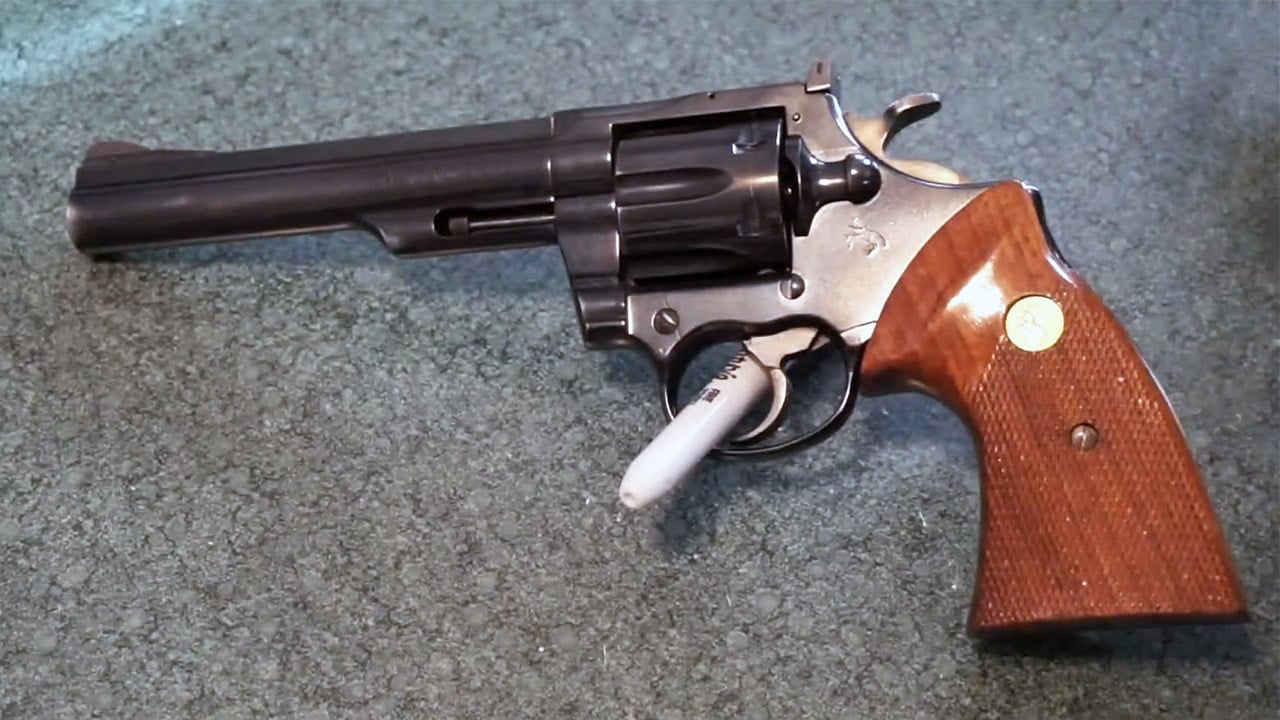
The Trooper Mk III doesn’t get the same love as the Python, which is fine by me because it keeps the prices from going completely sideways. It’s a tough .357 with a solid feel and good accuracy. The Mk III series was Colt leaning more toward strength and service life.
The trigger isn’t always as glassy as the premium Colts, but it’s usually better than folks expect. As a working revolver—think woods carry, farm gun, or a “shoot it a lot” .357—it makes sense. Parts aren’t as everywhere as S&W, but the gun itself is generally durable enough that you’re not constantly chasing problems.
9. Colt Detective Special (early production)
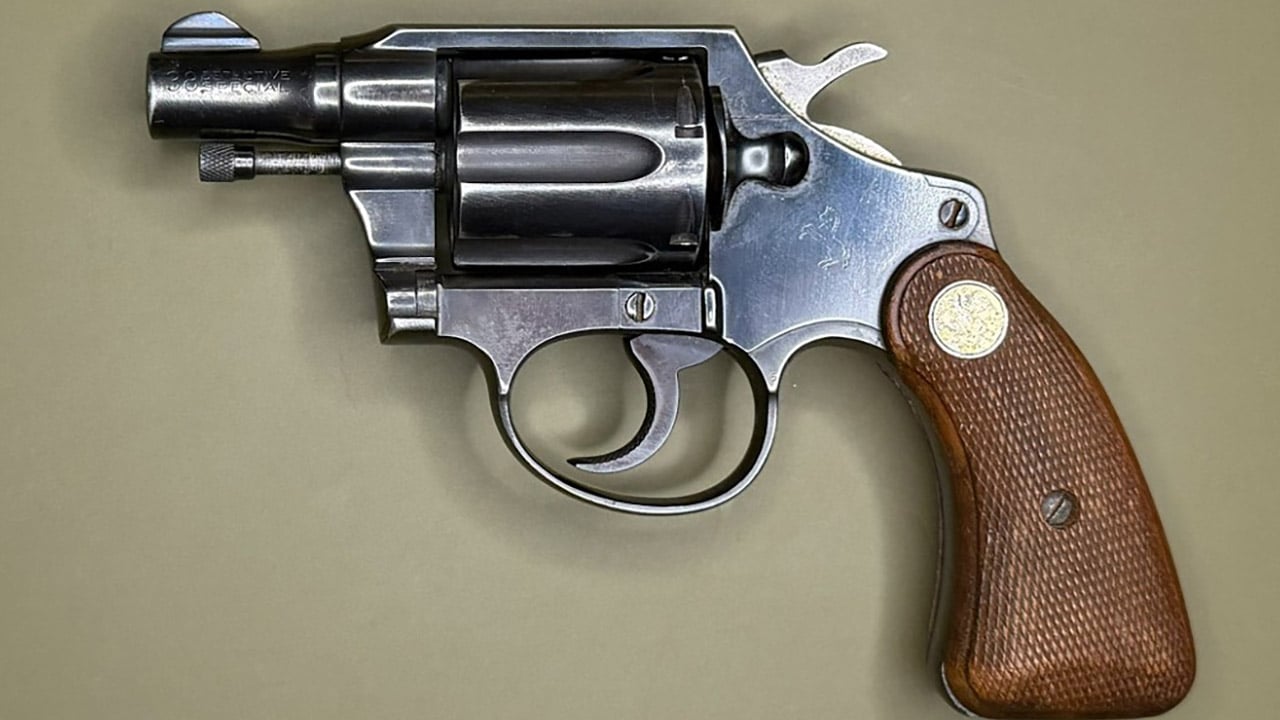
Six shots in a snubnose-sized package still matters. The Detective Special carried like a snub, but gave you one more round than the common five-shot crowd. The older ones also have that Colt feel—different from S&W, a little more “mechanical” in a way that’s hard to explain.
These are carry guns first, range guns second. The sights are small, and the grip can be cramped depending on your hands. But for a coat pocket, glove box, or a dedicated concealment revolver, they did their job for generations. When you pick up an older one that hasn’t been shot loose, it’s easy to see why they’re still sought after.
10. Ruger Security-Six
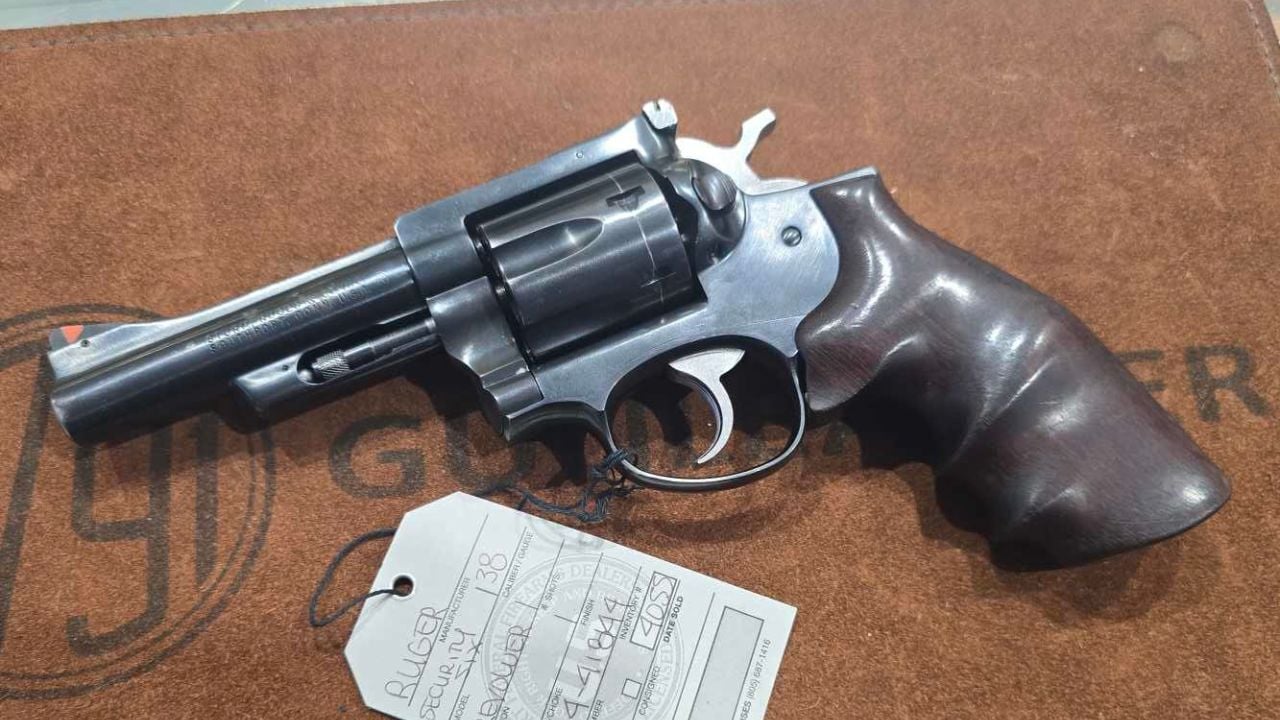
The Security-Six is one of the best examples of Ruger doing Ruger things: strong, simple, and not fancy. The frame and lockwork are built to take real use. If you want a .357 that can live in a truck, bounce around a ranch, and still work when you need it, this is the kind of revolver you look for.
Triggers vary. Some are surprisingly good, others need a lot of dry fire and use to smooth out. But the bones are there. It carries better than the larger Rugers, and with a decent holster it’s a practical woods revolver. The older ones feel like they were built with “hard use” in mind, not just “good enough for the catalog.”
11. Ruger Service-Six
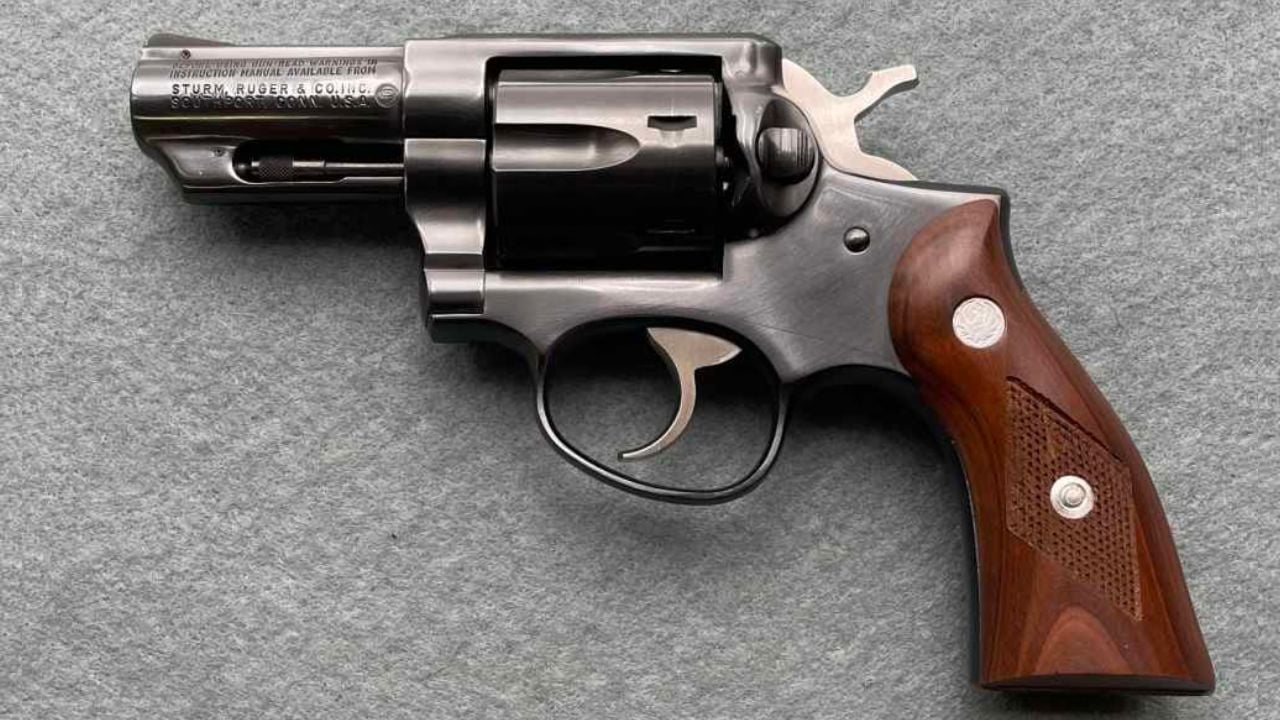
Same family as the Security-Six, but with the fixed sights and the straightforward service revolver vibe. The Service-Six is a working man’s .357, and it doesn’t apologize for being plain. Fixed sights make it snag-free and simple, and the gun tends to shrug off neglect better than most.
For outdoors use, fixed sights can be a blessing. Fewer sharp edges, fewer things to get bent. If you’re the type who wants a revolver for chores, fence line walks, and the odd critter problem, this one fits. It’s also usually priced more reasonably than the adjustable-sight versions, which makes it easier to actually use instead of babying it.
12. Ruger Speed-Six
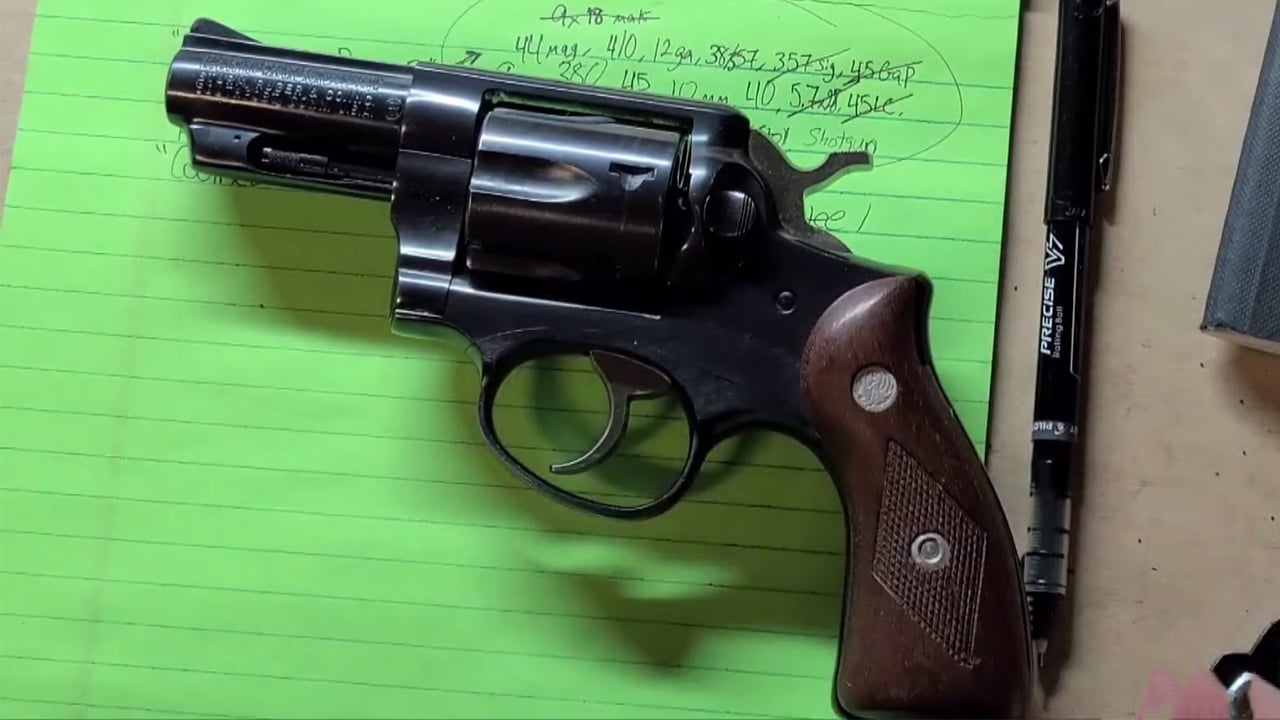
The Speed-Six is the handiest of the Six series, especially in round-butt form. It’s compact without being flimsy, and it balances in a way that makes it feel quick. If you’ve ever carried a revolver all day and noticed every ounce by mid-afternoon, you’ll get why this model has a following.
It’s also tough enough to run real .357 loads without feeling like you’re beating up a collectible. The sights are fixed on most, and they’re usable, not target-grade. This is a practical revolver for folks who live outdoors and want something that doesn’t mind sweat, dust, and being bumped around. There is nothing fancy about it, and that is kind of the point.
13. Ruger GP100 (early production)
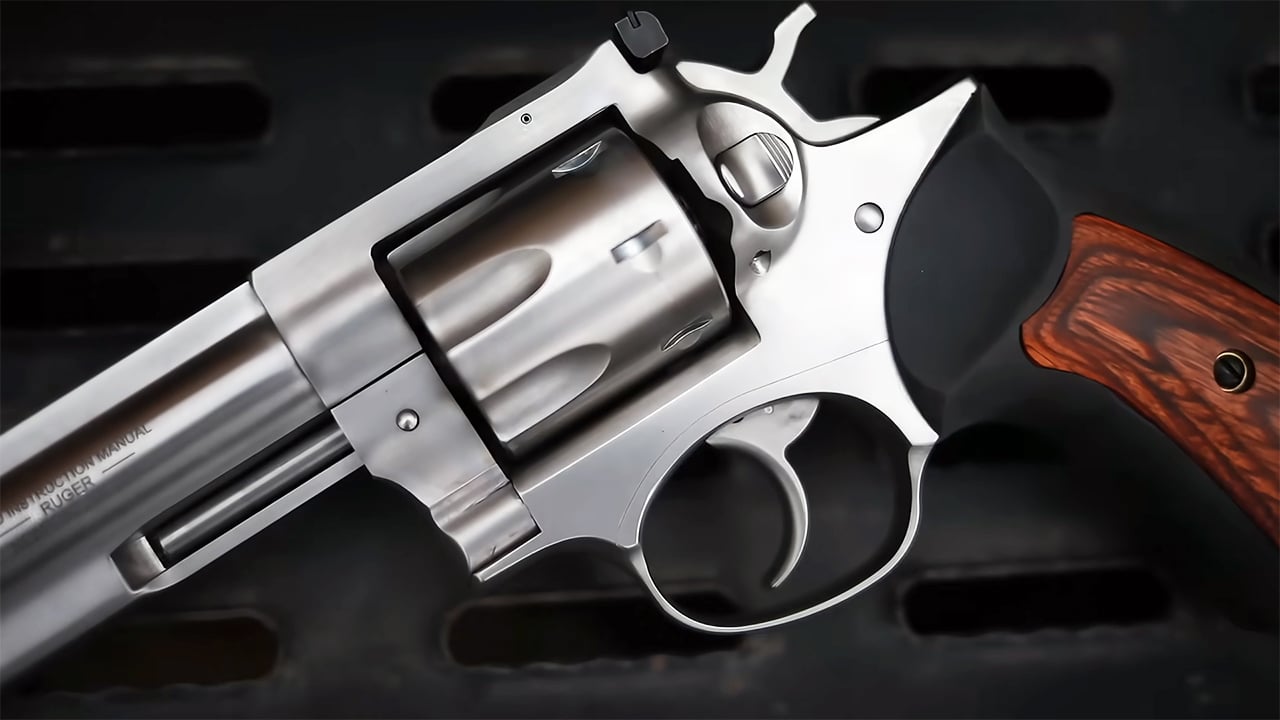
The GP100 is still around for a reason, but the earlier guns have a certain no-nonsense feel that’s easy to appreciate. The lockup is solid, the frame is robust, and the gun is built to digest .357 like it’s doing you a favor. If you like running heavy loads, this is where Ruger starts making a lot of sense.
It’s not light. You notice it on the belt, especially in longer barrel lengths. But that weight is what makes it pleasant to shoot and easy to control. For a woods sidearm, it’s a steady companion. If you find an older GP100 with a smooth action, it’s a revolver you can shoot hard and still hand down without excuses.
14. Ruger Redhawk (original .44 Magnum)
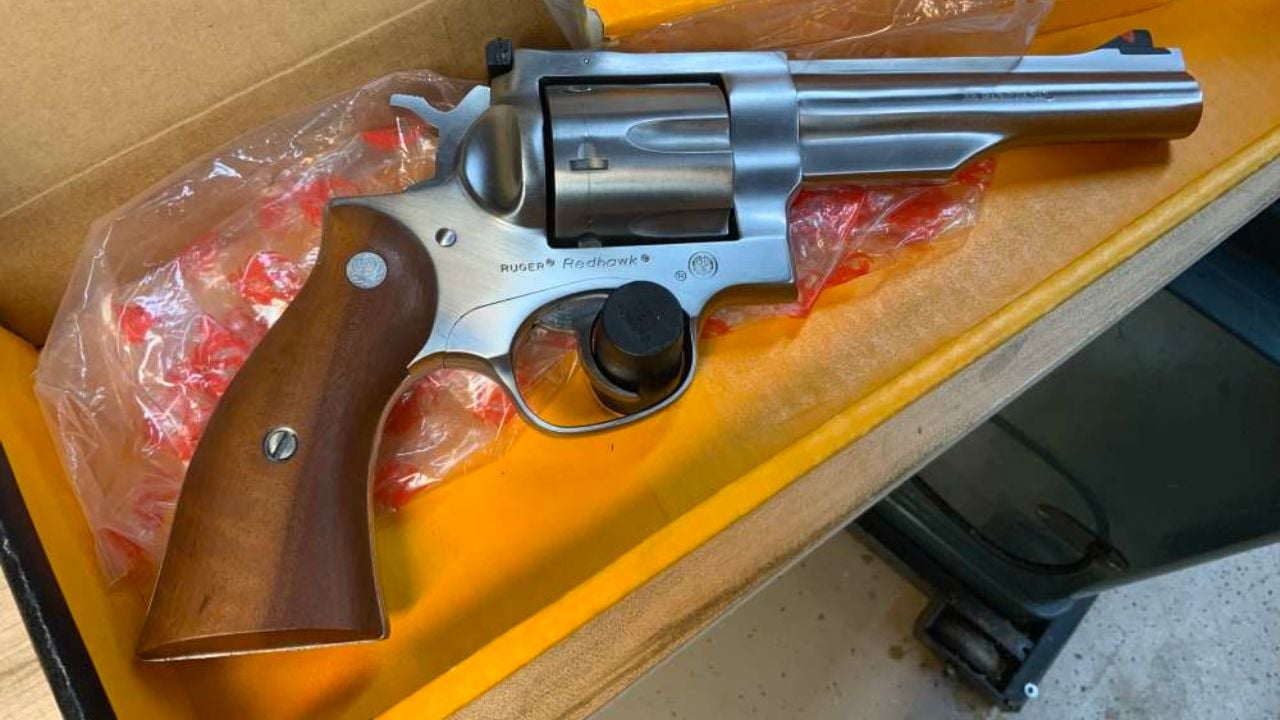
If you’ve ever watched a buddy try to “wear out” a Redhawk, you’ve probably laughed. They are tanks. The original .44 Magnum Redhawk is one of those revolvers that makes you feel like the gun is more capable than you are, which is not a bad thing when you’re talking heavy loads.
The downside is it carries like a tank too. You need a real belt and holster, not something you grabbed off a bargain peg. The trigger can be heavy out of the box, but it usually improves with use. For hunting as a backup, or for folks who run hot .44s without wanting to baby their revolver, this one earned its reputation the honest way.
15. Ruger Super Blackhawk (old-school single-action)
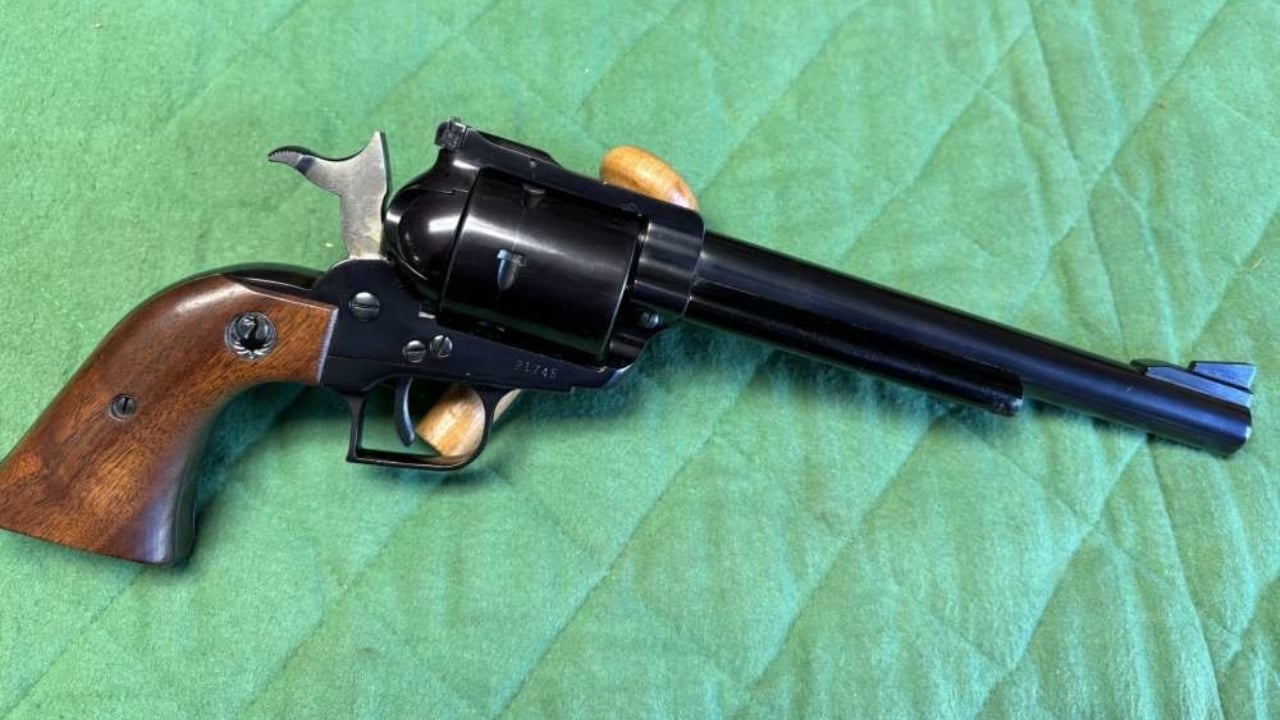
Single-actions aren’t for everybody, but a Super Blackhawk is hard to argue with if you spend time outdoors. It’s strong, simple, and built for real .44 Magnum work. The old ones have that “this will outlive me” feel, especially with the classic steel and straightforward design.
It’s slower to reload and not what I’d pick for everyday carry in town. But in the woods, where the first shot matters most and you’re not trying to win a speed competition, it’s a solid tool. The plow-handle grip can roll in the hand under recoil, which some folks hate and some folks prefer. Either way, it’s honest recoil management, not marketing.
16. Dan Wesson Model 15-2
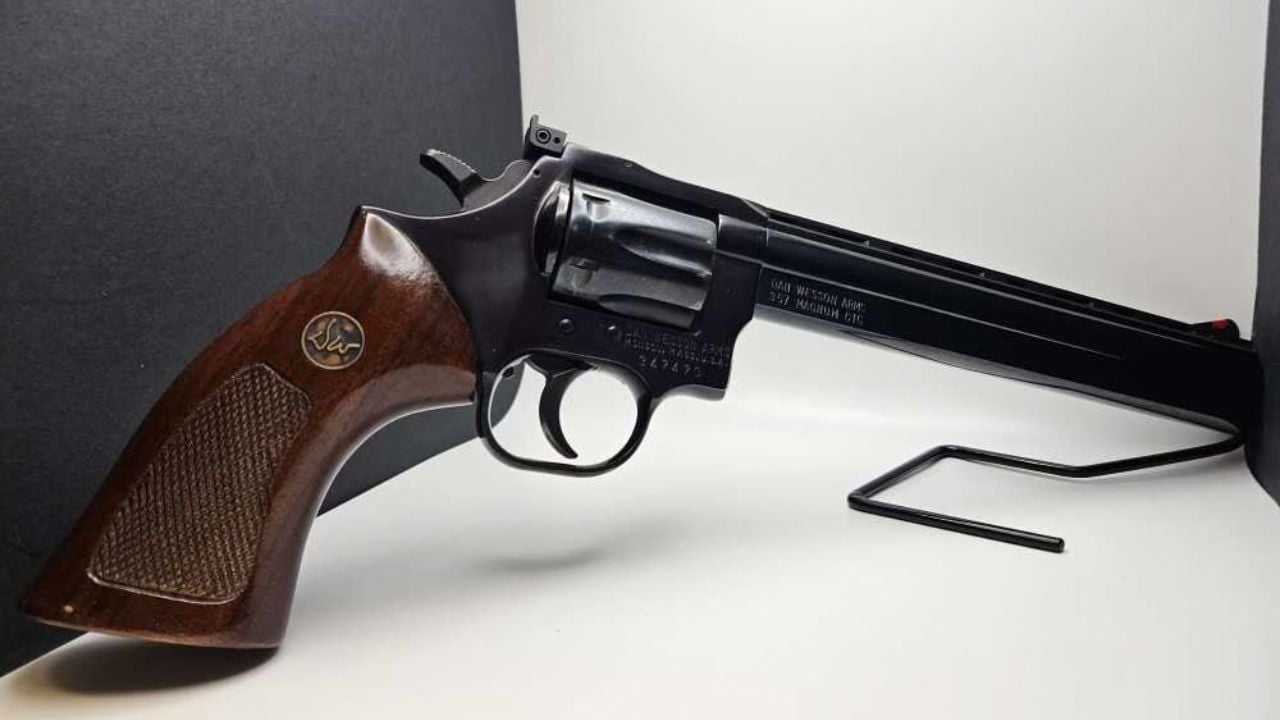
Dan Wesson revolvers have a “tool room” vibe that I respect. The Model 15-2 in .357 is accurate, sturdy, and a little underappreciated if you’re only shopping by brand prestige. With the right barrel setup, they can be scary accurate, the kind of accurate that makes you check your own shooting habits.
They’re not as common on shelves, and that’s part of the deal. If you buy one, you might spend a little time hunting grips or specific parts. But what you get is a revolver that was built with precision in mind. The lockup and frame design are stout, and the gun tends to feel tight even after plenty of rounds. For a serious range revolver that can still ride in the woods, it’s a sleeper pick.
17. Dan Wesson Model 44 (early production)
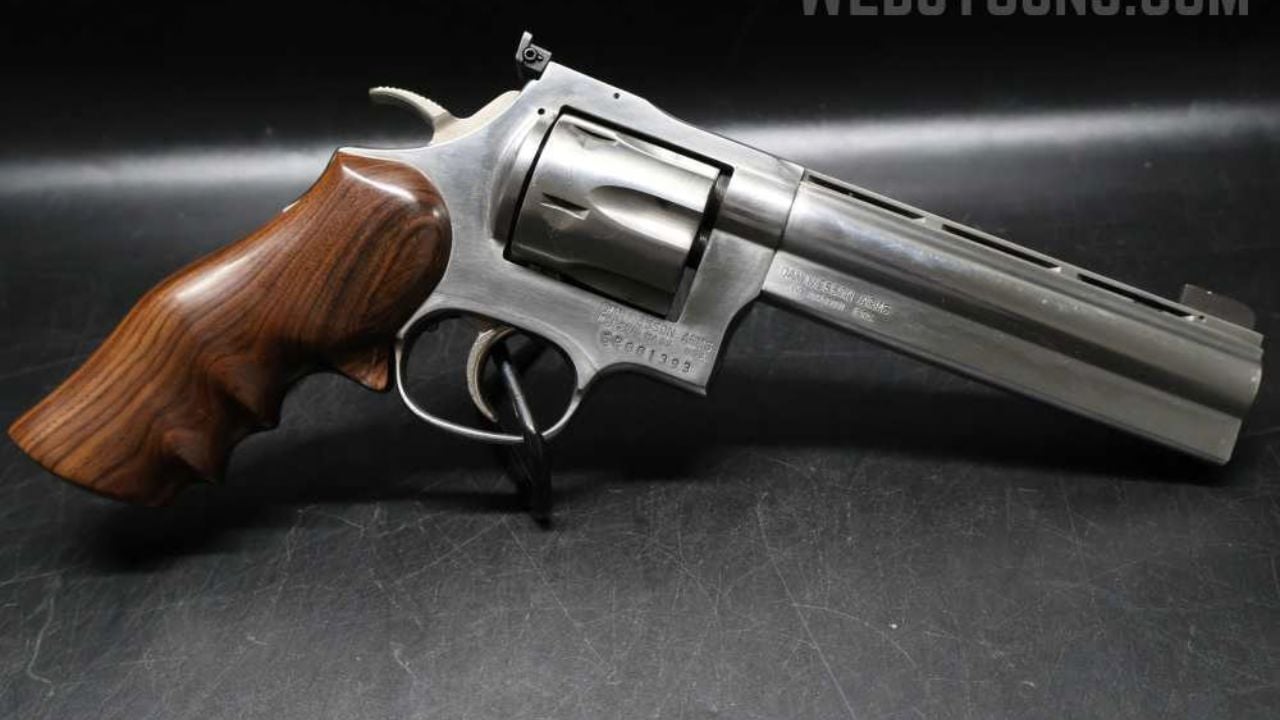
The big Dan Wesson .44s are not pretty in the traditional sense, but they’re built for work. If you’re the type who cares more about performance than polish, they make a lot of sense. They soak up recoil well, and they tend to shoot better than the average shooter can hold.
They also have that “modular” reputation, and while I’m not going to tell anyone to start wrenching on guns without knowing what they’re doing, the basic idea was solid: a system that could be maintained and tuned properly. In practical terms, an older Dan Wesson .44 is a hunting revolver you can actually trust, especially if you’re not trying to keep it pristine for a display case.
18. Smith & Wesson Model 686 (early no-lock)
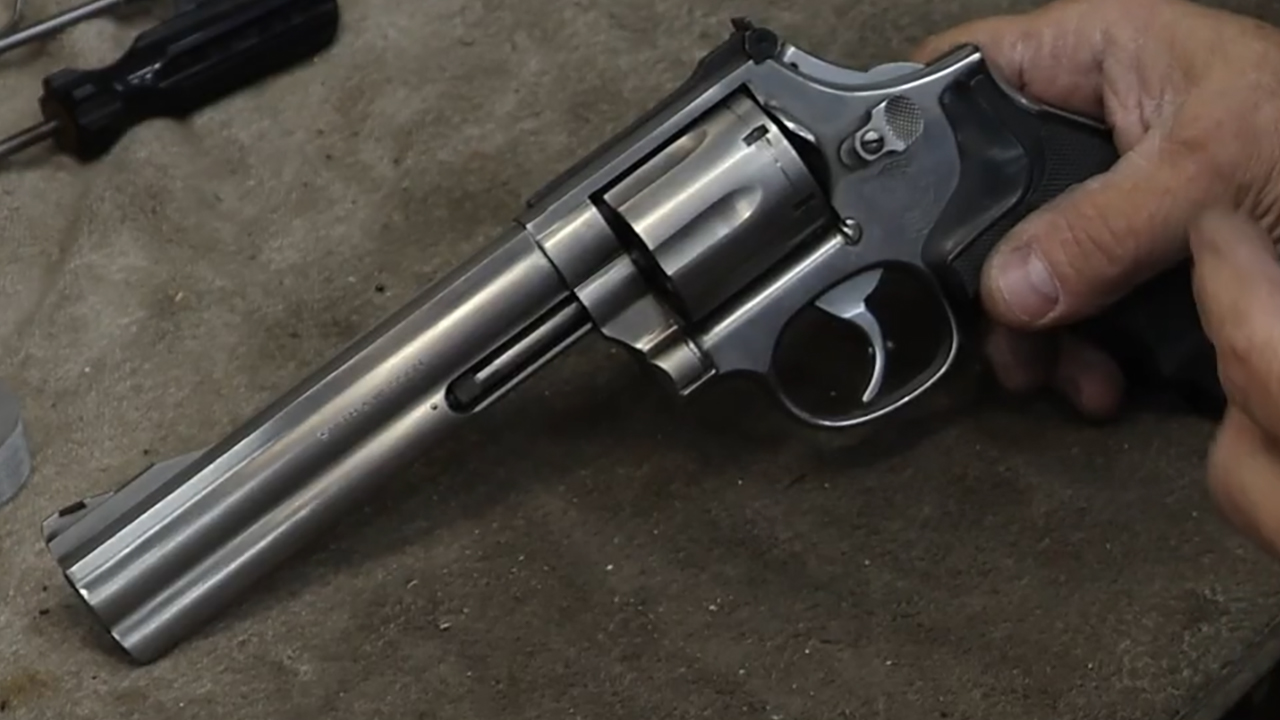
The 686 is one of the best all-around .357s S&W ever put out. L-frame size hits a sweet spot: more durable than the K-frames for steady magnum use, but not as bulky as the N-frame guns. Early no-lock examples tend to have excellent triggers and that solid, confidence-inspiring lockup.
This is the revolver I point to when somebody wants “one wheelgun to do most things.” It can be a home-defense revolver, a range gun, and a woods companion. It’s not the lightest carry option, but it carries fine with the right setup. If you’re the type who shoots year-round and doesn’t want to baby a .357, an older 686 is hard to fault.
19. Smith & Wesson Model 629 (early no-lock stainless)
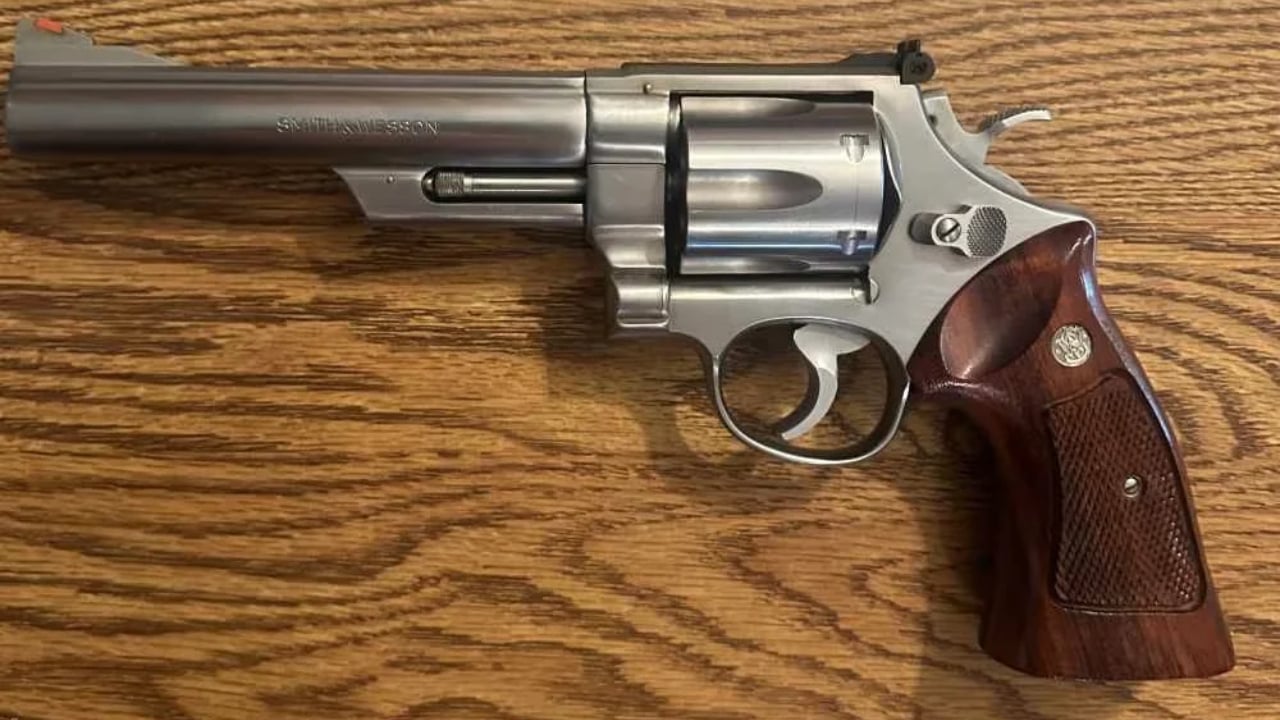
Stainless .44s get carried in bad weather for a reason, and the early 629s are a great example of stainless done right. They’re not immune to wear, but they don’t punish you for getting rained on during deer season. Wipe it down, keep it clean, and it’ll keep doing its job.
The 629 is also a practical hunting-side revolver for folks who actually hunt, not just talk about it. It’s heavy, but manageable. With sane loads, it’s a pleasure; with heavy loads, it’s still controllable if you’ve got good grips and good form. Early no-lock versions tend to be what folks look for when they want the old feel without stepping back into full-blued nostalgia.
20. Charter Arms Undercover (early production)
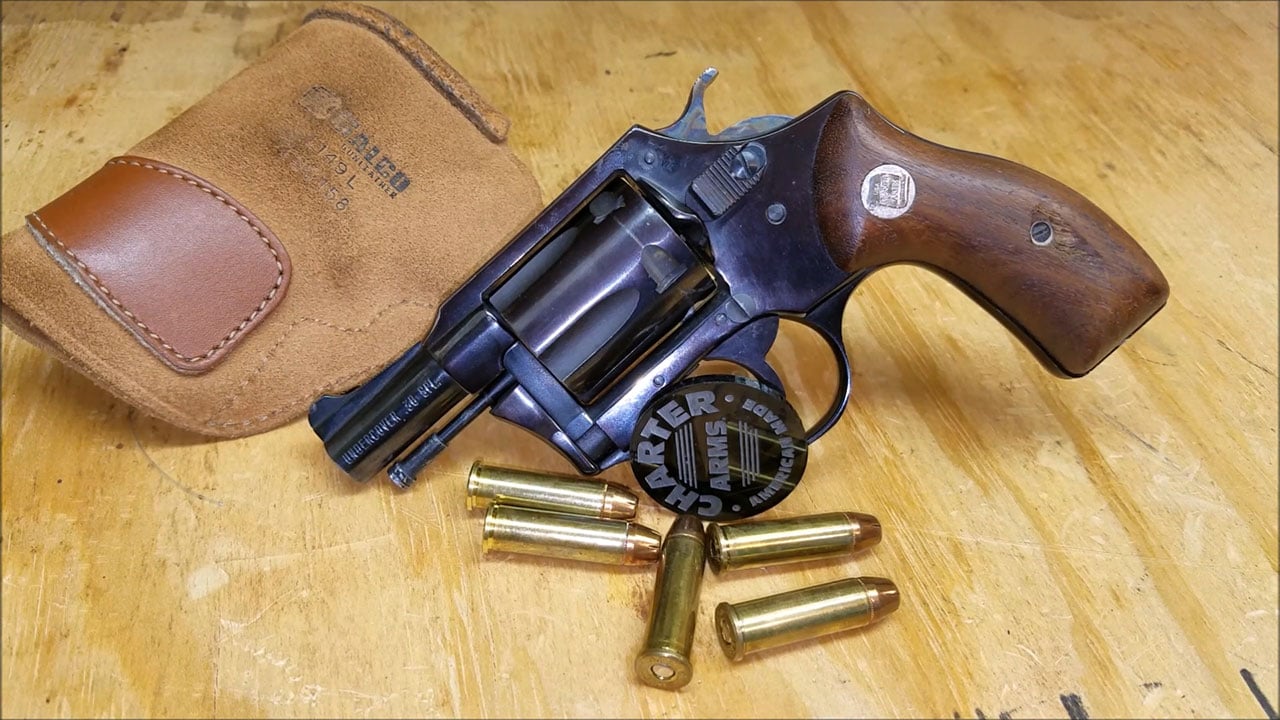
This one will get argued about, but hear me out. Early Charter Arms Undercover revolvers filled a niche: lightweight, affordable, and genuinely carryable. When they’re good, they’re surprisingly good. Not “target revolver” good, but “goes bang, hits close, carries easy” good.
The reason it belongs on this list is that it represents a time when simple carry revolvers didn’t need to be loaded with gimmicks. It’s a working-class gun, and it feels like it. You still need to inspect any used Charter carefully—timing, lockup, and general condition matter more here than on some heavier guns. But a solid older Undercover is the kind of revolver that actually ends up in pockets and tackle boxes, which is where real life happens.
If you’re shopping used, take a small light, check lockup, timing, endshake, and make sure the cylinder and forcing cone don’t look like they’ve been through a war. Dry fire with snap caps if the shop allows it and feel for grit or odd stacking. None of these revolvers are magic, but they come from an era when durability and shootability were the selling points—not just a spec sheet and a price tag. If you find a good one, don’t overthink it.
Like The Avid Outdoorsman’s content? Subscribe to our newsletter so you never miss an article.
Here’s more from us: