Photo credit: Ron Spomer Outdoors/YouTube
Spend enough time leaning on a glass gun counter and you start to notice a pattern. When the store is busy, the loudest opinions win—whatever is trending on YouTube, whatever your buddy’s cousin “swears by,” whatever is on sale with a rebate the size of a billboard. But when things slow down, and it’s just you and the employee who’s had to fix customer mistakes for a few years, you hear a different list. It’s not glamorous. It’s not always fast. It’s usually the calibers that keep working when the weather turns bad, ammo shelves look thin, and the new-gun excitement wears off.
Here are 20 cartridges that tend to come up in those quieter, more honest conversations—along with why they keep getting recommended when nobody’s trying to impress anybody.
1. .22 Long Rifle
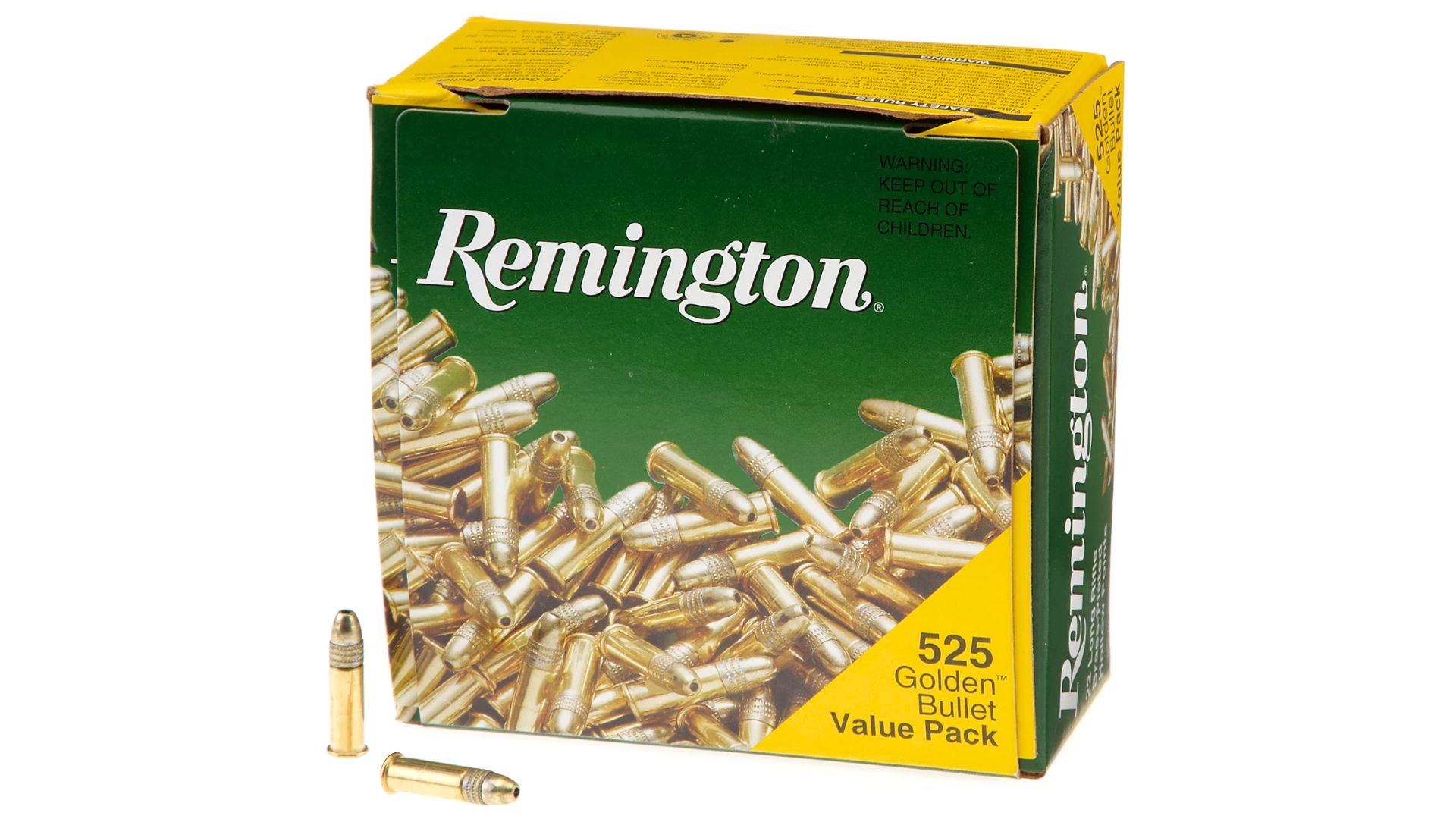
If you want one caliber that has probably put more meat in a pot and more grins on faces than anything else, it’s .22 LR. Employees recommend it because it covers training, plinking, pest control, and small game with almost no recoil and low noise. It’s the round you can shoot all afternoon without developing a flinch, and that matters more than most folks want to admit.
It’s also the caliber you can actually afford to practice with. When centerfire prices jump, .22 keeps families shooting and keeps skills from getting rusty. There are better dedicated rounds for certain jobs, sure, but .22 LR is the one that gets used. The guns are light, magazines are everywhere, and if you own land, it’s hard to argue against having at least one .22 that lives by the back door.
2. .22 WMR (.22 Magnum)
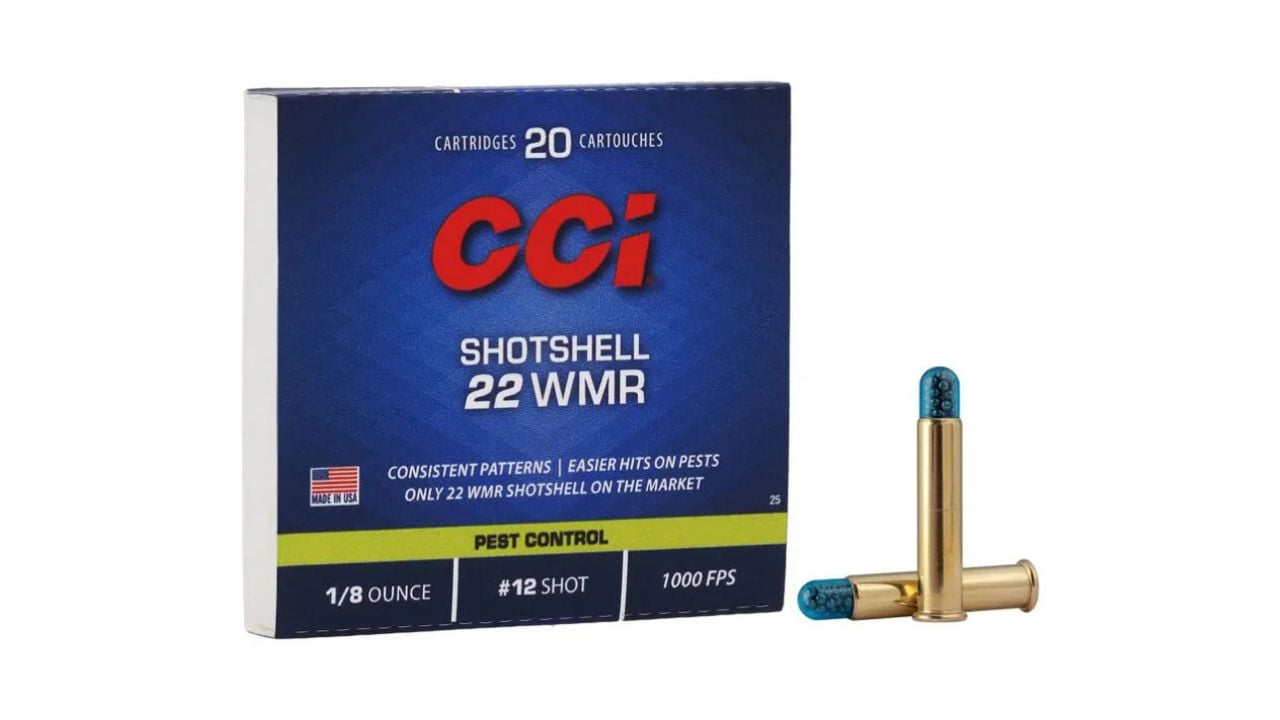
.22 Magnum gets recommended a lot to the guy who wants “more than a .22” but doesn’t need a centerfire. It stretches the small-game and varmint envelope, bucks wind a little better than .22 LR, and hits with enough authority for critters that don’t always cooperate—raccoons in a barn, coyotes inside sane distances, that sort of work.
The downside is cost and availability compared to .22 LR. Still, it’s a useful step up without jumping into loud, high-speed centerfires. In a rifle it’s handy, and in a revolver it can be a legit trail or trapline companion where you’re more worried about a bite than a felony-level threat. It’s not a do-everything round, but it fills a real niche that a lot of folks only discover after they’ve already bought something louder than they wanted.
3. .17 HMR
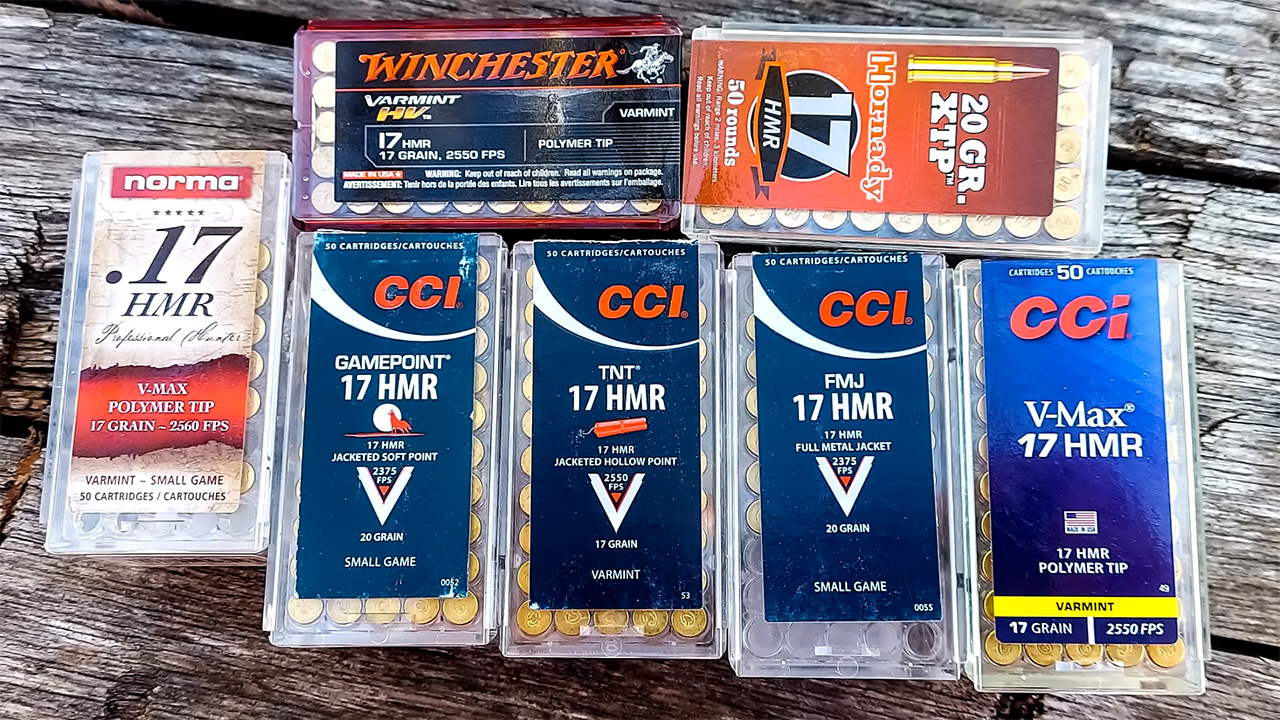
.17 HMR is one of those calibers employees mention with a little smile, because it’s a specialist that actually does its job. For prairie dogs, ground squirrels, and paper targets where you want to see tiny groups without getting beat up, it’s hard not to like. It’s flat for what it is, it’s accurate in decent rifles, and it makes small varmints have a very bad day.
Where it gets oversold is when folks start pretending it’s a coyote round in all conditions. It can work, but wind can push those light bullets around, and shot placement becomes less forgiving fast. The quiet recommendation is usually: buy it because you want a laser-like rimfire varmint rig, not because you’re trying to replace a centerfire. Used for what it’s meant for, it’s pure fun.
4. .223 Remington

.223 is the “just get a .223” answer for a reason. It’s available, it’s mild, and it does a whole pile of jobs without drama: training, varmints, predator hunting, and general ranch use. In most rifles it’s easy to shoot well, and in an AR it’s the round the entire platform grew up around. That parts-and-magazine ecosystem matters in the real world.
Employees tend to recommend it because it’s forgiving on the shooter and on the wallet compared to bigger rounds. It’s also easy to handload if you’re into that, and it’s not hard on barrels. No, it’s not ideal for everything with hooves. But for a lot of folks who actually shoot more than they talk, .223 is the caliber that keeps them showing up at the range and staying sharp.
5. 5.56 NATO

5.56 gets brought up separately because the chambering and ammo details matter, and store employees see confusion on this every week. The quiet advice is usually to think about what rifle you’re buying and what ammo you’ll realistically feed it. A 5.56-chambered rifle gives you flexibility to run both 5.56 and .223 in most common situations, which is a practical point, not an internet flex.
It’s also the caliber that benefits from sheer volume. There are piles of loads, magazines are common, and nearly every shop has at least something on the shelf. For training, farm defense, and general use, it’s hard to beat the combination of low recoil and decent terminal performance with the right bullet. Just don’t let “cheap” be your only standard—some bargain ammo shoots like a fistful of gravel.
6. .243 Winchester
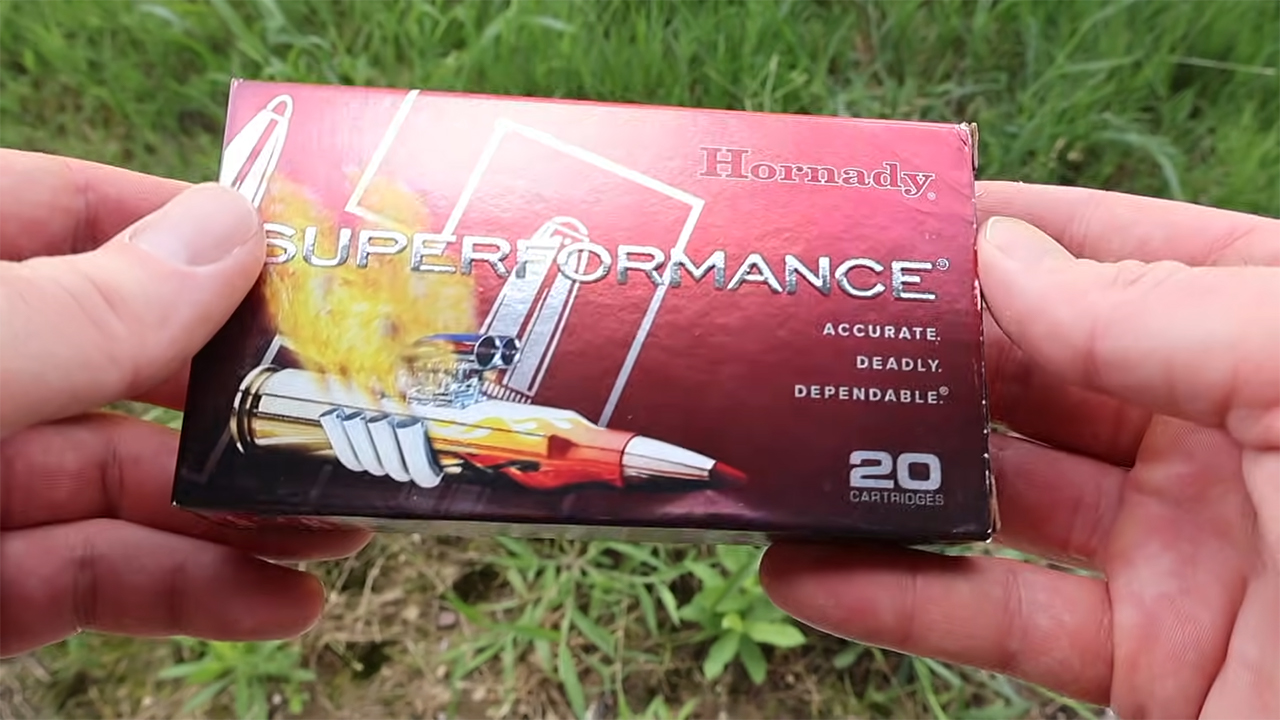
.243 Win is the caliber gun-counter folks recommend to the shooter who is recoil-sensitive but still wants a serious deer rifle. It’s easy to carry in a light bolt gun, it doesn’t punish you at the bench, and it has been quietly stacking whitetails for decades. A lot of employees have seen more deer lost to bad shooting than “not enough caliber,” and .243 helps people shoot better.
The other angle is versatility. With lighter bullets it’s a varmint round, and with proper deer bullets it’s effective where it counts. The knock is that it’s not as trendy as the 6mms that came later, and some hunters worry too much about the number on the box. Put a good bullet through the ribs and the story ends the same way it does with louder, harder-kicking rounds.
7. 6.5 Creedmoor
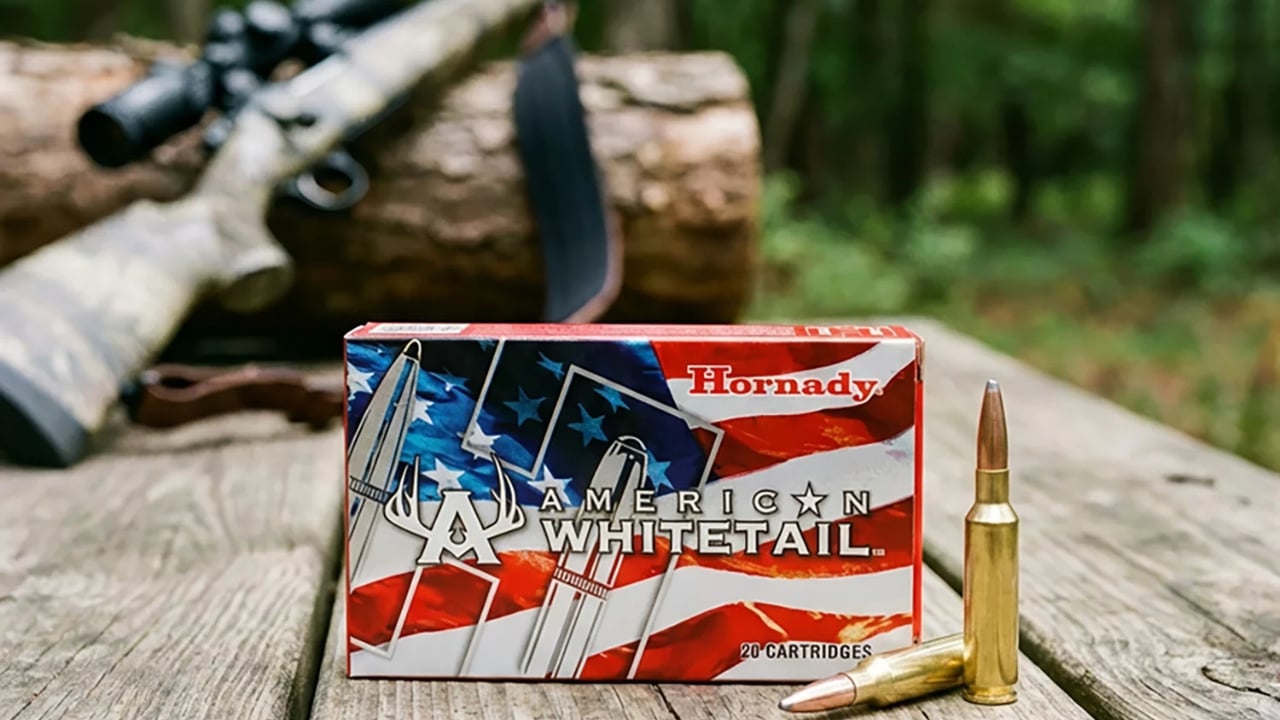
Yes, it’s popular. Yes, it’s joked about. And yes, it still gets recommended—especially by employees who see customers flinch their way through magnums. Creedmoor shoots flat enough for most real hunting distances, it’s easy to shoot accurately, and factory ammo is usually easier to find than a lot of newer “better” cartridges. There’s nothing fancy about the recoil, and that is kind of the point.
Where employees get realistic is on expectations. It’s not magic, and it doesn’t turn marginal hits into perfect ones. But it’s an honest cartridge that helps average shooters make better hits because they aren’t dreading the trigger press. If you’re mostly hunting deer-sized game and you want to practice a lot, it’s a smart place to land—even if it’s not cool to admit it.
8. .270 Winchester
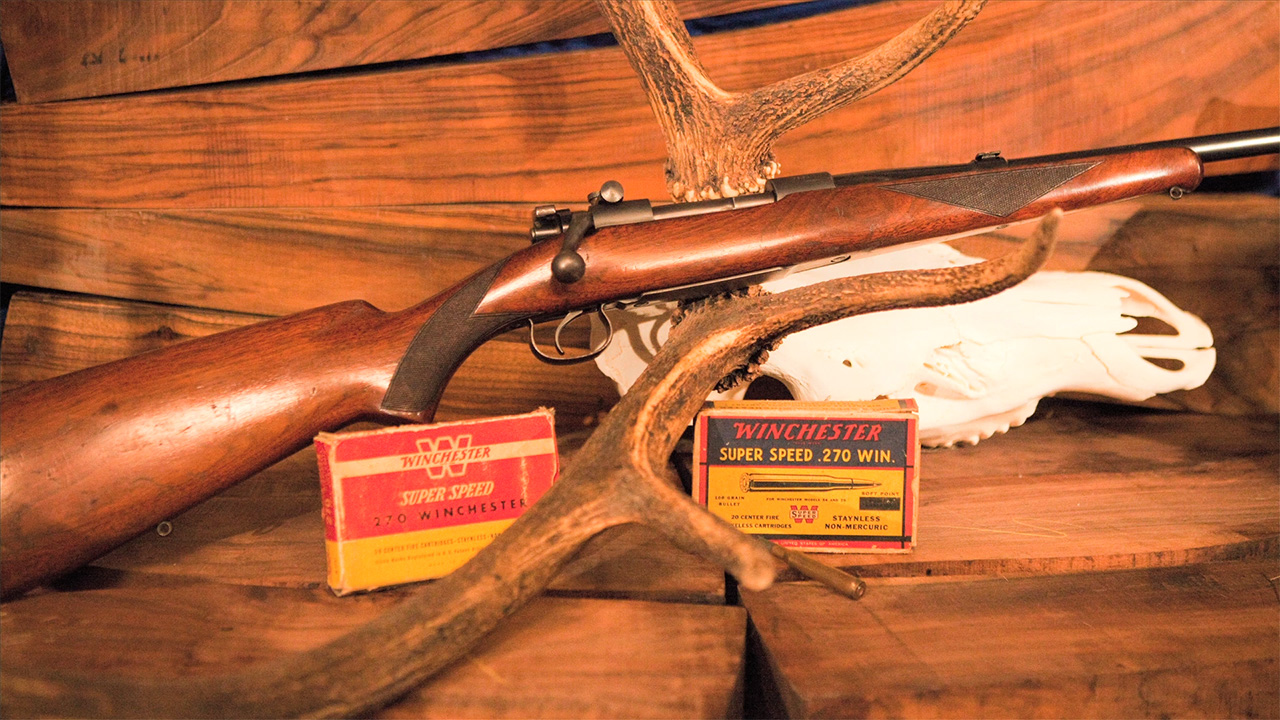
.270 Win is the cartridge that refuses to leave. It gets recommended in that “you won’t regret this” tone, because it’s been doing clean work on deer and elk for a long time without needing a marketing campaign. It carries well in classic rifles, it shoots flat enough for open country, and recoil is manageable for most hunters who actually practice.
The practical reason it keeps getting mentioned is ammo. Most stores still stock it, and most towns with one hardware store still have a couple boxes tucked away. It’s not the newest, and it’s not the fastest, but it’s steady. If you hunt across states and don’t want to get stuck searching for boutique ammo, .270 is a safe bet. It’s boring in the best way.
9. 7mm-08 Remington

7mm-08 is one of those cartridges employees recommend to folks who are willing to listen. It’s efficient, accurate, and it hits above its weight for deer and even elk with proper bullets and sane ranges. In a short-action rifle it carries nicely, cycles smoothly, and doesn’t feel like you’re lugging a fence post through the woods.
It also avoids a couple common problems. It’s not as hard-kicking as some “all-around” standards, and it’s not as niche as some of the newer short magnums. The only real downside is that ammo selection can be thinner in smaller stores compared to .308 or .30-06. But if you buy a few boxes when you see them, 7mm-08 is a caliber that makes a lot of sense for the hunter who wants one rifle that actually gets hunted with.
10. 7mm Remington Magnum

7mm Rem Mag still earns counter space because it’s a legitimate reach-out-there hunting cartridge that doesn’t require a custom rifle to shine. Employees recommend it when someone is honestly hunting big country—windy ridges, long cuts, places where shots can stretch if you’re disciplined and practiced. It shoots flat, carries energy well, and has a long track record on elk and mule deer.
But the advice usually comes with a raised eyebrow: don’t buy it if you’re not going to practice. In light rifles, recoil and muzzle blast can turn range time into misery, and then accuracy goes out the window in the field. If you can handle it and you’re willing to feed it, it works. If you just want a “magnum” label, there are easier ways to end up disappointed.
Free for gun owners: If something happened to you tomorrow, would your family know where the guns are, who has the safe combination, or what to do first? Our free Gun Owner’s Family Checklist walks them through it. It takes about 15 minutes to fill out. Get your free copy here.
11. .308 Winchester
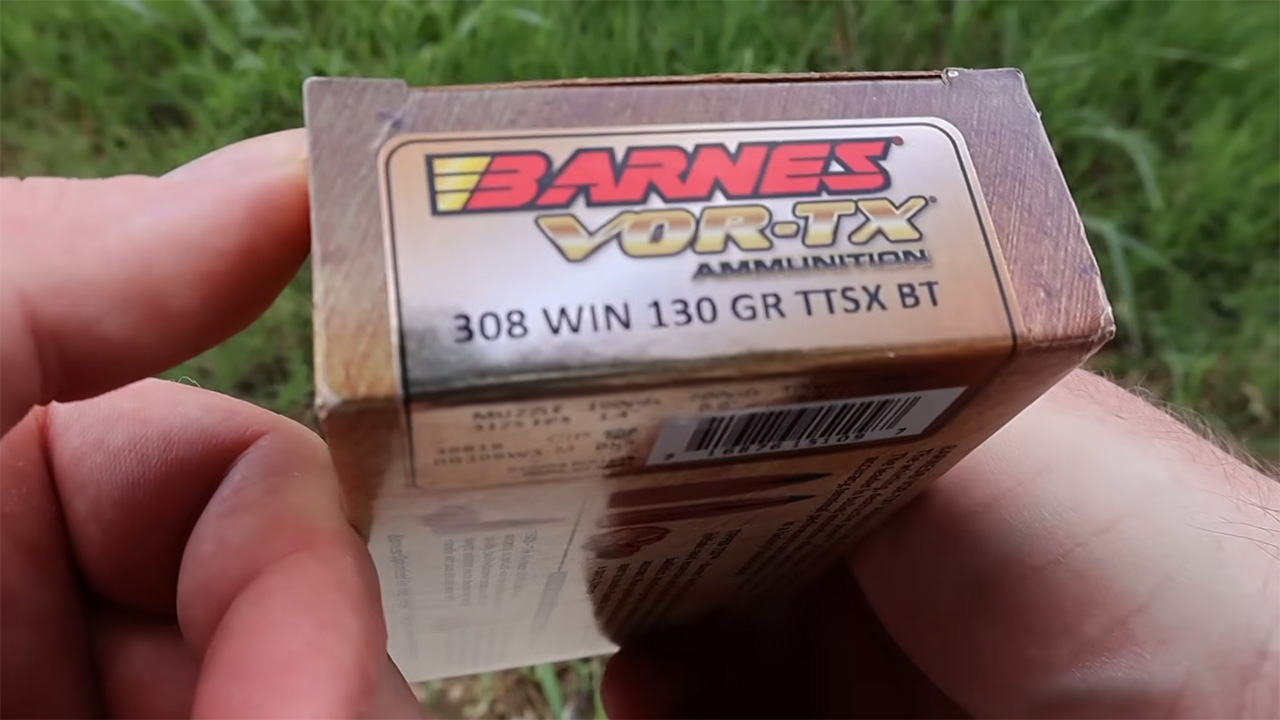
.308 is the cartridge employees recommend when a customer wants simple and dependable. It runs well in short-action bolt guns, it’s common in semi-autos, and it has enough bullet options to cover everything from deer to elk with good placement. It’s also one of the easier rounds to find in most places, and that matters when hunting season sneaks up on you.
The recoil isn’t nothing, but it’s not abusive either. In real life, .308 kills cleanly without needing to chase velocity charts. It’s also forgiving in barrel length, which is why you see it in handy 16–20 inch rifles that carry well in trucks and blinds. If somebody at the counter says they want a “do-it-all” round and they aren’t trying to impress their buddies, .308 usually lands in the conversation fast.
12. .30-06 Springfield
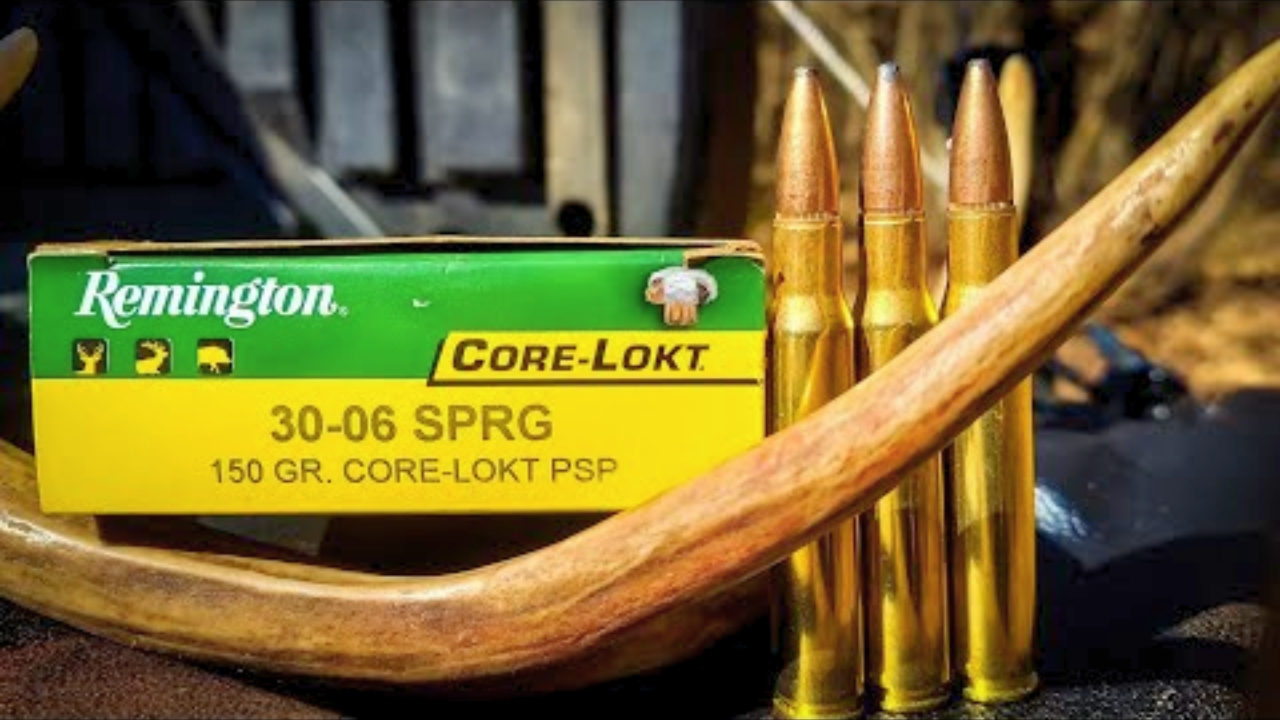
.30-06 is the old work truck that still starts on cold mornings. Employees recommend it because it covers more ground than most hunters will ever need, and it does it with ammo you can buy almost anywhere. Bullet weights run wide, from lighter deer loads up through heavier options that have been used on everything in North America. That flexibility isn’t hype—it’s practical.
The tradeoff is that some rifles chambered in .30-06 are longer and a little heavier than short-action choices, and recoil can be stout in lightweight guns. Still, it’s hard to argue with a cartridge that has fed families for generations. If you’re the type who wants one rifle you can hand to a kid someday and not worry whether the caliber will “go away,” this is one of the safest bets on the rack.
13. .30-30 Winchester
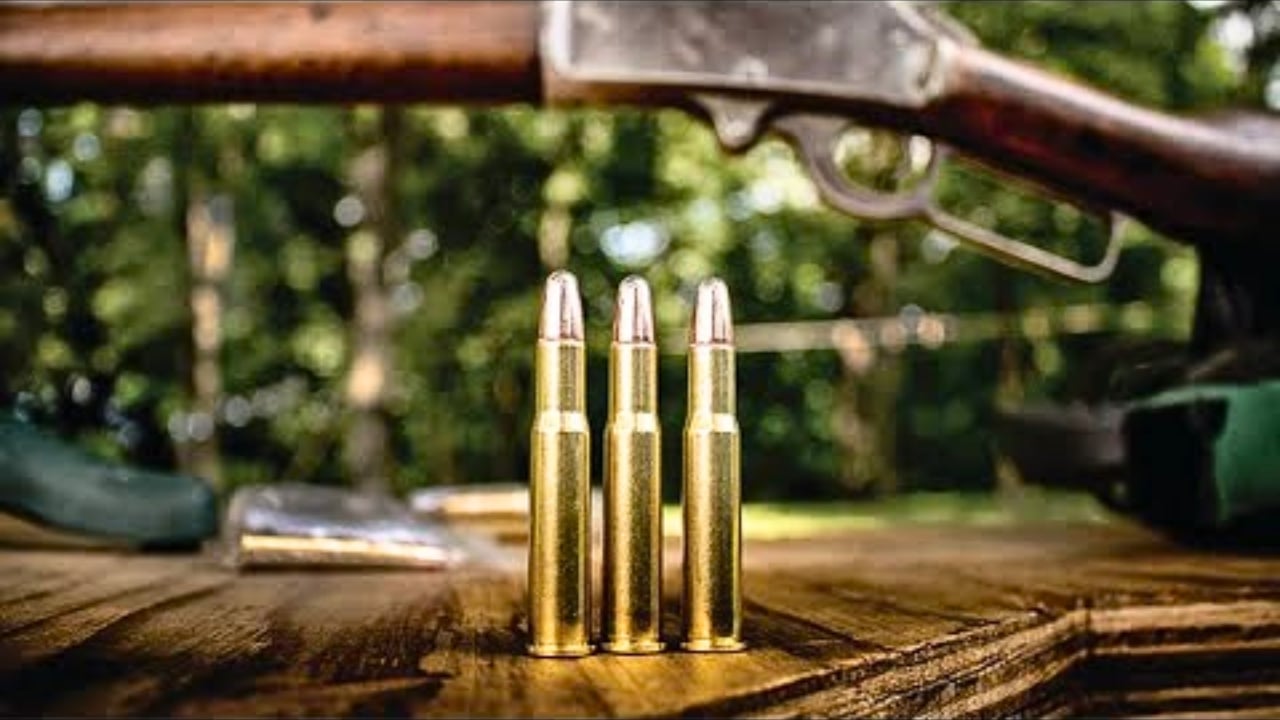
.30-30 is the caliber that gets recommended with a shrug and a grin. It’s not trendy, and it doesn’t need to be. In thick woods, on quick shots, inside reasonable distance, it works. Lever guns in .30-30 carry like they belong in your hands, not on a sling, and they’re fast to point when a deer slips through a gap you didn’t know existed.
Employees also recommend it to hunters who don’t want to turn every sit into a long-range math problem. Keep your shots realistic, use good ammo, and it’ll punch through the ribs and end the argument. The drawback is trajectory if you start stretching distance, and some loads aren’t as easy to find as they used to be. But if your hunting looks like creek bottoms and timber edges, .30-30 still earns its keep.
14. .300 Winchester Magnum
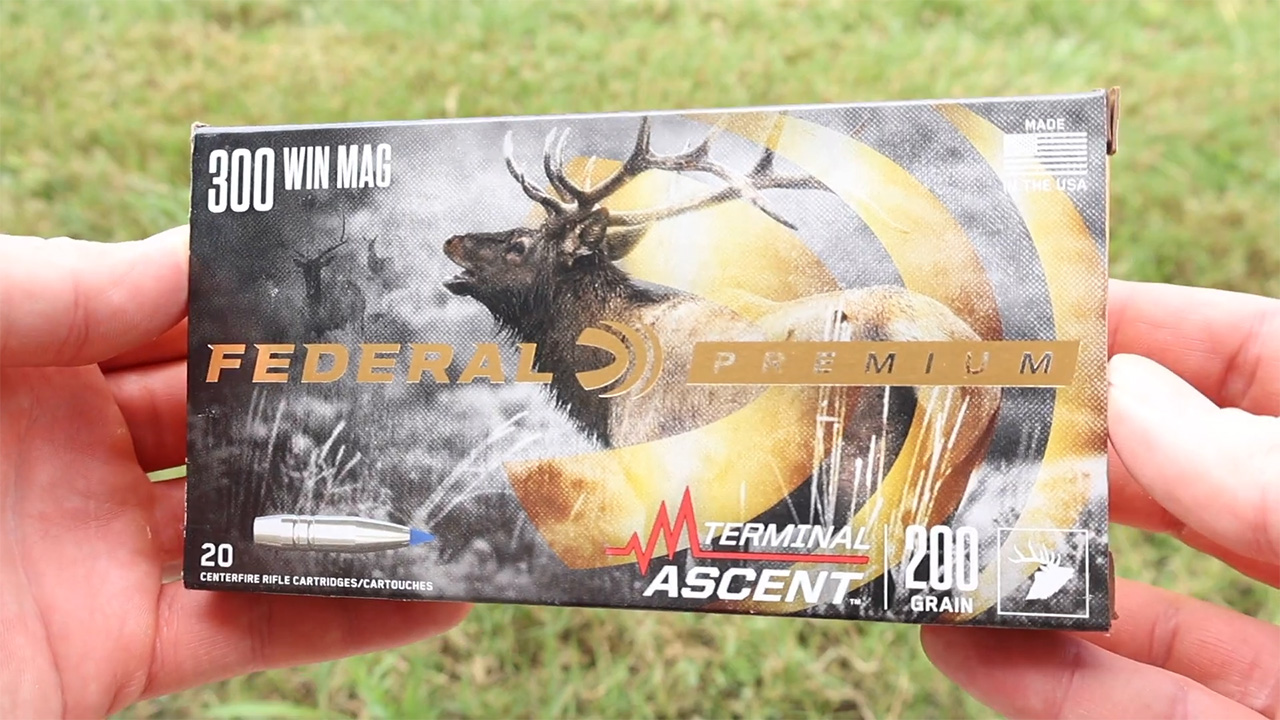
.300 Win Mag gets recommended when the employee thinks you actually mean it—big game, bigger country, and the willingness to practice. It hits hard, it shoots flat, and it gives you margin on larger animals where angles and wind aren’t always polite. In the hands of a disciplined shooter, it’s a serious tool.
It’s also a cartridge that can punish bad decisions. Too-light rifles, cheap scopes, and zero range time equals bruised shoulders and missed animals. Ammo costs more, and you’ll feel it if you shoot often. But if someone is hunting elk every year, maybe moose once in a while, and they want one rifle that can handle a wide range of conditions, this one still gets a quiet nod across the counter—followed by a reminder to buy quality ear pro and actually use it.
15. .338 Winchester Magnum

.338 Win Mag is not a casual recommendation, but it comes up more than you’d think in stores that cater to serious hunters. It’s the cartridge employees mention when someone wants deep penetration and heavy bullets for big-bodied animals, especially in places where the terrain can be ugly and the tracking can be worse. It’s not about glamour; it’s about ending things efficiently.
The honest talk is always about recoil and rifle weight. A .338 in a light rifle can be a miserable bench experience, and misery leads to bad shooting. In a properly set up hunting rifle, though, it’s a hammer. It’s also not as ammo-common as the .30 calibers, so you plan ahead. If you’re the kind of hunter who values straight-line performance and isn’t scared of a little thump, .338 is still a real-world answer.
16. 6.5 PRC
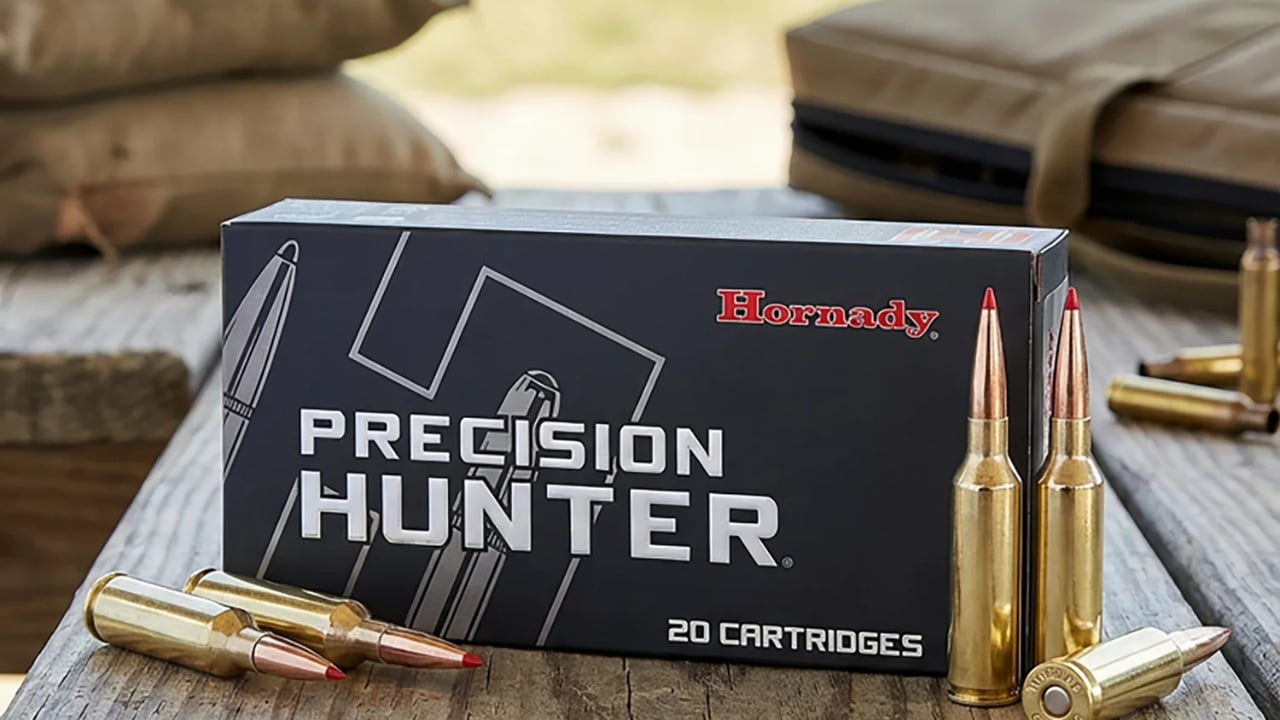
6.5 PRC gets recommended to the hunter who likes the Creedmoor idea but wants more horsepower without going full magnum nonsense. It carries energy better at distance and can be a smart choice for open-country deer and elk with the right bullets. Employees who shoot a lot tend to respect that it does what it claims, instead of existing purely as a marketing exercise.
Where the quiet caution comes in is cost and logistics. Ammo is more expensive, and not every small shop keeps it in stock year-round. Barrel life can also be shorter than milder rounds if you shoot it hard. If you’re the type who burns through ammo on steel all summer, you might feel that. But for the hunter who practices enough, hunts big spaces, and wants a flatter, faster 6.5, it’s a legitimate option.
17. 6mm Creedmoor
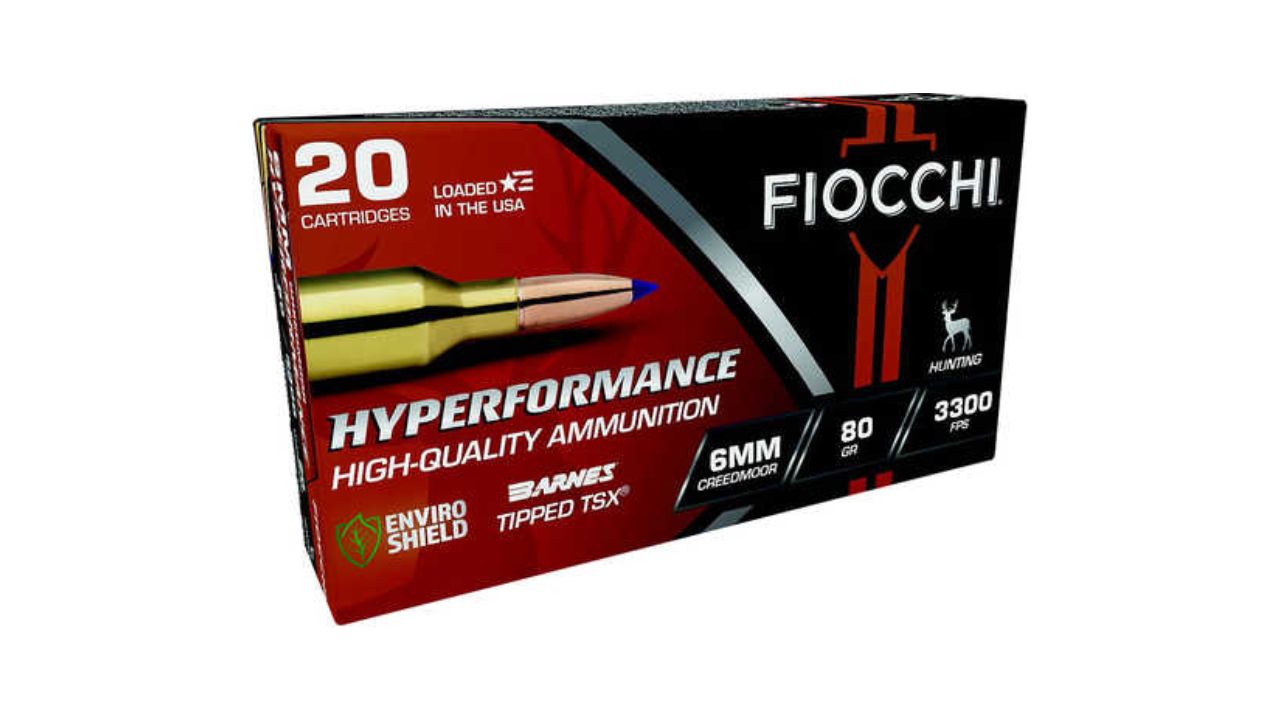
6mm Creedmoor is one employees often recommend to the guy who cares about shooting well more than talking big. It’s soft-recoiling, typically accurate, and it’s a favorite for folks who shoot a lot of paper and steel because it lets you spot impacts without getting rocked. That’s not just a competition thing—seeing what your bullet did teaches you faster.
For hunting, it’s a deer and pronghorn round first, and the bullet choice matters. Employees who’ve been around will steer customers toward controlled-expansion hunting bullets instead of fragile varmint stuff. The downside is it’s still not as universally stocked as .243 or .308 in every little store. But if you want a cartridge that makes practice enjoyable and still performs in the field with good bullets, 6mm Creedmoor has earned its spot.
18. 10mm Auto
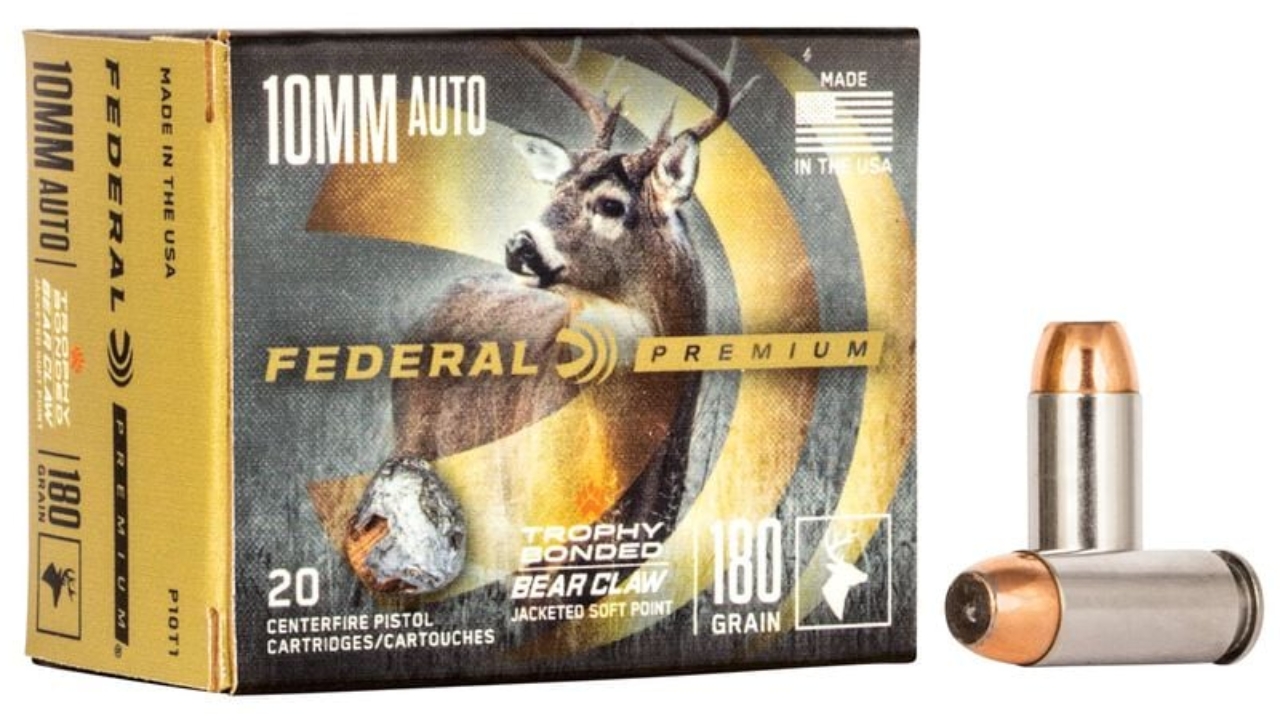
10mm gets recommended quietly because it’s one of the few semi-auto handgun cartridges that really bridges worlds: defensive use, backcountry carry, and even hunting in the right setup. Employees who spend time outdoors tend to respect it as a “woods pistol” round, especially when people are dealing with real animals and not just internet arguments. It hits hard, penetrates well with the right loads, and it’s commonly available now compared to years back.
But it’s not a beginner’s cartridge. Recoil and muzzle blast are real, and cheap practice ammo can still cost more than 9mm. Some guns handle it better than others, and not every shooter likes the feel of a full-power load. Still, for folks who hike, trap, or spend time on remote property and want an auto-loader with more bite, 10mm comes up again and again.
19. .357 Magnum

.357 Magnum is one of the most common “if you only had one revolver” recommendations you’ll ever hear. It’s flexible in a way modern talk sometimes forgets. You can shoot mild .38 Special for practice, step up to .357 for serious use, and do it all in the same gun. Employees recommend it because it keeps people shooting instead of developing a flinch and quitting.
In the field, a .357 revolver rides well on the hip, handles rough weather, and doesn’t care if it sits in a truck for a month as long as you keep it clean and rust-free. In a lever gun, .357 becomes a surprisingly handy deer-and-hog option inside sensible distances. It’s not magic, and it’s not a bear-stopper in every scenario, but it’s a real working cartridge. Ask me how I know: it’s also one of the easiest calibers to find when shelves look ugly.
20. 12 Gauge

Yeah, it’s not a “caliber” in the strict sense, but it’s the bore size that gets recommended like a reflex because it solves problems. A 12 gauge with the right load can hunt birds, hunt deer, handle predators around the chicken coop, and fill a home-defense role if that’s your reality. Employees recommend it because nearly every rural household can put it to use, and parts, shells, and accessories are everywhere.
The counter-talk is usually about fit and recoil management. A lightweight pump with a bad stock fit can make even target loads unpleasant, and then it sits in the closet. A properly fitted gun with sensible loads is a different story. If you want one long gun that can do a lot without being precious about it, the 12 gauge still makes more sense than most people want to admit.
None of these recommendations are about chasing trends. They’re about what works when you’re cold, tired, and trying to do a job cleanly—whether that job is punching paper, putting venison in the freezer, or keeping varmints honest around the barn. If you’re stuck between two shiny options, ask the employee what they’d pick if ammo got scarce and they had to live with it for ten years. The answer usually sounds a lot like this list.
Like The Avid Outdoorsman’s content? Subscribe to our newsletter so you never miss an article.
Here’s more from us: