Photo credit: mixup98/Youtube
Spend enough time around gun counters and you start to notice a pattern. Certain revolvers don’t sit in the case long, even when the shop is busy and the staff is tied up with paperwork, background checks, and tire-kickers. The dealer sees the label come through, spots a clean cylinder face, a tight lockup, or a discontinued barrel length, and it gets “handled” before it ever becomes a casual impulse buy.
This isn’t about hype guns. It’s about revolvers that are either getting scarce, hold their value because they actually work, or have a track record that makes old hands move fast. Here are 20 that tend to get flagged quick—either because they’re sleepers or because they’re the kind you kick yourself for passing on.
1. Smith & Wesson Model 19 (K-Frame .357)

The Model 19 is one of those revolvers that points like it was built for your hand, not a spec sheet. A good one has that smooth S&W double-action pull that makes you look like a better shot than you are. Dealers know that the 2.5-inch and 4-inch guns especially don’t last, because they’re carryable, shootable, and classic without being “safe queen only.”
The reason they get flagged is simple: everybody wants a K-frame .357 until they price a new production gun and realize what they’re missing. The Model 19 isn’t perfect—hot, lightweight .357 loads can be hard on them over time—but for normal use with sensible ammo, it’s a real working revolver. If it’s tight, timed right, and not shot loose, it’s money.
2. Smith & Wesson Model 66 (stainless K-Frame .357)

If you live where it’s wet, humid, or you sweat through your shirt in August, the stainless Model 66 makes too much sense. Same handiness as the Model 19, but you don’t have to baby it every time it rides in a chest rig or bounces around in a tackle bag on a rainy float trip.
Dealers flag clean 66s because they’re practical. The 2.5-inch guns carry well, the 4-inch guns do everything, and the older ones have that “they don’t make them like this” feel without being finicky. When one shows up with minimal endshake and a forcing cone that hasn’t been abused, it’s the kind of revolver that disappears before the front-of-house staff can even write a nice tag for it.
3. Smith & Wesson Model 10 (K-Frame .38 Special)
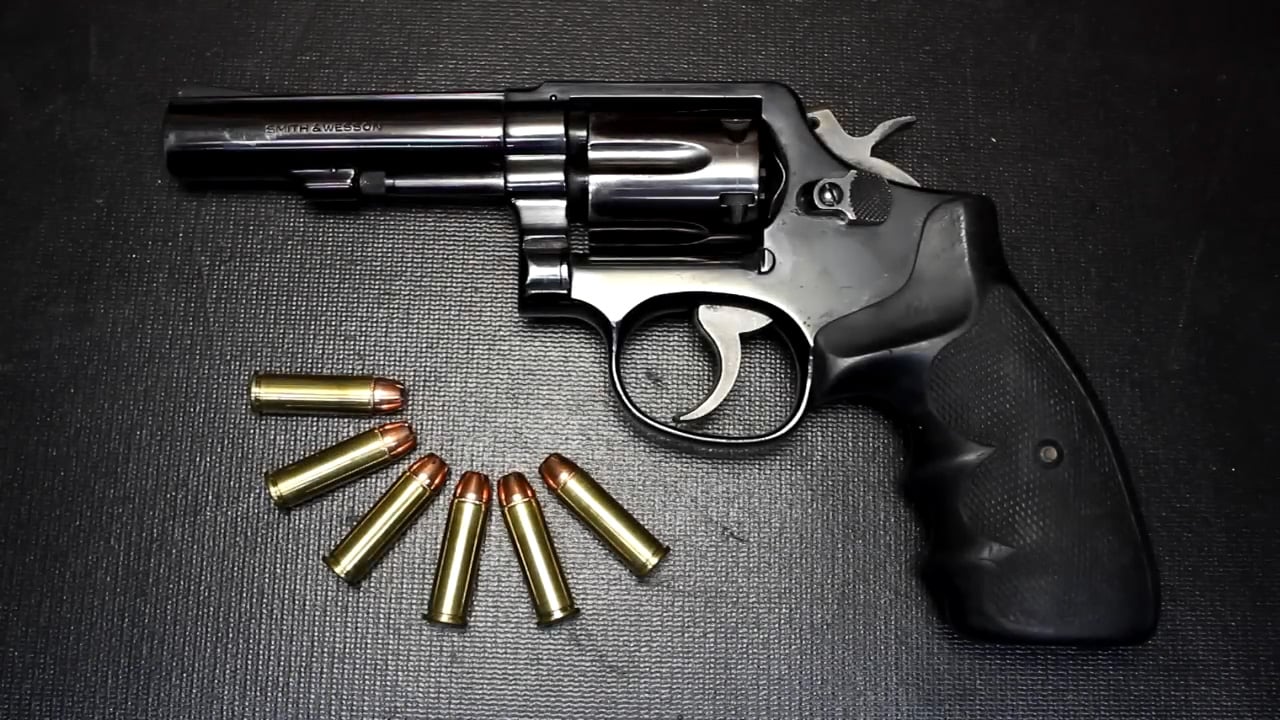
The Model 10 is boring in the best way. It’s the revolver equivalent of a good pair of work boots: not exciting, just right. That’s why shops grab them. A solid Model 10 is usually accurate, easy to feed, and simple to keep running for decades.
What surprises new buyers is how good a plain .38 can be for actual use—range time, trail carry, or keeping around the farm where you might need to deal with pests without touching off a full-house magnum. Parts and holsters are everywhere. If it’s an older police trade-in with honest wear but a tight action, that’s not a downside. That’s proof it wasn’t treated like jewelry.
4. Smith & Wesson Model 13 (fixed-sight K-Frame .357)
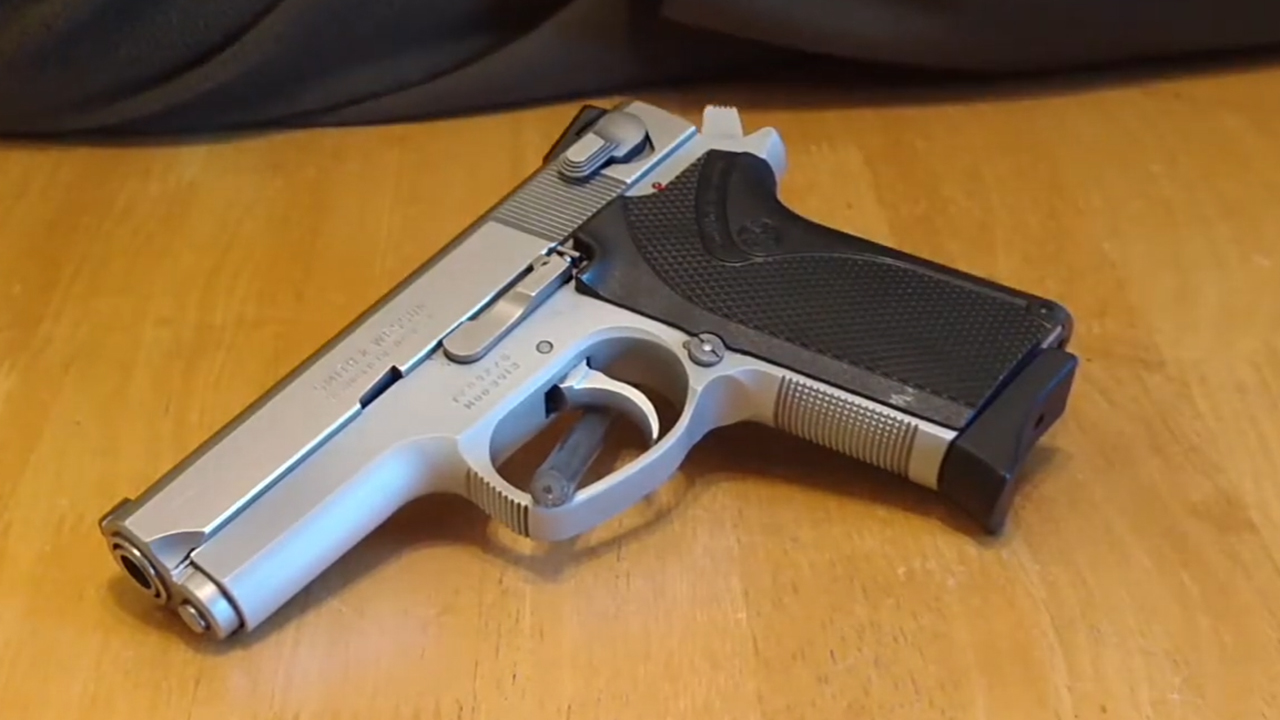
The Model 13 is what you buy when you want a .357 K-frame that won’t snag on every sharp edge and doesn’t beg you to mess with adjustable sights. Fixed sights, no nonsense, and usually a 3-inch or 4-inch barrel that balances quick. The 3-inch guns in particular get scooped up fast.
Dealers like them because buyers who know what they are don’t haggle much. They’re straightforward defensive revolvers that still shoot well, and they ride close to the body. A clean Model 13 is also one of those “why did they ever stop making these like that?” guns. If you find one with a smooth trigger and good timing, it’s hard not to call it the perfect utilitarian .357.
5. Smith & Wesson Model 64 (stainless fixed-sight .38)
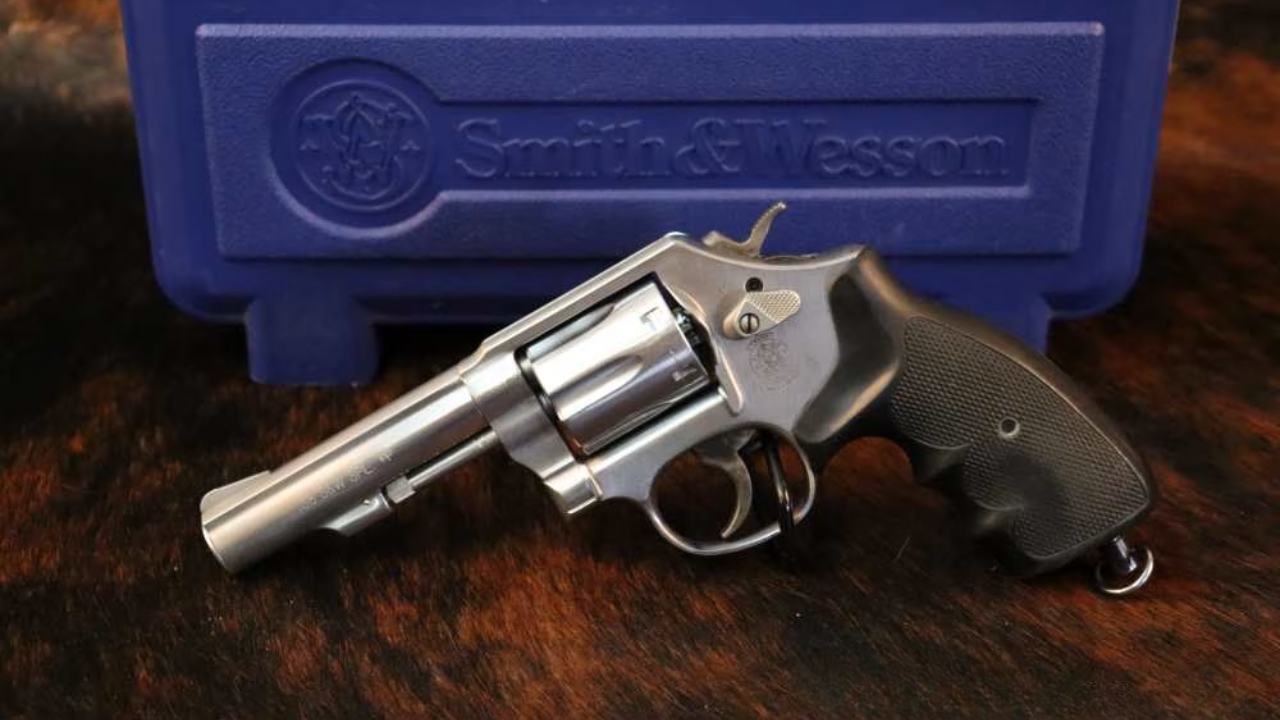
The Model 64 doesn’t get the romance of the blued guns, but it’s a smart buy. Stainless K-frame, fixed sights, .38 Special. That combo is nearly idiot-proof for a revolver you’ll actually carry, stash in a truck console (securely), or keep in a barn office.
Shops flag them because they’re a safe recommendation for a wide range of shooters. Recoil is friendly with standard loads, it’s easy to clean, and you don’t worry about rust when it lives in a humid safe all summer. A good 64 is also one of those revolvers that just keeps working. Not flashy, but the kind you end up grabbing more than your “nicer” guns because it’s always ready.
6. Smith & Wesson Model 36 (Chief’s Special)
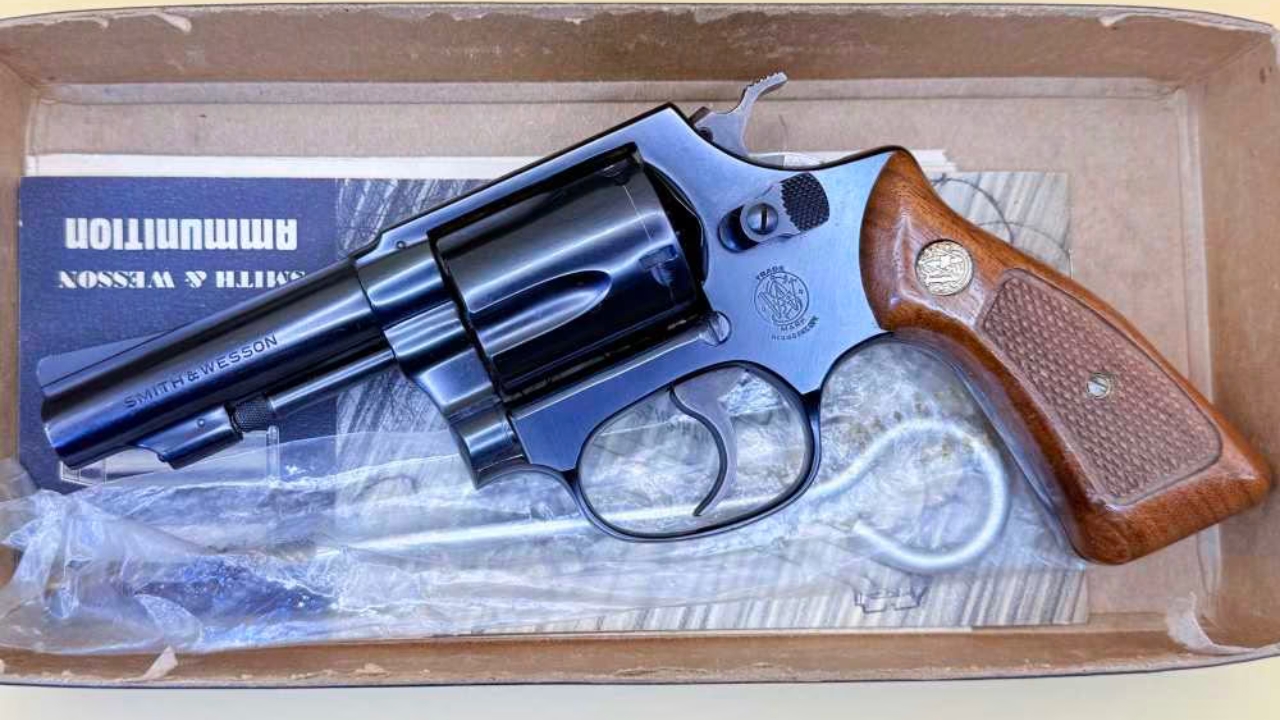
Small-frame revolvers can be rough to shoot, and that’s why the good ones matter. The Model 36 is a classic snub that carries easy and has real-world reliability when you keep it in its lane. A clean example with a decent trigger doesn’t sit long in a shop case.
Dealers flag them because the demand never really went away. Folks want a simple revolver for pocket carry, nightstand duty, or as a backup in a hunting coat. The downside is the same as any J-frame-sized gun: light weight plus small grips can make practice unpleasant. Still, the Model 36 has a feel that a lot of newer snubs don’t match, and it’s one of those guns that can turn into “the one you always have on you.”
7. Smith & Wesson Model 60 (stainless J-Frame)
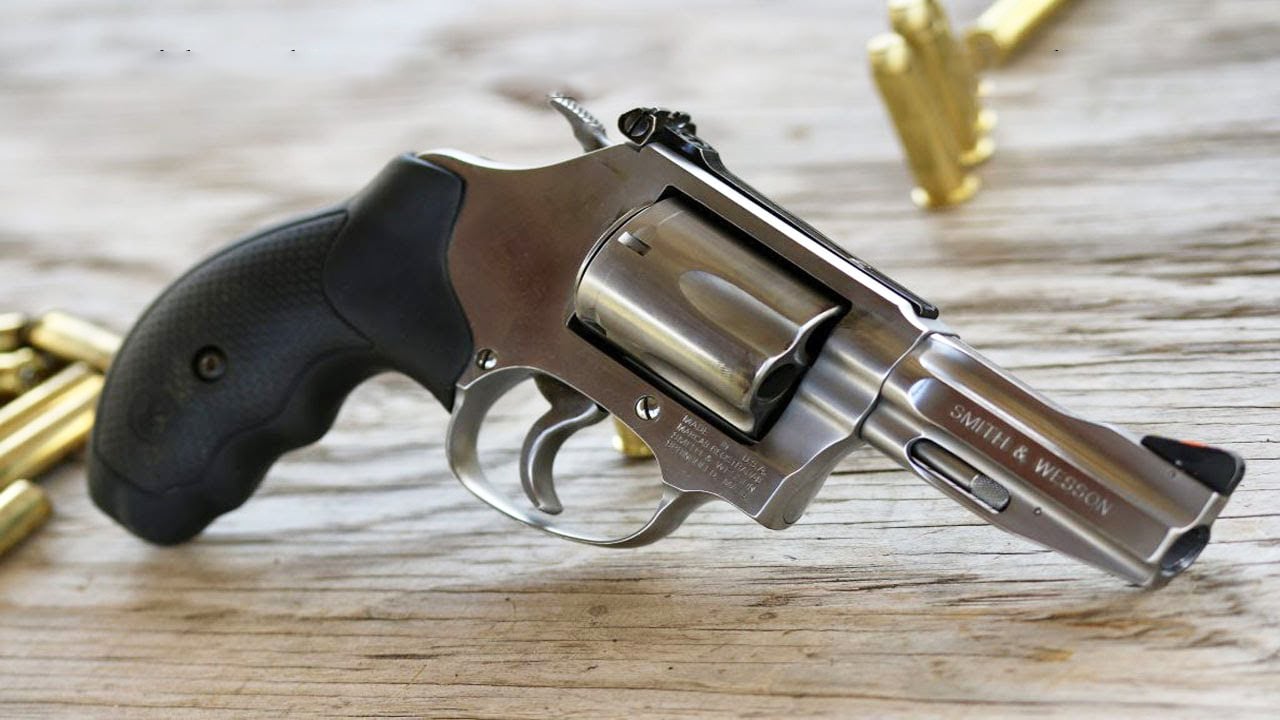
The Model 60 is the stainless answer for the guy who actually carries a snub. It holds up to sweat, rain, and pocket lint better than blued steel, and it cleans up quick. Dealers like them because they can sell them to a first-time revolver buyer without a long speech.
Where the Model 60 earns its keep is as a real everyday gun. Even if it’s a .357 version, most owners end up practicing with .38s—and that’s fine. The important part is that it’s small enough to be with you, but still a legitimate firearm with decent sights compared to some tiny pocket autos. A tight Model 60 with a good crown and clean chambers is an easy “set aside” item for a shop that knows the market.
8. Smith & Wesson Model 686 (L-Frame .357)

The 686 is the workhorse .357 that handles abuse better than the lighter K-frames. It’s heavier, yes, but that weight is what makes it such a steady shooter with full-power loads. Dealers flag 686s because they’re always in demand: home defense, range gun, hunting sidearm, you name it.
It’s also one of those revolvers that feels “finished.” The cylinder locks up like a bank vault when it’s right. The trigger stacks in a predictable way. And if you ever decide you want to shoot a pile of magnums, the 686 doesn’t complain much. A clean 686 is not usually cheap, but it’s one of the few revolvers where the price sting fades and the satisfaction sticks around.
9. Smith & Wesson Model 586 (blued L-Frame .357)
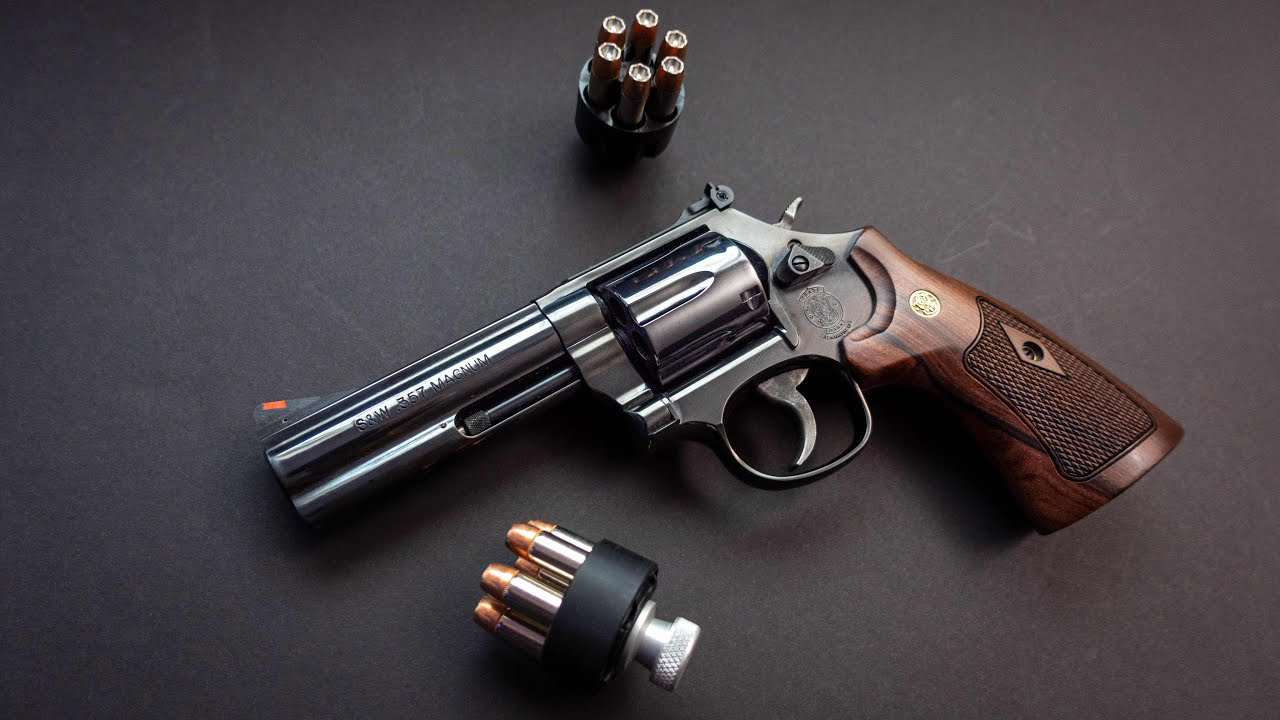
The 586 is the prettier sibling to the 686, and that matters to a lot of revolver guys. Deep blue finish, L-frame strength, and the same shootability that makes the 686 so easy to recommend. When a nice one shows up, it often never makes it to the “for sale” side of the counter.
The reason is partly practical and partly emotional. It’s a serious shooter that also looks like a serious revolver. The weight soaks up recoil, the longer barrels balance like they’re on rails, and even the 4-inch models handle fast follow-up shots better than many expect. If you’re the kind of person who enjoys shooting revolvers, a 586 can keep you at the range longer without beating you up. That makes it a repeat-customer gun.
10. Ruger GP100
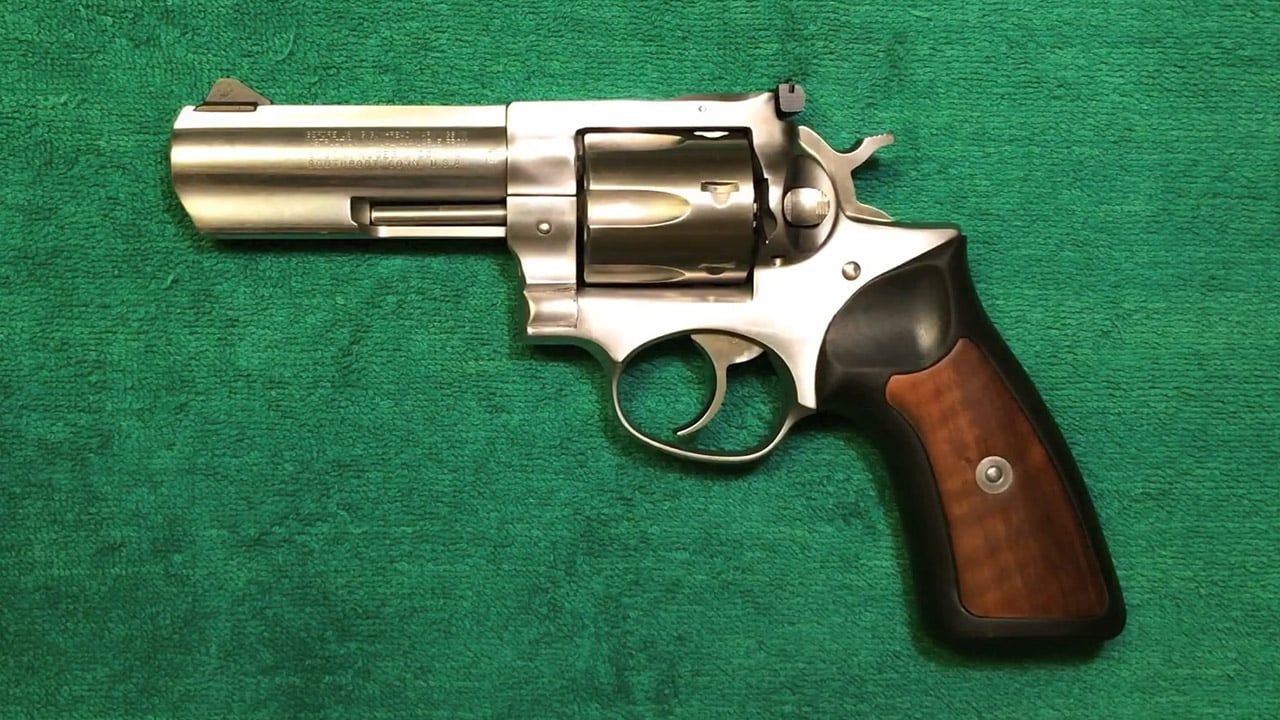
The GP100 is what you buy when you want a .357 that you don’t have to worry about. It’s not as sleek as some Smiths, and the factory trigger can feel a little stiff compared to a well-worn K-frame, but it’s strong and honest. Dealers flag them because they’re a safe bet for hard use.
This is the revolver that rides in a chest holster during woodcutting season, gets knocked on a truck door, and still shoots to point of aim. The modular grip frame also means you can fit it to your hand without getting weird about it. For outdoorsmen, that matters. When a used GP100 shows up with little flame cutting and tight lockup, it’s usually been owned by someone who understood what it was. That’s a good sign.
Free for gun owners: If something happened to you tomorrow, would your family know where the guns are, who has the safe combination, or what to do first? Our free Gun Owner’s Family Checklist walks them through it. It takes about 15 minutes to fill out. Get your free copy here.
11. Ruger SP101

The SP101 is a small revolver that doesn’t feel fragile. That’s the whole appeal. It’s heavier than some snubs, but that weight makes it easier to practice with, and practice is what makes a small revolver viable. Dealers flag SP101s because buyers who carry in the woods trust them.
For trail work, fishing trips, or running a trap line, the SP101 is the kind of gun you can toss on and forget about until you need it. It’s not a target revolver, and the sights aren’t always dreamy, but it’s reliable and tough. If you find one in .357, it gives you flexibility, even if you end up loading mostly .38s. A clean SP101 at a fair price is one of the quickest “gone by lunch” items in many shops.
12. Ruger Blackhawk (single-action)
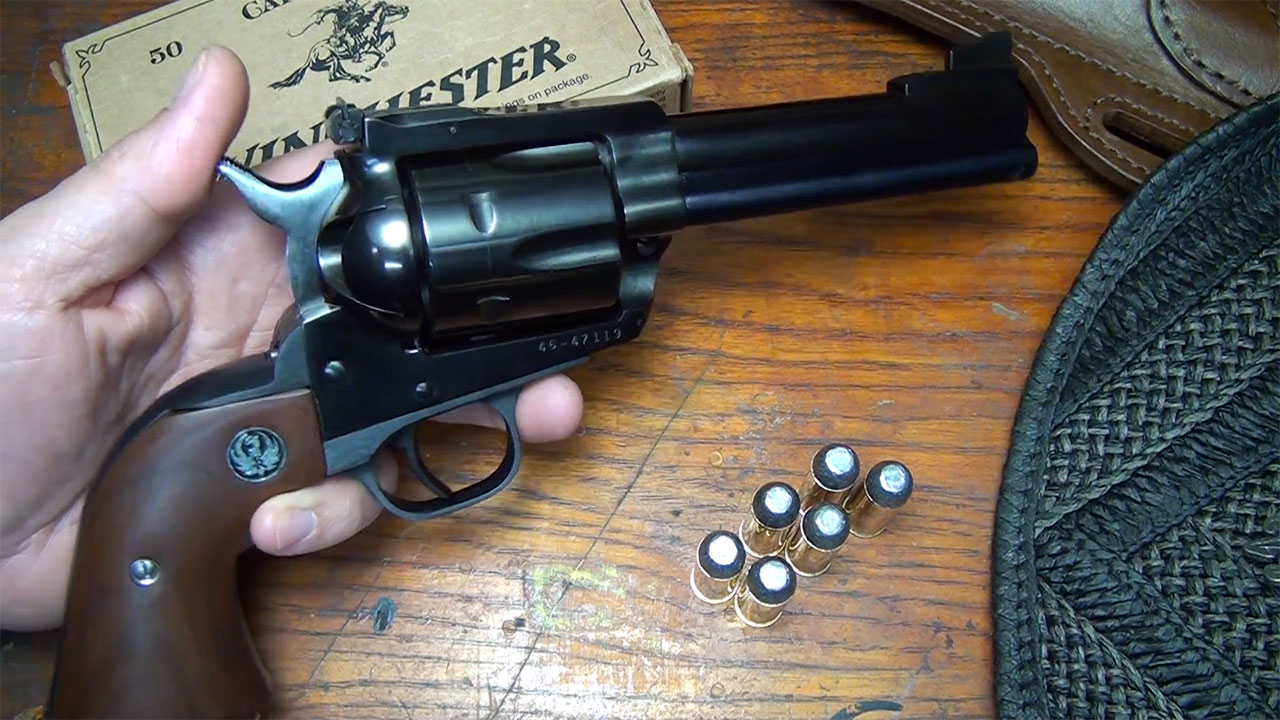
Single-actions are a different world, and the Blackhawk is the one that keeps pulling people in. It’s simple, strong, and made for field carry where dust and grit are just part of the day. Dealers flag them because a used Blackhawk that hasn’t been abused is basically a lifetime gun.
This is where the outdoors angle really shows up. A Blackhawk in .357, .41, or .45 can be a legitimate companion for hog work, camping, or as a “sit on the porch” revolver that always works. It’s not fast to reload and it’s not trendy. Still, it’s accurate enough for real tasks and forgiving enough that you can hand it down without a long instruction manual. That kind of durability gets noticed behind the counter.
13. Ruger Super Blackhawk (.44 Magnum)
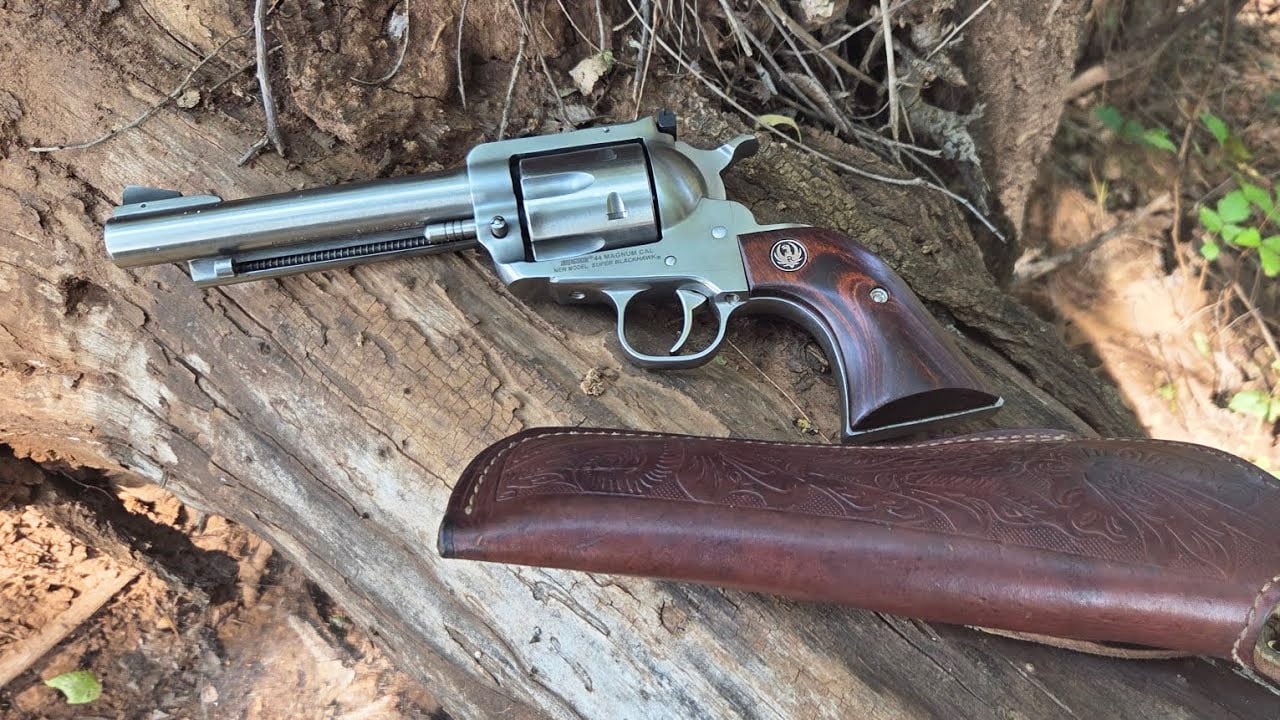
The Super Blackhawk is not for everyone, and that’s exactly why it gets flagged. When a clean one comes in, the dealer knows the buyer is out there—the handgun hunter, the bear-country camper, or the guy who just appreciates a serious revolver. It’s a niche, but it’s a committed niche.
Recoil is the whole conversation. With heavy .44 loads, it’ll let you know you touched it off. But in a well-fitted holster, it carries surprisingly well, and the sight radius on longer barrels helps real accuracy. What makes the Super Blackhawk stand out is how it holds up when it’s actually used. It’s not a delicate collector piece. If it has clean screw heads, a decent bore, and a cylinder that hasn’t been beat up, it won’t last long in the used rack.
14. Ruger Redhawk (.44 Magnum)
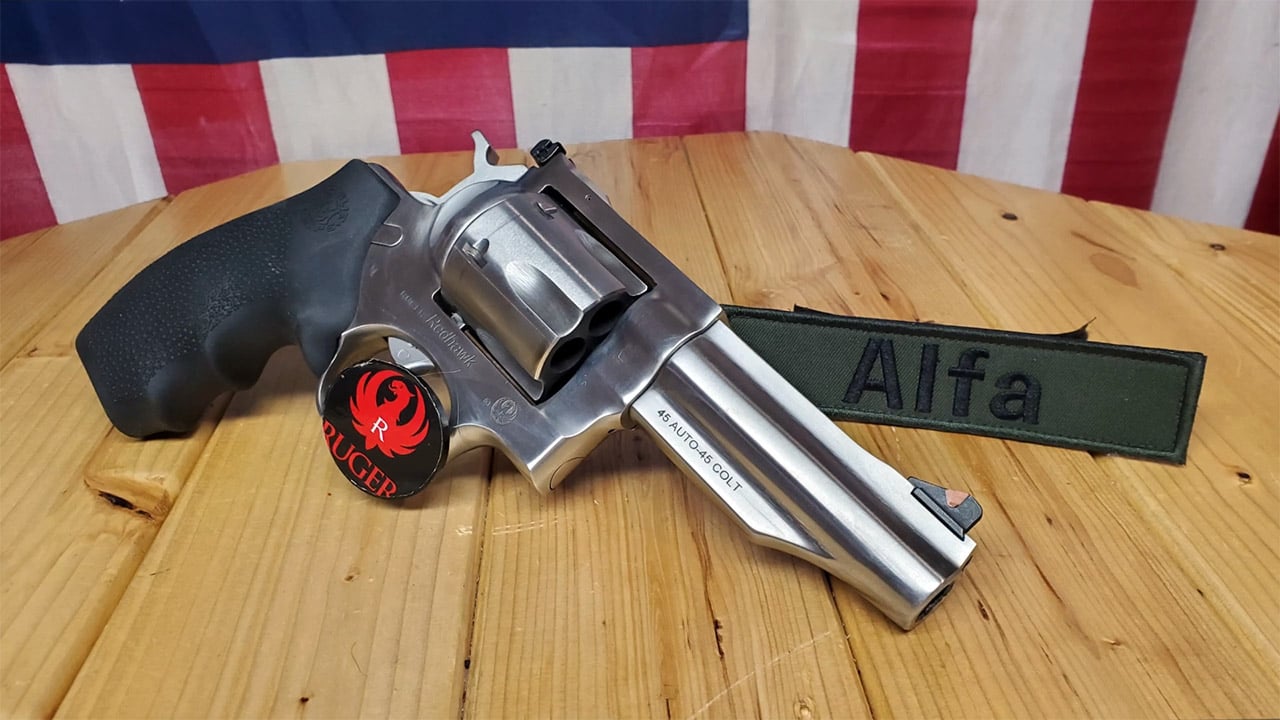
The Redhawk is a brick with a trigger, and I mean that as a compliment. It’s heavy, overbuilt, and not trying to be elegant. Dealers flag Redhawks because the guys who want one usually know exactly why they want one, and they don’t mess around when a good example shows up.
As a field revolver, it’s a legitimate tool. It can live in a wet chest rig during elk season and not fall apart. It can digest stout loads without feeling like it’s being worn down. The tradeoff is weight, especially if you’re hiking all day. Still, that weight buys you control, and control buys you hits. A Redhawk with a clean forcing cone and no obvious timing issues is the kind of used gun that gets snapped up by someone who actually shoots.
15. Ruger Super Redhawk (hunting-ready platform)
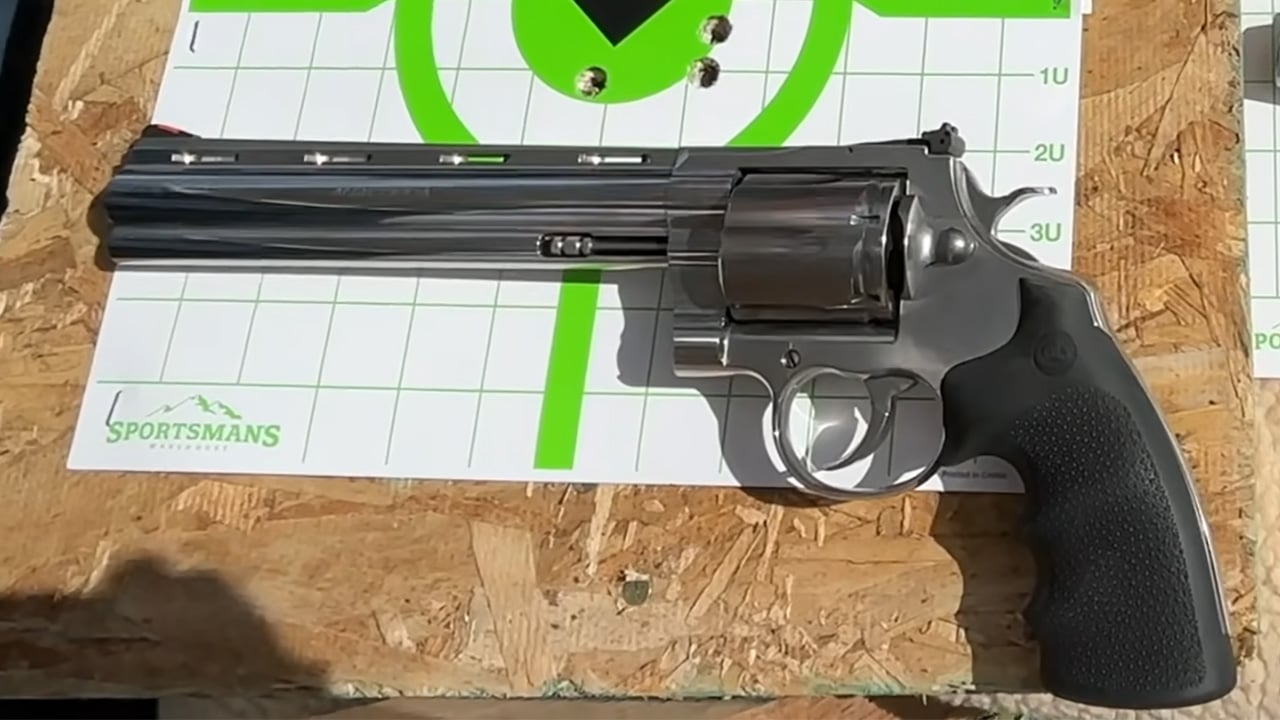
The Super Redhawk is the one you see when handgun hunting comes up, especially with scope rings involved. It’s not pretty and it’s not light, but it’s built for the role. Dealers flag them because they’re expensive new, and used ones can be a lot of gun for the money.
This revolver tends to be owned by folks who either shot it a lot or hardly at all. If it’s hardly at all, you’ll see it: sharp edges, clean top strap, minimal cylinder line, and usually the factory bits still in the box. If it’s been shot a lot, you want to look it over carefully, because heavy loads will tell a story over time. Either way, it fills a specific need—accurate power in a reliable package—and that keeps demand steady.
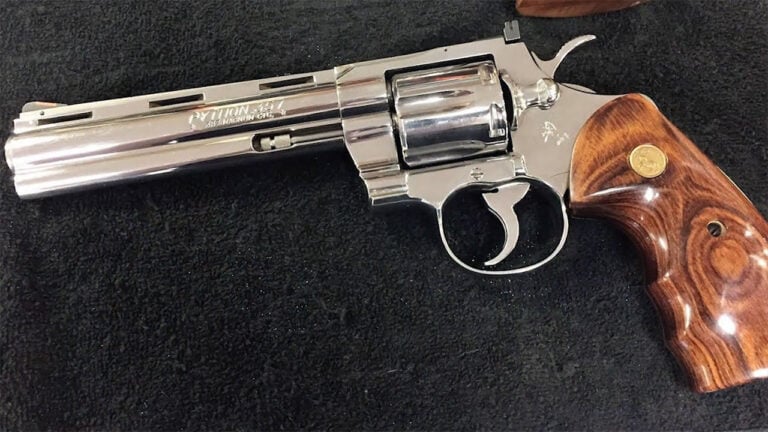
16. Colt Python (older production)

An older Python in good shape doesn’t sit around. It’s not just the name; it’s the feel. The action on a good Python is something revolver fans talk about because it really is different. Dealers flag them because they don’t want to be the shop that let a clean Python walk out too cheap or get handled to death in the display case.
Here’s the honest part: they can be expensive and they’re not the best choice for a hard-use beater revolver. Parts and specialized knowledge matter more with older Colts, and not every local smith wants the job if something is off. Still, a Python is one of those “forever” guns for collectors and serious shooters alike. If it’s mechanically sound, tight, and not messed with, it’s going to draw attention fast.
17. Colt Detective Special
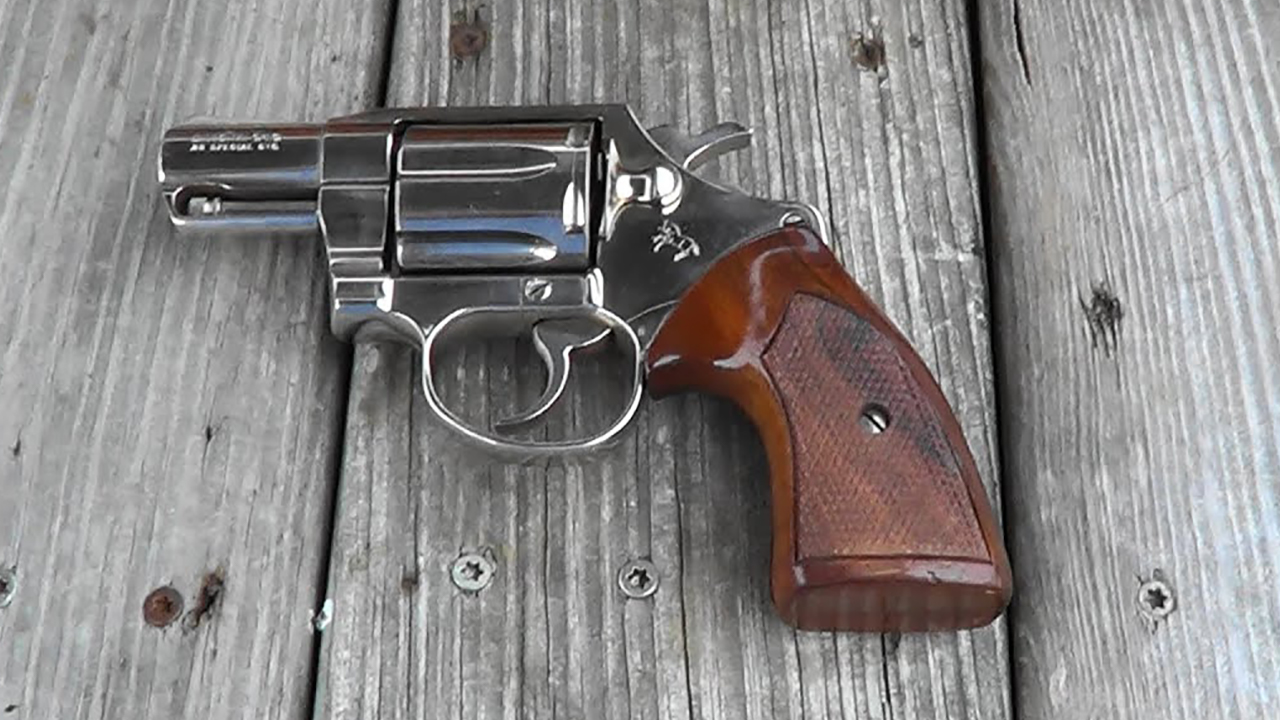
The Detective Special is a carry revolver from the era when a carry revolver was expected to be shot a lot. Six rounds in a compact frame is still appealing, and the older Colt guns have a certain balance that’s hard to fake. Dealers flag them because they’re not getting more common, and clean ones bring in buyers who know what they’re seeing.
They’re also easy to like in the real world. They carry flatter than you’d expect, point naturally, and the sights—while not target-grade—are usually usable. The caution is the same as with many older Colts: check function carefully and don’t assume every gunsmith will tune it like a modern production gun. If you find one that’s mechanically right, it’s a classic that still does classic work. That’s why it gets pulled early.
18. Colt Cobra (classic alloy-frame versions)
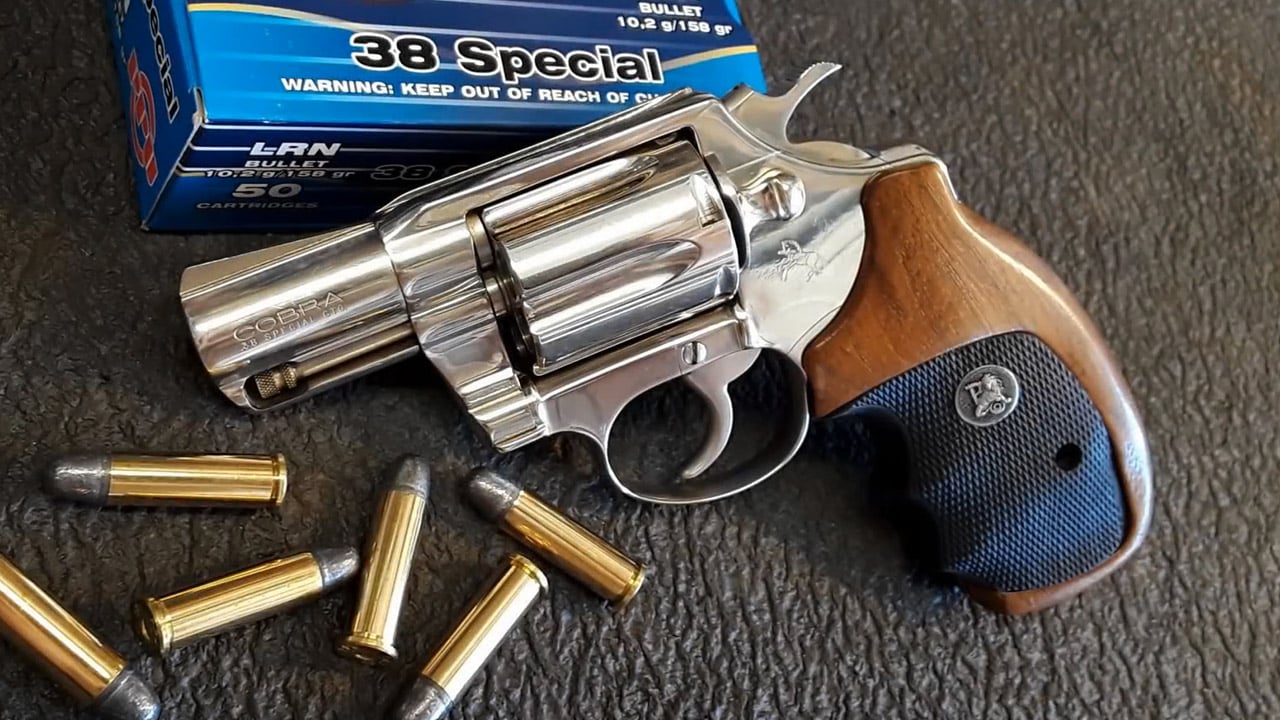
The older Cobra is light, handy, and easy to carry all day. That’s why it gets flagged. A lot of folks bought them to actually carry, so condition varies, but a clean Cobra is a gem for someone who wants a traditional revolver that won’t drag their belt down.
The downside is that light weight and snub-nose geometry make recoil feel sharper than many expect, even with .38s. So you want one that encourages you to practice, not one that punishes you. Dealers know the buyers for these are usually looking for that exact blend of “carry a lot, shoot enough.” When a Cobra shows up without frame issues, with good timing and a clean bore, it’s the kind of revolver a shop owner might quietly reserve for a regular customer—or themselves.
19. Kimber K6s

The K6s is a newer revolver that earned its spot. Six rounds in a compact frame gets attention, but it only matters if the gun is built right. Dealers flag K6s revolvers because they sell quickly to folks who want a modern carry wheelgun without stepping into collector prices.
What makes it stand out is practical: it carries well, the trigger is generally good out of the box, and the overall fit tends to be solid. It’s still a small revolver, so recoil management and grip choice matter, but it’s more shootable than a lot of lightweight snubs. Also, K6s owners tend to either keep them forever or trade them while they’re still clean. When a lightly used one hits the counter at the right price, it doesn’t last because it fills a real role without drama.
20. Smith & Wesson Model 29 (classic .44 Magnum)
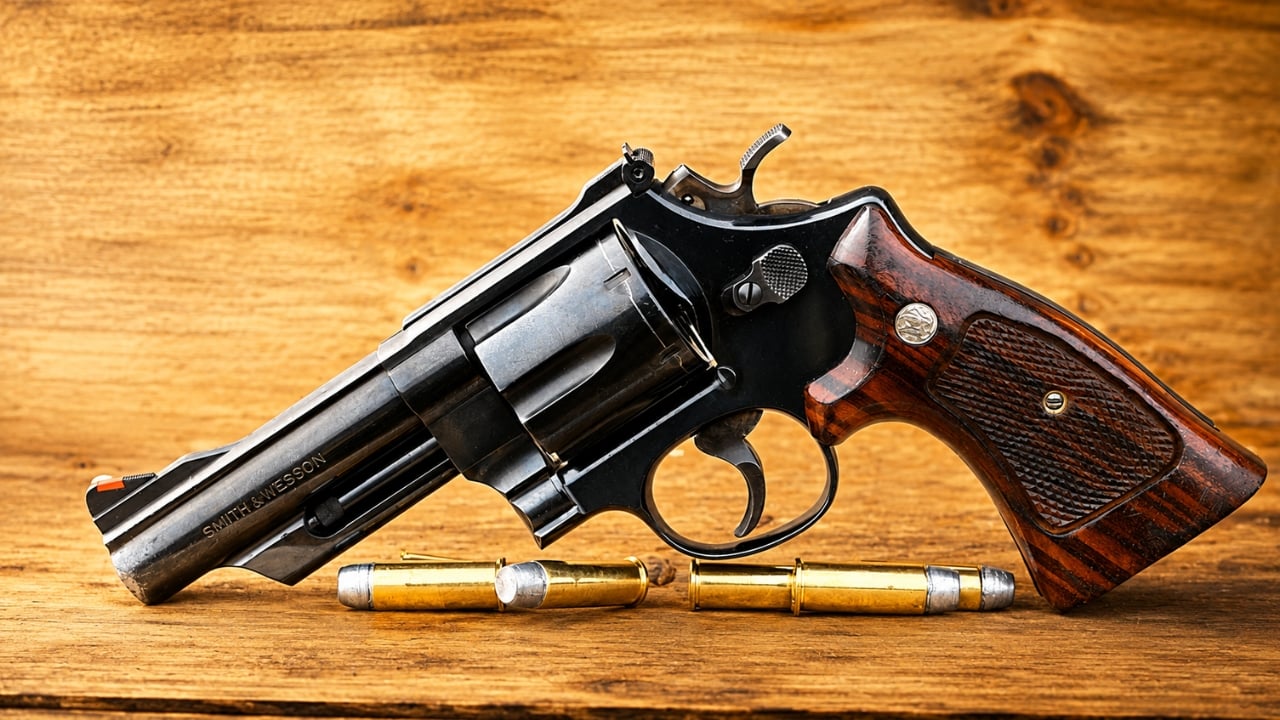
The Model 29 gets attention for all the obvious reasons, but dealers flag it for a quieter one: it’s one of the few “famous” revolvers that is also genuinely useful if you treat it with respect. It’s not a beginner gun and it’s not a casual plinker with full-power loads, but it’s a serious .44 that can still serve in the field.
A clean Model 29 also tends to bring out two types of buyers: collectors and hunters. Collectors want originality and condition. Hunters want a revolver that shoots straight, carries well in a chest rig, and can handle heavy loads without issues. The shop is watching for timing, endshake, and signs of someone trying to “hot rod” it beyond what it was meant for. Find one that’s been maintained instead of abused and it’s hard to walk away. That one hurts when you do.
None of this means every used revolver is a hidden treasure, and it doesn’t mean you should buy something just because a dealer seems interested. But if you’ve ever watched a good wheelgun vanish before you could even make up your mind, now you know why. The older classics, the tough field guns, and the modern carry revolvers that actually deliver tend to get noticed first. If one of these shows up and it checks out mechanically, don’t expect it to wait around while you “think on it” for a week.
Like The Avid Outdoorsman’s content? Subscribe to our newsletter so you never miss an article.
Here’s more from us: