Photo credit: Chris Parkin Shooting Sports/YouTube
Hunters love upgrading rifles. A different stock promises less weight, a new action claims smoother cycling, another cartridge promises flatter trajectories, and every few years somebody announces that the traditional hunting rifle has finally become obsolete. Yet certain rifles keep surviving those trends because they already do the important things extremely well.
A hunting rifle does not need to dominate a specification sheet. It needs to carry comfortably, put the first shot where it belongs, operate reliably when the weather turns ugly, and feel natural when a deer appears faster than expected. Some of the rifles below are modern designs and others have been around for generations, but all of them occupy that difficult category where replacing them often feels more like changing things than actually improving them. These are 20 hunting rifles I would have a hard time arguing against once they were properly scoped and shooting a load they liked.
Tikka T3x Lite
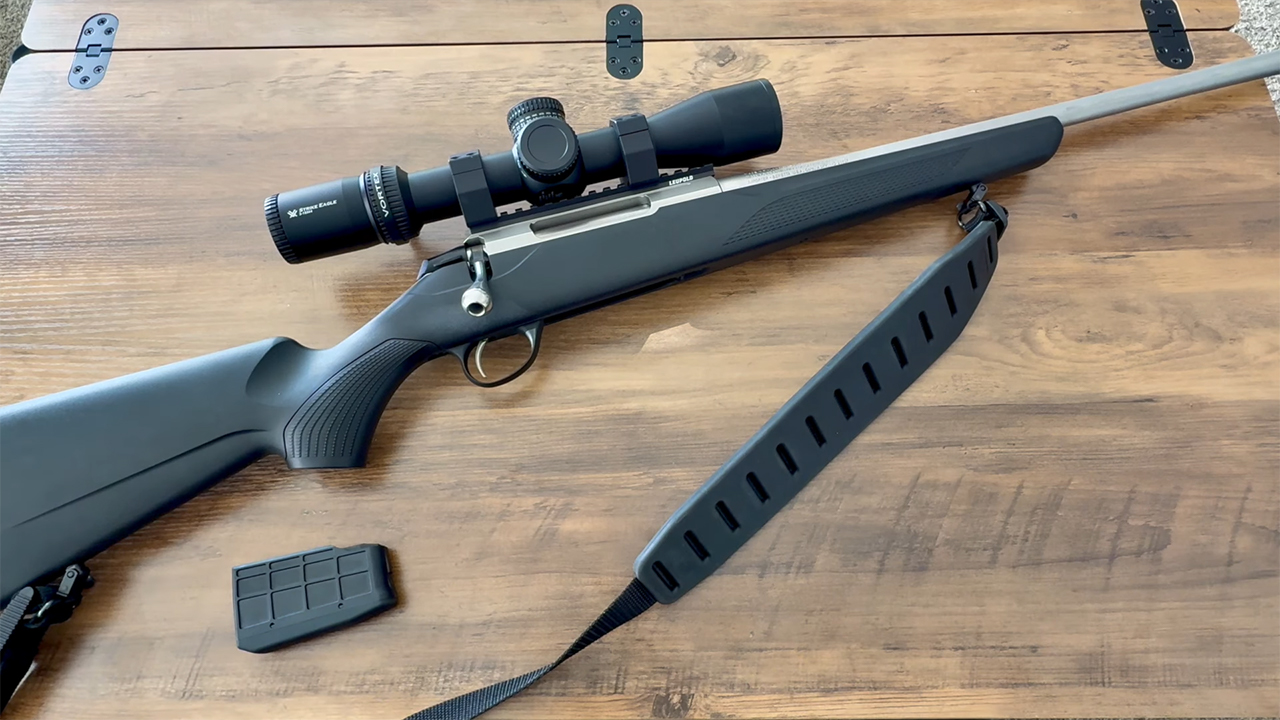
The T3x Lite gets almost everything right for a general-purpose hunting rifle without making the design complicated. It is light enough to carry all day, the bolt is exceptionally smooth, and the trigger is good enough that most hunters have no reason to start replacing parts immediately. Tikka also manages to build rifles that have developed an excellent reputation for accuracy without making them excessively heavy or expensive.
I would be perfectly happy with one in .308 Winchester, .270 Winchester, 7mm-08, or 6.5 Creedmoor depending on the hunt. There are prettier rifles and more expensive rifles, but improving the T3x Lite in a meaningful way usually starts costing a lot of money. Once one is scoped properly and zeroed with ammunition it likes, I would spend more time hunting with it than trying to figure out what needs upgrading.
Winchester Model 70 Featherweight

The Featherweight version of the Model 70 has survived because the basic formula works. You get the traditional controlled-round-feed action, a slimmer stock, classic walnut, and enough barrel length for normal hunting cartridges without carrying something that feels oversized in the woods. It is one of those rifles that looks right in a deer camp while still performing every job expected of a modern hunting rifle.
I especially like the Model 70 in cartridges such as .270 Winchester, .30-06, and 7mm-08. None of those combinations need to be reinvented. A good scope and dependable mounts are about all I would add. Modern chassis rifles may offer more adjustment, but that does not automatically make them better for climbing into a stand, slipping through timber, or carrying over a shoulder for hours.
Browning X-Bolt 2 Hunter
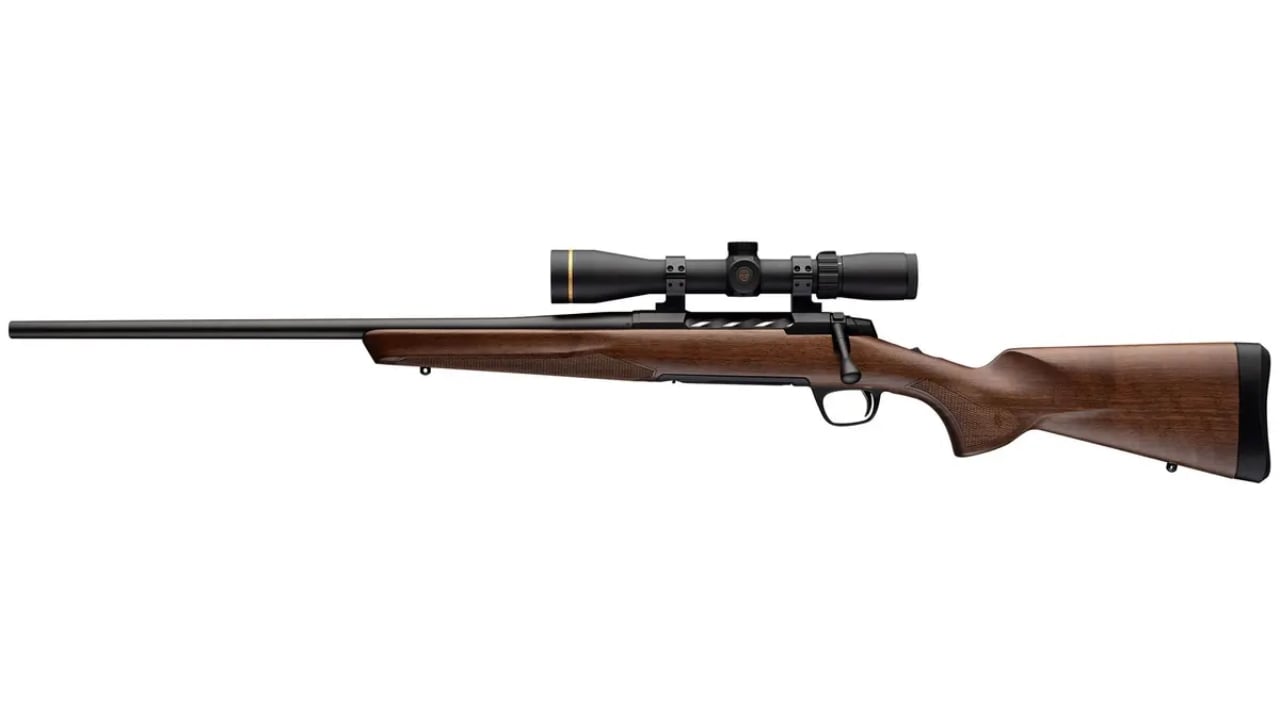
The X-Bolt 2 Hunter is a good example of modern improvements being added without ruining the traditional hunting-rifle concept. Browning gives you a smooth bolt, excellent trigger, attractive walnut, and useful features such as a short bolt lift without turning the rifle into something that belongs on a competition bench.
That balance matters. A hunting rifle spends far more time being carried and handled than it does firing long strings of shots. The X-Bolt feels designed around that reality. I would choose a practical chambering, mount a moderate hunting scope, and leave the rest alone. There are rifles that can be made lighter, rifles that can be made more adjustable, and rifles that can cost considerably more. Very few improvements would make an X-Bolt 2 Hunter substantially better at killing deer inside the distances most hunters actually shoot.
Sako 85 Finnlight
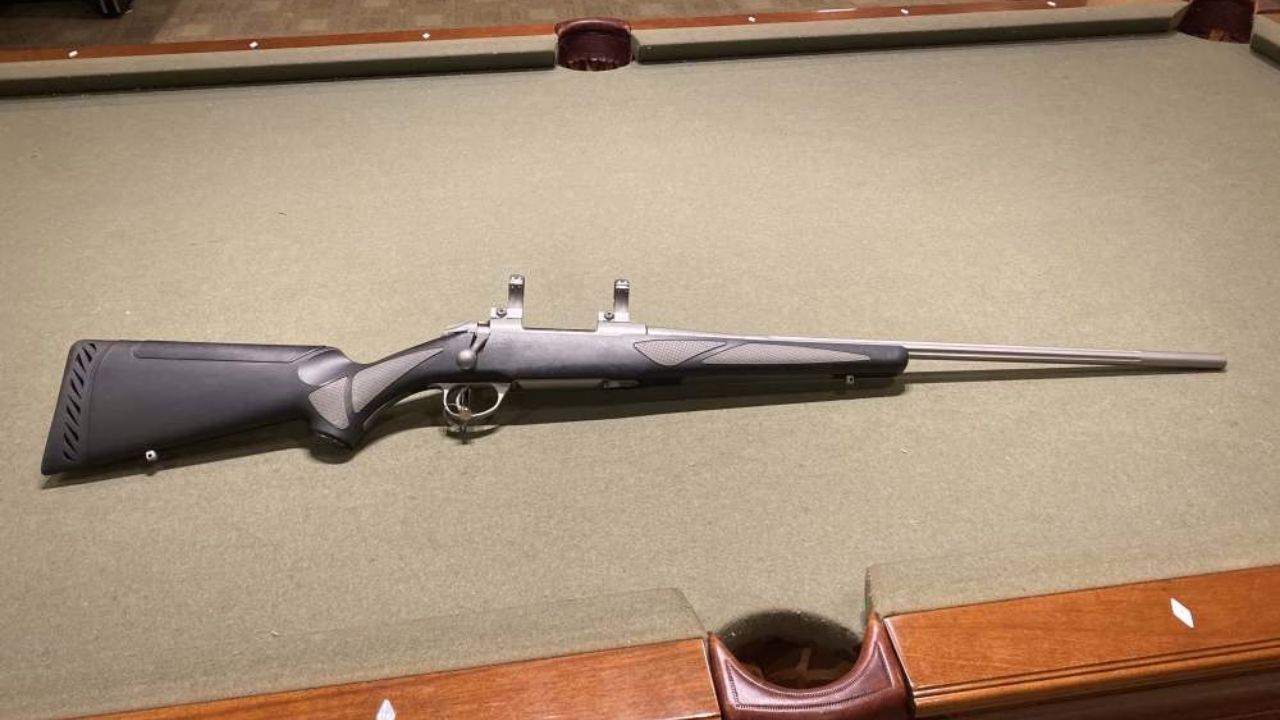
The Sako 85 Finnlight earned its reputation by combining a lightweight hunting rifle with the refinement people expect from Sako. The action feels smooth, the stock handles well, and the rifle manages to stay relatively light without feeling like a hollow piece of equipment built purely to win a weight contest.
That is important because extremely light rifles can become difficult to shoot well from improvised positions. The Finnlight sits in a useful middle ground. It carries easily but still feels like a serious centerfire rifle when I settle behind it. If I owned one that consistently put the first cold-barrel shot exactly where I wanted, there would be very little reason to replace it. The expensive part is already done. I have a lightweight rifle that does not require excuses about accuracy or handling.
Weatherby Vanguard Sporter

The Vanguard Sporter has always been one of the best examples of a rifle that does not need to be flashy to be excellent. The action is strong, the rifle has enough weight to settle down nicely when shooting, and the wood-stocked Sporter gives hunters a traditional appearance without moving into premium-rifle pricing.
I would especially like one for someone who spends much of deer season sitting rather than hiking mountains. A little extra weight is not a disadvantage when the rifle is resting across a blind rail, and it can make recoil easier to handle. In .270 Winchester, .308 Winchester, or .30-06, a Vanguard can become the kind of rifle someone owns for decades. You can spend considerably more afterward, but actually improving how effectively it handles ordinary deer hunting becomes surprisingly difficult.
Bergara B-14 Hunter

The B-14 Hunter appeals to me because Bergara took its barrel reputation and put it into a practical hunting package rather than forcing every buyer into a heavy precision rifle. The rifle has enough substance to be easy to shoot but remains manageable for normal field carry.
Accuracy is where it becomes hard to improve upon. Once a B-14 Hunter demonstrates that it shoots a preferred hunting load exceptionally well, replacing it makes little sense unless the owner’s needs change dramatically. I would rather keep a rifle that has already proven itself than chase a lighter or more fashionable design and hope the replacement groups as well. Hunters sometimes forget that a rifle producing boring, repeatable accuracy is exactly what they were trying to buy in the first place.
Ruger Hawkeye Hunter
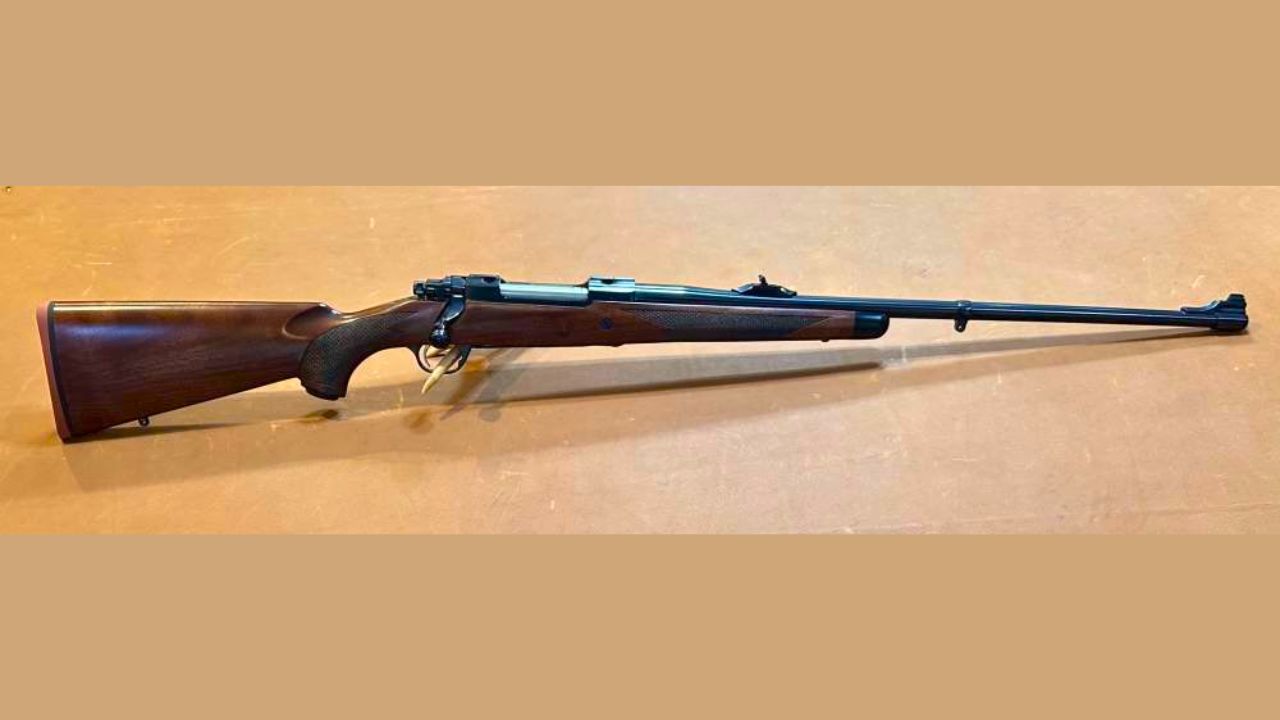
The Hawkeye Hunter is built around an idea I still like: make the rifle strong, dependable, and traditional enough that the owner can use it for almost anything. Ruger’s controlled-feed action, sturdy construction, and practical stock design make it well suited to hunters who want a rifle they can carry through poor weather without constantly wondering whether they bought something too delicate.
It may not be the lightest rifle on this list, but that does not bother me. A little weight can make a hunting rifle steadier and more pleasant to shoot. I would especially appreciate one in .308 Winchester or .30-06 as a rifle capable of covering a huge range of North American hunting. Once something feeds reliably, shoots well, and fits the hunter, improvements become increasingly theoretical.
Sauer 100 Classic

The Sauer 100 Classic provides the kind of European hunting-rifle feel people used to assume required spending considerably more money. The action is smooth, the stock proportions are sensible, and the overall design feels refined without becoming overly complicated.
I like rifles like this because there is nothing screaming for immediate replacement. The trigger is good, the action cycles cleanly, and the traditional stock makes the rifle comfortable to shoulder quickly. A hunter could choose a normal deer cartridge, install quality glass, and spend the next twenty years ignoring every new rifle release without being poorly equipped. There may always be something lighter or more fashionable, but it becomes difficult to identify an actual hunting situation where the Sauer 100 is holding the owner back.
Mauser M18
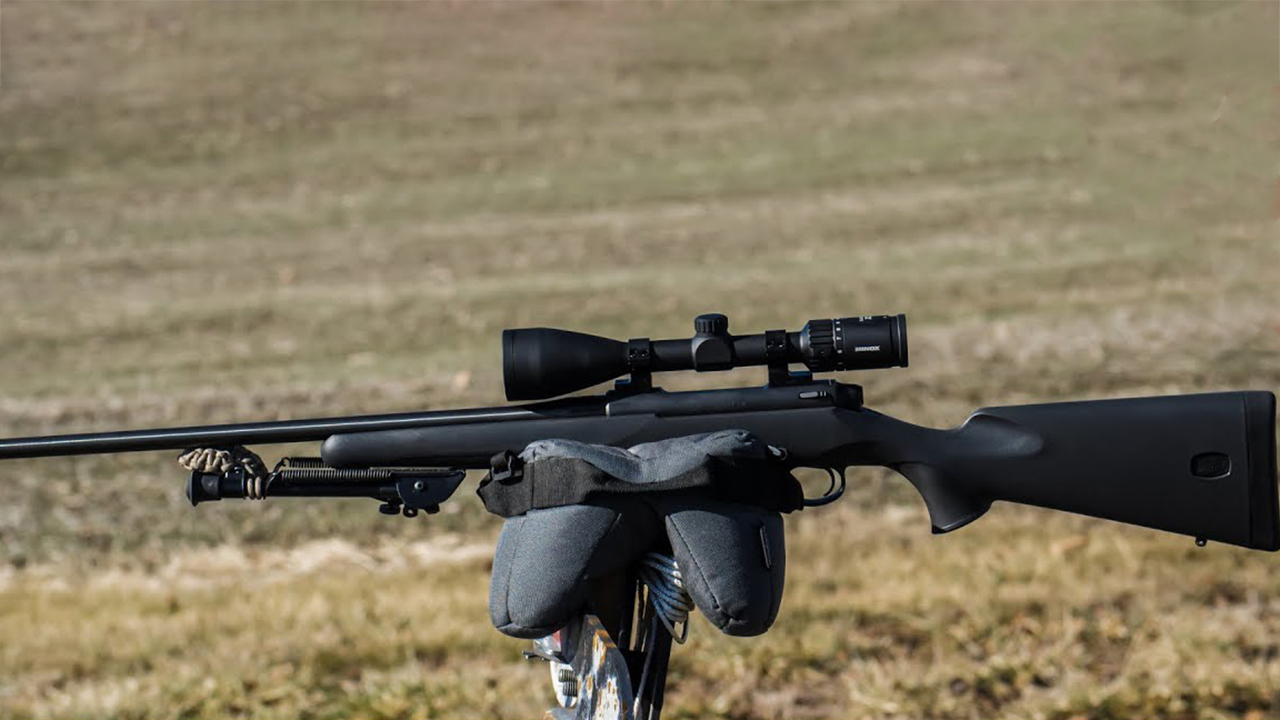
The M18 proves that a practical rifle can still carry some of the qualities people associate with the Mauser name without requiring collector-grade money. The stock is designed around actual field use, the bolt operates smoothly, and the rifle tends to feel more substantial than its price suggests.
This is another rifle I would resist overcomplicating. A .308 Winchester or .30-06 M18 with a dependable scope is capable of handling most deer hunting without any drama. I do not need elaborate accessories hanging from it, and I do not need to convert it into a long-range competition setup. The more time I spend hunting, the more I appreciate rifles that remain straightforward. The M18 does not ask the owner to love a gimmick. It simply does the basic jobs very well.
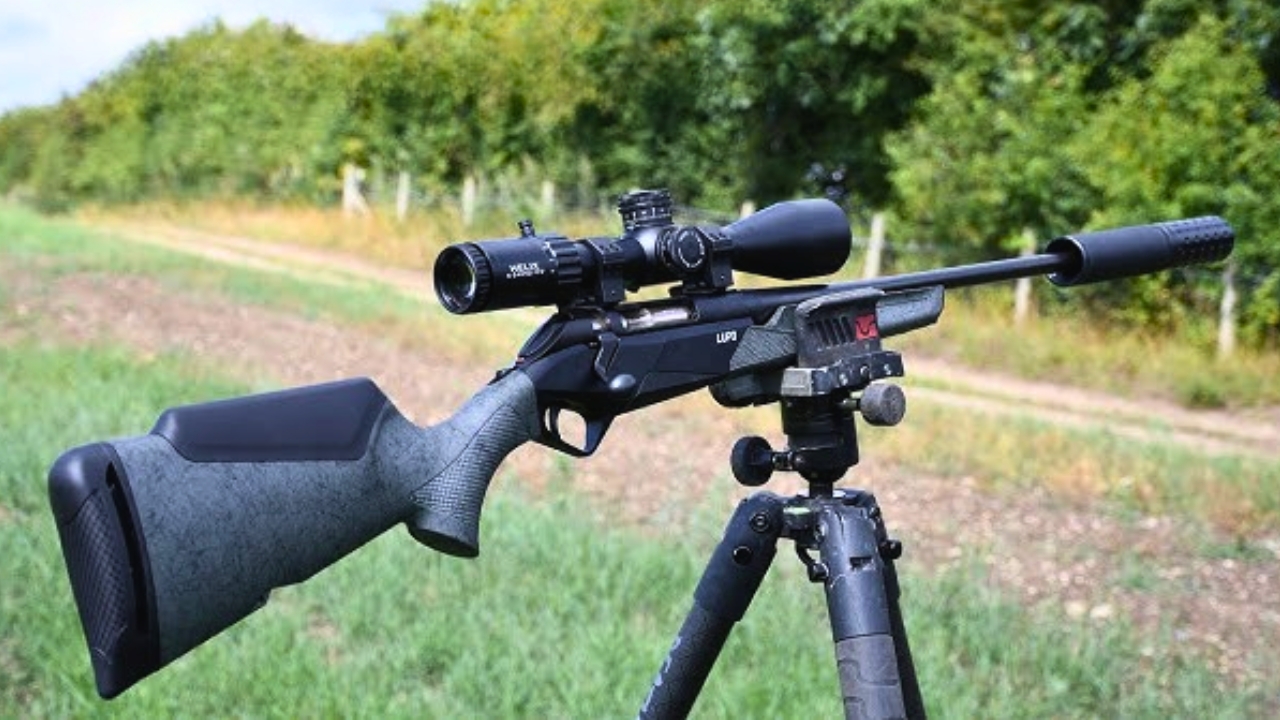
Benelli Lupo
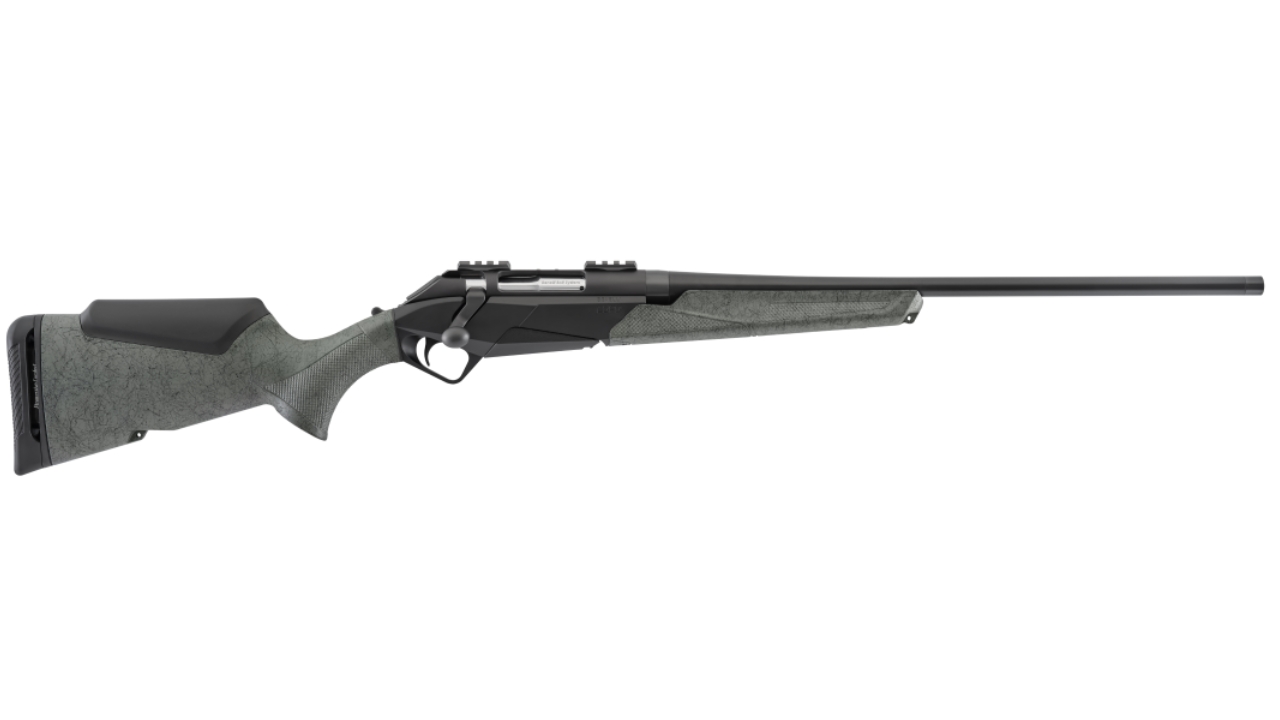
The Lupo looks far more modern than the traditional rifles on this list, but the design earns its place because many of those modern features are actually useful. The stock offers a high level of adjustability, recoil management is well thought out, and the rifle can be fitted to the shooter much more precisely than an ordinary fixed-stock hunting rifle.
That can matter enormously for someone who struggles to find a factory rifle that fits correctly. Instead of adapting the shooter to the gun, the Lupo allows much more of the opposite. Once the fit is dialed in and the rifle is grouping well, it becomes difficult to argue that a traditional stock is somehow automatically better. The appearance may divide hunters, but functionally the Lupo solves several problems that people have spent years correcting with aftermarket parts.
Browning BAR MK 3

A good hunting semiautomatic is hard to improve upon when the hunter actually benefits from quick follow-up shots. The BAR MK 3 gives shooters that capability in a rifle that still looks and handles like a sporting arm rather than a tactical platform. For hunters in thick woods, driven hunts, or places where several deer may appear quickly, that combination makes a lot of sense.
The BAR also tends to shoot much better than people who dismiss hunting semiautomatics expect. It is not the rifle I would choose for backpacking high into the mountains, but for stand hunting and moderate walking, the extra weight is hardly a problem. In .308 Winchester or .30-06, I would be extremely comfortable carrying one for deer. A proven BAR has a role that bolt actions do not completely duplicate.
Henry Long Ranger
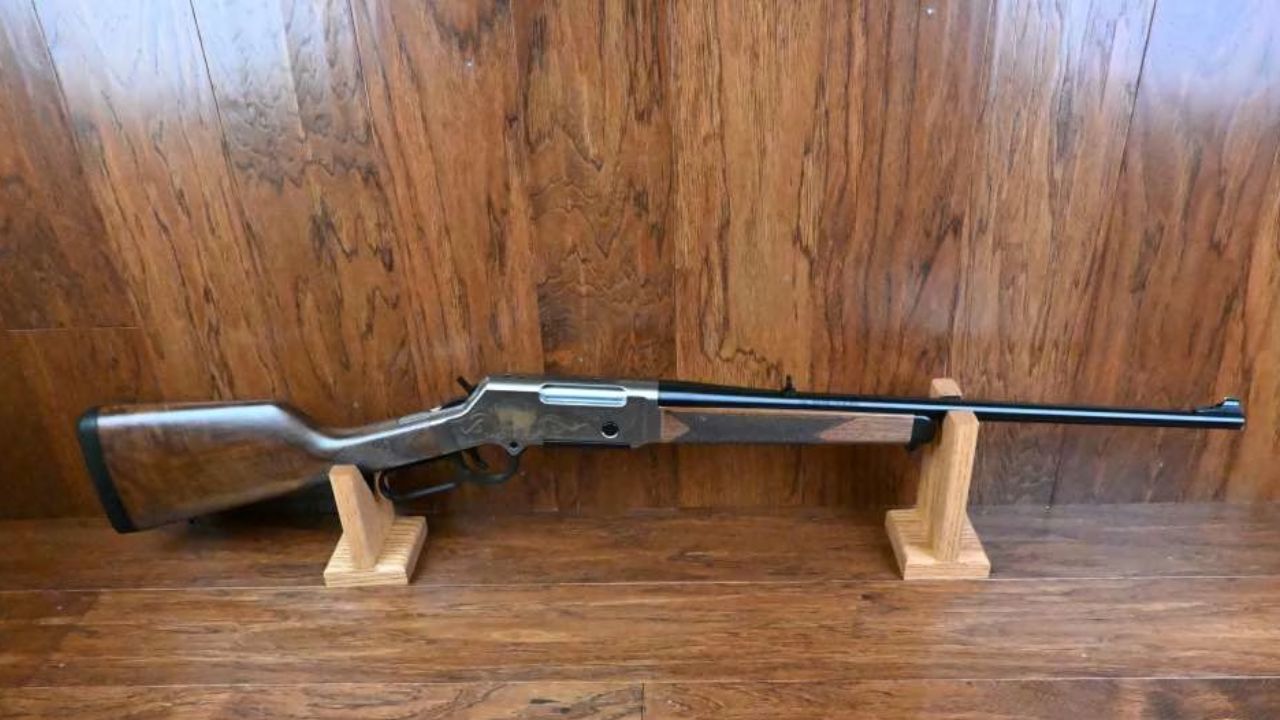
The Long Ranger solves the biggest limitation people usually point out with traditional lever-action rifles: cartridge selection. Its box magazine allows the use of pointed bullets and modern centerfire cartridges while retaining lever operation, giving hunters something that feels very different from an ordinary bolt gun without forcing them into traditional tube-magazine cartridges.
That makes it a strong choice in mixed terrain. I could hunt timber with it one morning and watch a larger field that evening without feeling undergunned. The lever action remains fast and natural, yet cartridges such as .308 Winchester give the rifle plenty of reach for normal deer hunting. If someone simply prefers operating a lever, I do not see much reason to tell him a bolt rifle is inherently better. The Long Ranger already solves most of that argument.
CVA Cascade

The Cascade has earned attention by doing exactly what hunters want an affordable bolt rifle to do: shoot well, handle comfortably, and avoid unnecessary complexity. It does not need to be an heirloom-grade rifle to be difficult to improve upon in practical terms.
That is where budget hunting rifles have become so impressive. If a Cascade groups hunting ammunition tightly, feeds reliably, and fits the shooter, moving to a rifle that costs twice as much may provide nicer finish or better wood without changing what happens when a deer steps into the shooting lane. I would rather put money into quality optics, ammunition, and practice before replacing a rifle that is already doing everything correctly. Hunting equipment should solve problems. If the Cascade is not creating any, I would leave it alone.
Kimber 84M Classic

The 84M Classic combines a genuinely trim short action with traditional walnut and proportions that make it feel closer to a semi-custom rifle than many mass-production bolt guns. The action was designed around short cartridges rather than simply adapting a larger receiver, which keeps the entire rifle compact and elegant.
A good one is especially difficult to improve upon because lightweight rifles are not always easy to get right. If the 84M shoots well and fits its owner properly, changing rifles may gain almost nothing. I would particularly like one in .308 Winchester or 7mm-08 as a light deer rifle that still looks like a traditional sporting gun. Modern adjustable stocks offer more flexibility, but they rarely match the 84M’s combination of weight, balance, and classic appearance.
Nosler Model 21
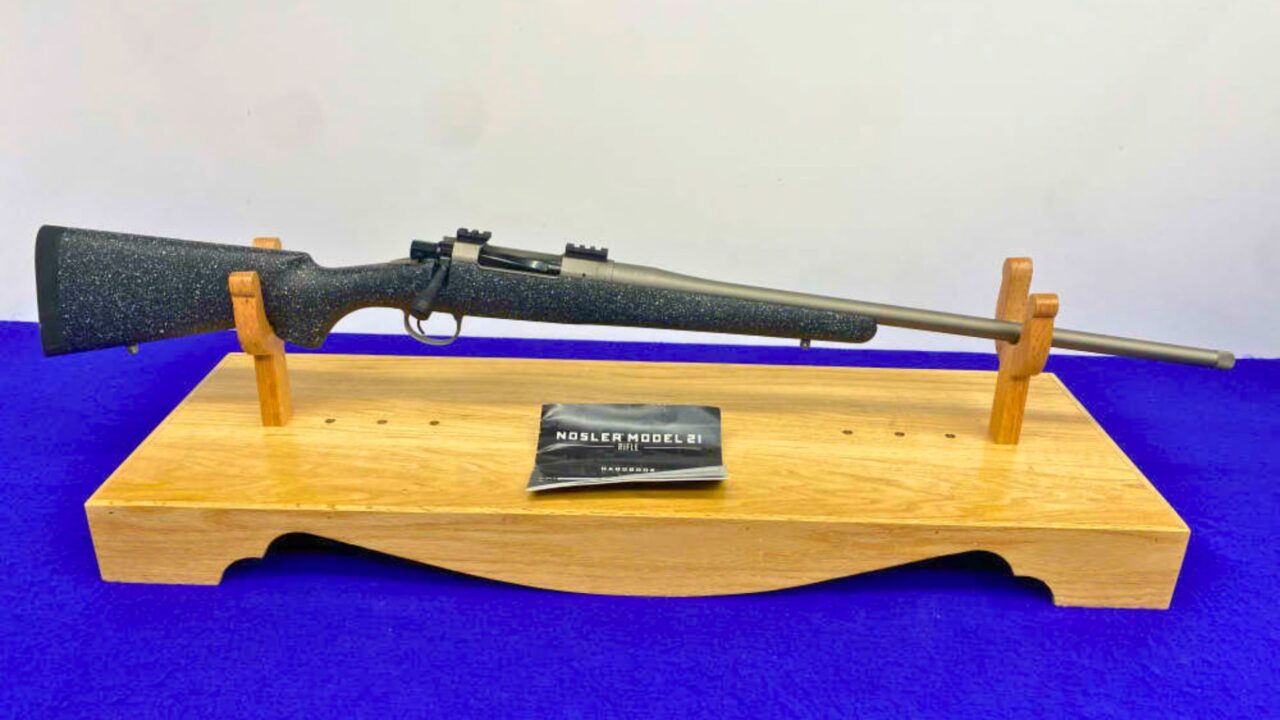
The Model 21 is the kind of rifle built for hunters who want premium performance without moving all the way into a custom build. The action is smooth, the stock is designed for serious field use, and Nosler has positioned the rifle around dependable accuracy rather than decorative features.
What makes it hard to improve upon is that most of the upgrades people commonly perform on ordinary hunting rifles are already addressed. The stock, trigger, barrel, and action do not immediately send me searching through aftermarket catalogs. That means the owner can spend more time figuring out ammunition and field positions rather than rebuilding a brand-new rifle. It is expensive compared with a basic deer gun, but the price makes more sense once you consider how quickly upgrades to a cheaper rifle can add up.
Seekins Havak PH2
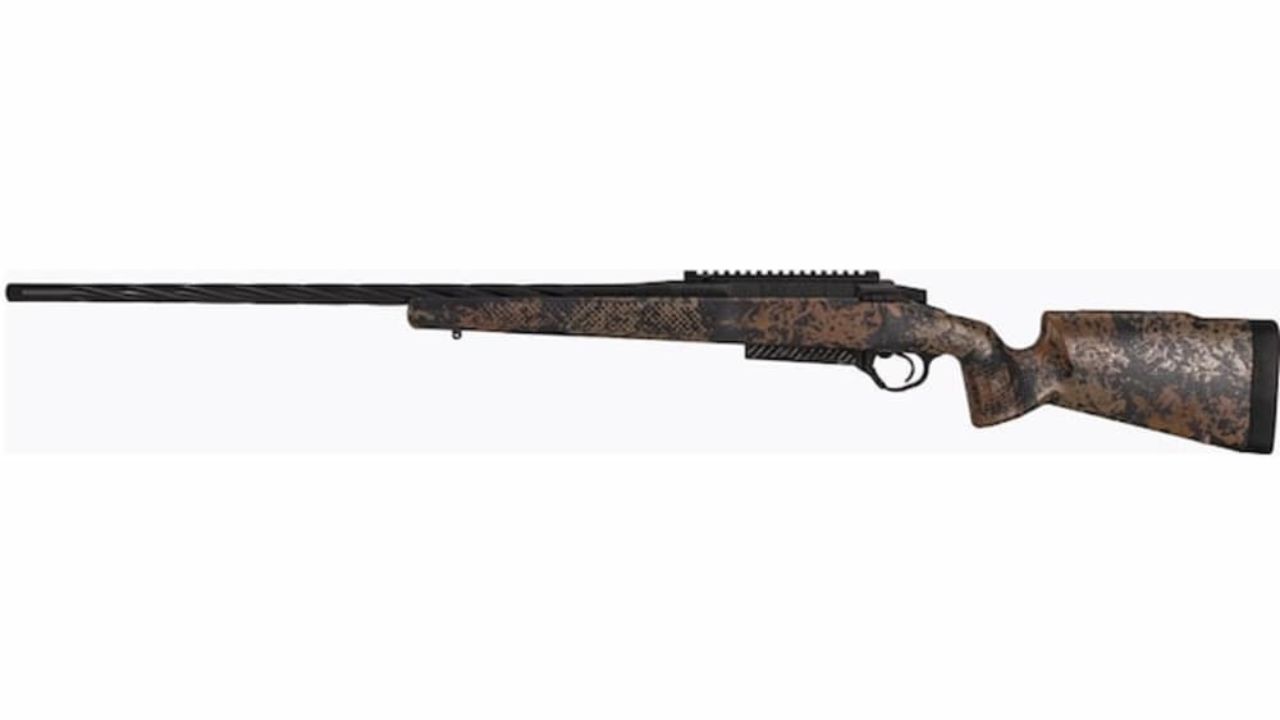
The Havak PH2 is aimed at hunters who want excellent accuracy and modern construction without carrying a full competition rifle. Seekins gives it a quality barrel, well-designed stock, and action built around repeatable performance, making it a strong option for hunters who might occasionally shoot farther but still need to carry the rifle.
I like that it does not require the owner to choose between traditional hunting usefulness and precision-rifle capability. It is still a hunting rifle first. Once properly scoped and zeroed, there is very little I would feel compelled to change. A hunter can spend a lot of money trying to turn an ordinary rifle into something with this level of consistency. Buying a rifle that arrives essentially finished can be the more sensible route.
Springfield Model 2020 Waypoint

The Waypoint sits in the increasingly popular space between standard production rifles and full custom builds. Carbon-fiber stock options, quality barrels, good triggers, and modern machining make it a rifle intended to be carried into the field rather than simply admired from a bench.
What makes the Waypoint compelling is how complete the package already feels. Hunters often buy a basic rifle and then replace the stock, trigger, and bottom metal before realizing they have spent enough to buy something better from the beginning. The Waypoint largely eliminates that process.
If one fit me well and shot the ammunition I wanted accurately, I would have very little interest in changing anything beyond optics. That is usually the sign of a hunting rifle that has already reached the point of diminishing returns.
Franchi Momentum Elite
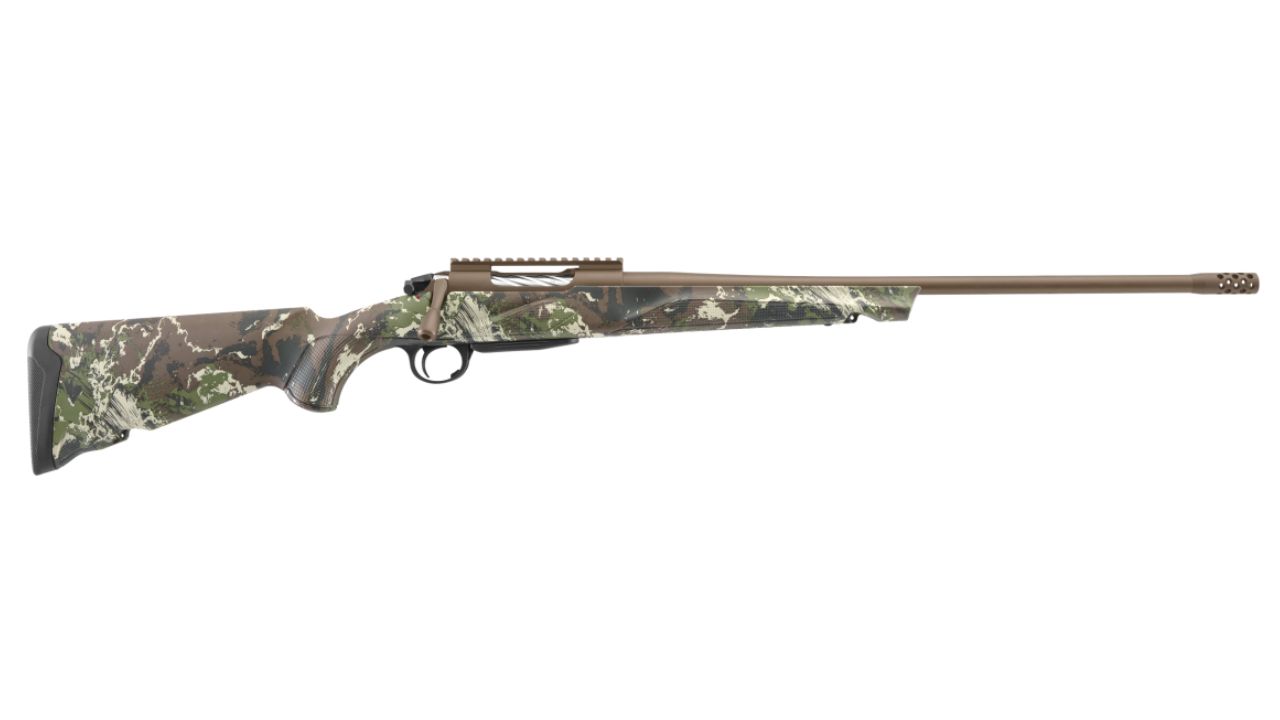
The Momentum Elite gets overlooked because Franchi is still more strongly associated with shotguns than bolt rifles, but that does not make the rifle any less practical. It offers a comfortable stock, useful weather-resistant finishes, and a modern hunting configuration without becoming excessively expensive.
I especially like rifles like this for hunters who expect equipment to get wet, scratched, and dirty. A beautiful walnut rifle can absolutely survive those conditions, but some people hunt more confidently when they are not worried about every mark. The Momentum Elite gives me that freedom without forcing me to accept poor accuracy or crude handling.
Once a rifle is dependable enough to hunt through bad weather and accurate enough that misses cannot be blamed on the gun, upgrading starts becoming a matter of preference rather than necessity.
Marlin Model 336

There is a reason hunters keep rediscovering the 336. In thick deer woods, a compact .30-30 lever action still makes an enormous amount of sense. The rifle carries easily, shoulders quickly, and has enough power for the distances where most timber shots happen. None of those advantages became obsolete because newer cartridges can shoot flatter at 400 yards.
A Model 336 becomes particularly hard to improve upon when the hunting property simply does not offer long shots. If the farthest opening is 125 yards, extra ballistic capability may add very little while longer barrels and bulk become disadvantages.
I would keep the optic modest, find ammunition the rifle shoots well, and concentrate on handling it quickly. Some hunting rifles survive for generations because nobody has actually identified a better solution to the job they were designed to do.
Ruger No. 1
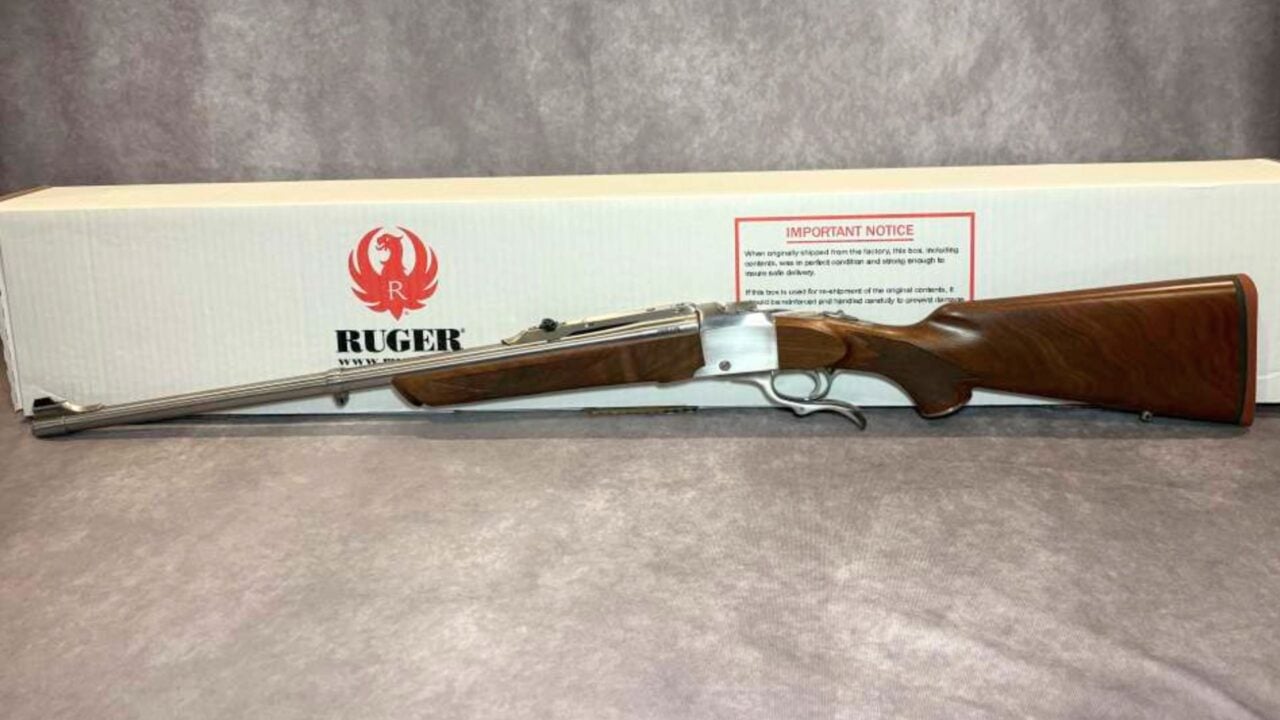
The No. 1 is the least conventional choice here, but it is difficult to improve upon for the hunter who appreciates a single shot. The falling-block action is exceptionally strong and allows a full-length barrel without making the rifle excessively long. That gives it excellent balance and a traditional appearance unlike almost anything else still produced.
It also changes the way I hunt. With one chambered round immediately available, there is no temptation to rely on magazine capacity instead of making the first shot count. That does not make it superior for everyone, but for a deliberate hunter it can be extremely satisfying.
A good No. 1 in a favorite chambering can become one of those rifles that never needs replacing because nothing else occupies the same space. Sometimes being hard to improve upon means being impossible to duplicate.
Like The Avid Outdoorsman’s content? Be sure to follow us.
Here’s more from us: