Photo credit: Tools&Targets/YouTube
Cheap guns are not automatically bad guns. Sometimes the price is low because the manufacturer skipped polished finishes, expensive machining, fancy sights, or premium furniture. If all you need is something functional, that can be a perfectly reasonable trade. Other times, though, the lower price comes with compromises that become obvious after a few range trips.
That is where buyers get into trouble. They compare two guns based only on caliber and magazine capacity and assume the cheaper option must be the better deal. Triggers, magazines, parts support, durability, ergonomics, finish quality, and consistency matter too. Some of the guns below can serve their owners perfectly well, but none of them is inexpensive by accident. Before celebrating the money saved, I would make sure I understood exactly what had been removed, simplified, or compromised to reach that price.
Hi-Point C9

The Hi-Point C9 may be the most famous inexpensive handgun in America, and the price makes sense as soon as you pick one up. The pistol uses an extremely basic blowback operating system, which requires a large, heavy slide to keep everything functioning safely with 9mm ammunition. That gives the C9 bulk and weight that seem completely out of proportion to its magazine capacity.
Hi-Point saves money by prioritizing function over refinement. The finish is basic, the ergonomics are unusual, and the trigger is not something most shooters would call impressive. None of that means the pistol cannot run. Plenty do. The point is that the buyer is trading comfort, compactness, finish, and sophistication for a very low entry price. If all you care about is inexpensive functionality, that can work. If you expect it to feel like a modern premium compact, it will not.
SCCY CPX-2

The SCCY CPX-2 became popular because it offered a compact 9mm with respectable capacity for very little money. The problem is that one of the biggest ways the pistol kept things inexpensive was also one of its biggest complaints: the long, heavy double-action-style trigger.
That trigger can be learned, but it makes the pistol harder to shoot precisely than many similarly sized striker-fired options. Recoil can also feel sharp because the gun is light and relatively small. Owners sometimes buy one because the dimensions and price look ideal on paper, only to discover that shooting it well takes more work than expected.
The CPX-2 can still make sense for someone who specifically likes the operating system and practices with it. I just would not confuse inexpensive purchase price with getting every feature found in more refined compact pistols.
Taurus G2C

The G2C helped Taurus earn a huge share of the budget handgun market because it offers a lot of features for the money. Capacity is respectable, the pistol is compact enough for carry, and the price can make more expensive competitors look difficult to justify.
Where the savings become noticeable is refinement. The trigger has a distinct feel that not everyone likes, the sights and finish are basic, and the overall fit does not give the same polished impression as more expensive service pistols. Taurus has improved tremendously from some of its older reputation, but the G2C is still fundamentally built to hit a low price.
I would not call that automatically bad. A buyer who understands what he is getting may be completely satisfied. The mistake is expecting a budget pistol to have the same trigger quality, finish consistency, and long-term parts ecosystem as a gun costing significantly more.
Phoenix Arms HP22A
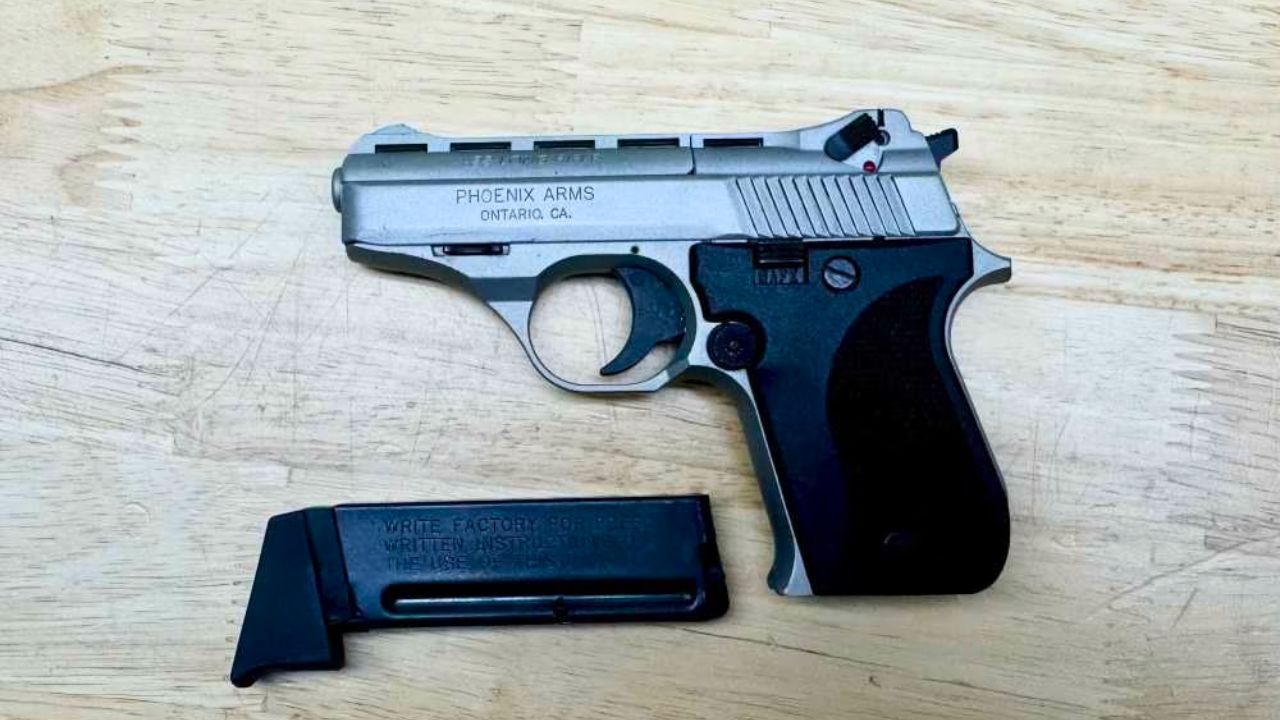
The HP22A attracts buyers because it is one of the cheapest semiautomatic .22 pistols commonly encountered. It is small, inexpensive to feed, and has an old-school appearance that makes it look more substantial than many tiny rimfires.
The compromises appear quickly. The pistol uses multiple safety systems that can feel unnecessarily complicated, and the overall construction reflects its price. It is not a high-volume target pistol built around thousands upon thousands of rounds. It is a low-cost rimfire designed to be affordable.
That distinction matters. A buyer expecting something comparable to a Ruger Mark-series pistol or Browning Buck Mark is shopping in the wrong category. The HP22A can be entertaining, but I would judge it based on what it actually costs rather than expecting the machining, trigger, durability, and parts support of a pistol several times the price.
Jimenez JA Nine

The JA Nine is cheap because nearly every design decision was made around keeping manufacturing costs low. The pistol uses a basic blowback system, inexpensive materials, and a large slide that helps manage 9mm pressure without requiring a more complicated locked-breech action.
That gives the gun a lot of bulk for what it delivers. The trigger, sights, finish, and ergonomics all reflect its budget position, and these pistols have never developed the sort of reputation that makes experienced shooters seek them out for demanding use.
The biggest issue is opportunity cost. If a buyer has almost no budget, the JA Nine may seem attractive simply because it is a functioning centerfire pistol at a very low price. But once the price gap to better-established used pistols becomes small, I would rather save longer and buy something with stronger parts support and a better track record.
Lorcin L9mm
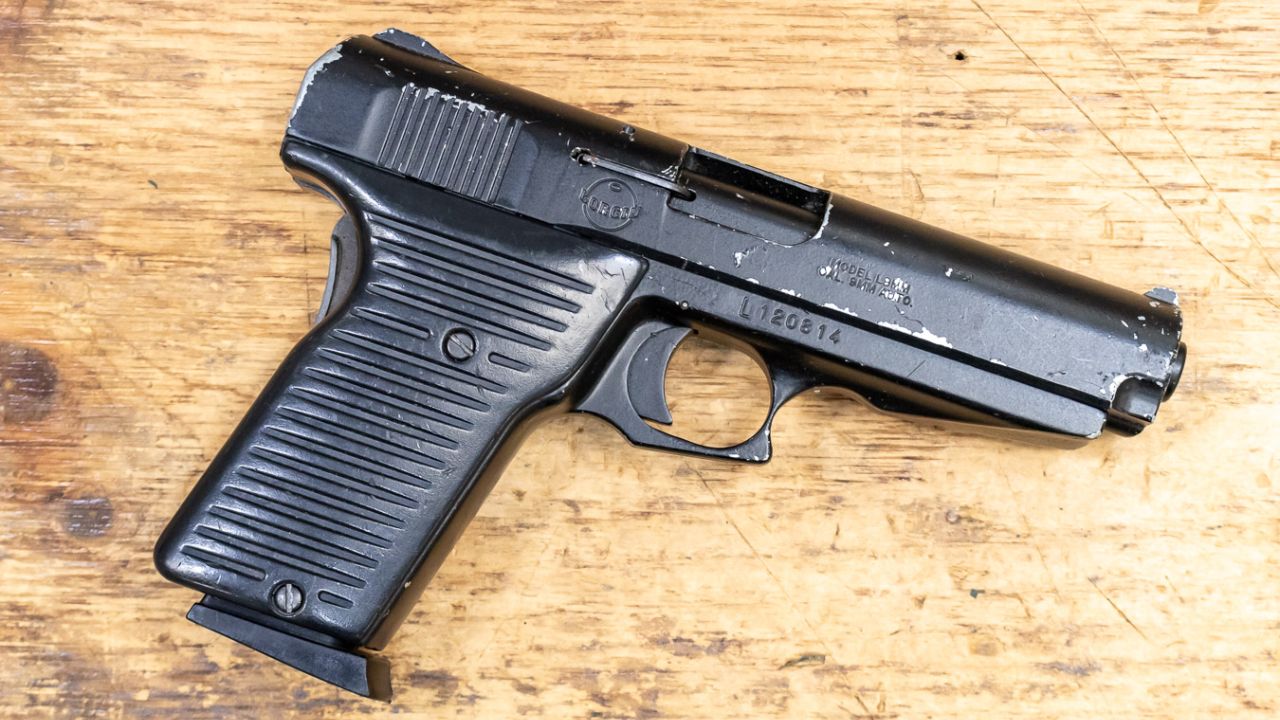
Lorcin pistols are a reminder of how inexpensive handguns used to reach extremely low price points. The L9mm was built around inexpensive materials and straightforward manufacturing rather than refinement, and that philosophy is immediately apparent in both weight and finish.
These pistols were never intended to compete with premium service guns. They were built to be cheap enough for almost anyone to buy. That may sound appealing until age enters the equation. Lorcin is gone, parts support is limited, magazines can be troublesome, and there is little reason to assume an old example has been carefully maintained.
I would view one more as a curiosity from the budget-pistol era than as a hidden bargain. Sometimes an old inexpensive gun stays inexpensive because collectors and shooters both recognize that the original compromises did not disappear simply because the pistol became old.
Cobra CA380
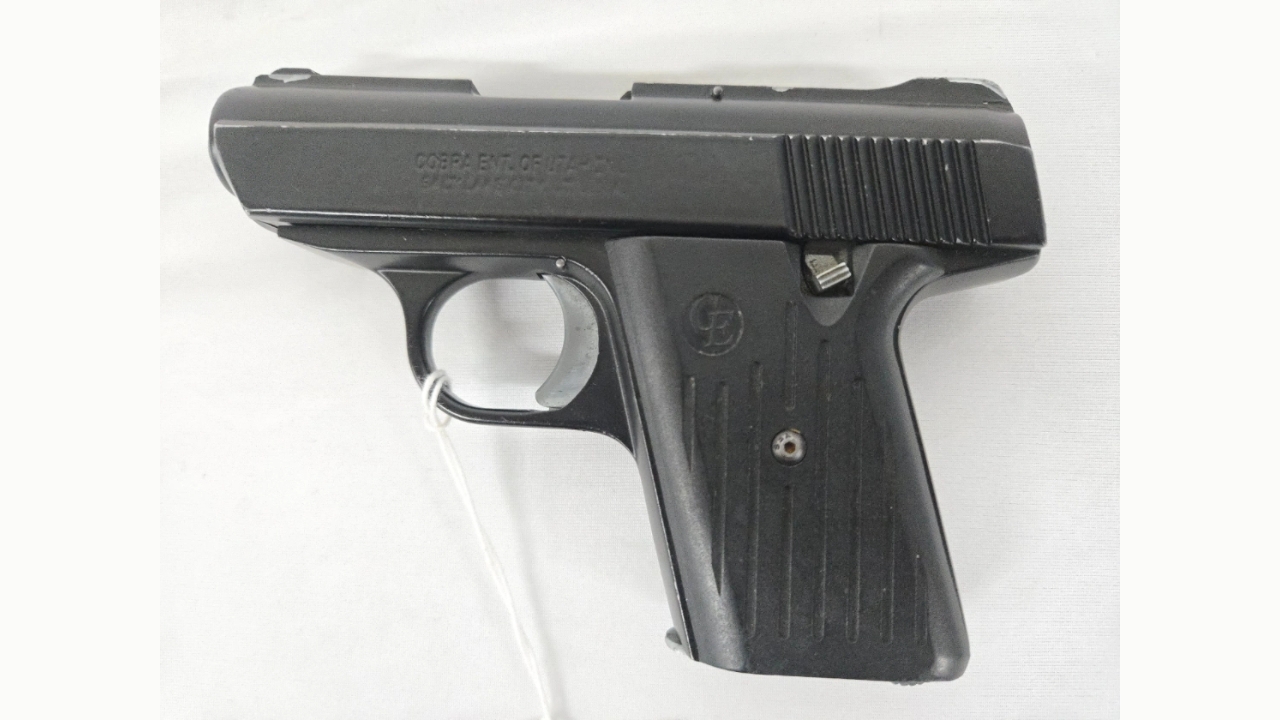
The Cobra CA380 fits the classic ultra-budget pocket-pistol formula: small size, low price, straightforward blowback operation, and minimal refinement. It was the kind of pistol that appealed to someone who wanted the least expensive compact handgun available.
That low cost came with obvious compromises. The controls and trigger can feel crude, the finish is utilitarian, and the tiny dimensions do not necessarily make the pistol pleasant to shoot. Small blowback .380s can produce more felt recoil than new buyers expect because the action and grip give the shooter very little help.
There is also a difference between a gun being small enough to carry and being easy enough to shoot well. I would always rather have a pistol I can practice with comfortably. If a low price creates a gun I avoid taking to the range, the savings stop looking quite as impressive.
Heritage Rough Rider

The Rough Rider is an interesting case because its low price does not automatically mean it is a bad purchase. Heritage keeps the revolver inexpensive through simplified construction, inexpensive finishes, and materials that are very different from what you would find on a premium Colt-style rimfire.
That is why the Rough Rider can sell for a fraction of what more refined single actions cost. The trigger and timing may not feel like an expensive revolver, the finish can wear quickly, and the safety arrangement is visually awkward to traditionalists. None of that stops it from being a fun plinker.
I actually think the Rough Rider makes sense if the buyer treats it honestly. It is an inexpensive recreational .22, not an heirloom revolver built with extensive hand fitting. Problems start when somebody compares the price with a Ruger or Colt without comparing the materials and manufacturing behind them.
GSG FireFly
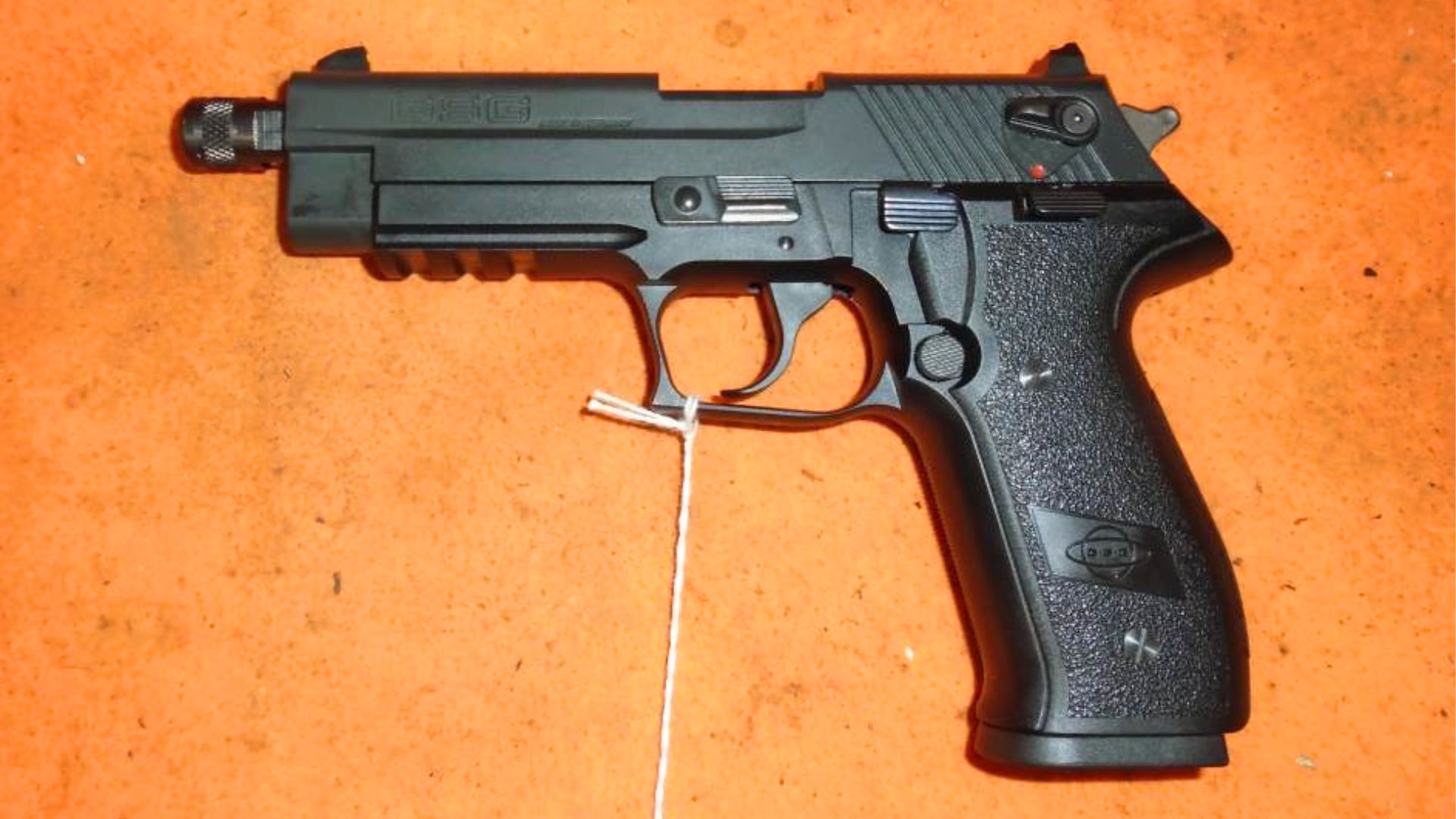
The GSG FireFly gives buyers the appearance and controls of a centerfire-style pistol while using inexpensive .22 LR ammunition. That sounds ideal for training, but inexpensive rimfire semiautomatics can sometimes be more ammunition-sensitive than buyers expect.
A .22 pistol has relatively little energy available to cycle the slide, so spring weight, ammunition power, lubrication, and cleanliness matter. Owners who buy the cheapest bulk ammunition and expect flawless operation can become frustrated quickly.
The FireFly is also built around hitting an accessible price rather than competing with premium target pistols. The trigger and overall refinement reflect that. It can be a fun range gun when fed ammunition it likes, but I would not buy one expecting the forgiving reliability of a centerfire service pistol or the precision feel of a much more expensive dedicated target .22.
Kel-Tec PF-9

The PF-9 was impressive because Kel-Tec managed to build an extremely thin and light 9mm at a time when truly compact 9mm pistols were much less common. The price was also low enough that the pistol attracted huge attention from concealed carriers.
The downside was that light weight and low price both came with consequences. Recoil could be unpleasant, the trigger took practice, and the minimalist construction did not give the gun the polished feel of more expensive competitors. A pistol weighing very little may carry beautifully but become far less enjoyable once it starts firing full-power ammunition.
The PF-9 deserves credit for being ahead of its time, but modern buyers have more options now. I would view it as an early lightweight carry design rather than assume the inexpensive used price automatically makes it the best compact 9mm available.
Ruger EC9s

The EC9s shows how a reputable manufacturer can deliberately strip a pistol down to reach a lower price without making the result junk. Ruger simplified the LC9s concept by using fixed integral sights and basic finishing, eliminating features that cost money without preventing the gun from performing its core job.
That is why the EC9s can be inexpensive and still make sense. The buyer simply needs to understand what he is giving up. If the fixed sights do not work well for your eyes, there is no easy sight swap. The finish and overall presentation are designed around economy, not pride of ownership.
For someone who wants an inexpensive, lightweight pistol and is happy with the factory configuration, the EC9s can be perfectly reasonable. It is cheap for a reason, but in this case the reason is mostly deleted features rather than some mysterious flaw.
Rossi RS22

The RS22 has become popular because it provides a semiautomatic .22 rifle for very little money. It is light, straightforward, and inexpensive enough that buyers do not feel bad about using it as a basic plinker or small-game rifle.
The price becomes obvious when you handle it beside a more expensive rimfire. The stock, sights, finish, and overall refinement are all basic. It is built to provide functional rimfire shooting rather than the feel of a classic walnut-and-steel .22.
That can still be a perfectly good deal. Not every rifle needs to become an heirloom. But I would not buy an RS22 expecting the aftermarket, customization potential, or long-term collector appeal of something like a Ruger 10/22. The Rossi wins primarily on purchase price, and almost every other comparison needs to be made with that fact in mind.
Savage 64
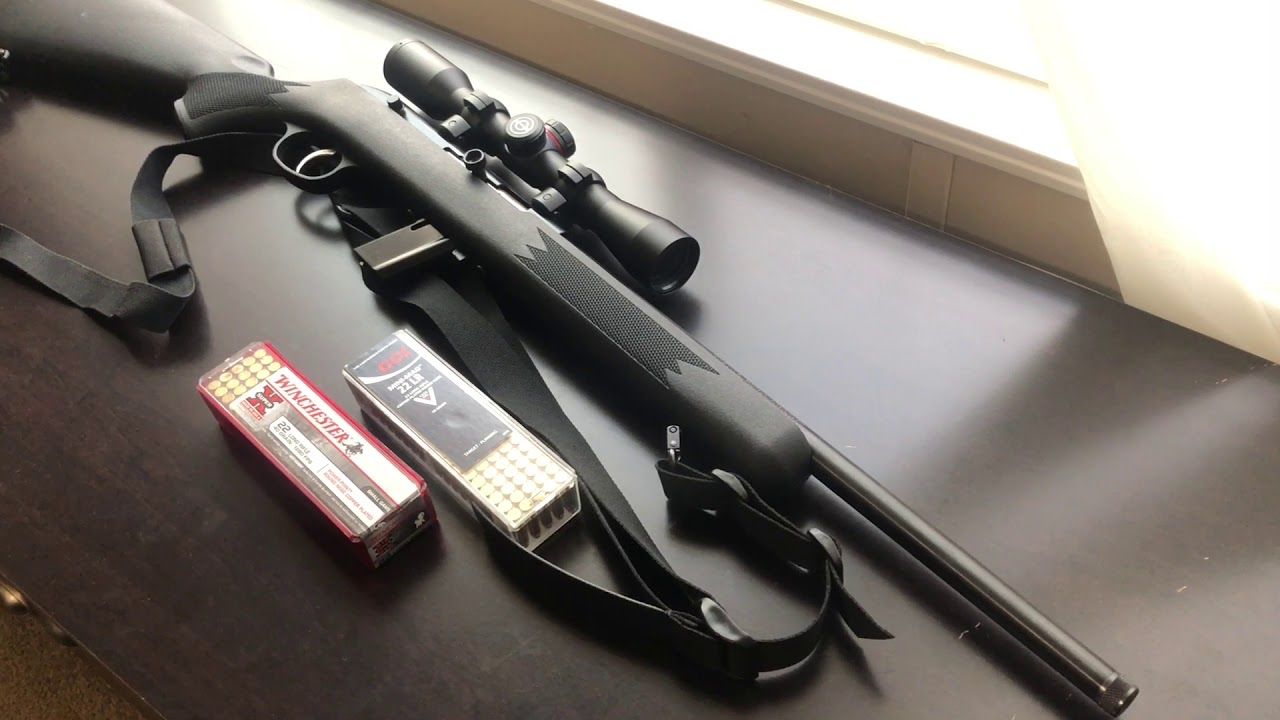
The Savage 64 has survived for years because it is one of the easiest ways to get into a semiautomatic .22 without spending much money. It can be accurate enough for casual shooting and small game, and the basic design has proven itself across a long production life.
Where the low price shows is everywhere around the core function. Stocks and finishes are basic, magazines are not universally loved, and the rifle does not have the enormous accessory ecosystem surrounding certain competitors. The overall experience can feel utilitarian because that is exactly what it is.
I would still rather have a cheap rifle from an established manufacturer than an obscure design with nonexistent support. The Model 64 is inexpensive because Savage keeps the package basic. That can be a good trade if all you want is a functional rimfire and have no plans to turn it into a project rifle.
Maverick 88

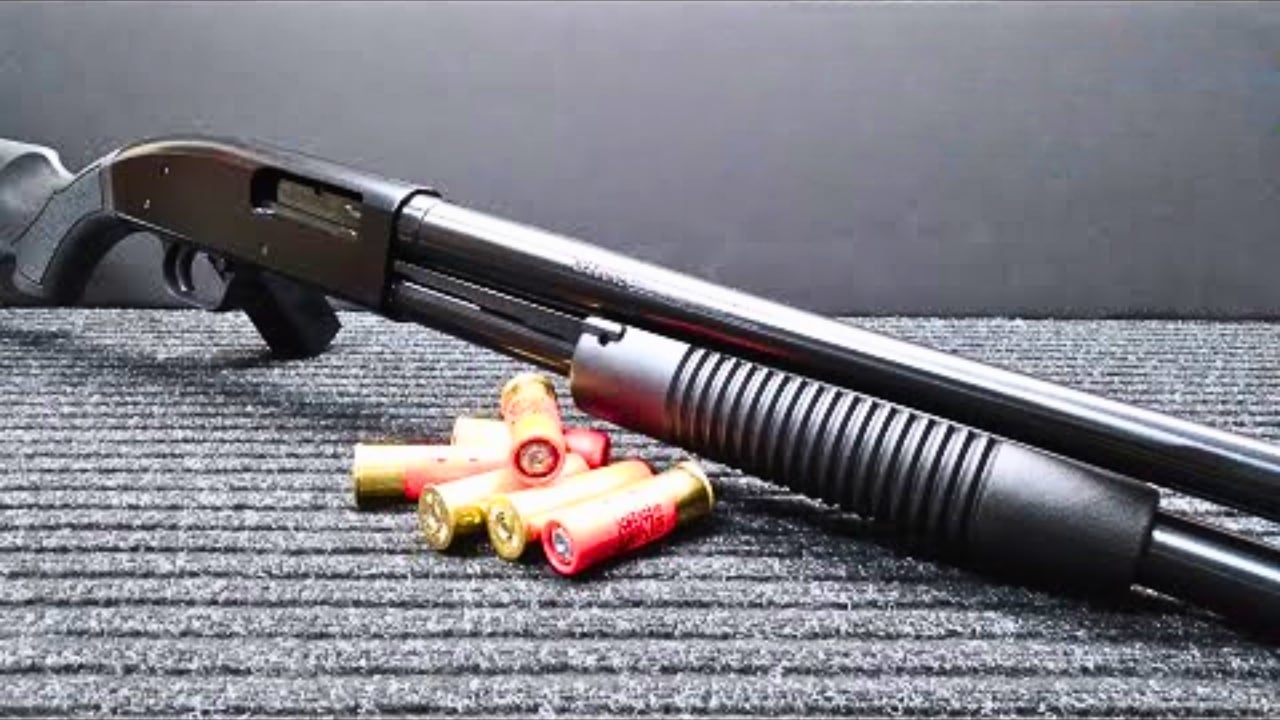
The Maverick 88 proves that “cheap for a reason” does not have to be an insult. Mossberg keeps the price below the Model 500 partly by simplifying manufacturing, using a different safety arrangement, and reducing some of the refinement and feature choices available on the more expensive model.
The basic pump-action system, however, remains proven and practical. That is why the Maverick has developed a better reputation than many bargain shotguns. The action may feel rougher when new, the furniture is basic, and nobody buys one to admire the finish.
I would have no problem understanding why somebody chooses one as a working shotgun. The key is knowing where the savings came from. You are buying fewer premium touches, not necessarily reinventing the entire mechanism. Sometimes cheap really does just mean fewer luxuries.
Stevens 320
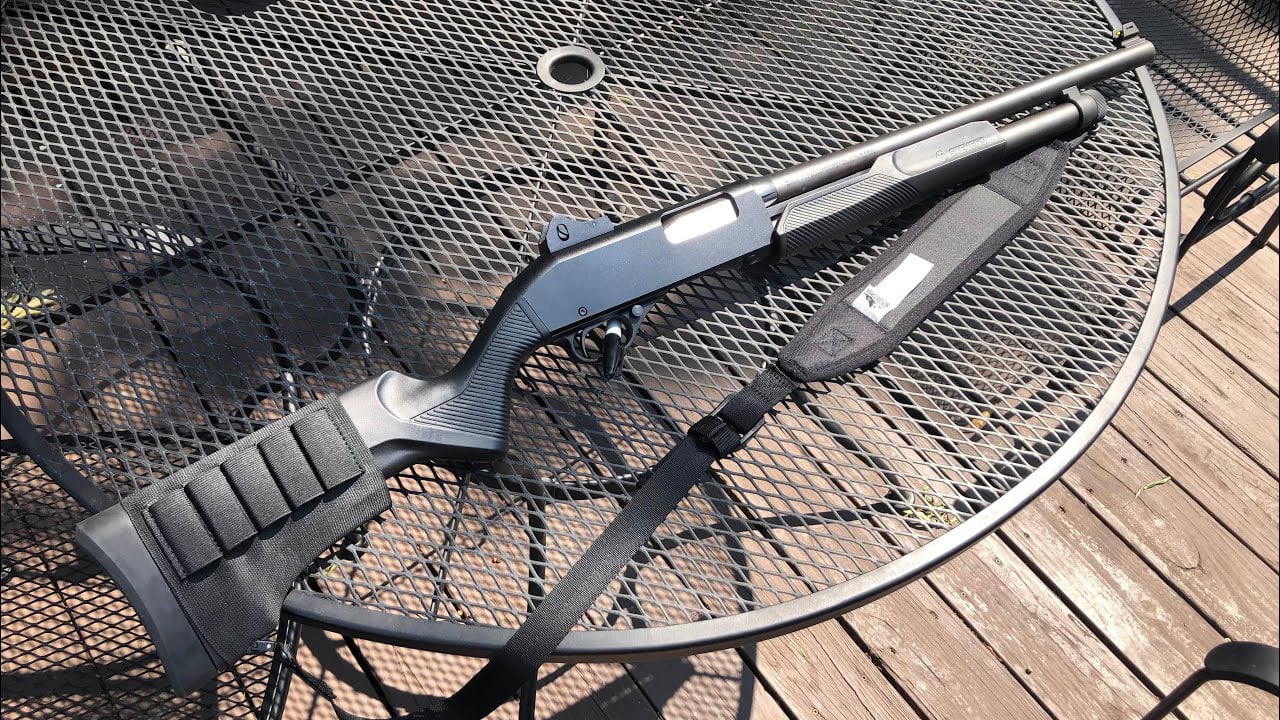
The Stevens 320 reaches a very low price point by using straightforward overseas manufacturing and a basic pump-shotgun design without much attention spent on premium finish or furniture. It is a tool first.
That makes it attractive to buyers who need a shotgun and have little interest in paying for polished blueing or walnut. The tradeoff is that the action and controls may not feel as refined as more expensive pumps, and resale value is rarely a major strength.
I would judge the 320 by whether it runs reliably and fits the intended role, not by whether it feels like an older Wingmaster. The two guns are built to completely different price targets. If someone expects a $200-class pump to have the machining, balance, and finish of a gun costing several times more, disappointment is practically guaranteed.
Hatfield SAS 12

The Hatfield SAS has attracted buyers because it puts a semiautomatic shotgun within reach of people who might otherwise be shopping only for pumps. That is a difficult price point because semiautomatic shotguns require more moving parts and more careful interaction between ammunition and the operating system.
This is where inexpensive autoloaders can become frustrating. Light loads may not always provide enough energy for reliable cycling, and overall fit and finish cannot match shotguns costing several times more. Owners may have to spend more time determining what ammunition the individual gun prefers.
That does not mean every inexpensive semiautomatic is doomed. It means I would go into the purchase understanding that the price difference did not vanish magically. If maximum reliability with a broad range of ammunition is the priority, a basic pump at the same price may be the safer bet.
Charles Daly 301 Pump
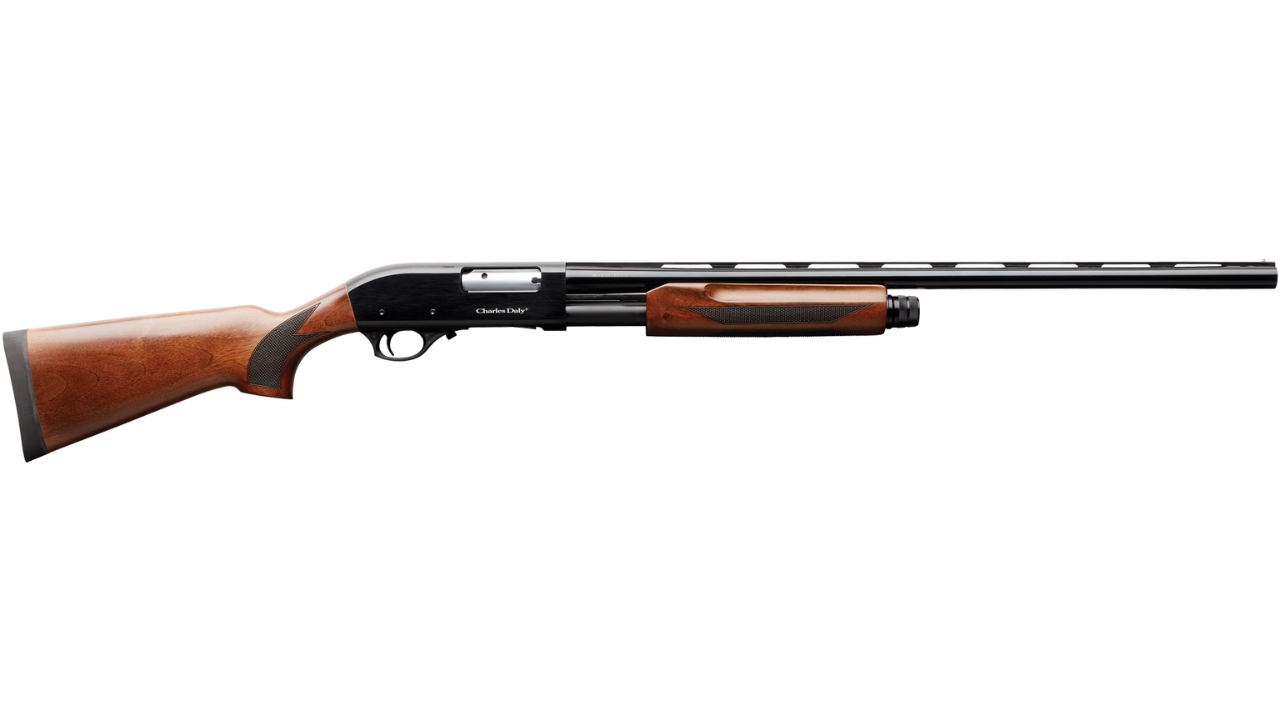
The Charles Daly 301 represents another category where low price can be perfectly understandable. It is a basic imported pump shotgun sold to compete directly with the least expensive working guns in the market.
That means the buyer is not paying for highly polished internals, premium walnut, elaborate checkering, or much collector appeal. The 301 is supposed to load shells, fire, extract, and repeat. Everything beyond those requirements has to fight for space in the manufacturing budget.
A shotgun like this can make sense as a rough-use gun if it proves reliable. I just would not expect it to feel like a pump that has been machined and fitted to a higher standard. Lower-cost firearms are often perfectly understandable once you stop comparing features on paper and start comparing how much labor and finishing actually went into them.
ATI GSG-16
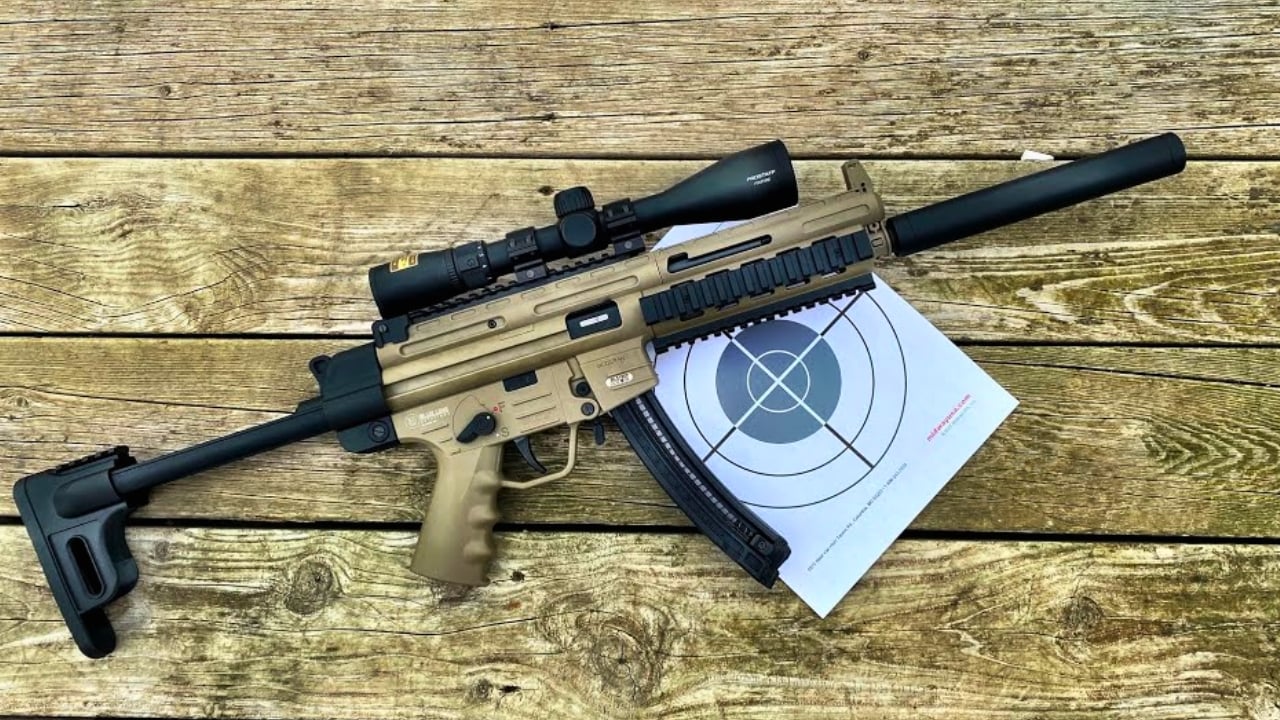
The GSG-16 attracts buyers because it gives the appearance and controls of a modern tactical rifle while firing inexpensive .22 LR. That combination is fun, especially for shooters who like the styling but have no need for a centerfire rifle.
The problem is that much of what you are paying for is the experience rather than premium rimfire construction. There is a lot of polymer, the controls are more complicated than a basic .22 needs to be, and cleaning or disassembly can feel more involved than with traditional rimfire rifles.
That does not mean it cannot be enjoyable. It means buyers should recognize the purpose. If I want the simplest, easiest-to-maintain .22 possible, there are better choices. If I want an inexpensive recreational rifle that looks and handles differently, the GSG makes more sense. Cheap does not always mean bad. Sometimes it means the design prioritizes entertainment over refinement.
Taurus PT22
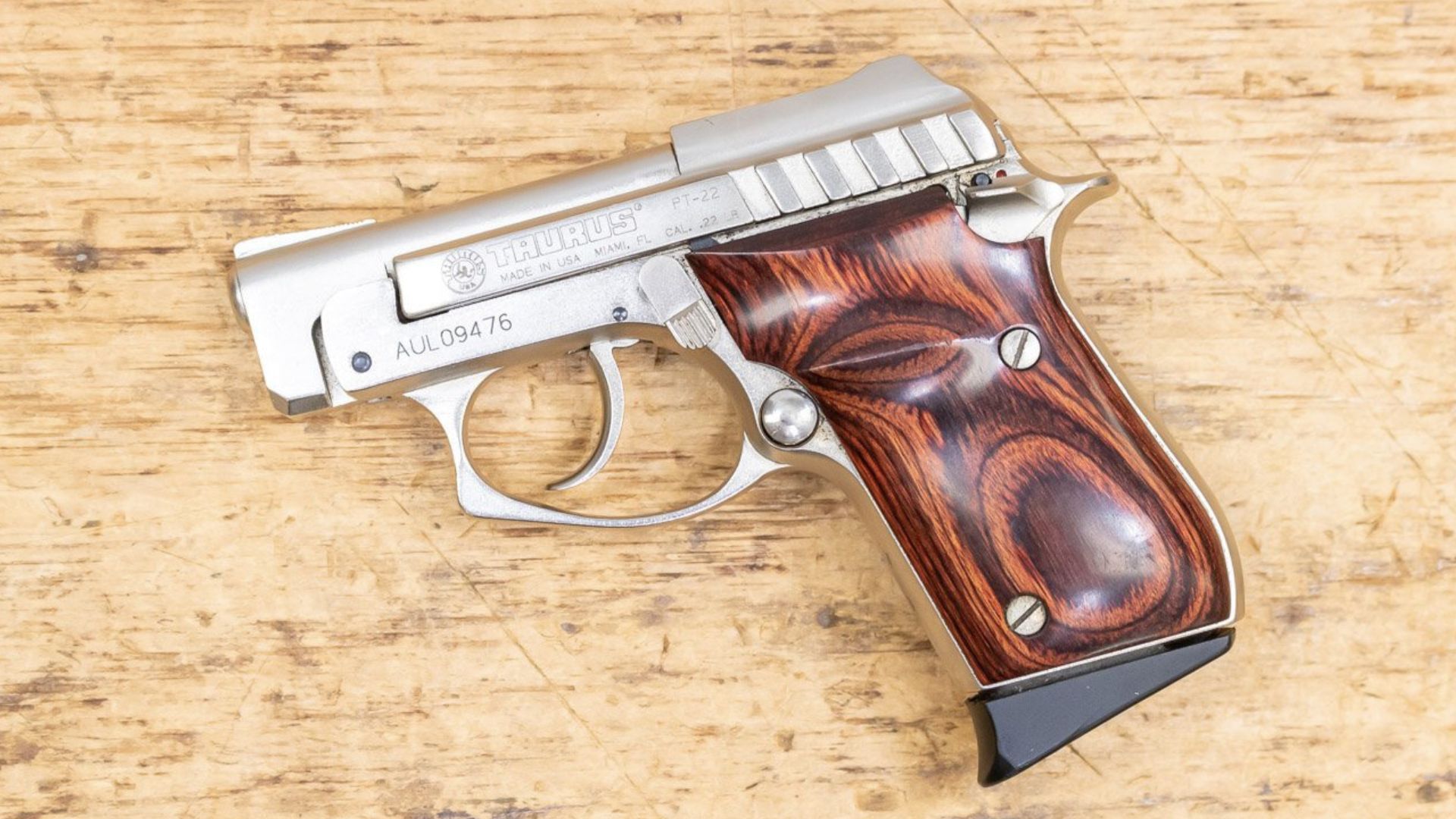
The PT22 is a tiny tip-up-barrel rimfire that attracts buyers because it is inexpensive, compact, and mechanically interesting. The tip-up system allows the chamber to be loaded without manually cycling the slide, which can be useful for shooters who have difficulty operating conventional semiautomatics.
The downside is that .22 LR can be finicky in tiny blowback pistols, and the very small grip and rudimentary sights do not make precise shooting easy. The double-action-only trigger can also feel heavy relative to the tiny gun.
I view the PT22 as a specialized little pistol rather than a bargain version of a full-size .22 target gun. If the tip-up barrel solves a specific problem, it can make sense. If someone simply sees the low price and assumes all .22 pistols are basically interchangeable, the differences become obvious quickly.
Chiappa Little Badger
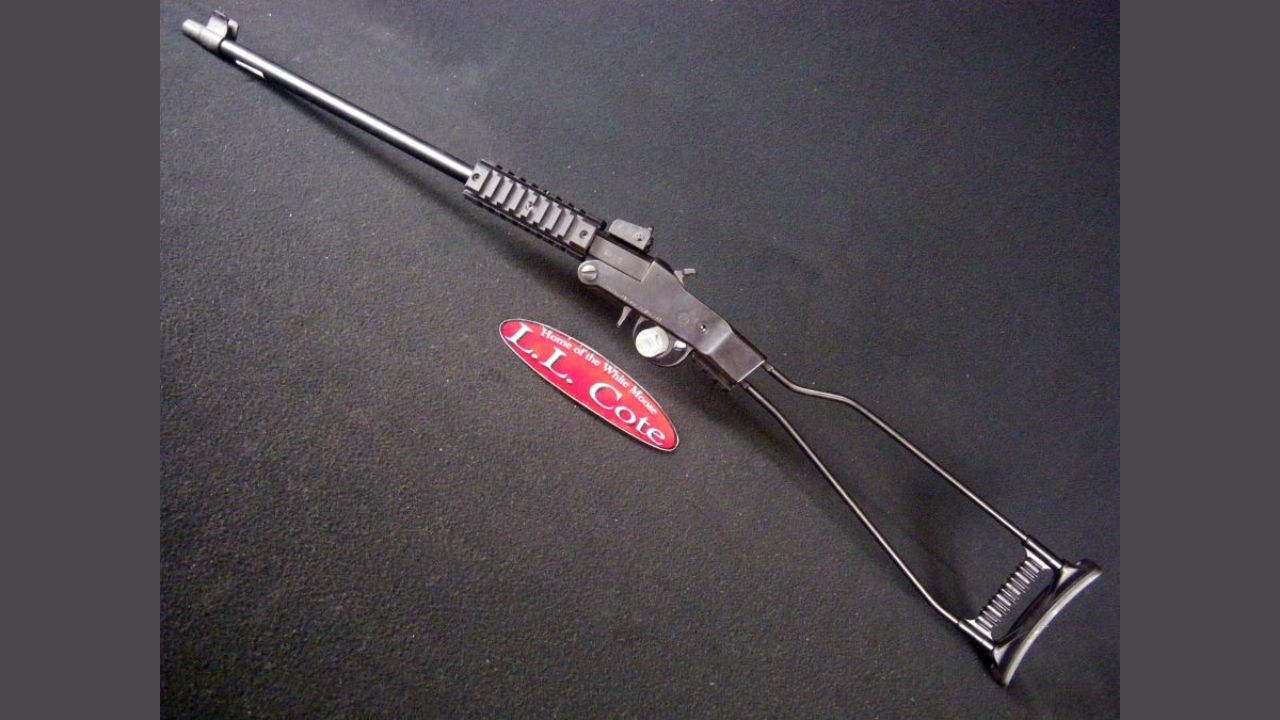
The Little Badger is cheap because there is almost nothing to it. It is a folding single-shot rimfire built around a skeletal wire-style stock, minimal furniture, basic sights, and a design stripped down to the absolute essentials.
That sounds like criticism, but it is really the entire point of the rifle. There is no expensive walnut, no magazine system, no complicated action, and very little manufacturing devoted to appearance. The result is light, compact, and inexpensive.
Where buyers can get confused is expecting the ergonomics of a normal rifle. The stock and cheek weld are unusual, and a single-shot action is obviously slower than a repeater. I would buy the Little Badger because I wanted its minimalist concept, not because I expected a cheap substitute for a conventional hunting rifle. Its low price comes directly from the fact that there is barely anything there to pay for.
Like The Avid Outdoorsman’s content? Be sure to follow us.
Here’s more from us: