Photo credit: Metal Complex/YouTube
The best everyday carry knife is not always the one with the newest steel, the most complicated lock, or the highest price. A lot of knives look impressive for a few weeks and then slowly disappear into a drawer because they are too bulky, too awkward to sharpen, or simply annoying to carry.
The knives people keep returning to usually get the basics right. They disappear in the pocket, open naturally, cut efficiently, and do not demand much attention. Some are premium, others are fairly ordinary, but all of them have the kind of practical design that makes an owner reach for them again after trying something newer. These 20 are the sort of folders that tend to survive the rotation.
Spyderco Delica 4

The Delica 4 has been around long enough that it is easy to forget how well the design still works for daily carry. It is light, thin, easy to open, and gives you enough blade for almost everything an EDC knife actually does.
What keeps owners coming back is the lack of drama. The back lock is proven, the blade slices well, and the handle provides enough traction without being bulky. It may not feel exciting next to newer crossbar locks and titanium framelocks, but that is part of the appeal. The Delica is the kind of knife that disappears into a pocket and quietly handles cardboard, rope, packaging, and food prep without making itself the center of attention.
Benchmade Mini Griptilian

The Mini Griptilian has been overshadowed by newer Benchmade models, but it still hits a very useful middle ground. The blade is large enough for real work while the overall package stays compact and easy to carry.
The Axis lock is familiar, the handle is comfortable, and the knife has enough substance to feel dependable without becoming heavy. Owners also tend to appreciate how easy it is to operate one-handed from either side. The Mini Grip does not have the ultra-thin profile of newer lightweight knives, but that slightly fuller handle makes it more comfortable during actual cutting. It is one of those knives that feels better after a long day of use than it does during a quick showroom comparison.
Spyderco Sage 5 Lightweight
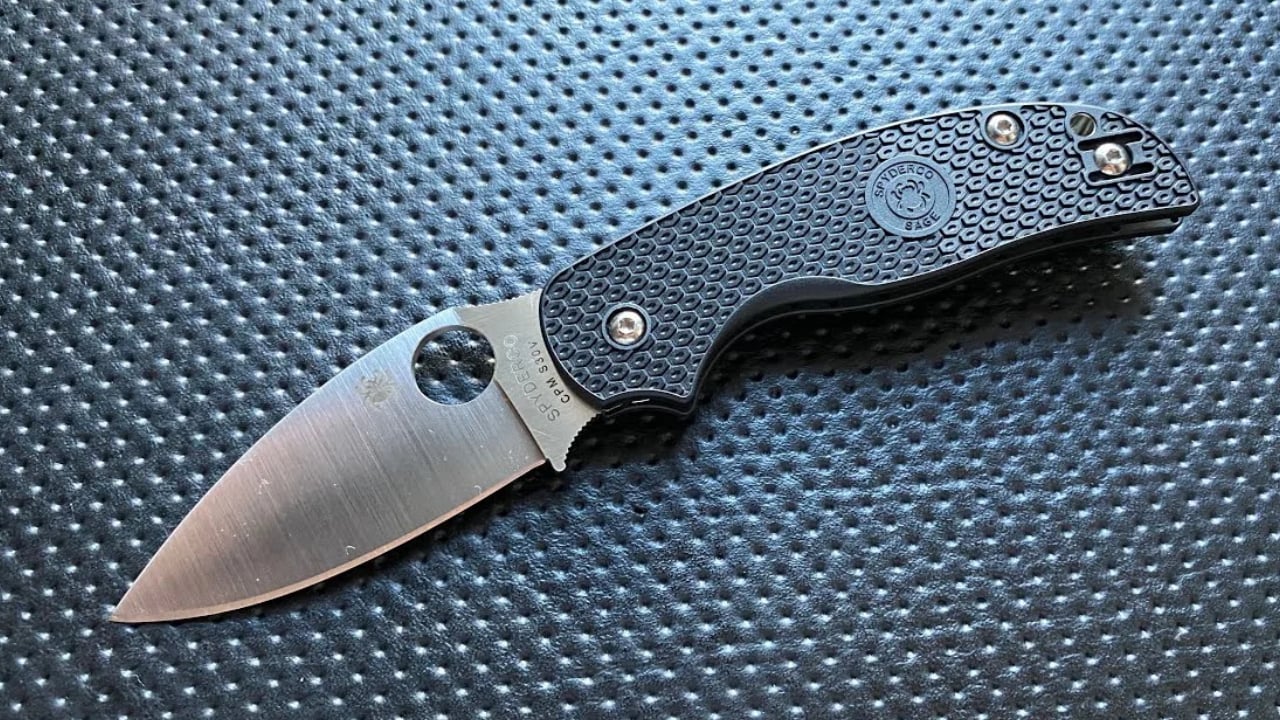
The Sage 5 Lightweight combines one of Spyderco’s best EDC blade shapes with the company’s compression lock and a very manageable overall size. It is compact without feeling tiny and thin enough to carry comfortably every day.
What keeps it in rotation is balance. The blade geometry is efficient, the handle gives you excellent control, and the lock allows fast one-handed operation without putting your fingers in the blade path. It also avoids the exaggerated hump and bulk of some larger Spydercos. The Sage 5 feels refined without becoming delicate, which is exactly the kind of combination that makes owners carry it long after the novelty wears off.
Hogue Deka

The Deka is one of those knives that wins people over through weight and simplicity. It is extremely light, uses a crossbar-style lock, and gives you a practical blade without adding unnecessary bulk.
That makes it especially appealing for people who carry a knife every day but do not want to feel it constantly. The handle can seem a little light in the hand compared with heavier premium folders, but that same trait is what makes it so easy to live with. Add Hogue’s generally excellent factory edges and strong steel options, and the Deka becomes a knife that is hard to leave behind. It may not feel luxurious, but it works exceptionally well as an actual pocket tool.
Spyderco Native 5 Lightweight

The Native 5 Lightweight has a shorter, more compact profile than many Spyderco favorites while still giving you a surprisingly secure grip. The choil lets you choke up close to the edge, which makes the knife excellent for controlled everyday cutting.
The lockback design is old-school but extremely dependable, and the knife has very little that can go wrong mechanically. That appeals to owners who want something they can carry for years without worrying about complicated internals. The Native 5 also comes in enough steel variants that almost anyone can find a version that suits their priorities. The basic design is what keeps people coming back, though. It simply works.
Kershaw Bel Air
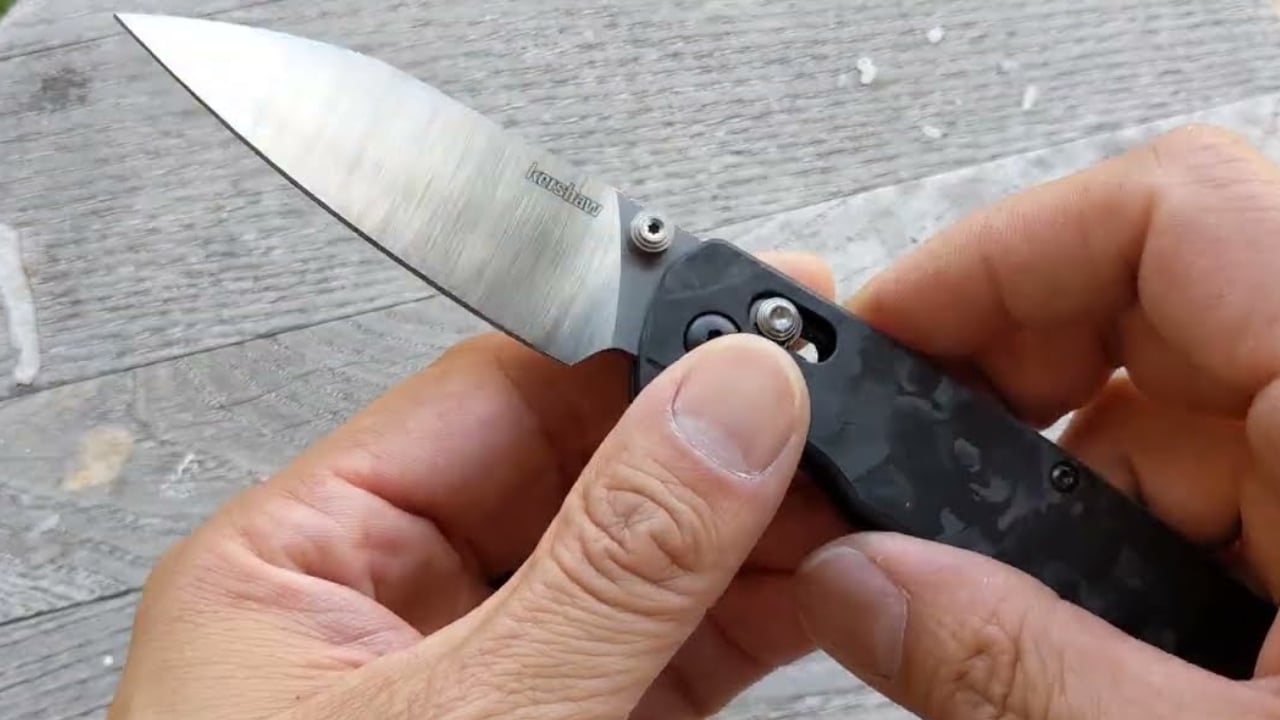
The Bel Air gives you a modern American-made Kershaw with a thin profile, crossbar-style lock, and a blade shape that works for almost every normal EDC task. It feels more refined than many of the brand’s older assisted-opening designs.
The biggest strength is how easy it is to carry. The knife is slim, the handle does not create obvious pressure points in the pocket, and the blade opens smoothly without needing a flipper tab sticking out of the side. It is the sort of knife that suits both work clothes and everyday casual carry. Owners who rotate through more dramatic knives often return to something like the Bel Air because the design never becomes irritating.
Buck 110 Slim Pro TRX

The 110 Slim Pro TRX takes the classic Buck 110 formula and removes most of the weight and bulk that make the original harder to carry every day. You still get the familiar clip-point profile and solid lockback system, but in a much more modern package.
That makes it one of the better choices for people who like traditional hunting-knife styling but actually want a pocket clip and thumb studs. The slim handle rides easily, and the blade remains useful for everything from packages to light outdoor work. It is not flashy, but the combination of familiar ergonomics and modern carry makes it the kind of knife that can quietly stay in a rotation for years.
TRM Neutron 2

The Neutron 2 has built a loyal following because it is thin in all the right places. The blade slices exceptionally well, the handle stays slim, and the entire knife carries more like something smaller than it really is.
That thinness makes a huge difference in everyday use. Cardboard, food packaging, tape, and other common EDC materials do not require a thick tactical blade. The Neutron cuts cleanly without forcing material apart. It is also easy to customize with different scales, which gives owners a way to refresh the knife without replacing it. For people who value cutting efficiency over brute strength, the Neutron 2 is the kind of folder that becomes difficult to leave at home.
Quiet Carry Drift

The Drift appeals to people who want a premium EDC knife that does not feel precious. It is slim, corrosion resistant, and designed around a practical blade rather than an elaborate collector aesthetic.
That makes it especially strong for hot, humid, or wet environments. You can carry it around sweat, rain, food, or water without constantly thinking about blade maintenance. The action is smooth, the handle is cleanly shaped, and the knife has enough grip without being abrasive. Owners who try larger or more complicated premium folders often return to the Drift because it is one of those knives that feels expensive without becoming demanding.
GiantMouse ACE Riv

The ACE Riv is compact, but the handle and blade proportions make it feel more capable than the overall length suggests. It fits easily into a crowded pocket and still gives you enough control for real cutting.
That compactness is what keeps it useful. Plenty of EDC knives become annoying because they take up too much space beside a phone, wallet, or keys. The Riv avoids that while still feeling like a proper tool rather than a tiny novelty knife. The design also has enough character to keep it interesting without sacrificing function. It is a good example of a knife that works because the dimensions are carefully chosen instead of maximized.
WE Banter 2
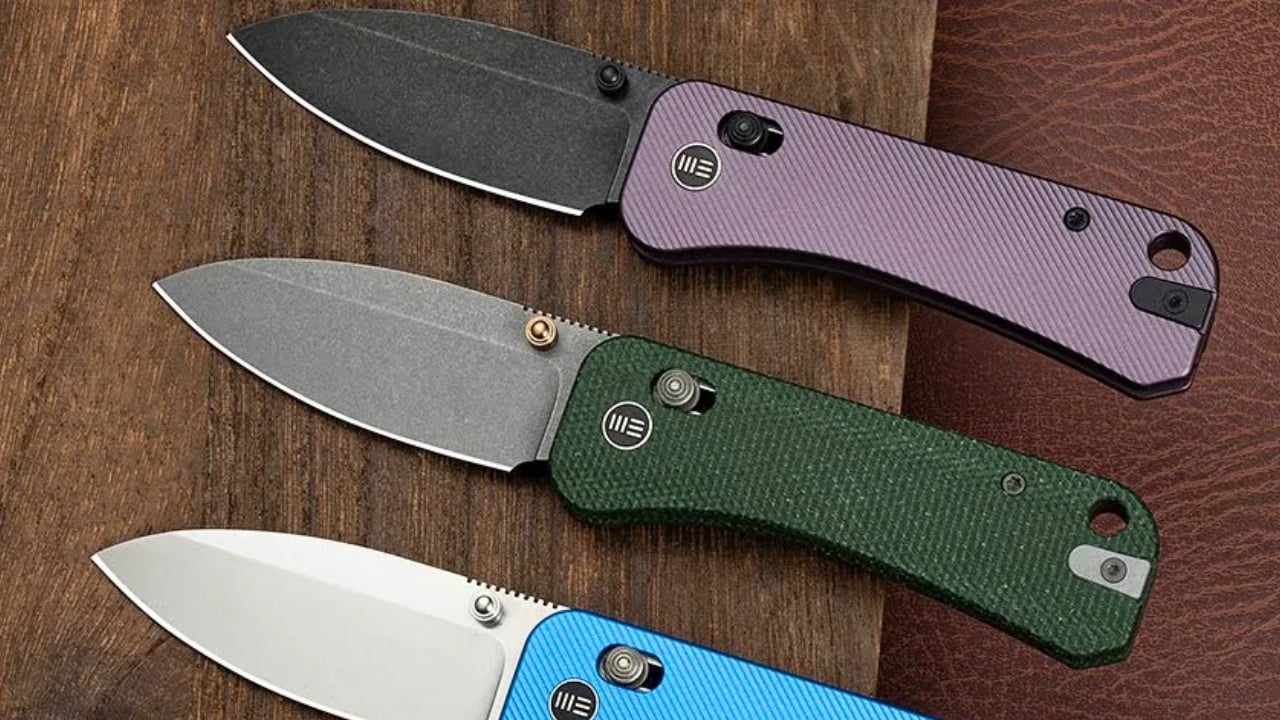
The Banter 2 takes the basic strength of the original Banter and gives it a more modern locking system while keeping the clean, neutral ergonomics that made the platform popular.
That handle shape is a major reason owners return to it. There are no dramatic finger grooves or aggressive angles forcing your hand into one position. The knife simply feels natural across a variety of grips. The blade is broad enough for useful cutting but not oversized, and the whole package remains easy to carry. The Banter family works because it avoids trying too hard, which is often exactly what makes an EDC knife age well.
Spyderco Chaparral
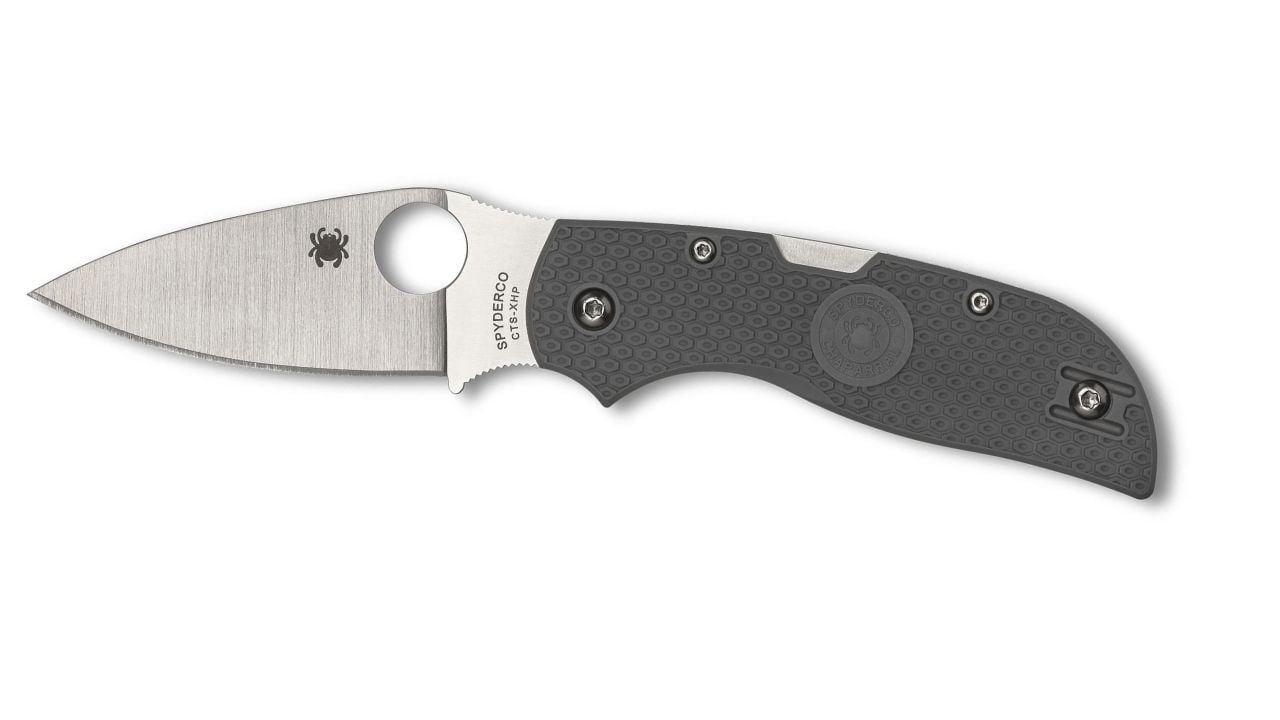
The Chaparral is one of Spyderco’s best knives for people who care more about slicing than toughness theater. The blade is thin, the handle is slim, and the overall design carries almost effortlessly.
That thin blade makes ordinary tasks feel noticeably easier. Opening mail, cutting fruit, trimming cord, and breaking down light cardboard all benefit from efficient geometry. The Chaparral is not the knife to pry with or abuse around a jobsite, but that is not what most EDC tasks require anyway. Owners often return to it after carrying heavier folders because it reminds them how little knife they actually need most days.
Pro-Tech Malibu

The Malibu became popular because it combines a clean EDC shape with one of the smoothest button-lock actions in the category. It is enjoyable to operate without turning into a gimmick.
What keeps it relevant after the novelty fades is the blade and handle design. The knife carries well, cuts efficiently, and has enough grip for real use. It also looks restrained enough that it works in settings where more aggressive knives can feel out of place. Premium pricing keeps it from being a casual purchase, but owners who like button locks often find themselves returning to the Malibu because the whole package feels unusually polished.
Knafs Lulu
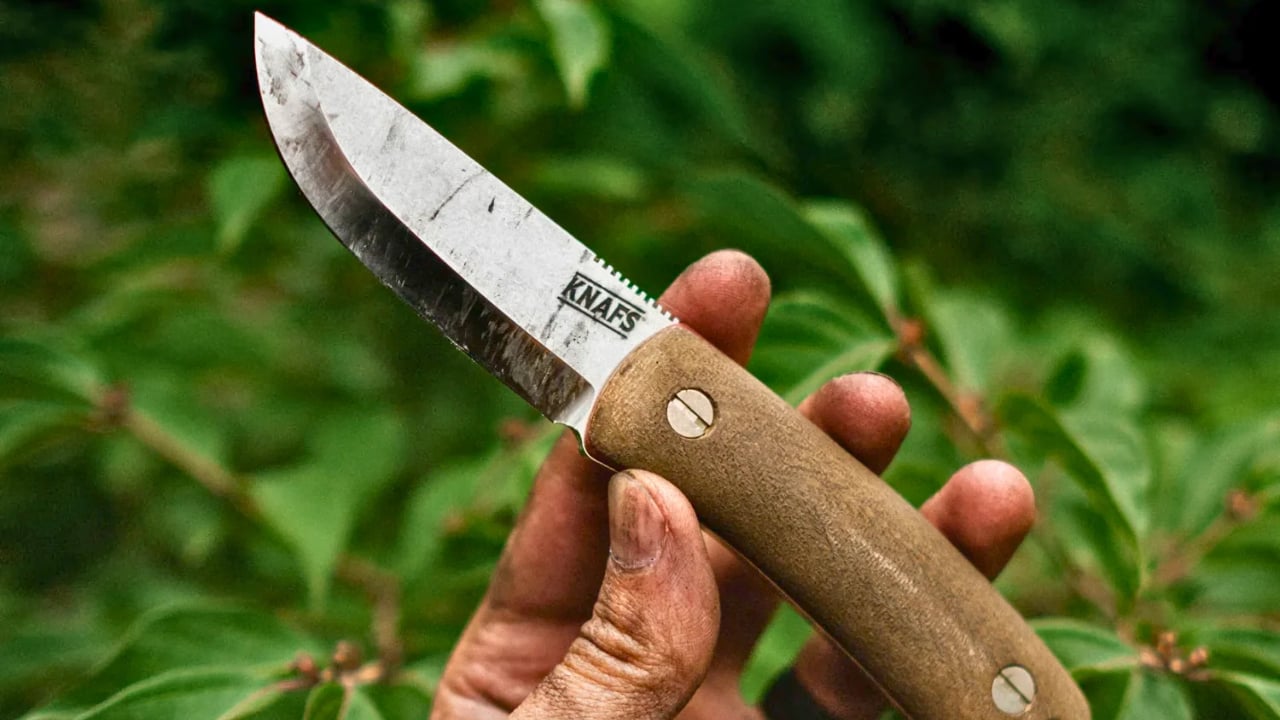
The Lulu is compact, straightforward, and designed around the sort of everyday cutting people actually do. The handle is comfortable without being over-shaped, and the blade has enough belly for general utility.
Its appeal comes from being easy to understand. There is nothing on the knife that requires adjustment or adaptation. It fits the hand, cuts well, and rides comfortably. That sounds basic, but plenty of EDC knives become annoying because they chase visual identity harder than usability. The Lulu feels like a knife designed by someone who actually carries one every day, which is exactly the kind of design owners tend to keep coming back to.
Demko AD20.5

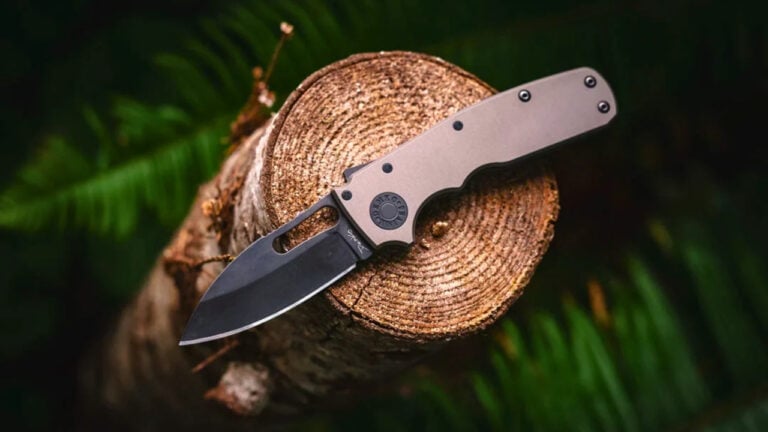
The AD20.5 gives you one of the most interesting lock designs in the EDC world without requiring the size or price of Demko’s larger custom-oriented folders. The Shark Lock is extremely easy to operate and keeps the user’s fingers clear during closing.
The knife is also more useful than its lock alone would suggest. The handle gives solid control, the blade is sized well for daily work, and the overall package is tough enough for harder use without becoming massive. Owners may buy it because the lock is interesting, but many keep carrying it because the knife itself is genuinely practical. That distinction matters once the initial novelty disappears.
American Blade Works Model 1
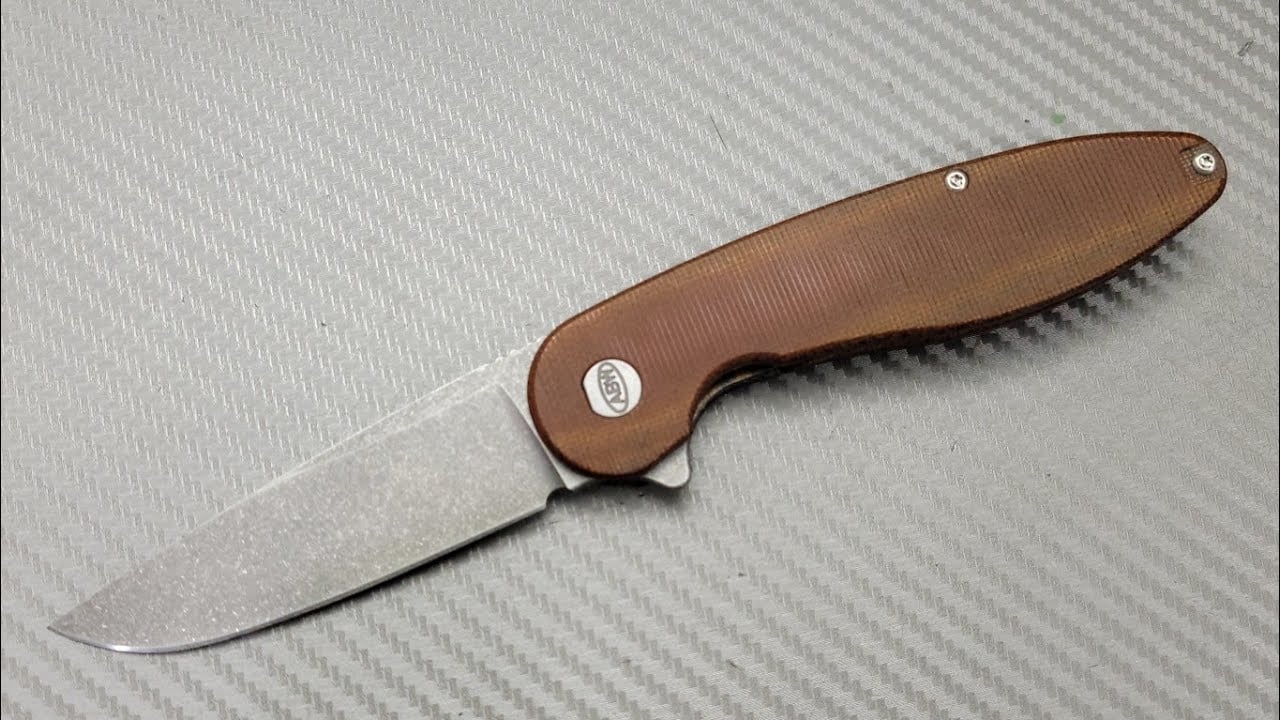
The Model 1 has developed a loyal following by offering a straightforward American-made folder with clean lines, good ergonomics, and none of the exaggerated styling that often dates a knife quickly.
It feels substantial enough for work but still carries comfortably. The blade shape is conventional in the best possible way, which makes sharpening easy and cutting predictable. The action is smooth without being the entire point of the knife. That makes the Model 1 the kind of folder that grows on an owner rather than impressing only during the first week. It is built around daily use instead of showing off.
Vosteed Raccoon
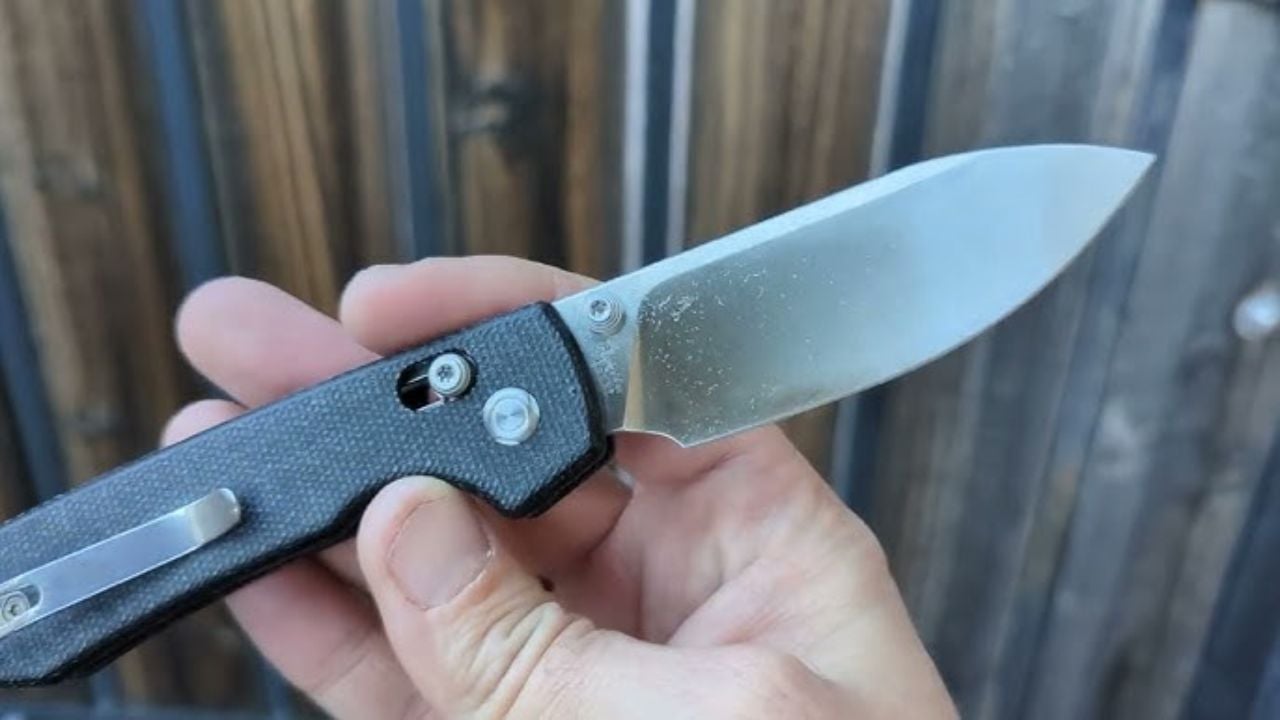
The Raccoon has become popular because it offers a lot of EDC value without becoming overly complicated. The handle is neutral, the blade is useful, and multiple lock options have given owners room to choose the version they prefer.
The real reason it sticks around is comfort. The knife feels natural in the hand, and the blade works for nearly everything from opening boxes to trimming material around the house. It is also affordable enough that owners are not afraid to use it hard. Plenty of expensive knives get carried carefully. The Raccoon is the kind of knife people actually put to work, which often makes it more likely to become a long-term favorite.
MKM Isonzo
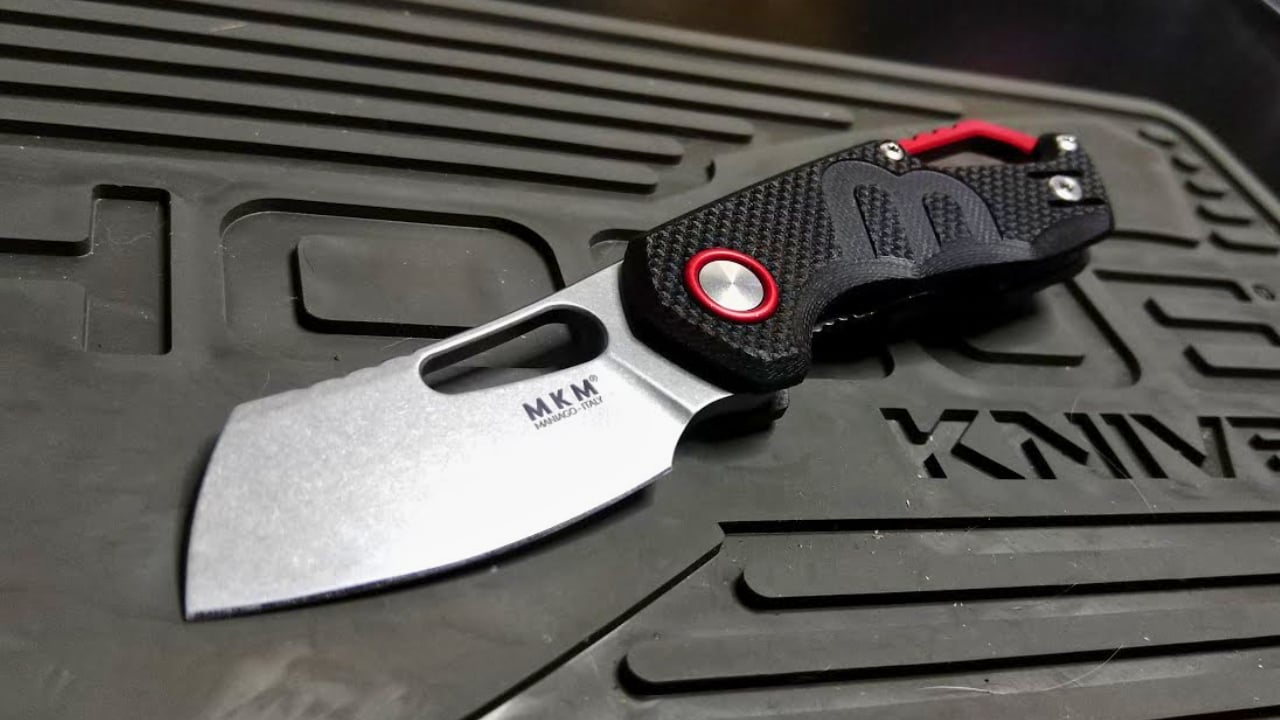
The Isonzo is a compact Italian folder that proves a small knife can still feel purposeful. The short blade is easy to control, while the handle gives you more purchase than the overall dimensions suggest.
That makes it excellent for environments where a larger knife feels unnecessary. It can handle packages, light rope, food, and everyday chores without taking up much space. The design also has enough personality to remain interesting even after years of ownership. Compact knives often survive EDC rotations because they are easy to justify carrying anywhere. The Isonzo fits that pattern well.
Cold Steel Air Lite

The Air Lite takes Cold Steel’s reputation for strong locks and puts it into a much slimmer package than the brand is known for. That makes it one of the company’s easiest knives to carry every day.
The Tri-Ad Lock gives the knife serious mechanical strength, while the thin handle keeps it from feeling like a brick in the pocket. The blade is straightforward and useful rather than exaggerated. Owners who like Cold Steel durability but get tired of oversized handles often end up appreciating the Air Lite more than expected. It keeps the toughness without forcing you to carry half a pound of knife everywhere.
Victorinox Compact
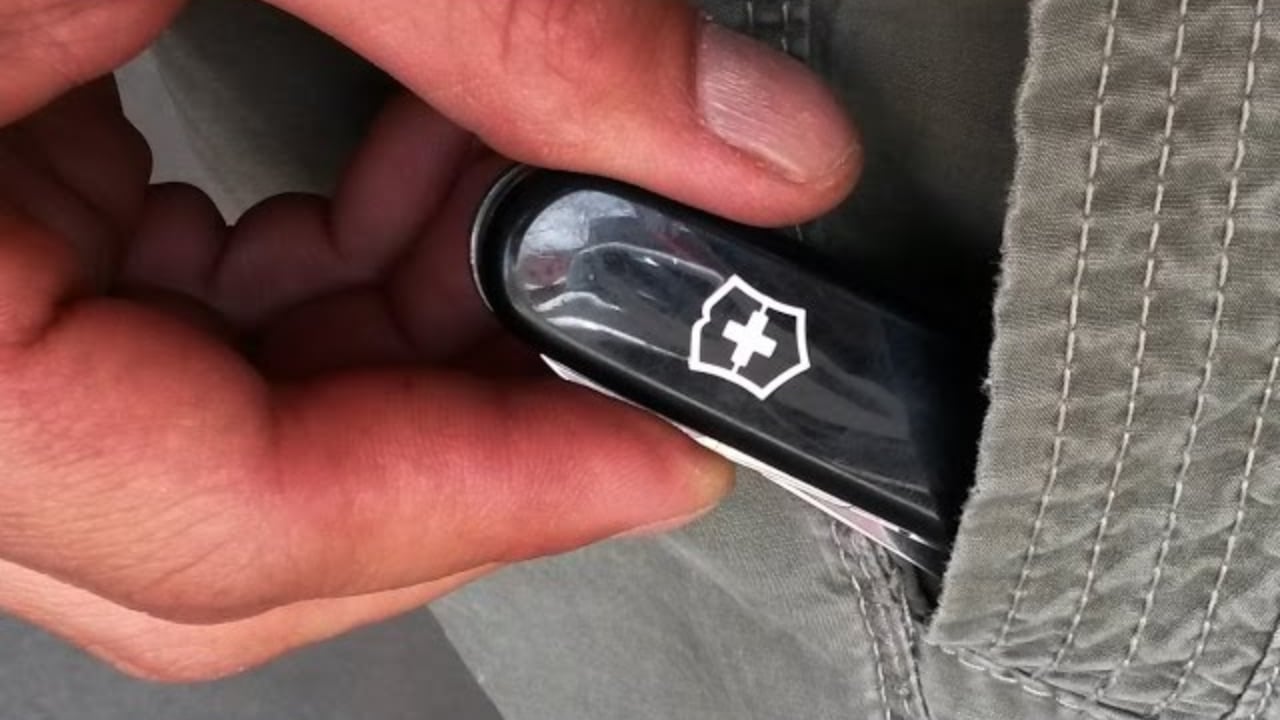
The Compact is one of the easiest knives on this list to underestimate because it does not look like a modern EDC folder at all. There is no premium lock, no ball-bearing pivot, and no exotic blade steel.
What it does have is an unusually useful collection of tools in a package that disappears into the pocket. The blade handles light cutting, while scissors, screwdrivers, and other functions solve the small problems that single-blade folders cannot. That versatility is why owners keep coming back to Swiss Army knives even after buying more expensive folders. The Compact may not be the toughest knife in the rotation, but it is often the one that ends up being useful most often.
Like The Avid Outdoorsman’s content? Subscribe to our newsletter so you never miss an article.
Here’s more from us: