Photo credit: GPKNIVES/YouTube
Expensive knives are not automatically overpriced. Premium machining, difficult heat treatments, domestic manufacturing, hand finishing, and strong warranty support all cost real money. There are plenty of $300 knives that justify themselves better than $100 knives with mediocre execution.
The problem starts when the price climbs faster than the actual improvement. Maybe the steel is ordinary, the construction is basic, or cheaper competition now provides nearly the same performance. Sometimes you are mostly paying for a logo, scarcity, or a famous design that has been around long enough for competitors to catch up. These 20 knives can all have loyal owners, but their price tags are increasingly difficult to defend based solely on what you get in the box.
Benchmade Narrows
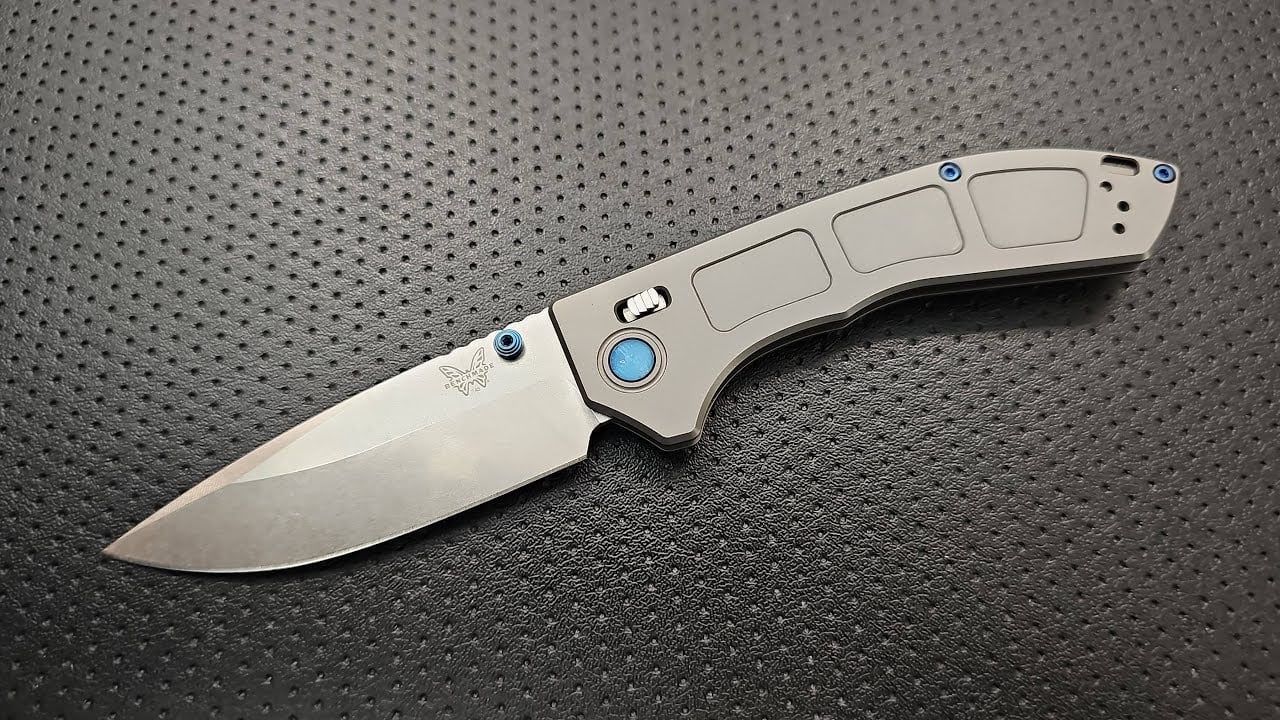
The Narrows is an impressive piece of engineering. Benchmade managed to make a full-size titanium folder exceptionally thin and light while retaining a crossbar-style lock and premium blade steel. From a manufacturing standpoint, there is plenty going on here.
The problem is what all that engineering costs the buyer. Once the price moves into serious premium-folder territory, being thin stops feeling like enough of a reason by itself. Excellent titanium framelocks, lightweight MagnaCut folders, and well-machined American knives can be found for considerably less. The Narrows is beautifully executed, but its biggest selling point is solving a problem most people never considered much of a problem. If your primary concern is actual cutting performance, the price becomes extremely difficult to justify.
Benchmade Bugout Vapyr
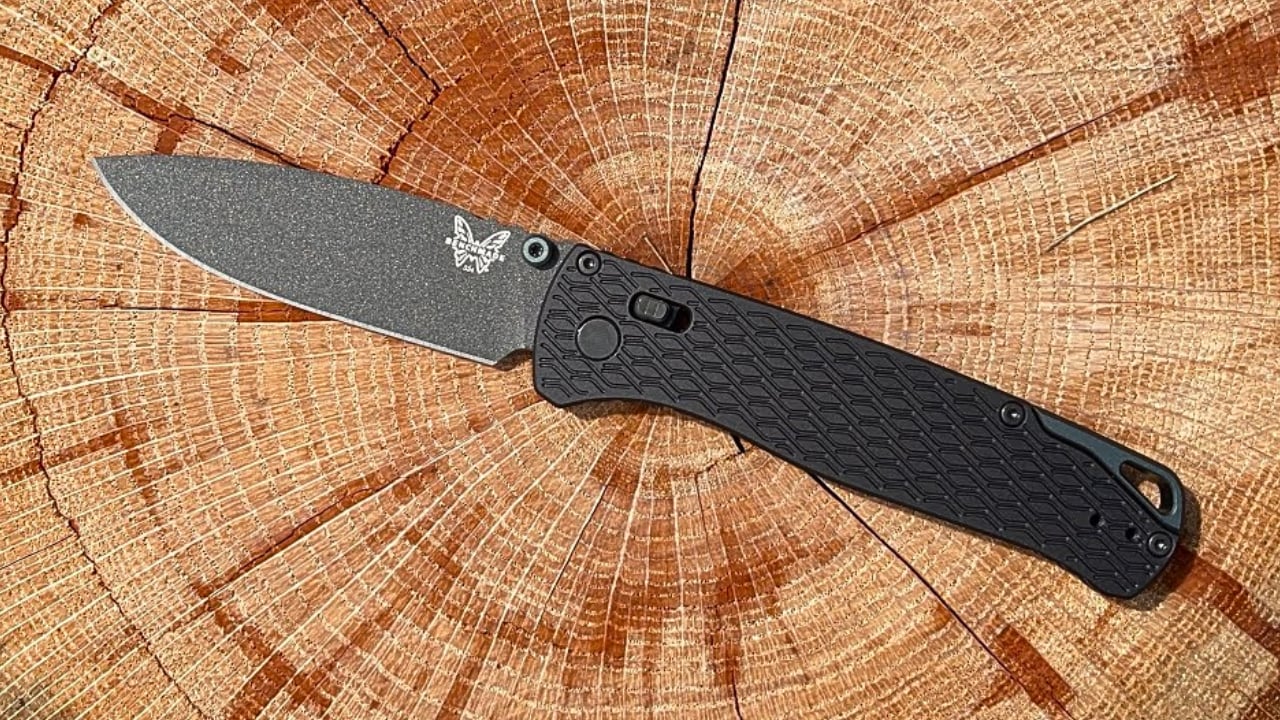
The Bugout has always been about low weight, and the Vapyr takes that formula into much more expensive territory. You get a very light knife, premium materials, and a version that feels considerably more upscale than the standard Bugout.
What you do not get is a radically better cutting tool. The basic Bugout already handles everyday carry well, while alternatives from Hogue, Kershaw, Spyderco, and others deliver premium steels and excellent locks for much less money. Once a Bugout approaches luxury-folder pricing, the entire value proposition starts falling apart. It can still be a great knife. The question is why you would pay so much more to perform essentially the same jobs the cheaper versions already handle comfortably.
Spyderco Paysan
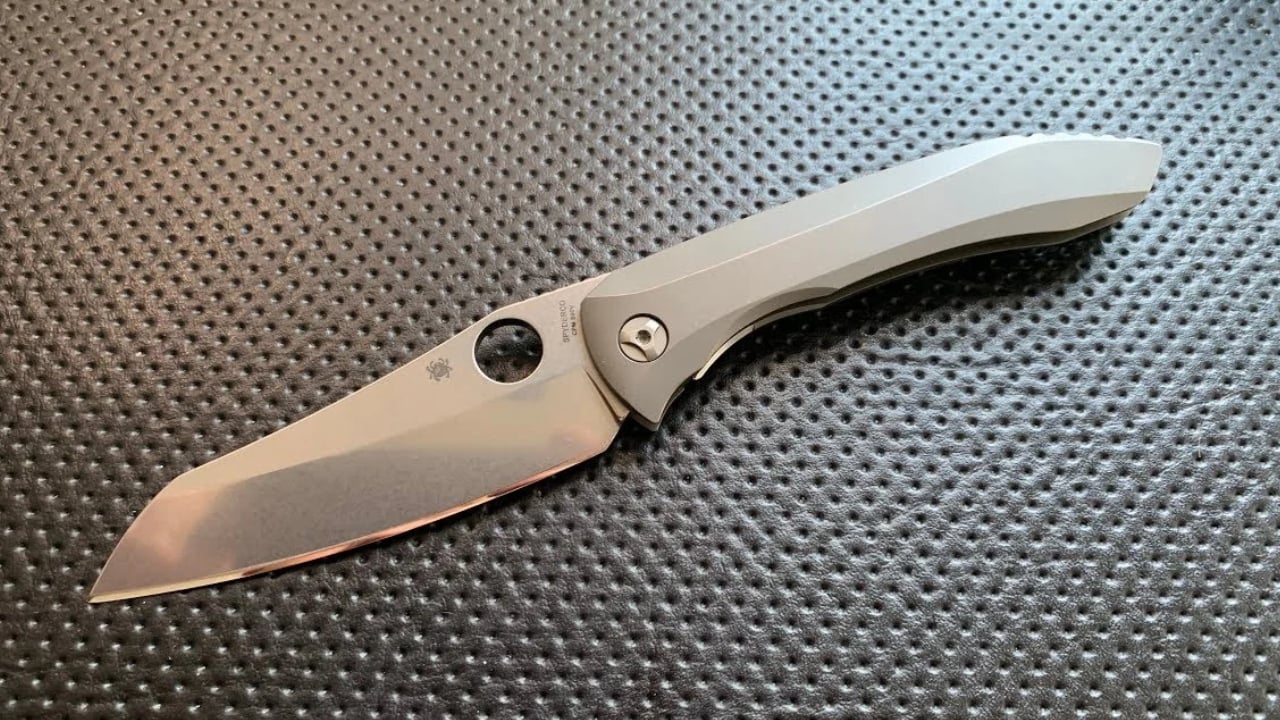
The Paysan is visually striking, built around an integral titanium handle, and uses a premium blade steel. Manufacturing an integral frame is genuinely more involved than assembling two conventional handle slabs.
That does not automatically make the final price easy to swallow. You are paying heavily for construction method and exclusivity rather than a proportional gain in cutting performance. Spyderco itself offers outstanding folders for far less money, many with equally capable steels and more practical carry characteristics. The Paysan makes sense for someone who appreciates unusual machining and wants something special in a collection. As an actual pocket knife, though, its price runs far ahead of what it accomplishes.
Chris Reeve Large Sebenza 31
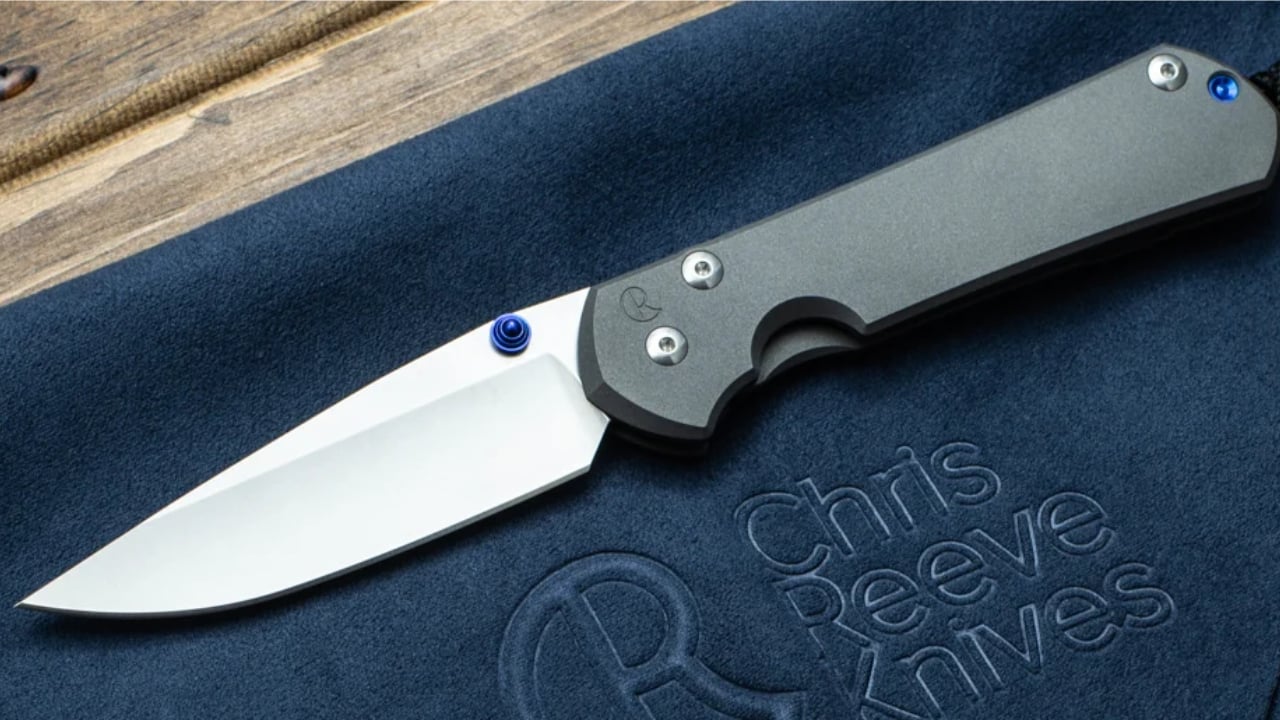
The Sebenza deserves enormous respect. Its machining is exceptionally consistent, the design helped establish what a premium production folder could be, and Chris Reeve’s fit and finishing remain excellent.
The problem is that the rest of the industry spent decades catching up. Today you can buy beautifully machined titanium folders with excellent steels, ceramic bearings, sophisticated locks, and near-perfect fit for much less money. The Sebenza’s deliberate washer action and straightforward framelock are appealing precisely because they are uncomplicated, but uncomplicated becomes harder to defend as pricing rises. You are paying for execution, service, heritage, and one of the most recognizable names in premium knives. From a pure materials-and-performance standpoint, the value is considerably harder to argue.
Benchmade Mini Adamas Carbon Fiber
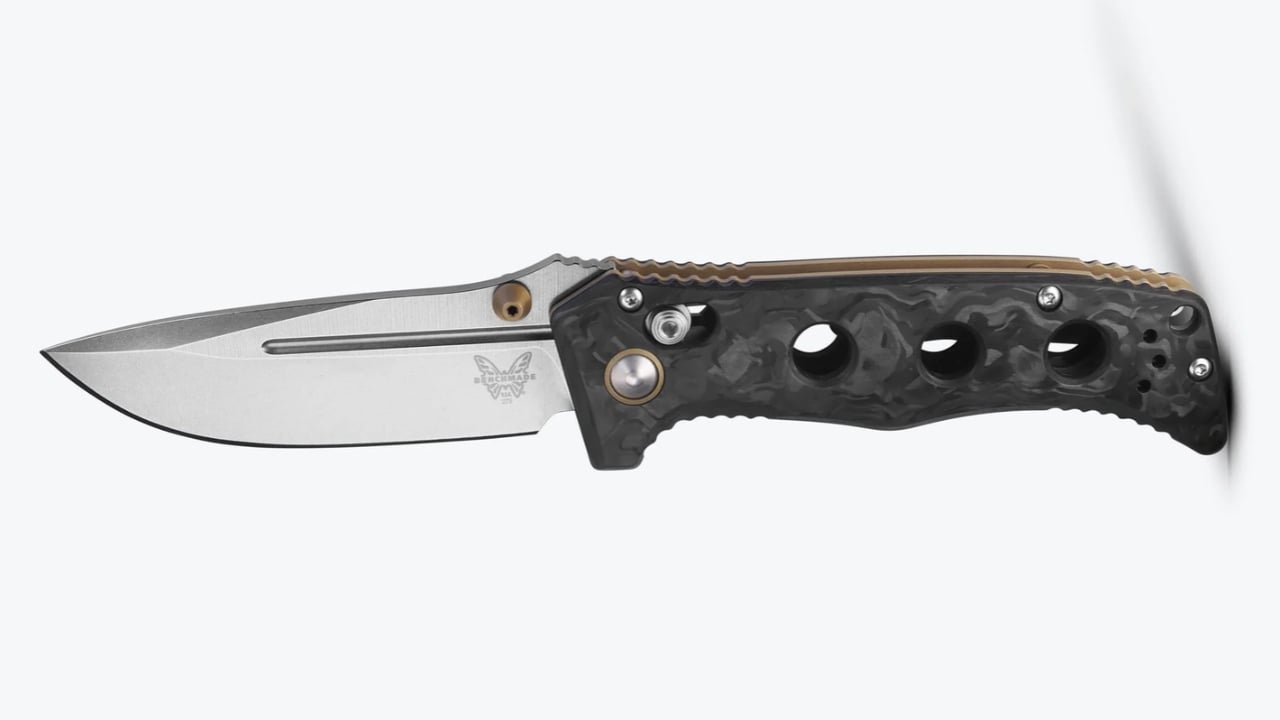
The Mini Adamas is a very good hard-use folder, particularly in CruWear. The stout construction, strong lock, and excellent ergonomics make it a knife you can actually put through serious work.
Premium carbon-fiber versions are where the equation becomes questionable. The underlying knife does not suddenly cut dramatically better because the scales are more expensive, and the standard Mini Adamas already delivers the mechanical strength that makes the model worthwhile. Once cosmetic and material upgrades push it deep into premium pricing, competing hard-use folders become increasingly attractive. The basic design deserves its reputation. Paying a large premium for a lighter or prettier version of that same design is much harder to justify.
Microtech Stitch RAM-LOK
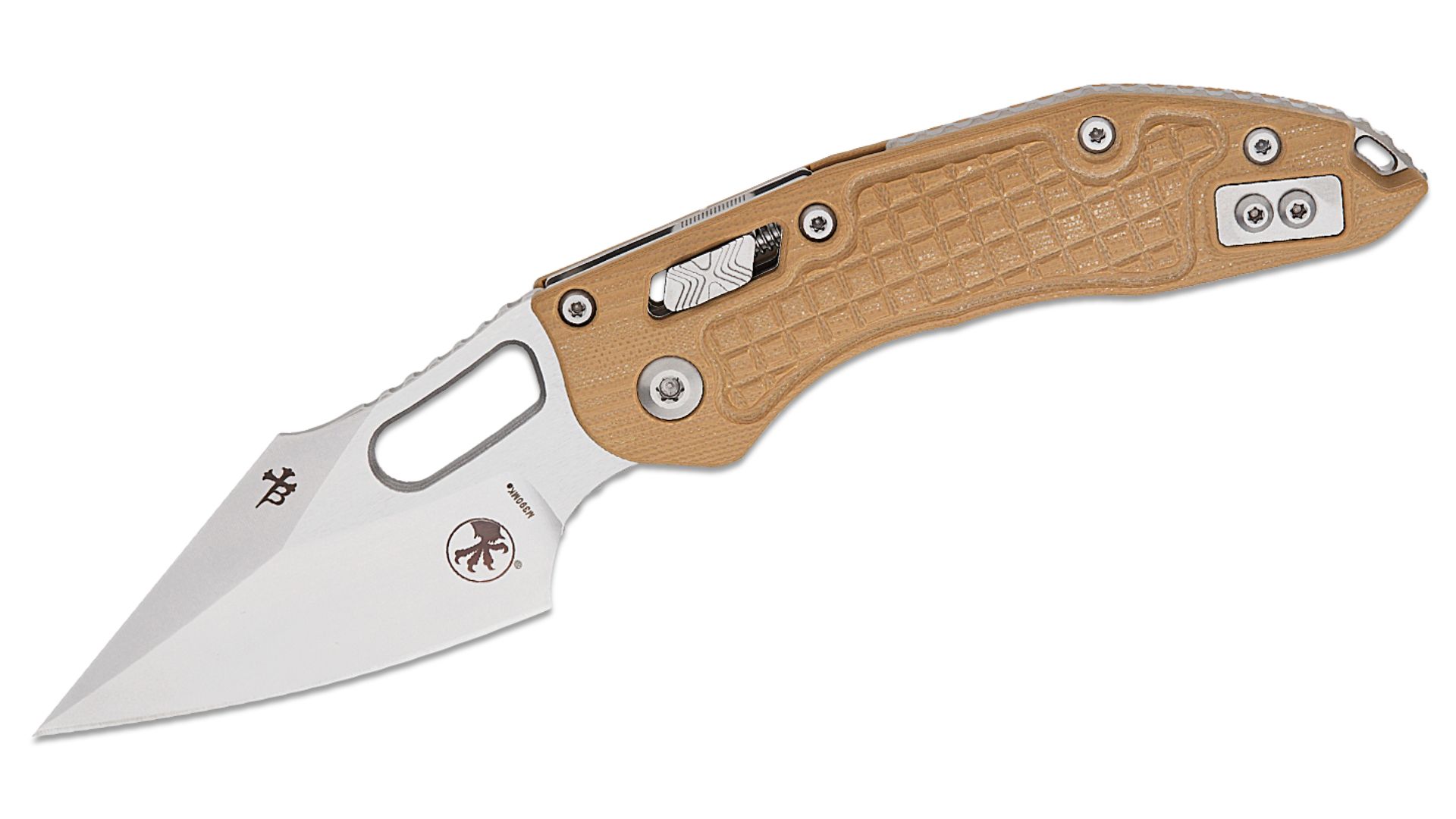
The Stitch has an unmistakable design and the manual RAM-LOK version gives buyers a strong locking system without stepping into automatic-knife territory. It is stout, distinctive, and built with good materials.
It is also an expensive way to get a thick working folder. The blade geometry favors strength more than efficient slicing, and plenty of less expensive knives provide strong crossbar-style locks, premium steel, and excellent machining. A substantial part of the Stitch’s appeal comes from Microtech branding and Anthony Marfione’s aggressive design language. That is perfectly legitimate for enthusiasts, but buyers looking strictly at utility can get nearly everything they need without paying nearly as much.
Benchmade 940 Osborne

The 940 is one of the most successful EDC designs ever made, and its slim profile still carries exceptionally well. The reverse-tanto blade, aluminum handle, and Axis lock helped make it a modern classic.
The issue is that the market has changed dramatically while the basic formula has remained largely familiar. What once felt cutting-edge now sits beside cheaper knives with better slicing geometry, excellent crossbar locks, premium steels, and equally impressive fit. The 940 still has wonderful ergonomics and history behind it, but the current asking price often reflects its reputation as much as its materials. At a lower price it would be easy to recommend. At premium EDC money, competition becomes much tougher.
Spyderco Shaman
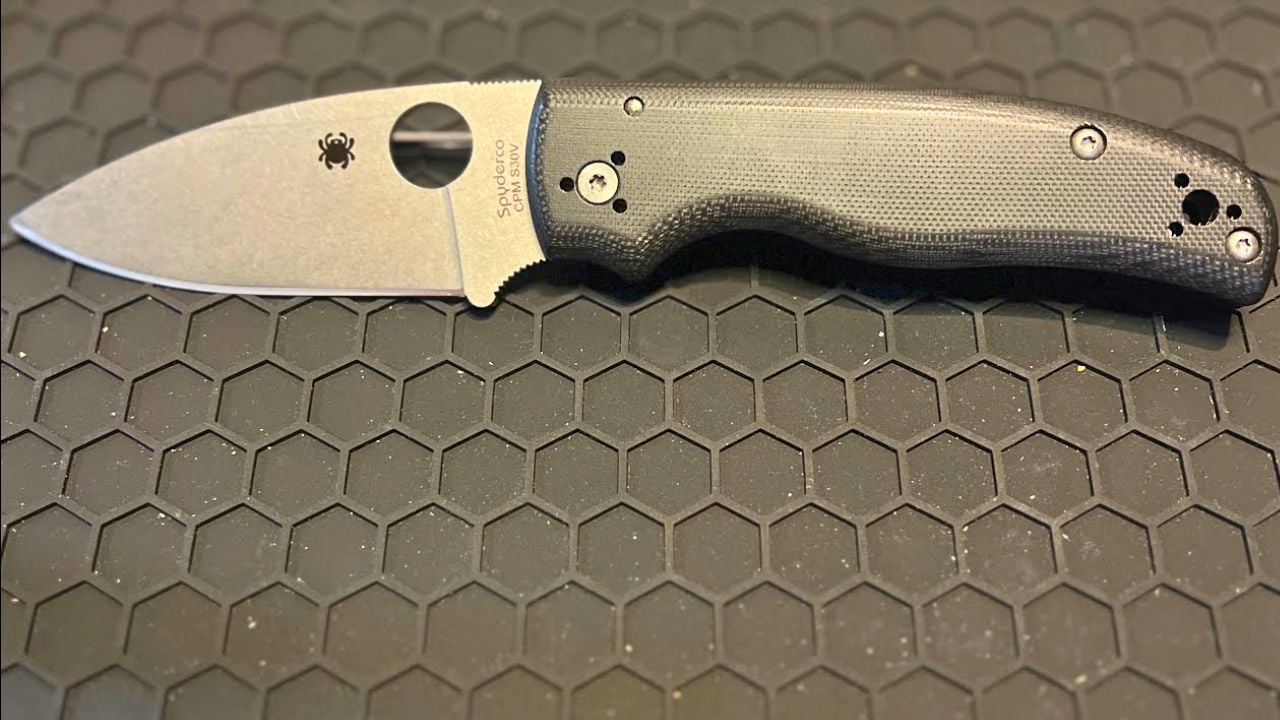
The Shaman is a substantial folder with excellent ergonomics and a very secure grip. It also gives you Spyderco’s compression lock and enough blade thickness for harder use than the company’s lighter EDC models.
Its pricing is what creates the problem. The construction is still relatively straightforward, and the standard handle materials do not necessarily feel special enough to match what the knife can cost. There are now plenty of hard-use folders with excellent steels, strong locks, and comfortable handles for significantly less. The Shaman remains an excellent design, but its value has been squeezed by competition. You are increasingly paying for the Spyderco platform and reputation rather than receiving a corresponding jump in materials.
Benchmade Crooked River
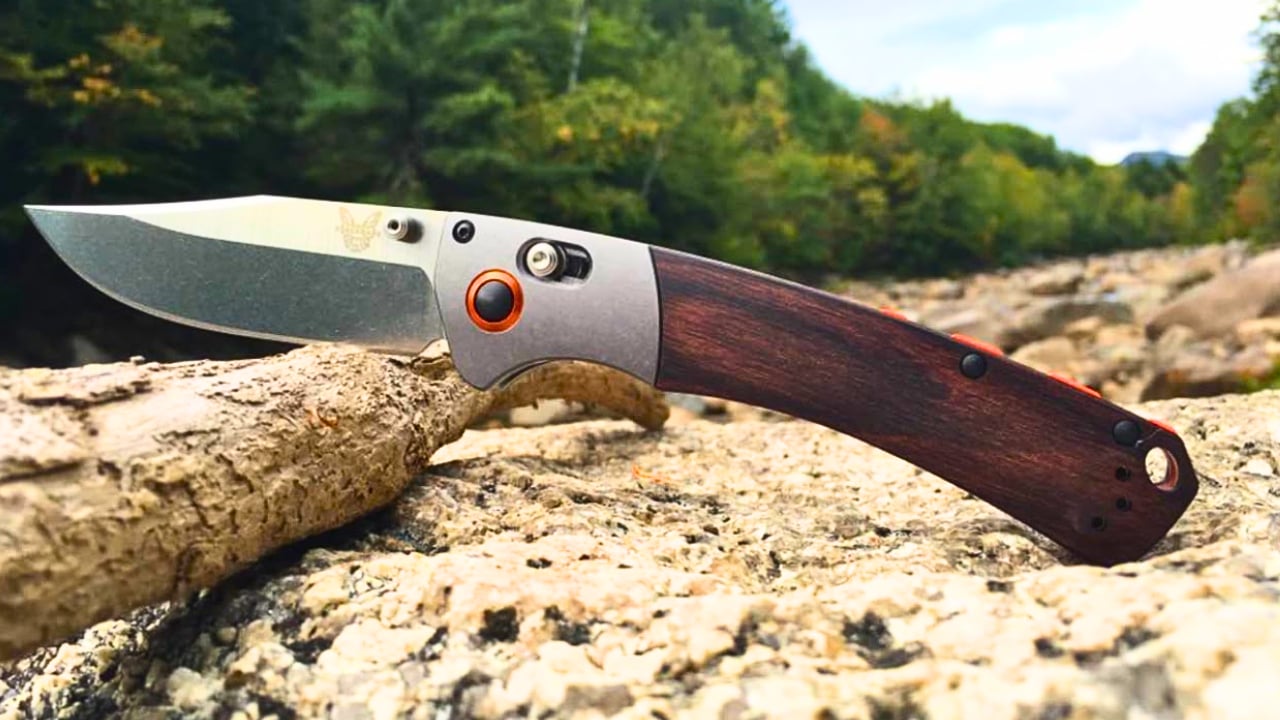
The Crooked River is handsome, comfortable, and offers a modern interpretation of the traditional hunting folder. It combines classic styling with the convenience of an Axis lock and one-handed operation.
The price, however, can be difficult to reconcile with what is fundamentally a fairly straightforward production knife. The large size also limits its usefulness as an everyday carry folder, while hunters have countless fixed-blade and folding options costing much less. The Crooked River is attractive enough that buyers often want it for emotional reasons, and there is nothing wrong with that. As a tool, though, the extra money buys more style and brand prestige than additional cutting ability.
Zero Tolerance 0308
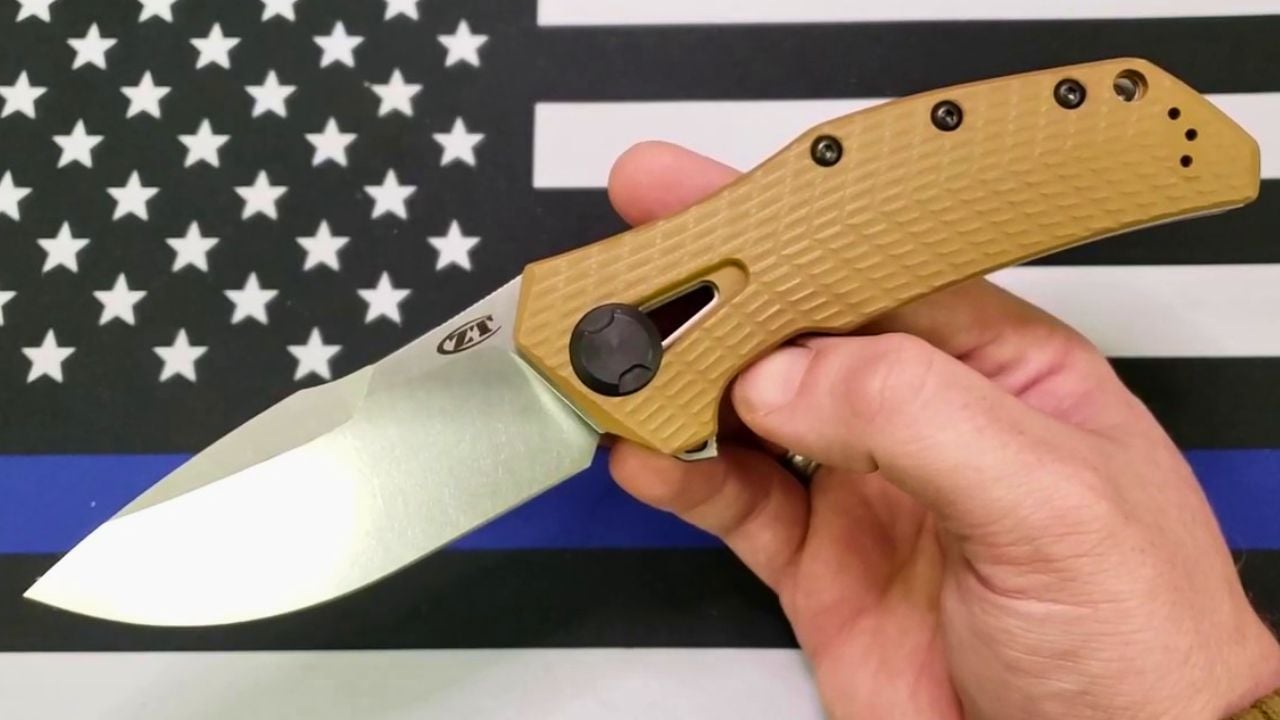
The ZT 0308 is an unapologetically large titanium framelock designed around toughness. It feels substantial, uses good steel, and has the solid construction people expect from Zero Tolerance.
The trouble is that the premium for that toughness buys a knife that is heavier and thicker than most people actually need. Modern folders from several companies can provide excellent strength, premium steel, and smooth actions without carrying nearly as much bulk or costing as much. The 0308 appeals to people who enjoy the feel of an oversized hard-use folder, but that preference is different from value. For ordinary cutting tasks, a cheaper and thinner knife will often perform better.
Spyderco Drunken
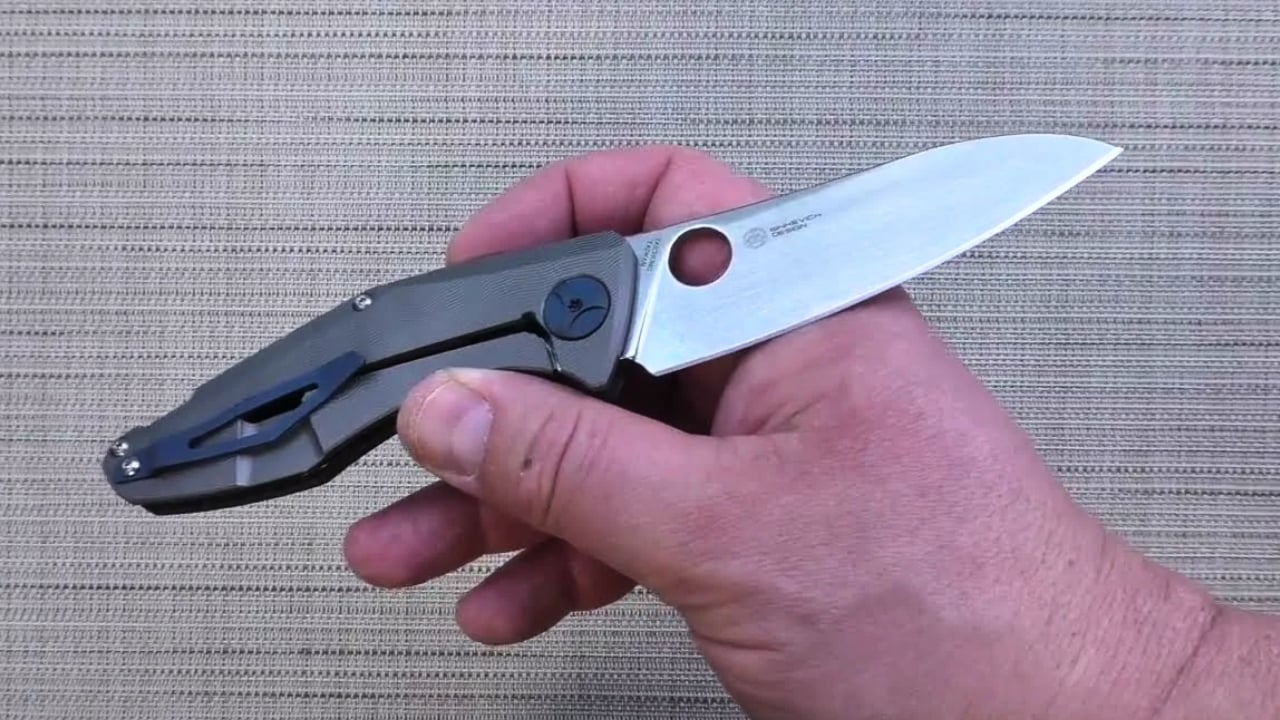
The Drunken is an excellent Dmitry Sinkevich design with beautiful milling, premium materials, and the sort of attention to detail expected from Spyderco’s higher-end collaborations.
It is also expensive enough that buyers have to care deeply about the design itself. The practical performance does not scale with the price. You still get a titanium framelock and premium blade steel, features that are now common at much lower price points. The Drunken’s value lies in machining, aesthetics, and collectibility rather than function. For someone who loves the design, that may be enough. For someone simply wanting an excellent EDC knife, spending this much provides diminishing returns quickly.
Hinderer XM-18

The XM-18 helped define the overbuilt tactical folder and still has a dedicated following. It is extremely customizable, tough, and supported by a huge ecosystem of scales and hardware.
The market around it has changed. Many manufacturers now offer excellent titanium framelocks, premium steels, and strong pivots at substantially lower prices. The XM-18 remains thick and heavy compared with more efficient modern designs, and its cutting geometry can feel more focused on strength than slicing. The knife still makes sense for enthusiasts who enjoy the platform and endless customization. If you evaluate it only as a cutting tool, though, the price is increasingly difficult to defend.
Medford Praetorian
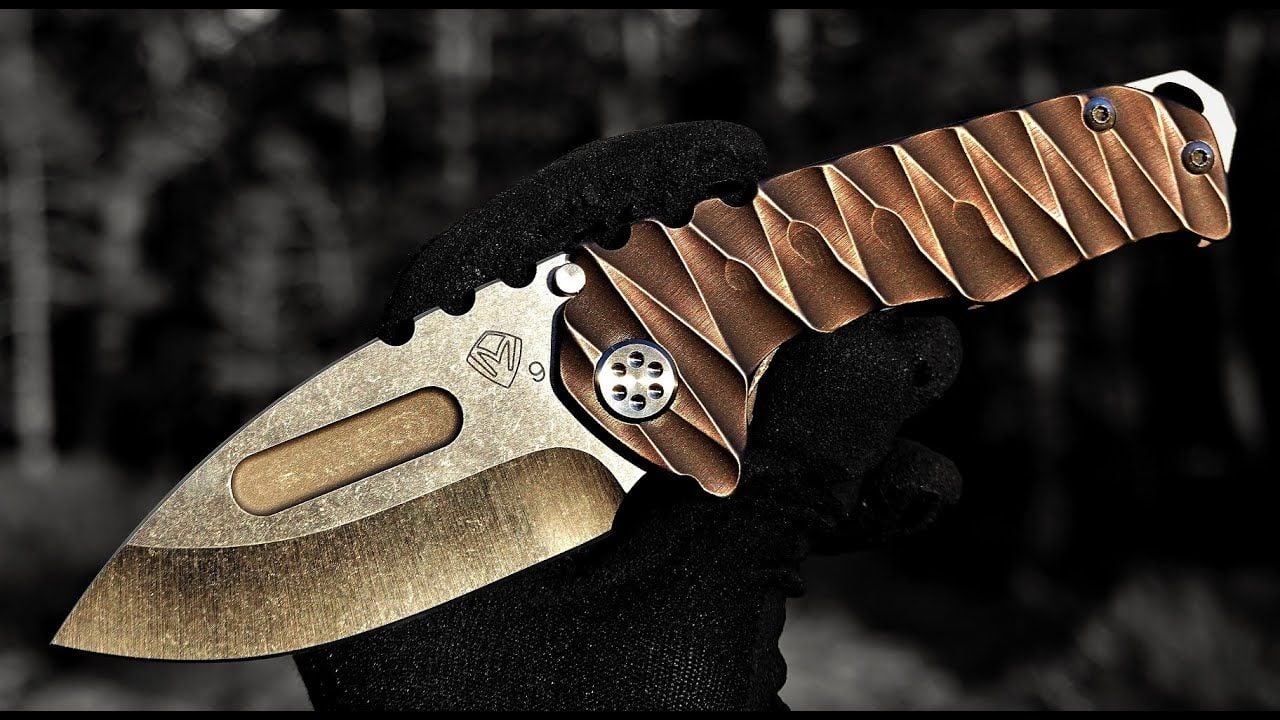
The Praetorian takes the hard-use-folder idea to an extreme. Thick blade, thick handle, massive hardware, and unmistakable styling make it feel almost indestructible in the hand.
That same construction is also why the price is hard to justify for actual knife work. Excessive blade thickness hurts slicing efficiency, extra mass makes pocket carry less pleasant, and the entire design solves durability problems most users will never encounter. You can buy extremely tough fixed blades and folding knives for far less money while gaining better cutting geometry. The Praetorian is a statement piece as much as a tool. If you love that statement, the cost may not matter. If performance per dollar matters, there are much better places to spend the money.
Emerson CQC-7

The CQC-7 is historically significant and helped define the modern tactical folder. Emerson’s Wave opening system also remains genuinely useful for people who specifically want immediate deployment from the pocket.
The problem is that materials and finishing expectations have moved forward dramatically. Basic handle materials, conventional liner-lock construction, and relatively straightforward blade steels can look underwhelming beside much cheaper knives with superior machining and more modern materials. The CQC-7 still has personality and a proven design, but much of what buyers are paying for is the Emerson name and tactical heritage. The knife world simply offers too much competition now for nostalgia to carry the entire value proposition.
Strider SMF
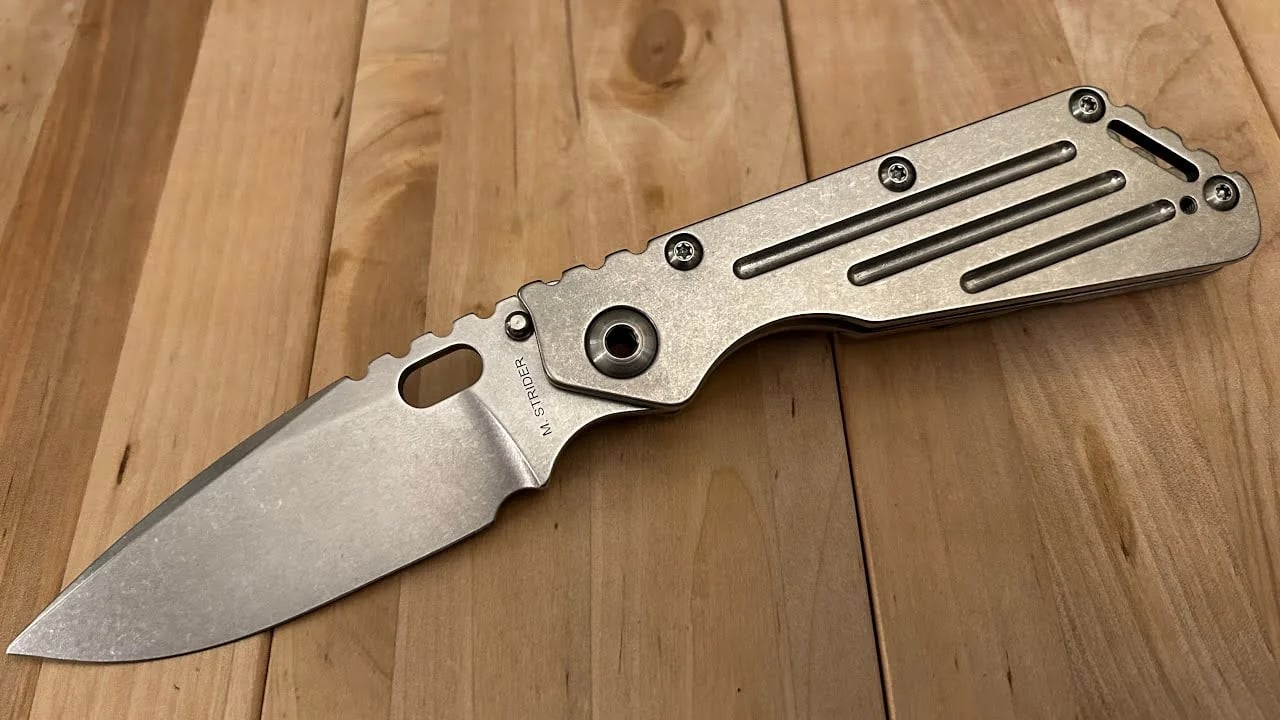
The SMF is another cornerstone of the heavy-duty tactical-folder category. Its large handle, thick blade, and titanium framelock give it the rugged feel that made Strider famous.
That ruggedness comes at a substantial price, and modern competitors have made the value comparison increasingly uncomfortable. Premium steels, titanium frames, and strong locks are no longer unusual or automatically expensive. The SMF remains desirable to collectors and people who specifically want a Strider, but that is very different from being the best use of the money. A buyer focused on performance can find lighter, smoother, and more efficient knives without approaching the same price territory.
GiantMouse ACE Grand
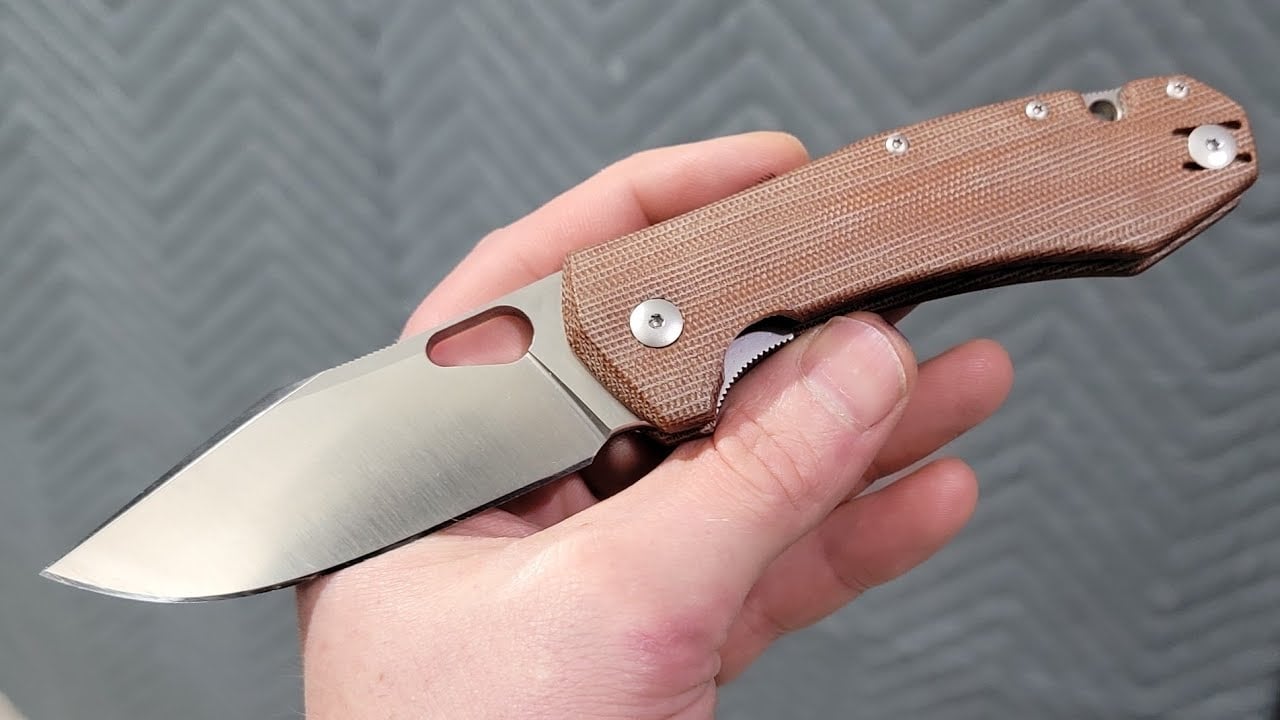
The ACE Grand is a good knife with excellent ergonomics and a blade shape that works well outdoors and around town. It has enough size to handle serious work without feeling absurdly large.
The issue appears when certain versions creep upward in price. At that point, the relatively conventional liner-lock or framelock construction and familiar materials no longer look as competitive. GiantMouse designs have plenty of personality, but personality does not automatically make the knife a value. With so many strong Micarta and premium-steel folders available for less, higher-priced ACE Grand variants can start feeling like you are paying extra because of the designer names attached to the project.
TOPS Tom Brown Tracker
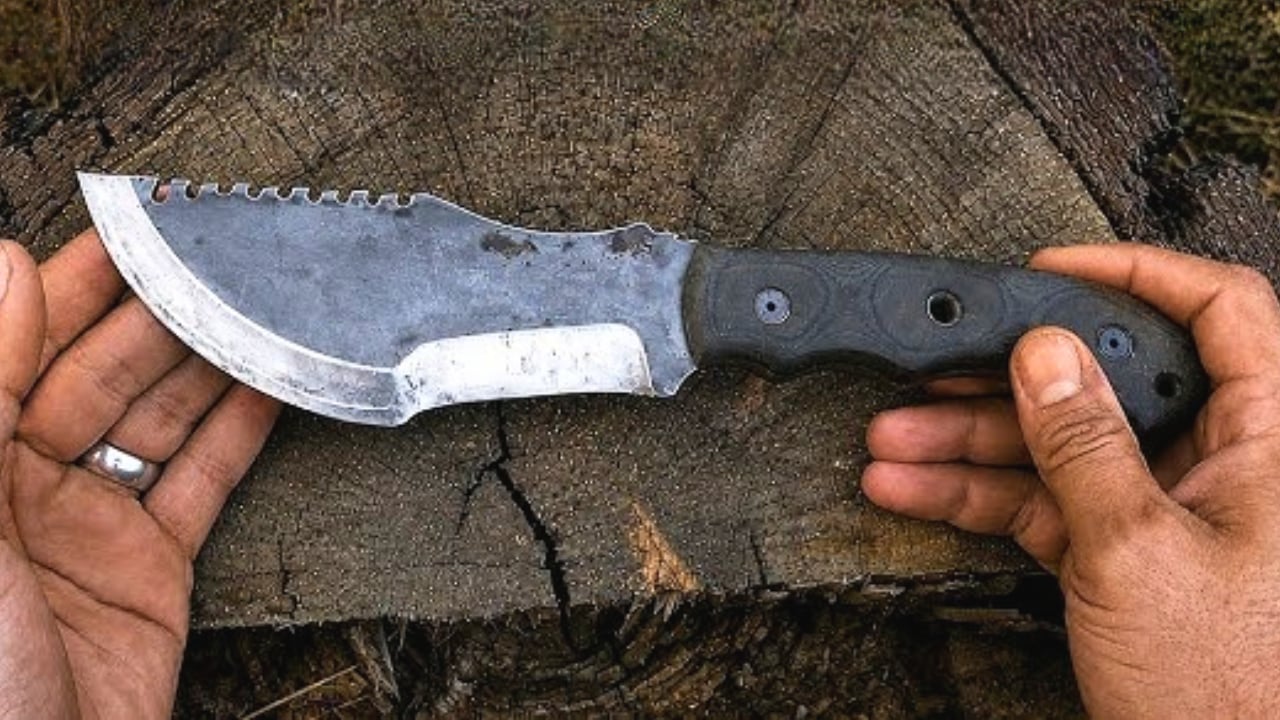
The Tracker is one of the most recognizable survival knives ever made. Its unusual blade combines chopping, carving, and cutting sections into one large tool, and it became even more famous through television and movies.
The problem is that specialization comes with a substantial price and plenty of weight. A conventional fixed blade paired with a small saw or hatchet can usually perform those individual tasks better. The Tracker’s 1095 construction is tough and proven, but the steel itself does not explain the price. You are paying for a famous design, heavy construction, and a very specific concept. For many outdoorsmen, a simpler fixed blade costing half as much will be easier to sharpen, carry, and actually use.
Benchmade Bushcrafter

Benchmade’s Bushcrafter has always looked attractive as a premium outdoor knife. The construction is solid, the handle is comfortable, and the brand provides strong warranty support.
The problem is the competition. Fixed-blade buyers now have an enormous selection from ESEE, White River, Bradford, Bark River, LionSteel, Reiff, Joker, and smaller makers, many offering excellent steels and full-tang construction at lower prices. A bushcraft knife is also mechanically uncomplicated. There is no precision pivot or lock to justify additional machining expense. Once the price climbs high enough, the buyer has to ask how much of the premium is buying cutting performance and how much is buying the butterfly logo.
Bark River Bravo 1 Premium Steel Versions

The Bravo 1 itself is an excellent outdoor design. Its convex edge cuts well, the handle is comfortable during prolonged work, and the knife has proven its durability over years of field use.
Some premium-steel and handle combinations, however, move the price far enough upward that the value becomes questionable. The fundamental job of the knife does not change because the handle material becomes more exotic or the steel jumps another tier. At those prices, buyers can look toward semi-custom makers or purchase an equally capable field knife while keeping a significant amount of money. The standard Bravo 1 makes a strong argument. The heavily upgraded versions can turn a practical design into an expensive collector piece.
Microtech Socom Elite Manual
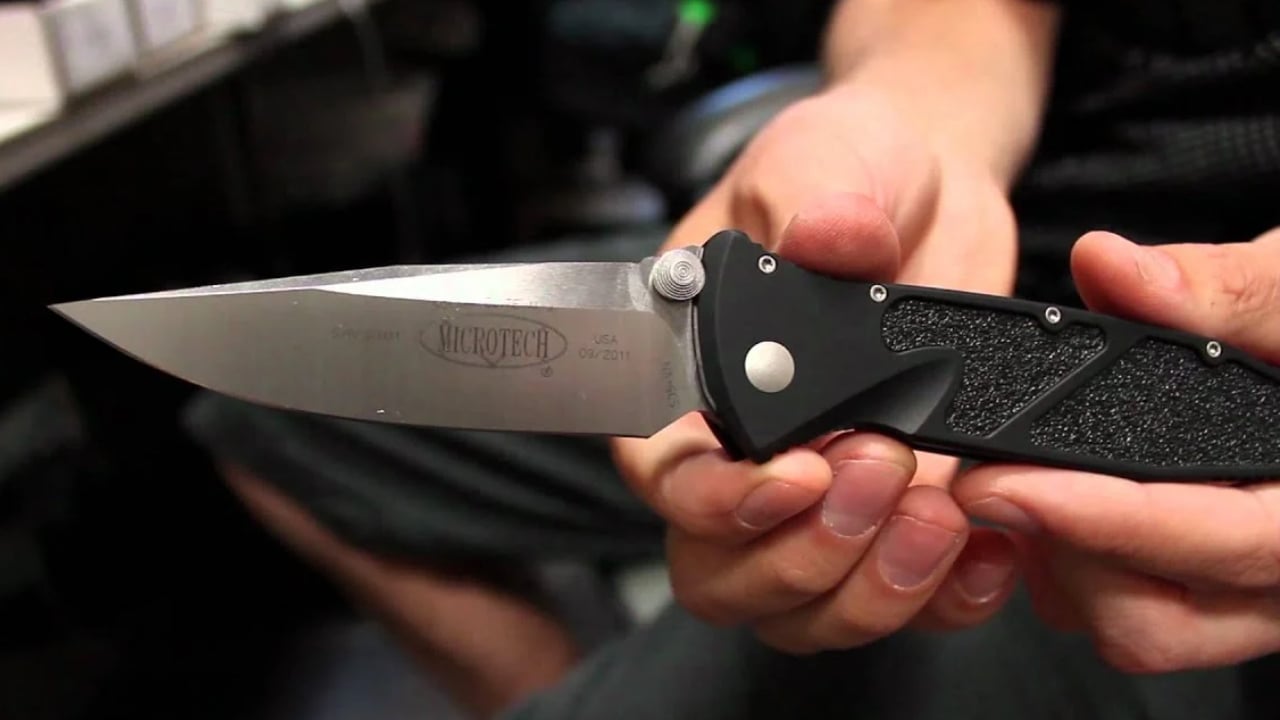
The Socom Elite has a long-standing reputation as a serious tactical folder. Its large blade, strong construction, and excellent opening action have made it a favorite among Microtech owners for years.
The difficulty is value. The design remains relatively conventional compared with newer premium folders, and the materials alone do not always explain its price. There are now less expensive knives with MagnaCut, titanium, excellent crossbar locks, and equally polished actions. The Socom Elite still feels great and has proven itself over time. The question is whether that experience is worth the premium when competing knives have caught up so dramatically. For Microtech fans, probably. For everyone else, the math is much harder.
Like The Avid Outdoorsman’s content? Subscribe to our newsletter so you never miss an article.
Here’s more from us: