Photo credit: Knives of the Round Table/YouTube
Edge retention is one of those knife traits that is easy to oversimplify. A premium steel can look impressive on paper and still disappoint if the heat treatment is mediocre or the blade geometry is too thick. On the other hand, an ordinary-looking knife can keep cutting far longer than expected because the steel was treated well and the edge was ground properly.
That is what makes some knives stand out. They are not always the most expensive models in the case, and several use steels that do not get much hype anymore. What matters is how long they continue slicing cardboard, rope, food, hide, or everyday material before the edge finally starts feeling tired. These 20 have a reputation for holding usable sharpness longer than their price, appearance, or steel choice might lead you to expect.
Spyderco Stretch 2 K390
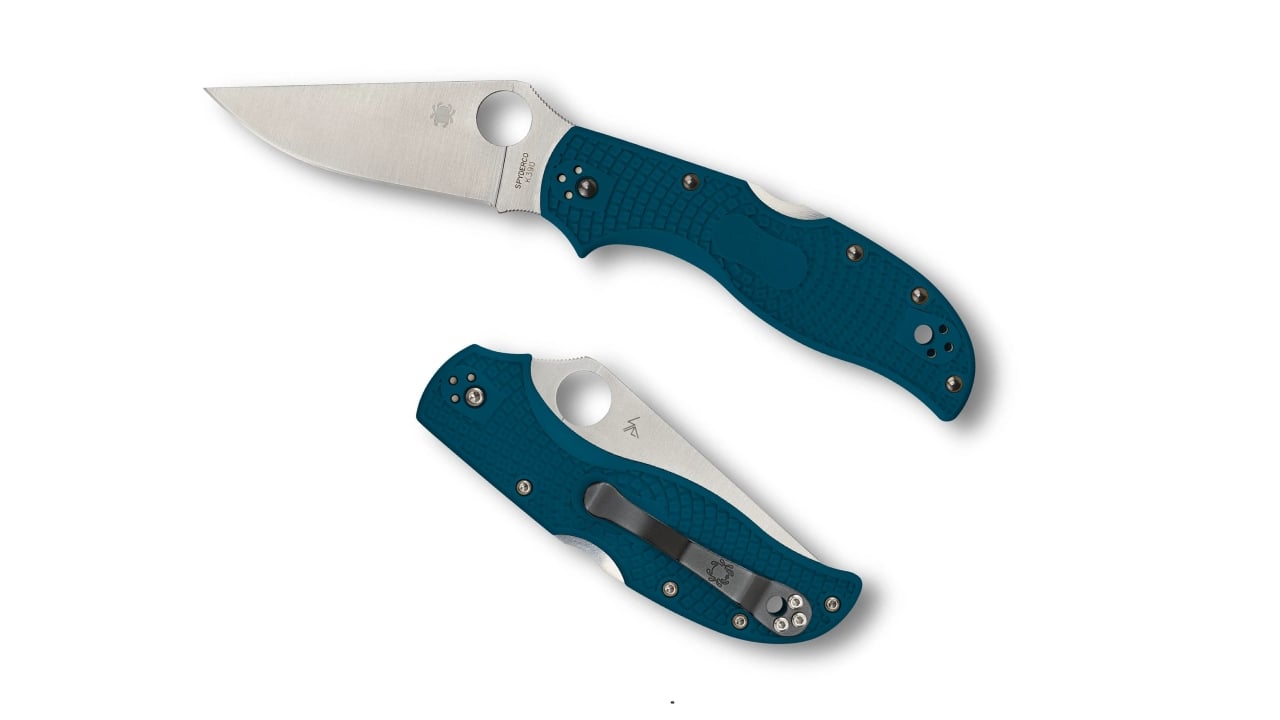
The Stretch 2 in K390 is one of those knives that immediately changes how you think about edge retention. K390 is not stainless, and it requires more care than something like S30V, but the payoff is exceptional wear resistance.
The Stretch also gives that steel a thin, practical blade geometry, which lets it keep cutting efficiently even after the edge has lost its fresh-from-the-stone bite. That matters because real edge life is not just about shaving sharpness. A knife that keeps slicing cardboard and rope long after a softer steel has gone dull is far more useful. The biggest tradeoff is corrosion resistance, so this is not the knife to leave wet in a tackle box. Keep it dry and the cutting endurance is outstanding.
Spyderco Endura 4 K390
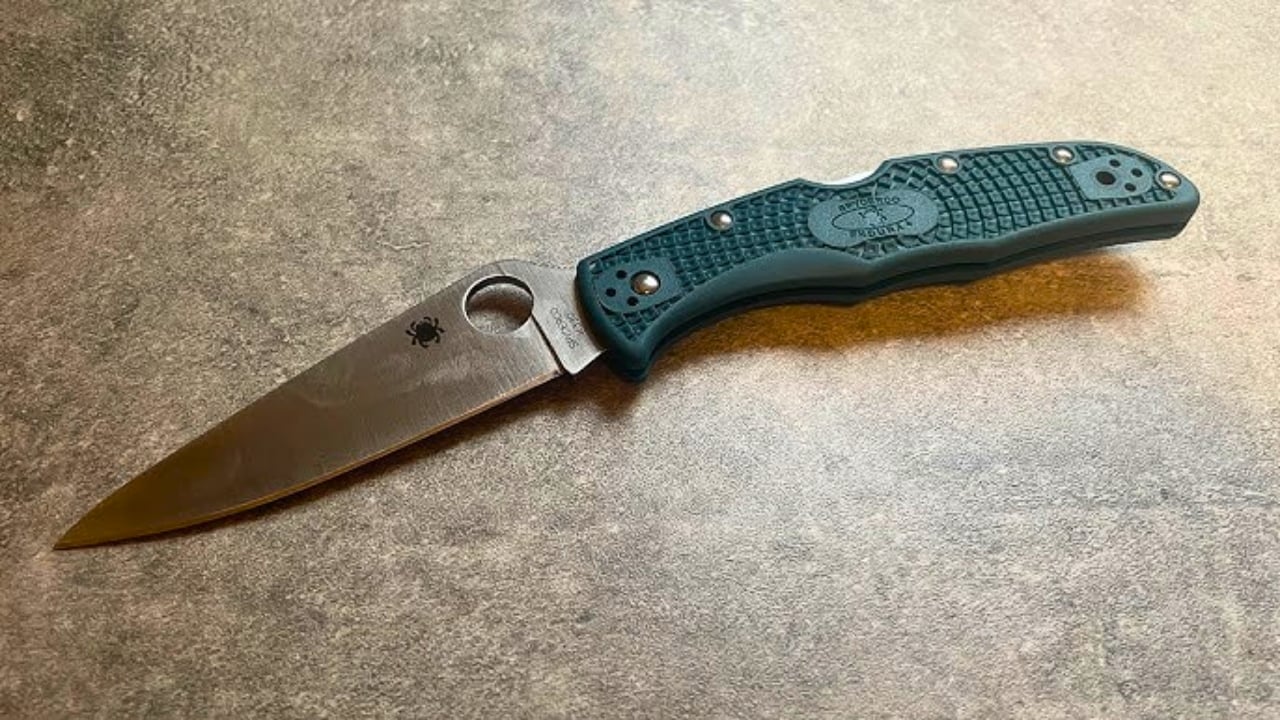
The Endura has always been a straightforward working knife, but the K390 version turns it into an edge-retention machine. The long blade gives you plenty of cutting surface, and the steel can handle abrasive materials for a surprisingly long time.
Cardboard is where the difference becomes obvious. Softer steels tend to lose bite quickly when cutting corrugated material, while K390 keeps going. The Endura’s thin blade also helps because it does not need a perfect edge to keep slicing well. It is still light enough to carry easily despite the useful blade length. If you care more about how long the knife works between sharpenings than how shiny the blade stays, this version is hard to ignore.
Spyderco Delica 4 K390
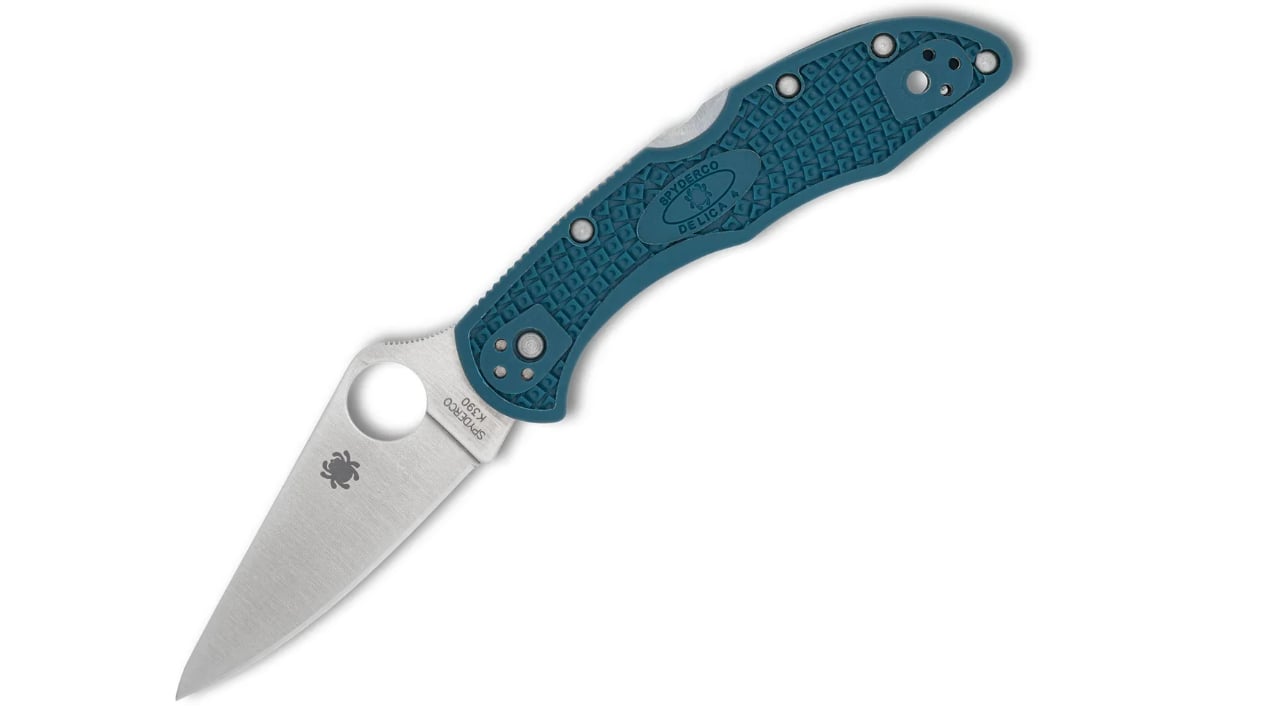
The Delica is small enough that some people expect it to be a light-duty EDC knife. Put K390 in it and the story changes completely.
The blade is thin, the edge is efficient, and the steel holds working sharpness for a long time. That combination makes it particularly good for people who spend their day opening boxes, cutting straps, or working through other abrasive materials. The knife never feels overbuilt, which actually helps edge performance because the blade does not have to push a lot of steel through the cut. You still need to watch for corrosion, but the actual cutting endurance is far above what most people expect from such a light, ordinary-looking folder.
Benchmade Mini Adamas

The Mini Adamas looks like a hard-use knife first, so people tend to expect toughness more than edge retention. The CPM-CruWear blade gives you both.
CruWear is known more for balancing toughness and wear resistance than for chasing maximum edge life, but in this format it performs extremely well. The blade can take harder use without chipping easily, yet it still holds a working edge far longer than many traditional tool steels. That is a useful combination because a knife that stays sharp but chips easily is not always better in the field. The Mini Adamas gives you a tough blade that keeps cutting long after cheaper hard-use folders have started feeling blunt.
Hogue Ritter RSK MK1-G2

The Ritter RSK is one of those knives that makes excellent use of MagnaCut without turning the whole knife into a luxury purchase. The blade geometry is practical, the steel is tough, and the edge holds up very well under everyday work.
MagnaCut gets talked about constantly because of its corrosion resistance and toughness, but people sometimes underestimate its actual edge retention. In a well-ground working knife, it lasts much longer than older stainless steels while staying far easier to live with than high-wear tool steels. The Ritter RSK also has a handle built for real use, so it makes sense as more than a steel showcase. It is a knife you can carry hard without constantly thinking about maintenance.
Kershaw Bel Air
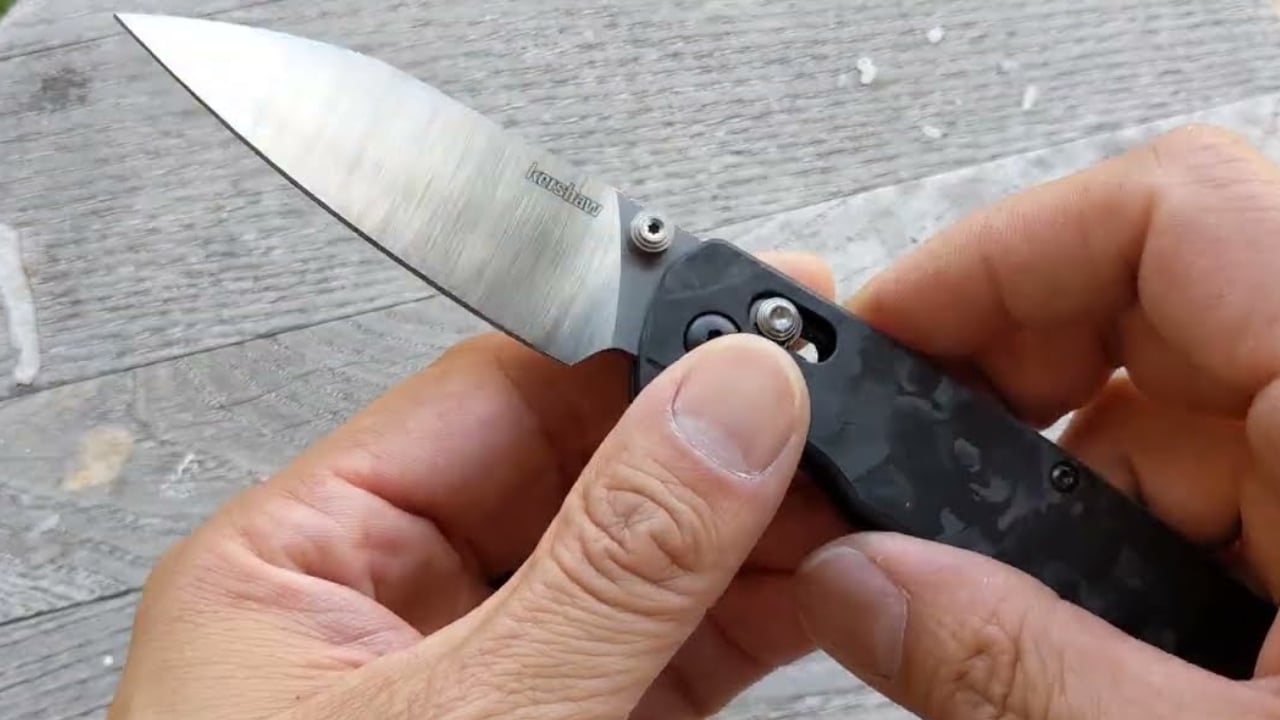
The Bel Air does not look like an edge-retention specialist, which is part of why it surprises people. The knife is slim, lightweight, and more understated than many premium-steel folders.
Its MagnaCut blade is the reason it stays useful for so long. You get strong edge life, excellent corrosion resistance, and enough toughness that the edge does not feel fragile during normal work. The blade shape is also simple and efficient, which helps maintain cutting performance after the initial razor edge has faded. For a knife that carries this easily, the amount of cutting you can get between sharpenings is impressive. It is one of the better examples of premium steel actually making sense in an everyday design.
Bradford Guardian 3 MagnaCut
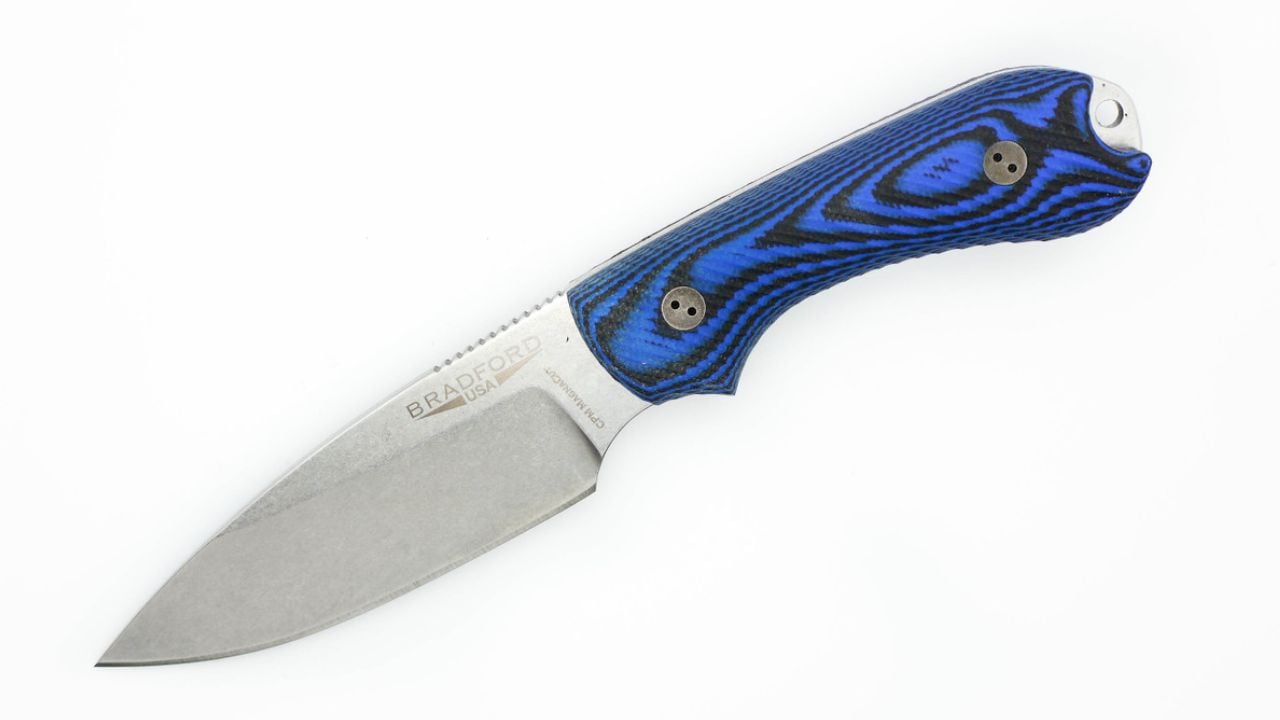
The Guardian 3 is compact enough to carry easily but substantial enough for real outdoor work. In MagnaCut, it becomes a fixed blade that can go a long time between serious sharpenings.
That is especially useful for someone using the knife around food, game, wet environments, or daily chores where corrosion resistance matters as much as edge life. The steel holds up well without demanding the constant oiling that carbon steels often need. Bradford also keeps the blade geometry practical enough that the knife continues cutting efficiently even when the edge is not perfect. It is the kind of small fixed blade that can get used every day and still feel sharp when you finally remember to touch it up.
LionSteel M4

The M4 is a compact fixed blade that often gets praised for fit and finish, but the steel performance deserves just as much attention. Depending on the version, LionSteel has used premium stainless steels that deliver very good wear resistance without making the knife difficult to maintain.
The blade is also ground well enough that you actually benefit from the steel. Thick, clumsy geometry can hide the advantage of edge-retentive steel, but the M4 remains useful for slicing, food prep, and field work. That means the edge does not need to be perfect to keep cutting well. For a knife that looks more refined than rugged, it tends to hold up better than expected under regular use.
TRC South Pole
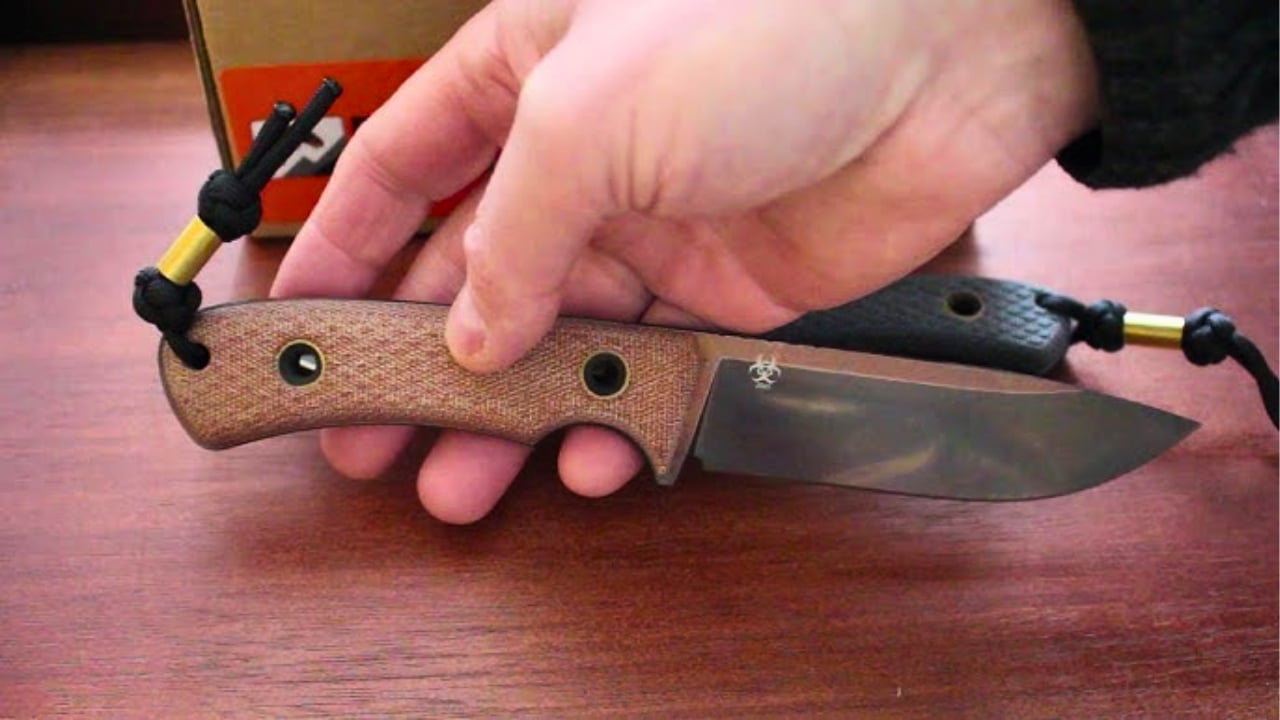
The South Pole has the appearance of a serious outdoor knife, but the edge retention is one of the reasons it has earned so much respect. TRC is known for doing a strong job with heat treatment, and that matters as much as the steel name stamped on the blade.
A well-treated blade can outperform a theoretically superior steel that was not optimized properly. The South Pole benefits from that attention to detail. It holds a useful edge through wood work, food prep, and general camp tasks while remaining tough enough for harder use. This is a knife where the performance feels less like a spec-sheet trick and more like careful execution.
Fallkniven F1 Pro
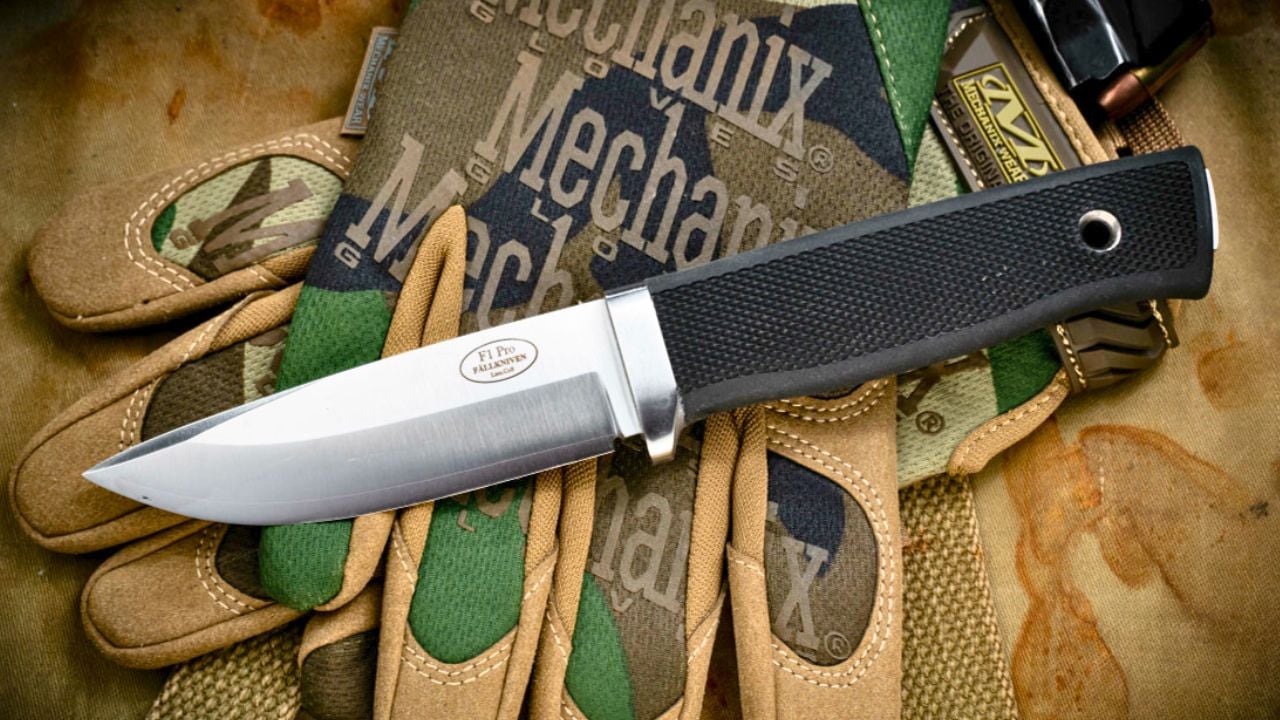
The F1 Pro is not a thin slicer, but it still manages to keep working for a long time because of the laminated steel construction and convex edge.
The convex geometry helps support the edge, while the harder core steel provides solid wear resistance. That combination means the knife may lose shaving sharpness before it stops cutting effectively, but it continues working through outdoor chores surprisingly well. It is also more resistant to corrosion than many carbon-steel bushcraft knives, which makes it easier to use in wet conditions. The F1 Pro is a good reminder that edge retention is not only about steel chemistry. Geometry and heat treatment matter just as much.
Quiet Carry Waypoint
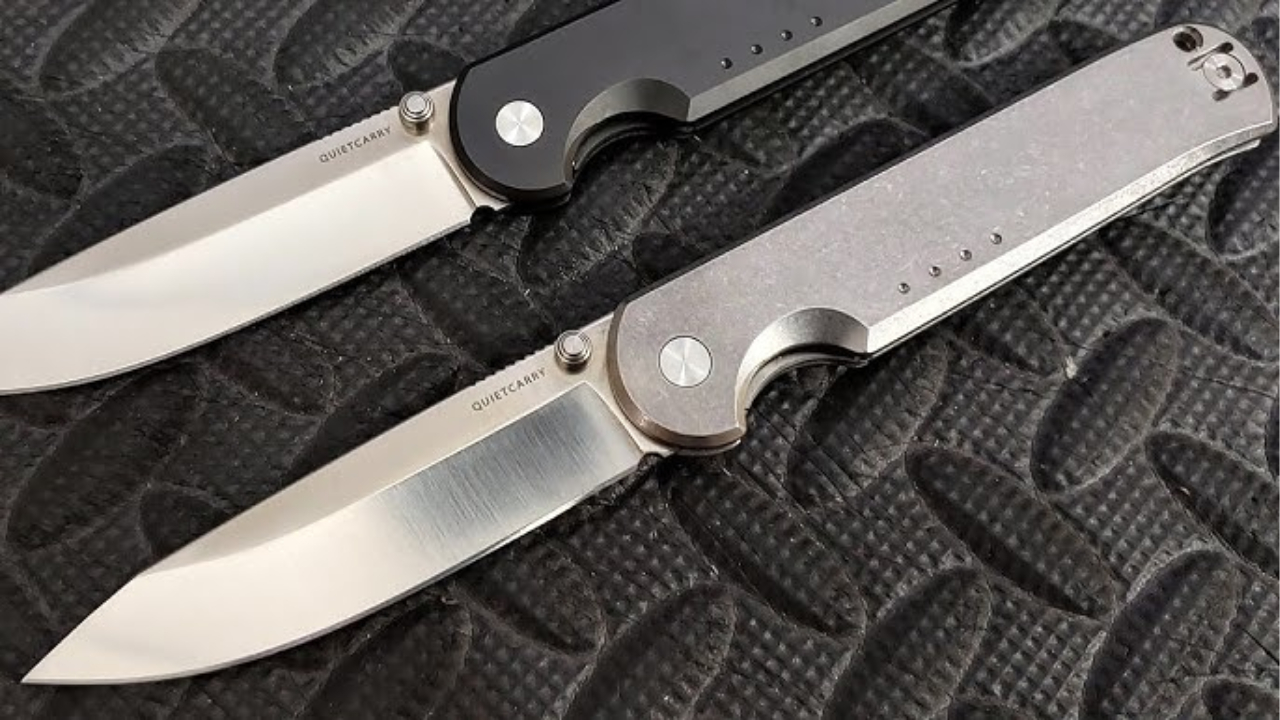
The Waypoint looks more like a clean, refined EDC knife than something designed to survive abrasive cutting all day. Its Vanax blade is where the surprise comes in.
Vanax combines excellent corrosion resistance with strong edge retention, which makes it particularly useful for people around water, sweat, food, or humid environments. The thin blade also cuts efficiently, so the knife stays useful well beyond the point where the edge stops feeling fresh. That combination is hard to beat in daily carry. You can use it hard, ignore corrosion concerns, and still go a long time between full sharpening sessions.
Spyderco Native 5 Salt MagnaCut

The Native 5 Salt is usually talked about for corrosion resistance, but the edge performance is just as important. MagnaCut gives the knife a strong combination of toughness, stainless behavior, and wear resistance.
The Native’s compact blade also has excellent geometry for daily cutting. It does not need a thick edge to survive normal use, so the steel gets to work efficiently rather than being buried behind too much material. That gives you a knife that can handle wet environments while still cutting for a long time between touch-ups. For someone who wants one low-maintenance EDC, it is much more impressive than the plain yellow-handle appearance suggests.
Zero Tolerance 0452CF

The 0452CF has been around long enough that people sometimes forget how good the cutting performance still is. The long blade gives you plenty of edge, and ZT’s steel choices have traditionally leaned toward good wear resistance.
The knife is large, but it carries slimmer than expected and gives you a lot of usable cutting surface before any one section of the edge gets worn down. That alone can extend practical edge life compared with smaller folders. Add a premium steel and the knife can go a surprisingly long time before needing real sharpening. It is not the newest design around, but it still performs like a serious cutting tool.
Cold Steel American Lawman

The American Lawman is usually bought for toughness, not edge retention, which is why it tends to surprise people. The blade steel and heat treatment provide much better wear resistance than the simple black-coated work-knife appearance suggests.
The blade shape is also efficient enough that the knife keeps cutting after the edge has started to lose its initial bite. That makes it useful for cardboard, rope, and outdoor work where a tougher folder might otherwise become dull quickly. The Tri-Ad Lock gets most of the attention, but the actual blade performance is one of the strongest reasons the Lawman remains a practical hard-use knife.
Benchmade Taggedout
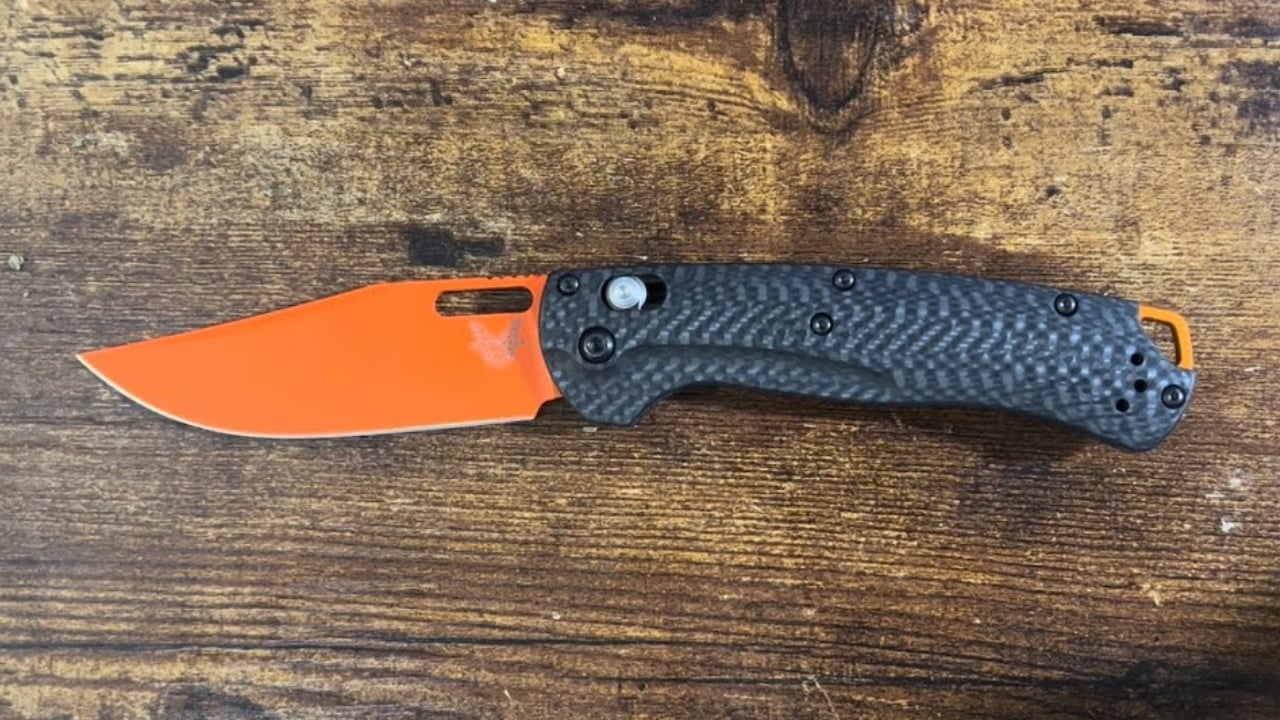
The Taggedout is extremely light, which can make it feel almost too delicate at first. The blade tells a different story.
Benchmade designed it around hunting and slicing, and the thin blade geometry lets the steel work efficiently. That means you get more cutting for less effort, and the edge keeps feeling useful longer than a thicker blade with the same steel. Hunters especially notice the difference during field dressing and processing, where a thin edge can keep moving through hide and tissue long after a bulkier knife starts feeling sluggish. It is a good example of geometry stretching practical edge life.
Spyderco Manix 2 CPM-S110V
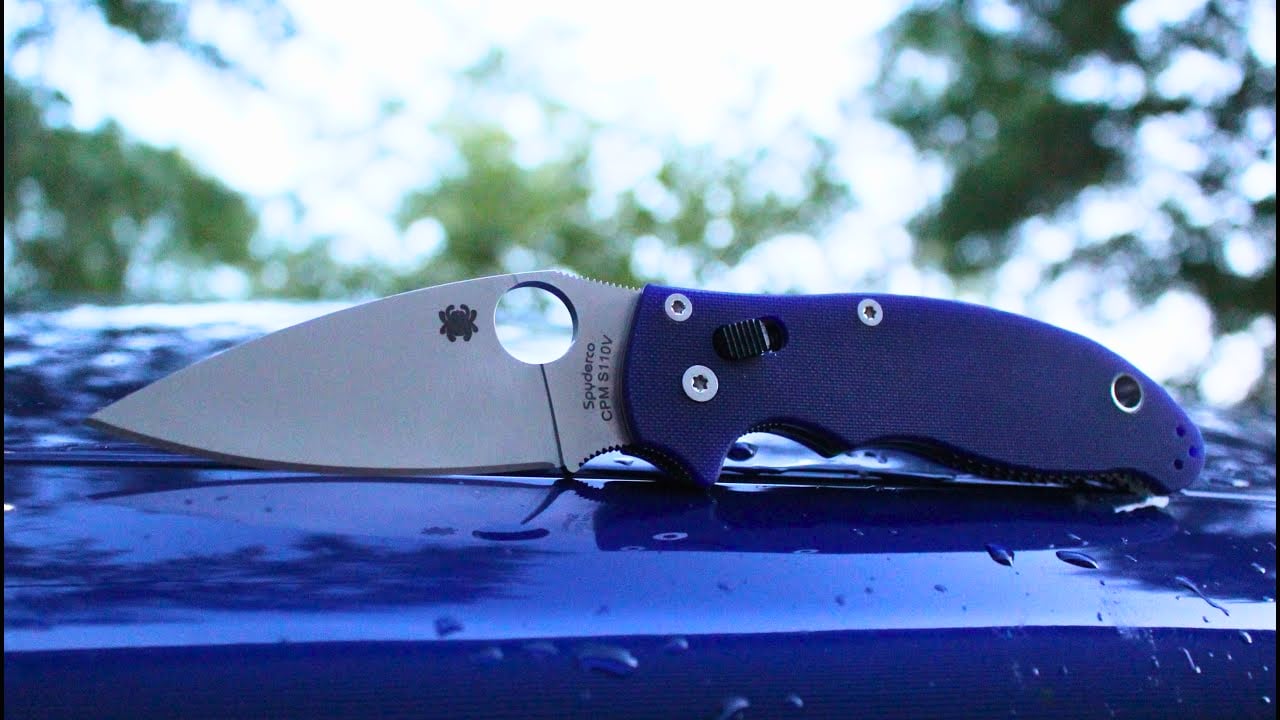
S110V built its reputation around wear resistance, and the Manix 2 gives the steel enough blade and handle to make serious use of it. The knife can keep slicing abrasive material for a very long time before the edge truly gives up.
The tradeoff is sharpening. S110V is not the steel you want to repair casually on a rough stone after letting it get completely dull. It rewards regular maintenance and good sharpening equipment. If you stay ahead of the edge, though, the time between major sharpenings can be substantial. For people who cut a lot of cardboard, rope, or plastic strapping, the Manix 2 in S110V can feel almost unfair compared with basic stainless steels.
Spyderco Paramilitary 2 Maxamet
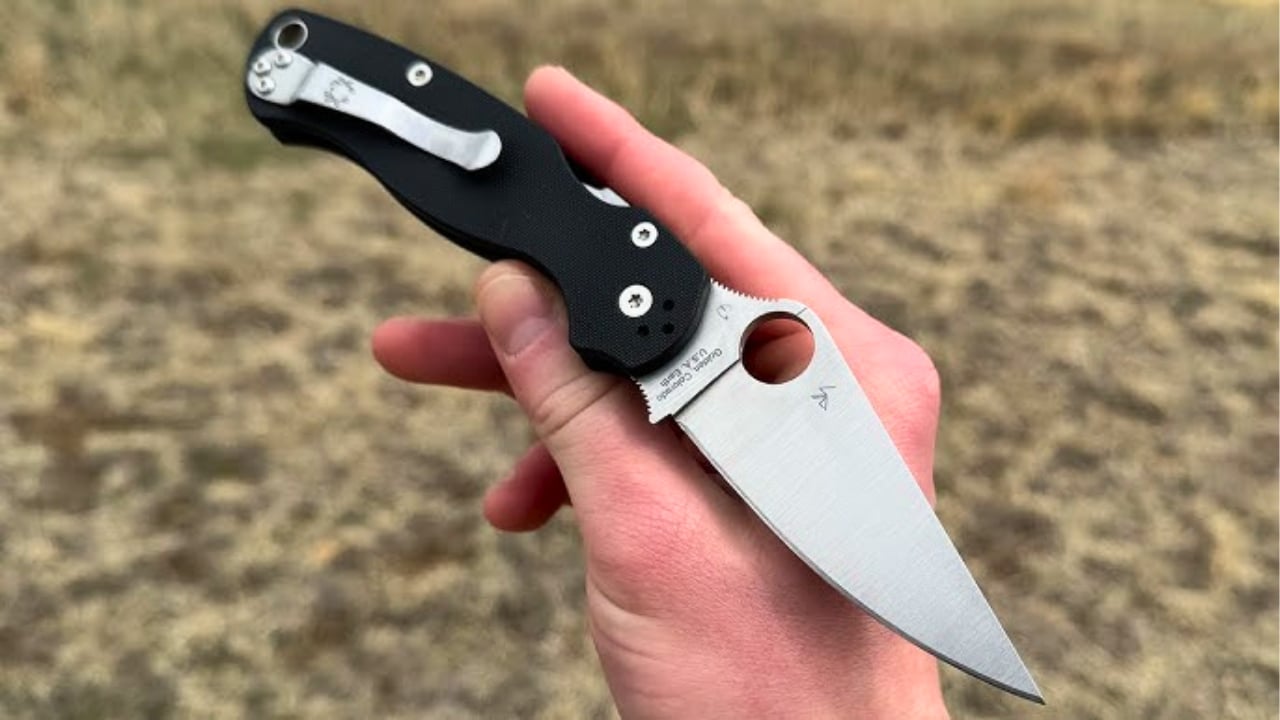
Maxamet is not a forgiving steel, but edge retention is exactly where it shines. The Paramilitary 2 gives you enough handle and blade control to take advantage of that extreme wear resistance.
It is not the knife I would choose for hard prying or impact-heavy work because Maxamet prioritizes wear resistance over toughness. For straightforward slicing, though, it can keep cutting for an astonishingly long time. Cardboard, rope, and similar abrasive materials barely seem to bother it compared with ordinary steels. The steel will patina and needs some corrosion awareness, but if you care primarily about how long a fine edge lasts, this version of the PM2 is difficult to beat.
GiantMouse ACE Atelier
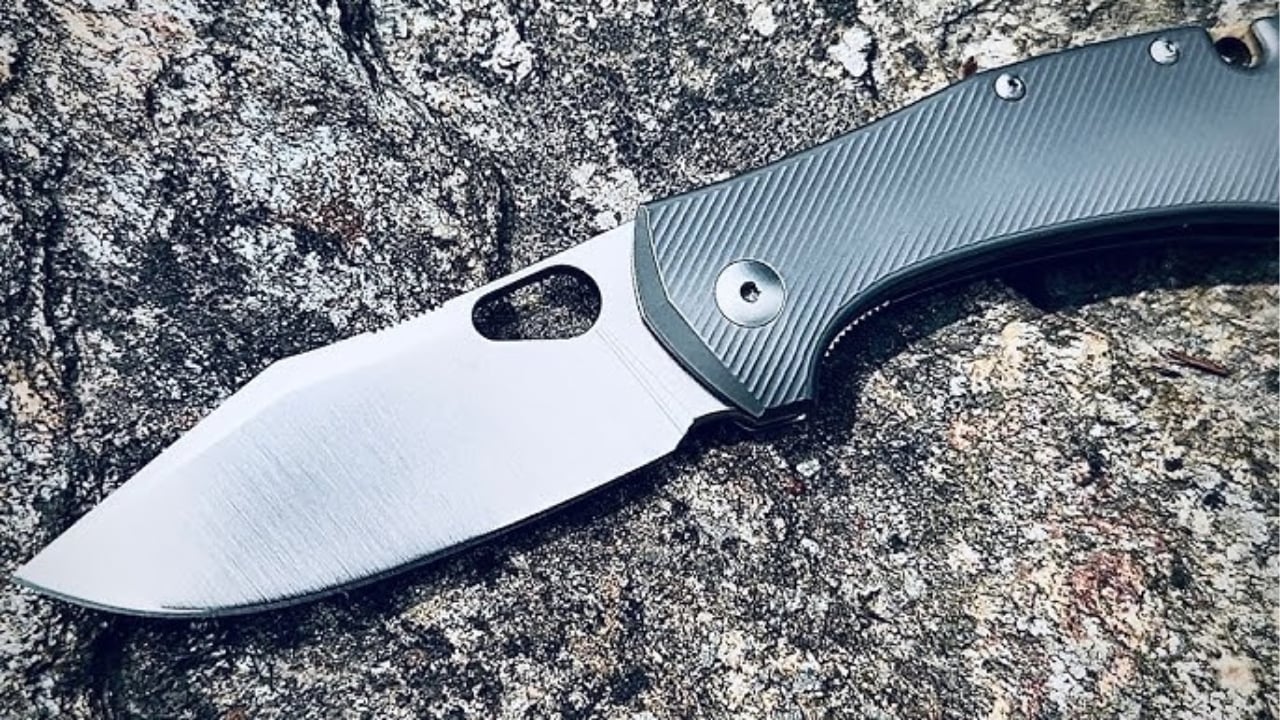
The Atelier is compact and refined, which makes the amount of cutting performance easy to underestimate. The blade geometry is efficient and the premium steel holds up better than the knife’s gentlemanly appearance suggests.
That makes it especially good for people who want a small EDC that does not sacrifice performance just because the knife is easy to carry. The edge works well on packaging, food, and light utility tasks, and it stays effective without constant touch-ups. The Atelier is one of those knives that proves you do not need a thick, oversized blade to get serious edge life.
MKM Makro 2
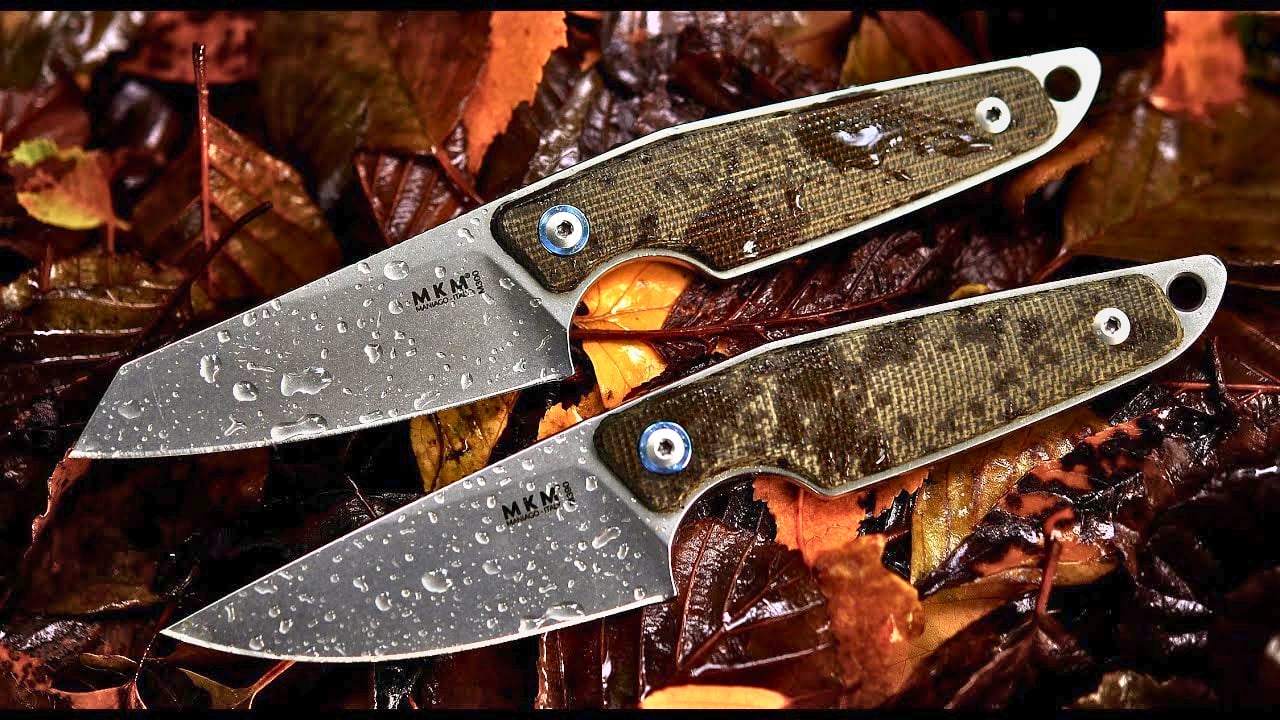
The Makro 2 is a compact fixed blade that feels more like an EDC tool than a traditional belt knife. That smaller size makes it easy to overlook how well it performs.
Premium steel and efficient geometry give the knife impressive edge retention for daily cutting, while the fixed-blade construction removes any concern about pivots or lock wear. It works especially well for people who cut frequently but do not want to sharpen every week. The blade is small enough for control but large enough to handle normal utility tasks. It is one of those knives that quietly becomes more impressive the longer you actually use it.
White River M1 Caper

The M1 Caper is compact and purpose-driven, but it has earned a strong reputation because the steel and heat treatment hold up under real hunting use. That matters during field dressing, where an edge that starts fading halfway through an animal becomes immediately noticeable.
White River tends to get excellent performance out of its steels, and the thin, controlled blade geometry helps the edge keep slicing efficiently. The knife is not designed to chop wood or pry open crates. It is designed to cut, and that specialization pays off. For hunters who want a small fixed blade that can stay sharp through repeated game-processing work, the M1 often lasts longer than its size suggests.
Like The Avid Outdoorsman’s content? Subscribe to our newsletter so you never miss an article.
Here’s more from us: