Photo credit: Shooting USA/Youtube
Every season there’s a new “better” rifle on the rack. Lighter stock, slicker coating, a bolt that feels like it’s running on ball bearings, and some kind of space-age magazine system that’s supposed to fix problems most hunters never had. Then you get two wet days in a row, a cold morning in a stand, and a long drag back to the truck, and you remember why certain older rifles keep showing up in camps like they own the place.
These aren’t “collector-only” safe queens. These are the rifles that still get leaned in the corner, scuffed up in a saddle scabbard, and carried into timber year after year. Some of them have quirks. A few are heavy. A couple are downright boring. Still, when you look at what actually matters in a hunting rifle—feeding, extraction, real-world accuracy, easy parts, and confidence—these old standbys keep winning.
1. Winchester Model 70 (pre-’64 and classic controlled-round-feed)

The Model 70 earned its nickname for a reason. Controlled-round feed is one of those things folks argue about online, but in the field it’s pretty simple: when the bolt grabs a round and keeps it under control, weird angles and hurried follow-up shots get less dramatic.
They carry like a real rifle, not a toy. The safety is positive, the action feels right, and they tend to shoot better than the guy behind them wants to admit. If you find one that hasn’t been “improved” with a file and a drill press, hang onto it.
2. Remington Model 700 (older BDL/ADL era)
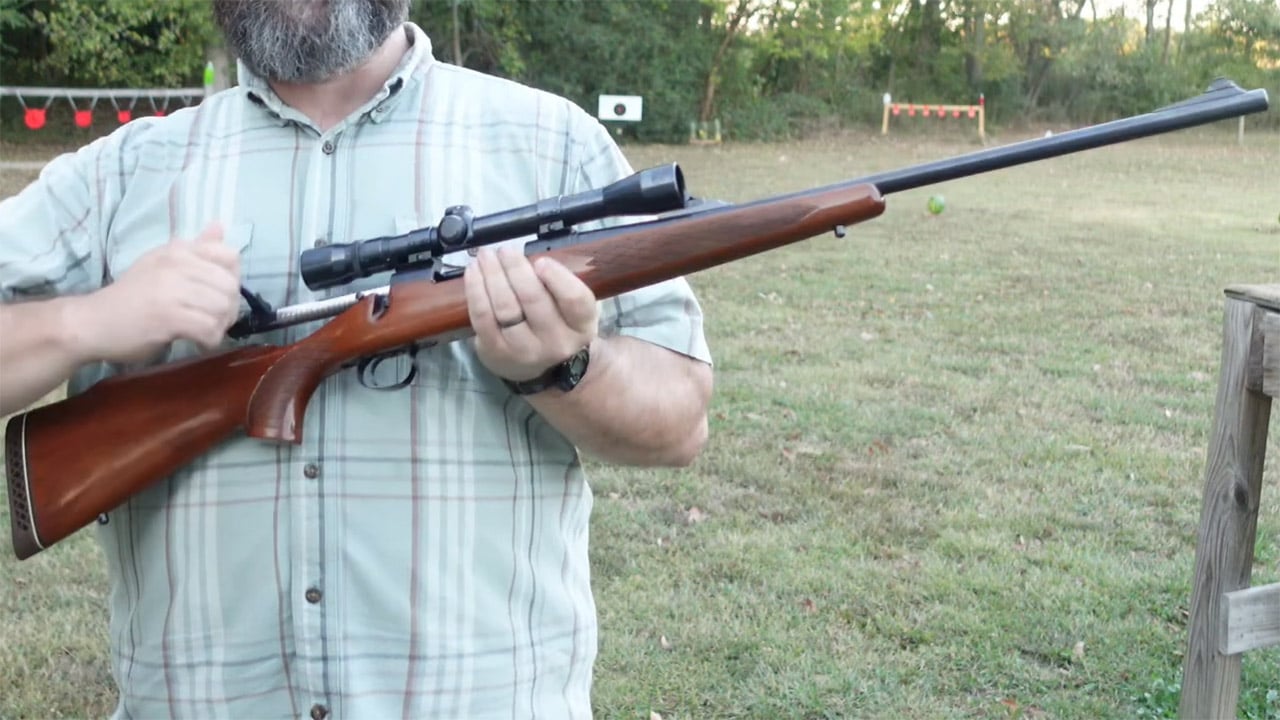
No matter how many new actions hit the market, the older 700 still sits in the middle of the hunting world like a reference point. The trigger feel, the way they bed in a stock, and how easy they are to scope up makes them a default.
It’s also hard to overstate the parts and smithing support. Even in small towns, somebody knows the 700. Yes, there are modern debates about different production eras and triggers, but the older hunting 700s have filled a lot of freezers without drama.
3. Ruger M77 (tang safety models)

The tang safety M77s are one of those rifles you don’t fully appreciate until you’ve hunted with gloves, in weather, and in tight cover. That safety is right where your thumb expects it, and it’s easy to run quietly.
They’re not always the slickest bolt you’ll ever cycle, and some are picky about what they like for ammo, but they’re honest rifles. The kind you hand to a cousin for opening morning and don’t spend all day worrying about.
4. Ruger M77 Mark II (controlled-round feed workhorse)
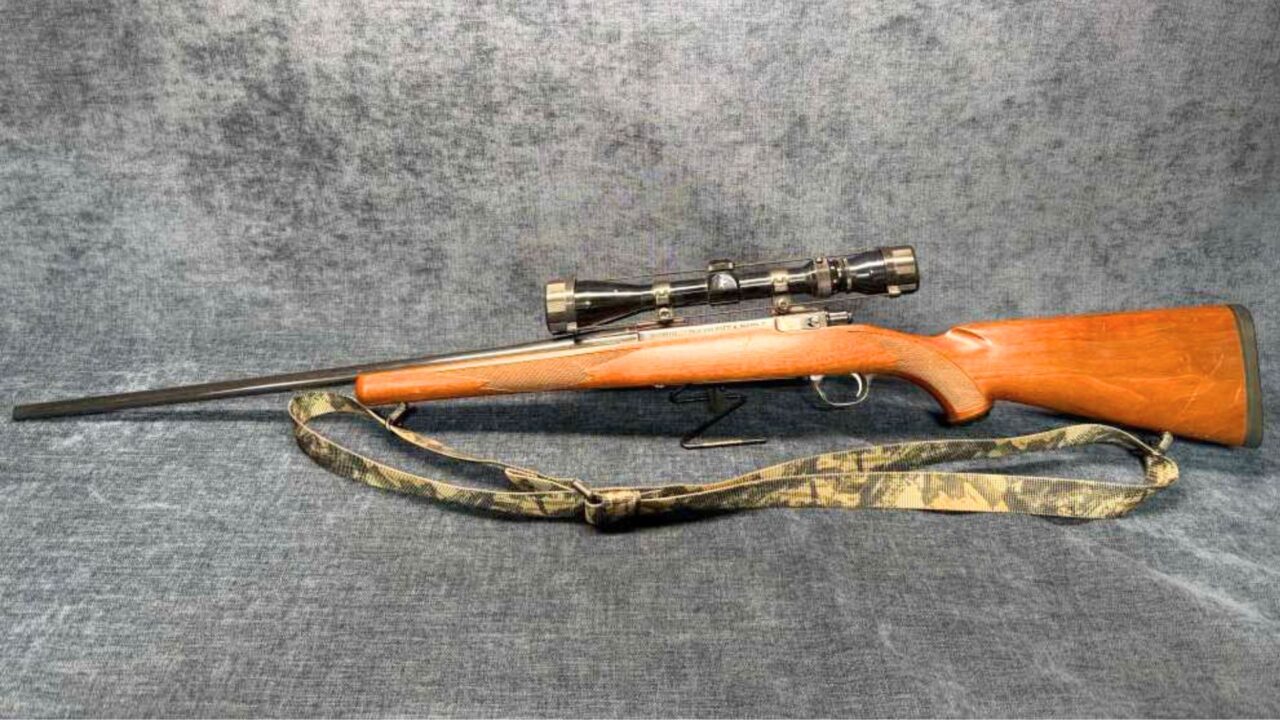
When Ruger went to the Mark II, they leaned into reliability and strength. The extractor is stout, the action is beefy, and they seem to tolerate neglect better than rifles that are trying to be “precision instruments.”
They can be a touch heavier than the trendiest mountain rigs, but that weight is part of why they settle in and shoot well from field positions. For a general-purpose big game rifle, they’re still hard to beat.
5. Savage Model 110 (old long-action classics)

Savage doesn’t always get the romance points, but the 110 has probably done more quiet work than most rifles that get posted online. They’re ugly to some eyes. I get it.
But the lockup is solid, they tend to shoot, and they don’t ask for much. A lot of these rifles live behind truck seats and in farmhouse closets and still show up every November ready to go.
6. Mauser 98 (originals and good sporter conversions)
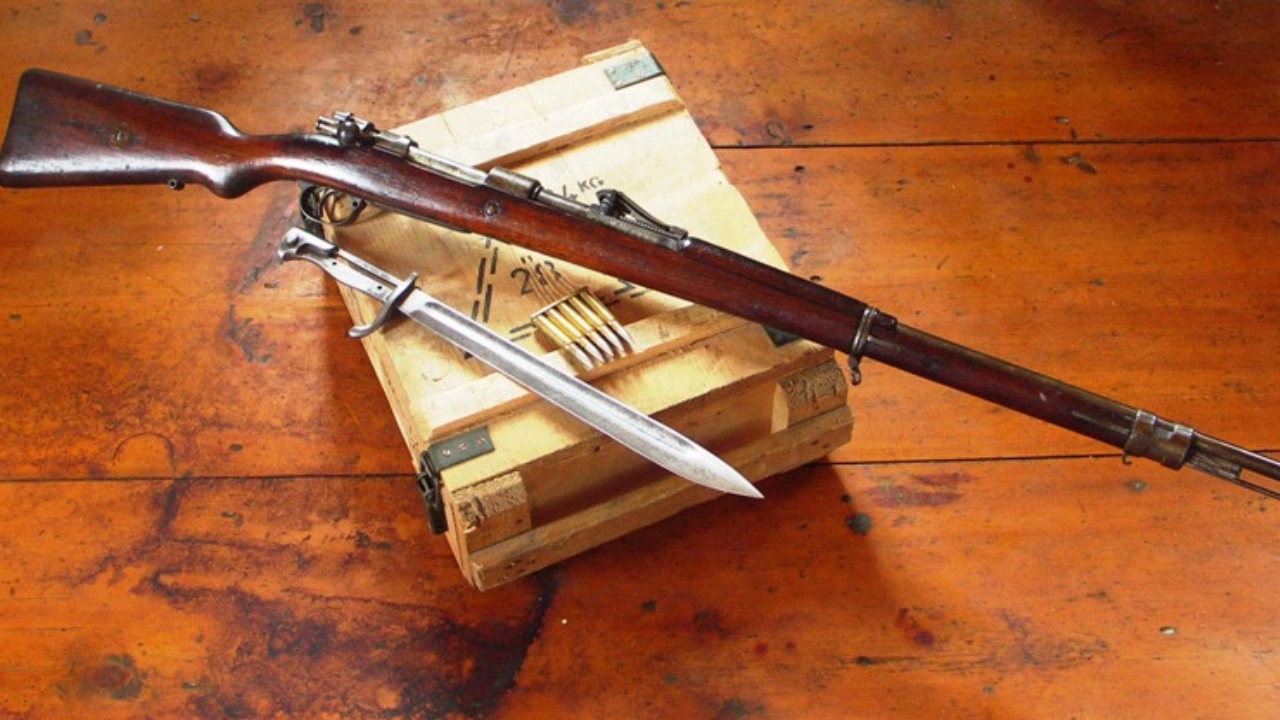
A proper 98 action is still the blueprint for “reliable bolt gun” whether folks admit it or not. Big claw extractor, controlled feed, and an action designed around function first.
Not every chopped-down sporter is a gem, so you have to use your head. But a good 98 in a sensible cartridge is the kind of rifle you can hunt hard and not baby. There’s nothing fancy about it, and that is kind of the point.
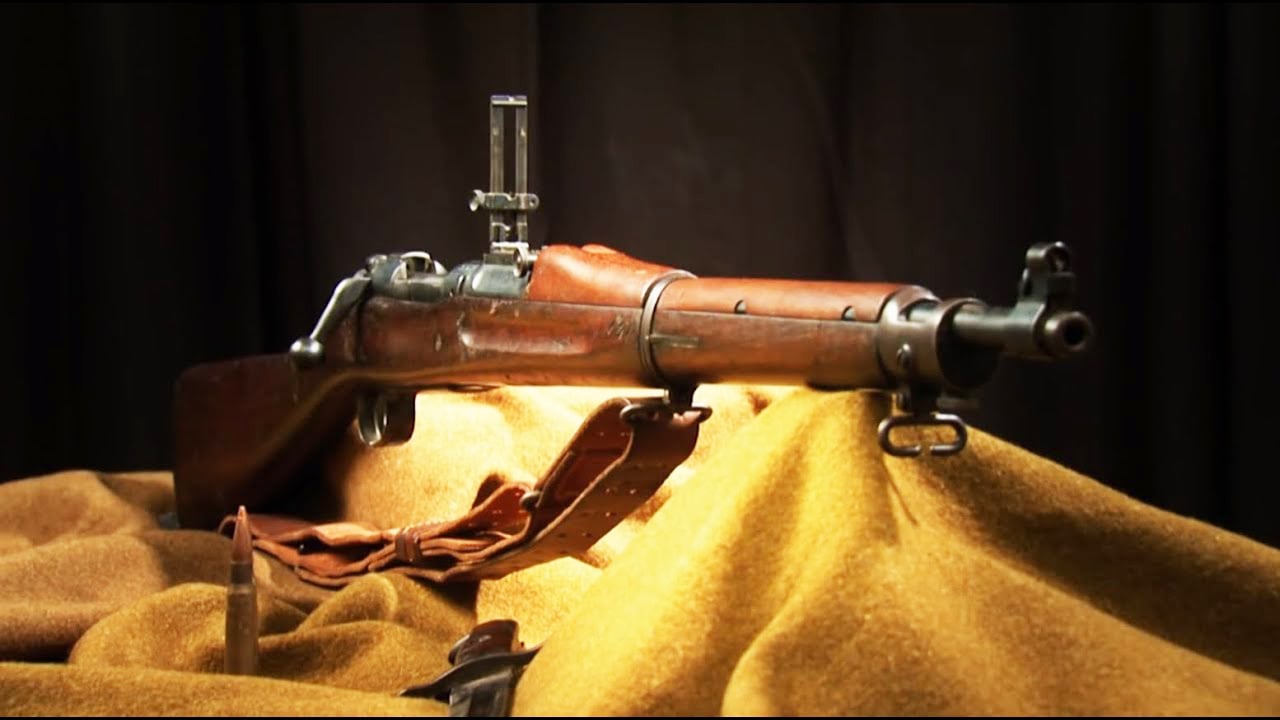
7. Springfield Armory M1903 (and quality sporters)
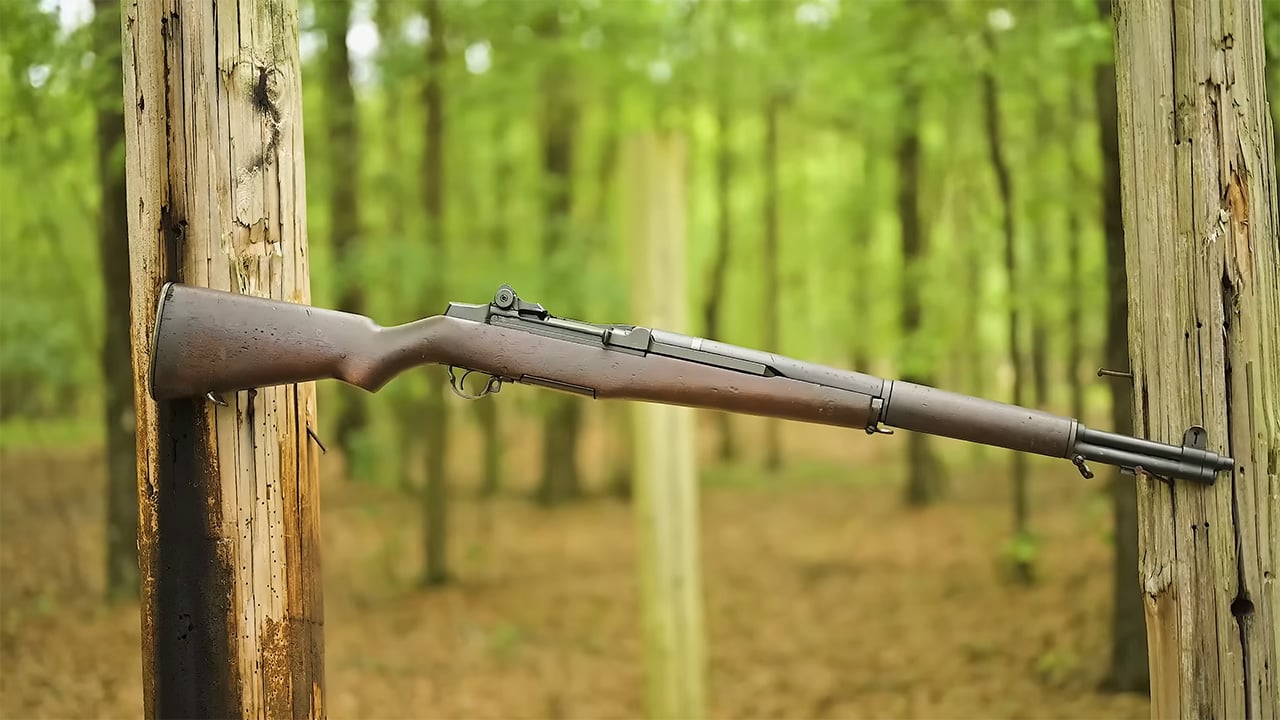
The 1903 has that classic American bolt-gun feel: long sight radius on originals, a smooth bolt when it’s right, and a balance that makes offhand shots feel less like a wrestling match.
Plenty were sporterized into practical hunting rifles that still shoot straight. They’re not light, and they’re not modern, but they point naturally. In the woods, that matters more than folks think.
8. Winchester Model 94 (pre-angle eject lever gun)
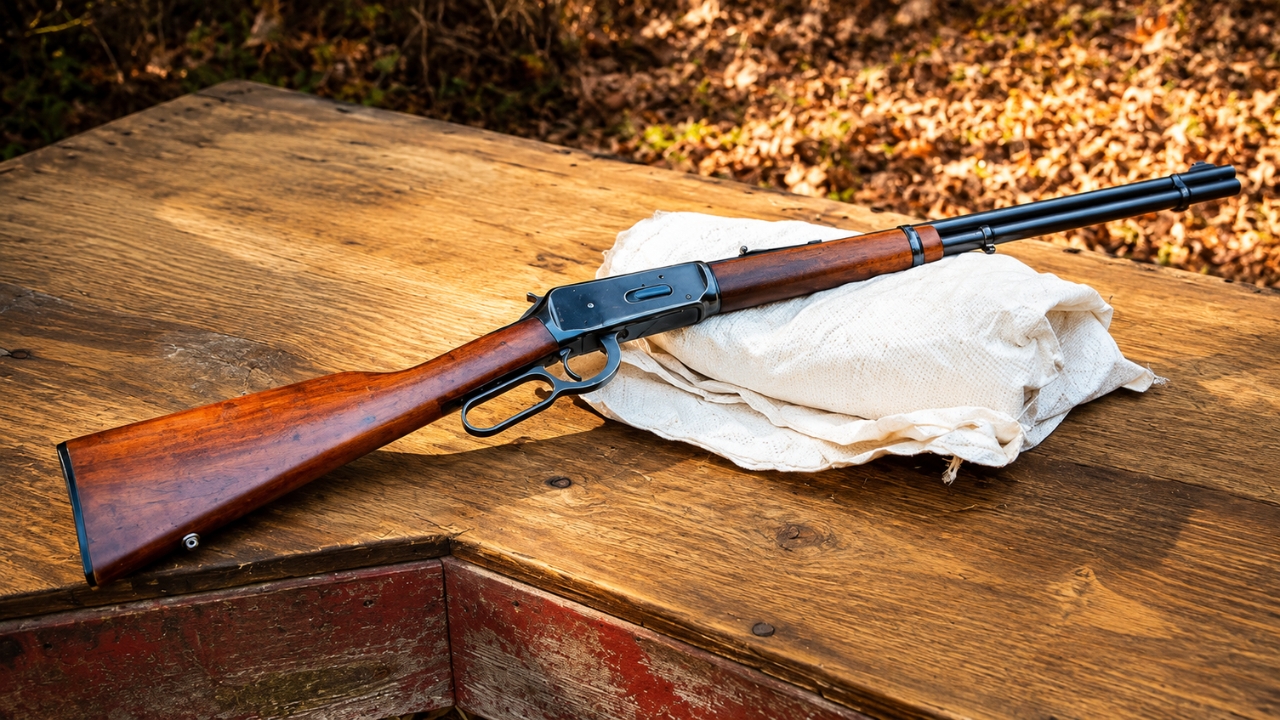
If you grew up around deer camps, you’ve seen the Model 94 do its job with plain iron sights and a half box of ammo in somebody’s pocket. It’s fast, it carries flat, and it’s friendly in tight cover.
Is it a 300-yard beanfield rifle? No. But inside its lane, it’s still the standard for “walk with it all day and snap a shot when it counts.” Ask me how I know.
9. Marlin 336 (JM-stamped favorites)

The 336 is the lever gun that feels like it was built for real hunting hands. Side ejection makes scoping easy, the action cycles smoothly, and .30-30 out of a 336 still stacks deer up if you do your part.
They’re also easy to live with: simple cleaning, good balance, and they don’t snag on everything. A clean older 336 is one of those rifles that disappears in your hands in the best way.
10. Marlin 1895 (Guide Gun and classic .45-70 thumpers)
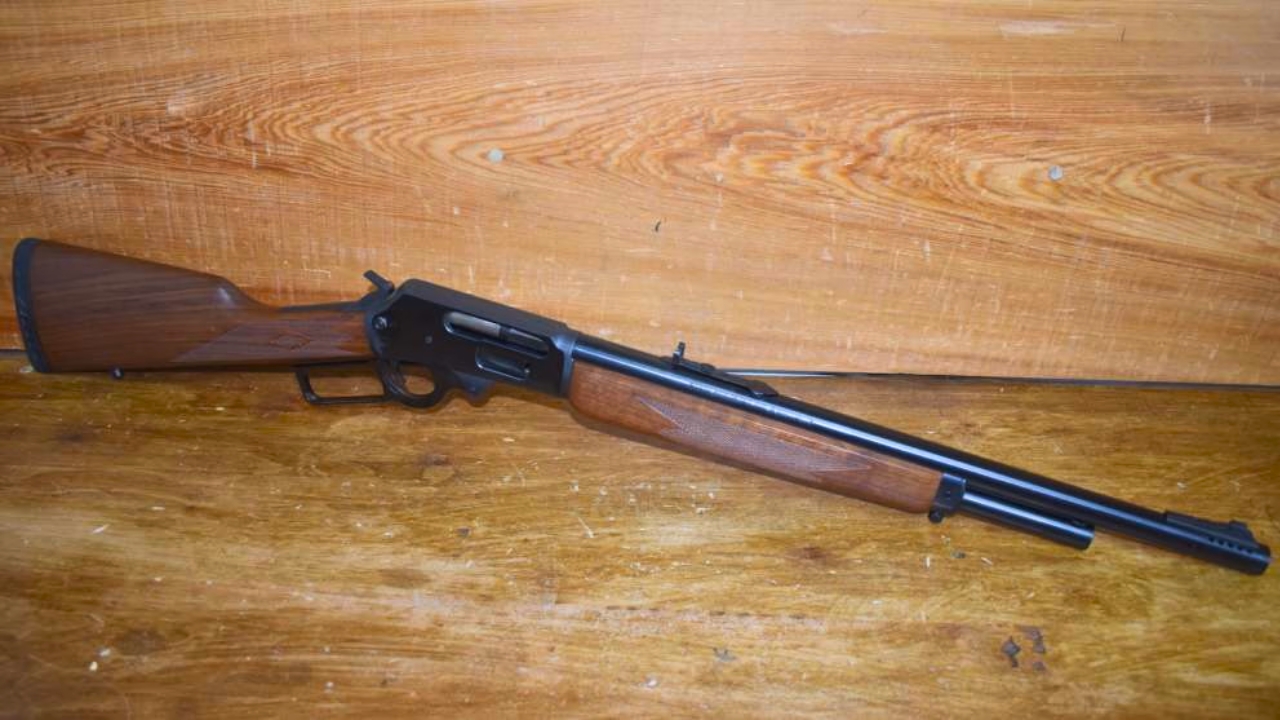
The .45-70 crowd can get carried away, but the 1895 earned its reputation honestly. In thick country, on big-bodied game, or when you want a short rifle that hits hard, it’s a serious tool.
Recoil can be rude, especially with hot loads in a light rifle. Still, as a close-range hammer that cycles fast and carries easy, it has not been replaced by any “modern” idea that actually works better.
11. Winchester Model 95 (the old box-mag lever for serious cartridges)
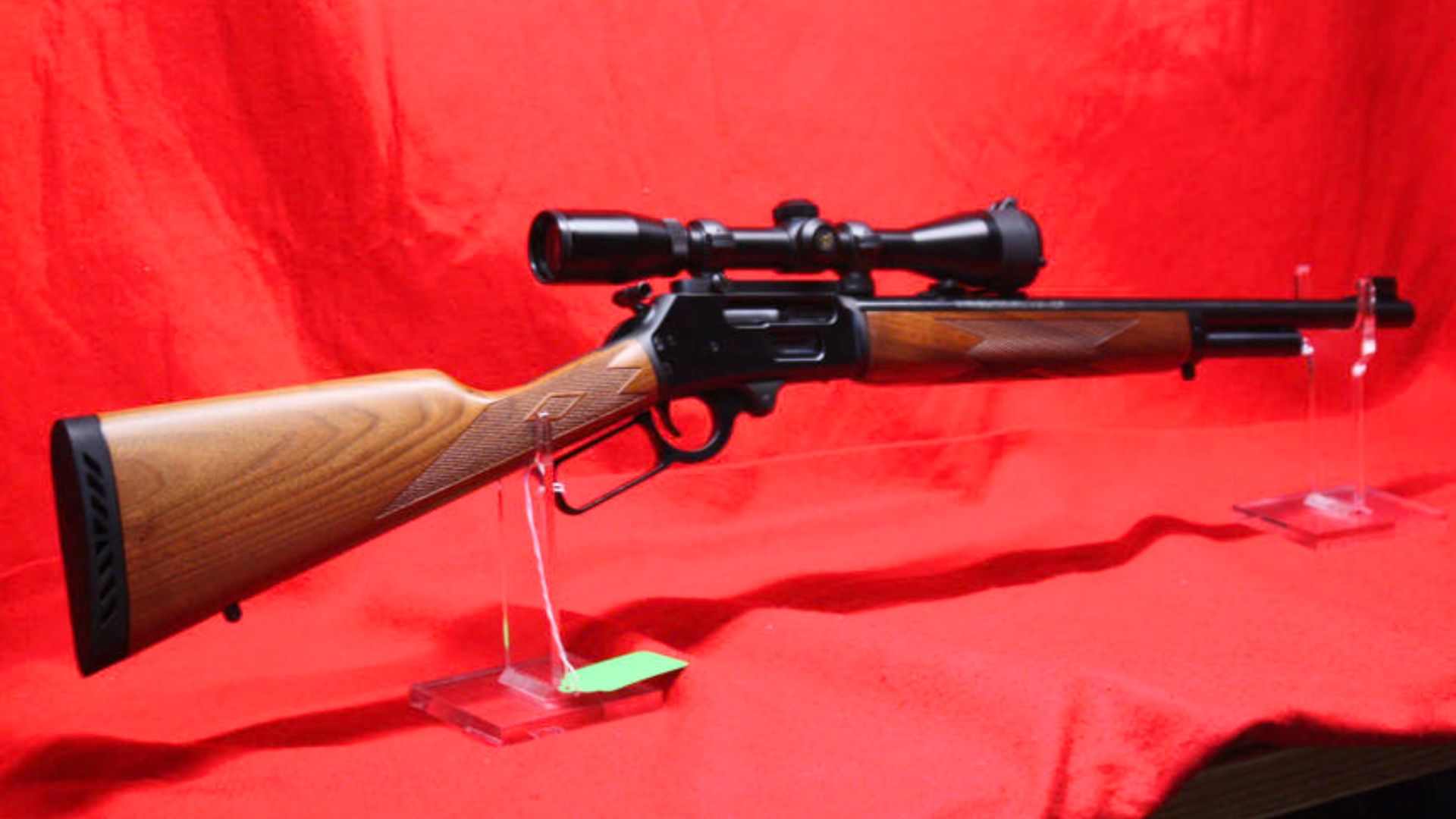
The Model 95 is an oddball to some hunters, but it solved a problem before most people knew there was a problem: it let you run spitzer bullets in a lever gun thanks to the box magazine.
They’re not cheap, and they’re not common, but they’ve got a rugged, practical feel. If you’ve ever handled one that’s been hunted hard, you can tell it was built with purpose.
12. Browning BAR (original Belgian and early Japanese hunting BAR)

The hunting BAR is a different animal than the “tactical” stuff people picture today. These rifles earned their place because they run, they shoot, and they soak up recoil in a way a lot of bolt-gun guys don’t expect.
They’re not light, and they’re not as simple as a bolt gun when something goes wrong. But for quick second shots on moving game, and for hunters who just shoot a semi-auto better, the BAR keeps proving itself.
13. Remington Model 760/7600 (pump rifle for whitetail country)
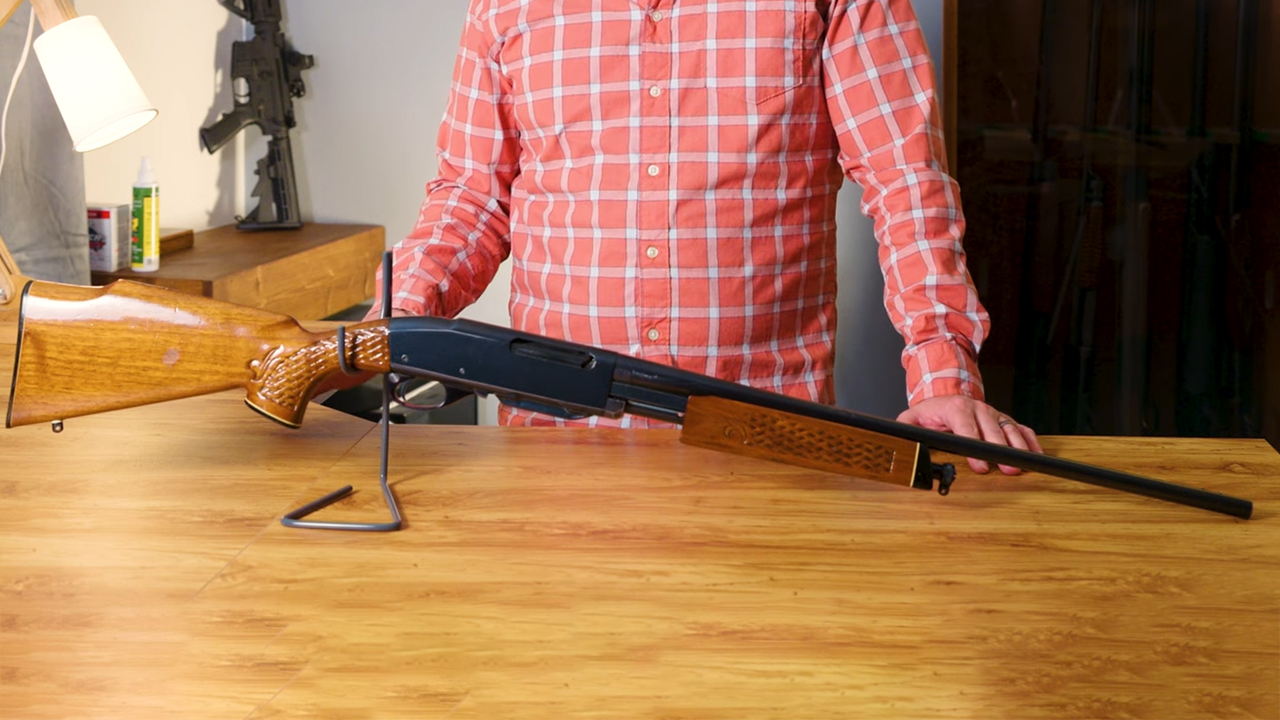
In parts of the country where deer drives and thick cover are normal, the 760 and 7600 are still treated like family. A pump rifle gives you fast follow-ups without changing your sight picture much.
They also handle like a shotgun, which is why so many hunters shoot them well without thinking. The detachable mags are handy, and the rifles carry well through brush. They’re a “boring” answer that keeps working.
14. Remington Model 742/7400 Woodsmaster (when you get a good one)

I’m not going to pretend every 742 is a perfect angel. Some get finicky when they’re dirty or shot a lot. But a good, lightly-used Woodsmaster has probably put more venison in freezers than the internet will ever give it credit for.
They point fast, recoil is mild, and in typical whitetail distances they’re more than accurate enough. If you own one that runs, treat it right and don’t “fix” it to death.
15. Winchester Model 88 (lever gun that thinks it’s a bolt gun)

The Model 88 is one of those rifles that surprises people who’ve only handled tube-mag levers. It feeds from a box magazine, locks up strong, and shoots like it means it.
The trigger feel is different because of the lever linkage, and it’s not everybody’s cup of tea. Still, for a carry-friendly woods rifle in serious cartridges, it’s a standard that never really went away.
16. Ruger No. 1 (single-shot that makes you slow down)
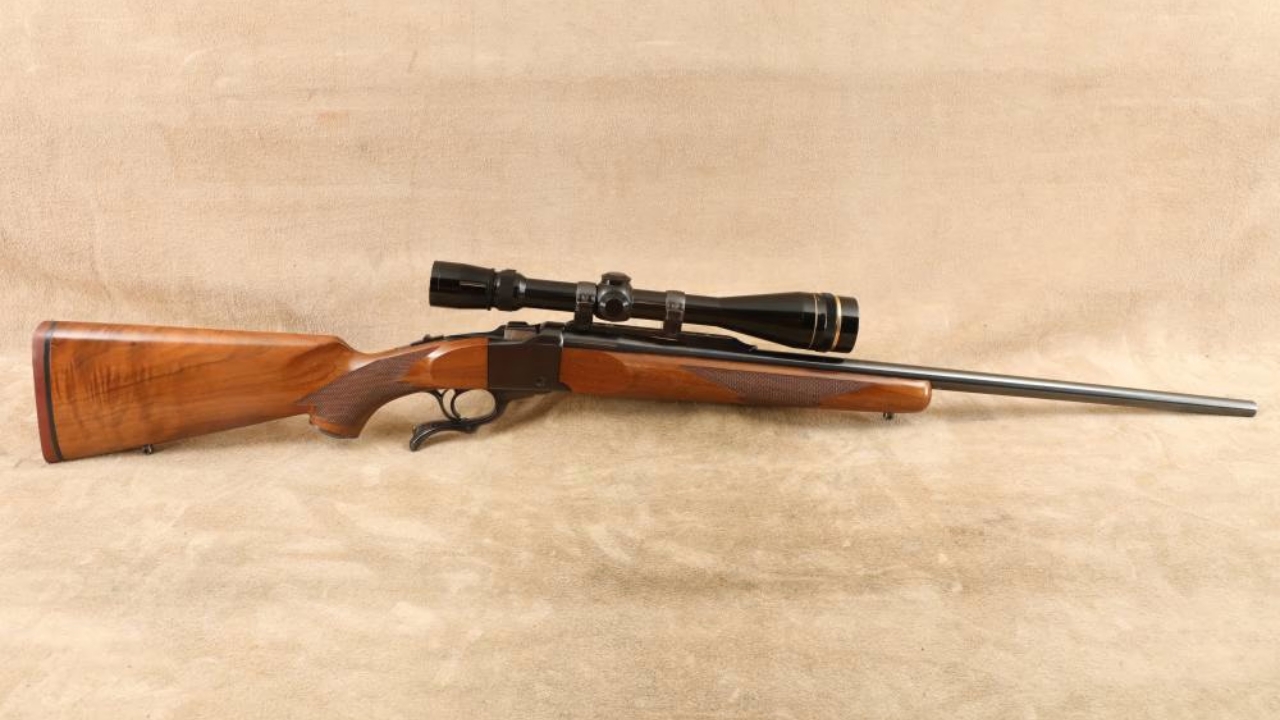
The Ruger No. 1 is not about volume of fire. It’s about a short, strong action, great balance, and the kind of rifle you shoot like you’re supposed to. One shot, done right.
They’re classy without being fragile, and they handle in thick timber better than their barrel length suggests. If you’ve ever watched a hunter with a No. 1 who actually practices, you know why they keep them.
17. CZ 550 (classic controlled-feed, set-trigger practicality)
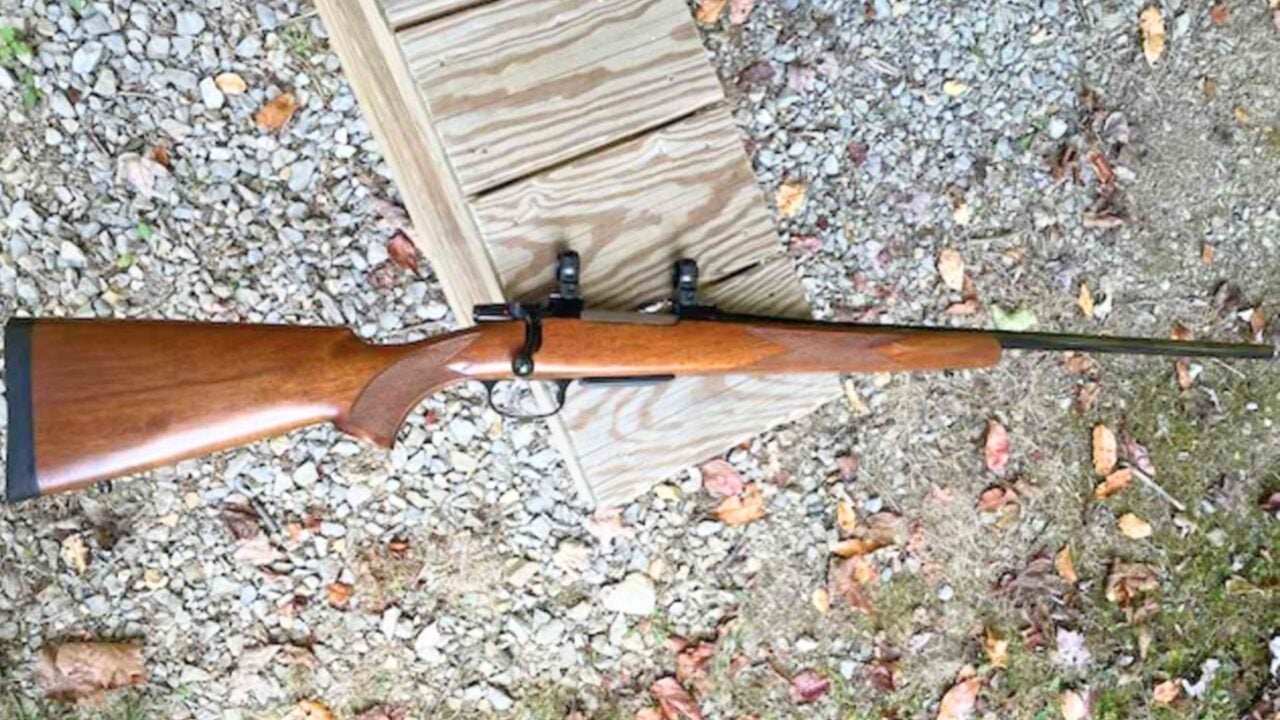
The CZ 550 is “old world” in the best ways. Controlled-round feed, sturdy metal, and stocks that feel like they were shaped by someone who has carried a rifle uphill.
The set trigger isn’t necessary, but it can be nice from a rest. These rifles are often boringly accurate, and they’re built like they expect to be used for decades, not flipped in two years.
18. Sako L61R Finnbear (smooth, honest precision)

Sako actions have a slickness that doesn’t feel gimmicky. The Finnbear, especially, is one of those rifles that just cycles clean and shoots straight without needing a pile of tweaks.
They’re not bargain rifles anymore, and that one hurts if you sold yours cheap back when nobody was paying attention. For hunters who care about fit and finish but still want a rifle that hunts, these are hard to top.
19. Lee-Enfield No. 4 (and well-done sporting conversions)
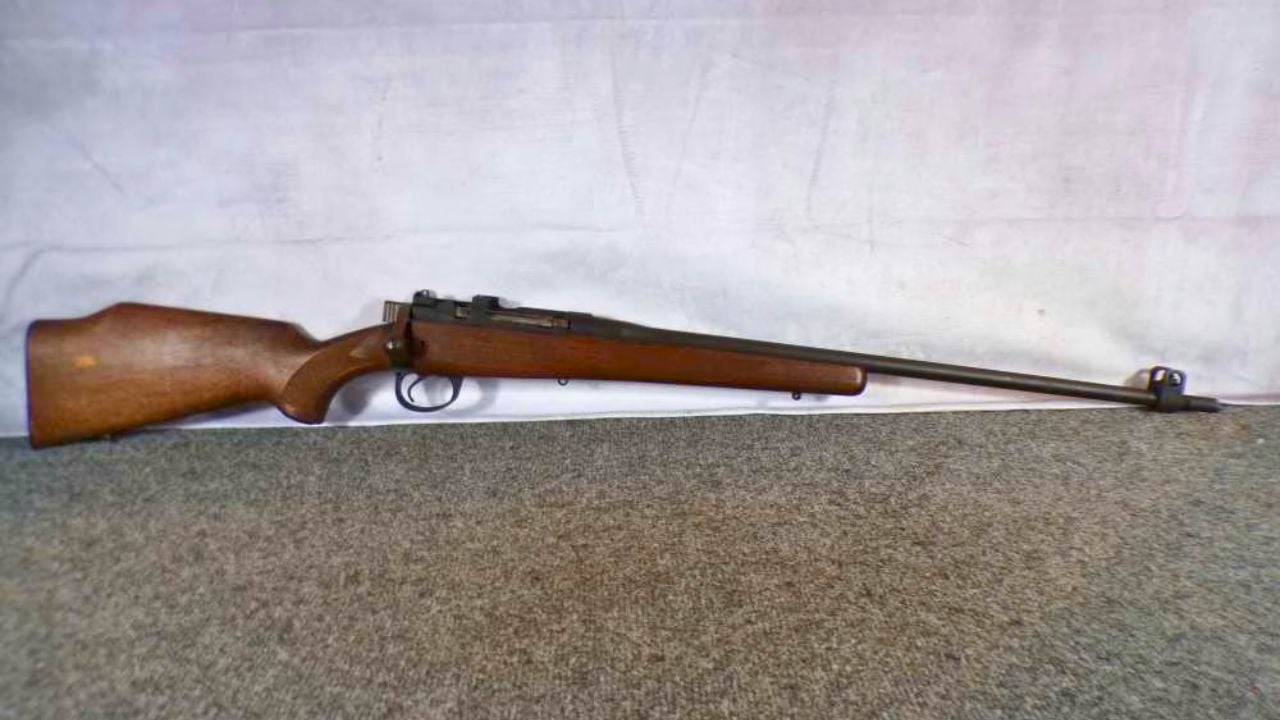
The Enfield is the rifle that taught a lot of soldiers what “fast bolt” means. That rear-locking action and short bolt throw can be lightning when it’s in good shape.
Original military examples are a piece of history, but plenty of sporters still hunt just fine. They’re not the most refined deer rifle, and the sights can be an acquired taste, but they run in bad weather and they don’t quit easily.
20. Mannlicher–Schönauer Model 1903/1905 (buttery rotary-mag classics)
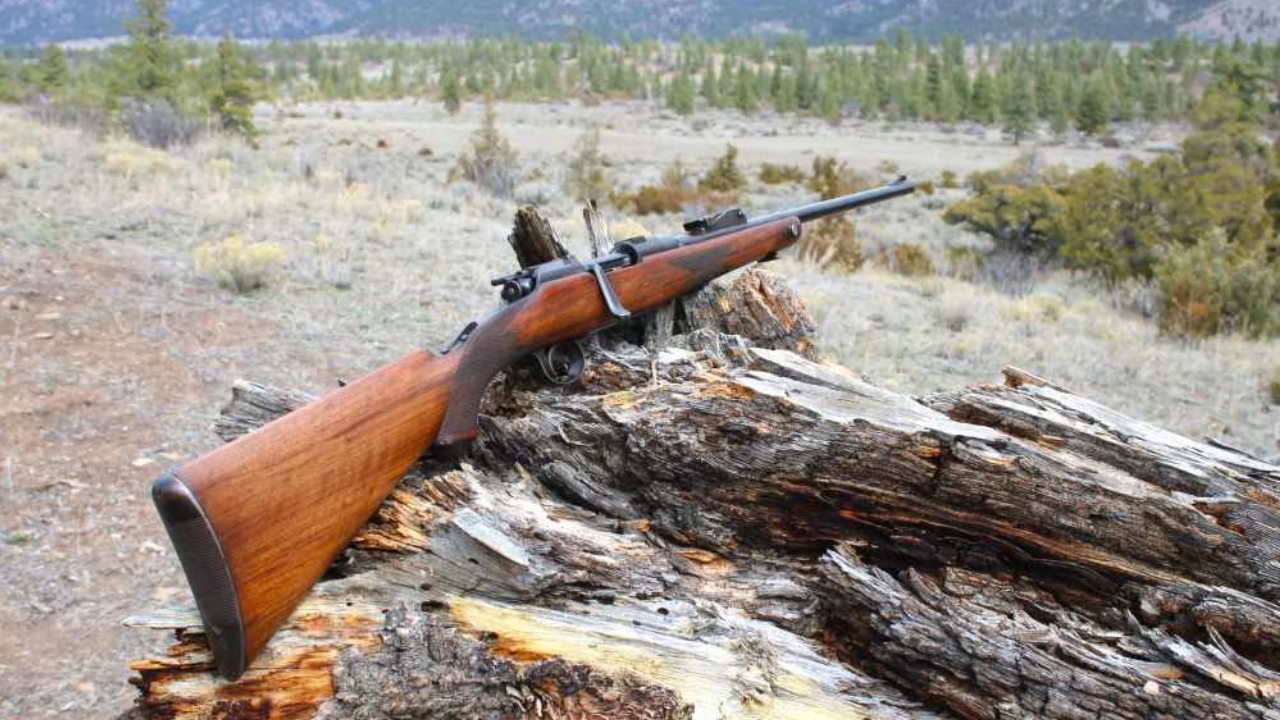
If you’ve ever worked the bolt on a Mannlicher–Schönauer that’s been cared for, you remember it. Smooth in a way that’s hard to explain until you feel it, with a magazine system that feeds like it’s on rails.
They can be expensive, and some chamberings are more “handloader-friendly” than “small-town hardware store” friendly. Still, as a standard of craftsmanship and field function, they set a bar that a lot of modern rifles don’t even try to reach.
New rifles are fun, and I’m not mad at anybody for wanting lighter, tougher, and more accurate. But the old standards earned their spot the hard way: by working when it’s cold, wet, and inconvenient. If you’ve got one that fits you and shoots honest, you don’t need permission to keep running it. You already know what it’ll do.
Like The Avid Outdoorsman’s content? Be sure to follow us.
Here’s more from us: