Photo credit: Honest Outlaw/Youtube
Every now and then a pistol shows up at a gun counter wearing “duty-grade” marketing like a badge. Big capacity, rail up front, night sights in the catalog photo, and a price that makes a department buyer or a new cop think, “We can swing that.” Then real work starts: rain, lint, sweat, vehicle grit, training days that run hot, and thousands of rounds that don’t care about a brochure.
When a handgun can’t hold up to that kind of schedule, it usually fails in boring ways. Magazines that won’t stay locked, small parts that peen early, springs that quit way too soon, triggers that go from decent to mushy, or tolerances that feel fine at 200 rounds and ugly at 2,000. Here are 20 specific pistols that have been pitched, issued, or adopted in “service” roles at some level, but have a track record of not loving hard duty use.
1. SIG Sauer P250

I get what SIG was doing with the modular idea, but the P250 always felt like it was trying to be everything and ending up “fine at best.” The long, smooth DAO trigger can be accurate, but under stress it’s a lot of travel, and it wears on shooters during high-round-count training.
More than that, the platform never built the confidence a duty gun needs. When a department has to fight qualification scores and shooter buy-in, the gun is already losing before the first holster scuff shows up.
2. Remington R51

That one hurts because the idea was cool: slim, soft shooting, and American-made. Early production R51s, though, earned a reputation for stoppages and parts issues that should never ride on a belt for a living.
Even after “fixes,” the trust was gone. A duty pistol can’t be a science project. It needs to run when it’s dry, dirty, and handled by people who are not gun hobbyists.
3. Taurus PT24/7
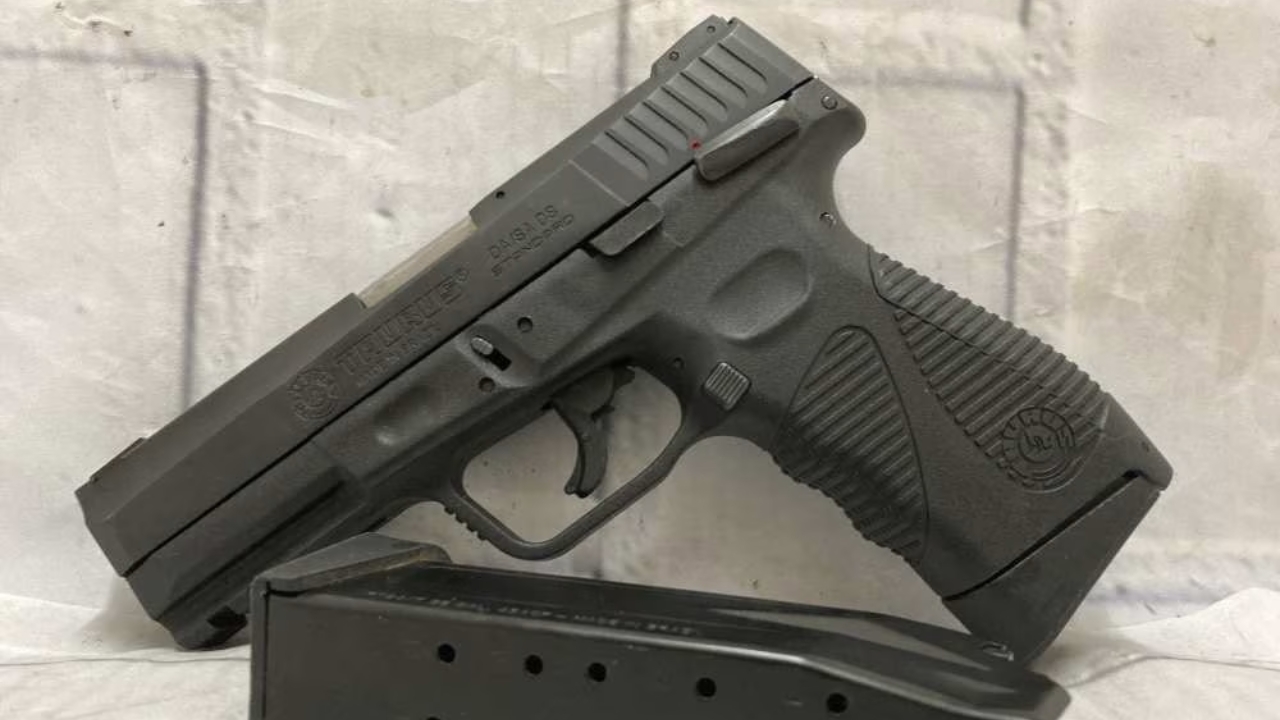
I’ve watched more than one guy show up with a PT24/7 because it felt good in the hand and the price was right. Then the round count went up and the confidence went down. Trigger and striker system complaints, inconsistent reliability, and the general “is this the day it acts up” feeling do not belong in duty use.
If a pistol is mostly a range toy that gets cleaned and babied, you might get away with it. Duty guns get neglected sometimes. That’s real life.
4. Taurus PT111 Millennium G2/G2C
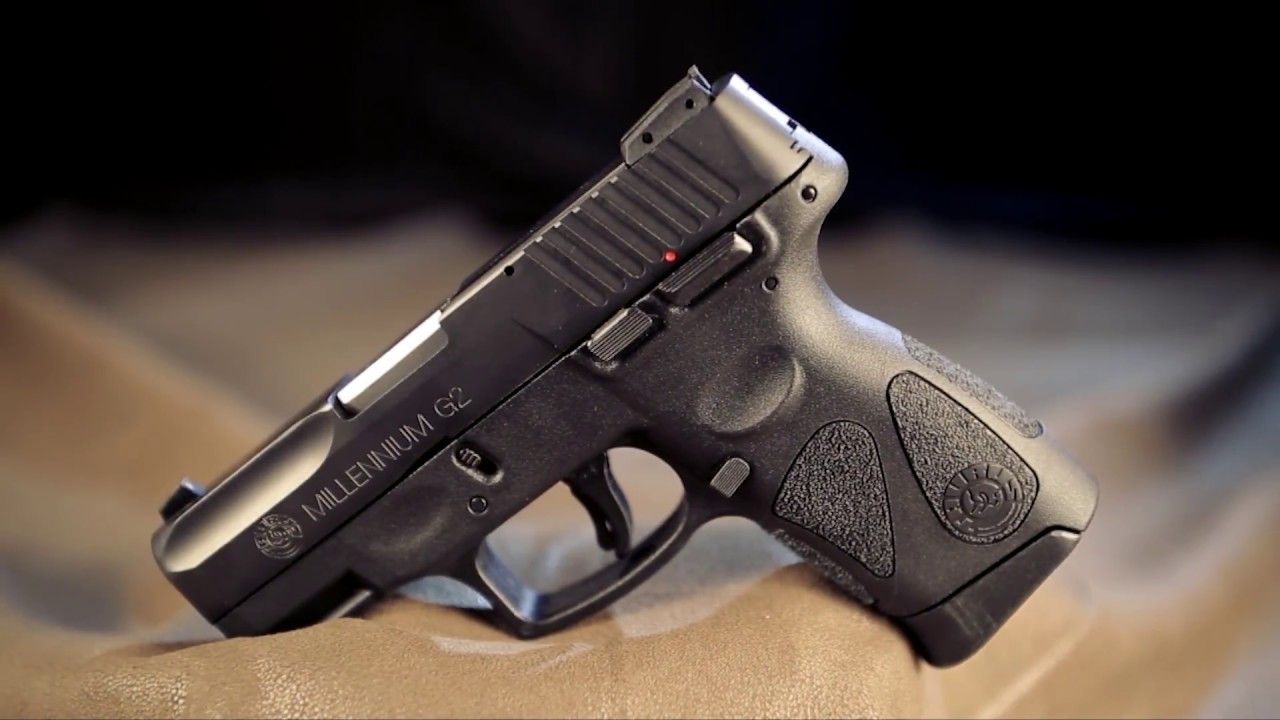
These sold like hotcakes to folks who needed an affordable 9mm. For concealed carry on a budget, plenty of them have worked out. For duty? Different world.
Small guns run harder, period. The PT111/G2C line can be magazine-sensitive and ammo-picky, and once you start stacking long training days, small tolerance issues show up fast.
5. Taurus TH9/TH9C
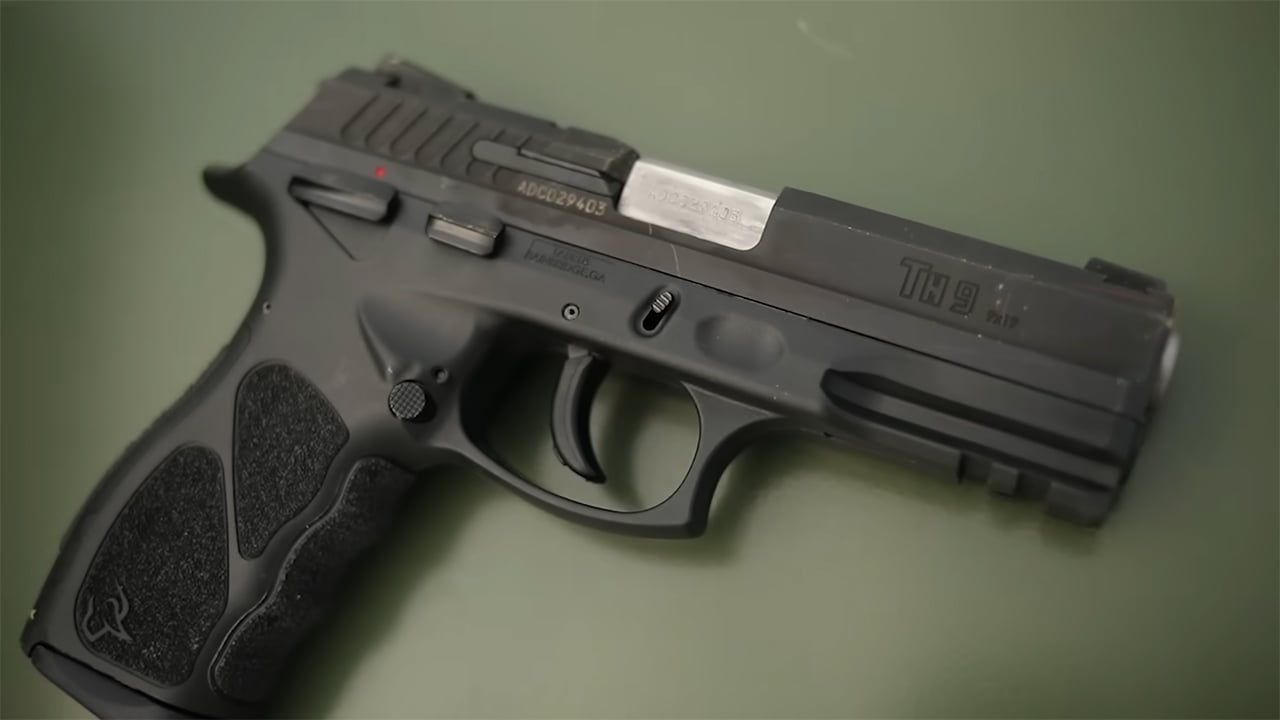
The TH series improved a lot of what folks disliked about older Tauruses. Still, I’ve seen enough inconsistent triggers and spotty long-term durability talk to keep it off any “go fight with it” list.
Duty means you’re buying magazines by the pile and expecting them all to behave. If you’re already sorting mags and hoping the next batch is better, you’re behind.
6. Smith & Wesson Sigma SW9VE/SW40VE

The Sigma was S&W’s budget striker gun before the M&P became what it is today. The trigger is the main story: heavy, gritty, and fatiguing during qualifications. Some agencies tried them because the price looked good.
The problem is that a duty gun isn’t just “will it fire.” It’s “can my people shoot it well, repeatedly, when they’re tired and cold and rushing.” The Sigma made that harder than it needed to be.
7. Smith & Wesson SD9VE/SD40VE (early guns)
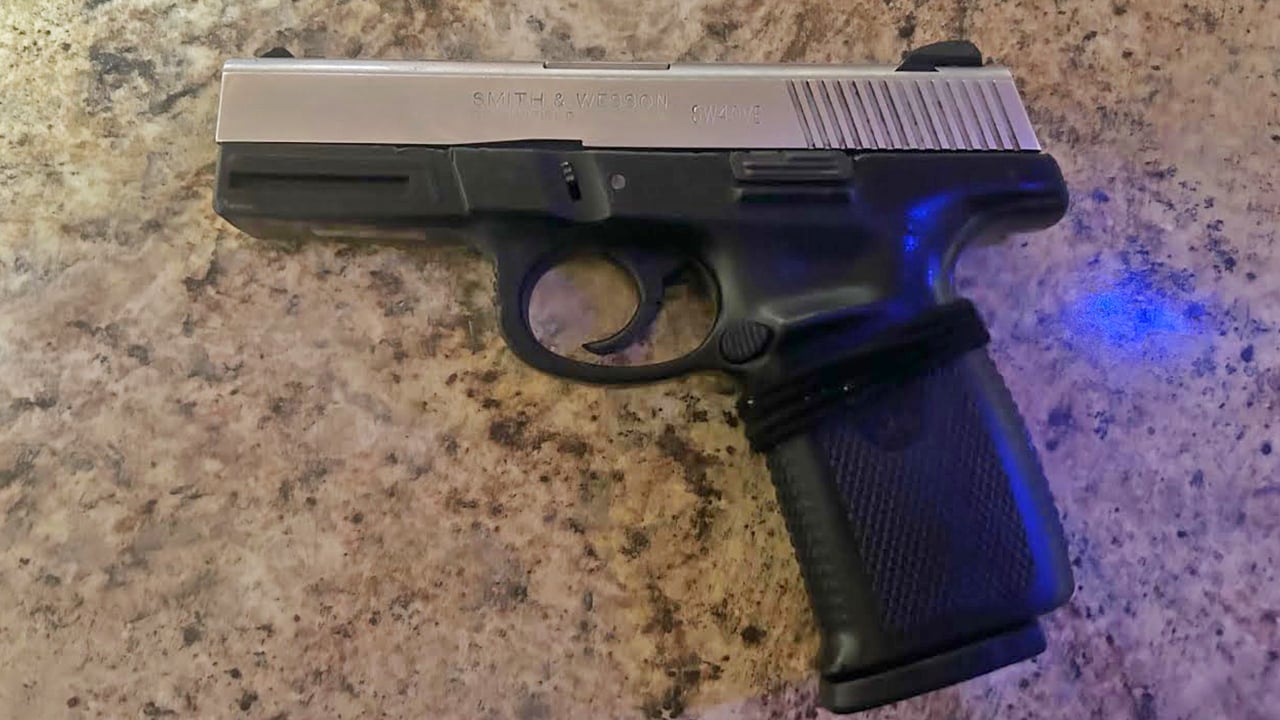
These improved on the Sigma concept, but early SD pistols still carried over the “budget-duty” compromise. Some ran fine. Some had triggers that felt like dragging a chain through gravel until you wore them in.
For a personal gun with an owner willing to tune their training around it, okay. For issuing across a whole shift, you’re asking for uneven performance.
8. Beretta 9000S
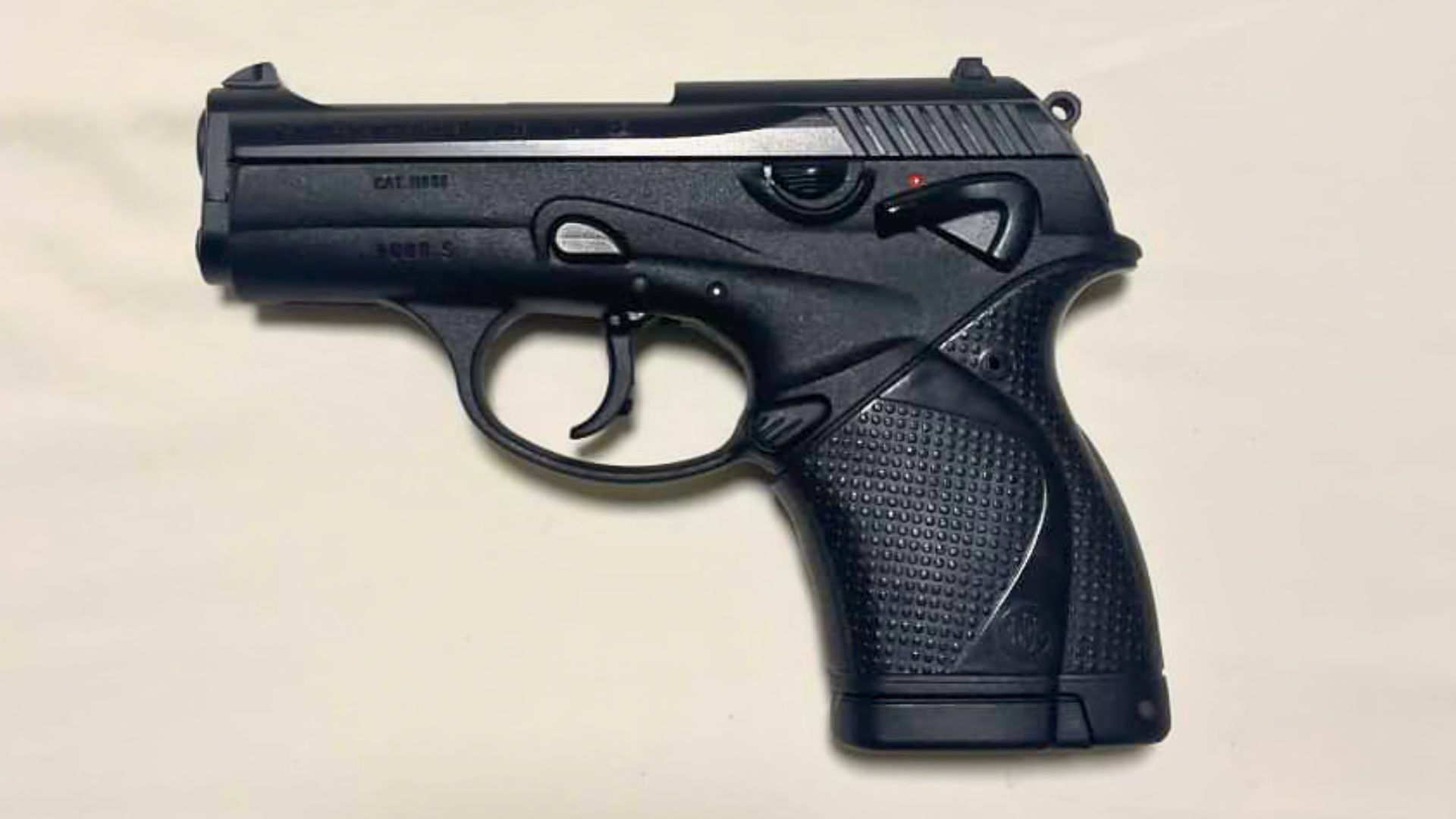
The 9000S had that space-gun look and came in around the time everybody wanted polymer. It also had a reputation for being finicky, especially as it got dirty, and the ergonomics were odd enough that not everybody shot it well.
I’ve handled a few and none of them screamed “belt gun.” More like “interesting collector piece” that happens to be a 9mm.
9. Beretta PX4 Storm (early .40 S&W setups)
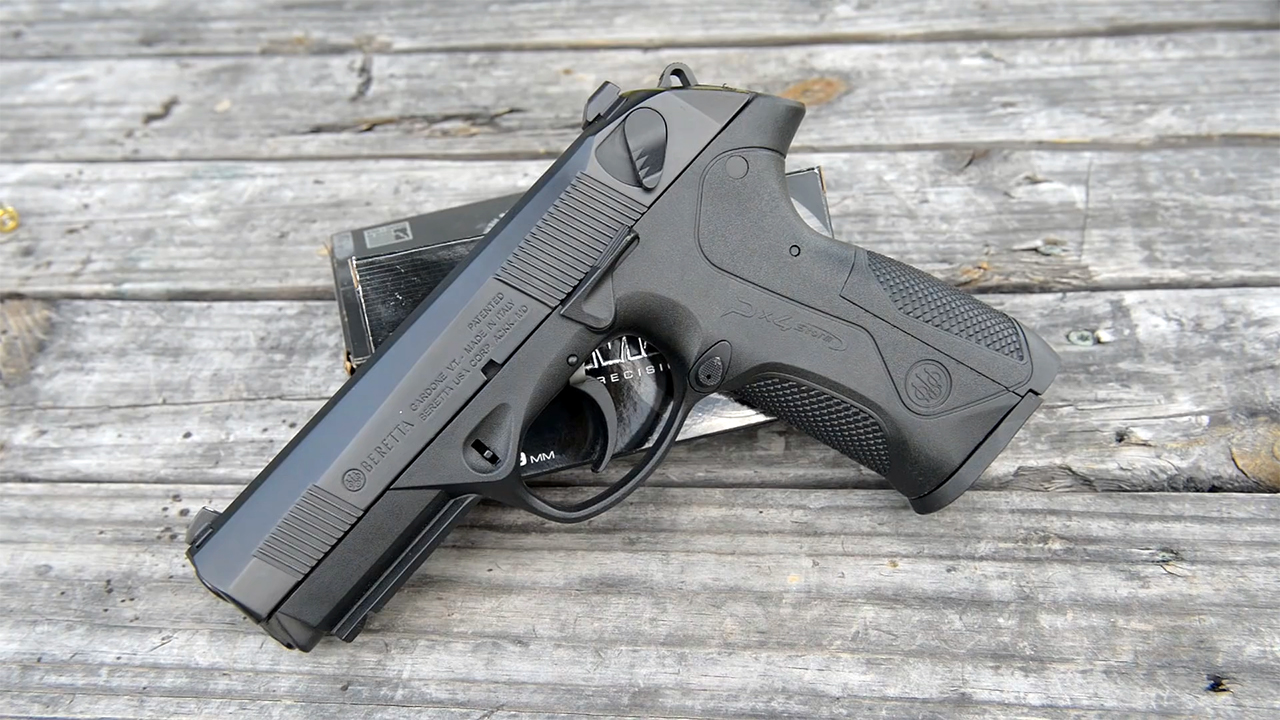
PX4s can be great pistols. In 9mm, with the right maintenance schedule, they can run a long time. Where I’ve seen trouble is in .40, with agencies hammering them and not staying ahead of recoil spring replacement and parts wear.
The rotating barrel system is smooth, but duty use rewards simple, boring, and easy to keep in spec. If an armorer program isn’t tight, things can go sideways.
10. Ruger P95
The P95 is one of the most “it just works” pistols Ruger ever made, and I’ll defend it as a rugged budget choice. But duty use isn’t only about durability. It’s also about support: holsters, lights, sight options, and a common manual of arms across the board.
Departments that tried to make older P-series Rugers stretch into modern duty needs ran into the same wall: they’re chunky, dated, and not built around today’s gear ecosystem.
11. Ruger SR9 (early production)
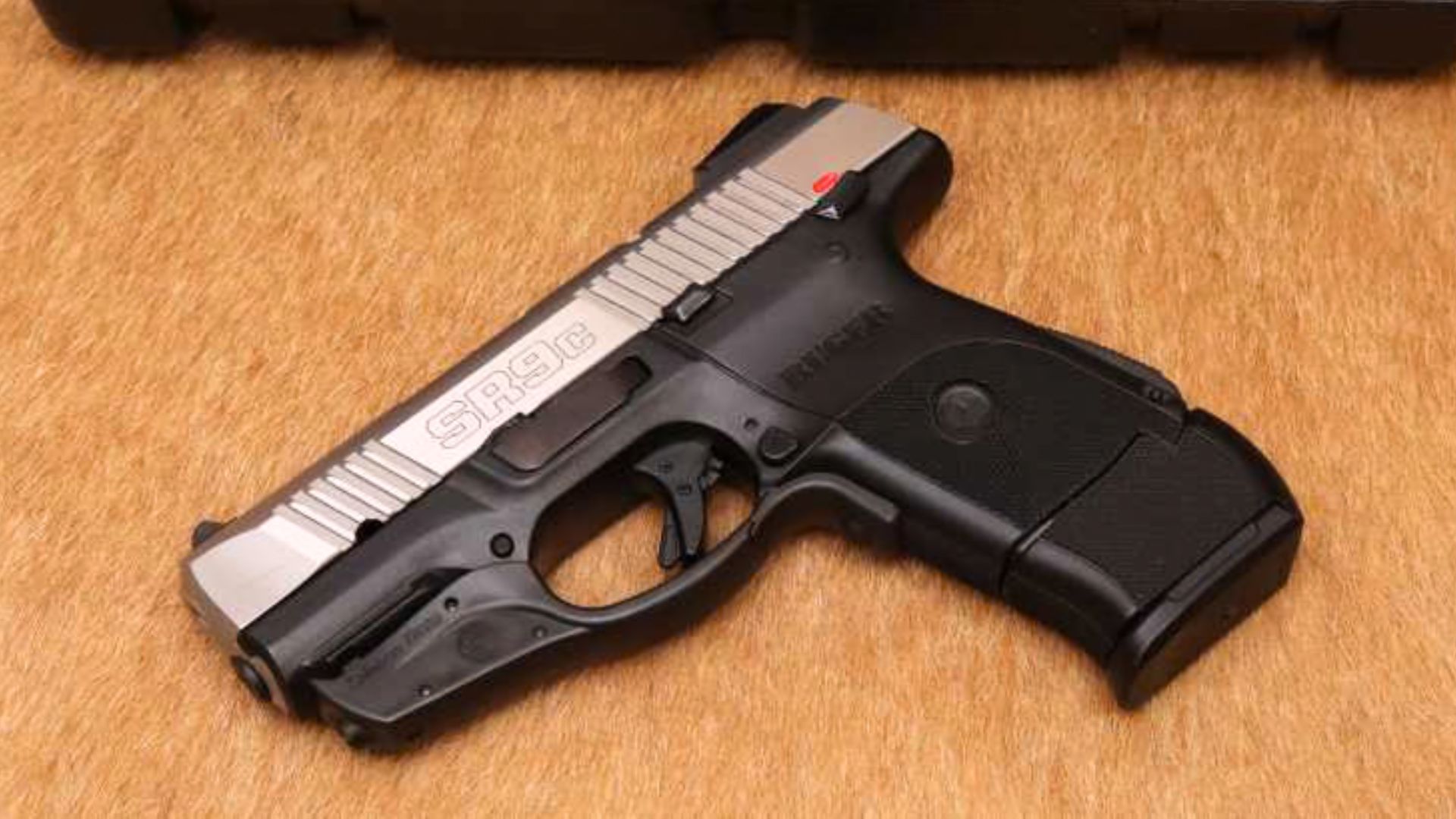
The SR9 felt like Ruger stepping into the modern striker world, and plenty of them shoot well. The early guns, though, had their share of teething problems, and I’ve seen enough extraction and striker-related chatter over the years to keep it out of the “issue it to everyone” category.
For duty, you want a pistol that doesn’t have a “which generation is it?” conversation attached to it.
12. FN FNS-9 (early runs)
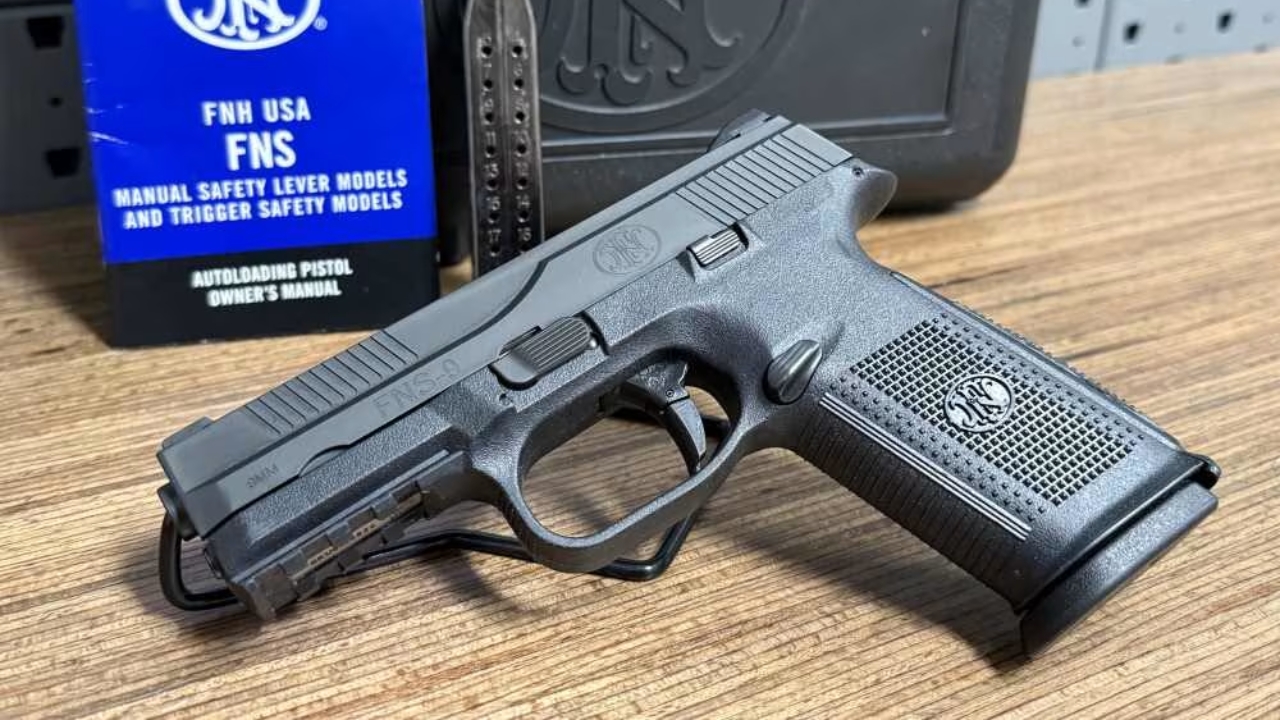
FN makes serious weapons. The FNS-9, when it’s right, is a solid shooter. But the early production guns built a mixed reputation around inconsistent triggers and reliability quirks that showed up in some hard-use circles.
FN cleaned a lot of that up with later striker designs, but the lesson stands: first-gen duty claims need time under real training cycles before you bet your shift on them.
13. Springfield Armory XD (high-round-count wear issues)

There are XD pistols that have been reliable for years. I’m not saying they all fall apart. But I have seen the XD line show accelerated wear in certain parts when you push hard, especially compared to the most common duty guns that departments run by the pallet.
Add in the grip safety and the way some shooters ride their grip under stress, and you’ve got one more variable. Duty guns should reduce variables, not add them.
14. Springfield Armory XD-S (early .45 ACP versions)
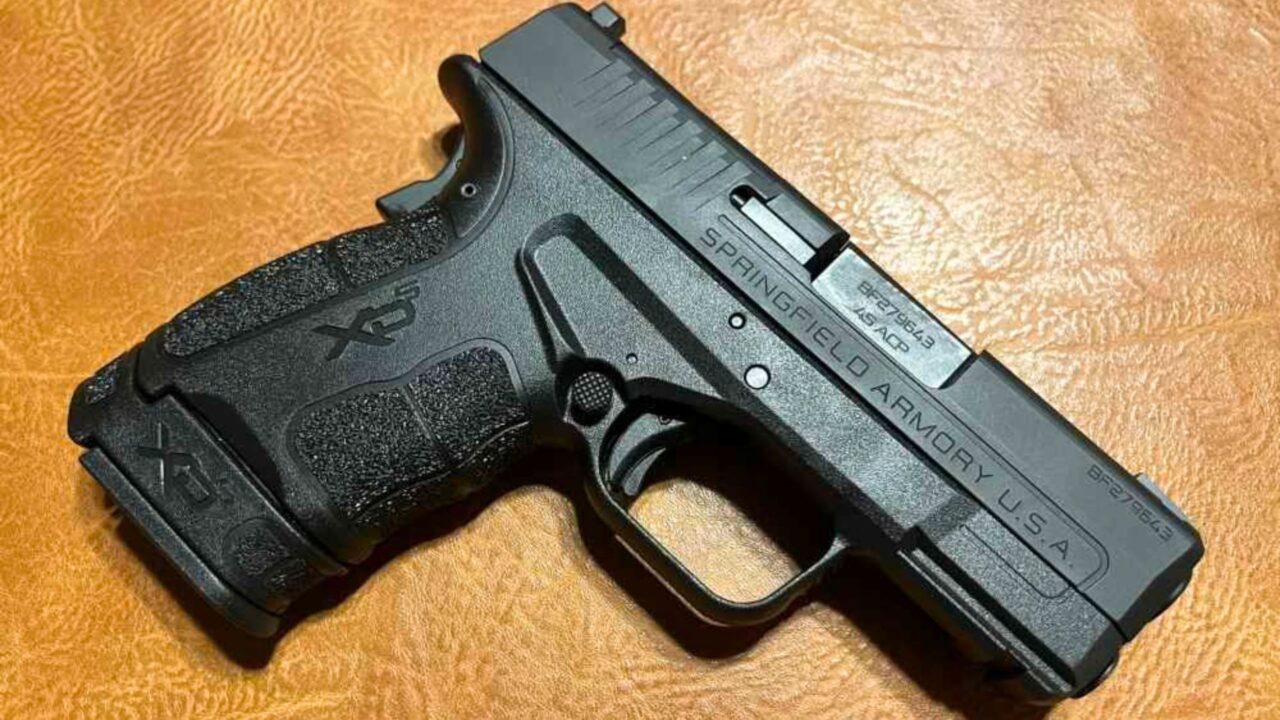
Small .45s are a rough assignment for any design. The XD-S in .45 was slim and easy to carry, which sold a bunch of them. Under serious practice schedules, some owners ran into reliability and parts-life issues that made the gun feel more like a carry convenience than a duty tool.
Recoil is part of it, too. A pistol that beats up hands and wrists gets shot less. A duty gun needs steady practice, not avoidance.
15. Kimber Custom II (1911 as a duty idea)
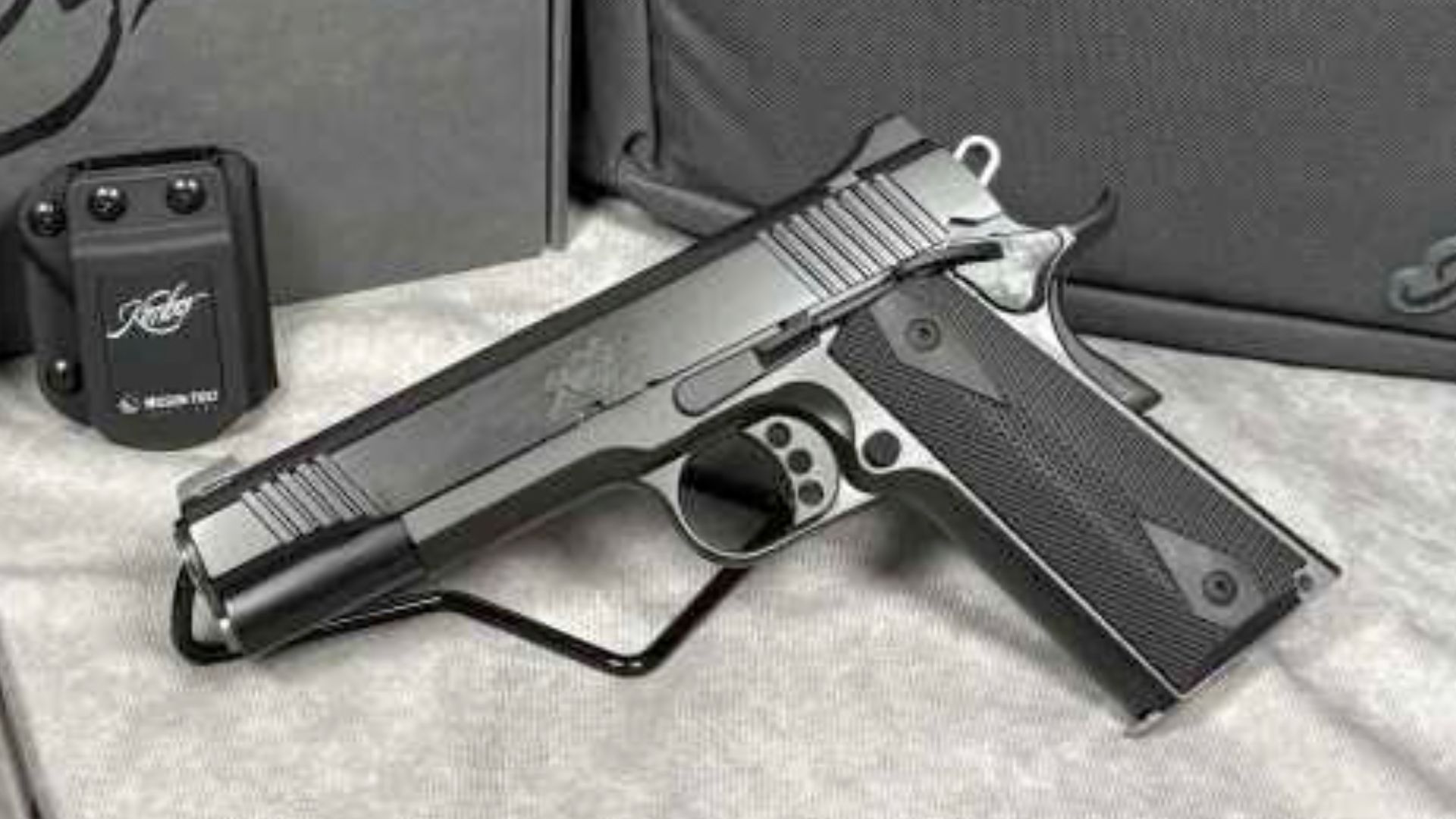
Kimber makes handsome 1911s, and some run great. The problem is that “some” is not a duty standard. Tight 1911s can be picky about magazines, extractors, and lubrication, especially when they’re carried daily in dust and sweat.
A 1911 can be a duty gun with the right build, the right armorer, and the right budget. A production Kimber is too often a roll of the dice for that role.
16. Para-Ordnance P14-45 (high-capacity 1911 duty dreams)

Back when high-capacity .45 was the cool-kid answer, the P14 made sense on paper. In practice, double-stack 1911s can be temperamental, and Para’s track record included enough feeding and parts issues that many duty users eventually walked away.
If you’ve got one that runs, hang onto it and treat it right. As a duty standard across a whole department, it’s asking for maintenance headaches.
17. Colt Double Eagle

The Double Eagle is one of those “Colt tried” pistols that never quite found its footing. Big, heavy, and with a DA/SA system that didn’t win people over, it wasn’t the kind of platform that stayed consistent across hard training cycles.
Duty use punishes awkward controls. If your decocker/safety setup or trigger reach doesn’t fit a wide range of hands, qualification day tells the truth.
18. Walther P22

Yes, it’s a .22. And yes, it still somehow ends up in “service” conversations as a trainer, kit gun, or “practice cheap with the same feel” idea. The P22 is also known for being ammo-sensitive and sometimes picky as it gets dirty.
A duty-support gun like a trainer needs to be boringly reliable. If your understudy pistol is constantly being cleared on the line, it’s not supporting anything.
19. Kahr PM9 (pushed too hard as a service pistol)

Kahr’s small 9mms carry great. They’re flat, they disappear, and they point naturally for a lot of folks. Where trouble starts is when you treat a tiny, tight pistol like it’s a full-size duty gun and run it like one.
Magazine tolerance, spring life, and heat build-up matter more in small guns. As a backup or deep concealment piece, the PM9 can make sense. As a primary duty gun for heavy training, it’s a lot to ask.
20. SCCY CPX-2
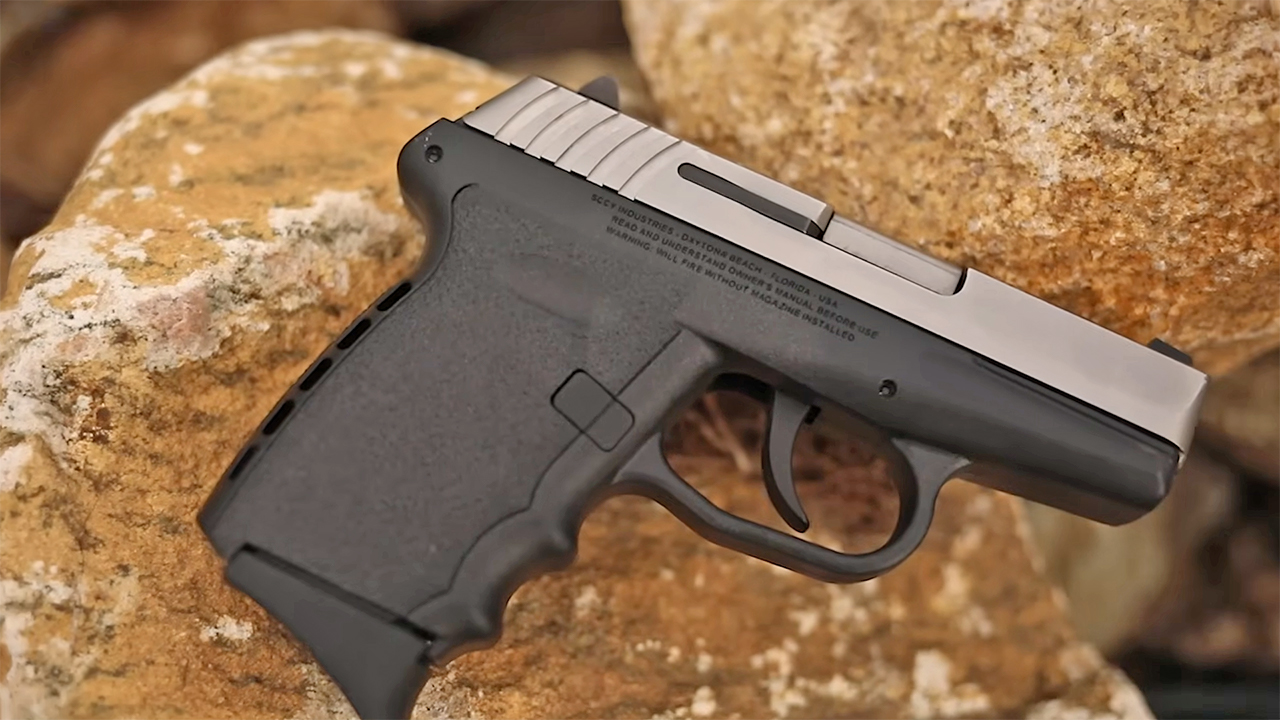
SCCY pistols exist because not everyone can drop premium money on a handgun. I respect that. But “budget defensive pistol” and “duty pistol” are not the same job description.
The heavy DAO trigger, mixed long-term durability reports, and overall parts support make it hard to recommend for an actual duty role where the gun is expected to run thousands upon thousands of rounds without drama.
A duty pistol is supposed to be the boring part of a bad day. If you’re carrying for work, the smartest money you’ll ever spend is on proven reliability, easy-to-find magazines, and a platform your local shops and armorers actually understand. There are plenty of handguns that are fine for the nightstand or the occasional range trip. Duty use is a different animal, and the gun always tells on itself once the round count gets honest.
Like The Avid Outdoorsman’s content? Be sure to follow us.
Here’s more from us: