Photo credit: aBSicht/Shutterstock.com
Some dogs have to be trained to pay close attention to strangers or unusual activity. Others seem to come with that instinct already switched on. They watch the house, notice who belongs, track movement around the property, and often place themselves between their family and something they do not trust without being taught to do it.
That natural protectiveness can be useful, but it also comes with responsibility. A protective dog that lacks socialization or clear boundaries can become reactive rather than dependable. The best examples are confident enough to stay calm when nothing is wrong and serious enough to respond when something genuinely feels off. These 20 breeds are known for having that instinct built in.
Cane Corso

The Cane Corso was developed around guarding farms, property, livestock, and family, so protectiveness is not something that has to be manufactured through training. Most well-bred Corsos are naturally watchful and tend to stay aware of unfamiliar people entering their space.
They usually bond very closely with their household and often position themselves where they can monitor what is happening. The breed’s size and confidence mean it does not need to act frantic to be intimidating. Early socialization matters tremendously, though. A Corso needs to understand the difference between a normal visitor and a real threat. When bred and raised well, they can be calm family dogs that still take protection very seriously.
Rottweiler

Rottweilers have a long history of working around livestock, carts, property, and people, and that background helped produce a dog with strong natural guarding instincts.
A good Rottweiler is usually confident rather than jumpy. It may watch a stranger quietly instead of barking nonstop, but that does not mean the dog is ignoring what is happening. They tend to stay physically close to family and can become extremely serious if they believe someone is in danger. Their power demands good obedience and socialization, but their instinct to watch over the people they consider theirs comes naturally.
Doberman Pinscher

The Doberman was created specifically around personal protection, which separates it from livestock guardians and property dogs. These dogs tend to focus intensely on their people and notice changes in body language, tone, and environment very quickly.
That makes them naturally protective without requiring the same independent territorial style seen in mastiffs. Dobermans often want to be near their owners and can be extremely responsive when something feels wrong. They are also fast, athletic, and highly trainable. Their sensitivity means harsh handling can backfire, but with consistent training they can become exceptionally controlled family guardians.
German Shepherd Dog

German Shepherds are one of the most versatile protective breeds because they combine natural suspicion with a strong desire to work with a handler.
A stable shepherd usually pays close attention to unfamiliar people while still looking to its owner for direction. That balance is one reason the breed has been used so extensively in police, military, and security work. Poor breeding can produce nervousness or reactivity, so temperament matters enormously. A good shepherd should be able to remain neutral when everything is normal and become serious only when the situation changes.
Boerboel

The Boerboel was developed as a South African farm guardian, and its protective instinct is deeply tied to territory and family.
These dogs tend to be calm, observant, and physically imposing without needing to create constant commotion. Many will quietly position themselves between family members and unfamiliar people while they assess what is happening. Their size and strength mean they need experienced handling from an early age. A mature Boerboel with poor manners can be extremely difficult to control, but a stable one can be an impressive guardian that does not need to be taught to care about its property.
Bullmastiff

Bullmastiffs were developed to help gamekeepers guard large estates, and that history still shows in the breed’s temperament.
They tend to be quieter than many guard dogs and often rely more on physical presence than constant barking. A Bullmastiff may simply stand between its owner and an unfamiliar person rather than make a huge display. They are generally affectionate with family but reserved with strangers. Their calm style can make people underestimate them, but they are naturally inclined to monitor the home and take unfamiliar activity seriously.
Akita

Akitas are naturally reserved, territorial, and strongly attached to their families. They do not usually feel the need to be social with everyone they meet.
That makes them natural guardians, but also demanding dogs to manage. They can be dog-selective, suspicious of strangers, and extremely confident in their own judgment. Akitas are not usually interested in making a big show of protection. They tend to watch first. Their independence means early training and socialization are critical because once a mature Akita decides something is a problem, changing its mind can be difficult.
Giant Schnauzer

Giant Schnauzers combine natural guarding instincts with high intelligence and a strong desire to work.
They tend to be alert, energetic, and very aware of who enters their space. Unlike livestock guardians, they usually want a close working relationship with the owner and respond well to structured training. Their energy can become a problem without enough activity, but that same drive makes them highly capable working guardians. They are especially well suited to owners who want a protective dog that enjoys training rather than operating completely independently.
Black Russian Terrier

The Black Russian Terrier was developed specifically as a working guard dog, and its temperament reflects that purpose.
These dogs are typically reserved around strangers and deeply attached to their household. They tend to be calm and deliberate rather than constantly reactive, which is exactly what you want in a large guardian. Their thick coat hides just how powerful they are, and a mature dog can be physically imposing. Training needs to begin early because a dog this large cannot be allowed to make every decision on its own.
Presa Canario

The Presa Canario has a strong natural tendency to guard territory and family. It was historically used around farms and livestock, which required confidence and physical capability.
A good Presa should not be nervous or constantly looking for confrontation. The breed tends to observe strangers closely and can be very serious about boundaries. That natural suspicion is exactly why early socialization is so important. A dog that learns what normal life looks like is much easier to trust than one that has been kept isolated. In experienced hands, the Presa can be a composed and naturally protective guardian.
Great Pyrenees
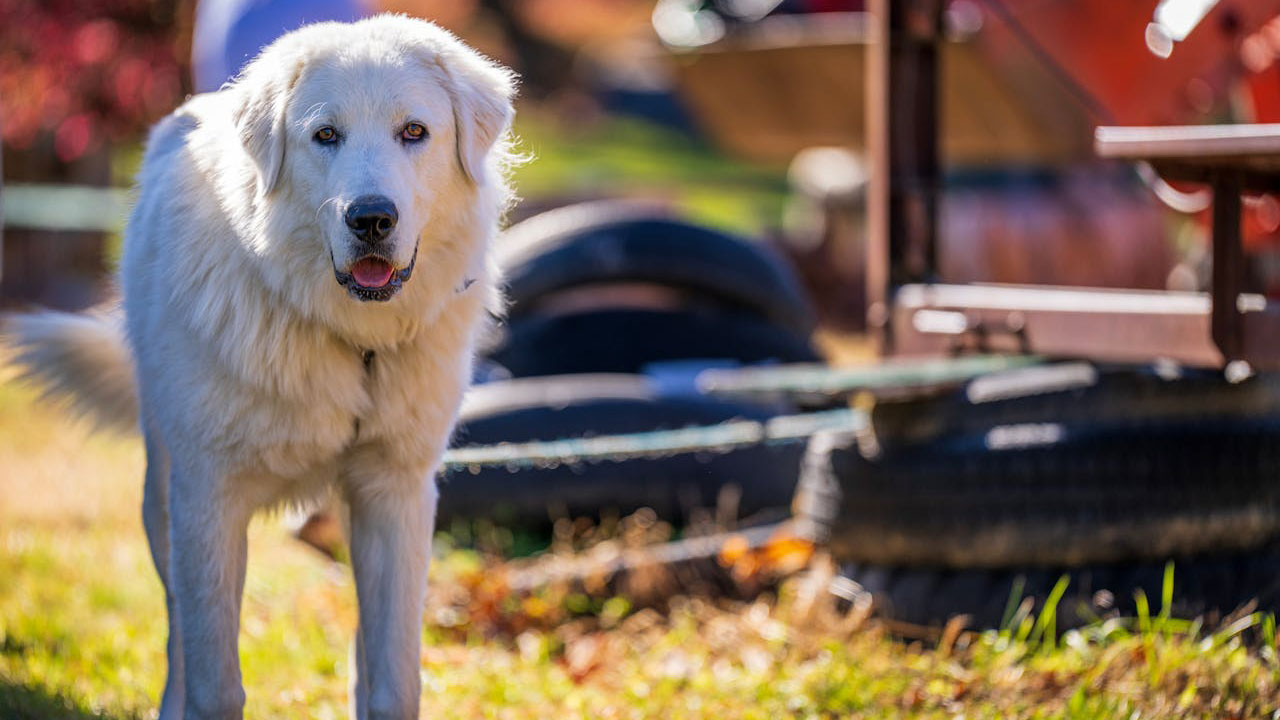
Great Pyrenees were bred to protect livestock without constant human supervision, so their guarding instincts are extremely natural.
They tend to patrol, bark at unusual activity, and position themselves between livestock and anything they consider suspicious. Unlike personal-protection breeds, their focus is usually territory and animals rather than staying glued to one person. Their independence can make obedience frustrating, but that same independence is what allows them to work at night while everyone else is asleep. On farms and acreage, their protective instincts can be extremely useful.
Anatolian Shepherd

The Anatolian Shepherd is another livestock guardian that was developed to make independent decisions over large areas.
These dogs often appear relaxed while still monitoring everything around them. They are territorial, suspicious of unfamiliar animals, and willing to stand their ground when they believe livestock or property is threatened. Their independence means they are not ideal for owners who want a dog that responds instantly to every command. They were bred to think for themselves, and that protective judgment is one of their strongest traits.
Kangal

Kangals are serious livestock guardians with a long history of protecting animals from predators.
Their protective style is often calm and efficient. A Kangal does not need to waste energy barking constantly if a threat is already keeping its distance. They are large, athletic, and capable of covering ground quickly when something approaches the flock. The breed needs space, secure boundaries, and experienced handling. Their instinct to protect is strong enough that encouraging aggression is not only unnecessary but a bad idea.
Maremma Sheepdog
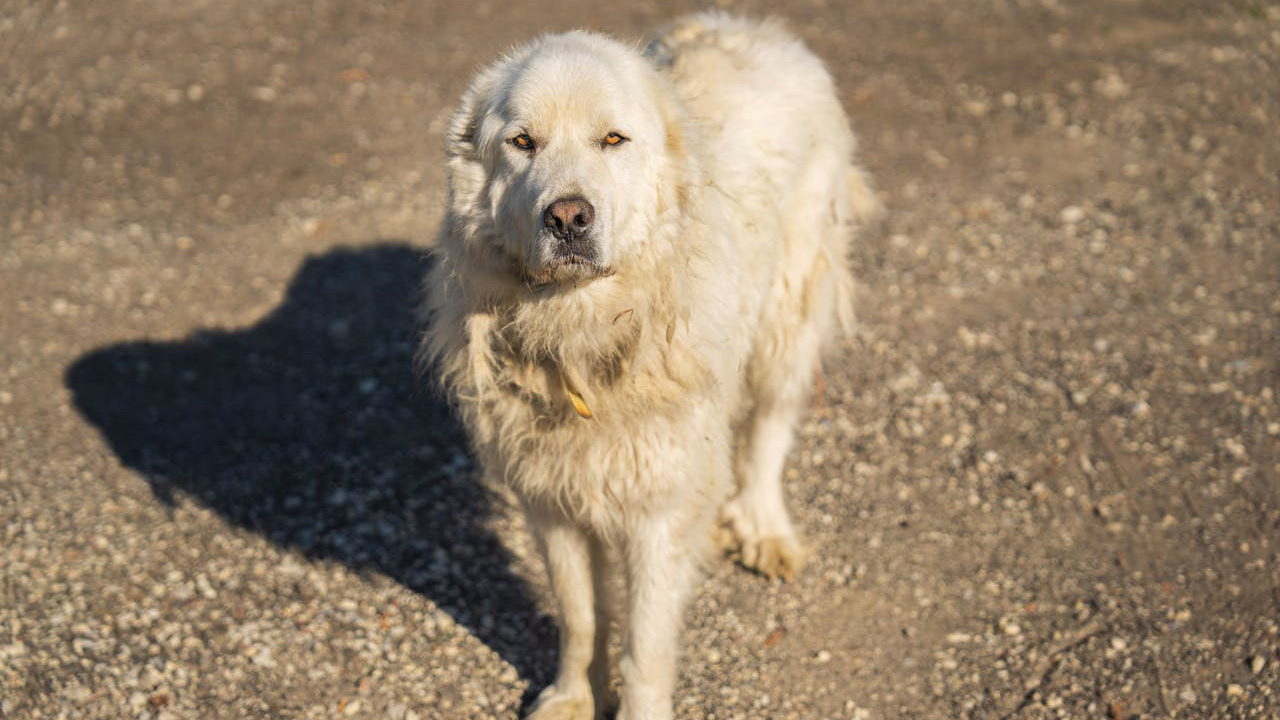
The Maremma was developed to remain with livestock and protect it around the clock.
That creates a dog that often views its animals and property as a responsibility rather than merely a place to live. They tend to watch boundaries, notice movement, and challenge unfamiliar predators or dogs that get too close. Maremmas are independent and can be stubborn, but that is part of the job they were designed to do. Their protective nature is strongest when they have livestock or land they clearly understand as theirs.
Kuvasz

The Kuvasz is a Hungarian guardian breed with a strong natural instinct to protect both livestock and family.
They tend to be reserved with strangers and confident enough to make decisions without waiting for instructions. Their athleticism also sets them apart from some heavier guardian breeds. A Kuvasz can move quickly when needed, which makes it especially capable around larger properties. Early socialization is essential because the breed’s instinct to distrust unfamiliar people can become difficult if the dog is not exposed to normal visitors and situations.
Tibetan Mastiff

Tibetan Mastiffs were developed to guard homes, livestock, and monasteries in harsh environments. Their territorial nature remains very strong.
They are often calm during the day and much more alert once darkness falls. Night patrol and barking are common because that is exactly what the breed was built to do. They can be extremely independent and may have little interest in repetitive obedience. The breed is not a casual choice, but on the right property its natural guarding instinct is unmistakable.
Spanish Mastiff
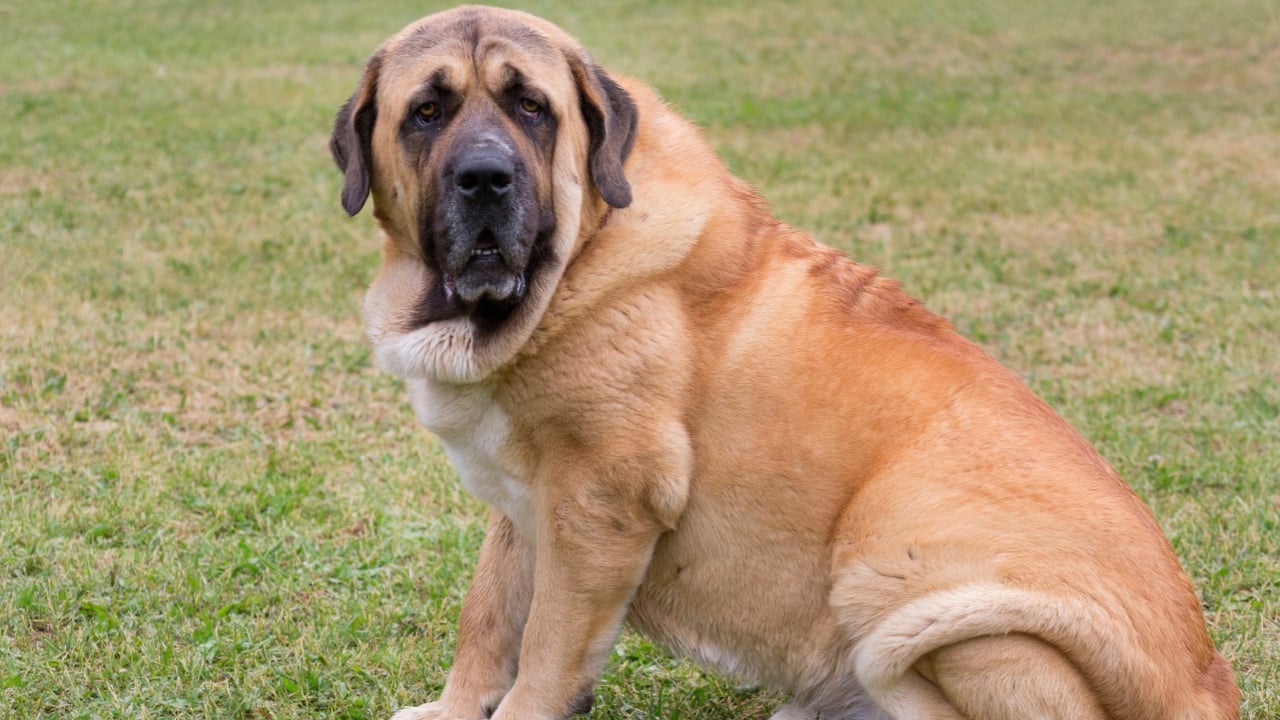
The Spanish Mastiff was bred to protect large flocks from predators while moving across open country.
These dogs tend to conserve energy, resting quietly until something actually deserves attention. Their size alone can discourage trouble, but they also have the confidence to confront threats when necessary. They are not obedience-focused dogs and generally do not need constant direction to understand their job. Their protective instinct is strongest in rural settings where they have livestock and territory to watch.
Belgian Malinois

The Belgian Malinois is protective in a very different way from the livestock guardians on this list. It is highly handler-focused, fast, reactive to changes in the environment, and extremely trainable.
A good Malinois can notice unusual behavior almost immediately and respond quickly when directed. That combination is why the breed is so common in police and military work. The problem is that their drive can overwhelm inexperienced owners. They need structured training, mental work, and regular exercise. Their natural protectiveness is useful only when paired with enough control to channel it.
Beauceron
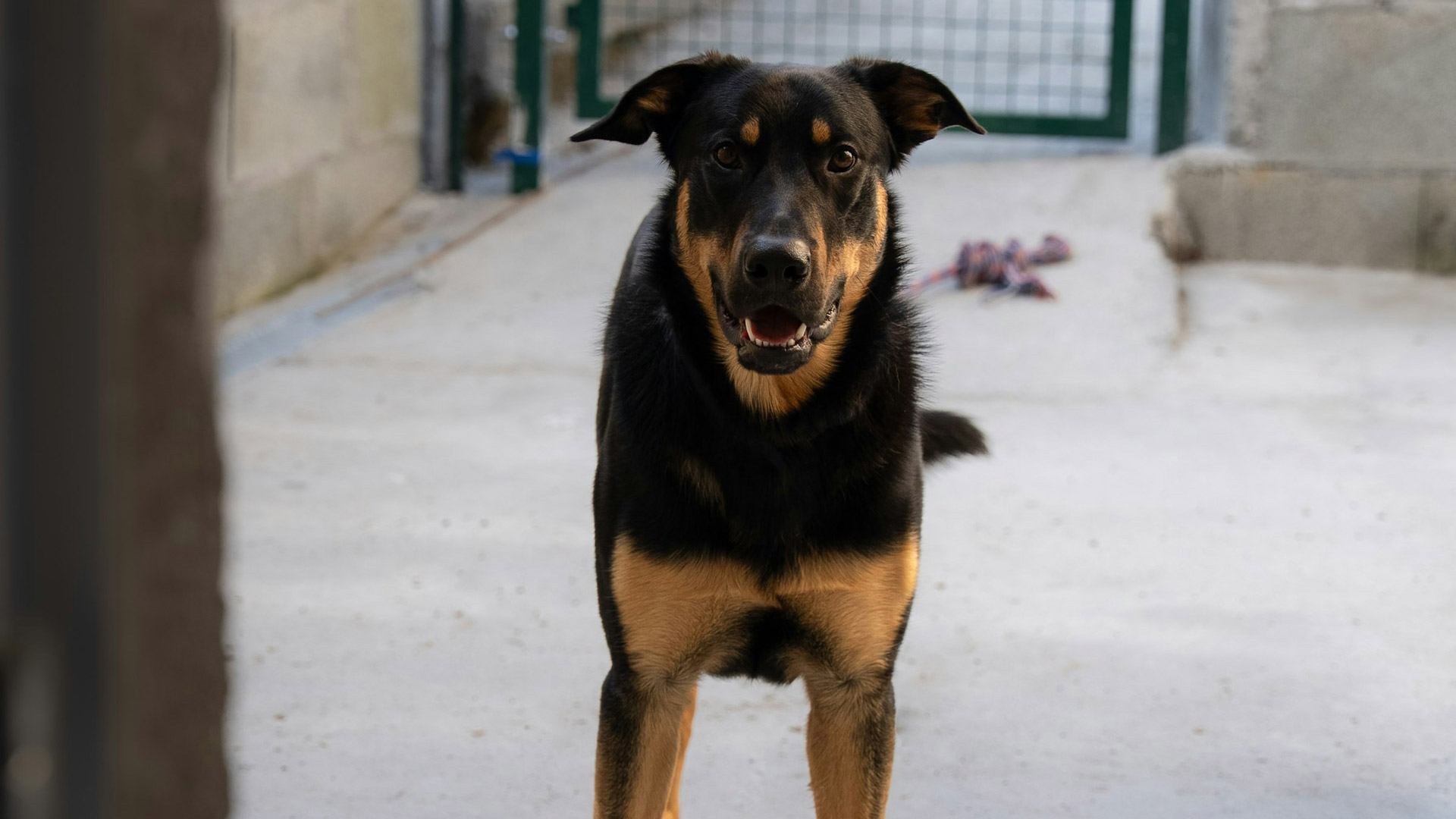
The Beauceron is a large French working breed originally used for herding and guarding livestock.
They tend to be confident, watchful, and strongly connected to their families. Unlike some independent guardian breeds, Beaucerons generally enjoy working directly with their owners, which makes their protective instinct easier to shape through training. They are athletic dogs that need plenty of exercise and structure. In the right home, they offer a good balance between natural guarding ability and handler responsiveness.
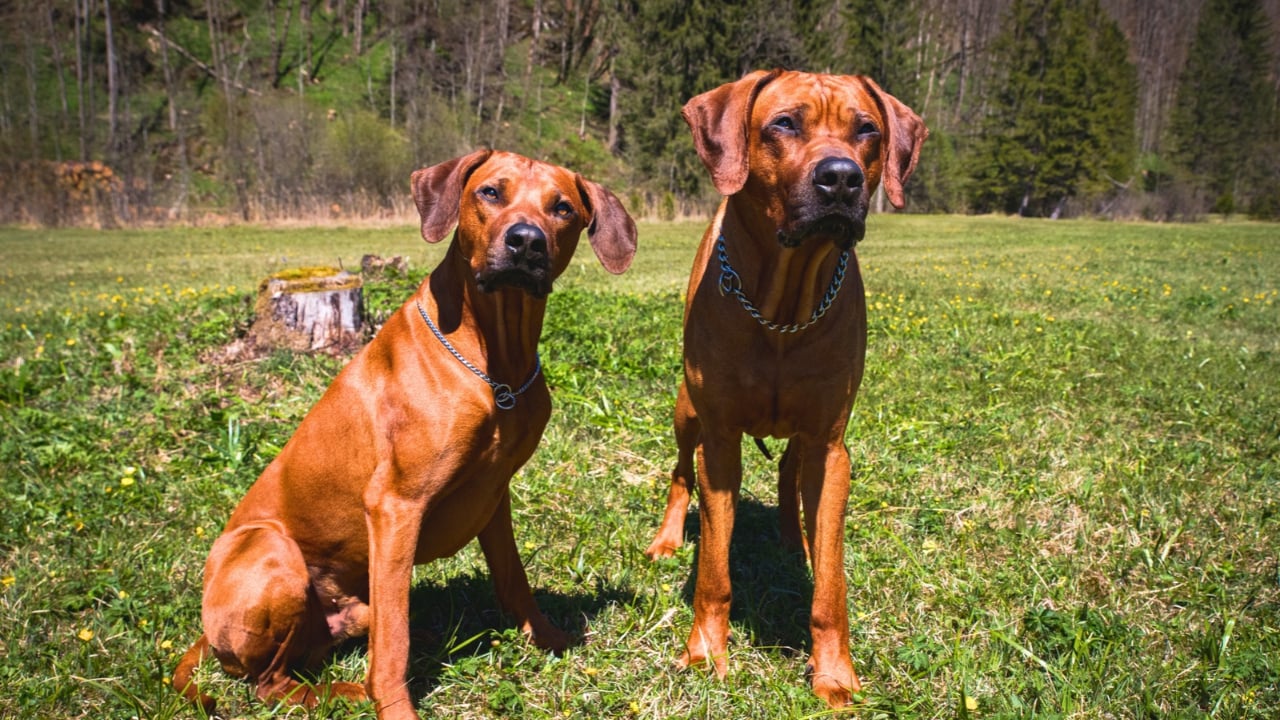
Rhodesian Ridgeback

Rhodesian Ridgebacks were developed in southern Africa for demanding hunting and farm work, and they tend to be naturally reserved around strangers.
They are not usually as overtly protective as a Corso or Rottweiler, but they often watch unfamiliar people carefully and take family security seriously. Their independence can make training more difficult than it first appears, and they are powerful enough that basic manners matter. A stable Ridgeback is generally calm and dignified, but it is not likely to ignore something it believes threatens the household.
Like The Avid Outdoorsman’s content? Subscribe to our newsletter so you never miss an article.
Here’s more from us: