Photo credit: WHO_TEE_WHO/YouTube
Deer are not especially hard animals to kill with a well-placed shot. That is why cartridges like .243 Winchester, 7mm-08, .270 Winchester, .308 Winchester, and .30-06 have handled whitetails so effectively for generations. Once you move much beyond that level, the extra power can become more about preference than necessity.
There is nothing wrong with carrying a powerful rifle if you shoot it well. The problem comes when recoil, muzzle blast, expensive ammunition, or excessive rifle weight make the shooter less comfortable for no meaningful gain in the field. These 20 cartridges can absolutely take deer, but for most hunters they deliver far more performance than the animal requires.
.300 Winchester Magnum

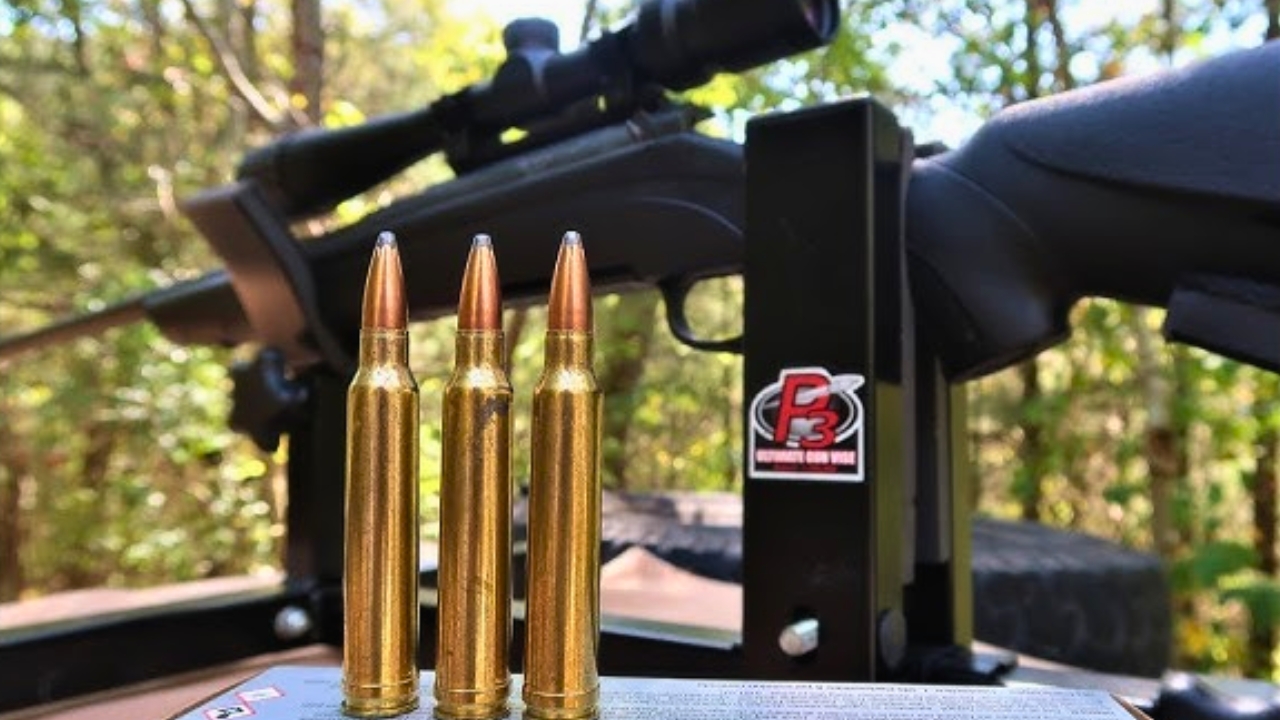
The .300 Win Mag is one of the great all-around big-game cartridges, especially for elk, moose, and longer shots in open country. On whitetails inside normal hunting ranges, though, much of that capability goes unused.
You get noticeably more recoil and muzzle blast than a .308 or .30-06 while accomplishing essentially the same thing on a deer at 100 yards. Premium bullets can control expansion, but the animal does not become any harder to kill simply because the cartridge carries more energy. If deer are your primary game and shots stay reasonable, the .300 Win Mag is usually more rifle than necessary.
.300 PRC

The .300 PRC was designed around efficient heavy bullets and long-range performance. It is excellent at that job, but whitetail hunting rarely demands what the cartridge was built to deliver.
At ordinary deer distances, the extra ballistic efficiency does little for you. Recoil is substantial, rifles are often heavier, and ammunition costs more than common hunting rounds. The cartridge makes sense if deer hunting is only one part of a broader long-range or elk setup. As a dedicated whitetail round, it is excessive for most people.
.300 Weatherby Magnum

The .300 Weatherby pushes .30-caliber bullets extremely fast and has a long history as a serious big-game cartridge.
That speed creates more recoil, more blast, and often more meat damage at close range than a deer hunter needs. A standard .30-06 already drives common hunting bullets fast enough for whitetails well beyond the distances most people shoot. The Weatherby brings a lot of extra horsepower without changing the result much unless range stretches considerably.
.300 Remington Ultra Magnum

The .300 RUM exists for shooters who want maximum .30-caliber velocity. It can be devastating on large game at long range.
For deer, that performance comes with a steep price. Recoil is heavy, powder consumption is enormous, and factory ammunition can be expensive. At 100 or 150 yards, the deer will not notice whether the bullet left the muzzle at 2,900 or well over 3,000 feet per second. The shooter definitely will.
.338 Winchester Magnum
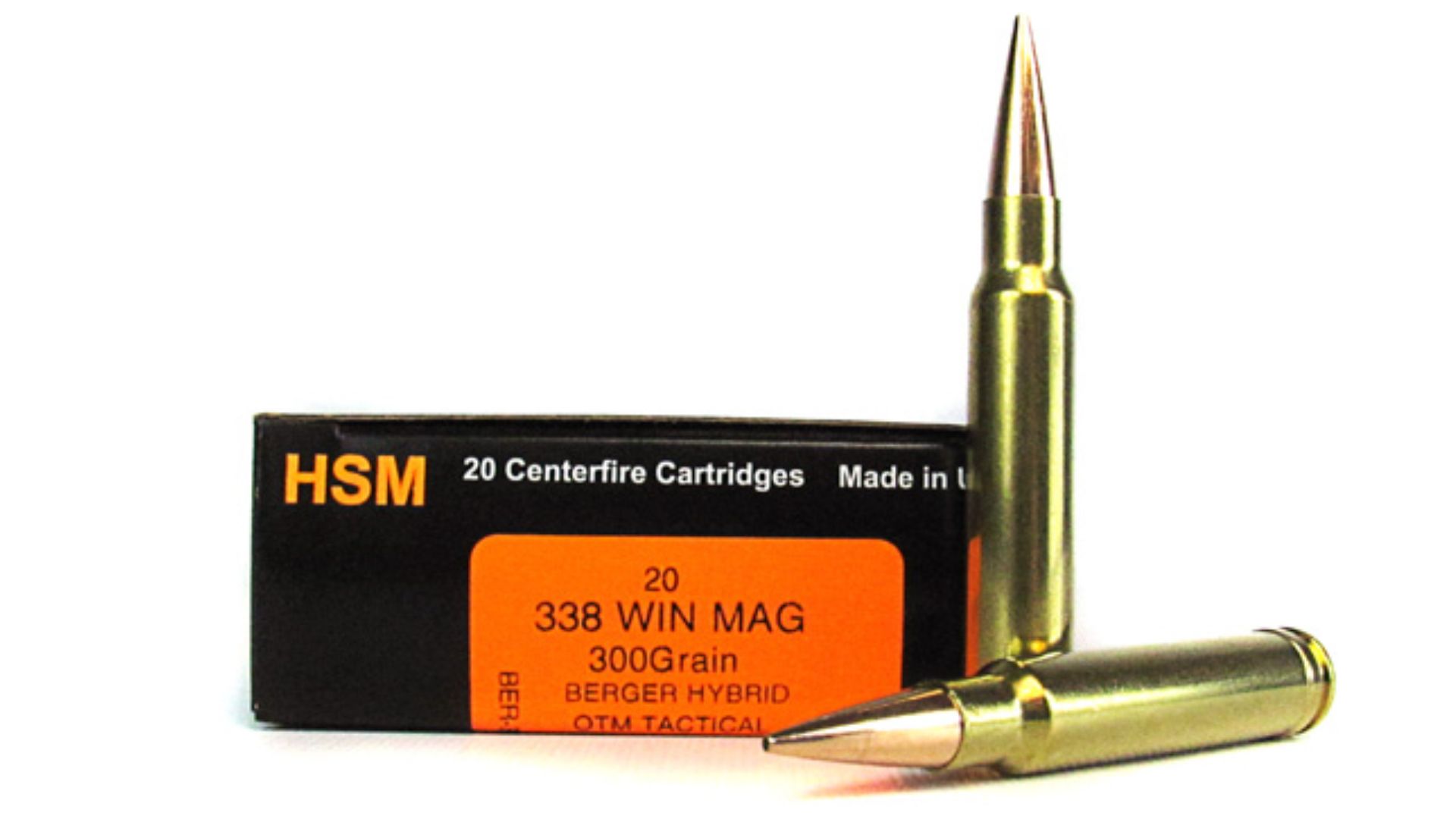
The .338 Win Mag is built around heavy bullets and serious penetration. It makes excellent sense for elk, moose, and large bears.
Whitetails simply do not require that much bullet. Even moderate .338 loads bring significantly more recoil than common deer cartridges, and the rifles tend to be heavier as well. It certainly works, but you are carrying capability intended for animals several times the size of a typical deer. Unless larger game is also on the agenda, there are easier choices.
.340 Weatherby Magnum

The .340 Weatherby is a serious big-game cartridge that sits well above what most deer hunters require.
Its heavy bullets and high velocity make it well suited to elk and larger animals, but they also produce strong recoil and plenty of muzzle blast. A deer does not demand that level of penetration or energy. The cartridge works, but using one exclusively for whitetails is a little like towing a lawn mower with a one-ton truck.
.338-378 Weatherby Magnum

The .338-378 Weatherby belongs in the extreme-performance category. It launches heavy .338 bullets at tremendous velocity and carries huge energy downrange.
For normal deer hunting, everything about it is excessive. Ammunition is expensive, recoil is severe, and rifles tend to be large and heavy. The cartridge makes far more sense for long-range hunting of much larger animals. A whitetail inside 200 yards gives you no practical reason to tolerate that much gun.
.375 H&H Magnum

The .375 H&H is one of the world’s classic dangerous-game cartridges. It can handle animals vastly larger and tougher than any whitetail.
That should tell you everything about its necessity for deer. The cartridge produces substantial recoil, heavy rifles, and expensive ammunition. It will certainly kill a deer cleanly with an appropriate bullet, but so will cartridges producing a fraction of the energy. Unless you simply enjoy hunting with classic rifles, there is little practical argument for choosing it.
.375 Ruger
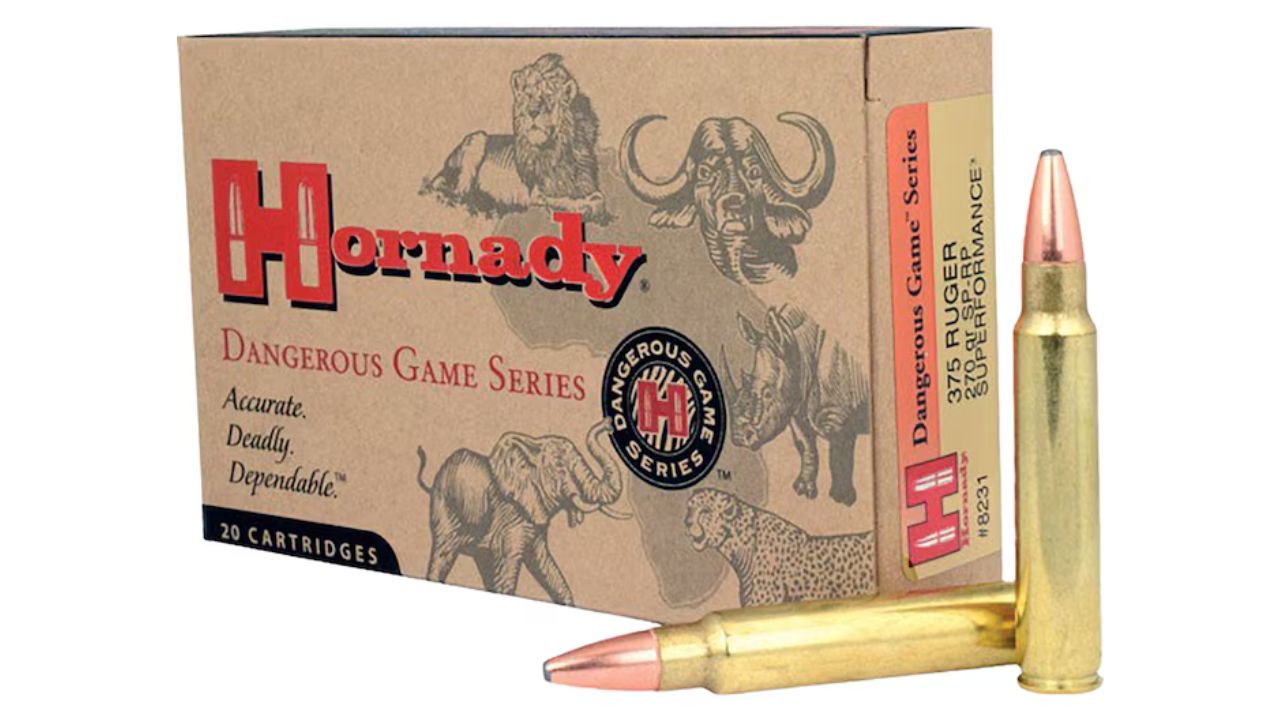
The .375 Ruger gives hunters .375 H&H-class performance from a shorter action and is an excellent cartridge for large or dangerous game.
For deer, it is still far beyond what is required. The shorter action does not change the fact that you are launching a large, heavy bullet with considerable recoil. It makes sense for Alaska, Africa, or mixed hunts where genuinely large animals are possible. For a whitetail stand, it is mostly unused capability.
.375 Remington Ultra Magnum
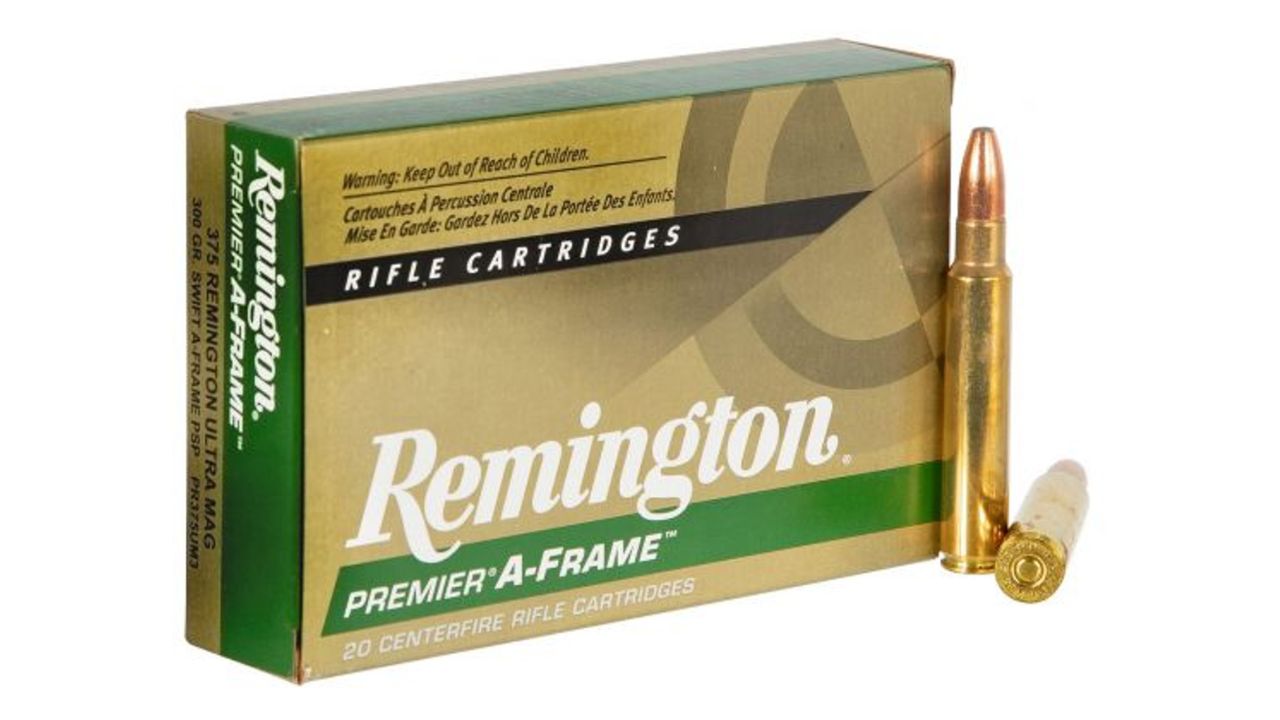
The .375 RUM pushes the .375 concept into an even more powerful class.
Its combination of bullet weight and velocity gives it enormous authority on large animals, but those same traits create brutal recoil and expensive shooting. Whitetails are simply too small to make use of what this cartridge offers. If deer are the primary target, nearly every aspect of the .375 RUM is unnecessary overhead.
.35 Whelen

The .35 Whelen is not ridiculous for deer, especially in thick woods, but it still gives most whitetail hunters more bullet than they need.
A 200- to 250-grain .35-caliber bullet is excellent for elk, black bear, and moose. On deer, a .308 or .30-06 usually provides all the penetration required with less recoil and easier ammunition availability. The Whelen is a great cartridge, but its strongest argument begins when the game gets larger than whitetails.
.358 Winchester
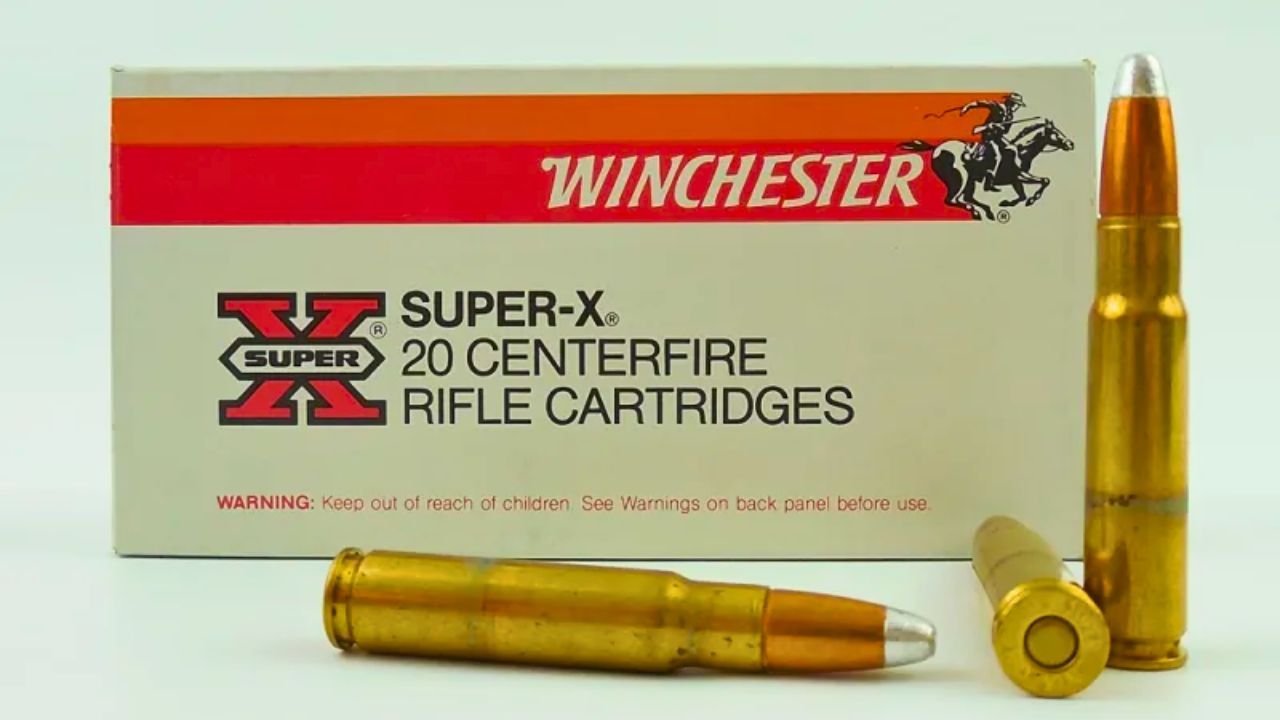
The .358 Winchester is efficient and extremely good in the woods, but it is still heavier medicine than most deer require.
The cartridge throws substantial .35-caliber bullets at moderate velocity and works beautifully on black bear, hogs, and elk at close range. Whitetails can be handled just as effectively with smaller cartridges that recoil less and cost less to feed. The .358 is useful, but most deer hunters are not taking advantage of its real strengths.
.350 Remington Magnum
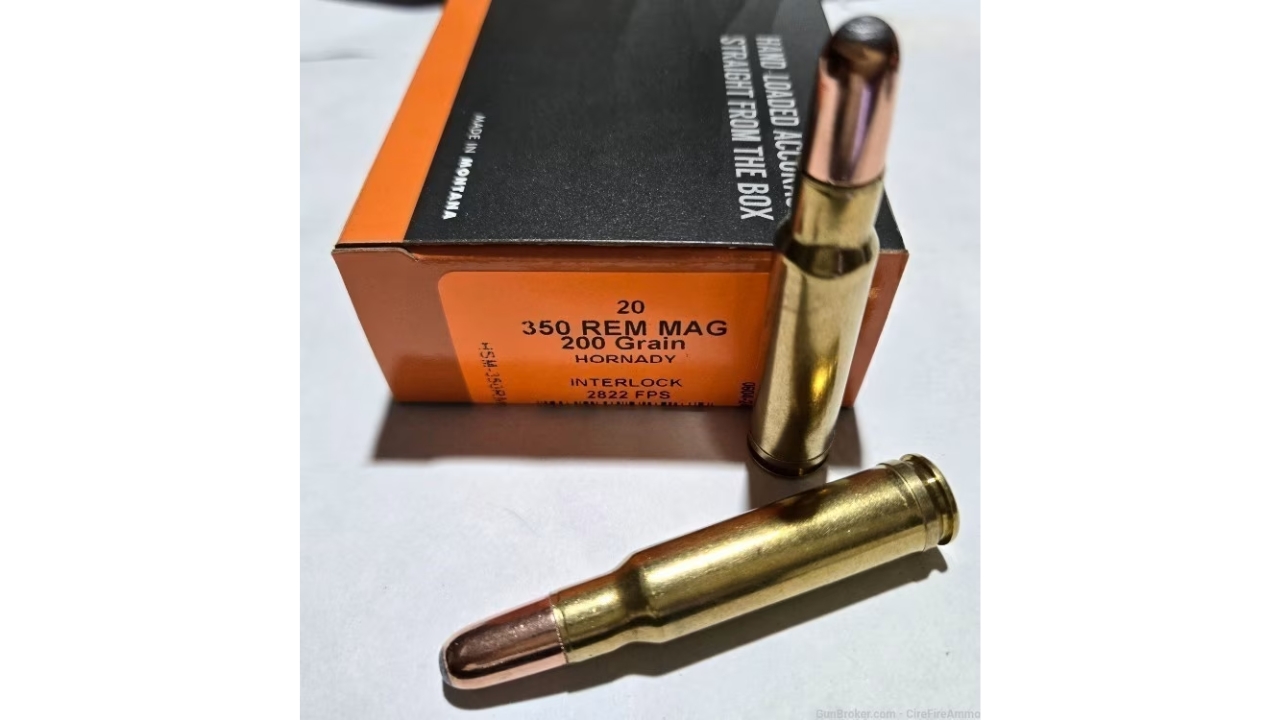
The .350 Remington Magnum was designed to put serious power into a relatively compact rifle.
That sounds attractive until you realize the combination can produce sharp recoil in lightweight guns. It is capable of handling much larger game than deer, and that capability comes with more punishment than necessary. A hunter who enjoys powerful compact rifles may appreciate it, but a standard short-action deer cartridge is far easier to live with.
.444 Marlin
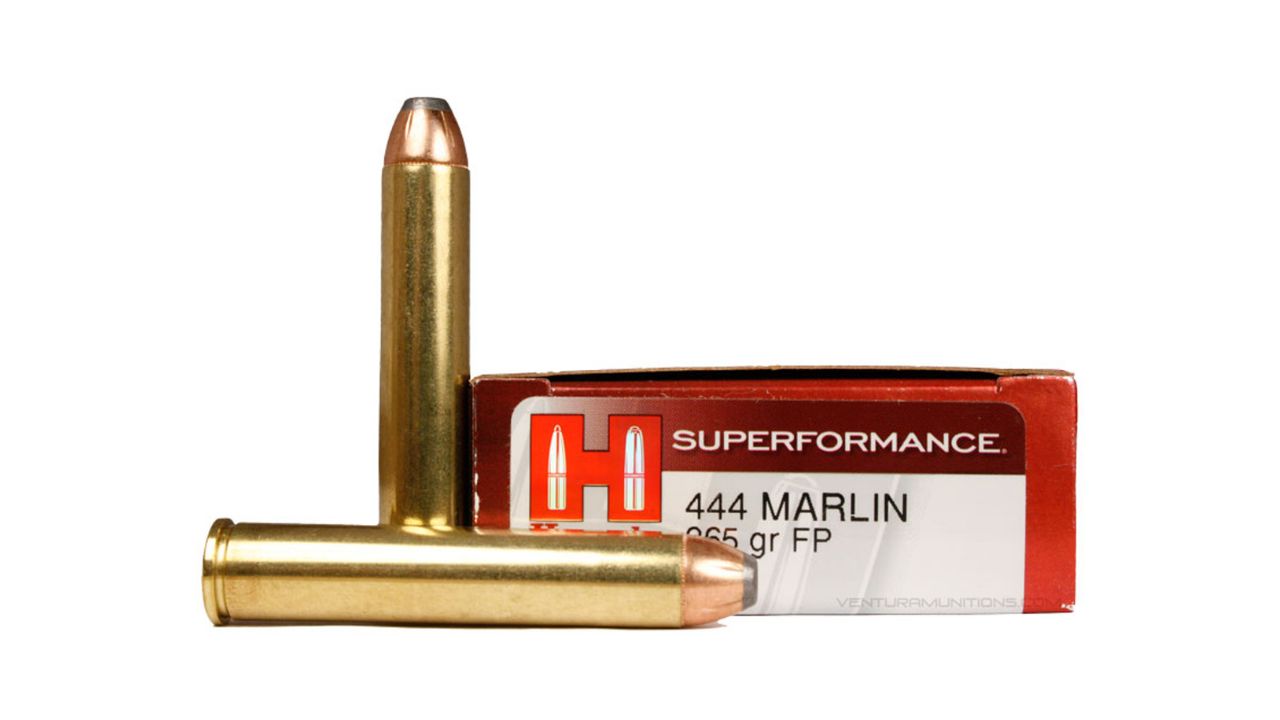
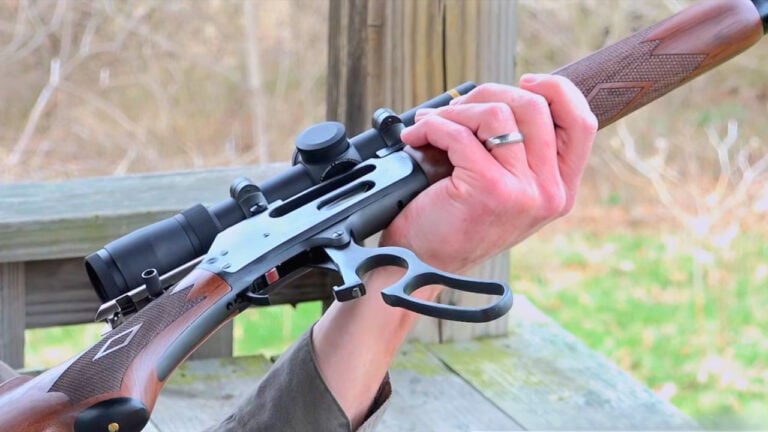
The .444 Marlin is an excellent lever-gun cartridge for woods hunting and can hit deer extremely hard at close range.
The question is whether you need that much bullet. A .30-30 or .44 Magnum rifle already handles most short-range whitetail situations with less recoil and often cheaper ammunition. The .444 begins making more sense when black bear or larger game enters the picture. For deer alone, it is more authority than most hunters need.
.45-70 Government
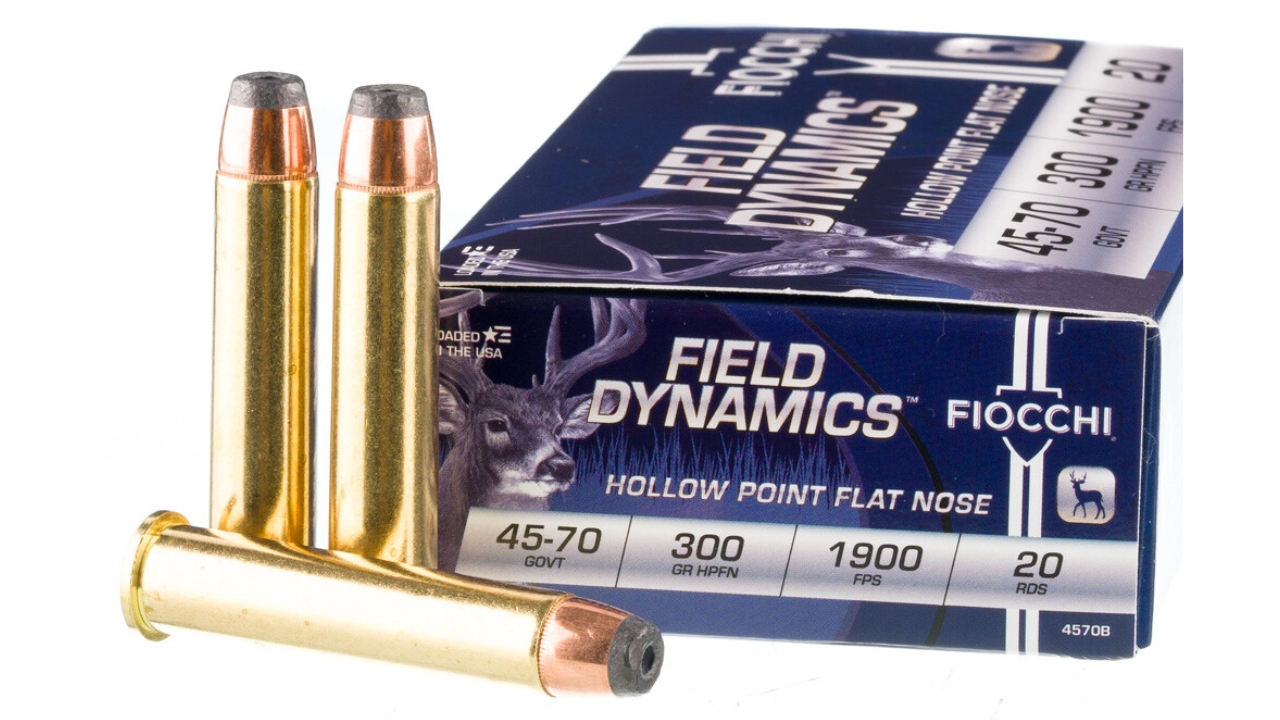
The .45-70 is one of the most effective close-range big-game cartridges ever made. It also ranges from relatively mild loads to ammunition that can be downright punishing.
Most deer hunting only requires the mild end of that spectrum. Heavy modern loads intended for large bears or other tough game are unnecessary on whitetails and can make a light lever rifle unpleasant to shoot. The .45-70 works wonderfully, but a lot of hunters end up buying far more load than their deer hunting demands.
.450 Marlin

The .450 Marlin was created to deliver strong big-bore lever-action performance without the wide pressure differences associated with .45-70 ammunition.
That means it hits hard, but deer rarely require what it brings. Recoil is substantial, ammunition is less common, and the cartridge was really aimed at hunters wanting serious power from a lever gun. For ordinary whitetails, a .30-30, .35 Remington, or even .44 Magnum rifle usually makes more sense.
.450 Bushmaster

The .450 Bushmaster can be a sensible deer cartridge in states where straight-wall regulations shape rifle choices. Outside that context, it starts looking much bigger than necessary.
The round produces significant recoil and throws a large bullet designed for strong close-range performance. If you are legally free to use bottleneck cartridges, options like .243, 7mm-08, or .308 can do the same deer-hunting job with less punishment and flatter trajectories. The Bushmaster makes sense because of regulations more often than because deer demand its power.
.458 SOCOM
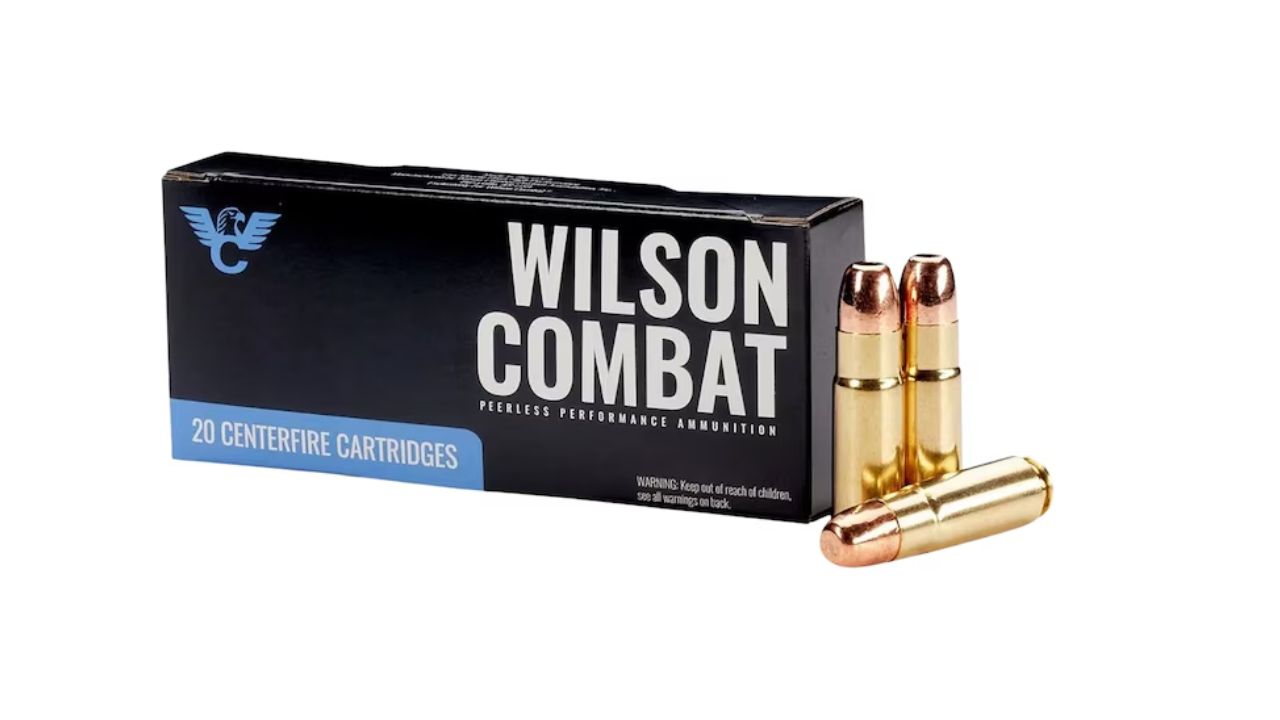
The .458 SOCOM brings very heavy bullets to the AR-15 platform, which makes it useful for specialized close-range roles and large hogs.
As a deer cartridge, it is extremely specialized. Ammunition is expensive, magazine capacity is reduced, trajectory drops quickly, and recoil is much stronger than 5.56-based hunting cartridges. It will absolutely put down a deer, but most hunters gain little from carrying such a large bullet. Its strengths are real, just not particularly necessary for ordinary whitetails.
.50 Beowulf
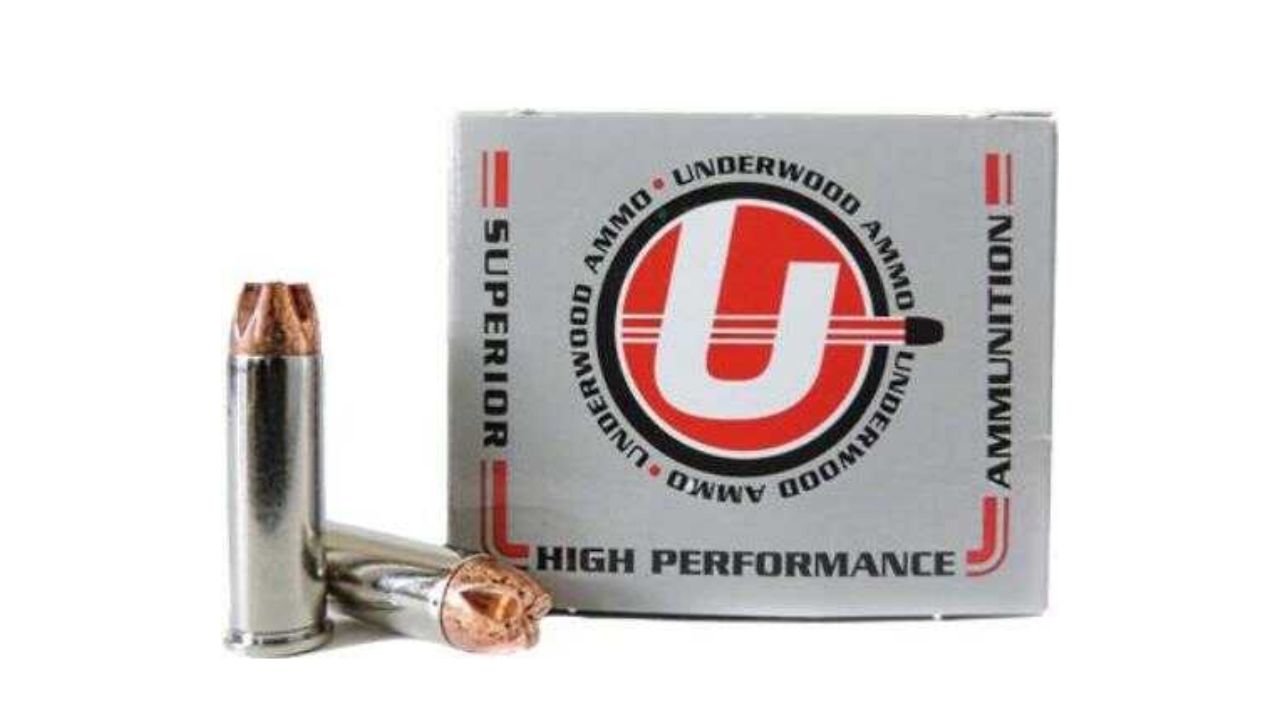
The .50 Beowulf takes the big-bore AR concept even further. It launches enormous bullets and hits very hard at short range.
That can be useful for specialized applications, but deer are not where the cartridge earns its keep. Recoil is substantial, ammunition is costly, and trajectory becomes increasingly demanding as distance grows. A hunter buying it because it sounds like the ultimate whitetail round may quickly realize that smaller cartridges are easier to shoot, cheaper to practice with, and every bit as effective on deer.
Like The Avid Outdoorsman’s content? Subscribe to our newsletter so you never miss an article.
Here’s more from us: