Photo credit: Bobby Cee/YouTube
Handgun popularity can disappear for reasons that have very little to do with quality. A new cartridge falls out of favor, a manufacturer replaces a model, polymer frames take over, or the market simply moves toward something smaller and lighter.
That leaves some excellent pistols sitting in the background. They may no longer dominate gun-store cases or online conversations, but the machining, durability, ergonomics, and shooting characteristics that made them good in the first place did not suddenly vanish. These 20 pistols lost attention long before they lost their ability to perform.
SIG Sauer P228
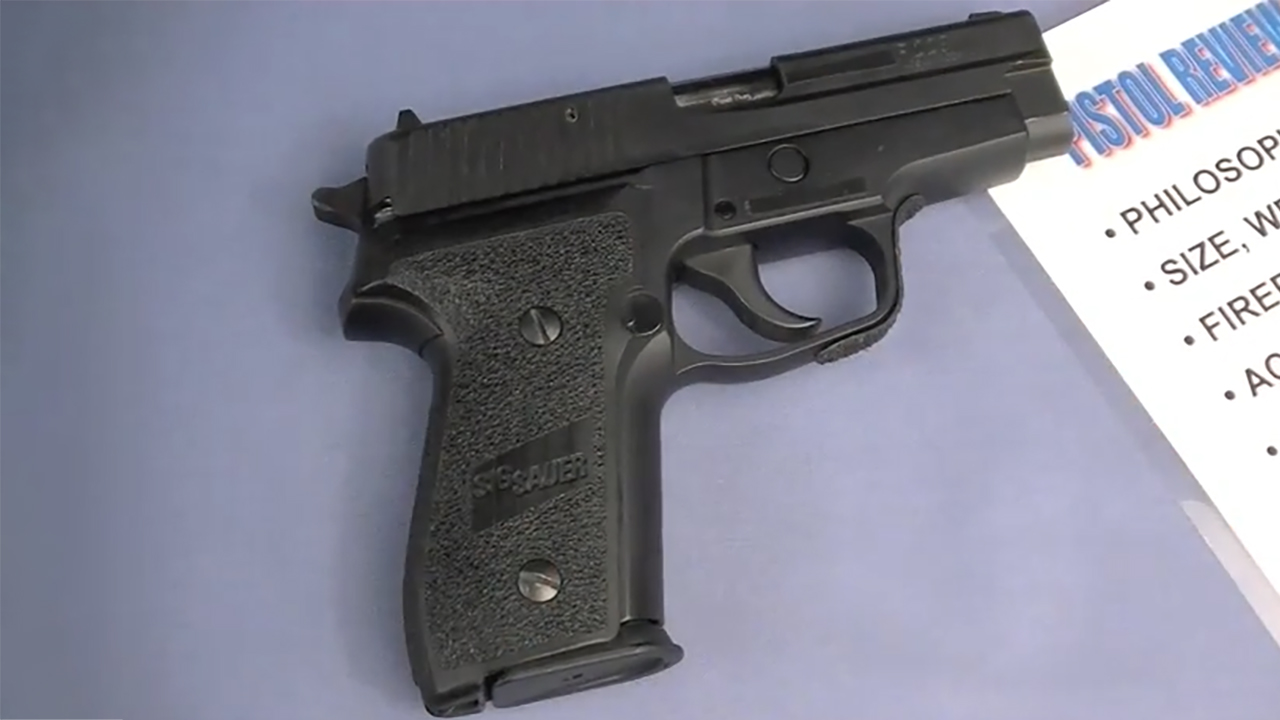
The P228 once represented one of the best compact service pistols SIG offered. Its aluminum frame, compact dimensions, and double-stack 9mm magazine made it a natural choice for shooters who wanted something smaller than the P226 without moving into a tiny carry gun.
Later SIG models pushed it out of the spotlight, and the market eventually became obsessed with striker-fired compacts and micro pistols. None of that made the P228 worse. It remains beautifully balanced, easy to shoot, and remarkably refined by modern service-pistol standards. A clean example still feels like a premium handgun the moment you cycle the slide.
Smith & Wesson Model 6904
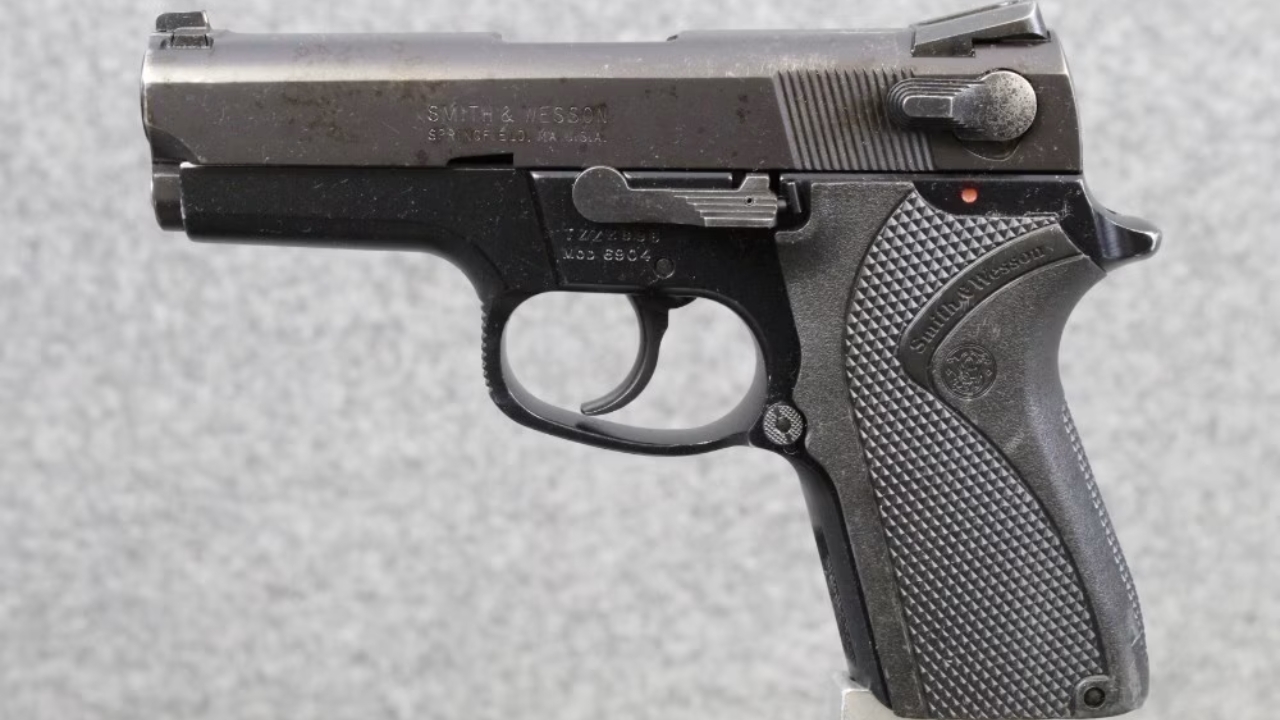
The 6904 came from Smith & Wesson’s third-generation semiautomatic era, when compact metal-framed 9mms were serious duty and defensive guns.
Polymer eventually made pistols like this seem heavy and old-fashioned. Yet the 6904 remains compact, comfortable, and mechanically substantial. The aluminum frame keeps it from becoming excessively heavy, while the traditional DA/SA system gives it the kind of solid service-gun feel that has largely disappeared. It may not win a modern capacity contest, but quality was never the problem.
Beretta 85 Cheetah
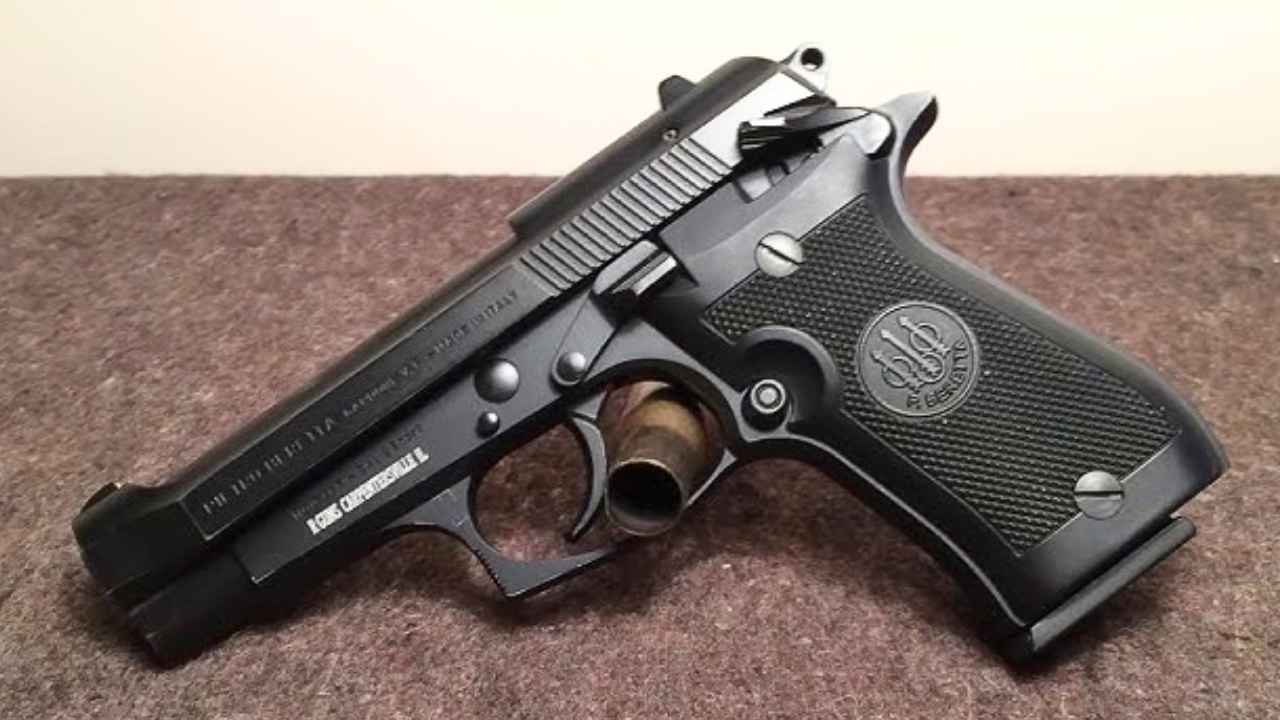
The 85 was overshadowed first by tiny pocket .380s and later by higher-capacity micro-compacts. A single-stack metal-framed .380 started looking inefficient on paper.
Shoot one and the argument becomes much less obvious. The slim grip fits beautifully, the weight makes .380 recoil almost trivial, and the DA/SA action feels far more refined than most true pocket pistols. It is bigger than necessary if concealment is the only priority, but far more pleasant if you actually intend to practice regularly.
Heckler & Koch P9S

The P9S looks unusual even today, and its roller-delayed operating system makes it mechanically different from almost every modern service pistol.
It disappeared long before the current handgun market developed, but quality was never what held it back. The trigger, low recoil impulse, and impressive mechanical accuracy still stand out. It feels engineered rather than merely manufactured. Owners who appreciate older HKs understand that replacing a P9S with a newer pistol may add features without necessarily improving the shooting experience.
Walther P88 Compact

The P88 Compact came from a period when Walther was producing extremely refined metal-framed service pistols but struggling to compete with cheaper designs.
Its high manufacturing cost hurt it more than its performance. The pistol is beautifully machined, comfortable, and unusually smooth for a compact DA/SA handgun. Modern Walther pistols are easier to manufacture and support, but the P88 Compact has a level of old-school refinement that is difficult to reproduce without charging serious money.
Star Megastar
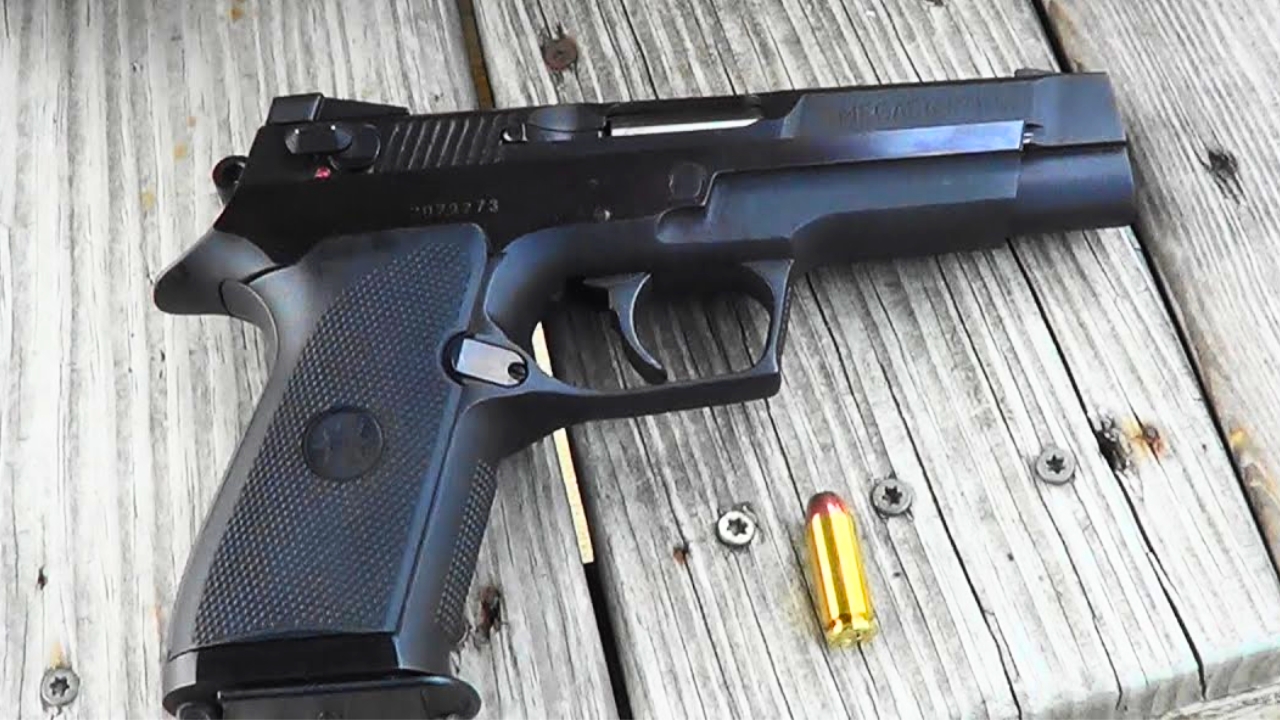
The Megastar is enormous, heavy, and almost completely contrary to modern handgun design trends.
That does not make it poorly built. The pistol was designed around powerful cartridges and constructed with enough steel to make that obvious. Recoil is surprisingly manageable, the frame feels nearly indestructible, and the gun has the kind of mechanical presence that newer lightweight pistols simply do not offer. Its size killed broad popularity, not a lack of quality.
Smith & Wesson Model 4506

The 4506 was once exactly what many shooters expected from a serious .45 ACP service pistol: stainless steel, full size, heavy, and built for years of duty.
Then polymer .45s made all that weight seem unnecessary. The 4506 never became less durable or less shootable. In fact, the heavy frame makes .45 ACP exceptionally manageable, while the third-generation Smith action has proven itself over decades. Anyone who judges pistols primarily by weight may overlook it. Anyone who values durability usually understands why owners still respect them.
Browning BDA .380

The BDA .380 lost relevance as defensive pistols became smaller, lighter, and more powerful for their size.
Yet the gun remains beautifully made. Its metal frame, smooth slide, comfortable grip, and traditional controls give it a level of refinement rarely found in inexpensive modern pocket pistols. It is not the most efficient concealed-carry option anymore, but it is vastly more enjoyable to shoot than many guns that replaced it.
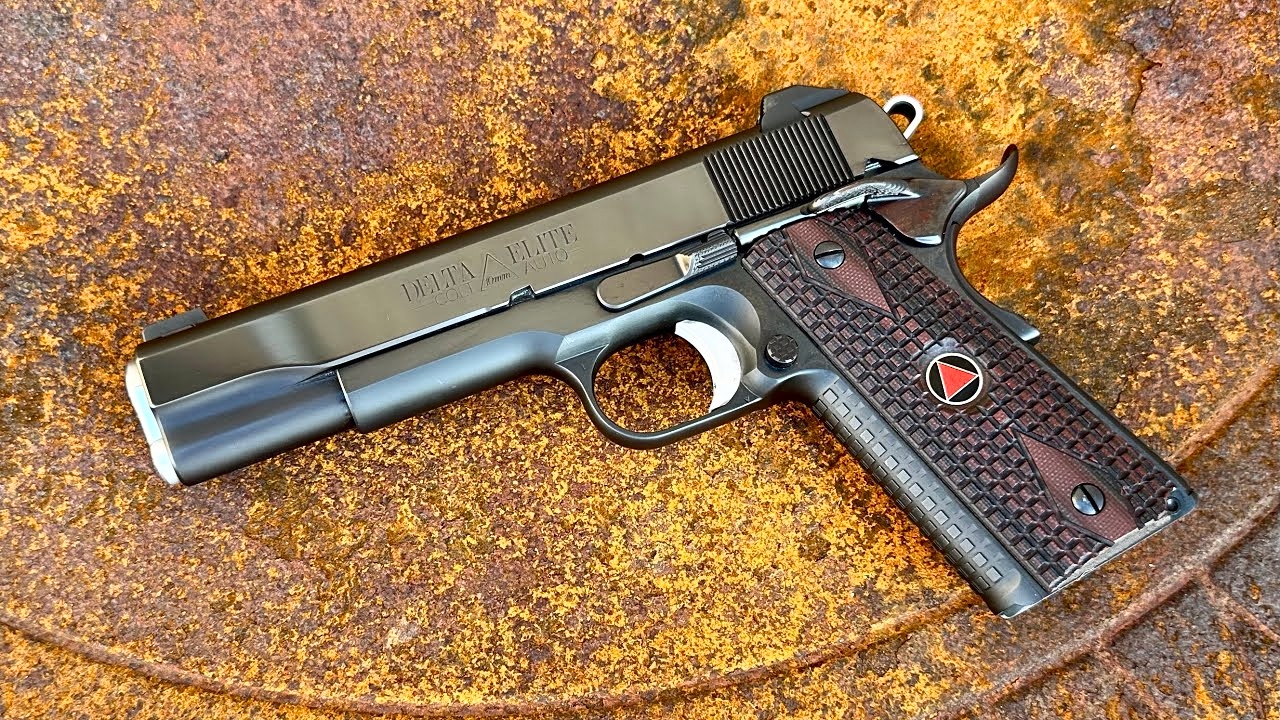
Colt Delta Elite

The Delta Elite once stood almost alone as a factory 10mm 1911. As 10mm became more mainstream, polymer pistols with greater capacity began taking much of the attention.
The Colt still offers something different. The steel Government frame, excellent trigger potential, and classic 1911 handling make full-power 10mm surprisingly enjoyable. It may give up capacity to newer designs, but shooters who appreciate a traditional single-action pistol have little reason to consider the Delta outdated.
Smith & Wesson Model 1006
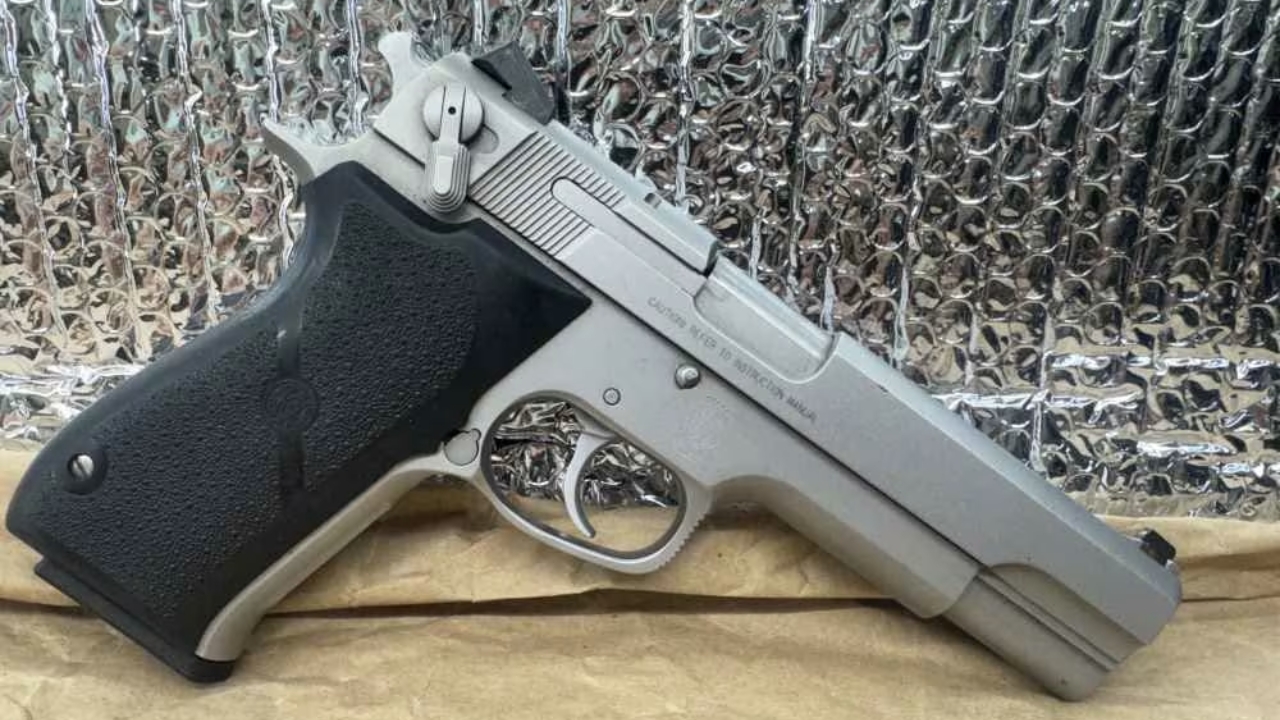
The Model 1006 was built during the brief period when 10mm looked destined to become a major service cartridge.
The cartridge’s law-enforcement popularity collapsed, and the big stainless pistol went with it. What remained was one of the most substantial 10mm semiautomatics ever produced. The 1006 feels almost overbuilt, and that is exactly why shooters still seek them out. The market moved away from the concept long before the gun itself stopped making sense.
Beretta 8040 Cougar

The .40-caliber Cougar disappeared into obscurity as both the Cougar platform and .40 S&W lost attention.
Its rotating-barrel system still gives it a noticeably smooth recoil impulse, while the metal frame feels substantial without being absurdly large. The pistol was well made, reliable, and comfortable to shoot. It simply arrived in a category the market eventually abandoned. That is very different from being a bad handgun.
Ruger P89
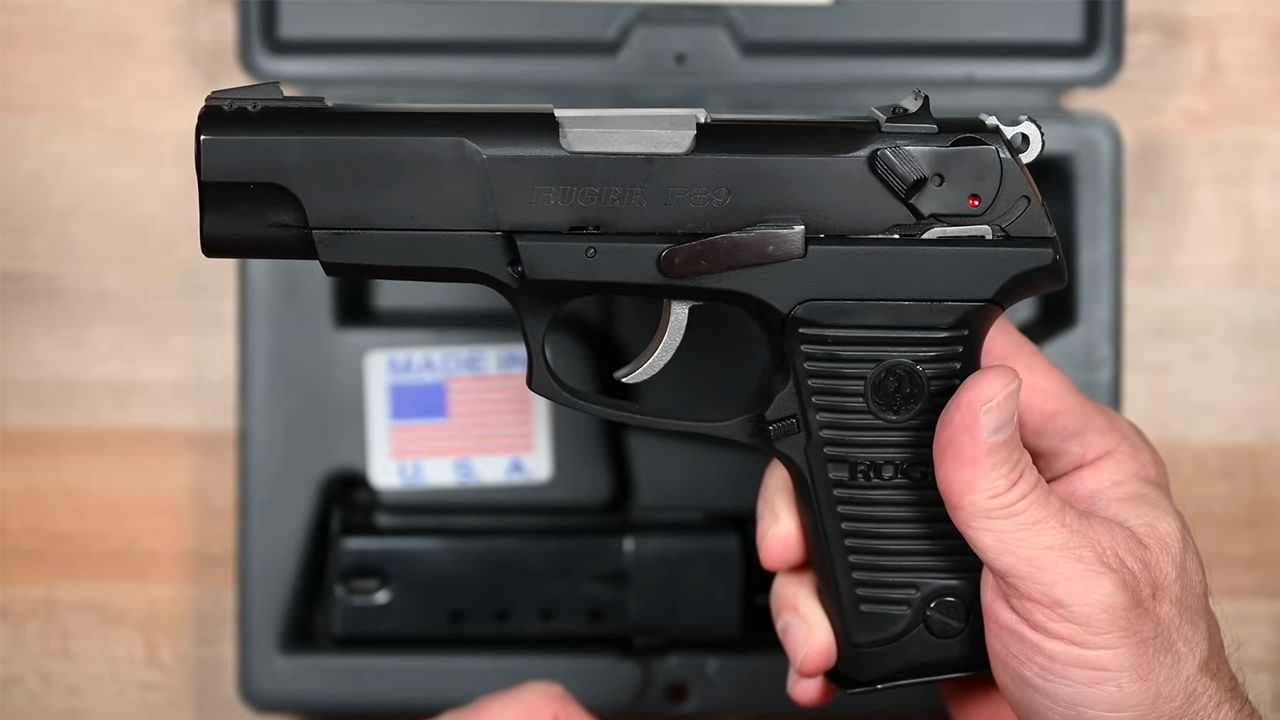
The P89 once represented Ruger’s approach to a serious 9mm service pistol: build it thick, strong, affordable, and worry about elegance later.
Modern buyers may laugh at the size and blocky controls, but these guns developed a reputation for absorbing enormous amounts of use. The P89 is not refined, yet its durability is difficult to argue with. Plenty of newer pistols are lighter and easier to carry. Few make the old Ruger feel fragile by comparison.
Colt 1991A1

The 1991A1 spent years being treated as Colt’s plain, budget-oriented 1911 rather than one of the company’s more desirable pistols.
That kept it from developing the glamour of higher-end Colts, but the basic gun remained exactly what many shooters needed: a straightforward Government Model with traditional dimensions and a proven operating system. A clean 1991A1 still gives you the core Colt 1911 experience without layers of competition or tactical hardware. Sometimes plain ages better than fashionable.
SIG Sauer P245
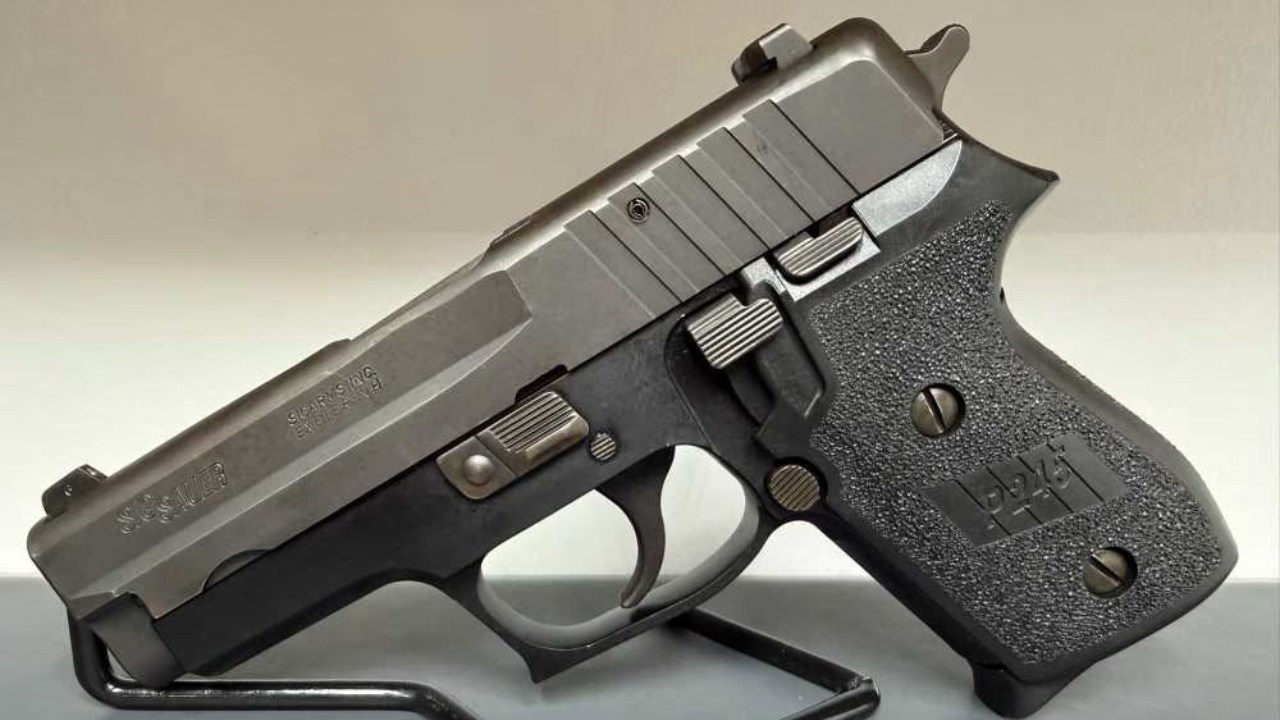
The P245 took SIG’s traditional .45 ACP service-pistol formula and condensed it into a much more compact package.
Its production life was relatively short, and newer SIGs quickly pushed it aside. Yet the pistol remains slim, well balanced, and surprisingly comfortable for a compact .45. The single-stack magazine limits capacity by modern standards, but it also keeps the grip manageable. The P245 did not fail because it lacked quality. The market simply moved toward different priorities.
Smith & Wesson Model 908
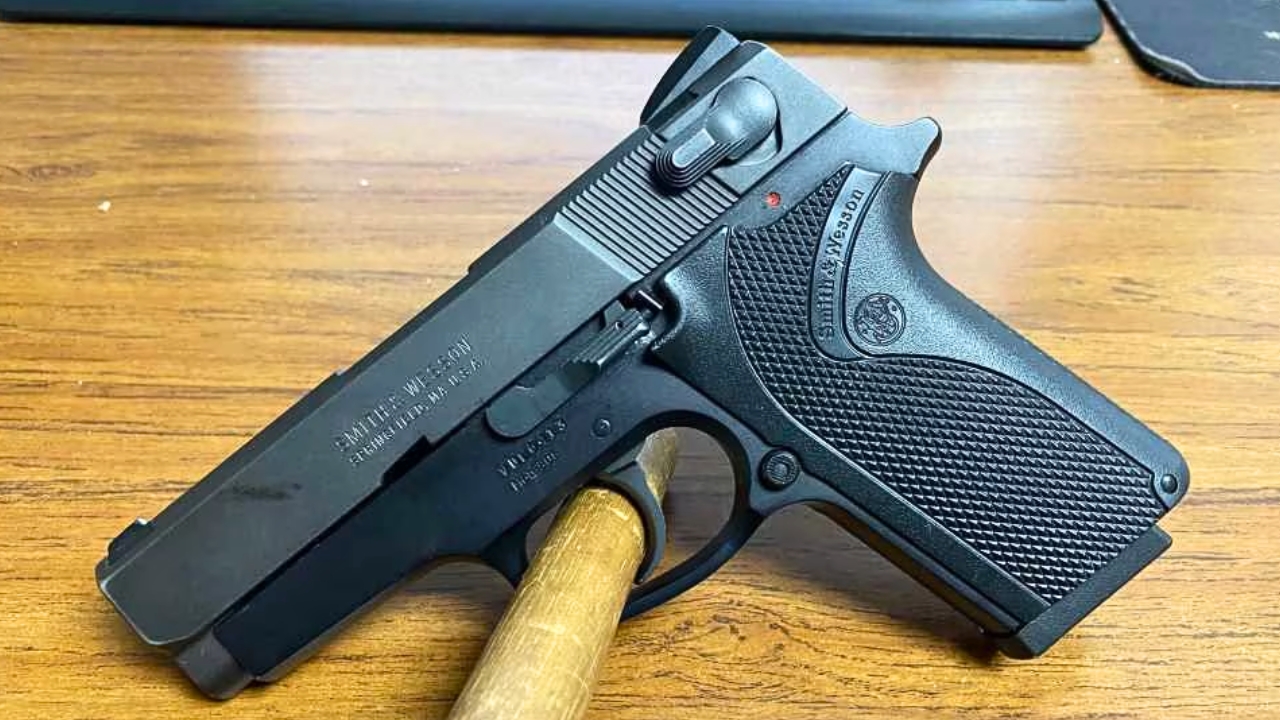
The Model 908 was intended as a value-oriented compact 9mm, which meant it never received the prestige of Smith & Wesson’s more elaborate third-generation pistols.
Underneath the simpler finish and features was still a solid metal-framed defensive handgun. The pistol is thin, dependable, and easy to carry compared with many larger service guns from the same era. Its modest reputation is largely a consequence of where it sat in the lineup rather than how well it performed.
Beretta 86 Cheetah
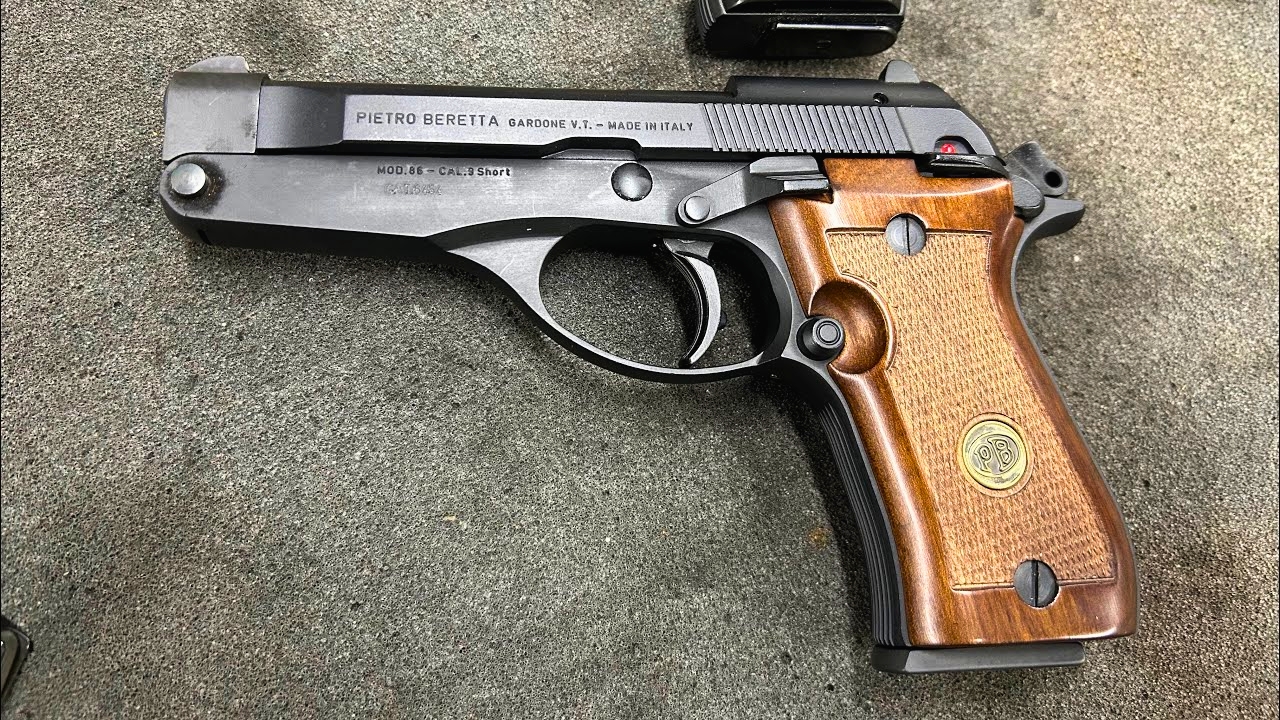
The Model 86 was unusual even within the Cheetah family because of its tip-up barrel.
That feature allowed the chamber to be loaded without racking the slide, making the pistol especially appealing to shooters with limited hand strength. Modern easy-rack pistols have largely taken over that role, but the 86 remains beautifully built and remarkably pleasant to shoot. The solution may be old, but it is still clever.
HK USP40 Compact

The USP40 Compact once made perfect sense as a serious defensive handgun. Then 9mm regained dominance and .40 S&W began disappearing from police holsters.
The pistol did not suddenly lose the robust construction HK built into the USP family. In fact, the .40-caliber version was designed around a cartridge that demanded a sturdy platform. It is chunky by current standards, but durable, accurate, and extremely controllable for its size. Falling cartridge popularity dragged the gun down with it.
Smith & Wesson Model 3914
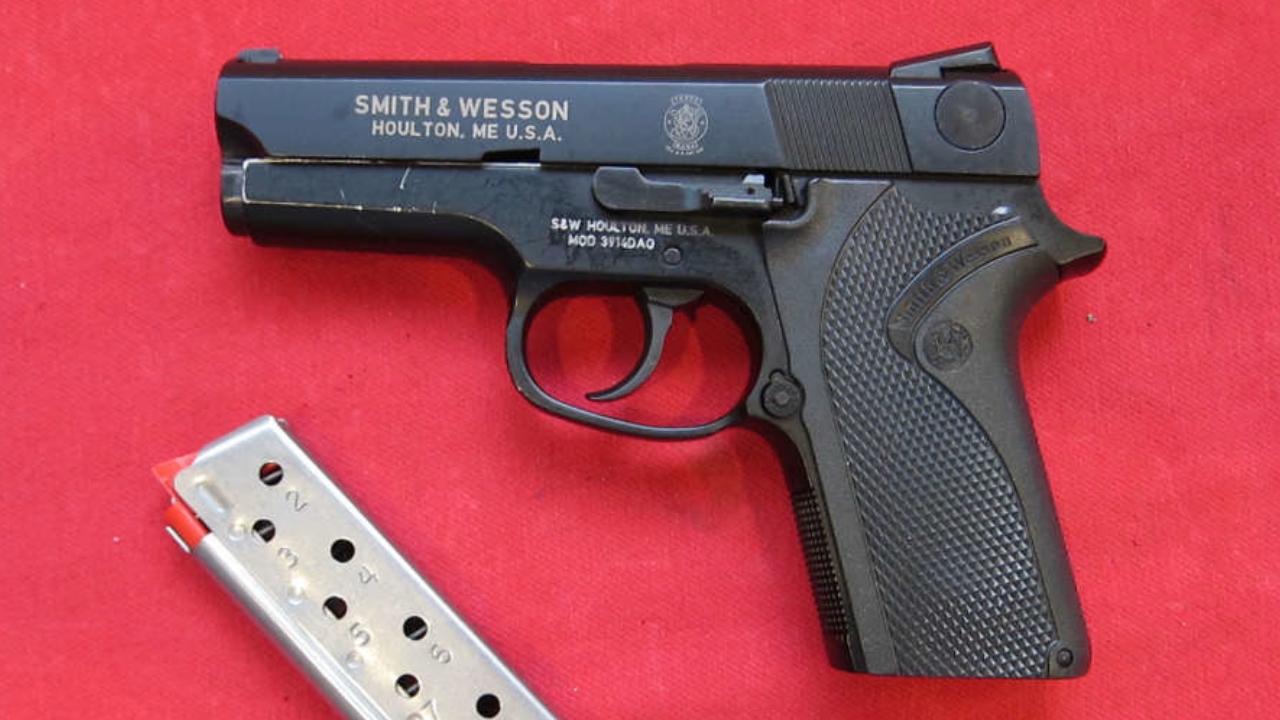
The 3914 was one of Smith & Wesson’s genuinely excellent compact single-stack 9mm pistols.
Modern carry guns absolutely destroy it in capacity-to-size comparisons, which explains why the concept disappeared. The 3914 still has a slim grip, excellent carry dimensions, metal-frame solidity, and a proven DA/SA action. For shooters who value thinness and shootability over maximum ammunition capacity, it remains surprisingly relevant.
Colt Mustang Plus II
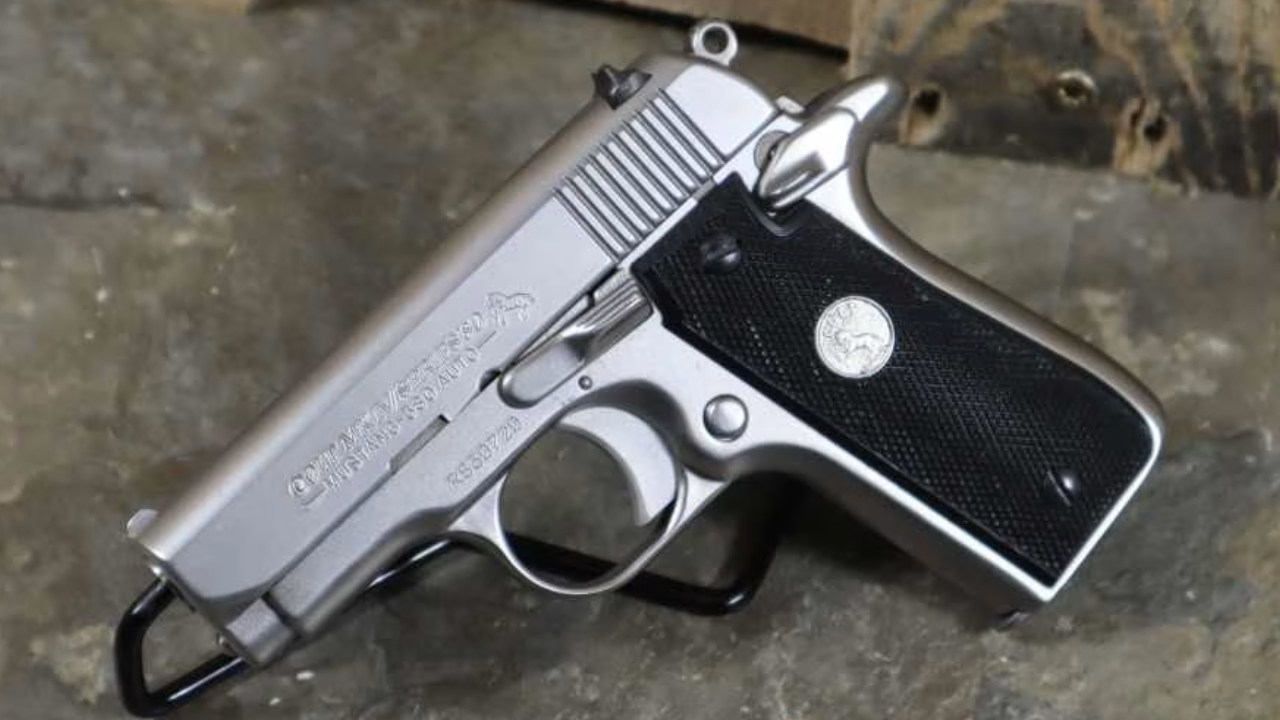
The Mustang Plus II combined Colt’s small single-action .380 format with a longer grip and increased magazine capacity.
It became obsolete in the marketplace once modern polymer .380s and micro 9mms arrived. That does not erase the little Colt’s excellent proportions or enjoyable trigger. It feels like a miniature traditional pistol rather than a plastic pocket tool. For some shooters, that makes it far more satisfying to own and shoot than its modern replacements.
Walther P99c AS

The compact P99c AS was one of the more sophisticated small striker-fired pistols of its era. Its Anti-Stress trigger system gave the shooter multiple trigger characteristics in a platform that did not behave like the conventional striker guns that eventually dominated the market.
That complexity probably hurt its mass appeal, but the actual pistol was excellent. The ergonomics were strong, the trigger was genuinely distinctive, and the compact gun shot far better than its size suggested. Simpler designs won the popularity battle. The P99c AS never lost the quality that made it interesting in the first place.
Like The Avid Outdoorsman’s content? Subscribe to our newsletter so you never miss an article.
Here’s more from us: