Photo credit: Georgiaboy44/Youtube
Every time I’m standing at a gun counter and somebody says, “They don’t make ’em like they used to,” nine times out of ten they’re talking about a revolver. Not because revolvers are magical, but because a design that’s been turning for decades tends to get its weak points exposed and fixed. The ones that stick around earn it the hard way: broken parts, bad batches, rough years, and a whole lot of range time in real hands.
These aren’t “best of the best” trophies. Some are heavy, some are pricey now, and a few are honestly a little rough around the edges. But they’ve been produced long enough that their reputations aren’t internet rumors—they’re something you can feel in the timing, the lockup, and how they behave when the novelty wears off.
1. Smith & Wesson Model 10
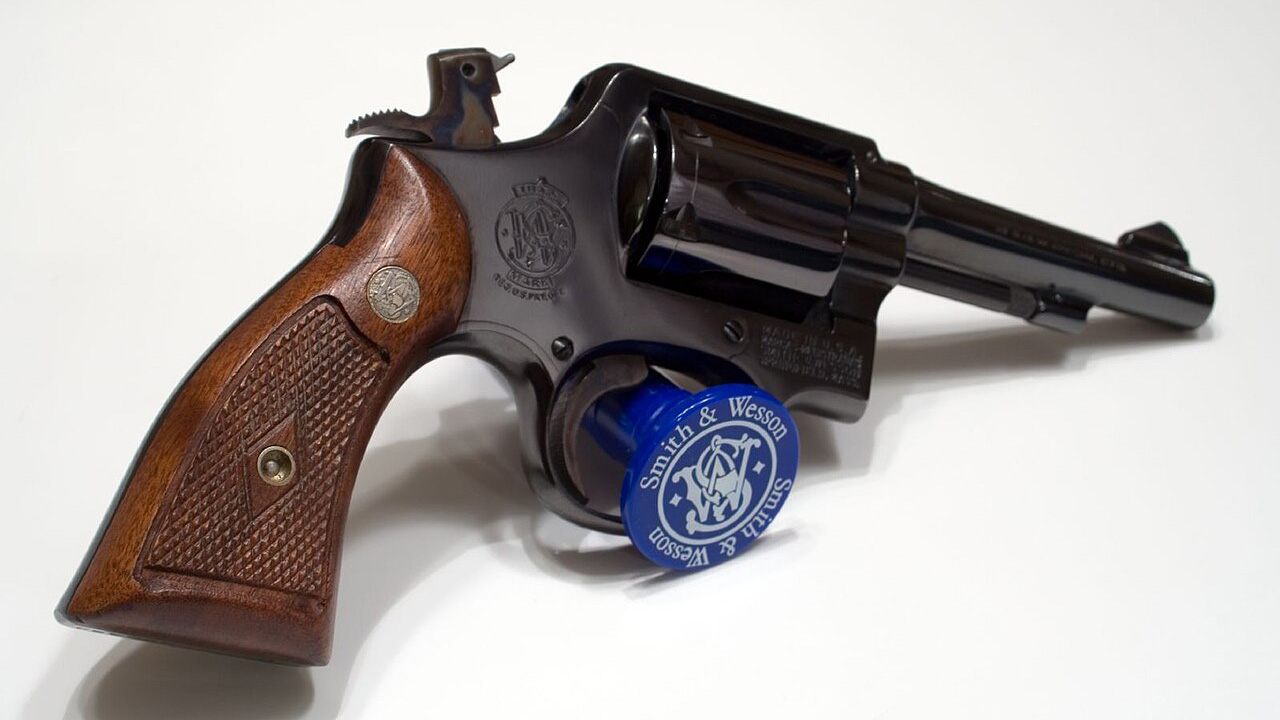
If you want to understand why the .38 Special became the working man’s handgun, spend time with a Model 10. It’s not flashy. It’s not rare. It just points naturally, balances well, and does what it’s supposed to do with boring consistency.
Most of them have triggers that make you realize why people still chase old Smiths. For a nightstand gun, a glovebox gun where legal, or just a steady range piece, this is one of the few revolvers that feels “right” even to folks who claim they’re semiauto-only.
2. Smith & Wesson Model 19 (Combat Magnum)
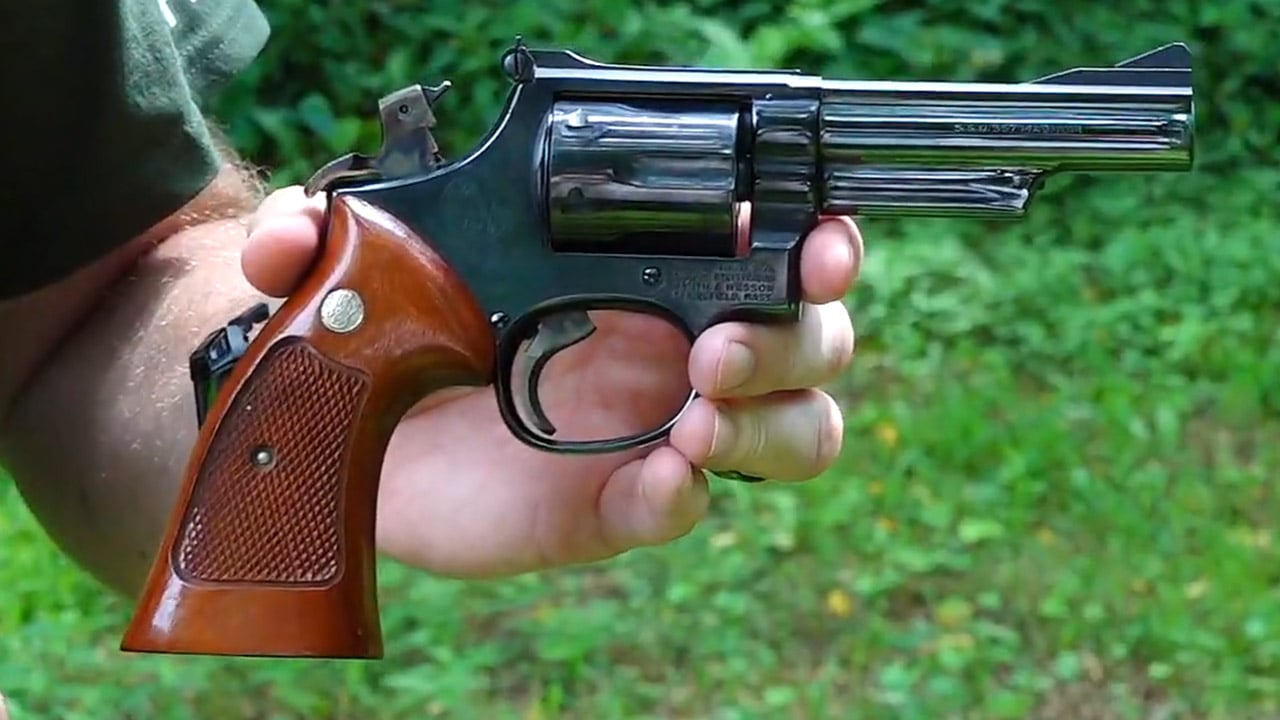
The Model 19 is what happens when somebody wants .357 Magnum power without carrying a brick all day. K-frame .357s have a loyal following for a reason: they carry easier than the bigger N-frames and they’re quick out of leather.
It’s also a revolver with a well-known reality check: feed it a steady diet of hot, light-bullet magnums and you can accelerate wear. Run .38s for practice and magnums for the job, and you’ve got a classic that still makes sense.
3. Smith & Wesson Model 27
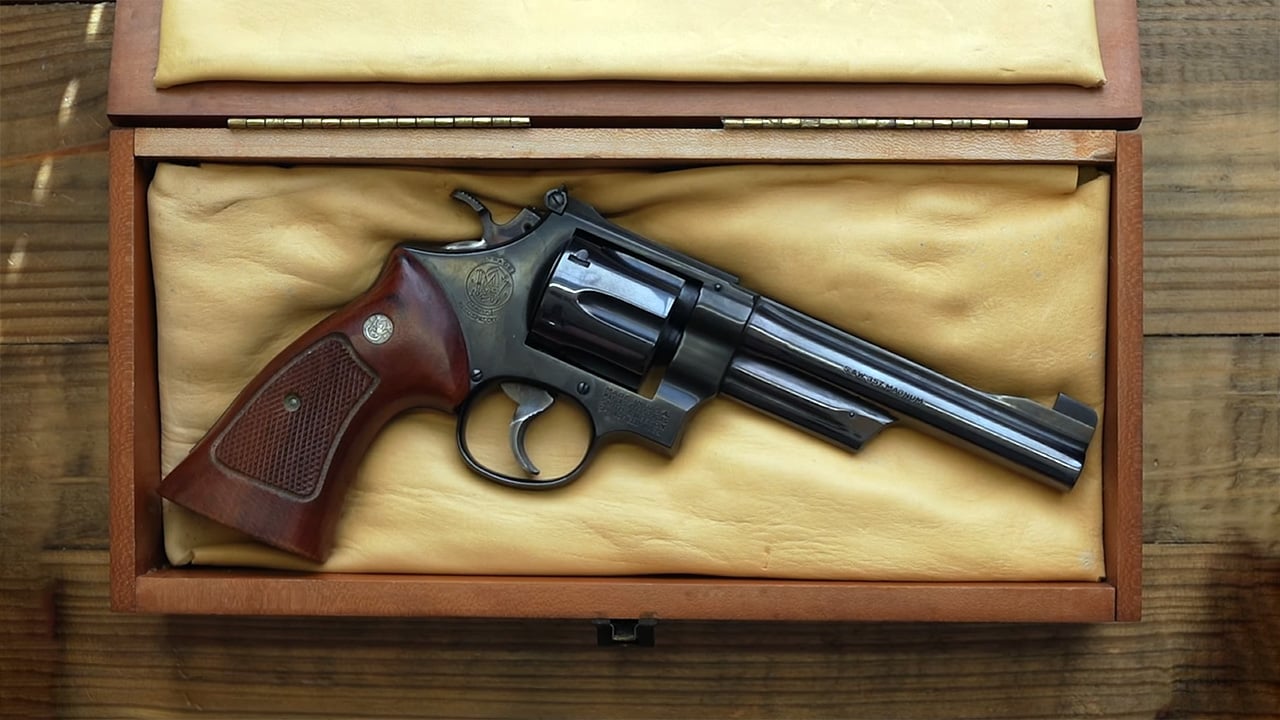
Big N-frame, deep blue, and built like it expects you to actually shoot .357 Magnum. The Model 27 is one of those revolvers that feels overbuilt in a comforting way, like a farm jack that never complains.
They’re not light, and they’re not cheap anymore. Still, if you want a traditional double-action .357 that can take real use without feeling like it’s living on borrowed time, this one earned its status.
4. Smith & Wesson Model 29
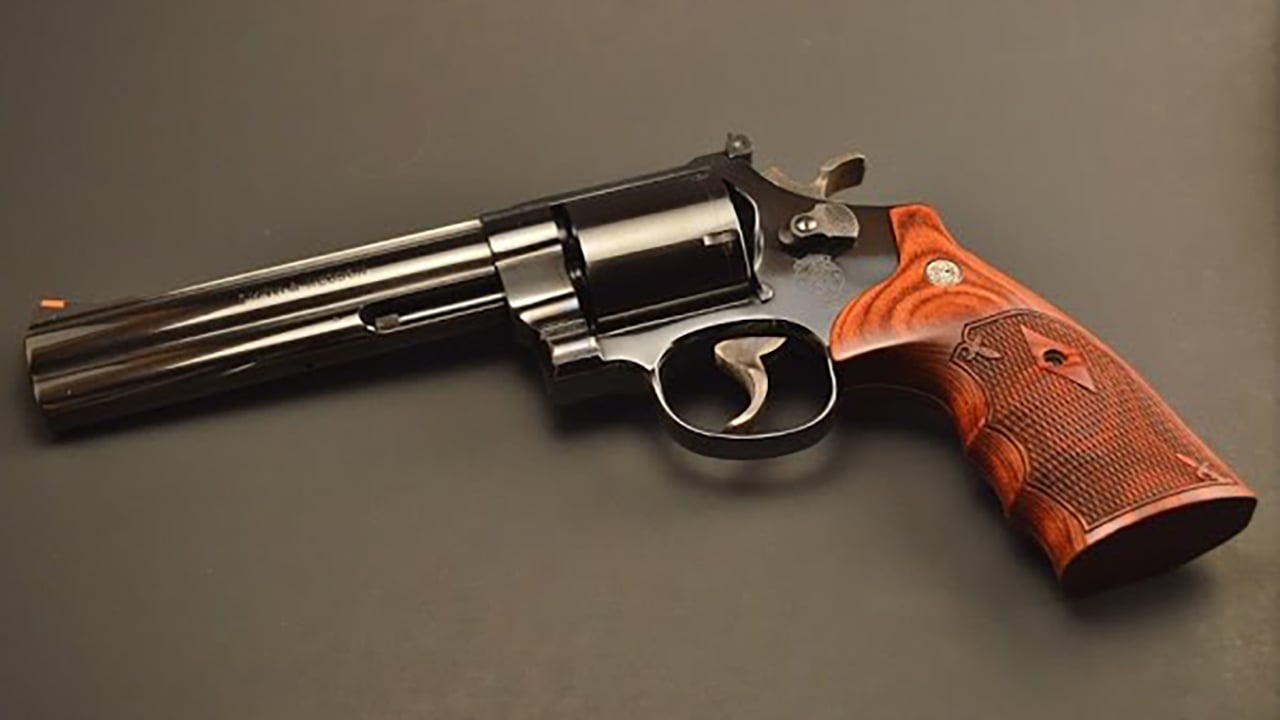
The Model 29 has been mythologized to death, and it still holds up. A good one has that smooth, rolling double-action and a single-action break that makes you slow down and actually aim.
Here’s the honest part: .44 Magnum isn’t fun for everybody, and a lot of 29s end up as safe queens after the first box. But as a hunting sidearm, a woods gun, or just a “because I can” revolver, it’s the real deal.
5. Smith & Wesson Model 36 (Chief’s Special)
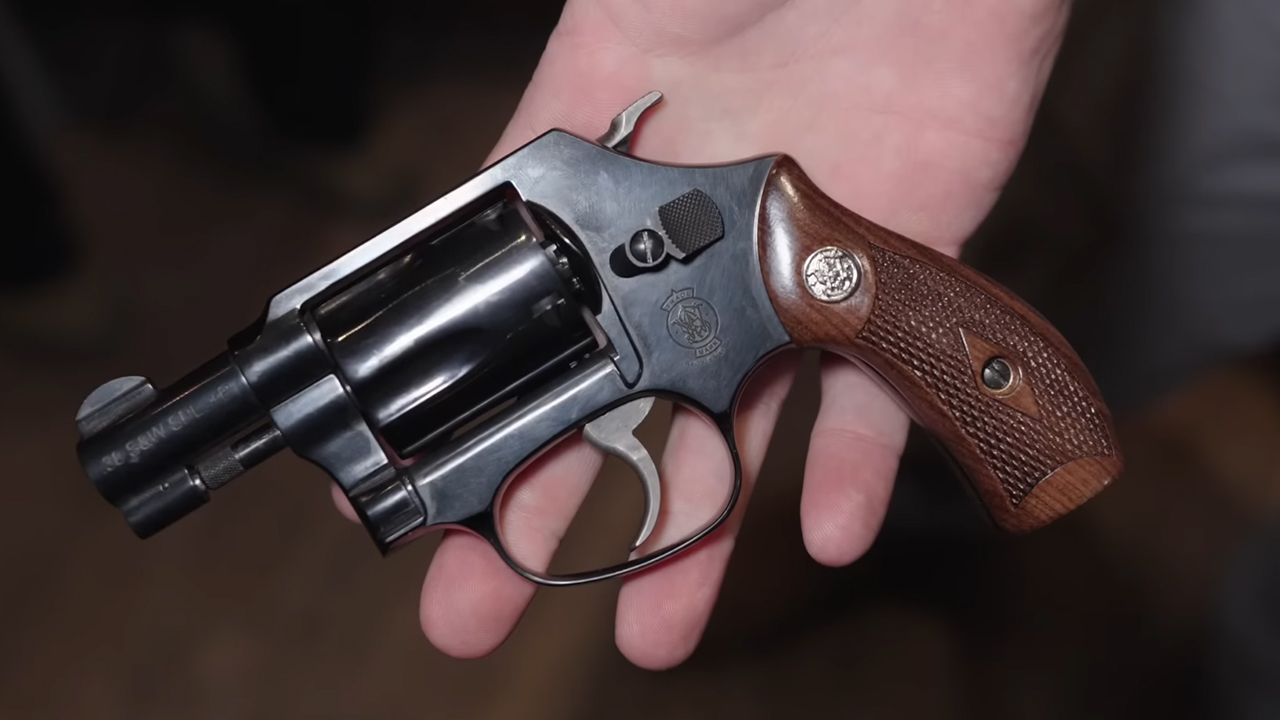
There’s nothing glamorous about a small .38 snub until you’ve carried one for long enough to appreciate simple. The Model 36 is the kind of revolver that disappears in a coat pocket and still feels like a real gun in the hand.
It’s not a high-round-count range toy, and tiny sights are tiny sights. But for what it is—an everyday, always-there revolver—it’s got decades of trust behind it.
6. Smith & Wesson Model 60
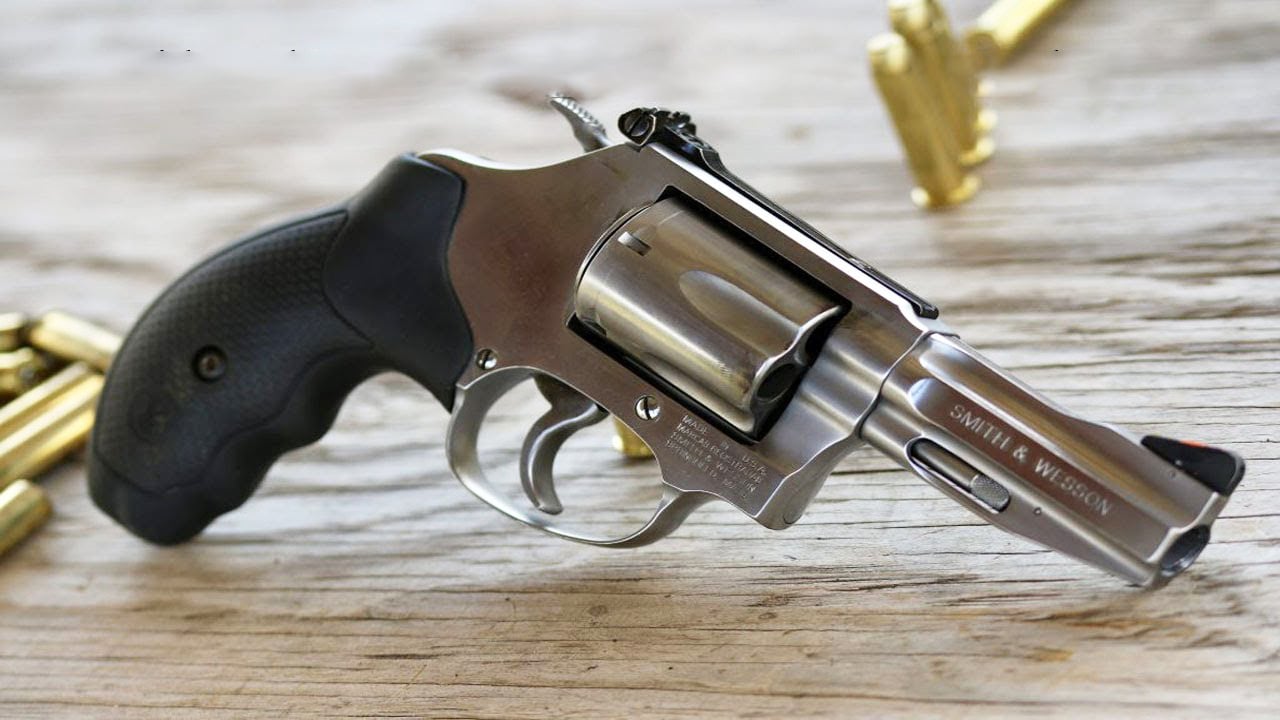
Stainless steel changed the carry revolver game, and the Model 60 is one of the big reasons. Sweat, rain, and dusty truck consoles don’t treat blued guns gently, and stainless forgives a lot of real-life neglect.
J-frames are still J-frames: short sight radius and brisk recoil, especially with +P. But this one is a known quantity, and that matters when you’re choosing a tool instead of chasing a trend.
7. Smith & Wesson Model 686
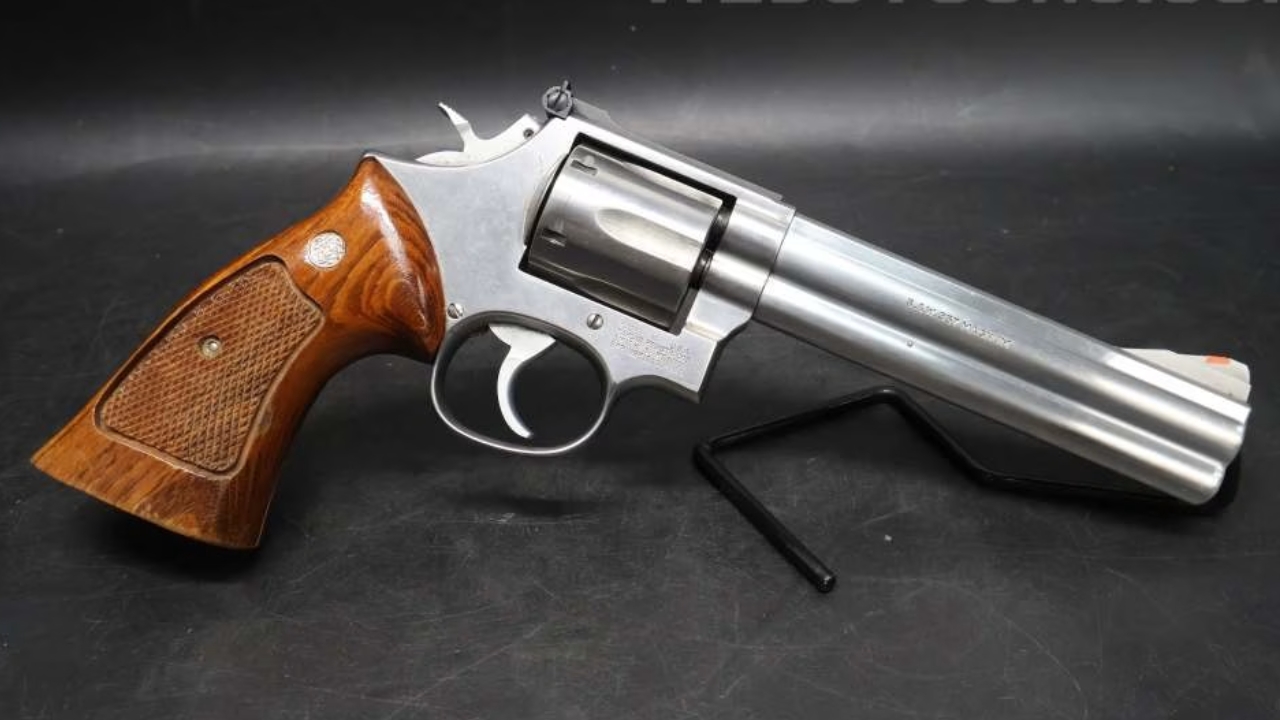
The 686 is what I think of when somebody wants “one revolver to do most things” in .357. L-frame size hits a sweet spot: enough weight to shoot magnums comfortably, but not so big it feels like a boat anchor.
It’s also a revolver you can actually find holsters, grips, and support for without turning it into a research project. If you shoot a lot, that support network matters more than folks like to admit.
8. Smith & Wesson Model 642
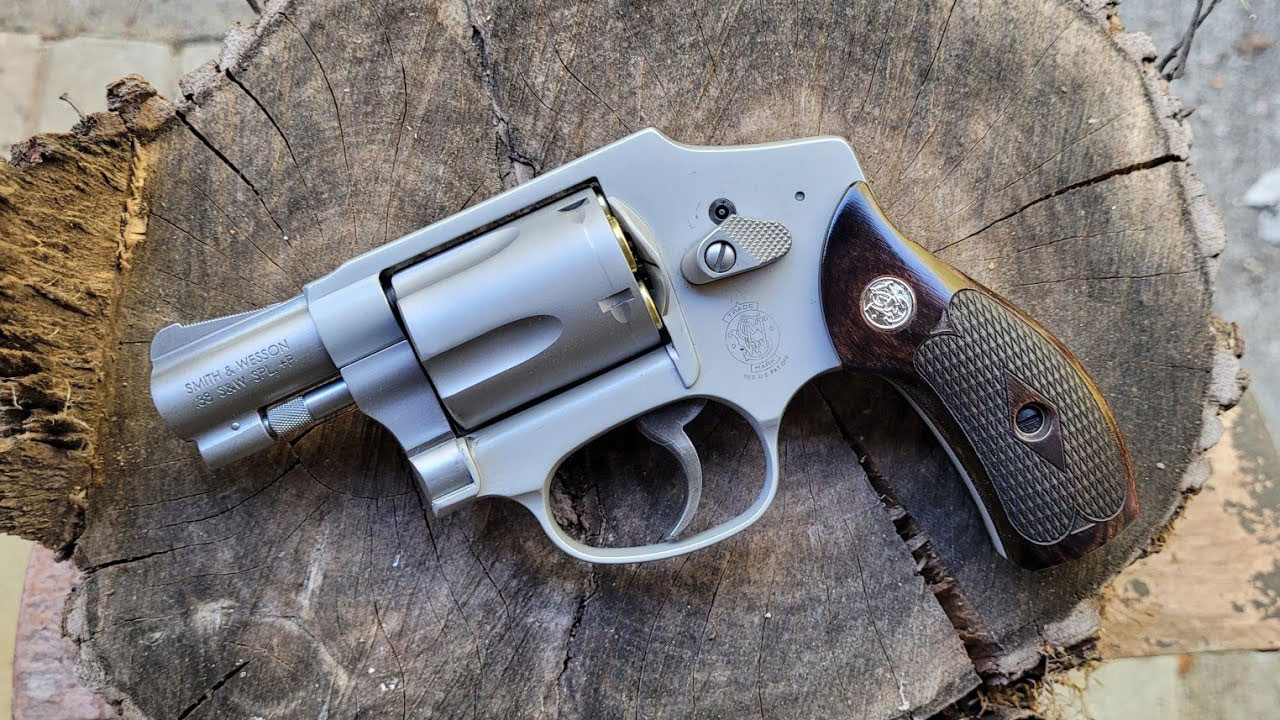
The 642 isn’t romantic. It’s a light, simple, enclosed-hammer .38 that gets carried because it’s easy to carry. That’s the whole point. It’s the revolver that ends up in pockets on dog walks, quick runs to town, and around the property.
Lightweight snubs can be unpleasant with defensive loads. But if you’ll actually carry it, and you’ll actually practice enough to run it well, the 642 has earned its reputation one honest draw at a time.
9. Colt Python
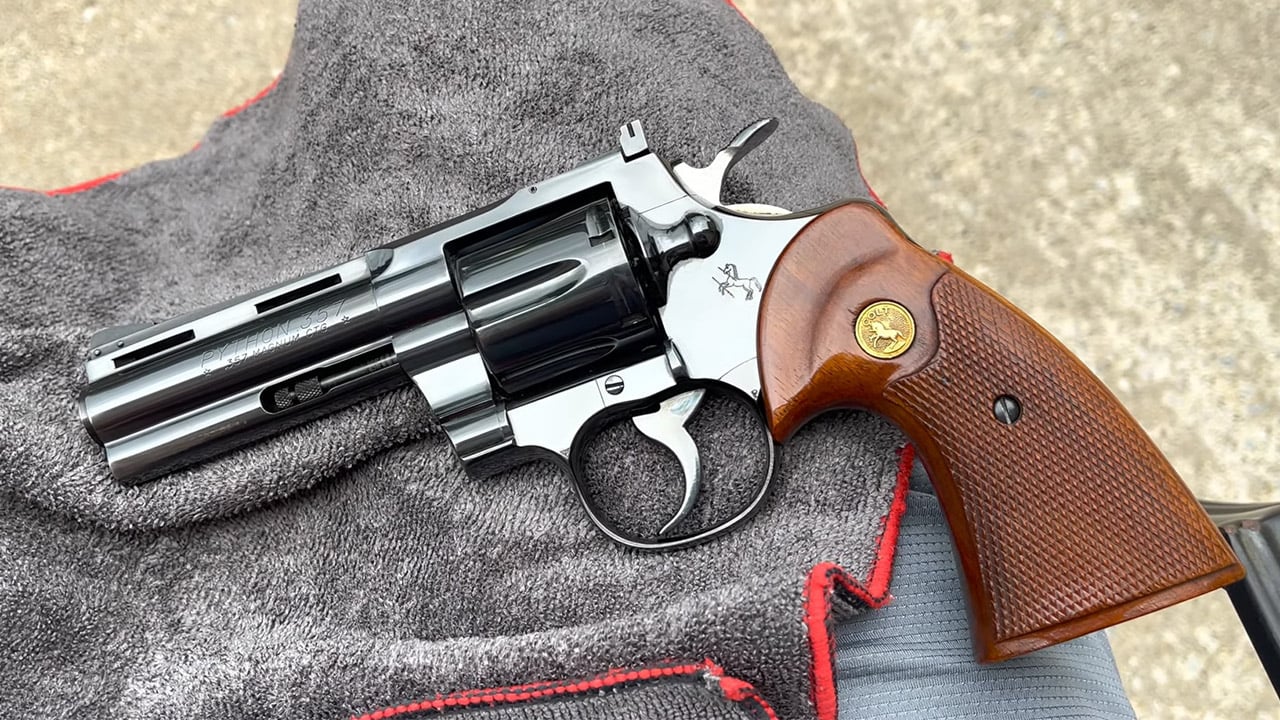
Say what you want about hype—Pythons have been impressing shooters for a long time. The lockwork feel is different than a Smith, and when it’s right, it’s smooth in a way that makes you keep staging the trigger just to feel it.
They’re not the choice if you want cheap parts and no worries. But as a premium .357 that’s been vetted by generations of shooters, the Python sits in its own lane.
10. Colt Detective Special
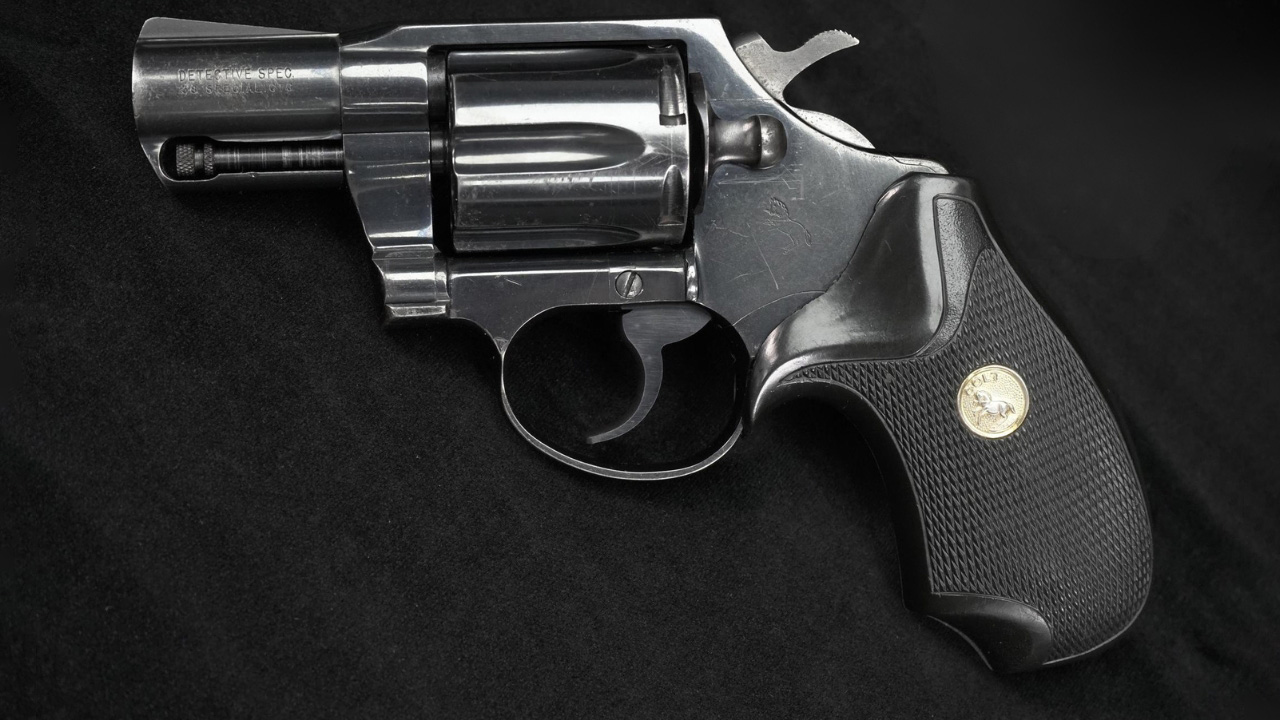
Before “micro-compact” meant a tiny 9mm, a Detective Special was what a lot of folks trusted for discreet carry. Six shots in a small frame is still a practical advantage, and the gun carries flatter than you’d think.
Older examples can be a little finicky if they’ve been abused, and Colt timing is something you don’t ignore. But a good Detective Special is one of those revolvers that makes you wonder why you ever thought you needed more complexity.
11. Colt Single Action Army
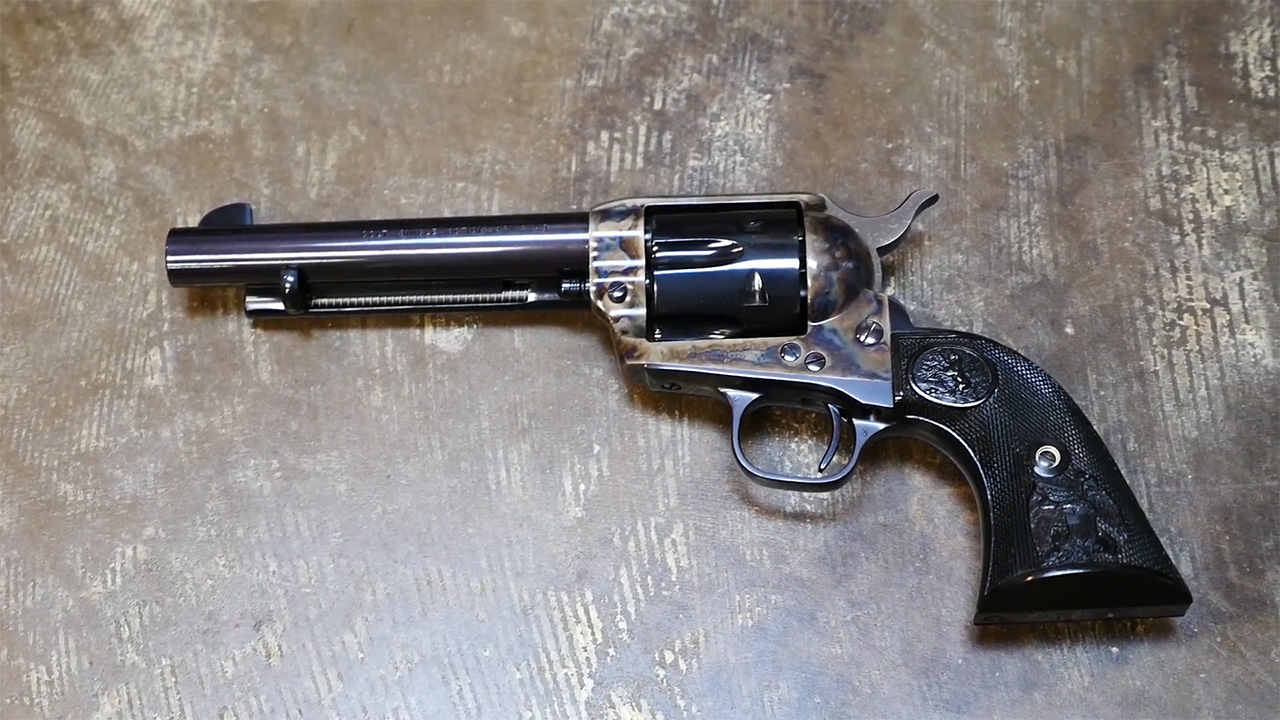
It’s hard to overstate how much the Single Action Army shaped the American handgun story. Even if you’ve never owned one, you’ve seen the silhouette a thousand times. The grip, the hammer, the whole rhythm of it is pure tradition.
It’s not the most practical defensive handgun in 2026, and nobody needs to pretend it is. But for trail carry, cowboy loads, and pure shooting enjoyment, it’s been proving itself longer than most of us have been alive.
12. Ruger Blackhawk
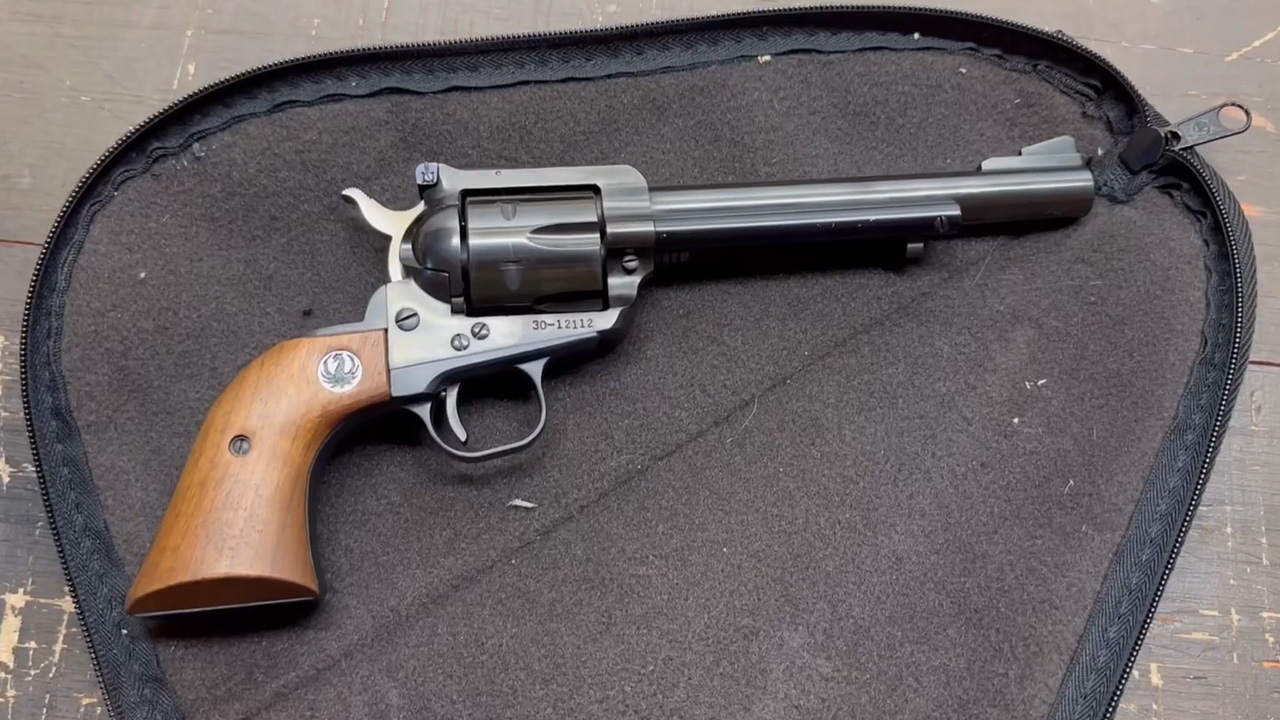
The Blackhawk is the revolver you buy when you want to actually shoot your single-action a lot and not worry about babying it. Ruger built these for working shooters, not display cases.
They’re usually not as refined as old Colts, and the feel is different. Still, if you want a hard-use .357, .41, .44, or .45 Colt single-action that won’t make you nervous every time you touch off a stout load, this is the one.
13. Ruger Super Blackhawk

This is where the Blackhawk idea gets serious about heavy loads. The Super Blackhawk has put a lot of venison in freezers over the years, and it’s one of the most common “first hunting handgun” revolvers for folks who really follow through.
It’s big. It’s loud. And it will teach you about grip and follow-through in a hurry. But it’s also the kind of revolver that keeps going if you do your part.
14. Ruger GP100
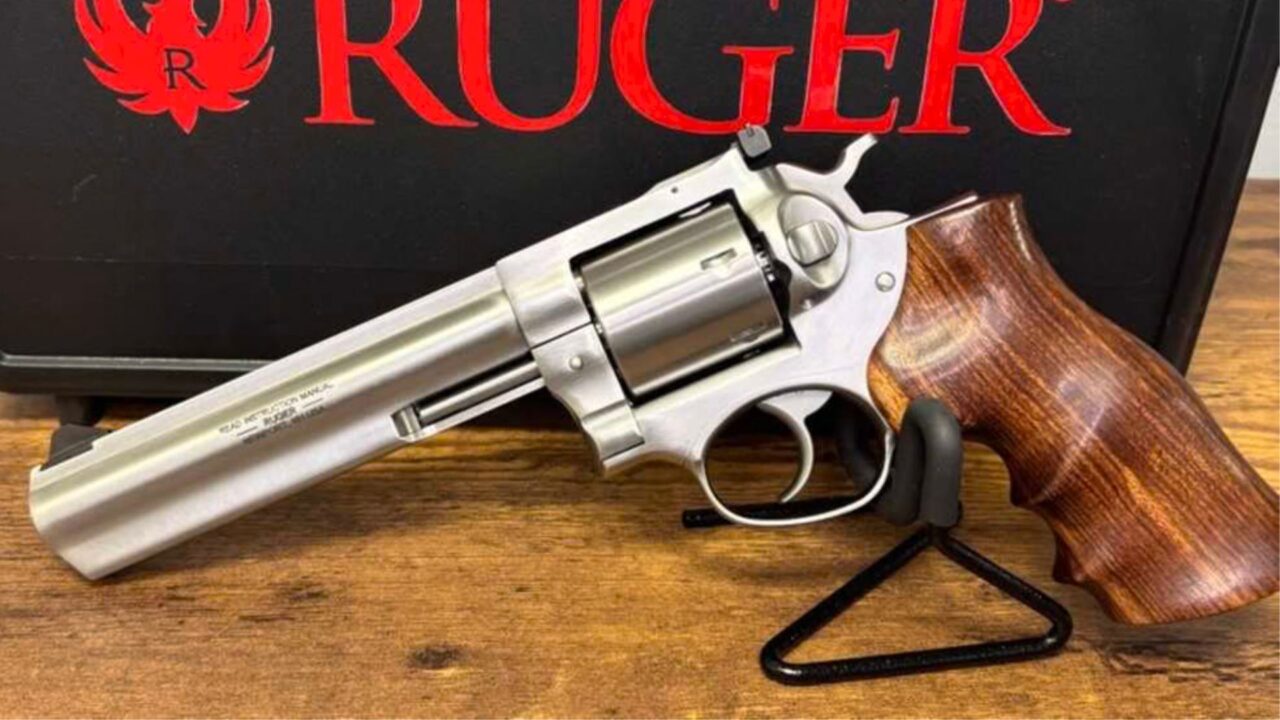
If I had to pick a double-action .357 that I’d hand to somebody who doesn’t want to fuss with anything, GP100 is always in the conversation. They’re stout, simple to maintain, and they take real range use without feeling delicate.
They’re not the lightest carry choice, and the factory trigger can be a little stiff compared to a slick Smith. But the durability reputation didn’t come from brochures—it came from people shooting them a lot.
15. Ruger SP101
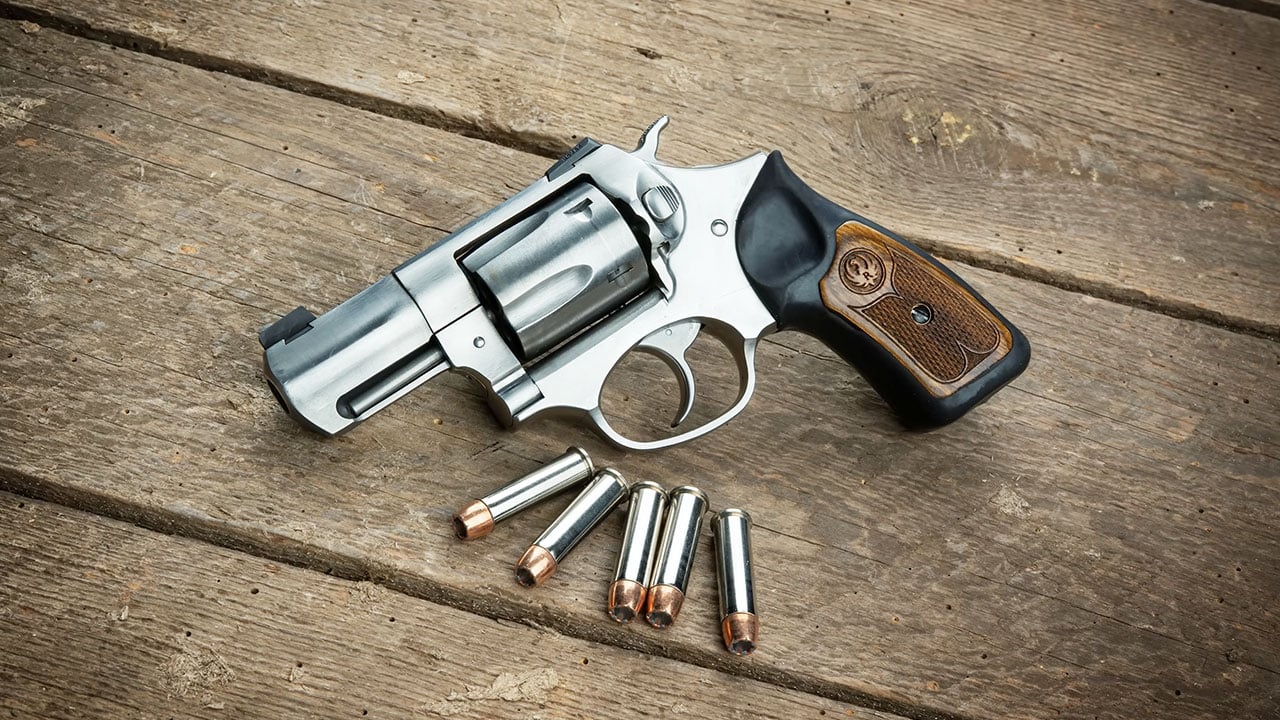
The SP101 is a small revolver that behaves like a bigger one. That extra steel makes it heavier in the pocket, sure, but it also makes .357 or +P .38 far more controllable than the featherweight options.
For belt carry around the farm, hiking, or a “do it all” small-frame revolver, it’s tough to beat. It’s one of those guns that feels like it’ll still be running after the cheap stuff has rattled loose.
16. Ruger Redhawk
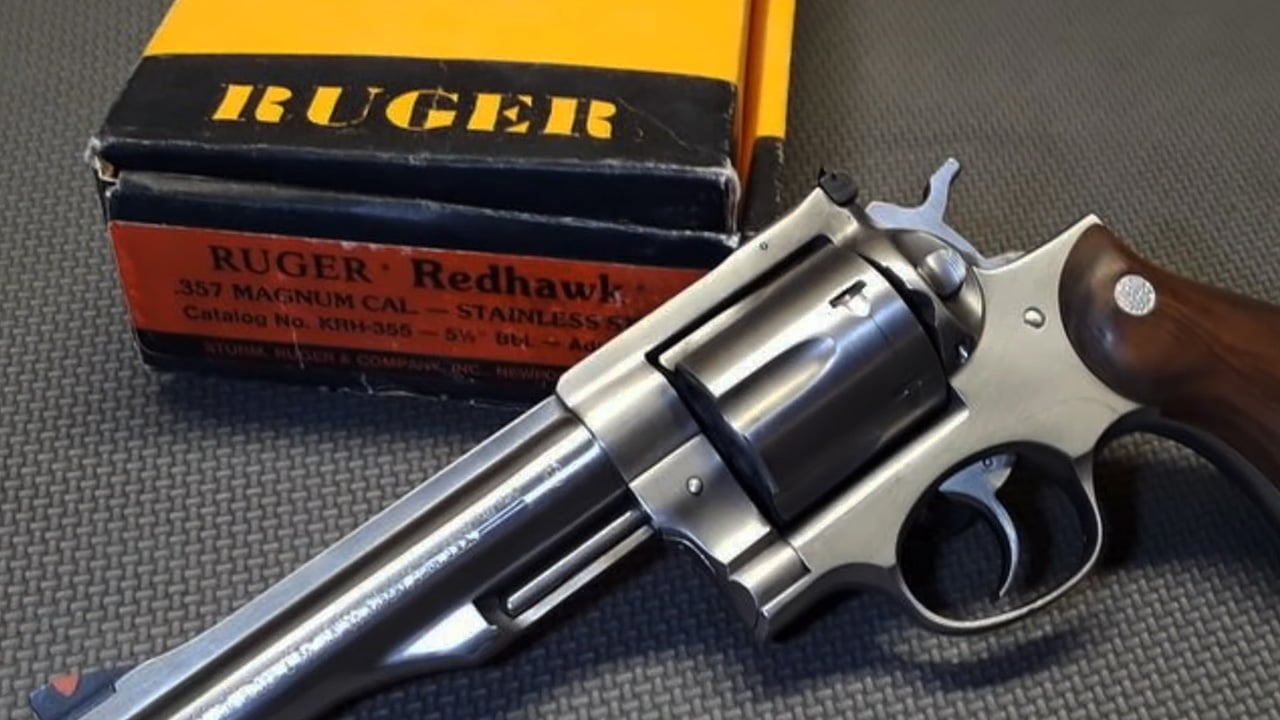
The Redhawk is not subtle. It’s a big-frame workhorse that earned its name in hard recoil territory. If you want .44 Magnum or similar power without flirting with the edge of the design, this is the kind of revolver you look at.
It’s heavy on the hip, and you’ll notice it by the end of the day. But in exchange you get strength, longevity, and a revolver that doesn’t feel like it’s begging for mercy with full-power loads.
17. Ruger Super Redhawk

This one shows up a lot in hunting camps for a reason. The Super Redhawk’s frame and weight make magnum cartridges more manageable, and the platform is friendly to optics setups for folks who hunt with a revolver seriously.
Is it bulky? Yep. Is it kind of ugly? Also yep. But if your goal is putting bullets where they belong from field positions, it’s a tool that’s been proving itself for a long time.
18. Taurus Model 85
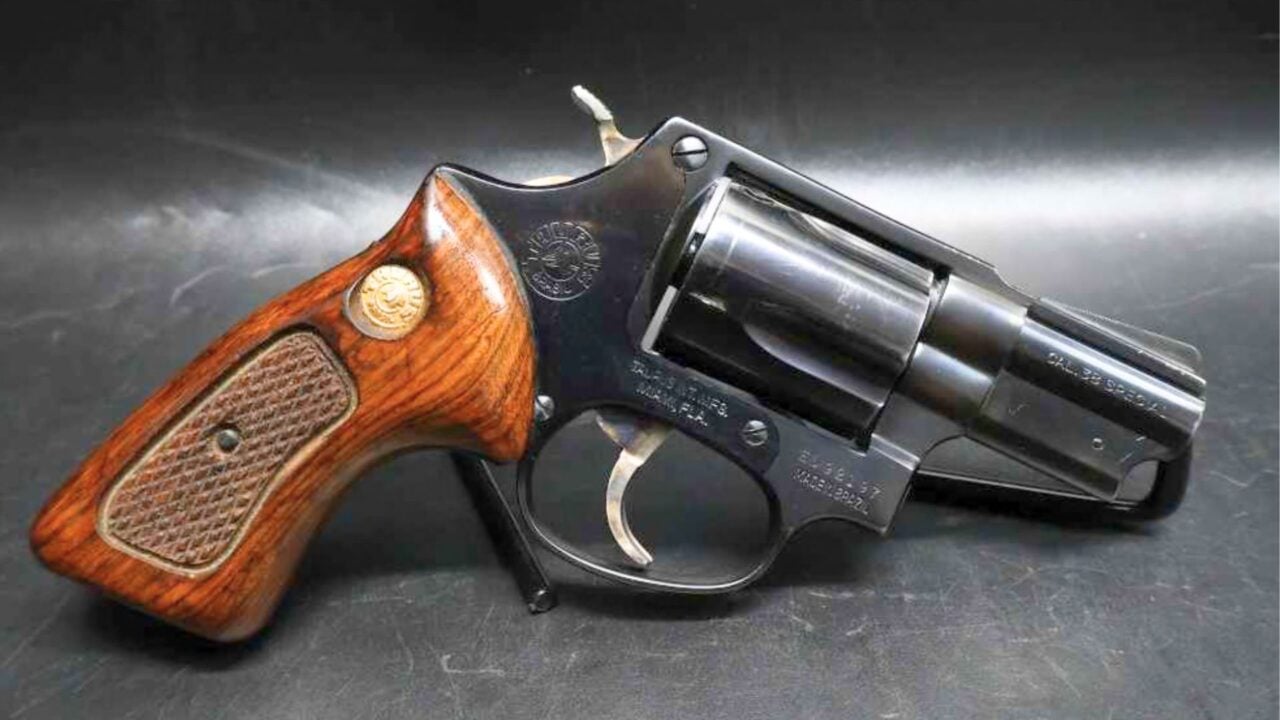
Taurus gets argued about like politics, but the Model 85 has been around long enough that plenty of them have honest miles on them. When you get a good one, it can be a straightforward, serviceable snub-nose .38 that does what you ask.
The reason it makes a list like this is simple: it’s accessible. Not everyone can drop premium money on a small revolver. If you go this route, inspect it carefully, shoot it enough to trust it, and don’t skip function testing. Ask me how I know.
19. Charter Arms Undercover
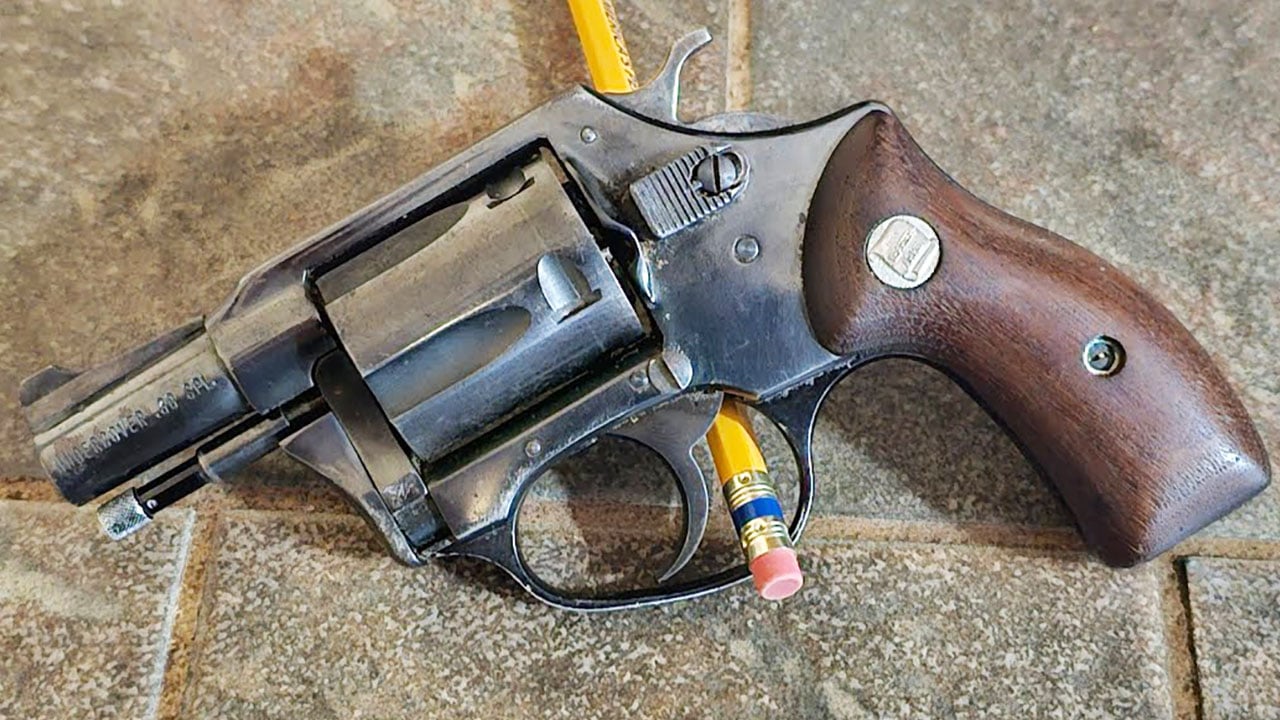
Charter’s Undercover has been the no-frills carry revolver for a long time. It’s not refined, and it doesn’t pretend to be. It’s the kind of gun that rides in a tackle bag, a truck door pocket where legal, or on a belt when you’re doing chores.
Fit and finish can be utilitarian, and triggers vary. But the core idea—lightweight .38 that you can actually afford and actually carry—has kept it relevant through a lot of changing trends.
20. Dan Wesson Model 15 (interchangeable-barrel .357)
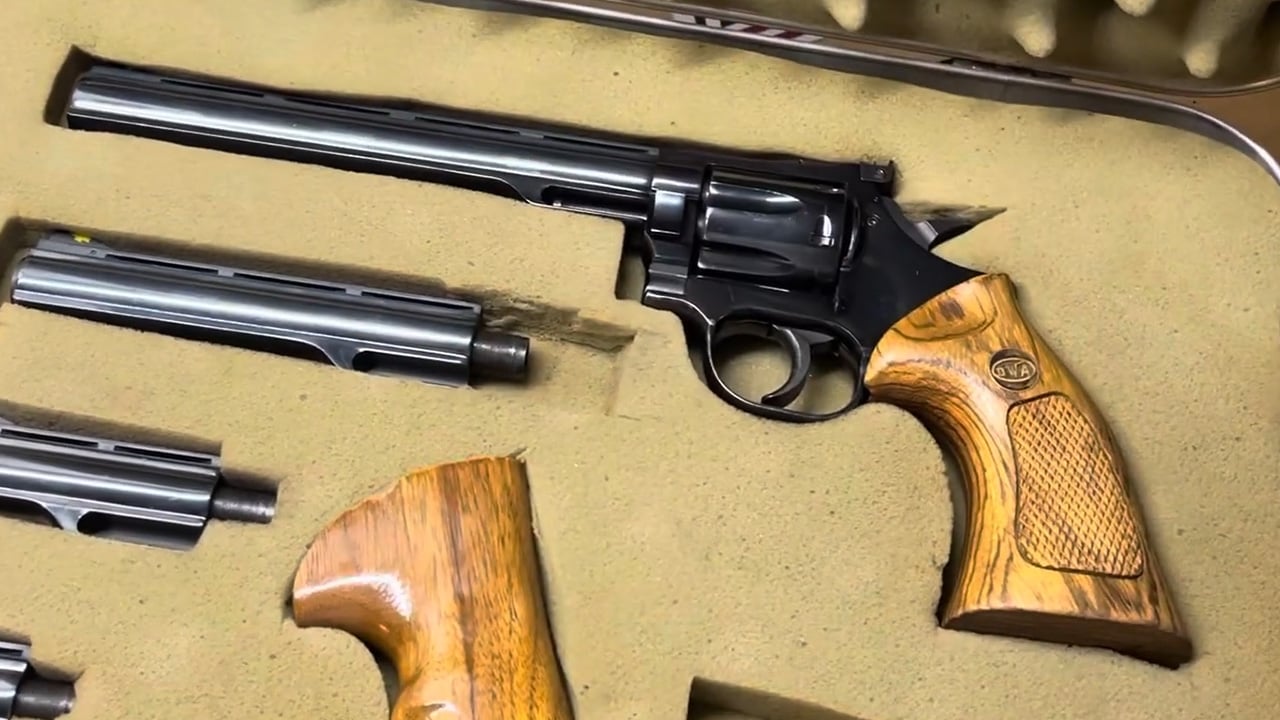
Dan Wesson revolvers don’t always get the spotlight, but the Model 15 earned a serious reputation with shooters who like accuracy and versatility. The interchangeable barrel system is the kind of practical cleverness you don’t see much anymore.
They can be a little more niche to support than the big two brands, and you might hunt for parts or a clean example. Still, when you run into one that’s been cared for, you’ll understand why owners hang onto them.
A good revolver doesn’t need to be trendy. It needs to lock up tight, shoot where you point it, and keep doing that after dust, rain, and years of being bumped around in the real world. If you’re shopping for one, don’t get hypnotized by finish or a famous name alone—check timing, check the cylinder, check the trigger, and then put rounds through it. The ones on this list didn’t earn their reputations online. They earned them the hard way.
Like The Avid Outdoorsman’s content? Be sure to follow us.
Here’s more from us: