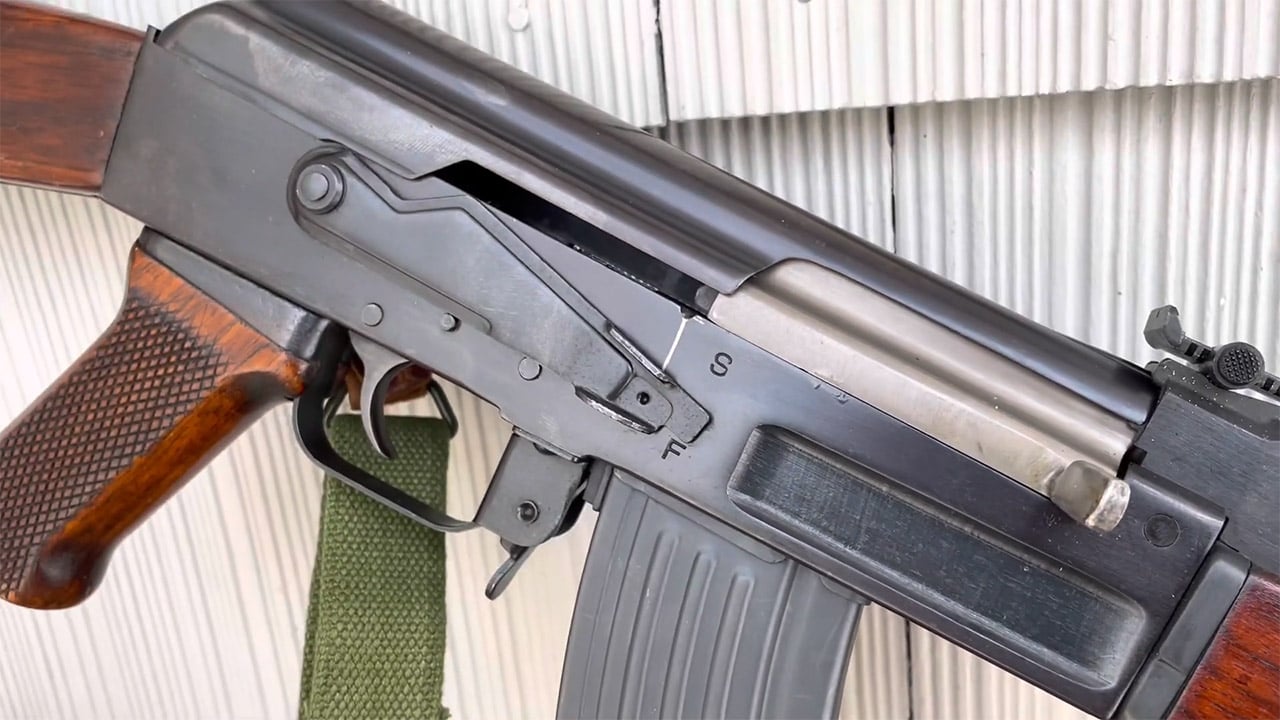
Photo credit: Gun News & Reviews/Youtube
Every now and then you’ll hear about somebody cracking open an old safe after a move, a divorce, or settling an estate, and finding a rifle or pistol they forgot they even owned. The funny part is it didn’t “get rare” because of magic. The market moved, laws shifted, companies folded, imports dried up, and the stuff that used to sit on gun shop racks like cordwood suddenly became the thing everybody’s hunting for.
Here are 20 real-world guns I’ve watched climb hard over the years, especially when they’re unmolested, in the right configuration, and still have the box and papers. Not all of them are museum pieces. Some are just honest working guns that got harder to replace than anyone expected.
1. Colt Python (blued, older production)

There was a time when guys treated the Python like a “nice revolver” and nothing more. Then people started actually handling them side-by-side with modern wheelguns and realized how slick the old ones can feel, especially in that deep blued finish.
What doubled (and more) is clean, original examples that haven’t been “improved” with random springs and home-polish jobs. If one’s been sitting in a sock in the back of a safe with the box, it’s basically the poster child for quiet appreciation.
2. Colt Detective Special (early, good condition)
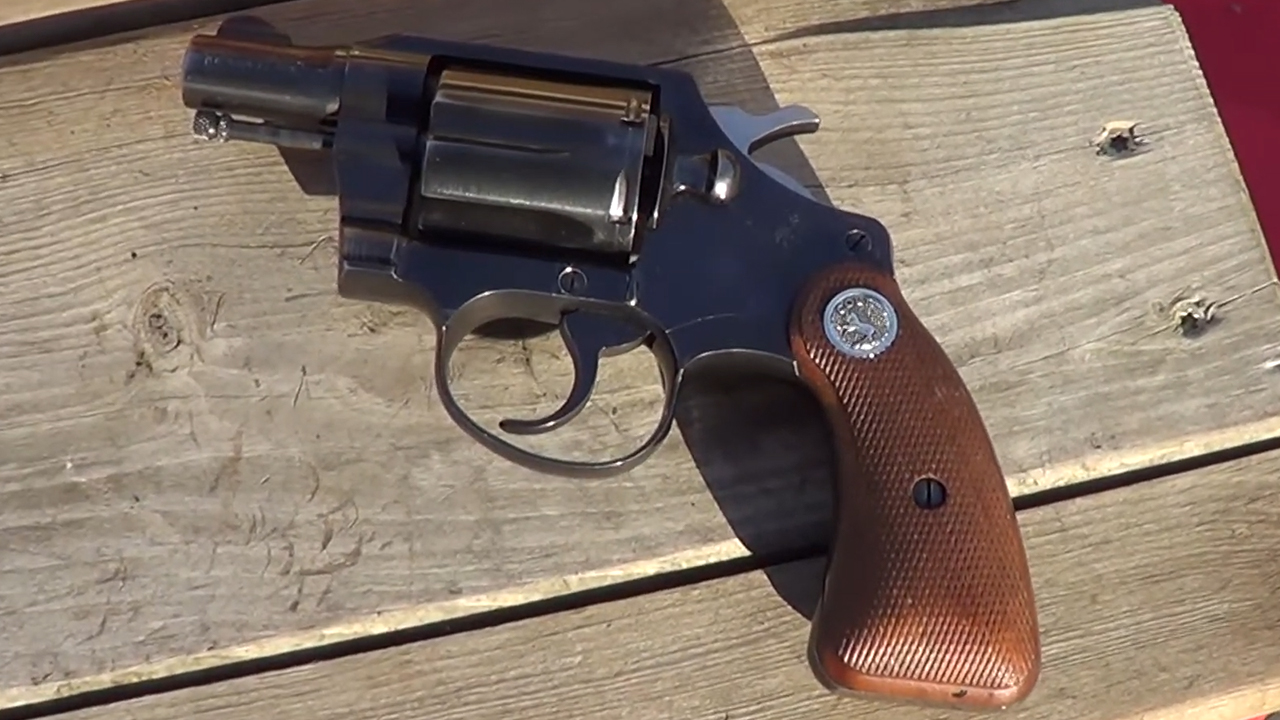
Small-frame Colt revolvers point different than a lot of modern snubbies, and once you get used to them, you get it. The Detective Special is one of those guns you don’t realize you love until you try to replace it.
They also hit a sweet spot: classic concealed-carry history, real craftsmanship, and just enough scarcity that clean examples don’t stay cheap for long.
3. Smith & Wesson Model 29 (pinned and recessed era)
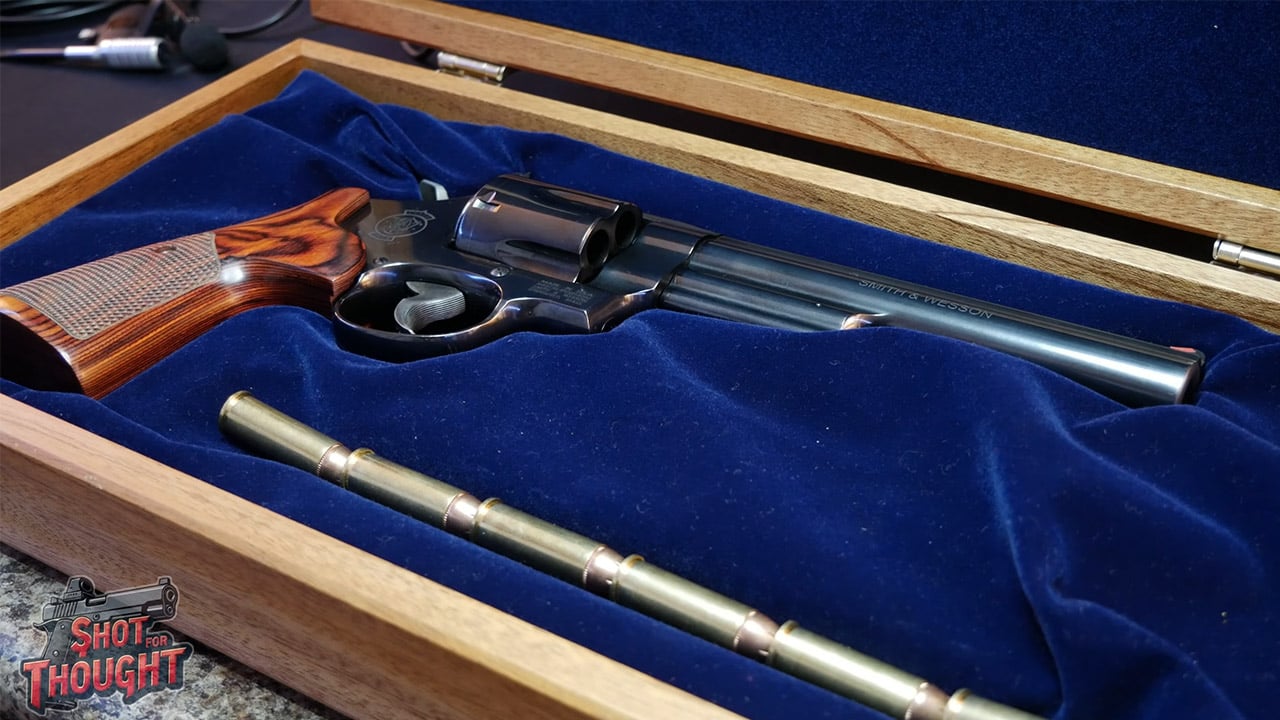
Dirty Harry didn’t hurt, but what really drives these is the collector draw to older manufacturing details and that unmistakable N-frame heft. A clean Model 29 is one of those “buy once, cry once” revolvers now.
If you’ve got an older one that’s mostly sat, you’re sitting on value because modern equivalents don’t scratch the same itch for some buyers. Original grips and minimal cylinder turn line matter here.
4. Smith & Wesson Model 19 (classic K-frame .357)
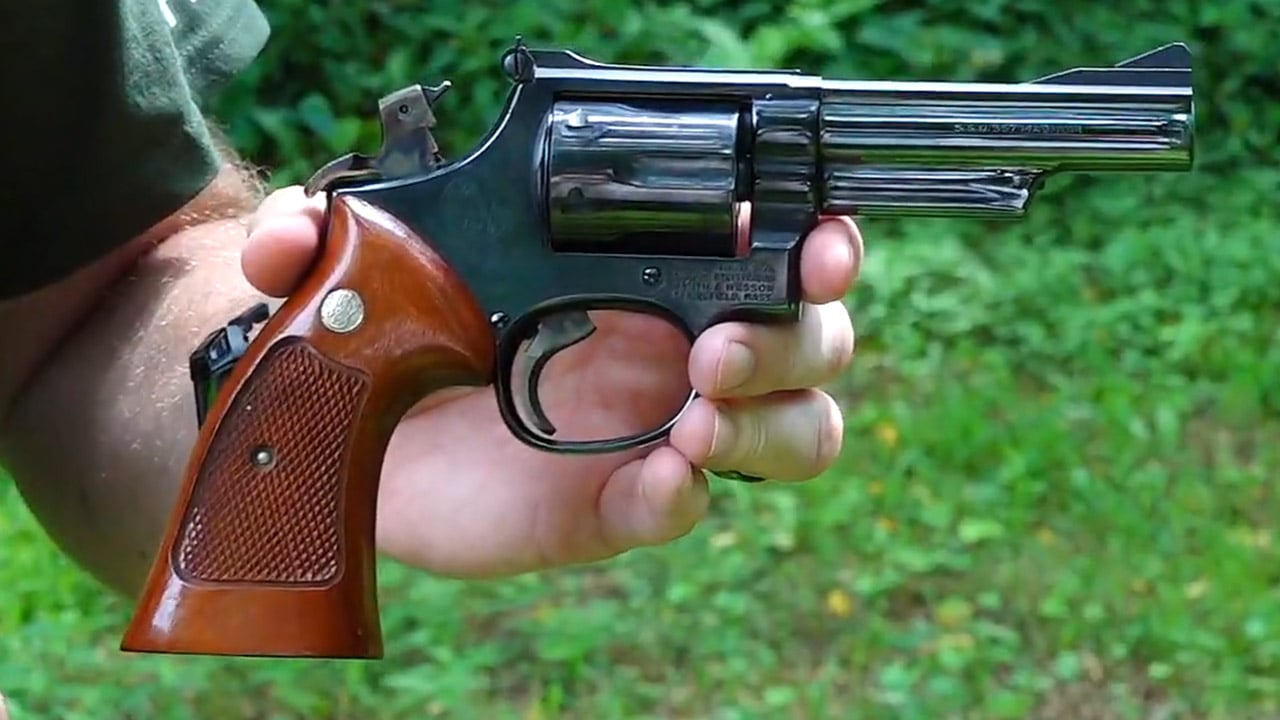
The Model 19 is a working man’s .357 that got famous for good reasons: balance, carry comfort, and that K-frame feel. A lot of them got used hard, which makes the clean ones pop.
They’re not “rare,” but nice ones got expensive because everybody wants one and not everybody took care of theirs.
5. Ruger Old Army (cap-and-ball revolver)
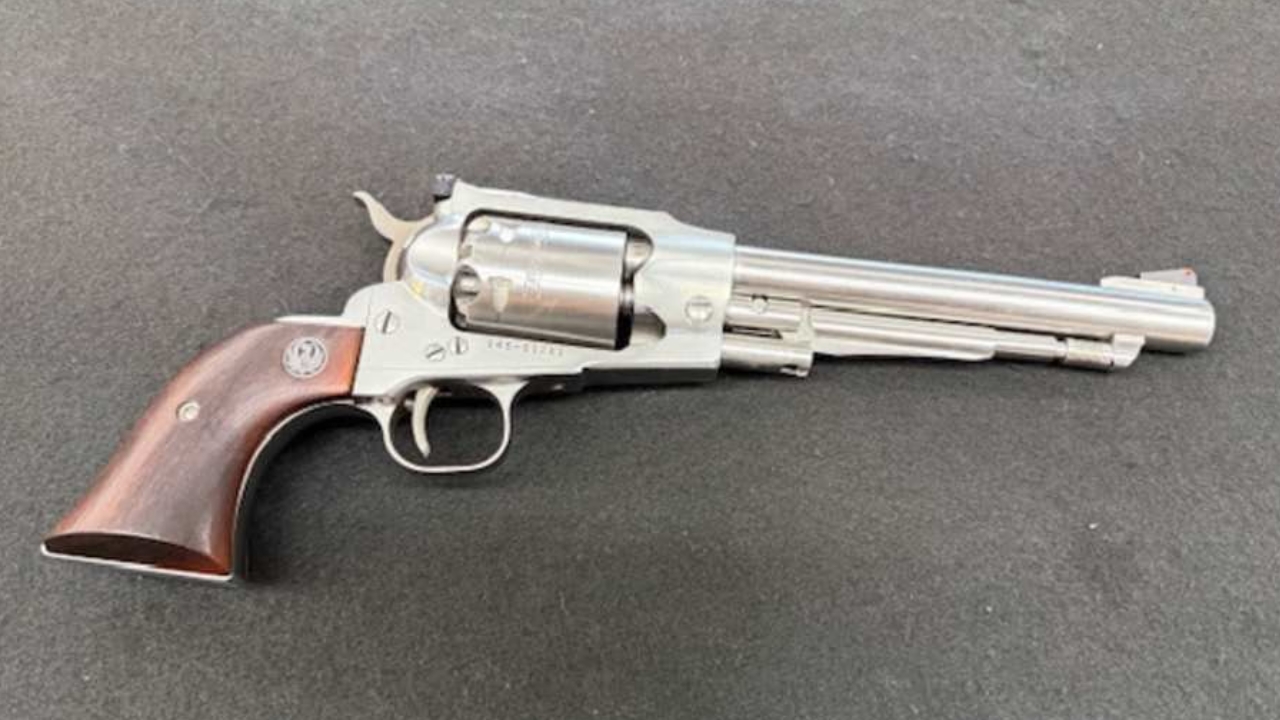
This one surprises people. It’s “just” a black powder revolver, right up until you look for one and realize Ruger quit making them and the folks who own them tend to keep them.
They’re tanks, they shoot well, and they have Ruger’s reputation baked in. The ones that sat in the safe because their owner only shot cartridges are often in the best shape.
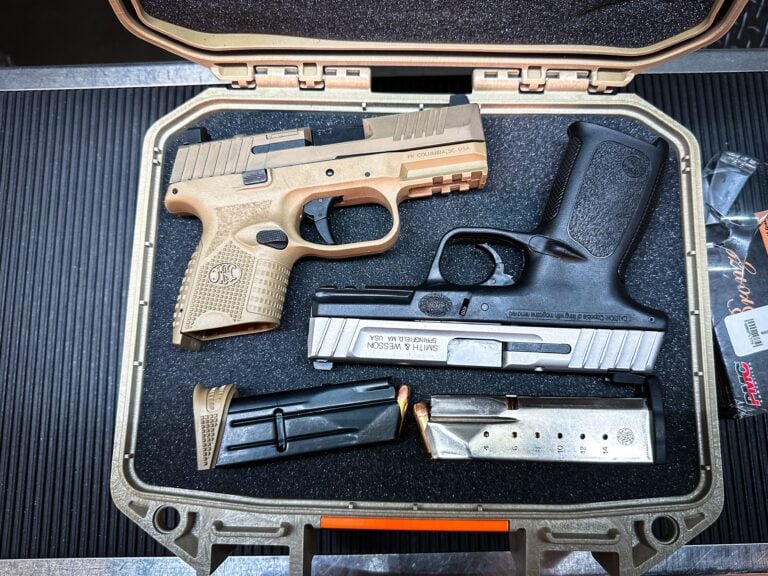
6. Browning Hi-Power (Belgian FN production)
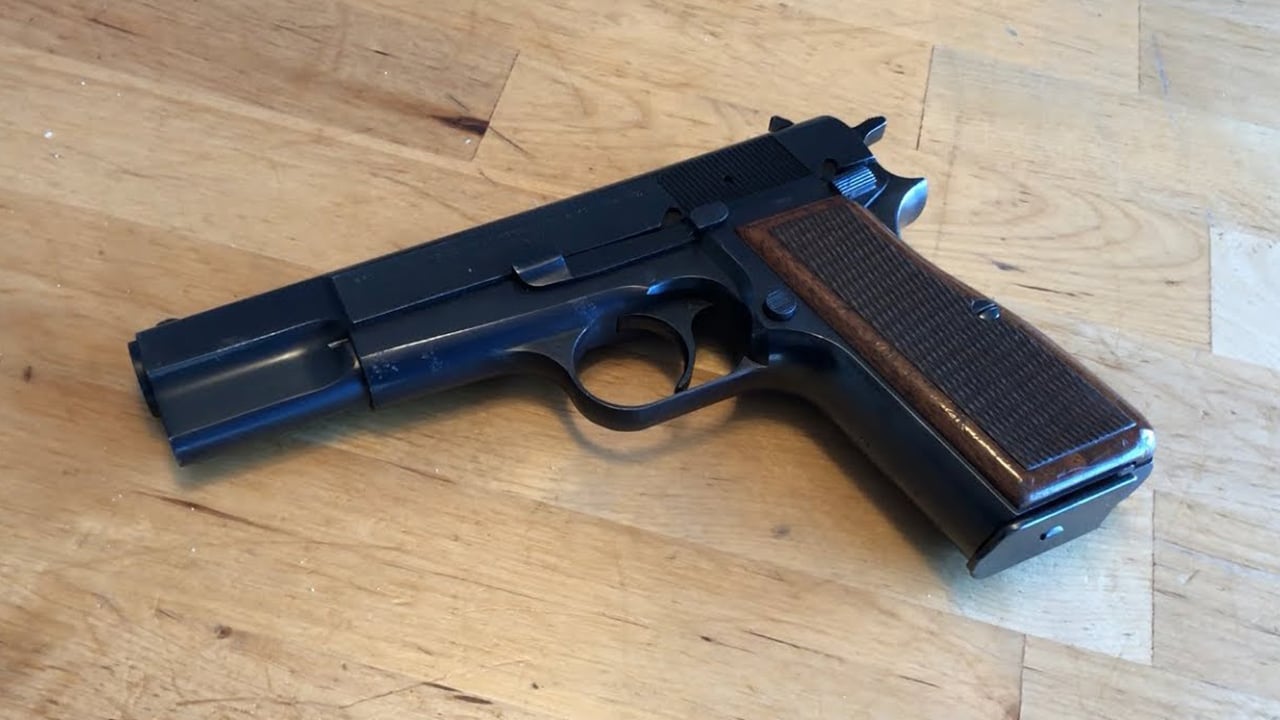
The Hi-Power is one of those pistols that feels right the moment you wrap your hand around it. The modern striker world didn’t make it obsolete; it just made it “classic.”
When FN stopped regular production, prices didn’t politely creep up. They jumped. Clean Belgian guns, especially with matching parts and the right markings, have become a whole lane of their own.
7. Heckler & Koch P7 (PSP/P7M8)
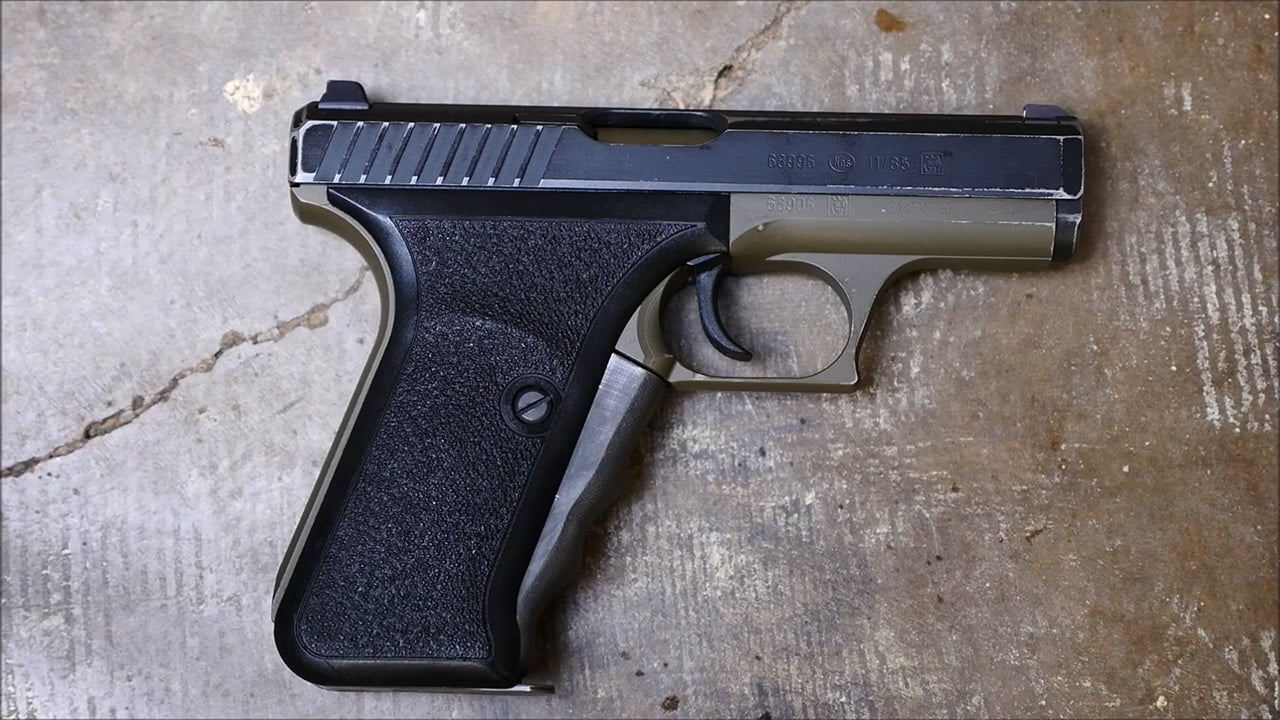
The P7 is odd, heavy for its size, and gets hot when you run it hard. It’s also one of the most interesting carry pistols ever fielded, and once people figure out they aren’t making any more of them, the price does what it does.
Police trade-ins used to be “expensive but doable.” Now they’re a collector hunt, especially if the finish is clean and the mags didn’t get scattered.
8. SIG Sauer P226 (West German, early guns)
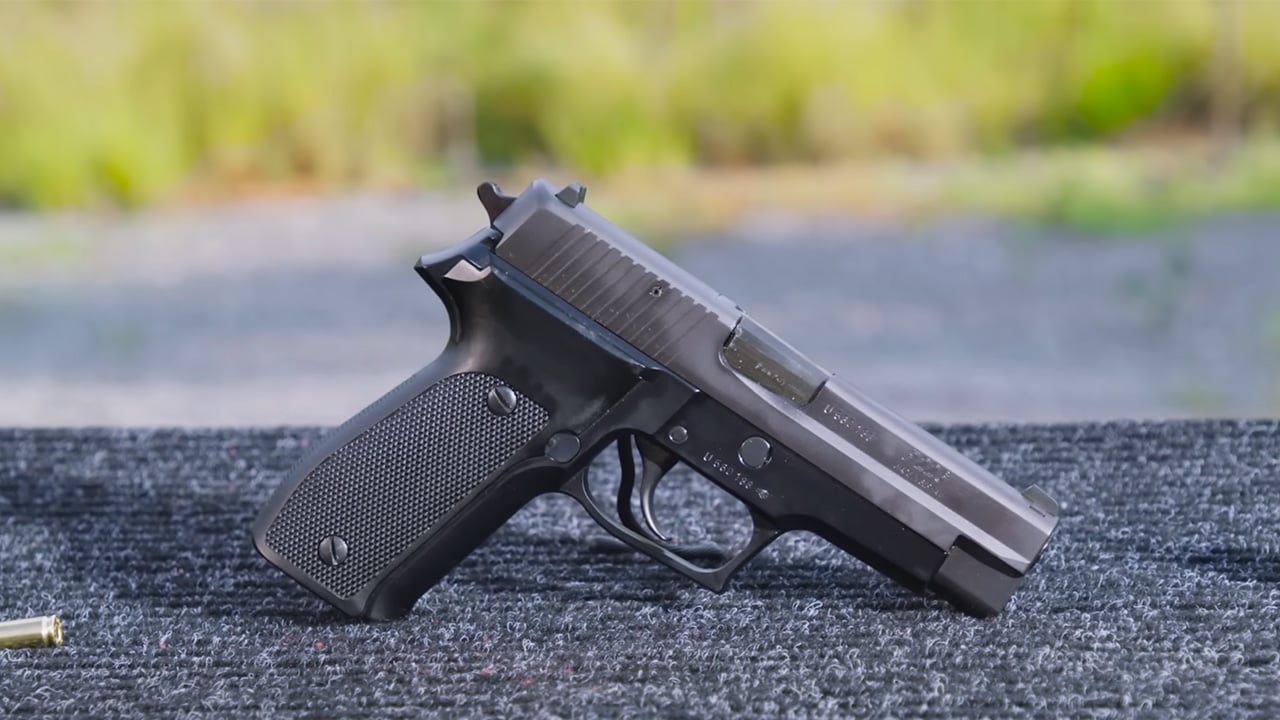
Not every P226 is a gold mine. But the earlier “Made in W. Germany” guns, especially in nice condition with original parts, have a following that keeps getting stronger.
They’re also practical. Even if you never treat it like a collectible, it’s still a serious pistol with a track record, and that combination keeps value moving in the right direction.
9. Colt AR-15 SP1 (early civilian AR)

The SP1 is lightweight, simple, and very “early AR” in the best way. Old-school features that used to be dismissed as dated are now exactly what collectors want.
Once you factor in how many were modified, painted, or parted out over the decades, an original SP1 that sat untouched starts to look a whole lot scarcer than it used to.
10. Heckler & Koch HK94 (pre-ban civilian carbine)
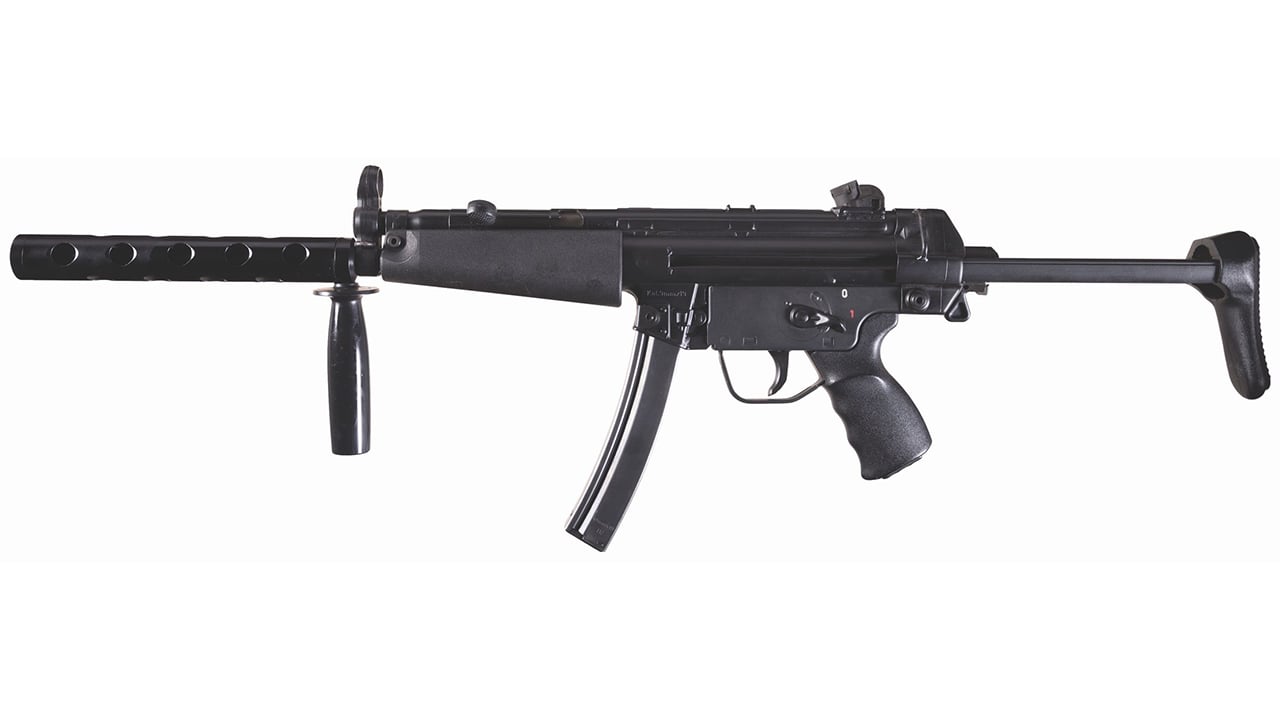
This is the semi-auto cousin to one of the most iconic subgun patterns ever. Import changes and shifting availability did the rest. HK94s have been climbing for a long time, and they didn’t slow down just because the internet found newer toys.
If someone bought one, shot a couple mags, and parked it, that’s the dream scenario for the next guy—especially when original accessories are still there.
11. Steyr AUG (early imports, desirable configurations)
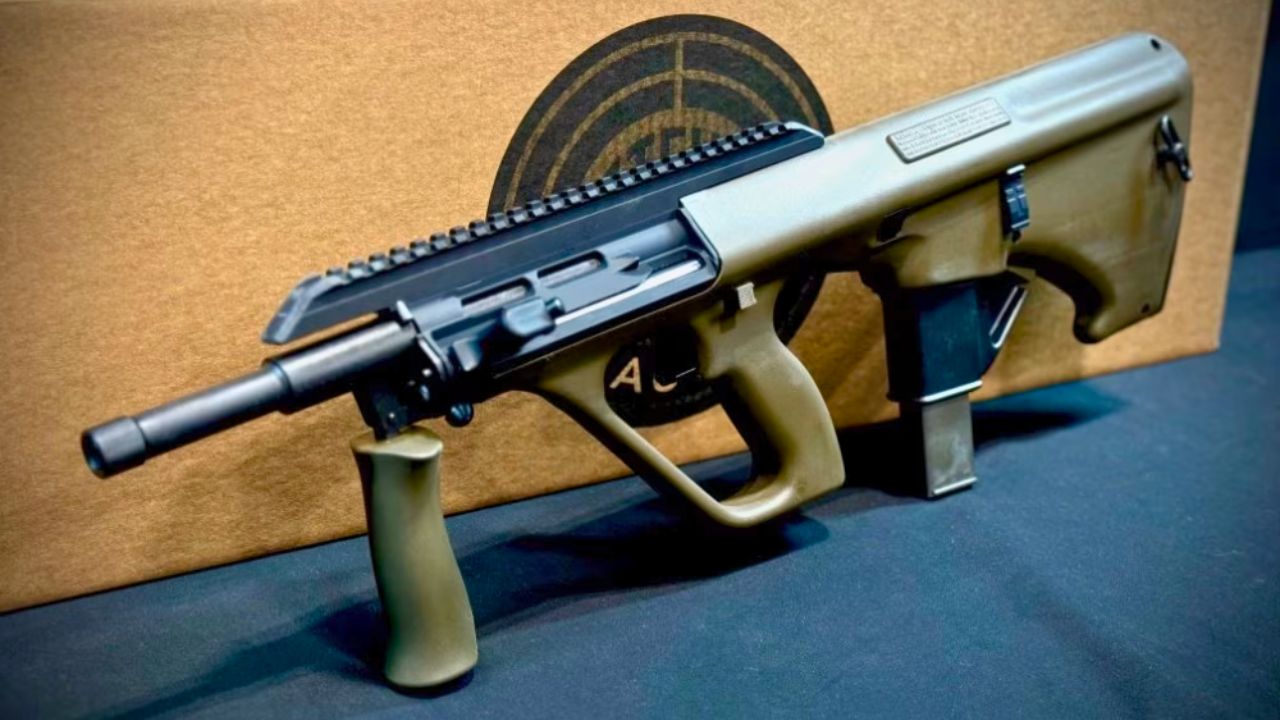
The AUG is one of those rifles people either love or can’t warm up to. But collectors love a clean early example, and “bullpup weird” turned into “bullpup cool” over the last decade.
Import availability and configuration changes are what move the needle. If it’s the right setup and it’s clean, it’s not sitting at yesterday’s price anymore.
12. Norinco MAK-90 (unmolested, straight furniture or correct conversions)
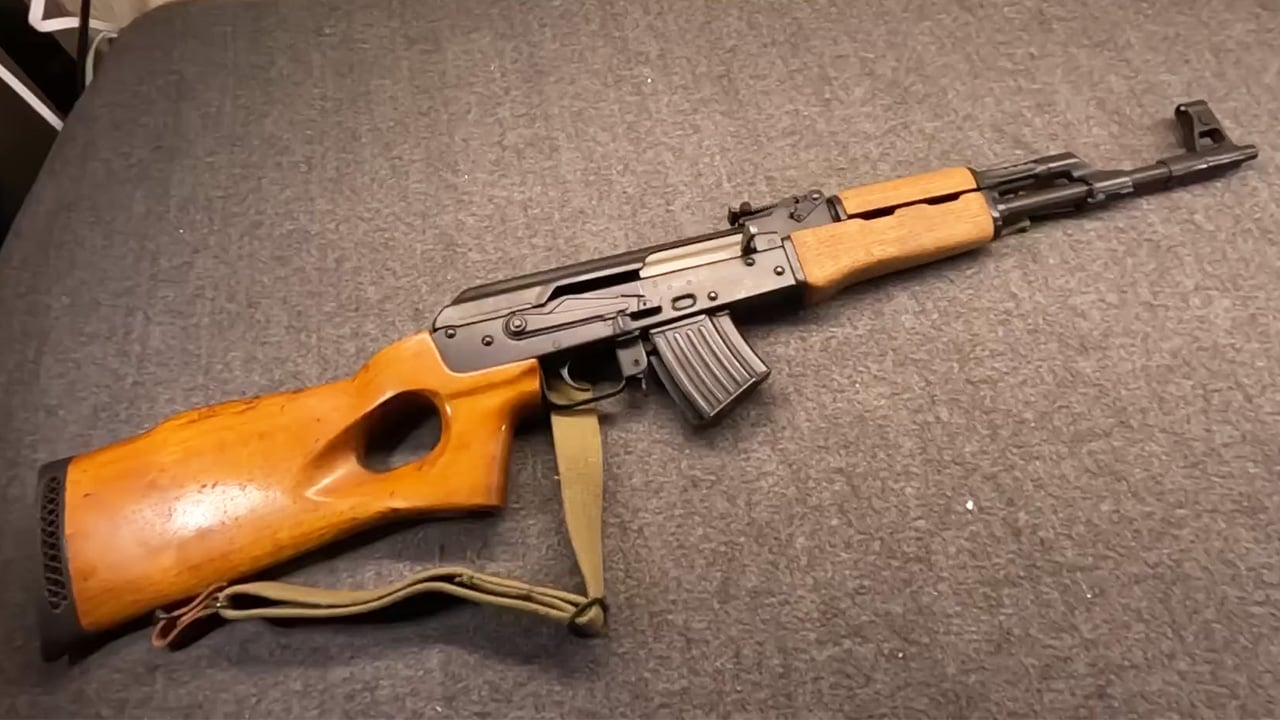
MAK-90s used to be the AK you bought because you didn’t want to spend real money. Then imports tightened, prices rose, and everyone realized the Chinese guns were built like they meant it.
The safe-queen factor matters. A MAK-90 that hasn’t been hacked up with bargain parts or drilled into oblivion tends to bring real money now, even if it’s not “fancy.”
13. Poly Technologies Legend (Chinese AK)
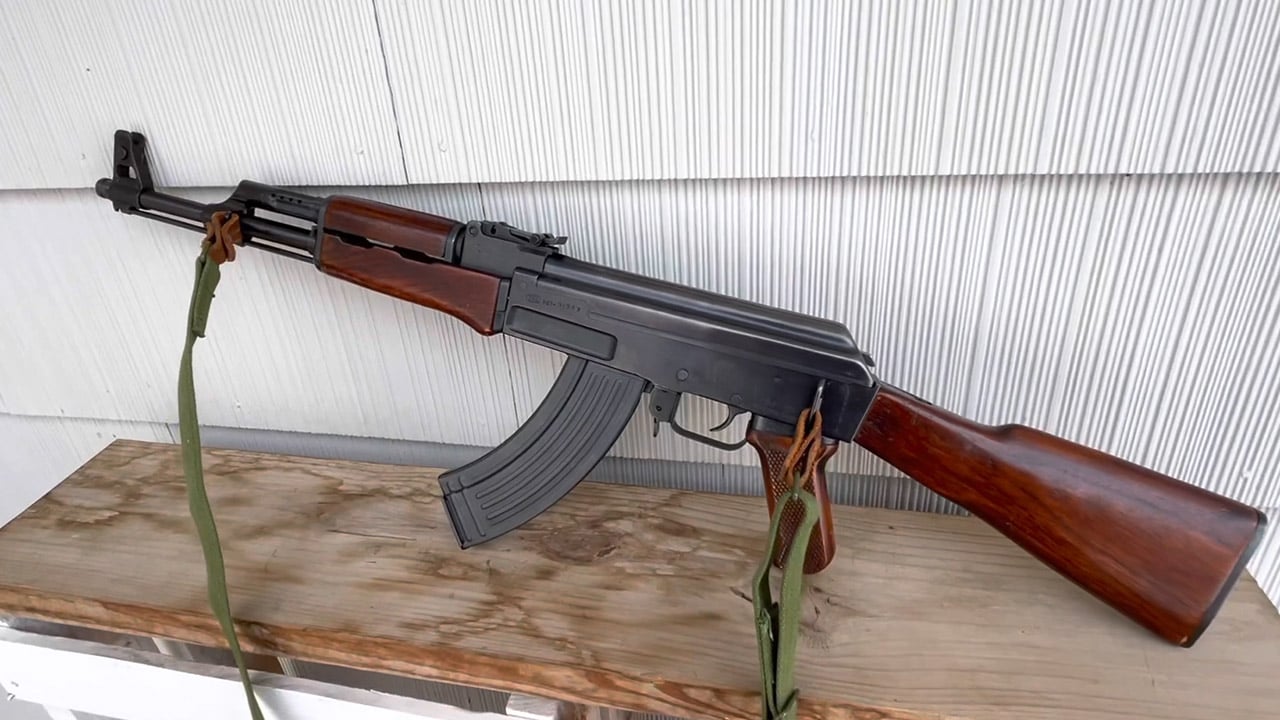
If you know, you know. The Polytech Legends are some of the nicest Chinese AKs that hit the U.S., and collectors chase them hard.
They’re also one of those rifles that got bought, shown off, and then put away. A clean one with original features is about as close as “investment AK” gets in the real world.
14. Springfield Armory M1A (early, GI-parts heavy rifles)
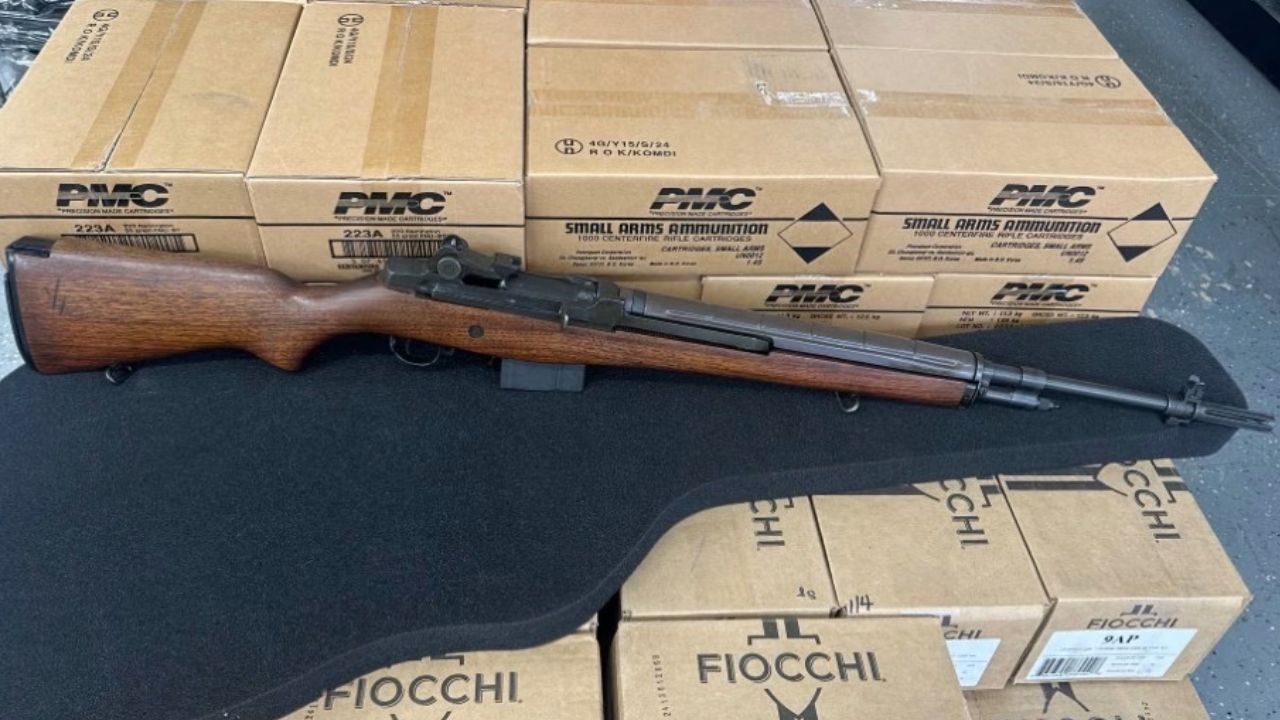
M1As have had ups and downs, and not every production period is equal. The ones that bring the heat are the earlier rifles with more U.S. GI parts and the configurations folks actually want.
There’s also a practical reason they’ve held: they scratch the .308 battle rifle itch without needing to chase rare mags or weird support. If you’ve got a clean one that mostly sat, it’s very easy to sell and hard to replace.
15. FN FAL (Belgian or quality imports, not kit disasters)

The FAL market is a mess if you don’t know what you’re looking at. But good examples—real imports or well-done builds—are firmly not cheap anymore.
The ones that doubled are the rifles that didn’t get “project gun” treatment. If it was bought as a classy .308 and lived a quiet life in a safe, that’s exactly what today’s buyers want.
16. Heckler & Koch HK91 (G3 pattern, real imports)

HK91s have that cold German vibe and a reputation that refuses to die. They’re heavy, the recoil impulse is a little different, and they throw brass like they’re mad at it.
Still, collectors and shooters both want them. Import limits and the HK name are a powerful combination, and clean guns keep getting harder to find.
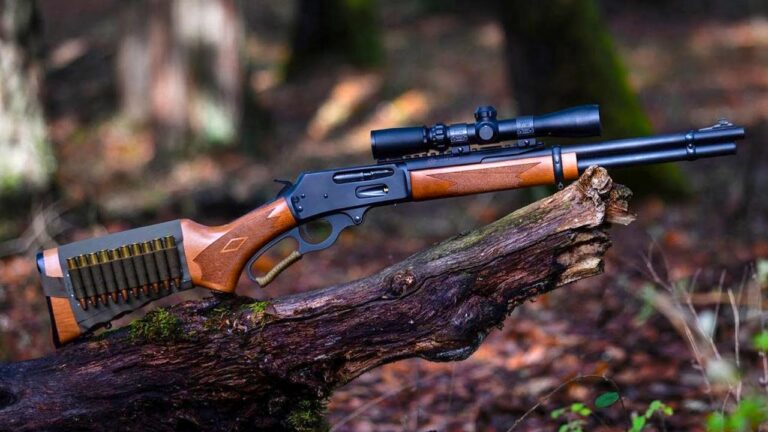
17. Marlin Model 336 (JM-stamped, older production)
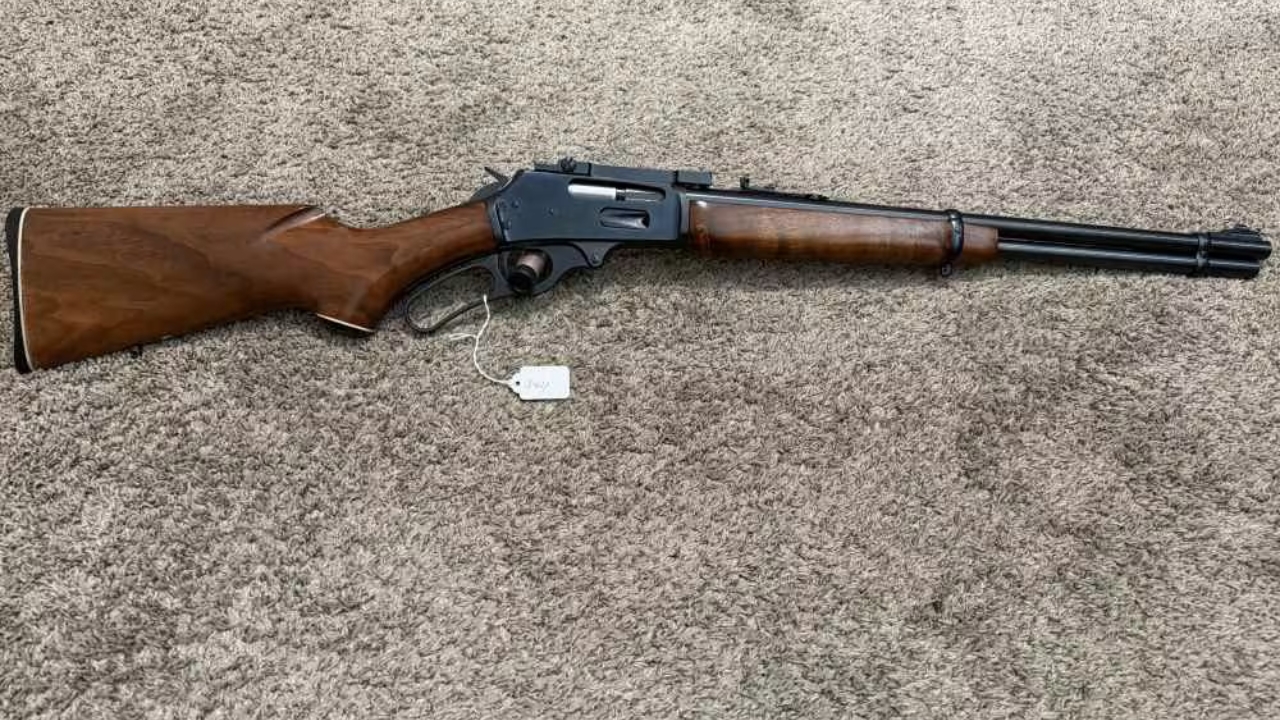
This one hits close to home because a lot of deer camps had a 336 leaning in the corner for decades. Then Marlin went through turmoil, new production got rocky for a while, and everybody started hoarding the older “JM” guns.
A clean 336 with honest bluing and a smooth action is a rifle you’ll actually carry, not just admire. That’s why prices climbed—because it’s useful and nostalgic at the same time.
18. Marlin Model 1895 (JM-stamped, especially .45-70)
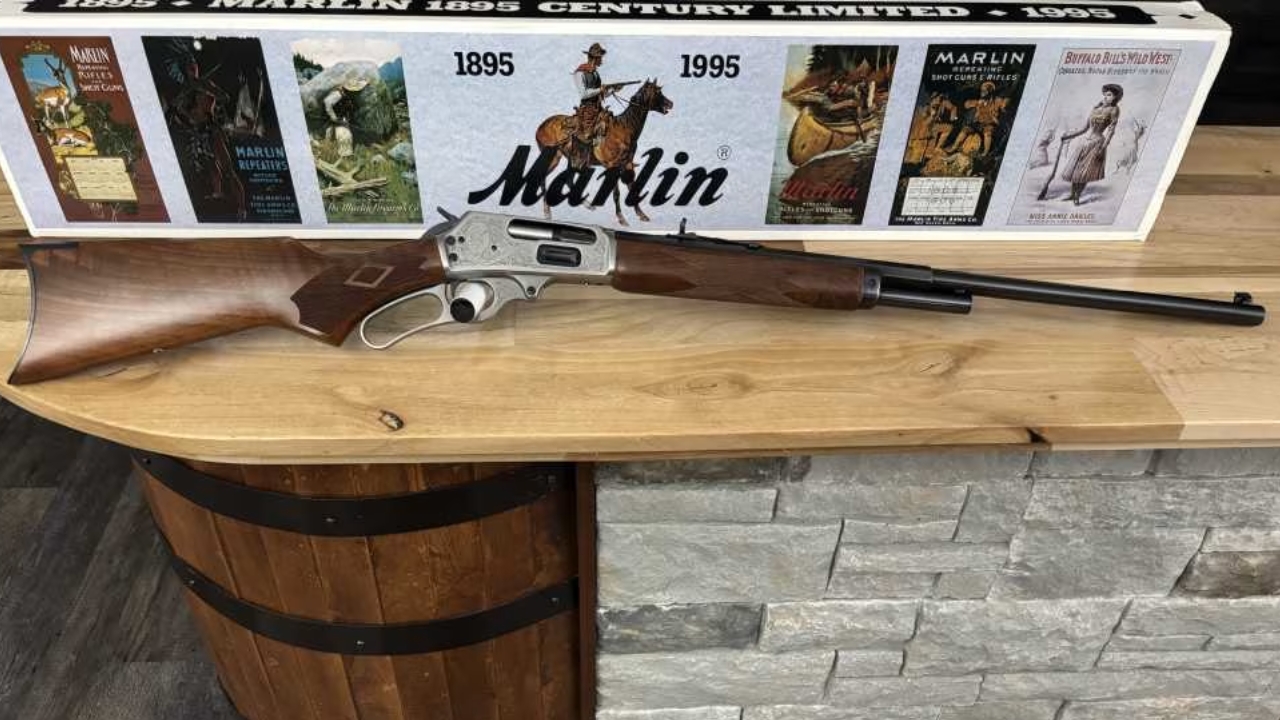
.45-70 fever comes in waves, but the lever-gun crowd never really goes away. The older 1895s became the standard people measure the newer ones against, fair or not.
If a guy bought one for bear country dreams and then never made the trip, odds are it’s still sitting pretty. And it’s worth a lot more now than when it went into the safe.
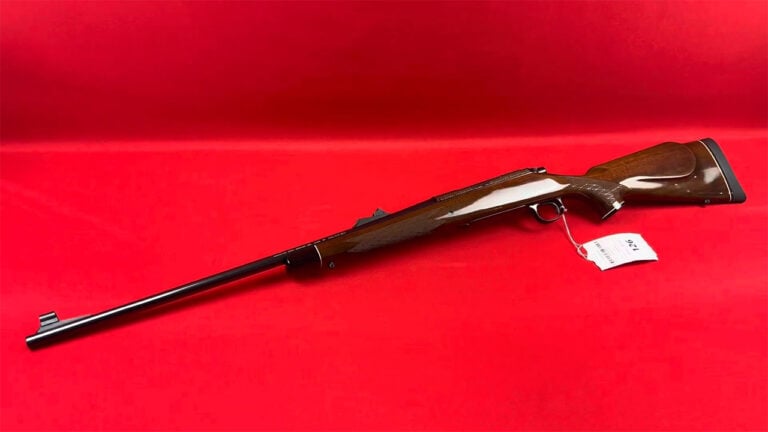
19. Winchester Model 70 (pre-64)

The pre-64 Model 70 is the classic American bolt gun story. Controlled-round feed, good lines, and a reputation built over generations of real hunting, not social media posts.
They aren’t all collector-grade, but clean rifles with desirable chamberings and intact factory features have climbed steadily. This is one where condition and originality do most of the talking.
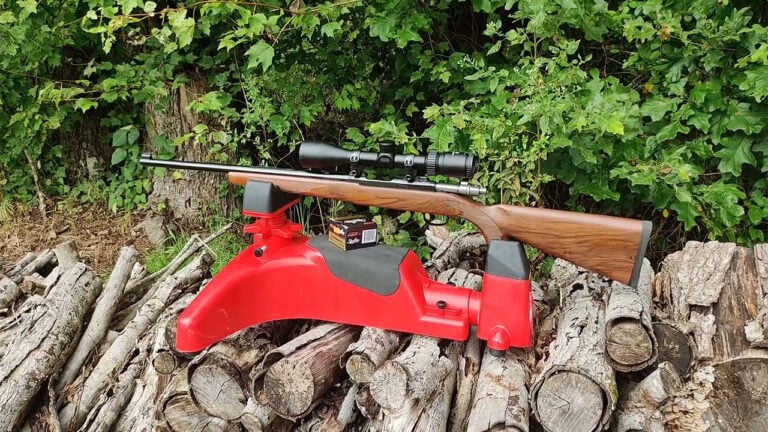
20. Remington Model 700 BDL (older production, clean and original)

The 700 is common enough that it sounds crazy to call it a value climber. But older, well-finished BDLs with nice walnut and clean metal have become “the one grandpa had,” and that nostalgia is real.
Add in how many 700s got turned into budget “tactical builds,” and the unmodified hunting rifles started separating from the pack. There’s nothing flashy about a clean old BDL, and that is kind of the point.
If you’ve got any of these sitting back there, the smartest move isn’t to run out and panic-sell or start polishing on them like you’re detailing a truck. Leave them alone, keep them stored right, and be honest about what you’ve got. The market rewards original condition and complete setups, and it punishes “I watched a video and did my own gunsmithing” every single time.
Like The Avid Outdoorsman’s content? Be sure to follow us.
Here’s more from us: