Photo credit: nomad-photo.eu/Shutterstock.com
Big dogs can look intimidating long before you know anything about their temperament. A 100-pound dog standing at the door has a presence that smaller breeds simply do not, but size and aggression are not the same thing. Some of the largest dogs in the world are also among the calmest, most patient, and most affectionate around their families.
That does not mean every giant breed is easy. Large dogs still need training, socialization, and enough room to move comfortably. Their size can also make poor manners much harder to ignore. But when these breeds are well bred and raised properly, many turn out to be far softer and more easygoing than people expect. These 20 are good examples of big dogs with surprisingly gentle personalities.
Newfoundland

The Newfoundland is one of the classic gentle giants. Despite its enormous frame and heavy coat, the breed is known for being patient, calm, and deeply people-oriented.
Newfoundlands were developed for water work and rescue, which required strength without unnecessary aggression. That history still shows in their temperament. They are often especially tolerant around children and tend to move through the house with a slow, deliberate manner. The main challenge is simply living with that much dog. Drool, shedding, and space become real considerations, but temperament is usually one of the easiest parts.
Great Dane

Great Danes can look almost absurdly large standing beside an average person, yet many behave like oversized lap dogs.
They tend to be affectionate, social, and much softer than their appearance suggests. A well-raised Dane usually wants to stay close to the family and may lean against people constantly for attention. Their size means early manners are important, especially around children, because even a friendly greeting can knock someone over. Still, for such an imposing dog, the breed is often remarkably gentle and easygoing.
Saint Bernard

Saint Bernards have the bulk and head size to make strangers think twice, but their traditional temperament is calm and patient.
They were developed around rescue work in harsh conditions, not aggressive guarding. Many are affectionate and tolerant, especially with family members. They can be stubborn and slow-moving, but that often works in their favor indoors because they are not constantly bouncing off the walls. Their sheer size requires space, but they are usually much softer than they look.
Bernese Mountain Dog
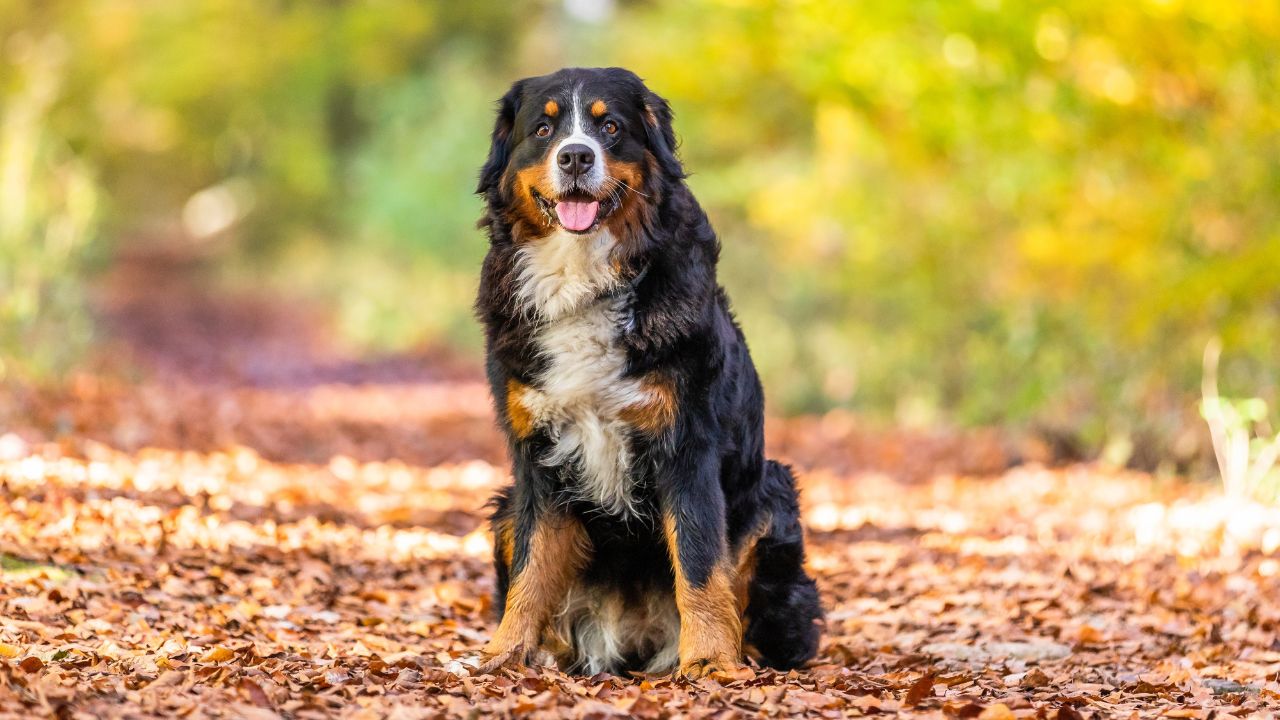
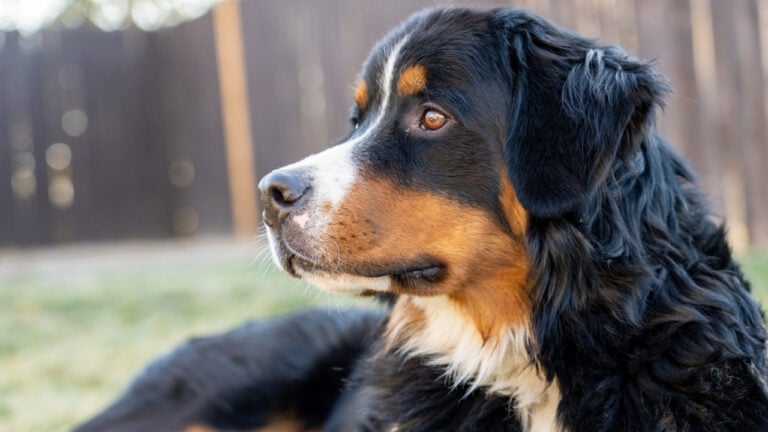
Bernese Mountain Dogs are large, powerful farm dogs with a reputation for being affectionate and people-focused.
They tend to be gentle around family and often have a softer temperament than many working breeds of similar size. Berners usually enjoy being near their people rather than patrolling independently. They can be somewhat sensitive, which makes harsh training unnecessary and counterproductive. Their heavy coat and heat sensitivity are bigger ownership concerns than aggression for most households.
Leonberger
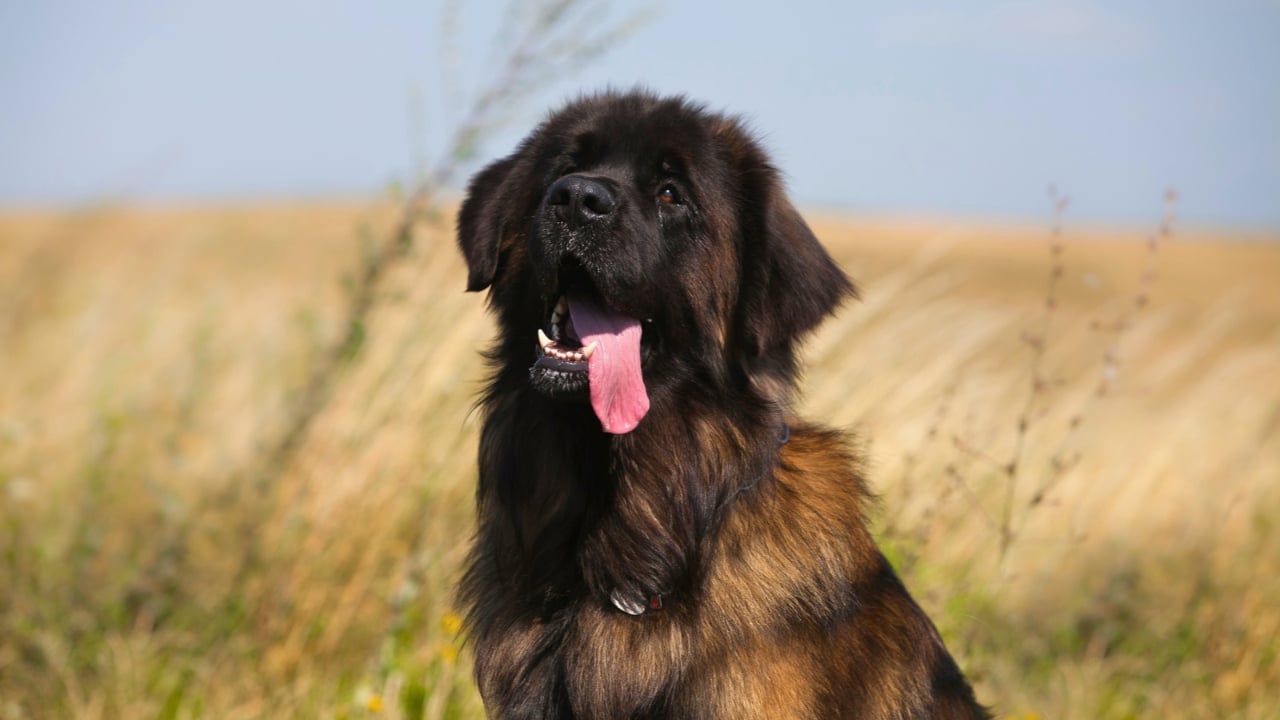
Leonbergers are enormous dogs that were developed partly to resemble the lion on the coat of arms of Leonberg, Germany. Their appearance is impressive, but their temperament is usually much calmer.
They tend to be affectionate, stable, and highly social with family. Many are patient with children and enjoy being involved in household life. Because of their size, training still matters from puppyhood, but they are generally not looking for confrontation. A well-bred Leonberger often feels more like a huge companion than a serious guard dog.
Irish Wolfhound
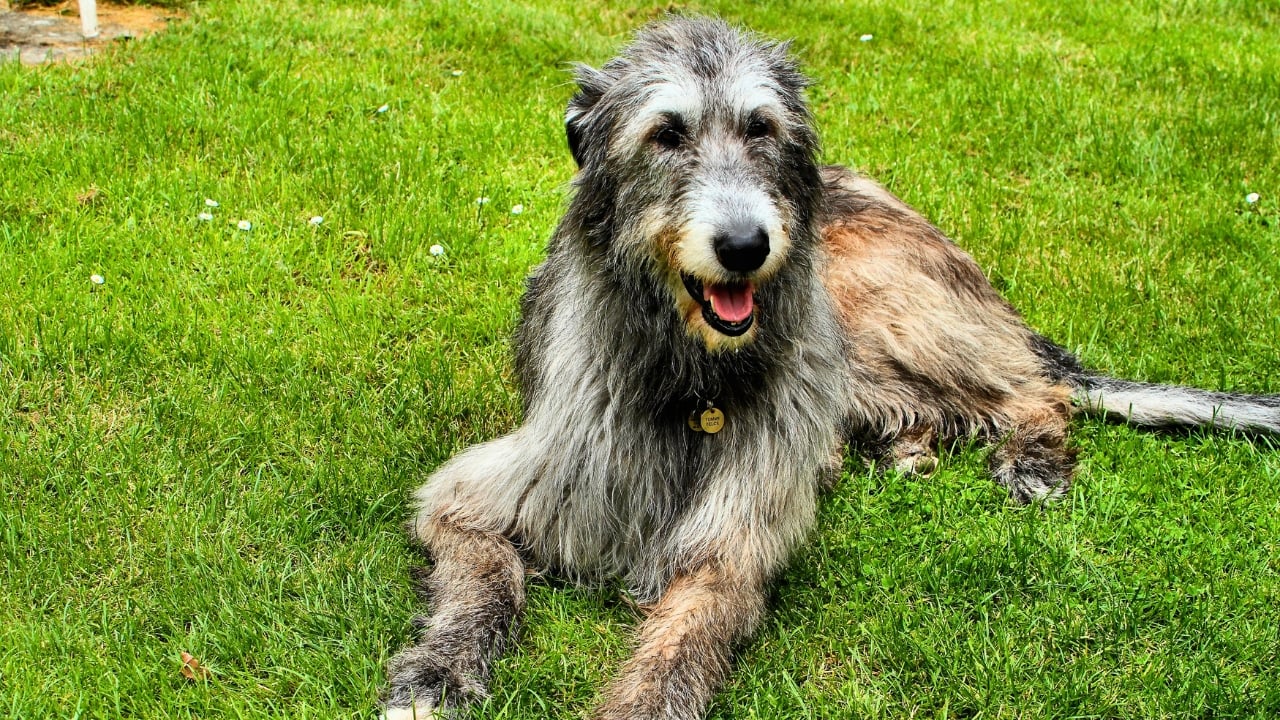
Irish Wolfhounds are tall enough to make almost any other breed look small, but they are famously gentle.
Their hunting history required courage and athleticism, yet modern Wolfhounds tend to be calm, dignified, and affectionate. They are usually not highly territorial and often greet unfamiliar people without much drama. Their size creates practical challenges, especially when it comes to food, transportation, and joint health, but they are rarely difficult because of temperament.
Scottish Deerhound

Scottish Deerhounds have the long-legged, rough-coated look of serious hunting dogs, but they are usually quiet and easygoing at home.
They tend to be gentle with people and much less intense indoors than their athletic build suggests. Like many sighthounds, they often have a strong prey drive outside while remaining calm and relaxed around family. They need room to stretch out and regular opportunities to run, but they are generally not confrontational dogs.
English Mastiff

The English Mastiff is one of the heaviest dog breeds in the world, which makes its calm temperament even more striking.
Most are slow-moving, affectionate, and deeply attached to their families. They may be protective through sheer presence, but many would rather stand in the way than start a confrontation. Early socialization is important because a dog this large cannot afford to develop fear or poor manners. A stable Mastiff, though, is often surprisingly soft and patient.
Bullmastiff
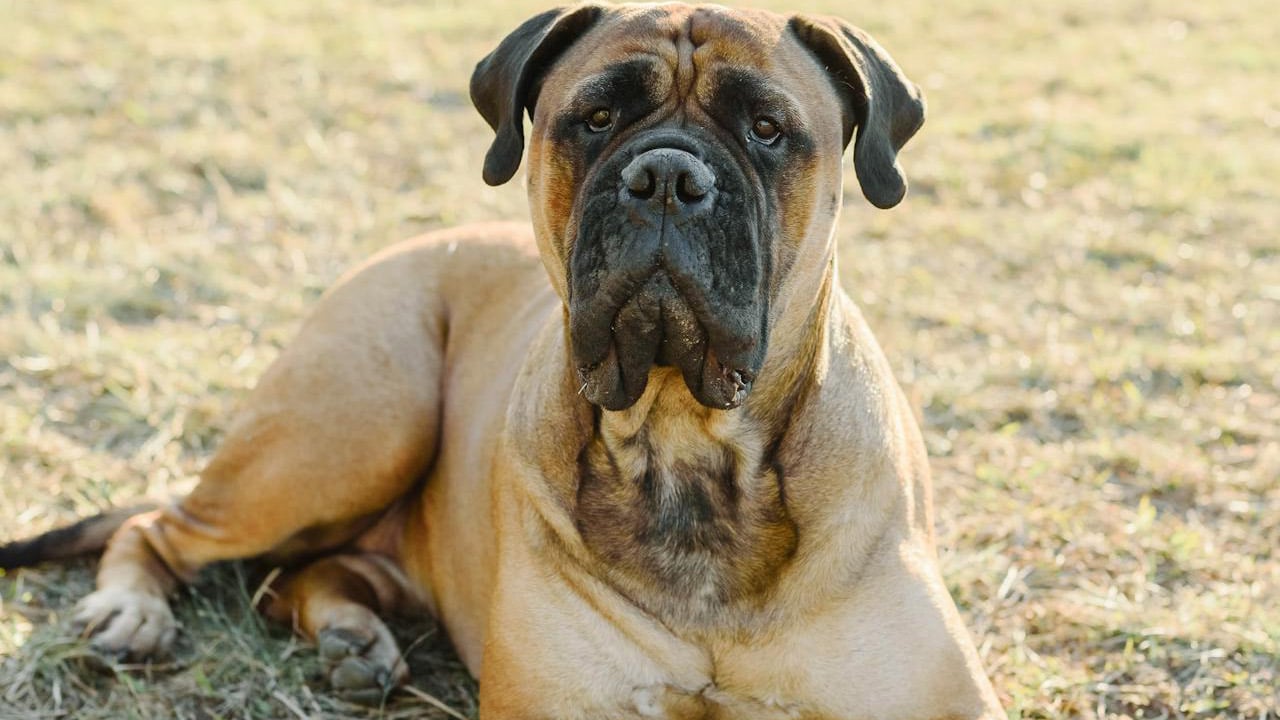
Bullmastiffs look like serious guard dogs because that is part of their history, but well-bred examples are often calm and affectionate with their own people.
They tend to be more reserved than Newfoundlands or Great Danes, yet that does not make them naturally aggressive. Many are quiet dogs that prefer to watch rather than react. Their strength demands good training, but inside the family they can be gentle and easygoing. The breed often has a much softer home personality than its appearance suggests.
Dogue de Bordeaux
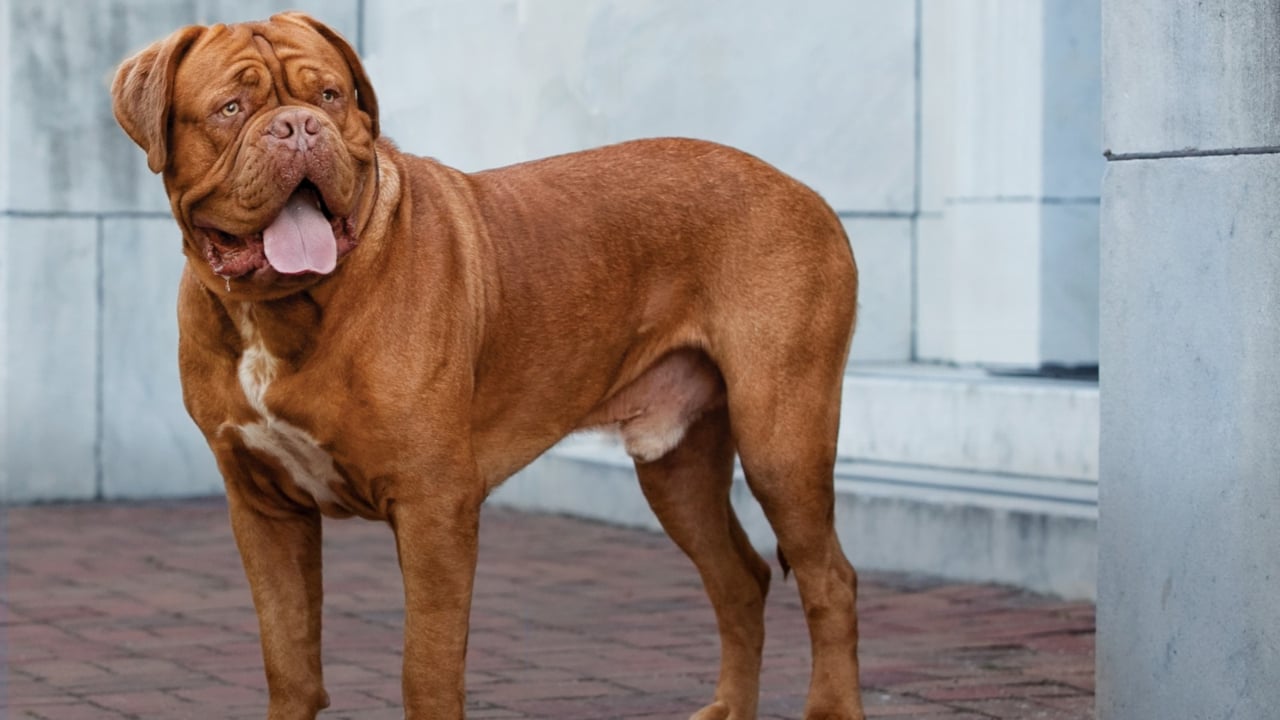
The Dogue de Bordeaux has a massive head and powerful build that can make it look intimidating from across the yard.
Around family, many are affectionate, loyal, and surprisingly gentle. They tend to be calmer than their appearance suggests and often enjoy staying close to their people. They can be protective and need socialization, but they are not usually high-energy or frantic dogs. Their biggest challenges tend to be size, drool, and health rather than constant behavioral intensity.
Great Pyrenees
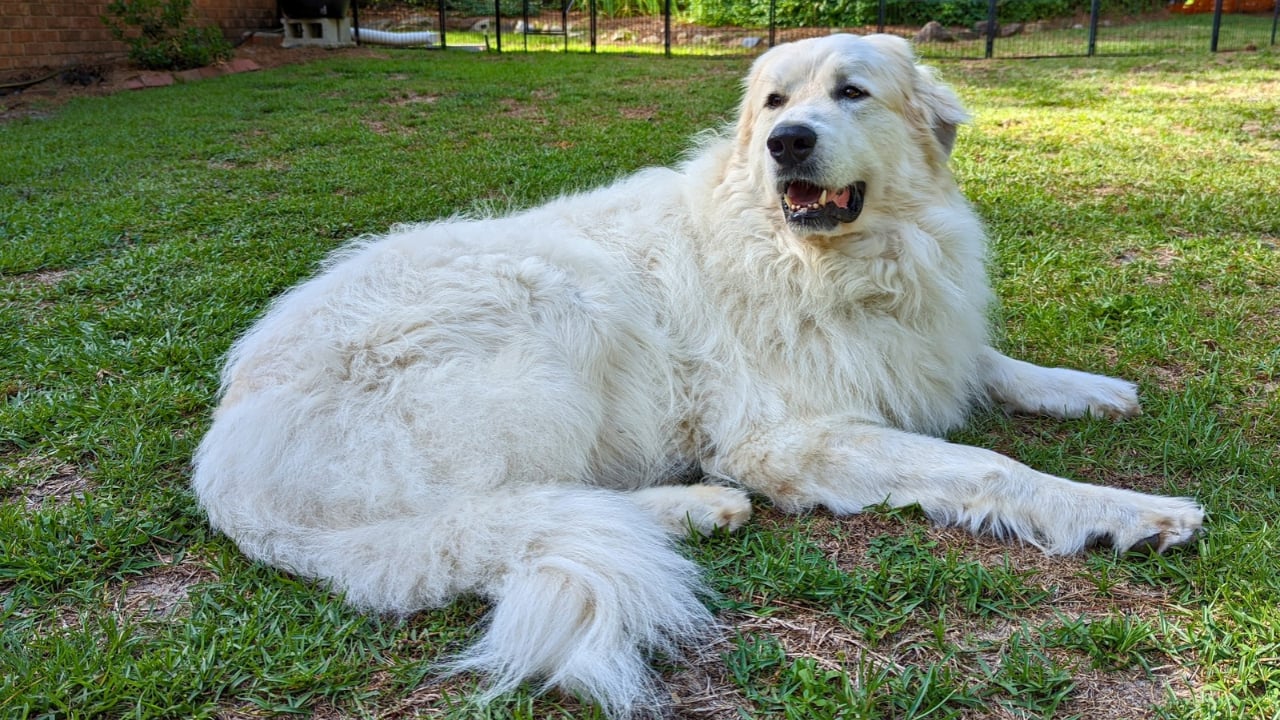
Great Pyrenees are giant livestock guardians capable of being extremely serious with predators, yet they are often remarkably gentle with the animals and people they consider their own.
That contrast is part of what makes the breed special. A Pyr may bark all night at coyotes and then spend the morning lying calmly near children or livestock. They are independent and can be frustrating to train, but their default temperament around family is often patient and soft. Their guarding instinct is real, though, so they still need proper socialization and boundaries.
Maremma Sheepdog

The Maremma is another large livestock guardian that tends to be calm and gentle with its own flock and family.
They are not usually clingy dogs, but they form strong bonds and can be extremely patient around animals they have been raised with. Their protective side comes out mainly when something unfamiliar enters the picture. That makes them a poor choice for someone expecting eager obedience, but a very natural fit on farms where calm confidence matters more than constant direction.
Anatolian Shepherd
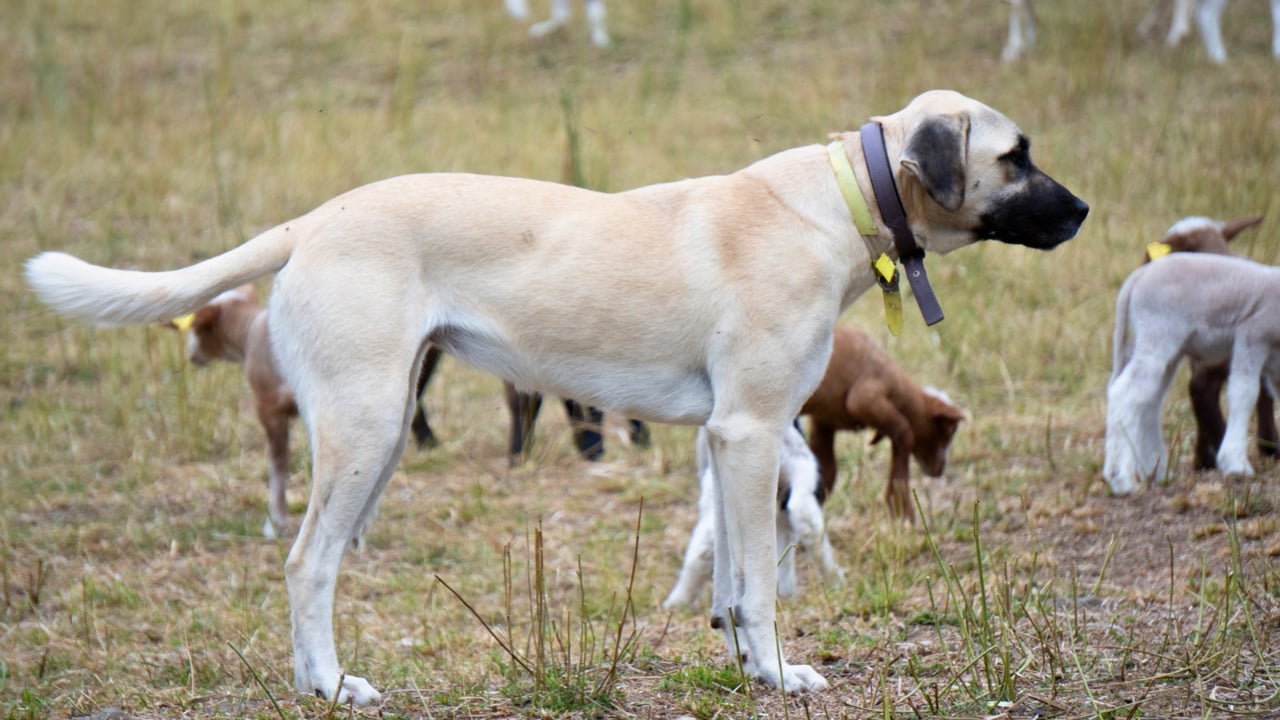
Anatolian Shepherds are serious guardians, but they are not typically hyperactive or unnecessarily rough with the people and animals they trust.
A well-bred Anatolian often spends much of the day quietly observing rather than constantly reacting. Their size and independence can make them challenging to own, but around family they can be calm and affectionate in a reserved way. They are not soft dogs in every situation, yet their home demeanor is often much gentler than their reputation suggests.
Borzoi
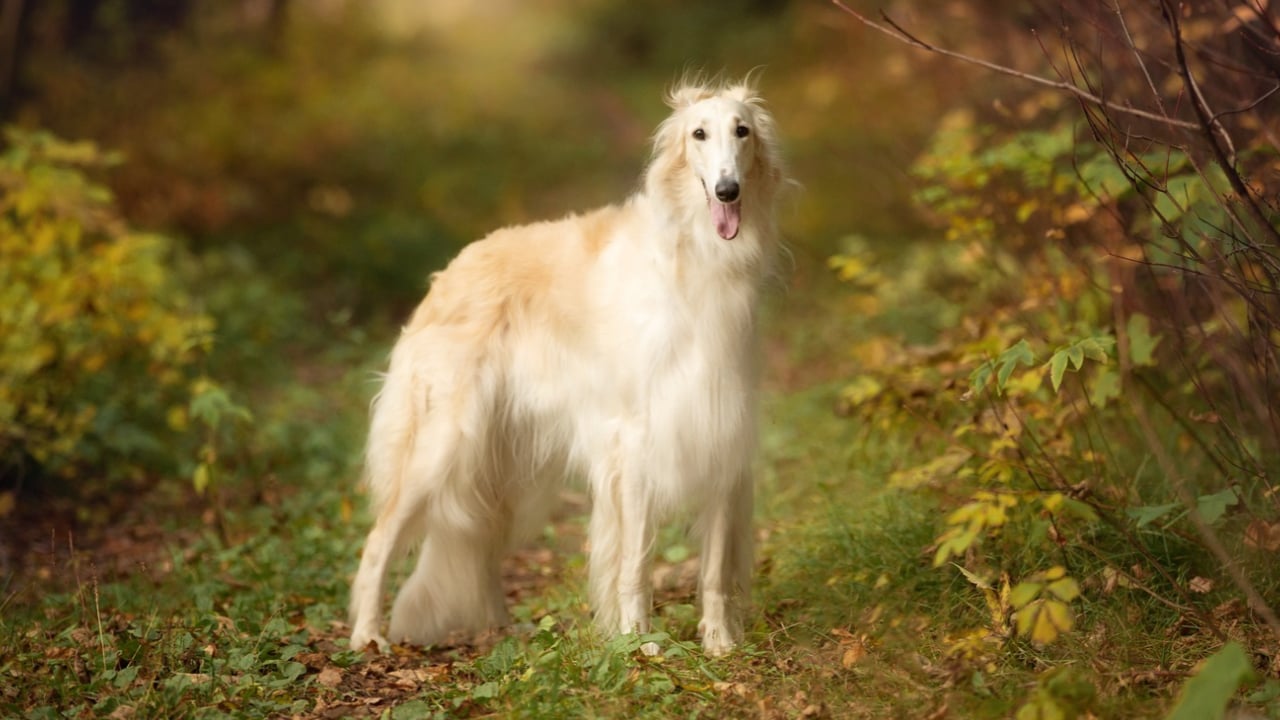
Borzois look elegant and somewhat aloof, and that usually matches their temperament more than people expect.
They are often gentle, quiet, and polite indoors. Like other sighthounds, they can have strong prey drive outside, but around people they tend to be soft and non-confrontational. Their size gives them presence without the heavy bulk of a mastiff. They are a good example of a large dog that looks dramatic while behaving very calmly at home.
Greyhound
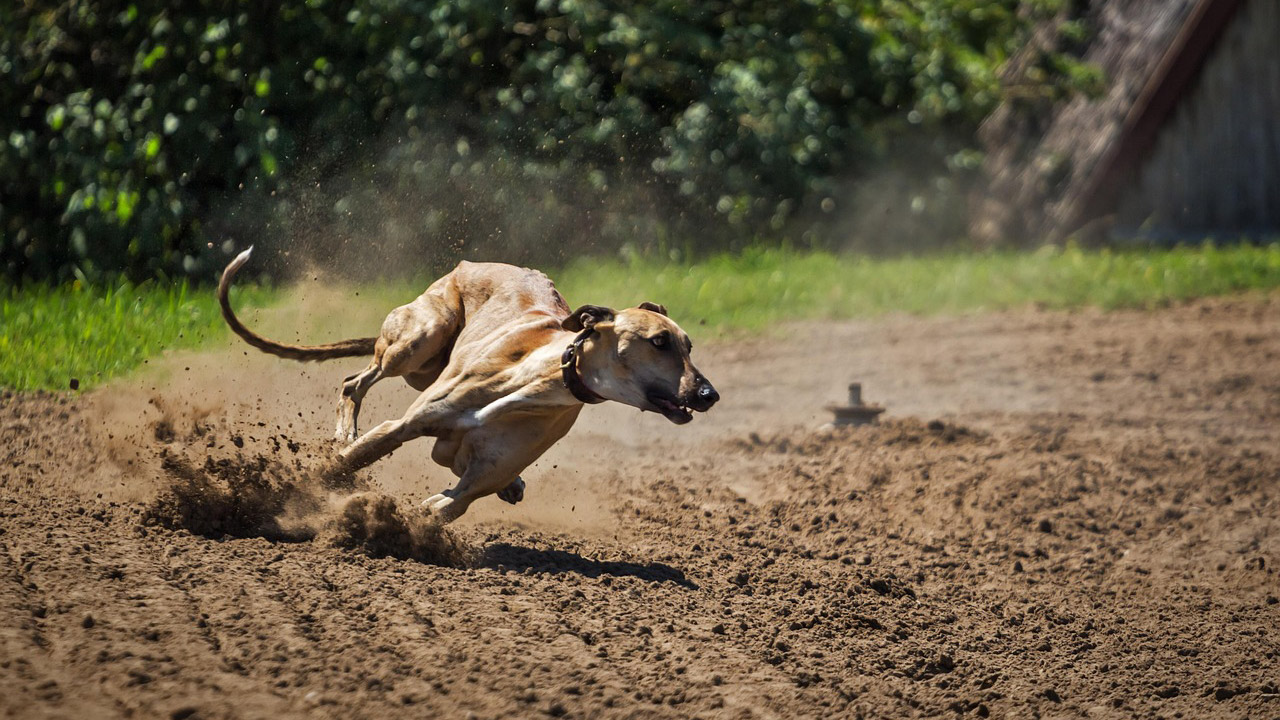
Greyhounds are tall, athletic dogs, but former racing dogs in particular often surprise people by how much they enjoy sleeping.
They tend to be gentle, quiet, and easy to live with once they settle into a home. Their athletic ability does not translate into constant indoor chaos. Many are content with regular walks and short bursts of exercise followed by hours of rest. Their thin build makes them look more intense than they usually are temperamentally.
Greater Swiss Mountain Dog
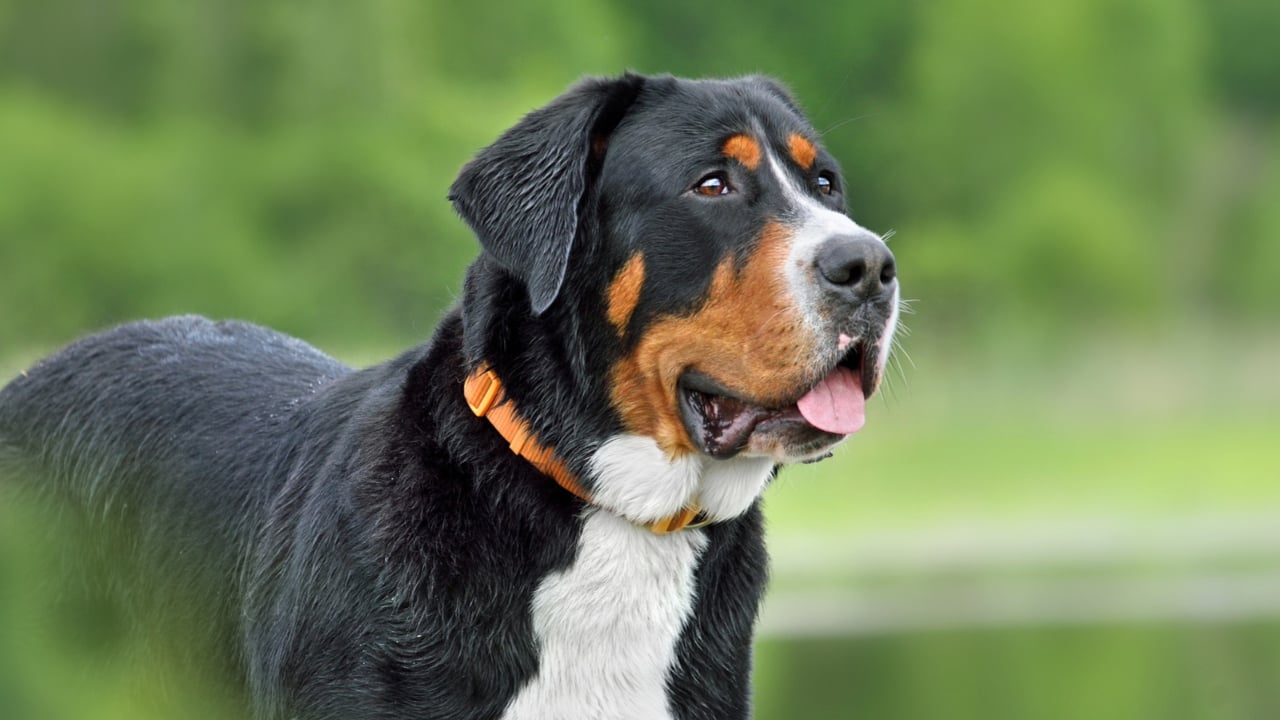
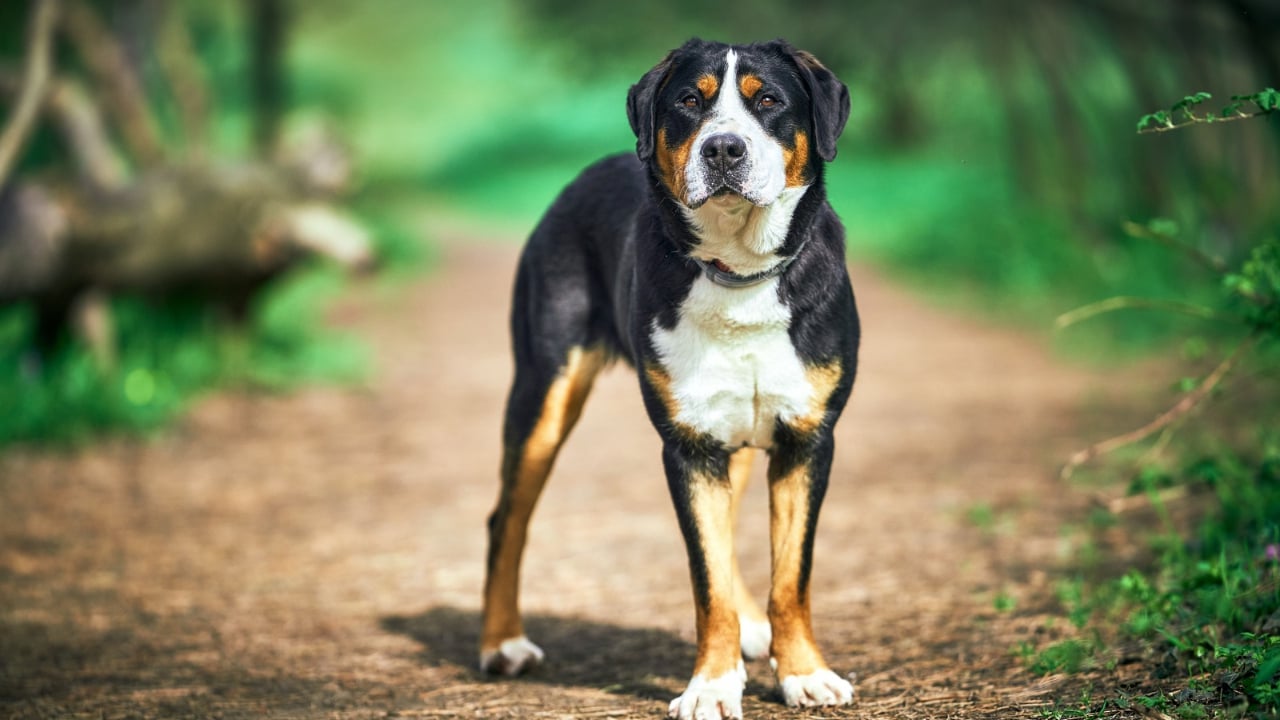
The Greater Swiss Mountain Dog is large, muscular, and built for farm work, but many are affectionate and steady around family.
They tend to be confident without being excessively sharp. The breed can be watchful and may alert to unfamiliar activity, yet it is usually far more social than a true livestock guardian. Their strength means leash manners matter, but they often have a cheerful, stable personality that makes the large size easier to live with.
Kuvasz
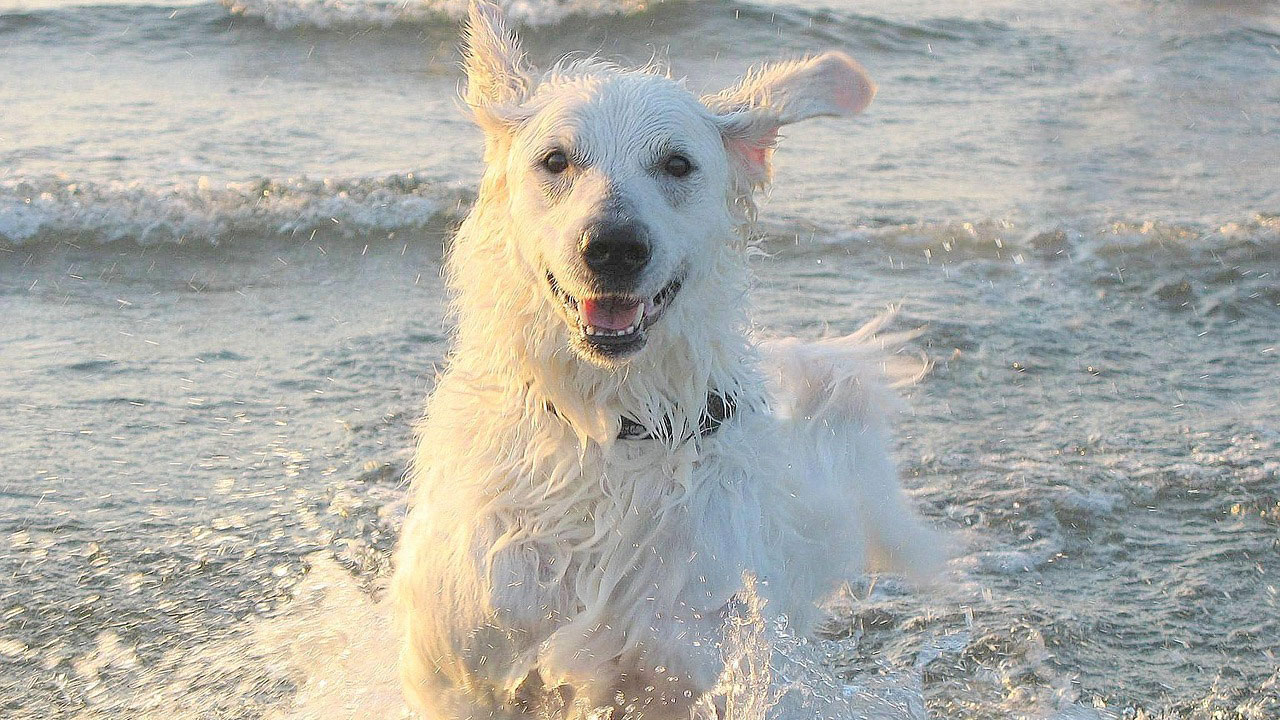
Kuvasz are powerful Hungarian guardians, and they can be serious about territory, but they are often very gentle with the people and animals they know.
They tend to be affectionate in a more reserved way than companion breeds. You may not get the constant attention-seeking behavior of a Golden Retriever, but the bond can be extremely strong. Their independence and protective instincts make them demanding to manage, yet their family temperament is often much softer than their imposing appearance suggests.
Clumber Spaniel
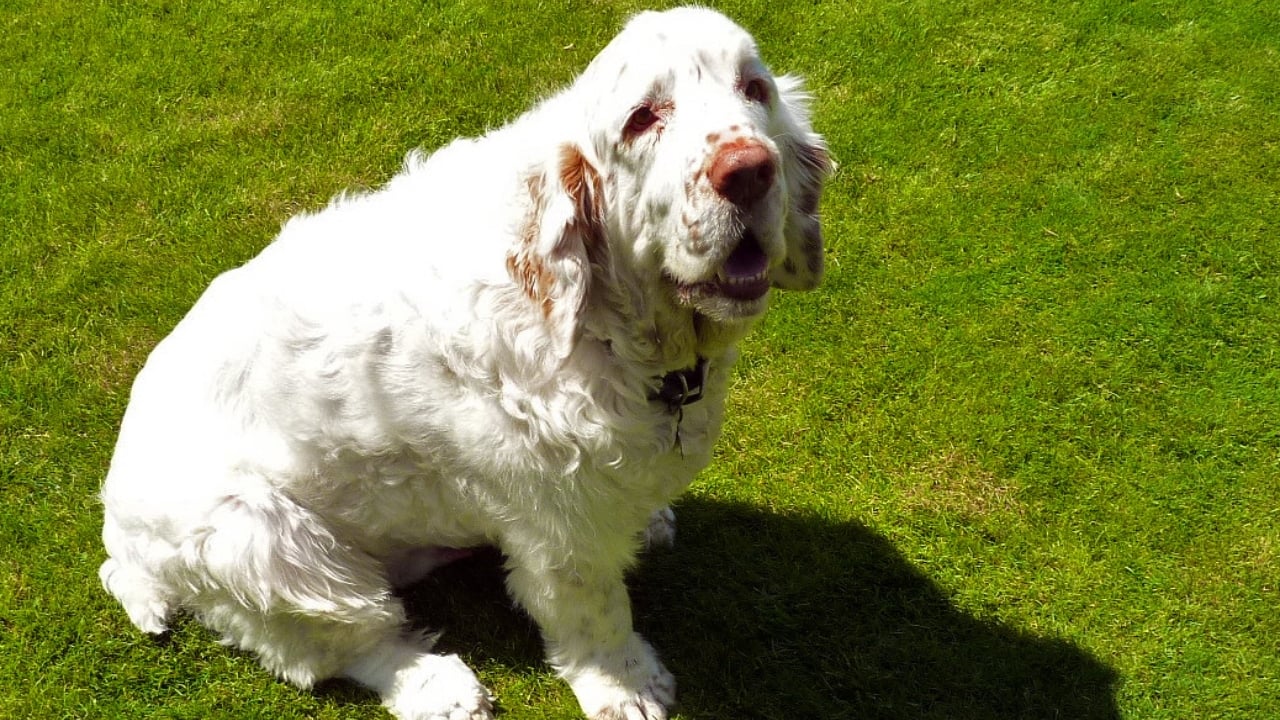
Clumber Spaniels are not giant dogs in height, but they are heavy, broad, and substantial enough to feel much larger than the average sporting breed.
Their temperament is usually calm, affectionate, and easygoing. They tend to move at a slower pace than many spaniels and are rarely as frantic as their smaller relatives. Their heavy build can make them look tougher than they are. Most are much more interested in following family around or working scent than acting intimidating.
Neapolitan Mastiff

The Neapolitan Mastiff may have one of the most intimidating appearances of any dog on this list. The loose skin, enormous head, and massive body make the breed look almost prehistoric.
With its family, though, a stable Neapolitan can be extremely affectionate and calm. They tend to be deliberate rather than energetic and often form strong bonds with a small circle of people. They are still serious guardians and require experienced handling, but their home personality can be surprisingly soft compared with the image they project.
Landseer
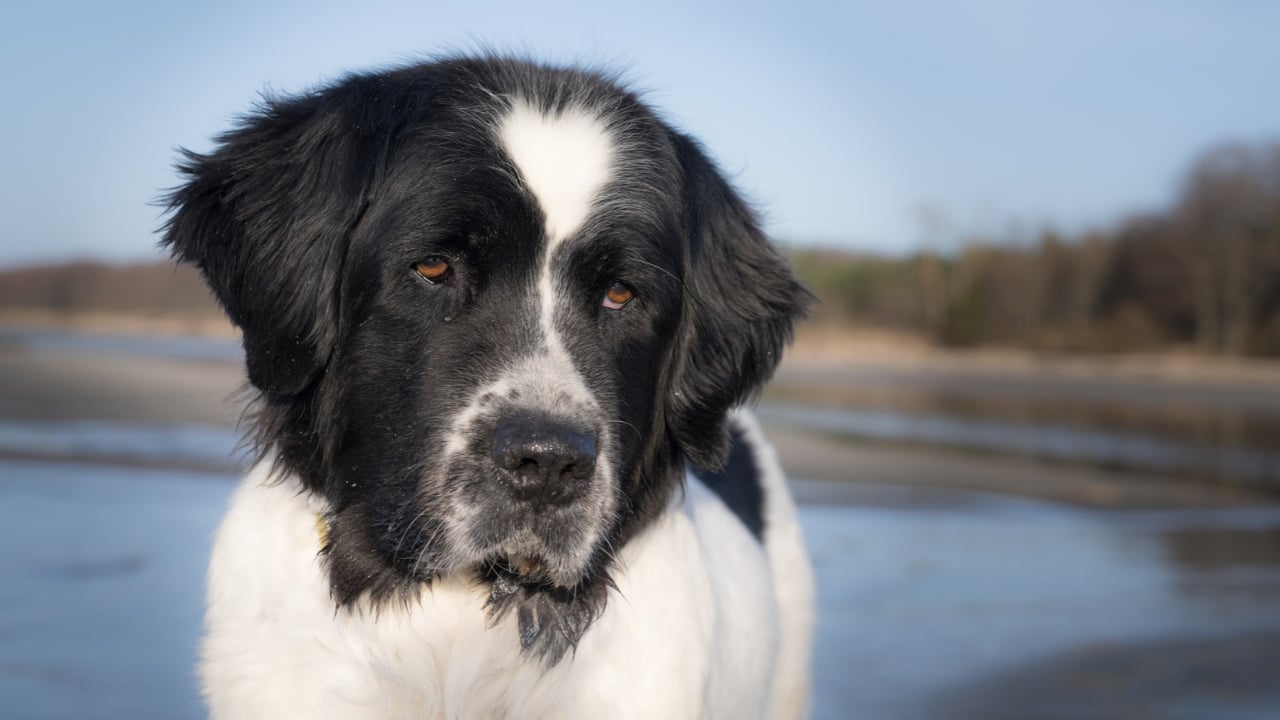
The Landseer is closely related to the Newfoundland and shares much of the same gentle temperament.
These large black-and-white dogs are usually social, patient, and comfortable around families. They were developed around water work and tend to be strong swimmers with a calm disposition. Their size and coat require commitment, but they are not usually difficult because of aggression. For a dog that can easily outweigh many adults’ children, the Landseer is remarkably gentle.
Like The Avid Outdoorsman’s content? Subscribe to our newsletter so you never miss an article.
Here’s more from us: