Photo credit: The Common Patriot/Youtube
If you hunt long enough, you stop believing the “it was dead-on last season” stories. A rifle can be mechanically accurate and still let you down if the bedding shifts, the action screws loosen, the scope mounts walk, or the whole setup just doesn’t like getting bounced around in a truck and dragged through alder tangles.
I’m not talking about babying gear, either. I’m talking about rifles that hold zero when they get leaned in a corner of a wall tent, knocked on a ladder stand rail, soaked for two days, and then fired cold. Some of this is the rifle. A lot of it is the system: good rings, proper torque, and a scope that’s not a bargain-bin gamble. But certain rifles just seem to stay put once you get them sorted.
1. Ruger M77 Hawkeye
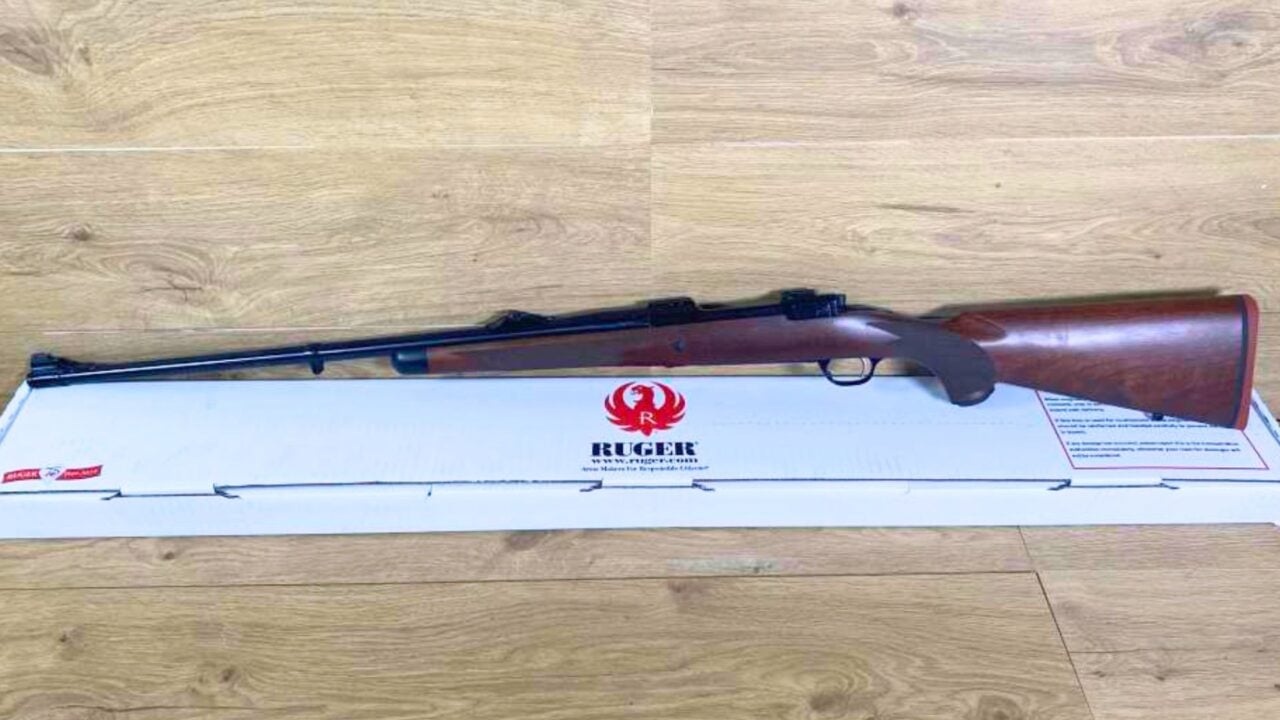
These are the rifles I associate with guys who don’t tinker much. Controlled-round feed, solid build, and a reputation for being hard to shake loose. They’re not always the lightest carry, but they ride well in the hand and they don’t feel fragile.
Once you set the action screws and get decent rings on there, they tend to quit moving. The factory stock isn’t everybody’s favorite, and the triggers used to be a common gripe, but for staying dialed in through rough travel, the Hawkeye has earned its keep.
2. Winchester Model 70 (Featherweight and Super Grade)

Rayvolver44/YouTube.
The Model 70 is one of those rifles you see in old photos for a reason. The action is strong, the bedding surfaces are generous, and the whole thing feels like it was designed by somebody who expected it to get rained on.
Featherweights can be a little whippy with heat if you’re doing long strings at the range, but hunting shots aren’t that. For a cold-bore rifle that keeps its point of impact after a week of hard miles, it’s a safe bet.
3. Tikka T3x Lite

If you’ve ever watched a new hunter shoot a Tikka well on day one, you know the deal. They point naturally, the bolt is slick, and they’re easy to live with. The “cheap plastic” complaints get loud online, but in the field they just run.
They also tend to return to zero after travel better than a lot of rifles in the same price band. The recoil lug setup and consistent manufacturing help. If you’re the type who wants to sight in and stop thinking about it, the T3x is hard to argue with.
4. Sako 85
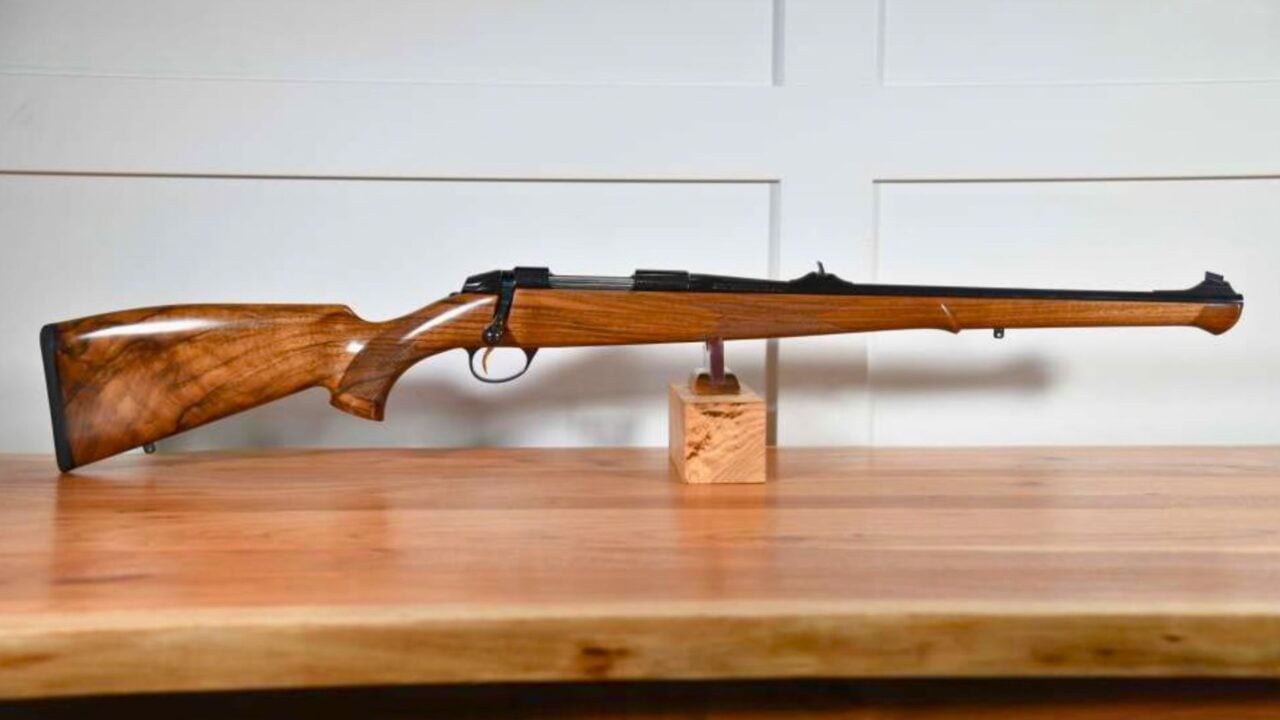
Sakos aren’t budget-friendly, and they don’t need to be. Fit and finish is the obvious part. The less obvious part is how stable the whole system feels after seasons of use.
The 85 has a refined action and a stock interface that usually behaves. If you’re paying for a rifle you plan to keep a long time, a Sako is one of the few that still feels “worth it” after the new-gun excitement wears off.
5. Browning X-Bolt
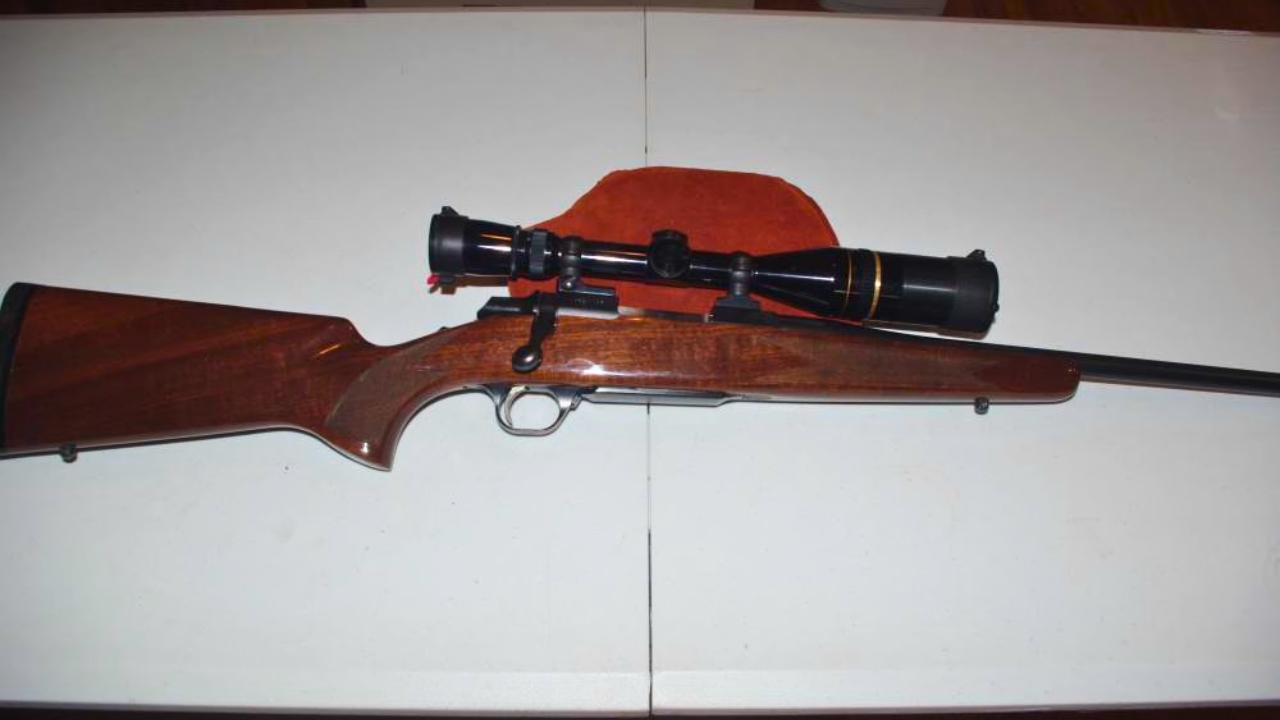
I’ve carried X-Bolts that rode in a scabbard, got dusted in dry country, then took a spill in snow. They tend to keep printing where you left them, assuming the mounts are right and you’re not using bargain rings.
The short bolt lift is nice in tight spots, and the rifles balance well. Some hunters don’t love the rotary magazine system, but from a “does it stay sighted” standpoint, X-Bolts usually behave.
6. Weatherby Vanguard (Series 2)
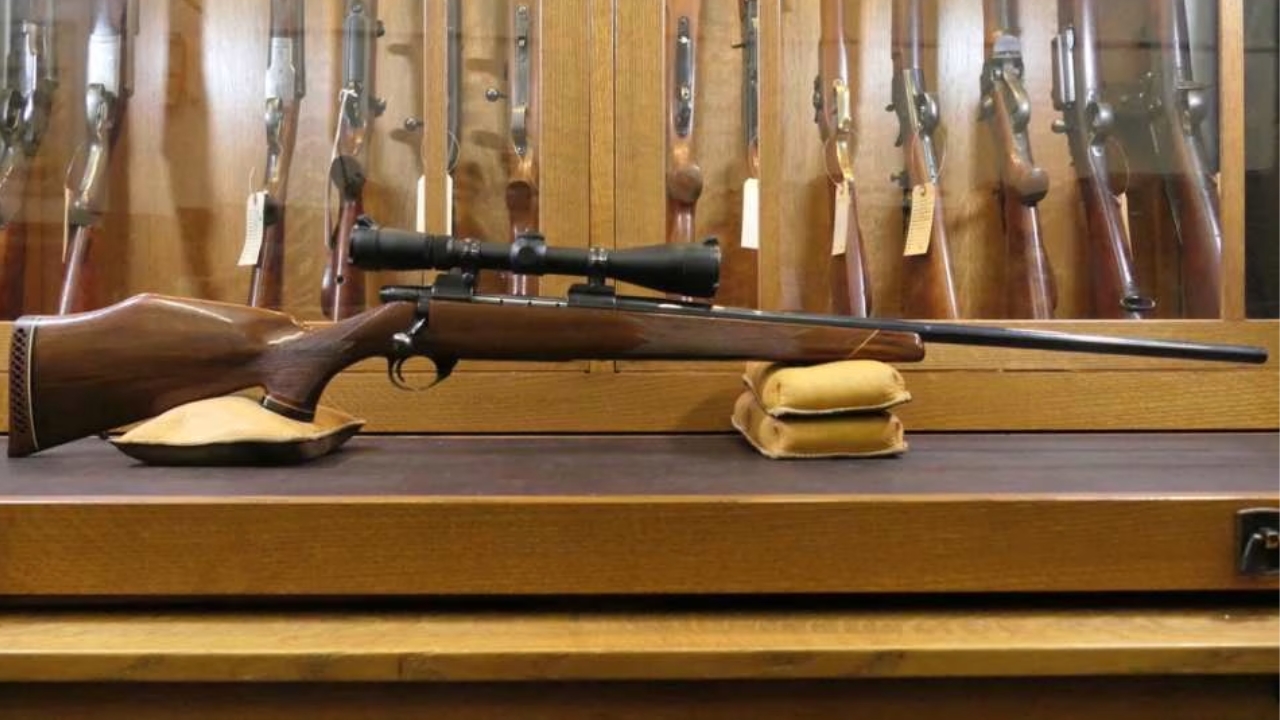
This one’s not flashy. That’s kind of the point. The Vanguard is a workhorse rifle that feels like it can take getting banged around without turning into a project.
They’re often a little heavier than the super-light mountain rigs, and that weight helps. A steady rifle with decent bedding and a solid action tends to keep its zero longer, especially when you’re shooting real hunting loads instead of soft range ammo.
7. Remington Model 700 (older, well-sorted examples)
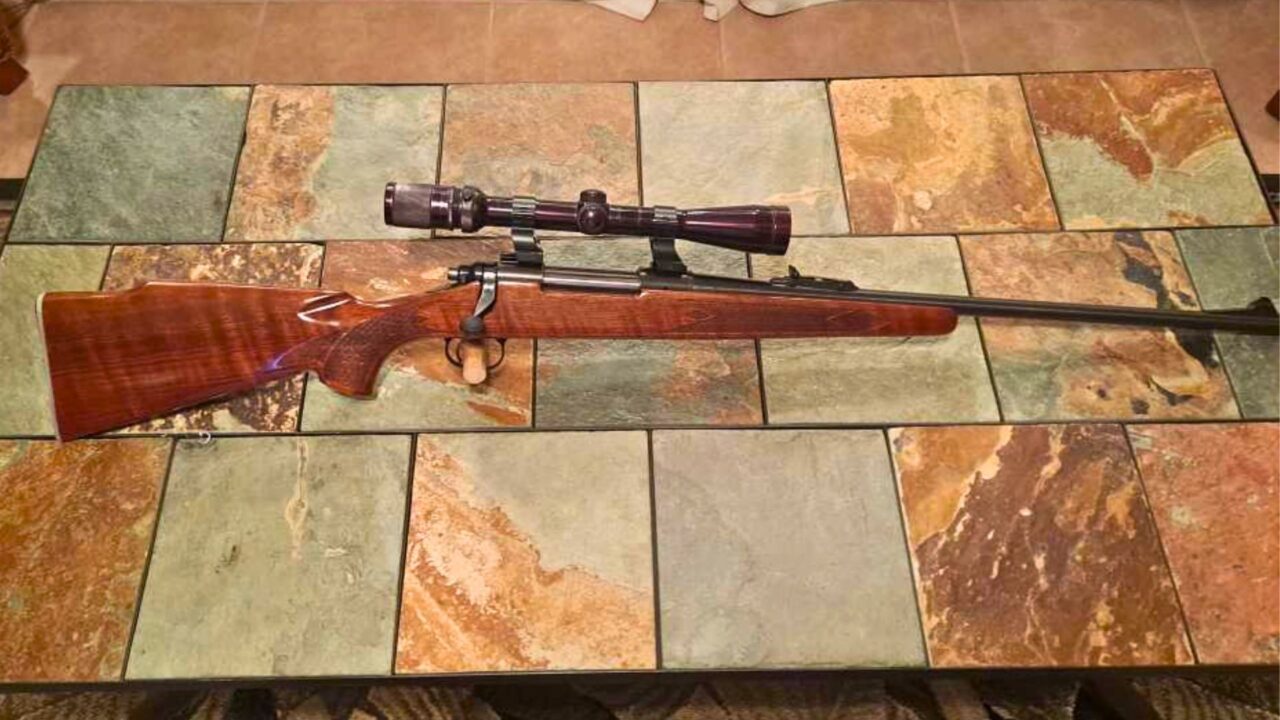
Yes, the 700 topic turns into an argument fast. I’m not here to re-litigate the internet. I’m saying this: the older, proven 700s that have been properly mounted and bedded have put a lot of meat in a lot of freezers.
The action footprint is common, parts and support are everywhere, and there’s a reason so many serious rifle builds start here. When a 700 is right, it tends to stay right. When it’s not, you’ll find out quickly.
8. Ruger American Rifle (Gen II and proven originals)

I get why people dismiss these because of the price tag. But I’ve seen more than one Ruger American live behind a truck seat for years and still shoot where it’s supposed to.
The stocks can feel hollow and the magazines aren’t everyone’s favorite, but they don’t have to be fancy to be consistent. If you want a “set it and hunt” rifle and you don’t want to cry over scratches, this is one to look at.
9. Savage 110 (including 110 Storm and 110 Hunter)

Savage rifles aren’t always pretty. Some are downright homely. Still, the 110 pattern has a long record of shooting straight, and the barrel nut setup has quietly saved a lot of hunters from accuracy headaches.
They tend to hold zero well because the system is consistent and easy to keep consistent. If you can live with the aesthetics and the sometimes-clunky feel, the payoff is usually a rifle that stays honest.
10. CZ 557 (discontinued, but still around)

The CZ 557 flew under the radar for a lot of folks, and that’s a shame. The rifles tend to have good barrels, solid actions, and they feel like they were made for actual hunting instead of catalog photos.
When you find one that fits you, they’re the kind of rifle you stop messing with. Discontinued doesn’t mean unsupported overnight, but it does mean if you like it, don’t assume you’ll easily replace it later.
11. Bergara B-14 Ridge
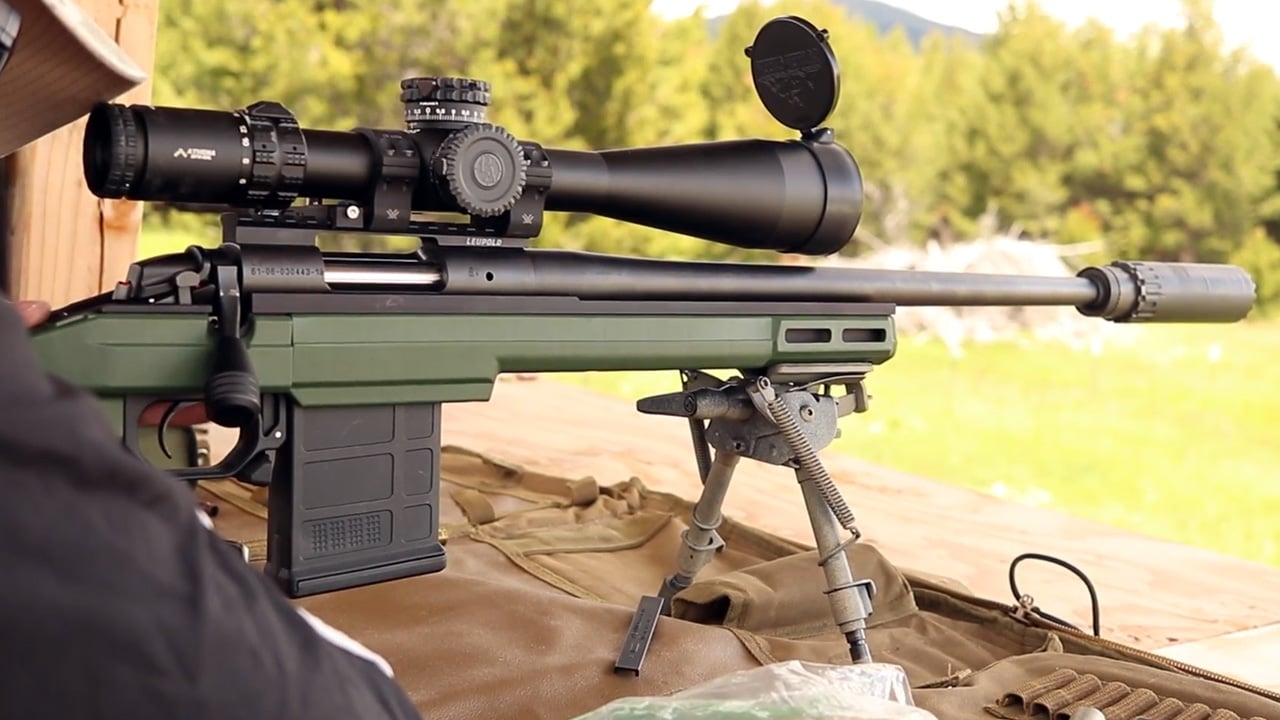
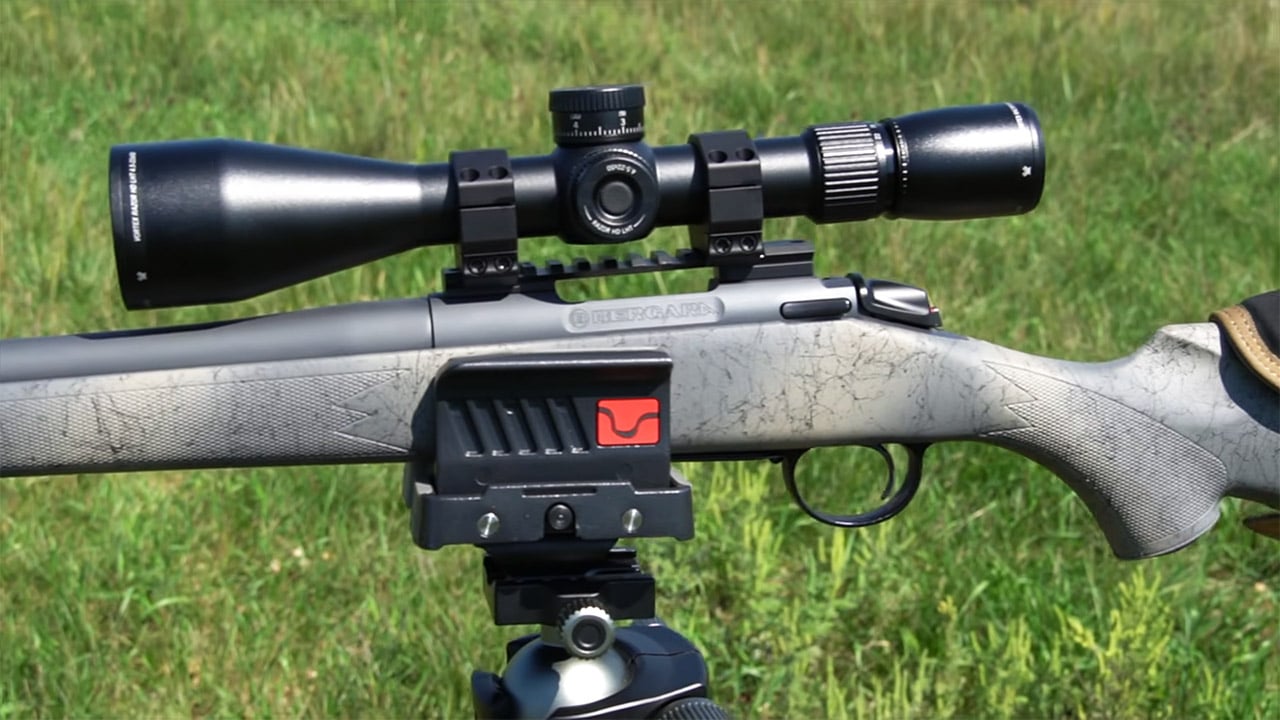
Bergara built a name by giving hunters a “700-ish” footprint with modern consistency. The B-14 Ridge is a sweet spot: not too heavy, not too delicate, and it doesn’t feel like it’s going to shift every time humidity changes.
These rifles tend to shoot well with a wide range of loads, and when you combine that with solid stock geometry, you get repeatable zero. For a rough hunt, boring consistency beats fancy features.
12. Kimber 84M (when it’s the right one for you)

Kimber is a polarizing name because some rifles are amazing and some are… not. But the good 84M rifles that are properly set up are hard to beat for a carry-all-day rifle that doesn’t seem to wander.
Light rifles can be more sensitive to how they’re rested and shot. That’s the trade. If you learn your rifle and don’t crank on the fore-end like you’re trying to bend it, an 84M can stay on target through real mountain use.
13. Howa 1500
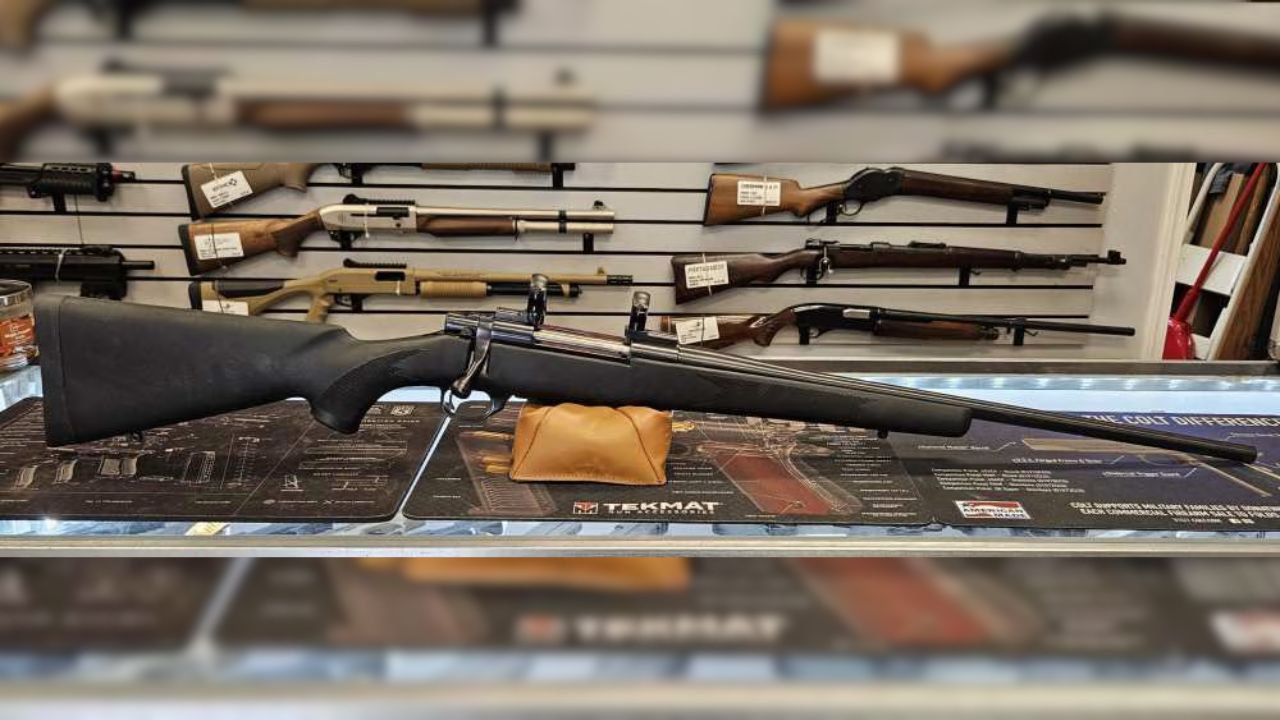
Howa doesn’t get as much attention as it should, probably because it’s not trendy. The action is strong, the barrels are usually good, and the rifles have a “built like a tool” vibe.
They also hold together. A Howa in a decent stock with correctly torqued screws tends to keep its point of impact even after getting hauled around. They’re a solid option for the hunter who cares more about results than branding.
14. Springfield Armory 2020 Waypoint
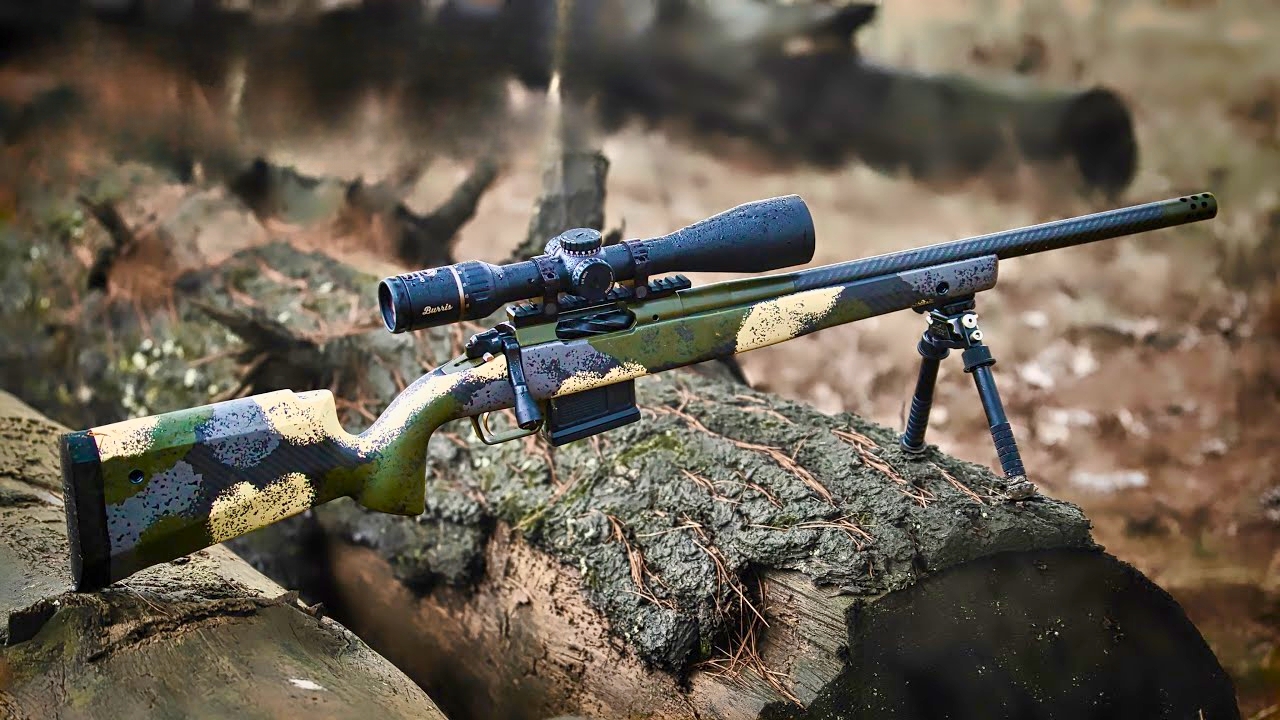
This is a modern “nice rifle,” no doubt. Carbon barrel, lightweight build, and it’s aimed at the guy who hikes hard and still expects precision. The question with any lightweight setup is always the same: does it stay stable?
The Waypoint has a good reputation for returning to zero and not doing weird stuff after travel. You’re paying for that. If you’re counting ounces but you still want confidence, it’s one of the better bets.
15. Christensen Arms Ridgeline (the good ones, verified on paper)
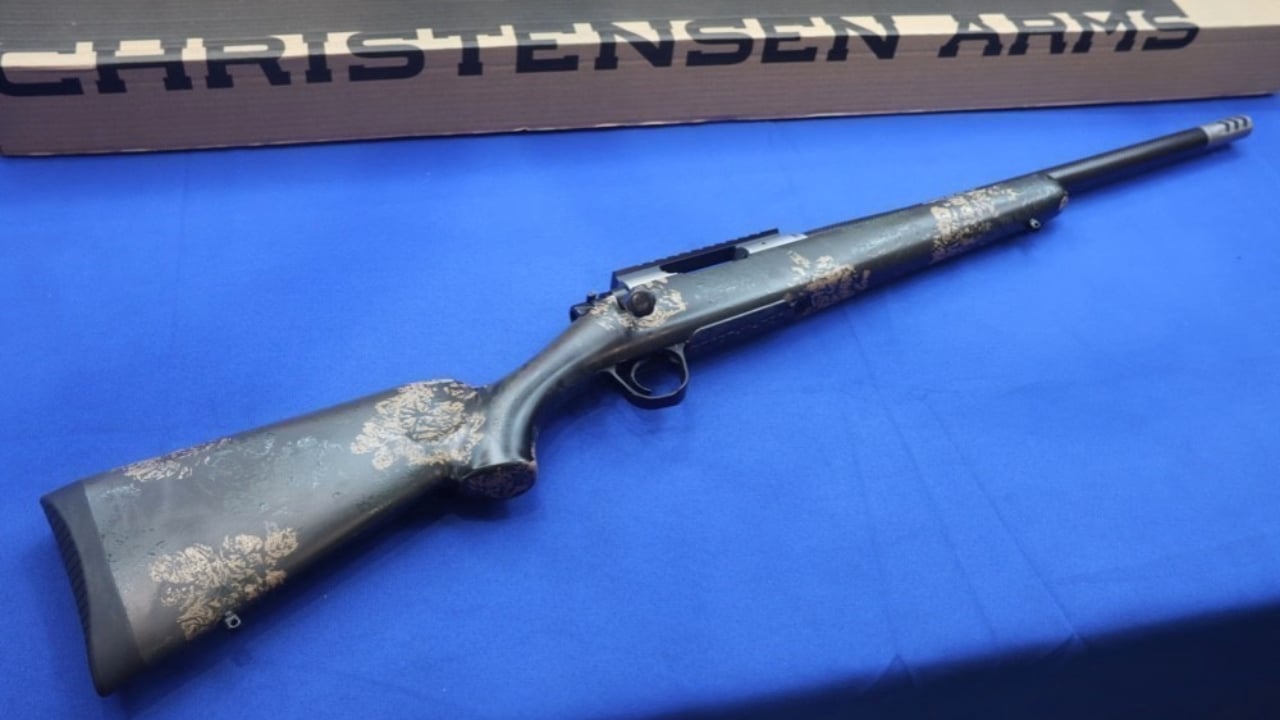
Christensen rifles have fans and critics, and I understand both sides. When you get a good Ridgeline, it’s a handy hunting rifle that carries like a dream and shoots like it’s supposed to.
The smart move is to verify your rifle early and not assume. Once you’ve got one that groups, holds, and doesn’t shift after a couple range trips, it can be a very “grab it and go” rifle for rough country.
16. Marlin 336 (especially in .30-30)

In thick woods, a lever gun that just keeps hitting where the sights say is a beautiful thing. The 336 is quick to shoulder, easy to carry one-handed, and it doesn’t mind getting scuffed up.
With irons or a low-power scope mounted properly, they hold zero better than folks expect. They’re not benchrest rifles, but they don’t need to be. For the kind of hunting where rifles get bumped a lot, a 336 keeps working.
17. Henry Lever Action X Model (side gate)
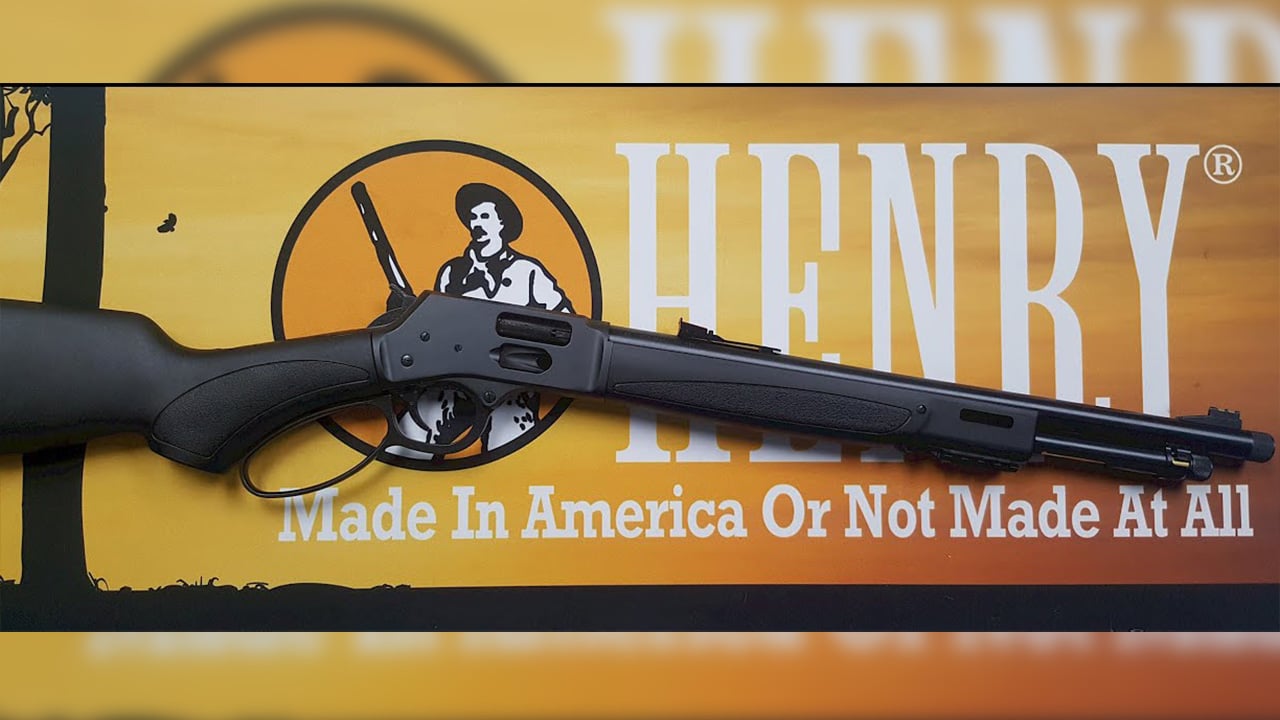
Henry’s X Model line is a modern working lever gun. The finish is tough, the furniture is practical, and the rifle feels like it’s meant to ride in a truck or on an ATV without drama.
Keep the setup simple and it’ll usually stay simple. A red dot or a compact scope on a quality mount can be surprisingly durable in this role. The rifle’s balance also helps—less awkward leverage when it gets snagged or bumped.
18. Ruger Gunsite Scout Rifle

This rifle is not for everyone. It’s a little niche, and it can feel clunky if you’re expecting a sleek mountain gun. Still, as a “rough use” rifle, it’s hard to ignore.
The iron sights are legit, the controlled-round feed action is dependable, and the overall build is stout. It’s the kind of rifle you can drag through bad weather and still expect a cold shot to land where it should.
19. SIG Sauer CROSS
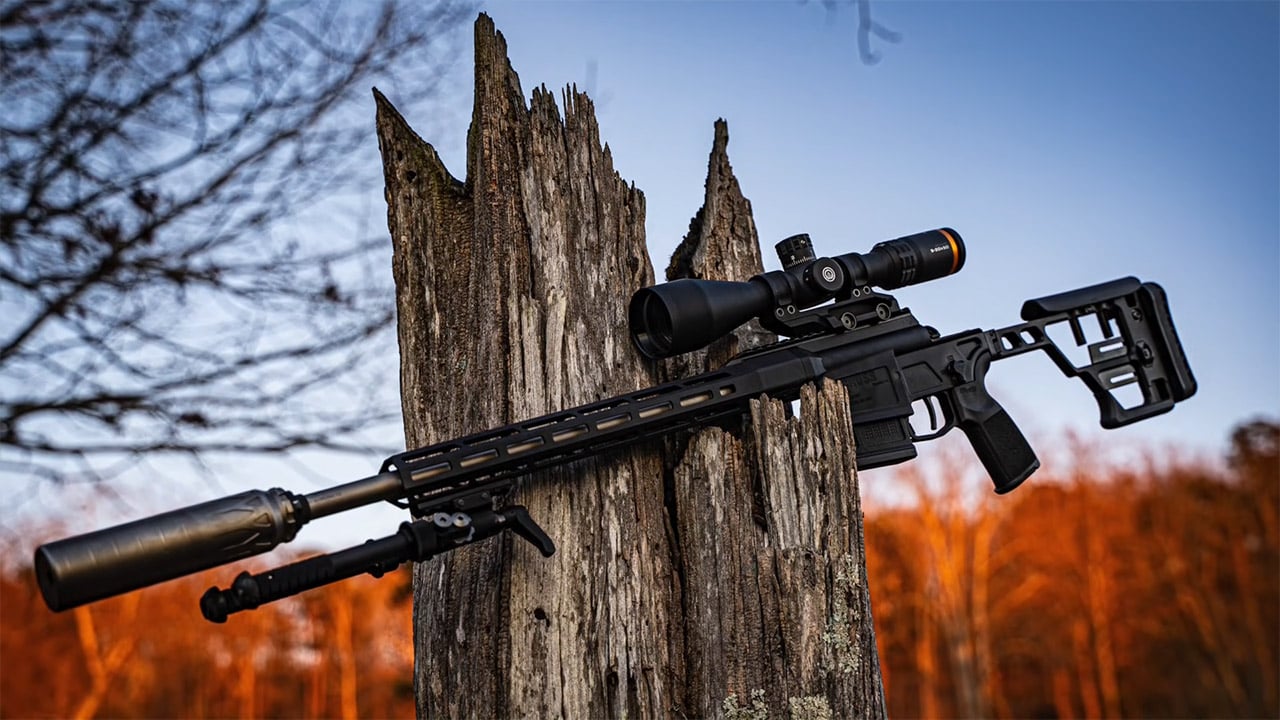
The CROSS is a modern folding-stock bolt gun that a lot of hunters side-eye at first. Fair. Anything that looks “tactical” gets judged hard in hunting camps. But in terms of staying consistent after travel, the design has real benefits.
A rigid chassis-style setup can be very stable if the optic mounting is done right. The folding feature is nice for transport, but don’t confuse that with “set it and forget it” on cheap hardware. Pair it with good glass and it tends to stay put.
20. Steyr Mannlicher CL II
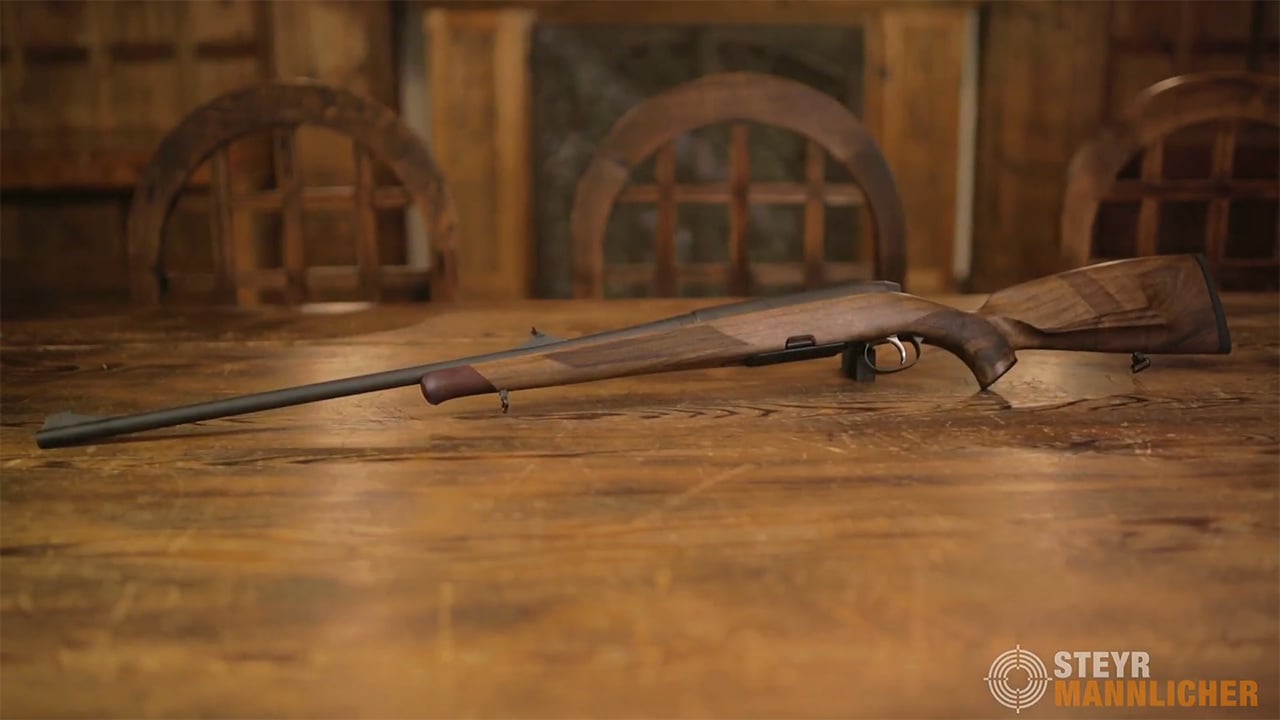
Steyrs are a little different, and that’s part of why they work. They’re well-made rifles with a reputation for durability, and they often feel like they were designed by people who actually hunt in miserable weather.
The stocks and actions tend to be stable, and once you’ve got one dialed, it’s the type of rifle that keeps its manners. They’re not as common on every gun rack, but the hunters who run them usually don’t switch often.
No rifle is magic, and I’ve watched “bombproof” setups get knocked off because somebody used cheap rings, didn’t torque anything, or treated their scope like an afterthought. Still, the rifles above have a track record of holding zero when hunts get rough, not just when conditions are perfect. If you want the best odds, pick a stable rifle, mount the optic right, confirm your zero after travel, and quit trusting last year’s memory more than this year’s target.
Like The Avid Outdoorsman’s content? Be sure to follow us.
Here’s more from us: