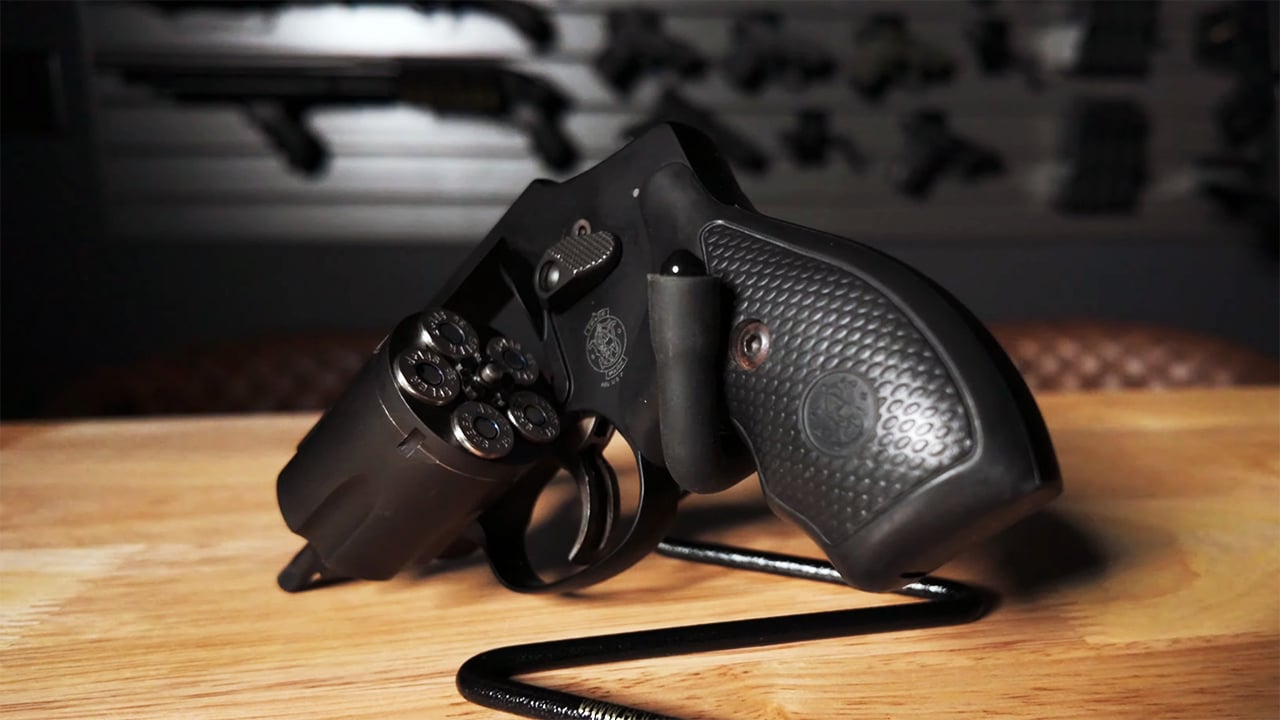
Photo credit: Liberty Ranch/Youtube
Snub-nose revolvers don’t get their reputation from glossy ads. They earn it in coat pockets, glove boxes, tackle-bag side pockets, and on sweaty beltlines when you’re splitting wood, checking fences, or making a quick run into town after being out in the timber all day. They’re not usually the most fun to shoot, and some of them are downright miserable with the wrong ammo. But the good ones keep working when dirt, lint, and neglect show up.
This isn’t a “best of” list. It’s a rundown of short-barreled wheelguns that built their name the hard way: carried a lot, shot enough to prove something, and kept getting picked even when newer options looked cooler. Some are classics. Some are oddballs. A couple are bricks. All of them have stories behind them.
1. Smith & Wesson Model 36 “Chief’s Special”
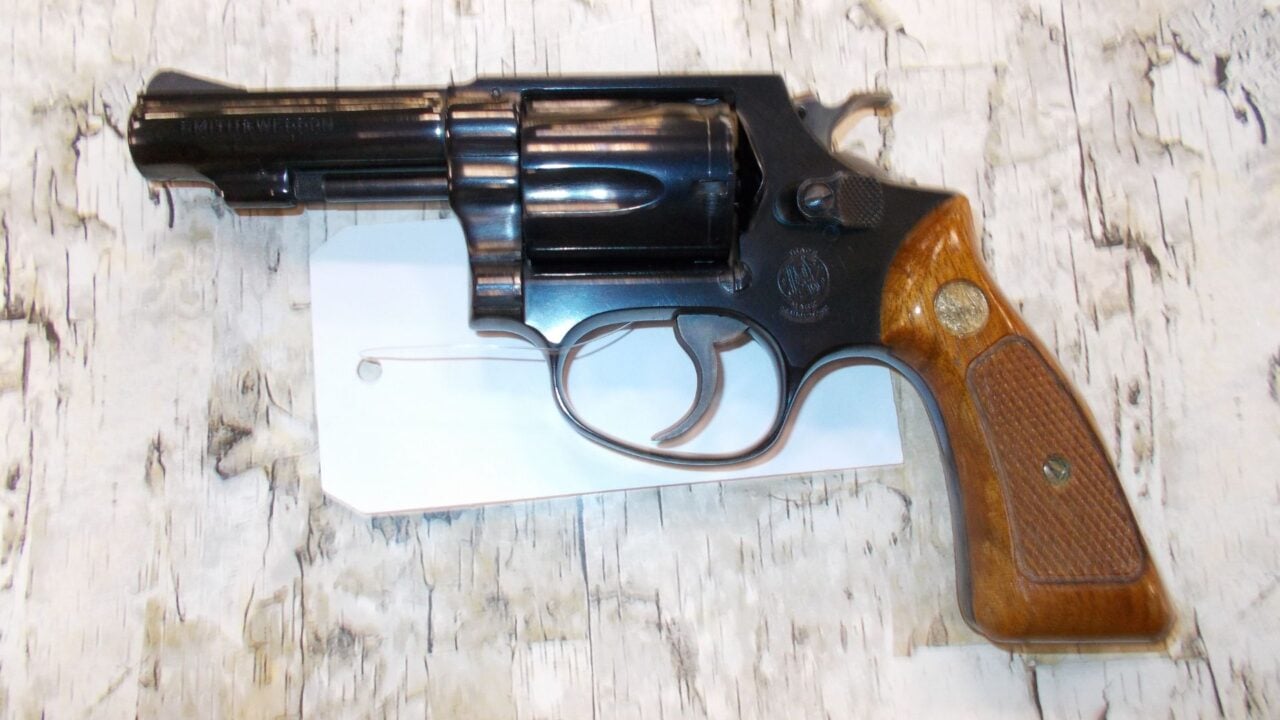
If you’ve ever handled an old Model 36 that’s been carried for decades, you know the look: honest holster wear, smooth edges, and a trigger that feels like it’s been polished by time. It’s not a range toy, but it points naturally and disappears under a flannel.
The little J-frame .38 became a standard because it worked and because it was actually carryable when big revolvers were the norm. It’s also the kind of gun that makes you realize “simple” can still be high-quality.
2. Smith & Wesson Model 642 Airweight
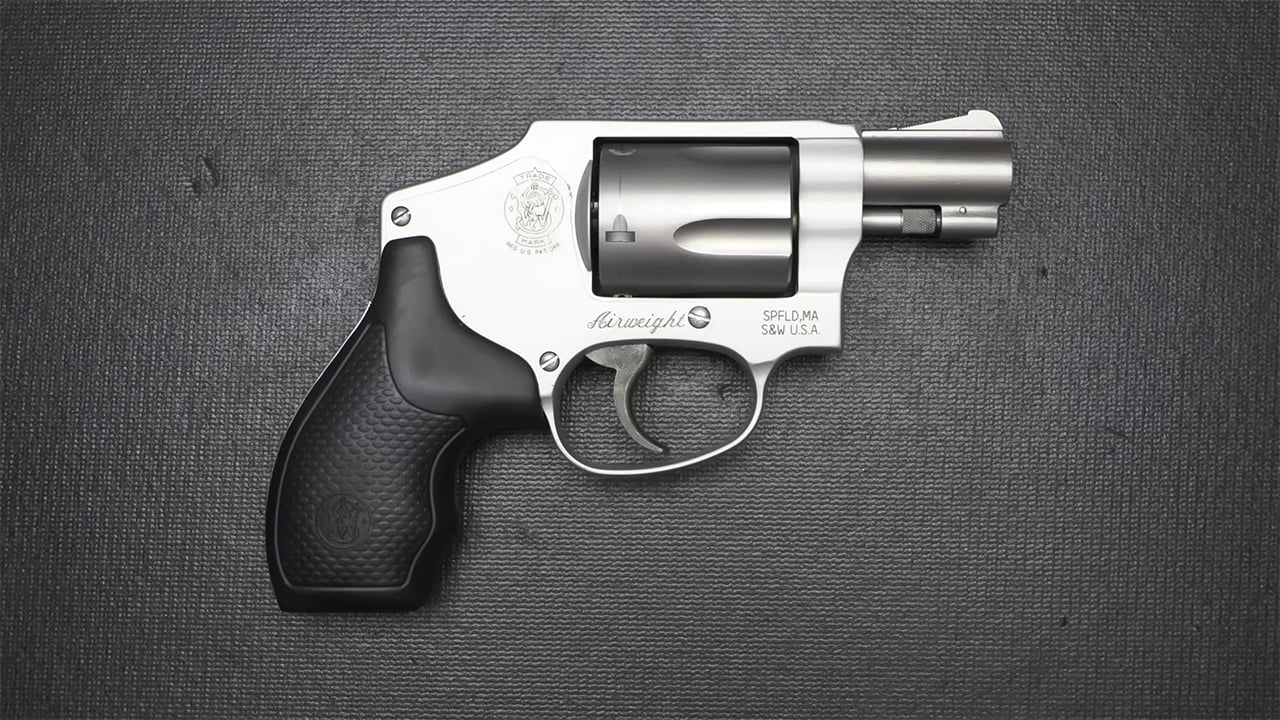
The 642 is what you buy when you finally get serious about carrying every day. Alloy frame, enclosed hammer, and light enough that you stop making excuses. It is also honest about physics: light gun plus defensive .38 loads equals sharp recoil.
Where it earns respect is reliability and snag-free draw. Lint in the pocket and sweat in the waistband won’t scare it the way they can scare a lot of tiny autos.
3. Smith & Wesson Model 442
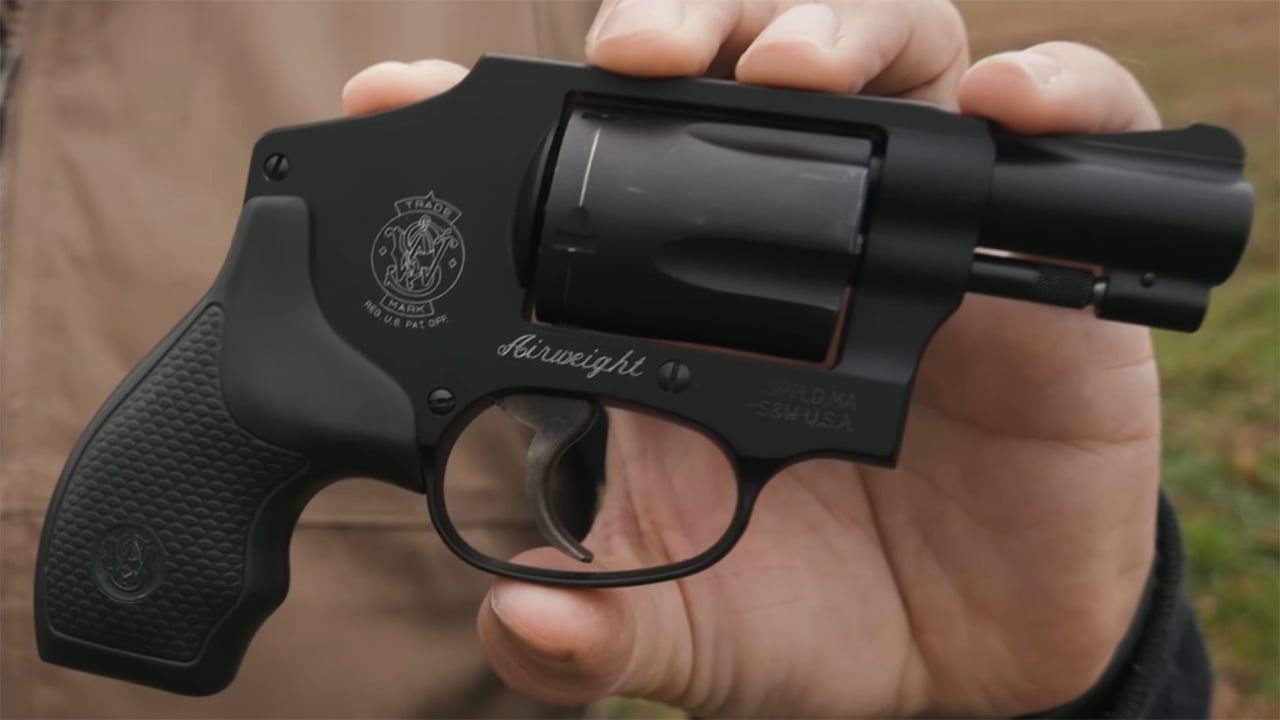
The black-finished twin to the 642 has ridden in more pockets than most folks want to admit. It’s not fancy. It’s a tool. The kind you can toss in a pocket holster for a quick trip and not feel under-gunned for normal problems.
I’ve seen plenty of 442s with hideous stocks and scuffed finish that still lock up tight. That’s the whole point of this class of revolver: it keeps doing the job even when it isn’t treated like a safe queen.
4. Smith & Wesson Model 637 Airweight
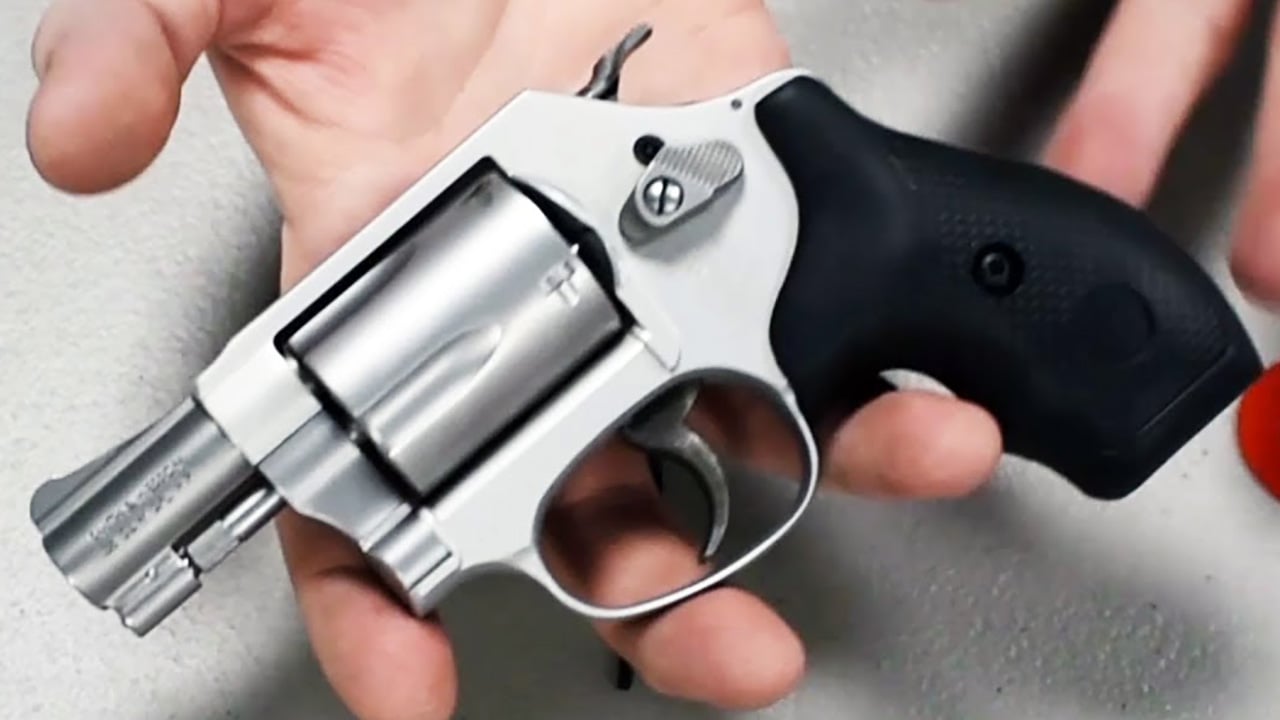
The 637 gives you the exposed hammer, which some folks still want for a more deliberate single-action shot or for nostalgia. It also gives you a snag risk if you’re pocket carrying and not thinking it through.
As a belt gun in a proper holster, though, the 637 is a sweet spot. Light, simple, and usually accurate enough at realistic distances if you actually practice with it.
5. Smith & Wesson Model 60 (stainless J-frame)
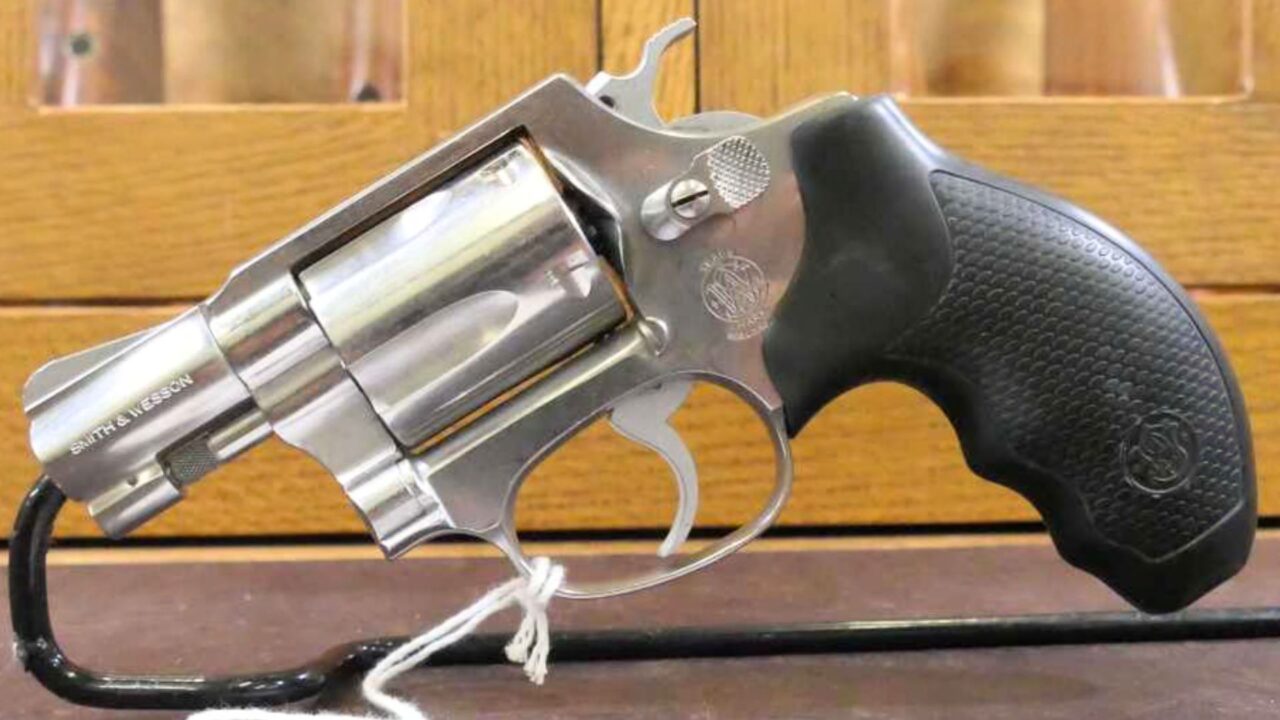
Stainless steel, small frame, and tough as boot leather. The Model 60 is one of those revolvers that can ride through a wet season, a sweaty summer, and a dusty fall and still clean up fine.
It’s heavier than the Airweights, and that’s not a bad thing when it comes time to shoot. The extra weight takes the edge off recoil, and you’re more likely to actually train with it.
6. Smith & Wesson Model 640 (hammerless .357 option)

The 640 is the J-frame that makes you say, “Who thought this was a good idea?” the first time you touch off real .357 Magnum. Still, it’s popular for a reason: it’s stout, snag-free, and built for hard use.
Most folks end up feeding it .38 +P anyway, and it’s excellent there. The revolver doesn’t care what profile the bullet is, and in a snub, that matters more than internet arguments.
7. Smith & Wesson Model 649 Bodyguard

The 649’s shrouded hammer is a very specific answer to a very real problem: you want the option to thumb-cock, but you don’t want the gun grabbing your pocket on the way out. It looks a little odd until you carry one awhile.
They tend to be heavier than the featherweight guns, and again, that’s not a flaw. For a revolver you might actually shoot a box of ammo through in a session, the steel guns make more sense.
8. Smith & Wesson Model 37 Airweight

The Model 37 has that old-school feel, and plenty of them have lived in dresser drawers, tackle boxes, and glove compartments for years. Not ideal storage, but it’s real life. Many are still running because J-frames are forgiving.
If you find one in good shape, don’t expect target sights or soft recoil. Expect a light revolver that carries well and does what it’s supposed to do when you keep your expectations honest.
9. Ruger SP101 (2.25-inch)

The SP101 is what you buy when you’re tired of “lightweight” meaning “punishing.” It’s built like Ruger builds things: chunky, durable, and not apologizing for being a little heavy.
It carries fine on a belt, and it’s one of the rare snubs that people actually enjoy practicing with. If you’re the type who shoots year-round, the SP101 makes a strong case.
10. Ruger LCR .38 Special
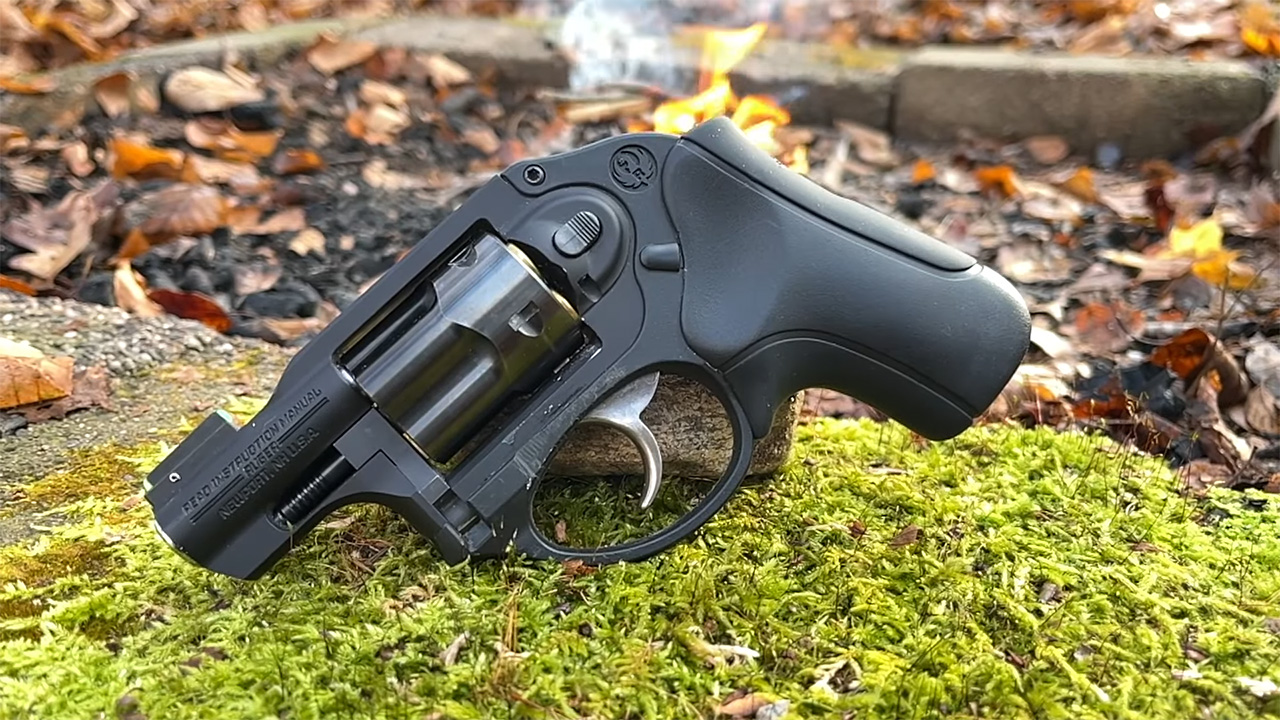
Ruger’s LCR looks like a space gun until you run one fast. The trigger is usually better than it has any right to be in this class, and the gun is light enough to truly be an everyday companion.
It’s also one of the better answers for folks who have trouble with stiff semi-auto slides. Load it, close it, and it’s ready. No magazine issues, no limp-wrist drama.
11. Ruger LCR .357 Magnum
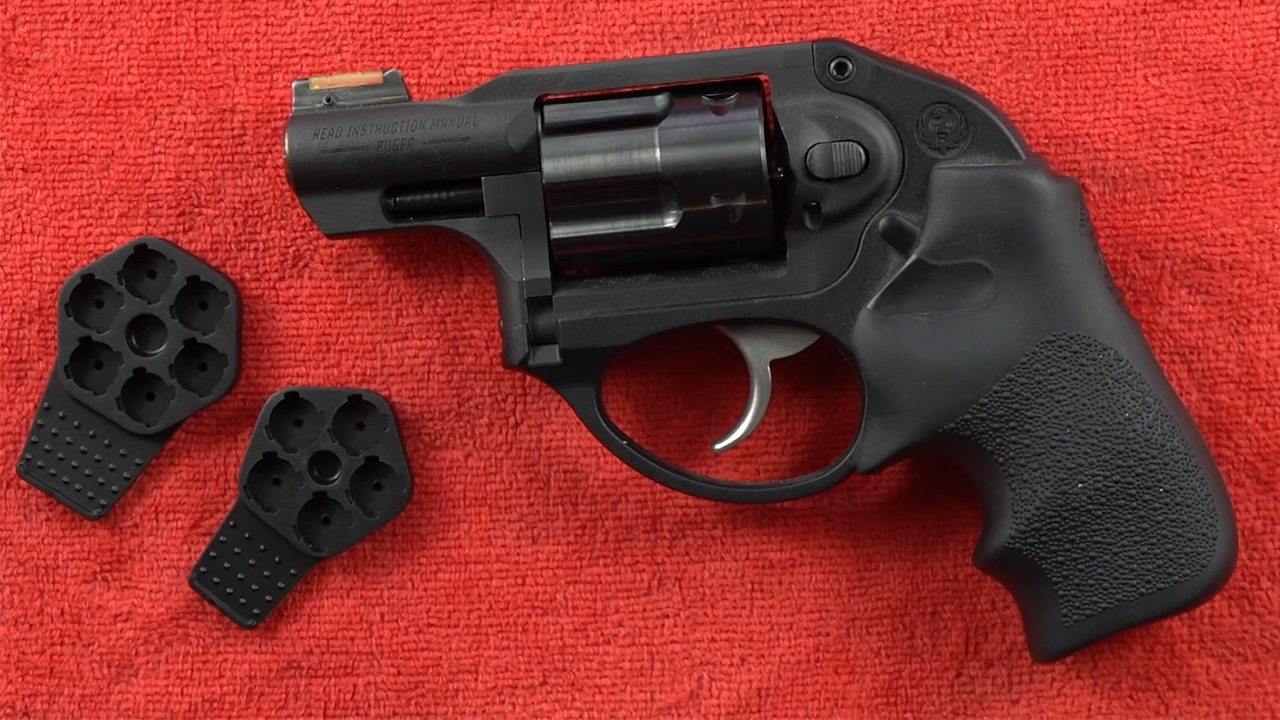
The .357 version gives you a little more weight and a little more strength. Most owners still settle into .38 +P for carry because it’s controllable and practical out of a short barrel.
Where the LCR .357 shines is durability with steady use and its ability to digest a wide variety of loads. It’s a no-nonsense backwoods carry piece for people who actually get out.
12. Ruger Security-Six (2.75-inch)
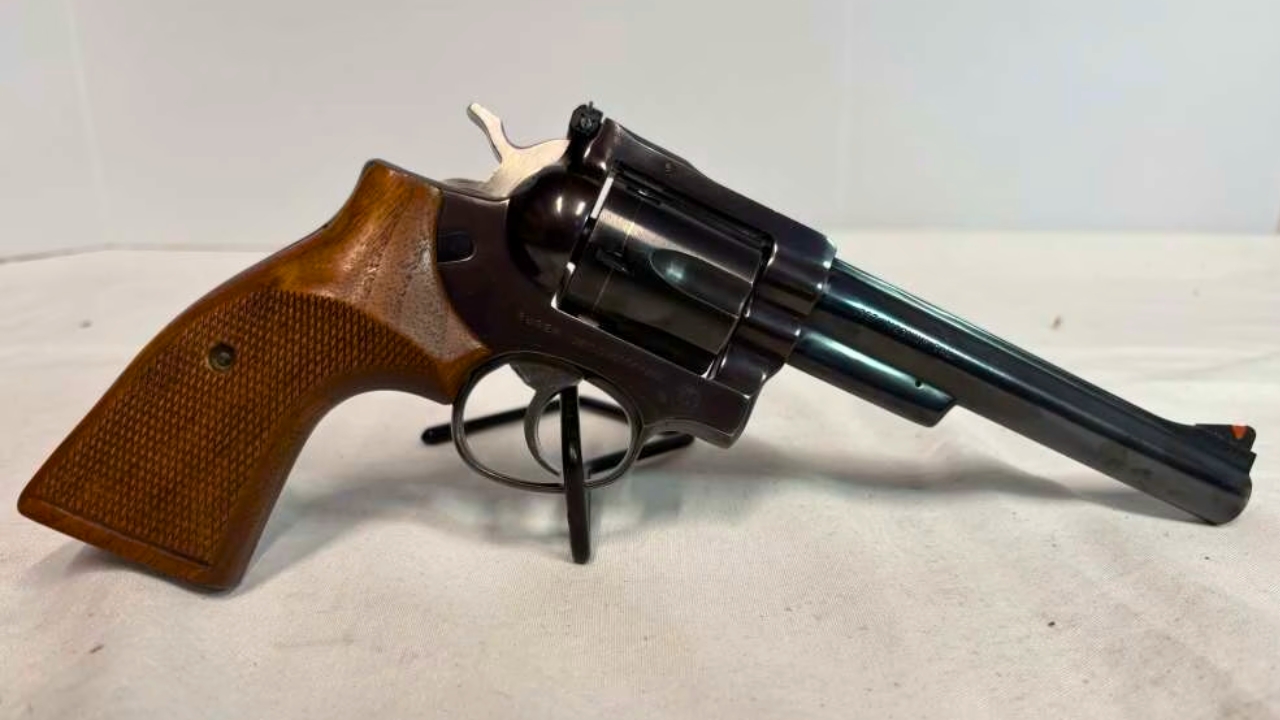
Not as common as a J-frame in the snub conversation, but the short Security-Six has been riding on hips for a long time. They’re rugged revolvers that don’t mind being used and don’t mind being a little scratched up.
They’re bigger than the pocket guns, so this is more “belt gun under a jacket” than “drop it in your jeans pocket.” If you want a snub with a bit more shootability, this is a sleeper.
13. Colt Detective Special

The Detective Special is one of those guns that feels like it came from a different era of craftsmanship. Six rounds in a small frame was a big deal, and the Colt action has a distinct feel that fans swear by.
Parts and service aren’t always as simple as modern production guns, and that’s the tradeoff. Still, if you find a good one, it’s hard not to understand why these became legends.
14. Colt Cobra (classic aluminum-frame)

The old Cobra is lighter than the Detective Special and carries like it was designed by someone who actually had to wear it all day. It’s a “carry a lot, shoot some” kind of revolver.
They’re not all equal, and condition matters. If you’re shopping used, you pay attention to timing and lockup. When they’re right, they’re handy and surprisingly pleasant for what they are.
15. Colt Agent

The Colt Agent doesn’t get talked about as much, but it’s been in pockets and ankle rigs for generations. Small, light, and purpose-built for concealment before concealment was trendy.
It’s also a reminder that the market used to be full of real carry guns, not just “micro-compacts” that look good in a YouTube thumbnail. The Agent is plain, and that’s exactly why it lasted.
16. Colt Police Positive Special (short-barrel variants)
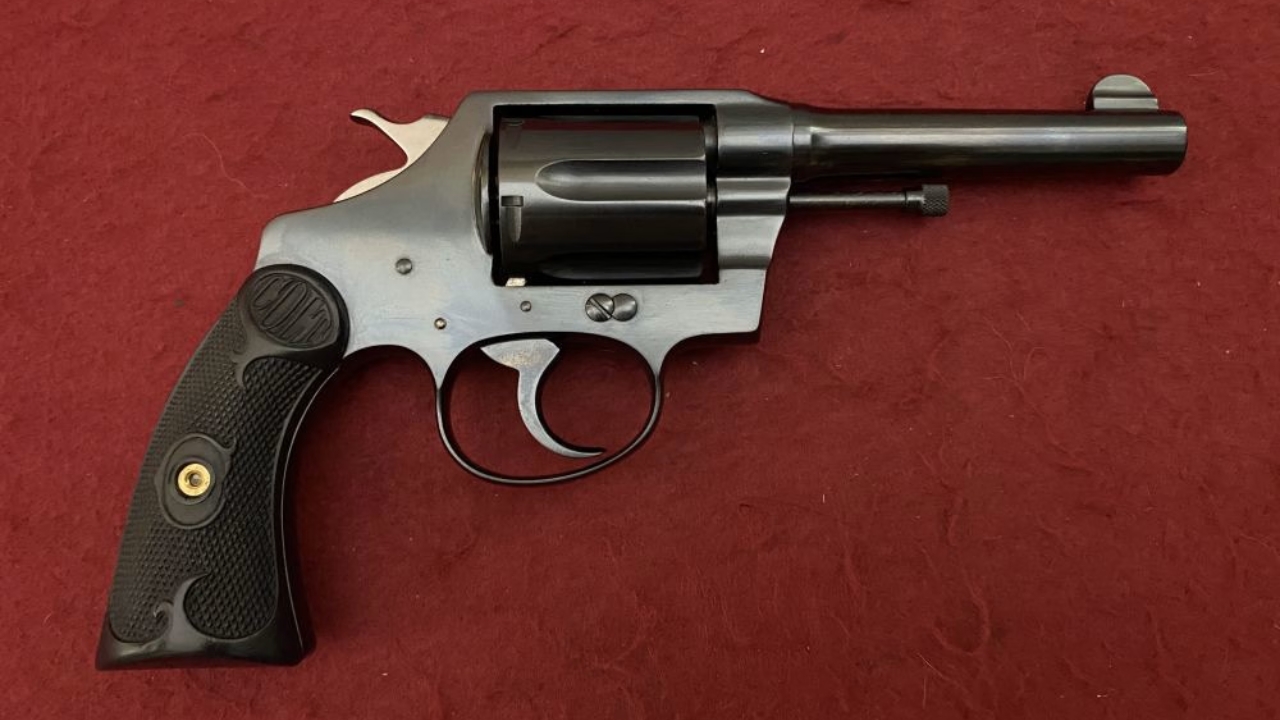
This one is a little more old-school, but short-barrel Police Positive Specials earned their place in the working-gun world. They weren’t made to impress anybody. They were made to ride and work.
If you’re into vintage revolvers, these can be a rabbit hole. Just keep your ammo choices sensible and remember you’re dealing with an older design that deserves a bit of respect.
17. Kimber K6s (2-inch and 3-inch)

Kimber surprised a lot of revolver guys with the K6s. Six rounds in a compact .357 that’s actually well-shaped for carry is a serious offering, not a gimmick.
The trigger and sights tend to be better than what you expect from many “classic snubs,” and that matters if you’re trying to make real hits quickly. They cost more, but they don’t feel like a compromise.
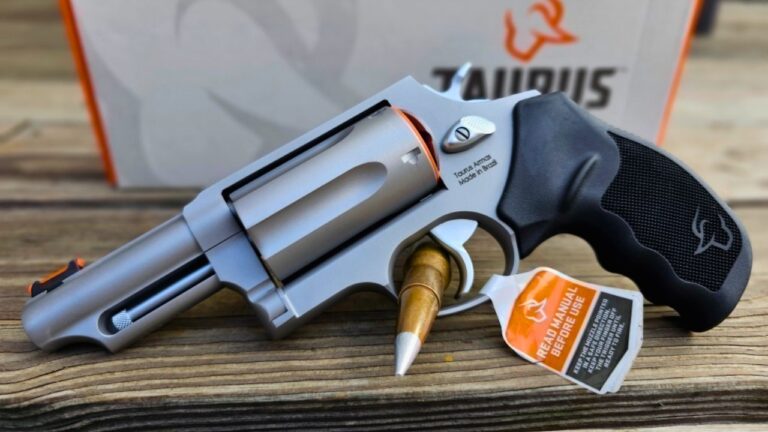
18. Taurus Model 85

I get why people argue about Taurus. Still, the Model 85 has been carried a lot, shot a lot, and for plenty of owners it simply works. It’s one of the most common “first snub” revolvers for budget reasons.
Where it earns its keep is being available and affordable enough that normal folks actually buy one and carry it. If you go this route, test it with your carry load and make sure it’s right. Don’t assume.
19. Charter Arms Undercover

Charter’s Undercover is not glamorous, and the finish and refinement aren’t on the same planet as a slick old Colt. But the idea is solid: a reasonably priced .38 snub that’s easy to live with.
These get used as tackle-box guns and farm-truck companions because owners don’t feel like they have to baby them. Just don’t let “cheap” turn into “ignored.” Revolvers still need basic cleaning and a quick function check.
20. Smith & Wesson Model 340PD

This is the one that separates “can carry anything” from “wants to carry anything.” The 340PD is feather-light, chambered in .357, and absolutely not a beginner’s revolver. With magnum loads, it can be a real handful. Ask me how I know.
But for deep carry when weight is everything, it’s hard to beat. Most owners end up carrying .38 +P and calling it good, and honestly, that’s a sensible way to run it.
Snub-nose revolvers aren’t perfect. They’re harder to shoot well than most compact semi-autos, and they’re not forgiving if you don’t practice. What they do offer is simple, repeatable function in a package that fits real life, especially when you’re dressed for the woods and moving through the day. If you’ve got one that’s proven itself, don’t be too quick to trade it off for the newest thing on the shelf.
Like The Avid Outdoorsman’s content? Be sure to follow us.
Here’s more from us: