Photo credit: Lauren Bilboe/Shutterstock.com
Some animals look harmless because people are used to seeing them in parks, on farms, or in cute videos. That can create a dangerous assumption that they are calm, predictable, or unlikely to fight back.
In reality, several familiar animals can become surprisingly aggressive when defending territory, protecting young, competing for mates, or simply reacting to being cornered. A small animal can still bite hard, a plant-eater can still charge, and something that looks slow can move much faster than expected. These animals deserve more caution than their reputations usually get.
Moose
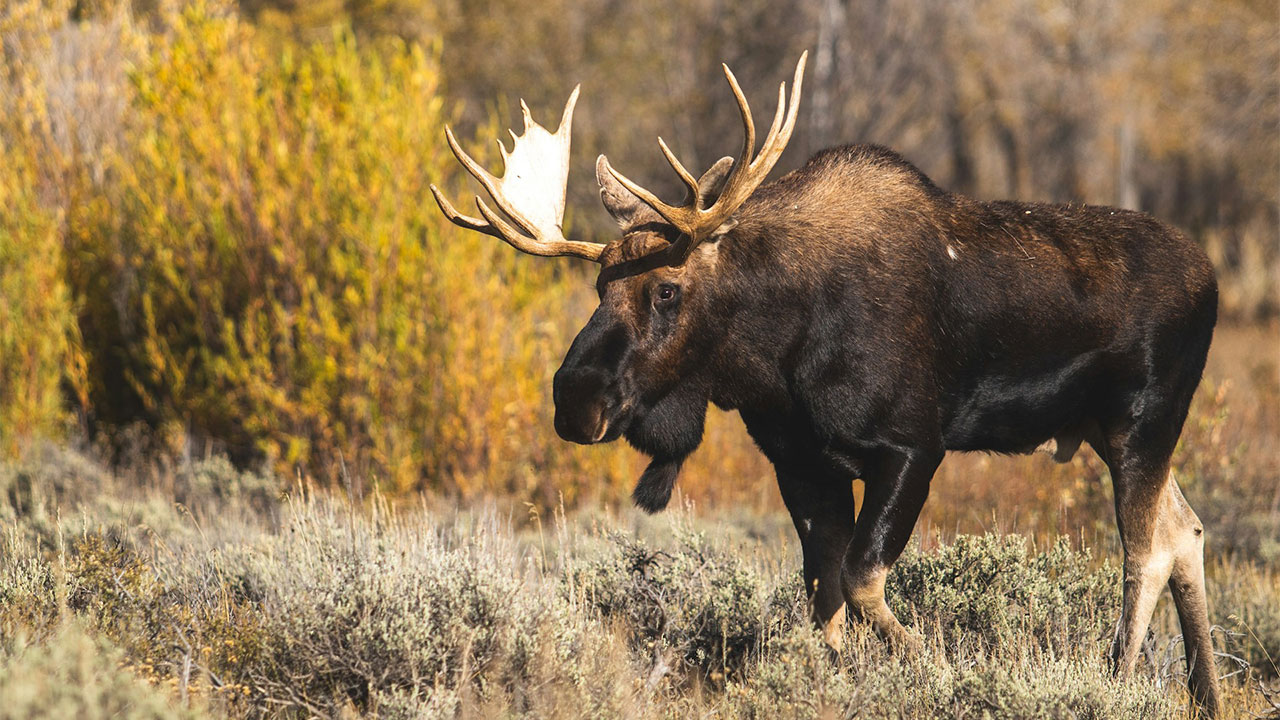
Moose look calm because they spend so much time standing around eating vegetation.
That appearance is misleading. A full-grown moose is enormous, fast, and capable of charging with very little warning if it feels threatened. Cows with calves can be especially defensive, and dogs often make encounters worse because moose may interpret them as predators. People tend to worry far more about bears, but an angry moose can be every bit as serious at close range.
Wild Turkey

A turkey does not sound intimidating until a territorial gobbler decides you are a problem.
Large males can chase people, strike with their wings, peck, and use their spurs. Birds that become accustomed to neighborhoods can be particularly troublesome because they stop giving people much space. During breeding season, reflections in vehicles and windows can even trigger repeated attacks. They are not dangerous predators, but a confident adult gobbler is far less timid than its reputation suggests.
Canada Goose

Canada geese are so common around parks and ponds that people often treat them like oversized ducks.
During nesting season, that can be a mistake. A defensive goose may hiss, charge, bite, and strike with its wings if someone gets too close to a nest or goslings. They can also become unusually fearless around people when they spend years in developed areas. Most encounters end with the human backing away, but the aggression can be surprisingly intense.
Swan

/Pexels.com
Swans have a graceful reputation that does not match their temperament when they become territorial.
A large swan defending a nest can rush boats, chase people along shorelines, and repeatedly strike an intruder. Their size makes them much more imposing at close range than photos suggest. They usually give obvious warnings first, but someone who ignores those warnings can discover quickly that a swan is perfectly willing to defend its space.
Donkey

Donkeys are often pictured as stubborn but gentle farm animals.
They can also be extremely forceful when they decide something is a threat. A donkey can bite, kick, strike with its front feet, and chase dogs or other animals out of a pasture. That defensive instinct is one reason some owners use them around livestock. A calm donkey may tolerate plenty, but cornering or provoking one can produce a very different animal.
Llama
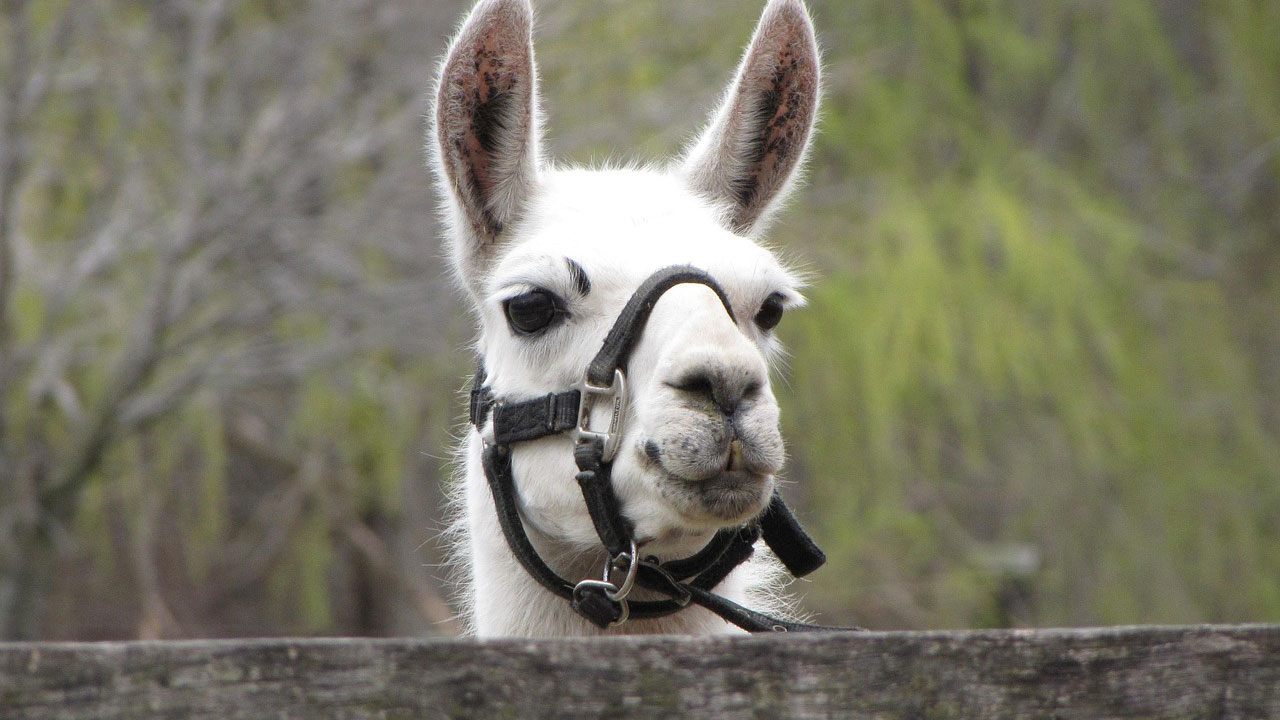
Llamas have a reputation for spitting, which makes their aggression seem almost comical.
Spitting is not the only thing they can do. A defensive or poorly handled llama can charge, kick, bite, and use its body weight against a person or animal. Intact males can become particularly difficult if improperly socialized. Most llamas are manageable, but treating one like a harmless oversized pet is a good way to get surprised.
Alpaca
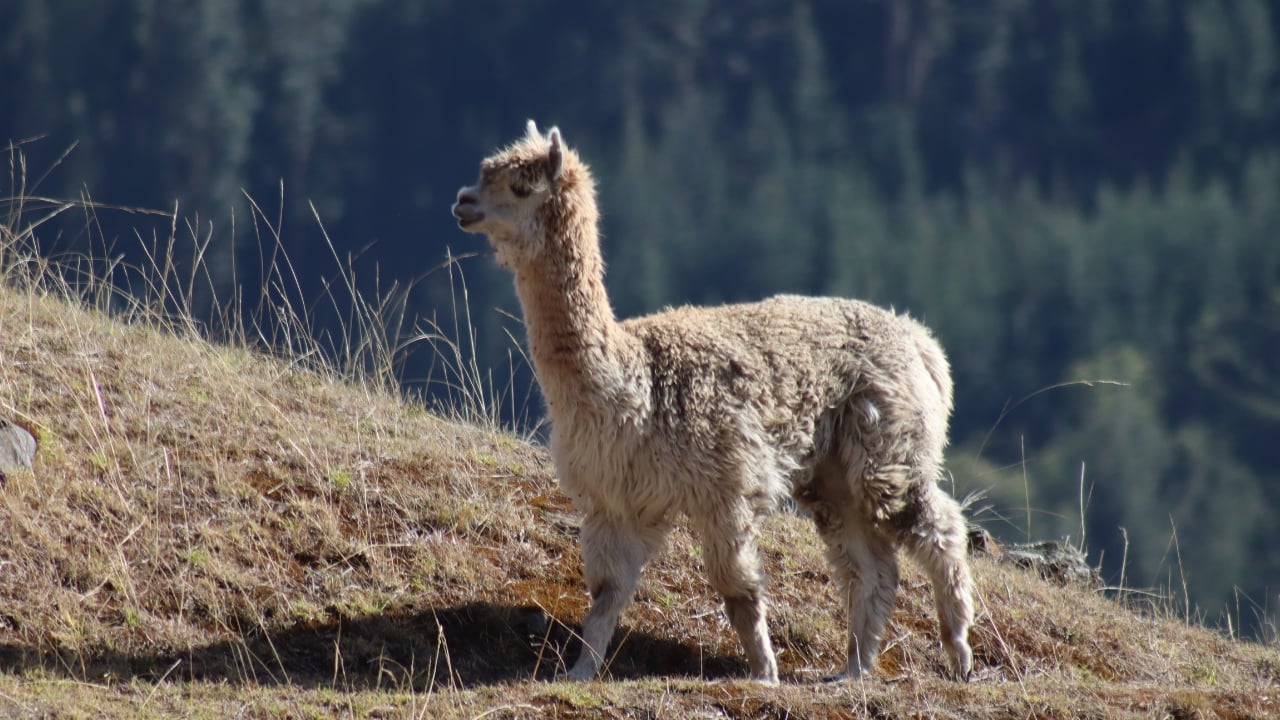
Alpacas generally have a gentler reputation than llamas.
That does not mean they are incapable of defending themselves. They can kick surprisingly quickly and may spit, charge, or lash out when frightened or crowded. Herd dynamics also matter, and males can become more assertive around breeding season. Their fluffy appearance makes people underestimate how much force is behind those legs.
Raccoon
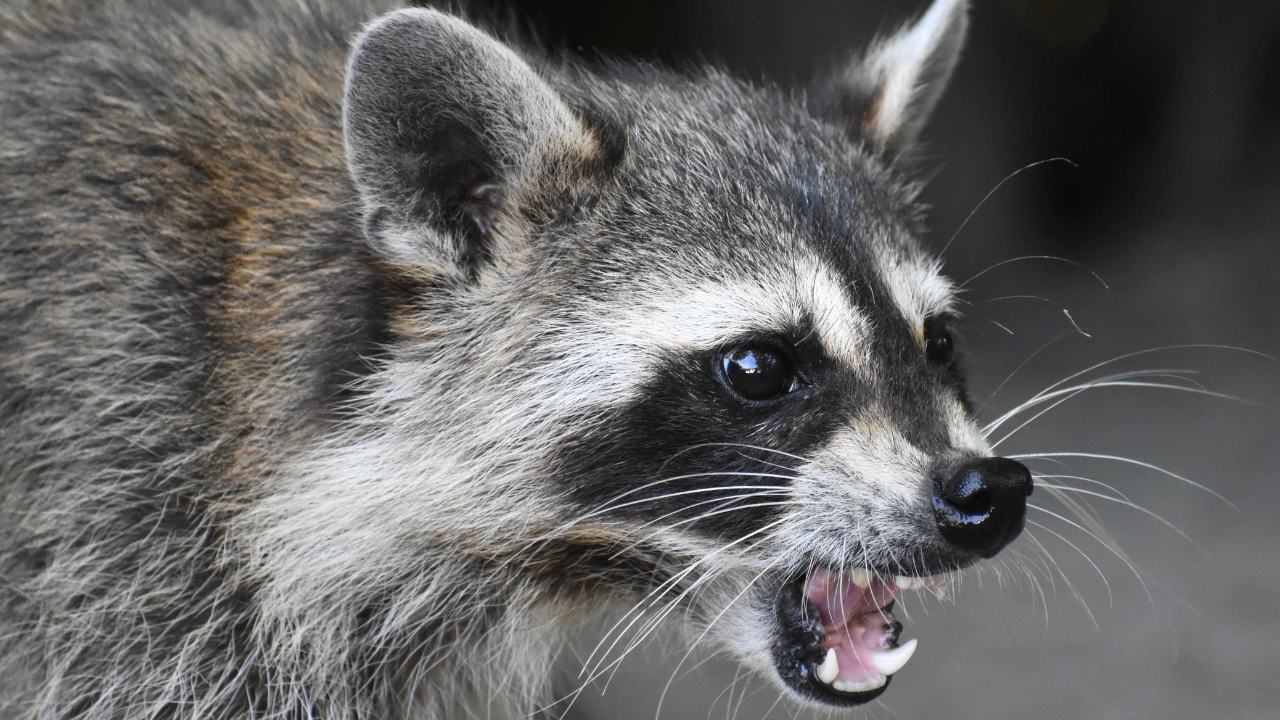
Raccoons look almost cartoonish with their masks and human-like paws.
A cornered raccoon is another matter. They have sharp teeth, strong jaws, quick hands, and a willingness to fight aggressively when escape is blocked. Dogs that corner raccoons can end up badly injured. A raccoon that has become used to people or food around homes may also stand its ground more readily than a truly wild one.
Badger

Badgers are not large compared with many predators, but almost nobody who understands them considers them harmless.
Their stocky build, powerful front claws, and strong bite make them formidable when cornered. They are built to dig into hard ground and defend themselves underground, so fighting at close range is not foreign to them. Their reputation as shy animals can make people forget that a badger with nowhere to go may respond very aggressively.
Wolverine

Wolverines are rarely encountered, which is part of why their actual temperament gets exaggerated in some ways and underestimated in others.
They generally avoid humans, but they are incredibly strong for their size and capable of aggressively defending food or themselves. Their jaws, claws, and muscular build let them handle situations that seem impossible for an animal of their weight. You are unlikely to have a problem with one, but deliberately approaching one is a terrible idea.
Beaver
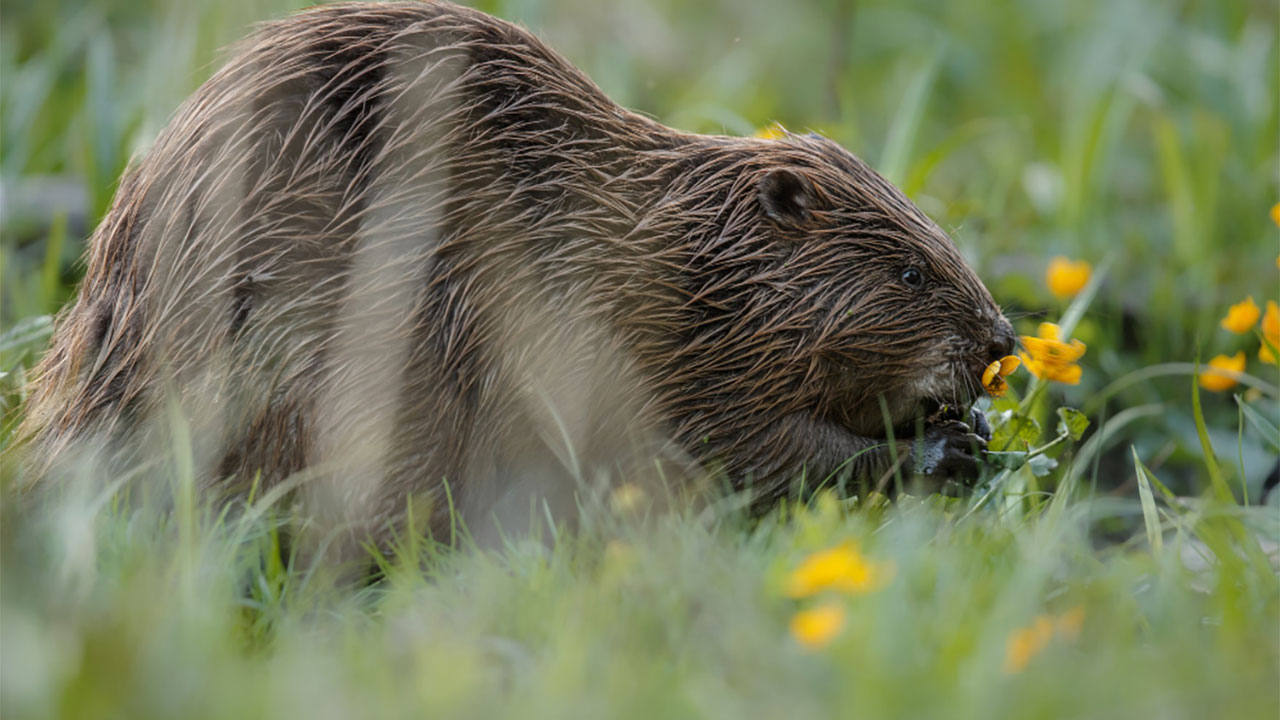
Beavers are usually thought of as quiet animals building dams and chewing trees.
They also have enormous incisors and can become defensive when cornered on land or protecting themselves near water. A frightened beaver can deliver a serious bite, and dogs investigating too closely are especially vulnerable. They would rather escape into the water, but assuming they cannot fight back because they eat bark is a mistake.
Groundhog
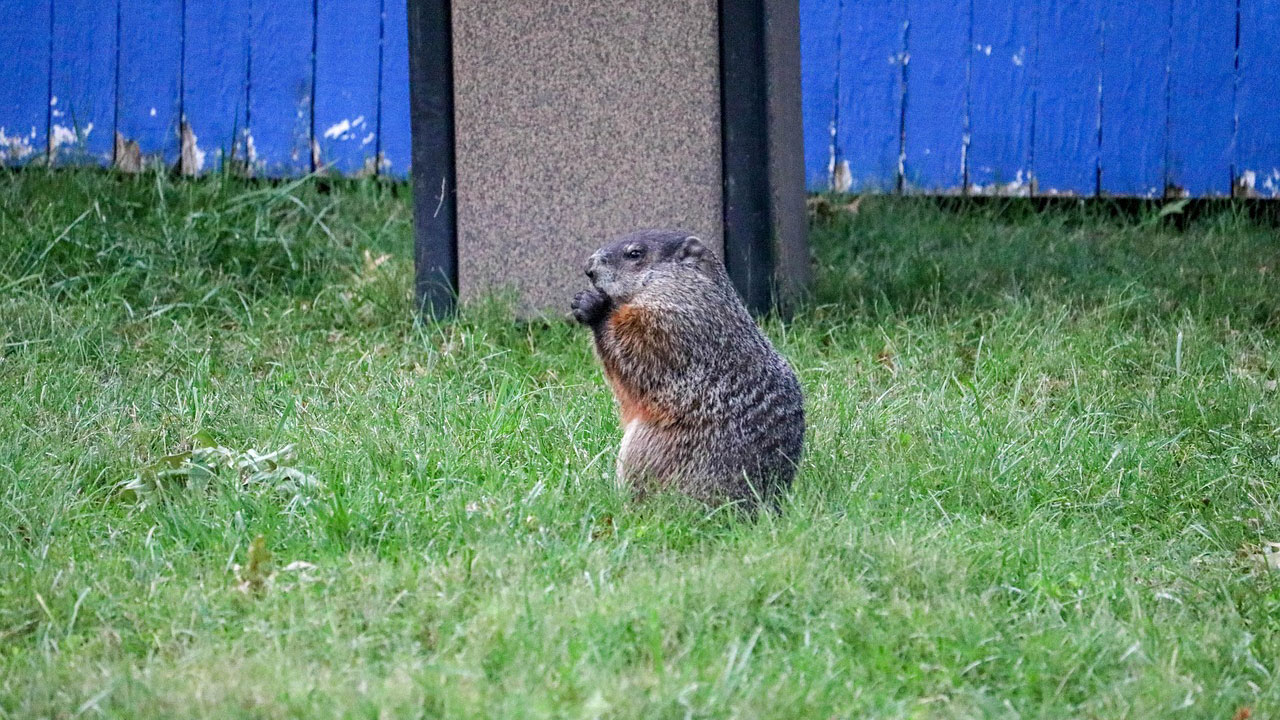
Groundhogs look slow, round, and almost harmless.
When trapped, they can be surprisingly aggressive. Their front teeth are powerful enough to cut through vegetation and wood, and they can bite hard when a person or dog blocks the escape route. Most groundhogs run at the first opportunity, but a dog sticking its nose into an occupied burrow may discover that the resident is not interested in surrendering.
Squirrel
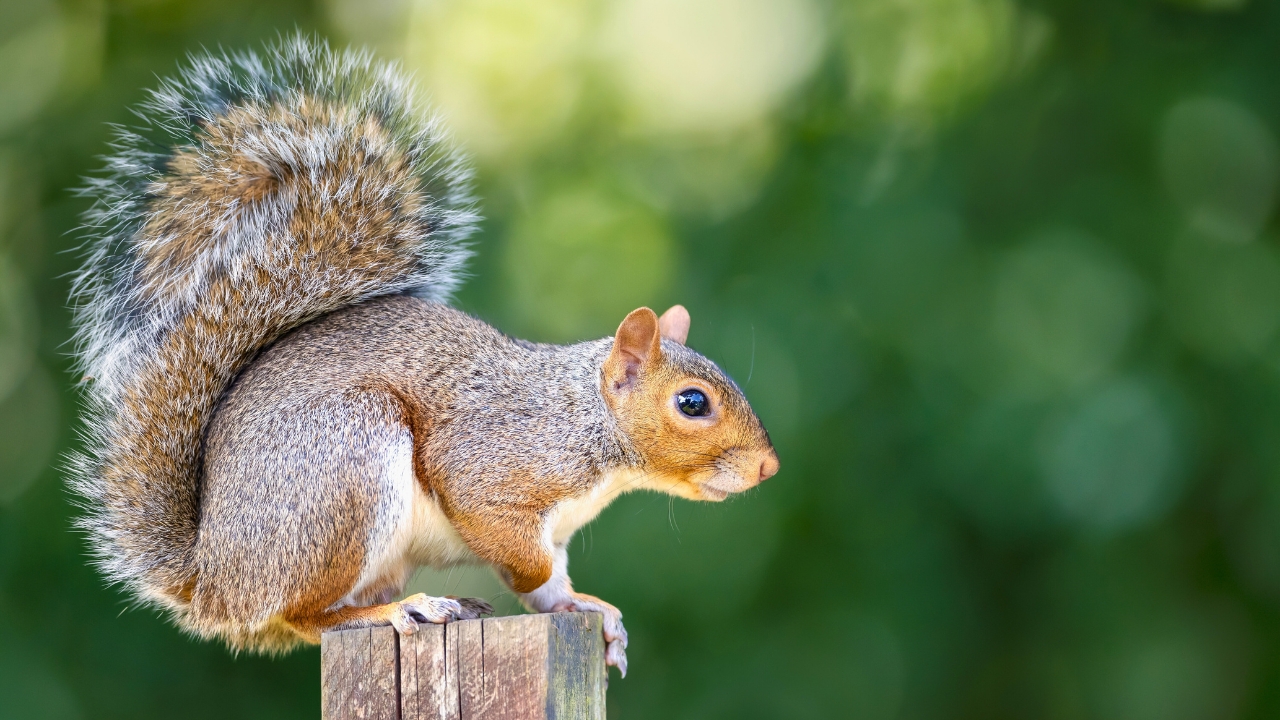
Nobody worries much about squirrels because they are tiny and spend most of their time fleeing people.
Try handling a trapped one and that perception changes immediately. Squirrels have sharp incisors, claws, and extremely fast reactions. A frightened squirrel can bite repeatedly while twisting and scratching at the same time. Their size limits the damage compared with a large animal, but they are far from defenseless.
Rooster
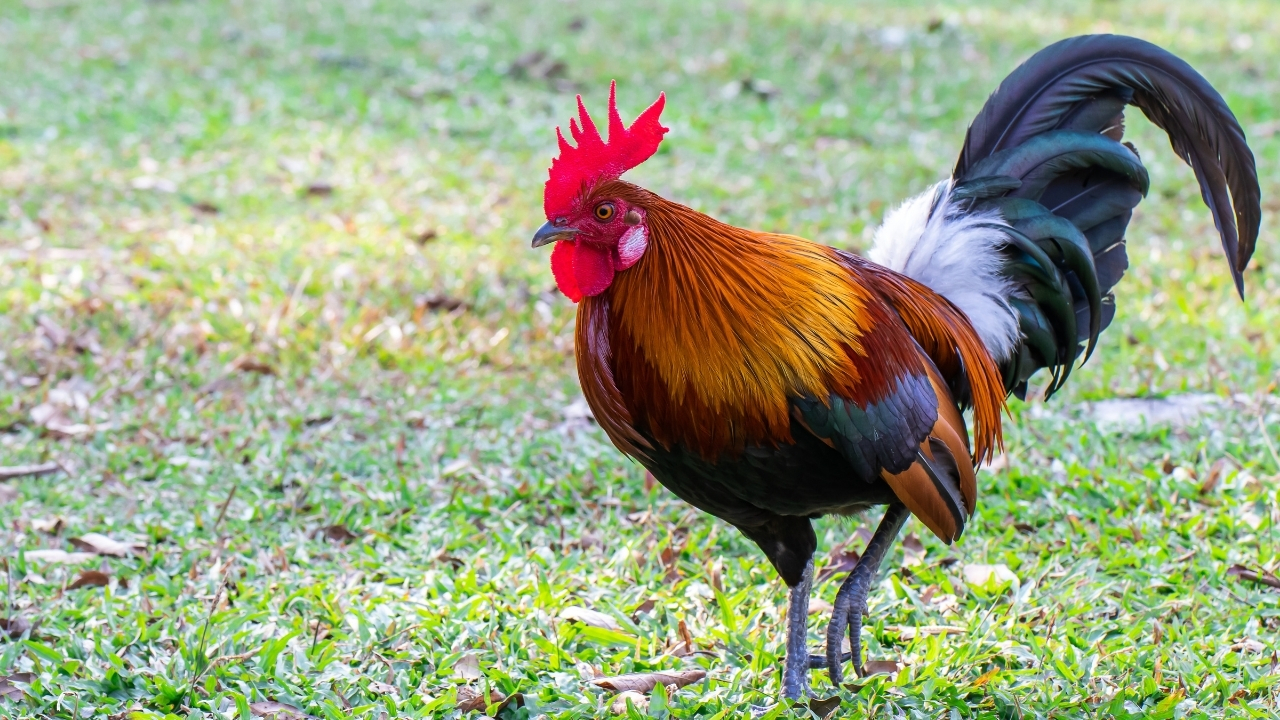
A rooster can look ridiculous right up until one decides to attack you.
Territorial males may rush from behind, jump, strike with their feet, and use sharp spurs. Children are especially vulnerable because their faces are closer to the bird’s level. Some roosters remain calm their entire lives, while others become increasingly confrontational as they mature. The small size makes people tolerate behavior they would never accept from a larger animal.
Ram
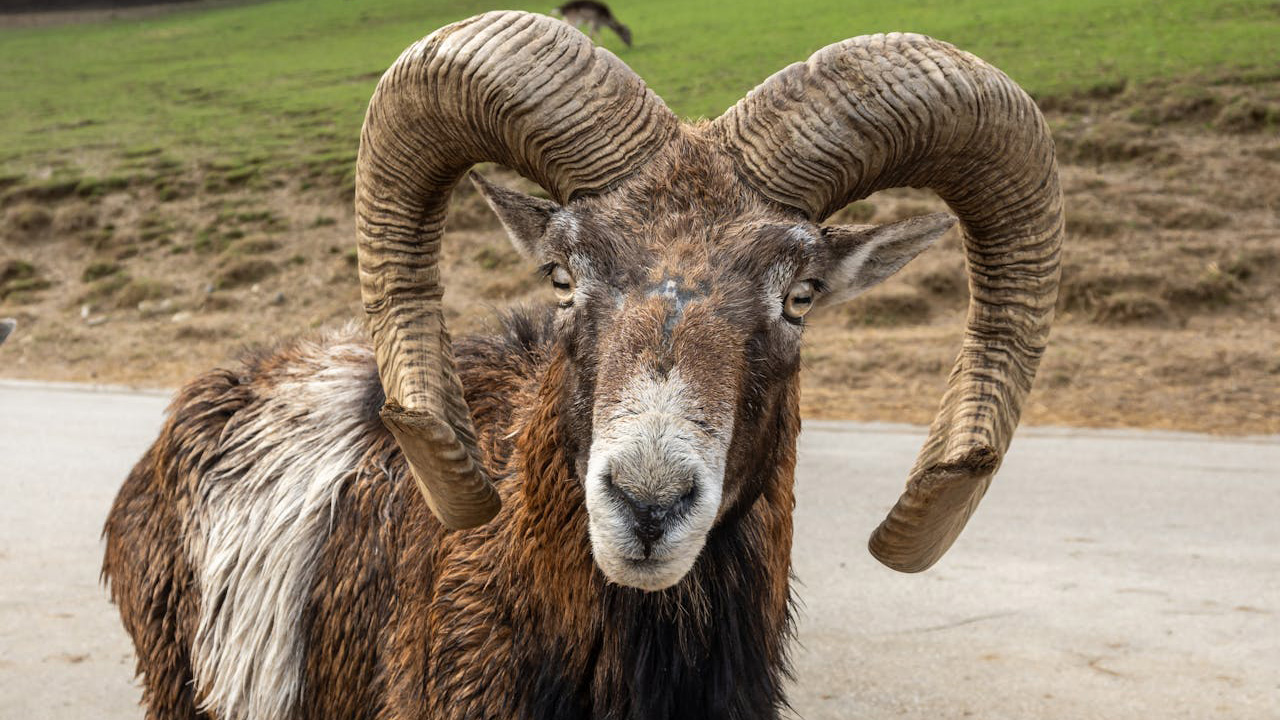
Sheep have such a docile reputation that people often forget what a mature ram is physically designed to do.
A ram can strike with tremendous force, and a headbutt to the knees, hips, or torso can cause serious injury. Males may become especially aggressive during breeding season or after learning that people can be pushed around. A ram that starts challenging humans should not be treated like a mildly annoying pet.
Goat

Goats are playful and curious, which makes their rough behavior easy to laugh off.
Large males can become surprisingly aggressive. They may butt, shove, rear up, or repeatedly challenge people, especially during the breeding season. Horned goats add another obvious hazard. Most are manageable with proper handling, but a full-grown buck that decides to fight has enough strength to knock an adult down.
Cow
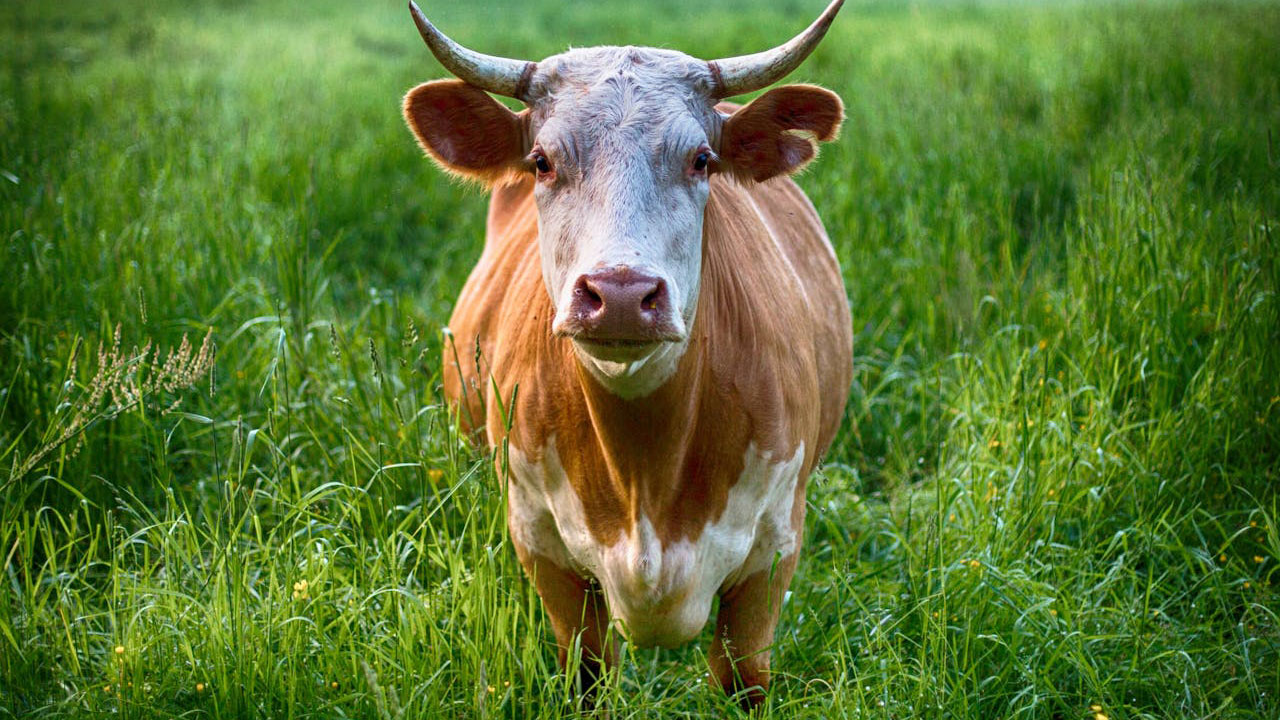
Cattle are usually calm, and that familiarity makes people underestimate how dangerous they can become.
A protective cow with a young calf may charge a person or dog that gets too close. Cattle can also crush someone accidentally simply because of their size. A 1,200-pound animal does not need sharp teeth or claws to cause severe injuries. Dogs are particularly likely to trigger defensive behavior in cows protecting calves.
Pig

Domestic pigs can be friendly and intelligent, but they are much stronger and more assertive than many new owners expect.
A large hog can shove through weak fencing, bite, and use its head and shoulders with considerable force. Intact boars deserve even more respect. Food can also trigger pushy behavior if pigs learn they can intimidate whoever is carrying the bucket. Their friendly reputation should never make an owner forget how powerful an adult pig actually is.
White-Tailed Deer
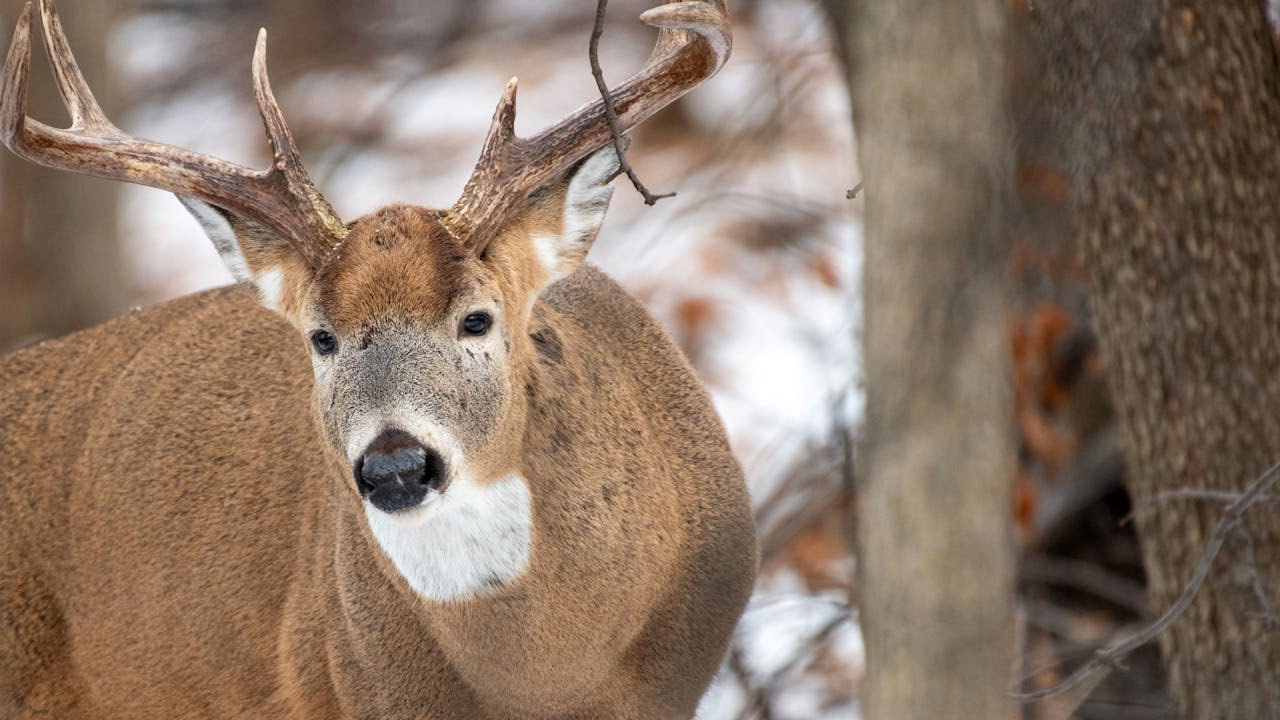
Deer normally run from humans, so aggression from one catches people completely off guard.
Bucks can become dangerous during the rut, particularly if they have become habituated to people. Antlers turn a close encounter into something much more serious, while does may defend fawns. Deer raised around humans can actually be riskier in some situations because they lack the normal fear that keeps wild deer at a distance.
Hippo

Hippos are one of the best examples of appearance completely misleading people.
They spend much of the day sitting in water and look almost comically bulky, yet they are intensely territorial and capable of moving astonishingly fast. They can attack boats, charge on land, and inflict devastating injuries with enormous jaws. They are not predators in the usual sense, but they do not need to be. A territorial herbivore weighing several thousand pounds is dangerous enough.
Like The Avid Outdoorsman’s content? Subscribe to our newsletter so you never miss an article.
Here’s more from us: