Photo credit: Browning
A state can have plenty of deer, elk, turkey, or waterfowl and still become a tougher place to hunt than it used to be. More pressure, expensive leases, shrinking access, crowded public land, changing habitat, and longer drives can turn a once-obvious destination into a place hunters have to think harder about.
That does not mean hunting in these states is bad. In many cases, the animals are still there and excellent opportunities remain. The problem is that the overall experience has become more complicated. For hunters who remember easier access, cheaper land, or less competition, these 20 states can require a lot more planning than they once did.
Texas
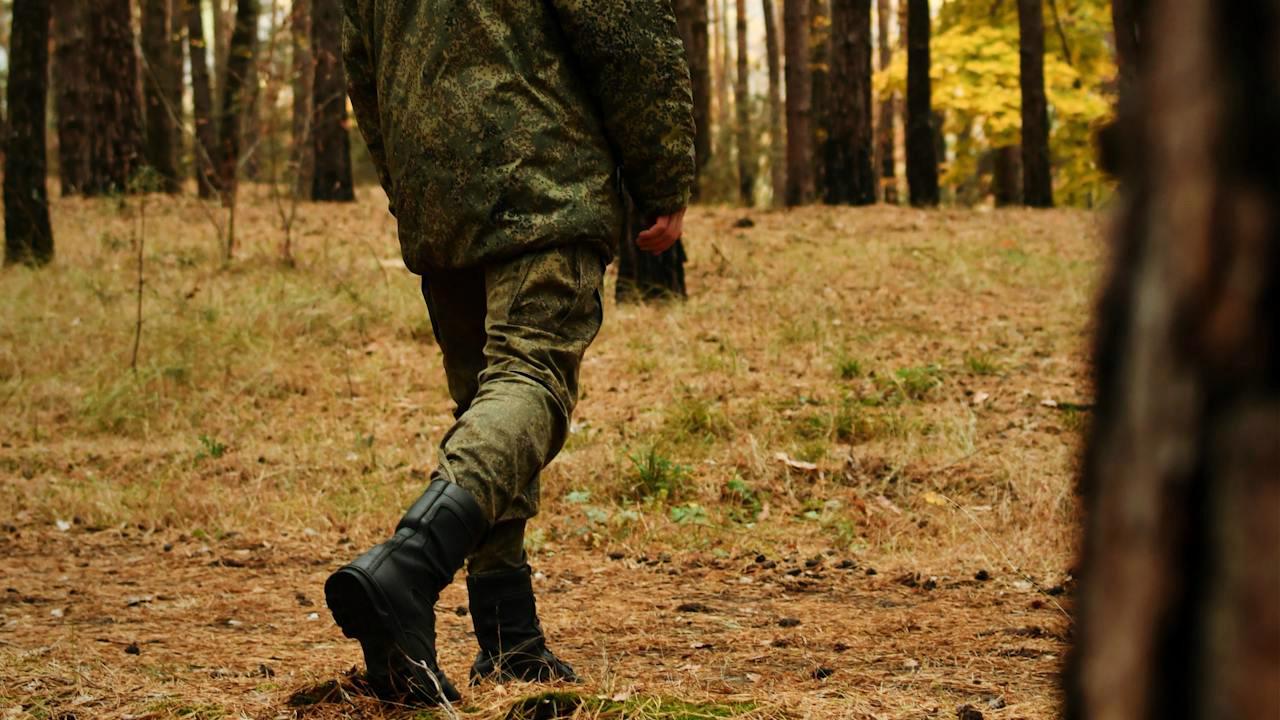
Texas still produces tremendous hunting, but access is the issue that makes plenty of hunters hesitate.
So much land is privately owned that a quality deer or hog hunt often means paying for a lease, joining a club, or knowing somebody with acreage. Good leases can be expensive, and properties near major population centers get competitive quickly. Public options exist, but they do not define Texas hunting the way public land does in many western states. If you have private access, Texas can be fantastic. If you do not, the cost of simply getting through the gate can become the biggest obstacle.
Colorado
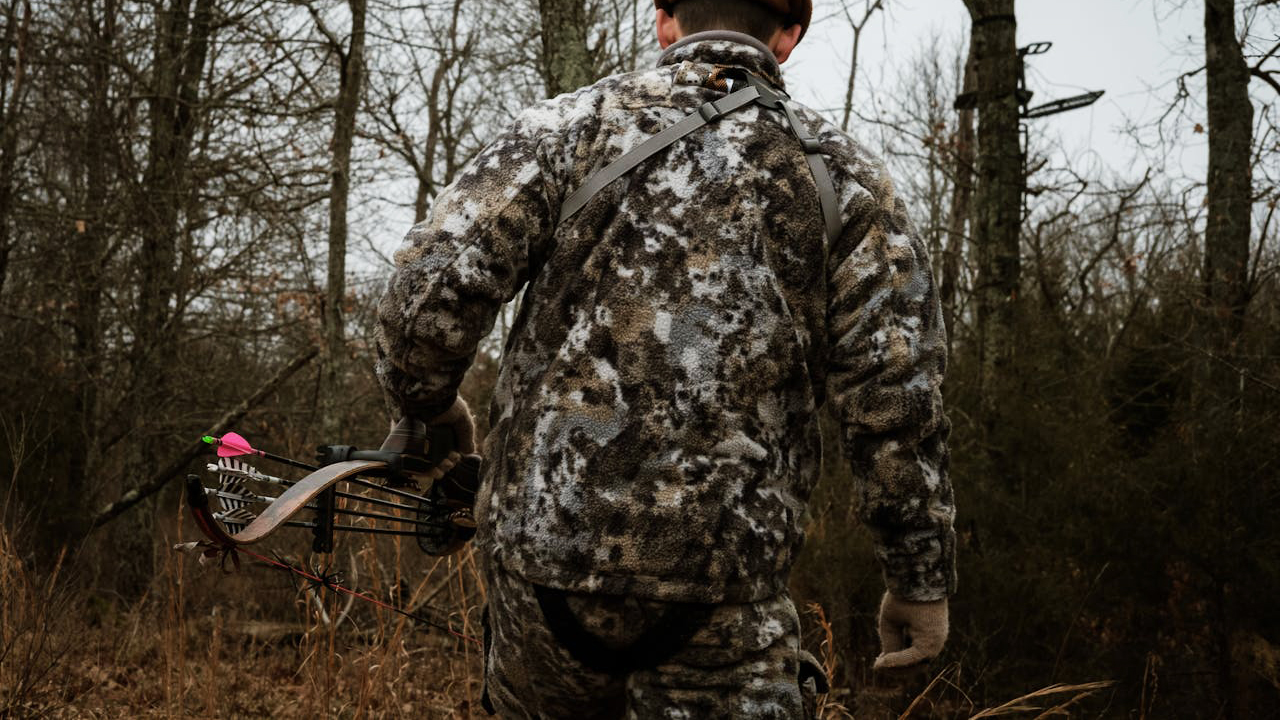
Colorado has long been one of the first states hunters think about when dreaming of western elk.
That popularity is exactly what creates problems. Well-known public areas can receive intense pressure, trailheads fill quickly, and animals often respond by moving farther from easy access. The mountains also punish hunters who underestimate elevation and distance. Colorado still offers enormous opportunity, but the days of assuming you can casually show up in famous elk country and have it mostly to yourself are long gone.
Pennsylvania
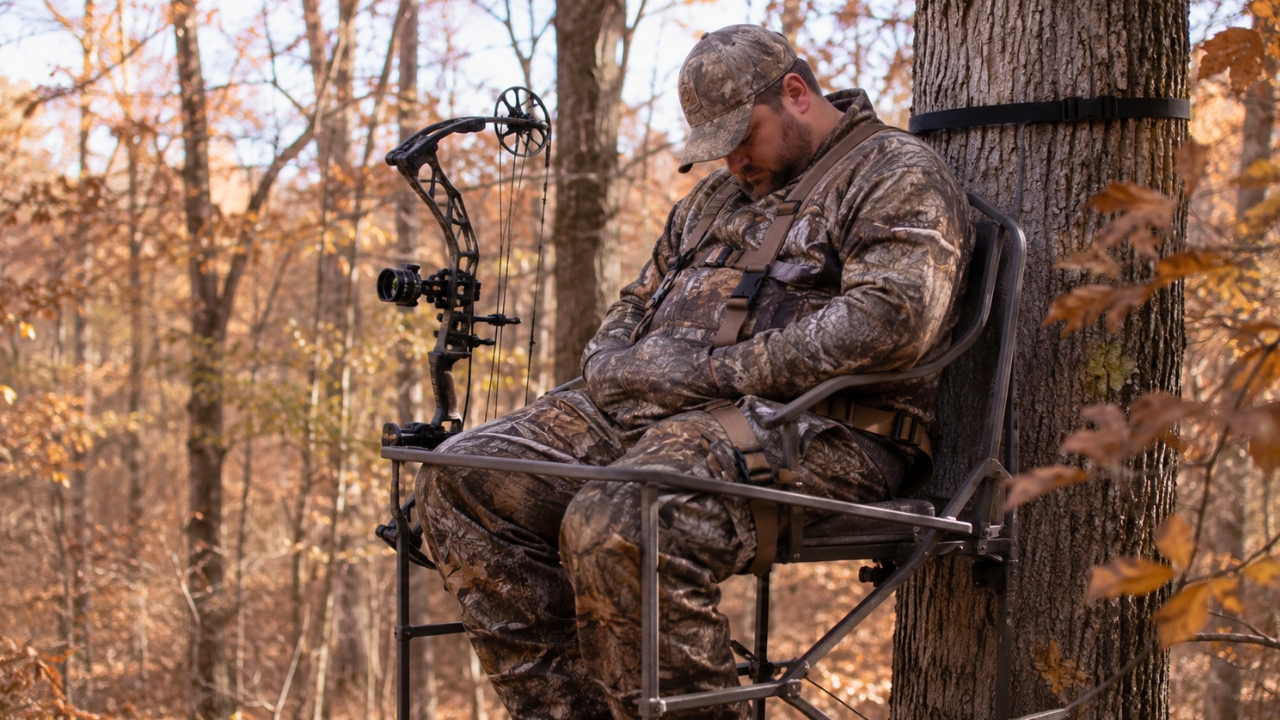
Pennsylvania has a massive hunting tradition, but the experience can vary wildly depending on where you hunt.
Public land close to population centers can get crowded, while private access has become harder in many areas as properties change hands or get posted. Deer pressure can also differ dramatically from one tract to another. Hunters who grew up simply asking permission on neighboring farms may find that strategy much harder today. The state still has plenty of hunters because the tradition is strong. That also means you are rarely the only person interested in the best ground.
Michigan
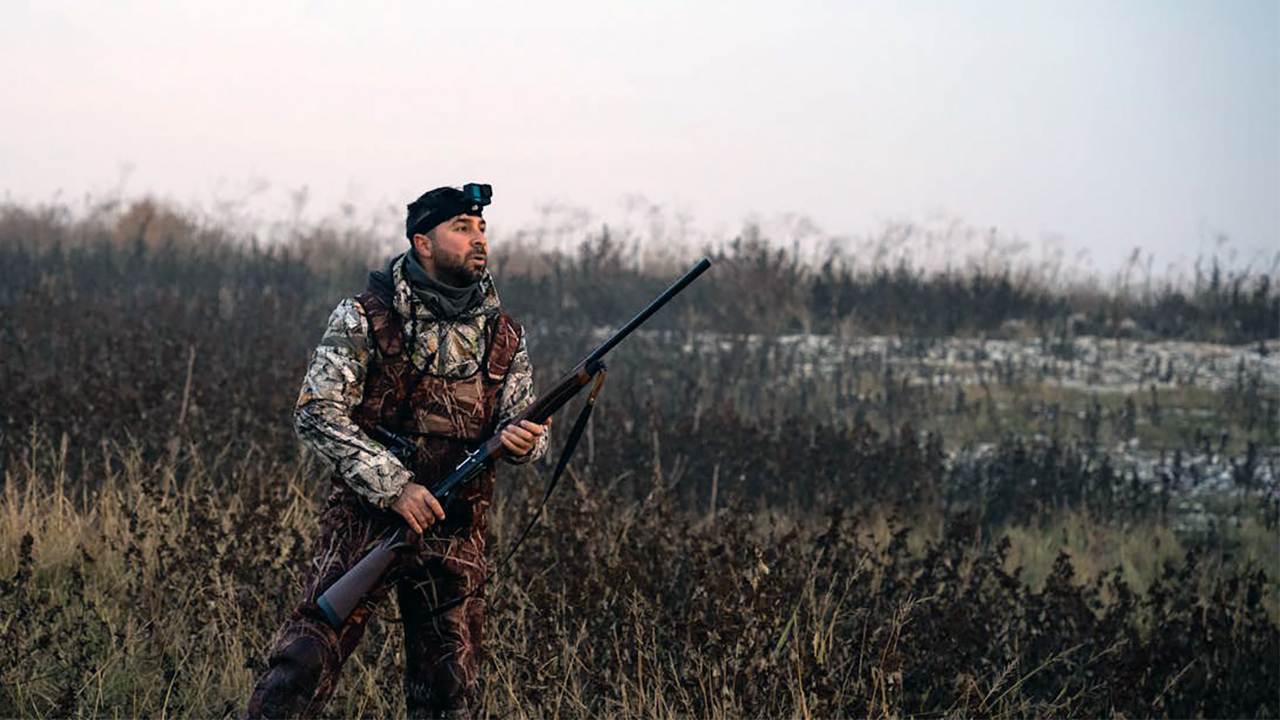
Michigan has excellent hunting culture and huge areas of public land, but sheer hunting pressure can be difficult to ignore.
Popular deer areas can see an enormous influx of hunters once firearm season opens. Mature bucks often react quickly by becoming nocturnal or moving into hard-to-reach cover. Northern public land gives hunters room, but room does not necessarily mean easy hunting. A hunter expecting classic big-woods deer hunting needs patience, scouting, and a willingness to get away from obvious access points.
Wisconsin
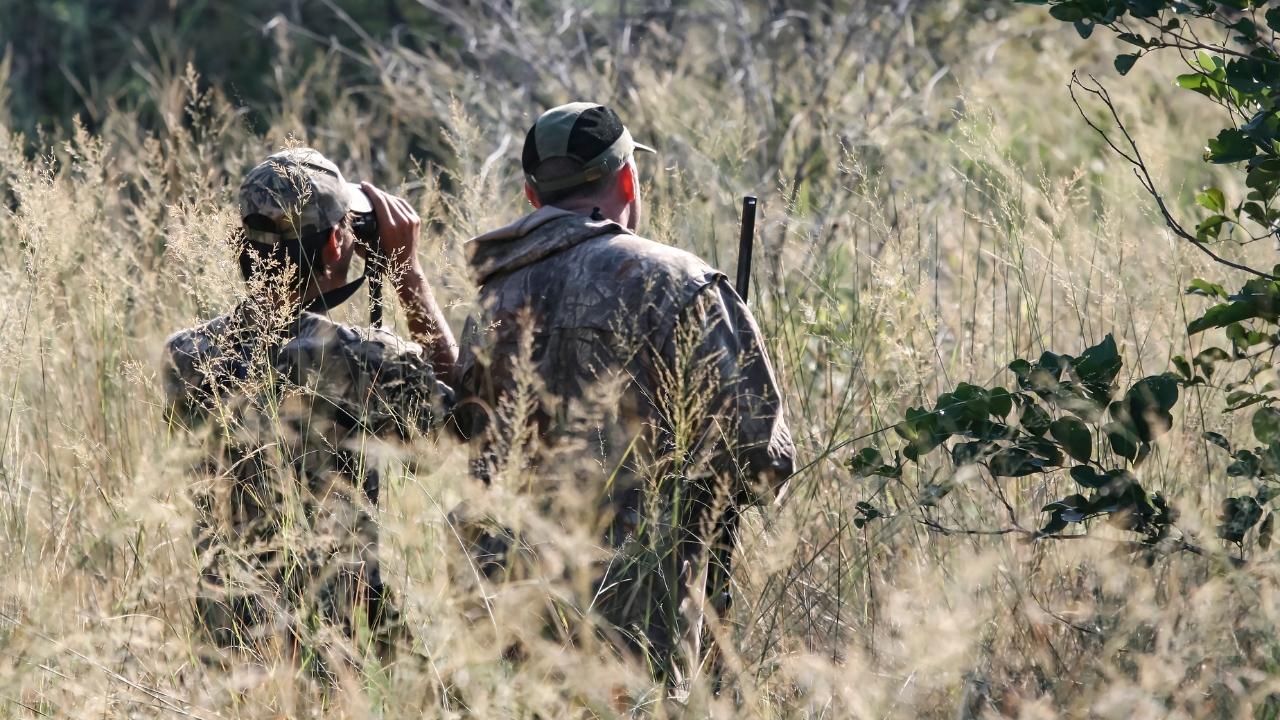
Wisconsin produces big whitetails and remains an excellent deer state, which is exactly why competition can be fierce.
Good private ground is valuable, and hunters without family land or long-standing permission can struggle to get access to the properties they want. Public parcels in productive areas can receive substantial pressure. The state absolutely deserves its reputation for deer, but that reputation has attracted enough attention that hunters need to work harder to find overlooked ground.
Illinois
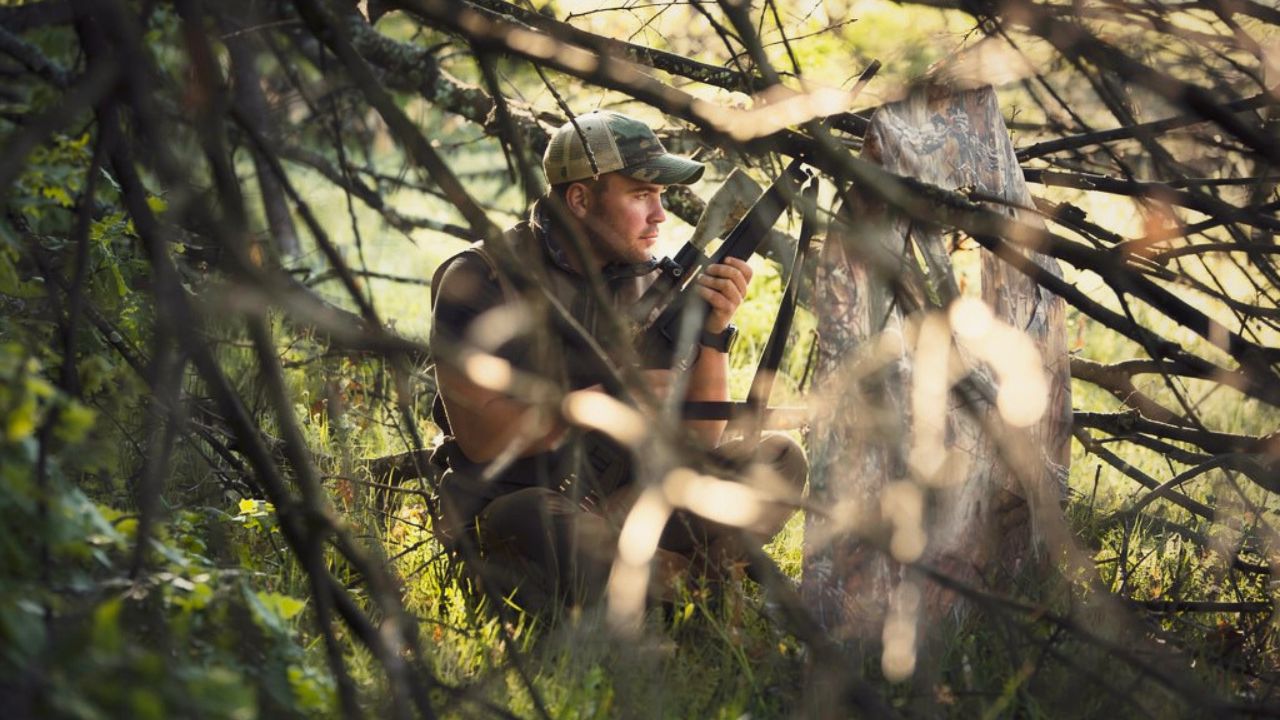
Illinois became famous for giant whitetails, and that reputation changed the economics of hunting there.
Prime farmland and river-bottom country can command substantial lease prices, especially in counties with histories of producing big bucks. Outfitters and serious trophy hunters compete for access that local hunters once obtained much more casually. There is still outstanding hunting available, but anyone traveling to Illinois because they heard it was a whitetail paradise may be surprised by what quality access costs.
Iowa
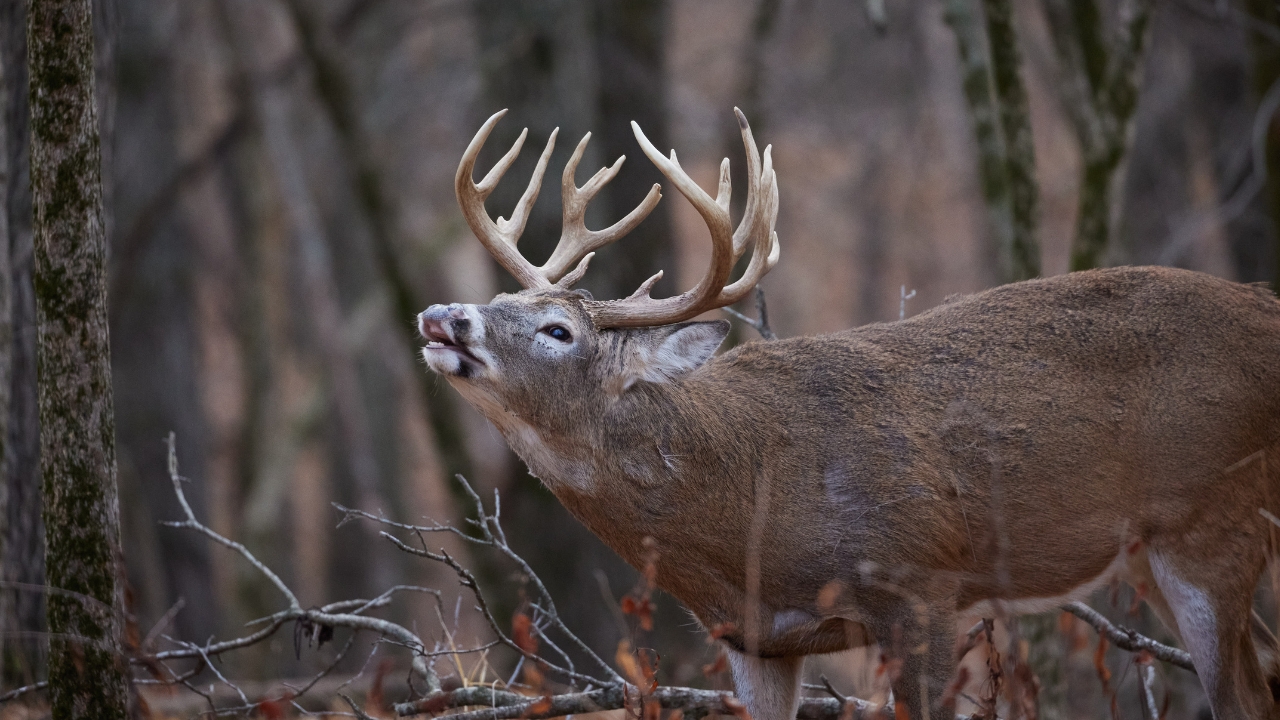
Iowa remains one of the most desirable whitetail destinations in the country.
The problem is that nearly everyone knows it. Nonresident hunters can face a difficult path simply getting the opportunity to hunt, and much of the state’s best habitat is private agricultural ground. Once you secure access, the hunting can justify the effort. But Iowa is no longer a destination you casually pick because you want to chase big Midwestern deer next fall.
Kansas
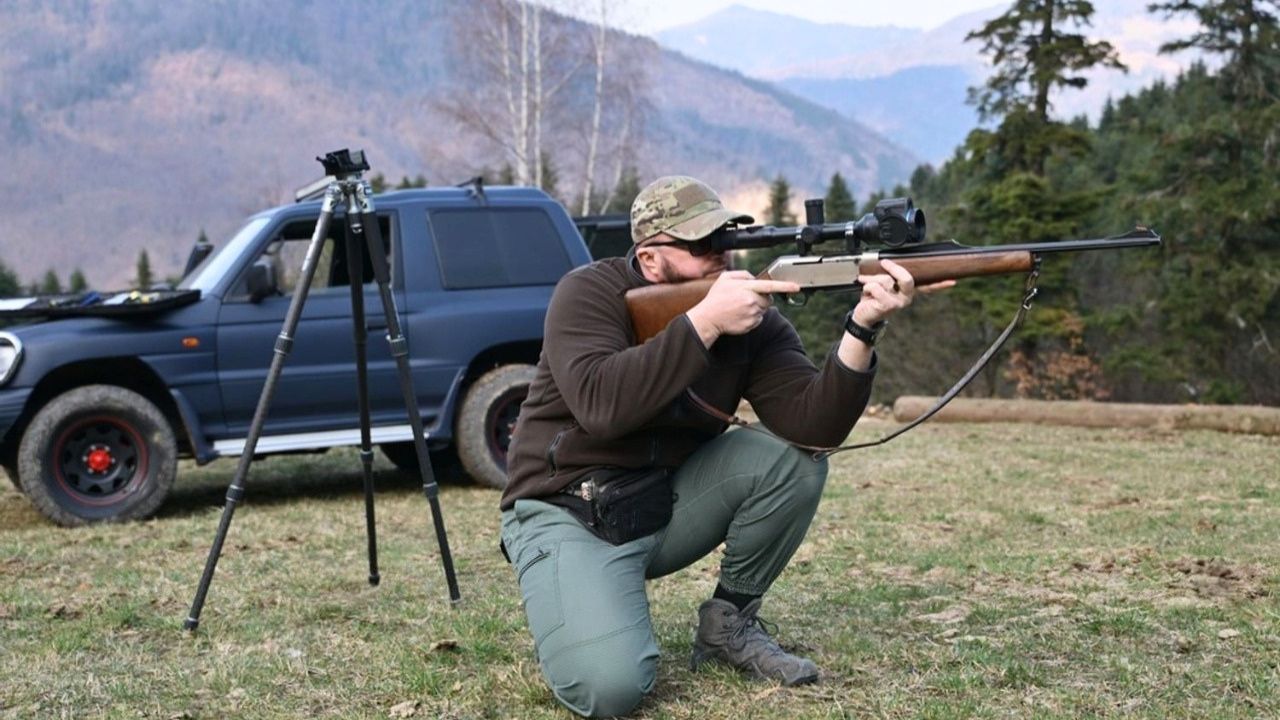
Kansas built an enormous reputation on mature whitetails, mule deer, and open-country hunting.
That reputation has brought increasing attention to private ground. Lease competition has grown in productive areas, and hunters who remember inexpensive permission-based access can find the landscape much different today. Public walk-in opportunities can be excellent, but obvious parcels may attract plenty of other hunters. Kansas still has the animals. Finding a place where nobody else is chasing them is the challenge.
Missouri
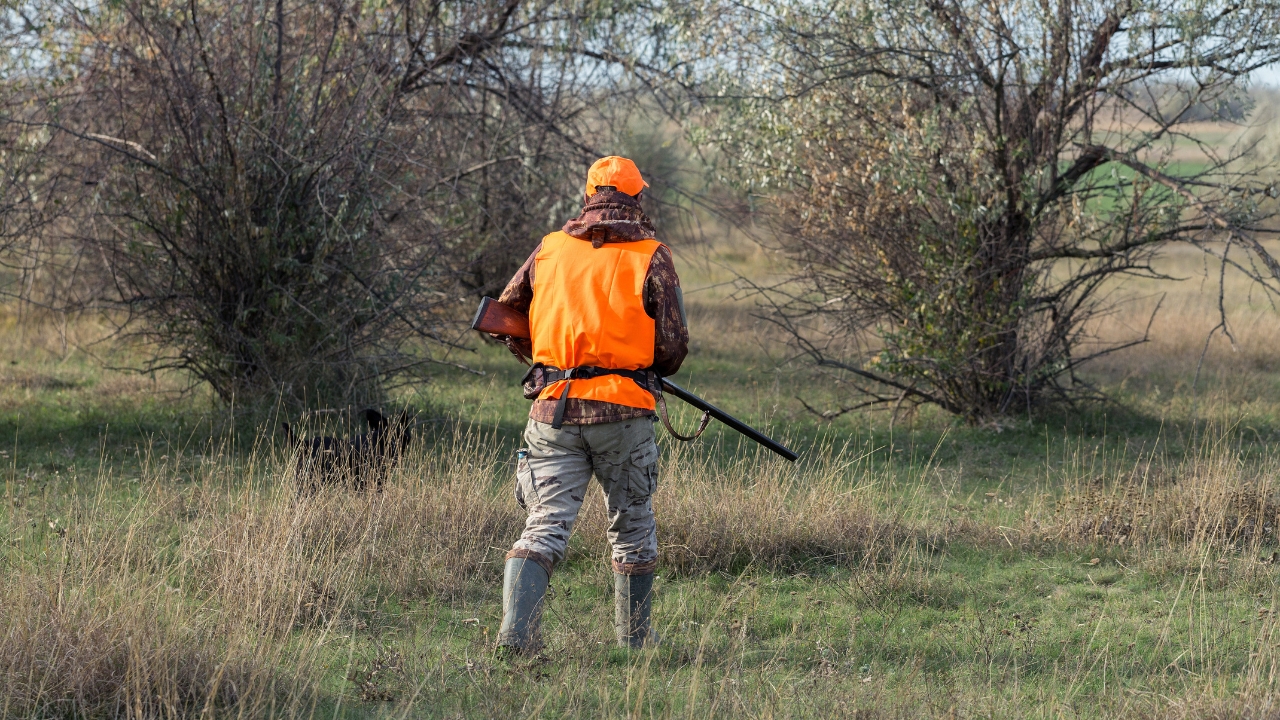
Missouri is attractive because it sits in strong whitetail country without always commanding the prestige of Iowa or Illinois.
That relative affordability is one reason more hunters have paid attention to it. Productive northern counties can see plenty of pressure, and good private properties are increasingly valuable. Public land is available, but hunters near Kansas City, St. Louis, and other populated areas frequently compete for the same convenient tracts. Missouri can still be a great value, but you increasingly have to search for it.
Ohio
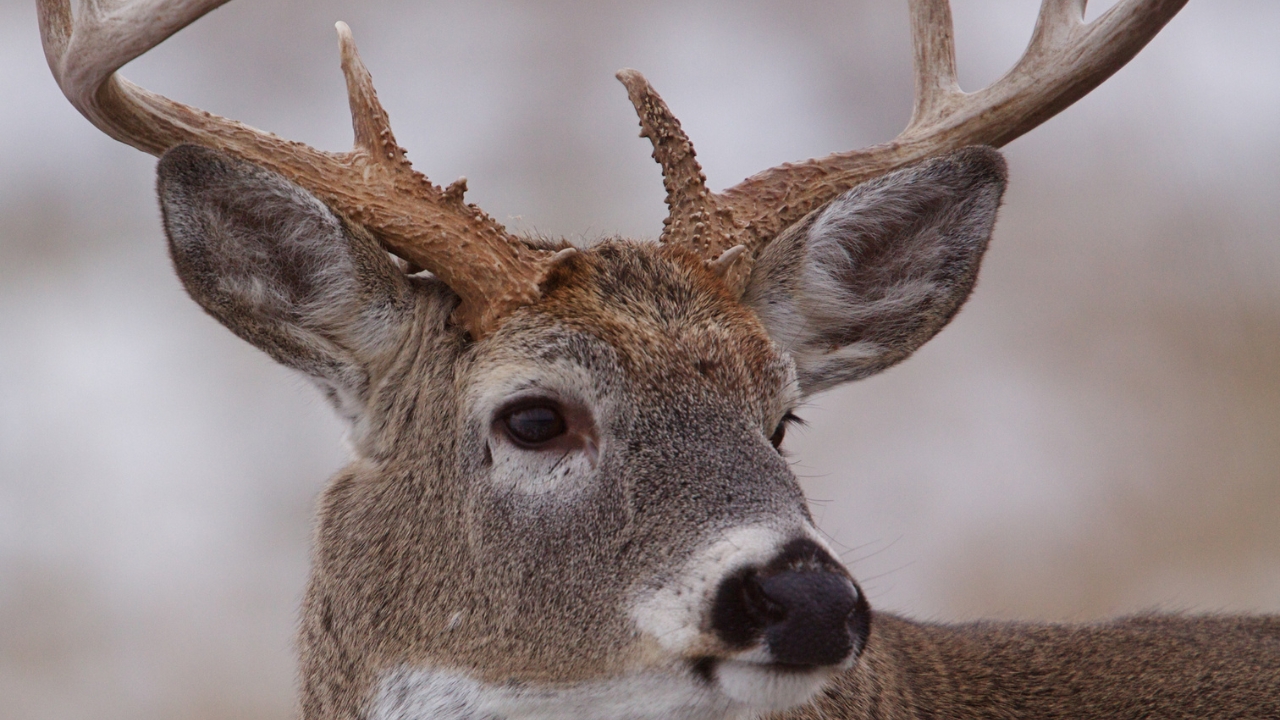
Ohio’s whitetail reputation has grown enormously.
With that growth has come more interest in leases, outfitters, and public-land trophy hunting. Southern and eastern Ohio contain excellent wooded habitat, but parcels that combine food, cover, and low pressure are hardly secret anymore. The state can produce exceptional bucks, but hunters attracted by those possibilities should expect serious competition from other people who had the same idea.
Kentucky
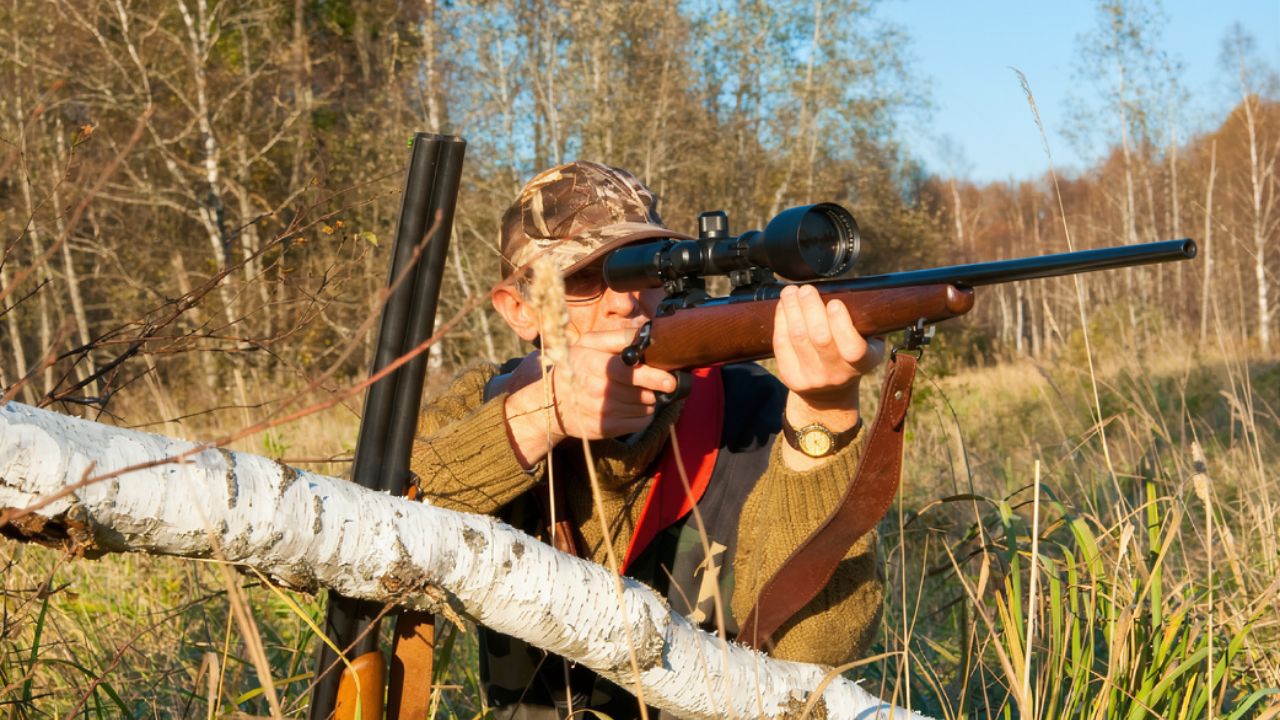
Kentucky quietly became one of the stronger whitetail states in the region, and hunters noticed.
The state’s mix of farmland, timber, and rolling terrain can produce excellent deer. But as word spreads, private access gets more valuable and heavily discussed public properties get more crowded. Kentucky still offers some opportunities that can feel less commercialized than famous Midwestern destinations, but that advantage is narrowing.
Tennessee
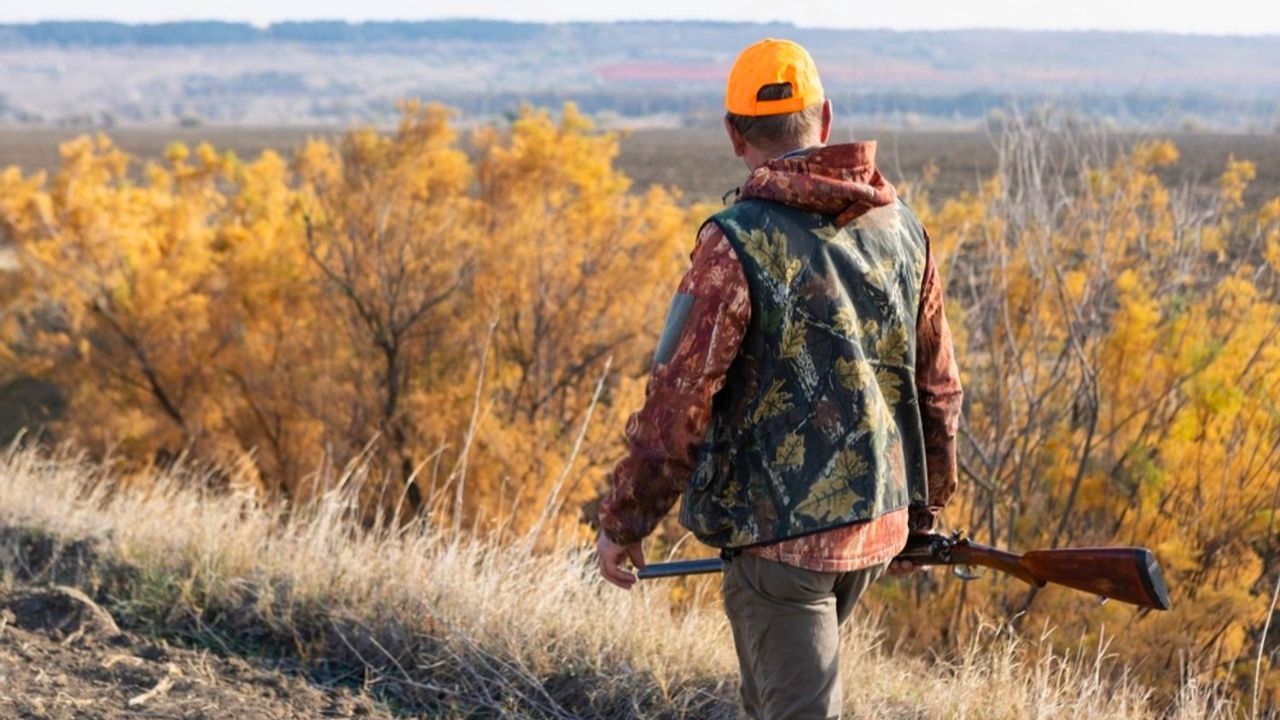
Tennessee has a long deer season and a strong hunting culture, but terrain and pressure can make hunting tougher than outsiders expect.
Much of the state is wooded, meaning deer can disappear into thick cover with little effort. Public parcels near populated areas can also receive substantial traffic. Hunters moving in from more open agricultural states may be surprised by how difficult it is to actually see deer consistently. There can be plenty of animals in an area without many of them stepping into easy shooting lanes.
Georgia
Georgia has a huge deer-hunting tradition and plenty of habitat, but development is changing the map quickly.
Growing metropolitan areas continue pushing farther into former timber and farmland. Hunters may still see deer everywhere, but having a place where you can legally and safely hunt them is another matter. Lease prices and club memberships can also add up. The state remains productive, but the distance between seeing deer from the road and having quality hunting access can be substantial.
Florida

Florida offers hunting opportunities that are completely different from most of the country, but it can be a difficult place for newcomers.
Heat, humidity, insects, thick vegetation, and water can make relatively short hunts physically demanding. Public areas can receive pressure, while some of the most appealing private opportunities come with significant costs. Deer are also generally smaller than what northern hunters may expect. Florida hunting can be incredibly rewarding, but anybody expecting a relaxed southern version of Midwest deer hunting may get a surprise.
California
California has far more hunting opportunity than many outsiders realize.
The challenge is everything surrounding the hunt. Vast distances, difficult terrain, complicated access, and a large population competing for desirable areas can make planning demanding. Some of the state’s best hunting requires serious backcountry effort. California can produce memorable hunts, but it is not always an easy state to navigate for somebody simply looking for straightforward access and abundant game.
Oregon
Oregon offers elk, blacktail, mule deer, and other opportunities across some spectacular country.
It also has areas where hunting pressure, difficult access, and thick cover can make success frustrating. Western Oregon in particular can hide animals extraordinarily well in dense vegetation. Eastern units often require more planning and travel. Hunters expecting western scenery to automatically translate into easy game encounters can discover quickly that Oregon makes you earn them.
Washington
Washington packs a surprising amount of hunting variety into one state.
Unfortunately, much of the best habitat is rugged, heavily timbered, or close enough to large population centers to attract plenty of hunters. Logging access can change, gates can close, and seemingly short map distances can become difficult hikes. The animals are there, but finding consistent access without sharing every obvious spot takes work.
Montana

Montana remains one of the great western hunting states, but the image many hunters have of unlimited empty country can be misleading.
Large amounts of private land are mixed among public parcels, and good access can require careful map work. Popular elk areas can see serious pressure, particularly once hunters arrive from across the country. Montana is still capable of providing the western hunting experience people dream about. You just cannot assume isolation simply because the horizon looks enormous.
Wyoming
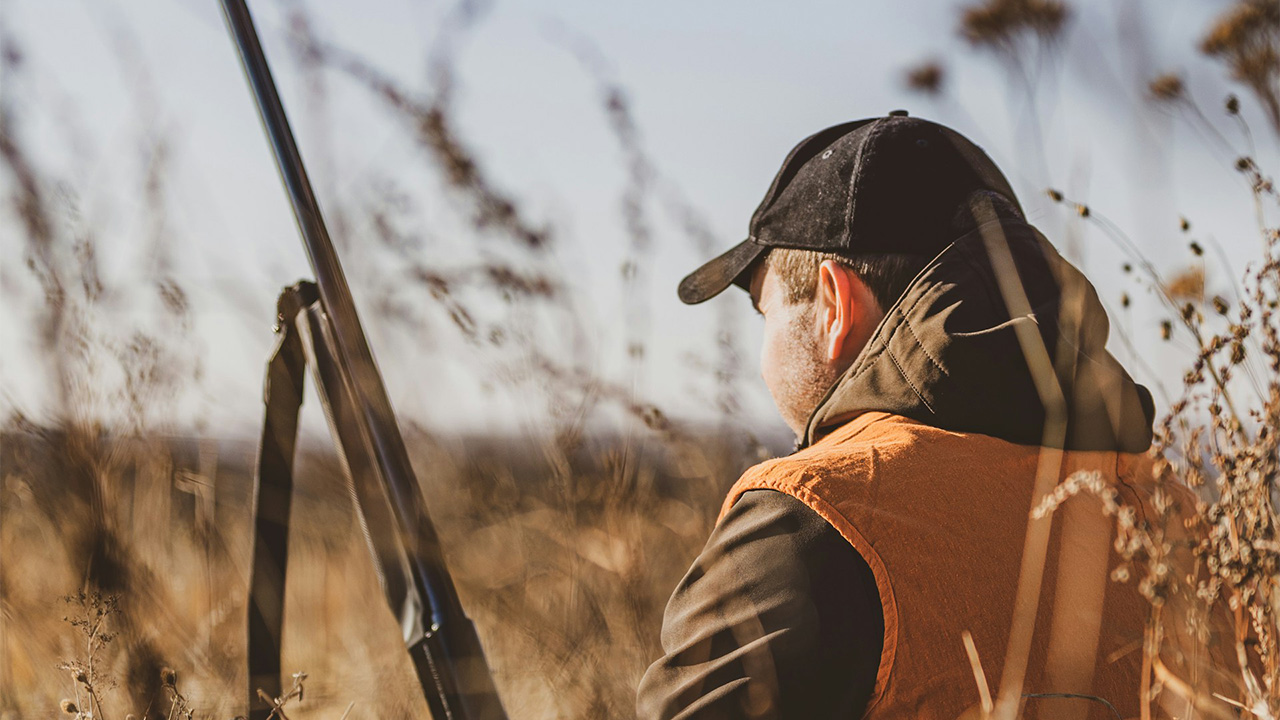
Wyoming has incredible game populations and large expanses of open country, but access and opportunity can be more complicated than the landscape suggests.
Private land can block access to public parcels, and desirable hunts attract significant interest. Weather is another major factor. A mild early season can turn brutal quickly, while wind can make open-country hunting exhausting. Wyoming rewards planning, but a hunter who assumes western hunting means simply finding public land and walking onto it can end up disappointed.
Arizona
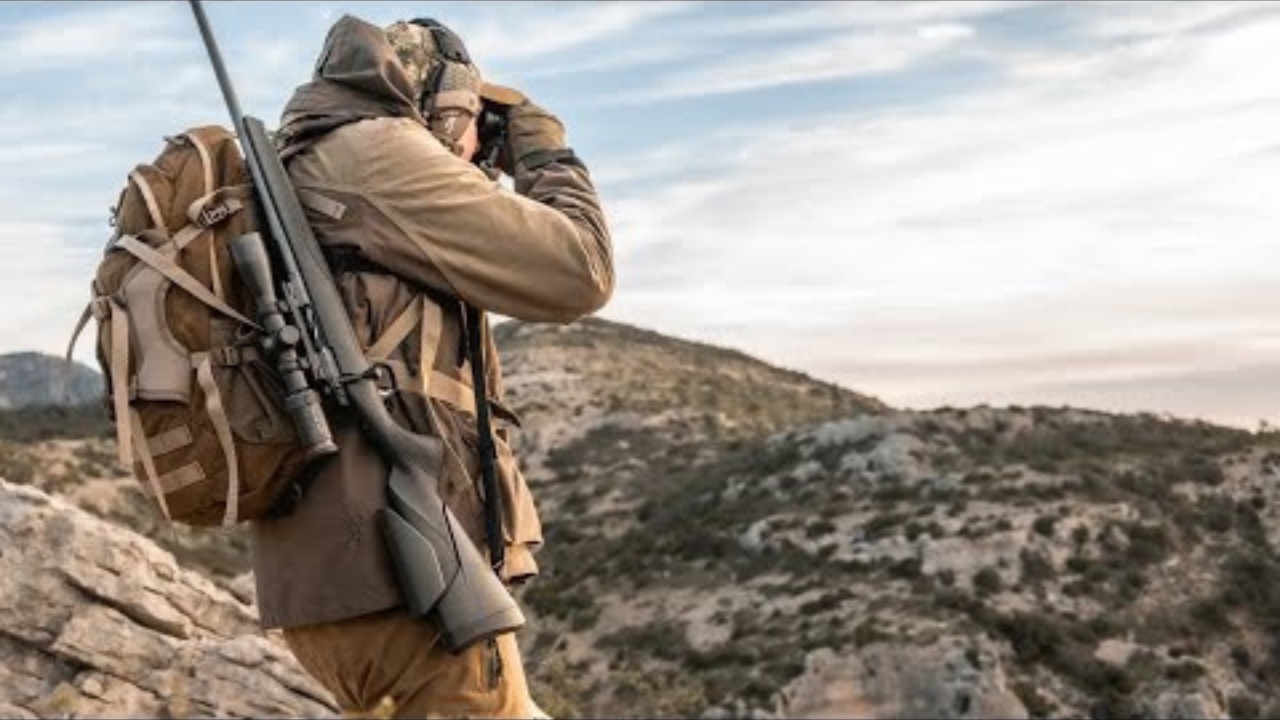
Arizona can produce exceptional elk, mule deer, and Coues whitetail hunting.
The catch is getting the right opportunity and then dealing with demanding country once you have it. Desert heat, steep mountains, scarce water, and long distances can make hunts physically difficult. Highly desirable opportunities also attract tremendous interest. Arizona is absolutely worth hunting, but it is a state where hunters increasingly have to decide whether the time, travel, and effort required match what they want from a hunt.
Like The Avid Outdoorsman’s content? Subscribe to our newsletter so you never miss an article.
Here’s more from us: