Photo credit: Columbia War Machine/Youtube
There’s a certain kind of revolver that never ends up in the “for sale” picture. It’s the one that rode in a chest rig through alder thickets, lived in a damp saddle scabbard on a pack horse, or spent November in a coat pocket that smelled like doe urine and wood smoke. It might not be trendy, it might not be light, and it might not shoot tiny groups off a bench. But it works when your hands are cold and your brain is busy.
These are the wheel guns I’ve watched serious hunters keep around long after the new stuff came and went. Some are classics, some are workhorses, and a few are downright stubborn choices. All of them earned their place the hard way.
1. Smith & Wesson Model 29
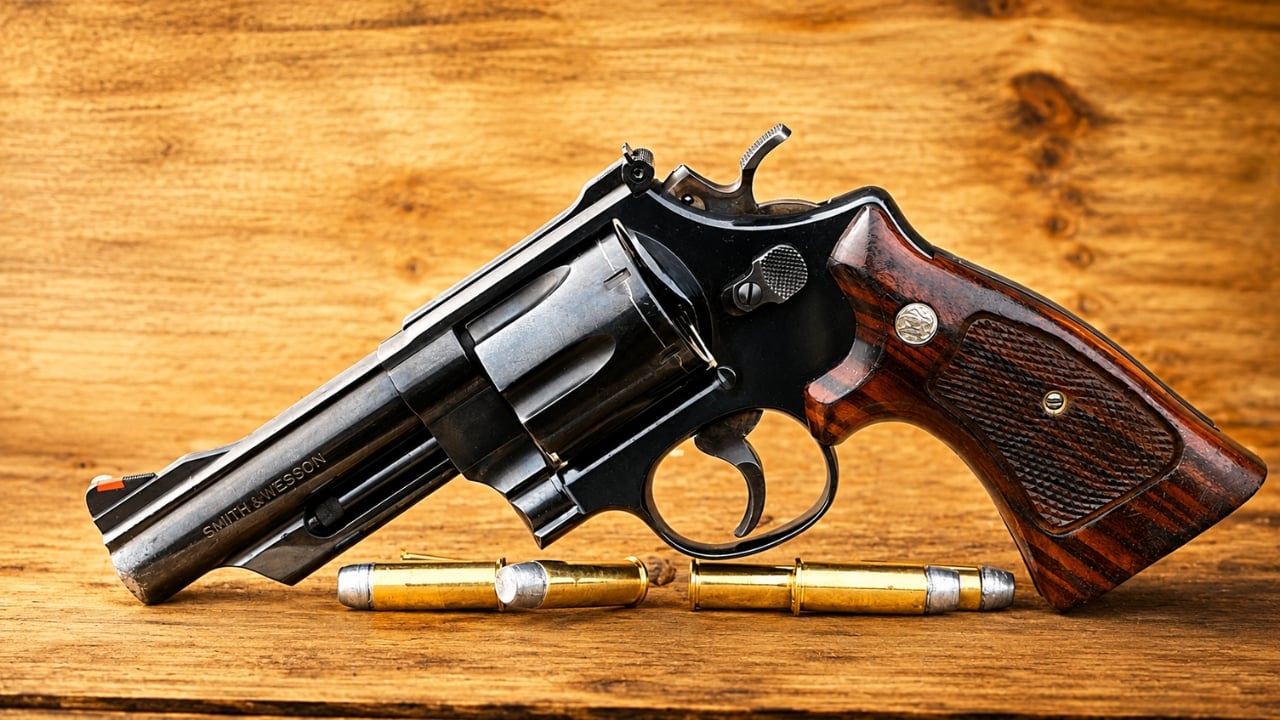
The big N-frame .44 is the revolver that made a lot of hunters believe in handguns for the first time. It’s not a casual carry, and nobody is pretending it disappears on a belt. But the balance is better than it looks, and the trigger on a good one is the kind you remember.
Most guys who kept one did it for a reason: it’ll put a proper bullet where it needs to go on deer and hogs, and it has real “backcountry problem solver” energy. Even if it mostly rides when you’re checking trail cameras, it’s hard to argue with a gun that has done that job for decades.
2. Ruger Super Blackhawk
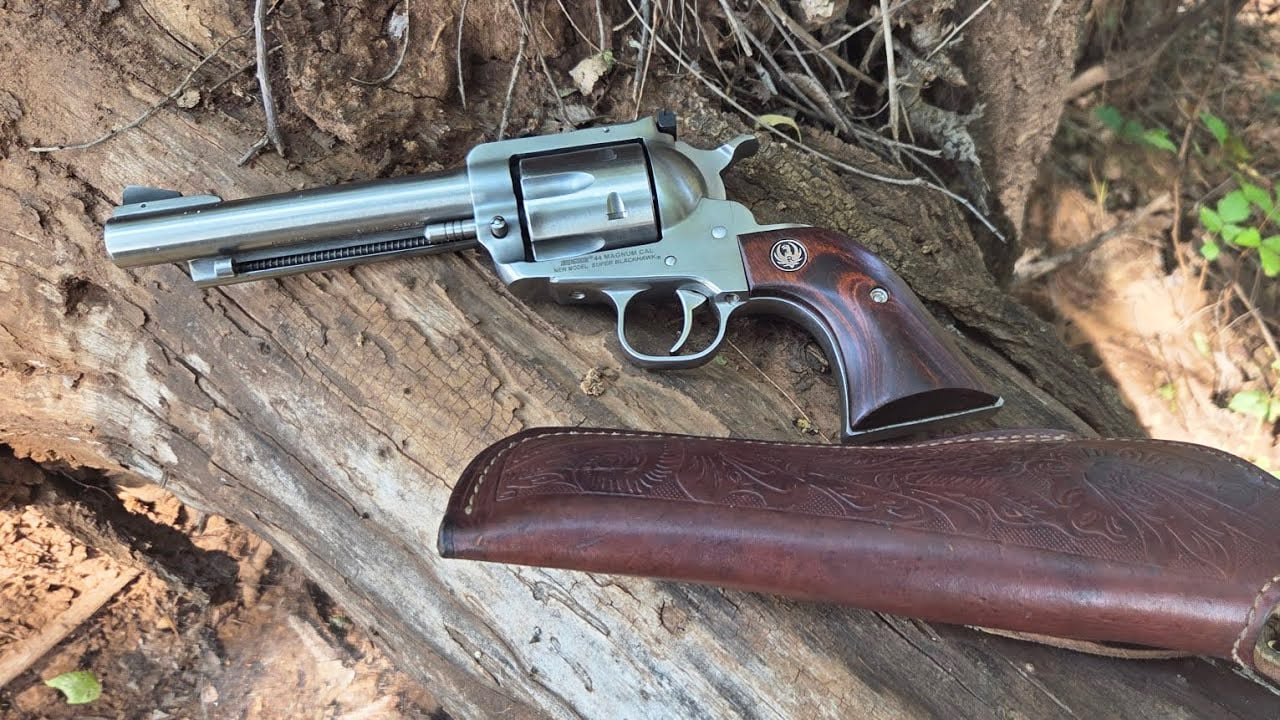
This one is for the hunter who likes single-actions and doesn’t apologize for it. The Super Blackhawk is strong, simple, and about as confidence-inspiring as revolvers get. The grip shape can beat you up with hot loads, but it also rolls in the hand the way it’s supposed to.
It’s the kind of gun that gets handed down because it outlasts the phase where you think you need something “more modern.” There’s nothing fancy about it, and that is kind of the point.
3. Ruger Blackhawk (convertible models)
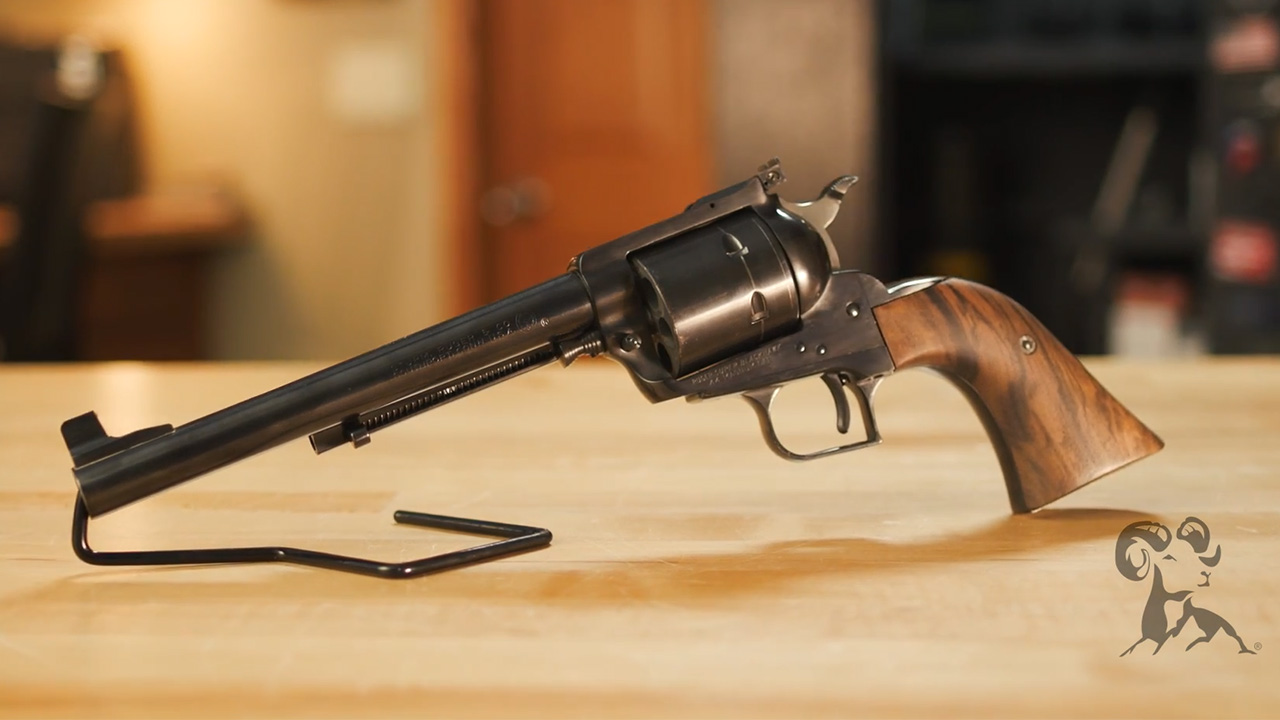
The convertible Blackhawks in .357/9mm or .45 Colt/.45 ACP are quietly practical in a way internet debates never capture. Being able to run a second cylinder is handy when ammo availability gets weird or when you want cheaper practice without changing the whole setup.
Hunters keep these because they’re dependable and flexible. It’s not a target pistol, but it’ll hit what you aim at if you do your part, and it’s tough enough to forgive a lot of real-world use.
4. Ruger Redhawk
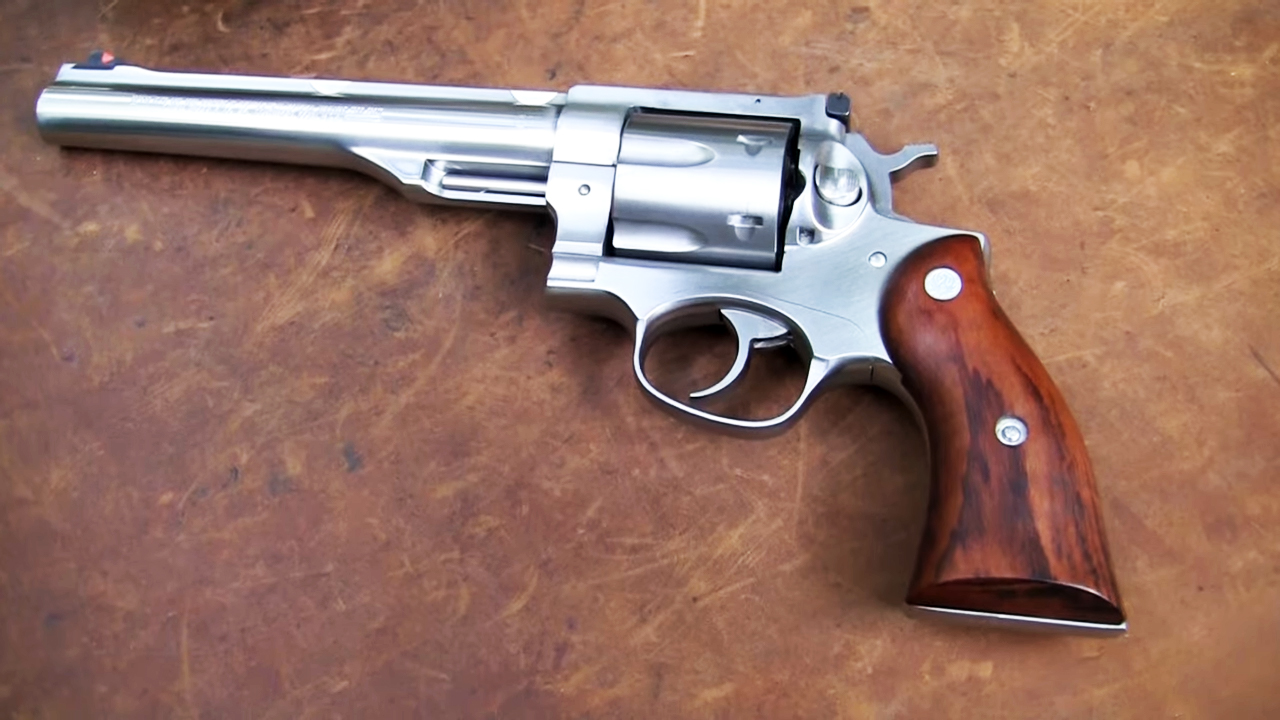
If you’ve ever heard a hunter say, “I don’t care if it’s heavy, I want it solid,” there’s a decent chance they were talking about a Redhawk. It’s built like a piece of farm equipment. The double-action pull can be stiff, but it smooths out with use, and the gun just keeps going.
In .44 Magnum especially, it’s a steady companion for folks who actually spend time where four-legged problems live. It’s not delicate, and it doesn’t need to be.
5. Ruger Super Redhawk (Alaskan and standard)

The Super Redhawk is what happens when Ruger leans all the way into “overbuilt.” The Alaskan version in particular is a chunky little brick, but it’s a brick you can trust. Short barrel, big bore, simple sights—built for close-range seriousness.
Hunters who kept them tend to be the ones who don’t want to baby a sidearm. It rides in a chest holster, gets snowed on, and still functions when you need it to.
6. Smith & Wesson Model 686
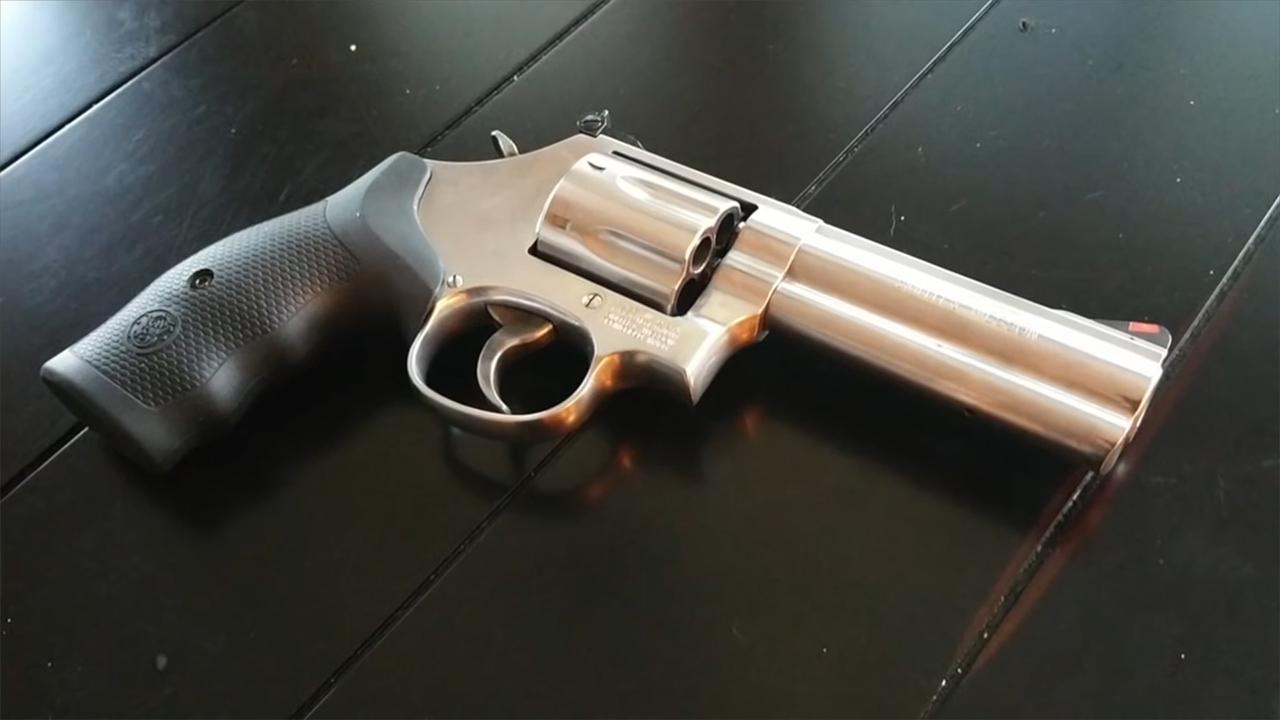
The 686 is one of those revolvers that just makes sense. .357 Magnum is still useful, and the L-frame is big enough to shoot well without being a boat anchor. The gun points naturally and doesn’t punish you like the tiny snub-nose crowd.
A lot of hunters hold onto a 686 because it can do multiple jobs: camp gun, truck gun, range gun, even a close-range deer gun in the right hands and with the right setup. It’s “boring” in the best possible way.
7. Smith & Wesson Model 19
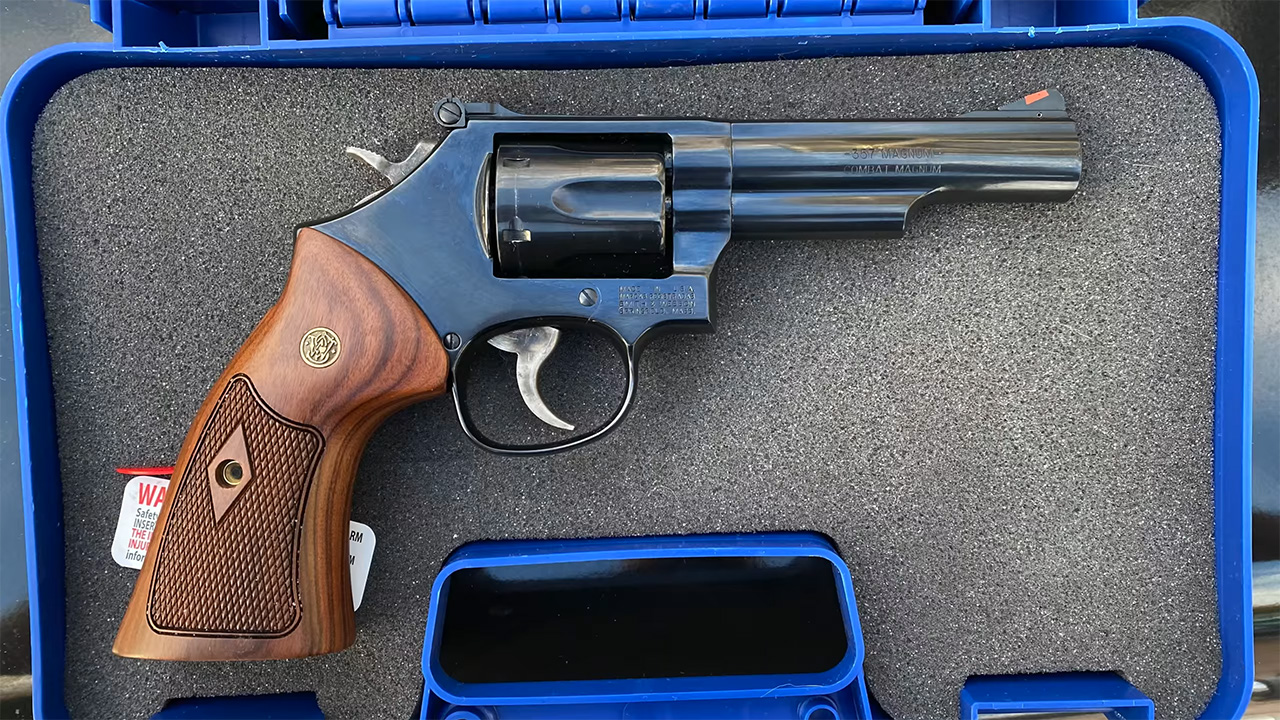
The Model 19 has that classic feel—slimmer than the 686, lively in the hand, and usually blessed with a trigger that makes you look like a better shooter than you are. It’s not the gun for a steady diet of nuclear .357 loads, but most real-world shooting isn’t that anyway.
Hunters kept them because they carried well and shot straight. Also, once you’ve handled a good older K-frame, it’s hard not to understand why people get attached.
8. Smith & Wesson Model 27
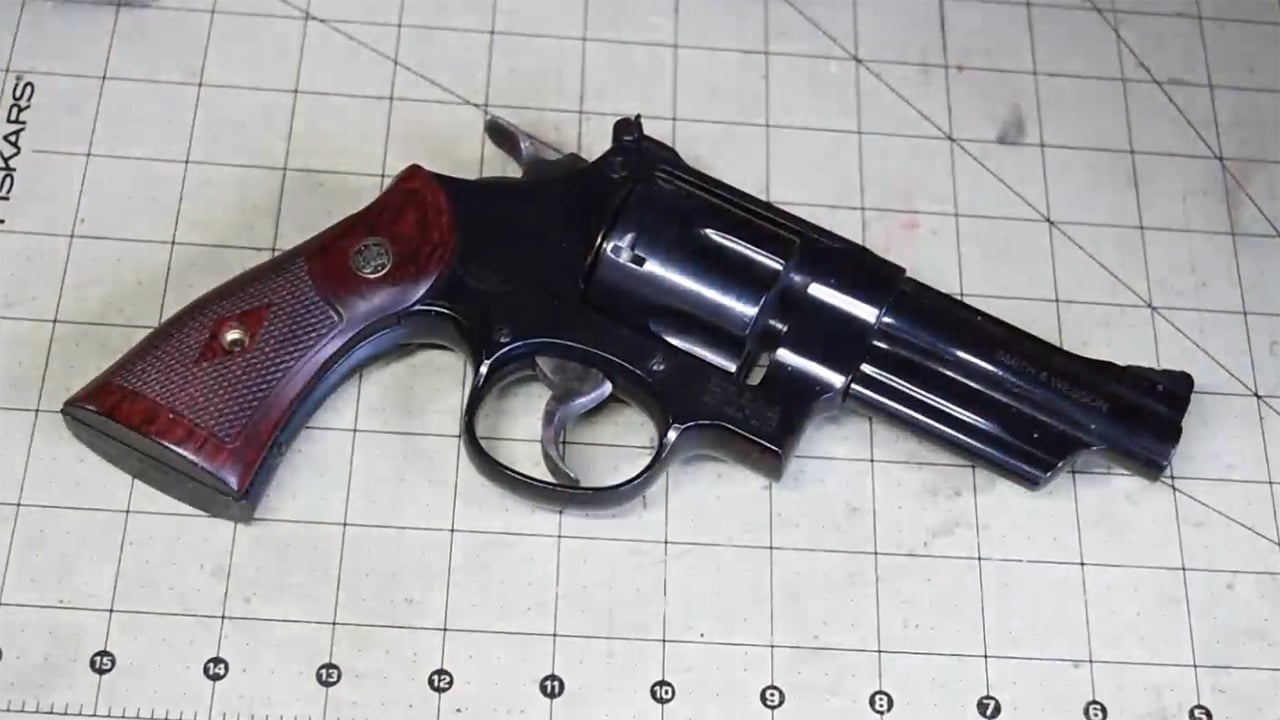
Big, handsome, and built to run .357 like it was designed for it—because it was. The Model 27 is a “serious revolver” in every sense. It’s not the gun you forget is on your belt, but it’s steady when you need steadiness.
It’s a classic that stayed in safes because it earned respect. The finish and fit on many of these older guns is just different than what most folks are used to now.
9. Smith & Wesson Model 28 Highway Patrolman
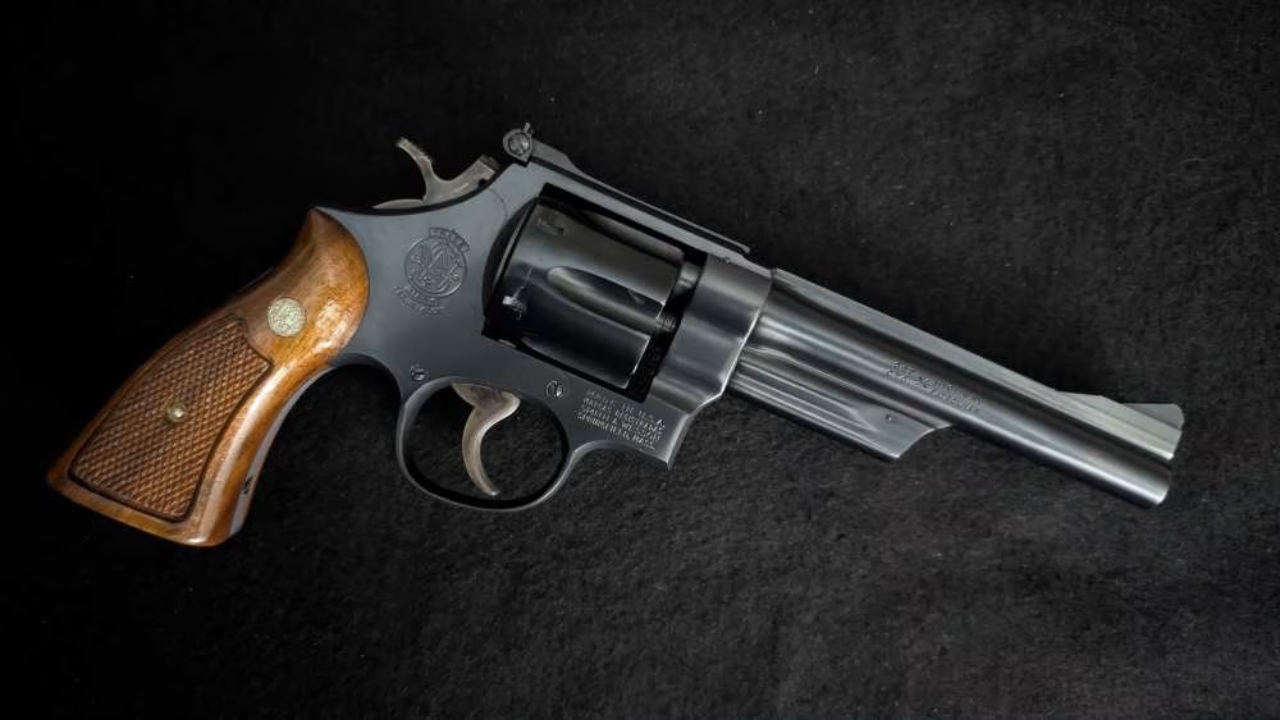
The Model 28 is the working man’s version of the 27. Less polish, same basic muscle. That’s exactly why hunters kept it—because they weren’t afraid to scratch it up while dragging a buck or banging around in a side-by-side.
If you find one with a good action, it’s a lot of revolver for the money. And it doesn’t mind being treated like a tool.
10. Colt Python
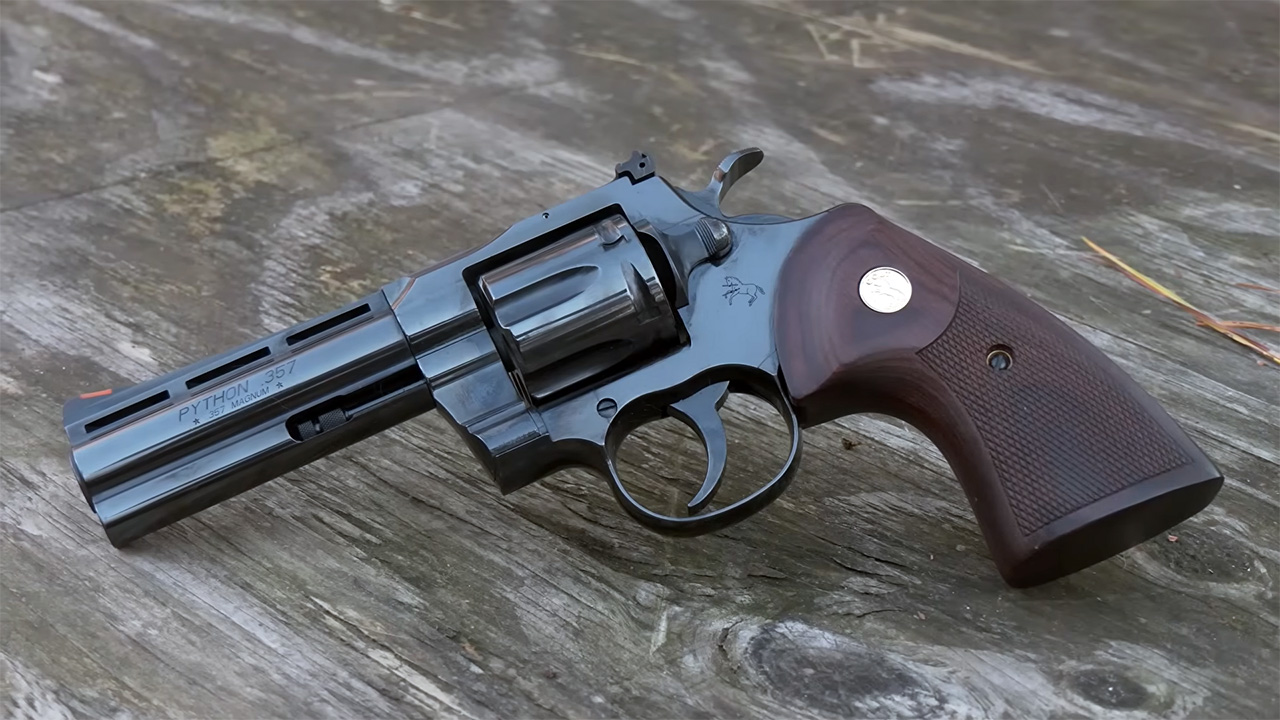
The Python gets talked about like it’s all collector hype, but there’s a reason old-timers still grin when one comes out of a case. The trigger can be phenomenal, and the gun has a smoothness that’s hard to fake. It’s also a revolver you don’t want to abuse, because parts and timing work can turn into a project.
Hunters who refused to retire them usually did so because they shoot them well. And if you shoot a handgun well, you keep it. Simple as that.
11. Colt Trooper Mk III
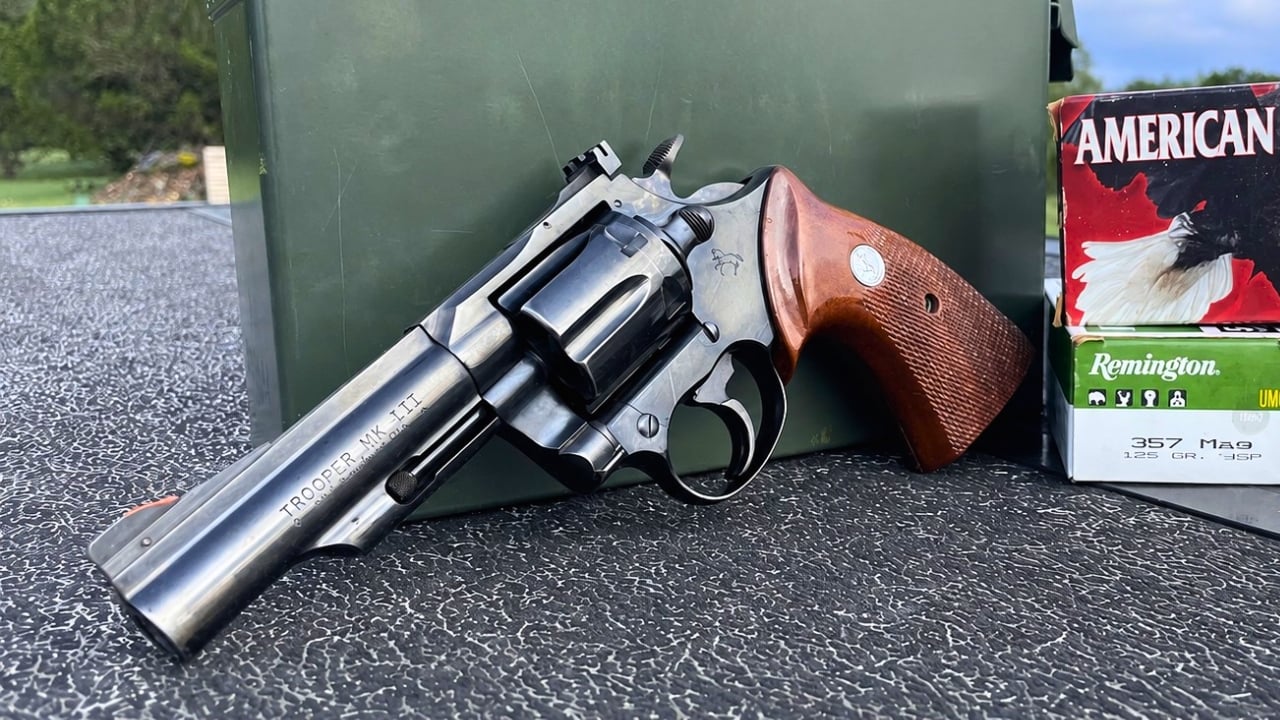
This is the Colt that doesn’t get enough campfire credit. The Trooper Mk III is sturdy, generally more affordable than the fancy Colts, and plenty accurate for real hunting distances. It’s got its own feel—different than Smith, different than Ruger—and some folks shoot that “Colt feel” better.
These stick around because they’re honest revolvers. They don’t need to be Instagram famous to do the job.
12. Colt King Cobra

The King Cobra is a .357 that hits a sweet spot for a lot of hunters: strong enough, sized right, and usually accurate. The older ones have a following for a reason, and the newer versions brought the name back without being a gimmick.
It’s not the lightest belt gun, but it carries flatter than some big-frame options. When you’re stepping over deadfall all day, that matters.
13. Dan Wesson Model 15 (.357 Magnum)
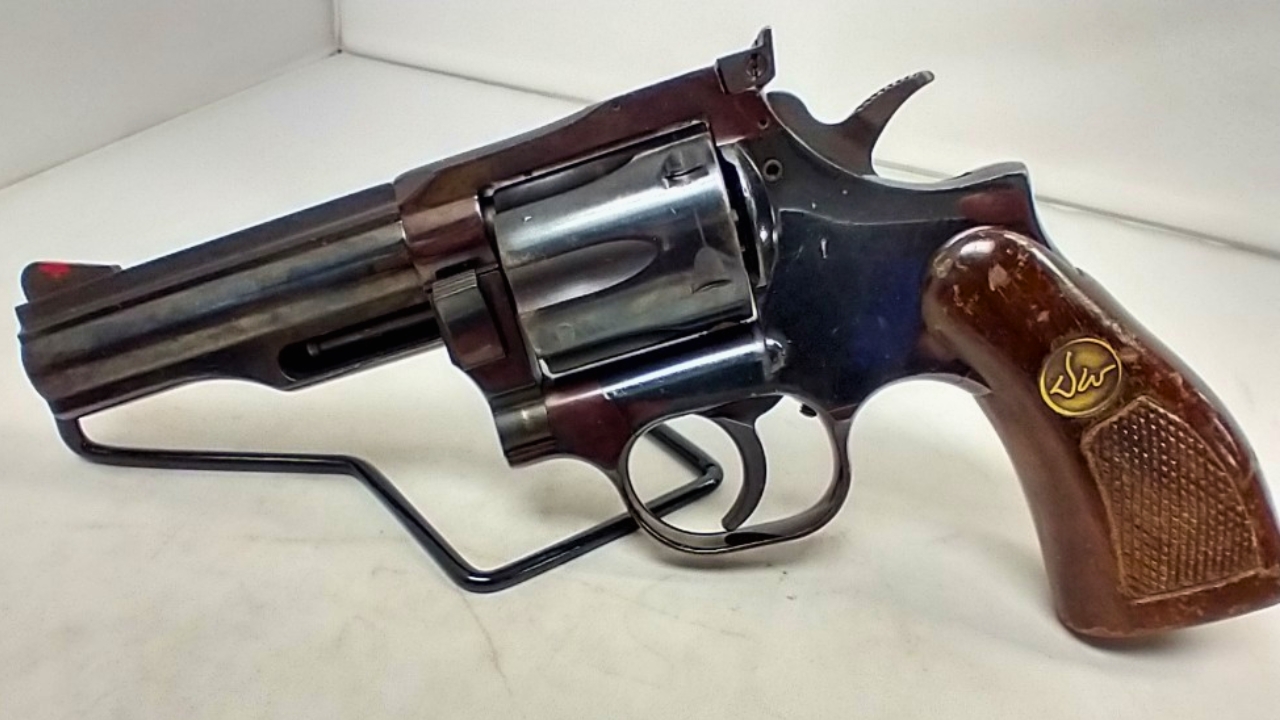
If you’ve spent time around revolver guys, you’ve heard someone quietly brag about their Dan Wesson. The Model 15 has a reputation for accuracy and a design that was built with serious shooters in mind. They’re not as common at the local shop, and that scarcity is part of why people hang onto them.
Hunters who kept these usually did it because the gun flat-out shoots. If your revolver prints where you look and doesn’t loosen up, it becomes part of your kit.
14. Dan Wesson Model 44

The Model 44 is another one that tends to stay put once it lands in a hunter’s hands. They can be incredibly accurate, and they soak up recoil better than you’d expect. Not everyone loves the looks, but that argument stops once you see the groups.
It’s also a revolver that makes handgun hunting feel less like a stunt and more like a legitimate method. That’s why it didn’t get retired.
15. Freedom Arms Model 83

This is the “buy once, cry once” revolver for the handgun hunter who’s all-in. Freedom Arms single-actions are tight, precise, and built to a level most factory guns don’t touch. They’re not cheap, and they’re not meant to be treated like a glovebox gun.
But hunters keep them because they perform and because replacing one hurts. If you’ve ever shot a good Model 83, you know exactly what I mean.
16. Taurus Raging Bull
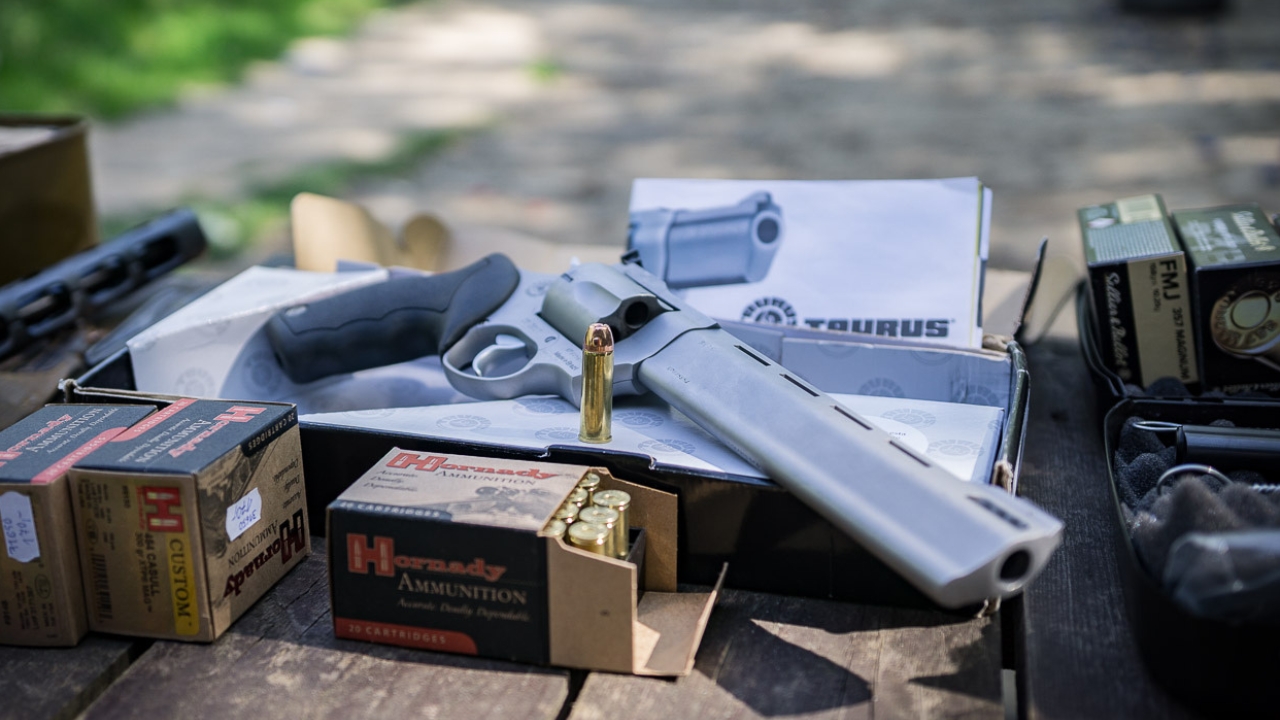
Yeah, I know. Taurus is a touchy subject in some circles. But I’ve met more than a few hunters who ran a Raging Bull hard and never felt under-gunned. The porting and the grip design help tame the recoil, and the big-frame setup lends itself to hunting roles.
Is it as refined as the premium stuff? No. Still, when a revolver has put meat in the freezer for years, the owner isn’t in a hurry to swap it just to keep up with opinions.
17. Smith & Wesson Model 460XVR
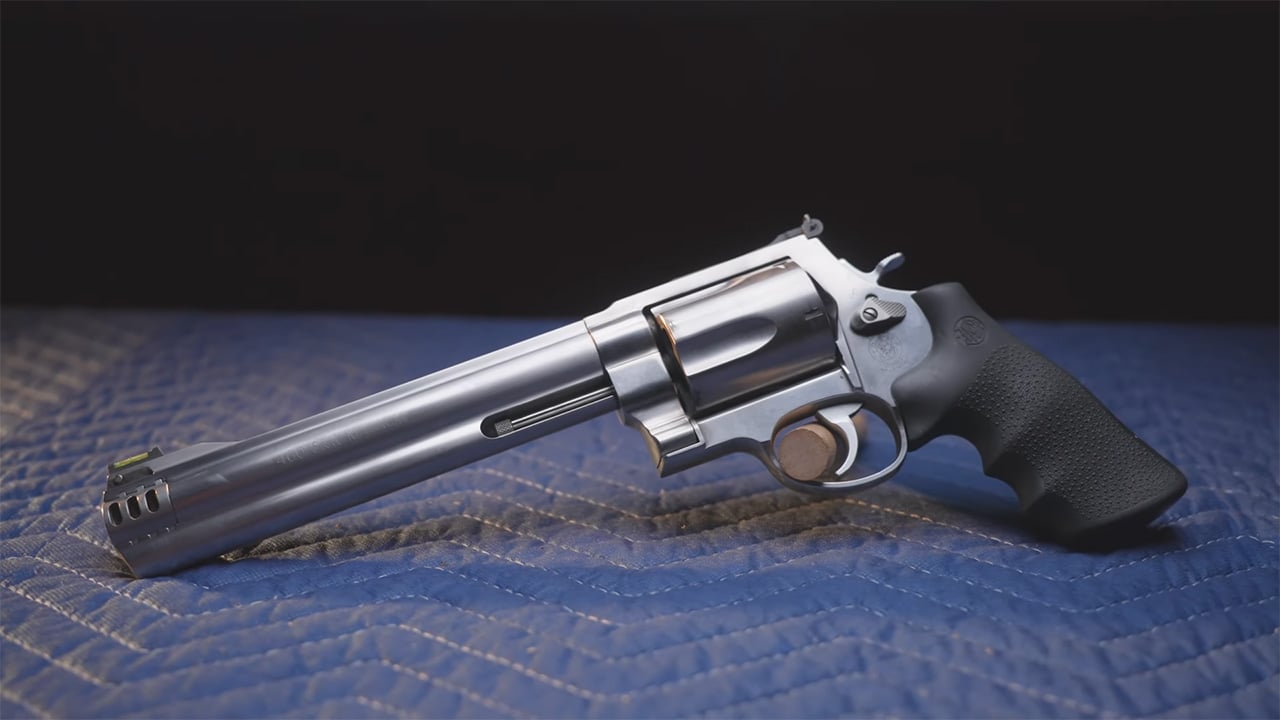
This one is not subtle. The 460XVR is for hunters who want reach and power in a revolver and are willing to deal with the size. It’s heavy, loud, and capable of taking game at distances most folks shouldn’t be trying without serious practice.
What keeps it in rotation is simple: it works as designed. In states where handgun hunting is a big deal, these became “forever guns” for the guys who committed to the platform.
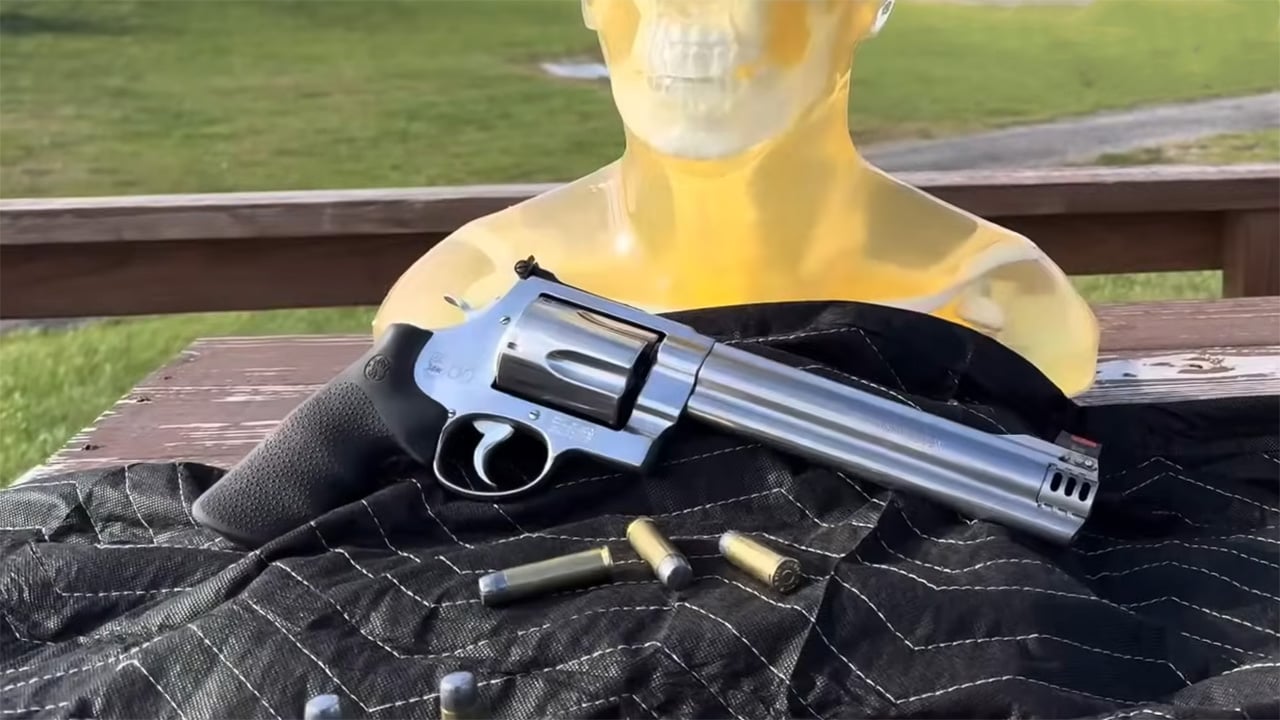
18. Smith & Wesson Model 500
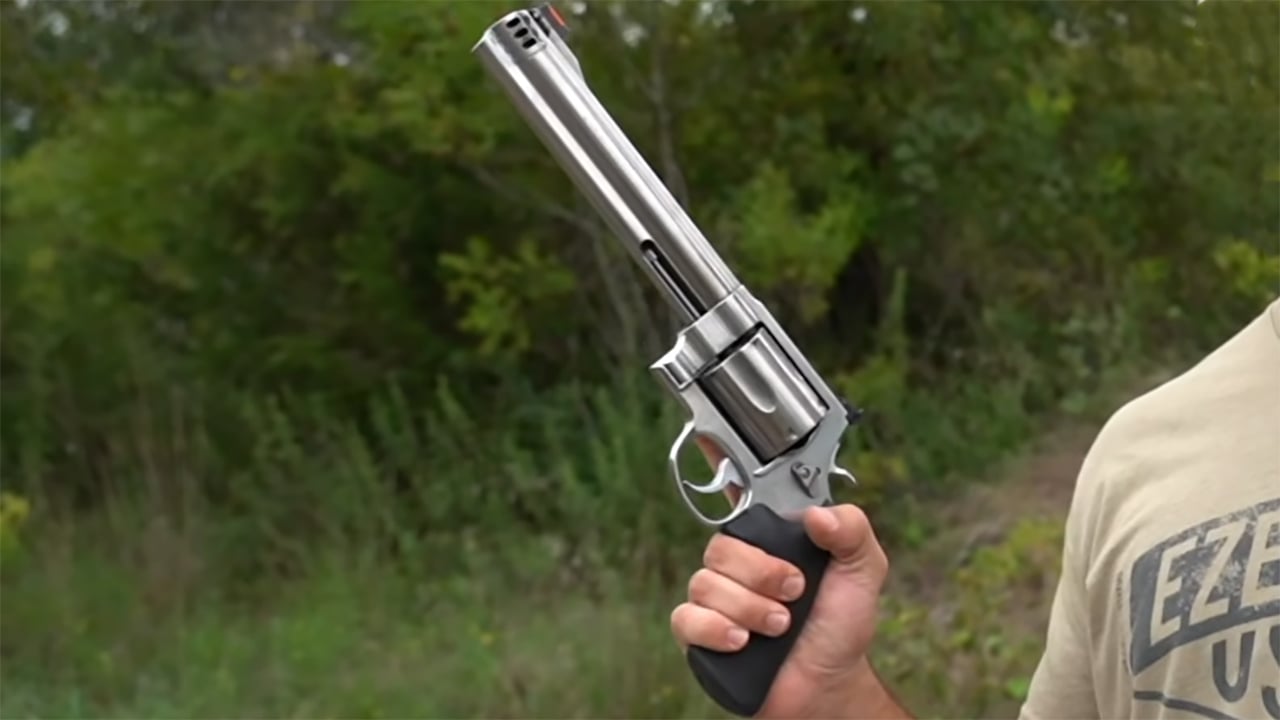
The .500 is more than most people need, and that’s not an insult. It’s a specialty tool with specialty recoil, and it’ll humble you if you don’t respect it. But there are hunters who like having the option, especially in places where big bears and thick cover change the risk math.
Once someone gets comfortable with it, they often keep it because there’s nothing else quite like it. You don’t replace a gun like this on a whim.
19. Ruger GP100

If you want a revolver that can live a rough life, the GP100 belongs on this list. It’s not a dainty revolver, and the factory trigger can feel a little “Ruger-ish” until it wears in. But it’s durable, accurate enough, and easy to live with.
Hunters keep GP100s because they’re dependable and they aren’t precious. You can run it in the rain, drop it in the dirt, wipe it off, and keep going. Ask me how I know.
20. Smith & Wesson Model 642 Airweight
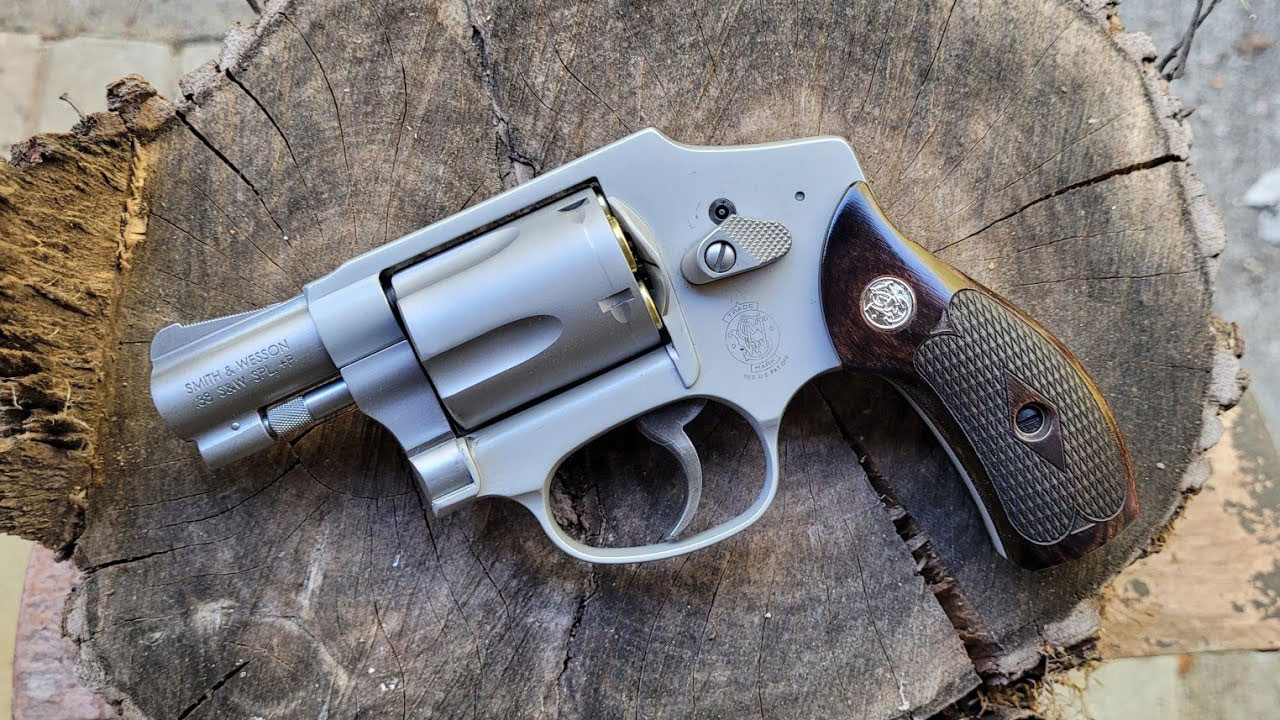
This is the revolver that ends up in a pocket when the “real gun” is too much hassle. The 642 is light, simple, and about as no-nonsense as it gets. It’s not fun with +P, and it’s not a long-range option, but it’s the gun that actually gets carried.
Plenty of hunters refused to retire theirs because it’s there when you’re running to town for tags, checking a fence line, or walking in before daylight. Sometimes the best revolver is the one that doesn’t get left on the dresser.
Every one of these has a tradeoff—weight, recoil, price, capacity, or just plain old-fashioned ergonomics. But serious hunters tend to keep what has proven itself in bad weather and inconvenient moments. New guns are fun. A revolver you trust when the woods get quiet is better.