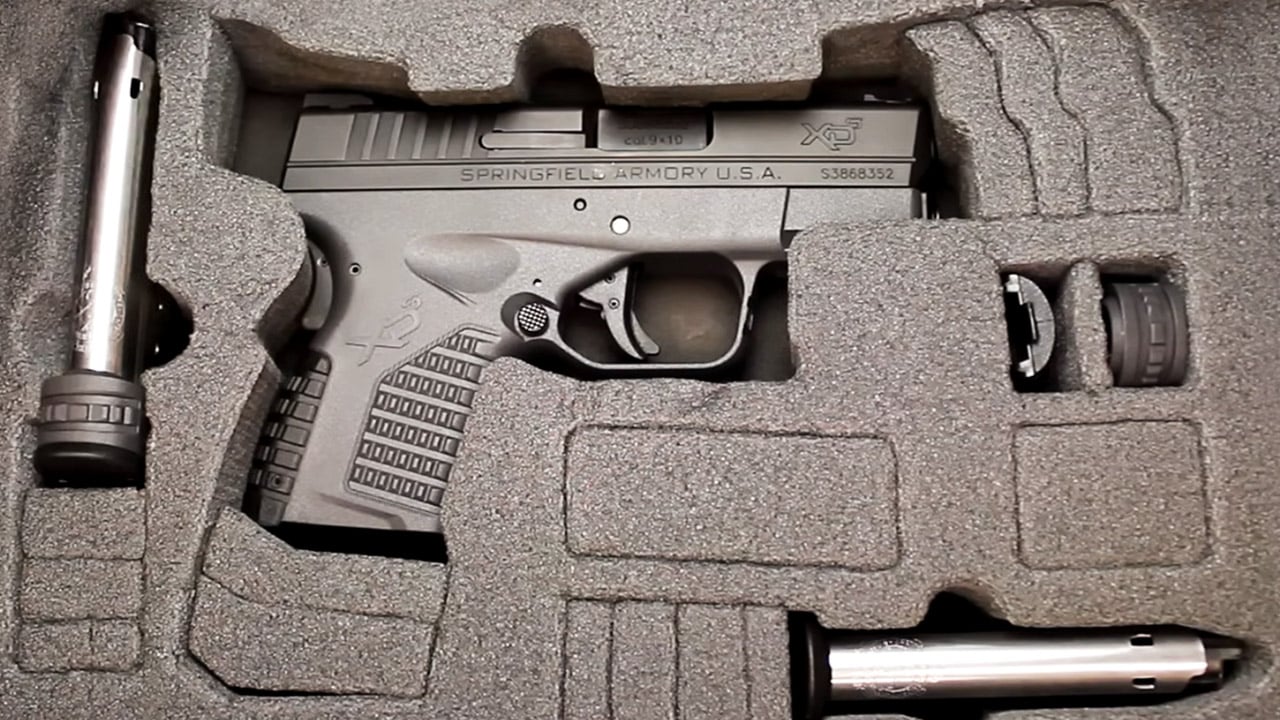
Photo credit: sootch00/Youtube
Every pistol “shoots low-left” if you listen to enough guys at the public range. And yes, a bunch of it is trigger control, grip, anticipation, and flinching. But I have also watched perfectly capable shooters swap to a different handgun and suddenly the groups tighten up and land right where the sights live. That is not magic. That is fit, sights, ammo choice, and sometimes a gun that just does not play nice with the way real people shoot.
What follows are handguns that routinely get blamed for not putting rounds where you think they should. Some of them are good guns with one annoying trait. Some are “fine” until you try to run them fast. And a couple are straight-up headaches unless you’re willing to tinker, test, and keep notes. If any of these are in your safe, it does not mean you made a bad buy. It means you should verify your zero, your hold, and your ammo before you trust it on a backwoods hike or in a nightstand role.
1. SIG Sauer P365 (early production guns)

I remember when the little P365 started showing up everywhere, and it felt like everybody had to have one. The size-to-capacity thing is real, and it carries like a dream. But the early batches had enough “my gun prints weird” stories that I started asking to shoot them before I believed them.
Some of it is the tiny sight radius and the way that short grip invites you to milk the gun on the trigger press. Some of it is sight height and how different loads track. If yours hits off, don’t guess—confirm with a slow bench rest group at 10–15 yards with your carry ammo, then decide whether it’s you, the load, or the sights.
2. Glock 19 (with factory polymer sights and mixed ammo)
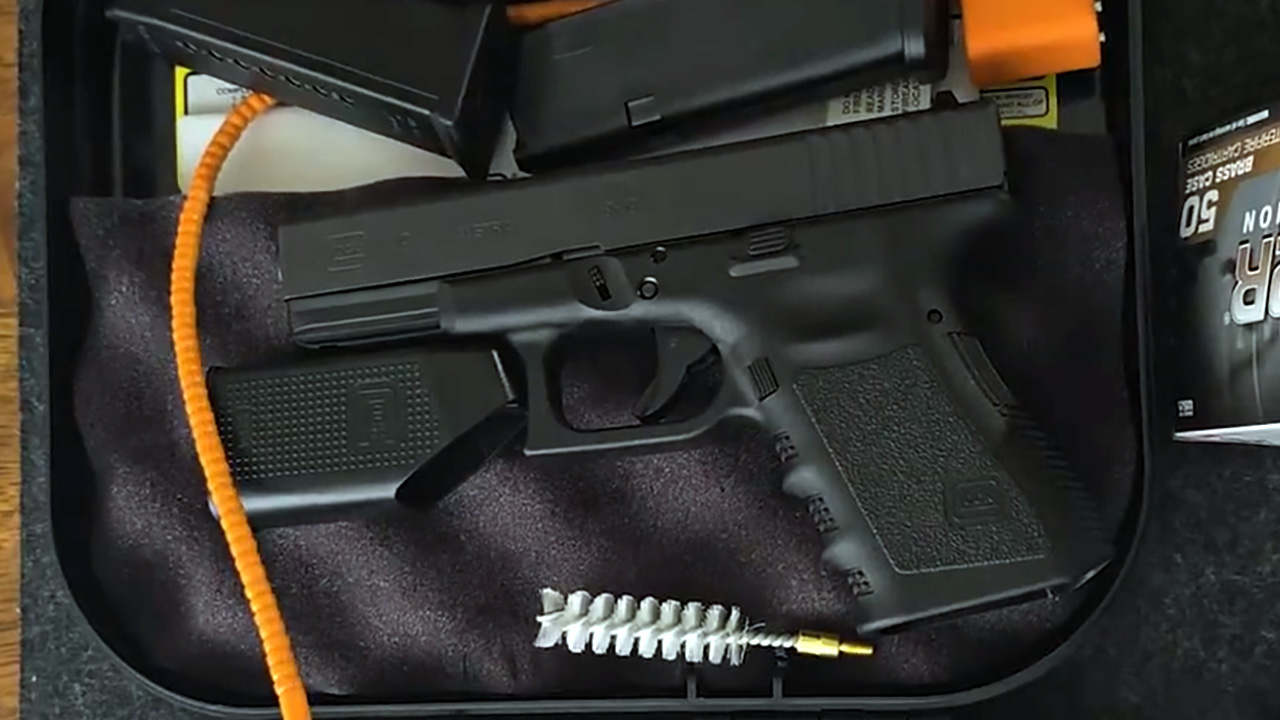
The Glock 19 will outshoot most of us. Still, I’ve seen more than one new owner chase their groups all over the target because the factory plastic sights aren’t doing them any favors. You get a sight picture that is “good enough,” and then you wonder why the gun doesn’t feel precise.
Add cheap range ammo with different point-of-impact shifts, and it turns into a guessing game. The fix is boring: a consistent front sight you can actually see, and one carry load you confirm. Once you do that, the “Glocks don’t hit where I aim” talk usually goes quiet.
3. Smith & Wesson M&P Shield (original 9mm versions)
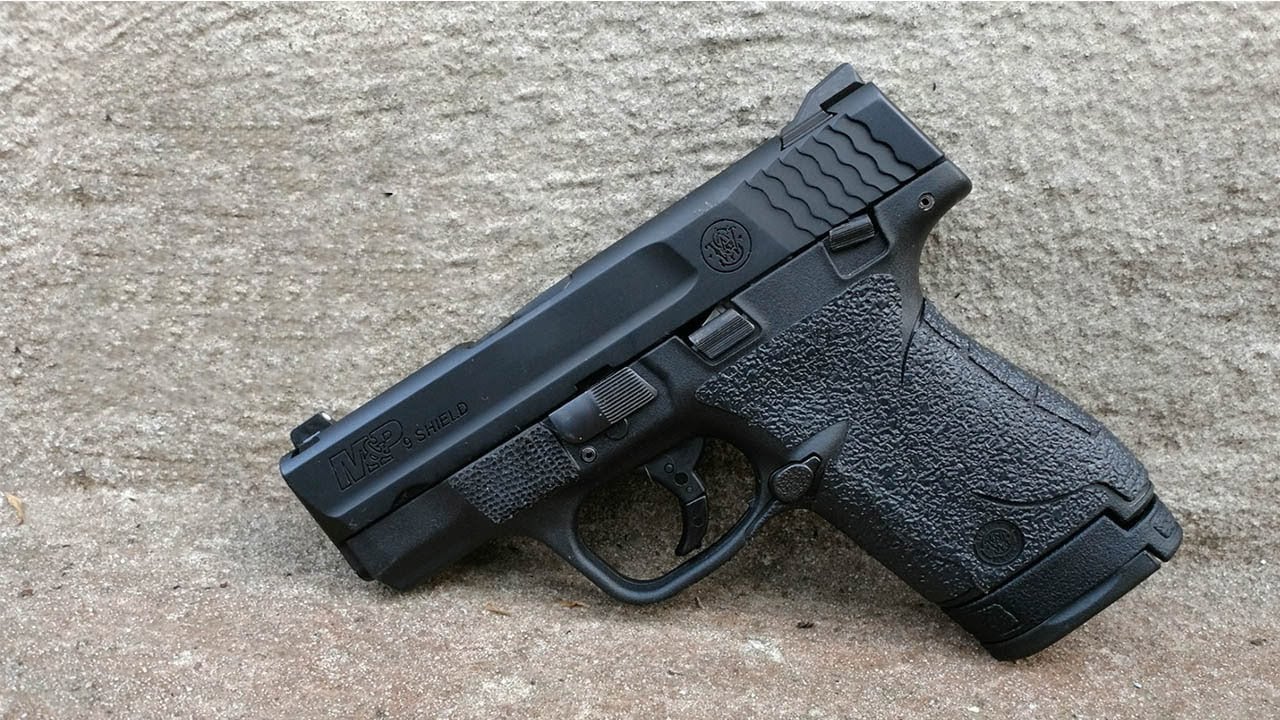
The first-gen Shield was a working man’s carry gun, and plenty of them are still riding in sweaty holsters. But the trigger on some of those older guns was mushy enough that folks would snatch it at speed. That little gun will punish sloppy work.
On top of that, the low-profile sights can disappear on a dark indoor lane. When you can’t see the front sight, you start “index shooting” without meaning to, and impacts wander. A brighter front and a little dry-fire time usually makes it behave.
4. Ruger LCP (original .380)
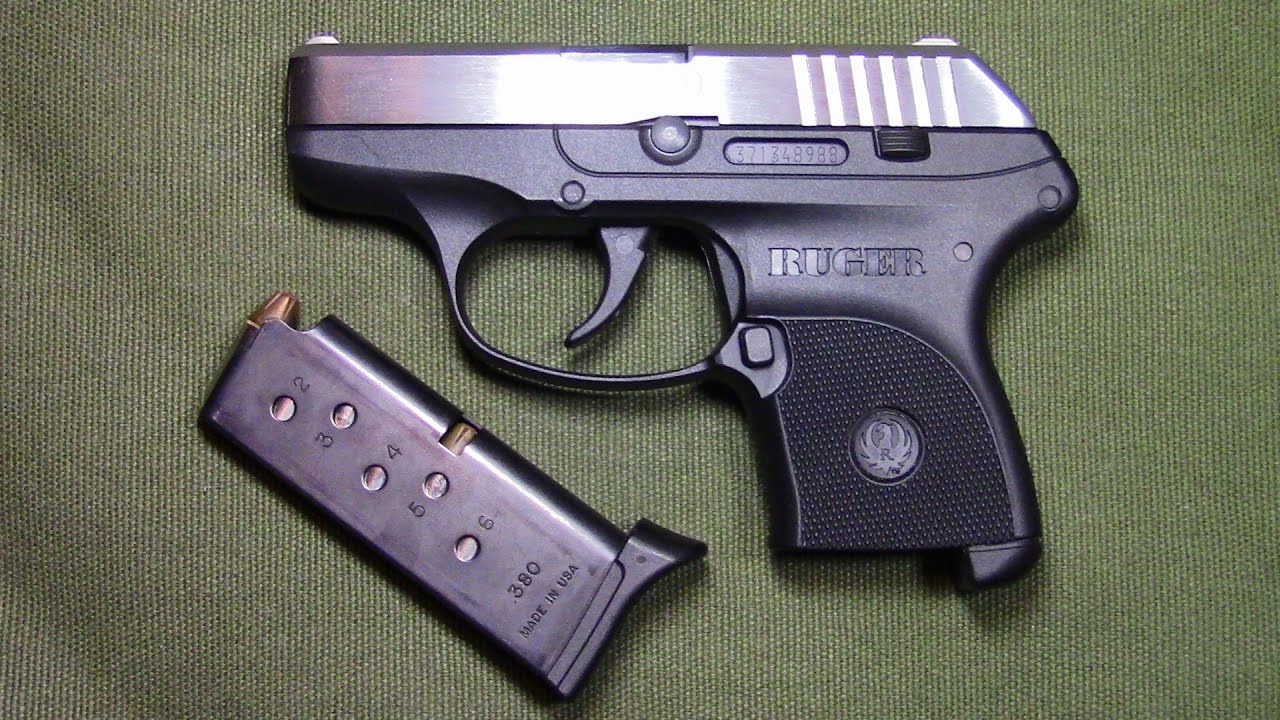
The LCP is the definition of “better than nothing,” and I mean that as a compliment. It’s also one of the easiest pistols to shoot poorly. The sights are nearly decorative, the grip is a two-finger compromise, and the trigger feels like it has a whole second job before it breaks.
When someone tells me their LCP shoots six inches low, I ask them if they can even see the front blade. Up close it’s fine. Past seven yards, you’re managing a tiny gun that doesn’t want to be managed, and hits start drifting.
5. Taurus G2C
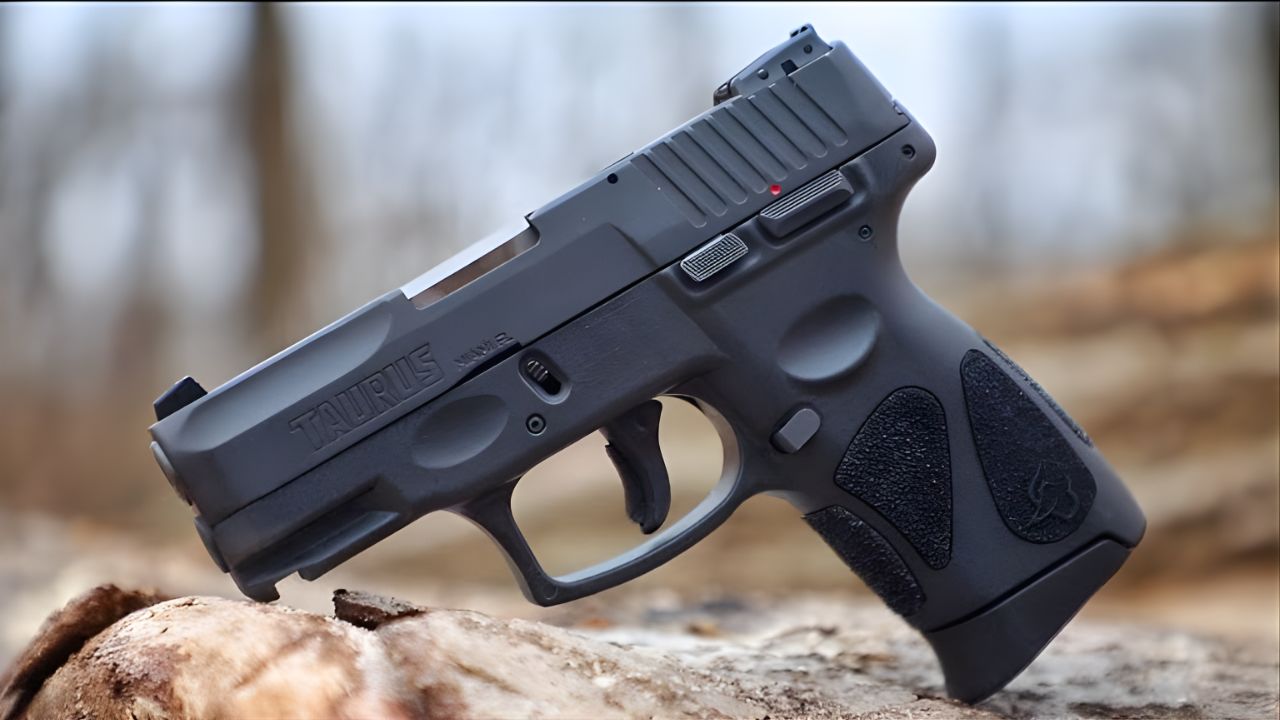
I get why the G2C sells. It’s affordable, it often runs, and it feels decent in the hand for the money. But quality control is a real thing, and inconsistent triggers and sights that aren’t quite regulated show up more than they should.
The other problem is that a lot of them get fed the cheapest ammo a guy can find, and then he wonders why it prints different from box to box. If it’s your budget carry gun, spend one afternoon confirming point of impact with the load you’ll actually use.
6. Kimber Ultra Carry II (3-inch 1911s in general)
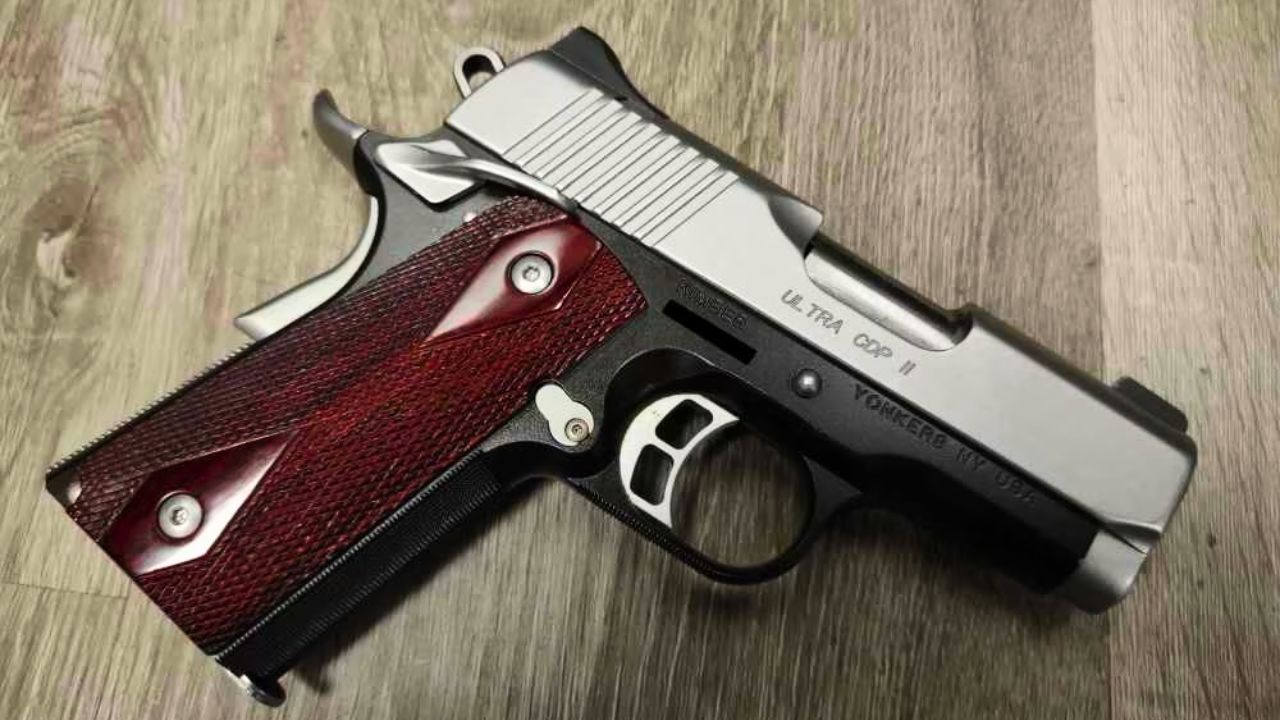
Short 1911s are cool on paper: slim, classy, and easy to carry. In real life, the 3-inch guns can be finicky, and they’re snappy enough that folks start anticipating recoil. That combination makes groups open up fast.
Even when the gun is mechanically accurate, the timing and recoil impulse can make it feel like it “throws” shots. If you want a short 1911, you need to be honest about testing it with your mags and your defensive load. Otherwise, the range will humble you.
7. Springfield Armory XD-S (early .45 ACP models)
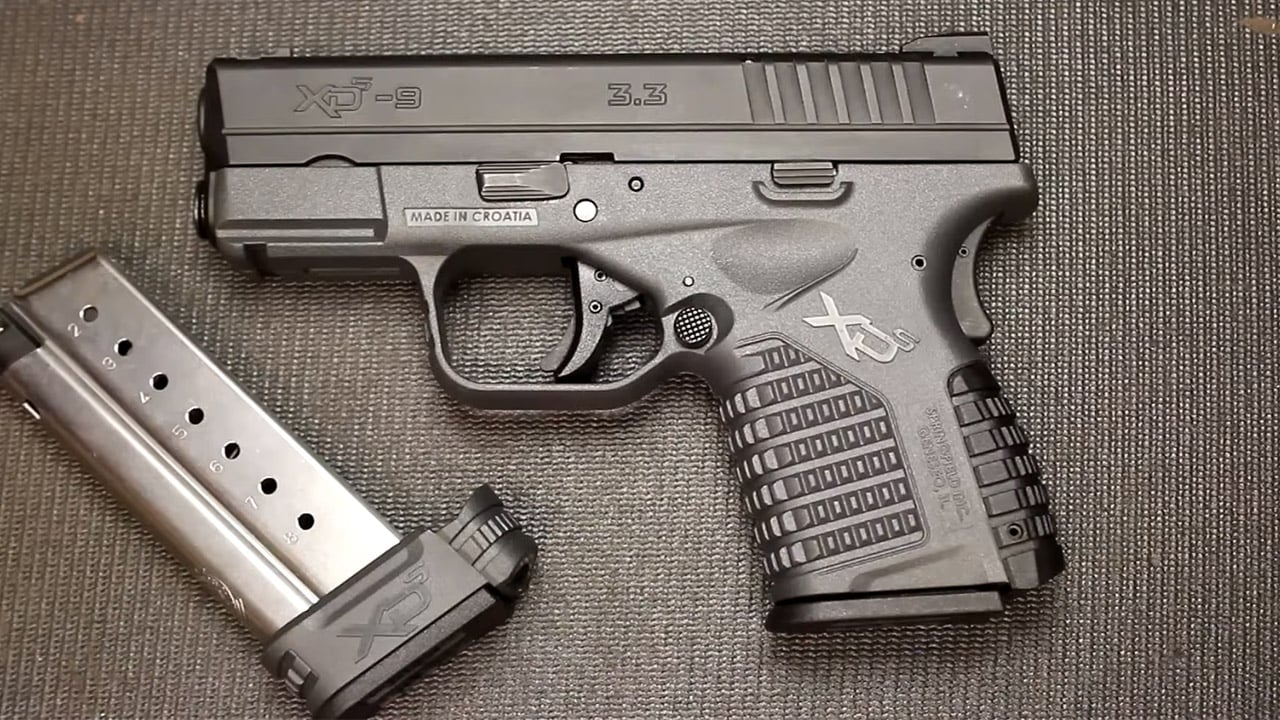
A small .45 that’s actually thin is a tempting idea. The XD-S does carry well, but the recoil in the early .45 versions is sharp and fast. That snap makes it tough to keep the sights stable through the press if you don’t have a locked-in grip.
I’ve watched guys shoot it like a duty gun and get mad when it prints all over the place. Slow down, grip harder than you think you need to, and be realistic about how fast you can run a tiny .45 without your hits wandering.
8. Walther PPK/S (.380 with the classic blowback bite)
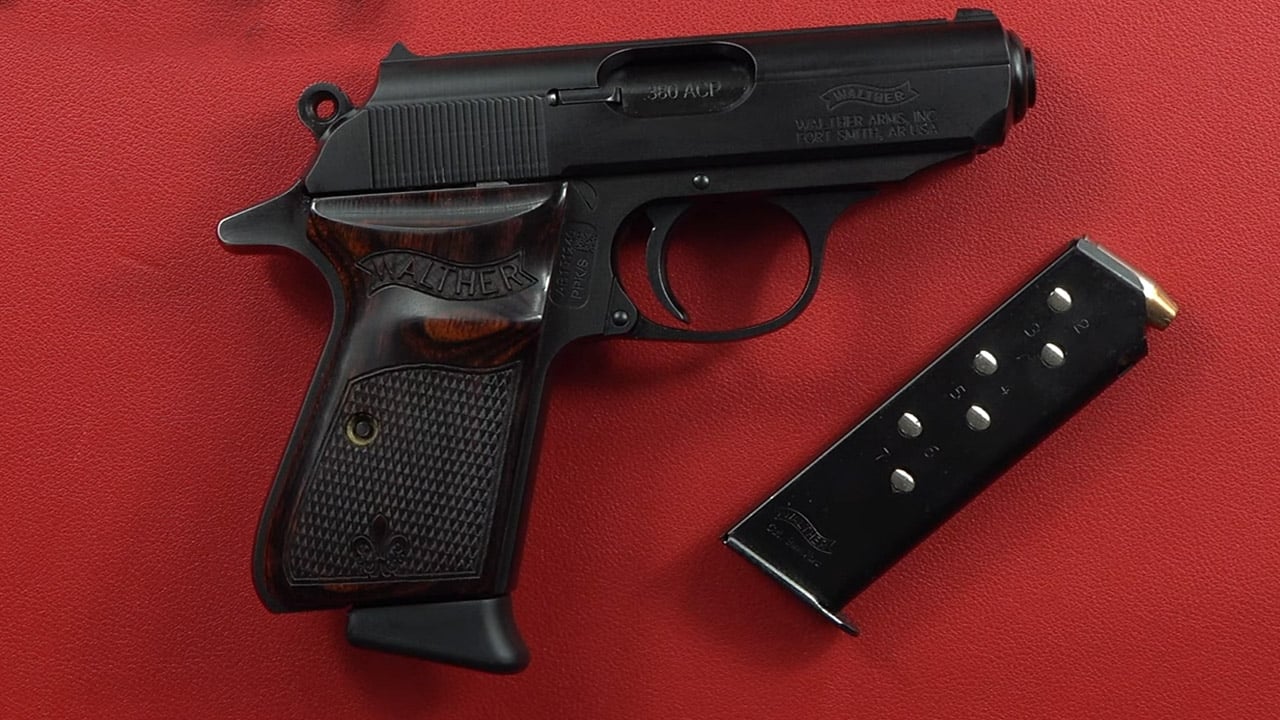
The PPK/S has style, history, and a cult following. It also has a blowback design that can feel harsher than a modern locked-breech .380, and the tang can chew up your hand if your grip creeps high. When you’re getting bit, you start flinching. Ask me how I know.
The sights are small and the trigger can be heavy in double-action. Combine those, and point of impact becomes a moving target depending on how you stage the trigger. It’s a fun gun, but it’s not an easy gun.
9. Beretta 92FS (new shooters and the “combat hold” confusion)
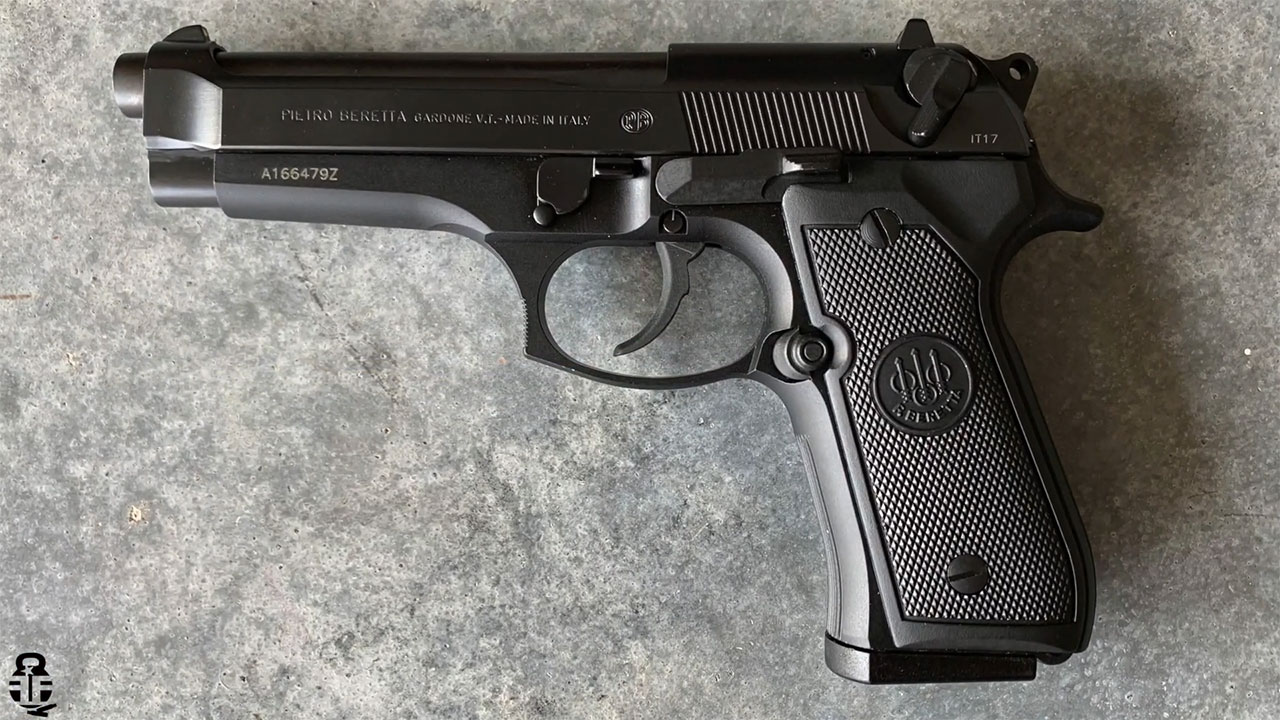
The 92FS is usually accurate as sin. The issue I see is sight picture expectations. Some shooters use a 6 o’clock hold, some cover the bull, and some have never even heard the terms. A Beretta set up for one style will look “wrong” to a guy expecting the other.
Add that long first double-action pull, and you can send the first shot somewhere you didn’t plan. Once you learn where your particular gun prints with your ammo and you practice that first pull, the gun suddenly “starts hitting.”
10. CZ 75B (stock sights in bad light)
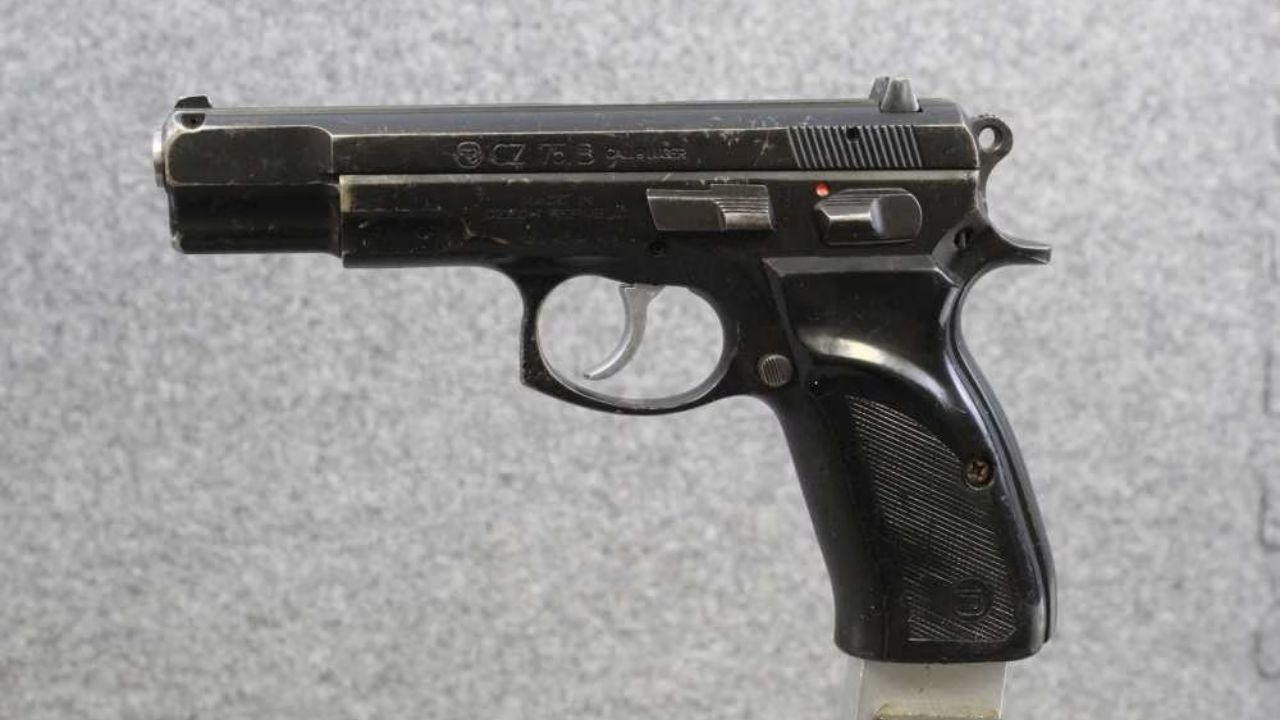
The CZ 75B points naturally for a lot of hands, and the accuracy is there. But the factory sights on some examples are dark-on-dark and can get lost on an indoor target. When the sight picture isn’t crisp, your brain fills in the gaps, and the group shifts.
I’ve also seen new CZ owners ride the slide stop with a high thumb and change how the gun cycles and recoils. It’s not exactly an accuracy issue, but it affects how the gun returns to target, and that affects where the next round lands.
11. Ruger SR9c
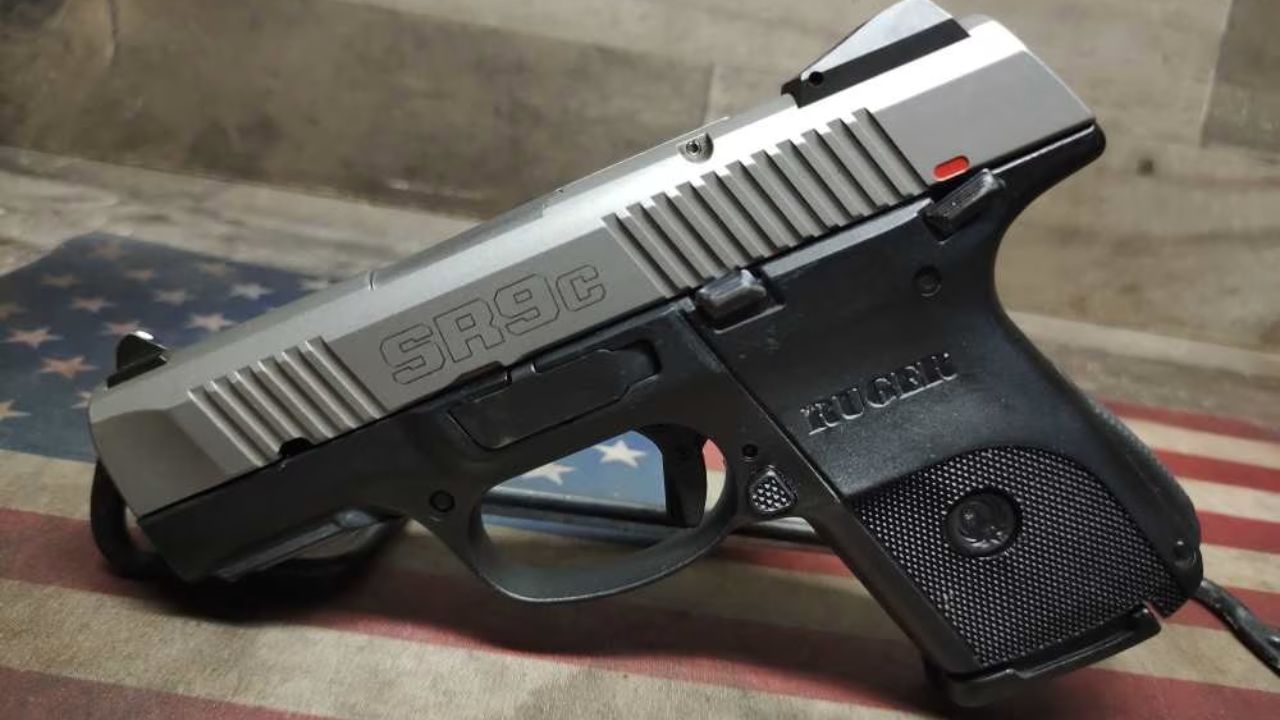
The SR9c was a solid “do everything” compact for its era, but it has a different feel than the current crop of striker guns. The trigger reset and break can surprise folks who are used to a Glock-style wall. That surprise turns into a dip.
When a pistol doesn’t match your timing, it feels like it’s inaccurate. Put it on paper from a supported position and you’ll often find it’s fine. Then you can work on your press, instead of blaming the gun.
12. Kahr PM9
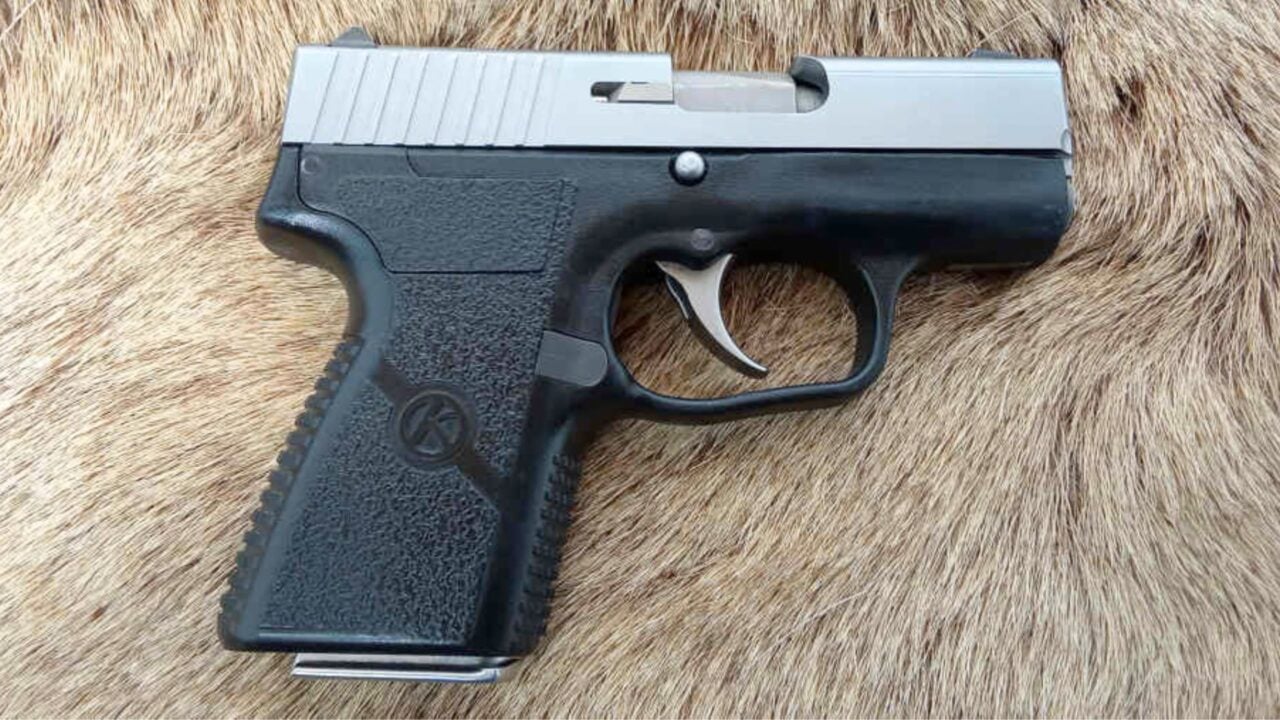
The PM9 is a serious pocket-sized 9mm, and it’s built for carry first. The long, smooth DAO trigger is deliberate. If you try to run it like a short, crisp striker trigger, you’ll drag the muzzle around and the group will string.
It’s a “keep pulling straight back” pistol. When you do your part, it’s accurate enough. When you rush it, it feels like the gun is wandering because the sights are moving the whole time you’re pressing.
13. SIG Sauer P238 (tiny sights, tiny grip, big expectations)

The P238 is one of those little pistols that feels nicer than it has any right to. But it’s still a small .380 with a short grip, and most people don’t practice enough with it because it’s “just the small one.” That’s where the trouble starts.
It’s easy to over-confirm the sights and then slap the trigger when you think it’s perfect. Your eyes get too busy. Shoot it like a defensive pistol, not a bullseye gun, and you’ll usually see the hits settle down.
14. Glock 43 (snappy for its size)
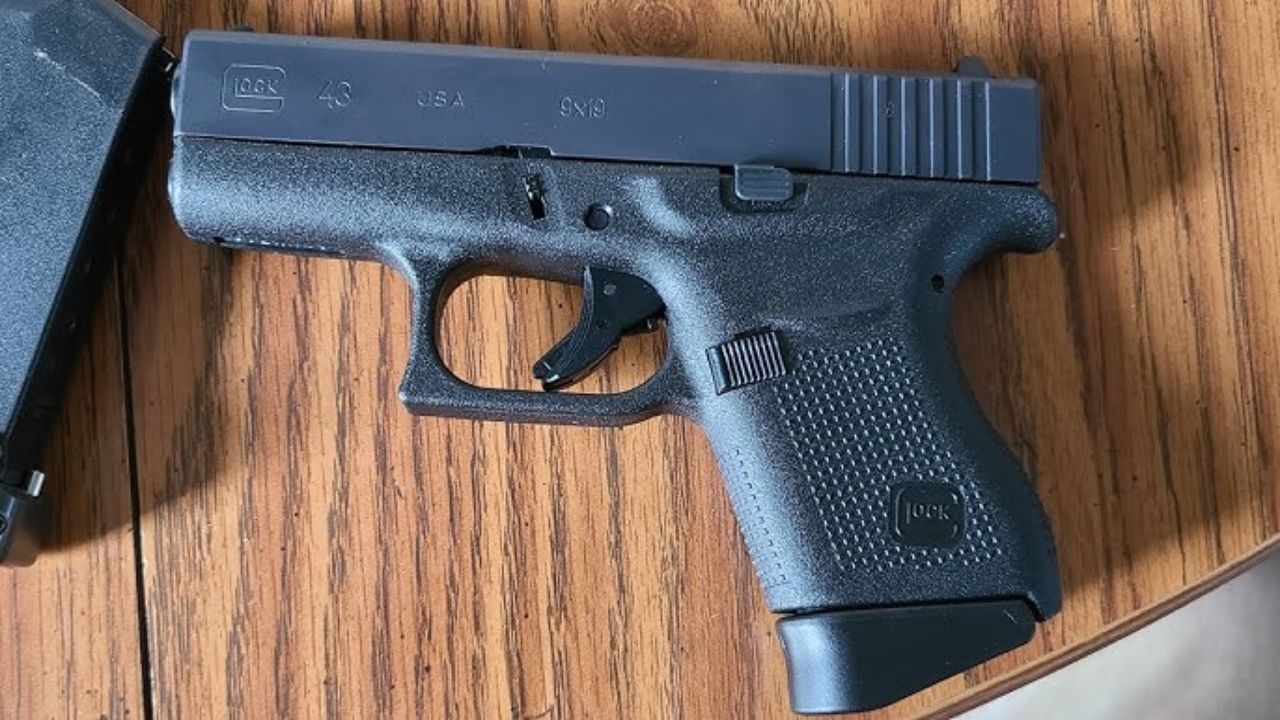
The Glock 43 is reliable and simple, but it’s not soft. That narrow grip and light weight make recoil feel sharper than many expect from a 9mm. When recoil surprises you, your hands do weird things right before the shot breaks.
Lots of shooters also end up with too little support-hand pressure because there isn’t much gun to grab. The 43 will absolutely hit where you aim—if you clamp it like you mean it and accept that it’s not a range toy.
15. Smith & Wesson J-Frame 642 (fixed sights and real-world ammo)
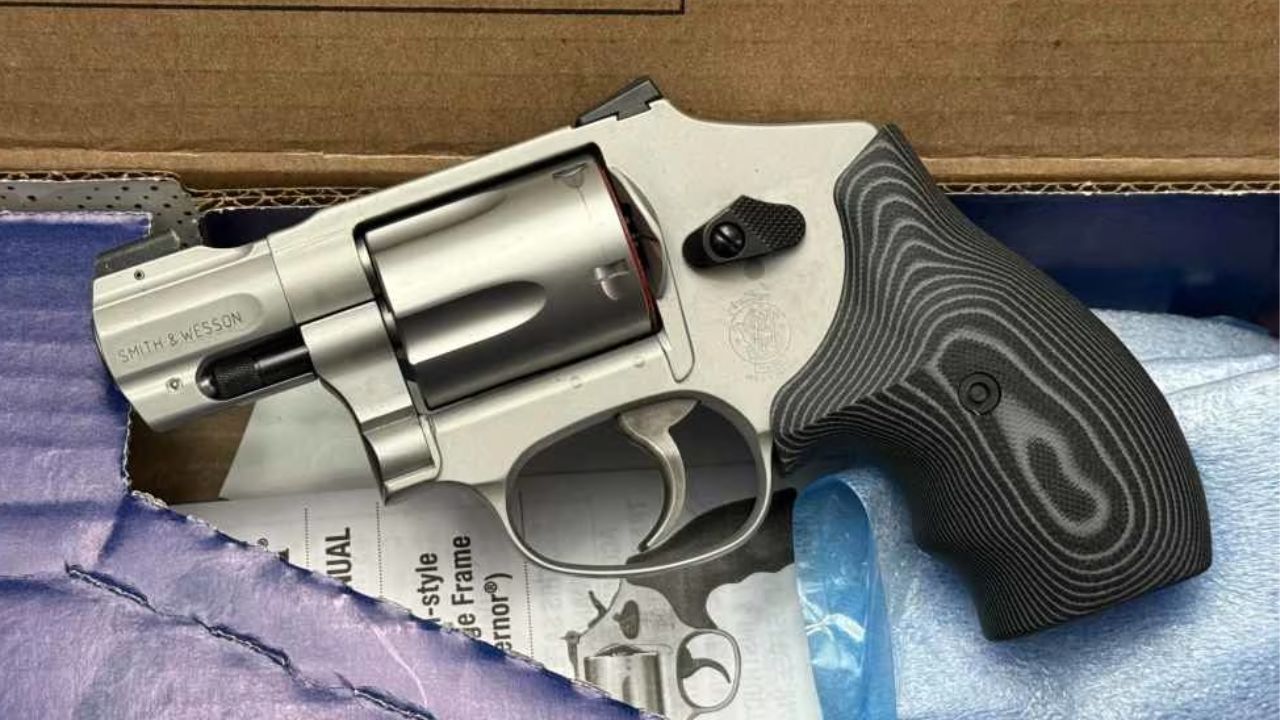
A lightweight snubnose will make you honest. The sights are fixed, the sight radius is short, and different .38 loads can hit in noticeably different places. If you practice with light target wadcutters and carry +P, don’t be shocked when the point of impact shifts.
There’s also the trigger. A good J-frame trigger is smooth, but it’s still long and heavy. If your finger isn’t pressing straight back, that little revolver will “miss” all day long while the gun is actually doing its job.
16. Colt Python (new production with heavy .357 loads)
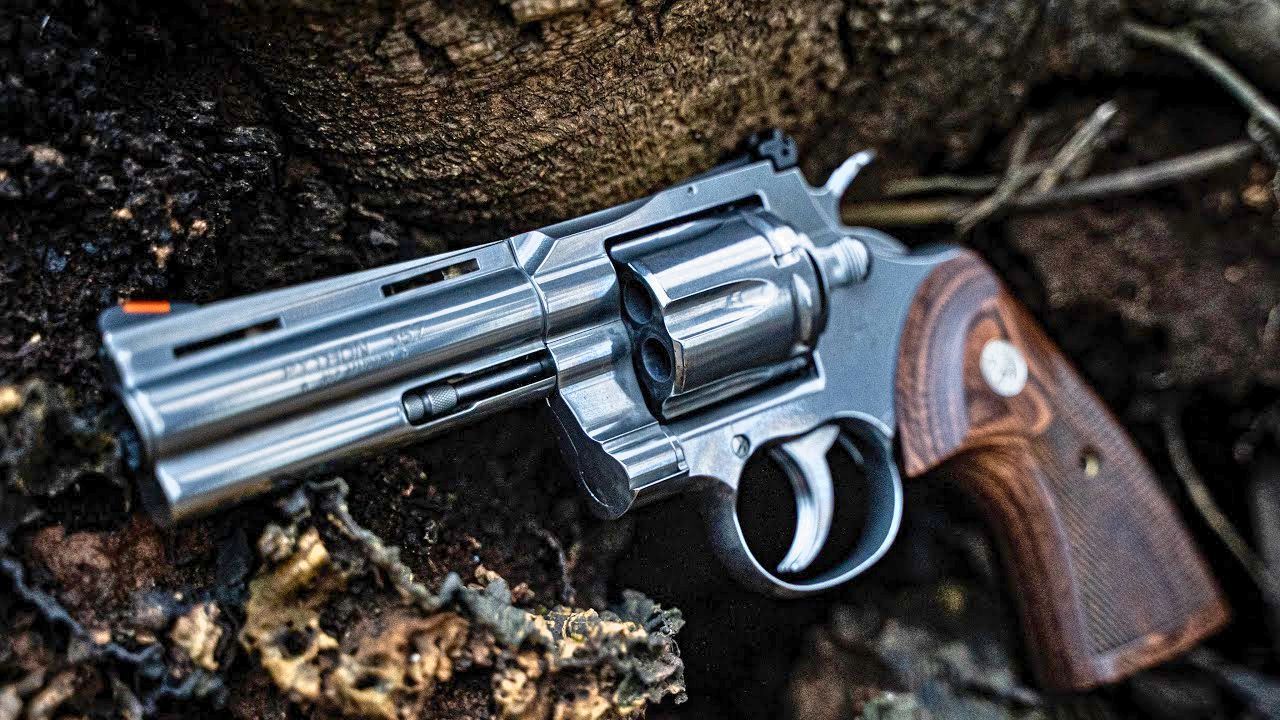
The modern Python is a fine revolver, but I’ve watched folks buy one, stuff it with hot .357, and then act surprised when the muzzle climbs and the hits rise and scatter. You’re not shooting a benchrest gun anymore. You’re managing recoil and timing.
Also, a lot of shooters aren’t used to a revolver’s sight picture and cadence. If you’ve been living on striker guns, you may find your first Python range day is humbling. Slow it down and try .38s first. There’s no shame in that.
17. FN Five-seveN (light recoil, weird grip habits)
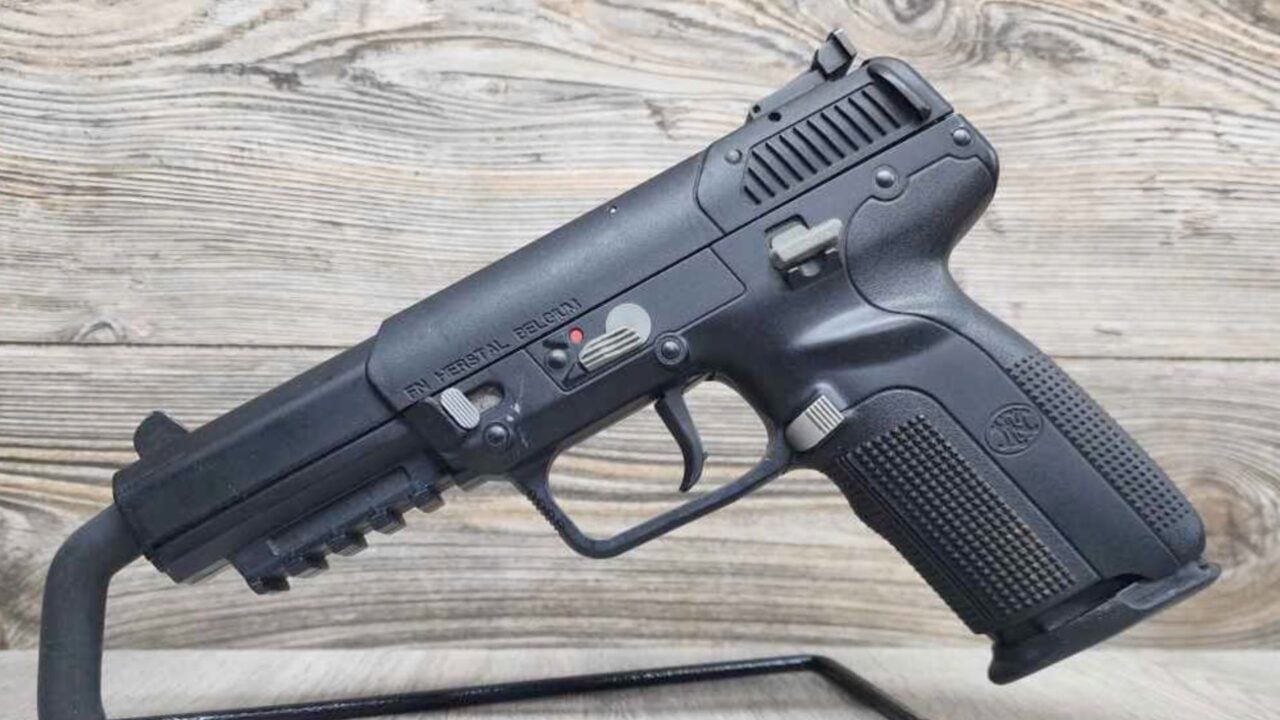
The Five-seveN has that light, fast recoil that tricks people into thinking they can hammer it without discipline. Then you see shots climb or string because the shooter is outrunning their sight picture. The gun doesn’t kick much, but it cycles quick.
It’s also a large-frame pistol with a grip angle that not everybody points naturally. If it doesn’t index for you, you’ll be “hunting” for the sights every presentation, and that alone will make you feel like it never hits where you want.
18. Heckler & Koch VP9SK (short grip without the right extension)
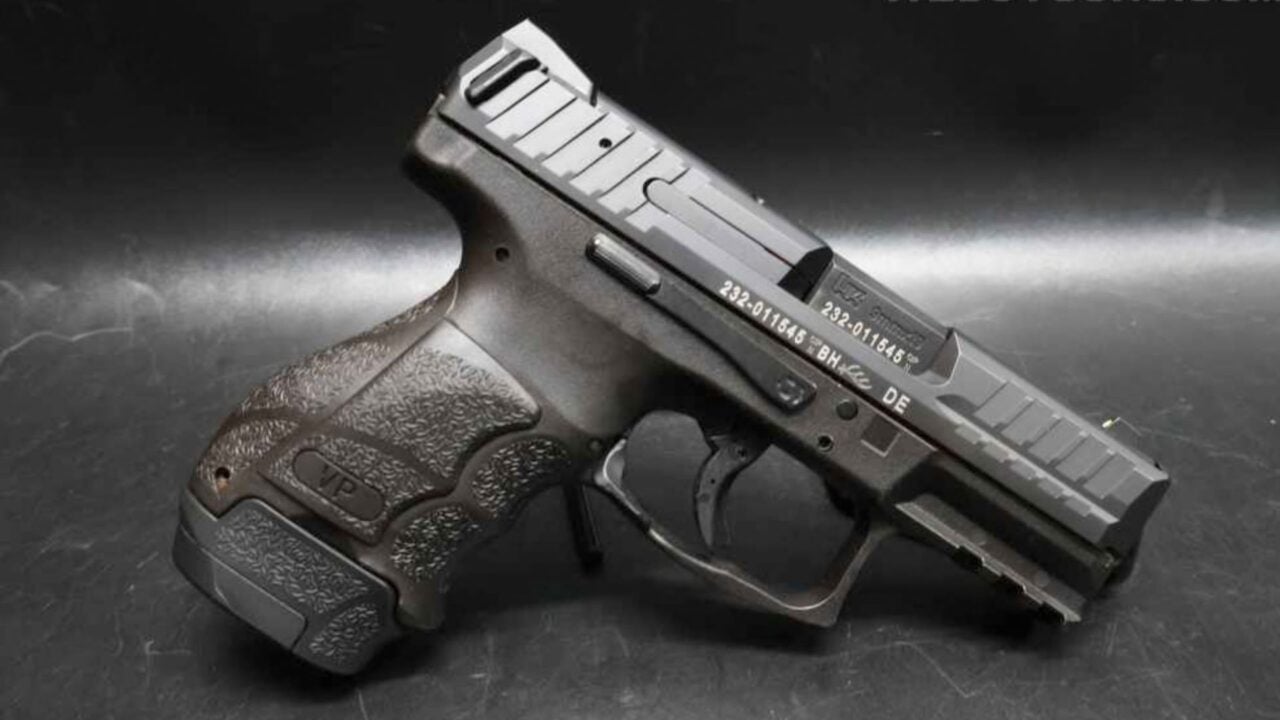
The VP9SK is accurate and well-made, but that short grip can turn into a problem if you don’t have enough pinky purchase. A half-grip makes you steer the gun at the last second, especially on the first shot from concealment.
I’ve also seen folks overthink the VP9’s ergonomics and change backstraps and side panels constantly. Pick a setup, train with it, and confirm your point of aim/point of impact with your carry load. Chasing comfort can turn into chasing groups.
19. Beretta APX A1 Carry (tiny gun, heavy-ish pull)

This one is marketed hard as a micro carry option, and it does conceal well. But small pistols with heavier triggers are a recipe for low hits if you’re not focused. Your finger is working harder than your grip, and the muzzle dips.
When you see consistent low groups, it’s tempting to crank the rear sight or blame the gun. Try a few magazines of slow, deliberate presses and watch what happens. If the group moves up, you just found the issue.
20. Remington R51 (the concept was better than the execution)
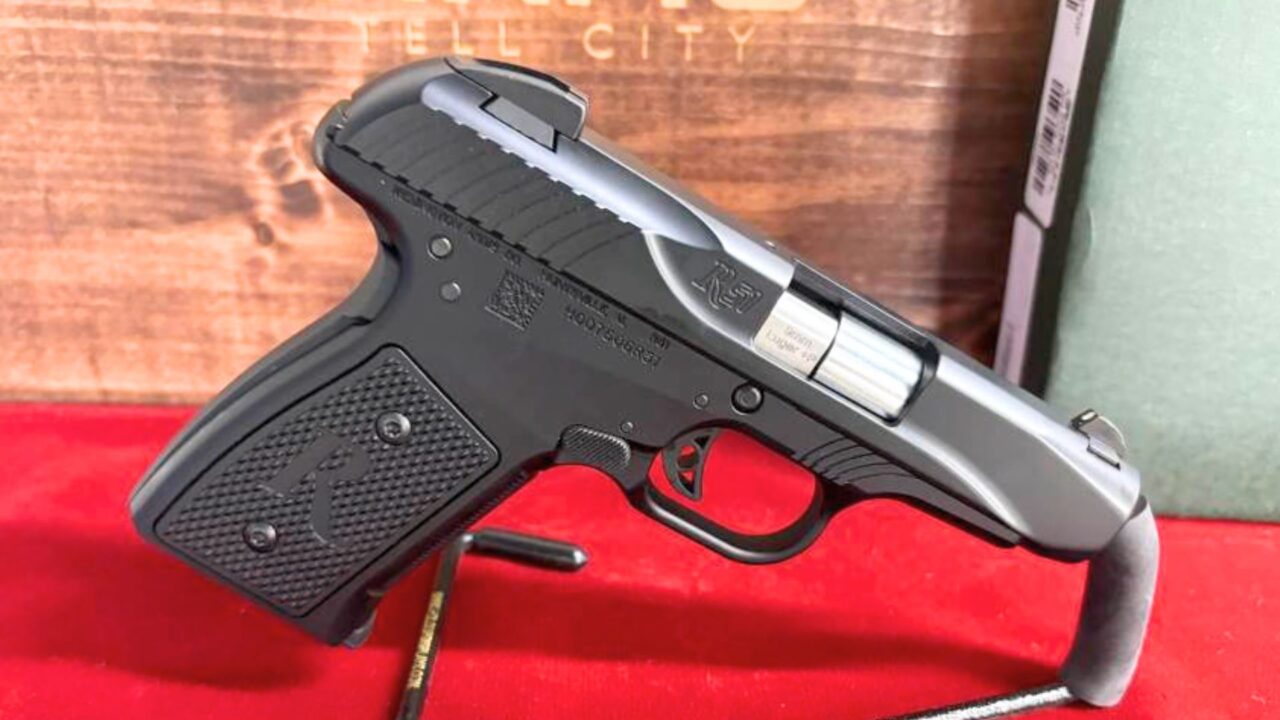
The R51 had an interesting design and a lot of curiosity around it, but it earned a reputation for being inconsistent from one example to the next. When a pistol’s trigger feel and cycling behavior aren’t predictable, your shooting gets unpredictable too.
I’ve seen R51 owners either love theirs or fight it constantly. If you have one that runs, fine—verify where it prints and keep it as a range oddball. If it doesn’t, don’t waste years trying to talk yourself into trusting it.
The honest truth is this: most “inaccurate” pistols are really a mix of short sight radius, hard triggers, poor visibility, and mismatched ammo. Before you write a handgun off, put it on paper from a supported rest, confirm with the ammo you actually plan to use, and have someone else shoot it if you can. If it still won’t behave, you’re not crazy. Some pistols just don’t get along with some shooters, and life’s too short to fight a gun you don’t trust.
Like The Avid Outdoorsman’s content? Be sure to follow us.
Here’s more from us: