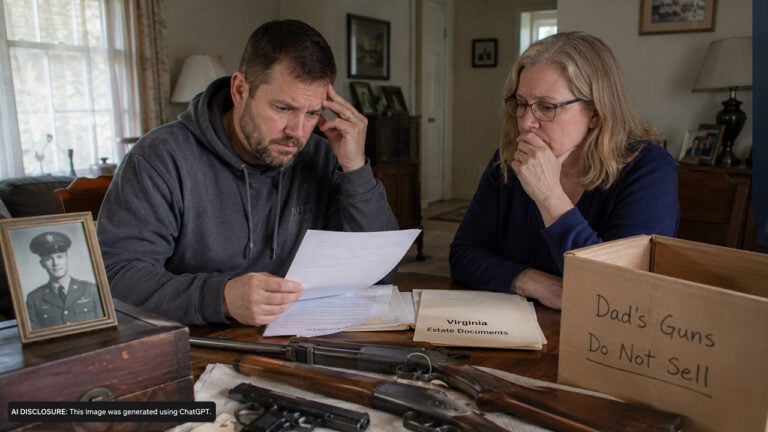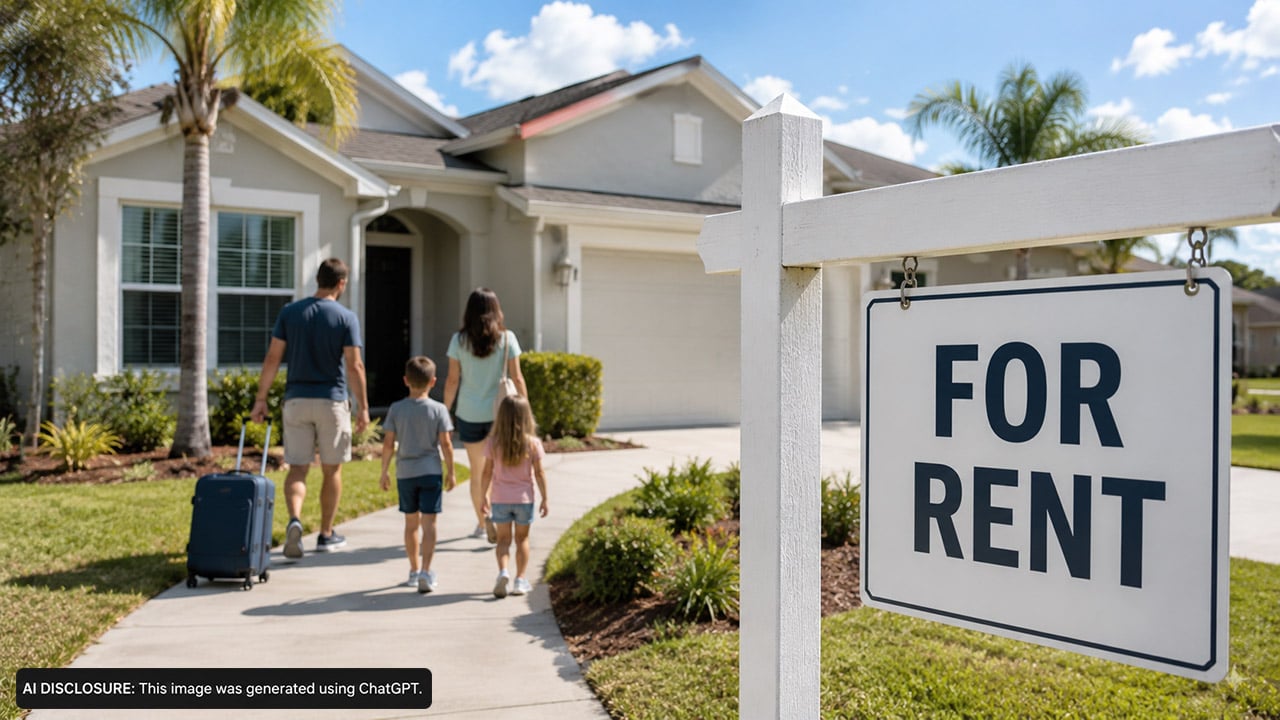
Photo credit: AI-generated image created using ChatGPT. Illustrative only
A family relocating to Florida thought they’d found a rare win in a tight rental market: a house big enough for a large crew, in the right area, after already burning time and money traveling to see it and negotiating terms. Then the final lease showed up for e-signature with a clause that changed everything—no firearms or “dangerous weapons” anywhere on the property.
The details come from the discussion on Avvo, where the renter asked if a residential lease in Florida could effectively wipe out their right to keep arms at home. The lease language didn’t just prohibit reckless behavior; it flatly stated tenants “shall not possess or cause to be present a firearm or other dangerous weapon on the Property,” then defined “dangerous weapon” broadly as basically anything capable of causing death or serious bodily injury.
The lease clause wasn’t subtle—it was a blanket ban
This wasn’t a “no discharge” rule. It wasn’t “no open carry in common areas.” It wasn’t even “guns must be stored unloaded” language. It was a full stop: no firearms present, period, and a sweeping definition that would likely rope in a lot more than guns depending on how aggressively it’s interpreted.
For an outdoors-minded family—folks who may hunt, shoot, or simply prioritize home defense—that kind of clause doesn’t feel like a small lifestyle limitation. It feels like being told you can rent the home, but you can’t live like you do. And because they said it was the only rental that fit their needs, the practical pressure was obvious: sign the lease and give up something you consider non-negotiable, or start the housing search over.
Attorneys zeroed in on a hard truth: the Constitution limits government, not private contracts
Multiple attorneys answered with the same core point: constitutional rights like the Second Amendment constrain government action, not private parties. In plain terms, a private landlord isn’t the state. A private lease isn’t a statute. So a constitutional argument—by itself—usually doesn’t get you very far when you’re dealing with a contract you can either agree to or walk away from.
One attorney put it bluntly: the Second Amendment “applies ONLY to the powers of government, not individuals.” Another echoed that private entities can limit conduct through contracts the same way HOAs restrict paint colors, parking, and other otherwise-legal behavior. The theme was consistent: you’re not being arrested for owning a firearm; you’re being asked to agree that you won’t have one on that particular property.
“It’s your home” vs. “it’s the landlord’s property”—and why renters feel trapped
The renter pushed back in a way a lot of working families will understand. They weren’t asking about carrying in a grocery store or courthouse. They were talking about the place where their kids sleep. To most gun owners, “home” is the line in the sand. It’s where safe storage plans live, where a bedside setup might exist, where the defensive plan is built around protecting family, not winning an argument.
But one attorney responded with the other side of that reality: in a rental, it’s still the owner’s property. The tenant gets the right to occupy under the lease terms, but that right comes bundled with restrictions if you sign on the dotted line. That’s a bitter pill, especially in markets where families feel like they don’t have options and big management companies can dictate terms.
Another attorney tried to bridge the gap by pointing out that private parties set rules all the time—“in my residence, I get to make the rules,” was the gist—even while acknowledging that within your own home, lawful weapons are lawful. It’s a sharp distinction: legally “your home” can mean “where you live,” but contractually it can still mean “someone else’s asset with strings attached.”
The comments drifted political, but the practical takeaway stayed the same
The thread got heated, with the renter framing the move as leaving a “blue area” for Florida and some attorneys firing back about constitutional education and politics. The renter responded with a visceral home-invasion scenario and made it clear they believed self-defense at home is a basic right that shouldn’t be negotiable in a lease.
Buried under the back-and-forth, though, was a practical warning that matters to anyone moving—especially to Florida. One attorney pointed out how often newcomers don’t read HOA documents until it’s too late, then discover a pile of restrictions they never expected. Whether it’s flags, fences, boats, or yes, firearms policies in certain communities, the theme is the same: the paperwork is where the real rules live.
What options did the renter really have?
Based on the attorneys’ responses, the renter’s realistic choices weren’t about “invoking” the Second Amendment. They were about leverage and risk.
Option one: don’t sign, and keep looking. That’s the cleanest answer, but it can be brutal when you’ve got a big family, limited inventory, and a ticking clock. Still, if a clause is a deal-breaker, signing and hoping it never matters is a bad plan—because leases become weapons when relationships go sideways.
Option two: negotiate the clause before signing. The renter noted they believed it “turned out to be” the California-based management company’s doing, not necessarily a local Florida mindset. That matters, because management companies often use boilerplate language across many homes. Sometimes that language can be amended if the actual owner is reasonable and the tenant is otherwise solid.
Option three: consult a local real estate/landlord-tenant attorney to see if there’s any Florida-specific law that limits that kind of lease term in a residential setting. The Avvo answers emphasized general contract principles and the government-vs-private distinction, but they also carried the standard caveat: local law and specific facts can change outcomes. A quick consult can tell you whether the clause is likely enforceable as written and what exposure you’d be taking on by signing it.
And one more option, suggested in spirit by one responder: vote with your dollars. If a management company is pushing an “odious” lease, the only real signal they reliably understand is vacancies and lost applicants. Not always possible, but it’s real.
In the end, this wasn’t just a legal question—it was a lifestyle collision. The outdoors crowd tends to plan ahead: we check weather, we verify zero, we read regs, we walk property lines. Leases deserve that same treatment. If the paper says “no firearms on the property,” believe it, and decide before you sign whether that’s a home you can honestly call home.
Like The Avid Outdoorsman’s content? Subscribe to our newsletter so you never miss an article.
Here’s more from us: