Photo credit: AI-generated image created using ChatGPT. Illustrative only
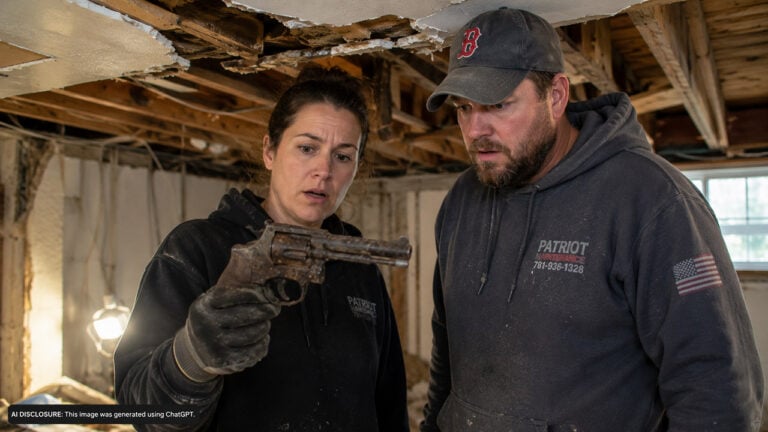
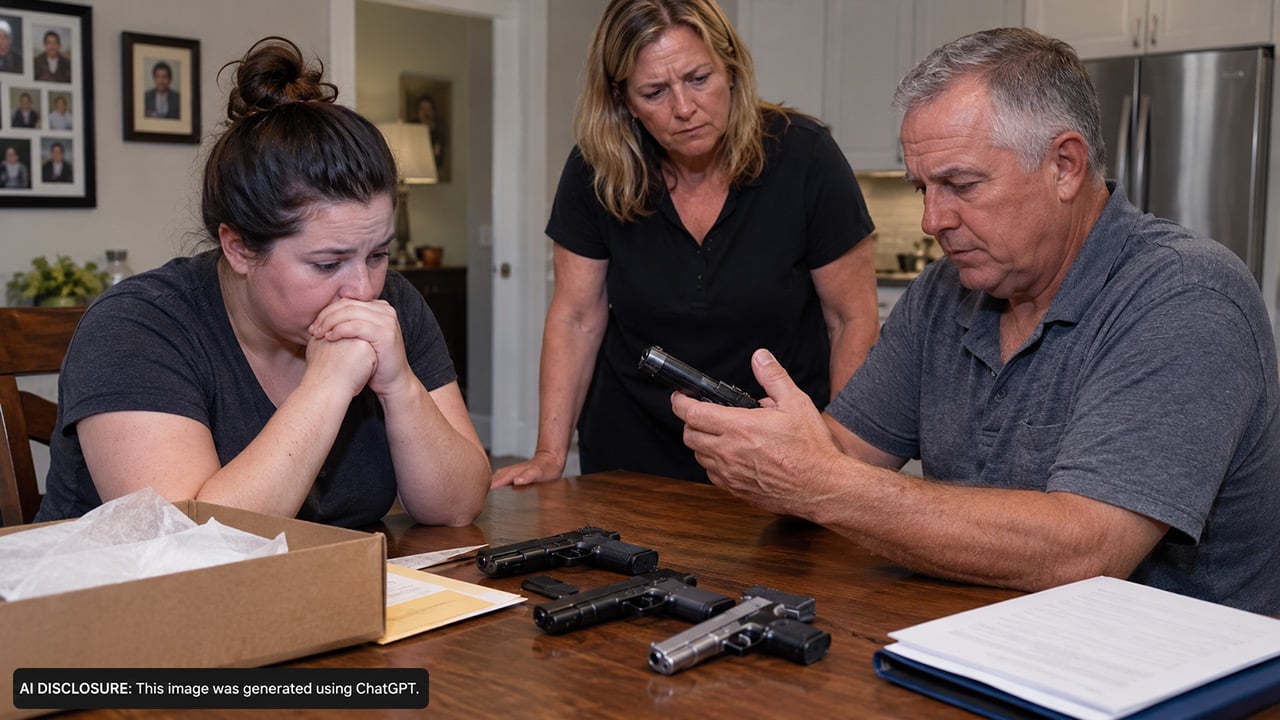
When somebody passes and you’re the one left boxing up their life, the last thing you want is a surprise that can hurt somebody. That’s exactly what happened to a family in Florida after an aunt died and three handguns turned up in the home—along with a whole lot of anxiety about what “possession” really means when you didn’t ask for any of it.
In the original post, the niece explains she and her mom were in Florida handling the estate. Neither one owned guns, neither had training, and the guns weren’t specifically mentioned in the will. A neighbor had them spooked, telling them that if they called law enforcement they’d be arrested or fined for having unregistered handguns—so the mom’s instinct was to quietly bring them home instead.
A common myth: “Unregistered” means “illegal”
A lot of non-gun folks hear the word “unregistered” and assume it’s the same as “contraband.” That’s not how it works in much of the country, and the fear can send families into bad decisions fast—like transporting firearms when they’re not comfortable, not knowledgeable, and not in a safe situation to store them.
The niece’s worry wasn’t only about paperwork. She flat-out said guns scare her, and she was especially uncomfortable with the idea of bringing them into a house where her father—described as a narcissistic alcoholic—could access them. That’s the kind of detail outdoorsmen understand: it’s not about politics, it’s about real-world risk.
The immediate problem wasn’t the will—it was handling and storage
When someone dies, the legal side matters, but the first priority is keeping everybody safe. Three handguns sitting in a house while people sort through belongings is a recipe for a bad day if nobody knows whether they’re loaded, how they’re stored, or who might wander in and find them.
If you’ve been around firearms your whole life, you forget how intimidating they can be to someone who hasn’t. A person with no training may not even know how to verify a gun is unloaded, or how to safely move it without putting their finger where it doesn’t belong. That’s why the “just take them home” plan can be the most dangerous option in the room—even if it feels like the quickest.
Why “take them home” can go sideways fast
The mom’s plan was driven by fear of getting in trouble for reporting the guns. But moving them introduces its own set of problems: you’re now talking about transportation, temporary storage, and potentially taking firearms into a home where the niece already feels unsafe.
On top of that, you’ve got the stress and distraction of estate work—packing, sorting, cleaning, meeting deadlines, talking to relatives. Folks make mistakes when they’re tired. And when the “mistake” involves a handgun, it’s not like dropping a box of kitchenware.
The safety concern changed the stakes inside the family
This wasn’t just a question of “How do we dispose of them?” It was also, “How do we keep them away from someone who shouldn’t have access?” The niece made it clear she did not want to live in a house with guns around her father. That’s a hard line, and it’s a reasonable one.
Plenty of responsible gun owners will tell you the same thing: if there’s an alcohol problem in the house, the safe-storage bar needs to be higher, not lower. If the mom brought those handguns back without a plan—no safe, no lock, no trusted handler—you’re essentially hoping everyone behaves perfectly forever. That’s not a plan.
What options were realistically on the table
With the limited details provided, the most practical choices usually fall into a few buckets: transfer them through proper legal channels, store them safely with someone who can legally possess them, or surrender/turn them over through whatever lawful process applies locally. The key point is that families dealing with estate firearms generally have options other than quietly “getting rid of them” or hauling them across state lines in a panic.
For outdoorsmen reading this, here’s the plainspoken takeaway: if you don’t want guns, don’t let fear push you into becoming the temporary gun custodian. Find a lawful, documented route that keeps them secured and out of the wrong hands. Many families use a local firearms dealer to handle a transfer or sale, especially when the heir doesn’t want them or doesn’t feel safe around them.
And if the family is unsure who legally controls the property right now—executor, personal representative, next of kin—slowing down matters. The guns are part of the estate like anything else, but they’re the one “asset” that can hurt somebody today if handled wrong.
The neighbor advice shows how bad information spreads
The neighbor’s warning—“report them and you’ll be arrested or fined”—is the kind of porch talk that gets repeated because it sounds plausible to people who haven’t dealt with firearms law. It also preys on the exact kind of moment people are most vulnerable: grief, stress, and confusion.
Even among gun owners, there’s a lot of misunderstanding about what law enforcement will do if you call and say, “A relative died and there are guns in the house; we don’t know what to do.” In many places, simply asking for guidance isn’t the same thing as confessing to a crime. But because nobody wants to be the test case, families clam up—and then do something unsafe.
If there’s one lesson here for gun owners, it’s to leave your own house in better order than this. Document what you own, store it properly, and make sure somebody responsible knows where it is and what your wishes are. Three mystery handguns with no plan puts your family in a bind they didn’t ask for.
At the end of the day, this Florida family wasn’t looking for a new hobby or a political fight. They were trying to clean out a loved one’s home without getting hurt, getting in trouble, or bringing a serious safety risk into their own household. That’s a situation where slowing down, securing the firearms, and using proper legal channels beats panic every time.
Like The Avid Outdoorsman’s content? Be sure to follow us.
Here’s more from us: