Photo credit: Gun&ShotTV/Youtube
Every few years the used-rifle world does a funny thing. A rifle that sat unloved on racks for a decade suddenly becomes “the one” again. Sometimes it’s a new hunting rule, sometimes it’s ammo availability, sometimes it’s just folks getting tired of plastic and proprietary parts and wanting something that runs forever with boring reliability.
I’m not saying every old rifle is a hidden gem. Some are heavy, some are awkward, and some were never that great. But there are a handful that have started making a lot more sense lately—either because they’re legitimately useful, because replacement cost has crept up, or because the “new” stuff isn’t actually improving your day in the deer woods.
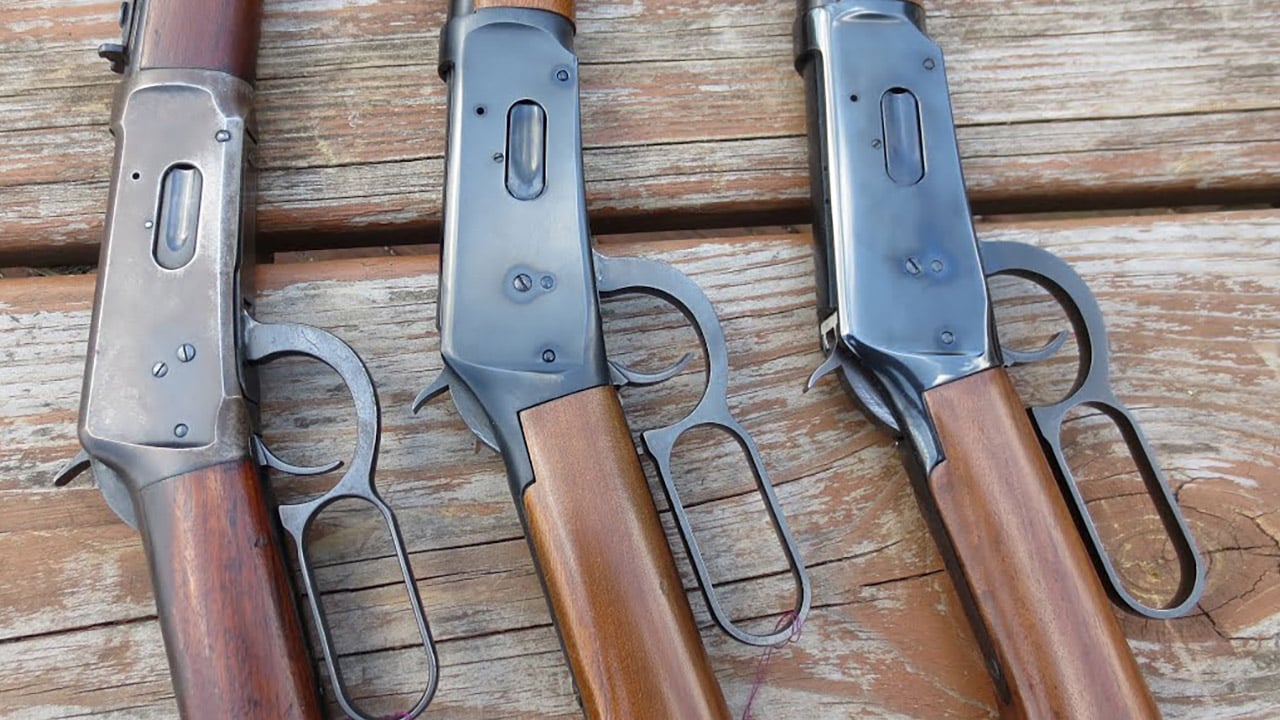
1. Winchester Model 94 (pre-’64)
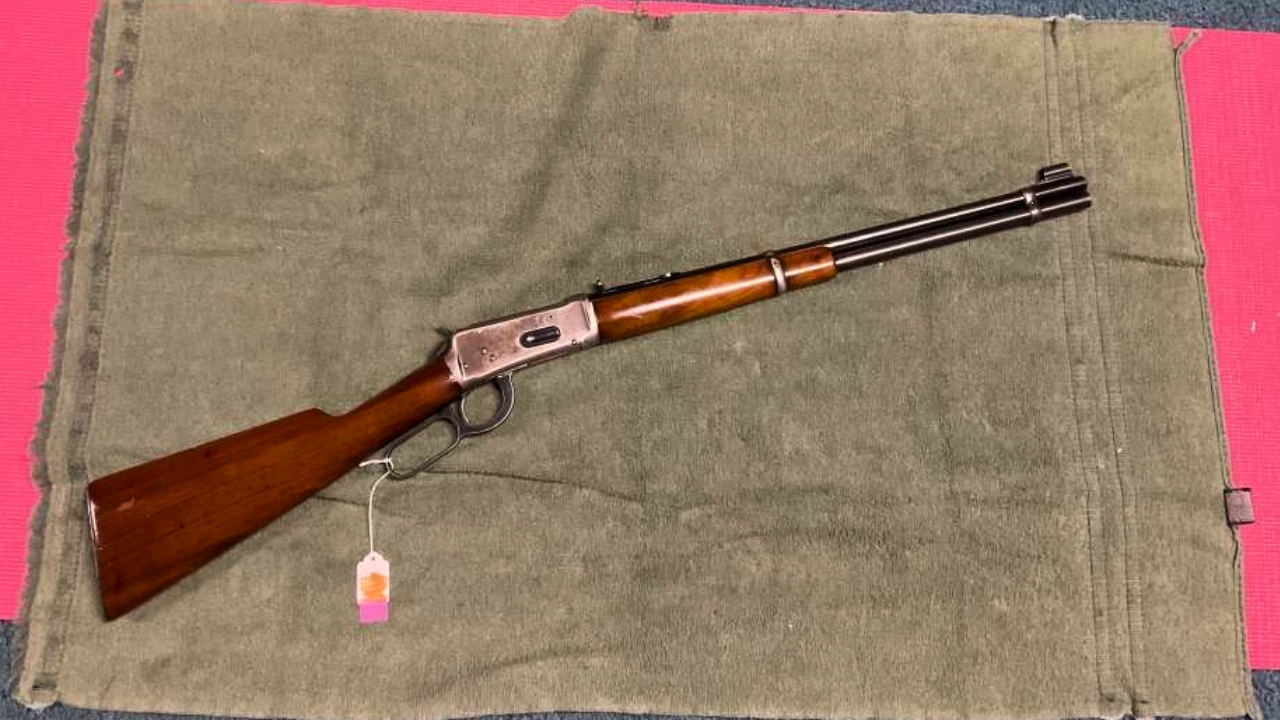
Carry one of these through thick timber and you remember why the lever gun has never really died. It rides flat against your body, comes to the shoulder quick, and doesn’t snag every vine in the county. The pre-’64 guns also tend to have that slick, worn-in feel that a lot of modern actions try to imitate but don’t.
They’re not benchrest rifles, and nobody should pretend they are. But inside normal woods ranges, a good .30-30 Model 94 is still an honest tool. The “suddenly worth attention” part is simple: clean examples are not getting easier to find, and the ones that haven’t been drilled, hacked, or abused are getting picked up fast.
2. Marlin 336 (JM-stamped)
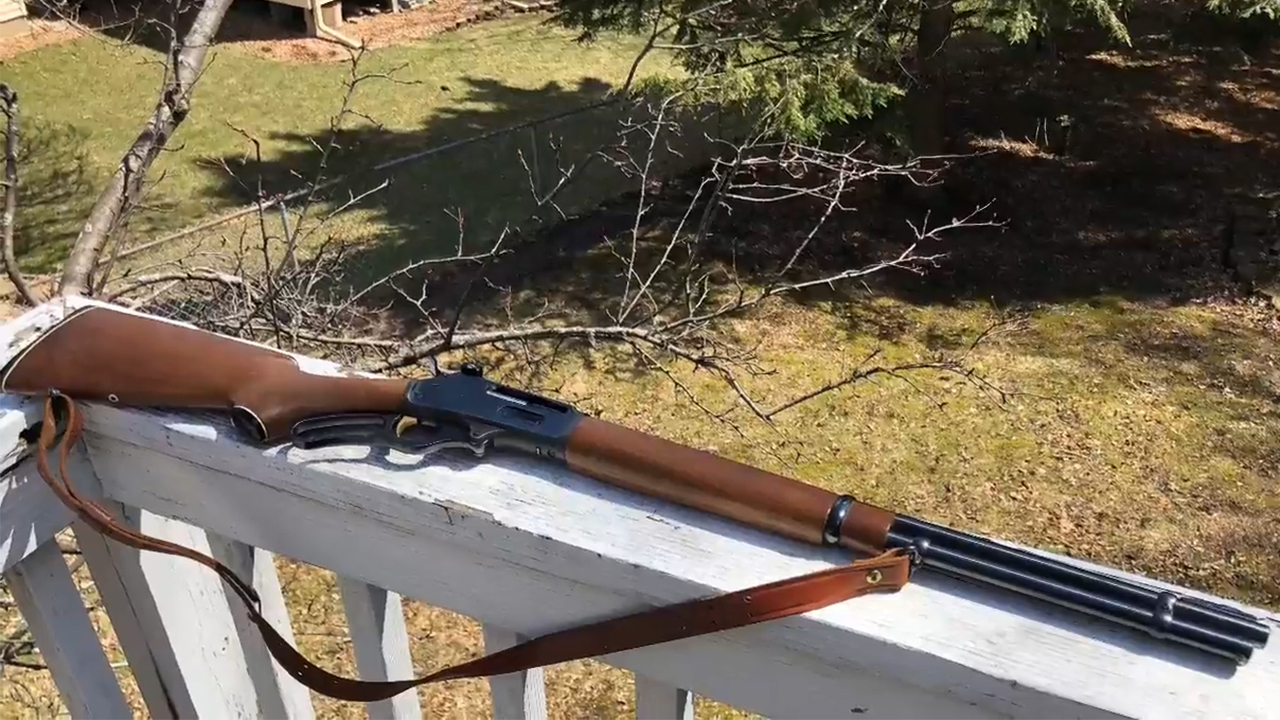
If you’ve handled a few, you know exactly why folks hunt the JM stamp. The action feels solid, the fit is usually better, and they tend to shoot the kind of groups you actually need in the real world. A 336 in .30-30 or .35 Remington is about as practical as it gets for whitetails in cover.
They’re also easy to live with. Parts, sling setups, and optic mounts are straightforward, and the rifle balances well. The downside is they’re no longer “cheap used lever guns,” and that one hurts if you remember what they used to go for.
3. Remington Model 7600

For the guys who grew up around pump shotguns, the 7600 is a natural. Fast follow-up shots, familiar controls, and it carries like a working gun, not a safe queen. In places where semi-autos get side-eyed or restricted for hunting, the pump rifle has always been a quiet workaround.
The catch is magazines and certain parts can be a pain, depending on caliber and variant. Still, if you find a clean 7600 in .30-06, .308, or .270, don’t shrug it off. A lot of hunters sold these to “upgrade” and then realized the upgrade didn’t really upgrade anything.
4. Ruger M77 Mark II (controlled-round feed)
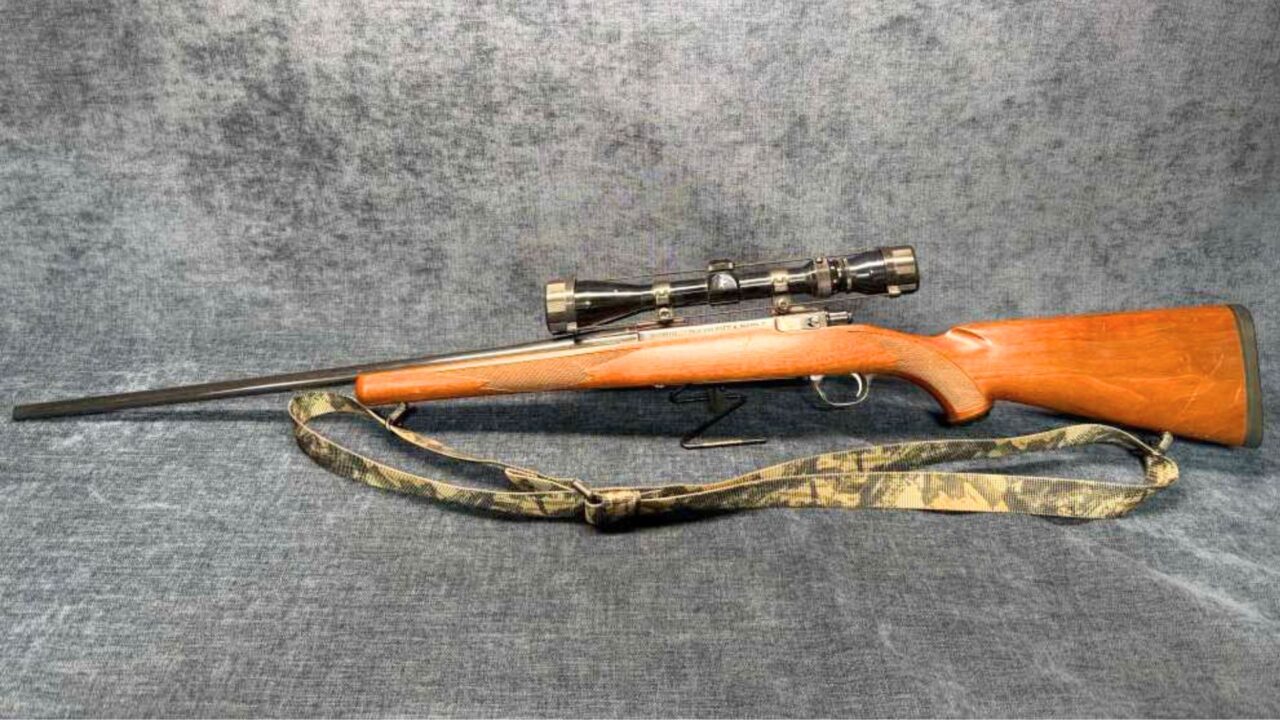
This is one of those rifles that feels like it was built for actual weather. The controlled-round feed and sturdy extractor are confidence builders when you’re cold, wet, and trying not to fumble a follow-up. It’s not fancy, and that is kind of the point.
They can be a little heavier than the newer featherweight darlings, and some triggers aren’t everyone’s favorite. But as a hunting rifle that lives in trucks, scabbards, and camps, the Mark II just keeps showing up and doing the job.
5. Winchester Model 70 (pre-’64)

“Rifleman’s rifle” gets tossed around too much, but the pre-’64 Model 70 earned its reputation. The action is smooth, the balance is right, and the whole thing feels like it was made by people who cared. If you’ve ever cycled one and thought, “Oh, so that’s what smooth is,” you get it.
They’re not the best choice if you want a cheap knock-around gun. But as a long-term hunting rifle that will outlast you if you treat it right, they’ve become harder to ignore. Especially in classic calibers like .270 and .30-06.
6. Savage 110 (older walnut/blued models)

The Savage 110 has always been the “ugly duckling that shoots.” A lot of the older ones aren’t pretty, and the finish might look like it lived behind a seat for twenty years. Then you shoot it, and it starts stacking bullets better than rifles that cost twice as much.
They’re also easy to keep running. The design is simple, and many of these rifles have already proven they don’t quit. If you want an older rifle that still makes sense for a new hunter, this is one of the first places I’d look.
7. Remington 700 BDL (older production)

The 700 has its baggage in the online world, and I’m not here to re-litigate every argument. I’m talking about the reality: a well-kept older 700 BDL is still a solid hunting rifle with good ergonomics and a huge ecosystem of mounts, stocks, and smith support.
They point well, they carry well, and they’ve taken more game than most “hot new” rifles will ever see. If you find one that hasn’t been messed with and it passes a basic function check, it’s worth a hard look. Just don’t get sloppy about safe handling and storage like it’s some relic from a simpler time.
8. Ruger No. 1
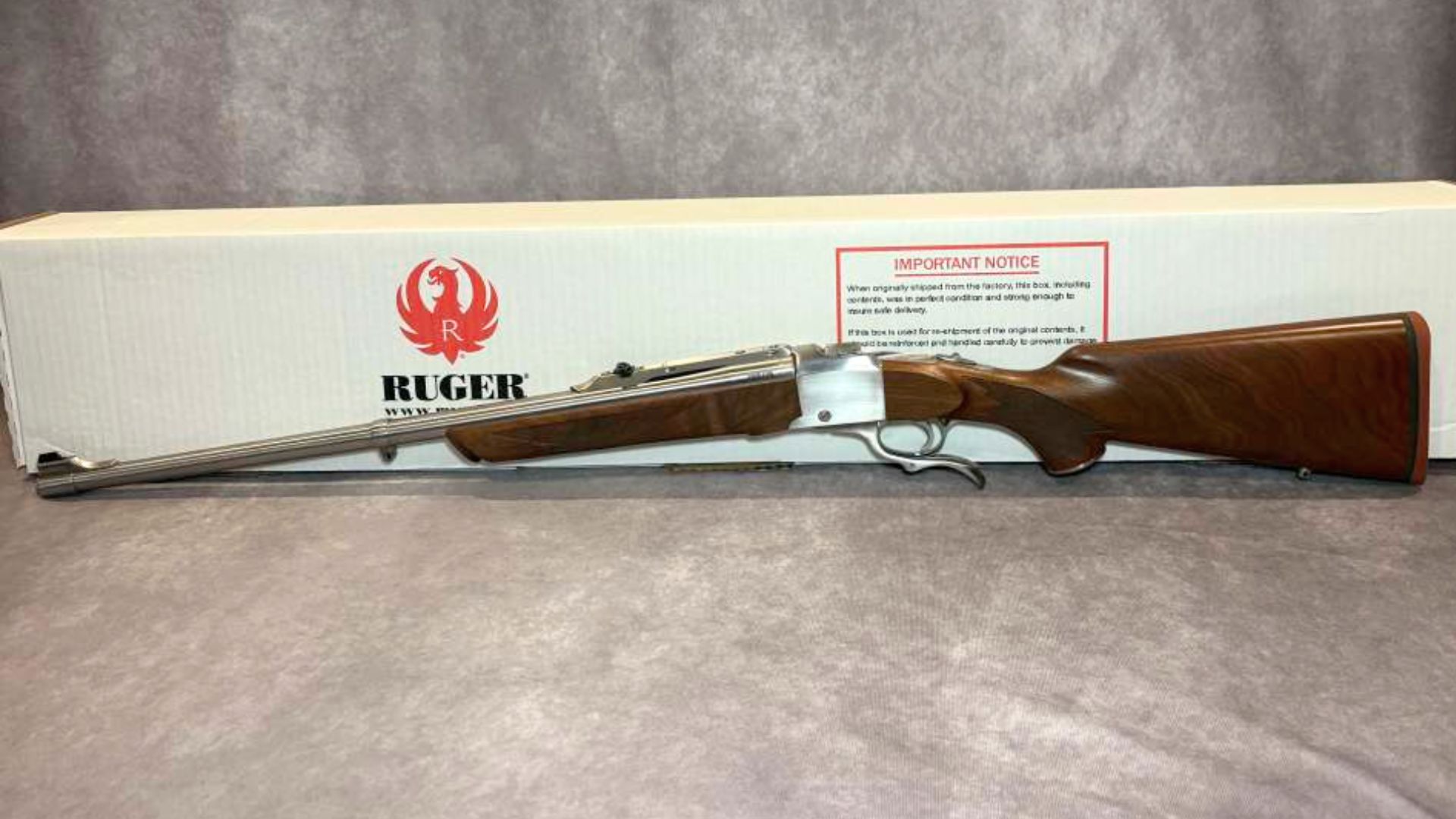
A single-shot falling block seems like a weird choice until you spend time with one. The Ruger No. 1 is compact for its barrel length, balances in a way that feels lively, and it has a simple elegance that modern rifles don’t even try for. It’s also plenty strong.
Is it for everyone? No. You give up fast follow-ups and easy “tactical” options. But if you want a rifle you’ll actually enjoy carrying and shooting, and you’re not allergic to doing things the old way, the No. 1 has quietly become a “wish I never sold it” rifle.
9. CZ 452
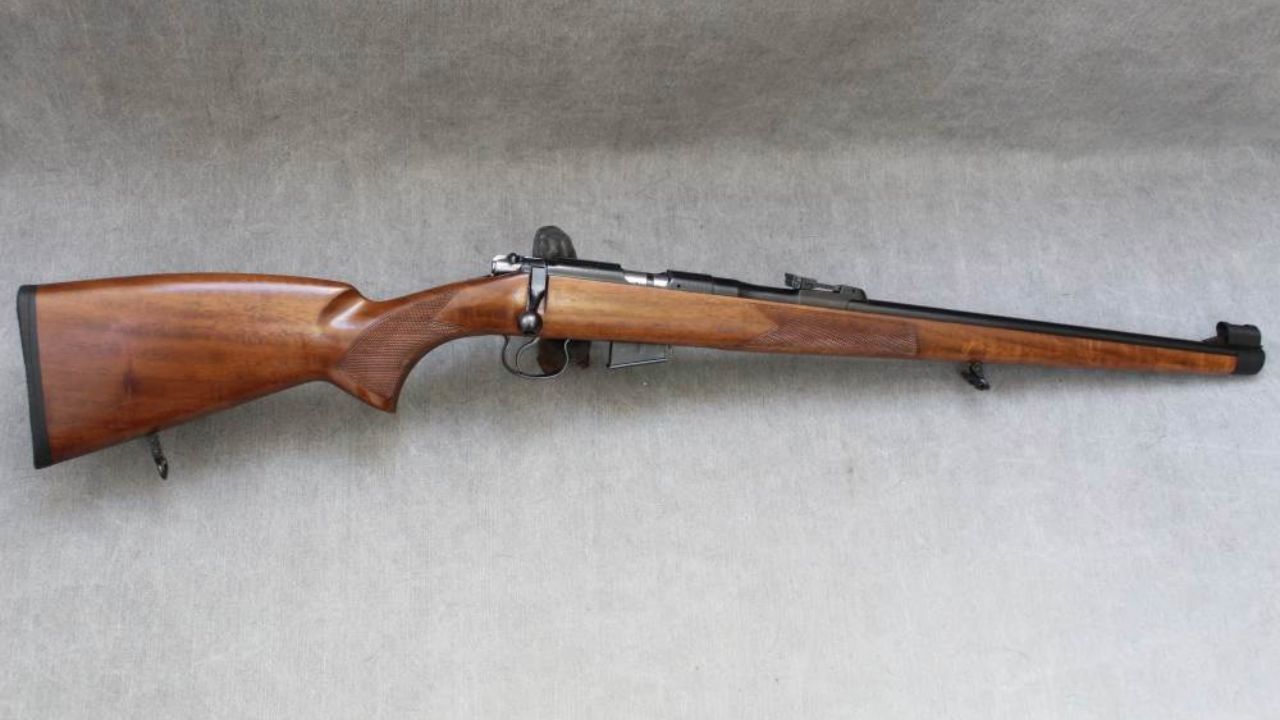
There are good .22s everywhere, but the CZ 452 has a way of making you slow down and shoot better. The wood-and-steel feel is classic, the accuracy is usually excellent, and the action has that clean, mechanical confidence.
Rimfire is where a lot of folks are trying to get more range time without spending a fortune. A 452 with decent glass is a squirrel rifle, a trainer, and a “stay sharp” gun all in one. And yes, they’re getting harder to find at the old prices.
10. Ruger 10/22 (older metal trigger group models)

The 10/22 is so common people stop appreciating what it is: a reliable, handy .22 that can be kept bone-stock or tuned to your taste without drama. Older ones with more metal in the trigger housing just feel a little more substantial in the hands.
It’s not rare, but it’s suddenly worth attention because everybody wants a .22 again—for kids, for pest control, for cheap practice. If you see an older one that hasn’t been “customized” into a science project, don’t assume another will be sitting there next week.
11. Remington 552 Speedmaster

This is one of the most underrated woods .22s ever made. It runs shorts, longs, and long rifle with a smooth semi-auto action that feels like it’s on ball bearings. If you grew up shooting one, you probably remember it just working, even when it was dirty.
They aren’t as modular as the 10/22 crowd wants, and that’s fine. The 552 is a field rifle, not an Instagram build. Clean examples get picked up quick because they’re the kind of gun you hand down.
12. SKS (Norinco/Type 56 and other common variants)
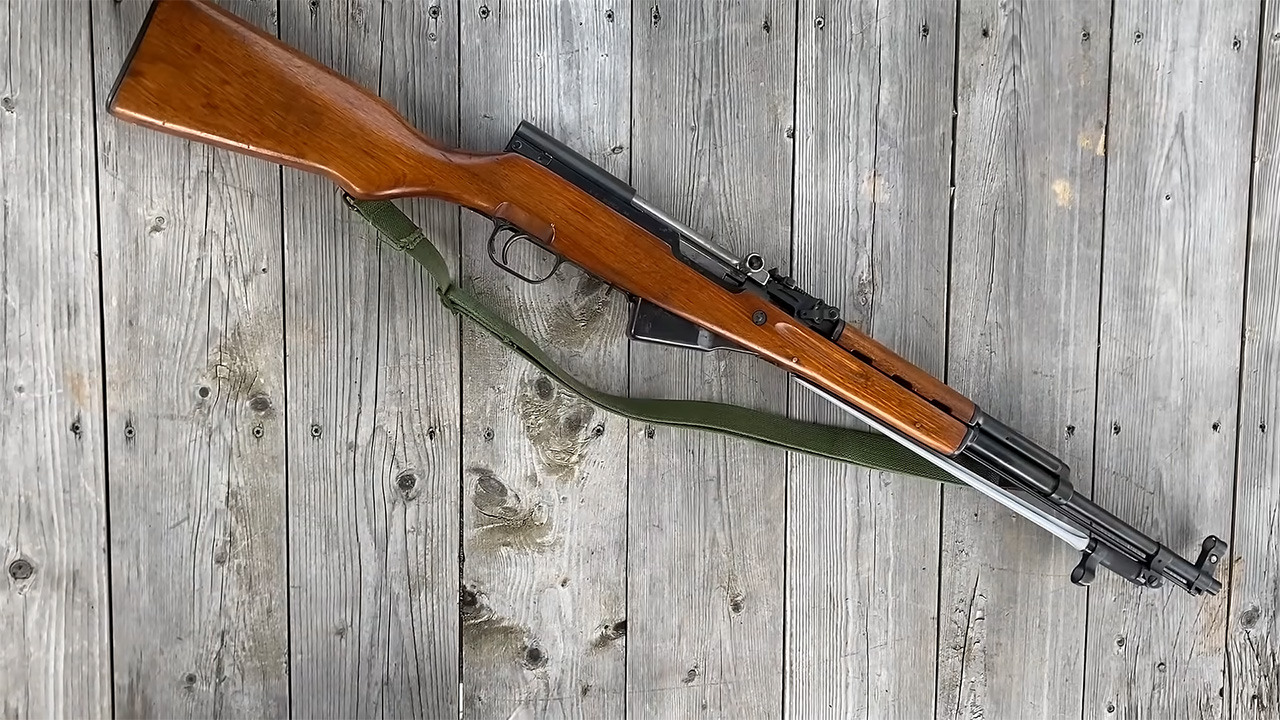
For years the SKS was the “cheap beater” rifle. Then cheap went away. What’s left is a simple, robust 7.62×39 rifle that’s easy to shoot, generally reliable with decent ammo, and still practical for ranch duty, hogs in tight spots, and backup rifle chores.
I’m not talking about bubba’d stocks and weird detachable mags that cause feeding problems. A clean, mostly original SKS is the one to pay attention to. Stripper clips are easy, and the rifle doesn’t need to be something it isn’t.
13. Ruger Mini-14 (180/181/early Ranch models)
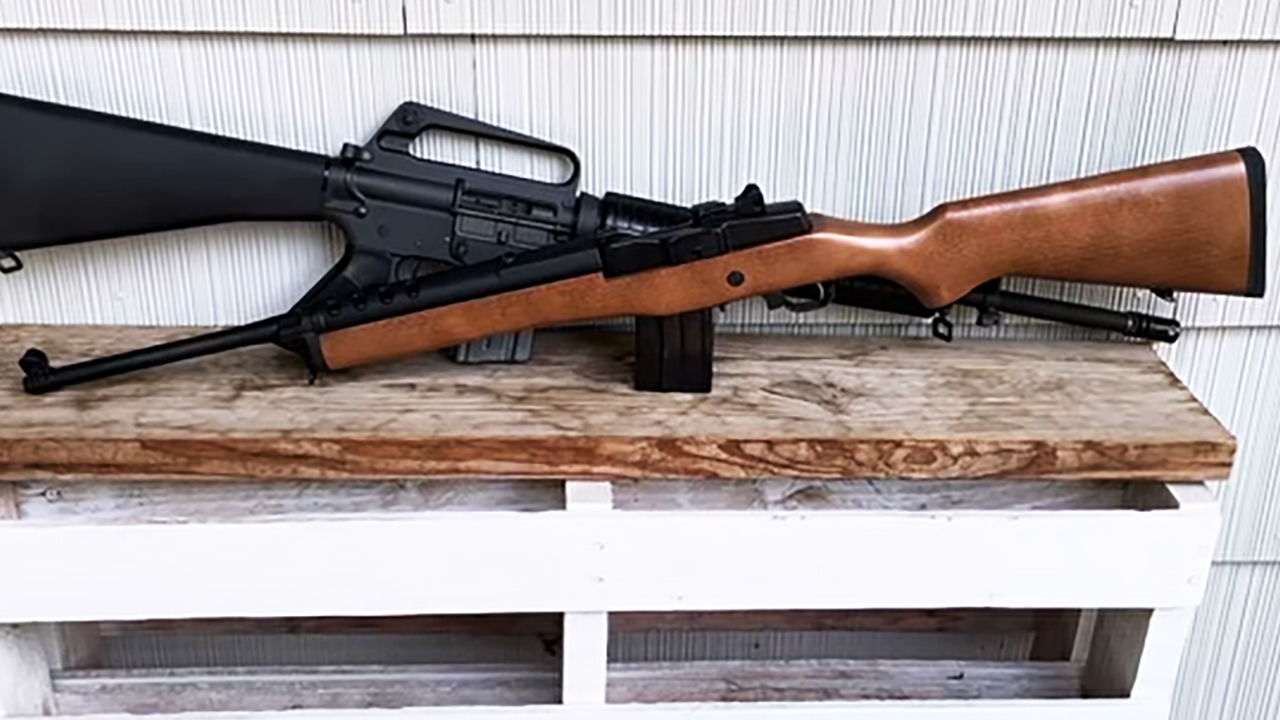
The Mini-14 has had a reputation roller coaster. Early thin-barrel guns can string shots when they heat up, and nobody should ignore that. But as a practical ranch rifle that carries easy and handles fast, the Mini still makes a lot of sense.
What changed is the market: good ARs are everywhere, but not everyone wants one, and not everyone wants the AR manual of arms. Minis with factory mags and a simple setup are gaining attention again, especially where a “traditional-looking” rifle keeps the peace with neighbors.
14. Colt AR-15 SP1
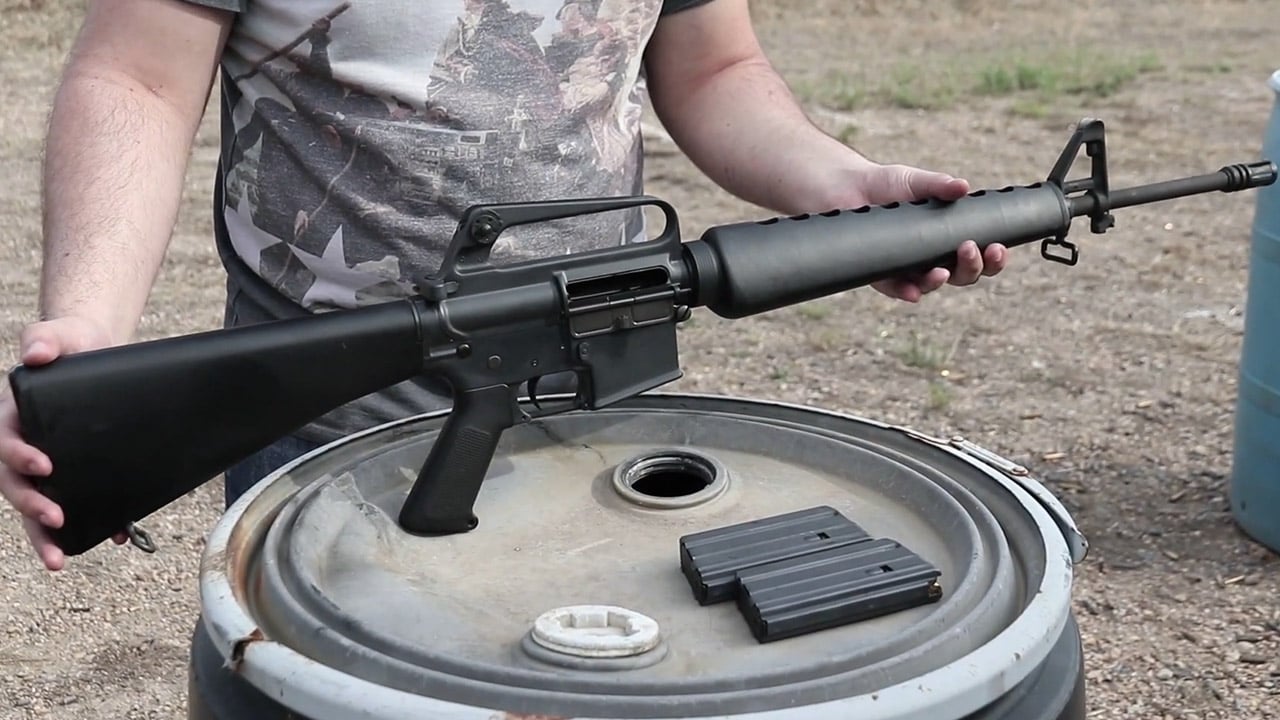
The SP1 is lightweight in a way that surprises folks used to modern rails and accessories. Shoulder it and you realize you can carry it all day without feeling like you packed a fence post. It’s also a slice of history that still shoots.
It’s not the best choice if you want a hard-use modern defensive rifle without compromises. But as an older AR that’s become genuinely collectible while staying useful, the SP1 is on a lot more radars now than it was a few years ago.
15. Springfield Armory M1A (Standard model)
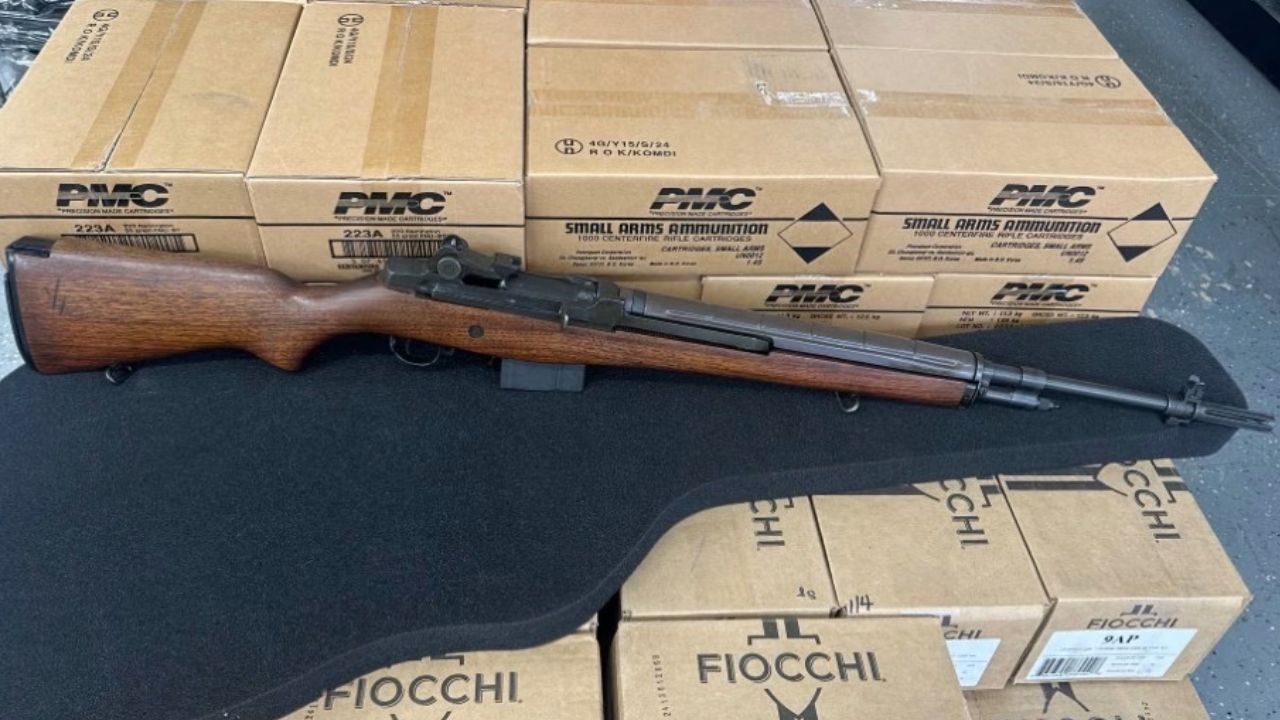
The M1A is heavy, loud, and not cheap to feed. And yet, it keeps earning safe space because it’s a legitimate .308 rifle with iron sights that are actually worth a darn. There’s also something about the feel of that action and the balance that just works for some shooters.
Magazines and parts are a consideration, and quality can vary by era. Still, the “suddenly worth attention” piece is that folks are rediscovering full-power rifles that aren’t bolt guns, especially for range time and property use where you want reach and authority without going to a precision rig.
16. M1 Garand (CMP-era and surplus rifles)
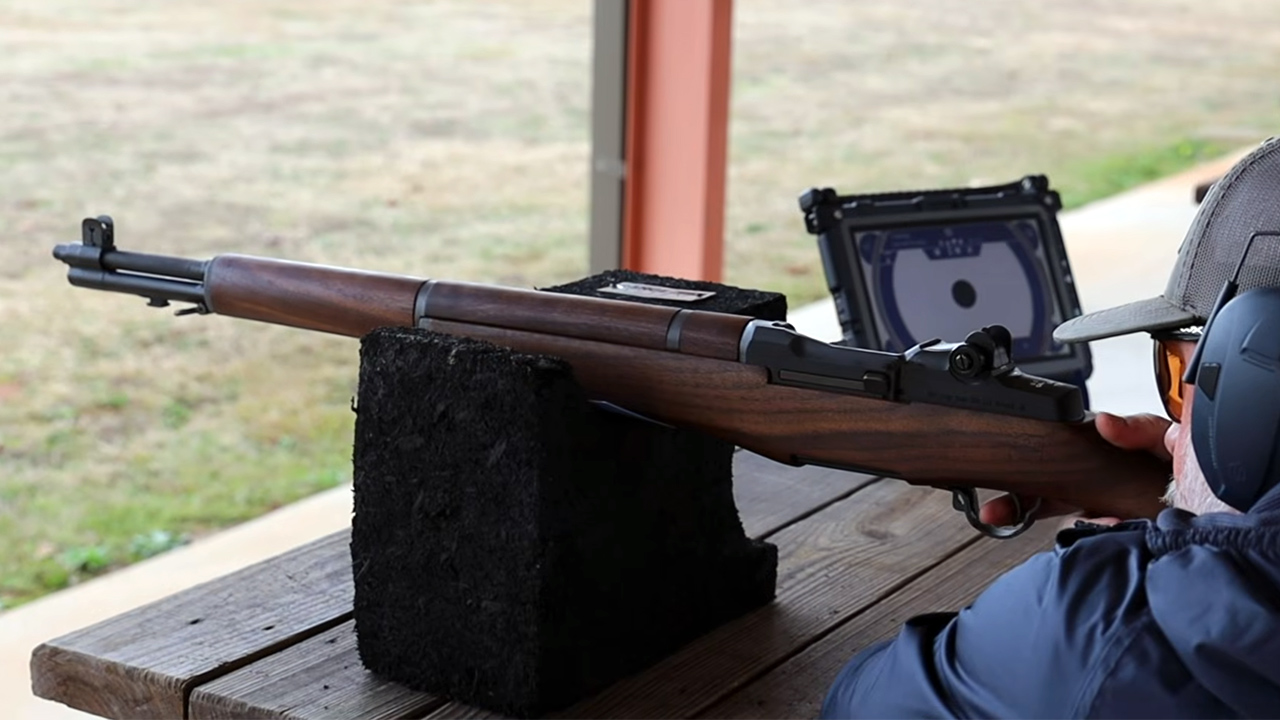
There’s nothing convenient about an eight-round en-bloc clip, and I’m fine saying it. But the Garand is one of the most shootable old battle rifles ever, and it’ll make you a better rifleman if you actually spend time behind it. The sights are excellent, and the rifle has a rhythm.
Prices have climbed, and good ammo choices matter for these rifles. But a Garand is more than wall décor. It’s a working rifle with history, and that combination is getting harder to buy without paying real money.
17. Mauser Model 1898 (military 98 actions and sporters done right)
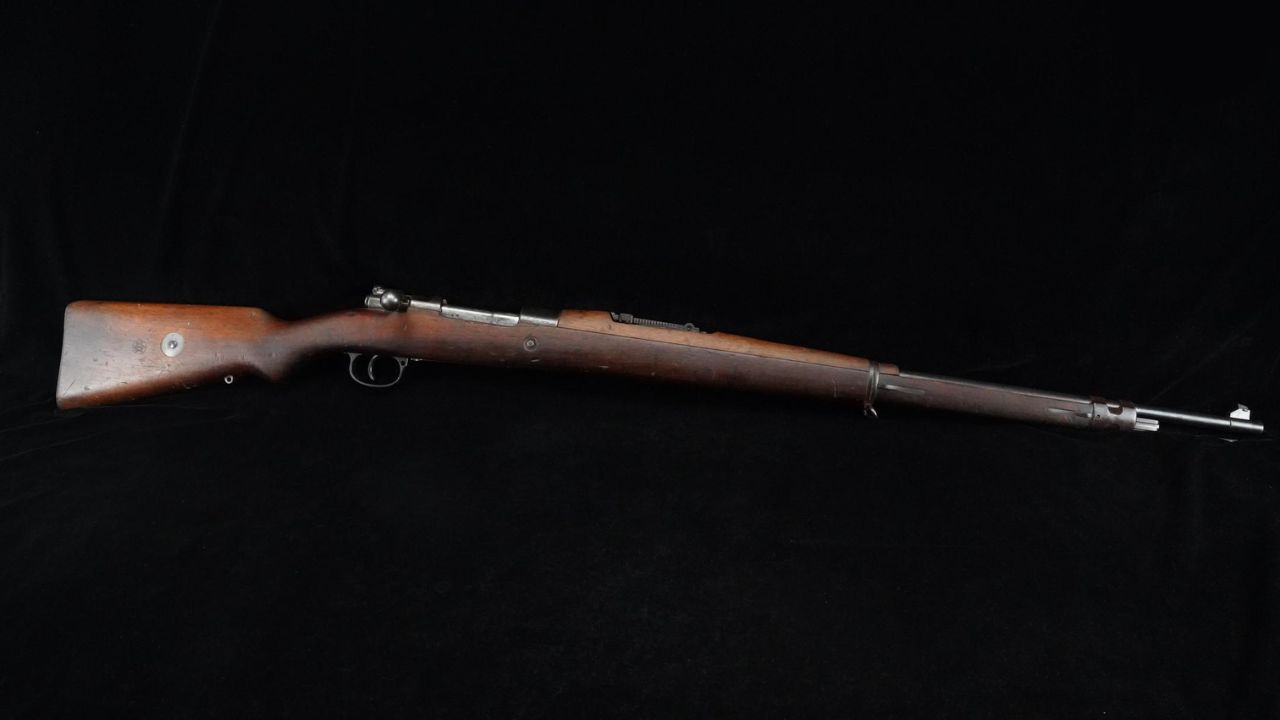
The 98 Mauser action is the reason a lot of modern bolt guns exist in the first place. When you run one that’s been cared for, you feel the controlled-feed reliability and the stout extractor doing its job. In rough conditions, that matters.
Now, I’ll say it: plenty of old sporterized Mausers were butchered. But the ones that were converted properly—good barrels, decent bedding, sensible sights—can be excellent hunting rifles. Finding a “done right” one is the trick, and that’s why they’re worth attention.
18. Lee-Enfield No. 4 Mk I

If you’ve never run a Lee-Enfield fast, you should. The action is slick, the bolt throw is quick, and the rifle has a way of staying on target through the cycle. It’s not a tiny rifle, but it carries fine with a proper sling.
.303 British isn’t as common as it once was, and that’s a real consideration. But as a rugged older rifle that’s still fun, still capable, and still different from the sea of modern stuff, the No. 4 has been getting renewed respect.
19. Browning BAR (Belgian-made and early Japanese hunting BARs)

The hunting BAR is not the same conversation as the modern tactical BAR talk you see online. I’m talking about the classic semi-auto hunting rifle that soaks up recoil and shoots flatter than it has any right to. For deer camps where quick second shots happen, they’ve always had a place.
They can be picky about maintenance, and they’re not as simple as a bolt gun. But if you find one that runs and has been kept clean, it’s a serious hunting rifle. Replacement cost on a comparable new semi-auto hunting rifle will make you blink.
20. Ruger Gunsite Scout Rifle (early runs)

This one isn’t “old” like a Garand, but it’s old enough to have gotten overlooked when the newest fad rolled through. The Gunsite Scout is handy, short, and practical in a way that makes sense on a ranch, in a truck, or walking fence lines. The controlled-feed action and iron sights are not just decoration.
It’s not a dedicated long-range rifle, and it’s not a featherweight mountain rig either. But it’s one of those rifles you end up grabbing because it’s there, it’s simple, and it works. Ask me how I know.
If you’ve got one of these sitting in the back of the safe, now’s a good time to give it a wipe-down, check the screws, and put a few rounds through it. The older rifles that are gaining steam aren’t magic—they’re just proving, again, that “new” isn’t always better, and boring reliability is still worth having around.
Like The Avid Outdoorsman’s content? Be sure to follow us.
Here’s more from us: