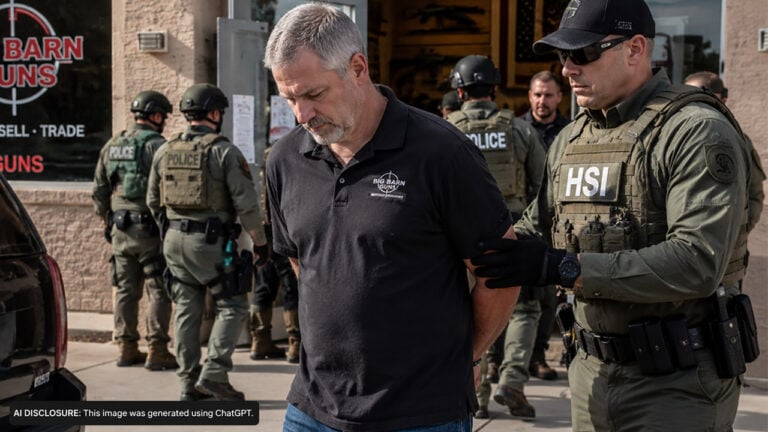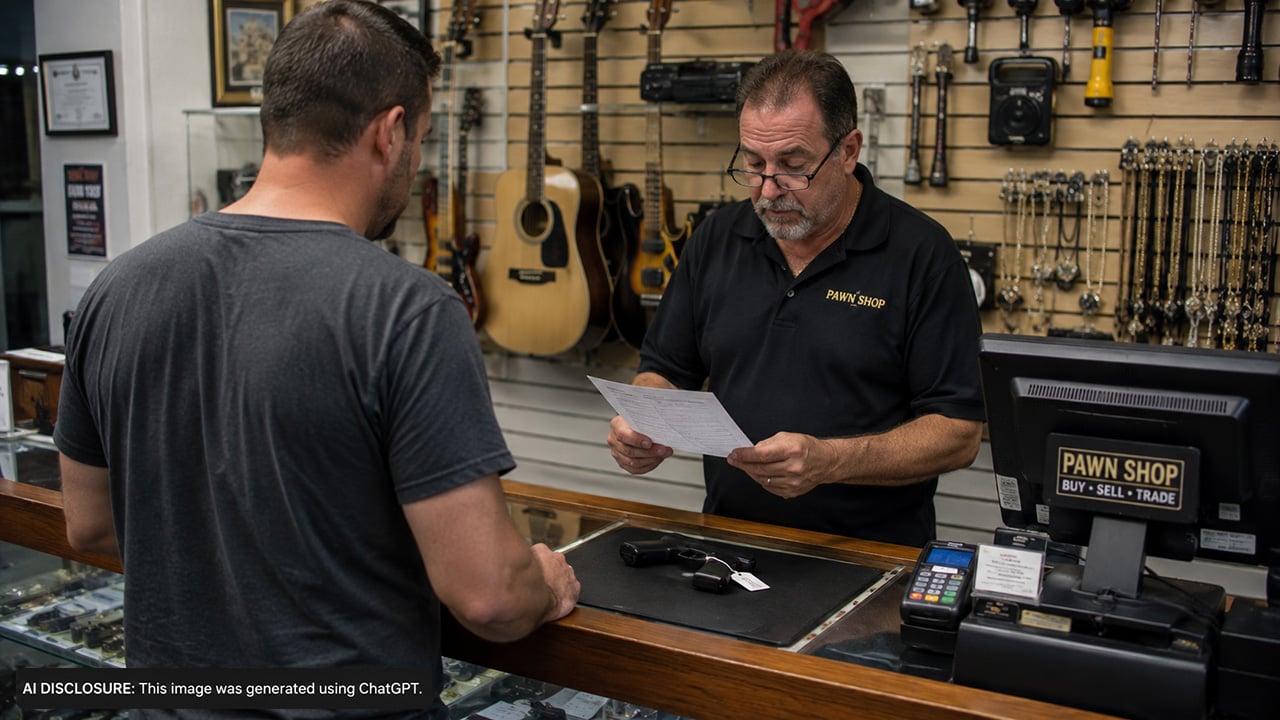
Photo credit: AI-generated image created using ChatGPT. Illustrative only
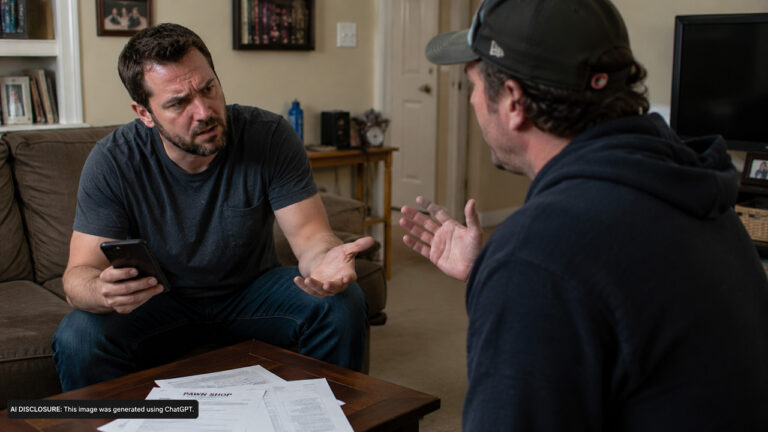
Pawn shops are supposed to be simple: you put something down as collateral, you pay the fees, and you get your property back. But one Nashville gun owner says his experience went sideways after he finally scraped together enough cash to redeem a pawned handgun—only to later be told the gun had been turned over to be destroyed.
The account comes from the original post on Avvo, where the gun owner asked what he could do after paying off the pawn and a background check fee, then running into legal trouble and probation—and then learning the shop no longer had his firearm.
He says he kept the pawn going for months just to avoid losing the gun
According to his description, he pawned the handgun “a little over a year” before he posted. He said the shop held it for about six months while he made monthly payments—$30 a month—because he didn’t have the money to pull it out.
That’s a situation plenty of folks can relate to. A pawn is often a last-ditch bridge, and the fees add up fast. The longer it sits, the more it can feel like you’re paying rent on your own property.
He paid the balance and even covered the background check fee
Eventually, he said he went back to pick up the gun and paid “the whole amount,” plus an extra fee for the shop to run the background check. In many states, redeeming a pawned firearm triggers the same kind of check you’d see on a normal sale, and shops build that into their process.
In his telling, he did what the shop asked: paid off the debt, paid the extra fee, and waited for the check to clear so he could walk out with his handgun.
While he was waiting, police walked in and arrested him for driving on a suspended license
Here’s where it gets tense. While he was waiting at the pawn shop, he said a couple of police officers came in with a warrant for his arrest for driving on a suspended license. He got taken in, and he said it took a couple months to get back to court.
He added that he was put on probation until he could pay a fine and court costs. That gap—between paying off the pawn and being able to return—seems to be the stretch when everything unraveled.
He says the shop later told him the gun was turned in to be destroyed
After he got “off” (he appears to mean after the probation issue was resolved), he went back for the gun. That’s when, he says, the shop employee told him she had to turn the gun in “to be destroyed” because she couldn’t keep it there.
He wrote that he checked and didn’t see any law that required that. He also said the employee told him at the time of his arrest that the gun would be fine in the safe until he got done with everything. Instead, he was now being told the gun was gone for good.
The only legal answer given: the paperwork you signed matters more than the counter talk
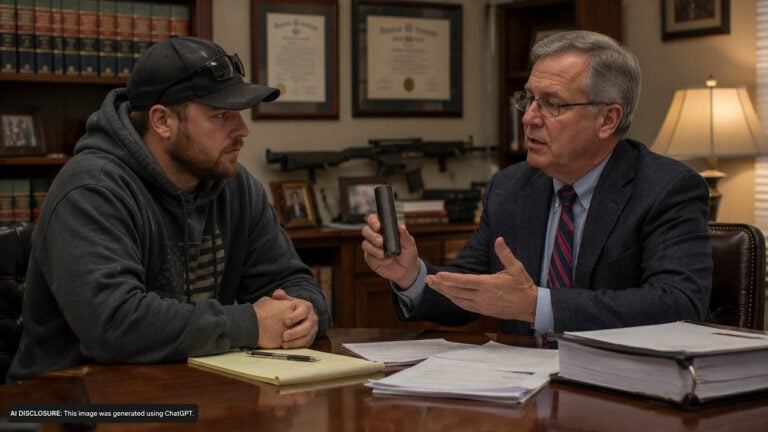
The response he got on Avvo was short and blunt. The attorney told him he needed to read the agreement he signed when he pawned the gun.
That’s not a satisfying answer when you’re staring at an empty holster, but it’s a real-world reminder for gun owners: pawn shops run on contracts, deadlines, and fine print. If your contract says the item can be sold after a certain time, or if it outlines what happens when you can’t complete the transfer right then, the shop will usually point straight back to that document.
What gun owners can take from it before they ever pawn a firearm
This is one of those stories that makes you want to keep your guns and your finances in a place where they don’t collide—but life doesn’t always cooperate. If you ever do consider pawning a firearm, a few practical habits can save you a pile of grief.
First, treat that pawn ticket and contract like a title. Know the exact date the loan matures, what the grace period is, and what “default” actually means in writing. Second, ask how the shop handles a firearm redemption if the buyer can’t take immediate possession—whether that’s due to a delay, a denial, or a legal hiccup that prevents pickup that day.
And third, don’t rely on verbal assurances when the stakes are a firearm you may use for home defense, a carry piece, or a hunting sidearm. Friendly counter talk doesn’t hold up the way ink on paper does, and it definitely won’t bring a gun back if it’s already been turned over or disposed of.
In the end, the Nashville man’s frustration makes sense: he says he paid the money, paid the background check fee, got pulled into an arrest situation, and then found out the shop no longer had his handgun. But if there’s a hard lesson here for the rest of us, it’s that pawned firearms live and die by the agreement—dates, terms, and what the shop can do if you can’t complete the pickup when the time comes.
Like The Avid Outdoorsman’s content? Subscribe to our newsletter so you never miss an article.
Here’s more from us: