Photo credit: AI-generated image created using ChatGPT. Illustrative only
Most of us learned to fish the same way: somebody older handled the details, and we just showed up with a rod and a tackle box. That works right up until the day it doesn’t—like it did for a 19-year-old college student in Moscow, Idaho, who said his dad usually buys his license every year, but didn’t this time.
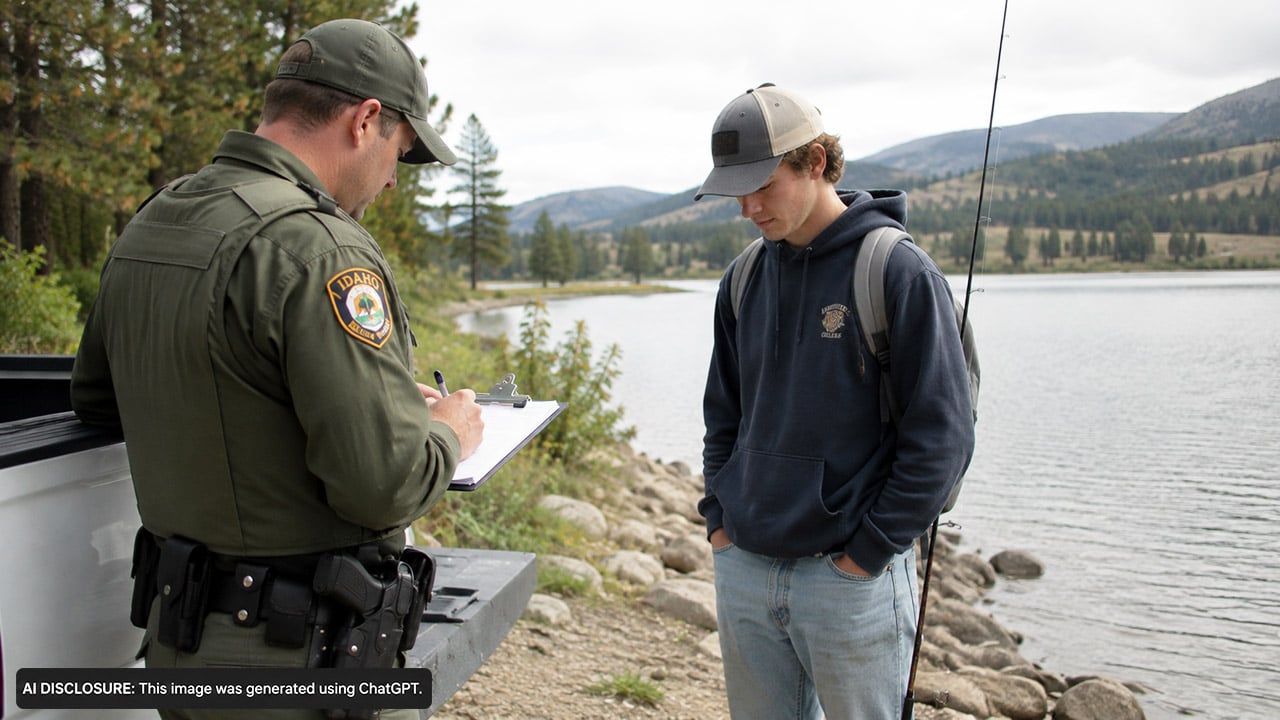
After getting checked by a game warden, the student ended up with a citation for a misdemeanor and then bought a license immediately afterward. He laid out the situation and asked what to do next in the discussion, especially with a court date coming up in about two weeks and a clean record up to this point.
When “Dad always handles it” turns into a court date
The student’s explanation was simple: he’s 19, in college, and every year his dad buys his fishing license, so he never had to think much about it. This year, that routine didn’t happen, and he went fishing anyway.
It’s an easy mistake to imagine. A lot of families buy tags and licenses as a tradition—same time every year, same place, same conversation. But when the warden steps up and asks to see it, the state isn’t interested in your family tradition. They’re interested in whether you’re licensed right then.
The citation: not just a fine, but a misdemeanor
According to the student, the game warden issued him a citation for a misdemeanor for fishing without a license. That’s the part that makes most outdoorsmen sit up straight, because “misdemeanor” sounds a whole lot heavier than “forgot my wallet.”
He tried to do what most reasonable people would do after realizing the mistake—he bought a license immediately after. That’s still a smart move from a common-sense standpoint, but it doesn’t automatically erase the ticket. In the real world, the purchase shows you’re willing to get legal. It just may or may not change how the prosecutor chooses to handle the charge.
What an Idaho defense attorney said the charge likely falls under
An Idaho criminal defense attorney who responded said the student was “likely cited under 36-401,” pointing him to Idaho’s Fish and Game statutes in Title 36. The attorney noted enforcement provisions are in Chapter 14 and said it “looks like you have a misdemeanor under 36-401(b).”
That’s important because it frames the situation as more than a slap-on-the-wrist infraction in at least some cases. The attorney also mentioned that 36-401(a) lists a “bunch of infractions” that a prosecutor could have discretion to amend down to—meaning the state may be able to reduce it from a misdemeanor to something less severe, depending on the facts and local practice.
First court appearance: ask about a public defender
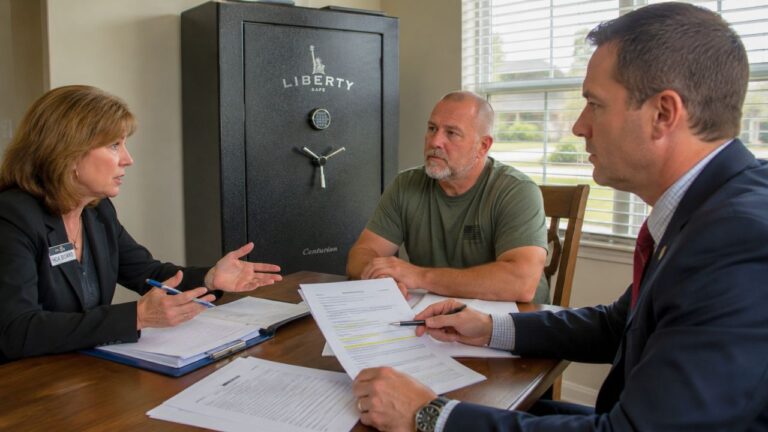
The most practical advice in the response was also the simplest: at the first appearance, the student can ask for appointment of counsel. The attorney added that “most college students will qualify,” which is a reminder that you don’t have to walk into court and wing it just because you’re broke.
He suggested calling the court clerk for the county where the charge is filed and asking about the process to apply for a public defender. The timing matters. If the citation is fresh, the application may happen on the scheduled date. If it’s older—“more than 2 or 3 weeks old”—the student might have missed the first opportunity, but the attorney said he can probably still ask.
Plea deals and reductions: what they usually look like
The attorney’s answer gave a pretty grounded look at how these things often go. Plea agreements, he said, are usually about capping the state’s recommendation on penalties, amending charges down to something “nicer,” or both.
There’s a catch: some prosecutors want the reduced charge to have some relation to the facts. In plain terms, you don’t always get to trade a fishing-license case for an unrelated paperwork violation just because it would look better on your record. But the mention of infractions in 36-401(a) suggests there may be “lesser” options within the same neighborhood of conduct, depending on how the case was cited and what discretion the prosecutor is willing to use.
Why this happens more than folks admit—and how to avoid it
The attorney admitted he spent years as a public defender without getting a client charged with fishing without a license, but also noted he did a lot of fishing in Moscow while he was in school. He added it may be more common up there. That tracks with what many anglers have seen: enforcement can vary by area, season, and how heavily a place is fished.
The bigger lesson for the rest of us is pretty simple. If you’re the one holding the rod, it’s on you to confirm you’re legal before you cast—especially once you’re an adult. Don’t assume your buddy bought it, don’t assume your dad handled it, and don’t assume buying it after the fact will unwind the contact if you’ve already been checked.
A lot of anglers have started keeping a simple routine: check the app (if your state uses one), screenshot the license, or keep a printed copy in the glovebox with your registration. It’s not about being paranoid. It’s about not turning a relaxing evening on the water into a mandatory court appearance.
The student’s situation is the kind of headache that comes from a small oversight, but it can snowball fast once “misdemeanor” is on the paper. The best move is to take the court date seriously, ask about counsel, and let someone who understands Idaho’s fish and game code work on getting the best possible outcome from the facts on the table.
Like The Avid Outdoorsman’s content? Subscribe to our newsletter so you never miss an article.
Here’s more from us: