Photo credit: J0lly/YouTube
A famous name on the side of a gun can carry decades of expectations. Shooters remember the rifles their fathers owned, the handguns that filled police holsters, or the shotguns that seemed to appear in every hunting camp in America.
The problem is that gun companies change. Brands get sold, factories close, classic models disappear, and entire product lines shift toward completely different buyers. Sometimes the new guns are actually better. Other times the old name survives while much of what originally made it special is gone. These 20 American gun brands are very different companies today than many longtime shooters remember.
Remington
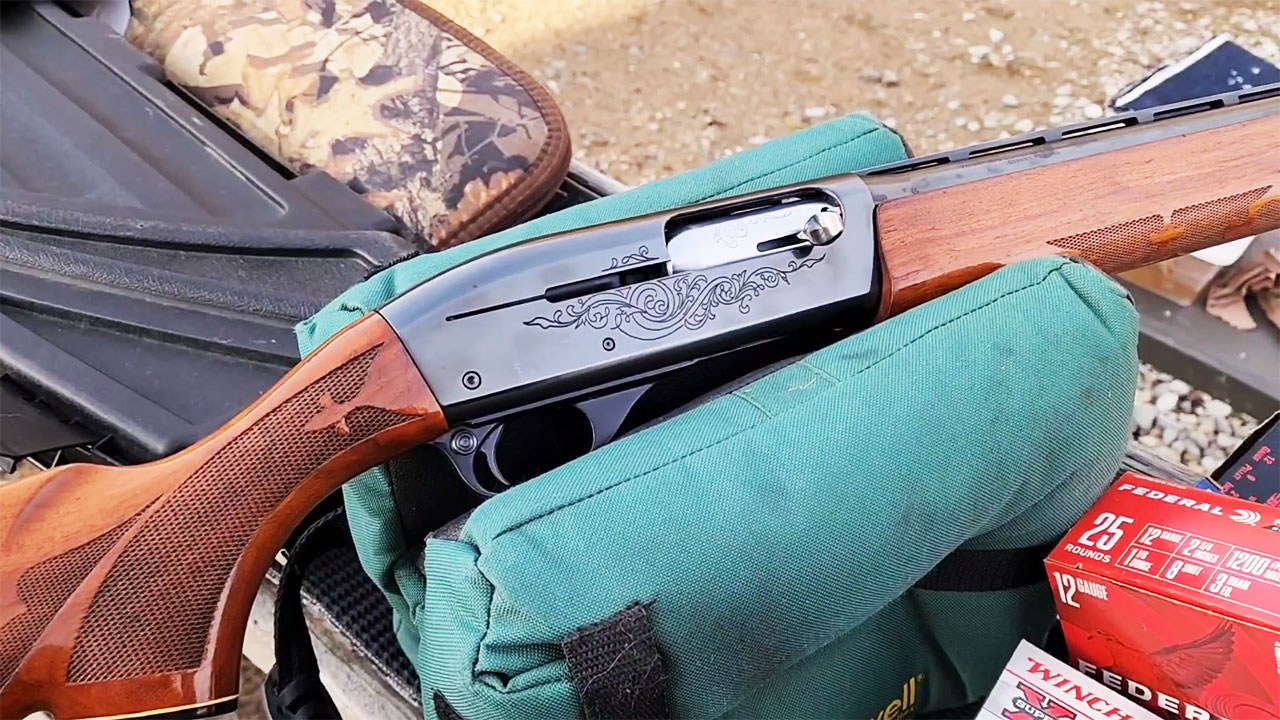
Few American gun names carry as much history as Remington, but the Remington buyers see today is not the same giant that once produced everything from Model 700 rifles to 870 shotguns under one enormous operation.
Current RemArms production includes updated Model 700 rifles such as the Alpha 1 and Long Range models, so the name is absolutely still alive. What has changed is the scale and identity surrounding it. Older shooters remember Remington as one of the dominant forces on gun-store racks. Today’s Remington is essentially rebuilding that position rather than simply inheriting it.
Colt
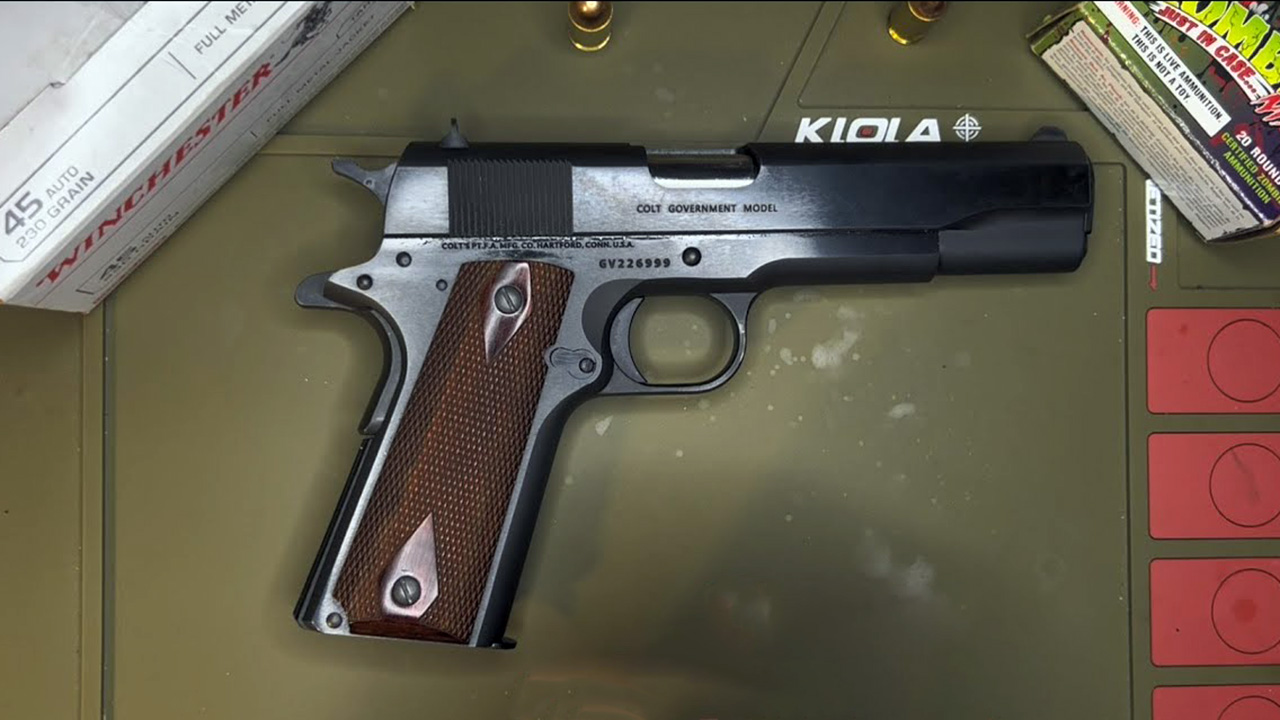
There was a time when Colt felt inseparable from American military rifles, 1911s, and revolvers. Today, Colt operates inside the much larger Colt CZ Group rather than as the independent American institution many shooters still picture.
The guns themselves may still be produced in America, but the corporate identity behind the rollmark is fundamentally different. Colt also competes in markets filled with AR makers, premium 1911 companies, and excellent revolvers that simply did not exist in the same numbers decades ago. The name remains powerful. The market no longer revolves around it.
Marlin
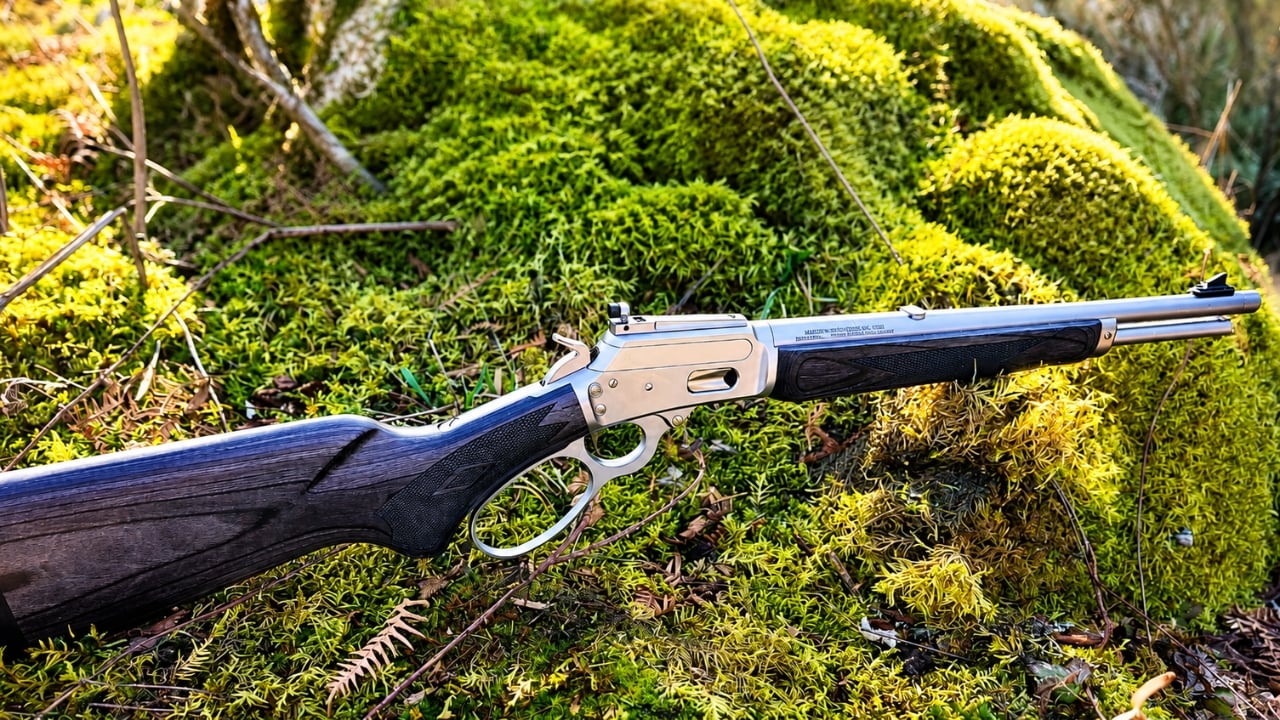
Marlin is one of the rare brands where “not what it used to be” can be taken as a compliment. The company went through a rough period before Ruger acquired the brand, and current Marlin rifles are now explicitly marketed as Ruger-made American lever actions.
The lineup has also changed. Alongside traditional 1894, 1895, and 336-style rifles, Marlin now offers Dark Series guns with polymer furniture, M-LOK compatibility, and a much more modern appearance. Grandpa’s Marlin and today’s Marlin may share a name and action type, but the brand has entered a completely different era.
Winchester
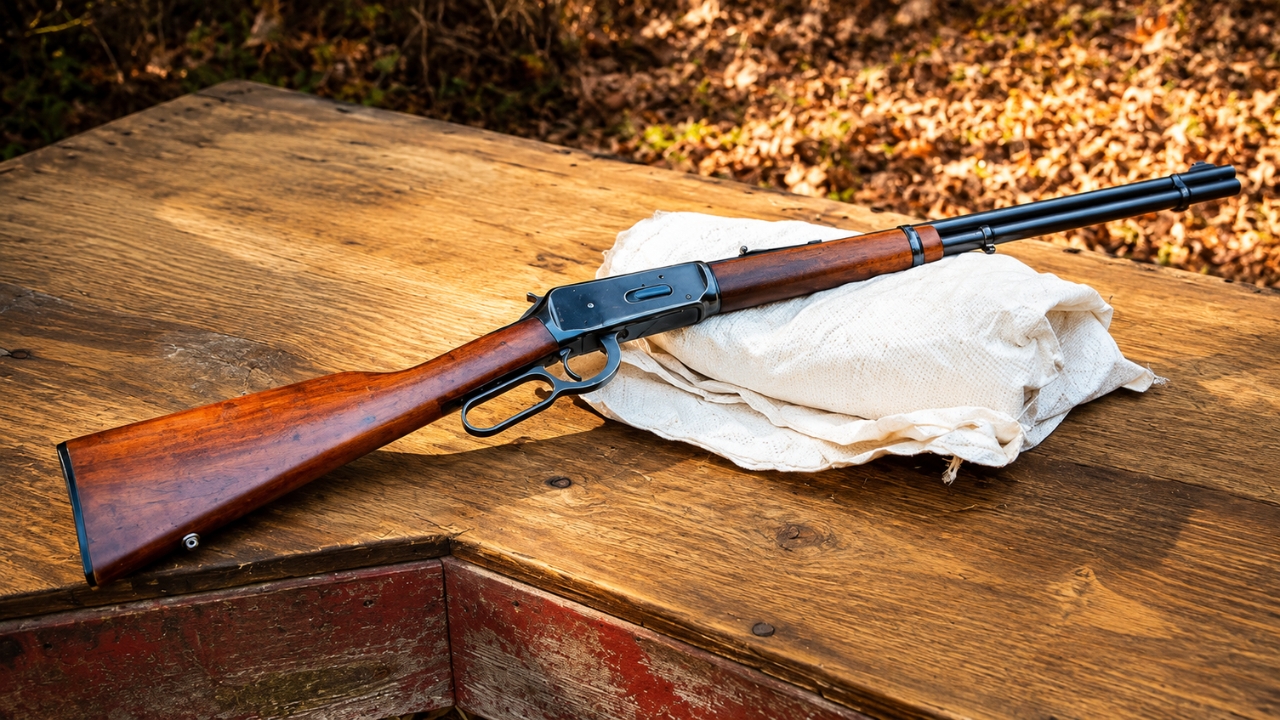
Winchester once represented the archetypal American lever-action company. Today the Winchester Repeating Arms catalog stretches across bolt guns, modern rimfires, semiautomatics, pump shotguns, and legacy lever actions.
The Model 70 and classic lever guns remain available, so Winchester has not abandoned its roots. But a current Winchester rack may also include the inexpensive Wildcat, Xpert rimfires, and XPR bolt actions. For shooters raised on walnut-stocked Model 70s and Model 94s, the modern brand is much broader and considerably less traditional.
Bushmaster

Bushmaster used to be one of the first names many shooters thought of when discussing civilian AR-15s. The market eventually exploded with competitors, the brand changed hands, and Bushmaster no longer occupies quite the same position it once did.
The company is active again with XM15-pattern rifles, Patrolman’s models, .450 Bushmaster guns, BA50 rifles, and newer V-RADICATOR products. Bushmaster itself even refers to today’s operation as the “new Bushmaster” when discussing its law-enforcement offerings. The brand is back, but it is rebuilding relevance in a market far more crowded than the one it originally helped shape.
Harrington & Richardson
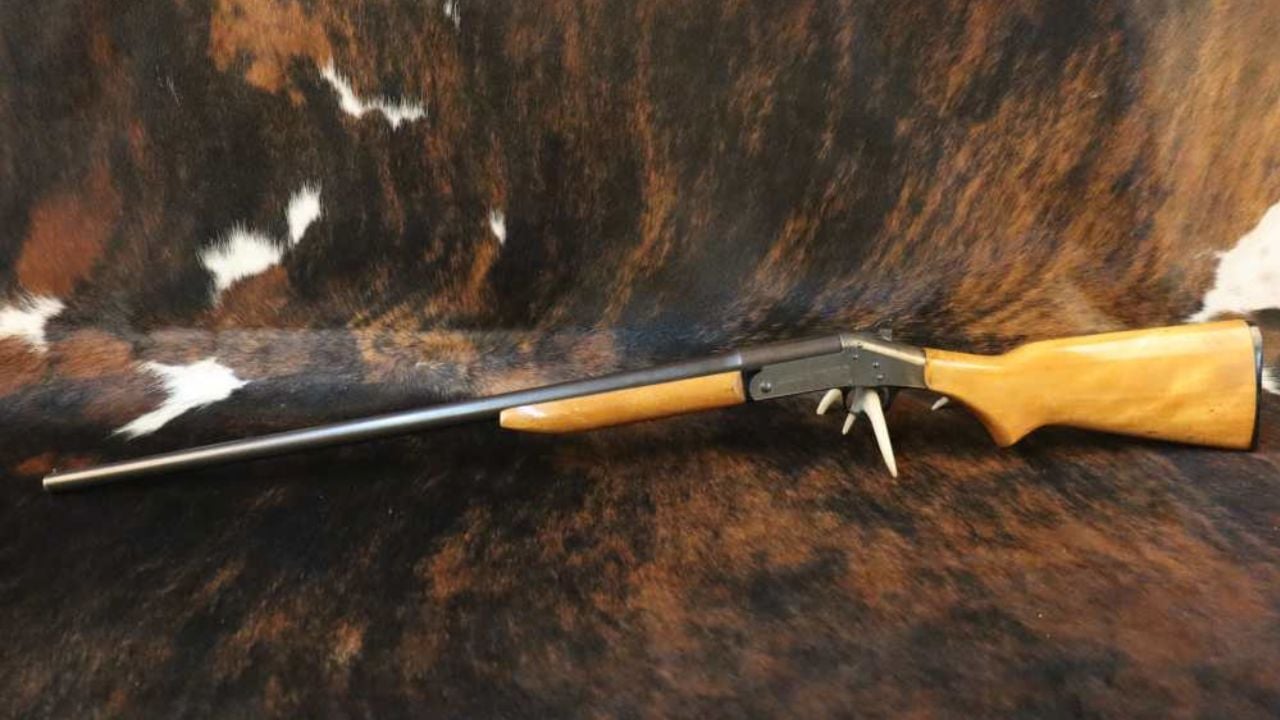
Older shooters remember H&R for affordable single-shot shotguns, rifles, revolvers, and practical guns that seemed to turn up everywhere. Today’s Harrington & Richardson is something completely different.
Under the Palmetto State Armory umbrella, H&R has become heavily focused on retro military-style firearms and components. Its current catalog emphasizes retro service rifles, carbines, and parts. H&R has even released rifles inspired by obscure early M16 variants and announced projects involving M14 and M1 Garand-style rifles. The old bargain utility-gun company has effectively been reborn as a retro-firearms brand.
Thompson/Center
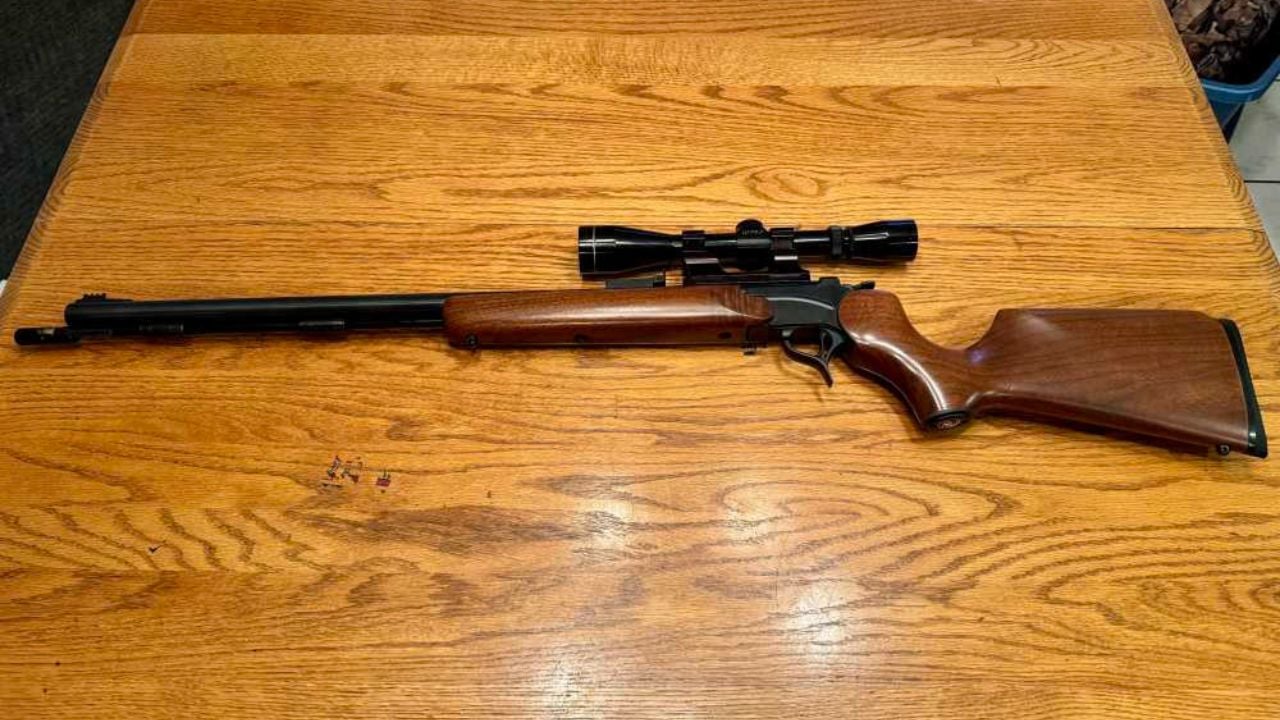
Thompson/Center once occupied a unique place in American hunting because of interchangeable-barrel guns like the Contender and Encore along with a major muzzleloader business. Then the brand effectively disappeared from shelves.
The current T/C is now in the middle of a genuine rebirth. Gregg Ritz acquired Thompson/Center back from Smith & Wesson in 2024, and the company has since returned with the Encore system, Triumph muzzleloader, and additional product launches. That makes modern T/C exciting, but it also means buyers are watching an iconic brand rebuild itself almost from scratch.
Savage Arms

For years, Savage was primarily the company hunters associated with affordable bolt rifles that often shot far better than their price suggested. The Model 110 and later AccuTrigger became central to that identity.
Savage is much broader now. The company has expanded into new firearm categories while continuing to develop its rifle lines, and its own history highlights how dramatically the company has evolved over time. Savage even entered the modern concealed-carry pistol market with the Stance. The old image of Savage as simply the inexpensive bolt-action company no longer covers what the brand is trying to be.
Weatherby
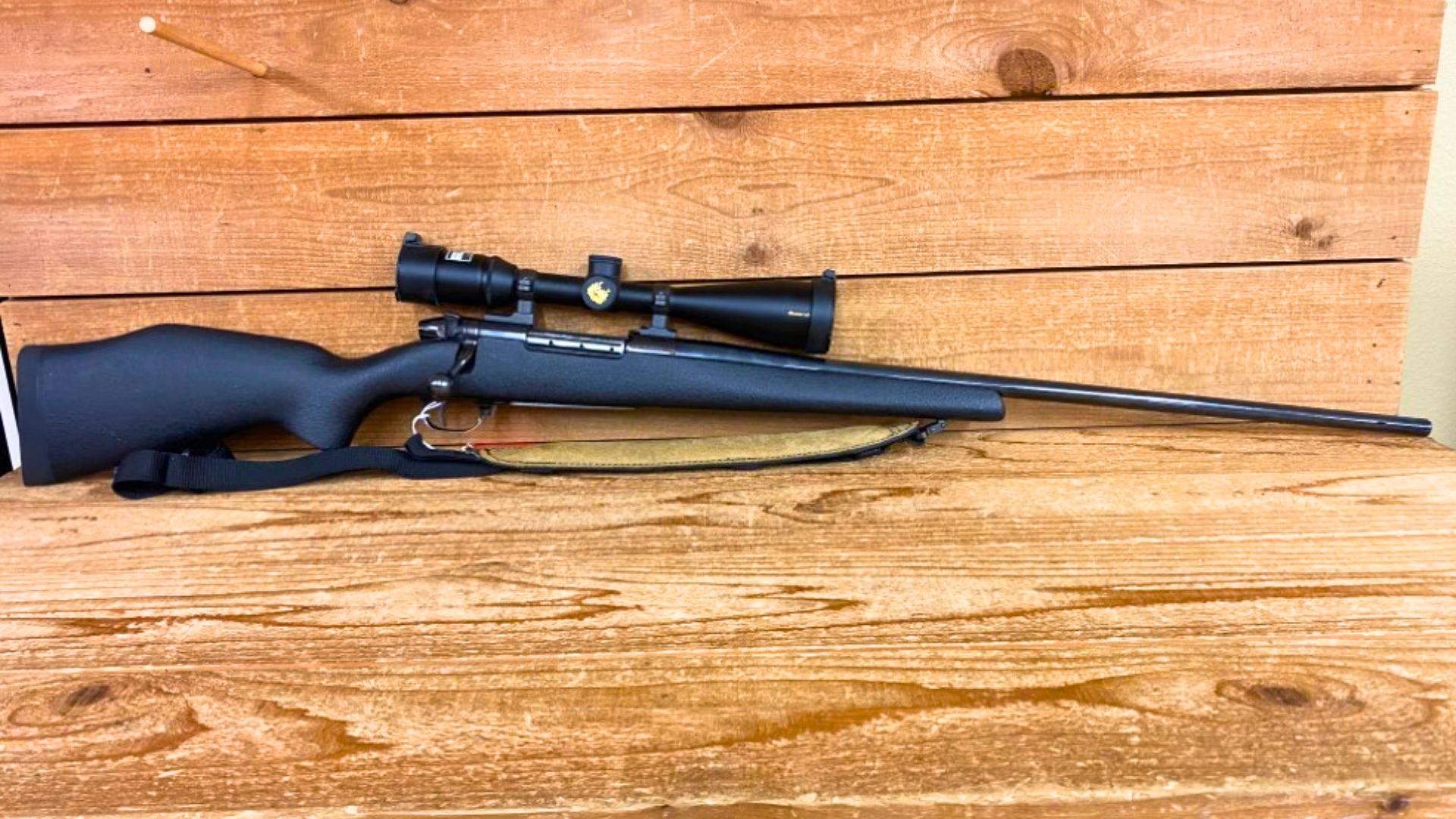
Weatherby used to be almost synonymous with high-gloss walnut, distinctive Monte Carlo stocks, and screaming-fast proprietary magnum cartridges. That image still exists, but the current company looks considerably different.
Weatherby now builds around the Mark V, Vanguard, and newer Model 307 action, which the company describes as its first new centerfire bolt-action design in more than 50 years. Current offerings include carbon-fiber stocks, modern long-range configurations, and custom-shop builds alongside traditional Weatherby rifles. It is still Weatherby, just far less trapped in the 1960s.
Kimber
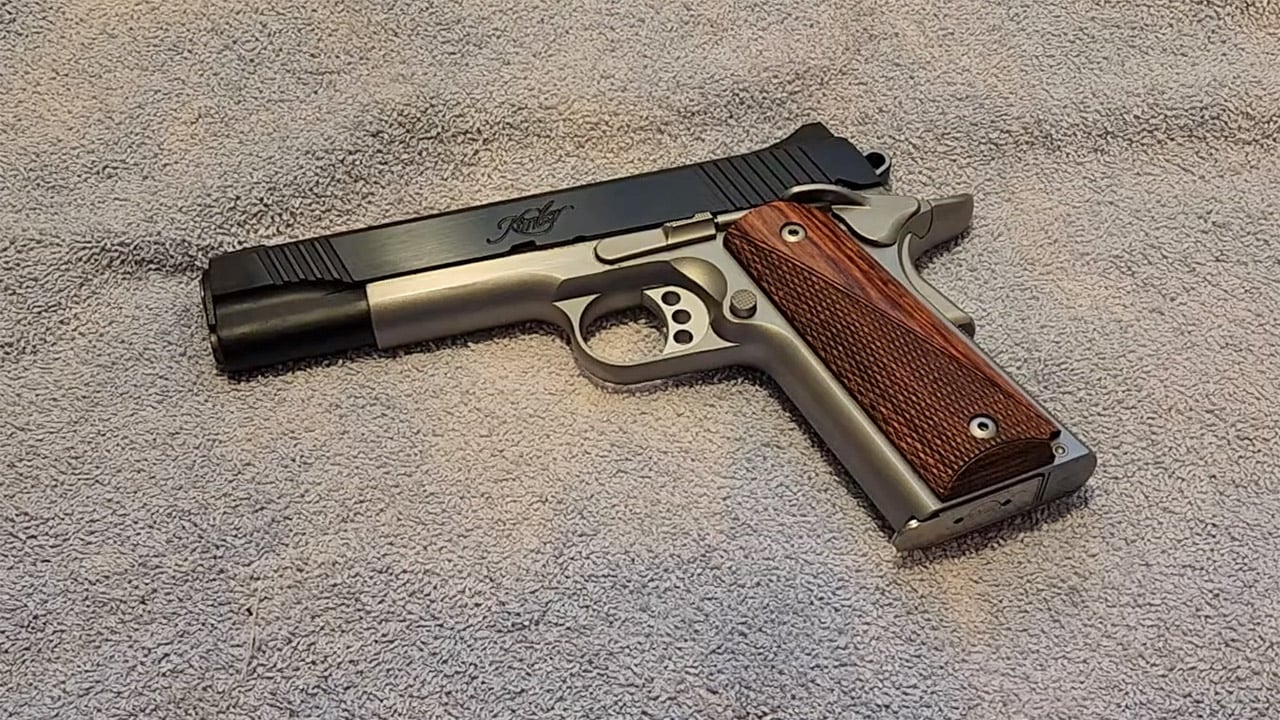
Kimber originally built much of its reputation around finely finished sporting rifles before becoming strongly associated with premium 1911 pistols. Today, its catalog is considerably more diverse.
Kimber currently sells 1911s, high-capacity pistols, revolvers, and multiple hunting-rifle families. That broader identity means the brand no longer represents one narrow type of gun. Some longtime buyers still think “Kimber” and immediately picture an elegant lightweight rifle or traditional 1911. Modern Kimber is trying to compete in far more categories at once.
Smith & Wesson
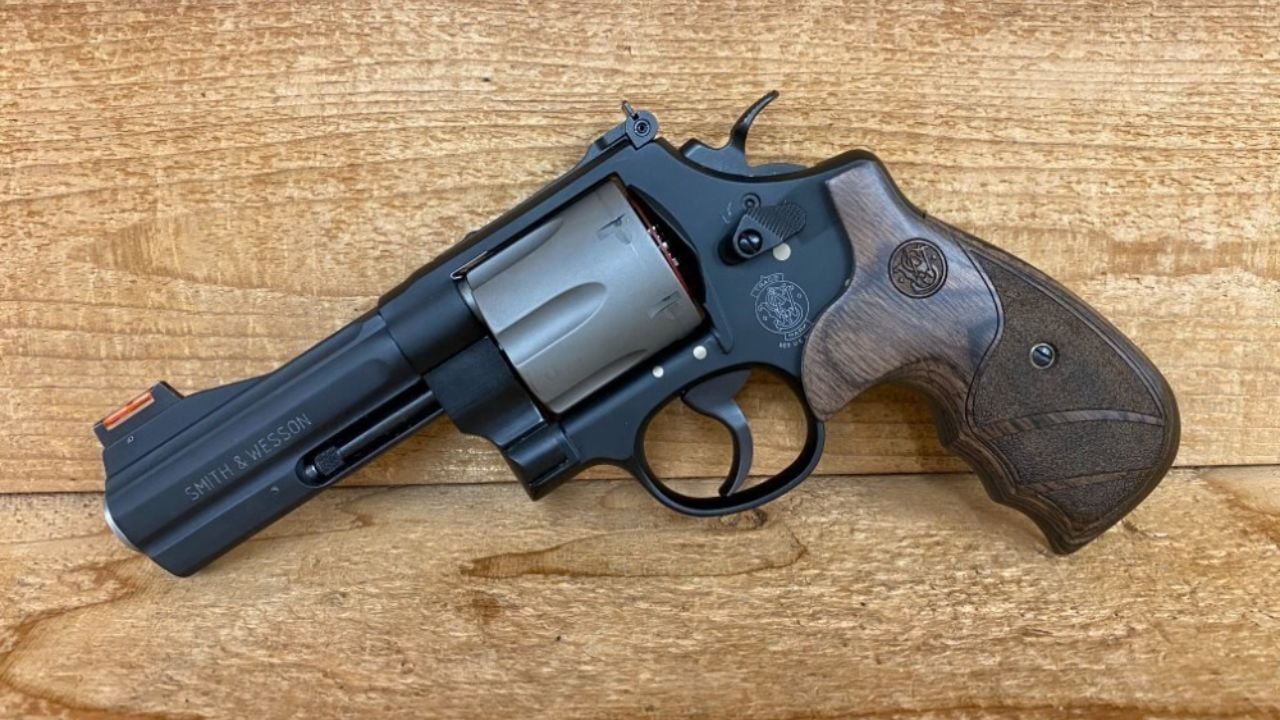
Smith & Wesson was once overwhelmingly associated with revolvers and traditional American service handguns. The modern company still sells those guns, but rifles have become a major part of its identity.
Today’s long-gun catalog includes M&P15 AR-pattern rifles, M&P15-22 rimfires, and the folding M&P FPC platform. That would have looked almost foreign to a Smith & Wesson customer several decades ago. The company’s revolvers remain important, but S&W is now just as likely to introduce a polymer pistol, carbine, or AR-platform gun as another classic wheelgun.
Ruger
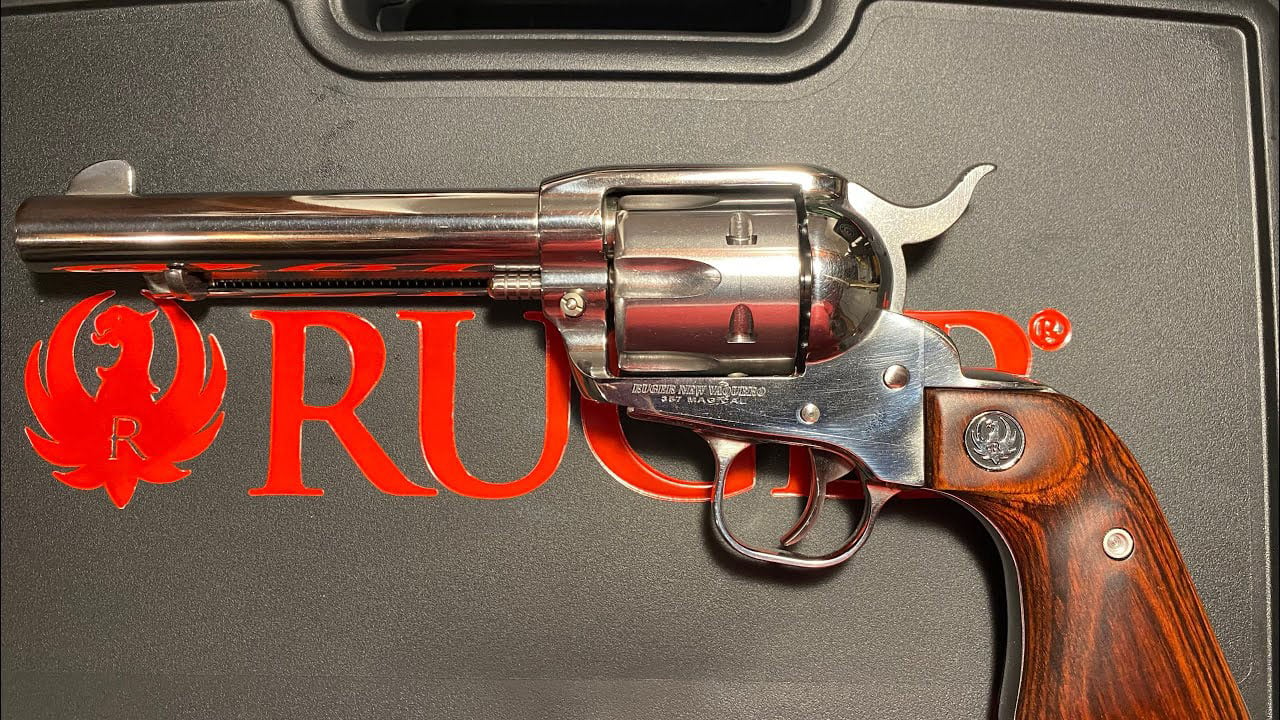
Ruger is still recognizably Ruger, but the company has expanded so aggressively that the brand means much more than it once did. Older shooters may picture the 10/22, Blackhawk, Redhawk, or M77. Today’s buyer sees everything from bargain bolt actions to modern lever guns through Marlin.
That broader identity has changed expectations. Ruger is no longer simply the company known for rugged traditional designs. It competes heavily in budget hunting rifles, concealed-carry pistols, modern semiautomatics, and updated lever actions. Marlin’s current production being explicitly Ruger-made is one of the clearest examples of how much the company’s reach has expanded.
Stag Arms
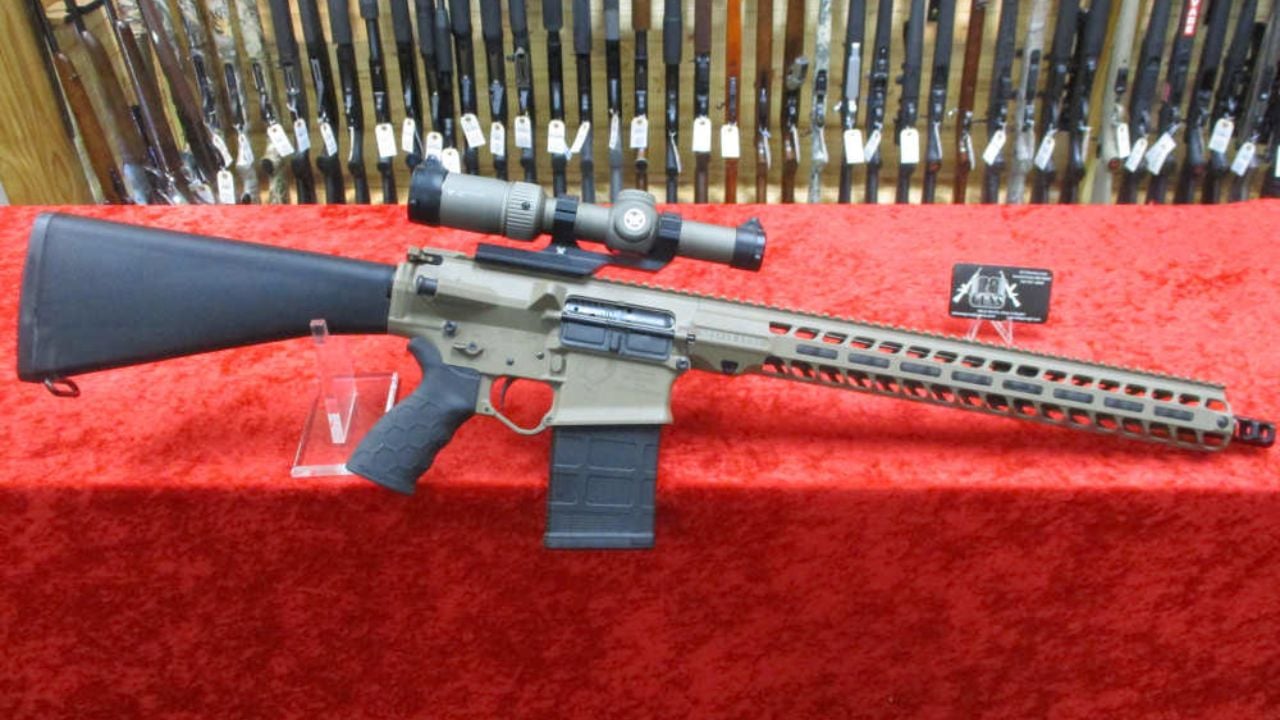
Stag Arms built its early reputation almost entirely around AR-pattern rifles and was particularly well known for offering left-handed AR configurations when that was far less common.
The modern company still builds ARs, but its positioning has changed with the broader AR market. Current offerings include multiple Stag 15 and Stag 10 configurations along with tiered law-enforcement rifles built around different price and equipment levels. Stag is no longer unusual simply because it makes ARs. It now has to differentiate itself in one of the most competitive firearm categories in America.
Springfield Armory
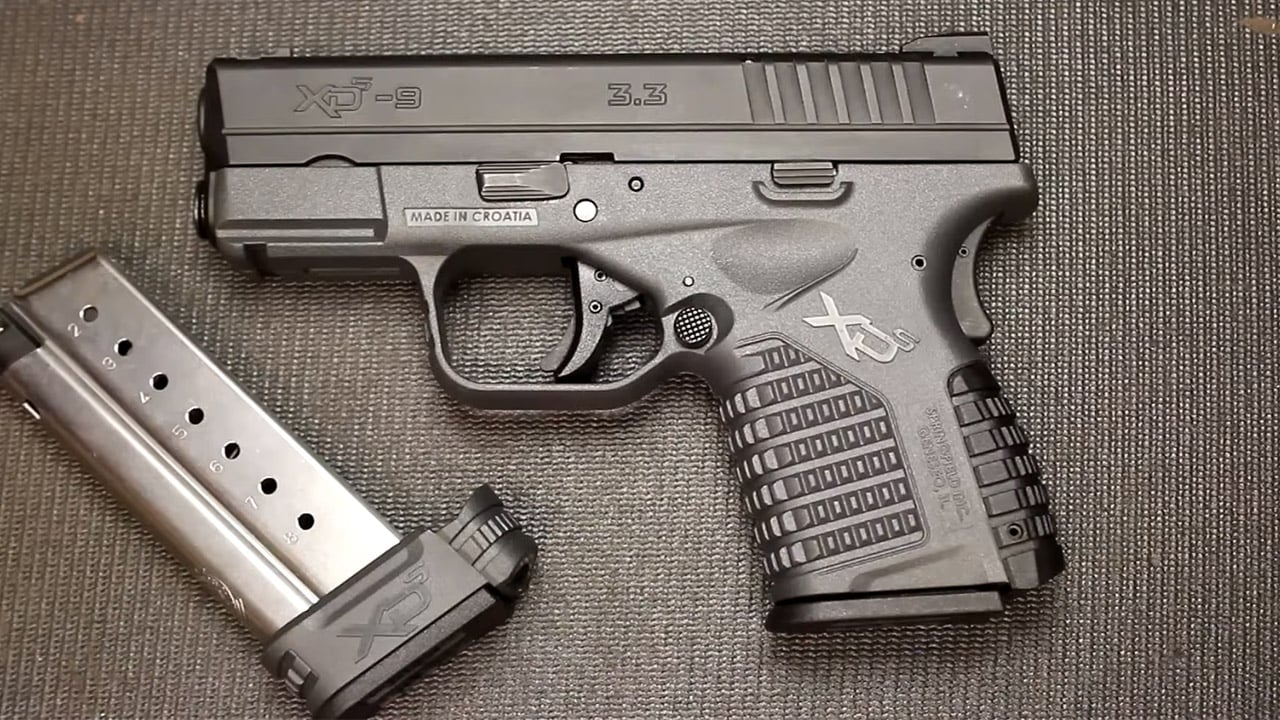
For many shooters, Springfield Armory once meant M1A rifles and 1911 pistols. Those guns remain important, but the company has steadily transformed into a modern mass-market firearms brand.
Polymer pistols, AR-pattern rifles, compact defensive guns, and modern bolt rifles now sit alongside the older designs. That shift has broadened Springfield’s audience enormously, but it also means the brand identity is less tied to traditional American military-style classics. Someone who has not looked at Springfield’s catalog in 20 years would hardly recognize the company as the same kind of gunmaker.
Mossberg
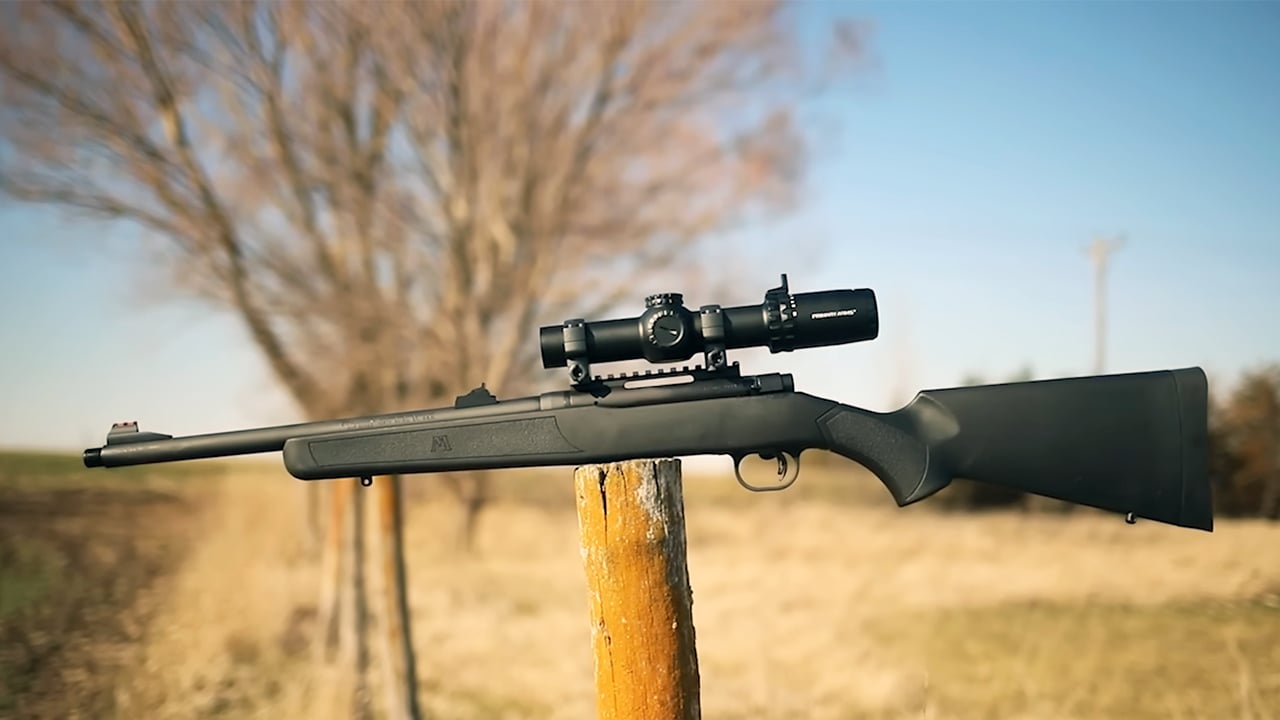
Mossberg built its reputation around affordable, durable pump shotguns, particularly the Model 500 family. For generations, “Mossberg” meant shotgun to a huge portion of American shooters.
The company has pushed far beyond that narrow identity with bolt rifles, semiautomatic shotguns, tactical configurations, and other platforms. The pump guns remain the backbone of Mossberg’s reputation, but the company now competes across hunting and defensive markets in ways that would have seemed unusual when the 500 dominated the brand.
Henry Repeating Arms

Henry entered the modern market with a deeply traditional identity centered on brass receivers, tube magazines, rimfires, and classic-looking lever guns. That image helped the company become one of the biggest names in lever actions.
Modern Henry has moved aggressively into configurations featuring threaded barrels, optics compatibility, synthetic furniture, and more defensive-looking setups. The company has not abandoned traditional rifles, but it is clearly trying to serve shooters who want lever actions equipped more like contemporary firearms. The cowboy-gun image is only one part of Henry now.
DPMS
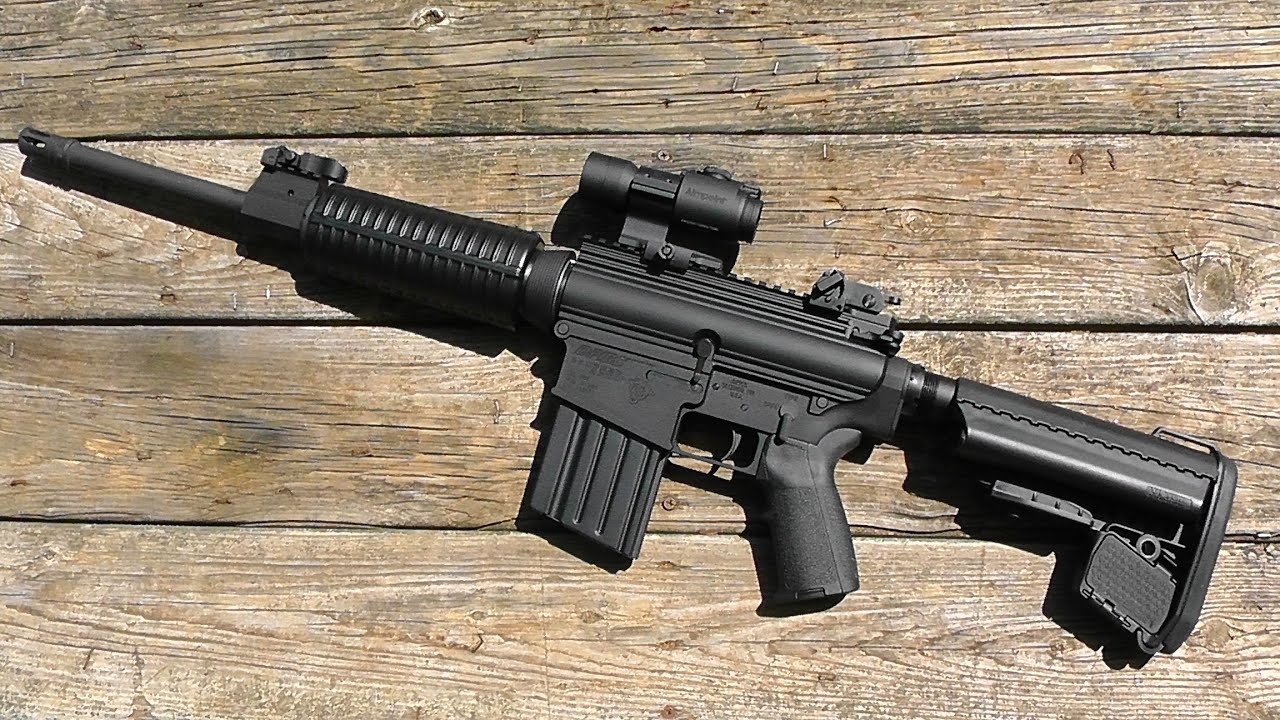
DPMS was once one of the major recognizable names in affordable AR-pattern rifles. During the boom years of the civilian AR market, its Panther rifles appeared everywhere.
The brand went through corporate upheaval and disappeared from the position it once held. Even when DPMS-branded products reappeared, the AR market had changed dramatically. Buyers now have enormous numbers of inexpensive rifles and components to choose from. A name that once helped define the entry-level AR market now has to fight simply to stand out within it.
Para USA
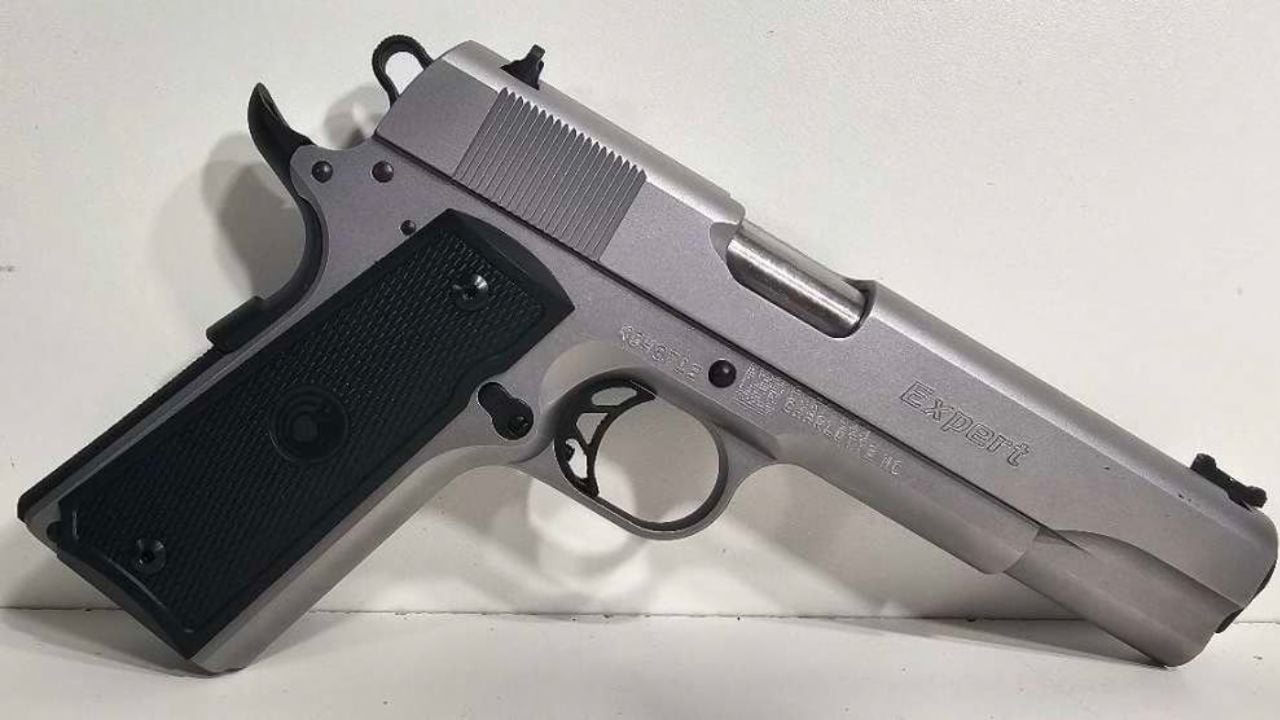
Para-Ordnance and later Para USA were once major players in the double-stack 1911 world. Long before today’s explosion of 2011-style pistols, Para was putting high-capacity magazines into a familiar 1911-shaped package.
The brand itself is no longer the force it once was, yet the type of pistol it championed has become hotter than ever. That makes Para one of the stranger cases in American firearms history. The market eventually became extremely interested in the exact general concept Para helped popularize, but many current shooters encounter the old guns only on the used market.
Auto-Ordnance
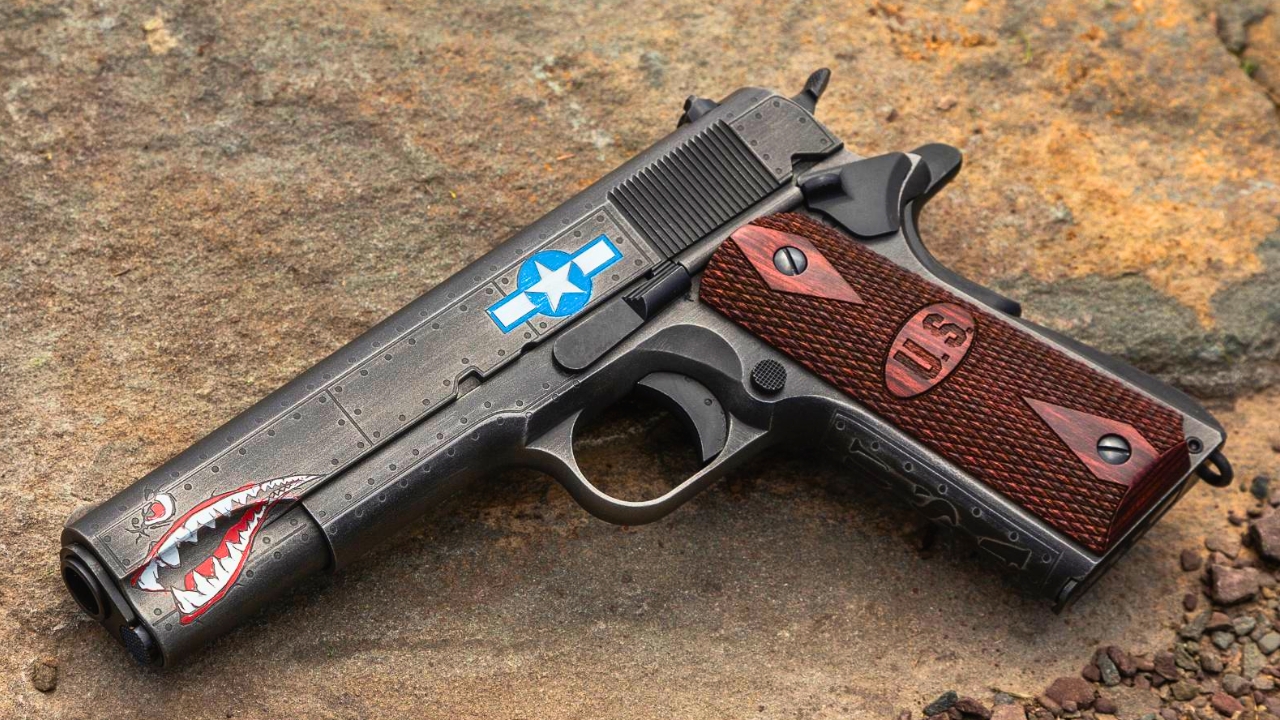
Auto-Ordnance will always be tied to the Thompson name, but modern buyers are purchasing civilian firearms built for a very different world than the one that created the original Thompson submachine gun.
Current semi-automatic Thompsons are heavy, expensive nostalgia pieces more than cutting-edge defensive carbines. That does not make them undesirable. In fact, history is the entire appeal. But the Auto-Ordnance name now sells largely on its connection to iconic designs rather than on being at the forefront of modern firearm development.
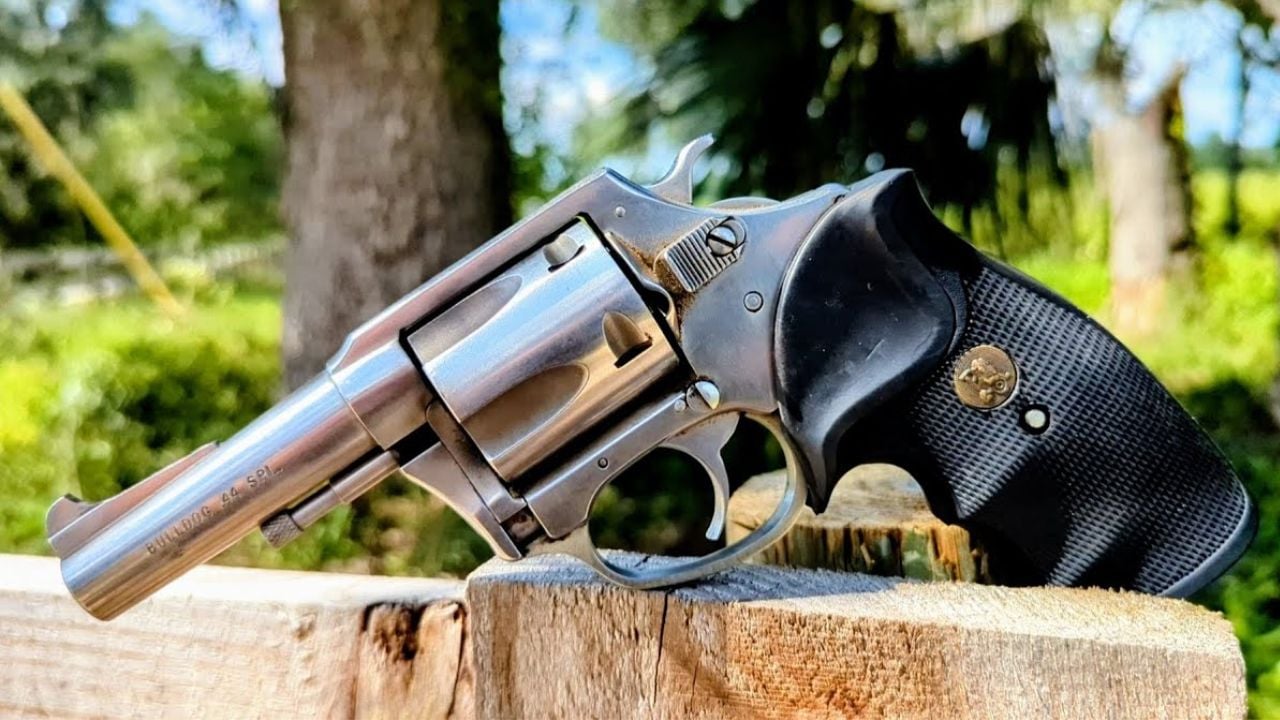
Charter Arms

Charter Arms once stood out because it offered compact, affordable American revolvers at a time when small defensive wheelguns occupied a much bigger piece of the carry market.
That market has changed dramatically. Micro-compact semiautomatics now offer far more capacity in similarly concealable packages, and even revolver buyers have many lightweight options from larger manufacturers. Charter still builds guns around the same basic revolver formula, but the world around those guns has moved. The brand occupies a much more specialized corner of the defensive-handgun market than it once did.
Like The Avid Outdoorsman’s content? Subscribe to our newsletter so you never miss an article.
Here’s more from us: