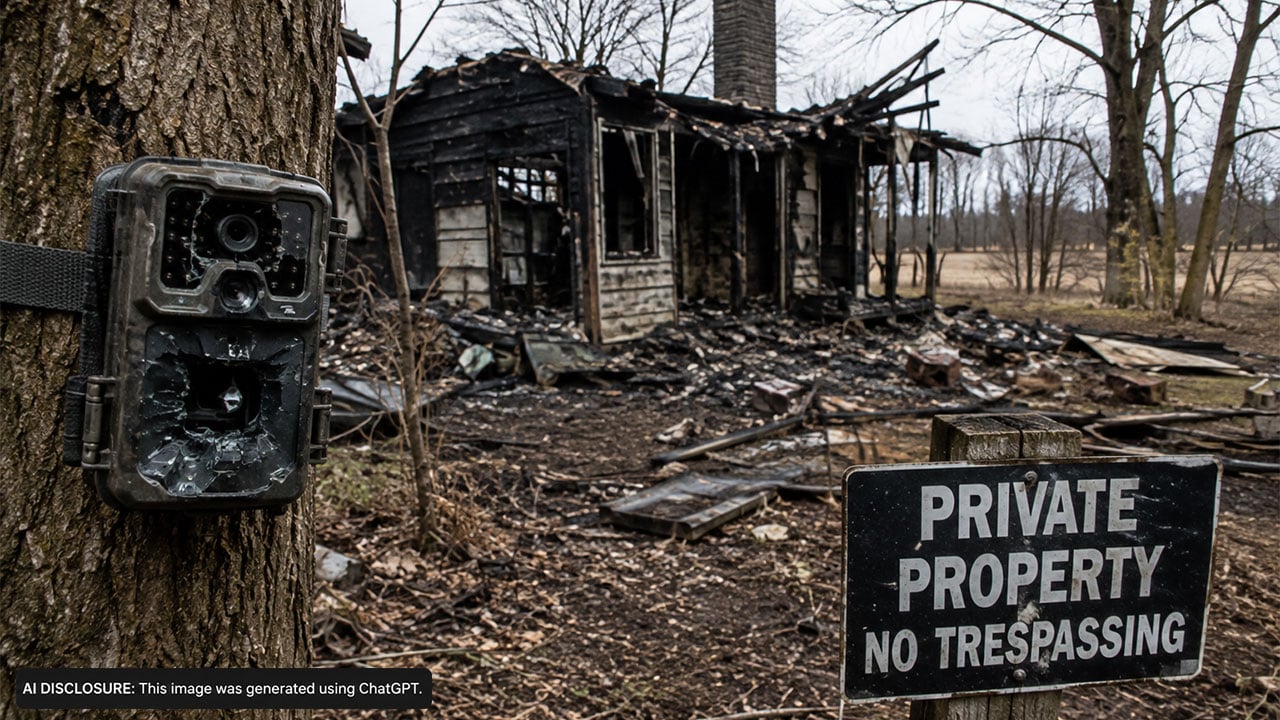
Photo credit: AI-generated image created using ChatGPT. Illustrative only
Rural folks get used to a certain level of nuisance—an unfamiliar set of headlights, a cut fence strand, maybe a stand that shows up where it shouldn’t. But on one Iowa acreage, the trouble didn’t start with livestock. It started with a steady run of vandalism that kept escalating until it turned into something a whole lot darker.
In the original post, a man described what his girlfriend’s parents have dealt with on their property: a house on the land burned down, fence line ripped up, cameras shot out, and a light pole knocked down “many times.” Then, during a routine trip to water the sheep, they found a dead animal that had been skinned “just like a hunter would a deer.” The Iowa Department of Natural Resources and the sheriff responded, and DNR confirmed it was done by a person.
The vandalism came first, and it set the tone
Plenty of landowners have a story about trespassers. What makes this one stand out is how long the property sounds like it’s been targeted and how personal it feels. When somebody burns a structure, tears up fencing, and shoots out trail cameras, they’re not just wandering through looking for mushrooms.
That kind of behavior reads like a test—seeing what they can get away with, seeing how quickly the owner responds, and whether anyone has the will or ability to push back. It also creates a big problem for the family: every “small” incident reduces security a little more. A ripped fence and dead cameras aren’t just property damage; they’re an open invitation for the next step.
Then it shifted from property damage to animal cruelty
The turning point was the dead sheep. The poster said they found it on a visit to water the flock, and the animal had been skinned in a way that looked like a deer hunter’s field work. That detail matters, because it suggests a human with a knife and enough time on the ground to do it—this wasn’t a quick hit-and-run with a vehicle or a predator kill.
They did the right first moves: call DNR and the sheriff. DNR reportedly confirmed it was a person, which lines up with what experienced hunters already know—predators don’t skin animals cleanly like that. After that, the family thought it might be an isolated incident until more remains—described as “more guys” in the post—were found later by the girlfriend’s sister. The poster didn’t know what animals those were from, only that somebody was back at it.
No-trespassing signs and “permission to hunt” didn’t solve it
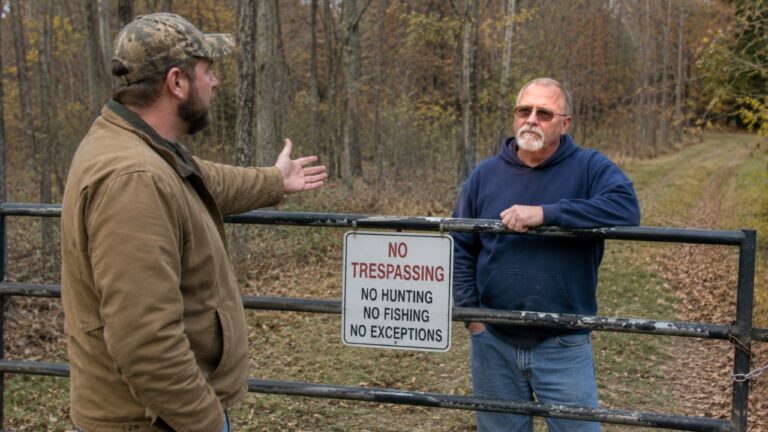
The acreage had no-trespassing signs posted heavily—“every 10 feet of the fence,” according to the post. That’s about as clear as it gets in farm country. But signs don’t stop the kind of person who’s already been shooting cameras and knocking down a light pole.
The family had apparently granted permission to one person to hunt the land, but that hunter “claims he doesn’t hunt on the actual acreage.” Whether that’s true or not, it highlights another reality: once there’s conflict, everyone becomes a suspect in somebody’s mind. And when dead livestock show up, the stress level goes through the roof.
For landowners, this is where keeping access rules tight matters. The more “exceptions” and handshake deals that float around, the harder it is to quickly narrow down who’s supposed to be there and who isn’t—especially if the situation ends up needing a clean, documented timeline for law enforcement.
The urge to post up with a gun is understandable—and risky
The poster said the killings “infuriate” him and that he’s considered buying a cheap gun and sitting in the barn at night to stop it. He stated he had no intent to harm, only to scare trespassers off. That’s an honest emotional reaction, and most country folks understand it.
But practically, “posting up” can stack problems fast. You’re dealing with darkness, uncertain targets, unknown numbers of trespassers, and the possibility that whoever has been escalating from vandalism to animal killing might not be timid. If someone is bold enough to return after law enforcement has been called, you can’t assume they’ll run the second they hear a voice.
And even if your intentions are good, the legal and safety consequences of pointing a firearm at someone—or firing “warning shots”—can be severe. Beyond the law, there’s the basic reality of backstops and what’s beyond the barnyard at night. Rural properties aren’t empty backdrops; they’re full of buildings, livestock, and neighbors down the way.
What people tend to focus on in situations like this
The post asked what laws to know if he took that course. While the source material doesn’t include comment text, situations like this usually draw the same practical advice from experienced landowners and outdoorsmen: don’t go looking for a confrontation, and don’t improvise your way into a firearms incident.
Instead, the focus is typically on documentation and deterrence that can hold up when the sheriff or a conservation officer asks, “What exactly happened, and when?” That means logging dates and times of every incident, taking photos of damage and tracks, keeping receipts for repairs, and making sure every call results in a report or case number when possible.
It also means upgrading security in ways that don’t just create more targets to shoot out. A single trail cam on a tree at eye level is easy to spot and destroy. Multiple cameras, placed higher, angled to cover one another, and paired with better lighting can change the game—especially if the previous “light pole” was knocked down and the property went dark again.
How a landowner can respond without making it worse
The hard part here is that the property has already shown a pattern: arson or fire damage, repeated vandalism, and now dead livestock. That’s not a normal trespassing complaint. It’s a safety problem, and it needs a response that’s more organized than a late-night stakeout.
Landowners in this spot often lean on a few basics: tighten gates and access points, repair fence lines quickly so the property isn’t left “open,” and coordinate with local law enforcement and DNR so they know it’s ongoing, not a one-off. If there’s a neighbor network nearby, letting trusted neighbors know what’s happening can help—strange vehicles and lights are easier to catch when more than one household is paying attention.
And if the family is granting anyone hunting access, it may be time to pause permissions until the situation is resolved. Not because the permitted hunter is at fault, but because reducing variables matters when you’re trying to identify who’s on the place. Clear, written permission rules—who, when, where—can prevent confusion and keep everyone safer.
At the end of the day, the most concerning detail in this Iowa case isn’t just the skinned sheep—it’s the timeline behind it. When a property has already had structures burned, fences torn up, cameras shot out, and lights knocked down, the move to harming animals isn’t a sudden twist. It’s escalation. And escalation is exactly when landowners need to slow down, think clearly, and respond in a way that protects their family, their livestock, and their freedom.
Like The Avid Outdoorsman’s content? Subscribe to our newsletter so you never miss an article.
Here’s more from us: