Photo credit: The Avid Outdoorsman
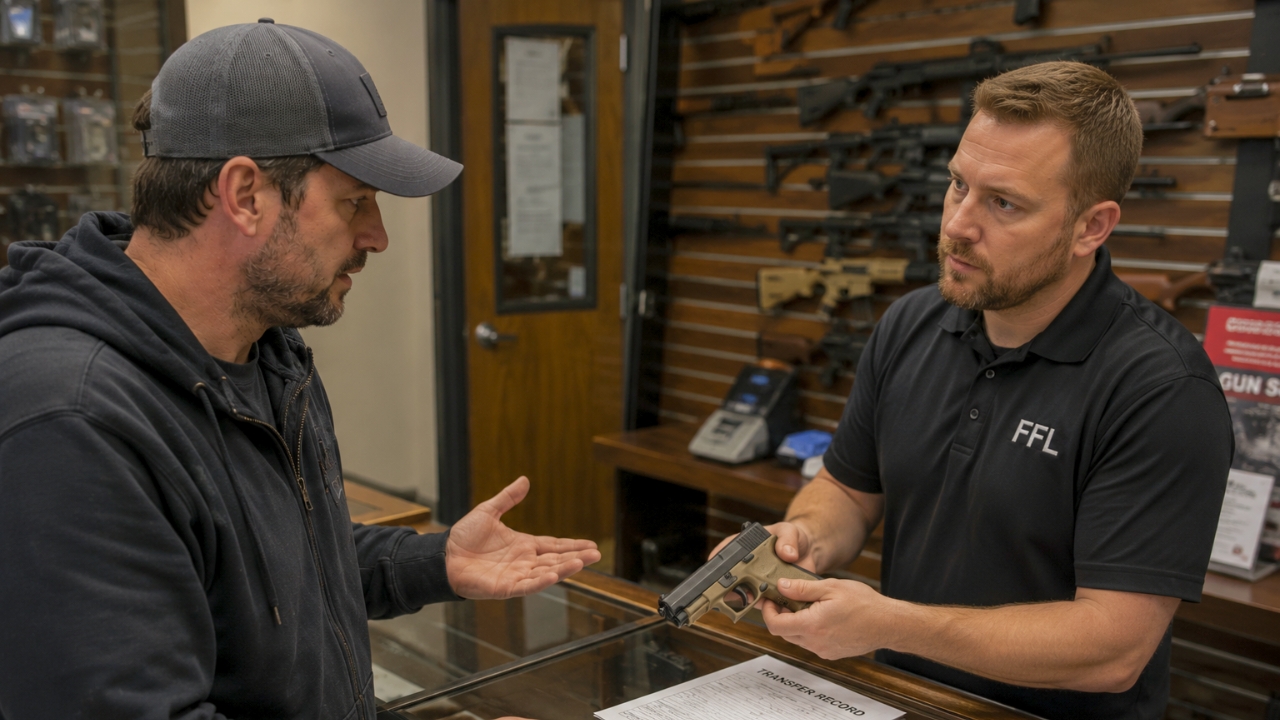
The buyer said the order should have been straightforward. He bought a firearm online, had it shipped to a local FFL, filled out the paperwork, and completed the transfer. At that point, the deal should have been finished.
Then the FFL realized a mistake had been made.
According to the Reddit post, the buyer had ordered one version of the firearm, but the gun he received was a different color. The FFL apparently transferred the firearm anyway, and the buyer left with it. Later, the FFL contacted him and said the color difference meant there was a price difference that needed to be paid.
The original Reddit post can be found here: https://www.reddit.com/r/legaladvice/comments/enlzl4/ut_ffl_made_a_mistake_with_my_online_order_and/
That is where the situation got tense. The buyer said the FFL threatened to report the firearm stolen if he did not pay the difference. From the buyer’s point of view, that sounded wrong. The gun had been transferred to him through the proper process. He did not sneak out with it, steal it off a shelf, or dodge the background check. The dealer handed it over.
The dispute was really about a business mistake. Someone ordered or received the wrong color, processed the transfer, and only afterward decided the buyer owed more money. That might be frustrating for the dealer, but threatening a stolen-gun report over a pricing dispute raised a whole different concern.
The buyer wanted to know whether the FFL could do that. It is not hard to see why he was worried. A stolen firearm report is serious. If the gun were entered as stolen and later found during a traffic stop, range visit, or sale, the buyer could end up explaining a mess he believed was not his fault.
At the same time, the buyer still had to think carefully. Firearm transfers involve paperwork, serial numbers, federal rules, and dealer records. Even when the buyer feels right, the smart move is not to ignore the dealer or turn it into a shouting match. It is to preserve every receipt, message, invoice, transfer document, and communication showing how the gun was ordered, transferred, and paid for.
The post did not read like someone trying to cheat a shop. It read like someone confused by a dealer threatening to turn a price disagreement into a criminal accusation after the transfer had already been completed.
Commenters mostly focused on the difference between a mistake and theft. Several said that if the firearm was legally transferred to the buyer, calling it stolen because of a later price dispute would be a serious stretch. The dealer might believe the buyer owed money, but that would not automatically make the gun stolen.
Others told the buyer to keep all paperwork. The receipt, transfer record, order confirmation, serial number, and written messages from the FFL could all matter if the dealer followed through on the threat or tried to claim the buyer took something improperly.
Some commenters suggested contacting the online seller or distributor to clarify what was actually ordered, what was shipped, and whether the price difference was real. If the wrong item had been shipped, the seller and FFL might need to resolve it between themselves.
A few people warned the buyer not to rely on phone calls alone. Any discussion about paying more, returning the gun, or the dealer threatening to report it stolen should be in writing if possible. Written records are harder to twist later.
Others said that if the dealer actually made a false stolen-gun report, the buyer should be ready to show police the transfer paperwork immediately. The best protection was proof that the gun came into his possession through a completed legal transfer, not through theft.
The post ended with the buyer stuck in a weird position. He had the firearm, the paperwork, and what he believed was a completed sale. The FFL had a mistake and wanted money. What made the dispute alarming was not the color difference. It was the threat to turn that mistake into a stolen-firearm report.
Like The Avid Outdoorsman’s content? Subscribe to our newsletter so you never miss an article.
Here’s more from us: