
Ammo availability is one of those boring truths that keeps winning. When shelves get thin or prices spike, the calibers that stick around are the ones that were already everywhere: common enough that every store keeps them, popular enough that manufacturers keep cranking them out, and practical enough that people actually shoot them year after year. The “next big thing” can be fun, but it gets a lot less fun when you can’t find a box before a hunt, a match, or a weekend at the range.
You also learn fast that availability shapes everything else. It affects how often you practice, what loads you can choose from, and whether you can feed a gun without planning months ahead. These are calibers that keep proving the same point: hype fades, but common ammo keeps you shooting.
9mm Luger

9mm keeps proving it’s the default handgun caliber for a reason. You can walk into almost any shop—big box, small-town hardware store, or range counter—and expect to find some form of 9mm on the shelf. That matters when you’re trying to practice consistently instead of treating range time like a special occasion.
It also matters because 9mm isn’t one load. You’ve got cheap ball ammo, premium defensive loads, subsonic options, and plenty of bullet weights. When supply gets tight, 9mm often gets restocked sooner than niche handgun calibers because demand is steady and manufacturers prioritize it. You can argue about recoil, “stopping power,” or trends all day, but if you actually shoot and carry, 9mm keeps winning the real-world argument: you can find it, afford it more often, and shoot it enough to stay sharp.
.22 Long Rifle

.22 LR is the caliber that keeps a lot of shooters honest, because it’s the one you can usually still find when everything else gets scarce. It’s the practice round, the small-game round, the “bring new shooters along” round, and the caliber that lets you shoot more without your wallet tapping out. That kind of usefulness never goes out of style.
Availability also matters because .22 is how many people stay in the game during expensive times. You can keep trigger time high, work fundamentals, and stay connected to shooting even when centerfire prices hurt. And because there are so many rifles and pistols chambered for it, retailers have a constant reason to stock it. Even when selection gets weird—hollow points one week, bulk packs the next—there’s usually something. It’s not glamorous. It’s simply the caliber that keeps the range trip alive.
12 Gauge

12 gauge is the definition of “it’s everywhere for a reason.” Walk into a rural store that sells bait and boots, and you’ll often find 12 gauge even when rifle ammo looks picked over. That’s because shotguns are still one of the most common tools in American hunting and home defense, and the demand never really disappears.
The other advantage is variety. Birdshot, buckshot, slugs, reduced-recoil loads, specialty loads—12 gauge gives you options for almost any role. When trends come and go, the 12 gauge stays put because it isn’t tied to one niche. It’s used for clays, upland, waterfowl, deer, and protection. That wide base keeps production steady. If you actually shoot and hunt instead of chasing the newest thing, 12 gauge keeps proving the same point: the most useful ammo is the ammo you can still buy on a random Tuesday.
.223 Remington / 5.56 NATO

.223/5.56 stays available because it’s tied to one of the most common rifle platforms in the country. Whether you run an AR-15, a bolt gun, or a ranch rifle, this caliber has a huge installed base, and that keeps it in constant production. When people talk about “practical rifle ammo,” this is usually what they mean.
Availability also shows up in load choices. You can find cheap training ammo, heavier hunting bullets, barrier-type defensive loads, and a range of bullet weights that make the caliber more flexible than outsiders assume. During shortages, it can get hammered, but it also tends to come back strong because manufacturers know the demand will be waiting. The hype calibers often look exciting on paper, but .223/5.56 keeps proving a simpler truth: if you want to shoot often, and you want a caliber with endless support, you pick the one that never really leaves the shelf for long.
.308 Winchester
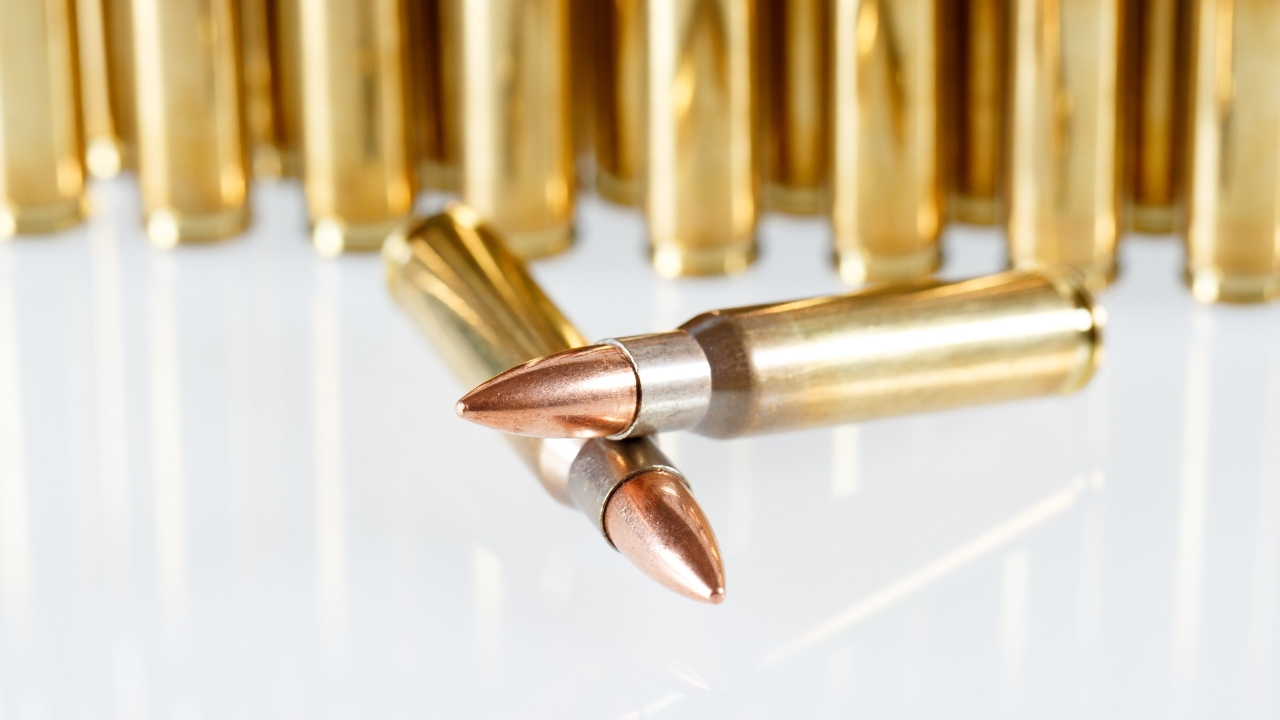
.308 Win is the caliber you see in everything from hunting rifles to precision rigs, and that broad use is exactly why it keeps showing up. It’s common enough that most stores keep at least a couple load types on hand, even if the selection varies. When you’re trying to feed a rifle consistently, that matters.
It also helps that .308 has a deep bench of proven loads. You’ll find hunting bullets, match ammo, and affordable practice options in most regions. You don’t have to be locked into one boutique manufacturer to keep shooting. And because .308 is so established, used rifles and parts support are everywhere too, which keeps people buying and shooting it. When new cartridges roll in promising flatter flight or less recoil, .308 just keeps doing what it always did: it stays available, works across a lot of roles, and doesn’t ask you to chase rare ammo every season.
.30-06 Springfield

The .30-06 is proof that “old” doesn’t mean obsolete when the ammo is still everywhere. Walk into a hunting town in the fall and you’ll usually see .30-06 on the shelf right alongside the modern favorites. That’s because generations of hunters still use it, and it remains one of the most common chamberings in classic and current rifles.
Availability matters here because the .30-06 isn’t just one thing. You can find lighter bullets for deer-sized game and heavier loads for bigger animals, with many manufacturers offering multiple options. That means you’re not stuck with one pricey load line. It also means if you travel to hunt, you’re more likely to find replacement ammo locally if your luggage gets delayed or your buddy forgot his box. The .30-06 keeps proving that hype cartridges may come and go, but an established caliber with broad support stays useful.
.270 Winchester

.270 Win doesn’t get the same online noise as newer hunting rounds, but it stays on shelves because real hunters keep buying it. It’s been a mainstream deer-and-elk cartridge for a long time, and that long track record keeps ammo companies producing it season after season. In many areas, it’s still one of the first few hunting calibers you’ll see stocked before rifle season.
The practical advantage is that you can usually find common hunting loads without hunting the internet. You may not get twenty boutique options, but you’ll get enough choices to sight in and hunt effectively. That matters more than people admit. If you’re the kind of shooter who wants to practice, confirm zero, and still have spare ammo without stress, .270 keeps making sense. It may not be the loudest cartridge in the conversation, but when availability is the real priority, .270 is quietly dependable in a way hype rounds rarely match.
.243 Winchester

.243 Win keeps proving that a caliber can stay relevant by being easy to live with. It’s common as a youth rifle chambering, a deer rifle, and a general-purpose “light recoil” option, and that broad role keeps ammo demand steady. Many stores stock it because it serves multiple customers: new hunters, recoil-sensitive shooters, and anyone who wants a flatter-shooting deer round without stepping into heavier recoil.
Availability also matters because .243 tends to show up in predictable, workable loads. You can find hunting ammo that does what it needs to do on deer-sized game, and you can usually find enough variety to match your rifle. During tight times, it may not be as plentiful as 9mm or .223, but it often remains easier to locate than newer, trendier hunting cartridges that rely on fewer manufacturers. If you want a caliber that makes practice easier and buying ammo less of a scavenger hunt, .243 keeps earning its spot.
.30-30 Winchester

The .30-30 is still around because lever guns are still around, and because the cartridge keeps doing the job in the woods without fuss. In many hunting areas, .30-30 ammo shows up every fall like clockwork. That’s availability you can plan around, and it matters if you’re the kind of hunter who doesn’t want your rifle choice tied to online restock alerts.
The .30-30’s staying power comes from how many rifles chamber it and how many hunters still trust it at realistic ranges. Ammo makers keep producing it because the demand base is stable, not trendy. You’ll usually see a few core load types, often from multiple brands, which means you’re not stuck with one source. When newer cartridges promise more range or more speed, .30-30 keeps proving a different point: most hunting happens inside practical distances, and the caliber you can actually find and shoot still beats the one you can only read about.
.45 ACP

.45 ACP keeps hanging around because it’s tied to one of the most common handgun types ever made, and because a lot of shooters still like how it feels and performs. Even in areas where 9mm dominates, .45 ACP remains common enough that stores usually carry it. That matters if you actually shoot your .45 instead of treating it like a safe queen.
It also helps that .45 ACP has a long history of load development. You can find ball ammo, defensive hollow points, and various bullet weights without relying on niche suppliers. During shortages, it can get thin, but it also tends to return because the demand base is steady and widespread. The hype calibers often promise a new story. .45 ACP has the old story that still works: lots of guns chamber it, lots of people buy it, and you can still find it without turning ammo shopping into a hobby.
.357 Magnum

.357 Magnum stays relevant because it offers flexibility and because revolvers never really left. It’s common enough that many stores stock it, and you can usually find both full-power magnum loads and lighter options. That matters for practice and for real use, because not everyone wants to shoot hot magnums all day.
Availability also matters because .357 is tied to multiple roles: trail carry, home defense, hunting sidearms, and general revolver ownership. That broad use keeps manufacturers invested in keeping it on shelves. The caliber also benefits from being a long-established standard. Even if one brand is out, another often fills the gap. When a new revolver caliber gets buzz online, it often struggles to match the simple truth of .357: you can buy it in most places, you can find different load types, and you can keep shooting without chasing rare boxes.
.38 Special

.38 Special is one of those calibers that quietly wins the availability game because it’s been a staple for so long. Snub-nose revolvers, service revolvers, training guns, and even some lever rifles keep it in demand. That’s why it shows up on shelves even when people aren’t talking about it online.
The practical value is that .38 Special offers a wide range of loads and recoil levels, which keeps it useful for both practice and carry. It’s also one of the calibers people keep around “just in case,” which sustains steady purchasing. If you own a revolver, being able to find .38 Special without drama is a big deal. Trend calibers can be exciting until you realize you can’t practice with them consistently. .38 Special keeps proving the opposite: boring availability is what keeps you shooting, training, and staying competent over time.
.40 S&W

.40 S&W is a funny one, because it’s not trendy anymore, and that’s part of why it can still be practical. There are a lot of pistols chambered in it from the era when it dominated law enforcement, and that installed base keeps ammo production alive. Many stores still stock it, and you’ll often see decent availability even when certain newer calibers are harder to locate.
The other reason it keeps proving the point is that .40 is not dependent on internet hype to survive. It’s already established. It has common defensive loads, practice ammo, and enough demand to keep it in the normal rotation. Some shooters moved on, but plenty still carry and shoot it, and the caliber remains supported. If you’re choosing based on “can I keep buying this without stress,” .40 S&W often ends up more stable than people expect, simply because it’s been around long enough to build real supply depth.
7mm Remington Magnum

7mm Rem Mag isn’t new, and it doesn’t need to be. It stays available because it’s a longtime western hunting staple and still shows up in a lot of rifle racks. In many regions, you’ll see it on shelves every season because hunters keep buying it for elk, mule deer, and open-country work. That kind of steady demand keeps it alive even when newer magnums try to grab attention.
Availability matters with magnums more than people think. A flashy new long-range cartridge can look great until you realize your local store never stocks it. 7mm Rem Mag usually has at least a few load options from major brands, which makes it easier to feed without planning a year ahead. You might not find the exact boutique load you want in every town, but you’ll usually find something workable. That’s the real win: it keeps you hunting without turning ammo into a scavenger hunt.
6.5 Creedmoor

6.5 Creedmoor started with a lot of noise, but it’s no longer living on hype. It’s become mainstream enough that availability is now one of its strongest arguments. In many stores, it sits right alongside .308 and .30-06, which is the point. Once a cartridge crosses into “regular shelf item” territory, it becomes easier to own and shoot long term.
The practical advantage is consistency. You can find a range of loads—hunting ammo, match-style ammo, and decent practice options—without relying on one brand. It’s also chambered in a wide range of rifles, from budget hunting guns to precision rigs, which keeps the demand base broad. Some cartridges arrive loudly and then disappear when the next thing comes along. 6.5 Creedmoor has already shown it can survive that phase. The reason is simple: you can actually find it, shoot it, and keep using it without constant hassle.
Like The Avid Outdoorsman’s content? Be sure to follow us.
Here’s more from us:


