Photo credit: Bushcraft Canada
Knife people love arguing about grinds, handle scales, and what “hard use” really means. I get it. But if you’ve ever rolled an edge halfway through breaking down a deer, or watched a tip snap doing something a normal field knife should handle, you already know what matters: steel and heat treat. Not “super steel” hype, not a fancy logo—just the right steel, done right, for the job you actually do.
Here are 20 knives I’d buy again mostly because the steel is the star of the show. Some are pricey. A few are boring. All of them are the kind of blades that keep cutting when a lot of pretty knives are already looking for a sharpening stone.
1. Buck 110 Folding Hunter (420HC done right)

On paper, Buck’s 420HC doesn’t impress the internet steel crowd. In the real world, it keeps showing up in gut piles, saddle scabbards, and old tackle boxes for a reason. Buck’s heat treat is the secret sauce, and it makes that “simple” steel act a whole lot tougher than folks expect. It’ll take a keen edge without you needing a full sharpening station in camp.
The 110 is not a lightweight. It’s a pocket brick with a classic lockback feel, and it rides better in a sheath than clipped to jeans. Still, if you want a folding knife that can clean a deer, slice strap, and keep going without drama, this one’s hard to argue with. There is nothing fancy about it, and that is kind of the point.
2. Buck 119 Special (420HC, big-game friendly)

If you grew up around hunters, you’ve seen a 119. That clip point has opened up a lot of whitetails and elk, and the steel is a big part of why. Buck’s 420HC sharpens quick and holds long enough for real field work, especially if you’re not trying to baton firewood like you’re on a TV show.
It’s also a knife that behaves on a stone. In camp, with cold hands, I’d rather touch up 420HC fast than fight a super-hard steel that wants diamond plates and perfect technique. The 119 isn’t trendy, and the guard can feel old-school, but if you want dependable cutting on hides, joints, and meat, it flat works.
3. Morakniv Companion (Sandvik 12C27)

For the money, Mora’s stainless in 12C27 is almost unfair. It gets stupid sharp, and it stays useful longer than it has any right to at that price point. I’ve used these for everything from trout cleaning to camp chores, and the edge is easy to bring back with a small stone or even a field sharpener that lives in the truck.
The Companion looks like a “cheap knife,” and that’s why it ends up actually getting used. The thin blade slices like crazy, which is what most outdoorsmen need more than pry-bar toughness. The tradeoff is you don’t abuse it. Don’t torque the tip in a knot or twist it in bone. Treat it like a cutting tool and the steel will keep paying you back.
4. Morakniv Garberg (Sandvik 14C28N)
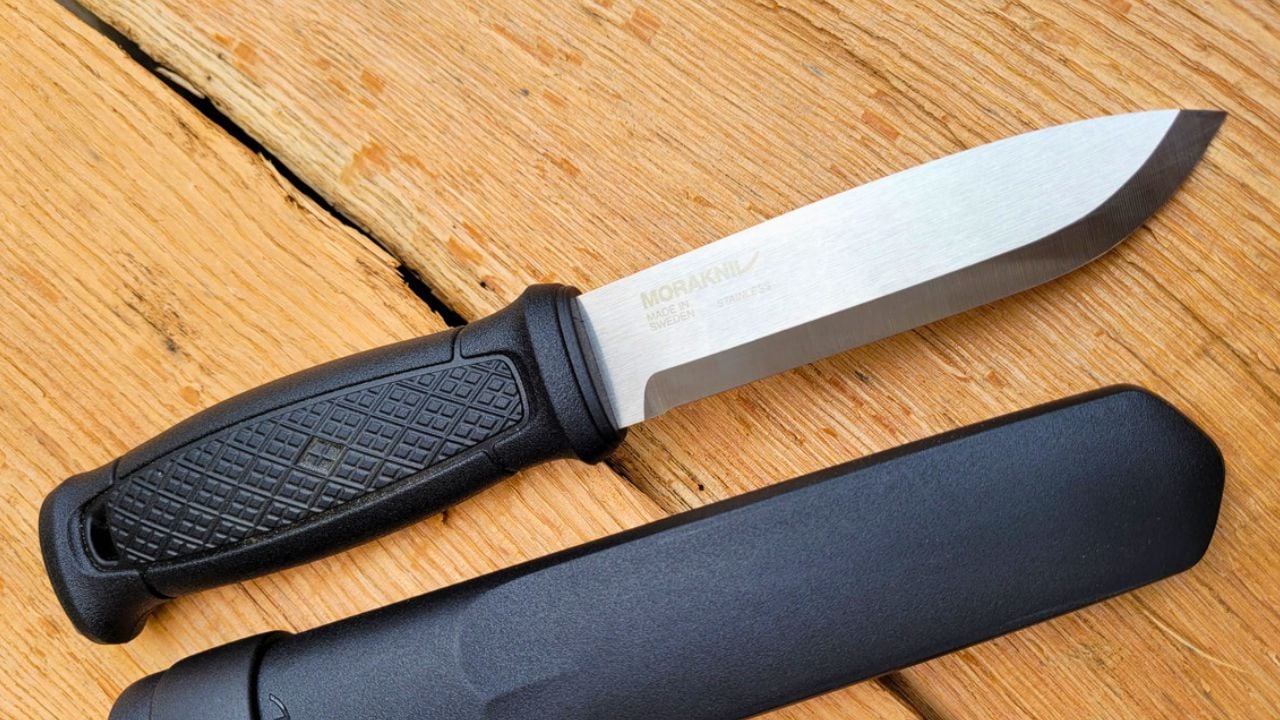
The Garberg is the “I want a Mora, but tougher” option, and the stainless 14C28N is a big reason it works. It’s still a steel that sharpens like a normal person’s knife steel, but it has better edge stability when you lean into harder tasks. It doesn’t feel delicate the way some thin Mora blades can.
Full tang, more robust geometry, and a steel that resists chipping better than you’d guess—that’s the recipe. It’s not a magic survival wand, but for hunting camps where a knife gets passed around for everything from kindling to food prep, this steel choice makes sense. If you’re the guy everyone borrows a blade from, you’ll appreciate how forgiving it is.
5. Spyderco Paramilitary 2 (CPM S45VN or S30V)
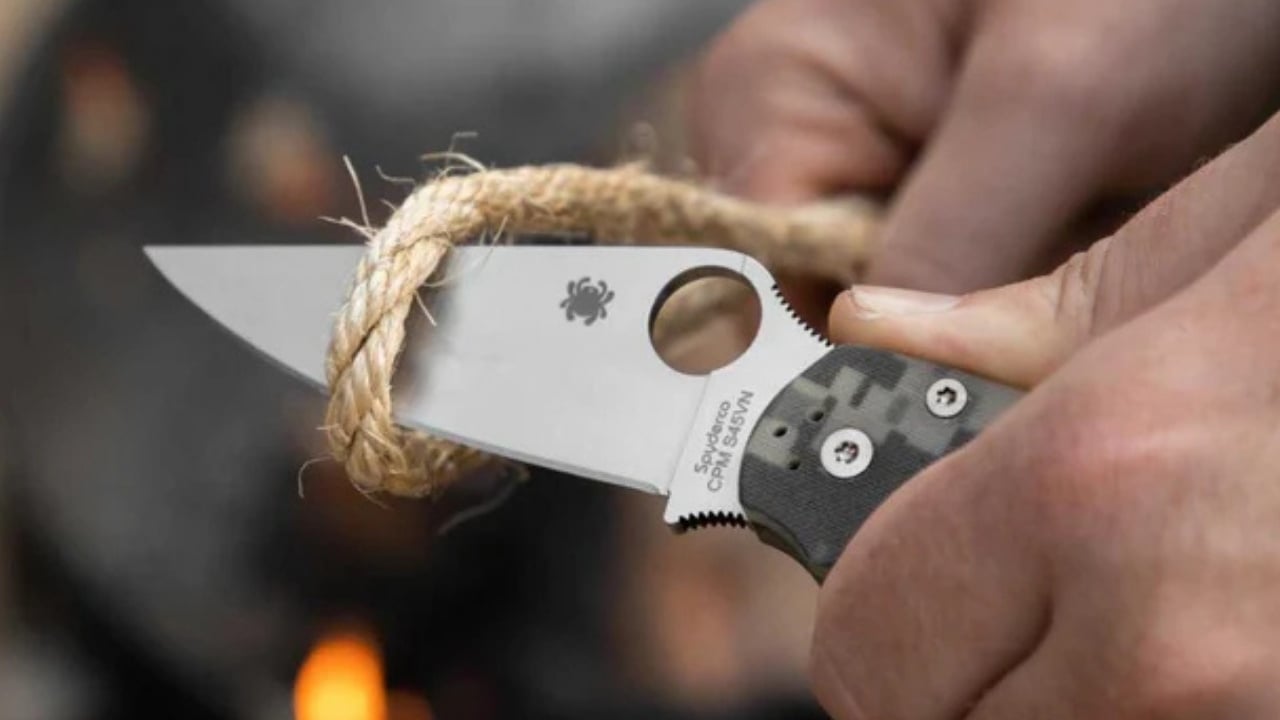
The PM2 is popular for a reason, and it’s not just the fidgety compression lock. Spyderco tends to do a solid heat treat, and steels like S30V and S45VN hit a sweet spot for real carry: good edge retention, decent toughness, and corrosion resistance that doesn’t punish you if you sweat on it all summer.
This is a knife that will cut a pile of cardboard, then still slice clean when you need it in the field. It’s not a pry tool, and the tip is fine enough that you should respect it, but the steel holds a working edge in a way you notice. If you’re the type who hates sharpening all the time, the PM2 is a relief.
6. Spyderco Endura 4 (VG-10)
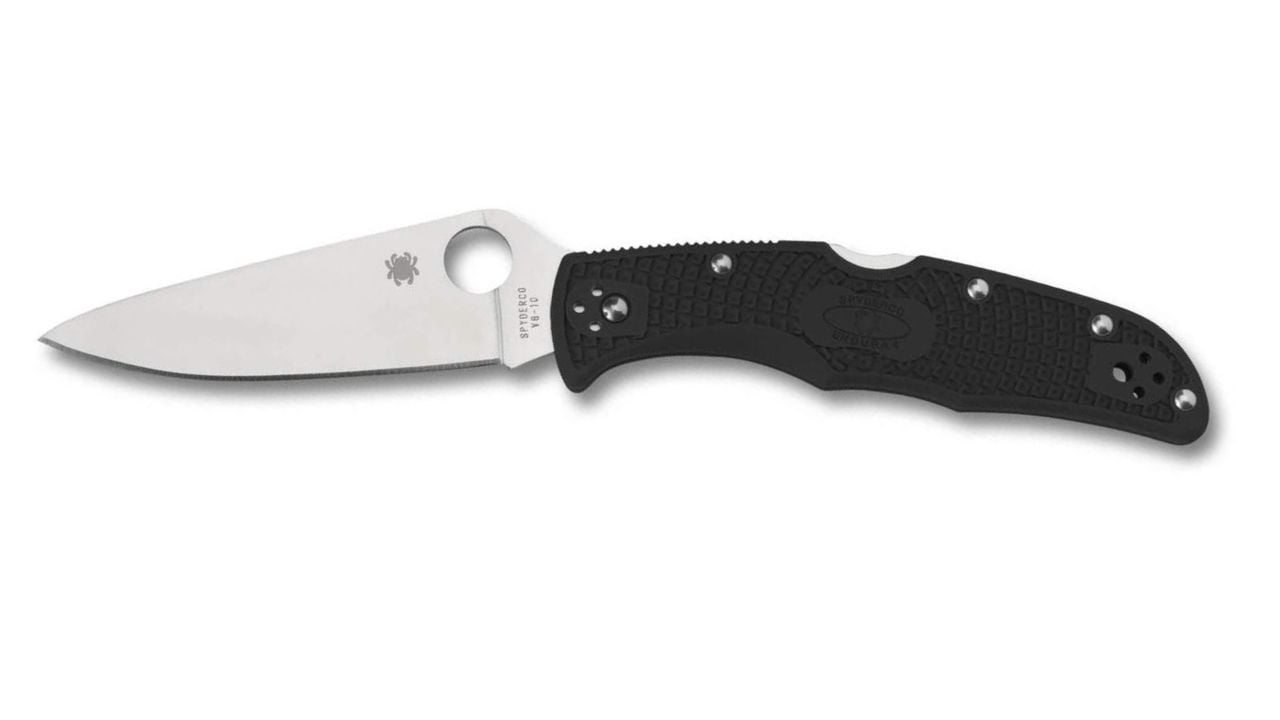
VG-10 isn’t new, and it doesn’t win internet steel fights. In an Endura, though, it’s a practical choice that performs. It sharpens without a fight, holds an edge long enough for normal EDC and camp work, and shrugs off moisture better than a lot of “budget” steels.
The Endura carries light and disappears in a pocket, which means it actually gets used. That matters. A steel you don’t carry does nothing for you. VG-10 also tends to warn you before it quits; it loses bite gradually instead of falling off a cliff. For hunting season, when you’re cutting tape, rope, feed bags, and the occasional tag zip-tie, it’s a steady worker.
7. Spyderco Native 5 (CPM Magnacut)
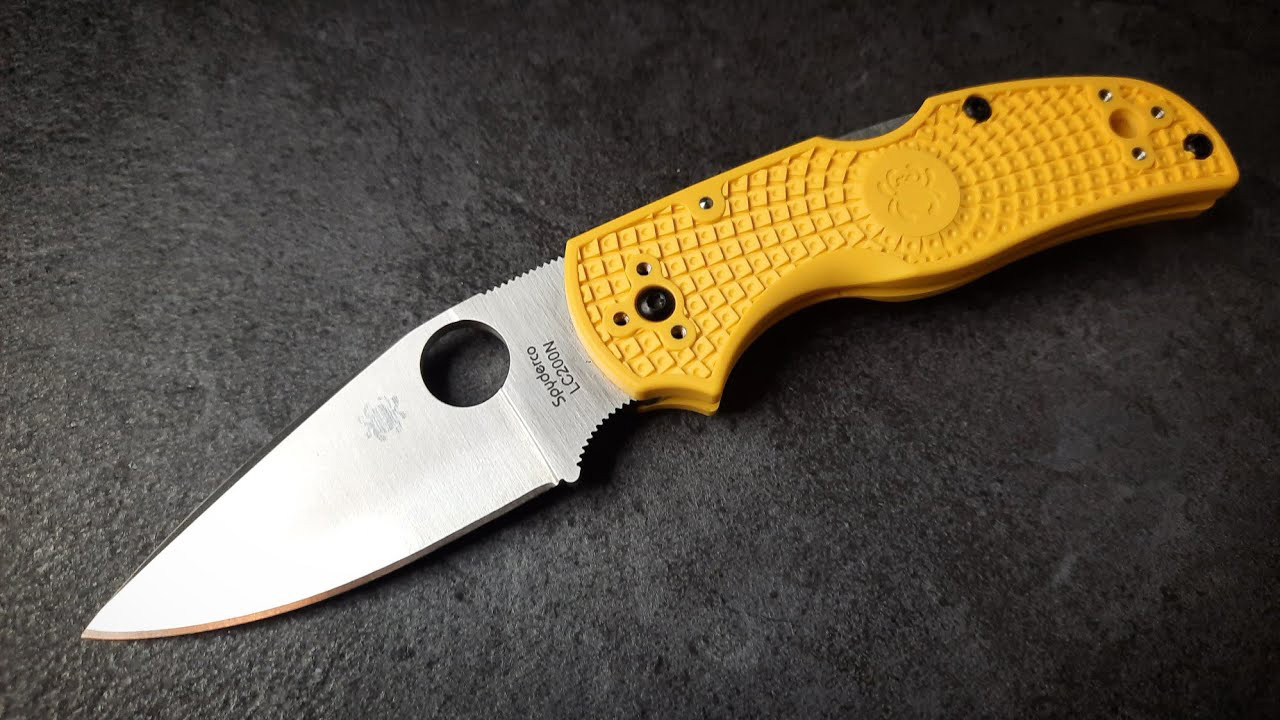
Magnacut is the rare modern steel that lives up to the talk, especially if you’re around water. It brings corrosion resistance that’s a big deal for fishermen, waterfowl guys, and anybody who’s ever found orange spots on a blade after a wet day. You get toughness and edge retention without the “stainless but not really” headaches.
The Native 5 is a simple lockback that just works, and Magnacut makes it feel like a serious tool instead of a pocket accessory. It’s not cheap, but it’s the kind of knife you can carry year-round, sweat on, rinse off, and not baby. If you want a one-knife answer for boat, blind, and back pocket, this steel is a strong argument.
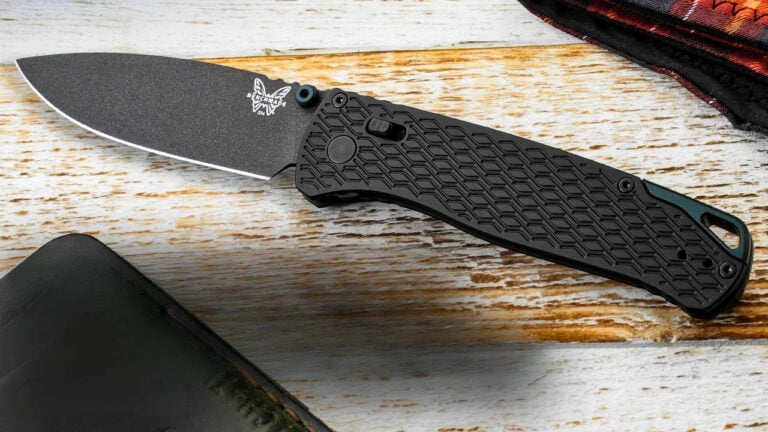
8. Benchmade Bugout (CPM S30V)

The Bugout gets mocked because it’s light and a little flexy in the handle. Fair. But S30V in a well-done heat treat is still a legitimate working steel, and it’s a big reason the Bugout keeps selling. For a knife that weighs almost nothing, it holds a useful edge longer than most folks expect.
This is a carry knife first. It’s for opening feed, cutting cordage, breaking down boxes, and cleaning the occasional fish—not for pretending you’re building a cabin with one blade. If you use it like a normal outdoorsman uses a pocket knife, the steel makes sense. It’s also a steel you can maintain without a PhD, which matters when your sharpening kit is whatever’s in the glove box.
9. Benchmade 940 Osborne (CPM S30V)
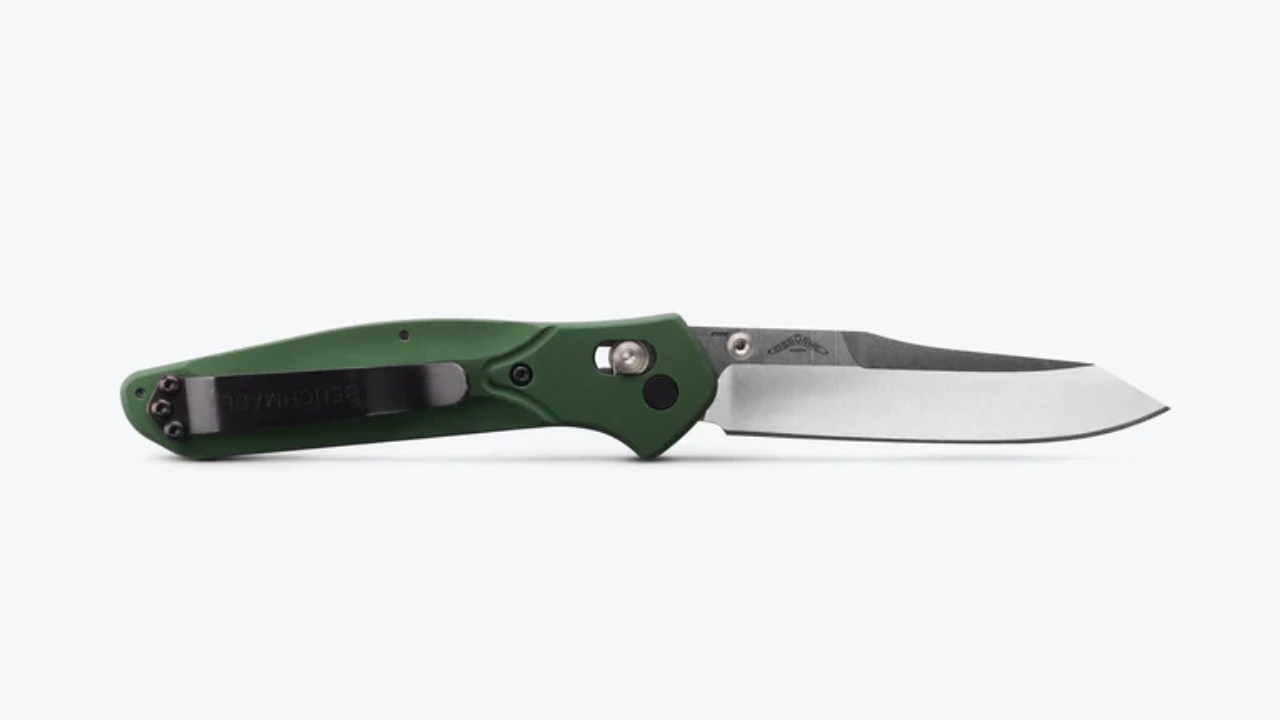
The 940 is one of those knives that feels like it should be a little overrated until you live with it. The blade shape is useful, the carry is excellent, and S30V is a great match for a knife that’s in your pocket every day. You get edge retention that keeps you from constantly touching it up, and corrosion resistance that fits real life.
I like S30V here because the 940 tends to be a do-everything cutter. It’s not a slicy super-thin laser, but it’s a durable profile that won’t get fragile when you hit harder materials. The steel supports that role. If you’re buying one “nice” folder you’ll actually keep, this combo is hard to beat.
10. Benchmade Adamas (CPM Cru-Wear)
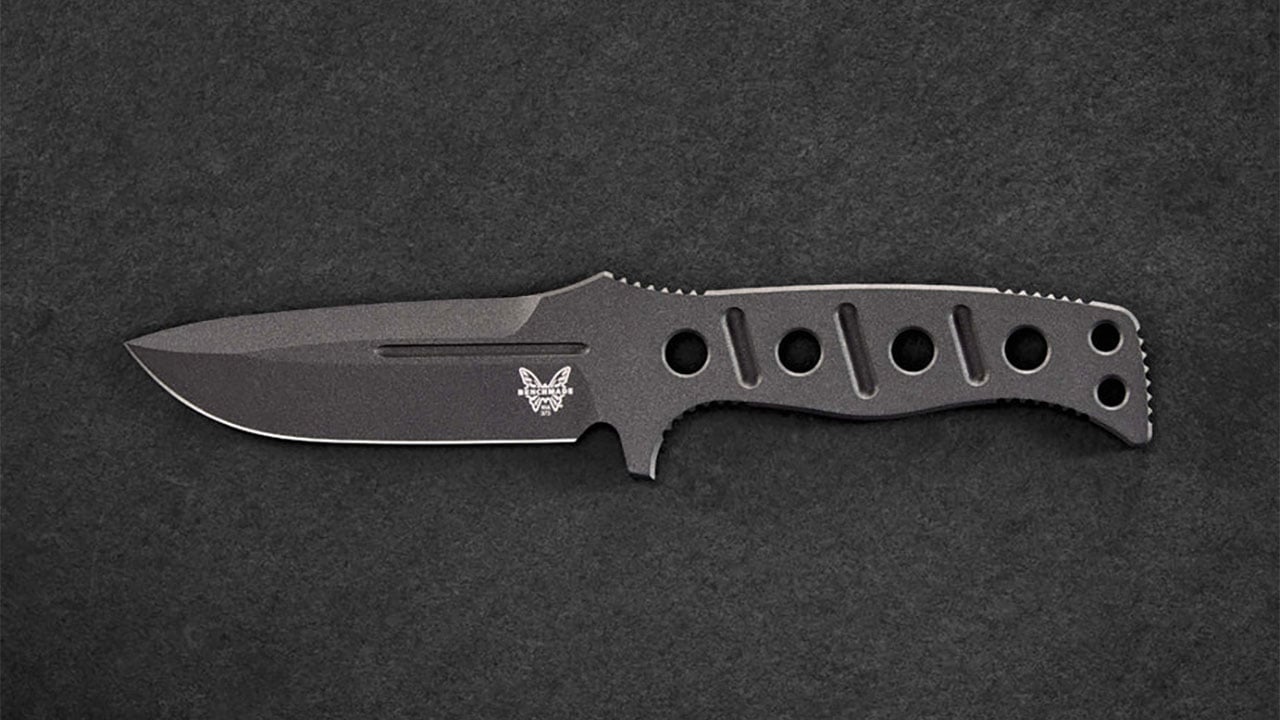
Cru-Wear is one of my favorite “hard use” steels when it’s done right, and the Adamas is built like it expects trouble. You get toughness that’s real, not marketing. That matters when your knife sees zip ties, staples, dirty rope, and the kind of cutting that isn’t gentle on edges.
The downside is corrosion. Cru-Wear isn’t stainless, and if you treat it like it is, you’ll be disappointed. But if you don’t mind wiping it down and using a little oil, it rewards you with a blade that resists chipping and holds a confident edge. This is a knife for the guy who actually uses gloves and still needs a knife that won’t act delicate.
11. ESEE-4 (1095 high carbon, proven heat treat)
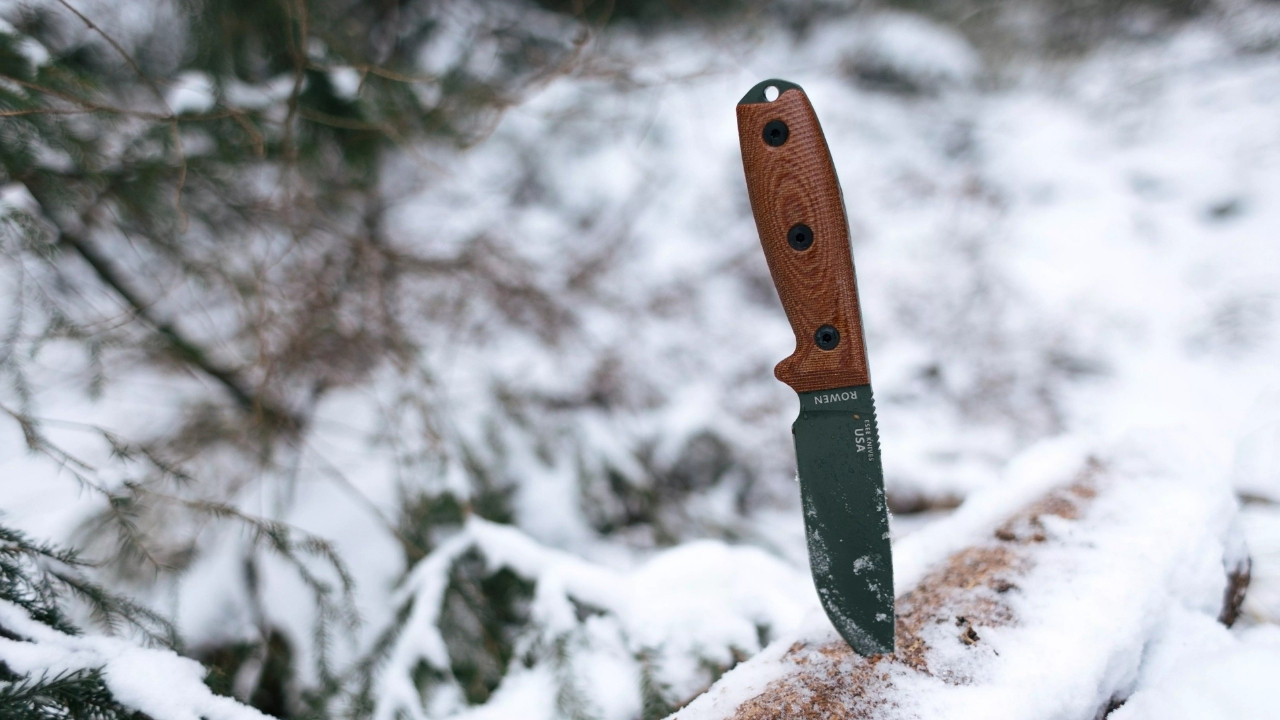
1095 is about as plain as it gets, and that’s why it’s still around. ESEE’s 1095, with a good heat treat and coating, is a field-friendly steel that’s easy to sharpen and tough enough for the kind of camp work most hunters do. You can bring it back on basic stones and keep moving.
The drawback is rust if you ignore it, especially along the edge where the coating isn’t. But as a belt knife, it’s one of those tools that takes honest abuse and doesn’t complain much. For guys who hunt hard, get rained on, and still need to cut through nasty tasks at camp, 1095 is dependable. It’s also the kind of steel that teaches you good habits without punishing you for being human.
12. Becker BK2 Campanion (1095 Cro-Van)
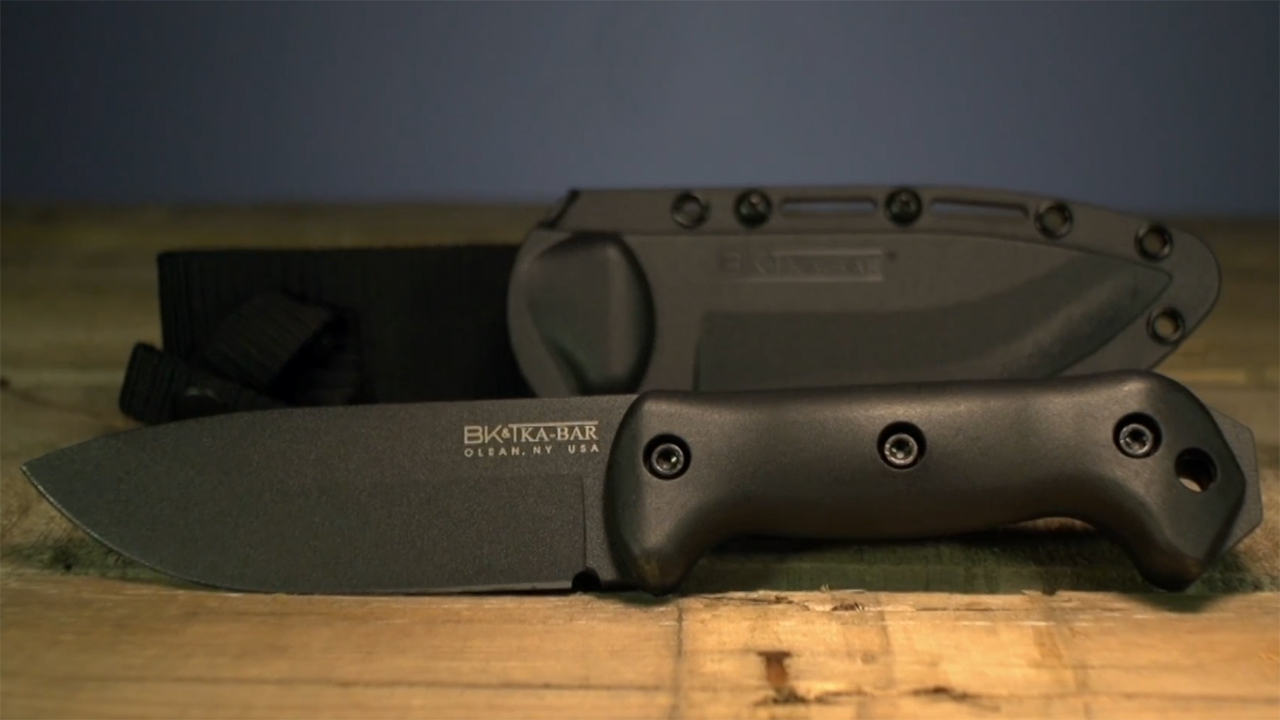
The BK2 is heavy. No way around it. But the 1095 Cro-Van is tough, forgiving, and fits what this knife is built to do: rough outdoor chores where you don’t want a brittle edge. If you’re splitting kindling, scraping, or doing ugly camp work, this steel choice makes sense.
It’s not stainless, and the coating only helps so much. Still, I’d rather have a carbon steel like this when the job is nasty and I’m not in the mood to baby a blade. The BK2 also sharpens without a fight, which is important because a knife like this will get dull if you actually use it. It’s not a deer-skinning laser, but the steel is why it survives the stuff that kills “pretty” knives.
13. Ontario RAT-1 (AUS-8)

AUS-8 doesn’t get folks excited, but in a RAT-1 it’s a smart, working-man steel. It sharpens easy, takes a fine edge, and is tough enough for the kind of pocket knife jobs that happen around farms, job sites, and hunting camps. If you’re the guy who’d rather sharpen than complain, AUS-8 is friendly.
The RAT-1 is also one of those knives you don’t mind using hard because you’re not terrified of messing it up. That leads to more real-world miles, and that’s where steel matters. AUS-8 won’t hold an edge like modern powder steels, but it’s consistent. And consistency is worth a lot when you’re a couple hours from home and the knife you brought is the knife you’ve got.
14. Cold Steel SRK (SK-5)
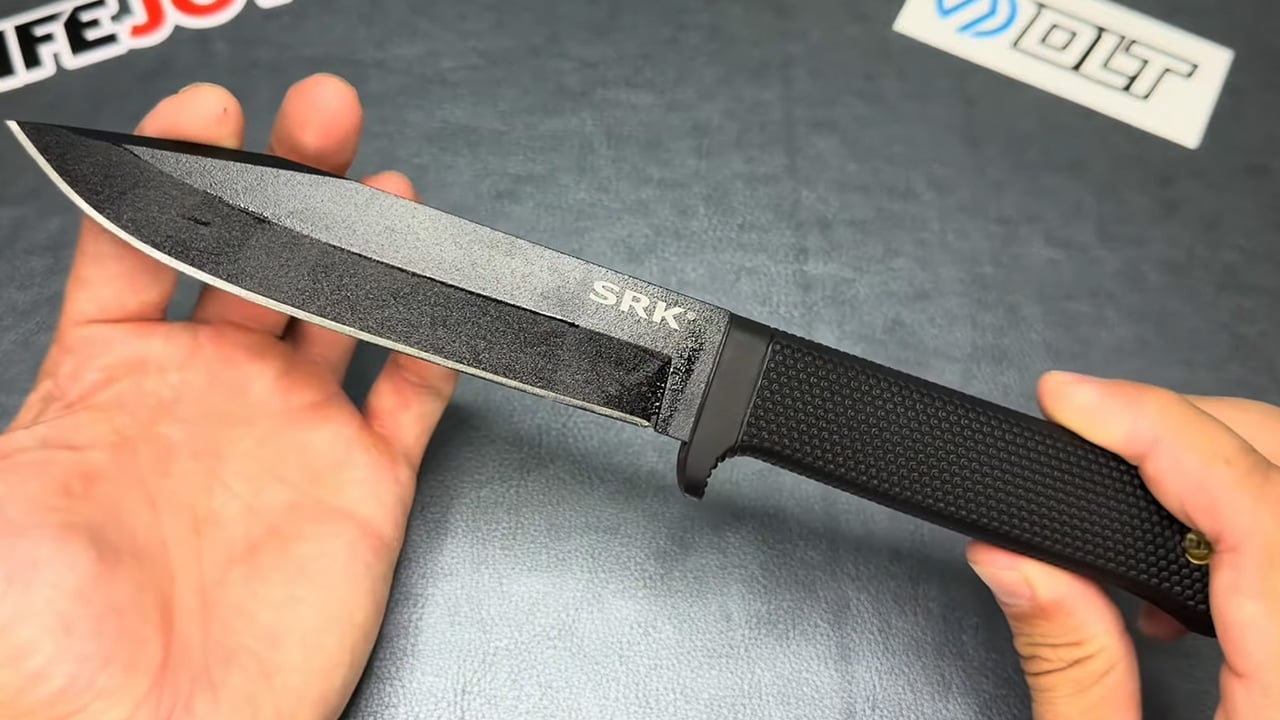
The SRK has been around forever in one form or another, and SK-5 is a big reason the current versions make sense. It’s a Japanese carbon steel that’s tough and straightforward. You can get it sharp, beat on it, and touch it up without having to drag out fancy abrasives.
Is it stainless? No. Will it rust if you neglect it? Absolutely. But for a budget-friendly fixed blade that’s meant to be used, SK-5 delivers a lot of performance per dollar. I like it for truck duty and camp duty, where the knife might cut dirty stuff and see moisture. Wipe it down, keep a little oil on it, and it’ll keep earning its keep.
15. Bradford Guardian 3 (Böhler M390)

M390 is one of those steels that can spoil you if you’re used to budget stainless. Done right, it hangs onto an edge through a lot of cutting, and it resists corrosion in a way that fits hunting and fishing. The Guardian 3 is a small fixed blade that rides easy, and M390 makes it feel like more knife than its size suggests.
The tradeoff is sharpening. When it’s time, you’ll want decent stones, and you’ll want to pay attention. But most guys don’t mind that because you’re not sharpening it every five minutes. For a do-it-all belt knife for whitetail chores, camp food prep, and everyday cutting, M390 is a legitimate “buy once, cry once” steel—especially if you’re hard on edges.
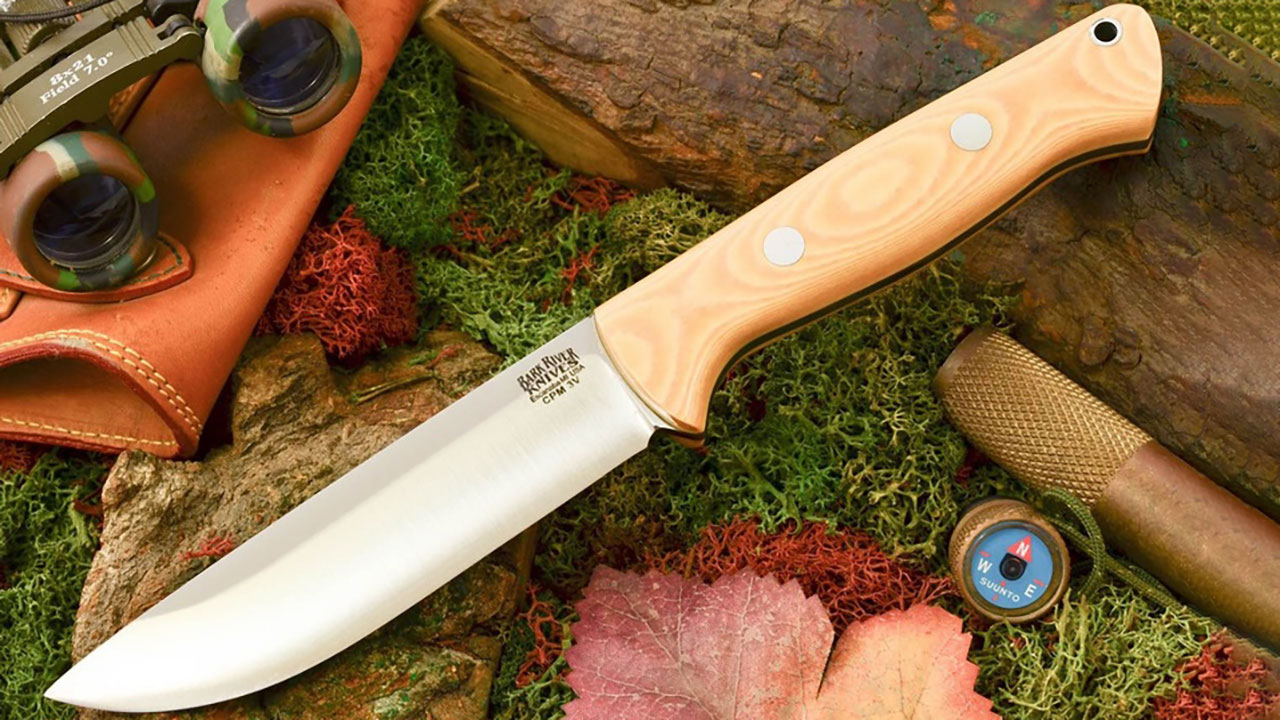
16. Bark River Bravo 1 (A2 tool steel)
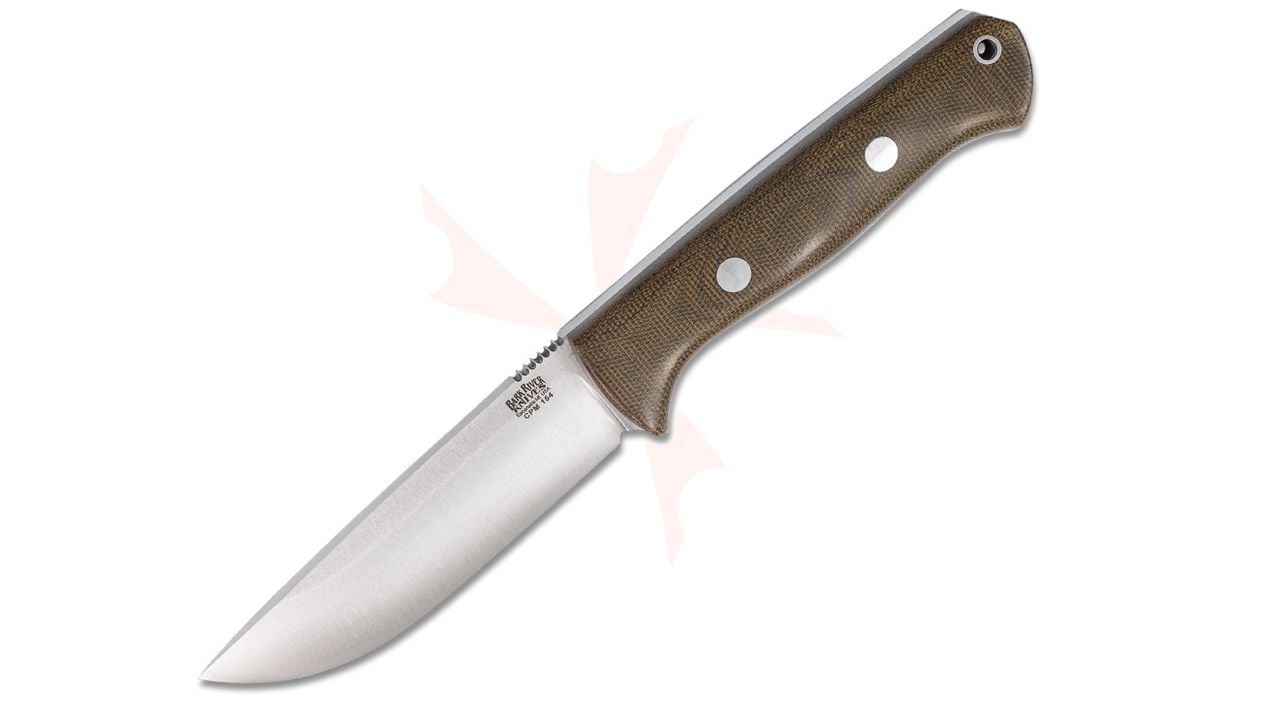
A2 is old-school compared to today’s alphabet-soup steels, but it’s still a beast when it’s heat treated well. Bark River has built a reputation around making A2 perform like it should, and the Bravo 1 is a classic field knife profile that matches the steel’s strengths. You get toughness and edge stability that feels confident.
A2 isn’t stainless, and it can spot up if you put it away wet. Still, it’s a steel that handles real outdoor abuse without turning into a chip-fest. It’s especially good for guys who want a fixed blade that can do camp tasks without feeling like a delicate slicer. If you’ve ever had a knife that looked great but didn’t like being used, A2 is the antidote.
17. TOPS BOB Fieldcraft (1095 high carbon)
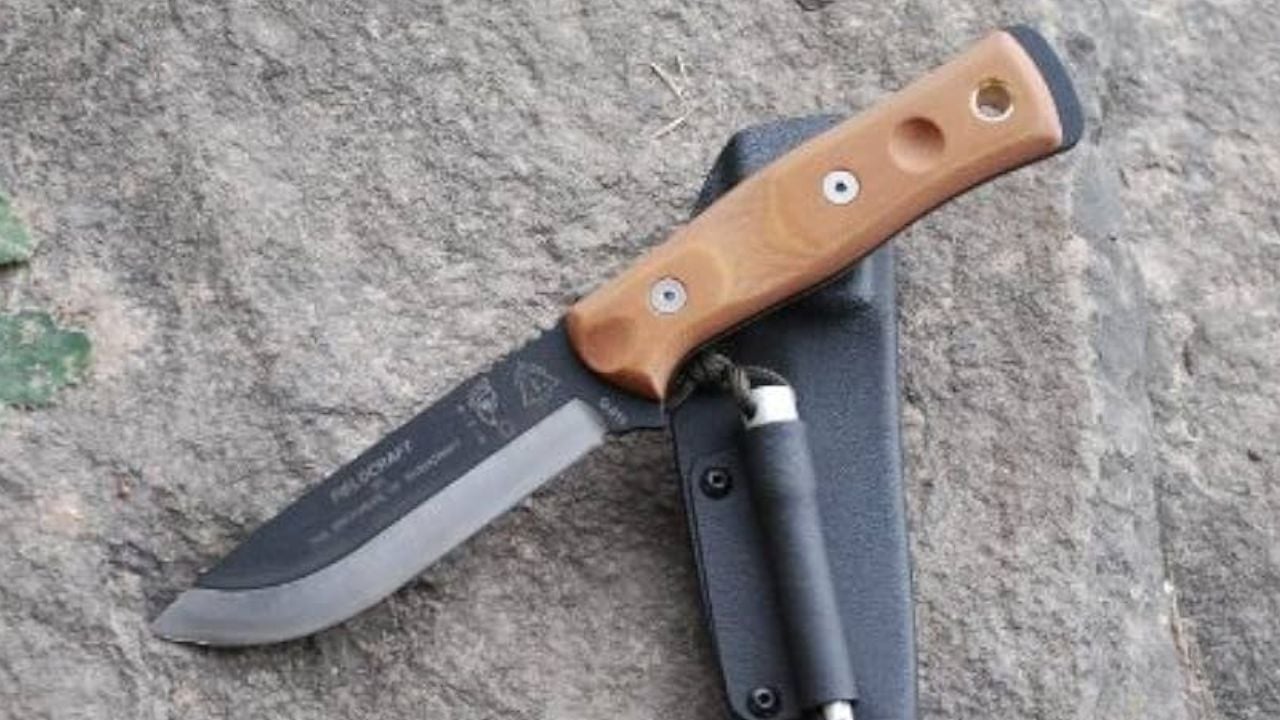
TOPS leans hard into 1095, and with the BOB Fieldcraft it works. The steel is easy to maintain, tough enough for rough tasks, and predictable. Predictable matters when you’re cold, tired, and you just need your knife to do knife things without surprises.
This is a knife that gets used for wood processing, food prep, and general camp chores, and the steel supports that kind of mixed work. It will rust if you ignore it, no sugarcoating that. But it’ll also sharpen back quickly, even on a basic stone. If you want a knife that feels ready for hard miles and you don’t mind a little maintenance, the steel choice is part of why it’s trusted.
18. Fallkniven F1 (laminated VG-10)
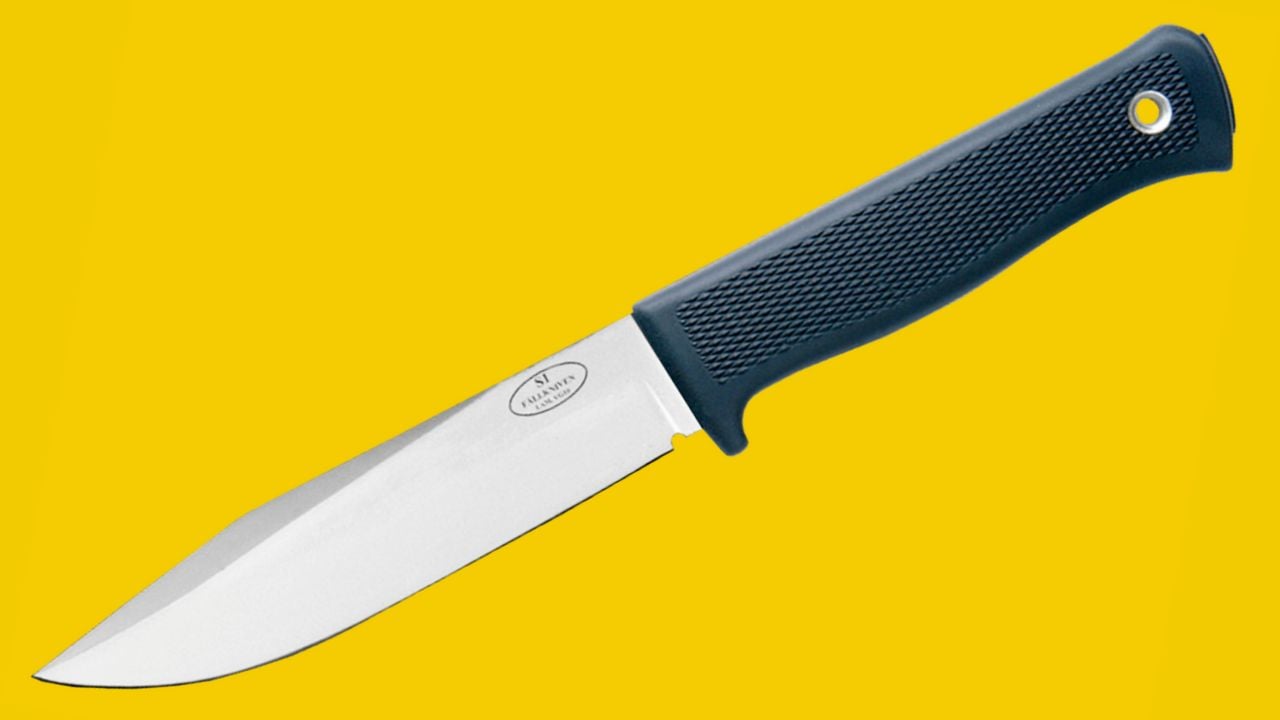
Fallkniven’s laminated VG-10 has a reputation for a reason. The idea is simple: a hard core steel for edge holding, with tougher outer layers to help with strength. In actual use, it feels like a blade that stays sharp longer than you expect while still being resilient when you’re not gentle with it.
The F1 is a great size for belt carry, and it’s not a wall-hanger. It’s the kind of knife you can dress game with, then use around camp without feeling like you’re going to wreck it. It’s not the cheapest option on this list, but the steel performance is a big part of what you’re paying for. It’s a serious tool in a practical size, and that combination is rare.
19. Chris Reeve Sebenza 31 (CPM S45VN)
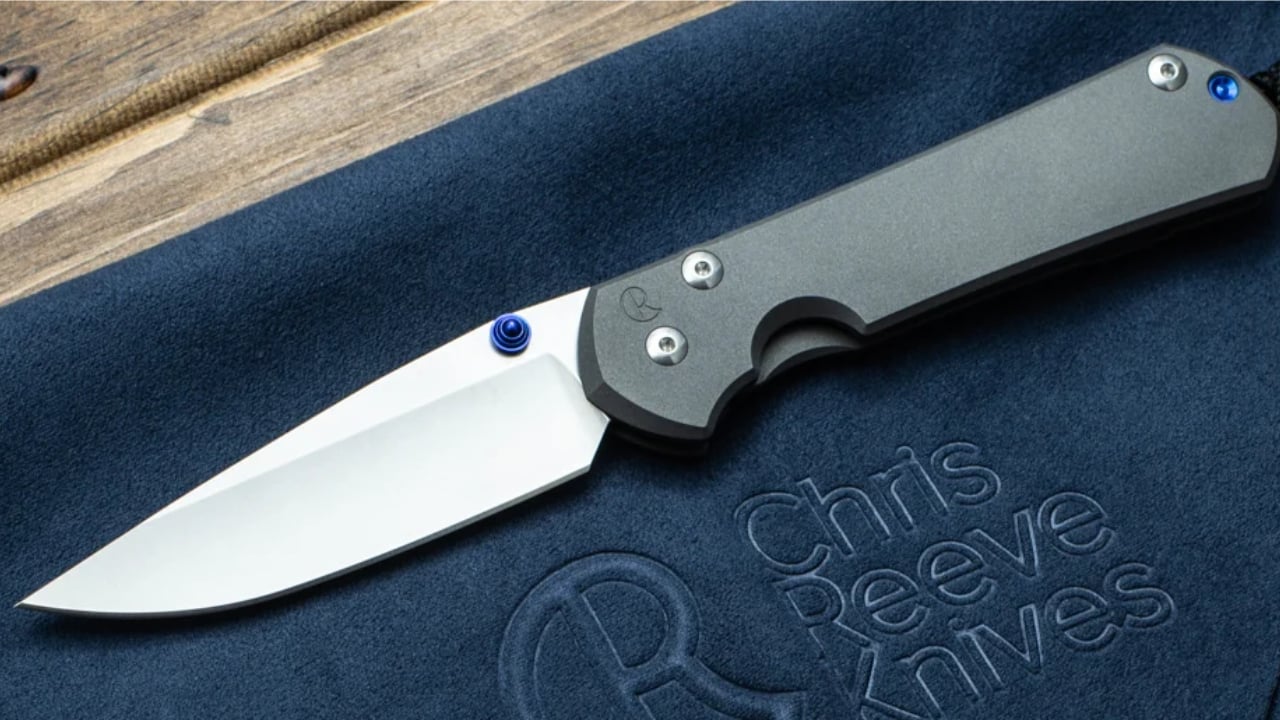
The Sebenza costs enough that a lot of folks talk themselves out of it, and I understand that. But one reason it earns respect is the steel choice paired with consistent heat treat. S45VN is a good all-around stainless that balances edge retention and toughness, and in a Sebenza it’s backed by tight fit and finish that keeps the knife feeling solid for decades.
This isn’t a “hard use beater” for prying, scraping, and abuse. It’s a precision folder that cuts extremely well and stays sharp a long time in normal carry. For hunters and landowners who carry a knife every day, that matters. If you’ve ever been disappointed by an expensive knife that didn’t cut better than a $40 one, the Sebenza is often the opposite experience.
20. Hogue Deka (CPM Magnacut)
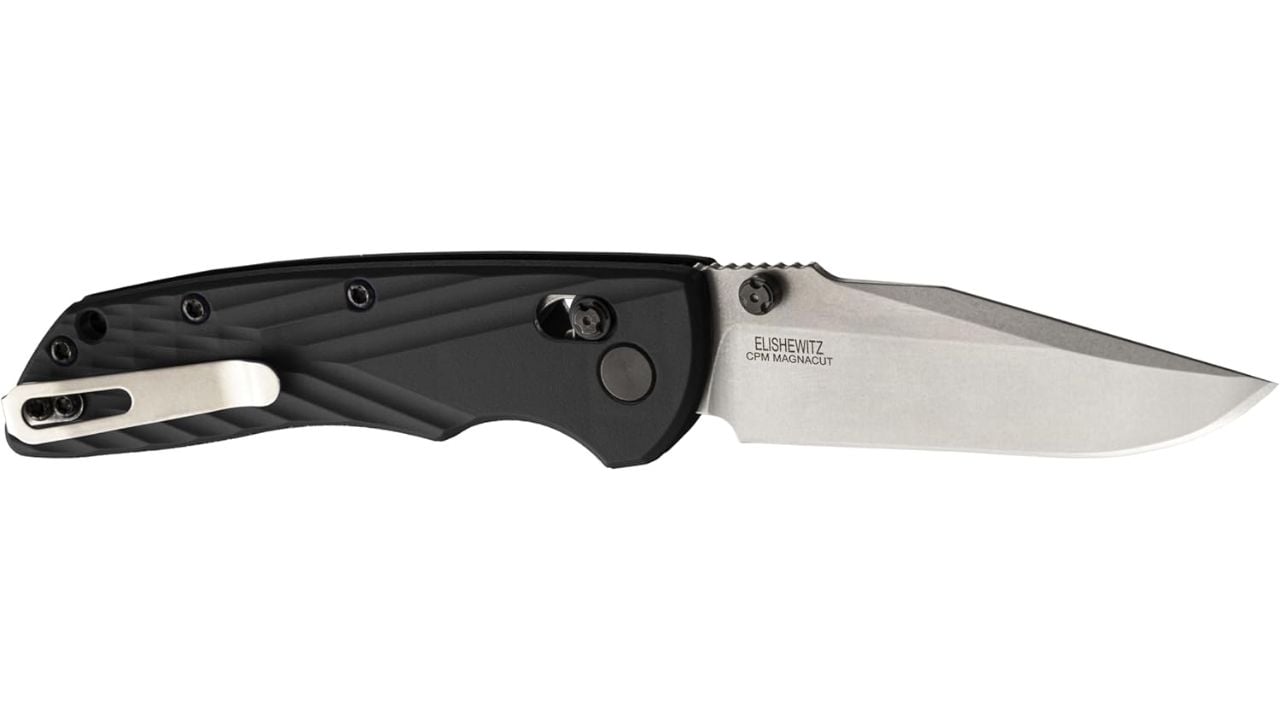
The Deka in Magnacut is one of the most practical modern carry setups going. Magnacut gives you that corrosion resistance that fits sweat, rain, and pocket lint life, while still being tough enough that you’re not scared of chipping it on normal tasks. It’s the kind of steel that makes an everyday knife feel less fussy.
The knife itself carries light, cuts well, and doesn’t feel like a show piece. That’s what I like about it. If you’re in and out of the woods, the boat, the barn, and the truck, Magnacut is a steel that forgives a little neglect. Keep it clean, touch it up when it needs it, and it’ll stay in the rotation. Ask me how I know: stainless that actually acts stainless is a beautiful thing.
Steel isn’t everything, but it’s the part you can’t “accessory” your way out of later. A great handle on mediocre steel still leaves you sharpening too much. A good steel with a sensible grind makes life easier in the field, and it keeps a knife from turning into a drawer queen. Buy what you’ll carry, match the steel to your climate and habits, and don’t be embarrassed if the knife that works best is the boring one.
Like The Avid Outdoorsman’s content? Subscribe to our newsletter so you never miss an article.
Here’s more from us: