Photo credit: BlueLightBandit/Youtube
You can learn a lot standing at a gun counter on a Saturday. The brand-new stuff gets handled and admired. The used case tells the truth. It’s full of handguns that seemed like a great idea right up until the first couple range trips proved otherwise. Most of these aren’t “bad guns.” They’re just guns that demand more from the shooter than the buyer expected, or they punish sloppy fundamentals, or they solve a problem the owner doesn’t actually have.
Here are 20 handguns I see come back around again and again—because their owners never got comfortable enough to run them well.
1. Smith & Wesson Airweight 642
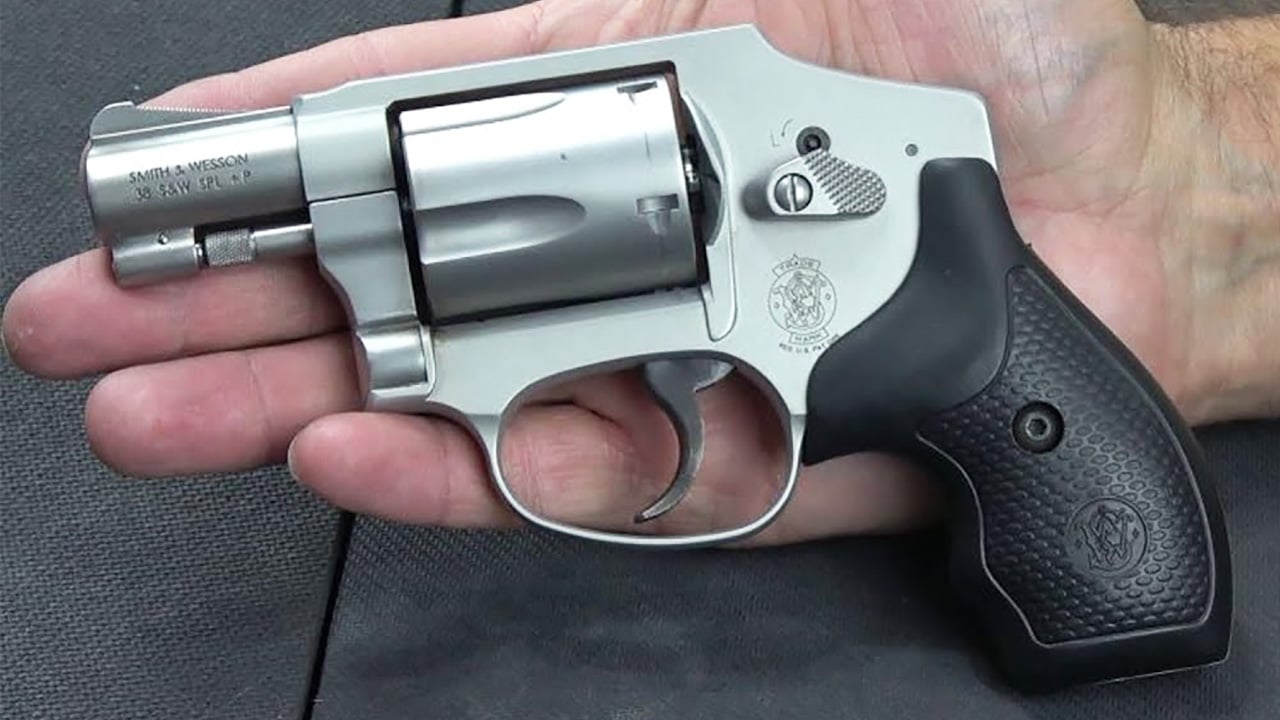
The 642 is a classic pocket revolver, and it’s also a fast track to developing a flinch. Light weight sounds great until you touch off +P and realize that skinny little boot grip is concentrating all that recoil into the web of your hand. New owners buy it to “always have something,” then they don’t practice because it’s not fun. That’s how it ends up in the used case.
It’s also harder to shoot well than folks admit. The long, heavy double-action trigger is safe and reliable, but it exposes every bit of jerking and anticipation. If you can run a 642 well, you can run most handguns well. Most buyers never stick around long enough to get there.
2. Ruger LCP (original)
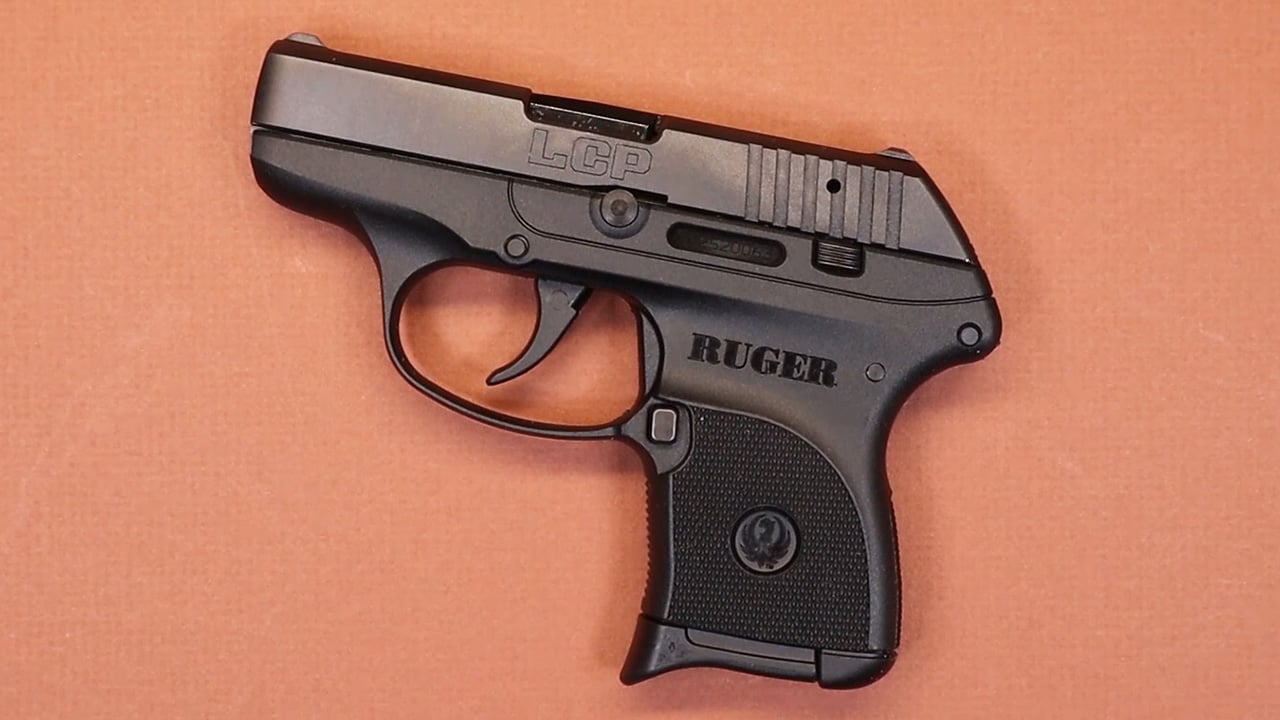
The original LCP sold like hotcakes because it disappears in a pocket. Then the owner tries to shoot it like a “real pistol” at 10–15 yards and gets humbled. The sights are tiny, the grip is barely there, and the trigger on the early guns is long enough to feel like a full sentence. It’s a carry tool, not a range toy.
What happens is predictable: they buy a couple boxes of .380, get sore hands and sloppy groups, and decide the gun “isn’t accurate.” It’s usually the shooter fighting the gun’s size. When you see an LCP in the trade-in rack with one mag and a pocket holster, that story has already played out.
3. Glock 43
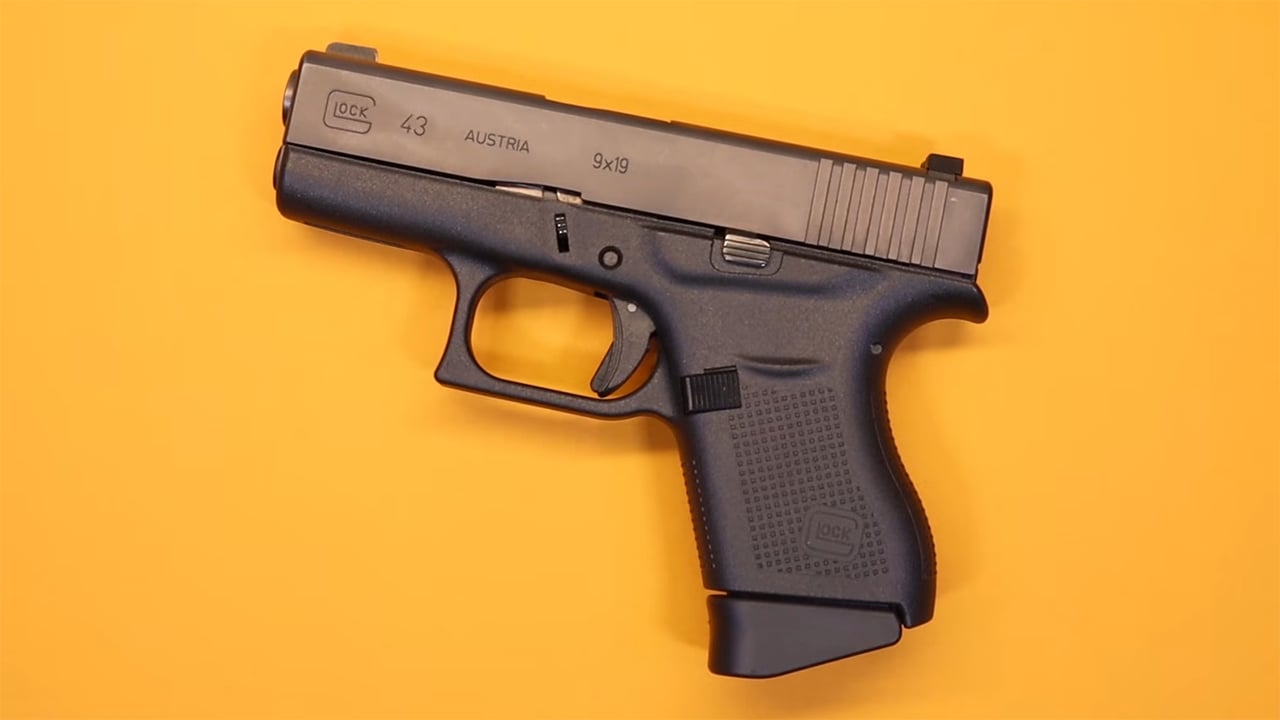
The Glock 43 is a good pistol, but it’s a narrow little gun that gets snappy fast. A lot of folks bought one as their first concealed carry gun after hearing “Glock reliability” and “simple manual of arms.” Then they find out that single-stack grip gives you less leverage, and the short sight radius punishes rushed trigger work.
It also tends to get carried a lot and shot a little. If you don’t build time behind it, you’ll feel behind the gun. Plenty of owners end up swapping to a slightly larger 9mm that’s easier to control and faster to shoot in real strings, not just slow-fire groups.
4. SIG Sauer P365 (standard grip module)
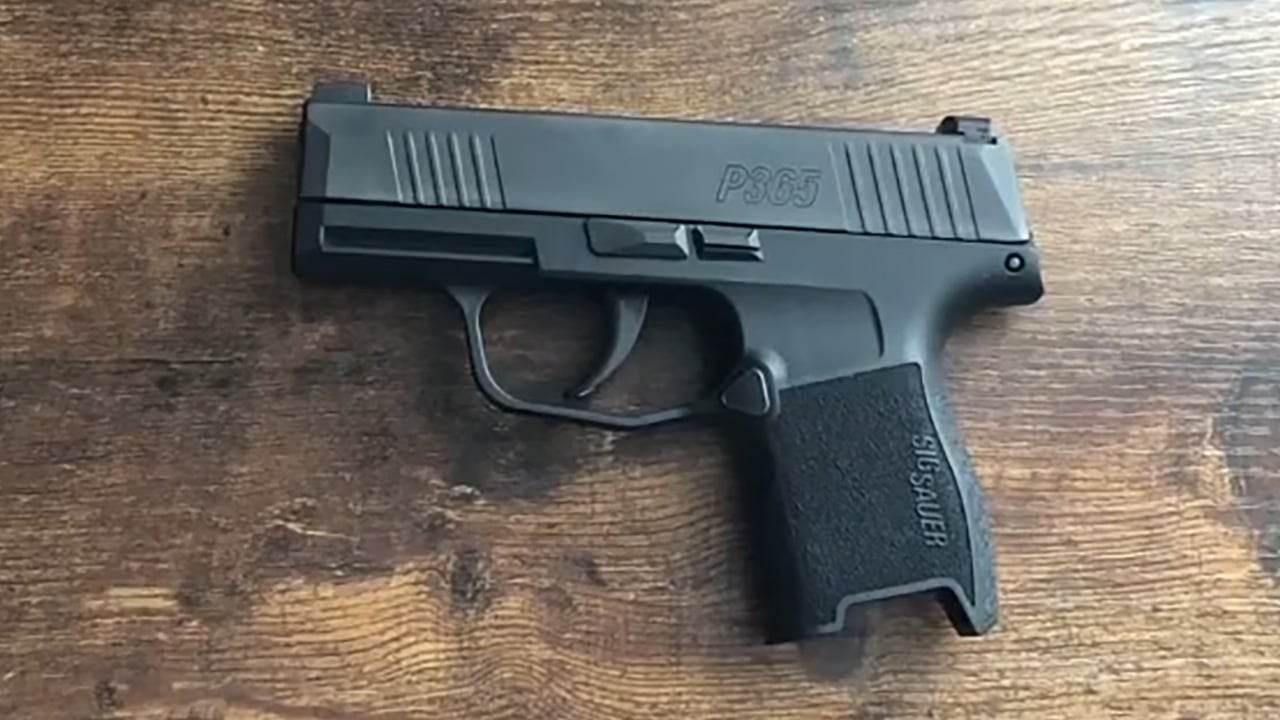
The P365 changed the carry market, no doubt. But the standard configuration is still a small, high-capacity pistol, and small pistols are less forgiving. With new shooters, I see two problems: they overgrip and yank shots low left, or they undergrip and get that slide cycling chaos in their hands. Either way, they lose confidence.
The other issue is expectations. Owners hear “it shoots like a bigger gun,” and maybe it does compared to other micro-compacts, but it’s not a duty-size pistol. When someone finally shoots a P365 next to a compact like a Glock 19, the difference in ease and speed becomes real. That’s when the trade-in talk starts.
5. Springfield Armory Hellcat (original)
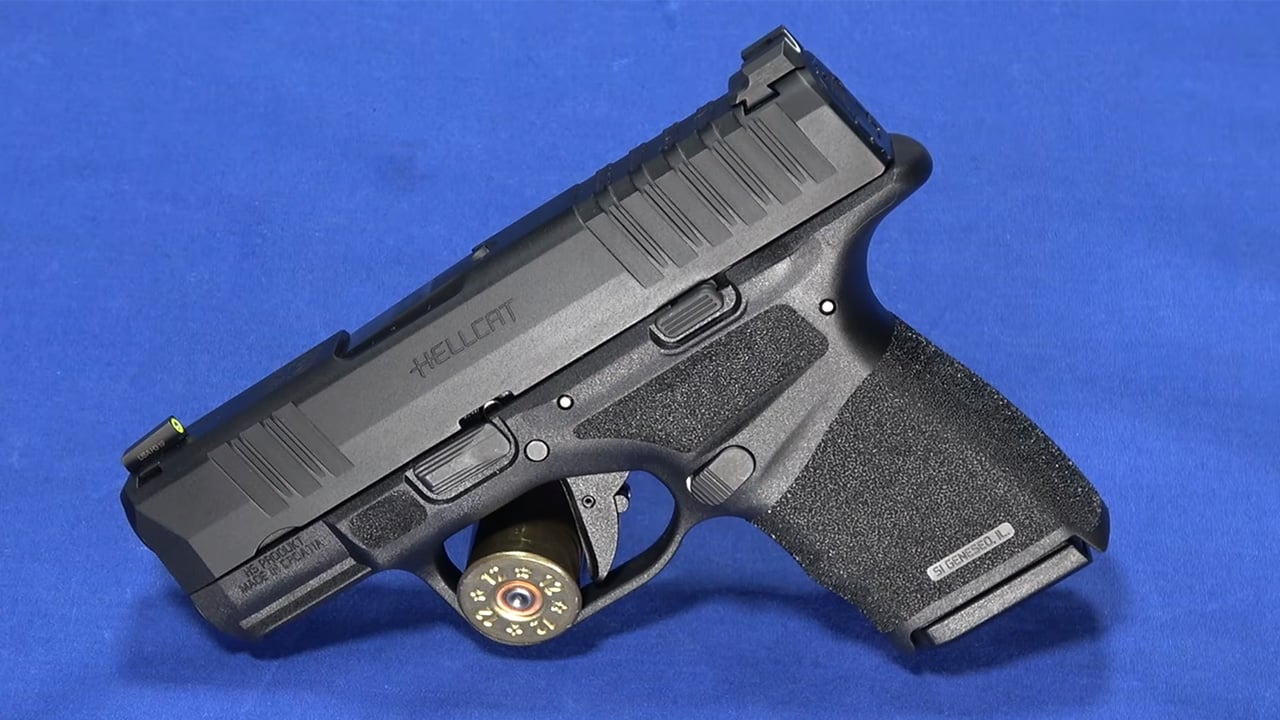
The Hellcat is another micro that sells on capacity and size. The trade-ins usually come from folks who shoot a magazine or two, hate how sharp it feels, and never get past that first impression. The grip texture is aggressive, which is great for control, but it can feel like sandpaper during longer practice sessions.
A lot of shooters also struggle to track the front sight on fast strings with the short slide and snappy impulse. It’s not unmanageable, but it takes work. If you’re not committed to regular practice, a slightly larger pistol ends up being “more accurate” simply because the shooter can run it without fighting it.
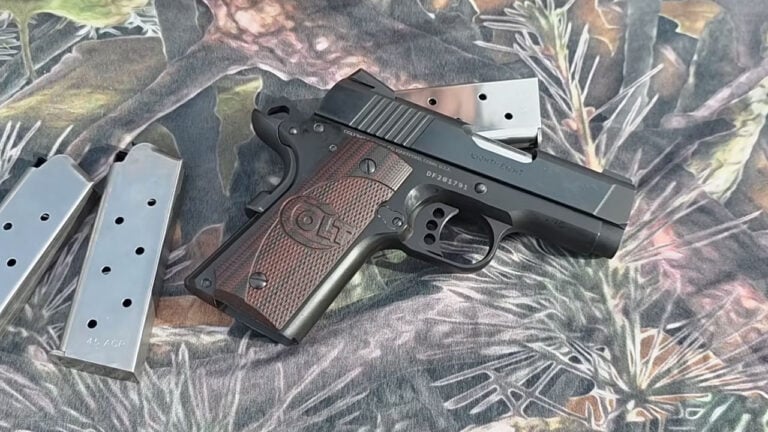
6. Kimber Ultra Carry II (3-inch 1911)
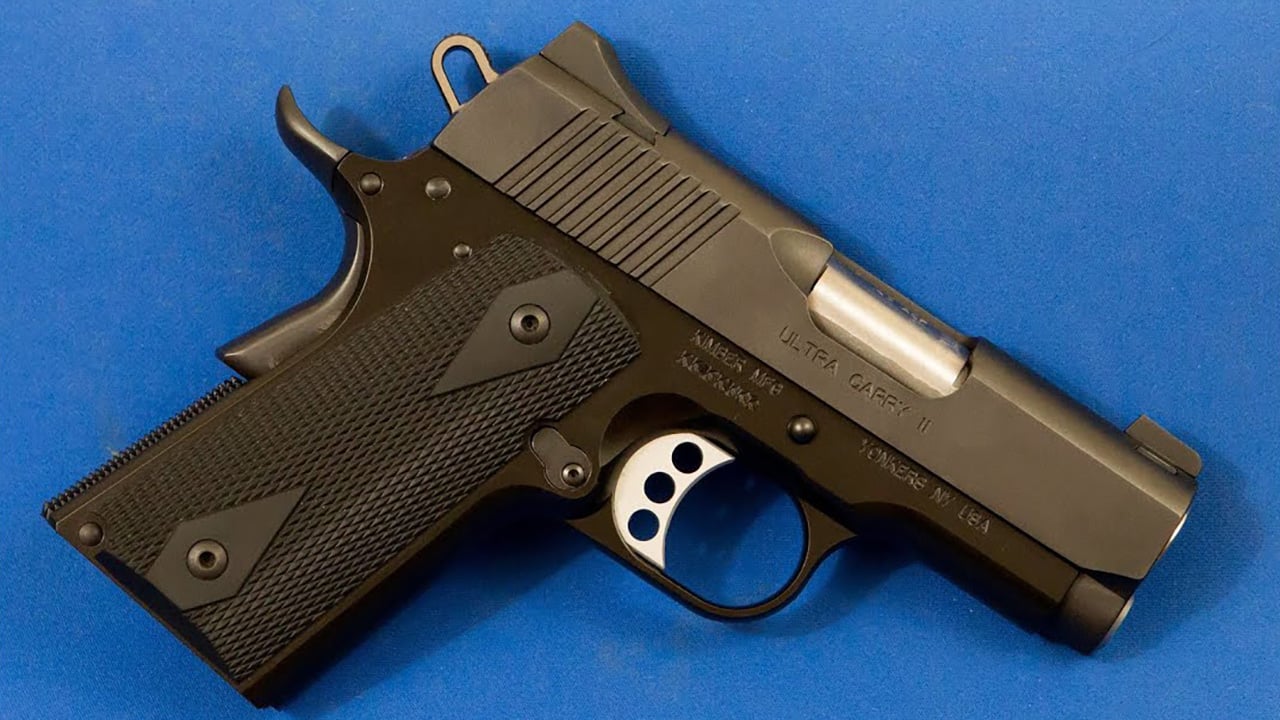
Little 1911s look classy in the display case. In real life, they can be fussy. The 3-inch 1911 format compresses the timing window, and some examples are ammo- and magazine-sensitive. Add in a lighter slide and stout recoil spring, and the gun can feel snappy in a way that surprises people who thought a steel .45 would be soft.
Then there’s the user side. A 1911 asks for a real grip, consistent thumb safety use, and more attention to lubrication and maintenance than a modern striker gun. Owners who don’t train much end up feeling like the gun is “complicated” or “temperamental,” and it gets traded for something simpler.
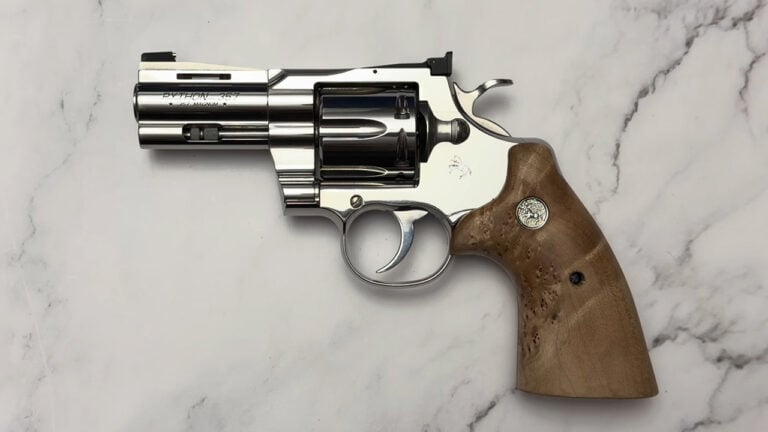
7. Colt Cobra (modern)
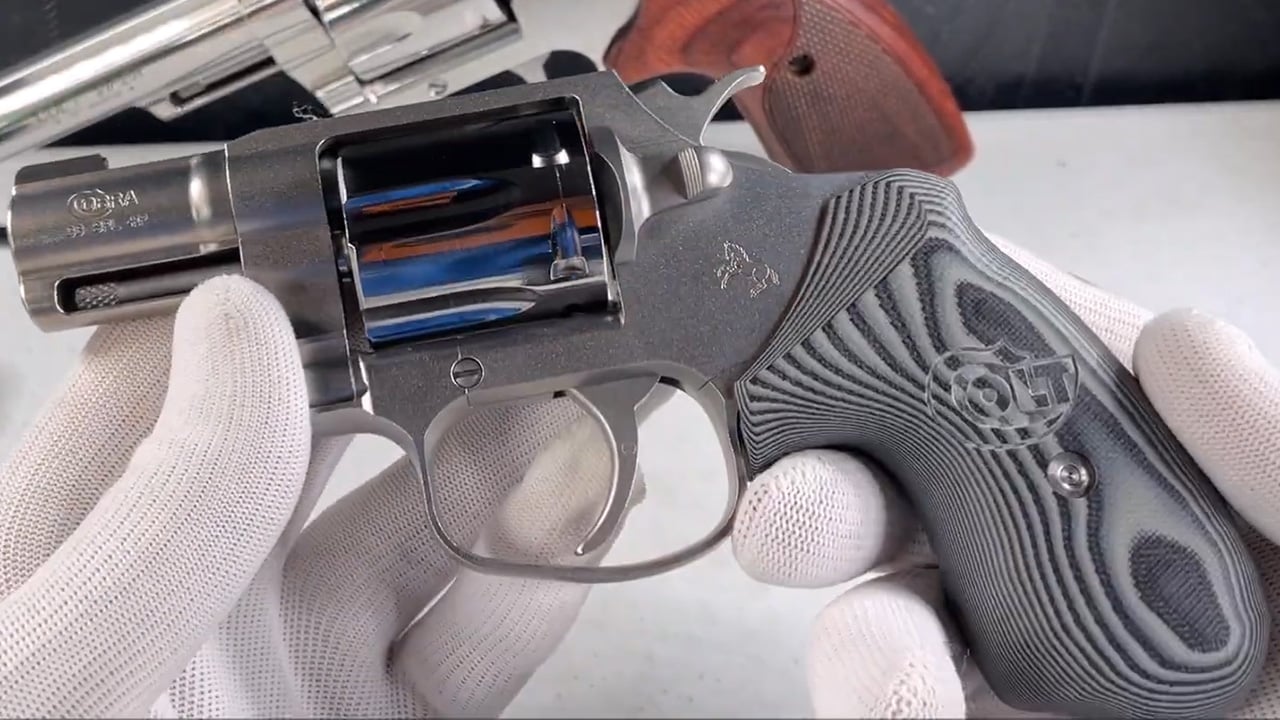
The modern Cobra is a handy little revolver, and it’s also one that exposes bad habits quickly. A small-frame .38 with real defensive loads is lively, and the double-action trigger—while decent—still requires a straight press. New revolver owners often “stage” the trigger poorly or slap it, then wonder why the groups look like buckshot.
What I see is buyers who wanted revolver simplicity but didn’t realize revolvers are a skill set. Speedloaders, consistent grip pressure, and learning that long pull take reps. If the Cobra doesn’t click with them fast, it becomes an easy gun to trade, especially with its price tag making them feel like they should love it immediately.
8. Taurus Judge (3-inch .410/.45 Colt)
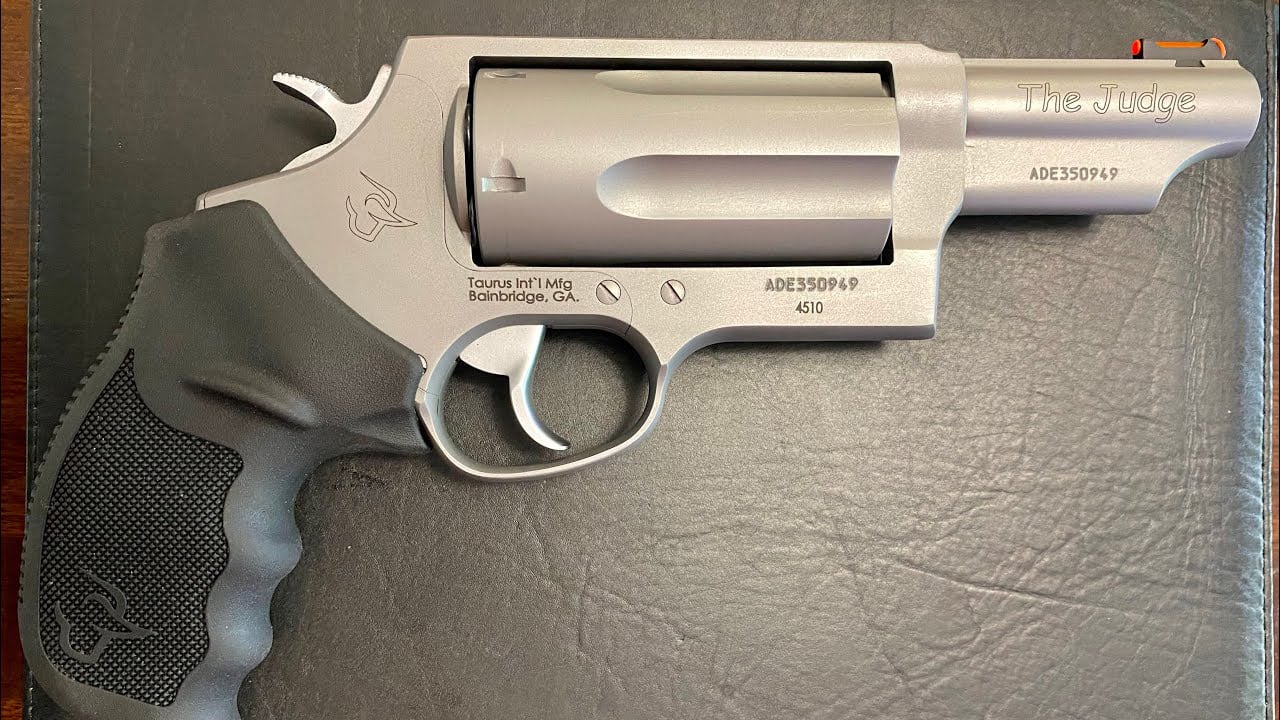
The Judge sells on a storyline: snakes, truck carry, and “one gun for everything.” Then the owner shoots it and realizes it’s a compromise machine. .410 out of a short barrel is loud and flashy, recoil is odd, and the patterns aren’t magic. .45 Colt is more pleasant, but accuracy varies, and the sights and trigger aren’t built for precision work.
A lot of these get traded because the owner’s confidence doesn’t grow with practice. They don’t know what load the gun actually likes, and they rarely spend the time or money to test. It ends up being a bulky revolver that doesn’t carry well and doesn’t shoot like they hoped, so it heads back to the counter.
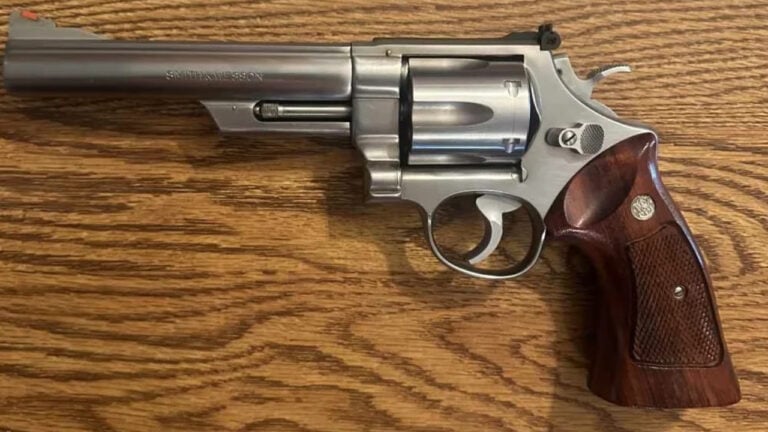
9. Smith & Wesson Model 500
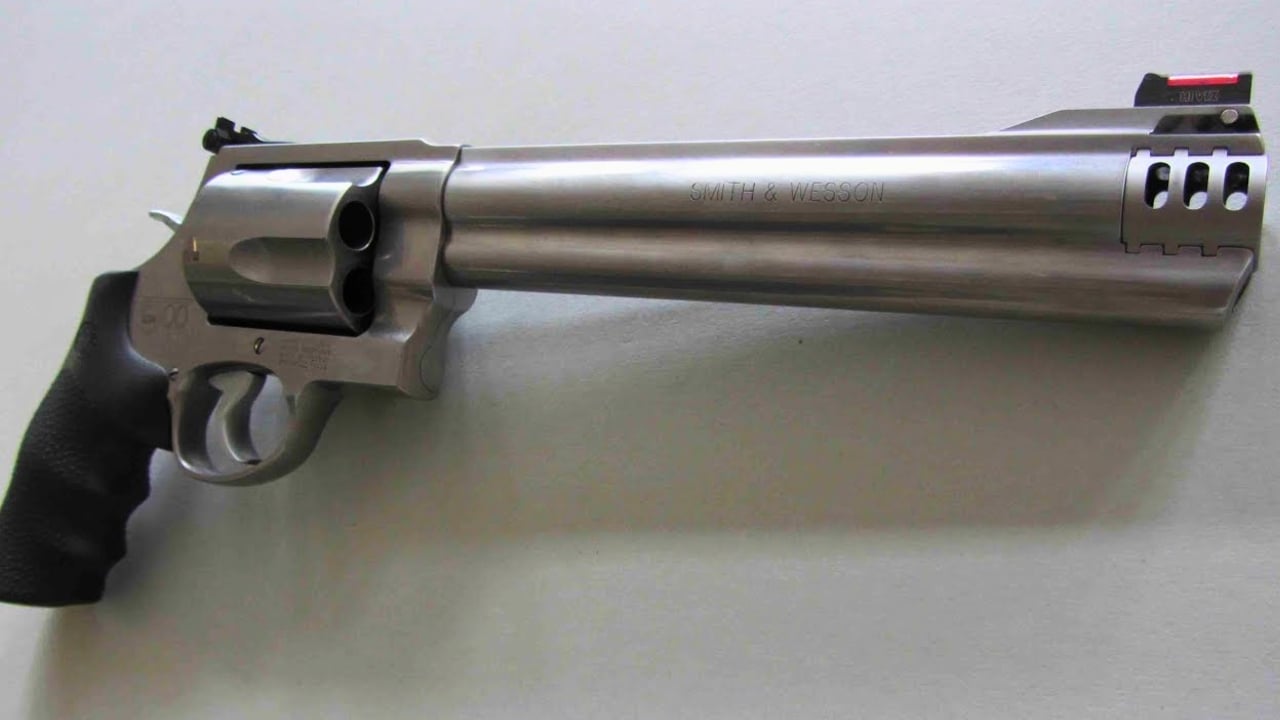
Big-bore fever is real. Someone shoots a buddy’s Model 500 once, laughs, and decides they need one. Then they buy ammo, realize each cylinder costs real money, and also learn that recoil like that makes you anticipate whether you want to or not. It’s hard to build skill when every shot feels like an event.
Most owners don’t have a real use for it beyond novelty, and that’s fine, but novelty wears off. If you’re not hunting with it, or you don’t handload, it becomes a safe queen that you’re nervous to shoot. Those are prime trade-in conditions. Still, the folks who actually put the time in can shoot them surprisingly well—just not many do.
10. Ruger Super Redhawk Alaskan
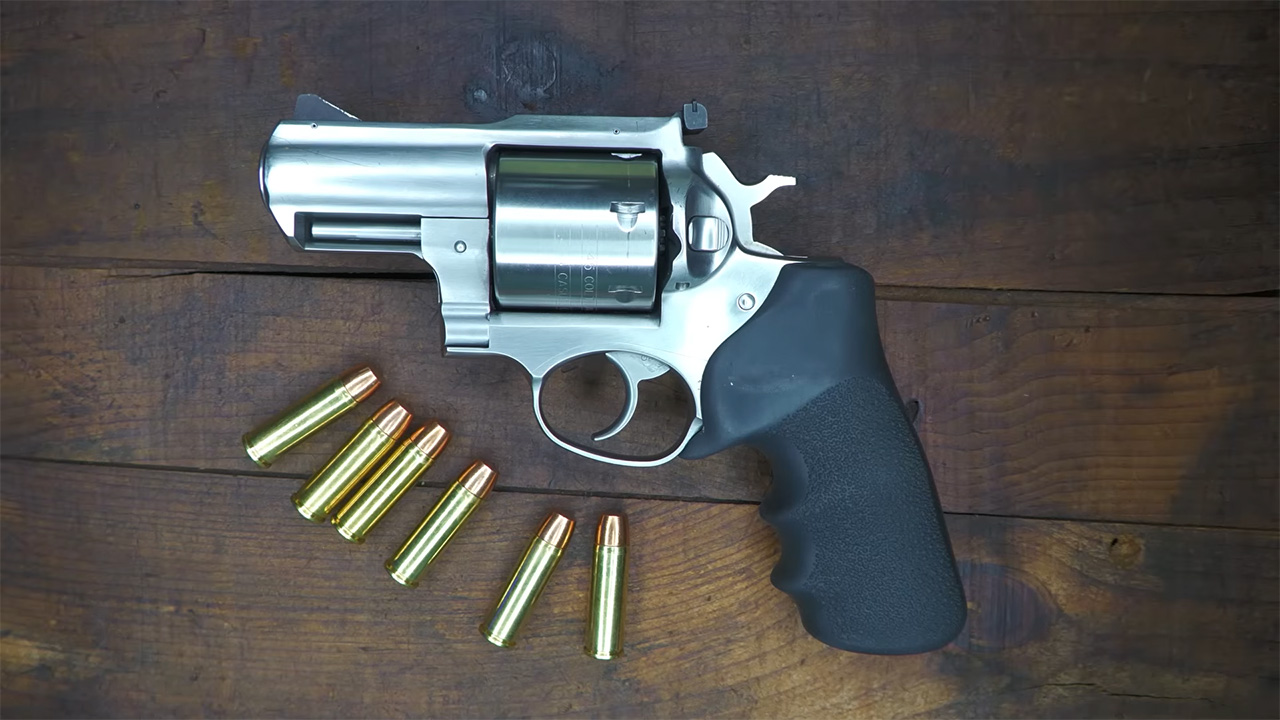
The Alaskan looks like the answer for bear country: short, tough, and chambered in serious cartridges. What gets it traded is the same thing that makes it appealing. A short-barreled .44 Mag or .454 Casull is a handful, and the muzzle blast is brutal. A lot of owners buy it for peace of mind and never really learn to run it.
There’s also the reality of carry. That gun is heavy, and it’s a chunky cylinder. Without a good chest rig or belt setup, it ends up left behind. The guys who stick with it usually have a purpose—fishing remote rivers, packing meat, guiding. Everybody else realizes a more shootable revolver or a 10mm semi-auto fits their life better.
11. Kahr PM9
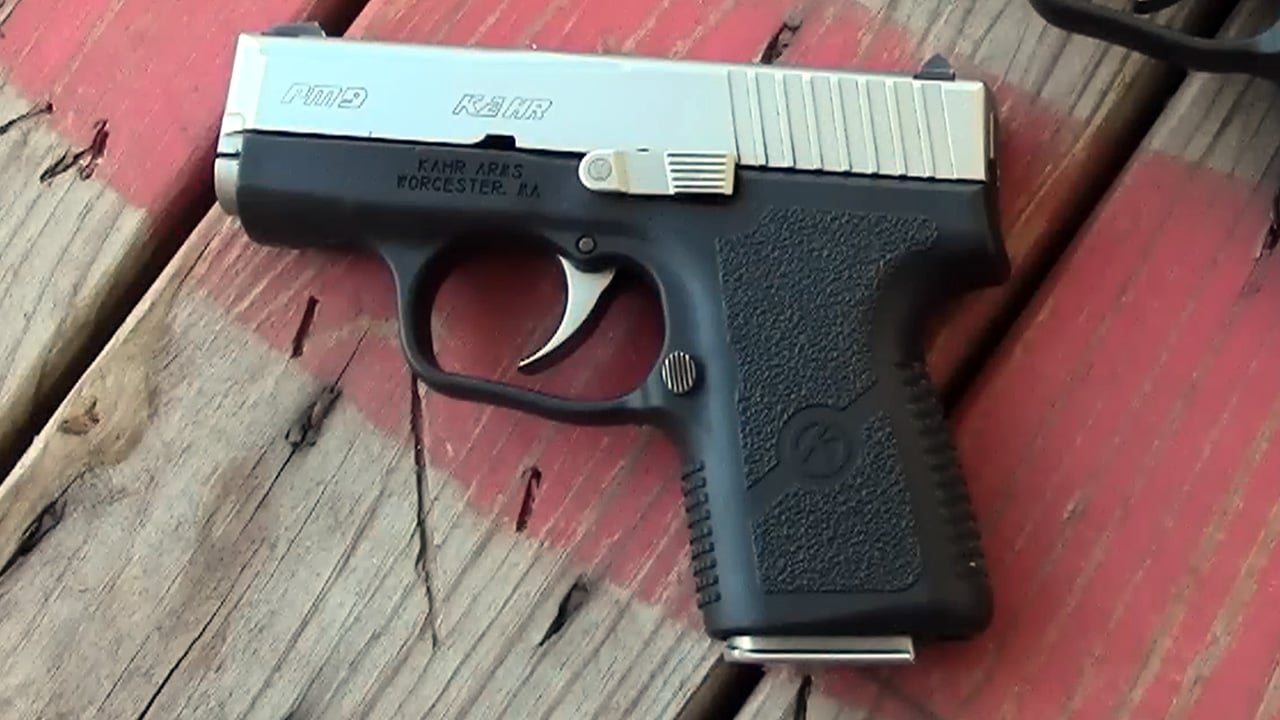
Kahr pistols have their fans, and the PM9 can be a nice carry piece. But the trigger is long and smooth in a way that throws off shooters raised on striker-fired resets. If you’re used to “press, reset, press,” the Kahr feels like it takes forever to get back to the break. Folks start slapping at it to speed up and the shots wander.
They’re also small and tight. Some examples like a short break-in period, and owners who don’t read up or don’t shoot enough to get through that phase decide the gun is unreliable. Half the time it’s a grip issue or weak ammo. Either way, if confidence drops, the gun gets traded quickly because nobody wants doubts in a carry pistol.
12. Walther PPK/S
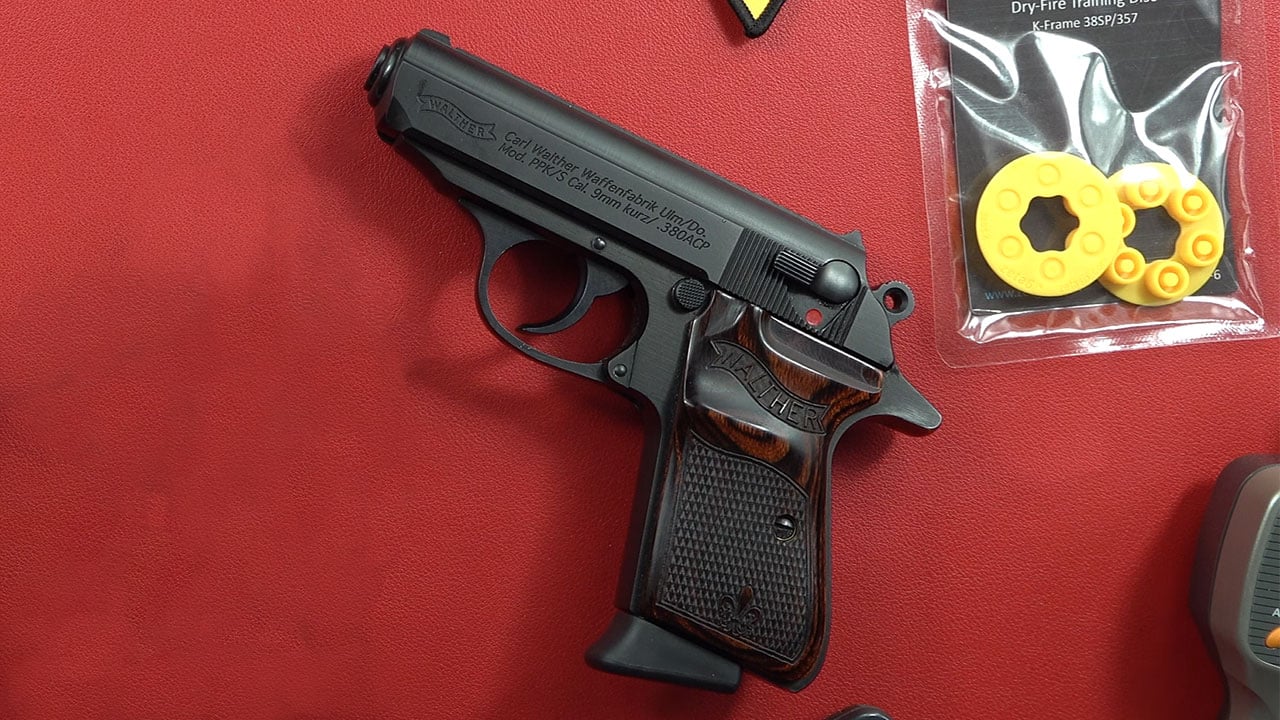
The PPK/S has style, and it carries flat. It also bites hands. That sharp tang and slide geometry can chew up the web of your hand if your grip is high, and almost everyone grips high now because that’s how modern pistols are taught. Add in the heavy double-action first pull and a small sight picture, and new shooters have a hard time getting consistent hits.
The other reality is ammo cost and patience. A .380 blowback can feel snappy compared to locked-breech .380s. Owners buy it because it’s iconic, then realize it’s not very forgiving during longer practice sessions. Plenty of them decide they’d rather carry something less romantic and more comfortable to shoot.
13. Beretta 92FS
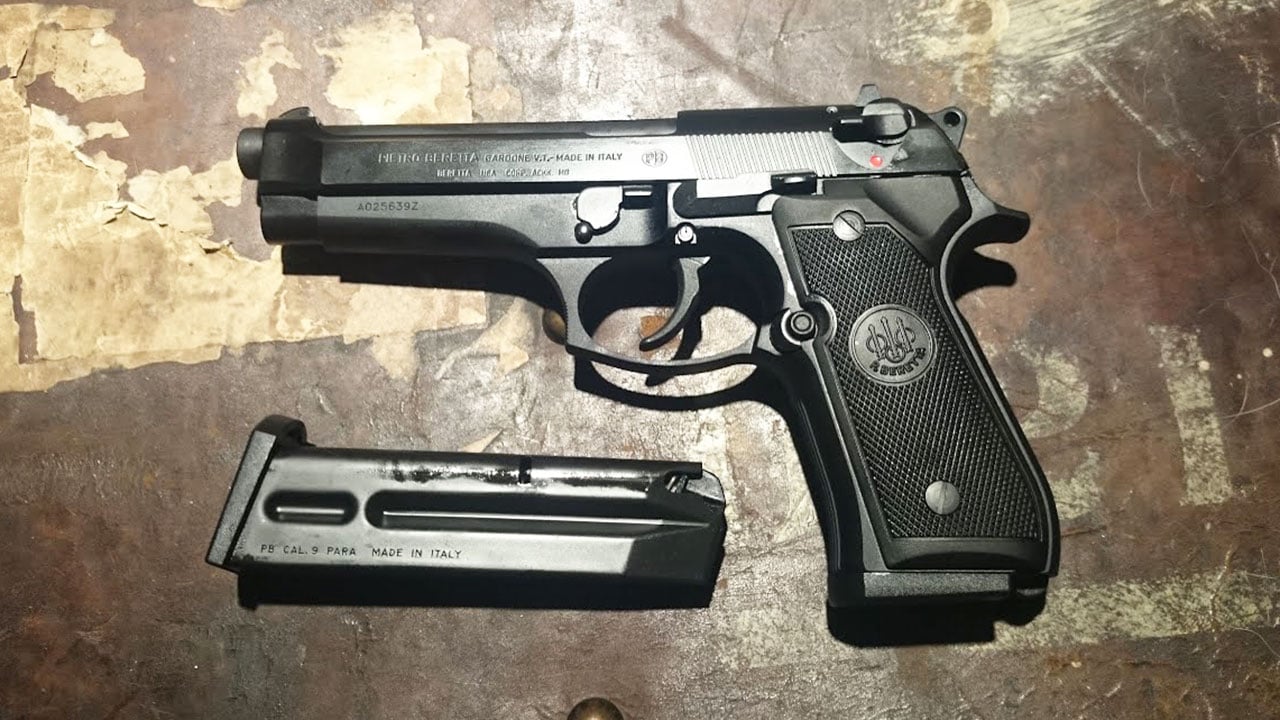
This one surprises people because the 92FS is easy to shoot well in terms of recoil and sight radius. The trade-ins often come from owners who never get comfortable with the first double-action shot, the safety/decocker, and the size. They shoot a few mags, do fine in single action, and then that first DA pull makes the group look like it was fired one-handed.
The gun is also big for concealed carry unless you’re committed to dressing around it. So it ends up in a no-man’s land: too large for casual carry, but the owner doesn’t train enough to appreciate how well it runs. It’s a shame because magazines and parts are everywhere, and a well-shot 92 is a joy. But it asks for practice, not just ownership.
14. CZ 75 SP-01 (stock trigger)
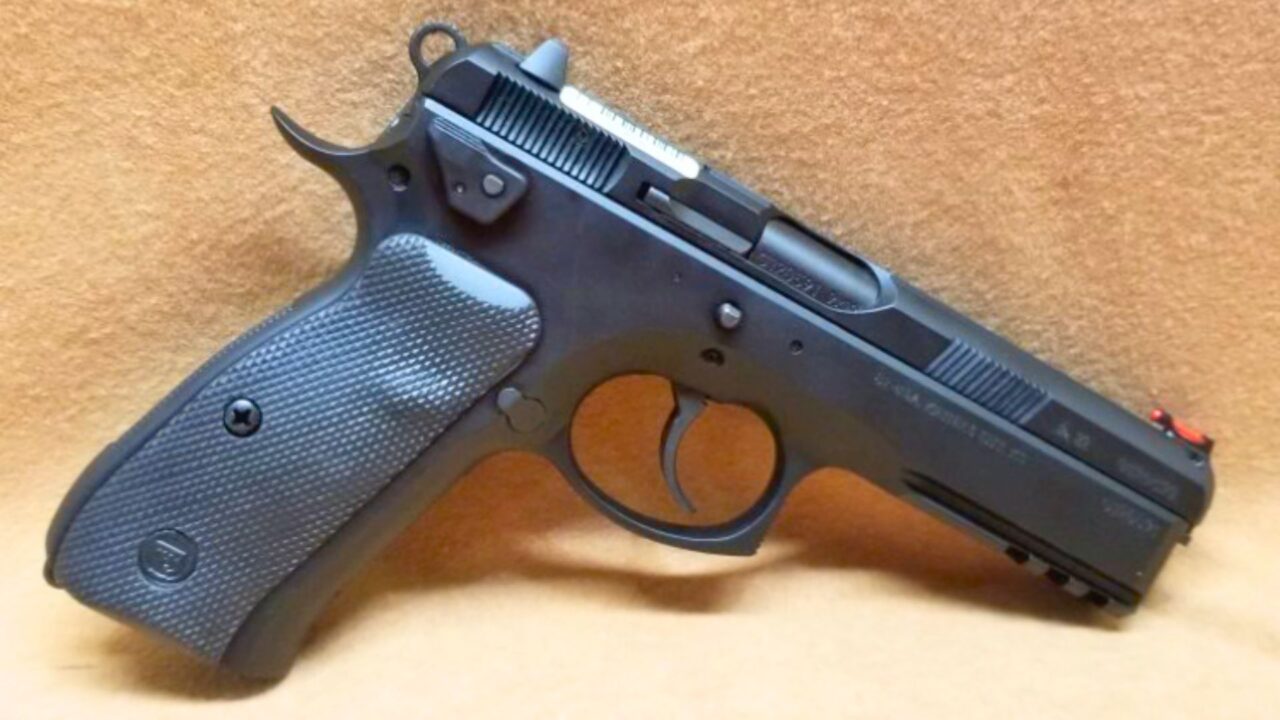
The SP-01 is a soft-shooting, accurate pistol, and it still shows up in trade-ins. The usual reason isn’t recoil—it’s the learning curve. The DA/SA system takes work, and the reach to the DA trigger can be long for smaller hands. Shooters fight that first shot, then rush the transition, and never feel like they’re “good” with it.
On top of that, CZ ergonomics feel amazing to some and odd to others. If it doesn’t point naturally for you, you’ll chase the sights and blame yourself. A lot of buyers also hear about trigger jobs and springs and get spooked, like the gun needs tinkering to be usable. It doesn’t, but it does reward time and reps more than quick range trips.
15. Heckler & Koch P30SK (LEM trigger)
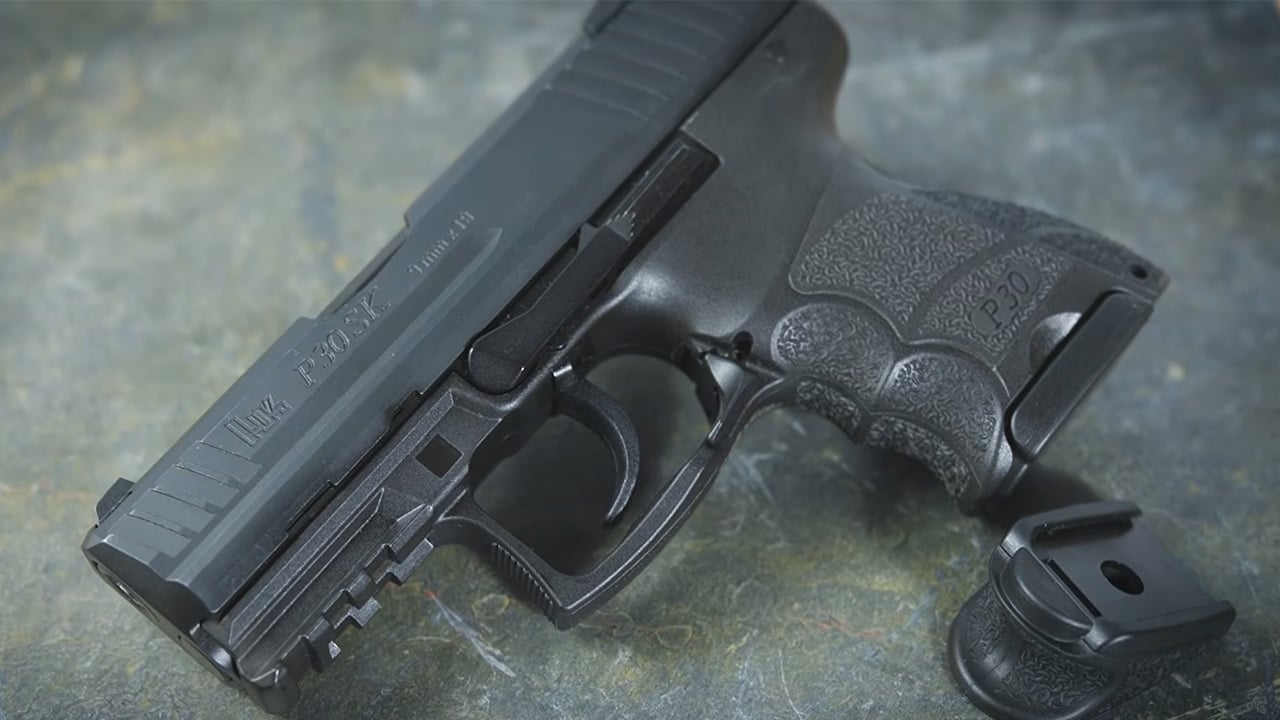
The P30SK is built like a tank, and the grip panels let you fit it to your hand. The LEM trigger is what gets owners in trouble. It’s a different feel—long take-up, a wall that’s not like a striker wall, and a reset that can feel vague if you’re not used to it. Shooters who only train occasionally can’t keep the trigger work clean at speed.
Then there’s price. When a pistol costs that much, owners expect instant performance. If they shoot better with a cheaper striker gun on day one, they decide the HK “isn’t worth it.” Really, it’s just different. The guys who commit to it often love it, but commitment is exactly what many buyers didn’t sign up for.
16. FN Five-seveN
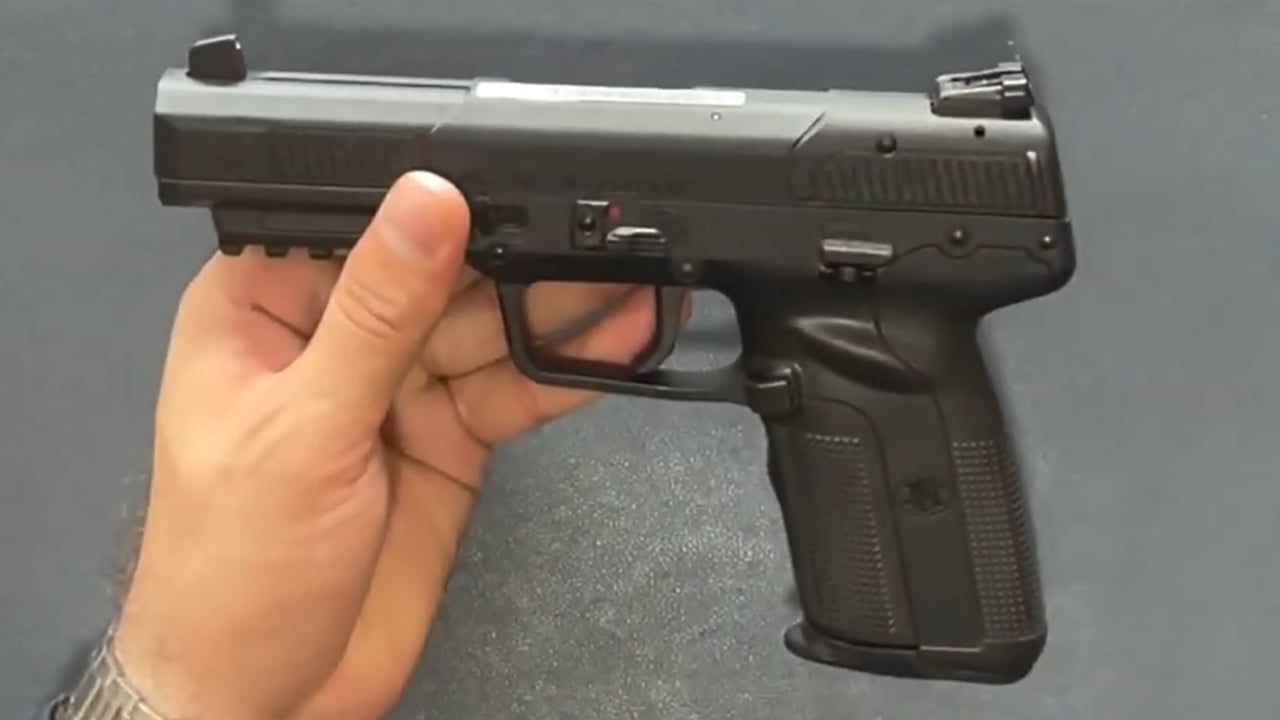
The Five-seveN is light, high capacity, and flat shooting. It also feels like a space gun to anyone who’s never handled one. The grip is large, the trigger is different, and the sights sit on a long slide that makes some shooters get weird with their presentation. It’s easy to shoot fast once you’re used to it, but it’s not “normal pistol familiar” for most people.
The bigger reason it gets traded is cost and purpose. Ammo isn’t what most folks keep stacked deep, and the owner often bought it because it was interesting, not because it filled a real role. Interesting is fine, but interesting guns are the first to go when money gets tight or a new carry idea shows up.
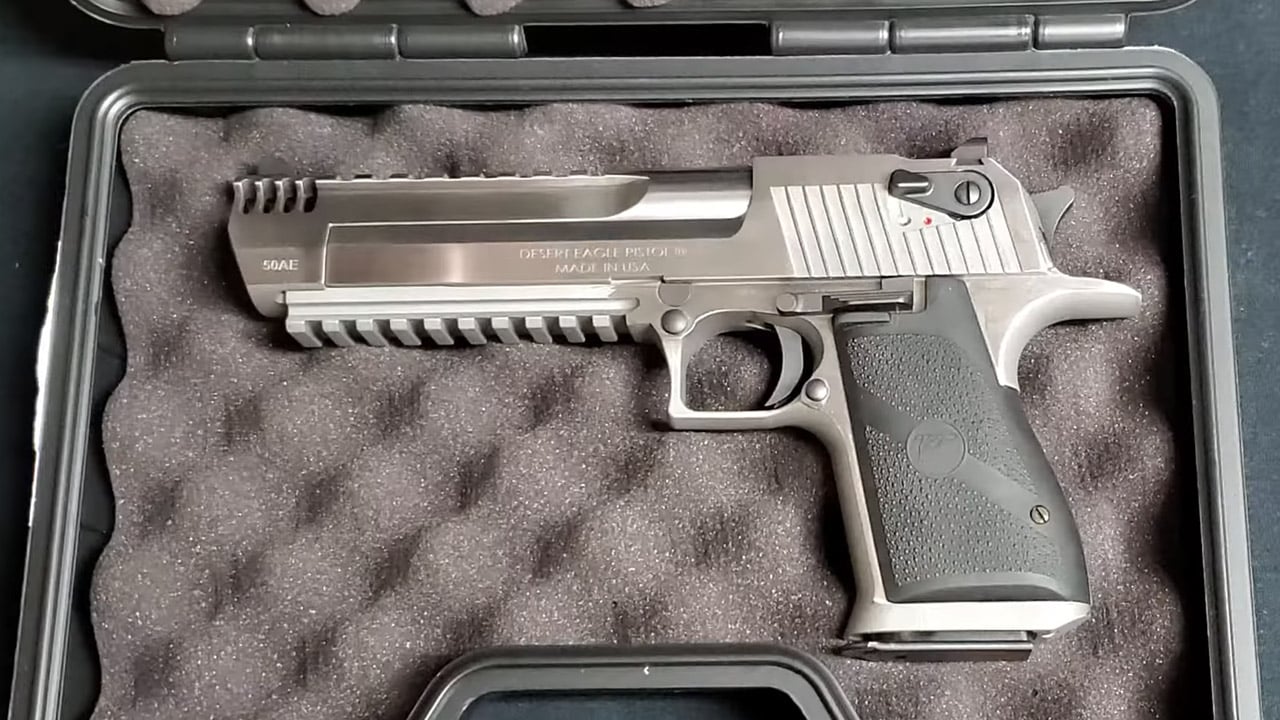
17. Desert Eagle Mark XIX
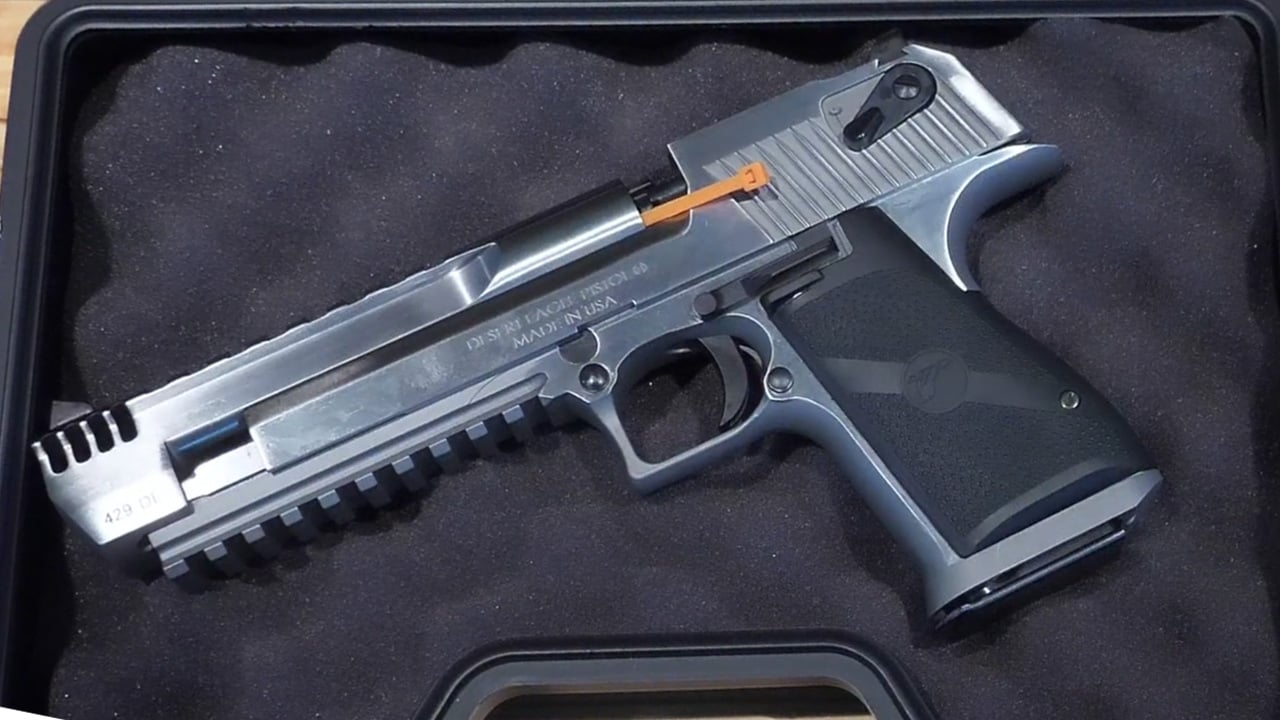
This is the definition of buying a handgun for the idea of it. The Desert Eagle is heavy, huge, and loud. It also has a unique manual of arms and can be picky about ammo and grip. If the owner limp-wrists it or tries to shoot light loads, they get malfunctions and assume the gun is broken.
It’s also not a practical tool for most outdoorsmen. It won’t ride on your hip comfortably, it’s not a casual range gun unless you like spending money, and it’s not a beginner-friendly platform. The fun factor is real, but it’s a short-lived kind of fun for many. That’s why so many look “almost new” in the used case.
18. Remington R51 (Gen 2)

The R51 had a rocky reputation, and even the later guns carry that baggage. Owners who buy one often do it because the price looks good and the design seems clever. Then they hit the range and find the ergonomics don’t work for them, or they can’t get consistent reliability with their preferred ammo. Once doubt sets in, a carry gun becomes a question mark.
Another factor is support. When a pistol line fades in popularity, magazines and holsters become a scavenger hunt. That makes training harder because you’re always “making it work” instead of just showing up and shooting. It’s not that every R51 is a disaster, but the platform asks the owner to be patient and persistent—two traits that disappear fast when groups open up and stoppages show up.
19. Bond Arms Texas Defender
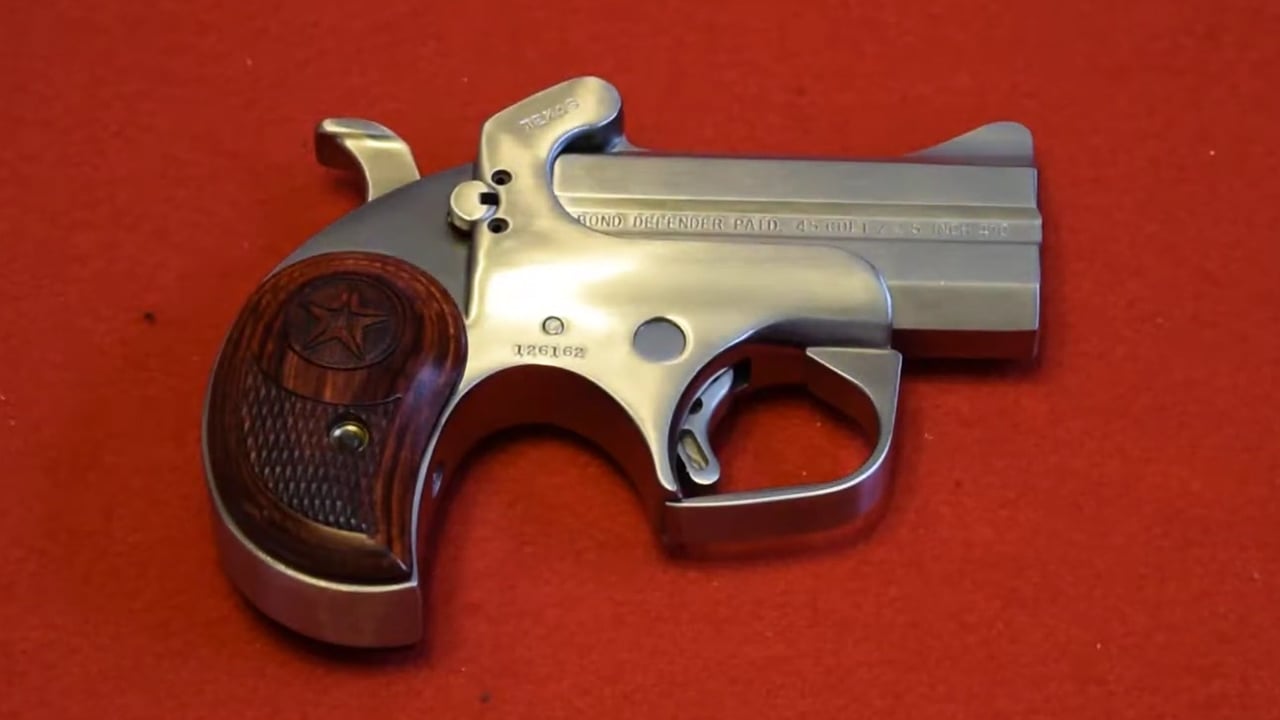
Little derringers are simple, tough, and they sell to folks who want “something for the tackle box” or “a deep concealment backup.” Then they shoot it. Short barrels, tiny grips, and heavier triggers make accurate shooting harder than most expect. Even in mild calibers, it’s a gun that wants to squirm in the hand. In heavier chamberings, it can be downright unpleasant.
Reload speed is another reality check. Two shots goes by quick, and handling the gun under any kind of stress is not like running a compact semi-auto. Owners often realize they bought a niche tool and they don’t live in that niche. It ends up getting traded toward a small revolver or micro 9 that’s still compact but far easier to run well.
20. North American Arms .22 Magnum Mini-Revolver
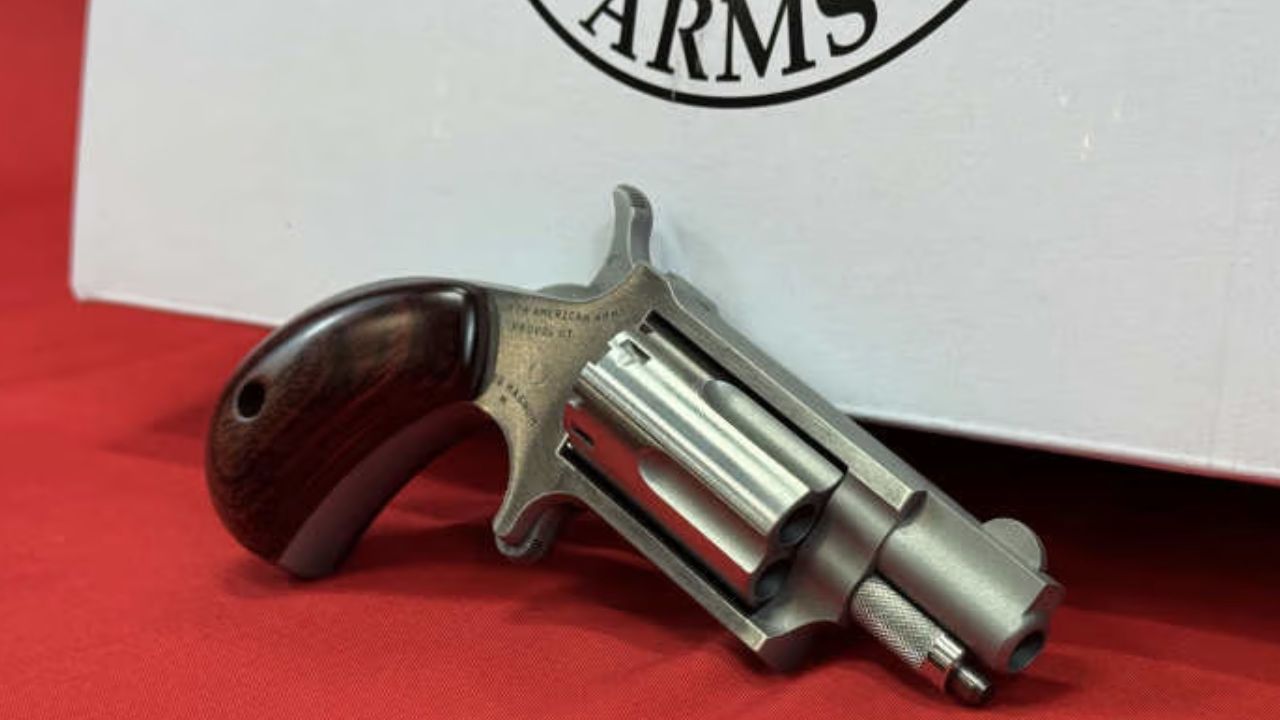
NAA mini-revolvers are marvels of machining, and they also take real discipline to shoot with any precision. The grip is tiny, the sights are minimal, and everything about the gun screams “last-ditch.” Buyers get drawn in by how small it is and how easy it seems to stash. Then they try to put rounds on target past belly-gun distance and realize it’s a serious challenge.
Even handling and loading can be awkward for folks with big hands or cold fingers. On a sunny day at the bench it’s manageable; in the real world it’s fiddly. Owners who never get confident with it don’t keep it, because a gun you don’t trust is just extra weight. Still, as a specialty tool, it has a place—just not as a substitute for learning to shoot a more capable handgun well.
The common thread with all of these isn’t that they’re junk. It’s that they demand either more practice, more tolerance, or more honest self-assessment than most buyers expect on day one. If you’re shopping the used case, don’t just see “someone else’s mistake.” See a clue. Ask why it got traded, be honest about your skill level, and pick the handgun you’ll actually train with when the new-gun excitement wears off.
Like The Avid Outdoorsman’s content? Subscribe to our newsletter so you never miss an article.
Here’s more from us: