Photo credit: The Armed Outdoorsman/Youtube
If you’ve been walking gun show aisles for a couple decades, you know the feeling. There were certain rifles you could count on seeing stacked in every other booth, usually with a hand-written tag and a story attached. Now, you’ll still spot them, but it’s more like finding a shed antler in tall grass: you have to slow down, look hard, and be ready to move when you see a good one.
This isn’t about “rare collectibles” so much as it’s about rifles that quietly left the common rotation. Some got bought up and kept. Some got priced out of “impulse buy” territory. Some got replaced by newer versions that aren’t quite the same. Here are 20 that used to be everywhere, and now you actually have to watch for.
1. Marlin 336 (JM-stamped) in .30-30
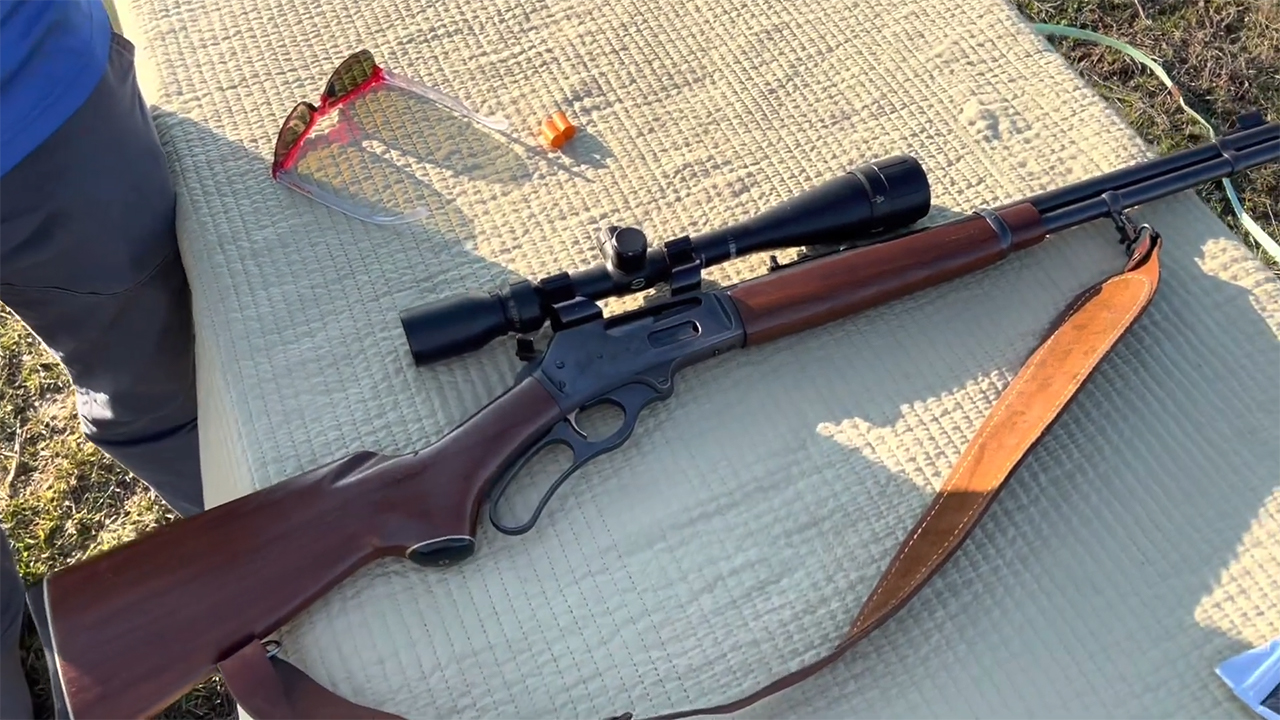
There was a time when a used Marlin 336 was basically a gun show staple, especially in .30-30. You’d see them with honest wear, maybe a ding in the stock from a truck rack, and they’d still lock up tight. The older “JM” barrel stamp isn’t magic, but it’s a quick way to spot the pre-Remington era guns that tend to have smoother actions and cleaner fitting.
What happened is simple: folks realized these are about the perfect woods deer rifle. They carry flat, point fast, and don’t demand a lot from the shooter. Add in the fact that good lever guns got expensive, and now the nice old 336s don’t sit long. If you find one with a clean bore and a straight crown, don’t nitpick the bluing too hard. That’s character, not a problem.
2. Winchester Model 94 (pre-safety) in .30-30
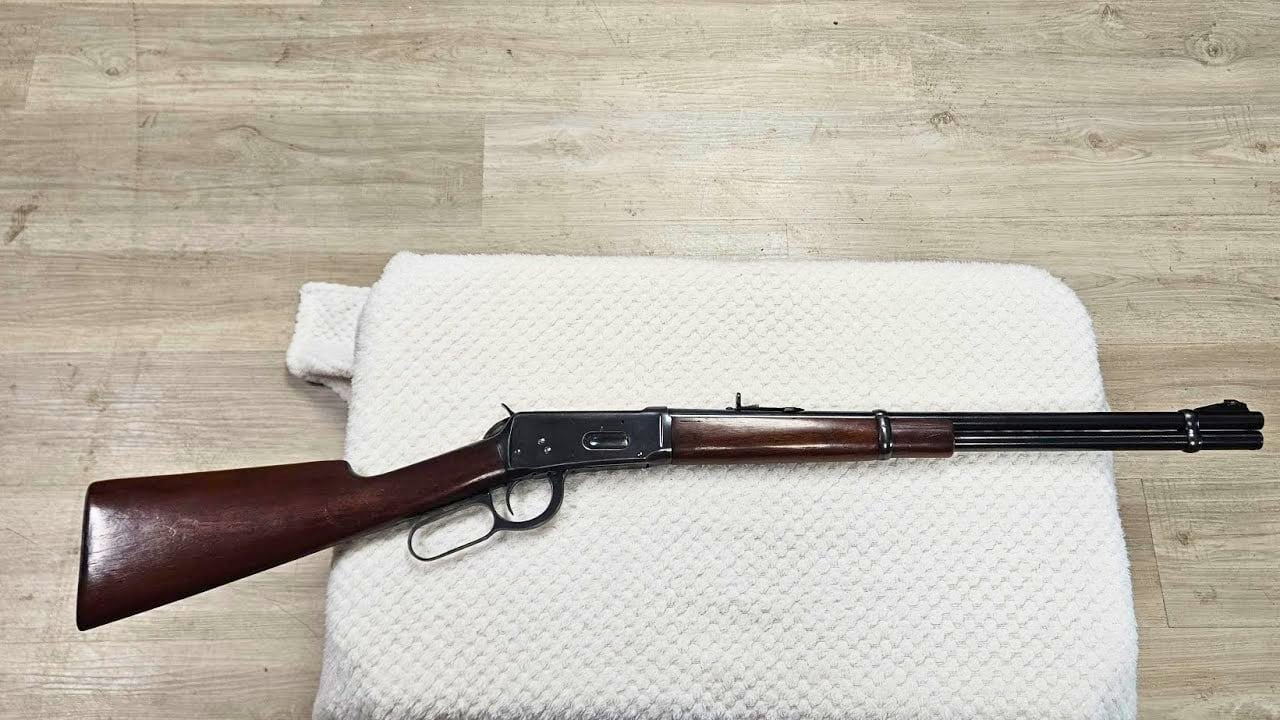
The Model 94 used to be so common you’d almost overlook them. Pre-safety guns in particular were everywhere, usually in .30-30 with a bit of patina and a worn lever from being carried more than shot. The later versions still work, but the older ones have that slick, lived-in feel that’s hard to fake.
These got scooped up by hunters who wanted a simple rifle that doesn’t snag on brush and doesn’t care if it rides in a scabbard. They also got bought by folks who just wanted a piece of Americana that still puts venison in the freezer. Watch the muzzle and the loading gate for signs of hard use, and check that the sights aren’t canted. A tight, straight 94 is still a joy, and they’re not getting easier to stumble across cheap.
3. Ruger Mini-14 (180/181 series)

Old Mini-14s used to show up like clockwork. You’d see them in plain wood stocks, maybe with an aftermarket folding stock that screamed “1990s.” The early 180/181 series rifles are a mixed bag accuracy-wise, but the appeal was never tiny groups on paper. It was a handy, reliable ranch rifle with simple controls and a familiar feel.
Now the older ones aren’t piled up like they used to be. Factory magazines are the big driver—real Ruger mags have always mattered, and they’re not getting cheaper. Also, a lot of guys figured out the Mini fills a niche between a bolt gun and an AR, especially for property carry and general knocking-around use. If you see one with good mags included, that’s a bigger deal than a fancy scope base. Check the gas block screws for signs of tinkering, and make sure the action cycles smoothly.
4. SKS (Norinco Type 56)
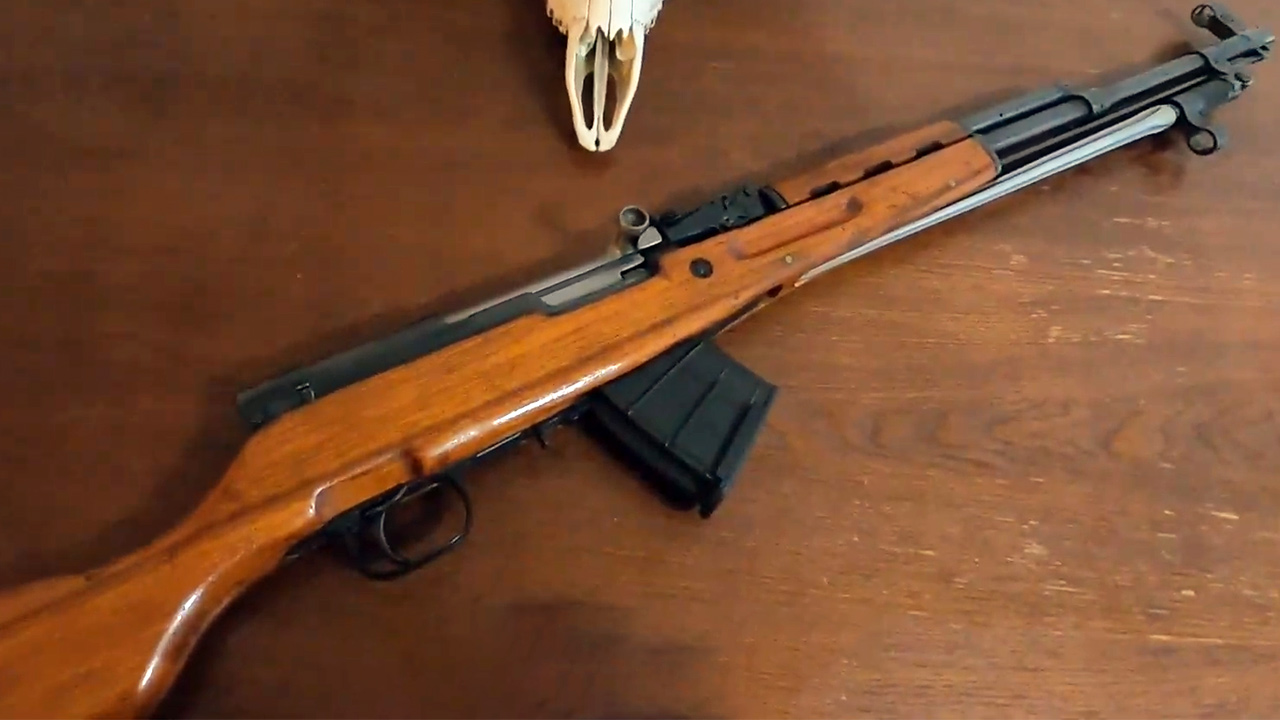
Gun shows used to have SKS rifles stacked like cordwood. Chinese Type 56 guns were the classic “first semi-auto rifle” buy, and you’d see them with everything from cracked shellac stocks to pristine examples still soaked in cosmoline. They’re not refined, but they’re rugged and forgiving, and 7.62×39 is still a practical cartridge for a lot of real-world shooting.
Two things thinned them out: prices climbed, and a lot of owners stopped selling. The SKS also has that sweet spot of “simple enough to understand” without needing a pile of accessories to be useful. If you’re looking, pay attention to whether it’s been hacked up. A sporter stock and missing bayonet don’t always kill the rifle, but original configuration tends to hold up better over time. Also check the bore—some are bright, some look like they were cleaned with gravel.
5. Mosin-Nagant 91/30 (Russian)
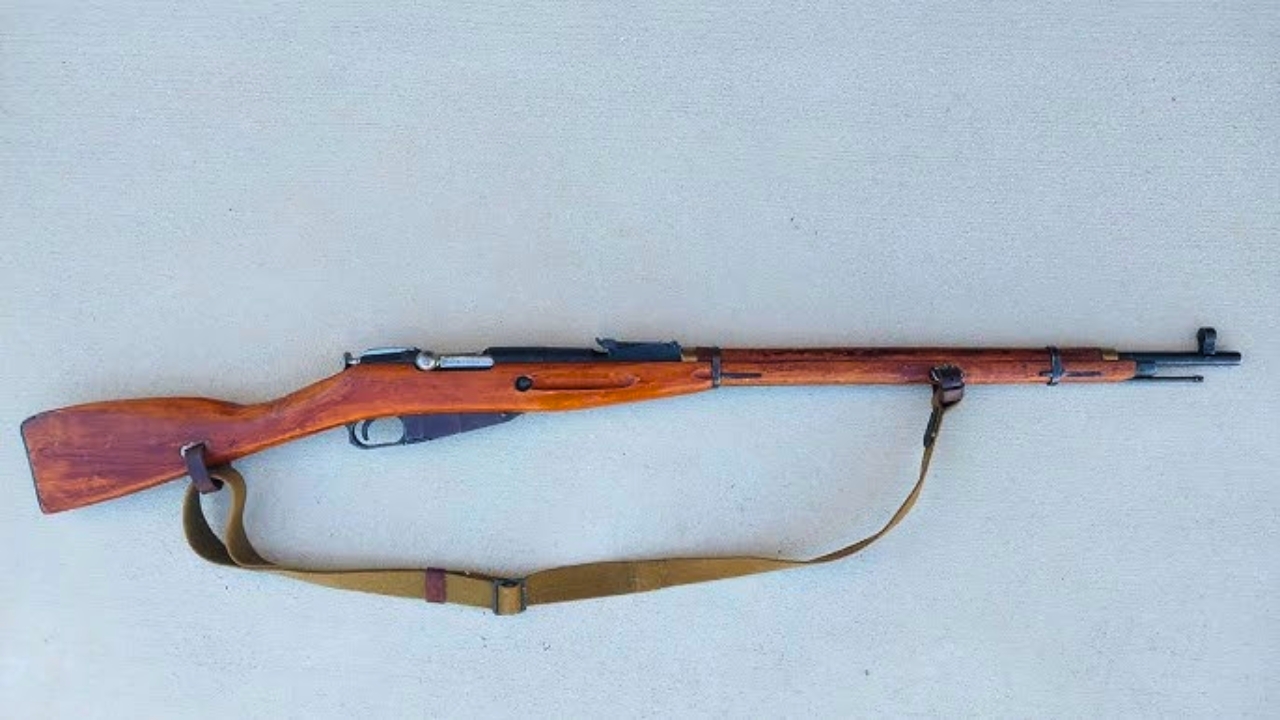
There was an era when every show had crates of 91/30s with laminated stocks and hex receivers mixed in like prizes. They were cheap, loud, and kind of hilarious to shoot all day. And for all the jokes, a decent Mosin with good ammo can shoot better than folks expect, especially with good fundamentals and realistic distances.
They’re not gone, but the “stack of $99 Mosins” is gone. Surplus dried up, and the ones that are left tend to be either really rough or priced like they’re museum pieces. If you’re hunting for one, ignore the hype and look at the basics: bolt smoothness, headspace history (if any), and bore condition. I also look hard at the crown because a lot of these rifles got cleaned from the muzzle for decades. When you find a clean one at a fair number, it’s worth a second lap around the aisle before you decide.
6. Lee-Enfield No. 4 Mk I
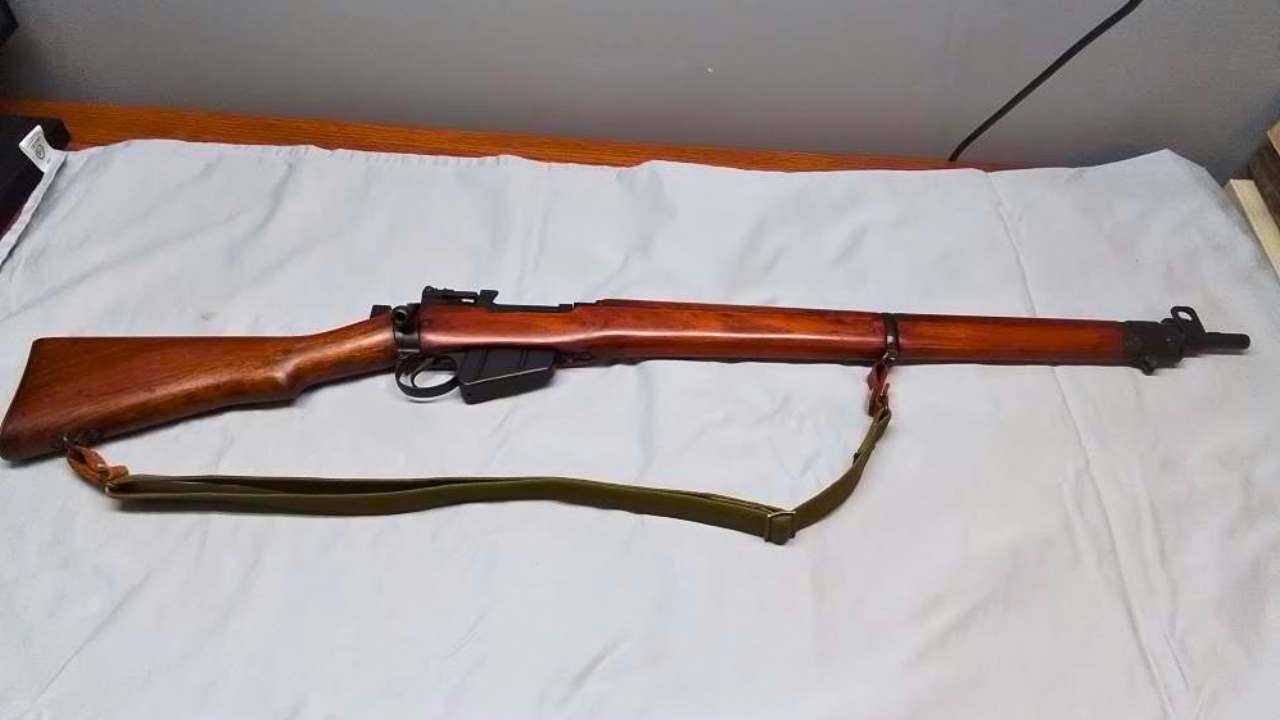
The No. 4 Enfield used to be a regular sight, usually sitting under the table because it wasn’t “cool” like an M1 or an 03A3. That’s a shame, because the Enfield action is fast and smooth in a way that makes other bolt guns feel sleepy. The aperture sights on many No. 4s are also a real highlight—simple, rugged, and easy to shoot well.
What makes them a “watch for it” rifle now is ammo and condition. .303 British isn’t impossible, but it’s not cheap plinking food either, so nicer rifles tend to stay with owners who already stocked up. When you find one, check the bore and the muzzle wear, and make sure the bolt head and lugs don’t show abuse. Also pay attention to matching numbers if that matters to you. Even a non-matching rifle can be a great shooter, but you want tight lockup and a crisp trigger for field use.
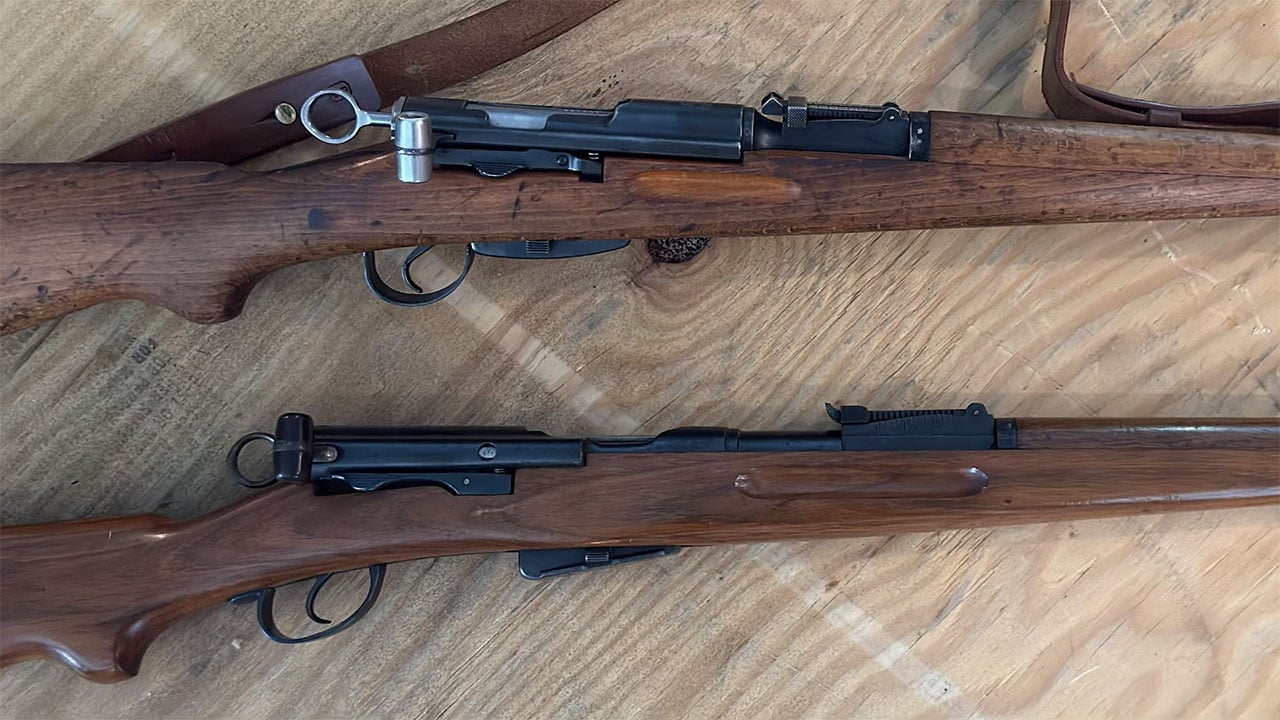
7. Swiss K31 (Schmidt-Rubin)
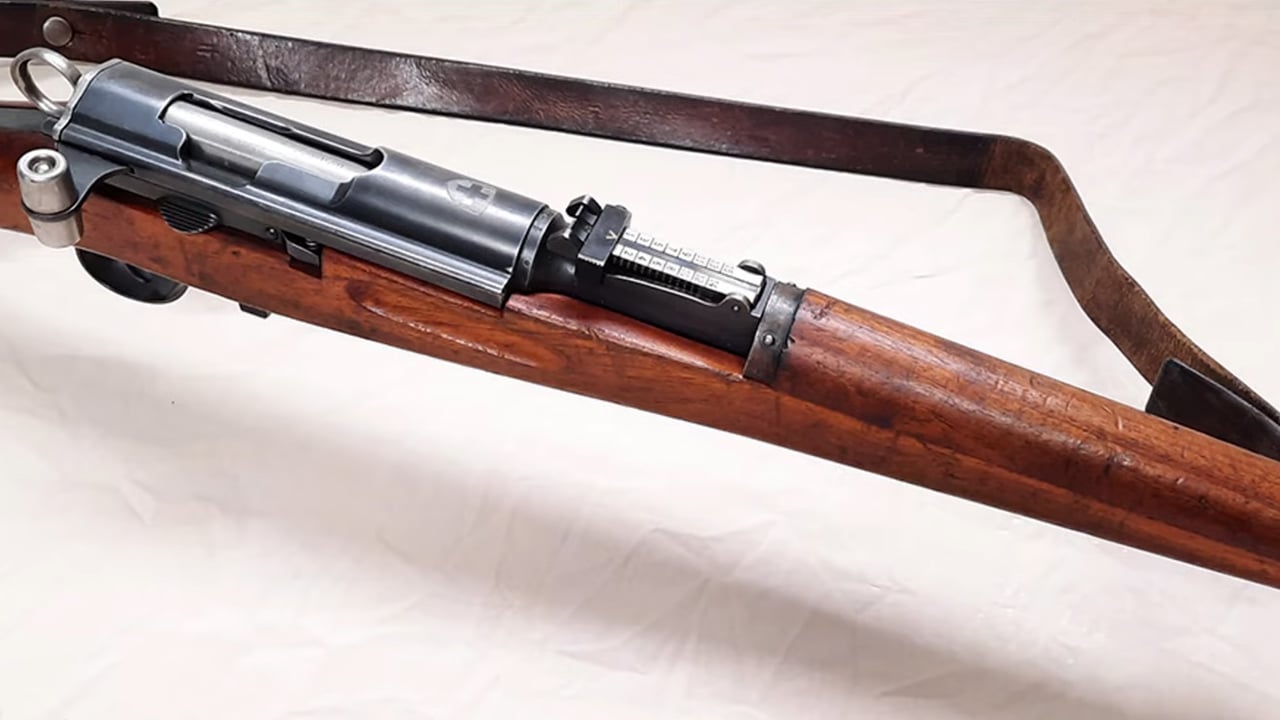
K31s used to pop up constantly, usually with that straight-pull bolt that made people stop and work it a few times. The fit and finish on many of these rifles is just plain impressive, especially for what they used to cost. They feel like a precision tool, not a mass-produced beater, and the triggers are often better than they have any right to be.
Now you have to hunt for them, and when you do find one, the tag tends to reflect the secret being out. 7.5×55 Swiss ammo availability is part of it—guys who own K31s tend to commit to them, buy ammo in bulk, and keep them. If you’re shopping, look at the stock for cracks around the wrist, and cycle that bolt slowly and quickly to feel for grit or binding. A clean K31 is a rifle you’ll end up shooting more than you planned, even if you bought it “just to have one.”
8. Springfield Armory M1 Garand (CMP-era rifles)
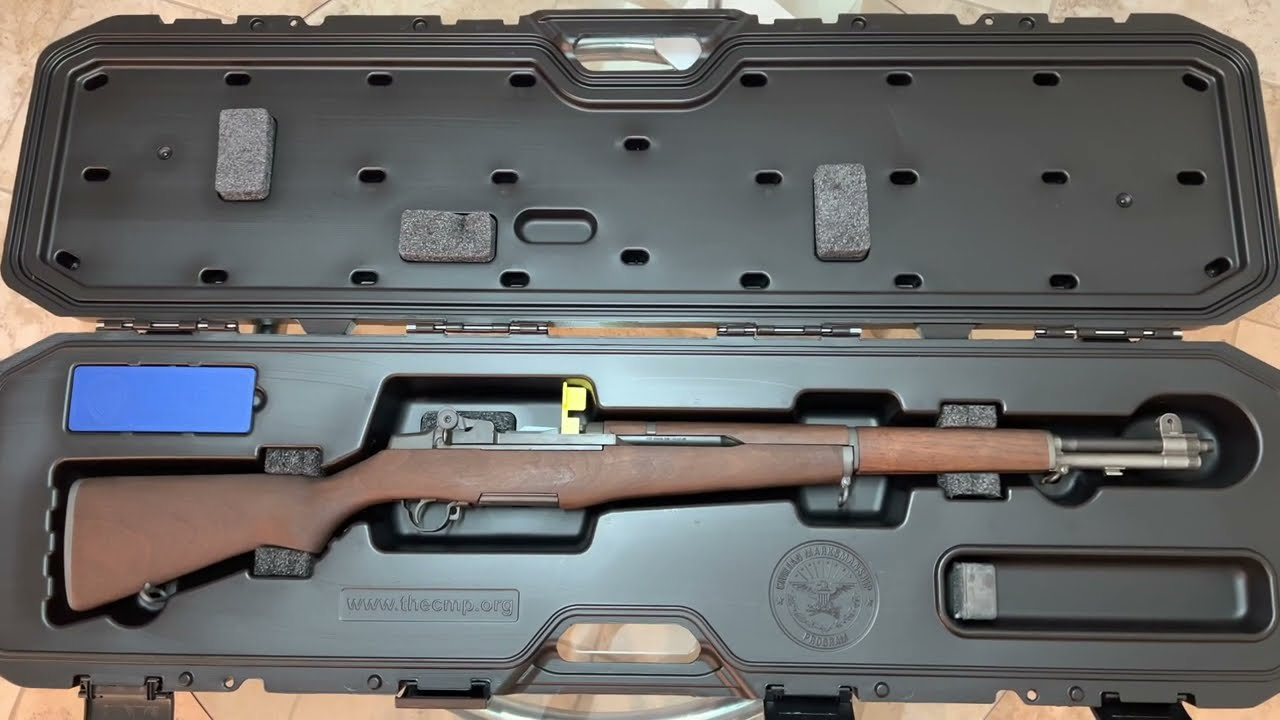
For a long time, it wasn’t hard to find an M1 Garand at a show, and sometimes you’d see solid rifles that clearly came through the old surplus channels. The Garand is heavy, it’s long, and it’s not the most convenient rifle to feed. None of that stops people from loving it, because it’s one of the most shootable pieces of history ever made.
These days, the easy supply isn’t what it was, and the rifles that show up often have more questions attached. You want to check throat and muzzle wear if you can, and you want to be cautious about rifles built from random parts without disclosure. The other thing that moved them off common tables is simple: owners who bought them years ago generally don’t want to let them go. If you find one with honest wear, a good bore, and a seller who actually knows what’s in it, that’s worth real consideration. Just remember it’s a system—clips, ammo choice, springs, and maintenance all matter.
9. Springfield Armory M1A (early National Match / pre-ban vibes)

The M1A had a long run as the “serious rifle” a lot of guys aspired to own. You’d see them at shows with big glass, heavy mounts, and sometimes a leather sling still smelling like the last range day. The rifle has a feel that’s hard to replace: balanced, authoritative, and more refined than most .308 semi-autos in terms of ergonomics.
They’re still around, but not in the same numbers. Price is part of it, but so is the fact that the AR-10 world got huge and offers easier optics mounting and often better out-of-the-box accuracy. Still, an M1A that runs right is a pleasure. If you’re looking, pay attention to the op-rod track, the stock fit, and whether the scope mount is solid or a constant headache. Also consider magazines—good ones matter, and cheap ones can make a good rifle look bad. If you want one, be patient and handle as many as you can before buying.
10. Remington 700 ADL (older wood-stock rifles)
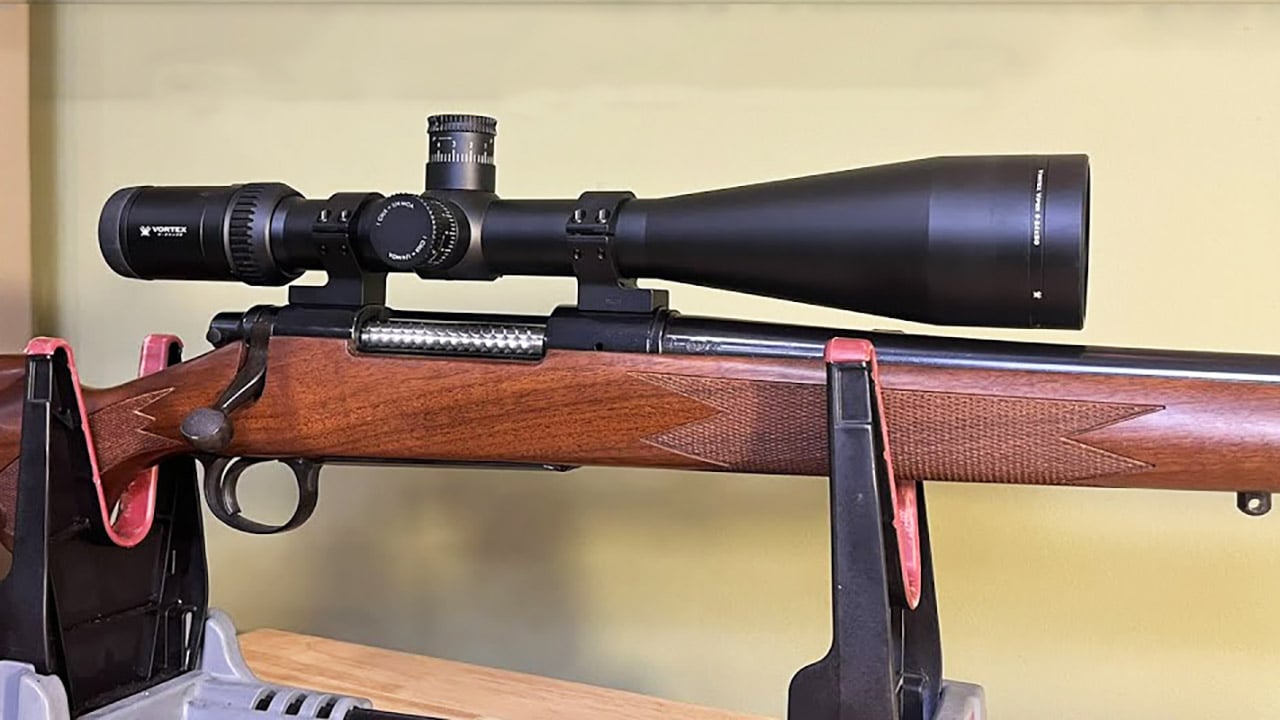
Older Remington 700 ADLs used to be the most normal rifle on earth. Plain walnut or hardwood stock, simple blind magazine, and a no-nonsense feel. They weren’t flashy, but they shot, and they carried well, and a lot of them wore modest scopes that matched how they were actually used: whitetails, coyotes, and the occasional elk trip.
Now, when you see the older ones in clean shape, they move fast. Part of it is nostalgia, but a bigger part is that the older rifles often have a feel people associate with “how rifles used to be built.” If you’re shopping, inspect the bolt face and lugs, check for rust under the stock line, and make sure the floorplate isn’t a home-brew conversion done badly. Triggers and safeties are a whole conversation, so evaluate function carefully and don’t ignore anything that feels off. A simple ADL in .270 or .30-06 is boring in the best way.
11. Winchester Model 70 (pre-64 and early post-64)
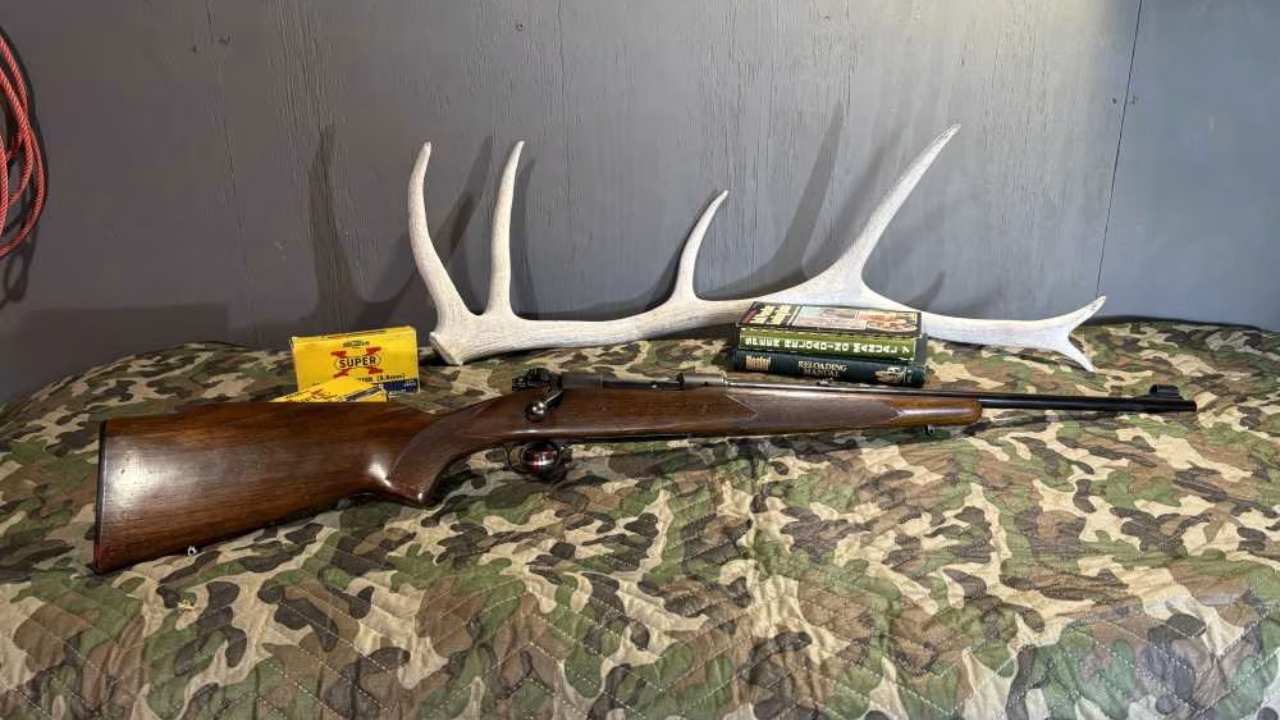
Model 70s used to show up in steady numbers, from true pre-64 rifles to early post-64 guns that weren’t trendy but still hunted hard. The controlled-round feed reputation is real, but what most hunters notice first is how a good Model 70 carries and points. They tend to sit right in the hands, like the stock was shaped by someone who actually hunted.
These aren’t impossible to find, but you don’t see piles of them anymore. The nicer ones are getting separated from the beaters, and the price gap is widening. When you pick one up at a show, work the bolt slowly and then briskly. A good one feels like it’s running on rails. Look at the bedding and recoil lug area for cracks or amateur work. And check the barrel markings and chambering—some oddball calibers bring a premium, but common hunting calibers are often the smartest buy because you’ll actually shoot it and not baby it.
12. Ruger M77 Mark II (tang safety and early classics included)
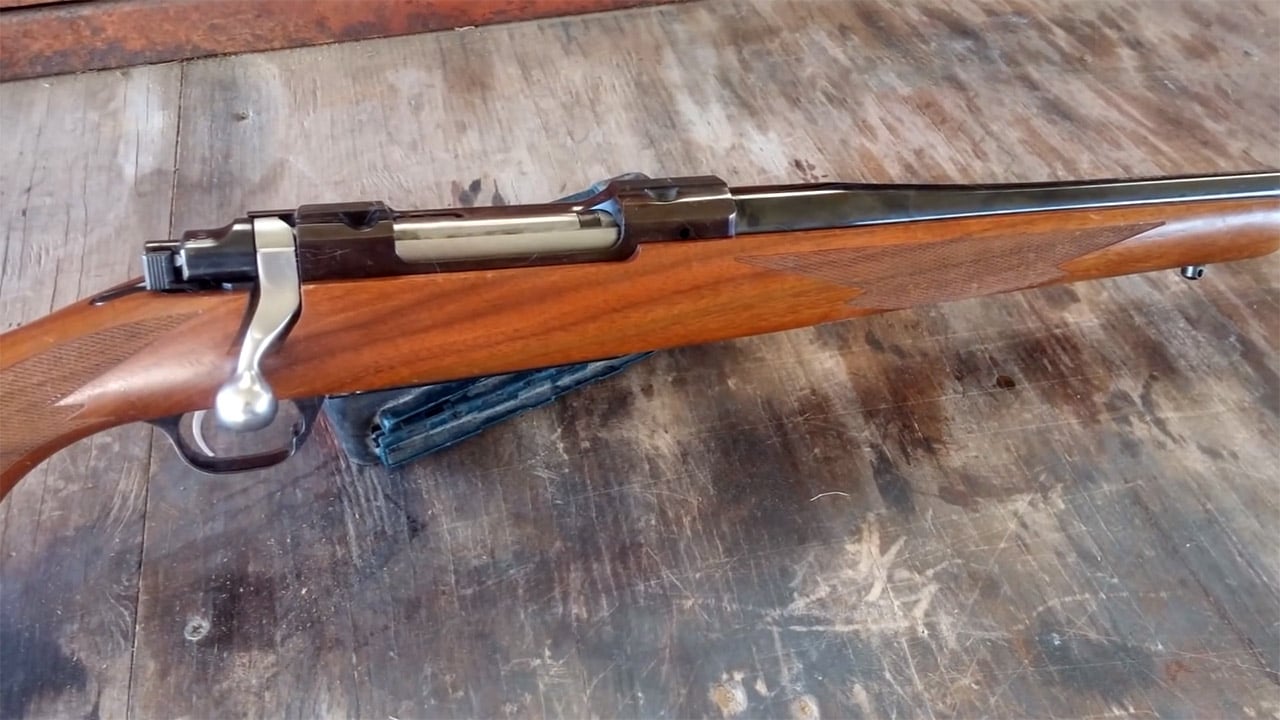
The Ruger M77 line has been a quiet workhorse for a long time. The tang safety versions have a loyal following because they handle well and the safety placement makes sense in cold weather with gloves. Mark II rifles, with their controlled-round feed, are the ones I still see get carried on rough hunts where a guy doesn’t want to worry about babying a gun.
At gun shows, these used to be all over the place, especially in .30-06, .270, and 7mm Rem Mag. Now they’re more scattered, and the clean ones tend to be priced like folks finally admitted they’re better than “just a Ruger.” If you find one, check the trigger feel, look for ring marks from overtightened mounts, and inspect the muzzle for dings. Ruger barrels can shoot very well, but you want one that hasn’t been messed with by a kitchen-table gunsmith. There’s nothing fancy about a plain M77, and that is kind of the point.
13. Savage 110 (older flat-back receivers)

Old Savage 110s were once the king of “cheap but shoots.” You’d see them with scuffed stocks and bargain scopes, and they still punched better groups than their looks suggested. A lot of those rifles lived behind pickup seats, in farm closets, and in hunting camps where gear gets used and not polished.
They’re not exactly rare, but they aren’t stacked like they used to be because the newer Savage models, especially AccuTrigger-era rifles, pushed the older ones out of sight. The funny part is the older ones can be absolute hammers if the barrel is good. If you come across one, check the action screws for stripping, make sure the bolt lift isn’t binding, and look for signs the barrel nut area has been monkeyed with. Also, don’t get starry-eyed about “cheap.” Replacement stocks and mounts can eat up savings fast. Still, a clean old 110 in a sensible caliber is one of the better used-rifle buys out there.
14. Weatherby Vanguard (Howa-made, early production)
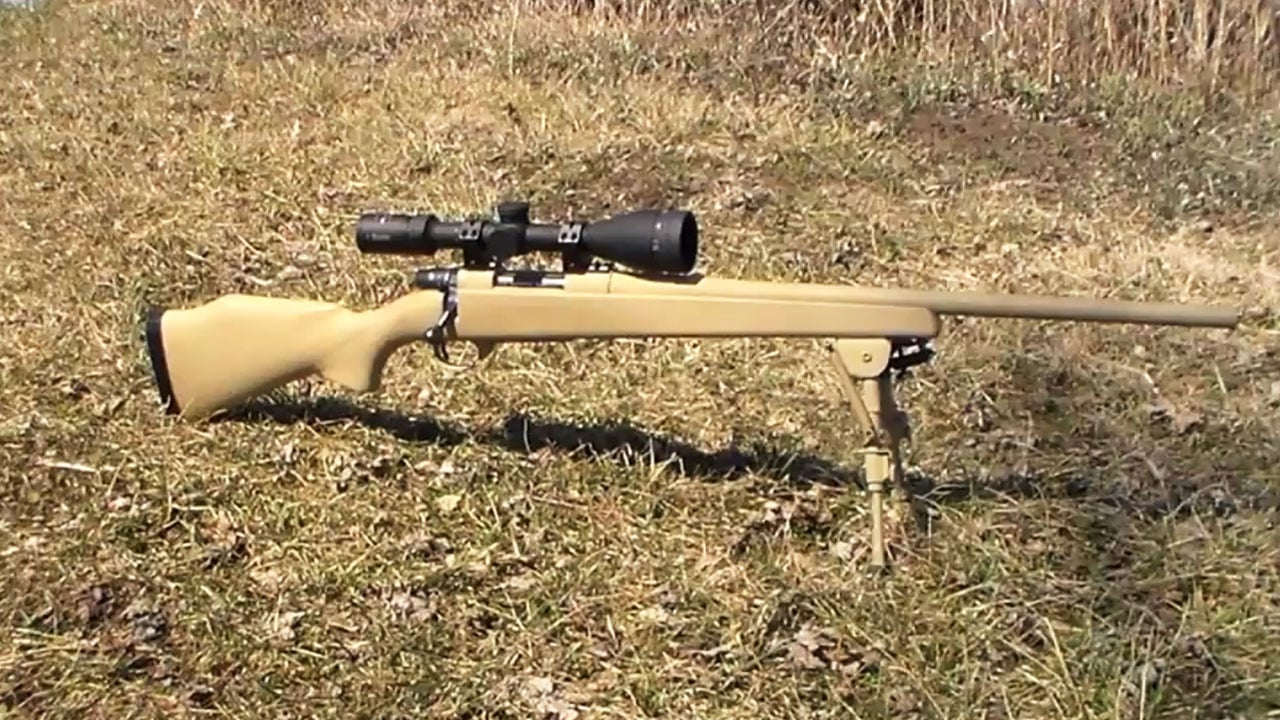
The Weatherby name makes people think “fancy,” but the Vanguard earned its keep as a solid hunting rifle that shot straight and didn’t demand boutique care. The Howa-built actions have a reputation for being smooth and strong, and plenty of Vanguards came from the factory with decent triggers and very usable barrels.
Vanguards used to show up regularly because they were common in deer camps and also common on gun show racks when someone wanted to fund the next thing. Lately, they seem to stick with owners longer, probably because new rifle prices jumped and a “good enough” rifle became a “keep it forever” rifle. When you find one, check the bolt face and extractor, and look for stock swelling if it’s an older synthetic that has seen hard weather. Also, watch for overly tall rings and sloppy scope mounting that make the rifle feel awkward. A properly set up Vanguard carries well and just works.
15. Tikka M695 / M590 (pre-T3 era)
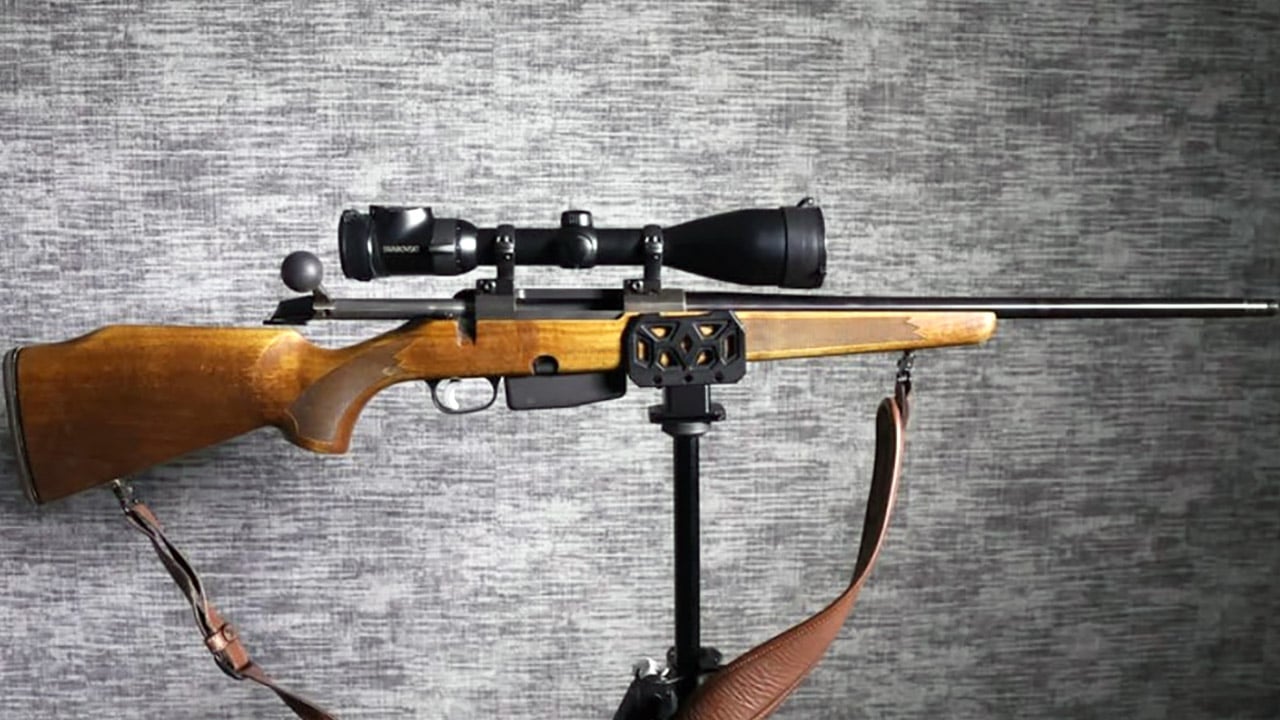
Tikka rifles are popular now, but the older pre-T3 guns used to be a bit of an insider buy. The M695 and M590 actions are slick, the triggers are usually excellent, and the rifles tend to balance in a way that makes them feel lighter than the scale says. They’re also the kind of rifle you shoot once and immediately understand why the owner didn’t complain much.
They’re harder to spot at shows because guys who own them don’t always want to part with them, and when they do, the rifle often moves before it ever hits a table. If you run into one, magazines are something to pay attention to. They’re not always as easy to source as modern T3/T3x parts, and a rifle with only one mag can be a pain if you actually use it. Check the recoil lug area and the stock inletting for any cracks. If it’s clean, it’s a legitimate “buy it and hunt it” rifle, not a safe queen.
16. Browning BAR (Belgian/early Japanese hunting BARs)
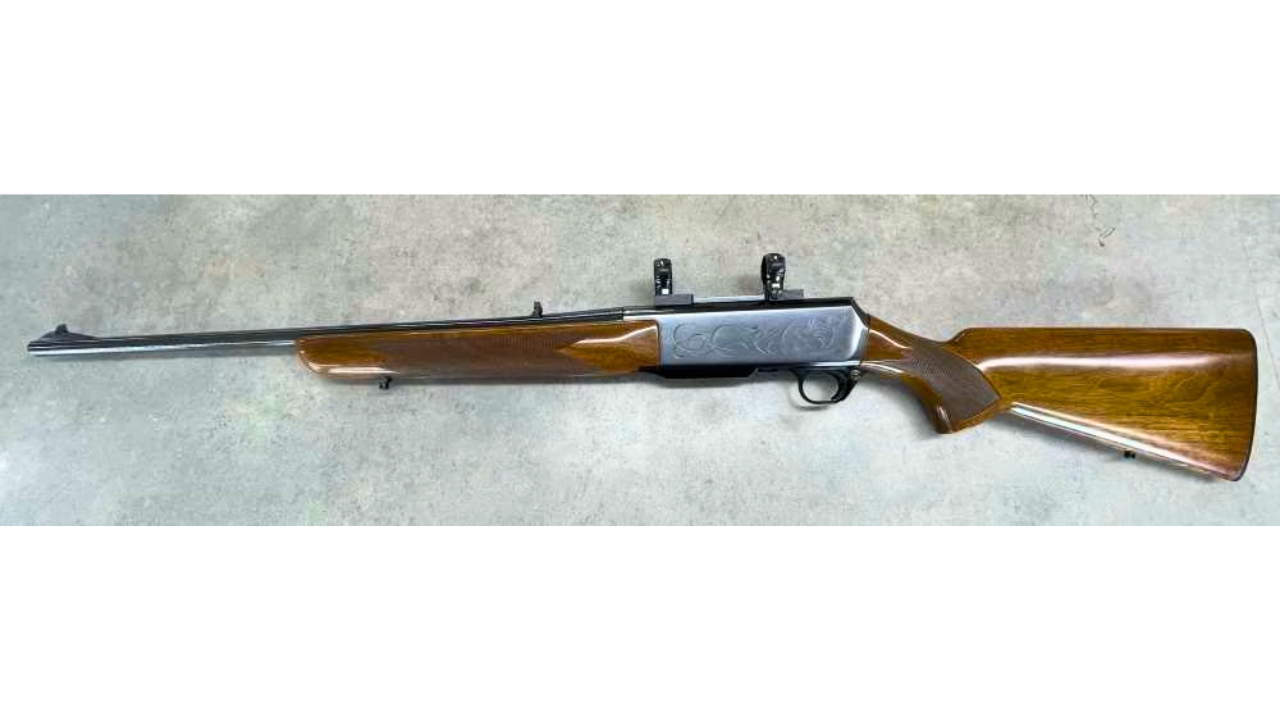
The hunting BAR used to be a common sight, especially in .30-06 and .308, usually wearing an older 3-9x scope and a sling that had seen plenty of miles. These rifles have a certain feel—more refined than many semi-autos—and they soak up recoil in a way that keeps you honest about follow-up shots. They’re not light, but they carry better than you’d think if the sling is set up right.
You don’t see them as often now because the guys who like them really like them, and because the market drifted toward lighter bolt guns and modular semi-autos. The BAR is neither trendy nor cheap to repair if something is truly worn out, so condition matters. Check the forend fit, look for cracks around the stock wrist, and make sure the action cycles smoothly without weird hitching. Also pay attention to magazines—having the correct mag and a spare is a big plus. If you hunt in thick stuff where quick second shots happen, a good BAR still makes sense.
17. Colt AR-15 SP1 (early slabside rifles)
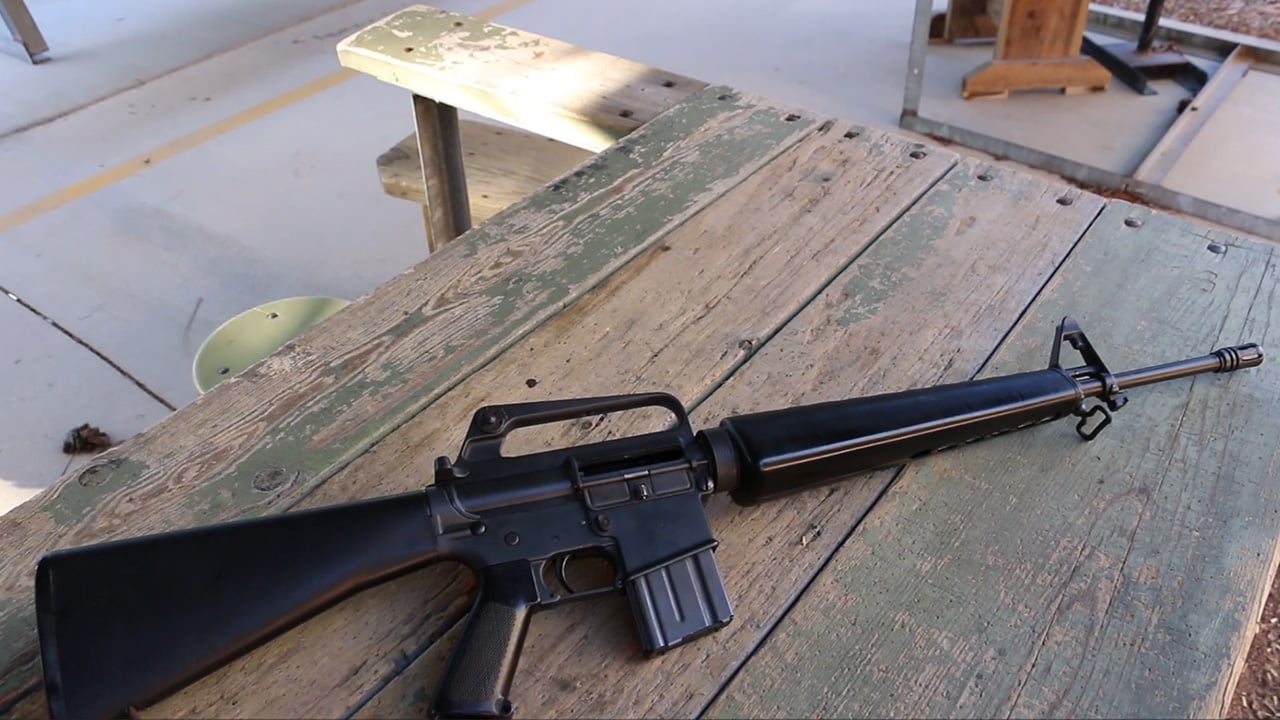
SP1 rifles used to be a “neat old AR” sitting on tables next to hunting rifles, not a trophy item. They’re lightweight, simple, and have that early look with the slick-side upper and pencil barrel that makes them feel almost dainty compared to modern setups. They also shoulder fast and carry like a dream, especially for property work or walking fence lines.
Now, the retro crowd is real, and original Colt parts have gotten expensive. That moved SP1s from “every so often” to “keep your eyes open.” If you find one, originality is a big deal, but so is mechanical condition. Inspect the lower receiver for any sketchy modifications, check the front sight base alignment, and look over the bolt carrier group for excessive wear. Also, don’t assume every old AR was treated gently. Plenty got shot hard and put away dirty. A clean SP1 is one of those rifles that’s more fun than it has any right to be, but you don’t want to overpay for a parts gun wearing a famous name.
18. Steyr Mannlicher M95 (straight-pull carbines)
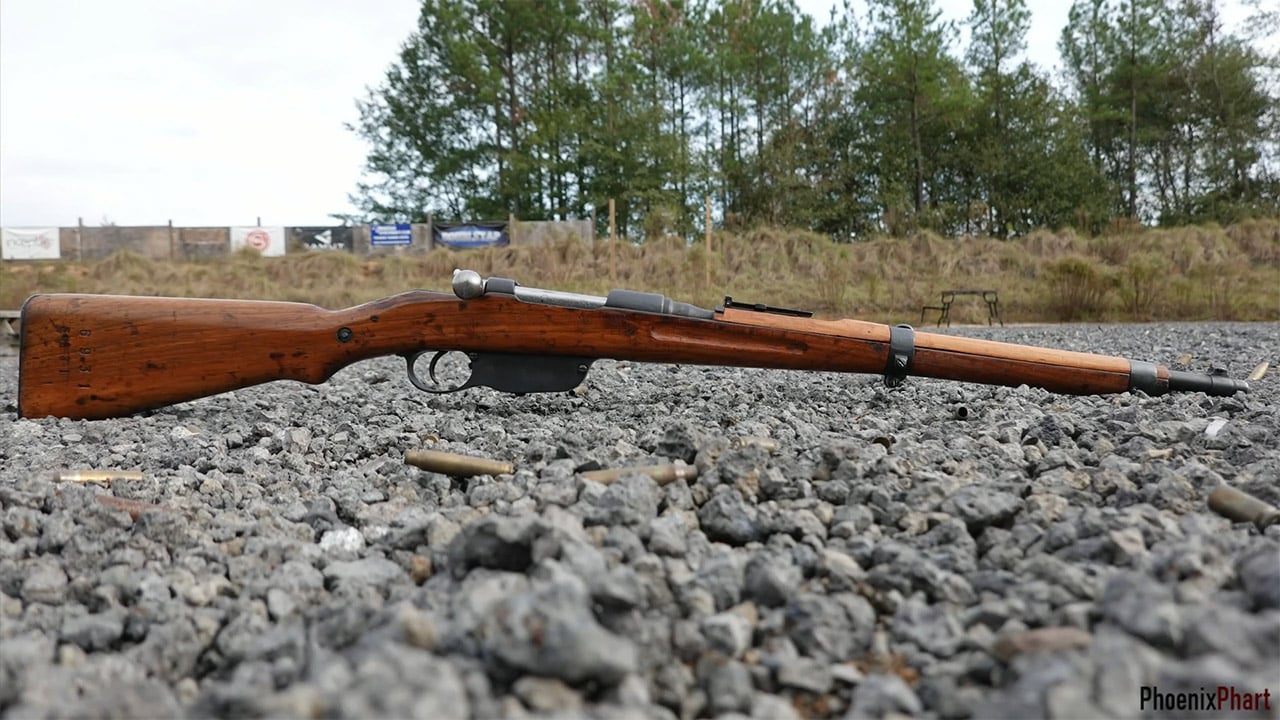
The Steyr M95 straight-pull rifles and carbines were once common surplus oddities. They’re short, quick-handling, and they have a bolt action that feels different enough to make you grin the first time you run it. In carbine form, they’re downright handy, almost like a historical brush gun with a bad attitude.
These drifted out of common sight for a few reasons. Ammo is the big one: 8x56R isn’t something you casually grab at any shop, and surplus ammo quality varies. Also, a lot of the ones that were floating around got bought by collectors who wanted something different than the usual Mosin and Mauser lineup. If you find one, check the bore carefully because some are pretty rough, and pay attention to the en-bloc clip situation. Without clips, the rifle is still a rifle, but it’s not the same experience. It’s a fun piece of history, but it’s not the first rifle I’d recommend for somebody who just wants to hunt this fall.
19. Swedish Mauser M96 (Carl Gustafs / Husqvarna)
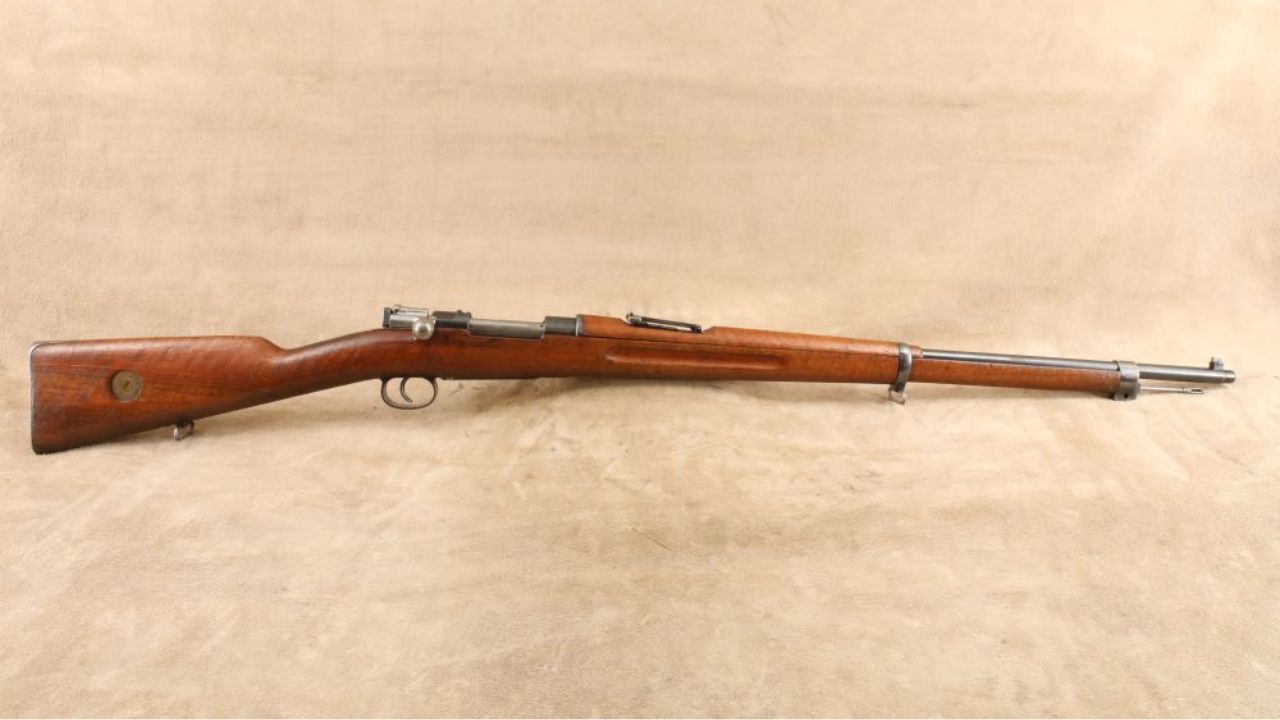
The Swedish M96 Mauser is one of those rifles that makes you appreciate old-school craftsmanship. The actions are usually smooth, the bores are often surprisingly good, and 6.5×55 is a cartridge that just flat works. A well-kept M96 feels like it was built by people who assumed it would still be around a hundred years later. They weren’t wrong.
These used to be a regular gun show find, especially when surplus rifles were still being imported in big waves. Now, the nicer ones are getting held back, and the ones that appear are either priced high or snapped up quickly. When you’re looking, inspect the stock for cracks near the tang, and make sure the sights aren’t beat up or drifted to cover for a problem. Also check for mismatched bolts and general “parts gun” signs. Even mismatched rifles can shoot, but you want safe function and good lockup. If you like shooting steel at distance without getting punished by recoil, a Swede is hard not to love.
20. CZ 527 (in 7.62×39 or .223)
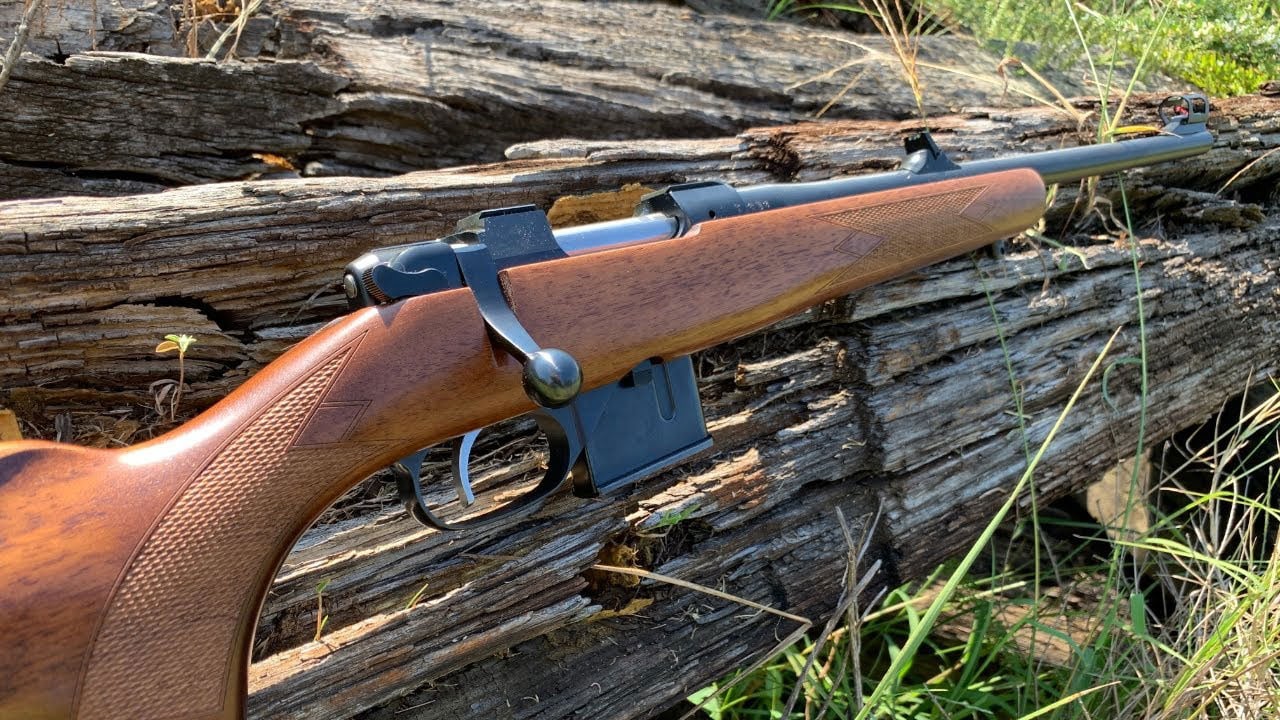
The CZ 527 is one I didn’t think would become a “watch for it” rifle so quickly, but here we are. It’s a small, trim bolt gun with a mini-Mauser vibe, and in 7.62×39 it’s about the most practical, fun little rifle you can own. In .223, it’s a slick walking varmint rifle that doesn’t feel like you’re hauling a bench gun through the woods.
Once production stopped, the availability at shows thinned out fast. The 527 also has something modern rifles sometimes lack: personality. The set trigger (on many models) is useful if you understand it and keep your handling disciplined, but even the standard trigger is usually good. If you find one, make sure the magazine fits properly and feeds without nose-dives. The detachable mag is the one complaint you hear, mostly because it sticks down and can snag. Still, for an honest little rifle that carries well and shoots better than it should, the 527 is a keeper. That one hurts if you sold it and thought you’d just buy another later.
Gun shows change, and so do the piles on the tables. A lot of these rifles didn’t disappear because they suddenly got “rare.” They disappeared because owners stopped letting them go, or because the new-gun market got expensive enough that a proven older rifle started looking like the smart play. If you want any of these, don’t rush, don’t get blinded by a story, and don’t ignore basic condition checks. But when you find the right one, be ready to act. The good ones don’t hang around like they used to.
Like The Avid Outdoorsman’s content? Subscribe to our newsletter so you never miss an article.
Here’s more from us: