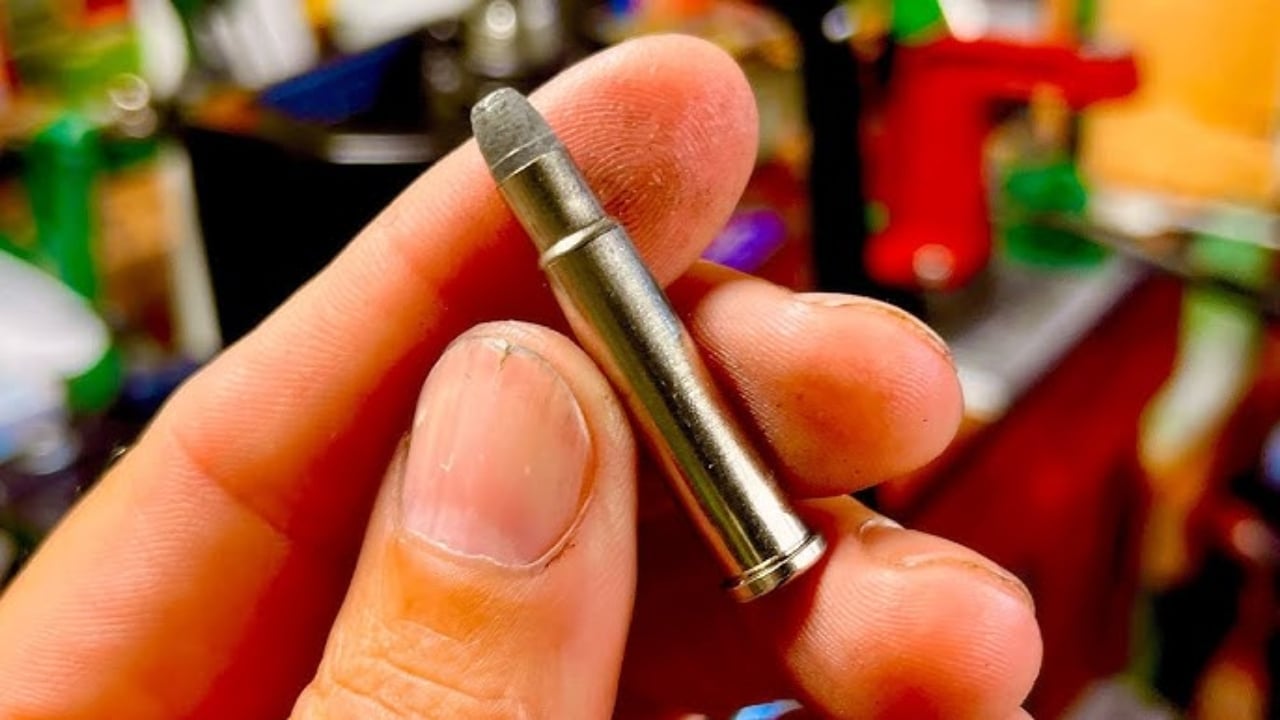
Photo credit: CW Longshot/YouTube
Some calibers look fantastic on a spec sheet. They flash big velocity numbers, sleek bullet shapes, and marketing copy that makes you think you’re holding the future of shooting in your hands. But once the buzz fades and real hunters start using them in unpredictable weather, uneven terrain, and less-than-perfect shot angles, those same calibers show why they never broke into the mainstream. Accuracy fades when conditions change, recoil doesn’t match the rifle weight, or ammo availability collapses after the initial launch.
A few of these cartridges still survive in catalog pages, but real-world results rarely match the promise. When a caliber shines only in theory and not on game, hunters move on quickly. These are the cartridges that looked great on paper — and nowhere else.
.223 WSSM

The .223 WSSM drew attention with blistering speed and a sleek pitch aimed at varmint hunters who wanted more reach. On paper, it promised flat trajectories and minimal holdover. But once shooters tested it in the field, accuracy variations began showing up as barrels heated. That temperature sensitivity created inconsistent performance during long shooting sessions, making it harder to predict where shots would land.
Barrel life also became a major concern. The high pressure and rapid erosion made hunters question whether its performance gains were worth burning through tubes faster than expected. Combined with limited rifle options, the round faded faster than the early hype suggested.
.25 WSSM

The .25 WSSM was meant to deliver classic .25-06 ballistics in a short-action package, but the real-world results rarely matched the early comparisons. Many shooters dealt with feeding issues caused by the fat, short case, which disrupted cycling in rifles not perfectly tuned for it. When you’re chasing deer or antelope, reliability matters as much as speed.
Accuracy also tended to fluctuate depending on temperature and load selection. Hunters wanting dependable long-range performance often found themselves frustrated when groups opened as barrels warmed or humidity shifted. As ammunition availability declined, the caliber became more of a curiosity than a practical choice.
.243 WSSM

The .243 WSSM promised higher velocity than the already-popular .243 Winchester, but the added speed came with real drawbacks. Hunters quickly learned that factory rifles chambered for the round struggled to maintain accuracy as barrel fouling built up. Cleaning became a chore, and groups wouldn’t settle until the rifle was freshly scrubbed.
Ammunition also became scarce quicker than expected, leaving many shooters with rifles they couldn’t feed consistently. Without steady factory support, the cartridge never gained enough momentum to stay relevant beyond its niche following.
.17 Remington Fireball
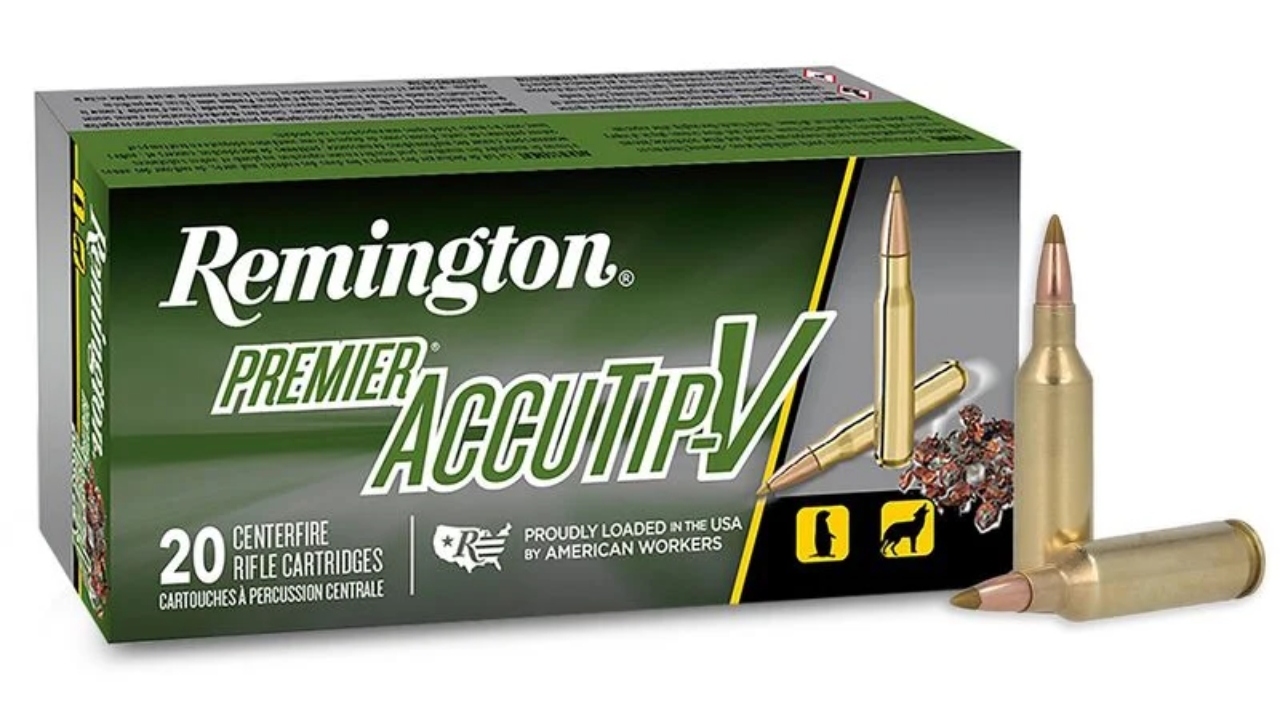
The .17 Remington Fireball looked appealing for varmint shooters who wanted minimal recoil and impressive velocity from a tiny case. While it delivered those numbers, its performance dropped sharply in wind. Even a light crosswind pushed bullets off target, making longer shots frustrating and unreliable.
Barrel fouling was another downside. These small-bore, high-speed rounds tend to dirty barrels quickly, requiring frequent cleaning to maintain accuracy. Hunters who wanted simplicity often abandoned it in favor of more forgiving calibers like .204 Ruger.
.30 Remington AR

The .30 Remington AR was marketed as a way to bring .308-like power into an AR-15 platform. On paper, it checked all the boxes. In practice, rifles struggled with feeding reliability and magazine design limitations. The cartridge shape simply didn’t cooperate with the standard platform, creating issues that frustrated hunters looking for confidence in the field.
Ammunition never gained momentum either. Without widespread rifle adoption or strong industry support, the cartridge faded quickly, leaving owners with rifles chambered in a round that became increasingly hard to find.
.325 WSM

The .325 WSM promised big-game power without the long-action weight, but the round kicked harder than many shooters expected in lightweight rifles. That sharp recoil made follow-up shots slower and contributed to inconsistent accuracy during practice sessions. A cartridge loses appeal quickly when it’s uncomfortable to shoot.
The bullet selection also limited its versatility. Hunters who wanted flexible load options for different terrain or game found fewer suitable choices than they preferred. As other modern magnums took over the spotlight, the .325 slipped quietly out of common rotation.
.260 Remington

The .260 Remington offered fantastic ballistics but struggled because rifles rarely had the correct twist rates for modern, high-BC bullets. The round’s potential looked great in charts, yet factory barrels couldn’t stabilize the bullets that made the caliber shine. That mismatch held it back from becoming a mainstream favorite.
As 6.5 Creedmoor entered the market with rifles built specifically for long, heavy bullets, the .260 Remington quickly lost traction. Hunters didn’t want to fight barrel specs when an easier alternative existed.
.225 Winchester

The .225 Winchester launched with big expectations as a varmint round, but the timing couldn’t have been worse. The .22-250 Remington already dominated the space, offering better accuracy and more rifle support. On paper, the .225 had potential, but shooters simply didn’t see enough benefit to change platforms.
With limited rifles and even more limited ammo production, the cartridge faded quickly. Today, it’s more of a collector’s novelty than a practical tool for hunters who want predictable performance.
.300 Savage Improved Variants

While wildcat and factory-improved versions of the .300 Savage looked compelling with their boosted velocities, they rarely delivered consistent gains in factory rifles. Pressure limits and quirky feeding behavior created reliability concerns, especially in older lever-actions adapted for the chambering.
Hunters wanting true .308-level performance usually just moved up to .308 Winchester instead of chasing marginal gains through modified chamber designs. The improved versions never achieved the mainstream success their velocity figures suggested.
.338 Federal

The .338 Federal aimed to combine .308 Winchester convenience with bigger bullets, but in practice, the round didn’t offer enough difference to justify switching rifles. Recoil increased noticeably, while effective ranges didn’t stretch meaningfully farther. Many hunters found that bullet drop and wind drift still mirrored .308.
Ammo availability was another obstacle. Without strong demand, shelves rarely stocked it consistently. When a cartridge can’t guarantee you’ll find ammo during season, it’s tough to commit long-term.
5mm Remington Rimfire Magnum
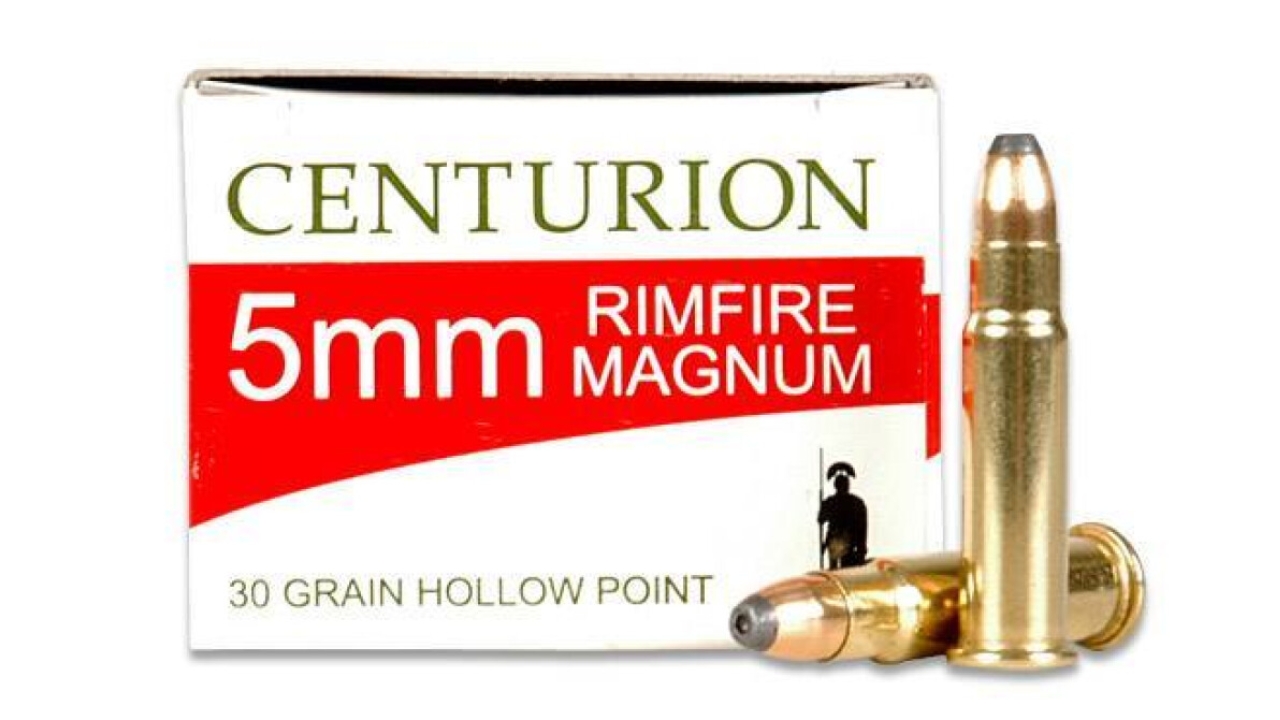
The 5mm RRM delivered impressive rimfire velocity, but rifle choices were severely limited and ammunition vanished almost immediately after its release. Performance meant nothing when shooters couldn’t buy cartridges. Those who bought in early found themselves owning rifles that couldn’t be used.
Attempts to revive the round years later never gained enough traction to make it viable for everyday varmint hunting. It remains proof that even fast rimfire cartridges need industry backing to survive.
.450 Marlin

The .450 Marlin offered powerful ballistics similar to heavy .45-70 handloads but required rifles strong enough to handle the high pressure. That limited its adoption from the start. Hunters found the recoil intense in lightweight lever guns, leaving many unwilling to train consistently with it.
Since .45-70 can achieve similar performance with better ammo selection and wider rifle availability, the .450 Marlin lost relevance quickly. The lack of widespread rifle chambering sealed its fate despite promising numbers.
.22 Hornet Hot-Rod Variants
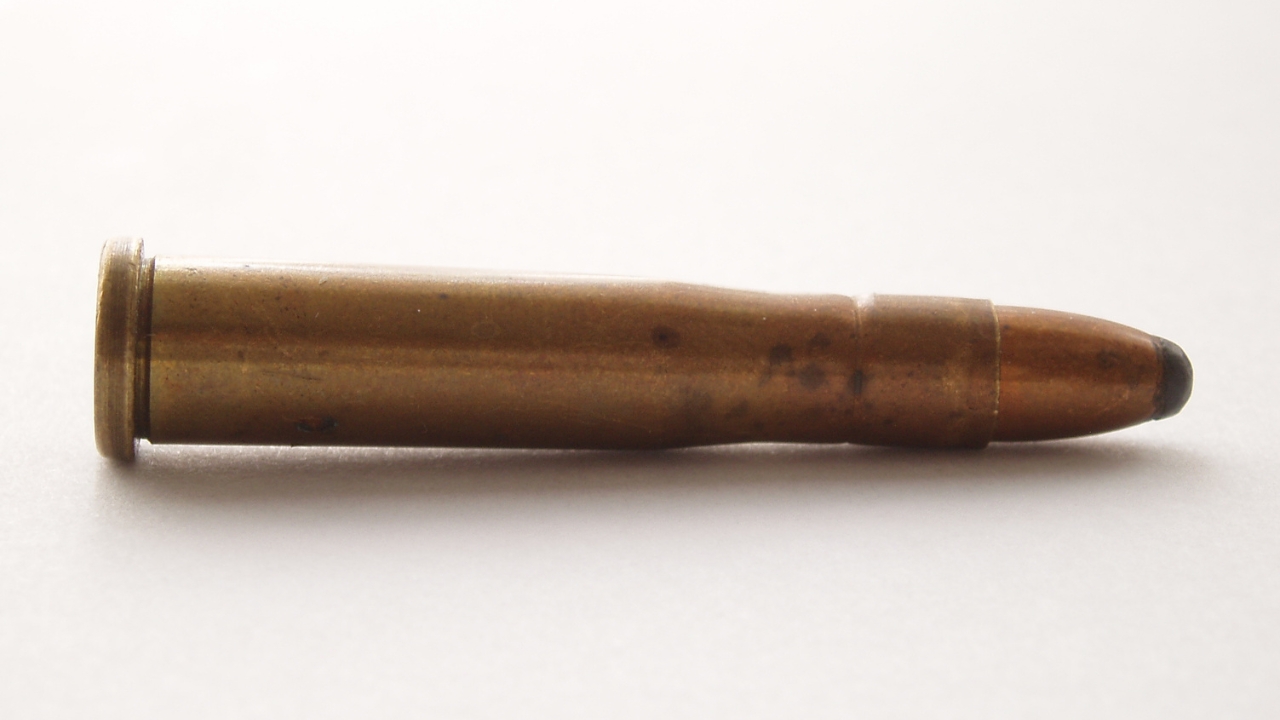
Wildcat versions of the .22 Hornet pushed speed far beyond the original design, but they introduced inconsistent accuracy and short barrel life. Hunters expecting a dramatic leap in performance often found the new issues outweighed the benefits. Reliability matters more than a few extra feet per second.
Reloaders enjoyed experimenting with these variants, but the rounds never earned a place in mainstream use. Too many rifles showed unexplained flyers, especially as temperatures shifted or barrels fouled.
.300 RCM (Ruger Compact Magnum)

The .300 RCM had potential on paper, offering big magnum-like numbers in shorter rifles. But the case geometry limited magazine capacity and created feeding quirks in some platforms. Hunters accustomed to smooth cycling didn’t appreciate the occasional hesitation in chambering.
Ammunition availability also stalled almost immediately. Without steady factory loads and multiple rifle manufacturers behind it, the round faded despite its promising external ballistics.
.338 RCM
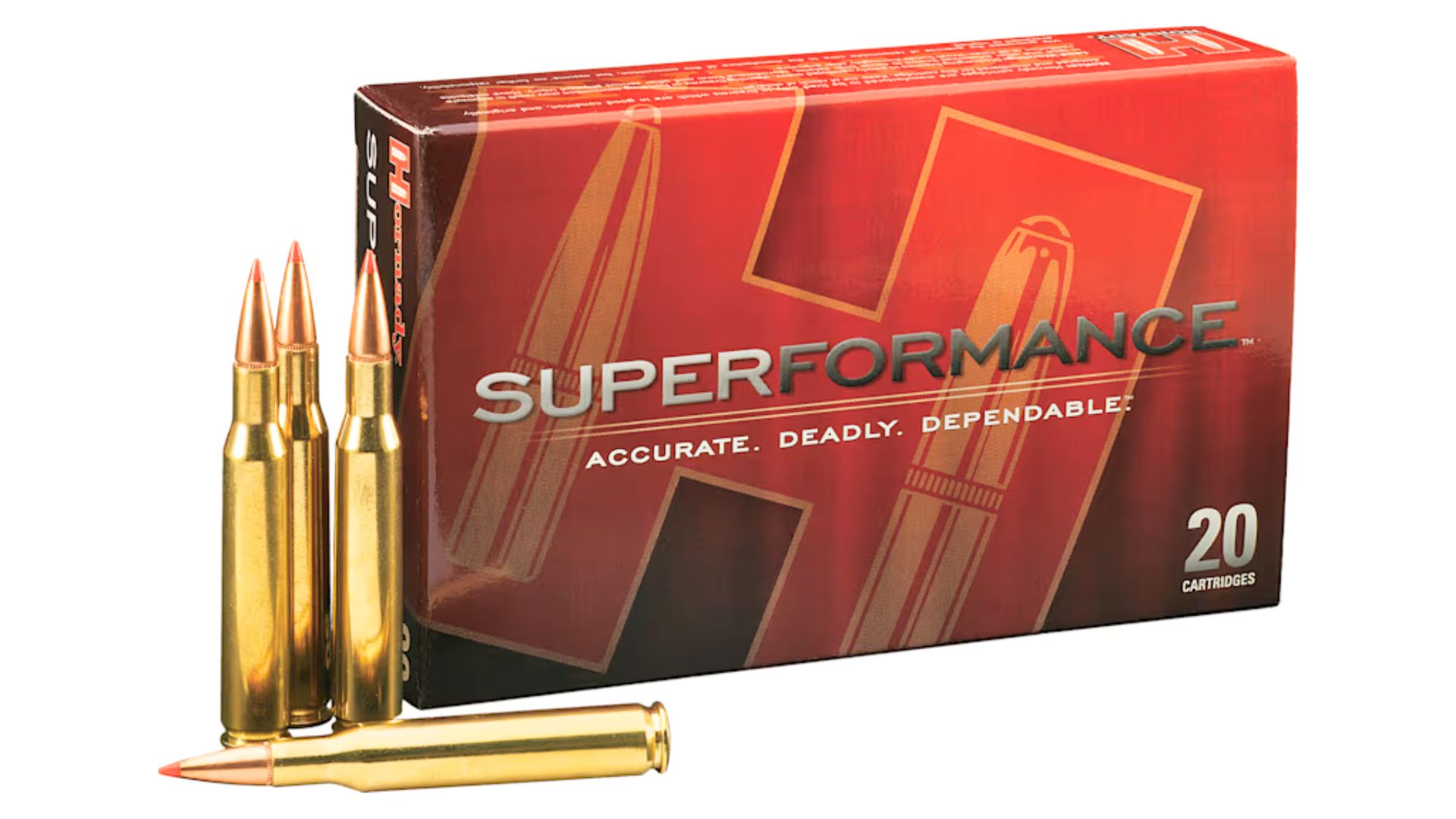
The .338 RCM shared the same strengths and weaknesses as its .300 counterpart. It carried impressive energy figures but generated stout recoil in compact rifles. Hunters struggled to balance comfort with performance, especially during long-range practice sessions.
Limited rifle chambering further hurt its chances. With few rifles and inconsistent ammo support, the cartridge never built enough of a following to thrive. Its paper performance couldn’t overcome its real-world limitations.
Like The Avid Outdoorsman’s content? Subscribe to our newsletter so you never miss an article.
Here’s more from us: