Photo credit: WHO_TEE_WHO/YouTube
Some cartridges look far more capable at close range than they do once the target moves deeper into the field. Strong muzzle energy, heavy bullets, or impressive short-barrel performance can create the impression that a round will remain effective well beyond the distances where it was designed to work.
Distance exposes the weaknesses quickly. Low ballistic coefficients increase wind drift, modest velocity creates a steep trajectory, and bullets designed for close-range expansion may lose the speed needed to perform properly. That does not make these cartridges useless. Most are excellent within the right limits. The disappointment begins when shooters expect them to behave like flatter, faster rounds after the range opens up.
.30-30 Winchester

The .30-30 Winchester remains one of the best woods cartridges ever developed. It produces manageable recoil, works perfectly in lightweight lever actions, and has taken an enormous number of deer inside ordinary timber distances. At 75 or 100 yards, its practical performance is difficult to criticize.
The limitations become obvious past roughly 150 yards. Traditional flat-nose bullets lose velocity quickly, and trajectory begins dropping much faster than many hunters expect. Newer aerodynamic loads improve the situation, but they do not transform the cartridge into a flat-shooting open-country round. The .30-30 is dependable inside its intended range and disappointing when treated like a .308 Winchester.
.350 Legend
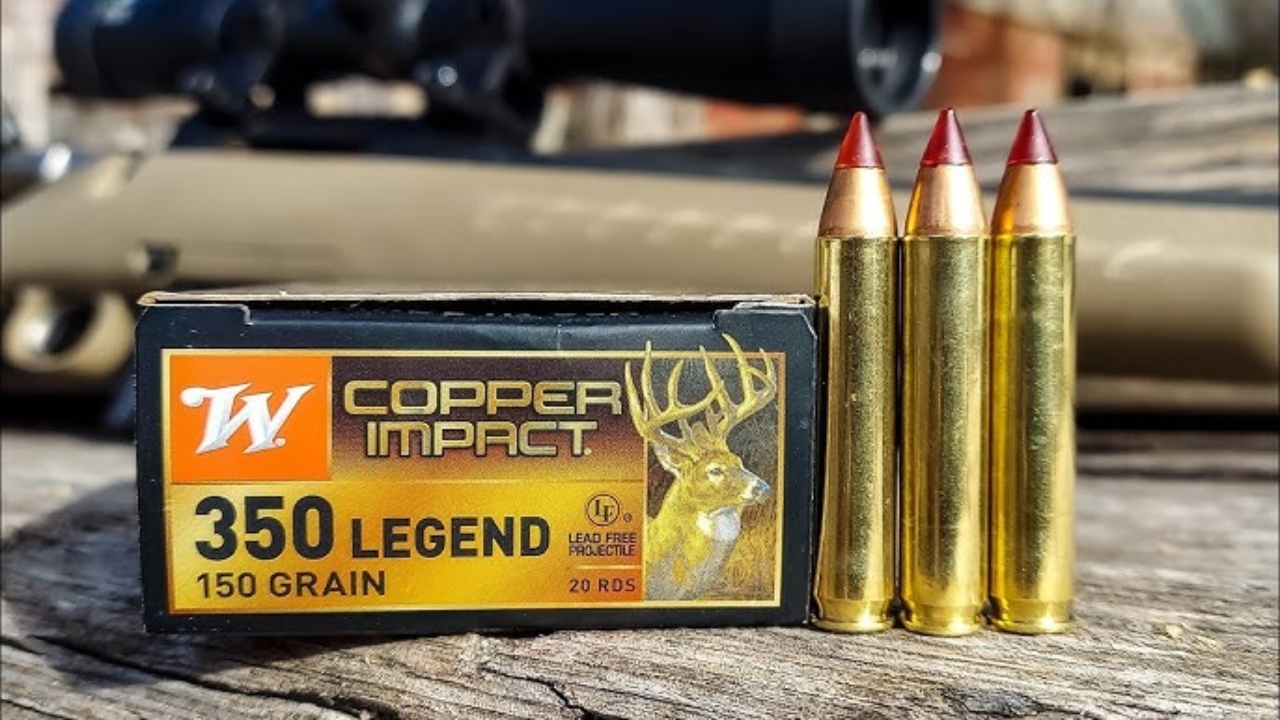
The .350 Legend became popular because it produces mild recoil and satisfies straight-wall hunting regulations in many areas. Inside 150 yards, it works well on deer and hogs while remaining comfortable for younger or recoil-sensitive hunters.
The cartridge loses much of its appeal when shots stretch past 200 yards. Its relatively blunt bullets shed velocity quickly, wind drift grows, and the trajectory requires more careful range estimation. It can still make clean hits farther out, but the margin for error shrinks rapidly. Shooters who buy it expecting near-.308 performance at distance usually come away disappointed.
.450 Bushmaster

The .450 Bushmaster delivers heavy bullets and strong short-range energy from an AR-style rifle or compact bolt action. It is effective on deer and hogs in thick cover and has become a favorite in straight-wall hunting states.
Its large-diameter bullets do not hold velocity well. Recoil is substantial, trajectory becomes steep, and wind drift increases quickly beyond 150 to 200 yards. The cartridge may begin with impressive muzzle energy, but a large portion of that advantage disappears as distance grows. It is a close-range hammer, not a long-range hunting round.
.400 Legend
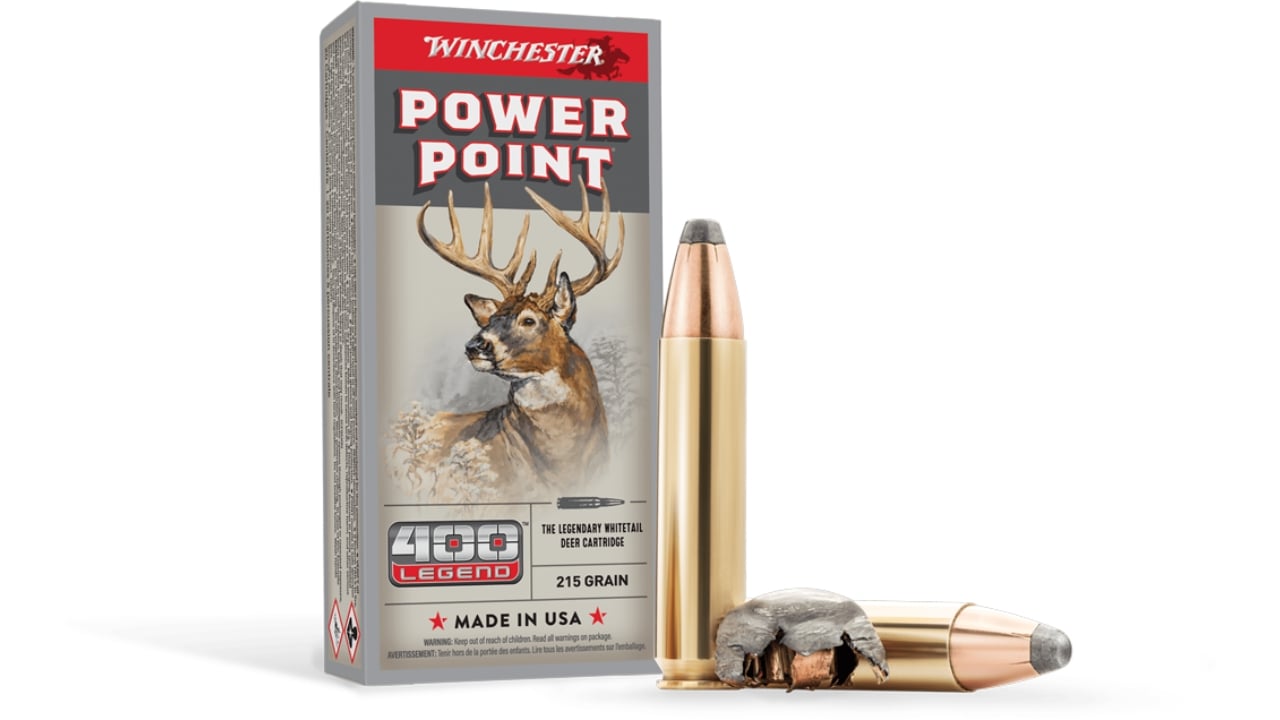
The .400 Legend was designed to offer more power than the .350 Legend with less recoil than the .450 Bushmaster. That balance makes it attractive for hunters who want a straight-wall cartridge with better terminal performance on larger-bodied deer and hogs.
The same basic limitations remain. The bullets are wide, velocity is moderate, and the trajectory becomes increasingly demanding as range stretches. It may carry energy better than some straight-wall competitors, but it still cannot match bottleneck rifle cartridges in wind or drop. Its strongest role remains inside ordinary straight-wall hunting distances.
.360 Buckhammer
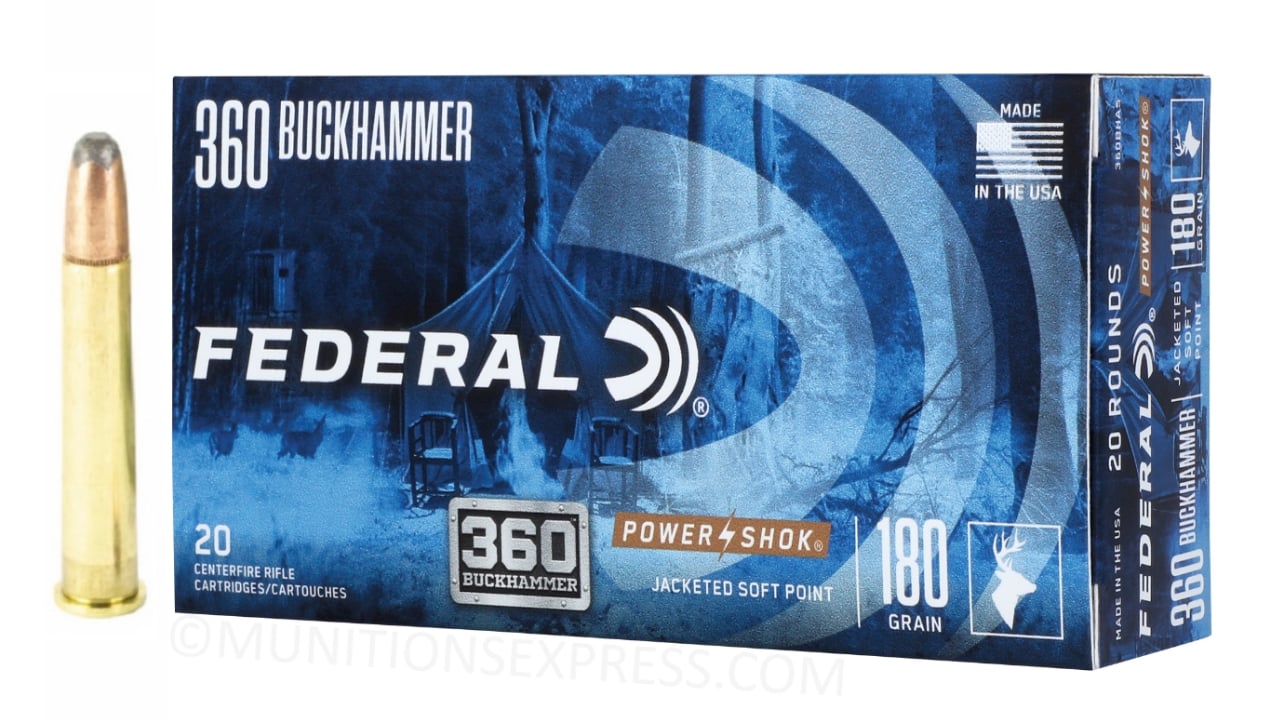
The .360 Buckhammer gives lever-action and single-shot hunters a straight-wall cartridge with more reach than many traditional big-bore options. It produces useful energy and works well in compact hunting rifles.
The cartridge is still limited by moderate velocity and bullets that are not especially aerodynamic. Once shots move beyond 200 yards, precise range estimation becomes increasingly important. Wind also pushes the bullet more than shooters accustomed to modern bottleneck cartridges may expect. It is an effective regional hunting round, but its name can create expectations of more downrange authority than it actually provides.
.45-70 Government

The .45-70 Government can launch extremely heavy bullets and produce tremendous close-range penetration. With modern loads in strong rifles, it is capable of taking large and dangerous game. At close distances, few cartridges feel more authoritative.
That authority does not translate into a flat trajectory. Even relatively fast .45-70 loads drop quickly, and heavy bullets require significant elevation correction at extended range. Recoil also makes precise field shooting more difficult. The cartridge can be used farther than many people assume, but doing so requires careful range knowledge and practice rather than relying on raw power.
.444 Marlin

The .444 Marlin was created to deliver more reach and power than traditional revolver-caliber lever guns. It fires heavy .44-caliber bullets at useful hunting velocities and performs well on deer, hogs, bears, and similar game in wooded terrain.
Its trajectory becomes increasingly curved after about 150 yards. Bullet selection also matters because some projectiles were originally designed for handgun velocities and may not offer ideal long-range performance. The .444 has more reach than a .44 Magnum rifle, but it still falls well short of flatter bottleneck cartridges once the terrain opens up.
.44 Magnum

A .44 Magnum rifle is light, handy, and powerful at close range. The longer barrel produces more velocity than a revolver, making the cartridge useful for deer and hogs inside thick cover. It also offers ammunition commonality with a sidearm.
The improvement from the rifle barrel does not turn the cartridge into a long-range performer. Most .44-caliber bullets have poor ballistic coefficients, and velocity falls off rapidly. Drop and wind drift become difficult to ignore beyond 125 to 150 yards. It is an excellent short-range carbine cartridge, but it loses confidence quickly in open country.
.357 Magnum

The .357 Magnum gains substantial velocity from a carbine-length barrel and can be surprisingly effective on deer-sized game with the right ammunition. Recoil is mild, capacity is useful, and practice ammunition can be inexpensive when .38 Special is used.
Its practical hunting range remains limited. Light bullets lose speed quickly, while heavier bullets begin with a more curved trajectory. Energy and expansion become less predictable as range increases. The cartridge is excellent for close-range property use and woods hunting, but it becomes a poor substitute for a centerfire rifle cartridge once shots stretch.
10mm Auto
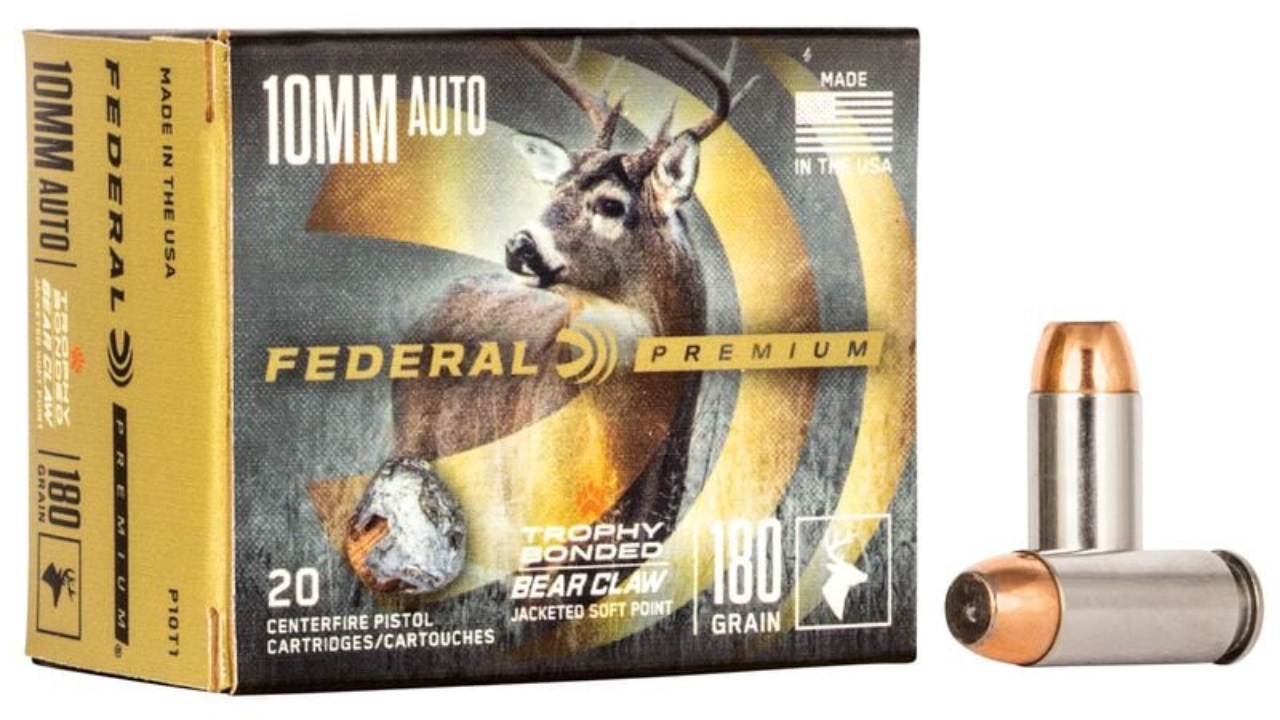
The 10mm Auto has a strong reputation for field defense and hunting from semiautomatic pistols. Full-power loads can drive heavy bullets deeply and offer a meaningful increase over ordinary defensive handgun cartridges.
Its handgun origins still show at distance. Even when fired from a carbine, the bullets have modest ballistic coefficients and lose velocity quickly. Trajectory becomes steep, and wind drift is far greater than with true rifle rounds. The 10mm is powerful for a pistol cartridge, but calling it powerful does not make it a long-range cartridge.
.500 S&W Magnum

The .500 S&W Magnum produces enormous muzzle energy and can launch bullets heavy enough for the largest game animals. In a revolver or rifle, it creates the impression that sheer power will solve nearly any ballistic problem.
The cartridge is limited by heavy recoil, large-diameter bullets, and relatively modest velocity. At extended range, trajectory becomes dramatic and accurate field shooting becomes increasingly difficult. The energy remains substantial, but making a clean hit is the real challenge. It is a close-range powerhouse, not a practical long-range hunting solution.
.460 S&W Magnum

The .460 S&W Magnum shoots flatter than the .500 S&W and can produce very high velocity from long revolver barrels. It is often marketed as a handgun cartridge capable of unusually long hunting shots.
It still requires more skill and range knowledge than many buyers expect. Recoil, blast, and handgun stability limit practical accuracy, while the bullets shed speed faster than streamlined rifle projectiles. The cartridge is impressive for a revolver round, but that comparison can be misleading. It does not offer the same forgiveness as a real long-range rifle cartridge.
.458 SOCOM
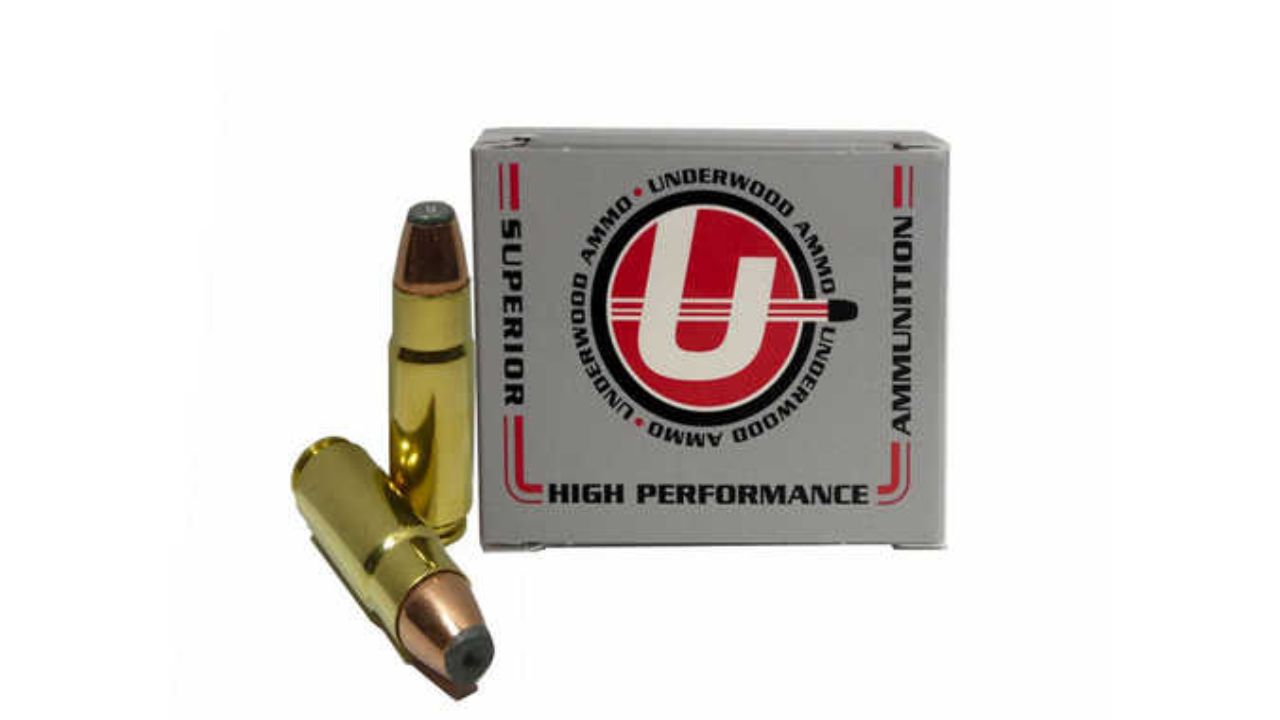
The .458 SOCOM gives the AR-15 platform the ability to fire large, heavy bullets from standard-size receivers and magazines. It is highly effective at close range and works well with suppressed subsonic ammunition.
Its downrange performance is limited by low velocity and blunt bullets. Supersonic loads drop quickly, while subsonic loads follow an even more dramatic trajectory. The cartridge can hit farther than its reputation suggests, but it demands precise elevation data and careful wind calls. Its strength is delivering heavy projectiles nearby, not stretching an AR into a long-range rifle.
.50 Beowulf

The .50 Beowulf offers massive frontal area and heavy bullets from an AR-15-size platform. It is appealing for close-range hunting, vehicle protection, and situations where deep impact matters more than flat trajectory.
The cartridge loses velocity rapidly, and its large bullets create substantial drag. Recoil is heavy, magazine capacity is limited, and drop becomes pronounced as distance grows. It can make hard hits at close range, but its intimidating bore diameter encourages unrealistic expectations. Past short hunting distances, the cartridge becomes much less impressive.
.300 Blackout Subsonic

Subsonic .300 Blackout is exceptionally useful when suppression and low sound matter more than velocity. Heavy bullets cycle semiautomatic rifles, remain below the speed of sound, and perform well for close-range defensive or specialized use.
The same low velocity makes the cartridge extremely demanding at distance. Drop becomes severe, time of flight increases, and wind has more time to move the bullet. Many subsonic expanding bullets are also designed around a narrow velocity window. The cartridge is effective inside its lane, but disappointing when shooters expect quiet ammunition to retain ordinary rifle performance.
7.62x39mm
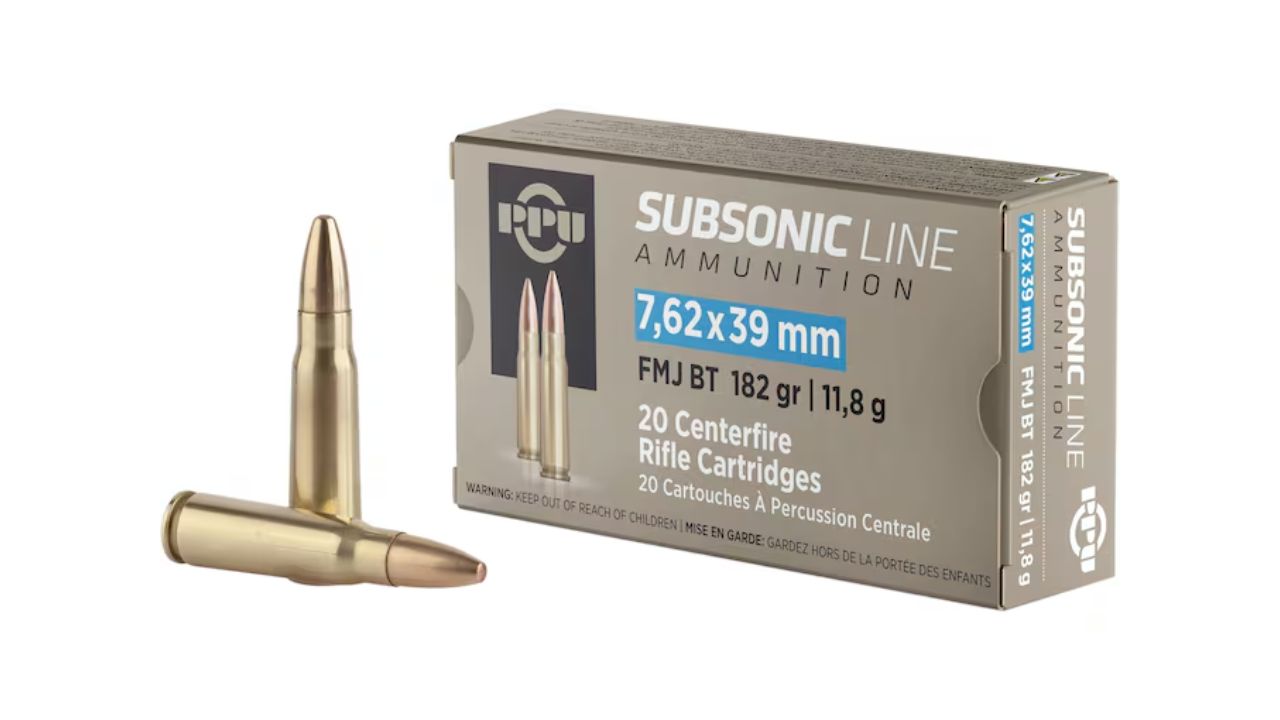
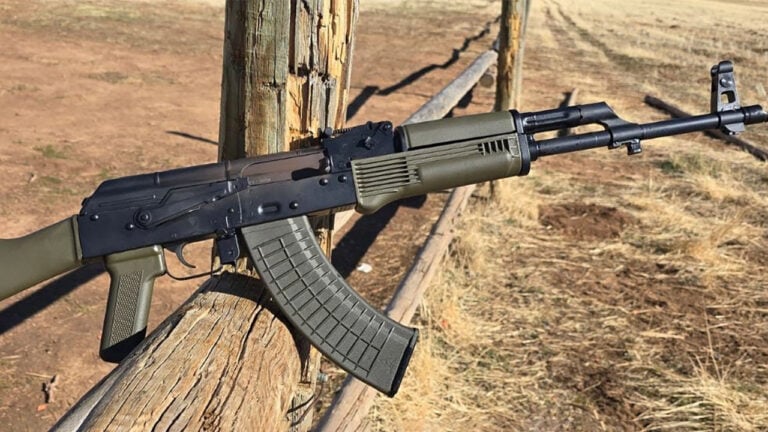
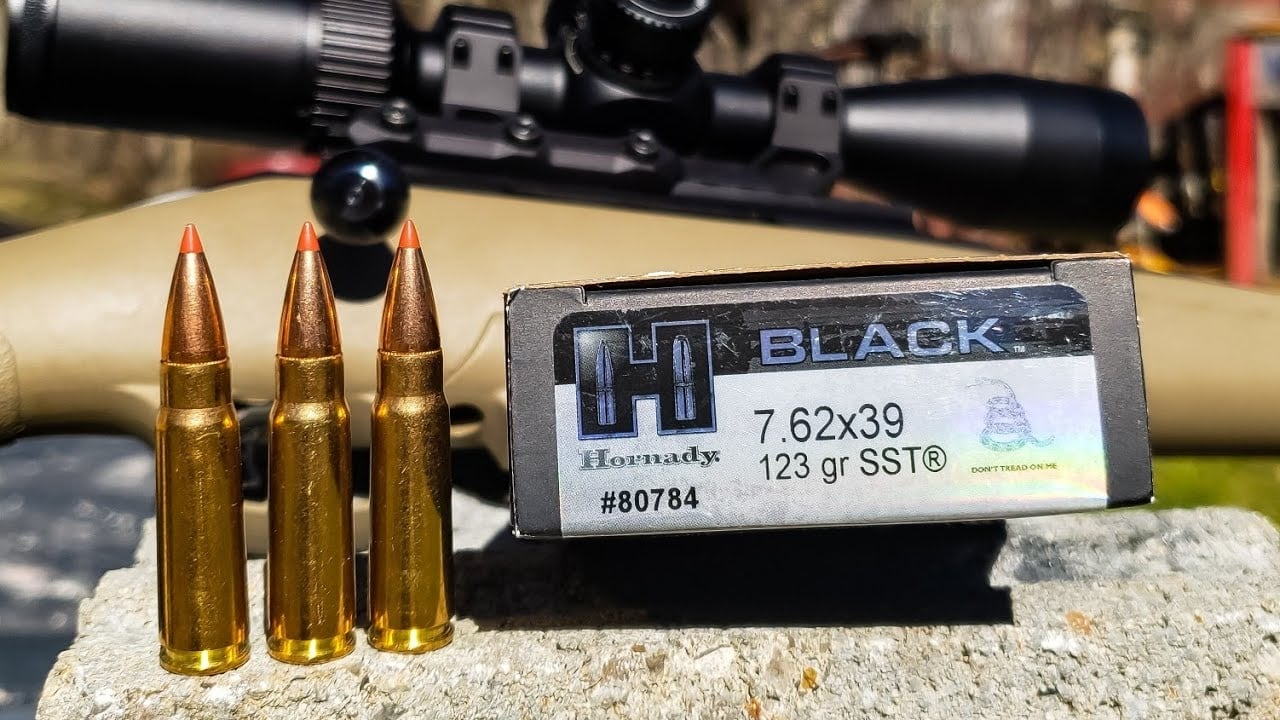
The 7.62x39mm cartridge performs very well from compact rifles inside 200 yards. It offers moderate recoil, dependable feeding, and effective terminal performance from AK, SKS, and several modern bolt-action platforms.
Its common 123-grain bullets lose velocity relatively quickly, and the trajectory becomes increasingly curved beyond 250 yards. Wind drift also becomes more difficult to manage than it is with faster 5.56 or 6mm cartridges. The round is more capable than its critics claim, but it is not especially forgiving once range estimation becomes uncertain.
.300 HAM’R

The .300 HAM’R was developed to provide more hunting performance from the AR-15 than .300 Blackout while retaining a compact and efficient package. It offers useful velocity with medium-weight .30-caliber bullets and works well for hogs and deer at moderate distances.
Its case capacity still limits how much speed it can produce. Once distance stretches, it cannot match larger .30-caliber cartridges in trajectory or retained energy. Ammunition availability is also less widespread than more common options. The cartridge fills a useful middle ground, but it becomes less convincing when expected to behave like a short-action hunting round.
.30 Carbine

The .30 Carbine cartridge is light-recoiling and enjoyable from the M1 Carbine platform. It offers greater range and accuracy than a handgun while keeping the rifle extremely light and handy.
Its 110-grain bullet has limited aerodynamic efficiency and sheds velocity quickly. Beyond 150 to 200 yards, drop and wind drift become increasingly significant, while terminal performance declines. The cartridge was designed for a compact military carbine, not open-country hunting. Its historical reputation sometimes leads owners to expect more reach than it realistically provides.
6.8 SPC

The 6.8 SPC offers more bullet weight and close-range energy than 5.56 NATO from an AR-15-size platform. It performs well for deer, hogs, and defensive use at moderate distances, especially from shorter barrels.
Its case and overall-length limitations prevent it from using the long, high-ballistic-coefficient bullets that dominate modern long-range cartridges. It retains useful energy, but trajectory and wind performance fall behind newer 6mm and 6.5mm options as range increases. The 6.8 SPC is effective inside a few hundred yards, yet it no longer looks exceptional once long-range performance becomes the priority.
.22 Hornet

The .22 Hornet is quiet, mild, and efficient for small-game and varmint hunting. It uses little powder, produces minimal recoil, and works beautifully in lightweight rifles where .223 Remington would be more power than necessary.
Its low velocity and light bullets limit performance once shots become long or wind begins moving. The cartridge loses energy quickly, and range estimation matters far more than it does with faster varmint rounds. It remains an excellent 100- to 150-yard cartridge, but shooters expecting modern .22-centerfire reach will find it disappointing.
.17 HMR
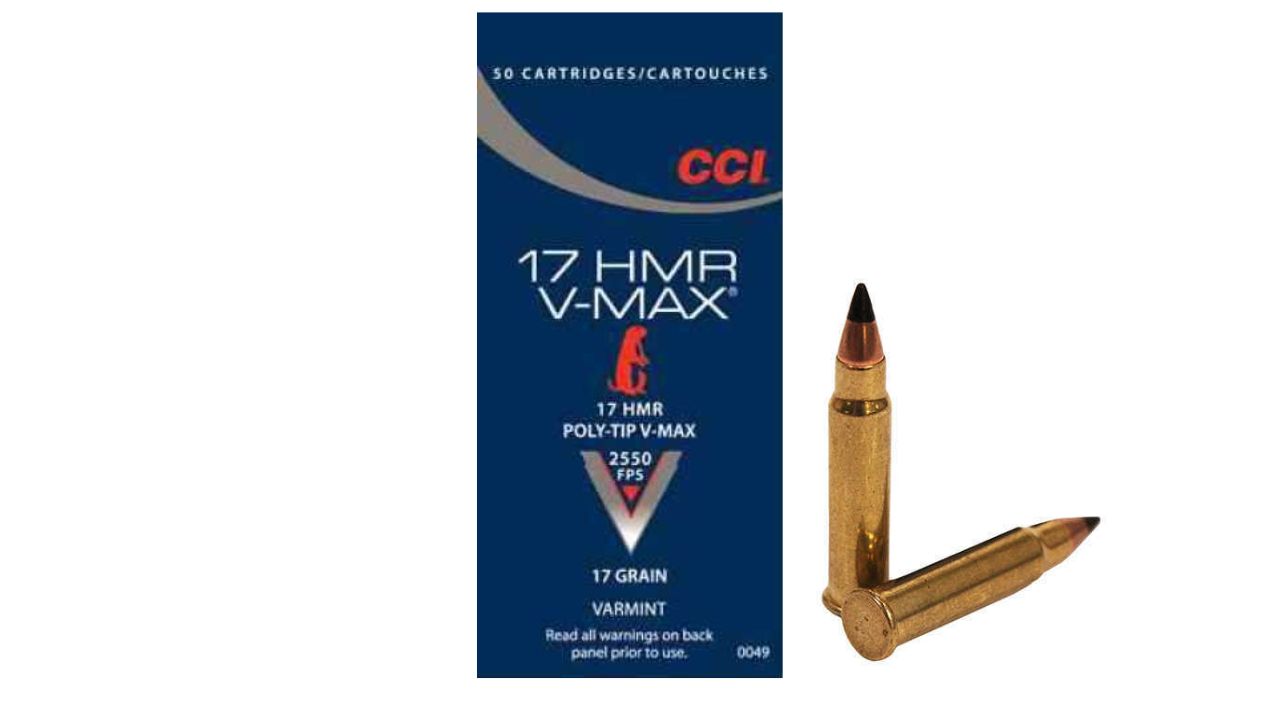
The .17 HMR shoots flat compared with .22 LR and produces explosive performance on small varmints at short to moderate distances. Its light recoil and high muzzle velocity make it feel like a miniature centerfire cartridge.
The tiny 17- to 20-grain bullets are highly vulnerable to wind. At longer distances, even a modest crosswind can move them several inches, and retained energy falls quickly. The cartridge looks extremely flat on a calm range, but field conditions reveal how little mass the bullet carries. It is excellent for small varmints, yet far less forgiving than its speed suggests.
Like The Avid Outdoorsman’s content? Be sure to follow us.
Here’s more from us: