Photo credit: Anna Kumpan/Unsplash.com
Dog popularity changes more than people realize. A breed can spend decades as one of the most recognizable family dogs in America and then slowly disappear from neighborhoods as lifestyles, housing, grooming expectations, and buyer preferences shift.
That does not mean these breeds suddenly became bad dogs. In many cases, they are still excellent companions, hunting dogs, or working animals. The problem is that newer favorites often fit modern households more easily. Smaller dogs, low-shedding mixes, compact companion breeds, and highly trainable working dogs have taken attention away from breeds that once felt almost impossible to avoid. These 20 dogs still have loyal owners, but they no longer seem to command the same broad interest they once did.
Irish Setter
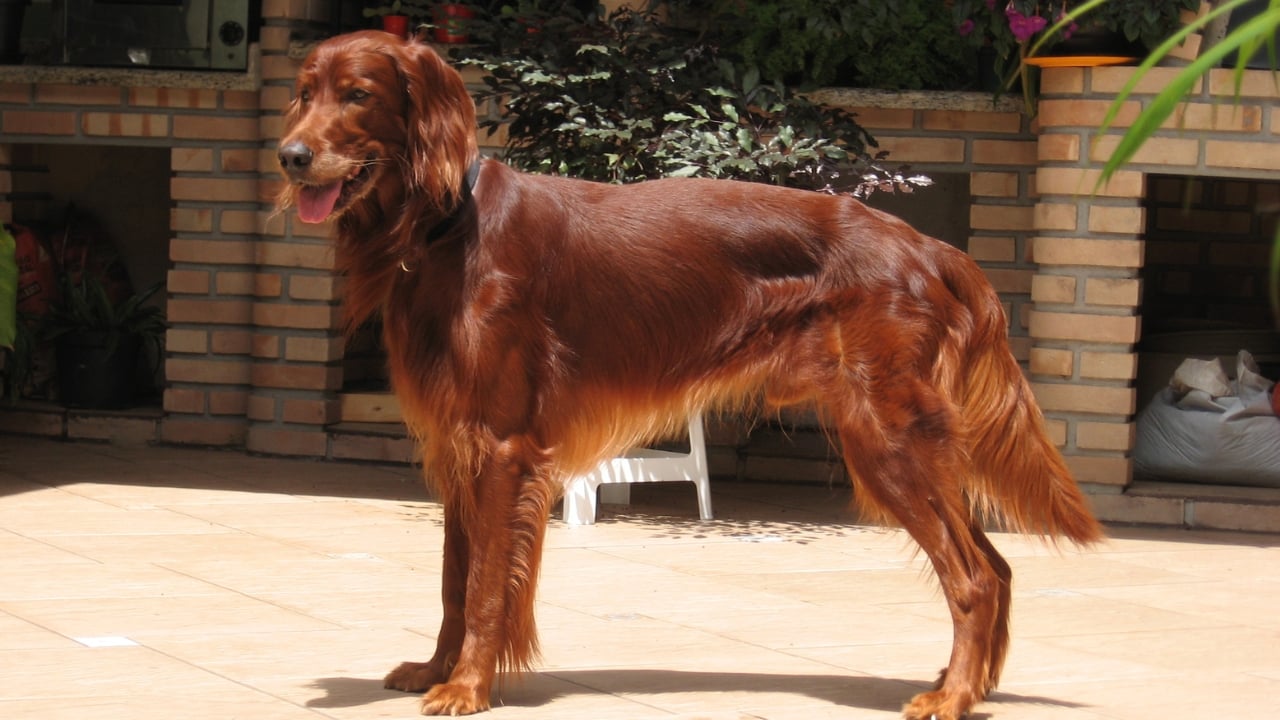
Irish Setters used to have a level of visibility that is hard to imagine now. Their deep red coats made them instantly recognizable, and they were common enough in family homes that almost everybody seemed to know someone who owned one. They also benefited from an era when sporting breeds were much more likely to become general family dogs even if nobody in the house actually hunted. Today, the Irish Setter has to compete with Golden Retrievers, Vizslas, Australian Shepherds, and numerous doodle mixes that buyers often perceive as easier fits for modern life.
The breed still has plenty going for it. Irish Setters are affectionate, athletic, and striking dogs. They simply require significant exercise, training, and coat maintenance, and those demands have become harder to sell to average families.
Collie

Few breeds have experienced a bigger gap between cultural recognition and current ownership than the Collie. For generations, the breed represented the ideal intelligent family dog, helped enormously by its association with Lassie. Collies were elegant, trainable, gentle with children, and visually different enough that they stood out immediately. The problem is that many of those same buyers now look toward Australian Shepherds, Miniature American Shepherds, or Border Collies when they want an intelligent herding breed.
The Collie’s coat is another hurdle. That beautiful rough coat requires regular maintenance, particularly during shedding periods. Smooth Collies reduce that problem considerably, but they remain much less familiar to casual buyers. The breed has not lost its good qualities. It has simply lost the automatic attention it once enjoyed.
Cocker Spaniel
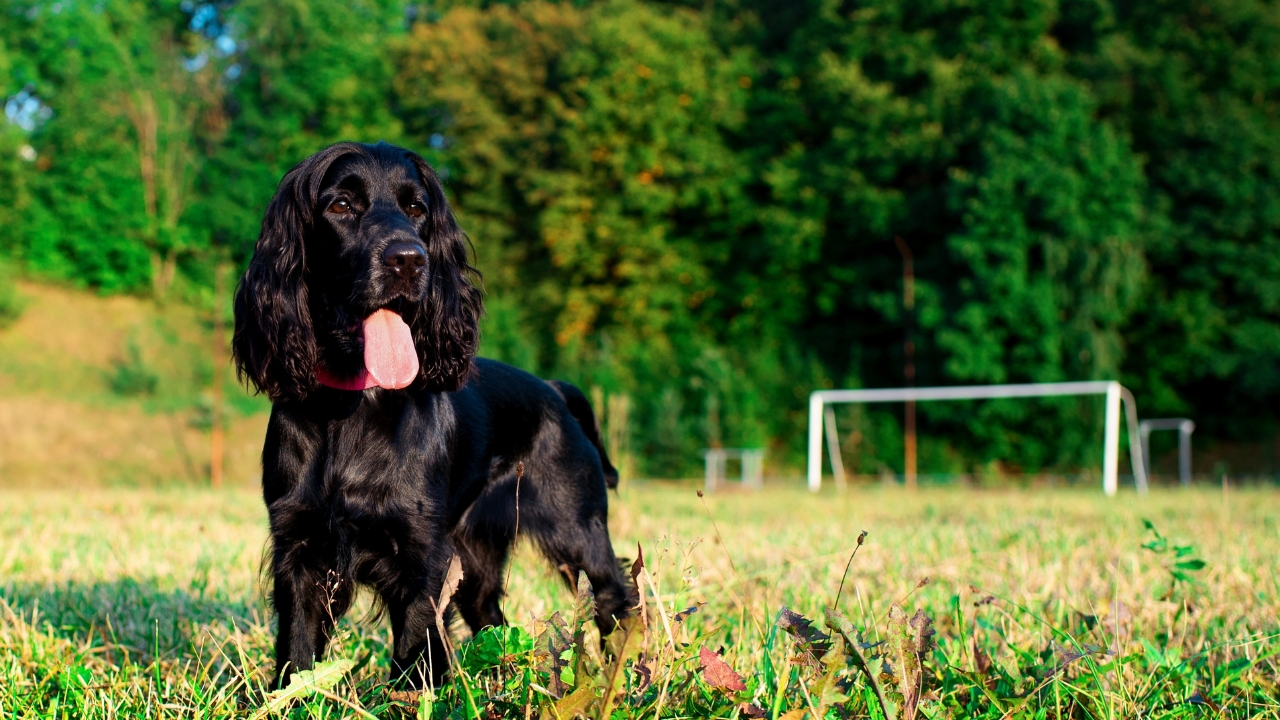
Cocker Spaniels were once one of America’s default family dogs. Their moderate size made them easier to keep than larger sporting breeds, while their friendly personalities gave them enormous appeal to households that simply wanted a companion. At their peak, they were common enough that seeing one walking through a suburban neighborhood barely registered. That position has been chipped away by Cavaliers, French Bulldogs, Cockapoos, Cavapoos, and other smaller companion dogs that now dominate buyer attention.
Cockers also require more maintenance than their size suggests. Their coats need grooming, their long ears require attention, and poorly bred lines can come with health or temperament concerns. A well-bred Cocker is still an outstanding companion, but buyers have many more alternatives today.
English Setter

The English Setter is a classic example of a breed whose popularity was tied closely to a lifestyle that fewer Americans live today. When upland bird hunting had a stronger presence and sporting dogs were common on rural properties, English Setters made perfect sense. They were capable hunters while also being gentle enough to live with the family. Today, dedicated bird hunters still appreciate them, but the general public rarely considers one when choosing a household dog.
Modern hunters also have a crowded field of alternatives. German Shorthaired Pointers, Brittanys, and other versatile hunting breeds attract much of the attention. Outside hunting circles, retrievers and doodles dominate. The English Setter remains beautiful and capable, but its audience has become much narrower.
Old English Sheepdog

Old English Sheepdogs once had enormous visual appeal because there was simply nothing else in the average neighborhood that looked quite like them. Their shaggy coats made them memorable, and they became familiar through advertising, television, and family ownership. Today, the same shaggy look is available in countless doodle crosses that are marketed aggressively as modern family companions.
That has created difficult competition. Old English Sheepdogs are large, energetic, and require serious grooming. Their coat can become a full-time project if an owner is not prepared for it. Families attracted primarily to the fluffy appearance now have smaller and heavily marketed alternatives. The Sheepdog still has personality and charm, but the market around it changed dramatically.
Basset Hound

Basset Hounds once seemed to be everywhere, even among families that had no interest in hounds or hunting. Their low-slung bodies, enormous ears, and relaxed personalities gave them a unique place among family dogs. They were immediately recognizable and often marketed as easygoing companions. Modern buyers still like laid-back dogs, but they increasingly choose smaller breeds such as French Bulldogs, Dachshunds, Cavaliers, or designer mixes.
The Basset also comes with some practical challenges. Those ears, skin folds, heavy bodies, and long backs require attention, while their noses can make them stubborn when they decide a scent is more interesting than their owner. They remain lovable dogs, but there are now many easier choices competing for the same household.
Bloodhound

Bloodhounds remain famous even though actually seeing one in an ordinary American neighborhood has become uncommon. Their reputation as unmatched scent hounds keeps them culturally relevant, and law enforcement search work occasionally puts them back in the spotlight. As family pets, however, they ask a lot from the owner. They are large, powerful, drool heavily, and can become almost impossible to redirect once their nose locks onto something interesting.
That combination makes them difficult for suburban households. People wanting a large family dog are more likely to choose a Lab, Golden Retriever, German Shepherd, or one of the newer mastiff-type favorites. Bloodhounds still excel at what they were bred to do, but the number of homes suited to them is relatively limited.
American Foxhound

The American Foxhound belongs to a style of dog ownership that has become increasingly specialized. These dogs were developed around pack hunting, large properties, and owners who understood how to manage hounds with powerful scent drives. Modern suburban life is almost the opposite environment. A dog that wants to follow a trail for miles and may be vocal while doing it can be extremely difficult to manage behind an ordinary backyard fence.
Even rural buyers have more options today. Beagles retain broader family appeal, while hunters can choose from numerous specialized hounds depending on game and region. The American Foxhound remains historically important and highly capable, but it makes sense for far fewer households than it once did.
Scottish Terrier

Scottish Terriers were once among the most recognizable small dogs in America. Their silhouette appeared in advertising, decorations, and popular culture, while prominent owners helped give the breed a refined image. That level of recognition has faded as the small-dog market shifted toward French Bulldogs, Miniature Dachshunds, Cavaliers, Pomeranians, and designer crosses.
The Scottie’s personality can also surprise buyers expecting a tiny lapdog. They are independent, confident terriers with strong opinions and enough prey drive to remind you what they were originally bred to do. That character is exactly why longtime owners love them, but it can make them less appealing to buyers who want an instantly social, easygoing companion.
Airedale Terrier

The Airedale was once praised as a dog that could do almost anything. It hunted, guarded property, worked with military and police handlers, and still managed to function as a family companion. That versatility gave it a natural role when families often wanted one dog capable of handling several jobs. Modern dog ownership is more specialized, and buyers now choose different breeds for protection, hunting, sports, or companionship.
An Airedale also requires training and regular coat maintenance. It has the confidence and independence of a terrier packed into a substantially larger body. That can be a lot of dog for an average household. The breed is still impressive, but its all-purpose identity no longer guarantees widespread popularity.
Chow Chow

Chow Chows experienced a major popularity surge decades ago because they looked unlike almost anything else in the dog world. Their lion-like coats, broad heads, and unusual tongues made them irresistible to buyers who wanted something eye-catching. But widespread ownership also exposed people to the fact that Chows are not oversized teddy bears. They can be independent, aloof, territorial, and require careful socialization from an early age.
Modern families interested in fluffy dogs have an enormous number of alternatives, many with more openly social personalities. Samoyeds, Pomeranians, various doodles, and other spitz-type dogs now compete for that attention. The Chow still has devoted followers, but it is no longer the fashionable household choice it once became.
Chinese Shar-Pei

The Shar-Pei went through one of the most dramatic popularity waves of any breed. Its wrinkles were so unusual that the dog quickly became a status symbol and a novelty people wanted simply because they had never seen anything like it. As the breed became more common, buyers also learned that those distinctive features could come with skin, eye, and other health-management concerns.
At the same time, compact companion breeds with similarly unusual appearances became much more popular. French Bulldogs in particular captured buyers who wanted a stocky, recognizable dog without choosing a Shar-Pei. A well-bred Shar-Pei can be loyal and impressive, but the massive surge of casual interest surrounding the breed has clearly faded.
Dalmatian
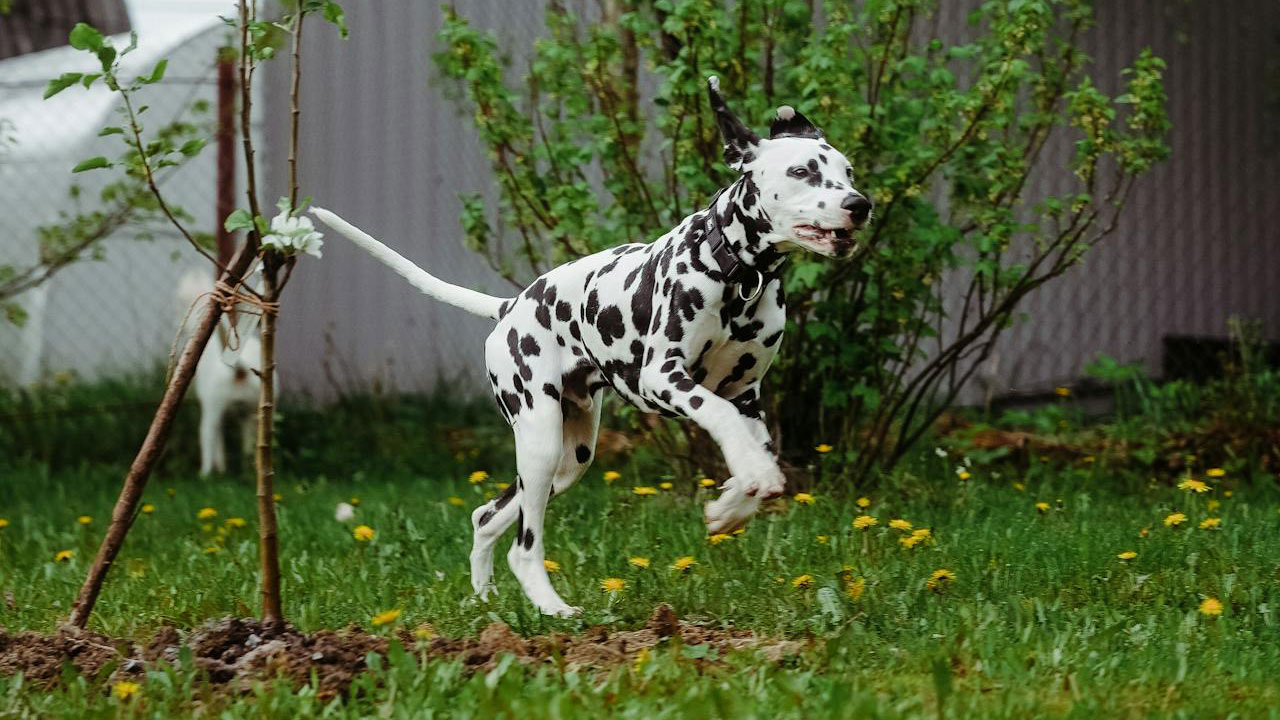
Dalmatians may be one of the best examples of a breed whose popularity has repeatedly been driven by entertainment rather than lifestyle compatibility. Movies created enormous waves of interest because the dogs are beautiful, athletic, and instantly recognizable. The problem is that a real Dalmatian is not a stuffed animal. These are energetic dogs bred for endurance, and they can become difficult when placed with families that underestimate their exercise and training needs.
Today, people wanting an active family dog have plenty of easier alternatives. Labs, Goldens, Australian Shepherds, and other sporting or herding breeds dominate that conversation. Dalmatians still attract attention wherever they go, but far fewer families seem determined to bring one home.
Afghan Hound

Afghan Hounds once represented glamour in the dog world. Their dramatic coats, narrow heads, and elegant movement made them perfect for advertising, dog shows, and owners who wanted a breed that immediately turned heads. They still do exactly that, but modern dog buyers are generally less willing to structure their routine around the grooming demands required to maintain that appearance.
The breed’s temperament is another factor. Afghans are independent sighthounds, not eager-to-please retrievers. That can be refreshing for the right owner and frustrating for someone expecting easy obedience. Their appearance remains unforgettable, but appearance alone does not generate the same ownership numbers it once could.
Borzoi

The Borzoi is another elegant sighthound that feels increasingly rare outside dedicated breed circles. It has tremendous historical appeal and a graceful appearance, but the modern American household does not naturally favor a very tall dog with a strong prey drive and an independent temperament. Secure exercise areas matter, and owners need to understand that a Borzoi spotting a running animal may suddenly care very little about recall.
People interested in large impressive dogs now frequently choose breeds with stronger guarding or family reputations. The Borzoi remains quiet and gentle in the right home, but its specific requirements limit the audience. It is admired by far more people than actually want to own one.
Wire Fox Terrier
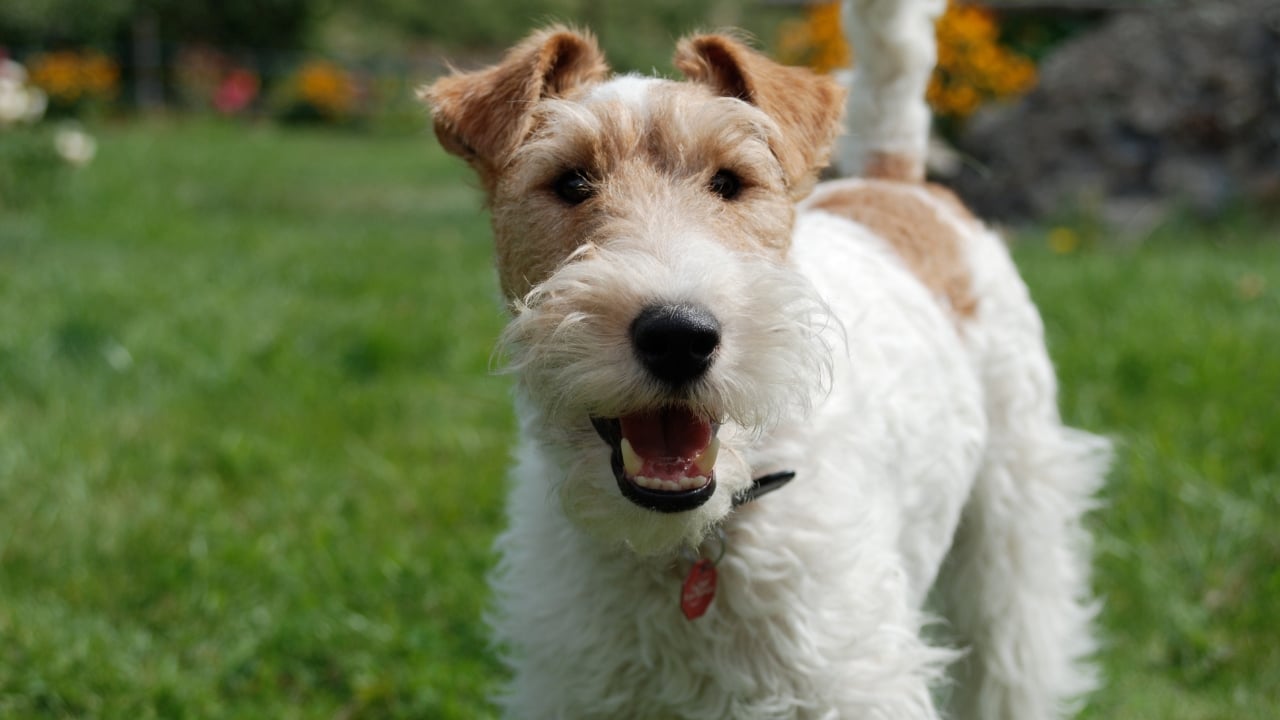
Wire Fox Terriers were once highly visible as both show dogs and lively family companions. They have the classic terrier appearance that influenced how many people imagine the entire group. But traditional terriers have lost ground as companion breeds became smaller, calmer, and easier for apartment or suburban living.
The Wire Fox Terrier is energetic, intelligent, and determined. Those are excellent traits when you want a true terrier and potential headaches when you simply want a quiet pet. They need exercise and mental stimulation, and many retain strong instincts to chase or dig. The breed has not changed. What the average owner expects from a small dog has.
English Springer Spaniel

English Springer Spaniels are still common enough that nobody would call them rare, but they no longer seem to own the family-sporting-dog category the way they once did. Labs and Golden Retrievers continue to dominate, while doodles have pulled enormous numbers of buyers away from traditional sporting breeds. Hunters also have a broad selection of specialized flushing and pointing dogs available.
Springers still offer a great combination of size, trainability, hunting ability, and affection. The drawback is that they are energetic dogs that need something to do, and their coats require regular attention. They remain excellent dogs. They simply have to compete in a market that has become much more crowded.
Great Dane

Great Danes are still famous enough to turn heads, but practical realities make giant breeds harder to sell to today’s dog owner. Food costs are substantial, veterinary bills can become intimidating, transportation requires planning, and housing becomes more complicated when the dog can practically look over the kitchen counter without trying. Their shorter average lifespan is another factor prospective owners increasingly consider before committing.
Meanwhile, buyers attracted to large impressive dogs have shifted toward Cane Corsos, Dobermans, German Shepherds, and other breeds perceived as more versatile. Great Danes remain famously affectionate and often surprisingly calm indoors, but everything about owning one happens on a larger and more expensive scale.
Irish Wolfhound
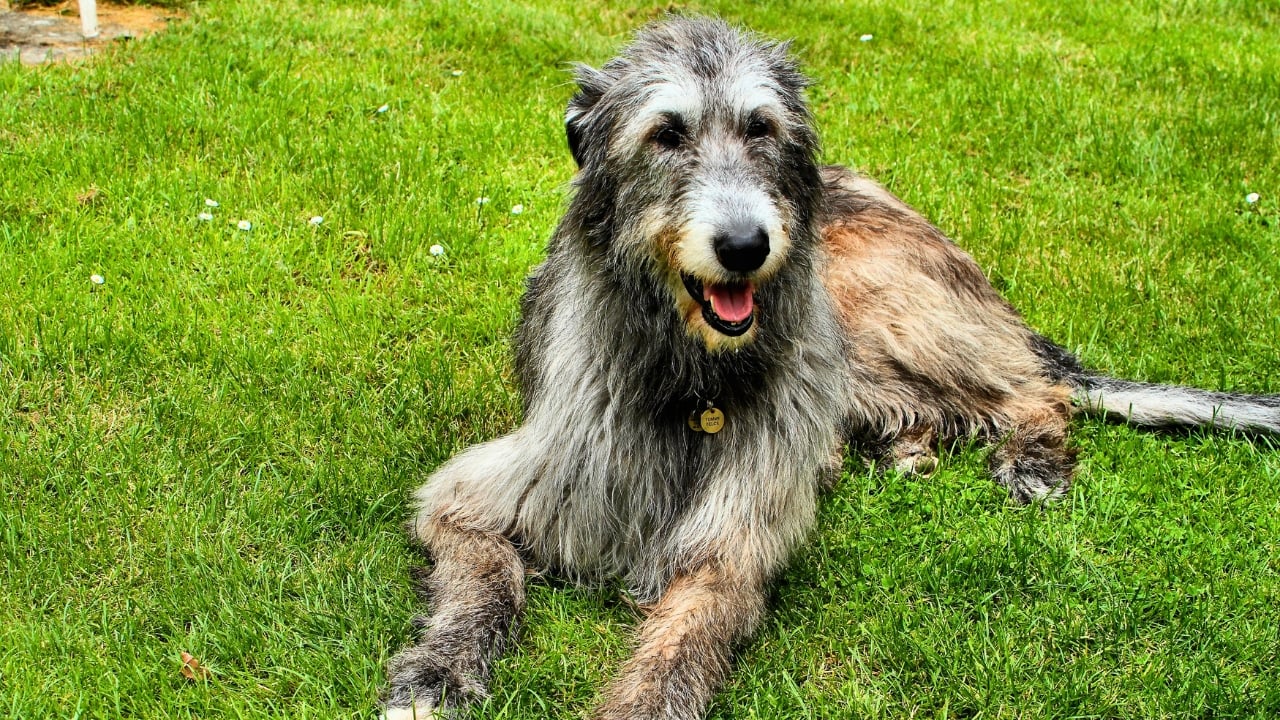
The Irish Wolfhound has one of the most impressive appearances of any dog breed, but that size comes with compromises that increasingly narrow its appeal. These dogs require room, large quantities of food, appropriately sized vehicles, and owners prepared for the health concerns associated with giant breeds. Even ordinary tasks such as lifting an injured dog or finding suitable boarding can become significantly more difficult when the animal weighs as much as an adult person.
Their relatively short lifespan is perhaps the hardest issue for prospective owners. The Wolfhound’s gentle temperament makes people fall in love with the breed, but many hesitate after learning what giant-breed ownership really involves. They remain admired without necessarily being widely chosen.
Pekingese
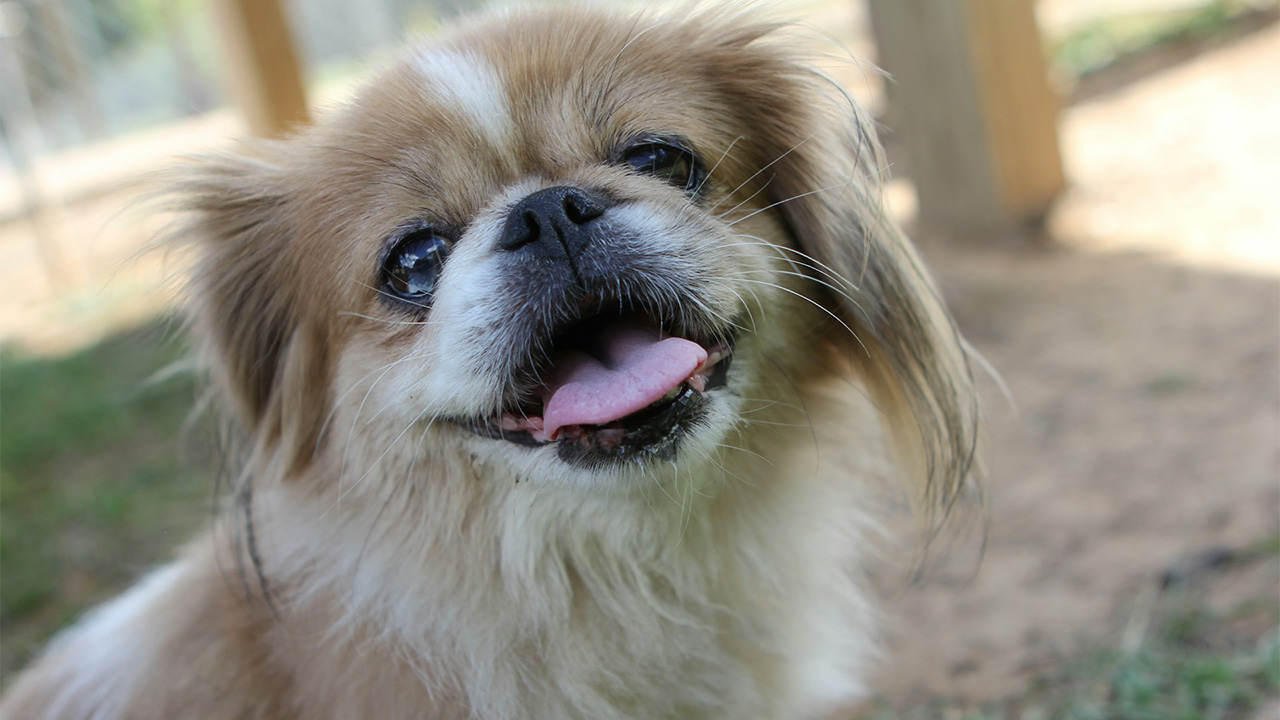
Pekingese once occupied a much stronger position among small companion breeds. Their flat faces, heavy coats, and confident personalities made them instantly recognizable, and they had a loyal following among owners who wanted a dog bred almost entirely around companionship. Today, the small-dog market is overflowing with alternatives that attract more attention online and are often perceived as easier to fit into modern households.
French Bulldogs, Cavaliers, toy Poodles, Pomeranians, and numerous designer mixes now compete directly for the same owner. The Pekingese also requires significant coat care and careful attention to heat because of its short muzzle. It still has tremendous personality, but younger buyers increasingly seem to look elsewhere.
Lhasa Apso
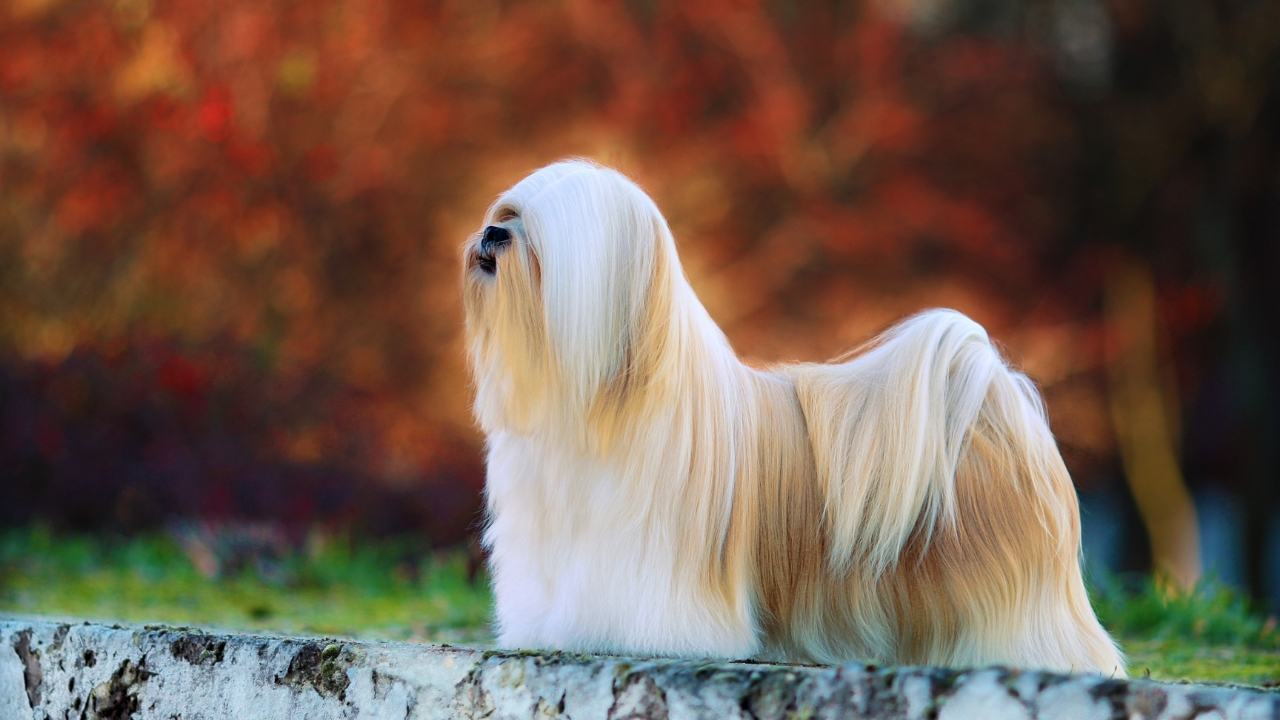
Lhasa Apsos were once a much more common choice for people wanting a small dog with a long coat and enough confidence to act like something twice its size. They became familiar family pets long before today’s explosion of designer companion dogs. Now buyers attracted to that general size often choose Shih Tzus, Havanese, Maltipoos, Cavapoos, or other breeds and mixes marketed heavily toward modern pet owners.
The Lhasa also has an independent streak that can surprise someone expecting an automatically obedient lapdog. These dogs were historically alert little watchdogs, and many still behave accordingly. Owners who appreciate that character remain fiercely loyal, but casual interest in the breed seems much quieter than it once was.
Like The Avid Outdoorsman’s content? Subscribe to our newsletter so you never miss an article.
Here’s more from us: