Photo credit: Andrew Conrad/YouTube
There are plenty of excellent new pistols on the market, but some older guns came from a different manufacturing philosophy. Steel frames were more common, machining was heavier, triggers were often tuned around traditional double-action or single-action systems, and manufacturers were willing to keep complicated designs in production even when they were expensive to build.
That does not mean every old pistol was better than every new one. Modern handguns are lighter, higher capacity, easier to mount optics on, and often cheaper to manufacture without sacrificing reliability. But there are certain pistols I would gladly buy new today if companies brought them back exactly as they once were, with the same materials, dimensions, action designs, and attention to detail that made the originals special.
Smith & Wesson Model 3913
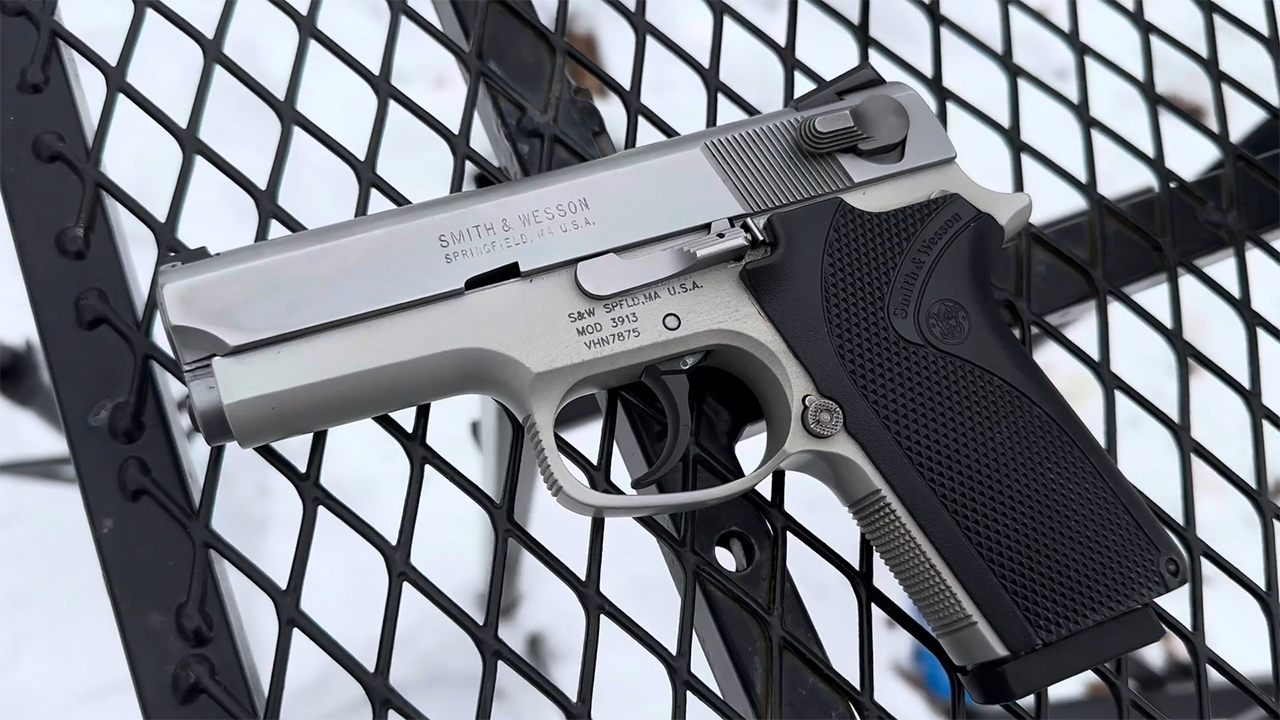
The 3913 is exactly the kind of pistol modern manufacturers rarely build anymore. It was a slim, single-stack 9mm with an alloy frame, stainless slide, traditional DA/SA trigger system, and proportions that made it genuinely easy to carry without feeling like a tiny pocket gun. It was compact before the market became obsessed with shrinking everything, and it still gave the shooter enough grip and weight to make accurate shooting comfortable. Compared with today’s polymer micro-compacts, the 3913 feels more substantial and much more refined.
I would buy a new one immediately if Smith & Wesson made it to the old standard. It would not win a capacity contest, but capacity was never the point. The appeal is having a compact pistol that feels like a real service gun scaled down correctly instead of a miniature polymer frame stretched around a double-stack magazine.
SIG Sauer P228
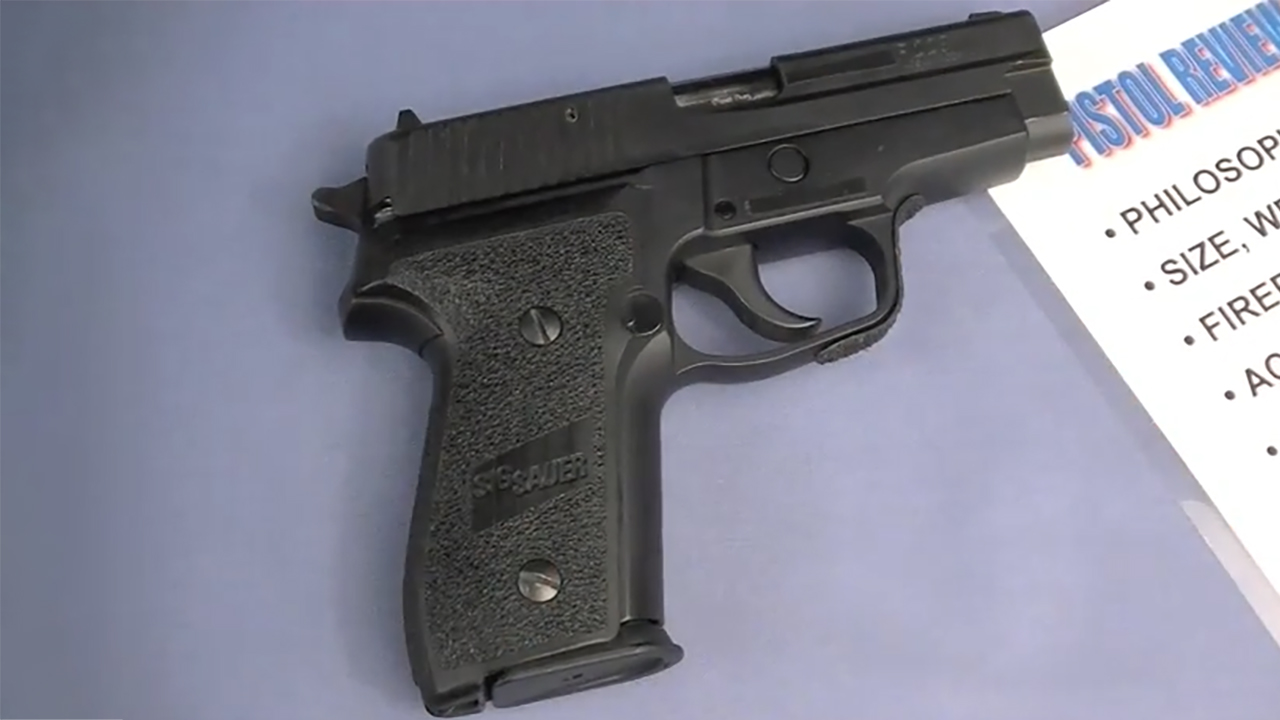
The original German-made P228 may be one of the best compact service pistols SIG ever produced. The stamped carbon-steel slide kept weight down compared with later milled-slide models, while the aluminum frame gave the gun an excellent balance that newer SIGs do not quite duplicate. The pistol pointed naturally, carried well, and had a traditional DA/SA trigger that became extremely smooth with use. It was compact without feeling cramped and durable without being unnecessarily heavy.
The later P229 is an excellent pistol, but it does not feel exactly like an old P228. If SIG brought back the original construction with the same slide design and proportions, I would have a difficult time leaving the gun store without one.
Beretta 84FS Cheetah

The old 84-series Cheetahs had a combination of elegance and practicality that is difficult to reproduce. The compact alloy frame, open-top slide, exposed hammer, and double-stack .380 magazine created a pistol that felt much more substantial than today’s tiny .380s without becoming large enough to defeat the purpose of carrying one. The grip filled the hand nicely, the recoil was easy to control, and the pistol felt like something built to last rather than something designed around minimum weight.
Beretta has revisited the Cheetah concept with newer models, but I still have a soft spot for the classic 84FS configuration. Give me the old proportions, traditional controls, and original styling exactly as they were, and I would happily accept lower capacity than a modern 9mm.
Walther P5
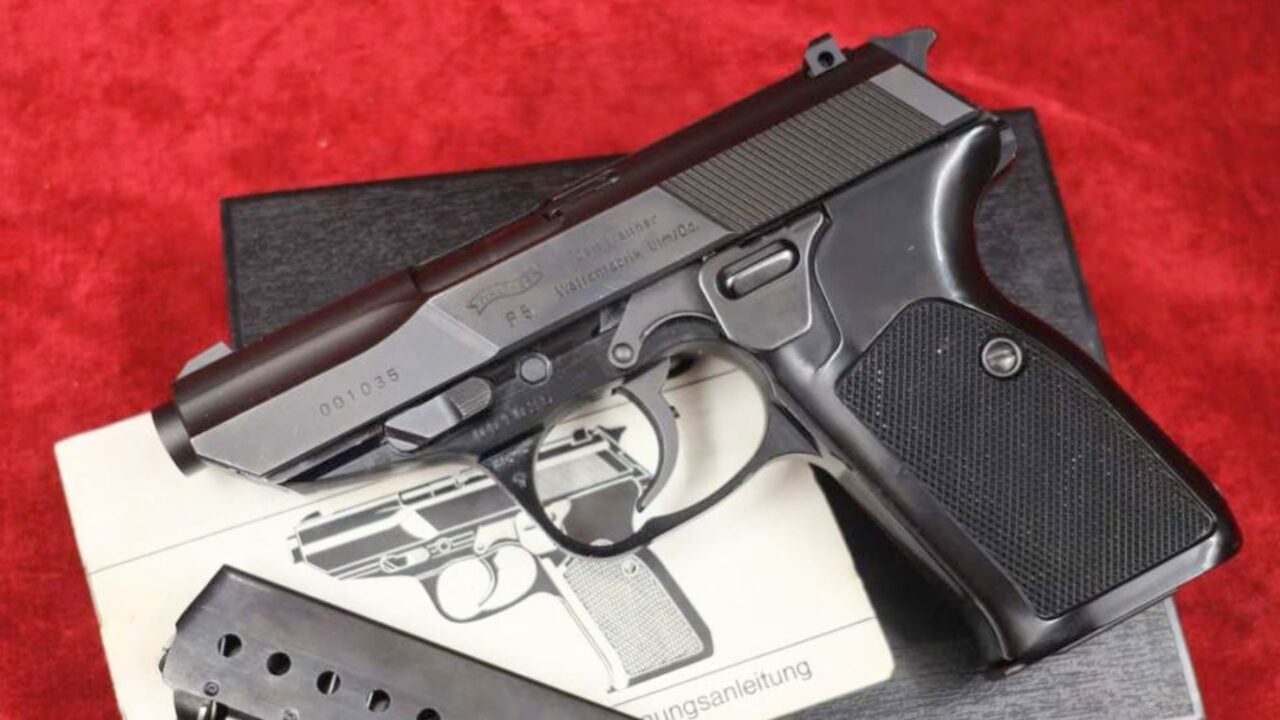
The P5 is one of those pistols that becomes more impressive once you understand how much engineering Walther packed into it. It used a fixed barrel, unusual left-side ejection, compact dimensions, and a DA/SA trigger system that still feels remarkably modern in the hand. The pistol was built during an era when European police guns were expected to be extremely durable, and the machining reflects that. Nothing about it feels cheaply stamped or rushed.
Today, a pistol like the P5 would probably cost far too much to manufacture using the same methods. That is exactly why I would want one. It has the mechanical personality that gets designed out of many modern service pistols in the name of simplicity and production efficiency.
HK P7M8
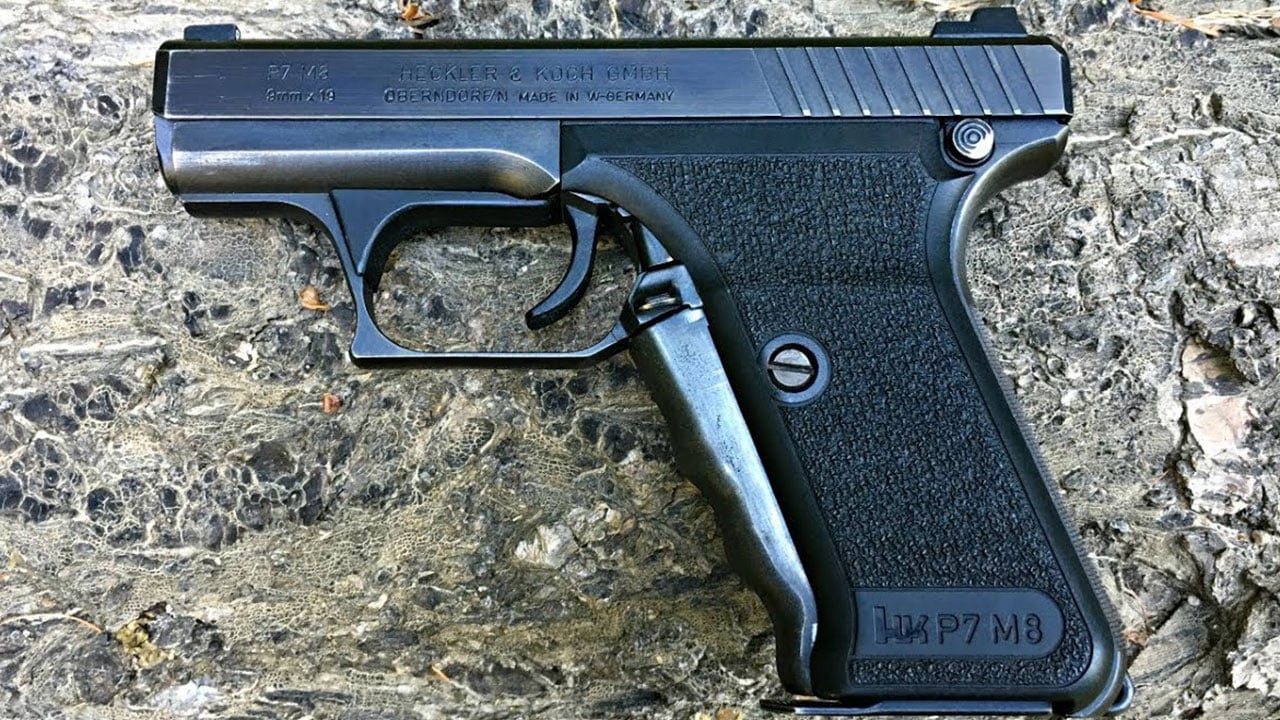
The P7M8 is probably the clearest example of a pistol that could not survive modern manufacturing economics without becoming extremely expensive. Its squeeze-cocking system, fixed barrel, low bore axis, gas-delayed operation, and extensive machining made it one of the most unusual defensive pistols ever placed into serious service. It is thin, remarkably accurate, and extremely fast to bring into action once the shooter understands the manual of arms.
The downsides are real. It gets hot during extended firing, capacity is modest, and the design is mechanically complicated. None of that changes the fact that I would buy a newly manufactured P7M8 if HK built it exactly like the originals instead of simplifying it into something more conventional.
Smith & Wesson Model 5906
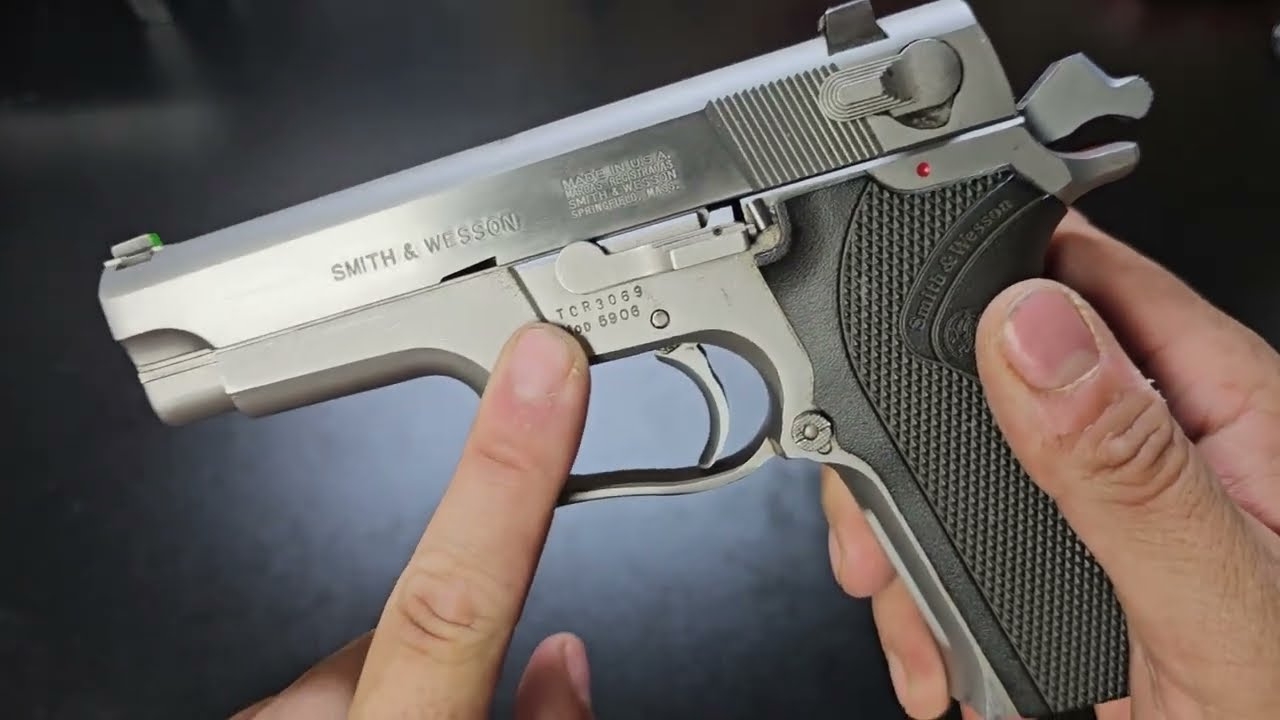
The 5906 represents an entire category of handgun that has almost disappeared: the full-size stainless-steel service pistol. It is heavy, thick, and completely uninterested in being easy to conceal. That mass is also why the gun shoots so comfortably. The steel frame absorbs recoil, the DA/SA trigger can become wonderfully smooth, and the pistol has the kind of durable construction that made it common in law-enforcement service.
A modern striker pistol does almost everything with less weight and fewer parts, but that does not make the experience the same. I would gladly buy a new-production 5906 built with the same stainless construction and third-generation Smith machining. Some guns feel like appliances. The 5906 feels like machinery.
Colt Government Model Series 70

Modern Colt 1911s are still available, but there is something about older Series 70 Government Models that people continue chasing. The combination of traditional rollmarks, polished flats, blue finish, and the straightforward firing system gave the pistol a look and feel that was unmistakably Colt. The guns were not always perfectly fitted by custom-shop standards, but the overall character was different from modern production pistols optimized around cost and modular manufacturing.
If Colt built a Government Model today with exactly the same old finish quality, polishing, small parts, and traditional appearance, I would want one even if it cost more. A 1911 does not need an optics cut or rail to justify itself when it is built beautifully enough.
Browning Hi-Power T-Series

The Hi-Power remained in production for decades, but the earlier Belgian pistols have a character that later versions never fully duplicated. The T-Series guns had beautiful polished bluing, slender grips, clean lines, and a level of finishing that made them feel far more elegant than ordinary military-style pistols. The design itself was already excellent, with a comfortable grip angle and a profile that concealed surprisingly well for a full-size pistol.
Modern Hi-Power-inspired guns may have better sights, larger safeties, and improved capacity, but I would still want a newly made T-Series-style pistol. The point would not be making it better. The point would be getting exactly what made the original so appealing in the first place.
SIG Sauer P220 West German
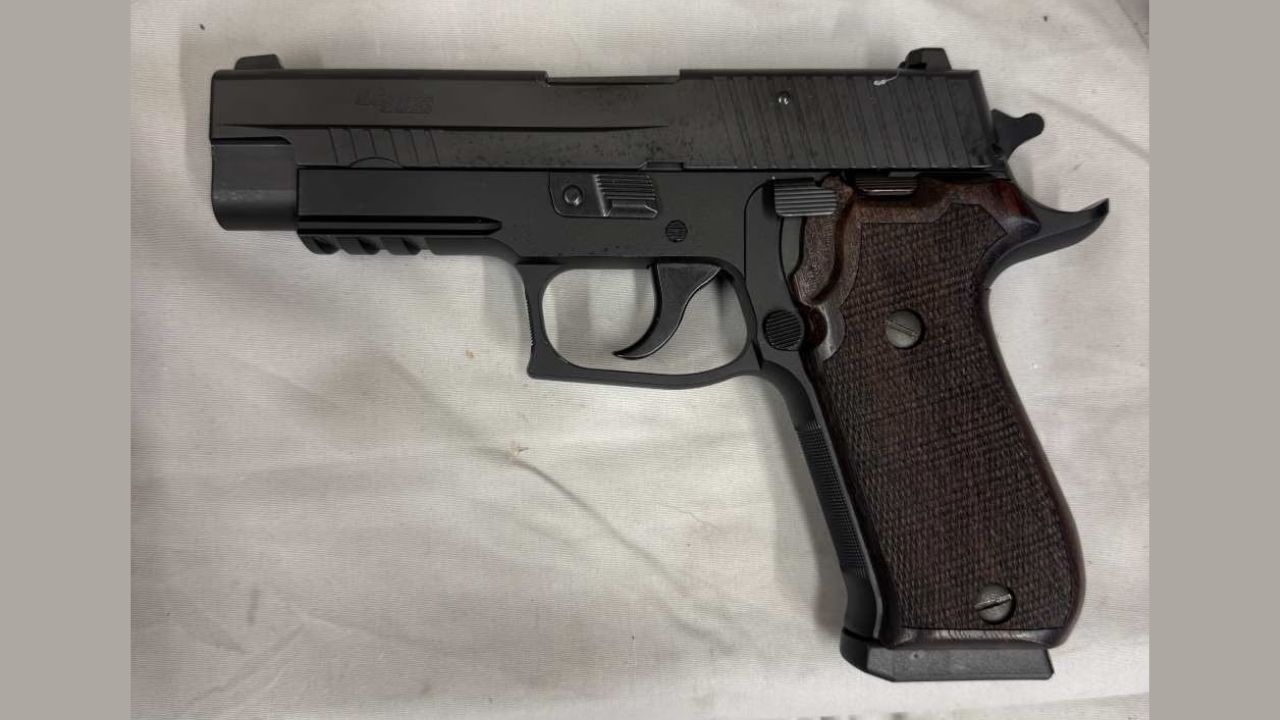
The early West German P220s have a noticeably different personality from later milled-slide versions. The stamped slide makes the pistol feel lighter and quicker, while the alloy frame keeps the overall package easy to carry despite the full-size dimensions. In .45 ACP, the gun is remarkably pleasant to shoot because the grip is slim and the recoil impulse feels smooth rather than abrupt. The DA/SA trigger system is also wonderfully straightforward.
I would buy a new P220 made exactly that way. No rail, no oversized controls, no optics cut, and no attempt to turn it into something it never needed to be. Just the old lightweight slide construction and classic SIG proportions.
Star Model BM
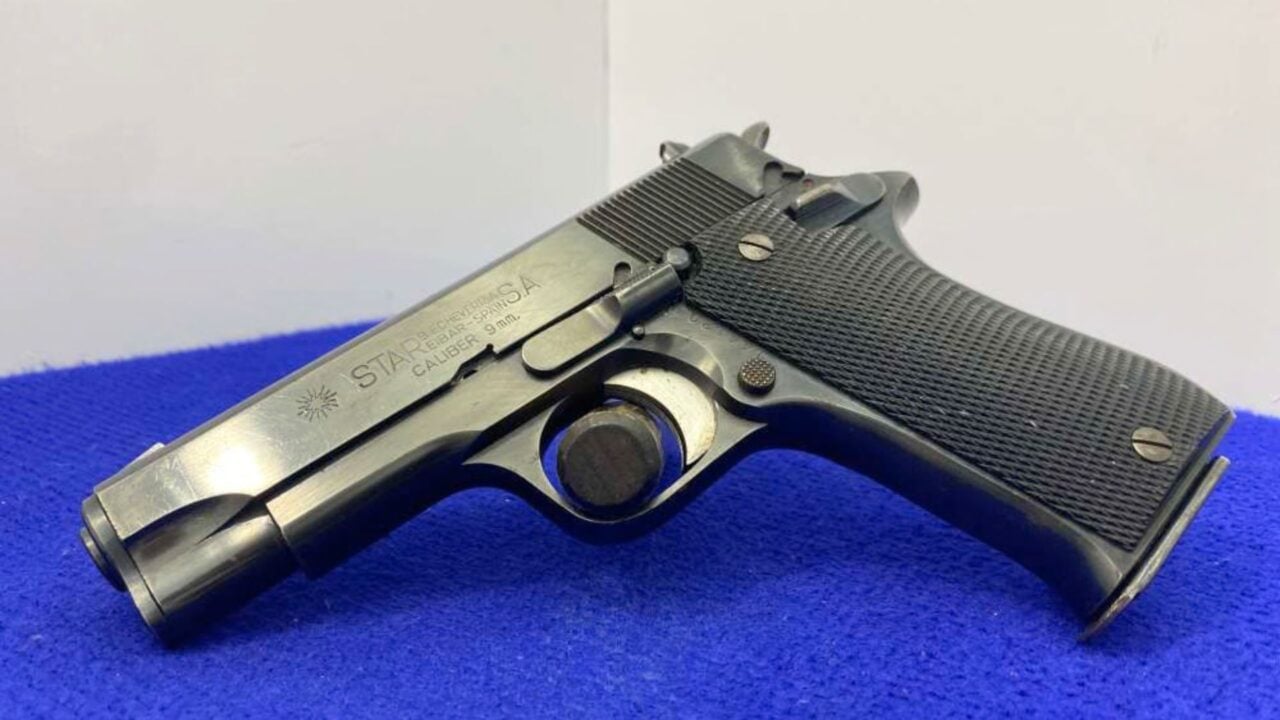
The Star BM was never a premium pistol, which is part of why I like it. It is an all-steel compact 9mm with a single-action trigger and proportions that make it feel almost like someone shrunk a service pistol without ruining the ergonomics. When surplus examples were inexpensive, they were easy to dismiss. Once people started actually shooting them, many discovered that the little Spanish pistols were accurate, soft shooting, and surprisingly pleasant.
A newly manufactured BM with modern metallurgy but the same dimensions and steel construction would be incredibly appealing. It would probably never compete commercially with lightweight micro-compacts, but as a shooter’s compact pistol, it would have far more personality.
Beretta 92SB Compact
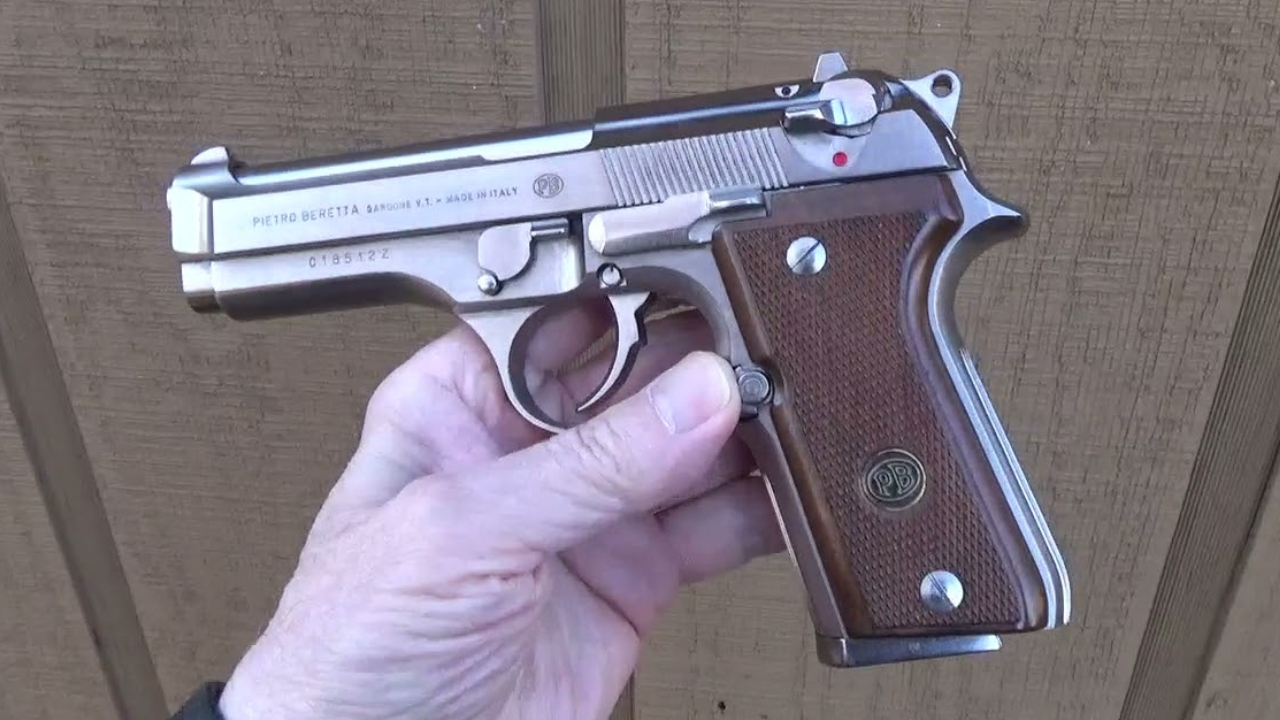
The 92SB Compact is the kind of pistol Beretta enthusiasts understand immediately. It takes the familiar 92-series operating system and trims it down without destroying the balance that makes the full-size gun shoot so well. The older compact models also retain the clean styling and traditional proportions that disappeared as service pistols gained accessory rails, heavier slides, and more aggressive controls.
I would love to see Beretta make an exact old-school compact again. Keep the open slide, alloy frame, traditional trigger, and restrained exterior. Modern shooters have endless polymer carry options. What we do not have enough of are beautifully made compact metal service pistols.
Smith & Wesson Model 645
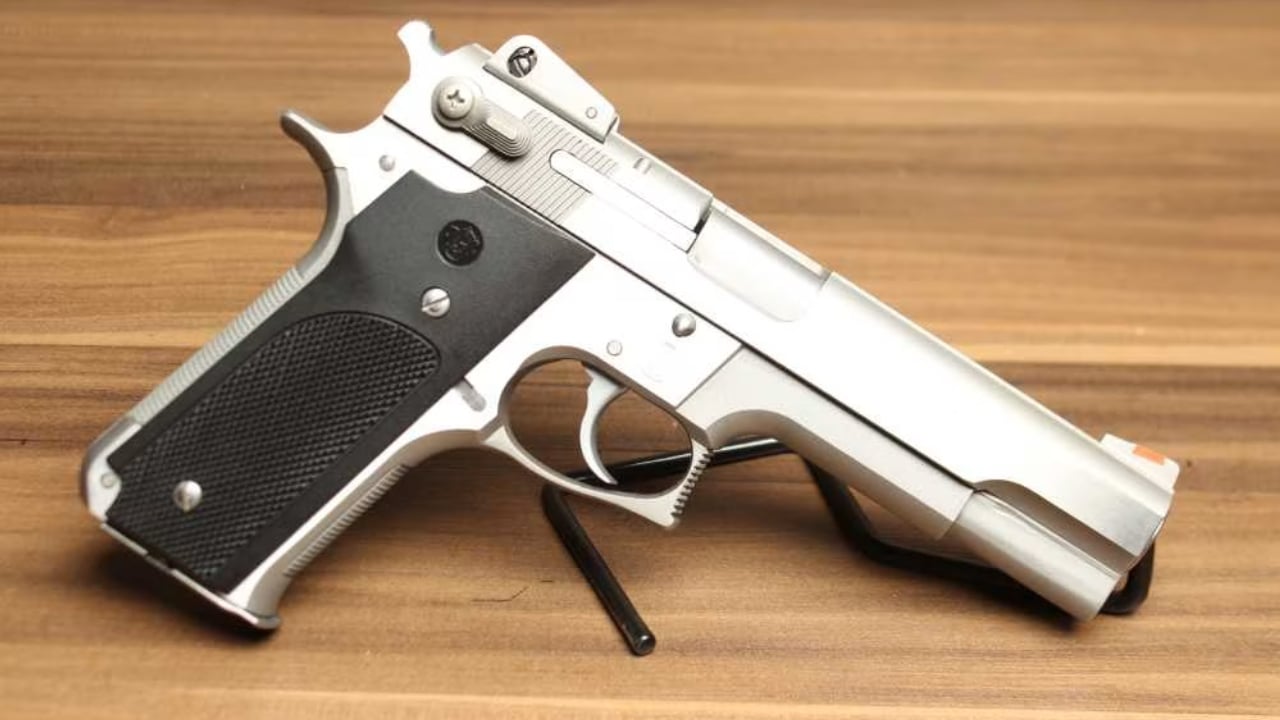
The Model 645 was big, heavy, and undeniably built around the idea that a duty .45 should feel substantial. The stainless frame and slide gave it enormous durability, while the traditional DA/SA trigger and large controls made it easy to understand. It eventually evolved into later third-generation Smith pistols, but the original 645 has a raw industrial quality that makes it especially appealing.
Nobody would call it efficient by modern standards. It weighs too much and holds fewer rounds than a polymer .45. That is exactly why a faithful reproduction would be interesting. Not every gun needs to win a spreadsheet comparison. Some deserve to exist because they are satisfying to own and shoot.
Walther P88 Compact

The P88 Compact came from a period when Walther was producing some of the most mechanically refined service pistols in Europe. It had an excellent grip, ambidextrous controls, a smooth DA/SA trigger, and a slide-to-frame fit that felt more expensive than most ordinary duty guns. Unfortunately, it was also costly to manufacture and entered a market rapidly shifting toward polymer pistols.
That is probably why we will never see another one built the same way. If Walther did revive it with the original metal frame and machining quality, though, I would want one. It represents the point where traditional service-pistol craftsmanship was reaching its peak just before the market changed.
Colt Mustang Pocketlite

The original Mustang Pocketlite was a tiny .380 built around an alloy frame and single-action trigger, giving it a completely different feel from today’s striker-fired pocket pistols. It was slim, lightweight, and easy to conceal, but it still felt like a miniature traditional pistol rather than a molded carry tool. The exposed hammer and manual safety also appealed to shooters who preferred a conventional single-action system.
There are technically more capable pocket pistols today, but that is not really the point. I would buy a Mustang made to old standards because it gives you something modern micro-compacts largely abandoned: real mechanical character in an extremely small package.
Detonics CombatMaster
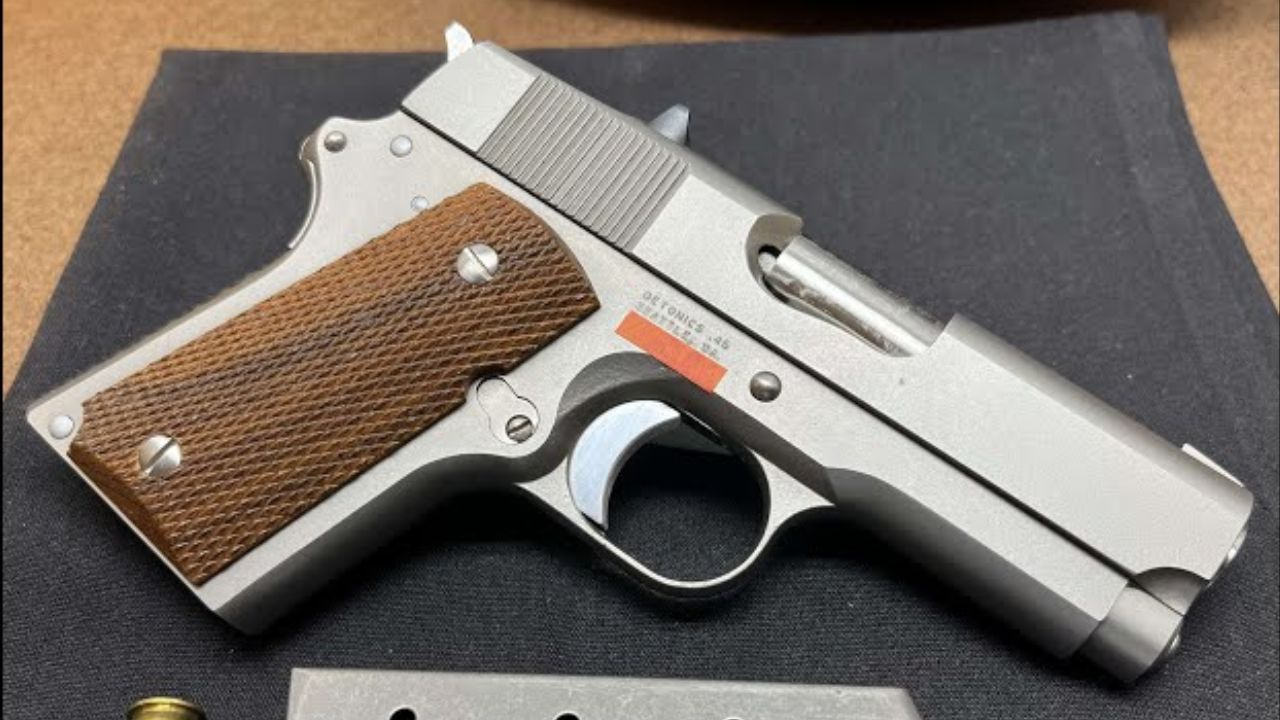
The CombatMaster was an early attempt to make the 1911 genuinely compact without abandoning .45 ACP. The short slide, abbreviated grip, and unusual rear-sight placement gave it an appearance unlike anything else, while the all-steel construction kept recoil manageable for such a small gun. It was not as refined as today’s compact 1911s, but the concept was remarkably ambitious for its time.
A faithful modern version would probably be expensive and completely irrational beside today’s micro 9mms. I would still want one. The CombatMaster feels like a pistol designed by people willing to solve a difficult mechanical problem rather than simply shrinking a polymer frame.
Astra A-80

The Astra A-80 is another heavy Spanish service pistol that never received much respect when inexpensive imports were everywhere. It used a traditional DA/SA system, substantial steel construction, and a layout influenced by established European service designs. The gun was not particularly elegant, but it felt tough and usually shot better than its price suggested.
What I miss is the willingness to build affordable metal pistols like this at all. Today, a similarly heavy all-metal service gun would probably be marketed as a premium product. If Astra still existed and made the A-80 to the old standard, I would happily own one as a range and field pistol.
CZ 85 Combat
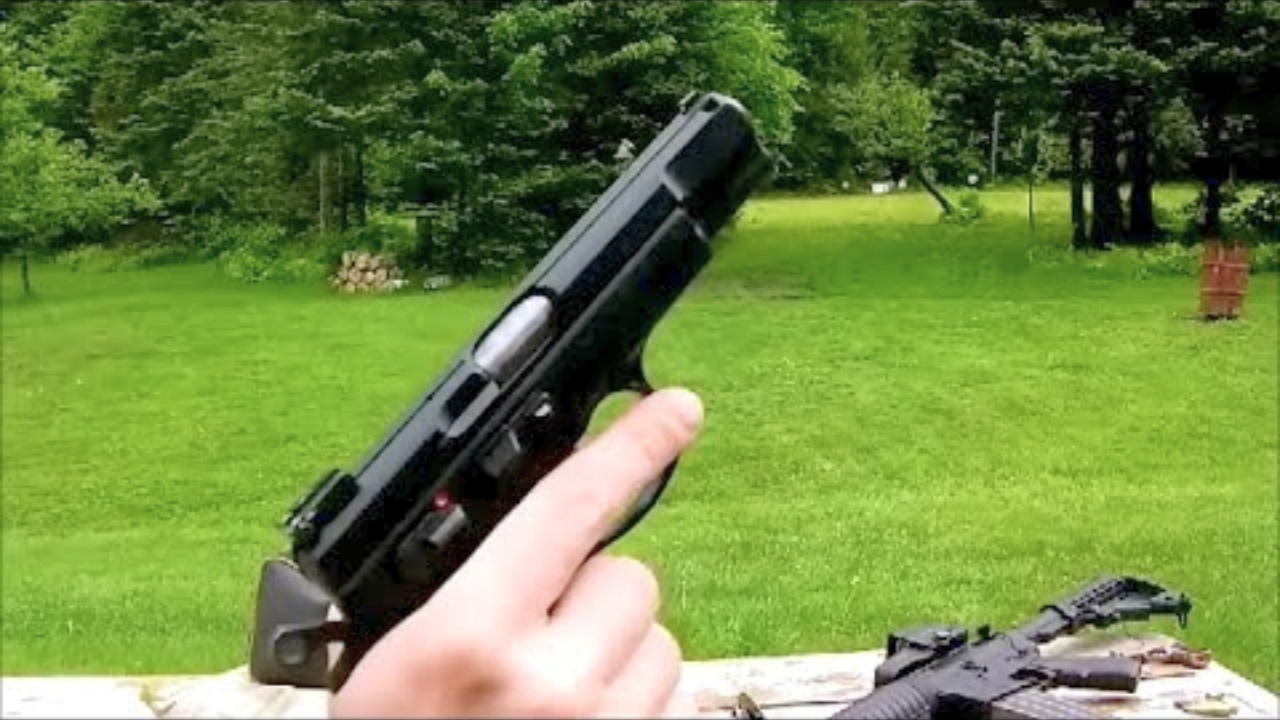
The CZ 85 Combat took the already excellent CZ 75 platform and gave serious shooters features that made the pistol even more appealing. Ambidextrous controls, adjustable sights, and a configuration without some of the extra internal systems of later service models created a gun that felt purpose-built for shooters who actually cared about trigger quality and mechanical simplicity. The steel frame and low slide profile made recoil incredibly easy to manage.
CZ still produces excellent pistols, but a faithful 85 Combat revival would be different from the company’s modern competition offerings. It would give shooters an old-school steel service pistol without turning it into an oversized race gun.
Smith & Wesson Model 39-2
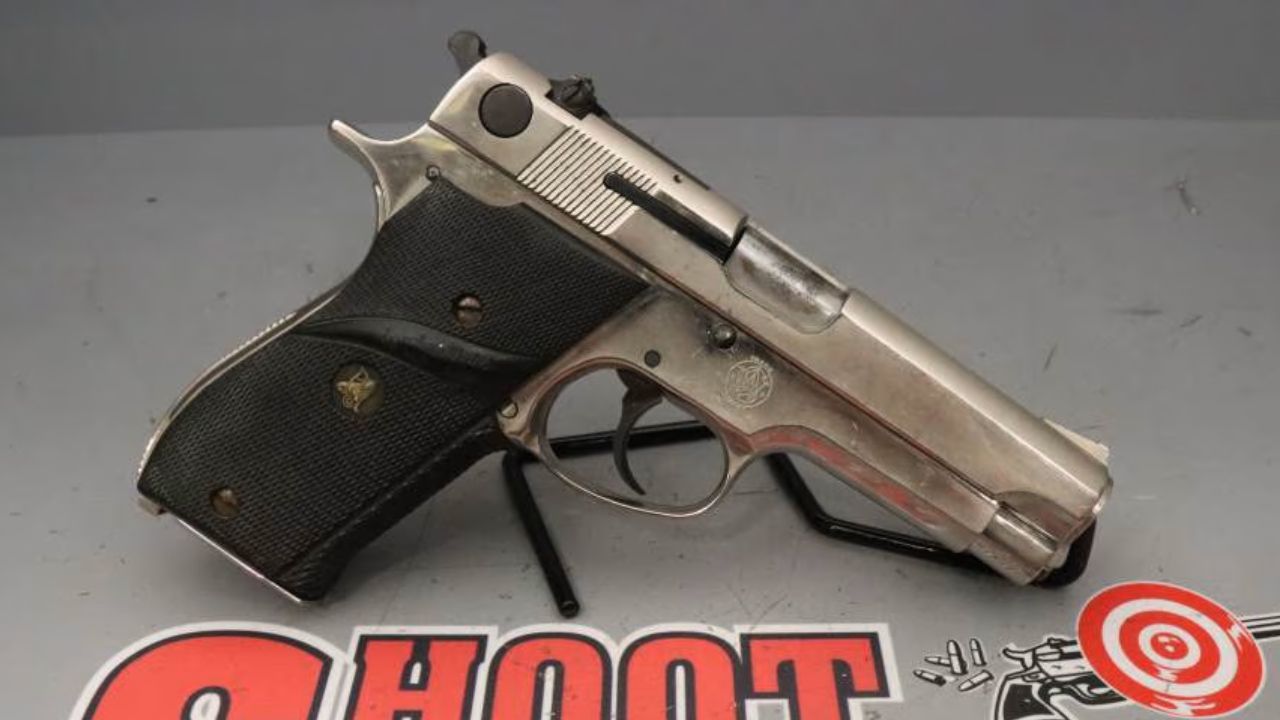
The Model 39-2 is one of the most historically important American semiautomatic pistols, but I would want one for more than nostalgia. The alloy frame keeps it relatively light, the single-stack grip is exceptionally slim, and the traditional DA/SA action gives the gun a level of mechanical involvement that modern striker pistols lack. It also has an elegant profile that immediately separates it from the blockier handguns that followed.
A modern reproduction would be low capacity and expensive to machine, which is probably why it will never happen. But if Smith & Wesson brought back a polished 39-2 with the old proportions and finish, I would be interested immediately.
Beretta 70S
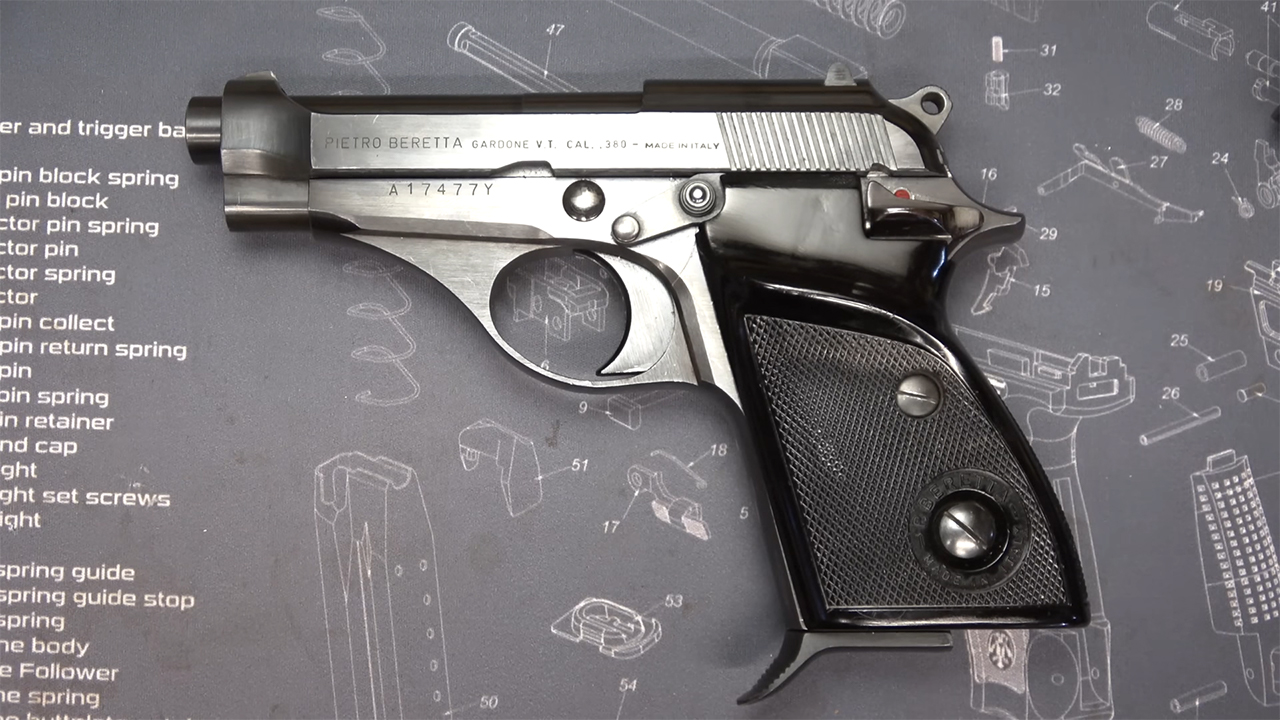
The Beretta 70S is a compact single-action pistol with the kind of clean Italian styling that manufacturers rarely bother with anymore. In .380 or .32 ACP configurations, the gun feels wonderfully slim and points naturally. The exposed barrel, simple controls, and metal frame give it a sense of quality that many modern pocket pistols sacrifice in pursuit of minimum weight and maximum capacity.
I would not choose it over a modern pistol based purely on defensive capability. I would choose it because it is enjoyable to carry, shoot, and own. That matters too. A newly manufactured 70S with old-school Beretta finishing would fill a niche almost nobody is serving today.
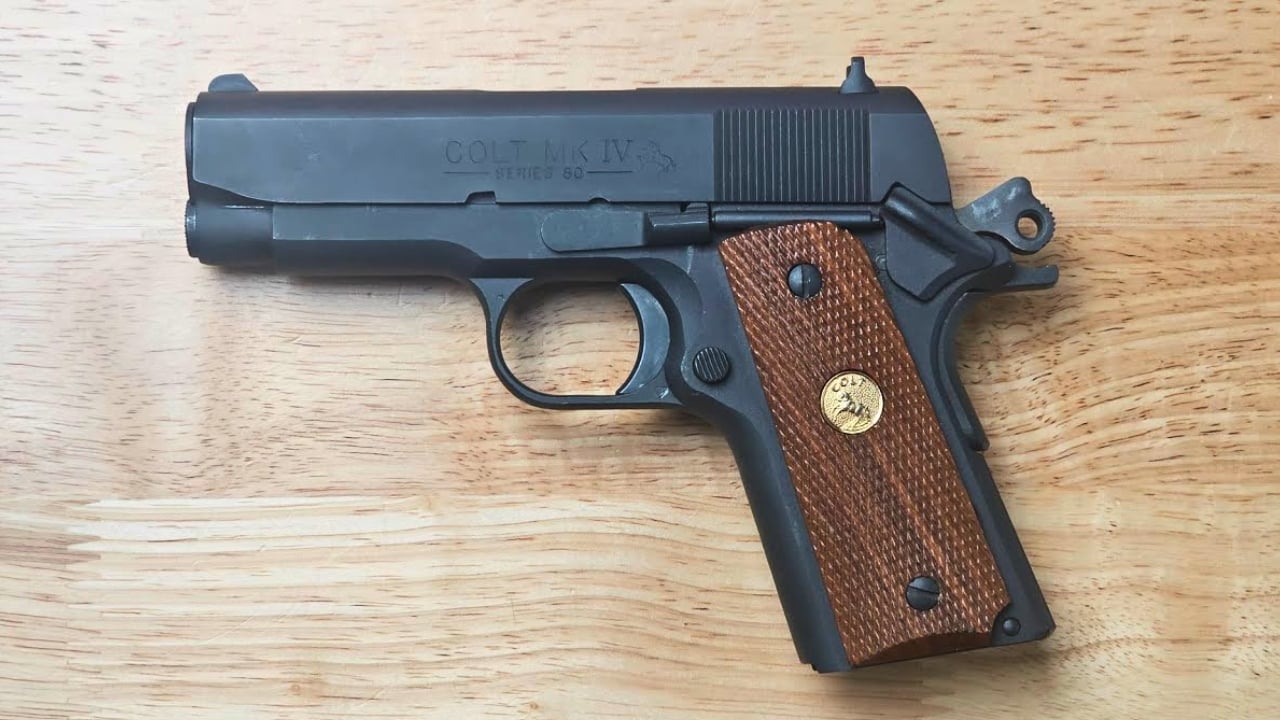
Colt Series 80 Officer’s ACP
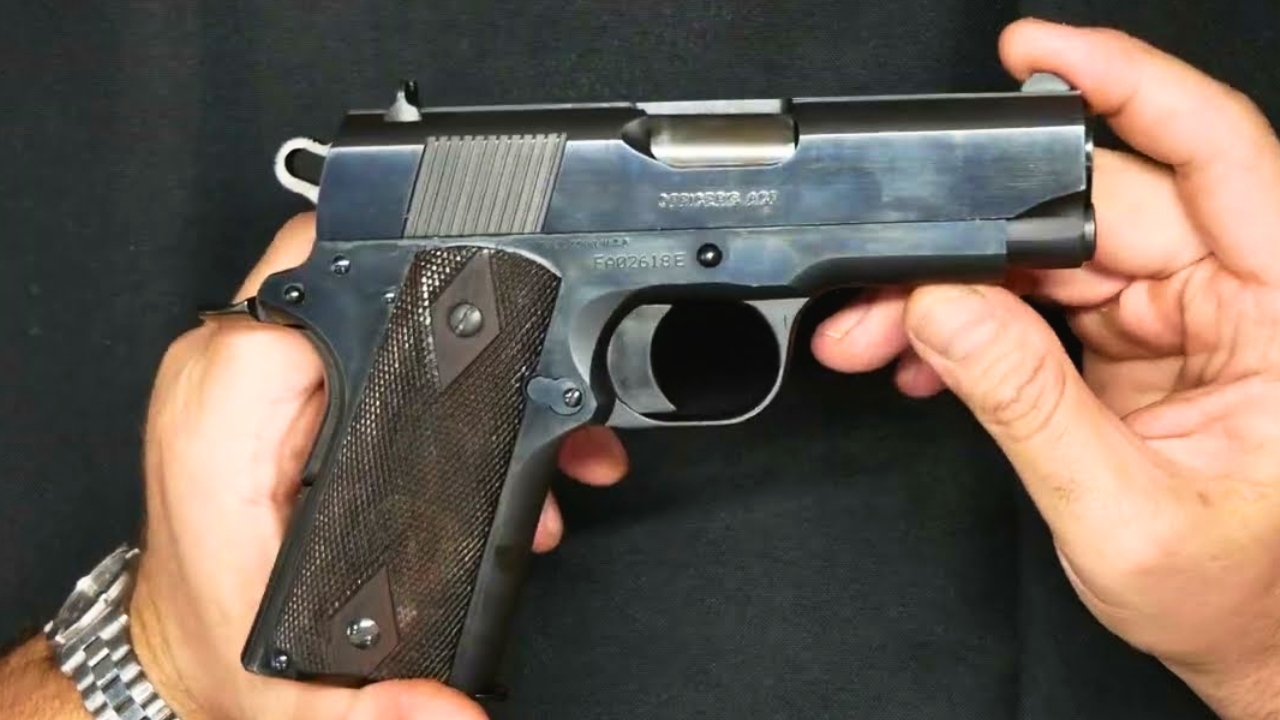
The Officer’s ACP was Colt’s answer for people who wanted a real .45-caliber 1911 in a genuinely compact format. The steel frame, shortened grip, and compact slide made it heavy for its size, but that weight also helped keep the gun controllable. It had all the compromises you expect from shortening a 1911, yet there is something appealing about how straightforward the original concept was.
Modern compact 1911s often come with rails, optics cuts, aggressive texturing, and other additions. I would rather see Colt build the Officer’s ACP again with traditional sights, old-style grips, polished flats, and the same classic profile. It would not be the most practical carry pistol available, but it would be one I would actually want to keep.
Like The Avid Outdoorsman’s content? Subscribe to our newsletter so you never miss an article.
Here’s more from us: