Photo credit: ThingsMen/YouTube
Cheap knives are easy to find. Cheap knives that you actually want to keep using are much harder. Plenty of bargain folders feel fine for a week before blade play develops, the edge disappears, or the pocket clip starts moving around. The better value knives are different. They make you wonder exactly where the manufacturer saved enough money to sell them at the price.
You do not need exotic steel or titanium scales for a knife to punch above its weight. Good geometry, competent heat treatment, a comfortable handle, a dependable lock, and decent factory sharpening matter far more during normal use. Some of the knives below cost less than a dinner for two yet handle everyday cutting remarkably well. Others creep toward the middle of the market but give you materials or construction that used to require much more money. These 20 are the kinds of knives that make spending another hundred dollars surprisingly difficult to justify.
Kershaw Heist
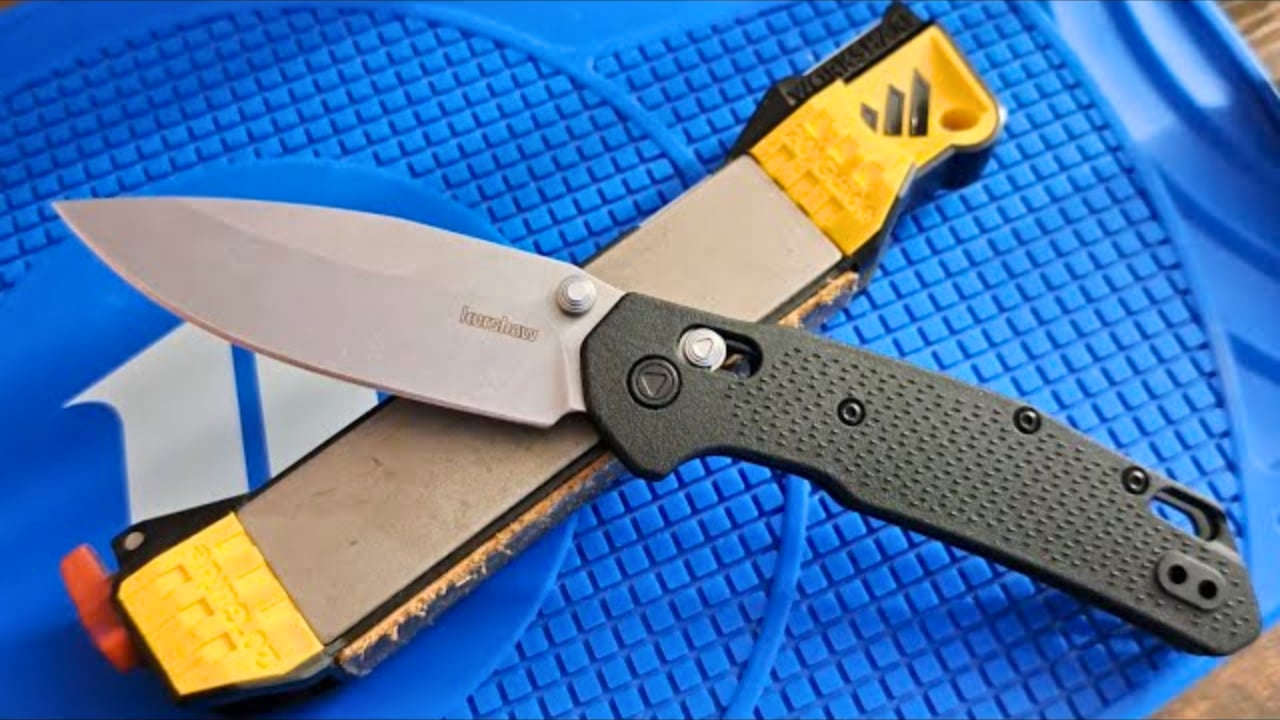
The Heist is one of those Kershaw folders that makes considerably more sense once you actually put it in your pocket. It is slim, lightweight, and uses a crossbar-style DuraLock that gives you easy one-handed operation without putting your fingers in the path of the blade. The blade shape is ordinary in the best possible way, with enough belly for slicing and enough point for opening boxes, cutting cordage, or general utility work.
What makes it impressive is how complete the package feels for the money. Kershaw could have turned it into a thick bargain folder with flashy styling, but instead the Heist feels like an actual everyday tool. It carries unobtrusively and gives you the type of lock that only a few years ago was associated much more strongly with higher-priced knives. There are fancier Kershaws, but the Heist gets the fundamentals right.
QSP Parrot
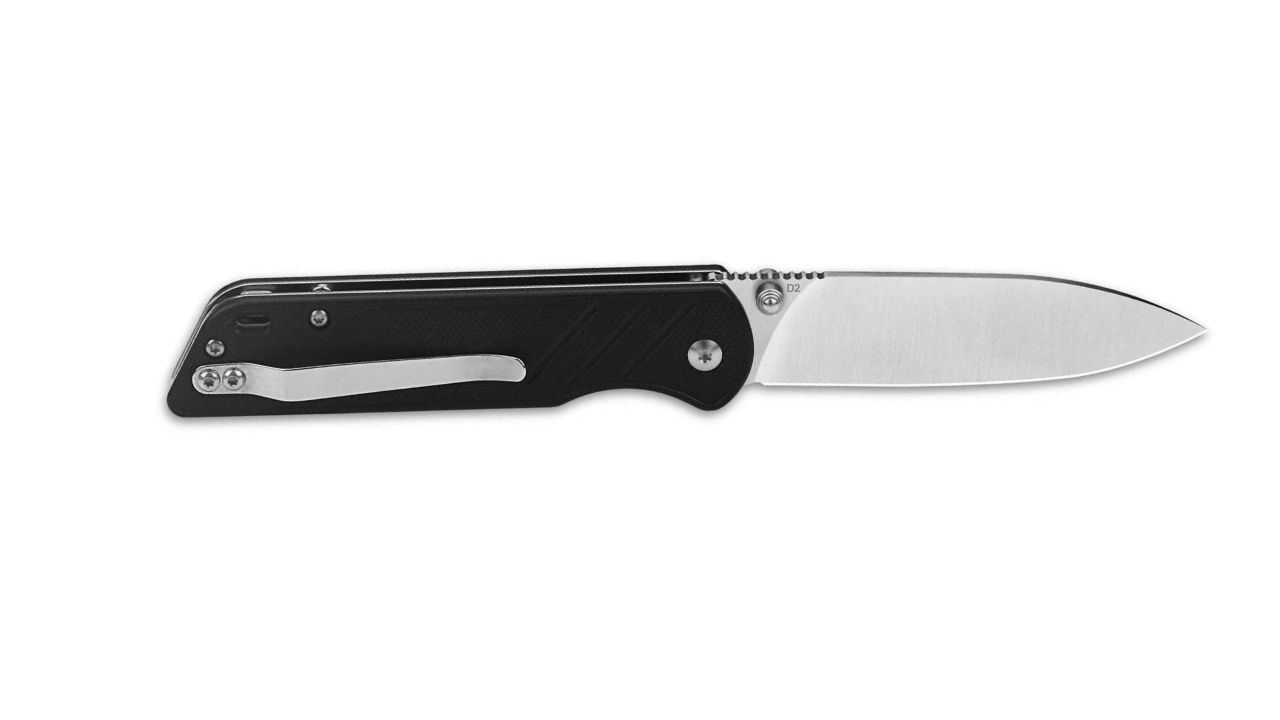
The Parrot does not try particularly hard to look expensive, and that may be part of why it remains such a good buy. You get a straightforward liner-lock folder with a useful blade shape, comfortable handle, and construction that feels much more controlled than the price suggests.
The blade is thin enough behind the edge to actually slice instead of acting like a miniature wedge. That makes the Parrot particularly good for cardboard, packaging, food, and the normal things pocket knives spend their lives cutting. QSP also keeps the design simple enough that there is not much to go wrong. The Parrot will not impress someone searching for a complicated locking mechanism or sculpted titanium. It will impress someone who wants an inexpensive knife that cuts well and does not immediately make him wish he had bought something better.
CJRB Maximal

CJRB has become extremely good at making affordable folders feel less affordable, and the Maximal is another strong example. It gives you a useful full-size blade without becoming cumbersome in the pocket, and the handle shape is neutral enough to work across a surprising range of hand sizes and grips.
The bigger advantage is that CJRB has figured out how to deliver good actions and competent blade steels without pushing prices into premium territory. You get a knife that opens cleanly, locks securely, and feels like it was designed around use rather than a specification sheet. The Maximal also avoids one of the biggest problems with bargain knives: trying too hard to look tactical. It is an ordinary cutting tool executed better than you expect for the money, which is exactly what a value knife should be.
Buck 112 Slim Select

The traditional Buck 112 is a great knife, but the Slim Select version is arguably a better everyday tool for someone who cares more about carrying than collecting. It keeps the basic Ranger blade profile while replacing the heavy brass-and-wood construction with lightweight synthetic handles and adding a pocket clip and thumb studs.
That transformation makes a huge difference. You get familiar Buck heat treatment and a blade shape that works for everything from opening packages to cleaning small game, but the knife disappears into a pocket far more easily than the original. It is also made for actual use rather than sitting in a leather belt pouch looking pretty. The Slim Select is inexpensive enough that scratches do not bother you, yet the basic cutting performance is good enough that you are unlikely to feel under-equipped.
Morakniv Companion Heavy Duty
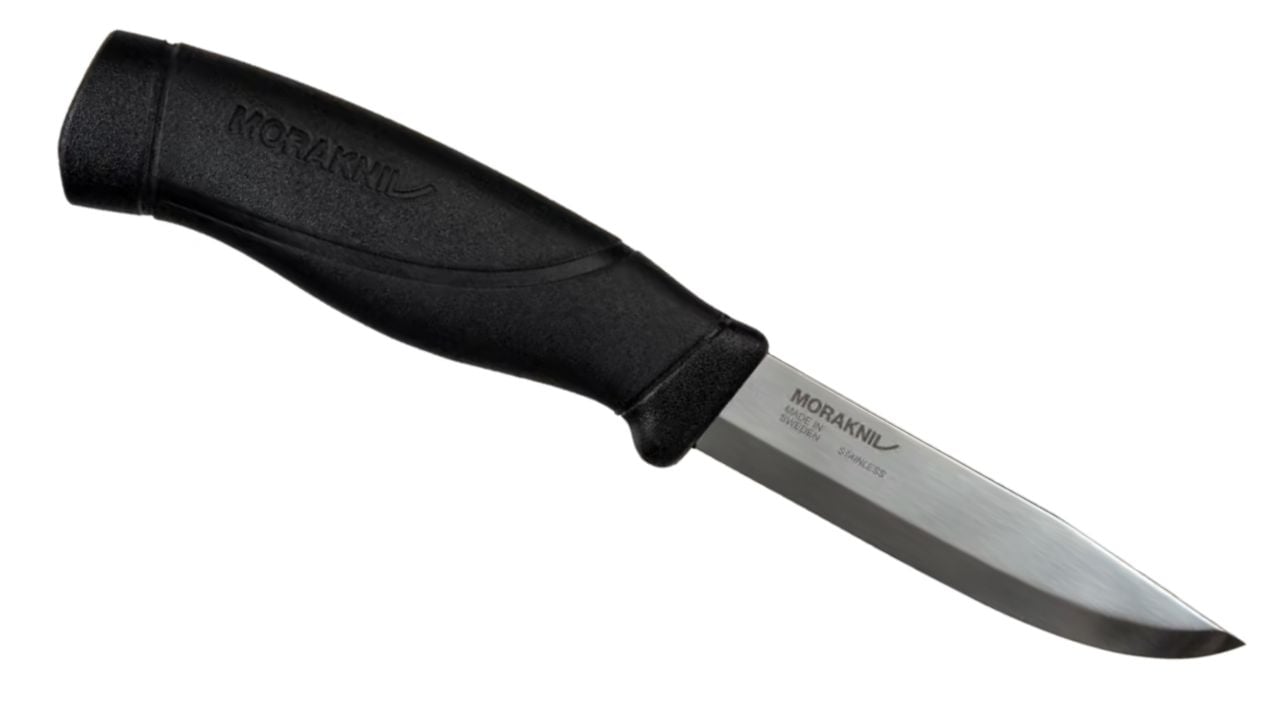
There may not be another fixed blade that embarrasses expensive outdoor knives as consistently as the Companion Heavy Duty. The handle is comfortable, the Scandi grind bites into wood exceptionally well, and the thicker blade gives you more confidence for rough camp work than the standard Companion while still remaining an effective cutter.
The surprising part is what you do not need. You do not need exotic scales, complicated sheaths, oversized guards, or a blade thick enough to split concrete. The Companion HD simply handles carving, fire preparation, camp chores, and general outdoor cutting without costing enough to make you protective of it. The sheath is basic but functional, and the knife is light enough to keep on you. It proves how little money a genuinely useful outdoor knife has to cost when the design is right.
Cold Steel Finn Wolf

The Finn Wolf combines a Scandinavian-style edge with Cold Steel’s Tri-Ad lock, giving you a folding knife that behaves more like an outdoor utility tool than a conventional EDC folder. The blade carves wood well, while the lock provides more confidence for harder work than inexpensive liner locks normally inspire.
It is also refreshingly lightweight. Cold Steel has made plenty of enormous folders over the years, but the Finn Wolf gives you toughness without making your pocket feel like a toolbox. The synthetic handle is not luxurious, but it provides plenty of traction and does not demand much care. If you spend time camping, working around a property, or simply want a pocket knife capable of more demanding cutting, the Finn Wolf delivers an unusual amount of function for what is usually a modest price.
Ontario Camp Plus EDC
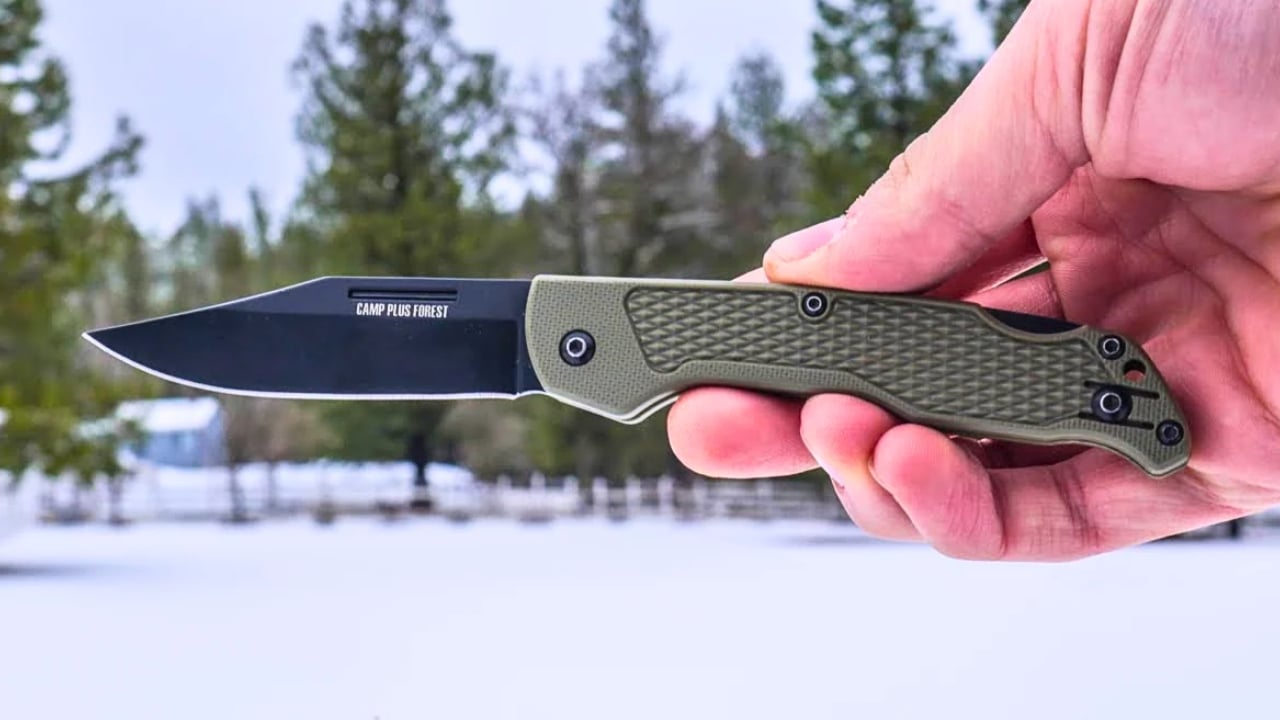
Ontario’s Camp Plus knives are almost comically inexpensive compared with what many modern folders cost. That makes it easy to assume they are disposable junk until you actually use one. The basic construction is uncomplicated, but the handles are comfortable, the blade geometry is useful, and the knives are designed around ordinary cutting instead of collecting.
That simplicity is why they work. A Camp Plus makes an excellent truck knife, tackle-box knife, backup camping blade, or something you can hand to another person without worrying about what happens to it. If it gets scratched, dirty, or used to cut something miserable, you are not thinking about resale value. There are much nicer knives, but very few make you question how a functional folding knife can be sold this cheaply without feeling completely compromised.
Petrified Fish Beluga
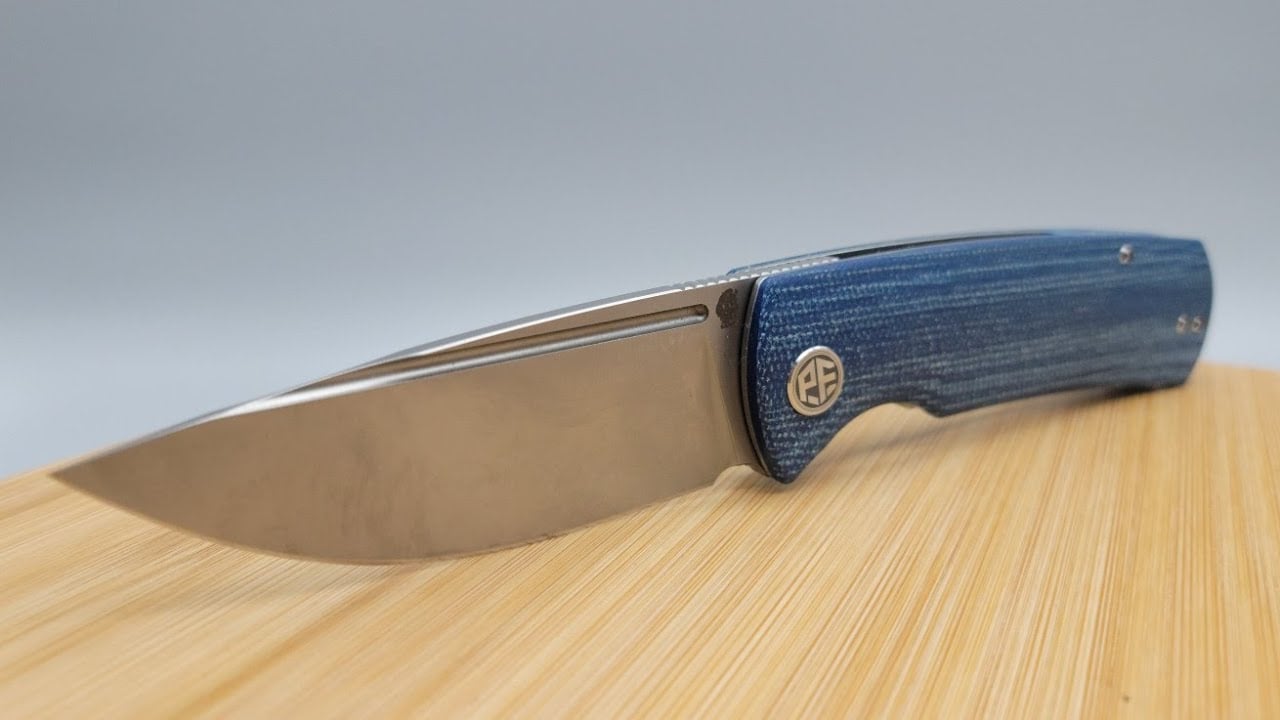
The Beluga helped establish Petrified Fish as more than another anonymous budget-knife company. It gives you a broad, useful blade, comfortable handle, and smooth deployment that feels substantially more expensive than what the knife usually costs.
It is not an ultralight folder, but the extra substance makes it feel reassuring during harder cutting. The blade has enough height to slice effectively, and the handle fills the hand better than many skinny EDC designs. Petrified Fish also tends to give buyers materials that look surprisingly good for the price instead of relying entirely on plain molded plastic. If you have only handled traditional bargain knives from big-box stores, the Beluga is the sort of knife that immediately shows how competitive the modern budget market has become.
Miguron Moyarl
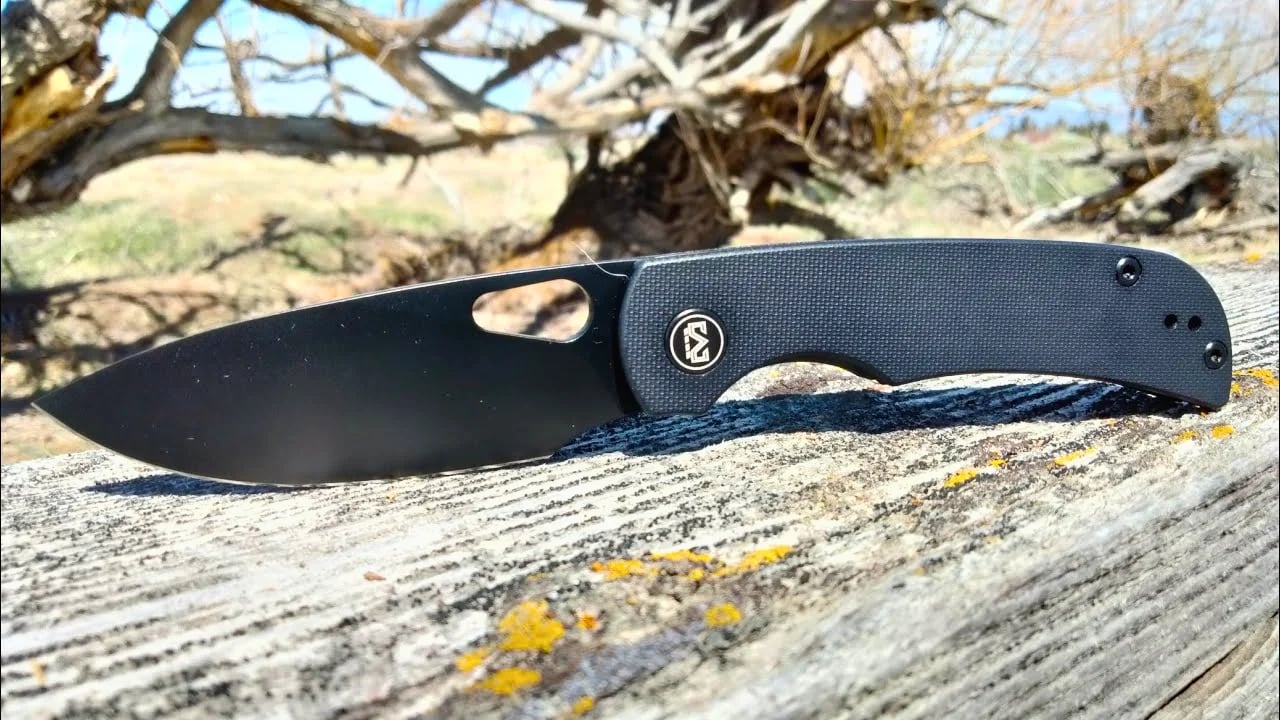
Miguron is one of those brands that can make you reconsider what an inexpensive folding knife is supposed to feel like. The Moyarl has clean lines, useful ergonomics, and an action that would not have seemed normal in this price bracket a decade ago.
The blade shape works particularly well for everyday cutting because it avoids gimmicks and provides plenty of usable edge. Depending on the version, you can also get modern locking systems and materials without moving into expensive-enthusiast territory. The Moyarl is not trying to be a collectible showpiece. It is simply a competent folder that opens smoothly, cuts well, and feels carefully assembled. Those traits sound basic until you remember how many affordable knives still fail at one of them.
Sencut Sachse

The Sachse is the kind of inexpensive button-lock folder that demonstrates how quickly knife features migrate downmarket. Smooth deployment, easy closing, a practical blade, and a comfortable handle used to be enough to push a knife significantly higher in price.
Sencut keeps the package straightforward and avoids making the knife excessively large or heavy. That makes the Sachse especially easy to recommend as an everyday folder because you do not have to build your entire pocket around it. The button lock is enjoyable to operate, but more importantly, the knife still works well as a cutter once the novelty wears off. That distinction matters. Plenty of inexpensive knives use mechanisms as selling points while neglecting blade geometry. The Sachse manages to give you both an entertaining action and a useful knife.
Boker Plus Atlas
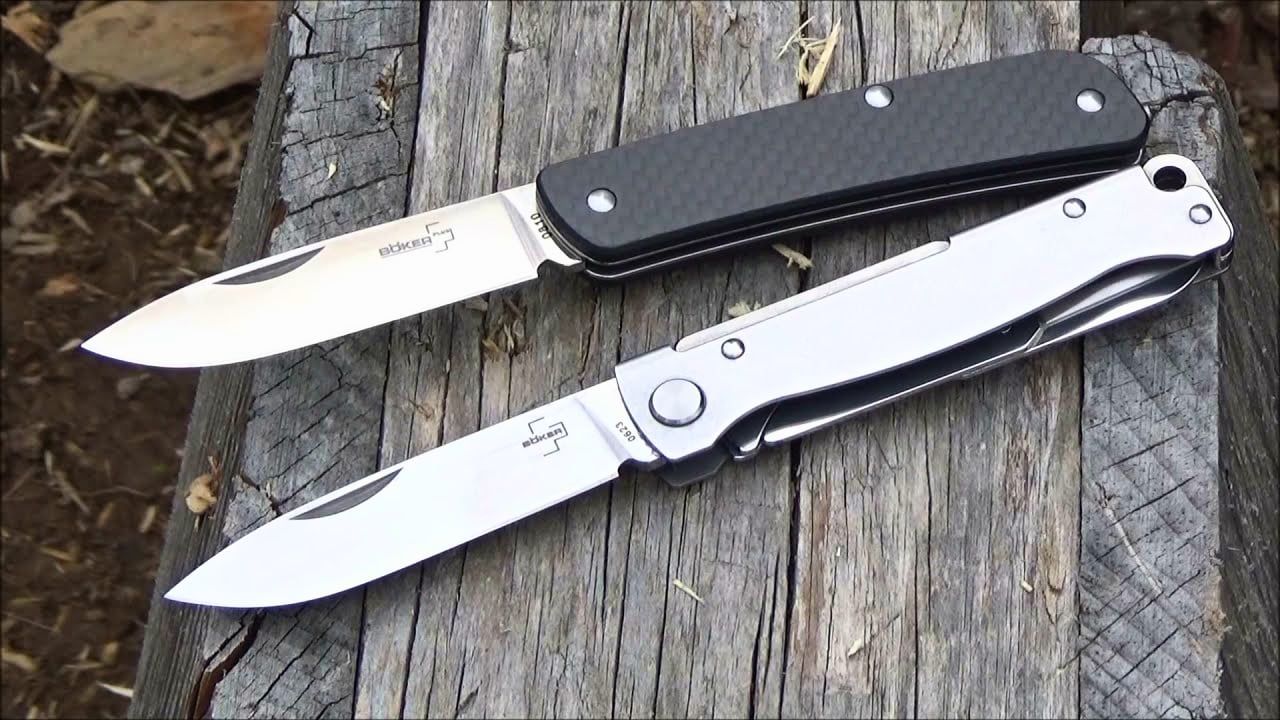
The Atlas is almost aggressively plain, and that is exactly why it represents such good value. It uses a slim all-metal construction and a traditional slip-joint-style format that gives you plenty of cutting capability without unnecessary bulk.
It works especially well for people who do not need a large locking folder. The thin profile disappears in a pocket, and the simple blade geometry handles opening packages, cutting string, and the hundreds of other tiny jobs that actually make up everyday knife use. There is also very little visual drama to attract unwanted attention in an office or public setting. The Atlas feels more expensive than it is because nothing about it feels wasteful. You are paying for a useful blade and competent construction rather than a long feature list.
Knafs Lander
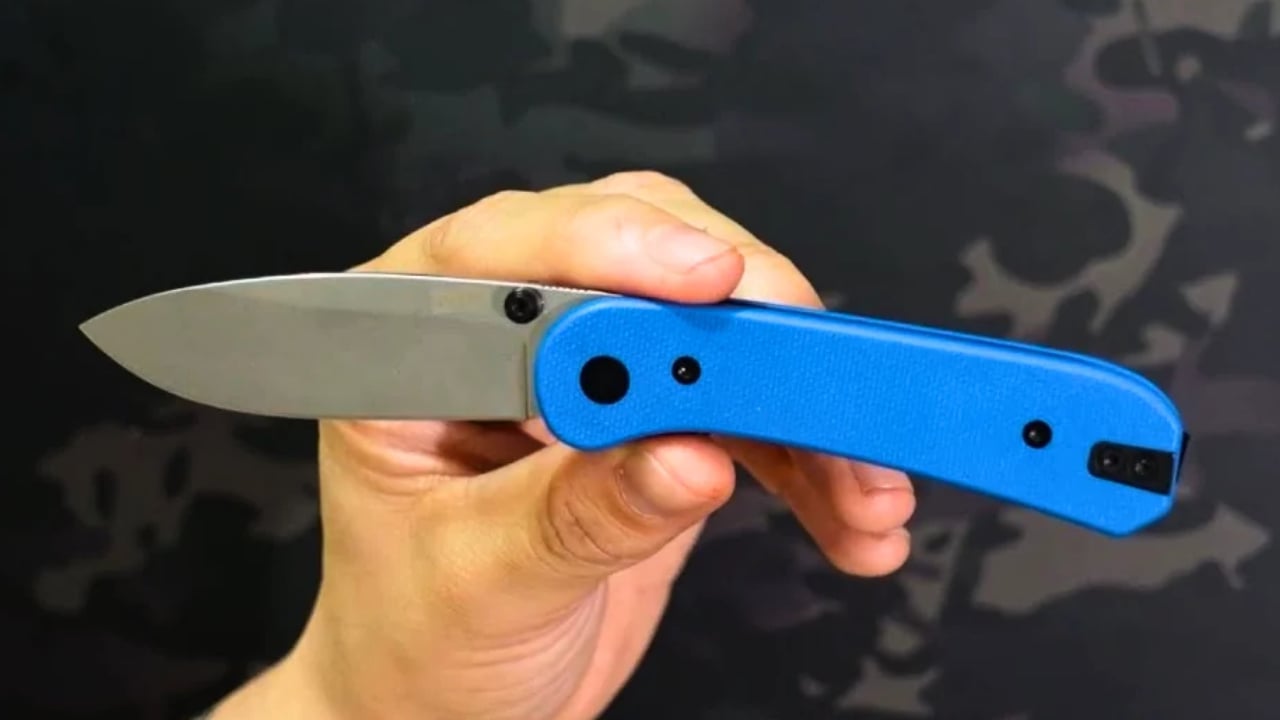
The Lander was designed around the idea that an affordable knife could also be customizable and fun to own. The removable scales give owners easy access to aftermarket options, while the basic knife underneath remains useful enough that customization never becomes the only reason to buy it.
The blade shape is excellent for general EDC, the handle has enough room for good control, and the overall size makes it easy to carry. More importantly, the Lander has personality without depending on some bizarre blade profile or oversized hardware. It feels like someone actually thought about how people use affordable pocket knives. You can leave it completely stock and have a good tool, or change the scales later without replacing the entire knife. At its usual price, that flexibility is hard to complain about.
KA-BAR Dozier Folding Hunter

The Dozier Folding Hunter has been quietly providing ridiculous value for years. It is extremely light, uses a straightforward lockback, and gives you a sensible hunting-style blade without weighing down a pocket.
The real strength is how little there is to dislike. The synthetic handle is inexpensive but comfortable, the blade is easy to sharpen, and the knife is cheap enough that you can actually use it for messy jobs. Hunters can keep one in a pack for basic field work, while everyone else gets a light everyday folder that handles cardboard and utility cutting without drama. It is not a knife you buy to show off at a gathering of collectors. It is a knife you buy, use for several years, and eventually realize that it never gave you much reason to replace it.
Buck 685 BuckLite Max II
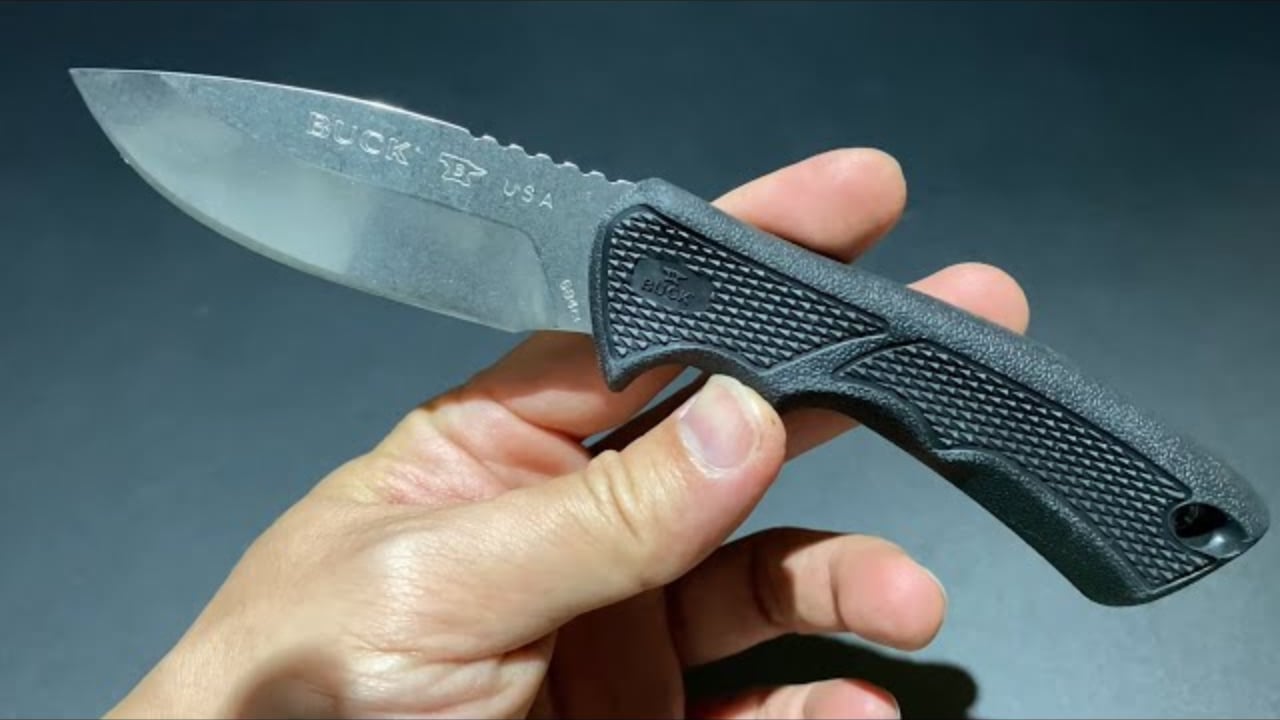
The BuckLite Max II is aimed at hunters who need a fixed blade but do not necessarily want to pay premium custom-knife prices for something that may end up covered in blood, mud, and hair. The synthetic handle provides good grip, while the fixed-blade construction gives you the strength needed for field dressing and general camp work.
Buck’s blade treatment is a major part of the appeal. The company has decades of experience getting good practical performance from steels that do not look particularly exotic on paper. That means the knife can hold an edge respectably while remaining straightforward to resharpen. The lightweight construction is another advantage because hunting packs become heavy quickly. The BuckLite Max II gives you the important parts of a useful hunting knife without charging you for decorative materials that add little in the field.
Ruike D191
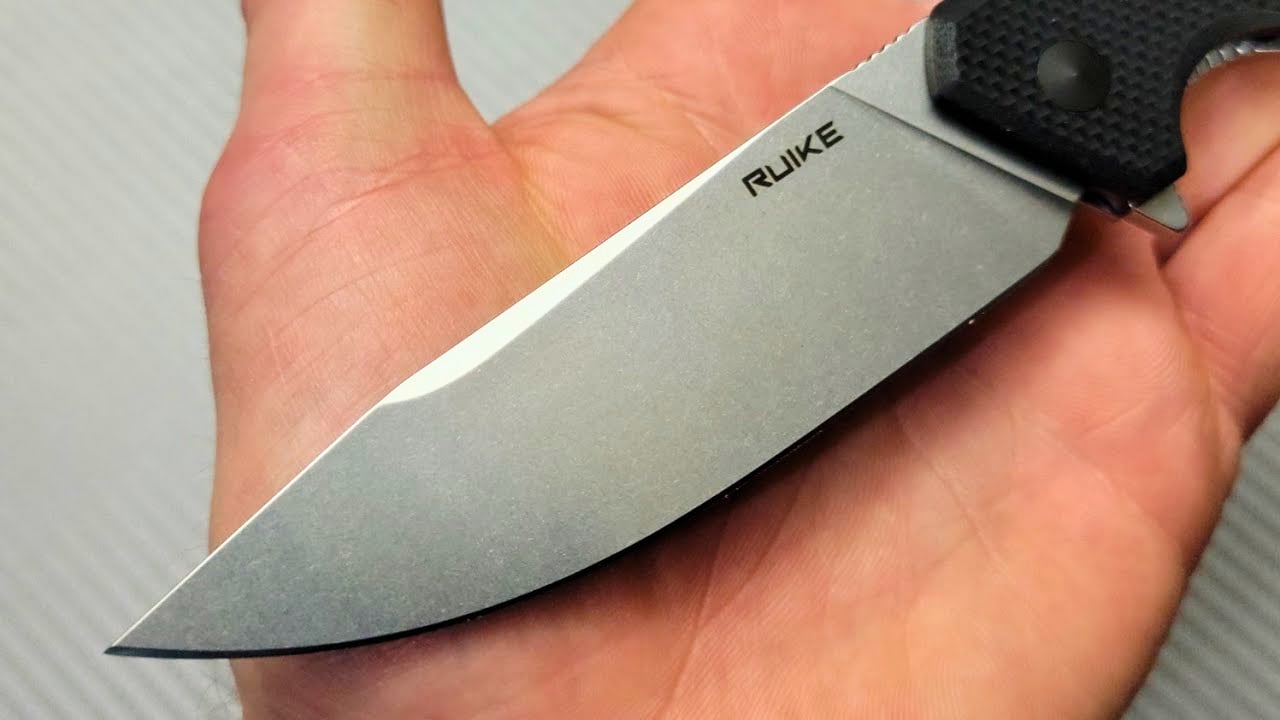
Ruike has built a reputation around delivering clean machining and sensible materials at prices that can feel strangely low. The D191 fits that pattern. It has a modern folding design, a blade suited to general utility work, and enough refinement that it does not immediately announce itself as a budget knife.
What makes Ruike interesting is consistency. Instead of loading a knife with visual gimmicks, the company tends to focus on clean edges, usable handles, and straightforward construction. That makes the D191 the type of folder you can carry every day without thinking much about it. It does not need to compete with a $250 knife on exotic materials. It only needs to make a $70 or $80 knife look unnecessary for someone who wants a dependable cutter, and it does that surprisingly well.
CRKT Squid XM

The original Squid was popular partly because it was compact and inexpensive, but the XM stretches the idea into a size that is much more useful for people with larger hands. You get more handle and blade while retaining the straightforward utility-first personality that made the design work.
The broad blade handles normal EDC cutting well, and the handle shape gives you a secure grip without requiring aggressive finger grooves. CRKT also keeps the design visually restrained, which makes it easier to use around people who are not knife enthusiasts. It is not intended to compete with lightweight premium folders gram for gram. Instead, it gives you a substantial everyday knife at a price where you will not hesitate to scrape tape residue off the blade or use it for dirty work.
Ganzo Firebird FH41

Ganzo has long occupied the extreme-value end of the knife market, and the Firebird FH41 is one of the models that showed the company could produce more than cheap copies and rough utility folders. The knife offers a clean blade profile, smooth flipper action, and materials that are difficult to complain about given the usual price.
The FH41 works because it feels cohesive. The handle and blade actually look like they belong together, the action is enjoyable, and the knife performs well enough for ordinary EDC instead of existing only to win a specification comparison. Edge retention is respectable, and the blade remains manageable to sharpen. If your goal is getting the most usable folding knife possible for very little money, Ganzo remains difficult to ignore. You simply have to accept that the brand name will not impress anyone.
Victorinox Sentinel
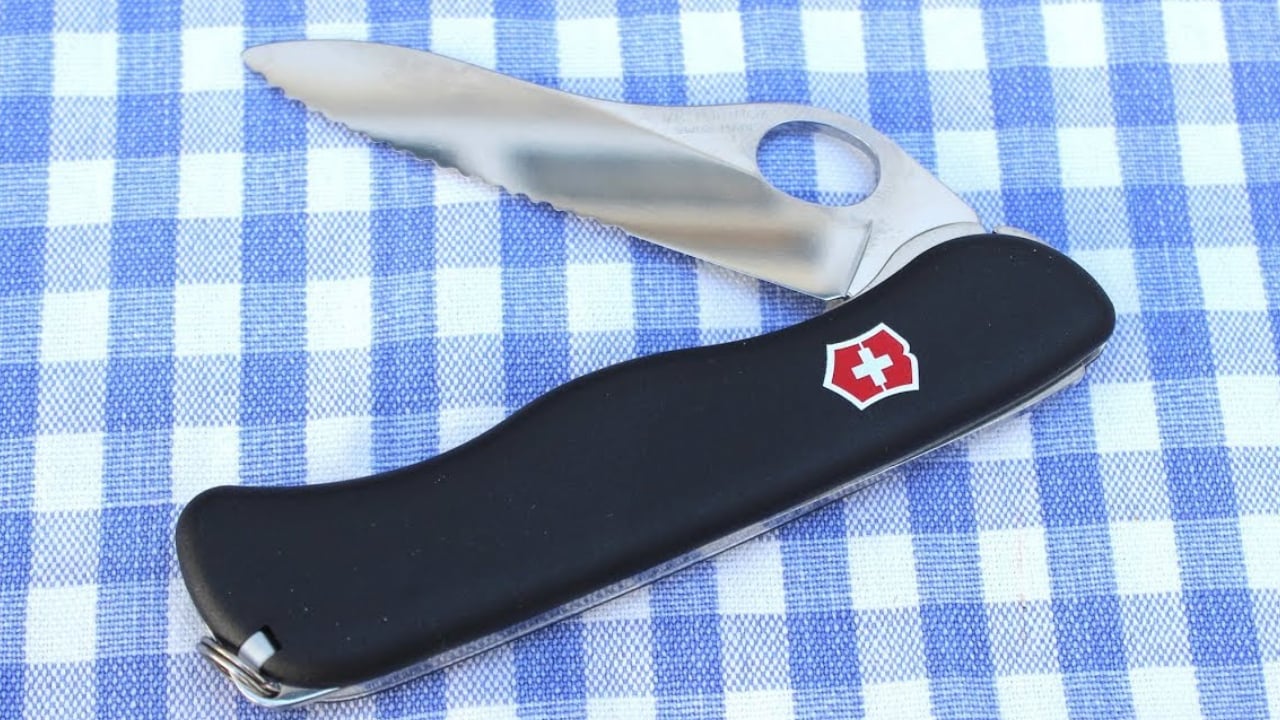
The Sentinel takes the basic practicality associated with Swiss Army knives and strips the concept down to a larger dedicated blade. That gives you an extremely light folder with a comfortable handle and a thin blade capable of slicing far better than many heavier tactical designs.
It is especially good for people who care about food preparation, rope, packaging, and ordinary cutting rather than hammering on a knife. The thin blade geometry makes a noticeable difference in those jobs. Victorinox also knows how to produce stainless steel that is easy to maintain and very easy to sharpen, even if it does not have the edge-retention numbers of expensive powdered steels. The Sentinel costs relatively little but performs the actual cutting part of knife ownership exceptionally well.
Cold Steel Pro Lite
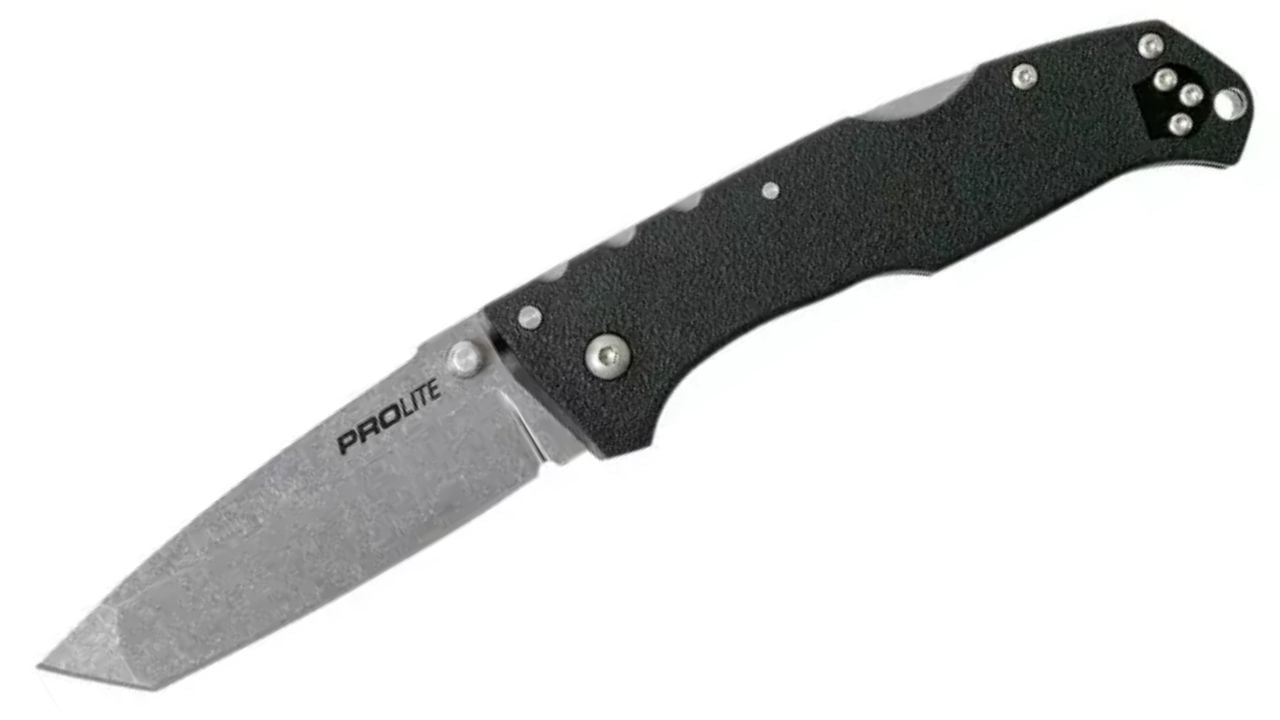
The Pro Lite takes several things Cold Steel does well and puts them into a much less expensive package. You still get the company’s extremely secure Tri-Ad lock, a practical blade size, and a synthetic handle that can take abuse without demanding attention.
The steel is not exotic, and the finish does not pretend otherwise. What you are buying is a folding knife that can handle harder work than its price would suggest while remaining light enough for everyday carry. That combination makes it particularly useful around farms, shops, and outdoor work where a dainty gentleman’s folder is not what you need. More expensive Cold Steel models offer upgraded materials, but the basic security and toughness of the design are already present here. For many users, that is the part that actually matters.
CIVIVI Qubit

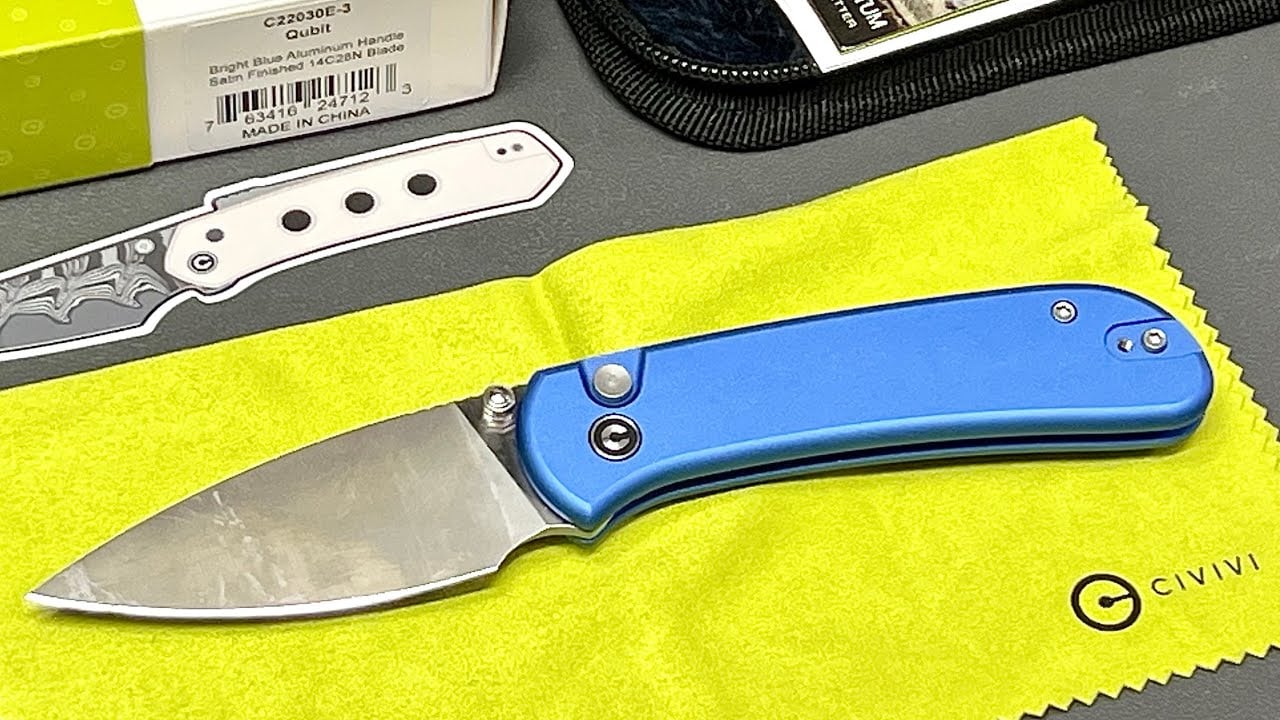
CIVIVI has made so many competitive budget folders that it can be easy to overlook individual models, but the Qubit deserves attention because it feels unusually refined for its price. The aluminum handles keep it slim, the button lock makes operation easy, and the blade geometry is geared much more toward slicing than showing off.
That thin, efficient cutting profile is what separates it from a lot of cheaper folders. Cardboard, food, packaging, and normal EDC jobs do not require a massively thick blade, and the Qubit behaves accordingly. The knife also carries smaller than many similarly sized folders because there is very little unnecessary material around the handle. You can spend considerably more and get better steel or more exotic materials, but the basic user experience improves much less dramatically than the price does. That is usually the clearest sign of a knife punching above its weight.
Like The Avid Outdoorsman’s content? Subscribe to our newsletter so you never miss an article.
Here’s more from us: