Photo credit: fandecouteaux/YouTube
A knife can look perfect at the store and turn irritating after a season of real use. Outdoorsmen tend to figure out quickly which features actually matter once they are cutting wet rope, dressing game, shaving tinder, splitting kindling, or carrying a blade for ten miles. Extra weight stops feeling impressive. Complicated edges become annoying to sharpen. Oversized guards interfere with normal cutting, and cheap sheaths become a bigger problem than anyone expected.
That is why experience changes what people buy. A knife that seemed indestructible at first can eventually feel like dead weight compared with a lighter blade that cuts better. An expensive folder may prove less useful than something costing half as much. These 20 knives are not necessarily failures, but they all have traits that can make a seasoned outdoorsman think twice before buying the same one again.
Gerber LMF II Infantry
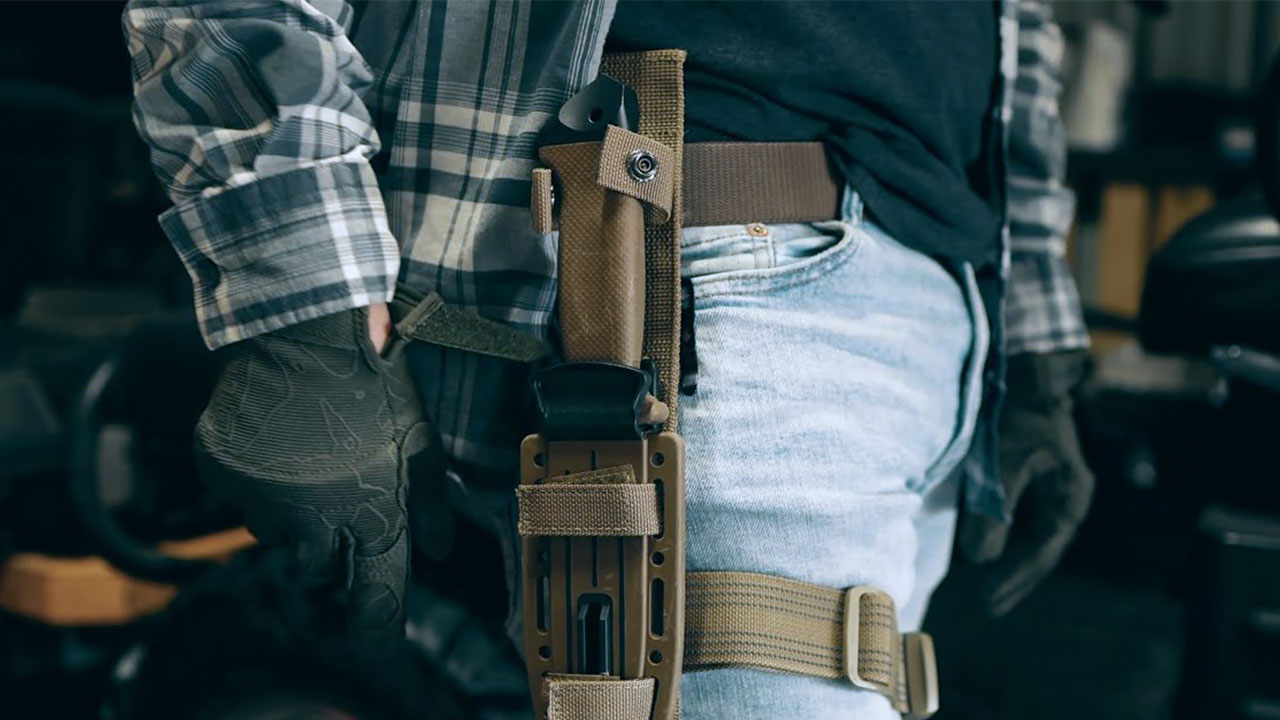
The LMF II Infantry certainly feels serious. It is thick, heavy, heavily guarded, and built around the idea that the knife may be abused far beyond normal cutting duties. The partially serrated blade and substantial handle give it a military-survival appearance that has helped keep it popular for years.
The problem shows up once you actually carry it outdoors. It is heavy for the amount of usable blade you get, the thick grind is not especially efficient for woodwork, and serrations complicate sharpening in the field. The sheath system also adds even more bulk to an already substantial package. If your main concern is smashing, prying, and emergency abuse, the LMF II has a case. For ordinary camping, hunting, and survival work, many experienced users eventually realize they would rather carry something lighter that actually slices and carves better.
Buck Selkirk
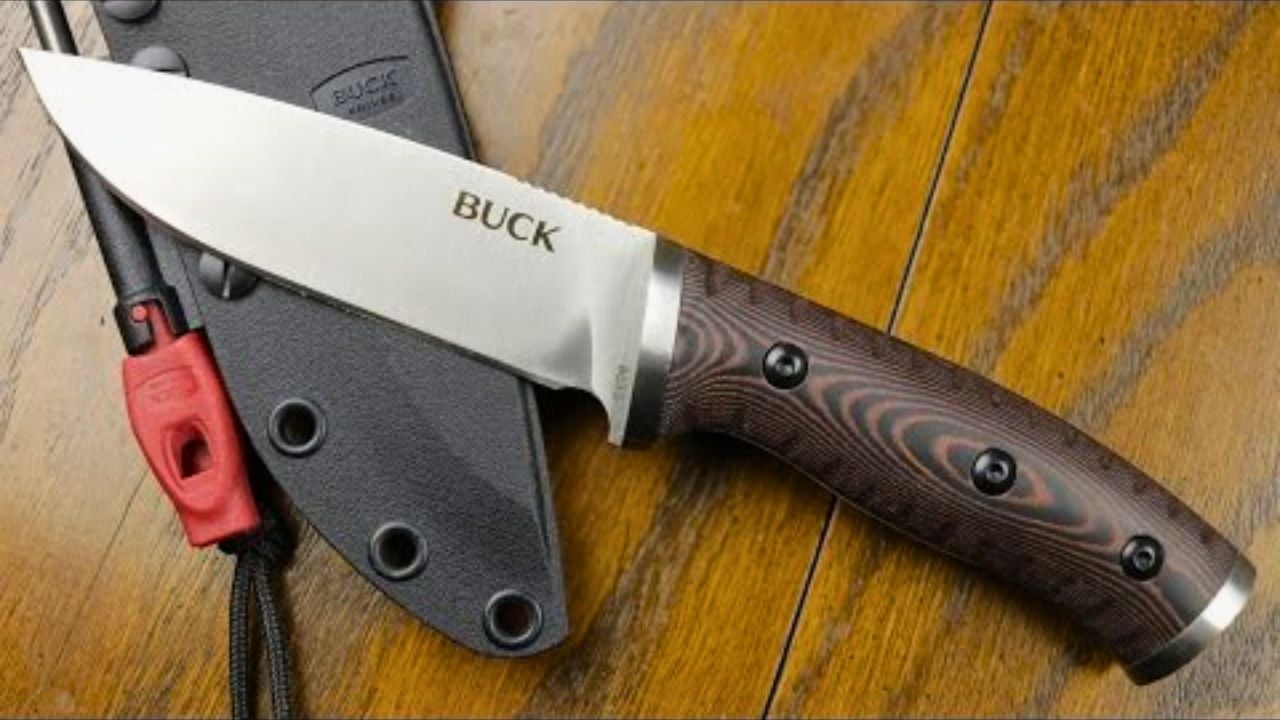
The Selkirk looks like a lot of knife for the money. You get a full-size fixed blade, Micarta-style handle scales, a ferro rod, and a sheath designed around survival use. On paper, it checks almost every box buyers think they want.
After extended use, the package can start feeling busier than necessary. The knife is relatively thick and heavy for general camp work, while the handle and blade proportions do not feel as nimble as simpler bushcraft knives. The included fire-starting accessories sound useful, but many experienced outdoorsmen already carry dedicated fire gear and would rather have a better sheath with less bulk. The Selkirk is capable, but it can leave you wondering why you carried so much knife when a lighter Mora, ESEE, or compact fixed blade would have handled nearly every real task more comfortably.
KA-BAR USMC Fighting Knife

The classic KA-BAR deserves respect for its history, and that history is exactly why so many people buy one. The stacked-leather handle, long clip-point blade, and military association make it one of the most recognizable fixed blades in America.
As an outdoor knife, though, it is less universally useful than the legend suggests. The long narrow blade and pronounced guard were designed around a fighting and utility role, not modern bushcraft. It can process wood, but there are better grinds for carving and better handle shapes for prolonged cutting. The leather handle also requires more care around constant moisture than modern synthetic materials. Experienced outdoorsmen often end up appreciating the KA-BAR as a historical design while carrying something shorter, lighter, and more comfortable when they actually head into the woods.
Schrade SCHF9

The SCHF9 became popular because it offered an enormous slab of 1095 carbon steel at a very approachable price. It feels nearly indestructible, and for buyers equating survival capability with blade thickness, that is immediately attractive.
The problem is that the same mass that makes it tough also makes it tiring. The knife is closer to a small chopping tool than a normal belt knife, yet it still cannot replace a proper hatchet or folding saw for serious wood processing. The thick blade is also clumsy for food preparation, feather sticks, and finer carving. After carrying one for a while, many users realize they are accepting all the disadvantages of a heavy knife without getting the efficiency of a dedicated chopping tool. It is hard to break, but experienced outdoorsmen eventually learn that toughness is only one part of usefulness.
Condor Hudson Bay
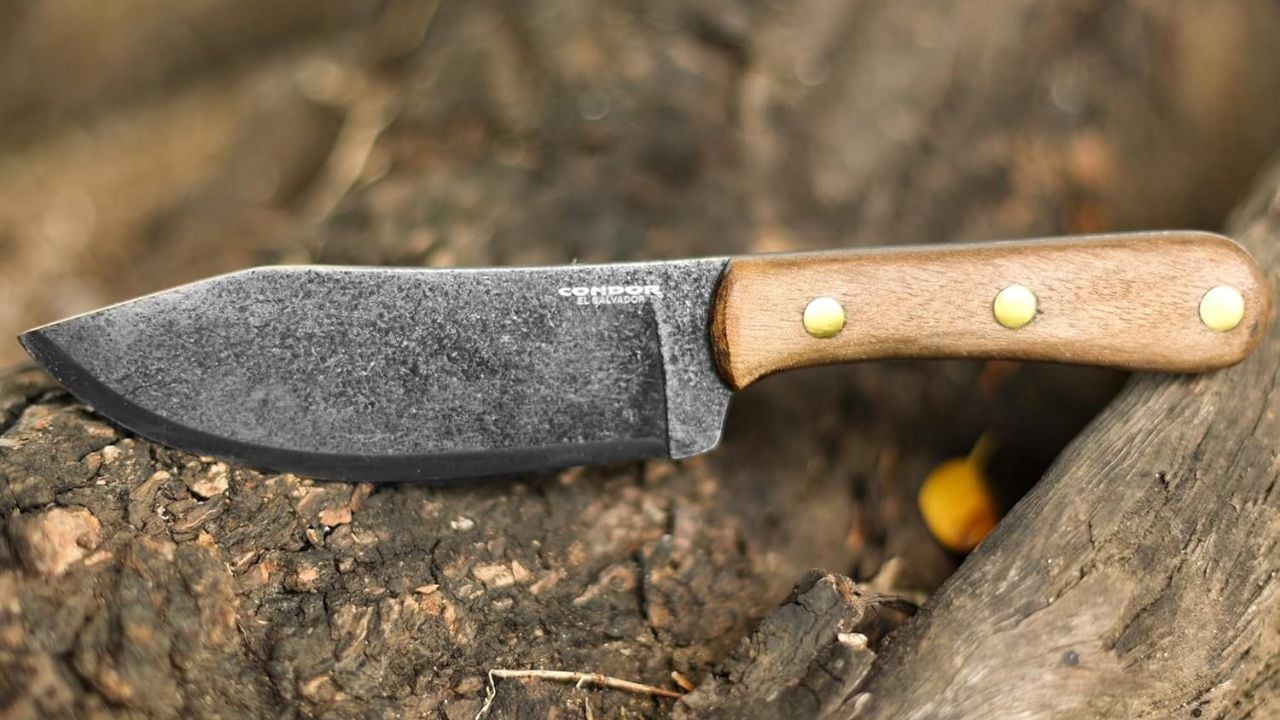
The Hudson Bay has an old frontier look that makes it instantly appealing. The large blade, wooden handle, and simple carbon-steel construction suggest a knife that can handle everything from chopping camp wood to butchering game.
In practice, it occupies an awkward middle ground. It is too large for many fine tasks yet too short and poorly balanced to replace a proper machete or hatchet. The handle can also feel blocky during prolonged chopping, especially once your hands are wet or tired. The steel is straightforward to sharpen, but the large exposed blade requires attention in humid environments. The Hudson Bay is fun and has plenty of personality, but after carrying it through a few real trips, many outdoorsmen start wishing they had brought a four- or five-inch belt knife and a separate saw instead.
Ontario SP8 Survival Machete
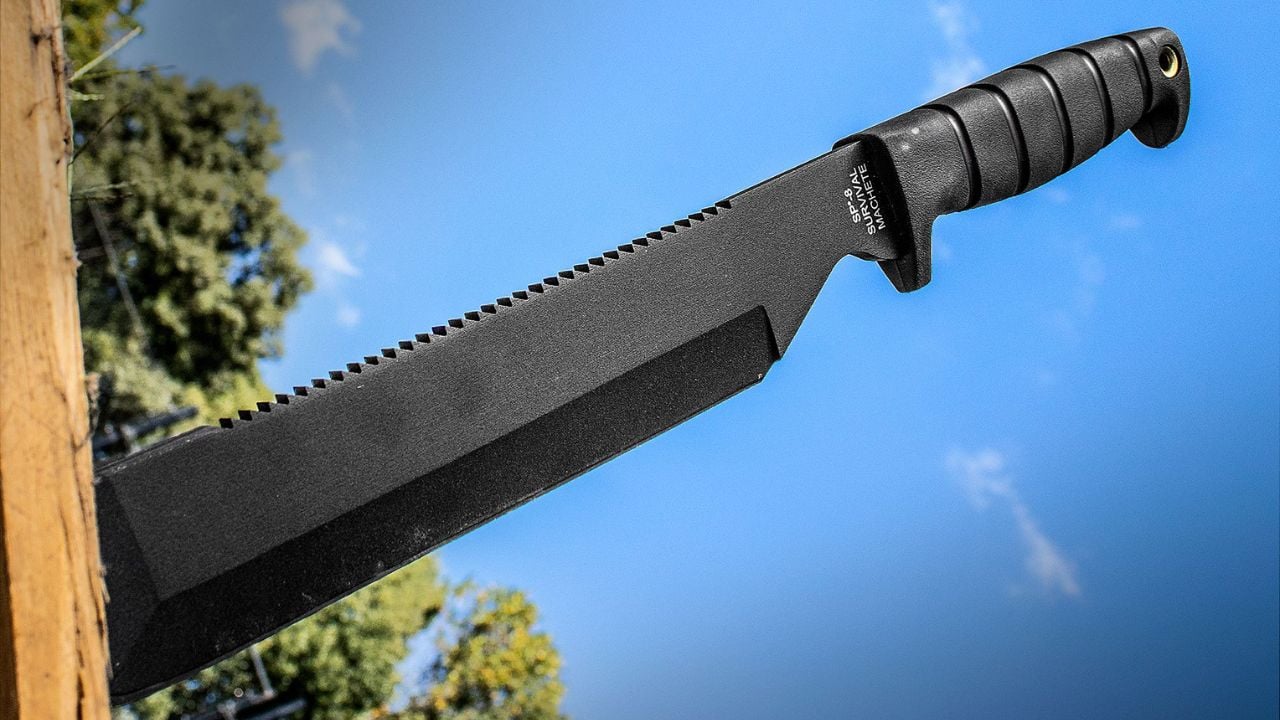
The SP8 looks like something designed to survive a truck rollover. The quarter-inch-thick blade, squared profile, and heavy construction make it extremely stout, and it can take abuse that would damage many ordinary camp knives.
That strength comes at the cost of almost everything else. It is heavy, awkward for precise cutting, and less efficient at chopping vegetation than a true machete because there is so much steel behind the edge. It can split wood, but a hatchet does the job better. It can cut food, but nearly any normal knife does the job better. The SP8 is a specialized demolition-style tool pretending to be an all-around survival blade. Experienced users often stop being impressed by what a knife can survive and start caring more about how well it performs the jobs they actually do.
Cold Steel Trail Master
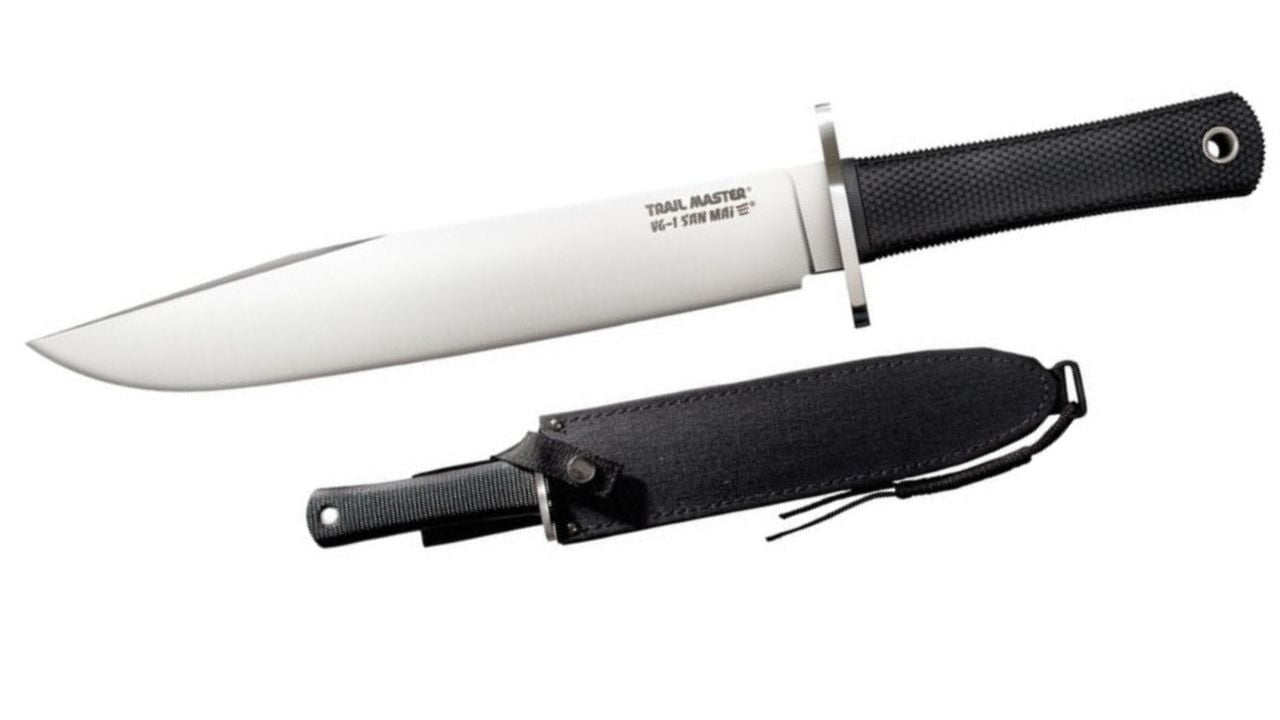
The Trail Master has an impressive reputation for toughness, and there is no denying the amount of knife you get. The long blade gives it real chopping ability, and Cold Steel has offered it in several serious steels over the years.
The problem is portability. Once a fixed blade reaches this size, you are effectively carrying a small camp tool rather than an ordinary knife. That can make sense around a base camp, but it is harder to justify on a long hike when a lighter knife and folding saw can accomplish more while taking up less space. The large blade is also cumbersome for field dressing and detailed camp chores. The Trail Master is capable, but experienced outdoorsmen frequently discover that capability is not the same thing as efficiency. If a knife spends most of the day hanging heavily from your belt, you eventually question whether you need it.
SOG Seal Pup Elite

The Seal Pup Elite looks like a practical compromise between a giant survival knife and a smaller field blade. It has a manageable blade length, a grippy handle, and the tactical styling SOG became known for.
Where experienced users can lose enthusiasm is the blade geometry and edge configuration. Many versions use partial serrations, which reduce the amount of plain edge available for wood carving and make field sharpening more complicated. The thick spine and tactical grind also do not slice as efficiently as simpler outdoor designs. The handle works, but the aggressive texture can become uncomfortable during extended cutting. The Seal Pup Elite is tough enough, but once you have used cleaner outdoor knives with full plain edges and better carving geometry, it can start feeling optimized more for looking tactical than for spending an entire weekend working around camp.
Gerber StrongArm Camp
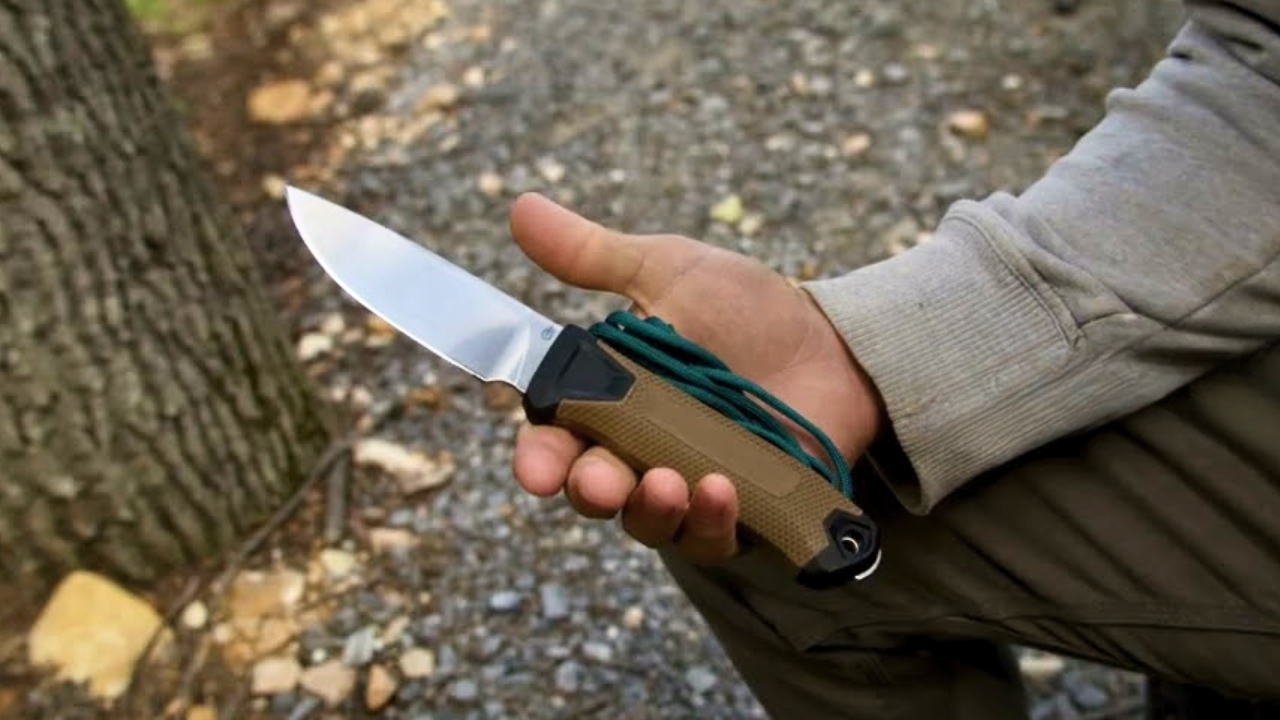
The StrongArm Camp took a familiar Gerber platform and pushed it toward outdoor use, which sounds promising. The full-tang construction, rubberized handle, and modular sheath all suggest a knife capable of serious field work.
The problem is that the StrongArm family still carries much of its tactical DNA. The blade is relatively thick, the handle is heavily textured, and the sheath system is bulkier than many hunters or campers need. Those traits are reassuring if you expect abuse, but they are less appealing while carving, preparing food, or carrying the knife all day. Experienced outdoorsmen often learn that a survival knife does not need to be built around worst-case abuse every minute. A thinner, lighter blade can handle normal outdoor work more comfortably while still being plenty strong. The StrongArm Camp can feel like more structure than the job requires.
CRKT Chanceinhell

The Chanceinhell machete is hard to ignore. The name, oversized blade, and aggressive styling practically dare you to take it into the woods and start clearing everything in sight.
That is also where its weaknesses become obvious. Like many heavy survival-oriented machetes, it sacrifices the thin, fast geometry that makes traditional machetes so effective on vegetation. The broad blade can certainly chop, but the weight becomes tiring quickly, and the handle does not magically make repeated swings comfortable. For thick woody material, a hatchet can outperform it. For brush and vines, a lighter Latin-style machete is easier to swing. Experienced outdoorsmen eventually stop asking which tool looks the toughest and start asking which one accomplishes the work with the least effort. The Chanceinhell often loses that comparison.
Camillus Carnivore X
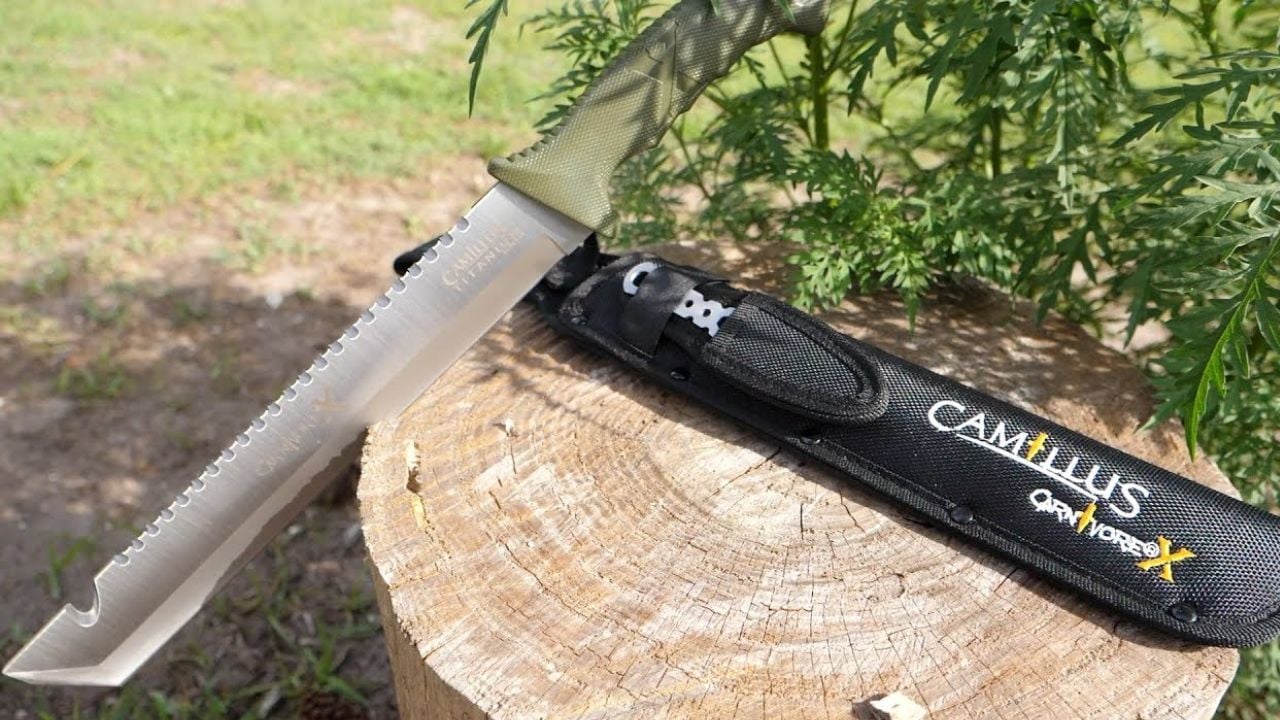
The Carnivore X tries to combine several tools into one oversized outdoor blade. It has a large chopping profile, a sawback section, and enough blade mass to handle serious camp work. For a new outdoorsman looking for one tool to do everything, that sounds attractive.
The problem is that combination tools frequently become mediocre at each individual task. The sawback is nowhere near as efficient as a folding saw, while the primary blade is heavy and cumbersome for normal knife work. Chopping is possible, but again, a small hatchet does it better. Once you start carrying specialized tools, the Carnivore X becomes difficult to justify because you are left with an oversized knife that duplicates jobs other tools already handle more efficiently. Experienced users often learn that one giant tool doing five things poorly is not necessarily more useful than two compact tools doing their jobs well.
Buck Hoodlum
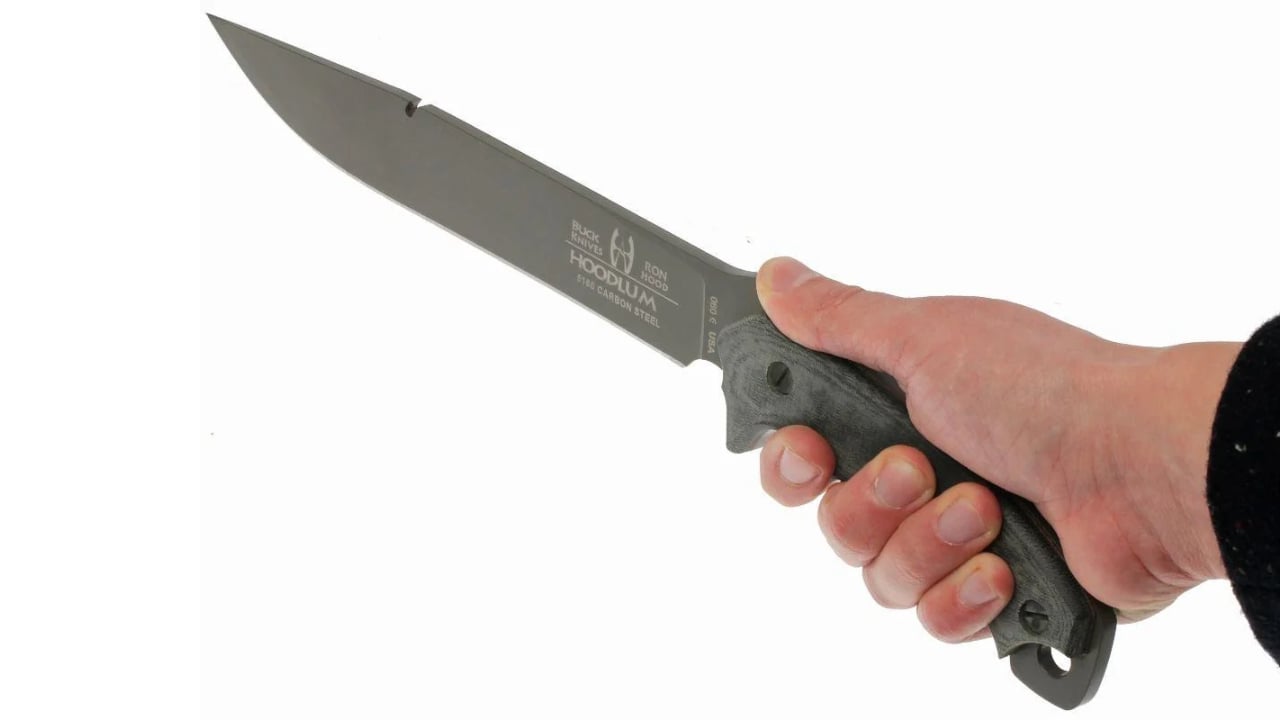
The Hoodlum was designed around serious wilderness use and has a strong pedigree behind it. The long 5160 steel blade is tough, and the knife has enough reach to function as both a large cutting tool and a light chopper.
The issue is that the Hoodlum is a lot of blade to carry for someone whose outdoor routine does not actually involve regular chopping. The distinctive notch in the spine has also always been controversial because it creates an unusual stress point in a knife otherwise built around toughness. More importantly, a long blade is less comfortable for cleaning game, preparing meals, and detailed woodwork. The Hoodlum makes more sense as a dedicated wilderness camp blade than an everyday outdoorsman’s knife. After a few trips, many users realize a shorter fixed blade stays useful far more often.
Tops Steel Eagle 107C

The Steel Eagle is unapologetically overbuilt. Thick 1095 steel, a substantial handle, and aggressive styling make it feel like the sort of knife you could hammer through nearly anything.
That is also the reason experienced users may not buy it twice. It is heavy, thick behind the edge, and far less efficient at normal cutting than a more moderate fixed blade. The sawback on certain versions adds visual drama but limited practical value compared with a proper saw. TOPS makes some excellent field knives, but the Steel Eagle represents an older school of survival thinking where maximum steel thickness was treated as an advantage by itself. Outdoorsmen who spend enough time using knives generally start prioritizing edge geometry and weight over the ability to pry open a door.
Bear Grylls Ultimate Knife

This knife sold extremely well because the survival branding was impossible to miss. It came with a fire starter, whistle, sharpener, survival instructions, and a sheath full of extra features. For someone assembling his first emergency kit, it seemed like an incredible amount of capability in one package.
Experience tends to make that feature list less impressive. Most outdoorsmen eventually build a separate fire kit, carry a real sharpener when needed, and stop relying on accessories attached to the knife sheath. The blade itself is usable, but the partially serrated edge and bulky overall package are not especially good for normal bushcraft. Once the novelty wears off, the knife can feel like a collection of emergency gadgets wrapped around an average blade. Experienced users usually prefer a better knife and keep the survival equipment separate.
Boker Plus Rold
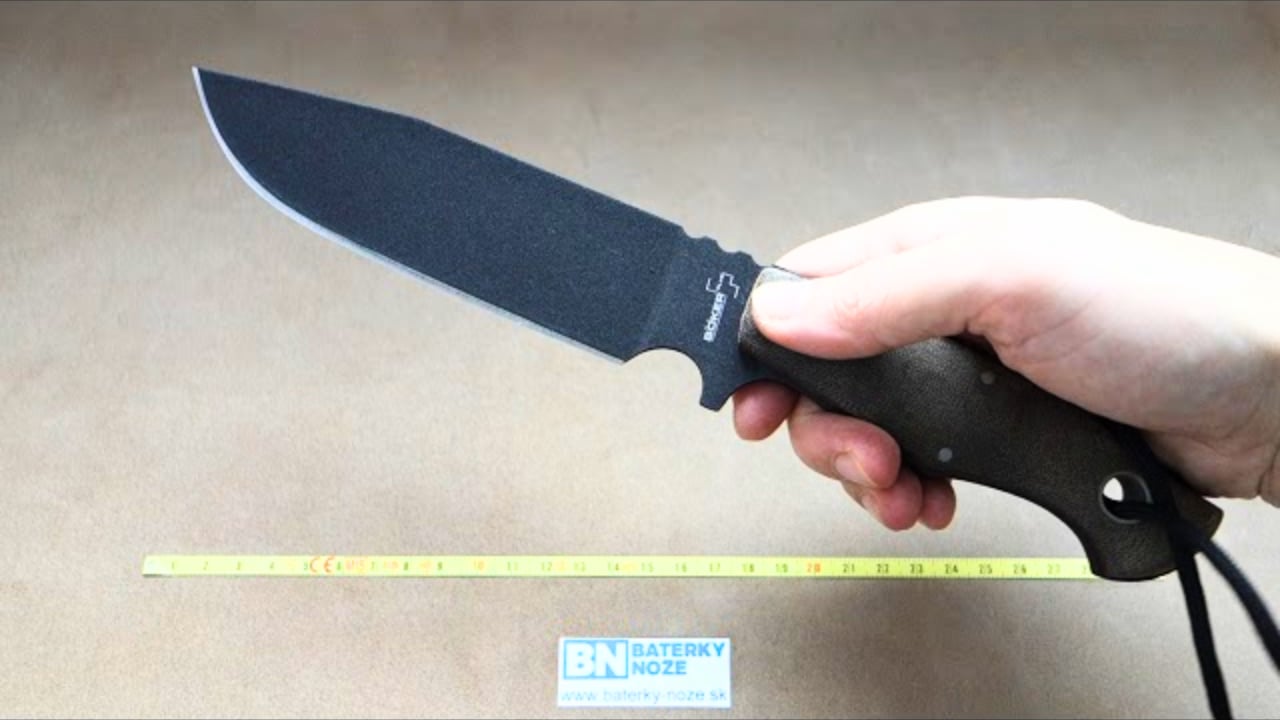
The Rold has the sort of Scandinavian-inspired appearance that suggests excellent wood-processing ability. It is a substantial fixed blade with a broad profile and enough steel to inspire confidence.
The issue is that it lands heavier and thicker than many outdoorsmen expect from something with bushcraft styling. That makes it less nimble during carving and food preparation while still not giving it the chopping authority of a larger dedicated camp tool. It is certainly capable, but there are more refined options that carry better and cut more efficiently. This is the sort of knife that can impress you during the first outing simply because it feels strong. After enough time outdoors, strength becomes assumed and cutting efficiency becomes the thing you notice. That shift in priorities can make the Rold hard to buy a second time.
Kershaw Camp 10
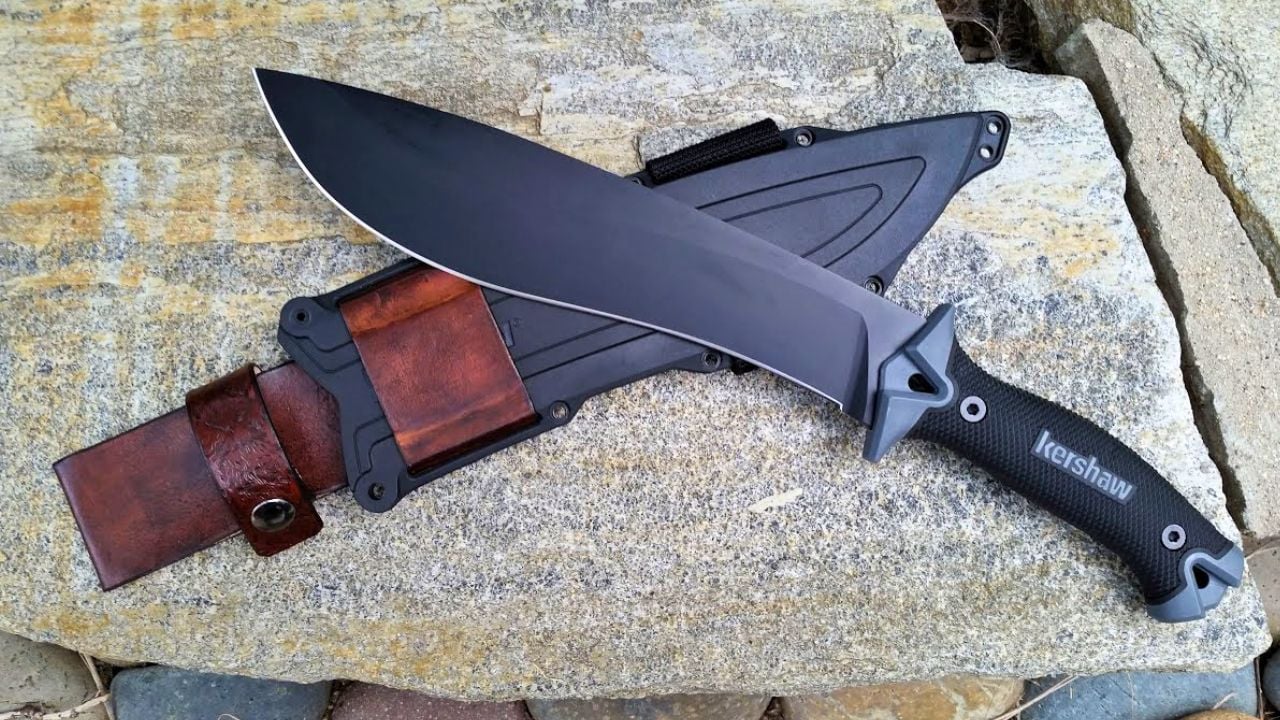
The Camp 10 is fun because it gives you a lot of chopping blade for relatively little money. The recurved profile bites into branches well, and the rubberized handle provides decent traction while swinging.
The problem is that it is another tool that lives between categories. It is heavier and shorter than a traditional machete, while a hatchet often works better on thicker limbs. The recurve also makes sharpening more annoying than a straight edge, especially if you are trying to touch it up in the field with basic equipment. Around a backyard or vehicle camp, none of that may matter. When you actually have to carry your gear, the Camp 10 begins competing with lighter and more specialized tools. Experienced outdoorsmen often stop carrying large blades once they realize how efficiently a good folding saw handles wood.
Gerber Gator Machete Pro
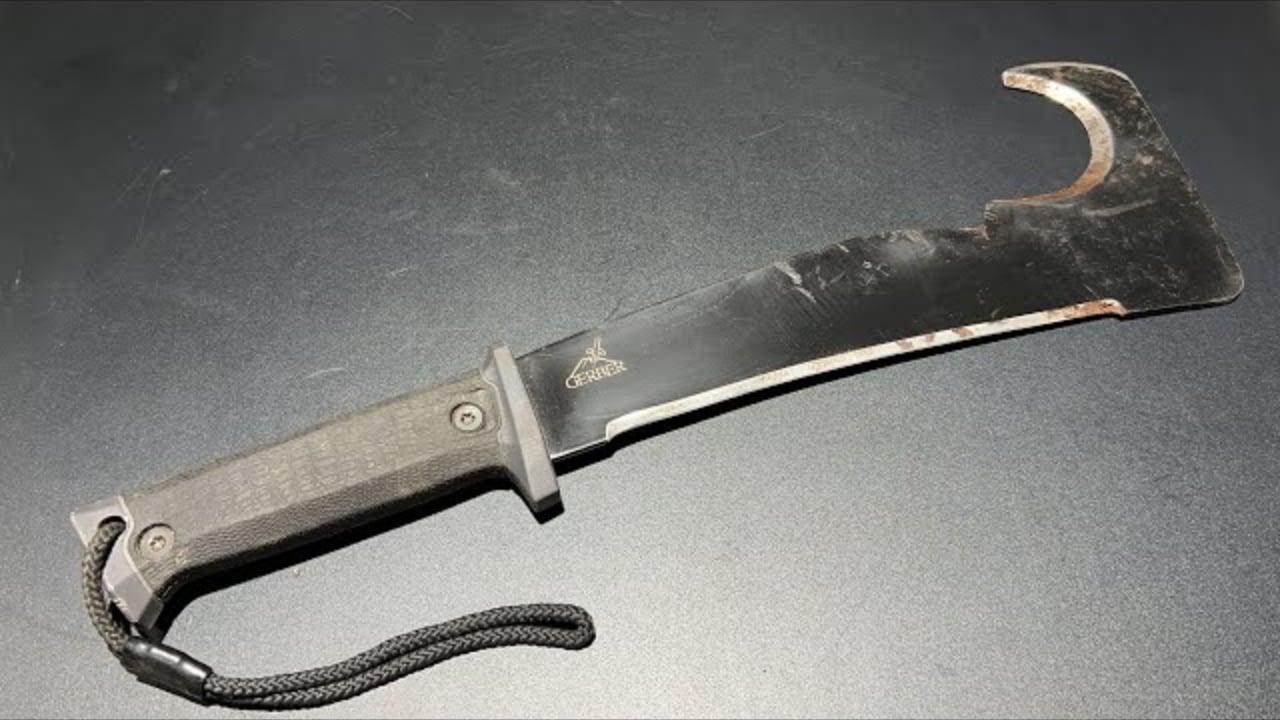
The Gator Machete Pro tries to combine a machete, saw, and knife into one outdoor package. That sounds efficient until you compare each part of it with a dedicated tool.
The blade is relatively short and heavy compared with traditional machetes, which reduces reach and swing speed when clearing vegetation. The saw works, but a compact folding saw is easier to control and generally more effective. The extra functions also add bulk to something that should be a straightforward cutting tool. It can certainly handle yard work and occasional camp chores, but experienced outdoorsmen tend to become skeptical of hybrid tools because every compromise becomes obvious in hard use. A basic machete with good geometry usually clears brush better while weighing less and costing no more.
Case Ridgeback Hunter
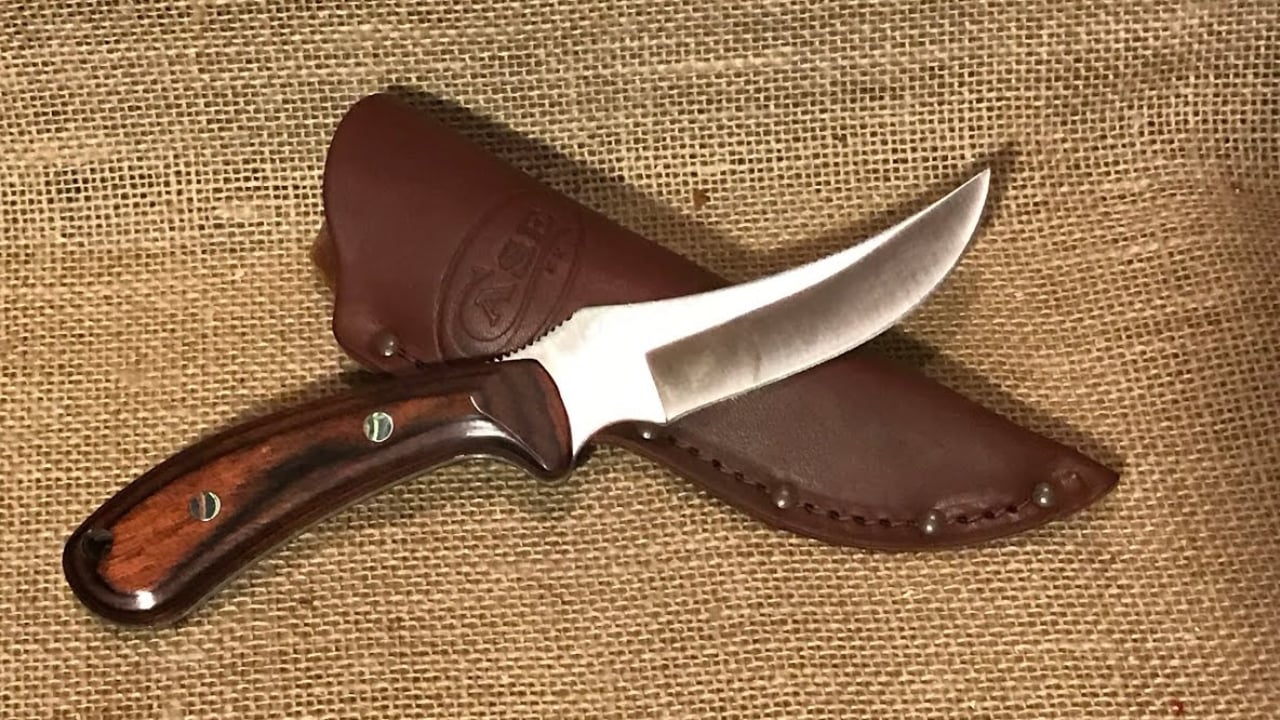
The Ridgeback Hunter looks good and carries the Case name, which naturally attracts hunters who grew up around the company’s traditional folders. It is a modern fixed blade intended for field use, and it certainly has enough strength for ordinary hunting chores.
Where it can disappoint is value. Case’s reputation is built heavily around heritage and traditional American pocket knives, and some buyers expect that name to automatically translate into exceptional fixed-blade performance. The Ridgeback is serviceable, but the market is full of hunting knives with better ergonomics, more refined sheaths, or more competitive steel for similar money. Experienced hunters eventually become less interested in the name stamped on the blade and more interested in how easily the knife cleans an animal and how comfortable it remains after twenty minutes of work.
Hogue EX-F01
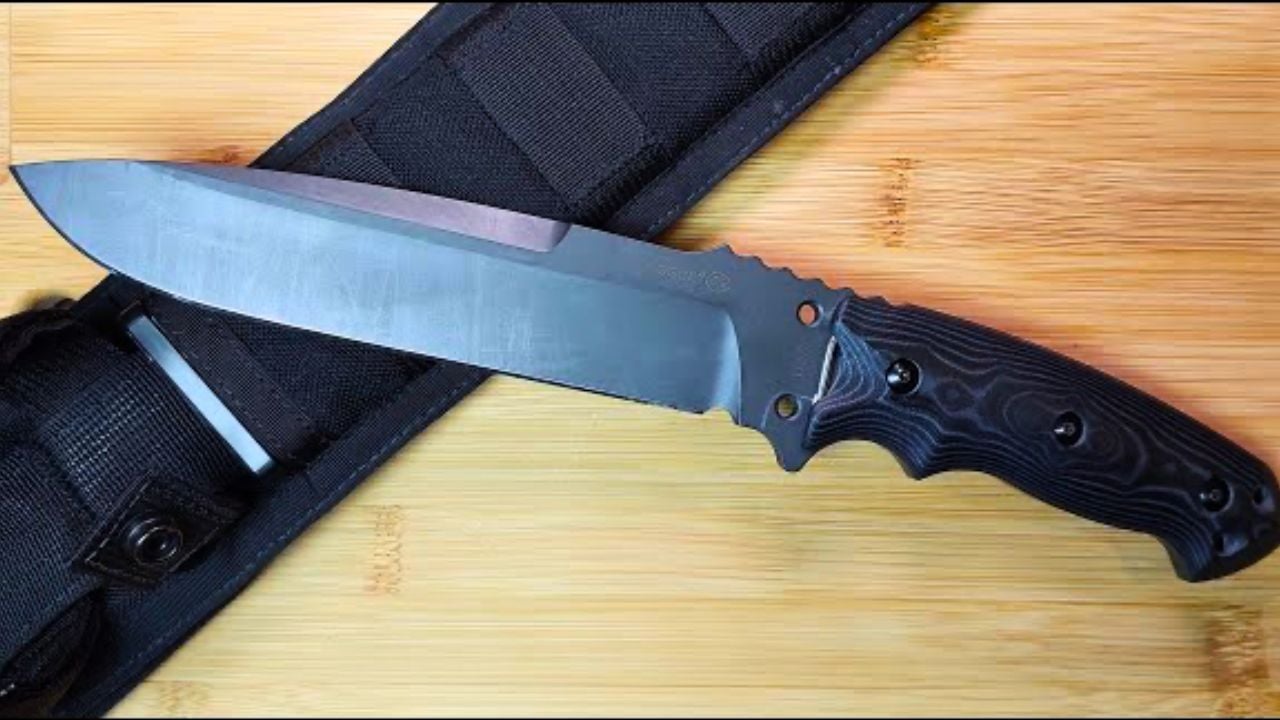
The EX-F01 is extremely well made and clearly intended for hard use. The thick blade, substantial handle, and robust construction create the sort of confidence Hogue built its reputation around.
For many outdoorsmen, though, it is simply too much knife. The blade thickness and overall mass make it far less pleasant for normal slicing and camp work than a thinner outdoor fixed blade. The price also places it against knives specifically designed around hunting and bushcraft rather than tactical abuse. If you need a knife capable of taking tremendous punishment, the EX-F01 makes sense. If you spend most of your time cleaning game, cutting rope, making tinder, and preparing meals, you are paying for durability you rarely exploit while carrying extra weight every mile.
Ka-Bar Becker BK2

The BK2 may be the ultimate example of a knife that impresses beginners and gets questioned by experienced outdoorsmen. It is famously thick, extremely tough, and capable of surviving abuse that would damage many normal fixed blades.
That does not automatically make it a great outdoor knife. The BK2 is heavy for its roughly five-inch blade, thick behind the edge, and noticeably less efficient at carving and food preparation than lighter designs. It can baton wood extremely well, but a folding saw can process more wood with less effort while weighing less. After enough time outdoors, many users realize they almost never need the extreme strength the BK2 provides. It is a fantastic demonstration of toughness. It is also a very convincing lesson that the toughest knife is not necessarily the one you want to carry.
Like The Avid Outdoorsman’s content? Subscribe to our newsletter so you never miss an article.
Here’s more from us: