Photo credit: The Avid Outdoorsman
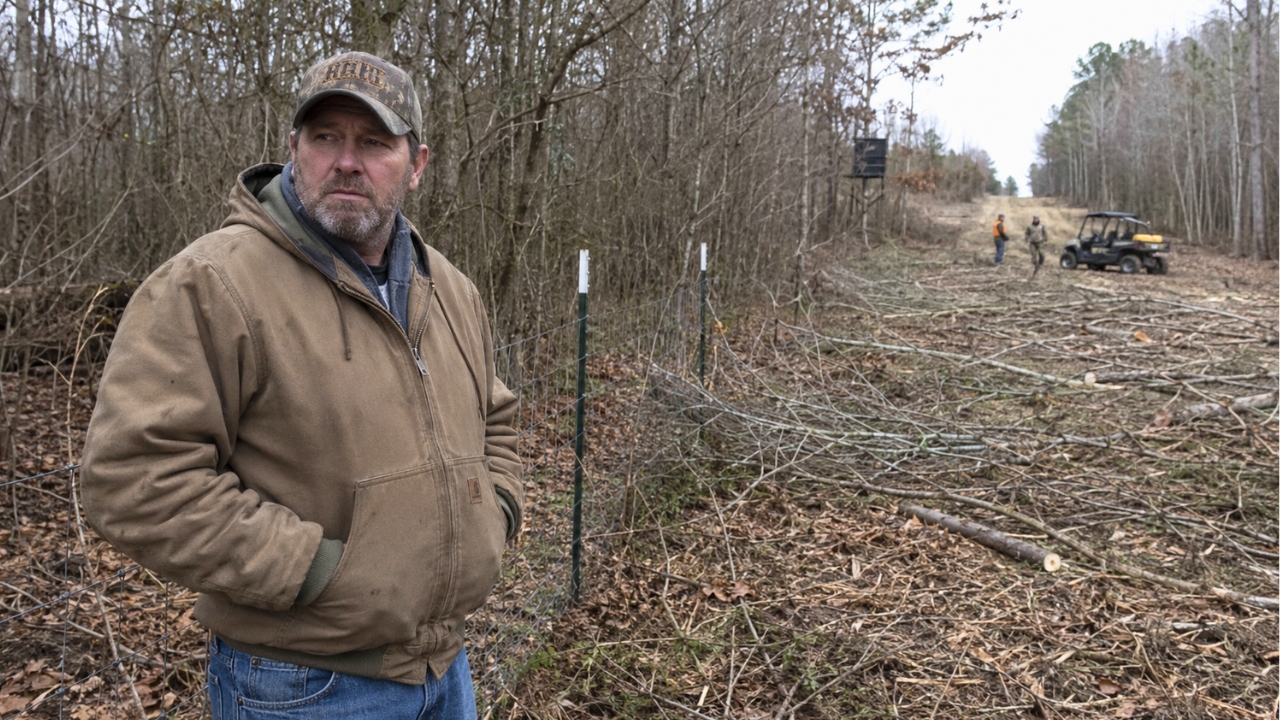
A landowner who lives beside leased hunting land said he started getting uneasy after noticing newly cut shooting lanes near his property line, especially because the setup appeared to point toward his own ground.
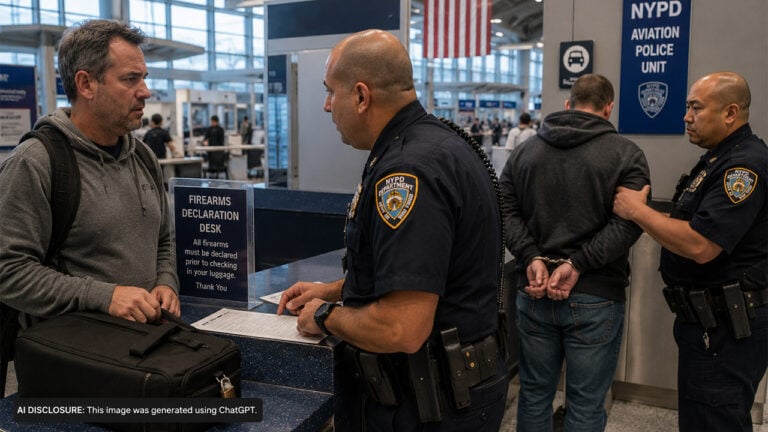
The landowner shared the situation in a post on r/Hunting titled “Land owner adjacent to leased hunting land, looking for respectful advice.” He explained that he was not anti-hunting and did not want to start a fight with the hunters next door. His concern was more practical: the hunters leasing the land beside him had cut lanes that seemed to face toward his property, and he wanted to know how to handle it without escalating things unnecessarily.
That made the post different from the usual “trespassers are on my land” complaint. He was trying to be measured. The neighboring land was leased for hunting, and the hunters had every right to use the land they had permission to hunt. But a shooting lane near a boundary can feel very different to the person living or working on the other side.
The concern was not only about deer. It was about where bullets could travel, whether the hunters knew what sat behind their target area, and whether anyone had talked through the boundaries before the season got busy.
That is the kind of rural neighbor problem that can get messy fast if the first conversation starts with accusations. The poster seemed to understand that. He came to hunters asking how to approach other hunters respectfully, which was probably the smartest move he could have made before walking over angry.
A Shooting Lane Near a Property Line Raises Different Concerns
A shooting lane is not automatically a problem. Hunters cut lanes to open up visibility, create ethical shot windows, and avoid threading bullets or arrows through brush. On a lease, that kind of prep work is normal.
But location matters.
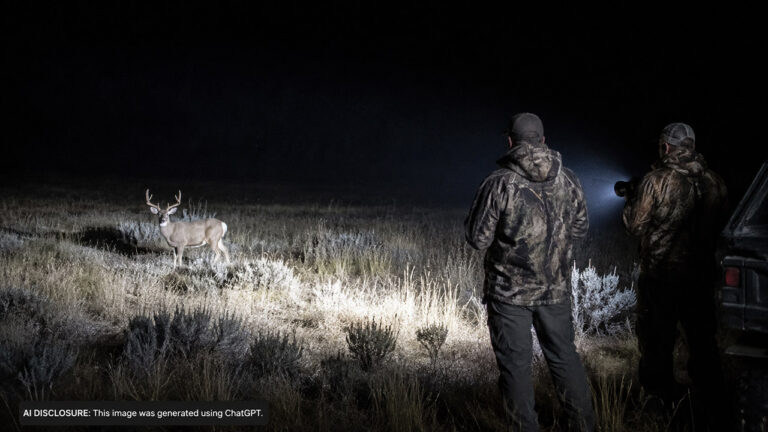
If a lane appears to aim toward a neighbor’s property, the neighbor is going to wonder what happens when someone takes a shot. Even if the hunters intend to shoot only inside their leased boundaries, bullets do not stop at a property line. A missed shot, a bad angle, a pass-through, or a shot taken without a proper backstop can carry farther than the shooter expected.
That is why the landowner’s concern made sense. He was not complaining that people were hunting nearby. He was looking at a physical setup that suggested shots could be directed toward his side.
Hunters in the comments understood the difference. A stand facing a line, a feeder too close to a boundary, or a lane that opens toward someone else’s land can all create tension even before anyone fires a shot. It may be legal. It may even be safe depending on the terrain. But from the neighbor’s side, it can look careless.
The safest hunters think about more than whether the deer is on their side. They think about what is beyond it.
Commenters Told Him to Start With a Calm Conversation
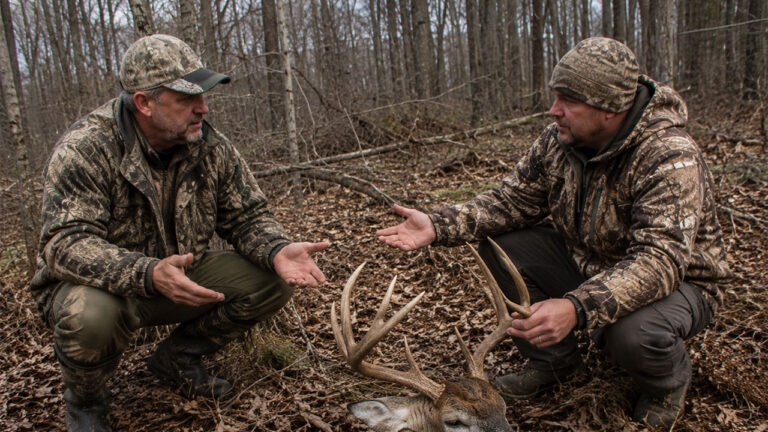
The most common advice was to talk to the hunters or the landowner before assuming the worst.
That advice mattered because the poster wanted to stay respectful. If he walked over accusing people of planning to shoot onto his land, the conversation could sour quickly. But if he framed it as a safety concern and a boundary question, he might get a better response.
A calm opener could sound simple: “I noticed some shooting lanes near the line and wanted to make sure everyone is clear on where the boundary is and what direction shots are going.” That does not accuse anyone of poaching or being reckless. It gives the hunters a chance to explain their setup.
It also gives the landowner a chance to explain his own concerns. Maybe he has family walking that part of the property. Maybe livestock, buildings, trails, or work areas sit behind those lanes. Maybe the land slopes in a way the hunters have not thought through. Those details matter, and the hunters may not know them unless someone tells them.
Several commenters seemed to think the landowner would get further with courtesy than threats. Hunters are more likely to listen when a neighbor approaches them like adults instead of enemies.
But commenters also did not tell him to ignore it. Safety concerns deserve a conversation before the first shot, not after.
Signs and Cameras Were Part of the Practical Advice
Along with talking, commenters suggested making the boundary clear.
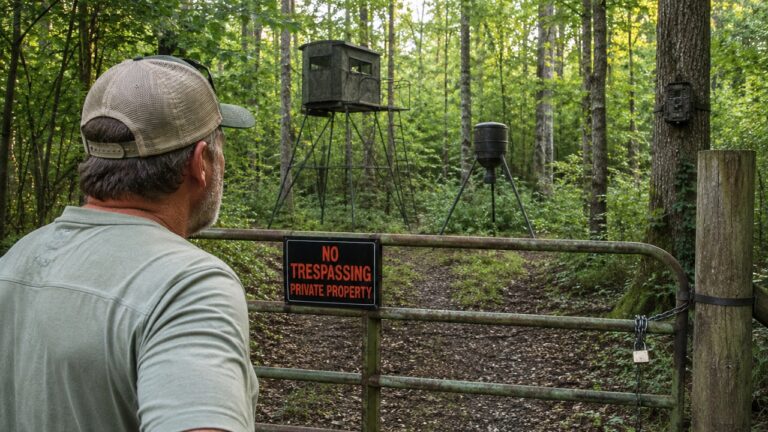
No-trespassing signs, purple paint where legal, and visible boundary markers can help prevent misunderstandings. They also remove excuses. If the hunters know exactly where the line is, there is less room for someone to say they thought they were somewhere else.
Cameras came up too, not as a first move to spy on the neighbors, but as a way to document anything that crossed onto the landowner’s side. If someone came over the line, dragged deer across without permission, placed a stand where it did not belong, or fired from an unsafe place, proof would matter.
That is especially true with hunting leases. The people hunting may not own the land. They may be guests, club members, or paying leaseholders who only show up during season. If a problem happens, the adjacent landowner may need to contact the actual property owner or lease manager, not only whoever happens to be sitting in the stand.
A camera can also separate fear from facts. If nobody crosses the line and the hunters stay on their side, the landowner has a record of that too. If something does happen, he is not relying on guesses.
The goal is not to start a surveillance war. It is to keep the boundary from becoming a debate.
A Warden Walk Could Clear Up the Safety Question
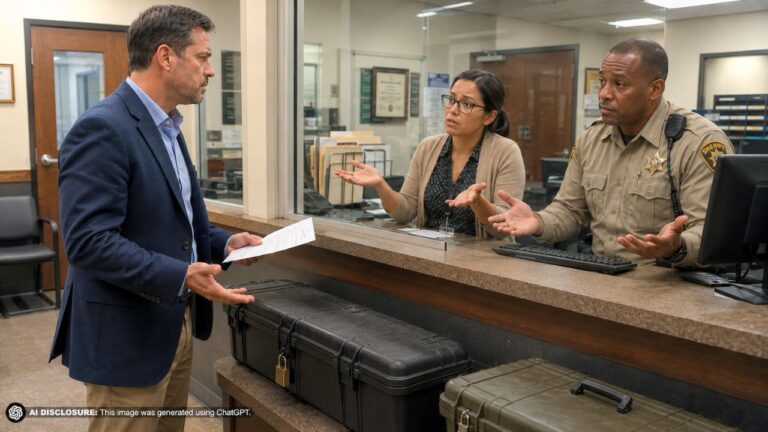
Some commenters suggested involving a game warden or conservation officer before things got ugly.
That does not necessarily mean filing a complaint. In some areas, a landowner can ask a warden for guidance about boundary issues, unsafe shooting concerns, or what to do if neighboring hunters appear to be set up in a questionable direction. A warden may be willing to walk the property line, explain the law, or advise the landowner on what counts as hunter harassment, trespassing, or unsafe discharge.
That kind of neutral input can help. The landowner may learn that the setup is legal and safe because of the terrain. Or he may learn that his concerns are valid and worth documenting. Either way, he gets something better than guessing.
A warden’s involvement can also cool down future conversations. If the landowner tells the hunters, “I talked with the conservation officer because I wanted to handle this correctly,” that sounds different than “I’m calling the law on you.” It shows he is trying to understand the rules, not simply shut down hunting next door.
Of course, if the hunters actually are shooting across the property line or entering his land, then a warden or sheriff becomes more than a source of advice. They become the next call.
But at the stage described in the post, the best move was still preventative: get clarity before anyone gets hurt or angry.
The Lease Made Accountability More Complicated
One issue with leased hunting land is that the people using it may not have long-term ties to the neighborhood.
A farmer or resident landowner may care about keeping peace with neighbors because he lives there. A lease hunter may only show up a handful of weekends a year. That does not mean lease hunters are irresponsible, but it can make communication harder. The adjacent landowner may not know their names, vehicles, schedule, or how many people have permission.
That is why several commenters likely leaned toward contacting the landowner or lease holder if the hunters were hard to identify. The person who owns the land may not realize where lanes have been cut or how close they are to the neighbor’s property. If the lease agreement has safety rules, the owner may want to know if hunters are setting up in a way that could create conflict.
On the other hand, going straight to the landowner over the hunters’ heads can feel aggressive if no one has done anything wrong yet. That is why the order matters. A friendly conversation with the hunters may solve it. If it does not, the property owner or warden becomes the next step.
The poster’s instinct to ask hunters first showed he understood that tone matters. He did not want to be the neighbor who hates hunting. He wanted to be the neighbor who made sure nobody was sending rounds toward his place.
Those are very different things.
What Commenters Said
Commenters mostly encouraged the landowner to handle it calmly but firmly.
Many said to talk to the hunters first and frame the issue around safety, not accusation. If the shooting lanes looked like they faced his property, it was reasonable to ask what direction they planned to shoot and whether they understood where the property line sat.
Others suggested clearly posting and marking the boundary. Signs, paint, and visible markers can prevent honest mistakes and make any future trespass easier to document. Cameras were also recommended in case someone crossed over or created a problem after the conversation.
A few commenters thought a game warden or conservation officer could be helpful, especially if the landowner wanted a neutral opinion on safety and property-line rules. A warden could explain what is legal, what is not, and what kind of evidence would matter if the problem escalated.
The strongest advice was to avoid starting with threats. The hunters may have set up safely, or they may not have realized how the lanes looked from the neighboring side. A respectful conversation gives everyone a chance to fix it before deer season turns a misunderstanding into a fight.
For the landowner, the concern was simple: hunting next door is one thing, but shooting lanes aimed toward your property make a person pay attention. The smart move was not to ignore it or explode over it. It was to mark the line, ask the right questions, and get a warden involved if the answers did not make the situation feel safe.