Photo credit: AvidOutdoorsman
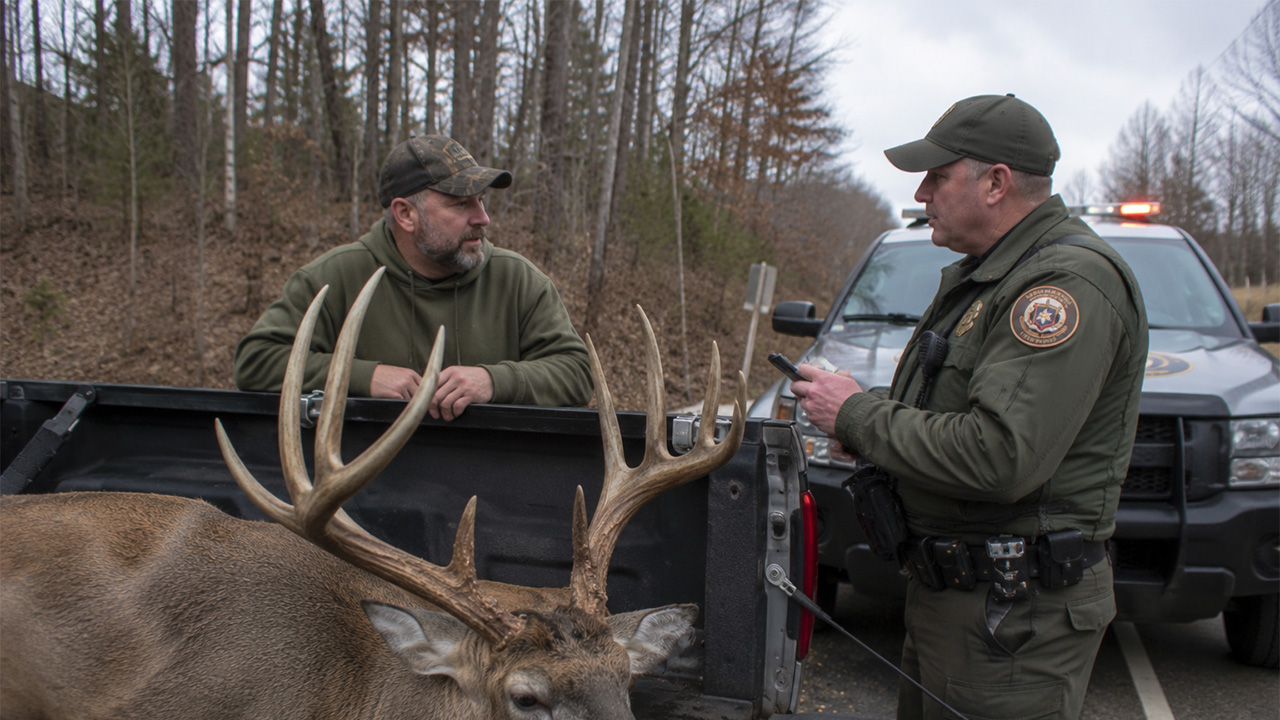
A pickup rolled through a rural two-lane with a big-bodied whitetail laid out in the bed, legs stiff and rack riding high above the rails. That sight alone is enough to make most folks slow down and look twice. It’s also enough to make a game warden turn around and have a conversation, because giant deer don’t just “show up” in the back of a truck without a story behind them.
A routine stop turned into a closer look at an unusual deer
The warden didn’t need much of a reason to make contact. In deer country, a buck in the bed during season usually means there should be a tag attached, dates and times that line up, and a hunter who can explain where the deer came from without stumbling. This wasn’t a run-of-the-mill eight-point, either. The rack was the kind that makes a guy’s stomach drop—heavy beams, tall tines, and the kind of mass you notice even from the shoulder of the road.
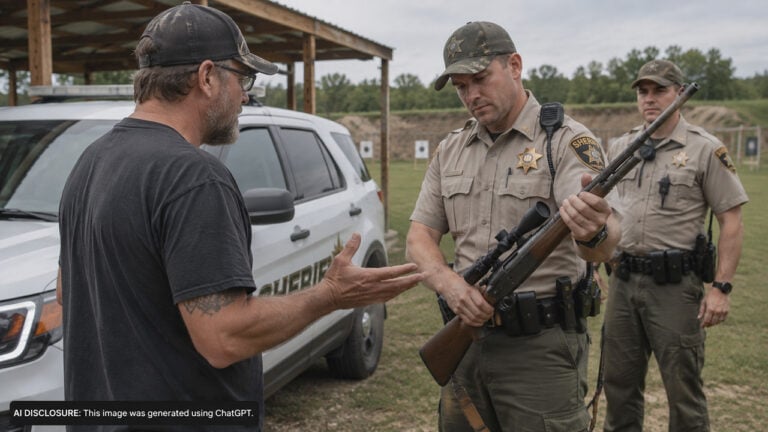
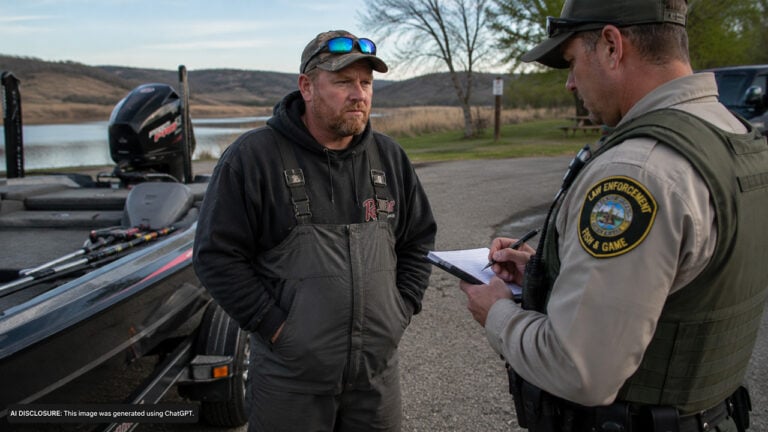
When the warden walked up, the first pass was basic: driver’s license, hunting license, and a look for a properly validated tag. Then the warden started doing what they’re trained to do—reading the details. The condition of the deer, whether it looked like it had been hit by a vehicle, the presence or absence of blood in the truck bed, and the way the animal was positioned all tell a story.
The driver’s explanation: “I picked it up dead”
The driver’s claim was simple: he said he found the buck already dead on the roadside and decided to load it up rather than leave it for coyotes and buzzards. Plenty of outdoorsmen have seen road-killed deer go to waste, and it rubs people wrong. But picking one up isn’t as simple as “finders keepers,” especially when the antlers look like they belong on the wall of a lodge.
Most states treat salvage like a regulated activity. Some require a permit number before you move the animal. Some require you to call it in and get a salvage tag. Some let you keep the meat but have strict rules on possession, transport, and reporting. And almost everywhere, a trophy-class rack changes the level of scrutiny because it’s the exact thing poachers target.
The warden kept it calm, but the questions got more specific: where exactly was it found, what time, which direction was the truck traveling, and why the driver didn’t call local law enforcement or the wildlife office before loading it. If the driver couldn’t point to the spot or his story shifted around, that’s when a “good deed” starts sounding like an excuse.
What a warden checks when a story doesn’t match the deer
Wardens don’t need to guess. They look for signs. Vehicle strikes often leave a certain kind of damage—broken legs, hair and dirt packed into wounds, bruising along the shoulders and hips, and sometimes a distinct “road rash” on one side. A deer killed by a rifle, slug, or arrow leaves different evidence entirely.
Even without getting graphic, there are obvious tells: entry holes, blood patterns, and where the animal bled out. There’s also the matter of timing. A deer that’s been down for hours in warm weather doesn’t look or smell like one that was just hit. If the buck is stiff, clean, and not marked up the way a road kill usually is, questions come fast.
Then there’s the rack itself. On a truly big deer, wardens may treat the antlers like evidence until the situation is sorted out. That can mean photos, measurements, and documenting every step of the contact. If there’s any suspicion the deer was shot and “re-labeled” as a roadside find, the warden may start working backward—checking nearby reports of a collision, asking dispatch if anyone called in a deer hit, and talking to landowners in the area.
The real issue: salvage laws, tagging rules, and “possession”
Here’s the part many hunters miss: even if you didn’t kill the deer, once it’s in your truck, it’s in your possession. Possession is what the law cares about. If you can’t legally possess it—because there’s no salvage permit, no tag, or no proper reporting—you can end up with a bigger headache than you expected.
In a lot of places, there’s also a hard line between taking an already-dead animal and “dispatching” an injured one. Folks mean well when they don’t want an animal to suffer, but putting a round into a hurt deer without authorization can be treated the same as taking game out of season or without a license. If you come across a deer that’s still alive after a collision, the safest move is to call it in and let law enforcement handle it.
And the trophy factor matters. A buck that grosses into that 200-plus class isn’t just meat in the eyes of the law—it’s a high-dollar animal with real black-market demand. That’s why a warden will be slow to accept a roadside story without documentation to back it up.
What other hunters zeroed in on: cameras, calls, and common sense
Most experienced hunters I know land in the same spot on a situation like this: if you truly stumble on a dead deer and you want to do the right thing, you document it before you touch it. That means a quick photo of the deer where it lies, a photo showing the roadway or nearby landmark, and a call to the local wildlife office or non-emergency line. It’s not about “covering yourself” like you’re guilty. It’s about doing the clean, simple steps that keep a good deed from turning into a legal mess.
People also tend to point out that trophy deer don’t exist in a vacuum. They live somewhere, and somebody has trail camera photos. Somebody has been watching that buck for two or three seasons. If a giant suddenly shows up in a pickup bed with no tag and a roadside explanation, it doesn’t take long for nearby landowners to start making calls, especially if they’ve had trespassing problems.
There’s another angle hunters brought up: if there really was a collision, there’s usually evidence beyond the deer. A reported crash. A vehicle with damage. A deputy who responded. A call to the county road department. It’s not impossible for a deer to get hit and go unreported, but the bigger the buck, the more likely someone stopped, snapped a photo, and told a buddy. In rural areas, news travels fast.
The practical way to handle a dead deer on the roadside
If you want the short, practical playbook: don’t toss a dead deer in the truck first and ask permission later. Pull over safe, turn on hazards, and get out only if you’re not putting yourself in traffic. Take a couple photos, note the nearest mile marker or crossroad, and call the appropriate number for your area. Ask what you need—salvage tag, permit number, officer response—and write it down.
If you’re allowed to salvage it, follow the instructions exactly. Keep the confirmation number with the carcass during transport, and don’t separate parts in a way that creates more questions. If you’re not allowed to salvage it, leave it alone. That’s frustrating, but it’s better than losing your licenses or dealing with a courtroom because you tried to “save” a deer.
That’s the part that gets lost when a monster buck is involved. The rack makes people do dumb things. A good warden knows that, and a smart outdoorsman plans for it. When the antlers look like they belong in a record book, you treat the paperwork and the phone call with the same seriousness you’d treat a firearm on a crowded range.
At the end of the day, a deer in the truck bed is still a deer in your possession, and a big one comes with big questions. If you truly found it dead, the easiest way to prove you’re on the level is to make the call before you ever lift a leg to the tailgate. That one simple habit saves a lot of honest folks from looking like something they’re not.