Photo credit: SMP OUTDOORS/GunBroker
Some guns seem replaceable until you actually try to replace them. Maybe they were common once. Maybe they sat in used racks for years. Maybe nobody thought much about them because they were practical instead of flashy. Then production stopped, prices moved, parts dried up, or buyers finally figured out why those guns had loyal owners in the first place.
That is when the search gets annoying. You may find the same model, but not in the same condition, chambering, finish, barrel length, or configuration. You may find something close, but not the one that felt right. These are guns that became harder to replace than owners expected.
Remington Model 700 LVSF
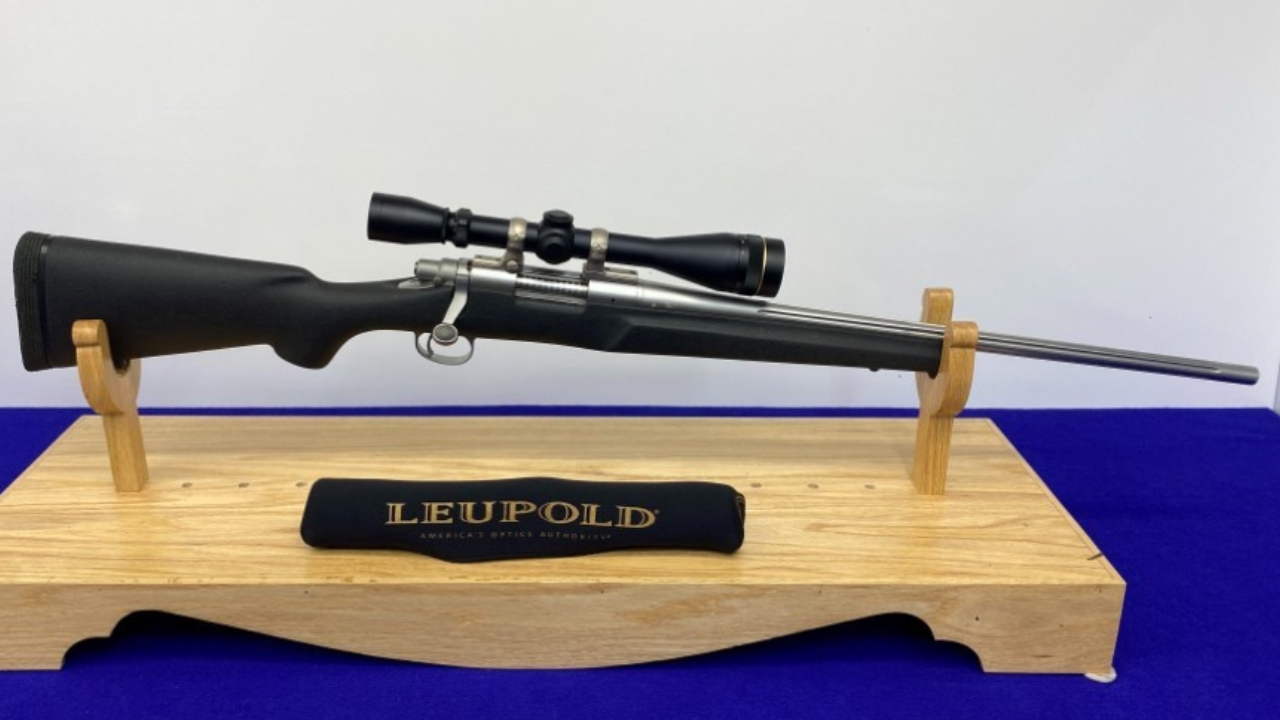
The Remington Model 700 LVSF was easy to overlook when it was just another factory rifle. The light varmint stainless fluted setup gave hunters and varmint shooters something handy, accurate, and weather-friendly without feeling like a full heavy-barrel bench gun.
Now finding a clean one is not as easy as people remember. The combination of light weight, stainless construction, fluted barrel, and useful chamberings made it more special than buyers realized at the time. Plenty of rifles can fill a similar role, but not many feel exactly like the LVSF. Owners who let one go often learn that “another 700” is not always the same thing.
Smith & Wesson Model 617

The Smith & Wesson Model 617 is one of those revolvers that seems easy to replace until you start looking for the exact version you want. A stainless .22 LR K-frame with a good trigger and real revolver weight is not something every company builds well.
It works for training, plinking, small-game use, and cheap double-action practice. That makes it more useful than people sometimes admit. The weight keeps it steady, the trigger rewards good habits, and the stainless finish handles regular use. Once prices climb and clean examples get scarce, replacing a good 617 becomes a lot less casual.
Winchester Model 70 Extreme Weather SS
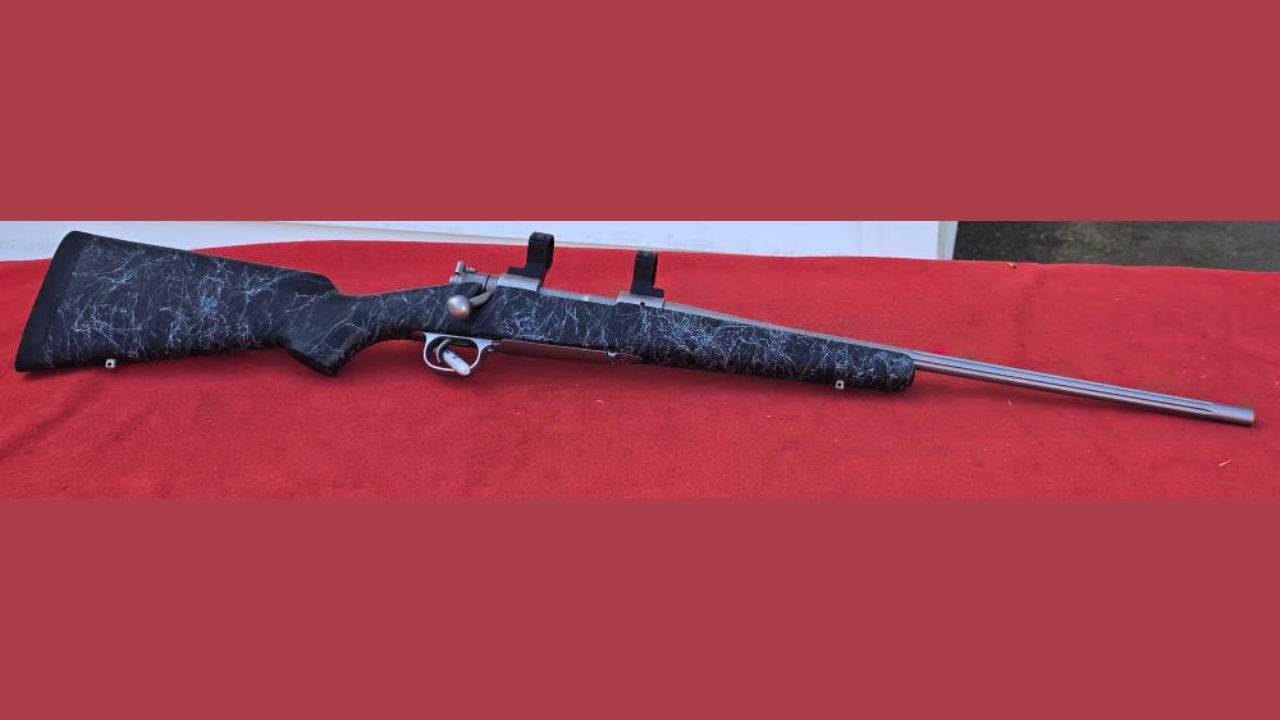
The Winchester Model 70 Extreme Weather SS became harder to replace because it hit a sweet spot for hunters who wanted classic Model 70 features in a weather-ready package. Controlled-round feed, stainless steel, synthetic stock, and practical chamberings made it a serious field rifle.
A lot of modern rifles are lighter or more adjustable, but they do not always feel as confidence-inspiring. The Extreme Weather SS still feels like a hunting rifle built around rough conditions instead of marketing trends. If you had one that shot well and carried right, replacing it with something newer may not feel like an upgrade at all.
Beretta 87 Target
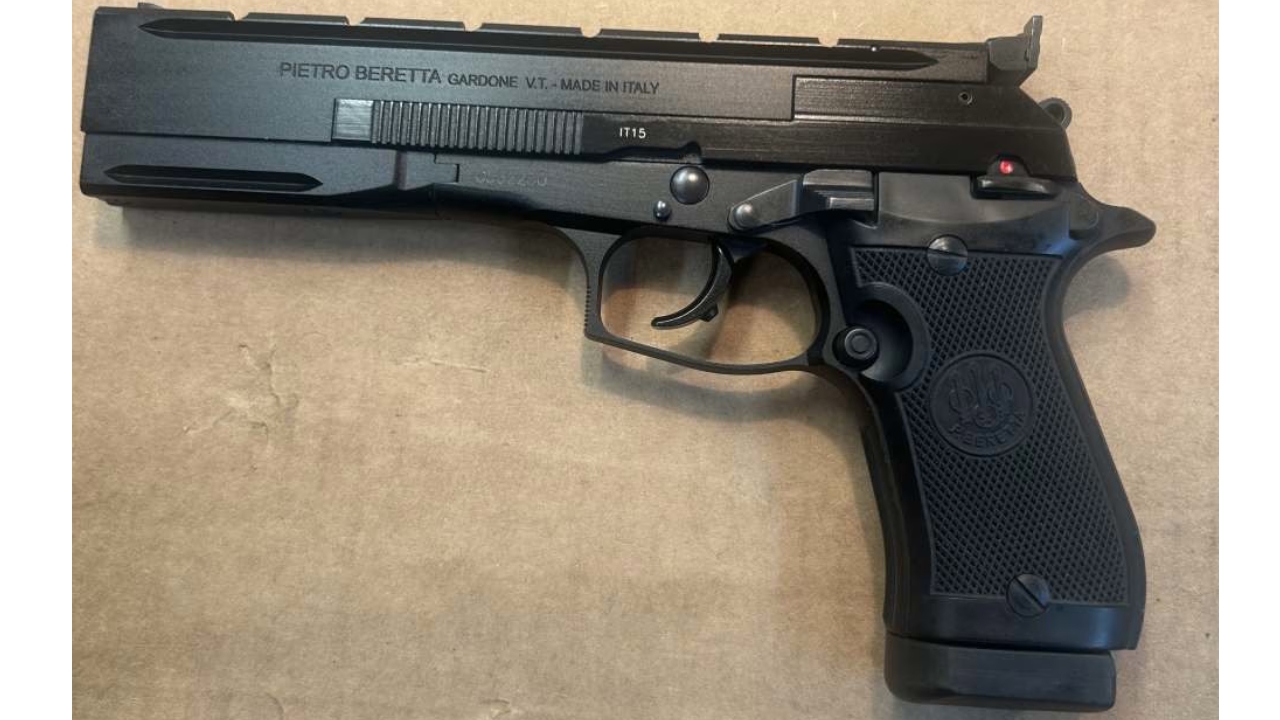
The Beretta 87 Target was never the most common rimfire pistol in the case, and that is part of why it became hard to replace. It had European styling, strong accuracy, and a different feel from the usual Ruger and Browning .22 pistols.
Owners who liked them tend to really like them. The grip, trigger, barrel setup, and balance make it a satisfying pistol for slow fire and range practice. It is not the cheapest .22 to chase now, and parts or magazines can make ownership less simple. But if you want that exact Beretta rimfire feel, there are not many substitutes.
Marlin Model 1894SS

The Marlin Model 1894SS became harder to replace once stainless pistol-caliber lever guns started getting serious attention. A .44 Magnum lever-action with stainless construction made sense for hunters, ranch use, and anyone who wanted a weather-friendly woods carbine.
For years, some buyers treated it like a useful but ordinary lever gun. That changed when older Marlins got more desirable and stainless models became harder to find. The 1894SS has the right mix of power, handiness, and durability. You can buy other lever guns, but finding a clean one with that same pre-Ruger Marlin feel is a different story.
Colt Delta Elite

The Colt Delta Elite became harder to replace because it sits at the intersection of 1911 appeal and 10mm history. When 10mm was less popular, some owners treated the Delta Elite like a neat but unnecessary pistol.
That changed once 10mm came roaring back. A real Colt 1911 in 10mm has more pull now than it did when buyers were focused on cheaper polymer options. It is not the softest-shooting 10mm, and it is not the highest-capacity choice, but it has character. If you sold one before the market cared again, finding another clean example can hurt.
Ruger 77/22

The Ruger 77/22 became harder to replace because it gave shooters a rimfire rifle that felt like a centerfire sporter. That mattered to people who wanted a .22 that handled like a real hunting rifle instead of a cheap plinker.
The rotary magazine, strong action feel, and classic Ruger build made it useful for small game, training, and serious rimfire shooting. Once production shifted and older examples started drying up, owners realized the 77/22 had a role newer rimfires do not always fill. A good one feels grown-up, and that is exactly why people miss them.
Browning Buck Mark Camper

The Browning Buck Mark Camper was never rare in the way collectors usually mean it, but good older examples have become harder to replace than people expect. A simple, reliable .22 pistol that shoots well is always worth more than the price tag suggests.
The Camper gave owners a practical rimfire handgun without unnecessary extras. It had a good trigger, comfortable grip, and enough accuracy to make range sessions feel productive. When people sell one, they often assume any .22 pistol will fill the gap. Then they realize the Buck Mark had a feel that was easy to take for granted.
Savage 220 Slug Gun
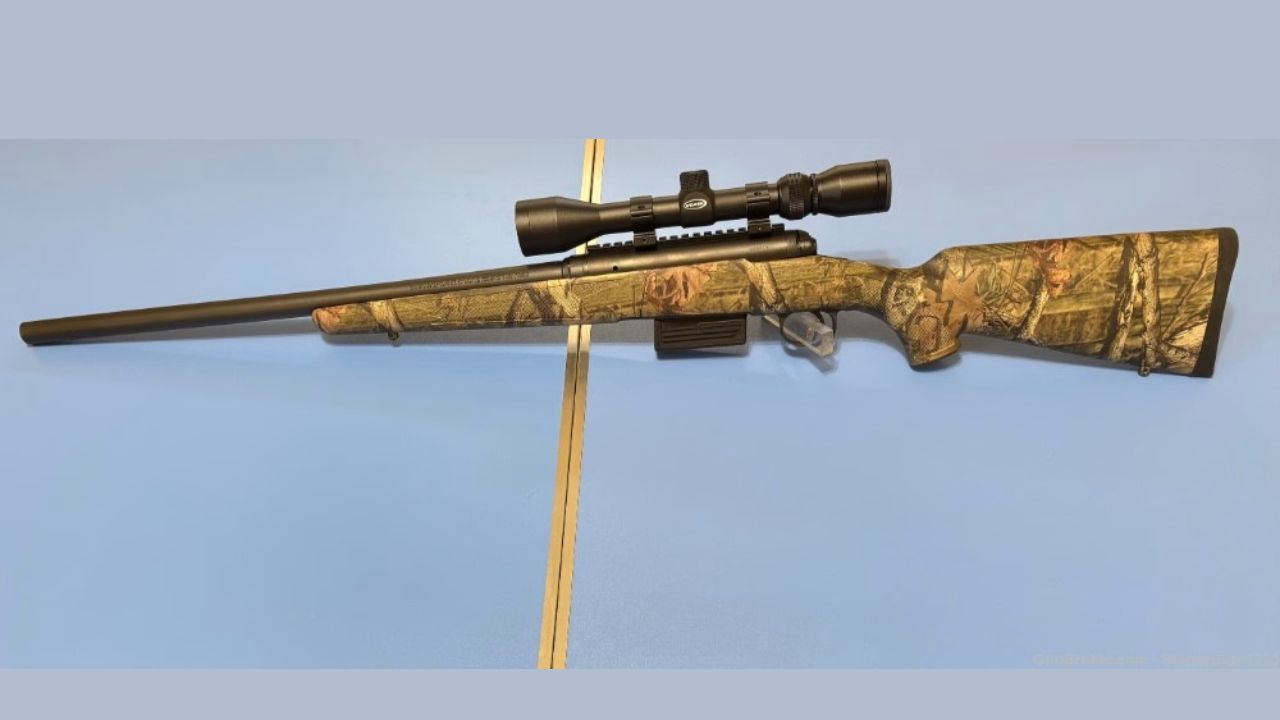
The Savage 220 became harder to replace because it filled a very specific hunting role extremely well. In shotgun-only or straight-wall-restricted areas, a bolt-action 20-gauge slug gun with good accuracy made a lot of hunters rethink their setups.
It shoots softer than many 12-gauge slug guns and can be very accurate with the right sabot load. That combination made it popular with deer hunters who wanted precision without brutal recoil. It is not glamorous, but it works. If you had one dialed in with the slug it liked, replacing that exact confidence is not as easy as buying another shotgun.
CZ 83
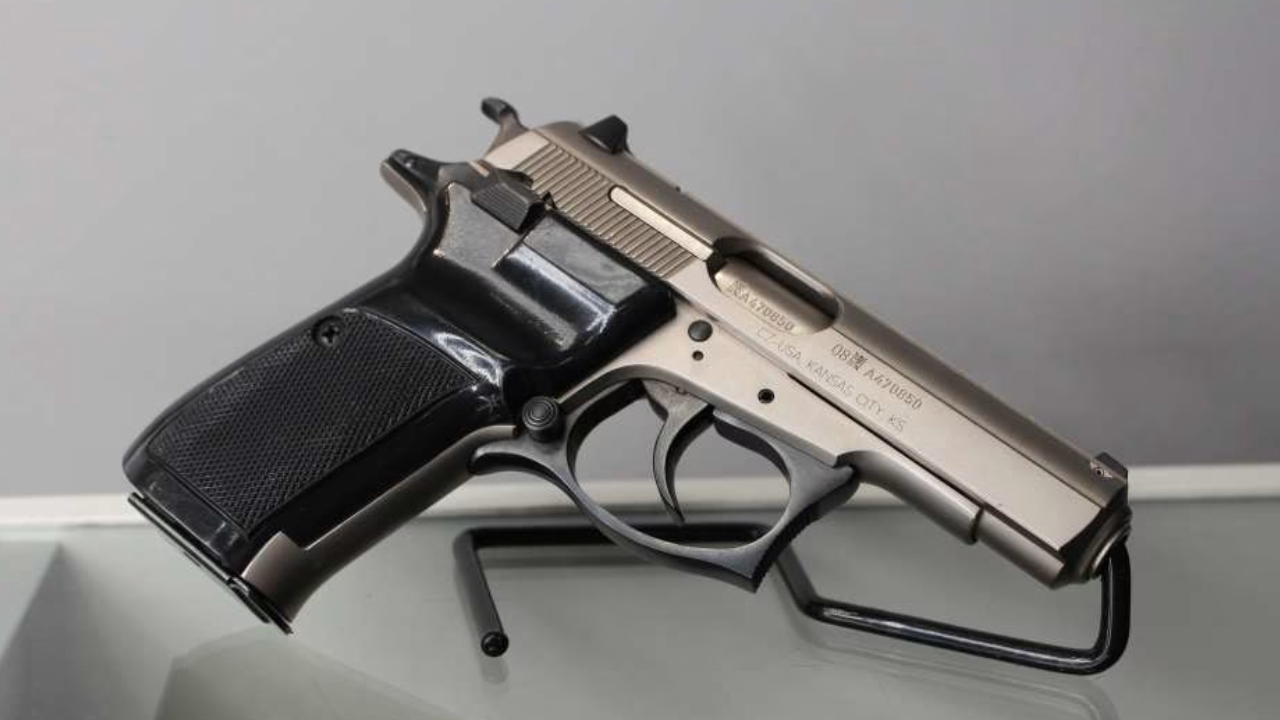
The CZ 83 became harder to replace because it belongs to a kind of pistol category that has mostly faded away. A compact, all-metal, double-stack .380 or .32 with good ergonomics and real shootability is not something modern companies are rushing to build.
It is heavier than today’s polymer pocket pistols, but that weight makes it pleasant to shoot. The grip feels natural, the trigger is better than many expect, and the pistol has more character than most small carry guns. People who dismissed it as dated often realize later that small metal autos with this feel are not common anymore.
Weatherby Mark V Ultralightweight
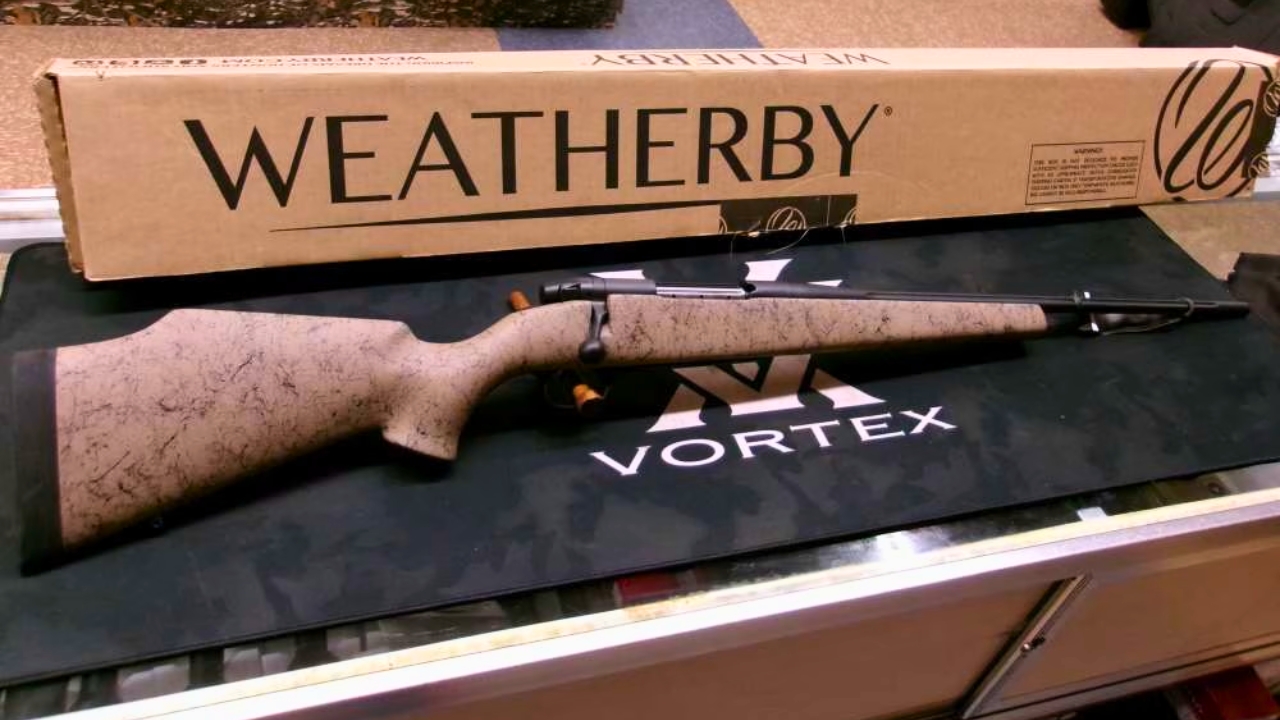
The Weatherby Mark V Ultralightweight became harder to replace because it gave hunters true Weatherby identity in a rifle that was actually pleasant to carry. Big Weatherby rifles have a reputation for power and polish, but weight can matter fast in steep country.
The Ultralightweight helped solve that problem without giving up the Mark V action. It offered serious chamberings, a lighter field package, and the kind of Weatherby feel loyal buyers wanted. You can buy modern lightweight rifles everywhere now, but not all of them carry that same mix of history, speed, and style. Good examples do not sit unnoticed for long.
Mossberg 695 Slugster
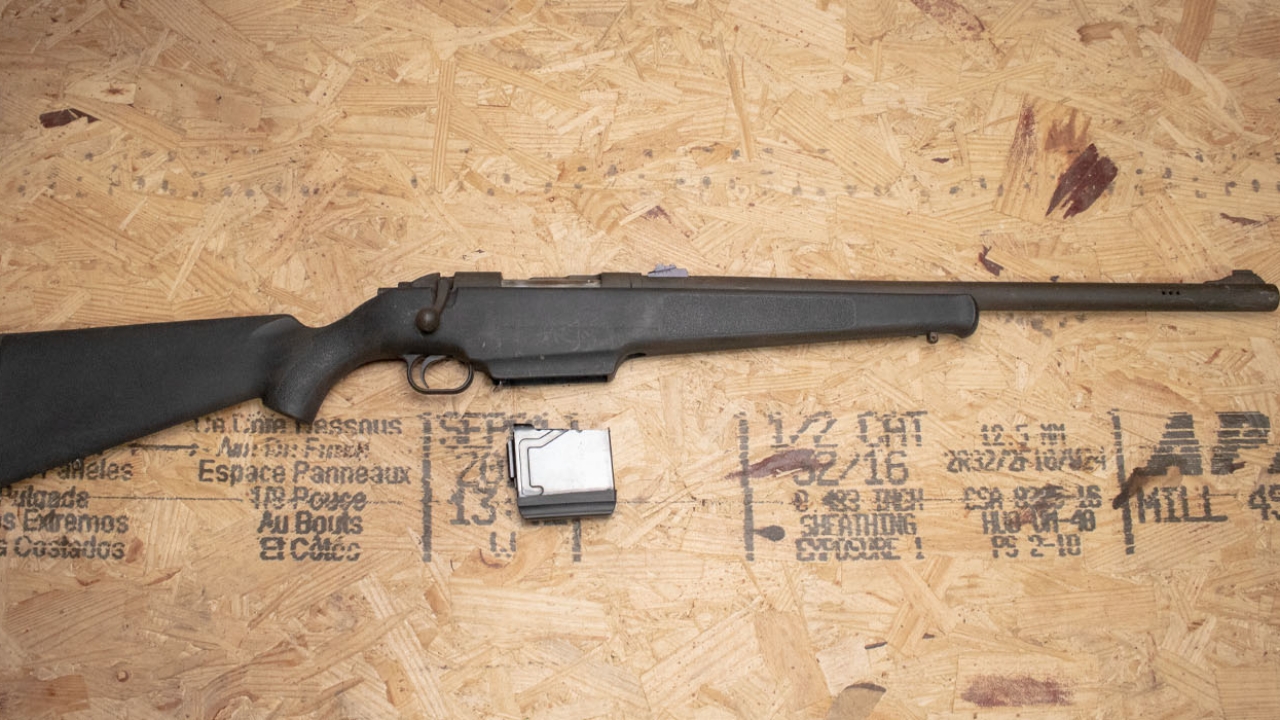
The Mossberg 695 Slugster was never pretty, and that probably kept people from appreciating it sooner. A bolt-action 12-gauge slug gun with a chunky look did not exactly scream classic.
But deer hunters in slug states understood the point. The 695 could be accurate, practical, and effective with the right load. It gave hunters rifle-like handling in places where centerfire rifles were not allowed. Because it was specialized, plenty of people sold them off when rules or tastes changed. Now the hunters who want one often find out that clean, reliable examples are not everywhere.
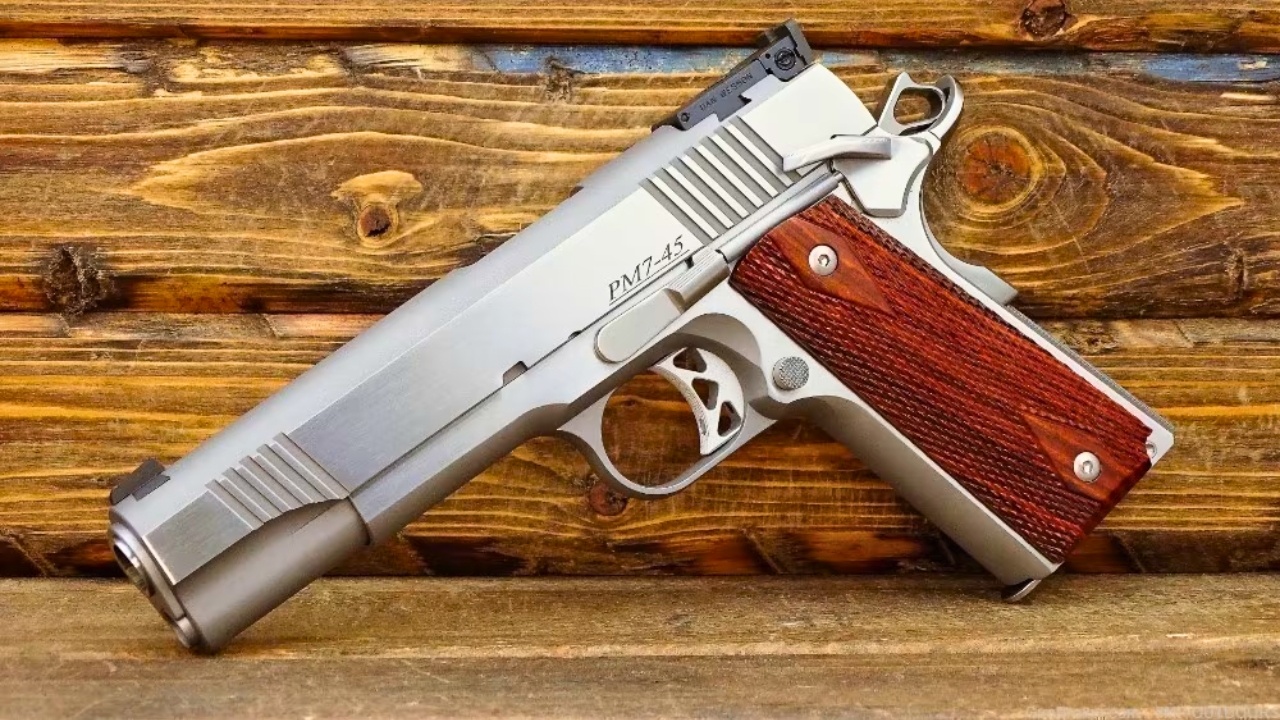
Dan Wesson Pointman Seven
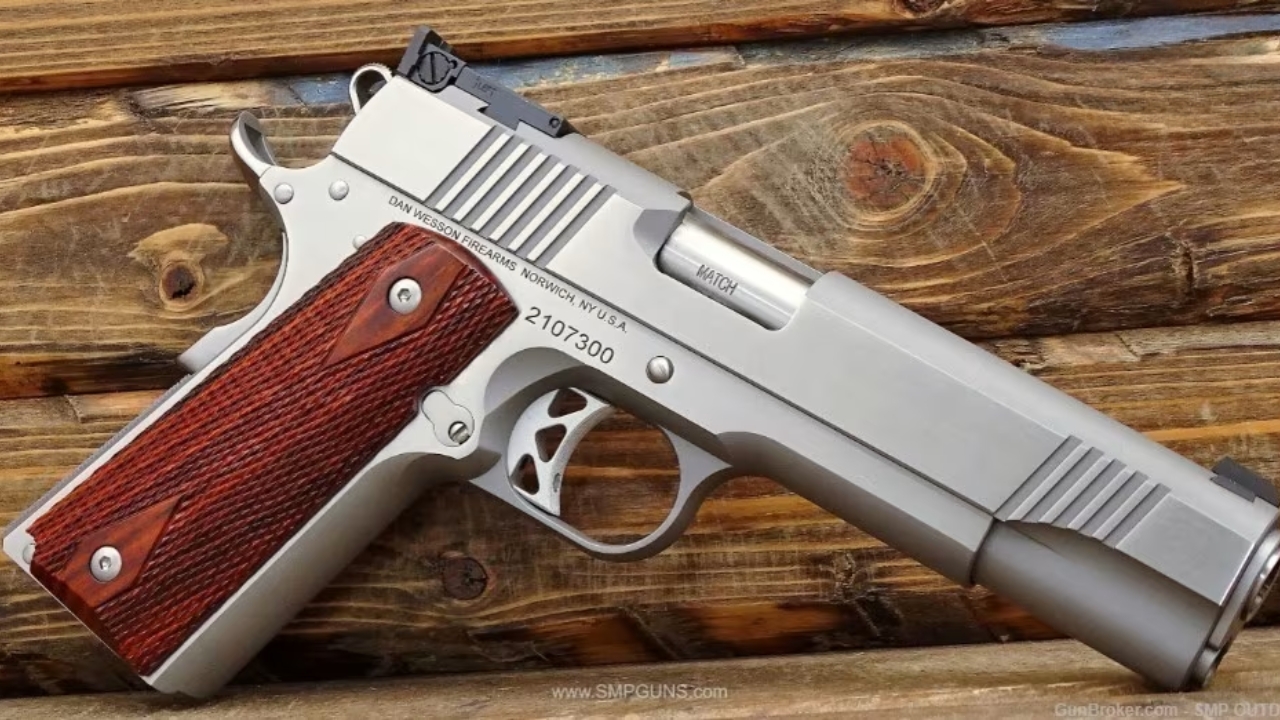
The Dan Wesson Pointman Seven became harder to replace because it offered real 1911 quality without drifting into full custom money. For shooters who wanted a clean stainless target-style .45, it hit a very useful middle ground.
The fit, trigger, accuracy, and overall feel made it better than many production 1911s of its time. Owners who sold one sometimes assume they can just buy another good 1911 later. Then they start comparing prices, quality, and current availability. A good Pointman Seven has a straightforward shooting appeal that is not as easy to duplicate as it looks.
Thompson/Center Omega
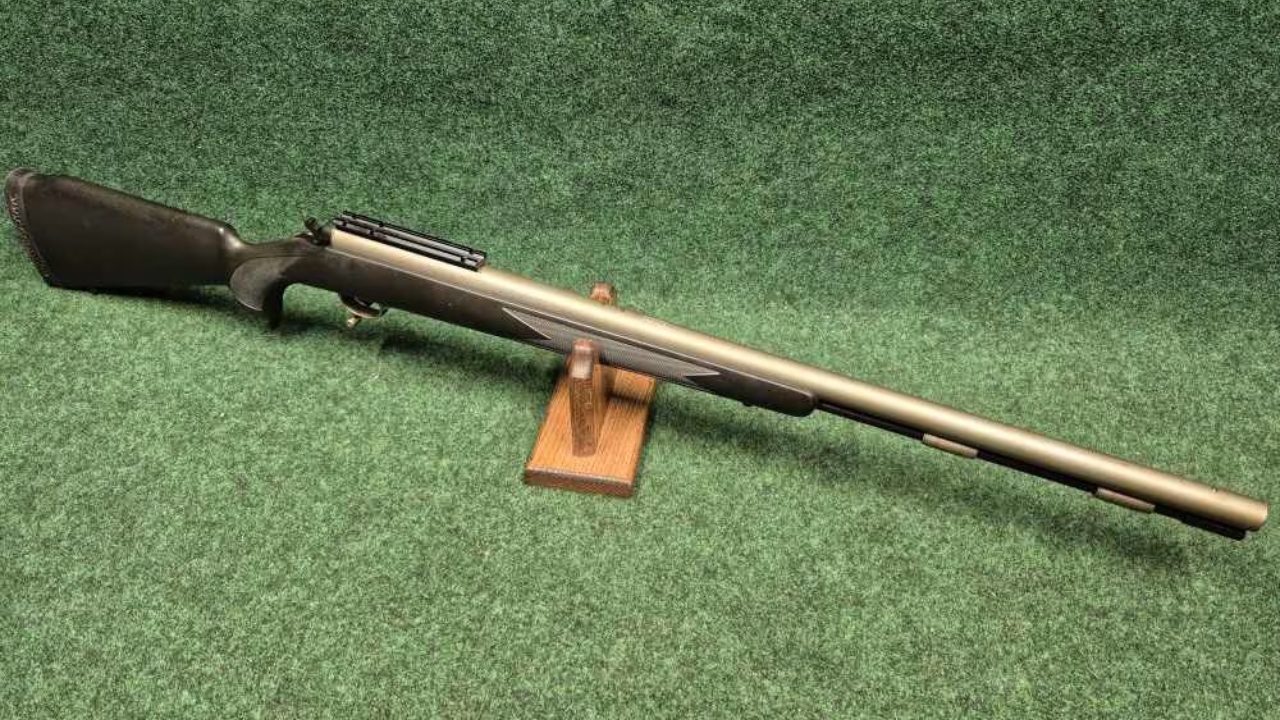
The Thompson/Center Omega became harder to replace because it was one of those inline muzzleloaders that just made sense. It was simple, accurate, and easier to maintain than many muzzleloaders that tried to get too clever.
Hunters liked it because it worked during real muzzleloader seasons without turning every cleaning session into a headache. The break-open design, strong accuracy reputation, and practical handling made it a favorite for people who cared more about filling tags than chasing new inline trends. Once production ended and T/C changed direction, good Omegas became more missed than many expected.
Browning Cynergy Classic
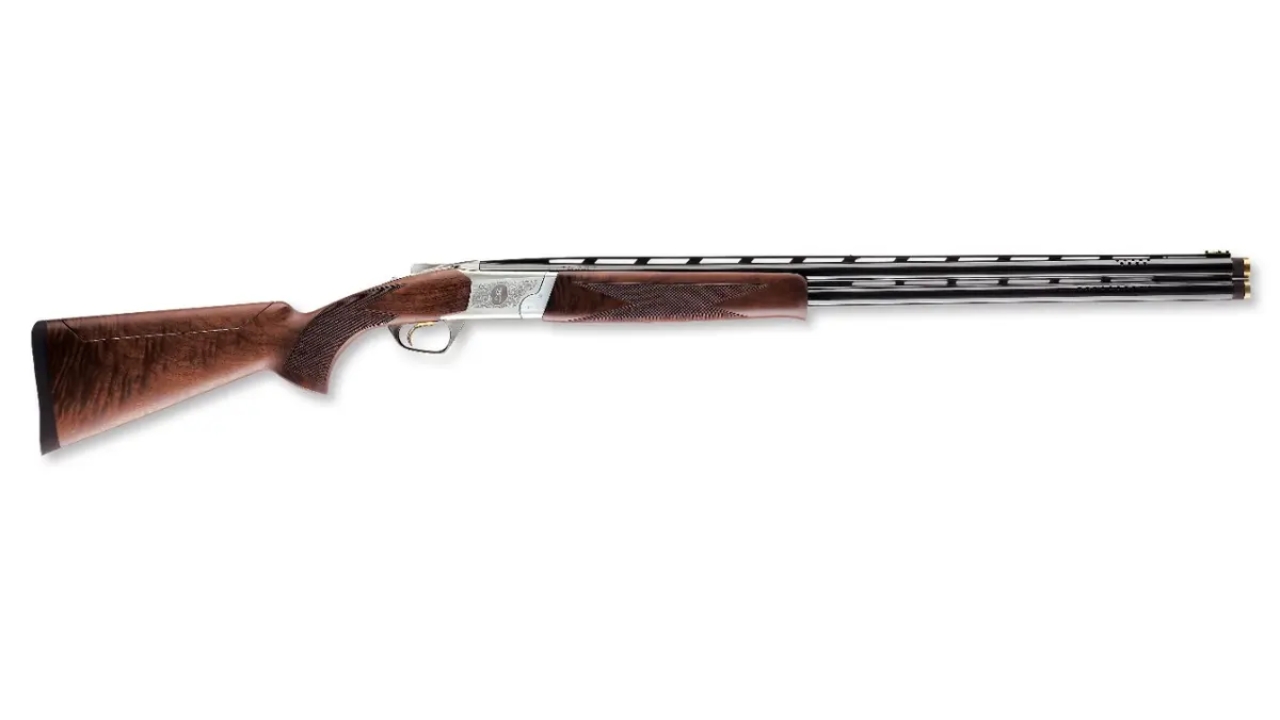
The Browning Cynergy Classic became harder to replace because it offered a modern Browning over-under with cleaner traditional styling than some of the more futuristic Cynergy versions. That mattered to shooters who liked the mechanical design but still wanted a shotgun that looked right.
The low-profile receiver, solid lockup, and Browning build quality gave it real range and field value. Some buyers passed because the Cynergy line looked different from the Citori, but the Classic aged better than expected. A good one can handle clays, upland birds, and dove fields without feeling fragile. Finding the right configuration now can take patience.
Like The Avid Outdoorsman’s content? Subscribe to our newsletter so you never miss an article.
Here’s more from us: