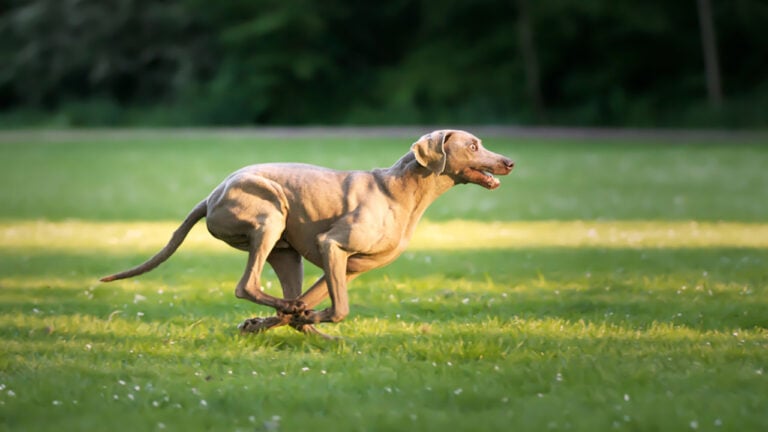
Photo credit: Pixel Shot/Shutterstock.com
A tough dog is a useful thing to have around a rural place. Not because you’re looking for trouble, but because trouble shows up anyway. Coyotes cruise the back fence, strangers pull into the drive “just to turn around,” and kids still want to run barefoot in the yard without you worrying every second. The trick is finding a dog that can take pressure, handle weather, and look and sound serious, while still being steady in the house.
None of these breeds are magic, and any individual dog can be a mess if it’s neglected or “trained” with bad habits. Temperament, socialization, and an honest look at your own lifestyle matter more than the toughest-sounding name. Still, these are 20 breeds that tend to bring grit and loyalty, and can fit family life when they’re raised right.
1. German Shepherd Dog

If you grew up around farms or small-town law enforcement, you’ve probably seen a German Shepherd do real work. They’re athletic, smart, and naturally tuned in to their people, which is why they’re common in protection roles. The upside for a family is they usually want to be involved in whatever is going on, and they learn routines fast.
The downside is the same thing: they’re involved. A bored Shepherd is a self-employed contractor with teeth. They need training that’s clear and consistent, plus real exercise that isn’t just wandering the yard. If you can give them a job—hiking partner, boundary buddy, obedient house dog—they’ll often be rock-solid with kids in their circle and suspicious of anything that doesn’t belong.
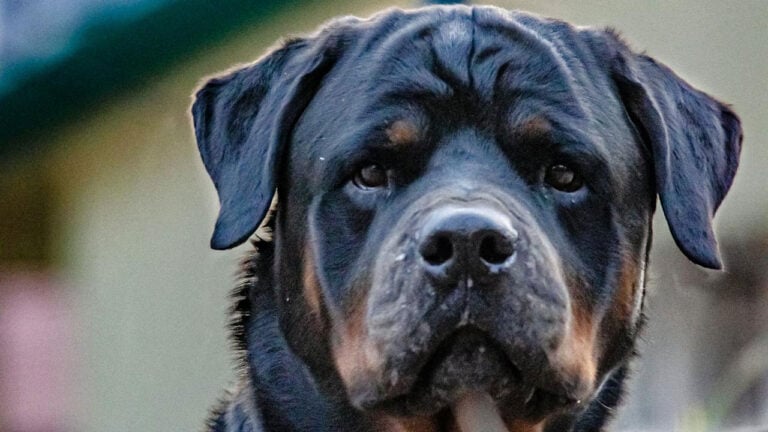
2. Rottweiler
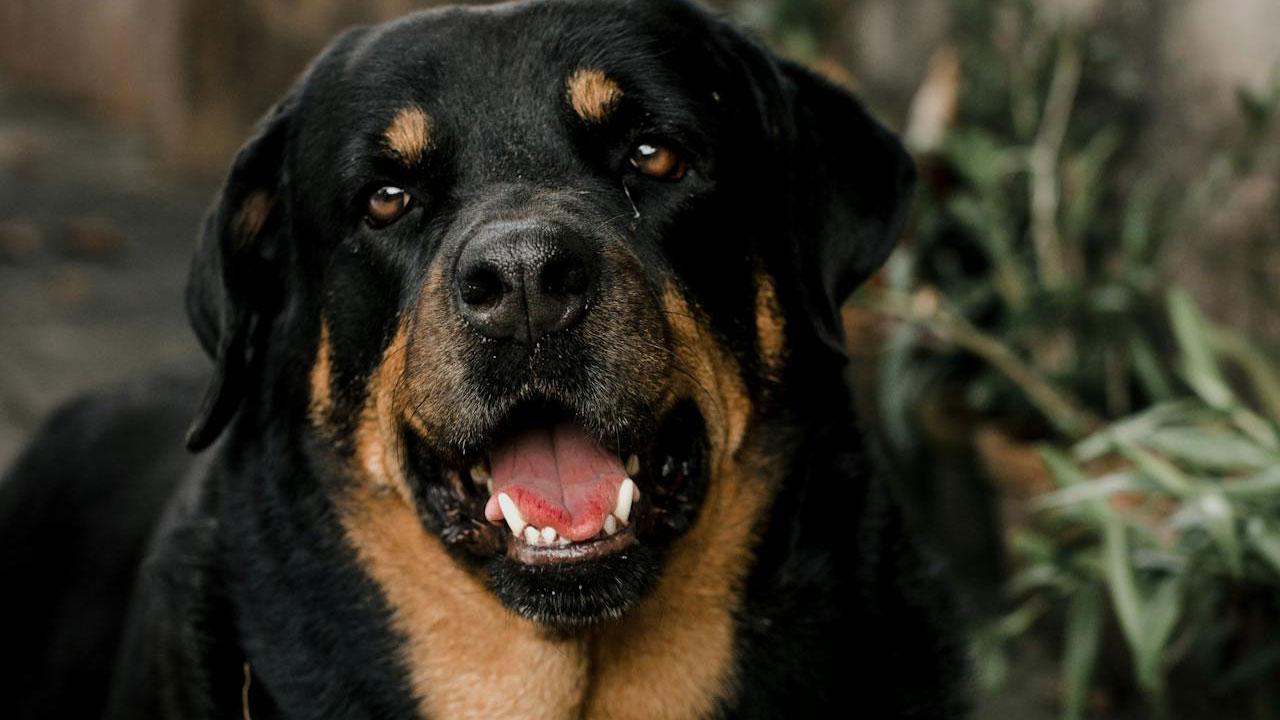
Rottweilers have a reputation that can be earned the hard way if they’re raised wrong, but a well-bred, well-handled Rott is usually calm and confident. They’re heavy-boned, strong, and not easily pushed around, which is exactly why they’re effective deterrents on property. They tend to bond tight with their household and keep a mental list of who’s “supposed to be here.”
With families, the big thing is boundaries and early social exposure. These dogs aren’t typically frantic, but they are powerful, and “oops” moments get big fast. They do best with owners who won’t let them run the show and who understand that protection instincts aren’t a party trick. Done right, they’re steady, affectionate, and seriously loyal.
3. Doberman Pinscher

Dobermans are built like they were designed for one thing: being close to you and handling business. They’re fast, alert, and usually very people-focused. For a family that wants a dog that’s more shadow than pet, a good Doberman fits that bill. They’re not the type to nap through chaos if something feels off.
They can also be sensitive and high-drive, which surprises folks who only know the “tough dog” stereotype. If you’re inconsistent or let kids climb all over them without teaching respect both ways, you’ll see stress behaviors. Give them structure, let them burn energy, and keep training positive and firm. When that’s in place, they’re often excellent with their people and serious when it counts.
4. Boxer

Boxers don’t always look like a “hard” breed until you watch one move. They’re stout, quick, and confident, and they’ve got a protective streak that shows up when strangers get too comfortable. Around the house, they tend to be goofballs, and that mix—silly with family, serious at the fence line—is why a lot of folks love them.
They’re also energetic and can be mouthy in play, especially as youngsters. If you don’t teach manners early, they’ll body-check grandma with love and ruin your Saturday. Boxers usually do great with kids who can handle an active dog and parents who will enforce basic rules. Give them exercise and attention, and they’ll give you a watchdog that still acts like a clown after dinner.
5. Bullmastiff
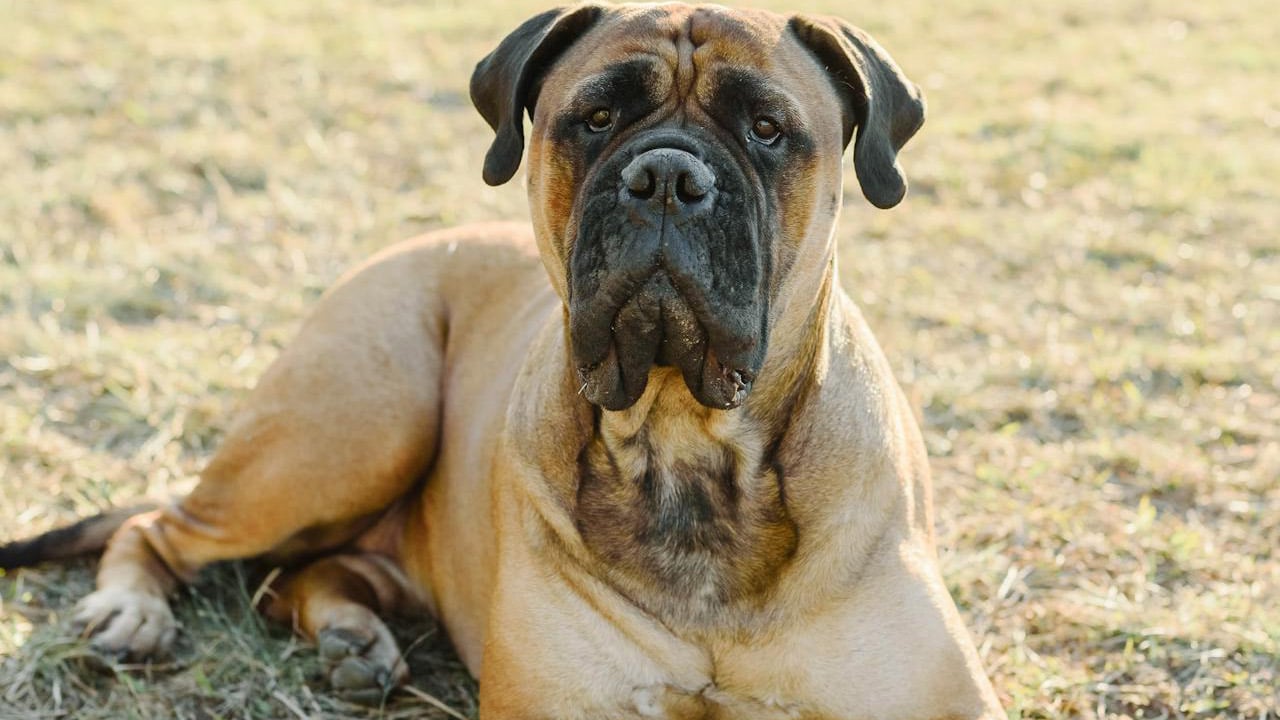
When you want “tough” without constant motion, the Bullmastiff is worth looking at. They’re big, imposing, and naturally inclined to guard, but many of them aren’t wild about running marathons. They prefer to post up, watch the world, and move with purpose. For a family, that can mean a calmer household than you’d expect from a serious guardian breed.
The tradeoff is size and strength. A Bullmastiff that hasn’t learned leash manners is a problem you feel in your shoulder. Heat can also be hard on them, so summer chores and long hikes aren’t always realistic. In the right home, though, they’re affectionate, stable, and the kind of dog that makes a door-to-door solicitor rethink their career choice.
6. Belgian Malinois
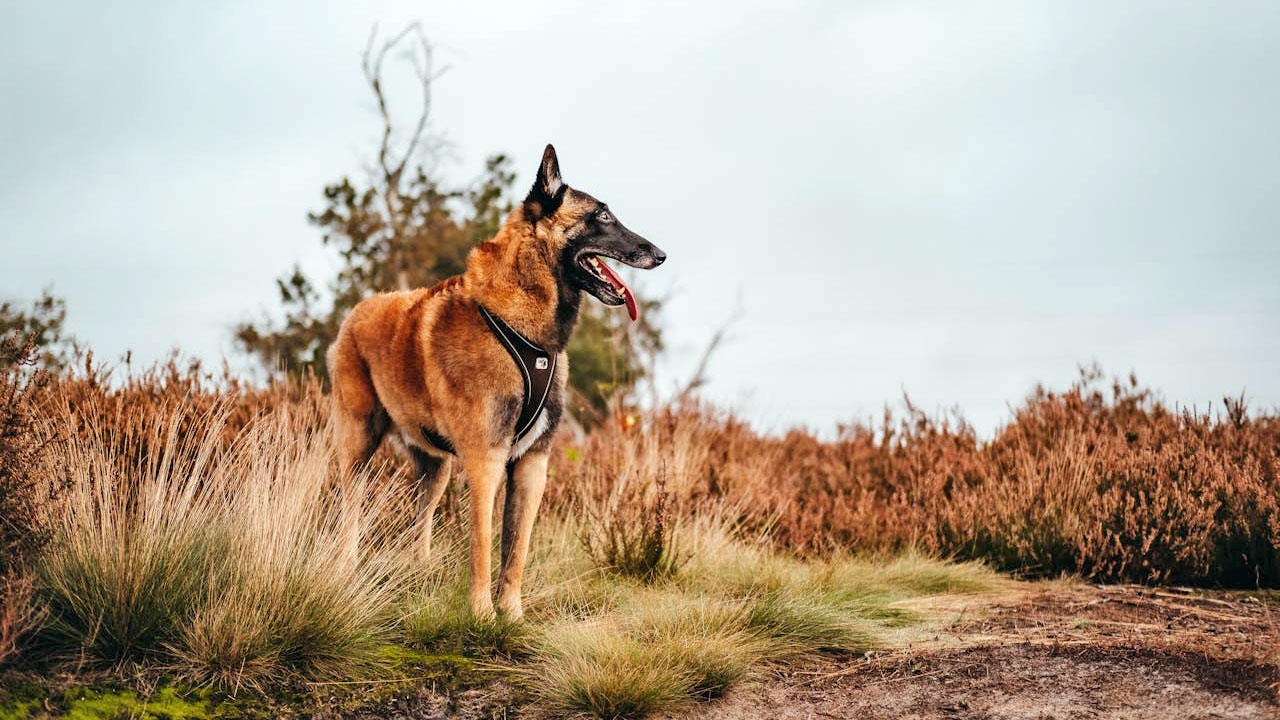
A Malinois is not a beginner’s dog, and I’m just going to say it. They’re tough in the truest sense—driven, intense, and capable. They’re also the breed that people buy because they saw one do cool stuff online, then they’re shocked when it eats drywall out of boredom. If you have the time and skill, they’re incredible.
With families, it comes down to management and workload. A Mal needs structured training, consistent rules, and real outlets like sport work, long runs, and serious obedience. They can be great with kids in their household, but rough play can ramp them up fast. If you want a high-octane working dog and you’re ready to live that life, they’re as tough as it gets while still being deeply bonded to their people.
7. American Pit Bull Terrier

The best APBTs I’ve been around were athletic, people-oriented, and happy as long as they got time with the family. They’re physically tough, pain-tolerant, and generally not fragile dogs. In a family setting, that can mean a dog that can handle a little kid energy and still want to cuddle when the day’s done.
This breed requires honest ownership. Dog-to-dog issues can be real, and you don’t “love” that out of them. You manage it with training, supervision, and smart choices about other pets and off-leash situations. When they’re raised responsibly, they can be affectionate and stable with people, but they need owners who won’t pretend genetics don’t exist. Secure fencing and solid routines aren’t optional.
8. Staffordshire Bull Terrier

Staffies are compact muscle with a surprisingly soft side for their family. They tend to love people and often do well with respectful kids because they enjoy interaction and aren’t typically timid. They’re tough little tanks, and they can be a strong “presence” without needing a huge amount of space compared to giant breeds.
Like other bully-type breeds, you want early training and clear boundaries. They can get overexcited, and they’re strong for their size, so leash manners matter. They also need mental work—short training sessions go a long way. If you want a family dog that’s durable, affectionate, and still looks like it could handle itself, the Staffy fits.
9. American Bulldog

American Bulldogs are the kind of dog you see on rural properties for a reason. They’re sturdy, athletic, and confident, and they often have a natural instinct to guard home turf. They can be clownish with family and serious with strangers, and that’s a combination plenty of landowners appreciate.
They need consistent leadership and early socialization, especially with visitors and other animals. A grown American Bulldog that decides it’s in charge can be a handful. They’re also strong pullers if not trained, and they’re not always the best fit for dog parks or chaotic public settings. In a household that trains and manages them, they can be excellent family companions with a backbone.
10. Cane Corso

A well-bred Cane Corso is a serious guardian. They’re large, powerful, and often naturally territorial. That’s the appeal and also the responsibility. On a property, a Corso can make you feel like you’ve got an extra set of eyes on the place every hour of the night.
With families, they can be steady and affectionate, but they’re not a “let’s see what happens” breed. Socialization needs to be intentional, and training needs to be ongoing, not a six-week thing you forget about. They do best with experienced owners who can read a dog and stay ahead of problems. If you can do that, they’re loyal, level-headed, and absolutely not to be taken lightly by anyone walking up your driveway uninvited.
11. Akita

Akitas are tough in a different way. They’re not usually frantic barkers or hyper dogs. They’re composed, watchful, and independent, and they can handle cold weather like it’s nothing. If you want a dog that doesn’t act impressed by much, an Akita will meet that requirement.
Family fit depends on expectations. They can be very loyal and gentle with their people, but they aren’t typically social butterflies with strangers or other dogs. You need secure fencing and a calm, consistent approach to training. They respond best when they respect you, not when you try to nag them into compliance. In the right home, an Akita is a solid family guardian with a quiet kind of toughness.
12. Giant Schnauzer

Giant Schnauzers don’t get talked about as much as some of the flashy guardian breeds, but they’re the real deal. They’re tough, energetic, and naturally protective, with a sharp mind that needs a job. They also tend to be more “handler-focused,” which can make training enjoyable if you like working with a dog instead of arguing with one.
For families, they can be great if you’re active and willing to train. They don’t do well as decorative yard ornaments. Without direction they’ll invent their own rules, and you won’t like those rules. Their coat takes maintenance, too, which is either a dealbreaker or just part of owning one. If you want a rugged, capable dog that’s a little different from the usual picks, this breed belongs on the shortlist.
13. Rhodesian Ridgeback

Ridgebacks were built to be athletic, durable, and brave, and you can feel that when you’re around them. They’re strong runners, tough in the heat, and often naturally protective without being nonstop bark machines. On the property, they tend to patrol and watch, and they’re not usually the type to melt down over every noise.
They can also be stubborn, and they mature into powerful dogs. Training needs to start early, and recall work matters if you ever plan to have them off leash. With kids, many Ridgebacks do well when the home is calm and the dog gets enough exercise. If you want “tough” but don’t want a dog that looks for conflict, Ridgebacks often strike a nice balance.
14. Great Pyrenees
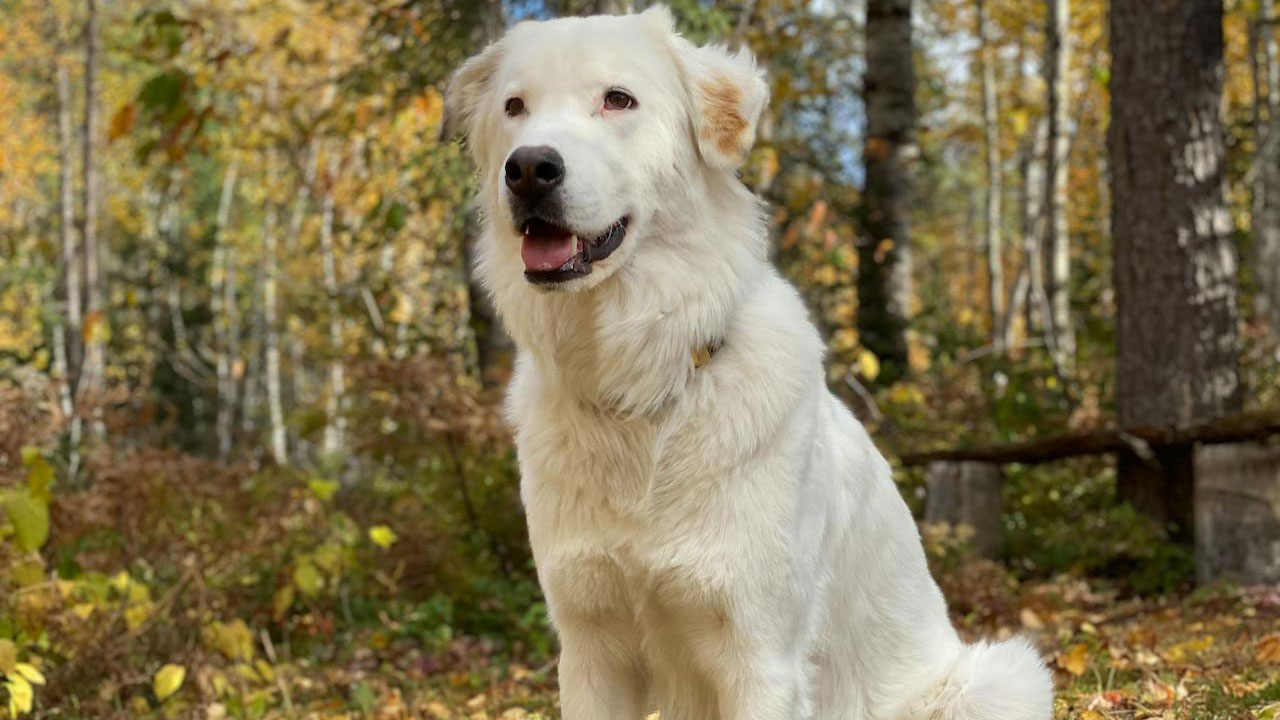
Great Pyrenees are tough in the way a good fence is tough. They’re not flashy, but they work. If you’ve got livestock, acreage, or predators testing the edges, a Pyr can be a big help. They’re built for cold nights, rough terrain, and staying outside doing their job without needing applause.
Family-wise, many of them are gentle and patient, especially with kids, but don’t confuse “gentle” with “obedient.” They’re independent thinkers, and they can bark a lot, especially at night. That one hurts if you’ve got close neighbors. They also roam if they can, so fencing and gates need to be taken seriously. In the right setup, they’re big, calm family dogs that also take security personally.
15. Anatolian Shepherd Dog
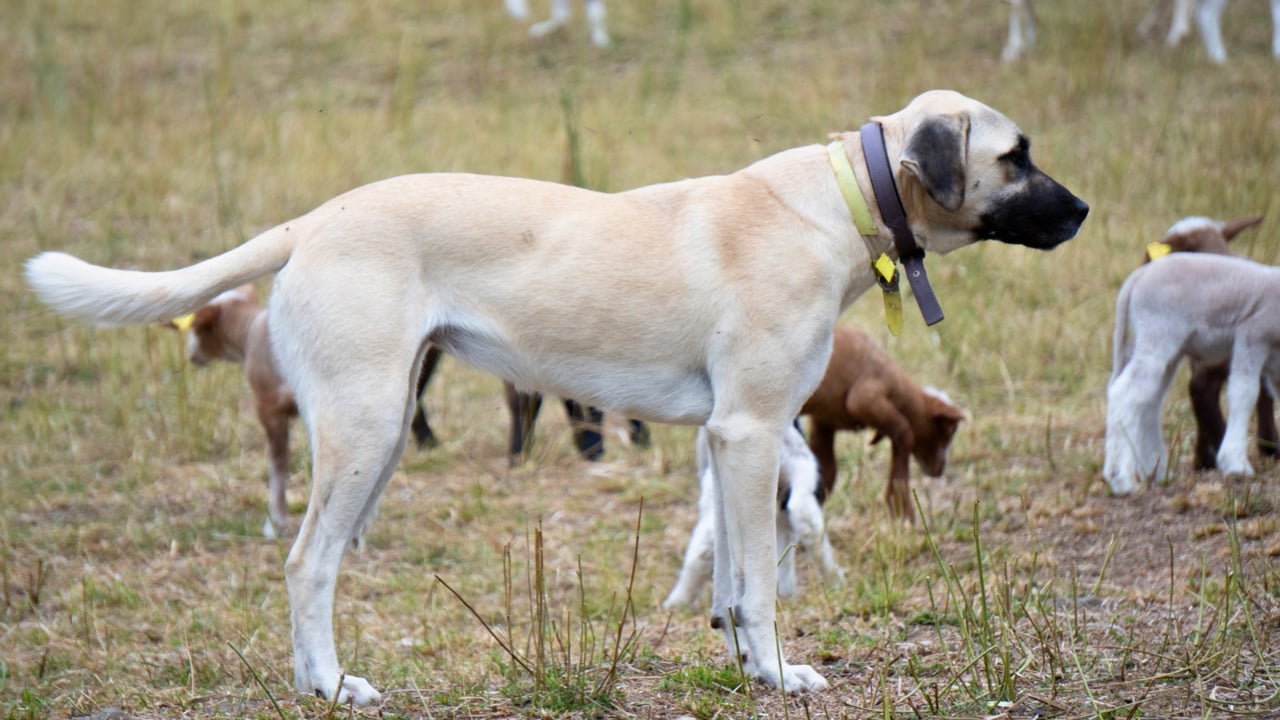
Anatolians are hard, weatherproof working dogs that take guarding seriously. They tend to be more intense and more independent than many folks expect. If you’ve got stock, they often lock in and do the job with minimal fuss. They’re not usually interested in being everyone’s buddy, and that’s part of why they’re effective.
With family, they can be calm and loyal, but they need an owner who understands livestock guardian temperament. Training is important, but so is not trying to turn them into a Golden Retriever. They’re big, strong, and capable of making their own decisions if they think they need to. If you want a tough dog for a rural home and you’ve got the space and experience, an Anatolian can be a strong fit.
16. Australian Cattle Dog
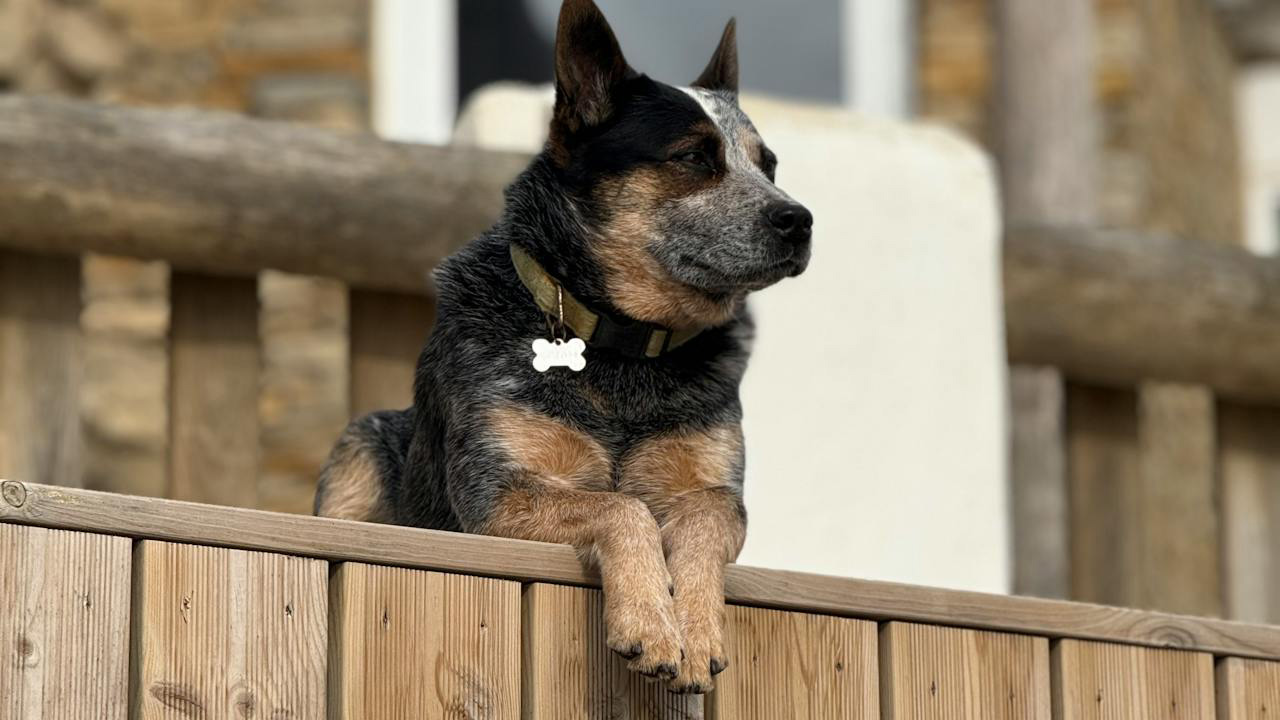
Blue Heelers and Red Heelers are tough as boot leather. They’re not huge, but they’re gritty, athletic, and smart in a way that can be inconvenient. On a ranch or even a small acreage, they’re handy because they notice everything and they’ll work all day. They’re the dog that’s still moving when everybody else wants a nap.
Family life with a Cattle Dog depends on teaching them what they can and can’t herd. If you don’t manage it, they’ll nip heels, boss kids, and “correct” visitors. That sounds harsh, but it’s just what they were bred to do. Give them training, jobs, and boundaries, and you can end up with a loyal, protective family dog that also keeps the place honest.
17. Standard Poodle
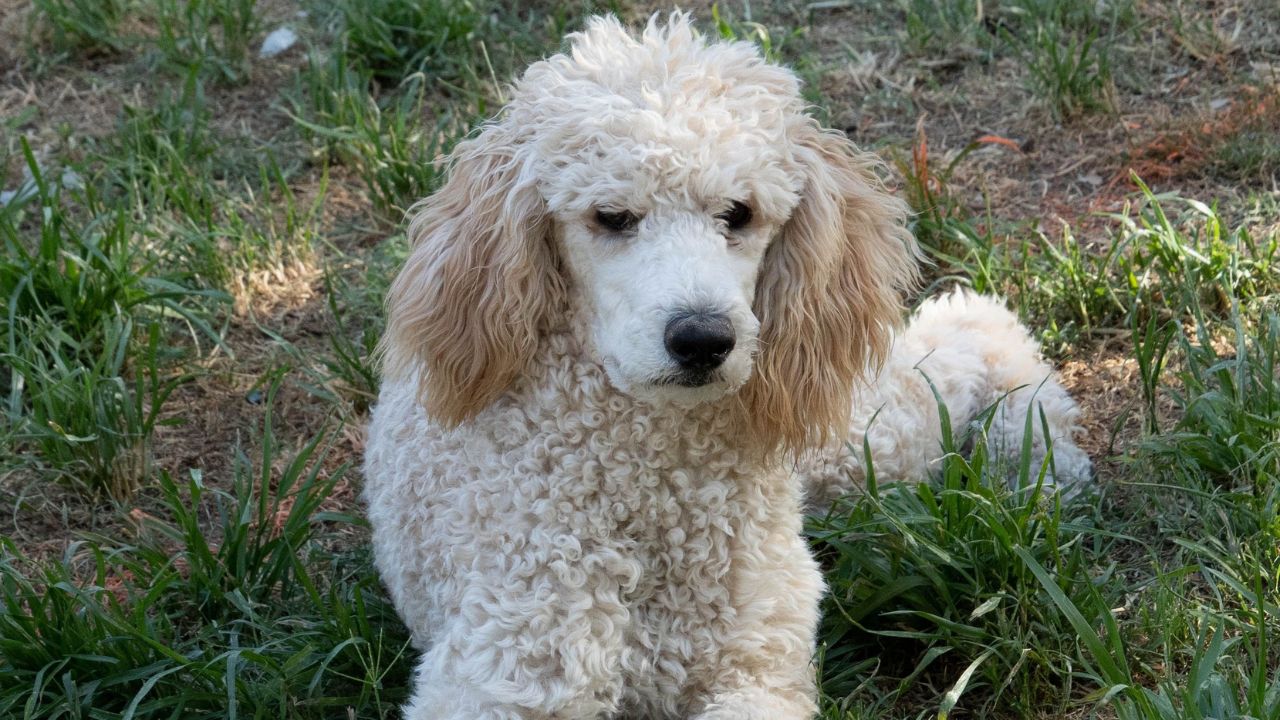
Yeah, I know. Poodles don’t get respect in tough-dog conversations until you actually spend time with a good Standard. They’re athletic, smart, and surprisingly durable. They also tend to be very tuned into their people, which makes them easier to live with than some of the harder-headed guardian breeds.
They can be protective, and they’re often good alarm dogs without being mindless barkers if you train them right. The “catch” is grooming. If you won’t maintain a coat, don’t get one. But if you will, you end up with a dog that can hike, swim, handle cold better than you’d think, and still be gentle and social with family and visitors. Tough isn’t only about looking mean.
18. Labrador Retriever
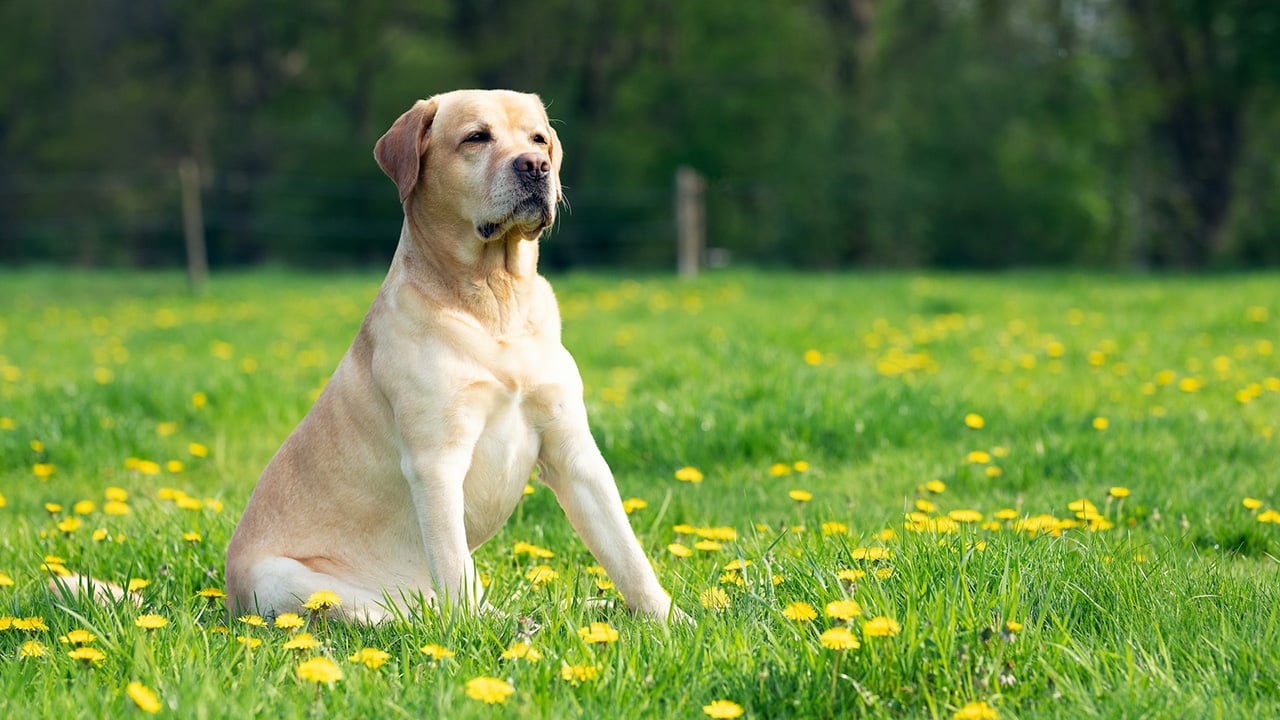
Labs are family favorites for a reason, but don’t mistake friendly for soft. A working-bred Labrador is tough, driven, and built to go all day in cold water, cattails, and ice. They handle bumps and bruises better than many breeds, and they tend to bounce back from a hard day like it didn’t happen.
For families, they’re usually excellent, but you’ve got to survive the young-dog phase. A one-year-old Lab can turn your house into a chew-toy testing facility if it’s under-exercised. They’re also food-motivated, which is great for training and terrible for waistlines if you’re careless. If you want a dog that can hunt, hike, and still be trustworthy around kids and guests, a Lab is hard to beat.
19. English Springer Spaniel
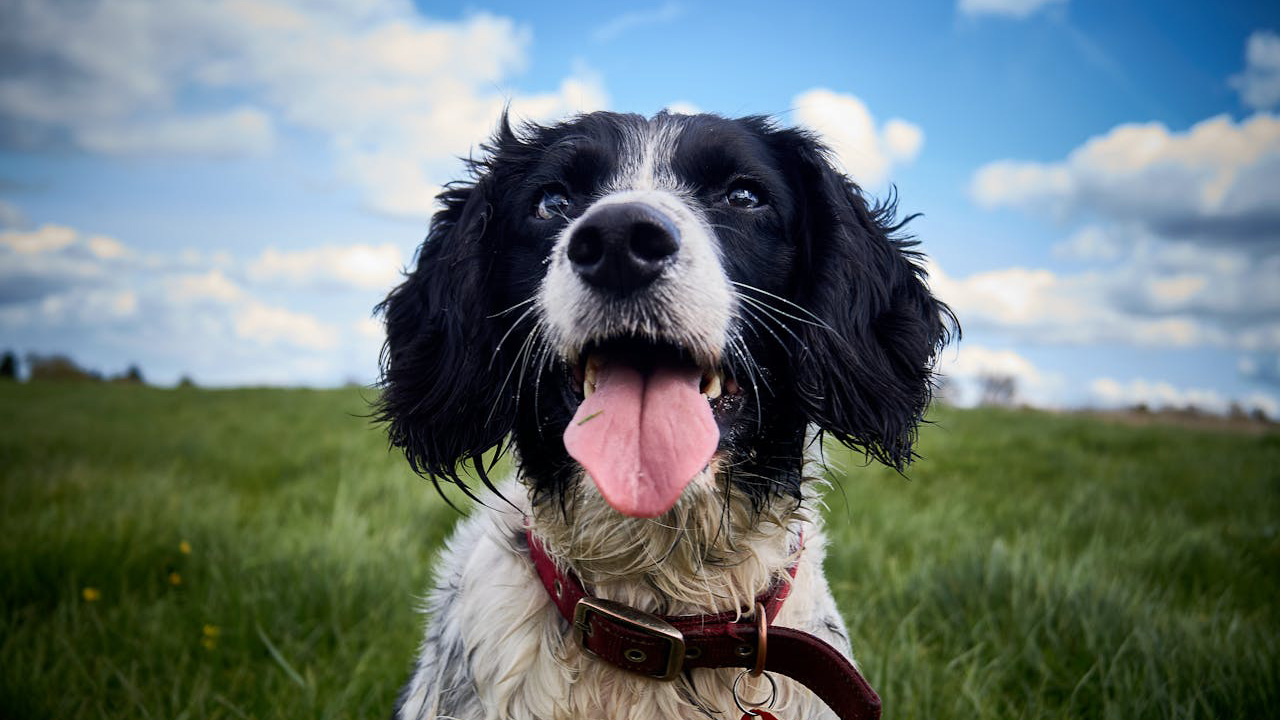
Springers don’t always get called “tough,” but anyone who’s hunted behind one in nasty cover knows better. They’re energetic, determined, and happy to crash through brush that would make you think twice. They’re also generally social and affectionate, which makes them easy to have around the house when the hunt is over.
They need activity and training, because an underworked Springer is a tornado with ears. They can be sensitive, so heavy-handed training usually backfires. But when you handle them right, they’re steady family dogs that also have plenty of grit in the field. If you want a dog that’s durable and game for anything without looking intimidating, a Springer is a solid choice.
20. Alaskan Malamute

Malamutes are strong, cold-hardy, and not easily impressed by weather. They’re built to pull, work, and keep going, and that’s a kind of toughness you can’t fake. They also tend to be affectionate with their family, especially if they’re raised with people around and treated like part of the pack.
The challenge is that they’re powerful and independent, and they can be stubborn about listening if you haven’t built a relationship. They shed like it’s their job, and they can be escape artists if the fence is questionable. They also aren’t always great with same-sex dogs. In the right home—especially active families in cooler climates—you get a dog that’s both loving and capable, with the kind of presence that makes the backyard feel a lot more secure.
No matter which way you lean, remember this: “tough” is a tool, not a lifestyle. Pick the dog that fits your home, your schedule, and your experience level, then put the work in early. The best family guardians aren’t the ones that act mean; they’re the ones that are stable, trained, and quietly confident. If you can give that dog structure and a job, it’ll give your family loyalty that’s hard to match.
Like The Avid Outdoorsman’s content? Subscribe to our newsletter so you never miss an article.
Here’s more from us: