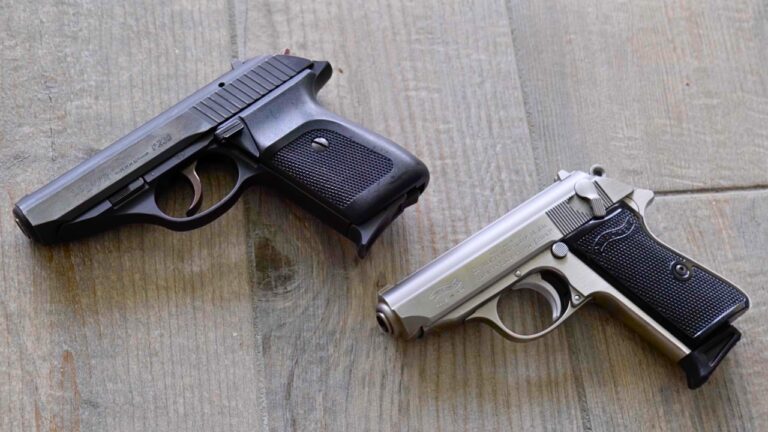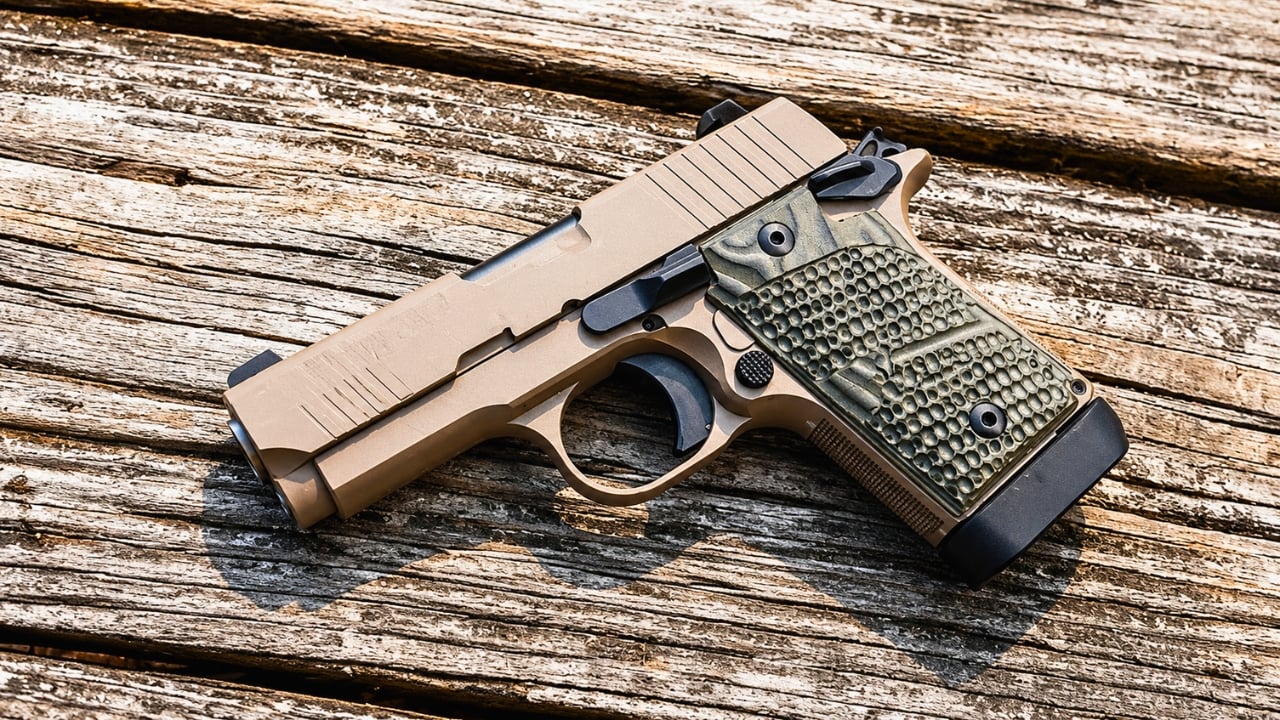
Photo credit: MarylandRefugee/YouTube
A carry gun is not just something that disappears in a holster. It is something you need to shoot, reload, draw, control, and trust under pressure. If a pistol is so small, sharp, awkward, or unpleasant that you avoid practicing with it, that is a real problem.
Some carry guns make sense for deep concealment or very narrow roles. But if you actually plan to train with live fire, dry fire, reloads, and regular range sessions, certain pistols start looking a lot worse. These are the carry guns that may carry easily but make training harder than it needs to be.
KelTec PF9

The KelTec PF9 built its reputation on being thin, light, and affordable. For concealed carry, those traits sound useful. It disappears easily, does not cost much, and gives shooters a 9mm option in a very slim package.
The problem is that training with one can get old fast. The recoil is sharp, the grip is thin, and the trigger does not make precision work easy. It is the kind of pistol people carry more than they shoot, which tells you everything. A serious carry gun should make practice realistic, not something you dread after the first magazine.
Diamondback DB9

The Diamondback DB9 is one of the smallest 9mm carry pistols around, and that is exactly why people keep considering it. It is extremely light, extremely thin, and easy to hide when almost anything else feels too big. For deep concealment, that size has obvious appeal.
But that tiny frame makes real training difficult. The gun gives your hands very little to control, recoil feels abrupt, and fast follow-up shots take more work than they should. If the goal is to shoot a few rounds once in a while, fine. If the goal is to train regularly and build skill, the DB9 makes the job harder.
SCCY CPX-2

The SCCY CPX-2 is often recommended because it is inexpensive and easy to find. It gives buyers a compact 9mm with decent capacity at a price that does not scare them off. For someone on a strict budget, that is why it keeps showing up.
Training with it is where the weaknesses become obvious. The long double-action trigger takes real effort to manage, and the pistol can feel snappy in the hand. New or casual shooters may start blaming themselves for bad groups when the gun is not helping them at all. A carry gun should build confidence through practice, not fight every trigger press.
Ruger LCP

The original Ruger LCP is one of the easiest pistols to carry and one of the least enjoyable to train with. It is light, flat, and small enough to go almost anywhere. That convenience is why so many people bought one.
The range experience is the tradeoff. The sights are tiny, the trigger is long, and the little grip gives the shooter almost nothing to hold. It is not built for high-round-count practice. It can fill a pocket-carry role, but if someone plans to train hard, they will usually want something with better sights, better control, and a little more weight.
Smith & Wesson Bodyguard 380

The Bodyguard 380 looks like a sensible pocket pistol because it is small, light, and easy to carry. It has been recommended for years to people who want a low-profile defensive gun without much bulk. It seems less intimidating than a compact 9mm.
The problem is that it does not reward practice very well. The trigger is long, the sights are small, and the grip leaves little room for control. Even though it is chambered in .380, the tiny frame still makes it less pleasant than people expect. Training with one takes patience, and many owners simply do not do enough of it.
Beretta Bobcat 21A

The Beretta Bobcat 21A has charm. The tip-up barrel is helpful for people who struggle with slides, and the little metal frame gives it an old-school feel that many pocket pistols lack. It is easy to like as a clever little gun.
As a serious training gun, it is limited. The sights are tiny, the grip is cramped, and the .22 LR or .25 ACP chamberings come with defensive limitations. It can be useful for very specific shooters, but it is not a pistol that encourages strong defensive practice. It is more of a niche pocket gun than a serious training-focused carry choice.
NAA Mini Revolver

The North American Arms Mini Revolver is about as easy to carry as a firearm can get. It is tiny, lightweight, and can fit where almost nothing else will. For people who want the smallest possible emergency gun, that is the selling point.
Training with one is another matter. The grip is tiny, the sights are minimal, and reloading is slow. Even drawing and firing it cleanly requires a very specific level of practice. It may be better than nothing in a narrow role, but it is not a carry gun that supports regular defensive training in any normal sense.
Bond Arms Backup
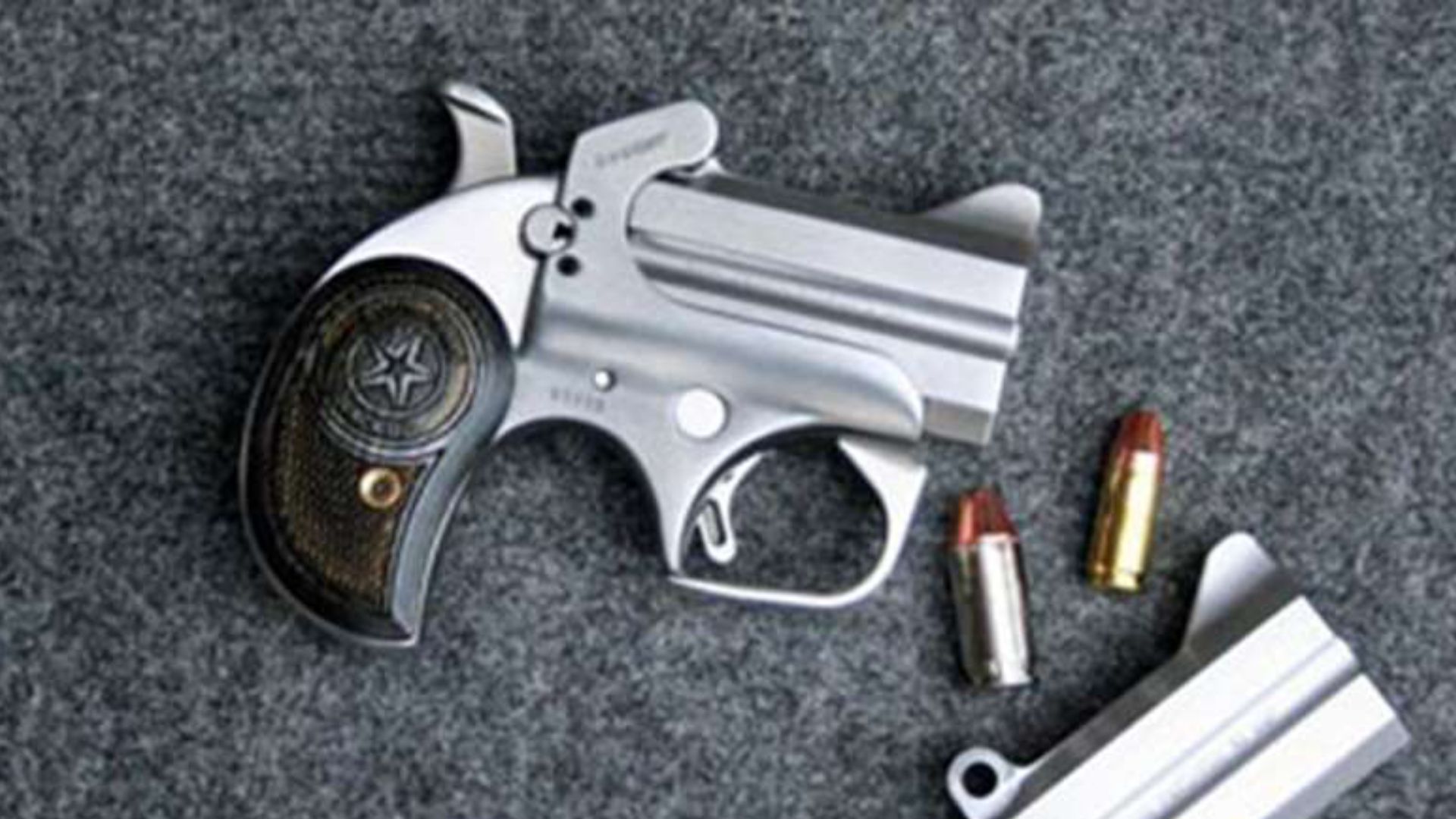
The Bond Arms Backup looks strong and simple. It is built like a little steel brick, and the derringer format appeals to people who want something compact and uncomplicated. It feels tough in the hand, which helps sell the idea.
The problem is that two shots and a heavy trigger are hard to justify for someone who actually trains. Follow-up shots are limited, reloads are slow, and recoil can be unpleasant depending on chambering. It may be well made, but it is not a good platform for building modern defensive handgun skills. Tough does not automatically mean trainable.
Kimber Micro 9

The Kimber Micro 9 gets attention because it looks refined and carries easily. The little 1911-style profile, metal frame, and attractive finishes make it feel more upscale than many polymer carry pistols. It is easy to understand why people like it at the counter.
But training with it exposes the compromises. The grip is small, recoil is snappy, and the controls are tiny compared with larger pistols. The manual safety also means the shooter needs consistent reps to run it well. It can work for someone committed to the platform, but most people will train better with a larger, simpler carry gun.
SIG Sauer P938
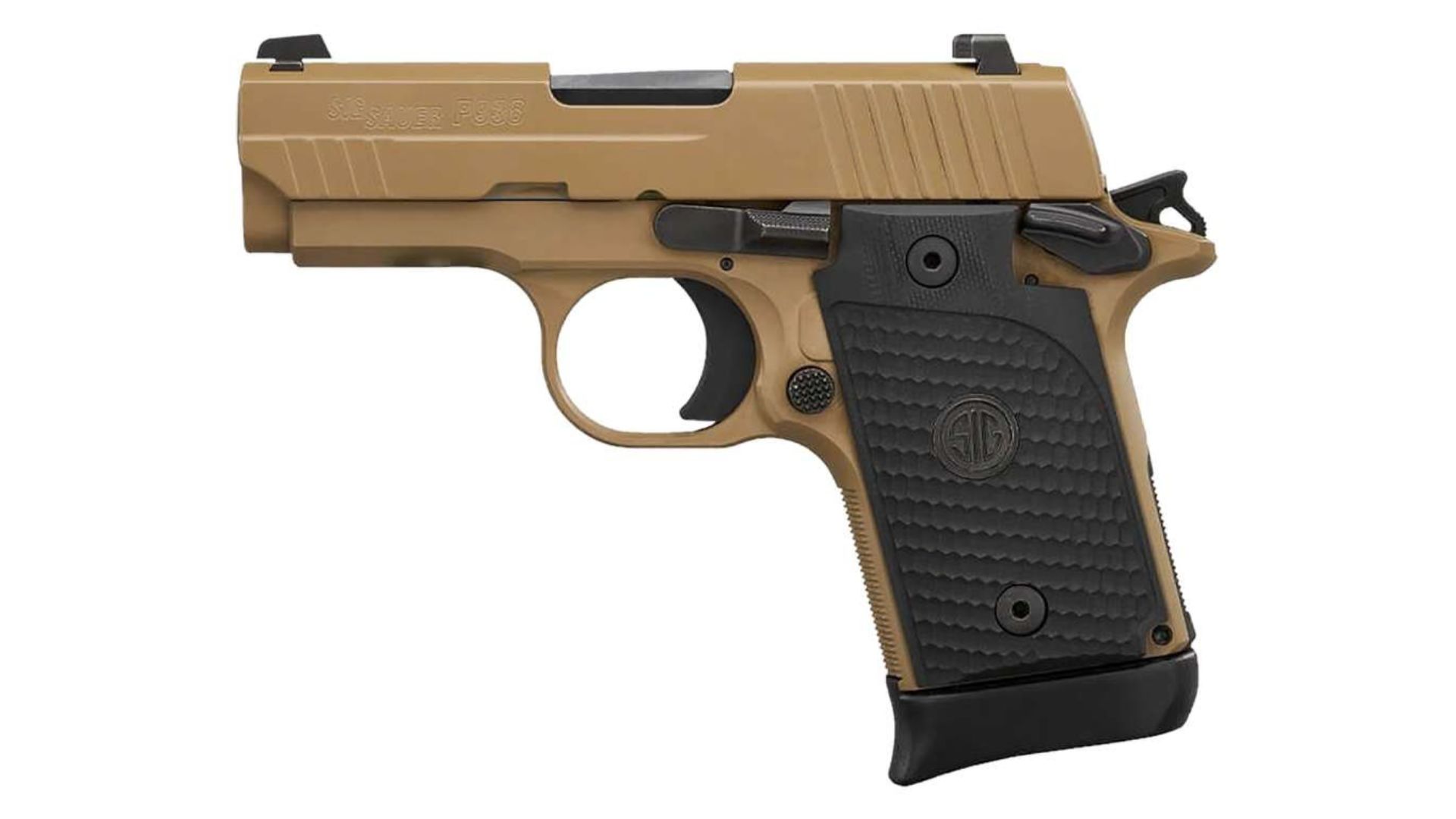
The SIG P938 has a lot of the same appeal as the Kimber Micro 9. It is small, metal-framed, single-action, and easy to carry. It feels like a premium pocket pistol instead of a cheap backup gun.
The issue is that its size makes everything more demanding. The safety, short grip, sharp recoil, and small controls all require focused practice. That is fine for an experienced shooter who specifically wants this style of pistol. For most people trying to train regularly, it adds more complexity than necessary in a gun that is already harder to shoot because of its size.
Colt Mustang

The Colt Mustang has loyal fans because it is light, compact, and has classic pocket-pistol appeal. It feels better made than many tiny carry guns, and the single-action trigger can be easier to shoot carefully than a long double-action pull.
The downside is that it is still a small .380 with tiny controls and limited capacity. Serious training means drawing, working the safety, shooting quickly, and reloading under pressure. The Mustang can do some of that, but it does not make it easy. It is charming, but charm is not the same as being a strong training pistol.
Kahr PM9

The Kahr PM9 is slim, smooth, and easy to conceal. Its long trigger pull has always appealed to people who want a carry pistol with a revolver-like feel. For deep concealment, the size and shape are genuinely useful.
That same long trigger becomes a training challenge. It takes real discipline to press cleanly at speed, and the small grip does not give much help under recoil. The PM9 can be accurate, but it demands more from the shooter than many newer micro-compacts. If someone plans to train often, they may quickly wish for more grip and a cleaner trigger.
Rohrbaugh R9
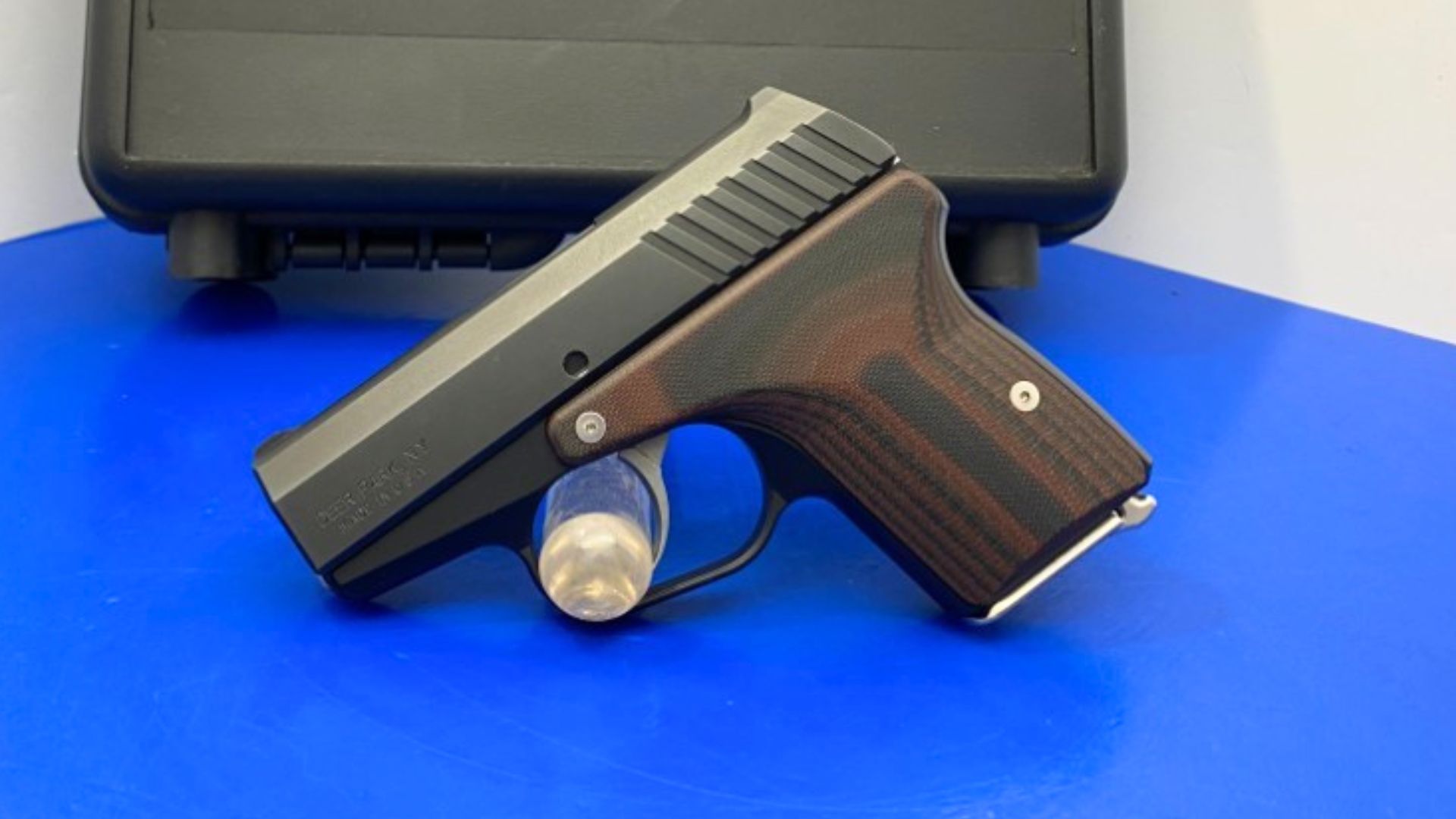
The Rohrbaugh R9 is impressive because of how small it is for a 9mm. It was built for deep concealment and premium pocket carry, not casual range work. That made it fascinating when tiny 9mms were much less common.
But it is a poor fit for someone who wants to train hard. Recoil is sharp, maintenance expectations are higher than normal, and the gun was never meant to be a high-volume practice pistol. It is a specialized defensive tool, not a range-friendly carry gun. For actual training, that specialization becomes a major drawback.
AMT Backup

The AMT Backup has an old-school pocket-gun toughness to it. The stainless construction and compact shape make it feel like a simple defensive pistol from another era. Some people still like that heavy little brick feel.
The training experience is rough. The trigger can be heavy, the sights are tiny, and the handling feels crude compared with newer carry guns. It may have made sense when options were limited, but today there are far better pistols for regular practice. A carry gun should not feel like a chore every time it comes out of the range bag.
Remington RM380
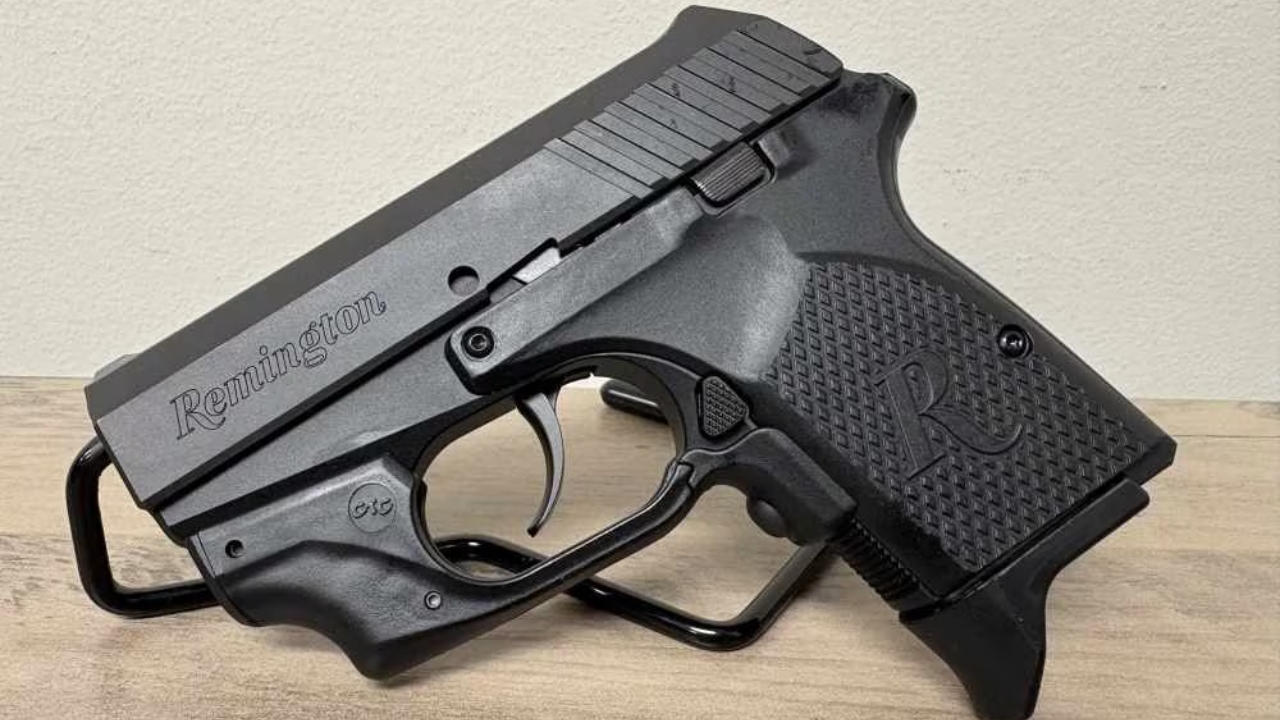
The Remington RM380 is smooth-sided, compact, and easy to carry in a pocket. It feels a little more substantial than some tiny .380 pistols, which can make it seem more shootable at first. For low-profile carry, it has some appeal.
But the long trigger and minimal sights make training less rewarding than it should be. It is not a pistol that encourages fast, confident shooting for most people. You can practice with it, but you have to work around the gun instead of letting the gun help you improve. That is not ideal for a defensive carry pistol.
Taurus Spectrum

The Taurus Spectrum was designed to look approachable. The rounded edges, soft-looking panels, and small size made it seem like a friendly pocket pistol for people who did not want something harsh or intimidating. It looked less serious in a way that may have helped new buyers feel comfortable.
Unfortunately, that friendly appearance does not make it a good training gun. The trigger is long, the sights are minimal, and the grip gives little control. It is easy to carry, but not especially easy to shoot well. If someone wants to build real defensive skill, the Spectrum is not a great foundation.
Walther PPK
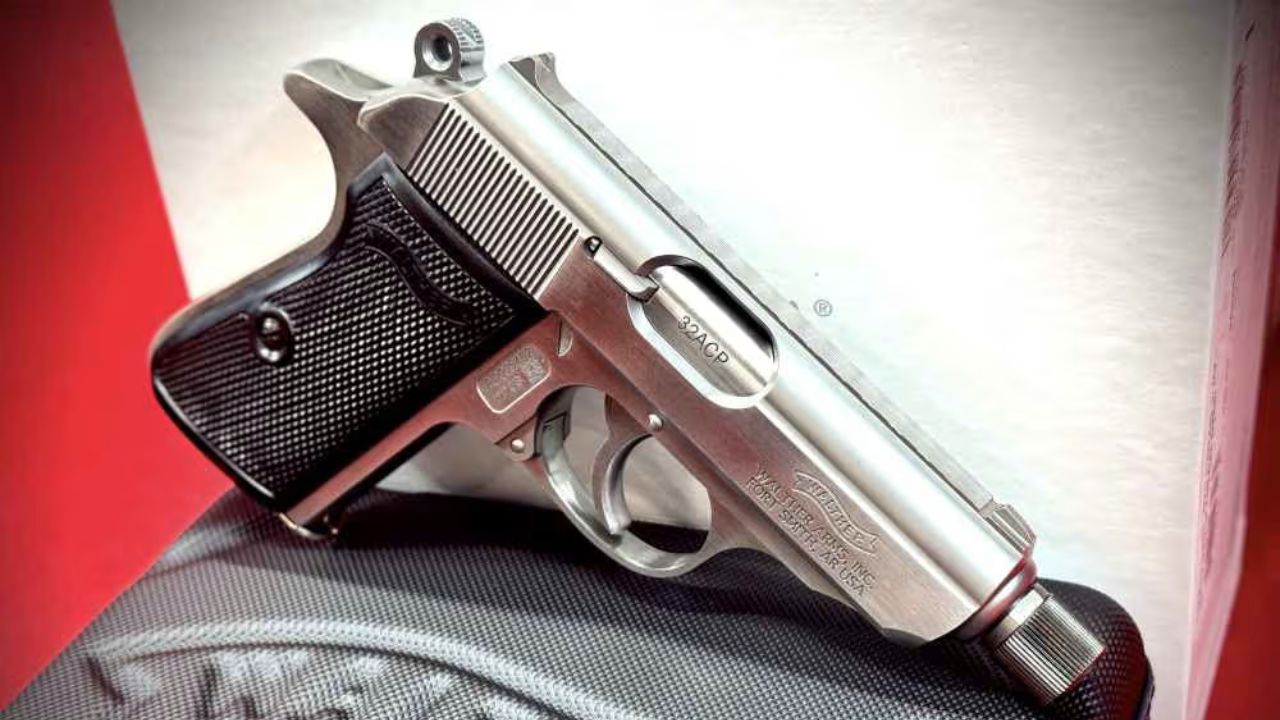
The Walther PPK has history, style, and name recognition. It looks classy, feels solid, and carries a reputation that goes far beyond the gun counter. Plenty of shooters still want one because it is iconic.
Training with one can be less romantic. The blowback design can make recoil feel sharper than expected, the slide can bite some hands, and the sights are small by modern standards. It is cool, but not especially forgiving. If someone plans to put in serious carry practice, a newer pistol will usually make the work easier.
Bersa Thunder 380
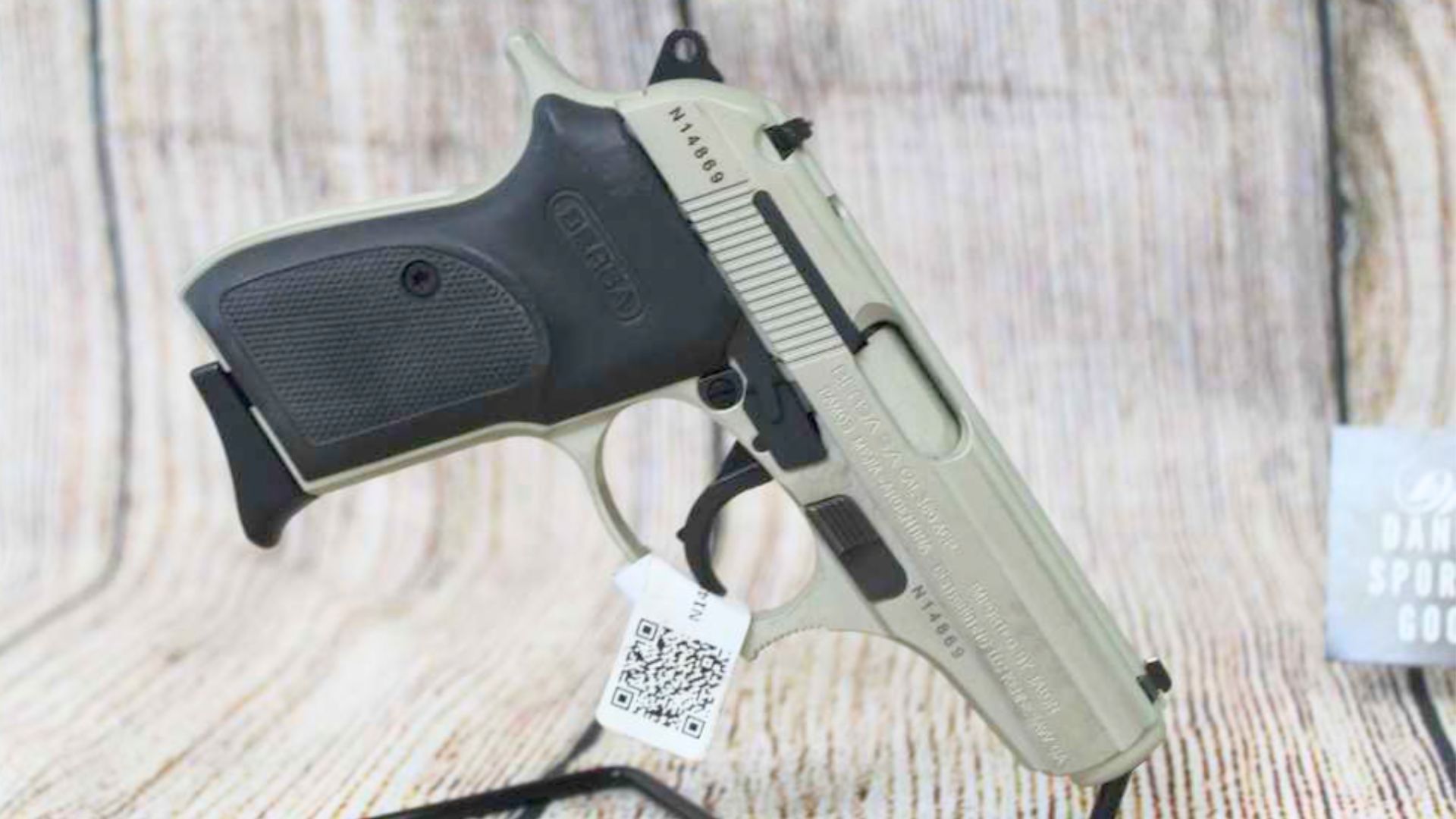
The Bersa Thunder 380 often gets recommended as a budget-friendly PPK-style pistol. It is affordable, traditional, and easy enough to understand. For shooters who like exposed hammers and manual safeties, it has familiar appeal.
The problem is that it is fairly large for what it offers and still not as easy to train with as many compact 9mms. The blowback recoil can feel sharper than expected, the controls are dated, and capacity is limited. It is not terrible, but if you plan to train regularly, the Thunder 380 starts to look less efficient than its fans claim.
Charter Arms Bulldog
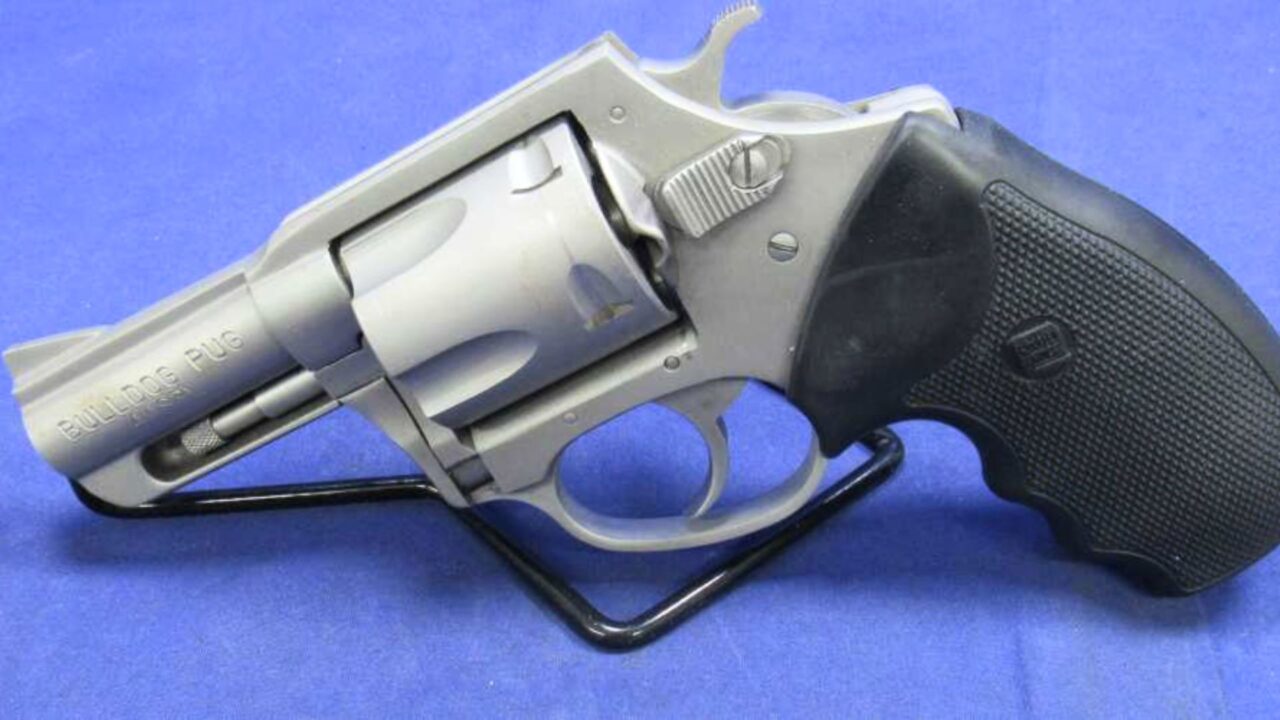
The Charter Arms Bulldog has a loyal following because it gives shooters .44 Special power in a compact revolver. It is simple, lightweight for the caliber, and easy to understand. On paper, that sounds like a strong carry option.
At the range, regular training can be a different story. The recoil is not brutal with mild loads, but it is still more than many small revolver shooters want to deal with often. The sights are basic, the trigger takes practice, and reloads are slow. It has a niche, but it is not the easiest gun to train with seriously.
Lightweight J-Frame .357 Magnum

Lightweight J-frame .357 Magnum revolvers look like the perfect carry compromise. They are small, powerful, simple, and easy to conceal. A shooter can load .38 Special for practice and .357 Magnum for carry, which sounds flexible.
The reality is that most people do not train well with full-power magnums in a featherweight snub. Recoil is sharp, muzzle blast is rough, and the small grip makes fast follow-up shots difficult. Even with .38s, the short sight radius and heavy double-action trigger take work. These revolvers can be carried, but they are not friendly training guns.
Like The Avid Outdoorsman’s content? Be sure to follow us.
Here’s more from us: