Photo credit: Reloader Joe/Youtube
Walk into enough gun shops, estate sales, and dusty farm safes and you start noticing a funny pattern: a whole bunch of rifles, shotguns, and handguns are still out there doing honest work even though the logo on the barrel belongs to a company that’s gone, merged, or faded into a footnote. The gun doesn’t care. If it feeds, fires, and holds zero, it keeps punching tags and riding in truck racks.
This isn’t a nostalgia piece where every old blued gun is “better.” Some of these were budget rigs. Some were quirky. A few were flat-out unloved until the day somebody needed a dependable tool and realized the thing still ran. Here are 20 models that stuck around long after their makers stopped being a going concern, and why outdoorsmen still grab them when it matters.
1. Marlin Model 336 (North Haven-era)

Before the brand got passed around, the 336 earned its keep the old-fashioned way: it just worked in deer woods year after year. The action on a well-used one feels like it’s on ball bearings, and it carries flatter than a lot of scoped bolt guns.
It’s not fancy, and it’s not a long-range hammer. But in thick timber with a sling on your shoulder, it points fast and balances right. Good luck finding one that hasn’t been hunted, because most of them have.
2. Marlin Model 1894 (pistol-caliber lever gun)

There’s a reason you see these in .357 and .44 riding behind pickup seats. Light, handy, and quick to run, especially when you’re hopping fences or checking a back pasture at dusk.
They’re not immune to quirks—some examples can be picky with certain bullet shapes—but a good one is pure utility. When the company behind the rollmark changed hands, the “do everything on the property” job description didn’t.
3. Harrington & Richardson Topper Model 158 (single-shot shotgun)
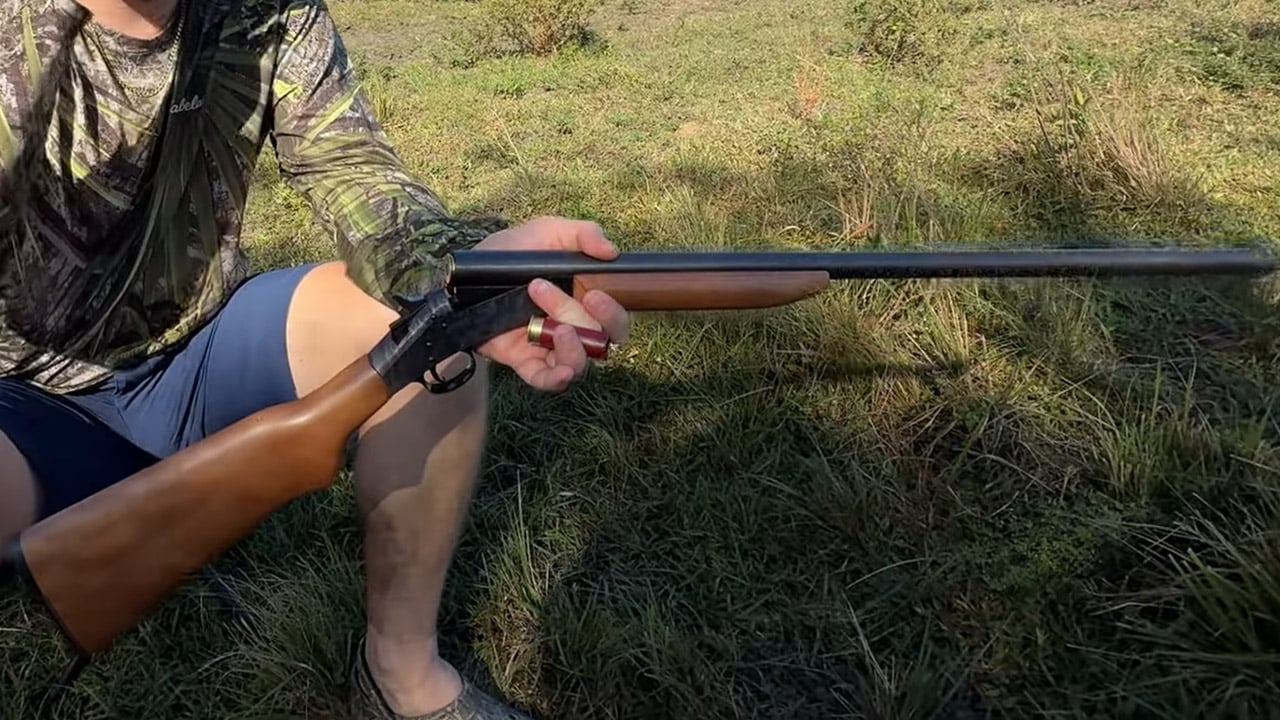
If you grew up around farms, you’ve seen a Topper leaning in a corner like it’s part of the furniture. One shell in the chamber, simple break-open action, and not much to break in the first place.
It’s not a clay-crushing machine and it’s not a turkey gun for everyone, but it’s still a legitimate “go check that noise” shotgun. And because it’s so plain, folks tend to maintain it without even thinking about it.
4. Harrington & Richardson Handi-Rifle (single-shot rifle)
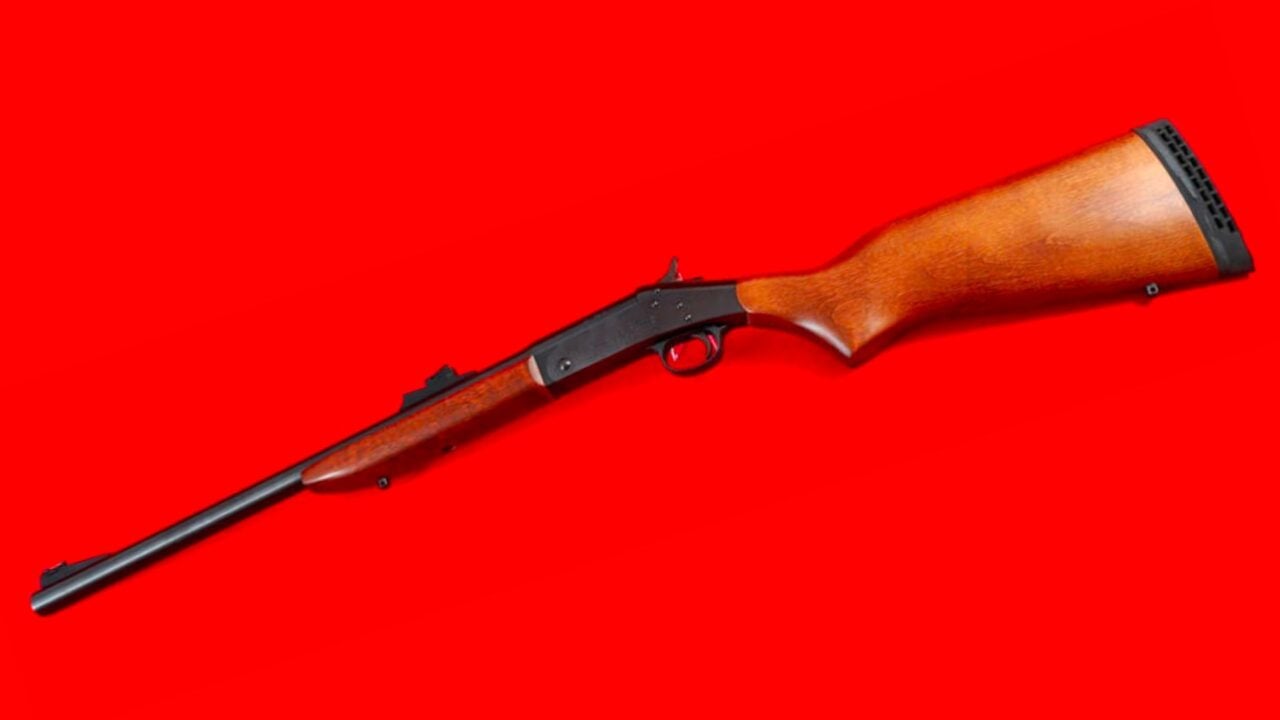
These are the definition of no-frills meat guns. A Handi-Rifle in a common caliber is a straightforward way to put venison in the freezer without worrying about magazine springs, feeding angles, or fancy bolt geometry.
The triggers vary, and the forends sometimes need a little attention to keep groups consistent, but they’ll shoot well enough for real hunting distances. A lot of hunters sold them chasing upgrades, then realized they’d traded away something they could always rely on.
5. New England Firearms (NEF) Pardner Pump
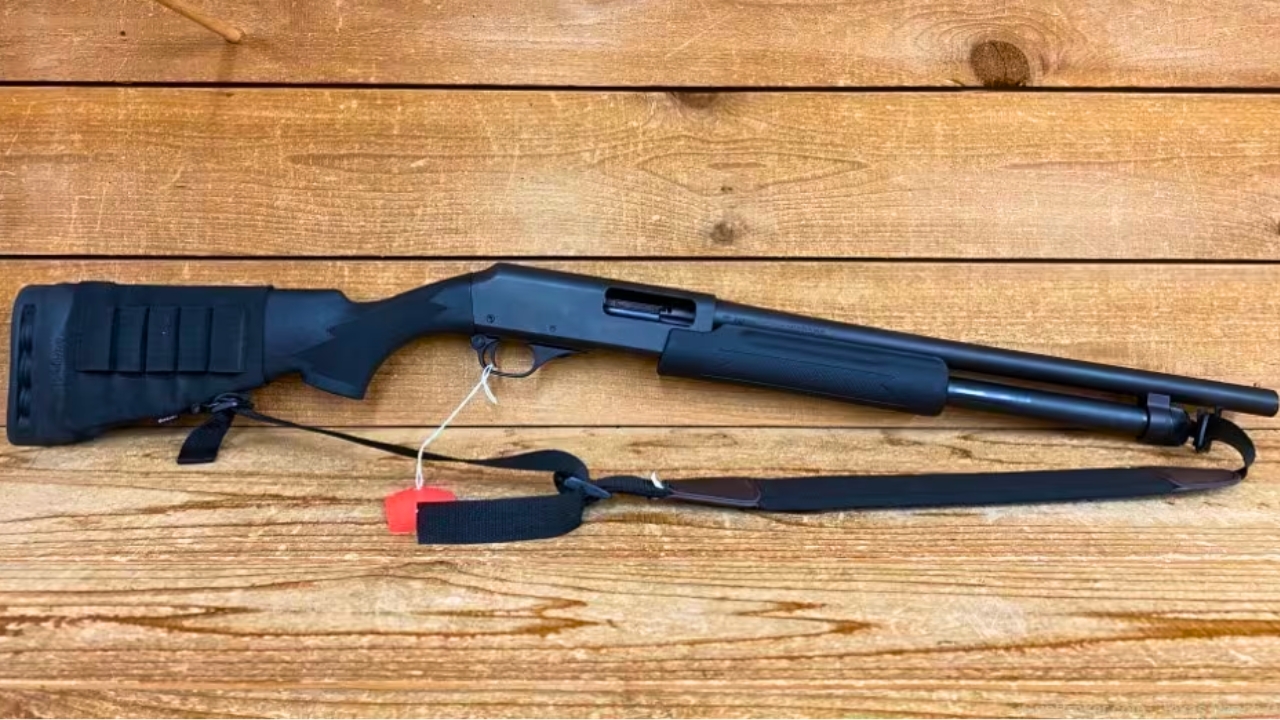
It’s basically a working man’s pump gun that never cared about status. They’re heavy enough to soak up recoil and simple enough to keep running even when they’ve been treated like a tool instead of a collectible.
Plenty of them lived hard lives in duck boats and behind truck seats. When the original maker disappeared into corporate history, the guns stayed because they’re still a cheap way to have a dependable 12-gauge on hand.
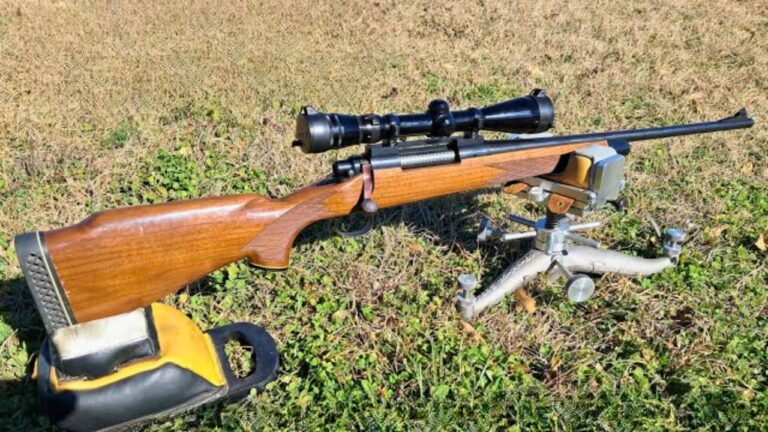
6. Winchester Model 70 (New Haven production)

This one stings for a lot of folks because the rifle outlived the original U.S. factory that built it. A good Model 70 has that controlled-round-feed confidence—especially if you’ve ever watched a buddy short-stroke a cheaper bolt gun at the worst moment.
They’re not the lightest rifles to pack up a mountain, and some examples have seen rough bedding jobs over the years. Still, if you find one that shoots, it’s the kind of rifle you stop messing with and just hunt.
7. Winchester Model 94 (late U.S. guns)
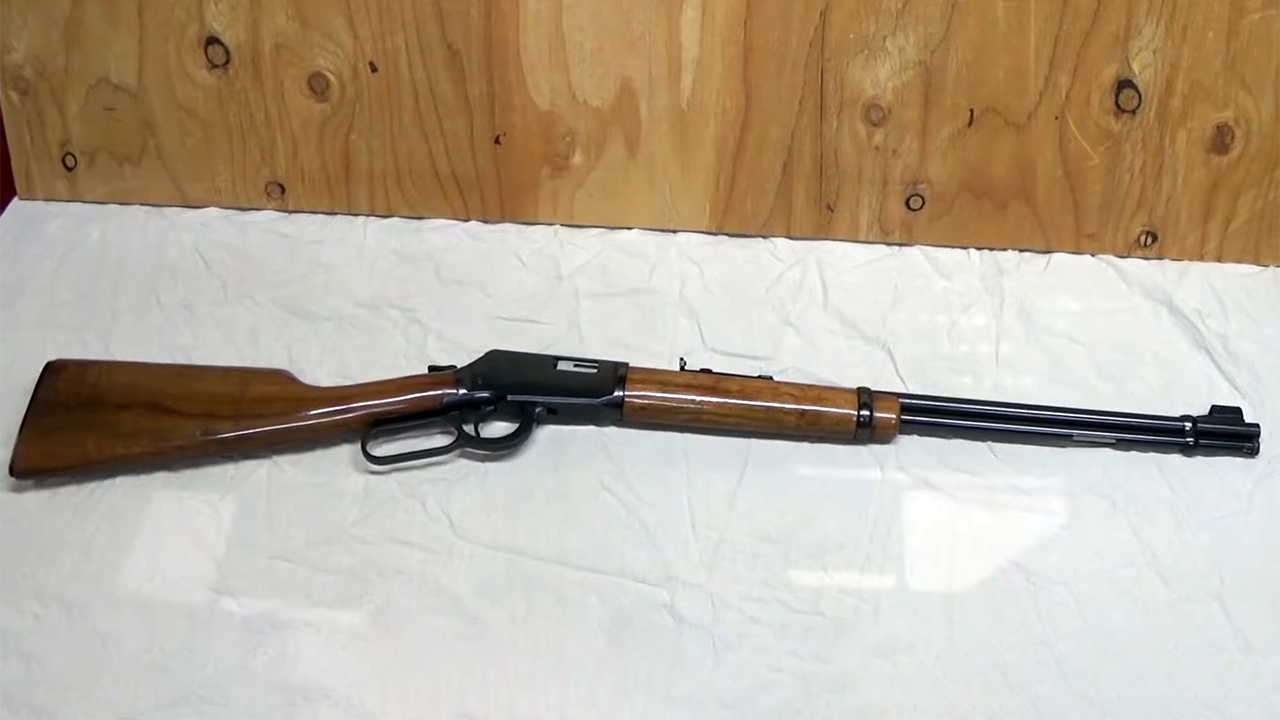
The 94 is everywhere because it was the everyday deer rifle for a long time. It’s also a reminder that “old” doesn’t mean fragile. Half the ones still in circulation look like they’ve ridden in scabbards and rattled around in toolboxes.
They aren’t scope-friendly in the classic configuration, and they’re not built for tiny groups. But if your hunting is inside 150 yards, they’re fast, light, and more capable than the internet gives them credit for.
8. Ithaca Model 37 (Featherlight pump)
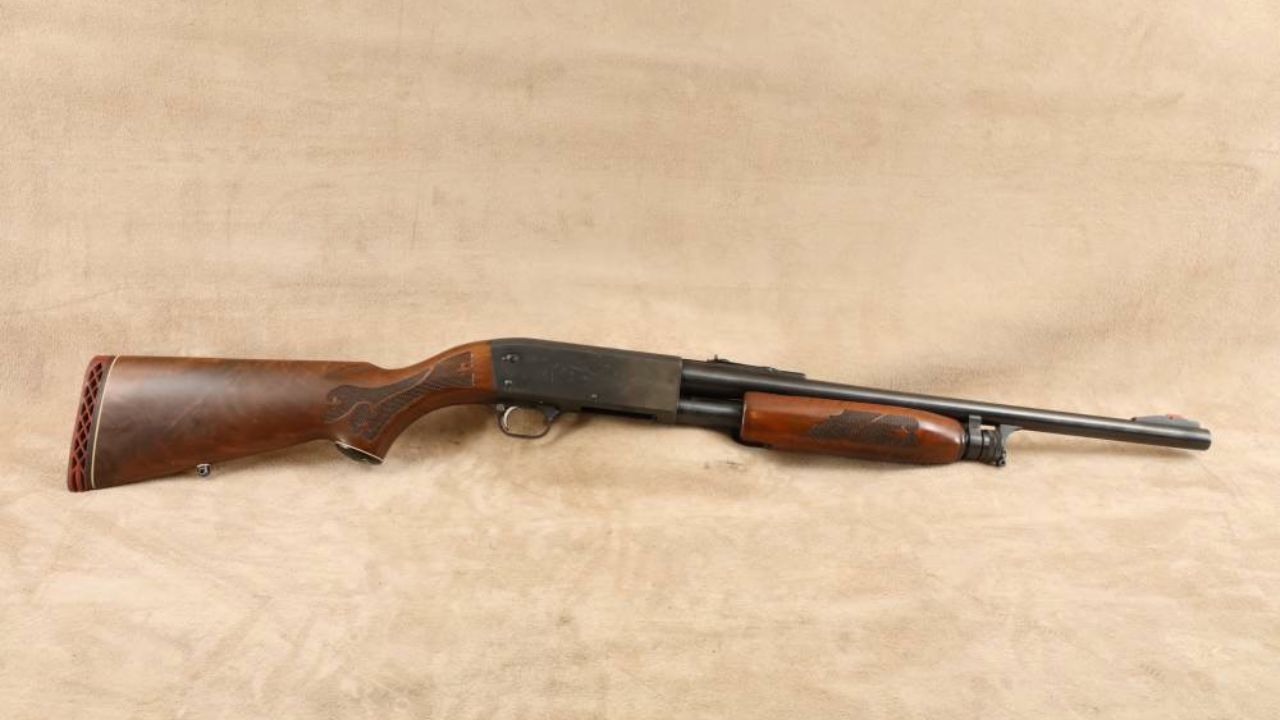
Bottom-eject pumps don’t get enough love until you carry one in the rain and realize how clean the action stays. The Model 37 also has a way of pointing naturally, like it’s following your eyes.
Parts and service depend on what era you’ve got, but the guns themselves have a reputation for longevity. If you find one with honest wear and a smooth stroke, you’re holding a field gun that never needed trendy features.
9. High Standard Sport King (woods .22 pistol)
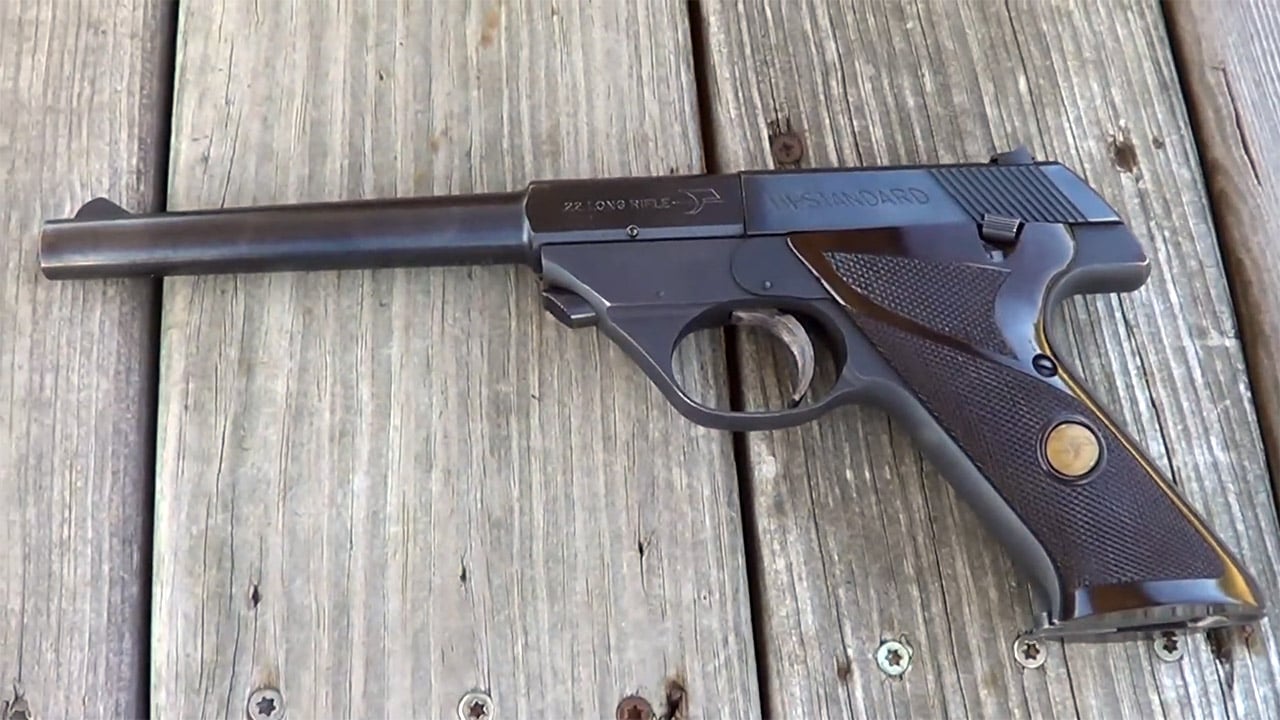
These old .22 pistols have introduced a lot of kids to shooting, and they’re still doing it. The grip angle and balance feel right, the sights are usually decent, and they’ll run all day on the ammo they like.
Are they picky? Some are. But if you’ve got one that cycles well, it’s a squirrel-camp classic. The company name may be gone, but the pistols are still quietly teaching trigger control.
10. Savage Model 99 (lever-action deer rifle)

The 99 is what happens when a lever gun grows up and starts thinking about ballistics. It carries like a lever gun but offers stronger cartridges and, on many versions, a rotary magazine that plays nicer with pointed bullets.
They can be expensive now, and finding the right ammo for certain chamberings takes effort. Still, if you’ve hunted with one, you get the appeal. It’s not just nostalgia—it’s a rifle that handles and shoots like it means it.
11. Remington Model 8 (Browning’s early semi-auto)
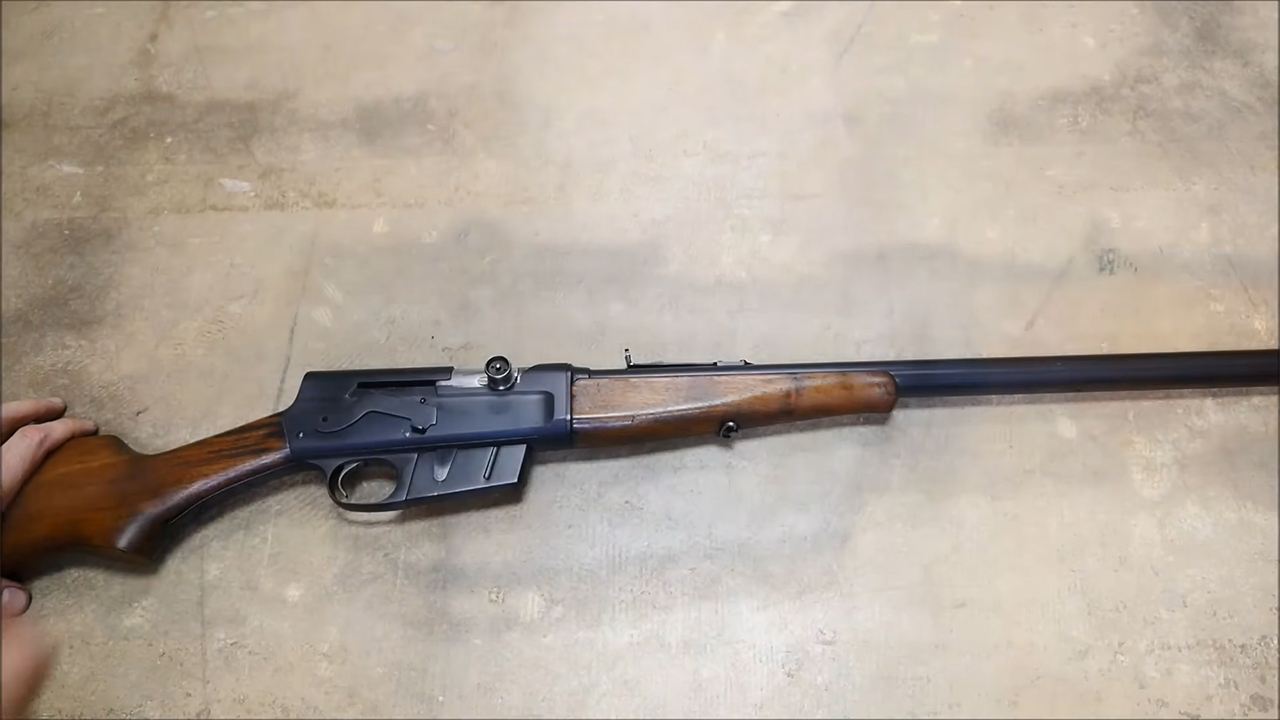
This is one of those rifles that feels like it shouldn’t still run, yet plenty of them do. The long-recoil system is different, the profile is unmistakable, and it has real “old woods” vibes without being a wall-hanger.
It’s not a modern detachable-mag rifle, and you’re not setting speed records reloading it. But as a hunting rifle that can still take deer cleanly with the right load, it’s a survivor in the truest sense.
12. Remington Model 31 (pump shotgun)
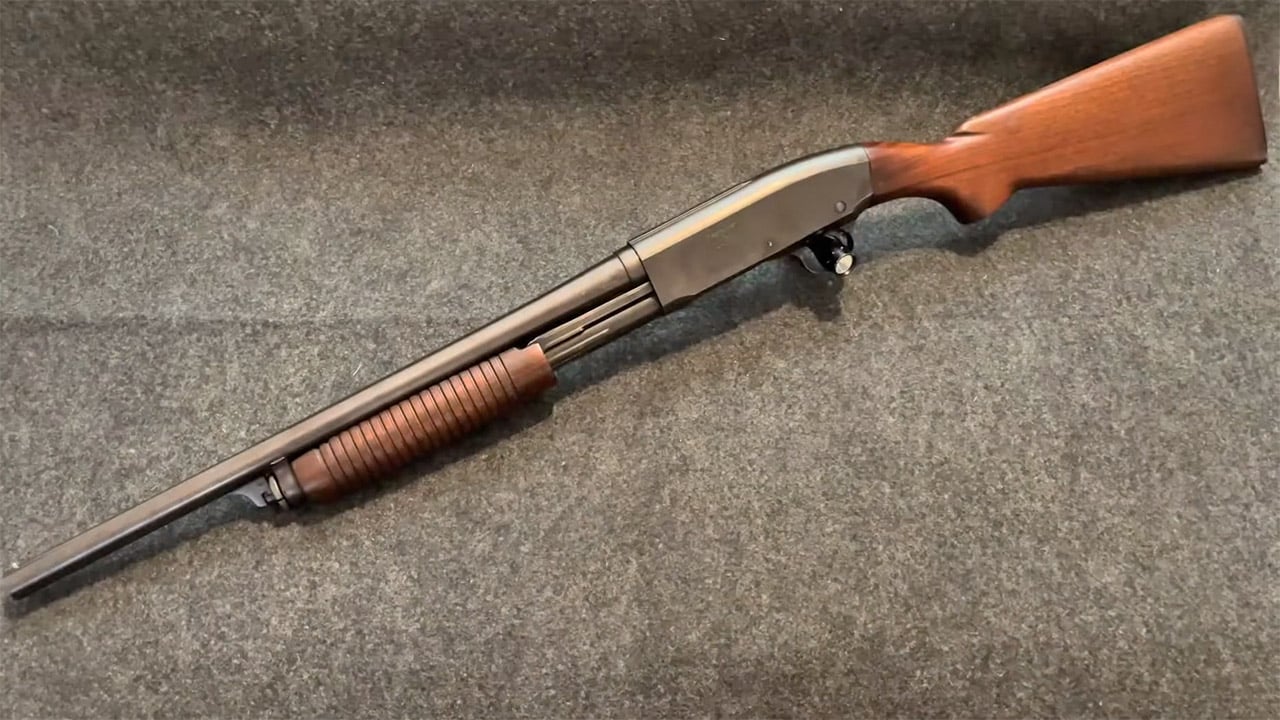
The Model 31 doesn’t get the spotlight like the 870, but the guys who own them tend to hang on tight. The action can be unbelievably smooth, and the guns have a solid, tight feel even when they’re old.
They aren’t as supported with modern accessories, and you don’t see spare barrels stacked in every shop. That’s fine. This is a bird gun that feels like it was built to be carried, not accessorized.
13. Colt Python (classic double-action .357)
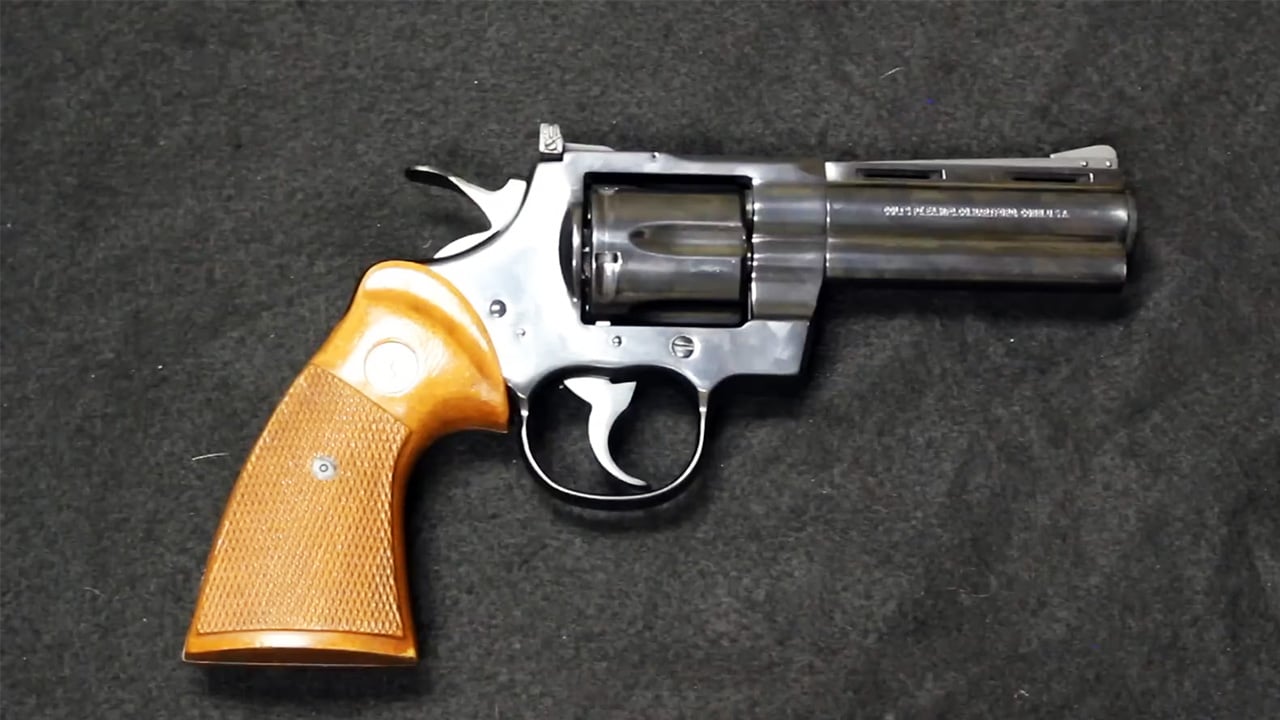
Colt’s corporate story has had more turns than a river, but the old Python reputation never went away. The trigger on a good one is the kind of thing that ruins you for average revolvers.
They’re expensive and they’re not “beat-around” guns unless you’ve got money to burn. But they stayed desirable because the fit, finish, and feel were real. Even non-revolver folks understand why these didn’t fade out with the company’s rough patches.
14. Colt Detective Special (snubnose with real shootability)
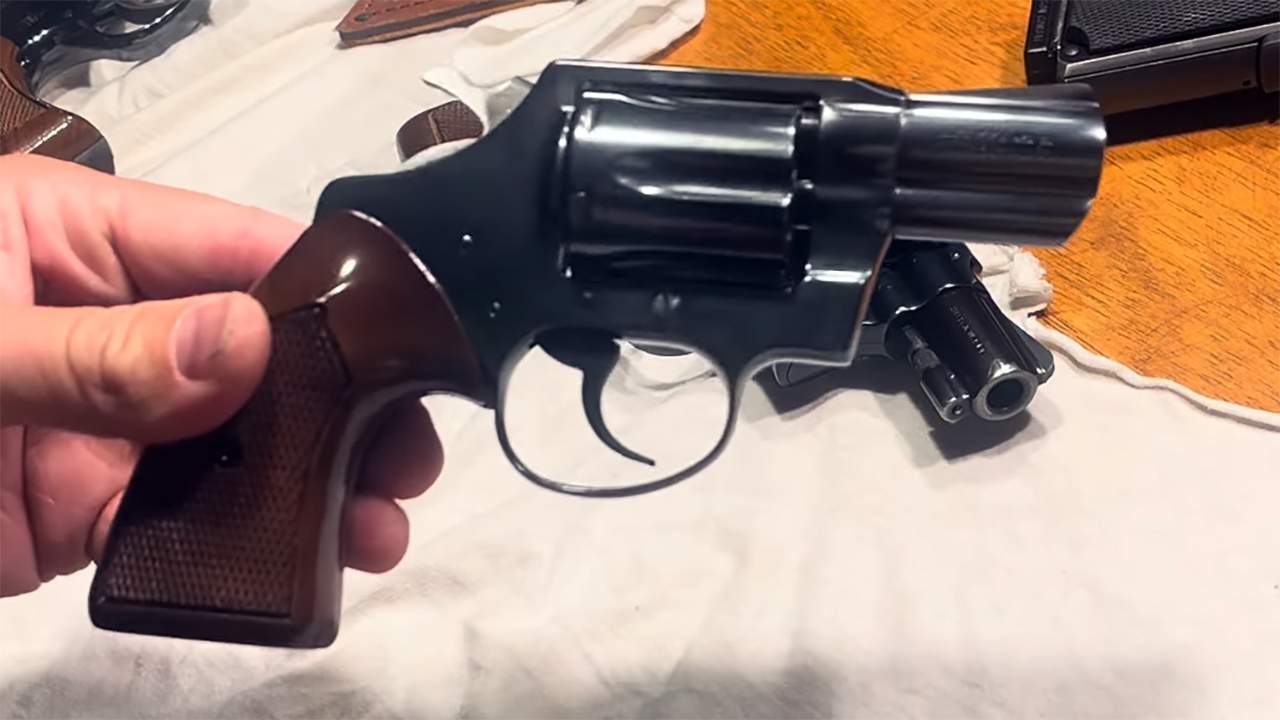
Plenty of snub revolvers are miserable to practice with. A Detective Special is one of the exceptions, mostly because it’s built on a frame that gives you something to hang on to.
It’s still a practical carry revolver if you like wheelguns, and it’s one of the few small revolvers that doesn’t feel like it exists purely to punish your hand. That kind of usefulness keeps a model alive in the culture.
15. Dan Wesson Model 15 (interchangeable-barrel .357)

Dan Wesson revolvers have a blue-collar “serious shooter” vibe. The interchangeable barrel system is clever without being gimmicky, and many of these guns shoot extremely well with the right setup.
They aren’t as common as Smiths, and some folks don’t like the look. I get it. Still, if you run into one that’s been cared for, it’s a revolver you can actually use hard without feeling like you’re babysitting it.
16. Browning BSS (side-by-side field gun)
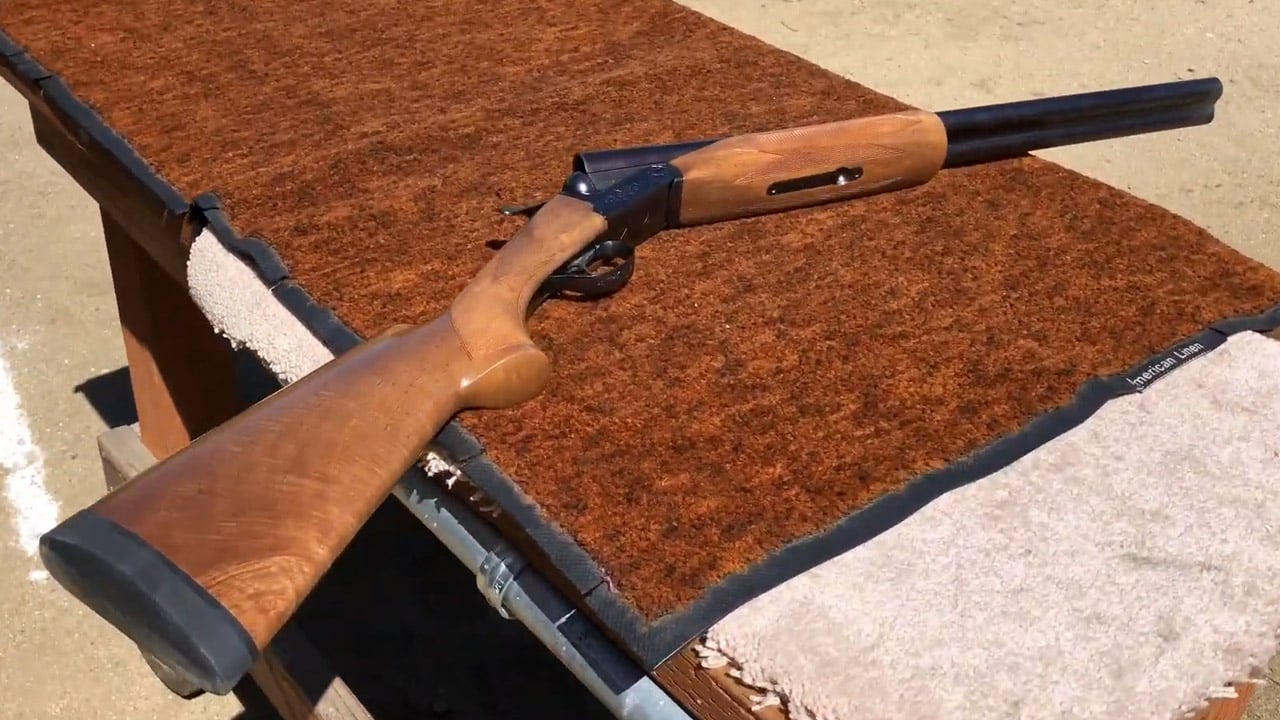
The BSS is one of those shotguns you buy because you want a side-by-side you can hunt with, not a safe queen. They tend to be durable, balanced, and straightforward.
They’re not light as a feather, and they don’t have the hand-cut artistry of high-dollar doubles. But if you want a double that can take a season’s worth of walking and still lock up tight, these keep getting the nod.
17. Browning A-Bolt (early production hunting rifle)

Even if you’ve moved on to other rifles, the A-Bolt has a track record of shooting well with minimal drama. Smooth bolt throw, decent factory triggers in many cases, and a general “it just hunts” personality.
They’re not the trendiest option and the magazine setups can annoy some guys. But if you’ve got one that prints tight groups with a basic hunting load, it’s hard to justify replacing it.
18. Ruger Red Label (over-under)

The Red Label had its ups and downs in the market, but you still see them in dove fields and at sporting clays. They shoulder naturally for a lot of shooters, and they feel like a real field gun, not a delicate showpiece.
They can be chunky compared to some European over-unders, and the fit varies by era. Still, the used ones that survived a decade of hunting are basically proof-of-life tests. They’re still out there because they do the job.
19. Ruger Deerfield Carbine (semi-auto .44 Magnum)

This is one of those “I should have bought one when they were cheap” guns. A compact .44 semi-auto that actually handles well is a sweet spot for thick woods, hogs, and around-the-farm work.
Magazines can be the headache, and you’re not stretching it to long range. But within its lane, it’s extremely useful. When a model like this disappears, the ones in good shape don’t sit for long.
20. Interarms Mark X (Mauser-action sporter)
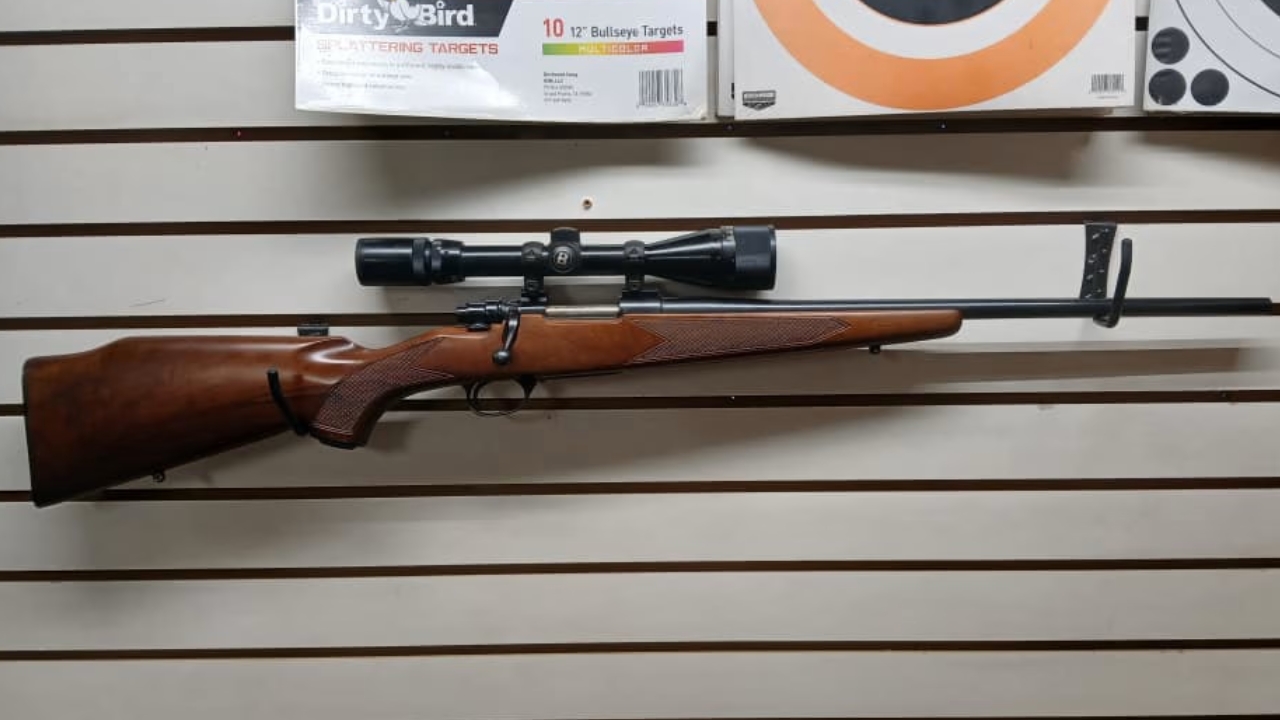
These rifles show up in hunting camps like they’ve always been there. Built around a Mauser-style action, they tend to feed reliably and feel familiar to anyone who’s run controlled-round-feed bolts.
They aren’t glamorous, and you’ll see everything from beautiful walnut to plain stocks that look like they came from a bargain rack. But the action is the heart, and these have heart. When a company name fades, a solid Mauser doesn’t.
The funny part is how many of these guns weren’t treated like “future classics” when they were new. They were just what a guy could afford, what he trusted, or what he inherited. If you’ve got one of these sitting in the safe, don’t assume it’s obsolete because the company changed or the catalog moved on. A gun that still runs, still shoots, and still fits your kind of hunting has already proven the only thing that really matters.
Like The Avid Outdoorsman’s content? Subscribe to our newsletter so you never miss an article.
Here’s more from us: